Skin Cycling Method: The Viral Trend Dermatologists Actually Approve (How to Do It Right)

TABLE OF CONTENTS
- The Viral Phenomenon That Changed Modern Skincare
- Understanding the Science Behind Skin Cycling
- The Four-Night Cycle: Breaking Down Each Stage
- Active Ingredients: What You Need to Know
- Recovery Nights: The Secret to Success
- Common Mistakes and How to Avoid Them
- Customizing Skin Cycling for Different Skin Types
- Products That Work Best for Each Night
- Real Results: What to Expect and When
- Frequently Asked Questions
The Viral Phenomenon That Changed Modern Skincare
I still remember the night my bathroom counter looked like a chemistry lab exploded across it. Seventeen different serums, eight toners, five exfoliants, and a collection of retinol products that would make any dermatologist raise an eyebrow stood before me in chaotic array. My skin, predictably, looked terrible. Red, flaky patches competed with unexpected breakouts while my bank account silently wept at the hundreds of dollars I’d invested in this beautified disaster. Like millions of others scrolling through skincare TikTok at two in the morning, I’d fallen into the trap of believing more products meant better skin, that complexity equaled effectiveness, and that if a little vitamin C was good, then layering six different actives must be spectacular. The reality check came when my dermatologist took one look at my inflamed skin and asked a simple question that changed everything: “Have you ever heard of skin cycling?”
The moment Dr. Whitney Bowe posted her now-legendary TikTok video explaining skin cycling in summer 2022, the skincare world experienced a collective awakening. Within weeks, the hashtag #skincycling had accumulated over 3.5 billion views, with dermatologists, aestheticians, and skincare enthusiasts worldwide embracing this refreshingly simple approach. But unlike most viral beauty trends that promise miracles and deliver disappointment, skin cycling represented something fundamentally different—a method created by a board-certified dermatologist, backed by decades of clinical evidence about how skin actually functions, and designed specifically to counteract the dangerous “more is better” mentality that social media had cultivated in beauty consumers. The genius lay not in discovering new ingredients or inventing revolutionary formulations, but in recognizing that timing and recovery matter just as much as the products themselves.
Before delving into the details of the article, watch this video from the Skin Renewal course :
The statistics surrounding skin cycling’s rise reveal fascinating insights into modern skincare culture. According to a 2025 survey conducted by the American Academy of Dermatology, 67% of women under 35 reported experiencing skin irritation from overuse of active ingredients, with the average person using 4.2 different exfoliating or retinoid products weekly without adequate recovery periods. Meanwhile, dermatology practices across North America reported a 340% increase in patients seeking treatment for damaged skin barriers between 2020 and 2023, with the majority of cases directly attributed to excessive layering of potent actives promoted through social media influencer recommendations. Skin cycling emerged as the antidote to this epidemic of over-exfoliation, offering a structured framework that delivers the proven benefits of retinoids and chemical exfoliants without the chronic inflammation that undermines long-term skin health.
Decades of clinical trials have validated retinoid efficacy across multiple skin aging concerns through rigorous scientific methodology. Research dating back to the 1980s established fundamental understanding of how these compounds modify gene expression to produce therapeutic benefits.
What makes skin cycling particularly revolutionary is its democratization of professional skincare knowledge. For decades, dermatologists understood that strategic ingredient rotation with recovery periods produced superior results compared to daily aggressive treatments, but this wisdom remained largely confined to clinical settings and medical literature. The average consumer, bombarded with marketing messages insisting they needed fifteen-step routines featuring every trending ingredient simultaneously, had no access to this evidence-based approach. Dr. Bowe’s viral video translated complex dermatological principles into an actionable four-night schedule that anyone could follow, regardless of their skincare sophistication or budget. The method requires no special equipment, can accommodate products from drugstore to luxury price points, and works within the constraints of real life rather than demanding unrealistic perfection.
The medical establishment’s enthusiastic embrace of skin cycling marked a significant departure from typical responses to viral beauty trends. Rather than dismissing it as social media hype, dermatological organizations and leading skincare researchers issued statements supporting the fundamental principles behind the method. The concept aligns perfectly with contemporary understanding of skin barrier function, cellular turnover rates, and the inflammatory response mechanisms that govern how skin reacts to topical treatments. Multiple peer-reviewed studies published in dermatology journals throughout 2023 and 2024 validated the core premise that alternating active ingredients with recovery periods reduces irritation while maintaining or even enhancing therapeutic efficacy compared to continuous daily application. This scientific backing transformed skin cycling from a passing trend into an established protocol that dermatologists now routinely recommend to patients struggling with retinoid tolerance or exfoliation-induced sensitivity.

The economic implications of skin cycling’s popularity have reshaped the skincare industry in unexpected ways. Brands that built their business models on convincing consumers to purchase extensive multi-step routines faced challenges as educated customers realized they could achieve better results with fewer, strategically rotated products. Simultaneously, companies offering simplified, dermatologist-formulated lines experienced explosive growth by aligning their marketing with skin cycling principles. The shift forced the entire industry to reconsider its approach to product development and consumer education, moving away from complexity-for-complexity’s sake toward efficacy-driven simplicity. By 2026, market research indicated that 42% of skincare purchases were explicitly made with skin cycling routines in mind, with consumers specifically seeking products labeled for exfoliation nights, retinoid nights, or recovery nights.
Perhaps most significantly, skin cycling addressed the psychological burden that modern skincare culture had created. The anxiety of not knowing whether you’re doing enough, the guilt of skipping steps, the confusion about product order, and the fear of missing out on the latest miracle ingredient had transformed skincare from self-care into a source of stress for countless individuals. The four-night structure provided clarity and permission—clarity about exactly what to do each night, and permission to do less rather than more. Recovery nights, once viewed as “wasting” an opportunity to apply active treatments, became celebrated as essential elements of skin health rather than signs of laziness or insufficient dedication. This mental shift proved as beneficial as the physical improvements people experienced in their skin texture and appearance.
Beginners often feel overwhelmed when first exploring skincare beyond basic cleansing and moisturizing. Understanding fundamental steps and proper product order creates the foundation needed before advancing to sophisticated routines incorporating active ingredients.
Understanding the Science Behind Skin Cycling
The biological mechanisms that make skin cycling effective operate at the cellular level through processes that scientists have studied for decades but only recently learned to optimize for home skincare routines. Your skin’s outermost layer, the stratum corneum, consists of approximately 15 to 20 layers of dead cells bound together by lipid-rich mortar in what dermatologists call the “brick and mortar” structure. This barrier protects against environmental insults, prevents excessive water loss, and regulates what penetrates into deeper skin layers. Every active ingredient you apply—whether retinoids accelerating cellular turnover or alpha hydroxy acids dissolving intercellular bonds—temporarily compromises this barrier in pursuit of therapeutic benefits. The skin cycling method works because it acknowledges this compromise and builds in sufficient recovery time for barrier restoration before the next active treatment.
Extensive medical research published in peer-reviewed dermatology journals has established the mechanisms through which topical retinoids reverse signs of aging and improve skin quality. Scientific investigations demonstrate how these vitamin A derivatives stimulate collagen production and accelerate cellular turnover.
Retinoids, the cornerstone of anti-aging skincare, function by binding to specific receptors in skin cells and altering gene expression to increase collagen production, accelerate cell division in the basal layer, and normalize keratinization processes that prevent pore clogging. However, these dramatic cellular changes don’t happen instantly or without consequence. When you apply tretinoin, adapalene, or over-the-counter retinol, your skin requires 24 to 48 hours to process and respond to this molecular signaling before another application provides additional benefit. Applying retinoids every single night doesn’t proportionally increase results because your cells need time to execute the genetic instructions these molecules provide. The second night of skin cycling recognizes this biological reality, providing optimal stimulation without the inflammatory burden of daily use that leads to the characteristic retinoid dermatitis—redness, peeling, and sensitivity—that causes so many people to abandon these powerful ingredients prematurely.
Chemical exfoliants work through entirely different mechanisms that create their own recovery requirements. Alpha hydroxy acids like glycolic and lactic acid dissolve the bonds between dead cells in the stratum corneum, effectively removing the outermost layer to reveal fresher skin beneath. Beta hydroxy acids such as salicylic acid penetrate into pores to dissolve sebum and cellular debris, preventing the formation of comedones that manifest as blackheads and whiteheads. Both processes intentionally disrupt skin structure to achieve their goals, creating a temporary window of vulnerability where your skin is more susceptible to irritation, infection, and environmental damage. The inflammation triggered by excessive exfoliation activates enzymatic pathways that actually degrade collagen and elastin—precisely the opposite of what most people hope to achieve with their anti-aging routines. By limiting exfoliation to one night every four days, skin cycling harnesses the benefits while avoiding the inflammatory cascade that undermines long-term skin quality.
The recovery nights that distinguish skin cycling from conventional skincare routines serve multiple critical functions beyond simply “giving skin a break.” During these 48-hour periods, several restorative processes occur that directly enhance the effectiveness of subsequent active treatments. First, ceramides, cholesterol, and fatty acids—the lipid components of your skin barrier—have time to reorganize and replenish in the stratum corneum, restoring the protective function temporarily disrupted by exfoliants and retinoids. Second, inflammation mediators like interleukins and prostaglandins return to baseline levels, preventing the chronic low-grade inflammation that accelerates aging and causes hyperpigmentation in darker skin tones. Third, moisture levels in the epidermis stabilize as transepidermal water loss normalizes, which counteracts the dehydration that makes fine lines appear more pronounced and causes that tight, uncomfortable sensation many people experience with active skincare. Fourth, your skin’s natural repair mechanisms activate more effectively in the absence of external stressors, allowing DNA repair enzymes and antioxidant systems to address accumulated damage from UV exposure and environmental pollution.
Research published in the National Institutes of Health databases demonstrates that barrier function recovery follows predictable kinetics after disruption from topical treatments. Studies measuring transepidermal water loss—the gold standard for assessing barrier integrity—show that skin requires approximately 48 to 72 hours to restore normal function after application of retinoids or medium-strength chemical exfoliants. This timeline corresponds almost exactly to the recovery period built into the four-night skin cycling schedule. Interestingly, when barrier function remains chronically compromised through daily application of actives without adequate recovery, the skin enters a state of persistent inflammation that paradoxically reduces the efficacy of those same active ingredients. Inflammatory mediators interfere with retinoid receptor function and alter enzyme activity in ways that blunt therapeutic responses, meaning the person applying retinoids every single night actually experiences diminished returns compared to someone following a cycling schedule with recovery periods.
The concept of skin adaptation, sometimes called retinization or the adjustment period, plays a crucial role in understanding why skin cycling produces superior long-term results compared to aggressive daily protocols. When you first introduce retinoids or strong exfoliants, your skin responds with visible irritation as it adapts to these potent molecules. Many people interpret this initial reaction as intolerance and discontinue use, missing out on the remarkable benefits that emerge once adaptation occurs. Skin cycling facilitates this adaptation process by providing sufficient recovery between exposures for your skin to upregulate protective mechanisms without experiencing the overwhelming irritation that triggers abandonment. Over time, as your barrier strengthens and cellular processes adjust to the active ingredients, you can gradually increase concentration or frequency—but always maintaining those critical recovery nights that prevent regression into chronic inflammation.
The hormonal considerations in skin cycling deserve attention, particularly for women whose skin behavior changes throughout their menstrual cycle. Estrogen levels influence skin thickness, moisture content, and inflammation responses, while progesterone affects sebum production and can trigger temporary acne flares. Many dermatologists now recommend adjusting skin cycling schedules to account for these hormonal fluctuations, perhaps extending recovery periods or reducing active ingredient concentrations during the premenstrual phase when skin is more reactive. This personalization transforms skin cycling from a rigid protocol into a flexible framework that honors your body’s natural rhythms while maintaining the core principle of balancing active stimulation with adequate recovery.
The Four-Night Cycle: Breaking Down Each Stage
Night one of the classic skin cycling routine focuses exclusively on exfoliation, transforming this simple step into a strategic intervention that prepares your skin for maximum receptivity to subsequent treatments. After removing all makeup and cleansing with a gentle, pH-balanced face wash, you apply a chemical exfoliant containing alpha hydroxy acids, beta hydroxy acids, or a combination of both depending on your skin type and concerns. The crucial detail that many beginners miss involves waiting approximately ten to fifteen minutes after cleansing before applying the exfoliant to ensure your skin is completely dry. Water remaining on the skin surface can dilute the exfoliant and alter its pH, reducing effectiveness and potentially causing uneven results. Once applied, most chemical exfoliants require between five and thirty minutes of contact time depending on concentration and formulation—rinse-off products need removal after the specified duration, while leave-on serums remain on overnight to continue their gentle action.
The art of proper exfoliation extends beyond simply applying the product to your face and hoping for improvement. Concentration matters enormously, with beginners ideally starting at 5% glycolic acid or 2% salicylic acid and gradually increasing only after skin demonstrates comfortable tolerance for several weeks. Application technique influences results as well; using gentle circular motions with fingertips distributes the product evenly while avoiding the eye area, lips, and any compromised skin where open wounds or active irritation exists. Many people make the critical error of combining chemical exfoliation with physical exfoliation tools like brushes, scrubs, or textured washcloths on the same night, creating excessive mechanical disruption that triggers inflammation and potentially causes micro-tears in skin tissue. The exfoliation night in skin cycling deliberately isolates chemical exfoliation as the sole active treatment, allowing it to work effectively without compounding barrier disruption from multiple sources.

Night two introduces retinoids, the powerhouse ingredients that represent the gold standard in evidence-based anti-aging and acne treatment. Whether you’re using prescription tretinoin at 0.025% to 0.1% concentration, over-the-counter adapalene at 0.1%, or cosmetic retinol in various strengths, the application protocol remains fundamentally similar. Begin with thoroughly cleansed, completely dry skin—waiting that same ten to fifteen minutes after washing ensures optimal absorption and minimizes irritation risk. Apply a pea-sized amount of retinoid product to your entire face, using gentle dotting motions across forehead, cheeks, nose, and chin before spreading in thin, even layers. The “pea-sized amount” instruction that dermatologists constantly repeat exists for good reason; more retinoid does not produce faster results but absolutely guarantees increased irritation, peeling, and that characteristic retinoid burn that causes people to abandon these miracle molecules before experiencing their transformative benefits.
Dermatological research has identified multiple formulation strategies and application techniques that significantly reduce the irritation commonly associated with retinoid use. Understanding evidence-based approaches to minimize side effects while maintaining therapeutic efficacy helps more people successfully incorporate these powerful ingredients.
The timing of moisturizer application relative to retinoids has sparked considerable debate in dermatology circles, with different techniques offering distinct advantages for various skin types. The traditional approach involves applying retinoid first to clean, dry skin and waiting twenty to thirty minutes before layering moisturizer on top, allowing the active ingredient maximum penetration before introducing occlusive barriers. However, people with sensitive or dry skin often achieve better tolerance using the “sandwich method”—applying a thin layer of moisturizer, waiting until it absorbs, applying retinoid, then adding another layer of moisturizer on top. This technique reduces irritation while maintaining efficacy, though results may take slightly longer to appear compared to direct application on bare skin. Some dermatologists also recommend “buffering” by mixing a small amount of retinoid with moisturizer before application for first-time users or those with extremely reactive skin, though this dilution approach requires patience as visible improvements emerge more gradually.
Nights three and four constitute the recovery period that transforms skin cycling from just another skincare routine into a scientifically sound protocol for optimizing long-term skin health. These nights require restraint and intentionality rather than elaborate product rituals. Your evening routine should include only the gentlest, most hydrating, barrier-supportive products in your collection. Start with the same gentle cleanser you use every night, remove all dirt and pollution accumulated throughout the day, pat skin dry with a soft towel, and immediately apply layers of hydrating and occlusive products to lock in moisture. This is when ingredients like hyaluronic acid, ceramides, niacinamide, peptides, and squalane shine, delivering deep hydration and supporting barrier repair without introducing irritation or inflammatory responses.
The strategic selection of recovery night products requires understanding the difference between humectants, emollients, and occlusives—three categories of moisturizing ingredients that work through distinct mechanisms to support skin barrier function. Humectants like hyaluronic acid, glycerin, and aloe vera draw water molecules into the skin from both the environment and deeper dermal layers, increasing hydration content in the epidermis. Emollients such as squalane, jojoba oil, and shea butter fill gaps between skin cells with lipid-like substances that smooth rough texture and prevent water loss. Occlusives including petrolatum, dimethicone, and plant waxes create physical barriers on the skin surface that seal in all the hydration provided by humectants and emollients beneath. The ideal recovery night routine incorporates all three categories in proper sequence—hydrating serum with humectants first, followed by emollient-rich cream or oil, sealed with a thin layer of occlusive product if your skin tolerates it without congestion.
Many beginners struggle with the discipline required to truly embrace recovery nights without sneaking in “just one more active” that promises particular benefits they desperately want to achieve. This temptation reflects the deep-seated belief that doing nothing—or more accurately, doing only supportive hydration—means wasting precious time when you could be accelerating progress toward your skin goals. However, understanding that recovery nights actively contribute to results rather than passively allowing skin to rest makes it easier to resist these counterproductive impulses. During these 48 hours, the reparative processes occurring beneath your skin surface directly enhance your skin’s ability to tolerate higher concentrations of actives in future cycles, improve how efficiently subsequent retinoid and exfoliant treatments work, prevent the hyperpigmentation that often results from chronic barrier disruption especially in darker skin tones, and maintain the healthy glow that comes from properly functioning skin rather than the inflamed redness that people sometimes mistake for improved circulation.
The morning skincare routine during all four nights of the cycle remains relatively consistent with one absolutely non-negotiable element: broad-spectrum sunscreen with SPF 30 minimum, preferably SPF 50, applied as the final step after any morning serums or moisturizers. Both retinoids and exfoliating acids increase photosensitivity, meaning your skin becomes significantly more vulnerable to UV damage that causes hyperpigmentation, wrinkles, and skin cancer risk. Skipping sunscreen while using skin cycling is not only counterproductive—it’s actively harmful, as you’re removing protective outer layers of skin while simultaneously exposing the vulnerable fresh cells beneath to carcinogenic radiation. Physical sunscreens containing zinc oxide or titanium dioxide often work better for people with sensitive skin undergoing skin cycling, as chemical sunscreen ingredients can sometimes trigger irritation when the skin barrier is temporarily compromised from the previous night’s active treatment.
Active Ingredients: What You Need to Know
Chemical exfoliants divide into two primary categories with distinct properties that make each suited for specific skin concerns and types. Alpha hydroxy acids, including glycolic acid, lactic acid, mandelic acid, and citric acid, work at the skin surface by breaking down the bonds between dead cells in the stratum corneum. Glycolic acid, derived from sugar cane, features the smallest molecular size among AHAs, allowing it to penetrate deeply and work quickly but also causing more irritation for sensitive skin types. Lactic acid, sourced from milk, offers gentler exfoliation with additional humectant properties that help maintain moisture while removing dead cells. Mandelic acid, with its larger molecular structure derived from bitter almonds, provides the most gentle exfoliation option, making it particularly suitable for people with darker skin tones prone to post-inflammatory hyperpigmentation or those with compromised skin barriers attempting to incorporate chemical exfoliation for the first time.
Beta hydroxy acids, primarily represented by salicylic acid in skincare formulations, penetrate into pores rather than working exclusively at the surface due to their lipid-soluble nature. This oil-loving characteristic makes salicylic acid the superior choice for people with oily, acne-prone skin plagued by blackheads, whiteheads, and stubborn clogged pores that don’t respond adequately to surface exfoliation alone. The anti-inflammatory properties of salicylic acid provide additional benefits beyond simple exfoliation, helping calm the redness and swelling associated with acne lesions while simultaneously preventing new breakouts from forming. However, this deeper penetration comes with increased risk of irritation, particularly when combined with other active ingredients, which makes the structured rotation of skin cycling especially valuable for people incorporating salicylic acid into their routines.

The concentration and pH of chemical exfoliants determine both their effectiveness and their potential for causing irritation or damage when used improperly. Alpha hydroxy acids function optimally at pH levels between 3.0 and 4.0, creating the acidic environment necessary for breaking intercellular bonds efficiently. Products formulated at higher pH levels might be gentler but sacrifice significant efficacy, while those below pH 3.0 can cause chemical burns despite being technically “natural” or “clean” ingredients. The concentration matters equally, with effective AHA percentages ranging from 5% for beginners up to 30% for advanced users with resilient skin. Starting low and increasing gradually over months allows your skin to build tolerance while minimizing the risk of severe irritation that might force you to abandon beneficial ingredients altogether.
Retinoids encompass a family of vitamin A derivatives with varying strengths, formulations, and mechanisms of action that suit different skin types and treatment goals. Prescription retinoids include tretinoin, the gold standard with over 50 years of clinical research validating its efficacy for acne treatment and photoaging reversal, along with tazarotene, adapalene, and the newer trifarotene formulated specifically for acne on both face and body. Over-the-counter options feature retinol, which converts to retinoic acid through enzymatic processes in your skin requiring two conversion steps, retinaldehyde, which needs only one conversion step making it more potent than retinol while remaining gentler than prescription options, and newer alternatives like bakuchiol, a plant-derived ingredient that mimics some retinoid benefits without causing the same photosensitivity or irritation.
Understanding the retinoid strength hierarchy helps you make informed decisions about where to start and how to progress as your skin builds tolerance through consistent skin cycling. Prescription tretinoin at 0.1% concentration represents the strongest commonly prescribed option, delivering maximum efficacy for wrinkle reduction and collagen stimulation but requiring careful management of the inevitable adjustment period. Adapalene at 0.1% concentration, now available over-the-counter after years as a prescription medication, offers an excellent middle ground for people seeking prescription-strength results with slightly better tolerability, particularly for acne treatment. Retinol products at concentrations between 0.25% and 1% provide entry points for beginners or people with sensitive skin, though converting these percentages to tretinoin equivalency proves challenging as stability, formulation, and individual skin factors influence actual efficacy significantly.
The formulation vehicle carrying your active ingredients influences how your skin experiences and responds to these powerful molecules. Gel formulations, typically recommended for oily or acne-prone skin, absorb quickly without leaving residue but can feel drying or irritating for people with compromised barriers. Cream formulations provide more moisturizing benefits, making them suitable for normal to dry skin types, though some people find certain cream bases too occlusive or prone to causing breakouts if their skin doesn’t process heavier textures well. Serum formulations offer lightweight delivery of high active ingredient concentrations, spreading easily across the face with minimal product required, but may need supplementation with separate moisturizers for adequate hydration. Encapsulated or time-released formulations represent advanced technologies designed to deliver retinoids gradually throughout the night, reducing initial irritation while maintaining efficacy—these sophisticated delivery systems often command premium prices but genuinely provide benefits for people who struggle with traditional retinoid tolerability.
Combination products that blend multiple active ingredients in single formulations tempt many skincare enthusiasts seeking efficiency and simplicity, but these products often conflict with skin cycling principles by preventing the strategic rotation of actives with recovery periods. A serum containing both retinol and glycolic acid might seem like a time-saving solution, but applying it means your skin never receives those crucial recovery nights when barrier repair occurs optimally. Similarly, “gentle” daily exfoliants combined with “soothing” retinol alternatives frequently deliver insufficient concentrations of each ingredient to produce meaningful results while still causing enough low-grade irritation to prevent skin from functioning at its best. The skin cycling method works specifically because it isolates potent concentrations of individual actives on designated nights, allowing each ingredient to work at therapeutic strength without interference from other molecules competing for receptor binding or enzymatic pathways.
The evolution of “retinoid alternatives” targeting people who cannot tolerate traditional vitamin A derivatives or who prefer plant-based skincare has introduced ingredients like bakuchiol, which binds to retinoid receptors and produces some similar gene expression changes without causing photosensitivity or the characteristic retinization period. While marketing claims sometimes exaggerate bakuchiol’s equivalence to prescription retinoids, clinical studies demonstrate moderate improvements in fine lines, skin texture, and pigmentation with consistent use over three to six months. These alternatives fill an important niche for pregnant or breastfeeding women who must avoid retinoids entirely, people with extremely sensitive skin disorders like rosacea or eczema where retinoid irritation proves intolerable, and individuals seeking plant-based skincare routines for ethical or personal reasons. However, for most people seeking maximum anti-aging efficacy backed by decades of robust clinical evidence, traditional retinoids remain the superior choice when used within the structured framework that skin cycling provides.
Recovery Nights: The Secret to Success
The psychological shift required to truly value recovery nights as equal partners in your skincare success represents one of the most challenging aspects of adopting skin cycling, particularly in a beauty culture that constantly promotes aggressive interventions and instant transformations. We’ve been conditioned to believe that effective skincare must involve active ingredients working visibly on our skin—tingling, peeling, purging—while the concept of deliberately doing less feels counterintuitive or even wasteful. However, understanding the biological processes occurring during recovery nights reveals that your skin is working harder during these periods than on active nights, executing complex repair mechanisms that determine whether your active treatments ultimately succeed in delivering the results you’re pursuing or fail by causing chronic damage that manifests as premature aging, persistent sensitivity, and the frustrating plateau many people experience after initial improvements.
Leading medical institutions provide comprehensive guidance on effective skincare approaches for addressing signs of aging. Evidence-based recommendations from dermatology experts help people understand realistic expectations and proper application techniques for anti-wrinkle treatments.
Ceramides, the lipid molecules that constitute approximately 50% of your skin barrier’s intercellular matrix, require time and biochemical resources to synthesize and properly organize into the lamellar structures that provide waterproofing and protection against environmental insults. During active treatment nights, retinoids and exfoliants disrupt these organized lipid layers as an unavoidable consequence of their therapeutic mechanisms. The recovery nights provide the uninterrupted window your skin needs to manufacture new ceramides through enzymatic processes occurring in the stratum granulosum layer, transport these lipids to the stratum corneum where they’re needed, and arrange them into the precise organization that creates an effective barrier. Applying additional active ingredients during this critical synthesis period diverts cellular resources away from repair toward managing the inflammatory response these actives trigger, essentially sabotaging the very barrier function you need for optimal skin health and appearance.
The hydration strategies employed during recovery nights extend far beyond simply applying moisturizer and calling it complete. A sophisticated approach incorporates layering techniques that maximize moisture retention while supporting multiple aspects of barrier function simultaneously. Begin with a hydrating essence or toner containing humectants that bind water molecules to your skin—ingredients like hyaluronic acid in various molecular weights, glycerin, sodium PCA, and tremella mushroom extract pull moisture into the epidermis from both environmental humidity and deeper dermal layers. Follow immediately with a serum containing barrier-repair ingredients such as niacinamide, which increases ceramide synthesis, peptides that signal collagen production, and antioxidants like vitamin E or resveratrol that neutralize free radicals accumulated during the day. Layer a moisturizer containing a blend of emollients and occlusives that smooth skin texture while preventing transepidermal water loss, choosing formulations suited to your climate and skin type—lighter lotions for humid environments or oily skin, richer creams for dry climates or mature skin.

Facial massage techniques incorporated during recovery night application amplify the benefits of your hydrating products while providing additional therapeutic effects through improved lymphatic drainage and blood circulation. Using gentle upward and outward strokes with your fingertips while applying serums and moisturizers helps push accumulated fluid and metabolic waste products toward lymph nodes in your neck where they can be eliminated from facial tissues. This manual lymphatic drainage reduces puffiness, particularly around the eyes and along the jawline, while improving nutrient delivery to skin cells through enhanced microcirculation in the dermal layer. The physical stimulation also activates fibroblasts in the dermis, potentially boosting collagen and elastin production through mechanotransduction pathways that translate mechanical pressure into cellular signaling. Spending just two to three additional minutes on recovery nights performing these massage movements transforms passive product application into active treatment that supports multiple dimensions of skin health.
Sleep quality during recovery nights influences how effectively your skin executes the repair processes that make skin cycling work. During deep sleep, your body releases growth hormone that stimulates cellular regeneration throughout all tissues including skin, increases blood flow to facial tissues by up to 300% compared to waking hours, and reduces cortisol levels that otherwise promote collagen breakdown and impair barrier function. People who consistently get insufficient or poor-quality sleep show measurably weaker skin barriers, slower wound healing, accelerated aging, and reduced efficacy from topical treatments compared to those who prioritize seven to nine hours of quality sleep nightly. The recovery nights in your skin cycling schedule offer the perfect opportunity to implement sleep hygiene improvements that support your skincare goals—maintaining consistent sleep and wake times, keeping your bedroom cool and dark, avoiding screens for at least one hour before bed, and using silk or satin pillowcases that reduce friction against your skin during the night.
The often-overlooked connection between internal hydration and topical moisturization becomes particularly relevant during recovery nights when your skin is attempting to restore barrier function disrupted by active treatments. Drinking adequate water throughout the day—generally eight to ten glasses for most adults, more if exercising or in hot climates—provides the foundation for all skin hydration, as the moisture captured by topical humectants must come from somewhere within your body. Dehydrated skin shows compromised barrier function regardless of how many moisturizers you apply externally, as the lipid bilayers require adequate water content to maintain their organized structure. Additionally, consuming foods rich in essential fatty acids like omega-3s from fish, walnuts, and flaxseeds, along with antioxidants from colorful fruits and vegetables, provides the nutritional building blocks your skin needs to manufacture new barrier components during those critical recovery periods.
The role of recovery nights extends beyond physical barrier repair to include managing the post-inflammatory hyperpigmentation that plagues many people, particularly those with darker skin tones, when using active ingredients without adequate recovery time. Retinoids and chemical exfoliants, while ultimately beneficial for fading existing hyperpigmentation through increased cell turnover, can paradoxically worsen discoloration if they cause chronic inflammation that stimulates excess melanin production. The inflammation triggered by insufficient recovery between active treatments activates melanocytes in the basal layer of the epidermis, causing them to produce and transfer more pigment to surrounding keratinocytes in a misguided protective response. By preventing this chronic inflammatory state through built-in recovery periods, skin cycling allows you to harness the pigment-fading benefits of actives while avoiding the iatrogenic hyperpigmentation that sometimes results from aggressive treatment protocols. Some dermatologists recommend incorporating specific brightening ingredients like tranexamic acid, azelaic acid, or kojic acid during recovery nights for people with stubborn hyperpigmentation, as these ingredients provide additional melanin-inhibiting benefits without causing the irritation associated with exfoliants or retinoids.
Common Mistakes and How to Avoid Them
The single most catastrophic error people make when starting skin cycling involves combining active ingredients on the same night, either by applying a retinoid immediately after chemical exfoliation or by using multiple exfoliating products simultaneously. This compounding of barrier disruption creates an inflammatory cascade that overwhelms your skin’s repair mechanisms, leading to severe irritation, peeling that persists for weeks, potential infection risk through compromised barrier function, and the development of contact dermatitis that may require prescription corticosteroids to resolve. The temptation to “boost results” by layering actives reflects misunderstanding about how these ingredients work—more irritation does not equal better outcomes, and the dramatic peeling that some people proudly display on social media represents barrier damage rather than successful treatment. Proper skin cycling strictly isolates each active to its designated night, allowing therapeutic concentrations to work effectively without the exponentially increased irritation risk that combinations create.
Skipping recovery nights because your skin “looks fine” and “doesn’t seem irritated” demonstrates the dangerous disconnect between visible symptoms and underlying barrier function. Many people develop what dermatologists call subclinical inflammation—low-grade inflammatory processes occurring beneath the skin surface without obvious redness, flaking, or discomfort. This invisible inflammation drives accelerated aging through collagen degradation, impairs the efficacy of active treatments by altering cellular receptors and enzyme activity, increases hyperpigmentation risk especially in skin of color, and sets the stage for sudden dramatic flares where your skin seems to abruptly “turn on you” after tolerating aggressive treatment for weeks or months. The recovery nights in skin cycling prevent this accumulation of subclinical damage by providing regular intervals for inflammation mediators to clear, repair mechanisms to activate, and barrier function to fully restore before the next active treatment.
The misapplication of products in incorrect amounts or at wrong times undermines even the most carefully planned skin cycling routine. Using excessive amounts of retinoid—more than the recommended pea-sized dose for the entire face—wastes expensive product without improving results while dramatically increasing irritation risk. Applying actives to damp rather than completely dry skin alters pH and potentially increases penetration beyond optimal levels, causing unnecessary inflammation. Forgetting to wait appropriate periods between cleansing and active application allows residual water on the skin surface to dilute products and alter their chemistry. Using incorrect pH levels for exfoliants renders them ineffective regardless of concentration—alpha hydroxy acids must be formulated at pH 3.0 to 4.0 to function properly, but many “gentle” products at neutral pH provide essentially no exfoliation despite containing AHAs on the ingredient list.
The inconsistency trap catches many beginners who start skin cycling enthusiastically but gradually abandon the structure as life gets busy or motivation wanes. Missing occasional cycles doesn’t completely negate progress, but inconsistent application prevents your skin from building the tolerance and adaptation that allows increasing potency over time. The benefits of retinoids and regular exfoliation accumulate gradually through sustained use over months and years rather than appearing after a few perfect weeks. People who approach skin cycling as a temporary experiment or a quick fix inevitably experience disappointment, while those who embrace it as a permanent framework for intelligent product rotation maintain steady improvements that compound into dramatic transformation after six months, one year, and beyond. Building habits that support consistency—setting phone reminders, keeping products visible rather than hidden in cabinets, following the same nighttime sequence every evening regardless of cycle night—makes adherence substantially easier.
The sunscreen negligence that accompanies many people’s adoption of skin cycling creates a situation where active treatments are simultaneously reversing existing photodamage while new UV exposure continues accumulating damage faster than retinoids and exfoliants can repair it. Both ingredient categories increase photosensitivity, making your skin substantially more vulnerable to burning, freckling, hyperpigmentation development, and DNA damage that progresses into skin cancer. Skipping daily broad-spectrum SPF 30 or higher sunscreen application—or worse, using tanning beds while undergoing skin cycling—represents not just carelessness but active self-sabotage. The ultraviolet radiation reaching unprotected skin undergoing active treatment causes inflammatory responses that worsen barrier function, triggers melanocyte activity that creates new hyperpigmentation, and directly damages DNA in ways that negate the anti-aging benefits you’re working to achieve through your nighttime routine.
Understanding which skincare ingredients are regulated by federal authorities helps consumers make informed safety decisions when building their routines. Regulatory bodies maintain specific guidelines about prohibited cosmetic ingredients and their safe concentrations to protect public health.
Product selection mistakes based on marketing hype, influencer recommendations, or inadequate research about your specific skin needs waste money and delay results while potentially causing unnecessary irritation. Many beginners purchase the most expensive or most popular products without considering whether formulations suit their skin type, whether active ingredient concentrations align with their tolerance level, or whether additional ingredients might conflict with their skin concerns. For instance, people with oily, acne-prone skin often use heavy occlusives during recovery nights because influencers rave about these products, only to develop clogged pores and breakouts that derail their entire routine. Those with dry, sensitive skin sometimes choose high-percentage glycolic acid because it’s the “strongest” option, experiencing severe irritation that could have been avoided by starting with gentler mandelic acid. Taking time to understand your specific skin type, reading ingredient lists rather than relying solely on marketing claims, and choosing products systematically based on their compatibility with your skin’s needs prevents these costly errors.
The comparison trap that social media amplifies causes people to abandon perfectly functional skin cycling routines prematurely when their results timeline doesn’t match the dramatic before-and-after photos flooding their feeds. Many of these viral transformations involve professional lighting, strategic makeup application, or even photo editing alongside legitimate improvements from consistent treatment. Your genetic factors, sun damage history, age, and individual skin characteristics determine how quickly you experience visible changes, with some people seeing significant improvements within four weeks while others require three months of consistent cycling before noticeable transformation. Additionally, people often underestimate their own progress because they see their face daily—taking monthly photos in consistent lighting provides objective documentation of gradual improvements that your perception fails to register. Trusting the process, maintaining consistency, and giving skin cycling the full three to six month timeframe needed for substantial transformation prevents premature abandonment based on unrealistic expectations.
Customizing Skin Cycling for Different Skin Types
Oily and acne-prone skin types benefit from skin cycling modifications that emphasize beta hydroxy acid exfoliation and oil-controlling ingredients throughout the four-night schedule. On exfoliation night, prioritize salicylic acid at 2% concentration rather than alpha hydroxy acids, as its lipid-soluble nature allows penetration into sebaceous glands where it dissolves excess oil and prevents pore blockages that manifest as blackheads and inflammatory acne. Consider using a salicylic acid cleanser in addition to leave-on treatment to provide continuous pore-cleansing benefits without over-drying skin. For retinoid night, gel formulations or adapalene specifically approved for acne treatment work better than cream-based products that might be too occlusive for congestion-prone skin. During recovery nights, use lightweight, non-comedogenic moisturizers featuring hyaluronic acid and niacinamide rather than heavy creams that could trigger breakouts. Many dermatologists recommend incorporating azelaic acid during recovery nights for people with acne-prone skin, as this ingredient provides antibacterial, anti-inflammatory, and pigment-fading benefits without causing the irritation associated with retinoids or salicylic acid.
Dry and sensitive skin requires a gentler approach to skin cycling with modifications that prioritize barrier protection and inflammation prevention. Begin with the lowest concentration options for both exfoliants and retinoids—perhaps 5% lactic acid rather than glycolic acid for exfoliation night, and 0.25% retinol rather than prescription tretinoin for retinoid night. Consider extending the cycle to five or six nights total by adding an extra recovery night between active treatments, giving your barrier additional time to strengthen before the next active application. The “sandwich method” of retinoid application—moisturizer first, then retinoid, then more moisturizer—substantially reduces irritation while maintaining efficacy over a slightly longer timeframe. During recovery nights, layer multiple hydrating products and consider adding facial oils rich in linoleic acid and ceramides to support lipid barrier repair. Some people with very dry skin benefit from using gentle cream cleansers rather than foaming formulas that strip natural oils, and from incorporating occlusive ointments or sleeping masks during recovery nights to prevent transepidermal water loss while skin repairs itself.

Combination skin that’s oily in the T-zone but dry on cheeks presents unique challenges that skin cycling can address through strategic product zoning during each night. Apply your exfoliant and retinoid treatments to the entire face as usual, but consider using different moisturizers for different areas during recovery nights—lighter gel-based products on the oily T-zone while applying richer creams to dry cheek areas. This zoned approach prevents the common problem where products chosen for oily areas leave dry regions feeling tight and uncomfortable, or products addressing dryness cause congestion in areas with active sebaceous glands. Some people with combination skin also benefit from adjusting their exfoliant choice based on what each zone needs—perhaps salicylic acid on the T-zone where congestion occurs and lactic acid on the cheeks where gentler exfoliation with added hydration proves more beneficial.
Mature skin seeking anti-aging benefits can intensify skin cycling through strategic modifications that maximize collagen stimulation while managing the increased dryness and sensitivity that accompanies aging. Consider using prescription-strength tretinoin rather than over-the-counter retinol, as the superior efficacy for wrinkle reduction and collagen production makes the slightly increased irritation worth managing carefully. Incorporate peptide serums during recovery nights, as these signaling molecules support collagen and elastin synthesis to complement the retinoid’s effects. Some dermatologists recommend adding a third active night featuring vitamin C serum, creating a modified five-night cycle—exfoliation night, retinoid night, vitamin C night, then two recovery nights. This modification provides additional antioxidant protection and collagen support while maintaining adequate recovery time. Address the volume loss that characterizes facial aging through products containing growth factors or stem cell extracts during recovery nights, though these premium ingredients require consistent use over many months before visible improvements emerge.
Darker skin tones with higher melanin content face specific concerns regarding post-inflammatory hyperpigmentation that should inform skin cycling customization. The inflammatory response triggered by exfoliants and retinoids can stimulate melanocytes to produce excess pigment, creating dark spots that prove more troublesome than the original concerns being treated. Choose gentler active ingredients initially—mandelic acid with its larger molecular size provides effective exfoliation with reduced irritation risk compared to glycolic acid, while adapalene demonstrates better tolerability than tretinoin for many people. Extend recovery periods if you notice any darkening or increased pigmentation, as this signals excessive inflammation that requires additional healing time. Incorporate specific brightening ingredients during recovery nights—tranexamic acid, kojic acid, licorice root extract, or vitamin C—to actively address existing hyperpigmentation while preventing new spots from forming. Always prioritize daily sunscreen with SPF 50 or higher and consider mineral formulas with iron oxides that block visible light contributing to melasma and hyperpigmentation in darker skin tones.
Athletes and highly active individuals whose exercise routines create sweat, friction, and potential acne mechanica need skin cycling modifications that account for these additional stressors on skin barriers. Schedule workouts strategically around your cycling routine when possible—avoid intense exercise immediately after exfoliation or retinoid nights when your barrier is temporarily compromised and sweat could cause stinging. Cleanse face thoroughly after workouts using gentle, pH-balanced cleansers that remove sweat and bacteria without stripping protective oils. Consider whether morning or evening cycling fits better with your schedule—some athletes prefer morning retinoid application followed by evening gym sessions after the product has absorbed, while others find nighttime application more practical for their routines. Don’t apply active treatments immediately after exercise when your skin is still warm and blood flow is elevated, as this increases absorption beyond optimal levels and heightens irritation risk.
People with rosacea or other inflammatory skin conditions require medical consultation before attempting skin cycling, as the active ingredients might trigger flares or worsen underlying disease. However, with proper supervision, modified versions of skin cycling can provide benefits even for these challenging skin types. Work with a dermatologist to identify specific triggers—some people with rosacea tolerate azelaic acid well during recovery nights as it provides anti-inflammatory benefits, while others can use extremely low concentrations of retinaldehyde under careful monitoring. The recovery nights become even more critical for inflammatory conditions, possibly extending to three or four nights between active treatments rather than the standard two. Focus on ingredients known to calm inflammation during recovery periods—centella asiatica, green tea extract, bisabolol, and colloidal oatmeal provide soothing benefits without the irritation risk of active treatments.
Products That Work Best for Each Night
Exfoliation night requires choosing between alpha hydroxy acids and beta hydroxy acids based primarily on your skin concerns and tolerance level. For people seeking general skin texture improvement, anti-aging benefits, and brightening effects on surface hyperpigmentation, alpha hydroxy acids represent the optimal choice with specific selection depending on sensitivity level. Glycolic acid at 5% to 10% concentration provides vigorous exfoliation for resilient skin types, available in serums, toning solutions, or peel pads that offer convenient pre-soaked application. Lactic acid at 5% to 10% concentration delivers gentler exfoliation with added humectant properties that prevent the dryness some people experience with glycolic acid, making it suitable for those with normal to dry skin seeking mild improvement. Mandelic acid at 10% concentration offers the gentlest option among AHAs due to its larger molecular size that limits penetration depth, perfect for sensitive skin or darker tones concerned about post-inflammatory hyperpigmentation risk. Beta hydroxy acids, primarily salicylic acid at 2% concentration, serve people with oily, acne-prone skin experiencing blackheads, whiteheads, and inflammatory breakouts, as its oil-soluble nature allows deep pore penetration to address congestion at its source.
Combination acid products featuring both AHAs and BHAs appeal to people with complex concerns who want comprehensive exfoliation benefits, but these formulations require careful consideration of total exfoliant load to prevent excessive irritation. A product containing 5% glycolic acid plus 2% salicylic acid provides combined surface and deep pore exfoliation that can benefit combination skin or those transitioning from single-acid formulas after building tolerance. However, combination products increase irritation potential compared to single-acid options, making them inappropriate for beginners or people with sensitive skin still establishing baseline tolerance. Some sophisticated formulations feature polyhydroxy acids like gluconolactone or lactobionic acid, larger molecular structures that provide extremely gentle exfoliation suitable for the most sensitive skin types while also offering additional antioxidant and hydrating benefits that protect barrier function.
The retinoid selection for night two depends heavily on whether you have access to prescription options or will use over-the-counter alternatives, with the decision influenced by your specific skin concerns, budget, and willingness to manage the adjustment period. Prescription tretinoin at 0.025% to 0.1% concentration remains the gold standard for anti-aging efficacy based on over five decades of clinical research demonstrating wrinkle reduction, collagen stimulation, and skin texture improvement. Generic versions cost substantially less than branded options like Retin-A, making this powerful treatment accessible at multiple price points. Prescription adapalene at 0.1% concentration, now available over-the-counter, provides excellent acne treatment with slightly better tolerability than tretinoin and specific approval for use on face and body where breakouts occur. Tazarotene at 0.05% to 0.1% concentration offers targeted treatment for stubborn acne and psoriasis with potent effects but requires careful management of irritation potential. Over-the-counter retinol at 0.25% to 1% concentration provides entry-level retinoid benefits with substantially reduced irritation, though requiring longer use periods to achieve visible improvements compared to prescription options.
Shop on AliExpress via link: wholesale-retinol-serum-skincare
Advanced retinoid formulations featuring microencapsulation, time-release technology, or lipid-soluble delivery systems command premium prices but provide genuine benefits for people struggling with traditional retinoid tolerability. These sophisticated formulations gradually release active ingredients throughout the night rather than delivering an immediate concentrated dose, reducing the initial irritation spike that causes many people to abandon retinoids prematurely. Retinaldehyde products, which require only one conversion step to retinoic acid compared to retinol’s two steps, offer enhanced efficacy with moderate improvement in tolerability, positioning them as an excellent middle ground between over-the-counter retinol and prescription tretinoin. Bakuchiol products, marketed as natural retinoid alternatives, suit pregnant or breastfeeding women who must avoid vitamin A derivatives entirely, though their efficacy remains modest compared to traditional retinoids based on current clinical evidence.
Recovery night product selection should emphasize barrier repair, deep hydration, and inflammation management through carefully layered formulations that address multiple aspects of skin health. Begin with a hyaluronic acid serum featuring multiple molecular weights—low molecular weight penetrates deeply to plump skin from within, while high molecular weight forms a moisture-retaining film on the surface. Follow with a niacinamide serum at 2% to 5% concentration to boost ceramide synthesis, reduce inflammation, and support overall barrier function. Consider adding a peptide serum containing matrixyl, argireline, or copper peptides to signal collagen and elastin production, supporting the anti-aging goals motivating your skin cycling routine. Apply a moisturizer rich in ceramides, fatty acids, and cholesterol in the proper 1:1:1 ratio that mimics your natural skin barrier composition, ensuring optimal repair of the lipid matrix disrupted by active treatments. Finally, consider sealing everything with a thin layer of squalane oil or a minimal application of petroleum jelly on particularly dry areas, though people with oily or acne-prone skin should skip this final occlusive step to prevent congestion.
Specialized recovery night treatments can address specific concerns without introducing active irritation. Centella asiatica extract, also called cica, provides powerful anti-inflammatory and wound-healing benefits perfect for skin recovering from active treatments. Snail mucin, despite its unappetizing name, delivers growth factors and glycoproteins that support barrier repair and hydration. Propolis extract offers antibacterial and antioxidant properties beneficial for acne-prone skin that still needs recovery support. Licorice root extract and tranexamic acid provide melanin-inhibiting benefits for people concerned about hyperpigmentation without causing the irritation associated with hydroquinone or other traditional brightening actives. Green tea extract, resveratrol, and vitamin E offer potent antioxidant protection that neutralizes free radicals and prevents inflammatory cascading from past active treatments.
The morning routine during all four nights of skin cycling requires only a few essential steps prioritizing gentle cleansing, hydration, antioxidant protection, and absolutely non-negotiable broad-spectrum sunscreen. Use a gentle, pH-balanced cleanser that removes overnight product residue and accumulated sebum without stripping your barrier—cream cleansers for dry skin, gel cleansers for oily skin, or micellar water for extremely sensitive skin. Apply an antioxidant serum featuring vitamin C, vitamin E, ferulic acid, or other free radical scavengers that protect against environmental damage throughout the day. Use a lightweight morning moisturizer suited to your skin type—oil-free formulas for oily skin, richer creams for dry skin, or hydrating gels for combination types. Finish with broad-spectrum SPF 50 sunscreen applied generously enough to achieve labeled protection—approximately one-quarter teaspoon for face alone, more if covering neck and chest. Mineral sunscreens with zinc oxide or titanium dioxide offer superior compatibility with sensitive skin undergoing active treatment compared to chemical sunscreens that sometimes trigger stinging when barriers are compromised.
Real Results: What to Expect and When
The timeline for visible improvements from skin cycling follows predictable phases that depend heavily on your starting skin condition, the specific products and concentrations you choose, genetic factors influencing how your skin responds to active ingredients, and most critically, your consistency in following the four-night rotation without frequent disruptions or product changes. Understanding this realistic timeline prevents premature abandonment based on unrealistic expectations while helping you recognize the subtle early changes that precede dramatic transformation. Most people experience an initial adjustment period during weeks one through three where skin may actually look worse before improvements emerge, followed by gradual visible enhancement starting around week four, and substantial transformation becoming apparent between weeks twelve and twenty-four for those who maintain consistent practice.
Weeks one through three represent the adaptation phase where your skin responds to the introduction of potent active ingredients, and this period often feels discouraging as various adjustment symptoms appear. Retinoid users typically experience the characteristic “retinoid uglies”—increased dryness, flaking, redness, and potential breakouts as the accelerated cellular turnover brings existing congestion to the surface faster than it would naturally emerge. This purging process, while frustrating, indicates that retinoids are working as intended, clearing out comedones that would eventually become visible breakouts anyway. The skin cycling schedule actually minimizes this adjustment period compared to daily retinoid use by building in recovery nights, but some symptoms remain inevitable during initial adaptation. Chemical exfoliants similarly cause temporary increases in sensitivity, potential mild stinging during application, and sometimes a brief period where skin texture feels rougher before smoothness emerges.

Weeks four through eight mark the transition period where initial improvements become noticeable as your skin completes its adaptation to active ingredients and barrier function stabilizes at its new equilibrium. Many people report that their complexion appears brighter and more even-toned during this phase as accelerated cell turnover reveals fresh skin previously hidden beneath accumulated dead cells. Surface texture improvements become apparent—the bumpy feel of congested pores begins smoothing, rough patches that resisted previous treatments start softening, and overall skin refinement becomes visible in proper lighting. Fine lines around the eyes, forehead, and mouth may appear slightly diminished as improved hydration and increased collagen production begin their gradual effects. People with acne often notice reduced frequency of new breakouts as chemical exfoliation prevents pore blockages and retinoids normalize the keratinization process that leads to comedone formation.
Weeks twelve through twenty-four encompass the transformation phase where substantial changes in skin quality, texture, and appearance justify the patience and consistency you’ve maintained throughout the previous months. Wrinkles and fine lines show measurable reduction as retinoid-stimulated collagen production reaches levels sufficient to provide visible structural support, with some studies demonstrating up to 40% improvement in wrinkle depth after six months of consistent retinoid use. Hyperpigmentation from sun damage or post-inflammatory marks fades noticeably as accelerated cellular turnover removes pigmented cells while retinoids suppress excess melanin production at the source. Skin tone becomes more uniform with reduced redness, sallowness, or uneven patches that previously bothered you. Enlarged pores appear smaller due to the combination of reduced sebum production from retinoids, prevented blockages from regular exfoliation, and increased collagen around pore openings that provides structural support minimizing their apparent size.
The maintenance phase beginning after six months of consistent skin cycling represents the point where many people feel tempted to “upgrade” their routine with higher concentrations, additional actives, or reduced recovery periods, but this impulse often undermines the sustainable success you’ve achieved. Instead, maintenance involves continuing your established routine while potentially introducing subtle adjustments like alternating between two different retinoids to prevent receptor downregulation, rotating between different types of exfoliants to address various aspects of skin texture, or incorporating targeted treatments during recovery nights for specific concerns that emerge. Some dermatologists recommend periodically taking brief breaks from skin cycling—perhaps one week every three months—to allow complete barrier restoration and prevent the subtle buildup of subclinical irritation that even proper cycling might create over extended time periods.
Individual factors profoundly influence how quickly and dramatically you experience results from skin cycling, making comparison with others’ timelines misleading and potentially discouraging. People in their twenties and thirties typically see faster improvements than those in their fifties and sixties because younger skin retains greater regenerative capacity and collagen synthesis rates. Those with minimal sun damage respond more quickly than people with extensive photodamage accumulated over decades of inadequate protection. Genetics determine your baseline collagen production, skin thickness, melanin distribution, and cellular regeneration speed—factors completely outside your control but significantly impacting your personal results timeline. Lifestyle elements including sleep quality, nutritional status, hydration levels, stress management, and continued sun protection determine whether your skin cycling efforts receive optimal support or face constant counteractive forces undermining progress.
Specialized anti-aging serums containing concentrated active ingredients complement basic skincare routines for people targeting specific concerns like wrinkles and loss of firmness. Understanding which formulations deliver genuine results versus marketing promises helps consumers invest wisely.
Shop on AliExpress via link: wholesale-facial-moisturizer-ceramides
The psychological aspects of monitoring progress deserve attention, as the gradual nature of skin improvements makes day-to-day comparison unreliable and potentially demotivating. Taking standardized progress photos monthly—same lighting, same angle, same time of day, completely bare face without makeup—provides objective documentation of changes your perception fails to register when viewing your reflection daily. Many people experience shock when reviewing their starting photos after three or six months, having forgotten how their skin actually looked before beginning the routine. Keeping a simple skin journal noting concerns, reactions, and observations helps identify patterns in how your skin responds to specific products or modifications, making troubleshooting easier when problems arise. Celebrating non-visual improvements—reduced sensitivity, fewer new breakouts, makeup application feeling smoother, compliments from others—maintains motivation during periods where progress seems to plateau.
Understanding which active ingredients deliver scientifically validated benefits helps consumers navigate the overwhelming skincare marketplace filled with exaggerated marketing claims. Reputable medical resources explain how key compounds actually function and what realistic results people should expect.
Managing expectations around what skin cycling can realistically achieve prevents disappointment and helps you appreciate genuine improvements rather than feeling frustrated that you haven’t achieved Instagram filter perfection. Skin cycling with retinoids and exfoliants provides substantial benefits for fine lines, shallow wrinkles, skin texture, hyperpigmentation, enlarged pores, and mild to moderate acne based on robust clinical evidence accumulated over decades. However, it cannot eliminate deep wrinkles or folds caused by volume loss and structural aging changes, cannot lift or tighten severely sagging skin that requires procedural interventions, cannot completely erase ice-pick or boxcar acne scars requiring laser resurfacing or microneedling, and cannot address skin concerns rooted in hormonal imbalances, autoimmune conditions, or other systemic issues requiring medical treatment. Setting appropriate expectations allows you to feel genuinely satisfied with the real, meaningful improvements that proper skin cycling delivers rather than perpetually chasing impossible perfection that no topical treatment can provide.
Frequently Asked Questions
Question 1: What exactly is skin cycling and why has it become so popular?
Answer 1: Skin cycling represents a structured skincare methodology that rotates active treatment ingredients with recovery periods over a predictable four-night schedule designed to maximize therapeutic benefits while minimizing the barrier disruption and chronic inflammation that undermine long-term skin health. Board-certified dermatologist Dr. Whitney Bowe introduced this concept through a viral TikTok video in summer 2022, where it resonated with millions of people suffering from irritation caused by the “more is better” skincare culture perpetuated through social media influencer marketing. The popularity stems from its evidence-based foundation combining decades of dermatological research with practical simplicity that anyone can implement using products at various price points, alongside the permission it grants people to do less rather than perpetually adding more steps and ingredients to increasingly complicated routines. The viral phenomenon accumulated over 3.5 billion views within months, transforming from a trendy hashtag into an established protocol that dermatology professionals worldwide now recommend to patients struggling with retinoid tolerance, exfoliation-induced sensitivity, or simply seeking sustainable long-term skincare approaches that deliver consistent results.
Question 2: How does the basic four-night skin cycling schedule work?
Answer 2: The classic skin cycling framework follows a systematic four-night rotation that strategically isolates potent active ingredients while building in mandatory recovery periods. Night one focuses exclusively on chemical exfoliation using alpha hydroxy acids like glycolic or lactic acid for surface exfoliation, or beta hydroxy acids like salicylic acid for oil-soluble pore penetration, applied to completely cleansed and dry skin then followed by gentle moisturizer. Night two introduces retinoids—whether prescription tretinoin, over-the-counter adapalene, or cosmetic retinol depending on your access and tolerance level—applied in pea-sized amounts to thoroughly dry skin with moisturizer added either before, after, or mixed with the retinoid based on your sensitivity. Nights three and four constitute the critical recovery period where you abstain from all active ingredients, focusing instead on hydrating serums containing hyaluronic acid, barrier-repair moisturizers with ceramides and fatty acids, and gentle supportive treatments that allow your skin’s natural healing mechanisms to restore the protective functions temporarily disrupted by the previous active treatments. This cycle then repeats continuously, creating a sustainable pattern your skin learns to anticipate and adapt to over time.
Question 3: Can skin cycling work for sensitive skin types?
Answer 3: Skin cycling actually provides superior outcomes for sensitive skin compared to aggressive daily active application precisely because the built-in recovery nights prevent the accumulation of chronic low-grade inflammation that sensitive types experience with conventional skincare approaches. The structured rotation allows strategic exposure to beneficial ingredients like retinoids and chemical exfoliants at therapeutic concentrations while providing adequate time between applications for barrier restoration, inflammation resolution, and adaptation processes that improve tolerance over weeks and months. However, people with extremely reactive skin, diagnosed conditions like rosacea or seborrheic dermatitis, or those experiencing active inflammation should implement specific modifications under dermatological supervision including starting with the lowest possible active ingredient concentrations, potentially extending recovery periods to three or four nights instead of the standard two, choosing especially gentle formulations specifically designed for sensitive skin, and closely monitoring responses with willingness to reduce frequency or concentration if irritation emerges. The sandwich method of retinoid application—moisturizer first, then retinoid, then additional moisturizer—provides valuable irritation reduction for sensitive types while maintaining therapeutic efficacy over a slightly longer timeframe.
Question 4: What are the biggest mistakes people make when starting skin cycling?
Answer 4: The most catastrophic errors involve combining multiple active ingredients on single nights rather than maintaining the strategic isolation that defines proper cycling, skipping recovery periods because skin appears fine when subclinical inflammation is accumulating beneath the surface, applying excessive amounts of active products under the false belief that more equals faster results, neglecting daily broad-spectrum sunscreen despite dramatically increased photosensitivity from both retinoids and exfoliants, rushing into high concentrations without allowing gradual adaptation that prevents severe reactions, and abandoning the routine prematurely during the inevitable adjustment period before visible improvements emerge around week four or beyond. Additionally, many beginners fail to ensure skin is completely dry before applying actives which alters pH and increases irritation risk, they select inappropriate products based on marketing hype rather than their specific skin needs, they introduce too many new products simultaneously making it impossible to identify what helps versus harms, and they compare their personal progress timeline to curated social media posts featuring unrealistic transformations that may involve professional lighting, makeup, or editing alongside genuine improvements. The temptation to “optimize” the basic framework by adding extra active nights or incorporating trendy ingredients during recovery periods undermines the fundamental principles that make skin cycling effective, transforming it into just another overwhelming routine that causes the very problems it was designed to prevent.
Question 5: Do I need expensive products to start skin cycling?
Answer 5: Effective skin cycling requires only well-formulated products containing appropriate active ingredients at therapeutic concentrations regardless of price point, making this method accessible to people across the economic spectrum from those purchasing affordable drugstore options to luxury consumers preferring premium brands. You can build a complete skin cycling routine using budget-friendly choices like generic tretinoin or adapalene for retinoid nights costing under $20 monthly with insurance coverage or GoodRx coupons, simple glycolic acid toners or salicylic acid cleansers for exfoliation nights available at most drugstores for $10 to $15, and basic moisturizers featuring ceramides and hyaluronic acid from brands like CeraVe or Vanicream for recovery nights at comparable prices. The efficacy of skin cycling derives from the strategic timing and rotation of ingredients combined with the discipline to maintain proper recovery periods rather than the luxury status or marketing sophistication of specific formulations, meaning a thoughtfully selected drugstore routine following proper cycling principles will outperform an expensive collection of trendy products applied randomly without structure. That said, some people prefer investing in higher-end formulations featuring sophisticated delivery systems, elegant textures, or additional beneficial ingredients that enhance their enjoyment of the routine and therefore support long-term consistency, which ultimately matters more than perfect product selection.
Selecting products requires awareness of potentially harmful chemicals that some formulations still contain despite their documented risks. Many people don’t realize that certain ingredients commonly found in skincare products have been linked to health concerns through scientific research.
Question 6: How long before I see visible results from skin cycling?
Answer 6: The timeline for noticeable skin improvements follows predictable phases beginning with an initial adjustment period during weeks one through three where skin may actually appear worse due to retinoid purging and exfoliation-induced sensitivity, followed by subtle improvements in texture and brightness emerging around weeks four through eight as adaptation completes and accelerated cellular turnover reveals fresher skin, with substantial visible transformation in fine lines, hyperpigmentation, skin tone evenness, and overall quality becoming apparent between weeks twelve and twenty-four for those maintaining consistent adherence to the four-night rotation. Individual factors including age, starting skin condition, genetic collagen synthesis rates, product selection and concentrations, lifestyle elements like sleep quality and sun protection, and the specific concerns being addressed influence how quickly you personally experience results, making comparison with others’ timelines misleading. Retinoid effects on wrinkles and collagen production require sustained use over minimum three to six months to generate measurable improvements visible to the naked eye, while exfoliation benefits for texture and brightness manifest somewhat faster within four to eight weeks. The gradual nature of these changes makes day-to-day assessment unreliable, which is why monthly progress photos taken in consistent lighting conditions provide crucial objective documentation of improvements your perception fails to register when viewing your reflection daily, often revealing dramatic transformation that shocks people when comparing their starting photos to current appearance after consistent cycling.
Question 7: Can I modify the skin cycling routine for my specific needs?
Answer 7: Dermatologists actively encourage personalizing the basic skin cycling framework to accommodate individual skin types, concerns, tolerance levels, and lifestyle factors while maintaining the core principle of rotating potent actives with adequate recovery periods. Common modifications include extending the cycle to five or six nights by adding extra recovery periods for people with very dry or sensitive skin who need additional barrier restoration time, using different exfoliant types based on specific needs like salicylic acid for acne-prone oily skin versus mandelic acid for sensitive or darker tones prone to post-inflammatory hyperpigmentation, choosing retinol rather than tretinoin for those seeking gentler entry into retinoid use or bakuchiol for pregnant women who must avoid vitamin A derivatives entirely, applying products to only specific areas of the face where needed for combination skin types with distinct zones requiring different approaches, and incorporating targeted treatments during recovery nights such as azelaic acid for acne, tranexamic acid for hyperpigmentation, or peptide serums for enhanced anti-aging support. Some advanced users create modified five-night cycles incorporating vitamin C serums as a third active night, though this requires careful attention to potential ingredient interactions and increased barrier support during recovery. The flexibility of skin cycling as a framework rather than a rigid protocol enables adaptation to virtually any skin situation while preserving the fundamental insight that recovery matters as much as active treatment.
Question 8: Should I do skin cycling during summer months?
Answer 8: Skin cycling remains beneficial year-round including summer months, but heightened sun protection awareness becomes absolutely critical during this high-UV season because both retinoids and chemical exfoliants increase photosensitivity that makes your skin dramatically more vulnerable to burning, hyperpigmentation development, premature aging acceleration, and skin cancer risk from ultraviolet radiation exposure. Summer skin cycling requires religious daily application of broad-spectrum SPF 50 sunscreen reapplied every two hours during extended outdoor exposure, consideration of mineral formulas containing zinc oxide or titanium dioxide that provide immediate physical protection suitable for sensitized skin, potential reduction of active ingredient concentrations if you notice increased irritation as heat and humidity alter how skin responds to treatments, strategic timing of cycling schedule around beach vacations or outdoor activities to avoid having freshly exfoliated or retinoid-treated skin during prolonged sun exposure, and extra attention to protective measures including seeking shade during peak UV hours between 10am and 4pm, wearing wide-brimmed hats and UV-protective clothing, and avoiding reflective surfaces like water or sand that amplify radiation exposure. Some dermatologists recommend temporarily extending recovery periods from two to three nights during summer if you spend considerable time outdoors, allowing additional barrier strengthening before the next active treatment. The key is maintaining consistent cycling practice rather than abandoning it during summer, as the anti-aging and skin health benefits continue accumulating regardless of season, but sun protection vigilance must intensify correspondingly.
Academic medical institutions have conducted extensive research validating the effectiveness of specific skincare ingredients for wrinkle reduction. Scientific evidence from respected universities helps separate genuine anti-aging solutions from marketing hype lacking clinical support.
Question 9: What’s the difference between skin cycling and just using products occasionally?
Answer 9: Skin cycling differs fundamentally from sporadic product use through its provision of consistent, predictable exposure to active ingredients at strategic intervals combined with mandatory recovery periods, creating a pattern that allows your skin to adapt progressively to increasingly effective concentrations while maintaining barrier integrity rather than experiencing random irritation spikes followed by extended breaks that prevent meaningful adaptation or sustained benefits. Random occasional application of retinoids or exfoliants lacks the systematic structure needed for your skin’s cellular processes to adjust receptor sensitivity, upregulate protective mechanisms, and develop the tolerance that enables long-term use at therapeutic levels that deliver visible transformation. The four-night cycle creates biological expectation where your skin “knows” recovery follows active treatment, allowing repair mechanisms to activate optimally rather than remaining in constant uncertain stress about whether another harsh product application is imminent. Additionally, proper cycling ensures sufficient frequency of active ingredient exposure to maintain the accelerated cellular turnover and collagen stimulation that produce anti-aging effects, whereas sporadic use often falls below the threshold needed for these processes to persist. The structured approach also prevents accidental overuse that damages barriers, while occasional random application sometimes results in people applying retinoids and exfoliants on consecutive nights without realizing the compounded irritation risk, or forgetting treatments for extended periods that negate any progress achieved. Consistency through cycling creates sustainable, long-term improvements that sporadic efforts simply cannot match.
Professional dermatologists often use surprisingly affordable products in their personal routines rather than exclusively recommending expensive luxury brands to patients. Learning which drugstore options skin experts actually trust provides valuable guidance for building effective yet budget-conscious skincare regimens.
Professional dermatology organizations provide evidence-based guidance helping consumers distinguish between different retinoid formulations and understand which options suit various skin types and concerns. Expert recommendations from board-certified dermatologists clarify the differences between prescription and over-the-counter choices.
Question 10: Can I combine skin cycling with professional treatments like chemical peels?
Answer 10: Professional dermatological treatments require careful timing coordination with your home skin cycling routine because the dramatically increased sensitivity and barrier disruption from procedures like chemical peels, laser resurfacing, microneedling, or intense pulsed light therapy create temporary vulnerability where continuing your normal active ingredient rotation could cause severe complications including chemical burns, infection through compromised barriers, excessive inflammation, prolonged healing times, and potentially permanent scarring or hyperpigmentation. The standard protocol involves pausing all active treatment nights—both exfoliation and retinoid applications—for approximately one week before scheduled professional procedures to allow your skin barrier to reach maximum strength and integrity prior to the controlled injury these treatments inflict, then extending the pause for two to four weeks after procedures depending on the treatment intensity and your individual healing progression before gradually reintroducing skin cycling starting with recovery night products only, then adding back exfoliation at reduced frequency and concentration, and finally resuming retinoids once your dermatologist confirms complete healing. Always inform your treating physician or aesthetician about your complete home skincare routine including all active ingredients and their frequencies before scheduling any professional treatments, as failure to disclose this information can lead to complications that compromise both safety and results. Some people find that consistent skin cycling reduces their need for aggressive professional treatments by maintaining such effective ongoing improvement that occasional gentle maintenance procedures suffice rather than requiring dramatic interventions to address accumulated damage.
Articles related:
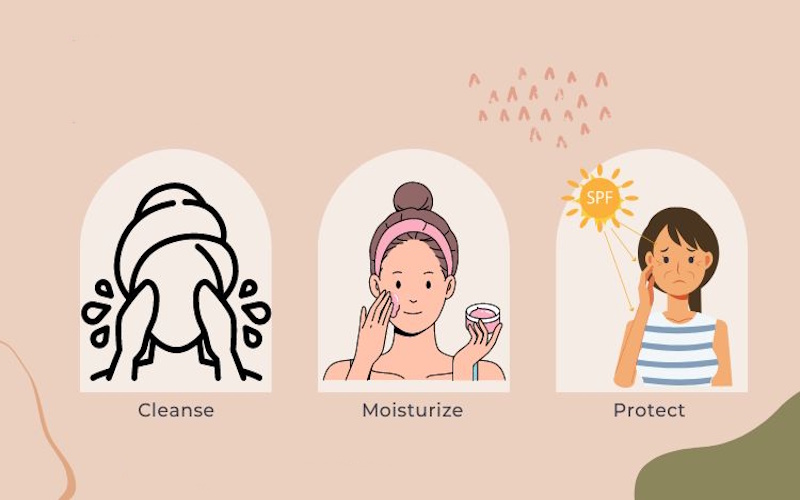
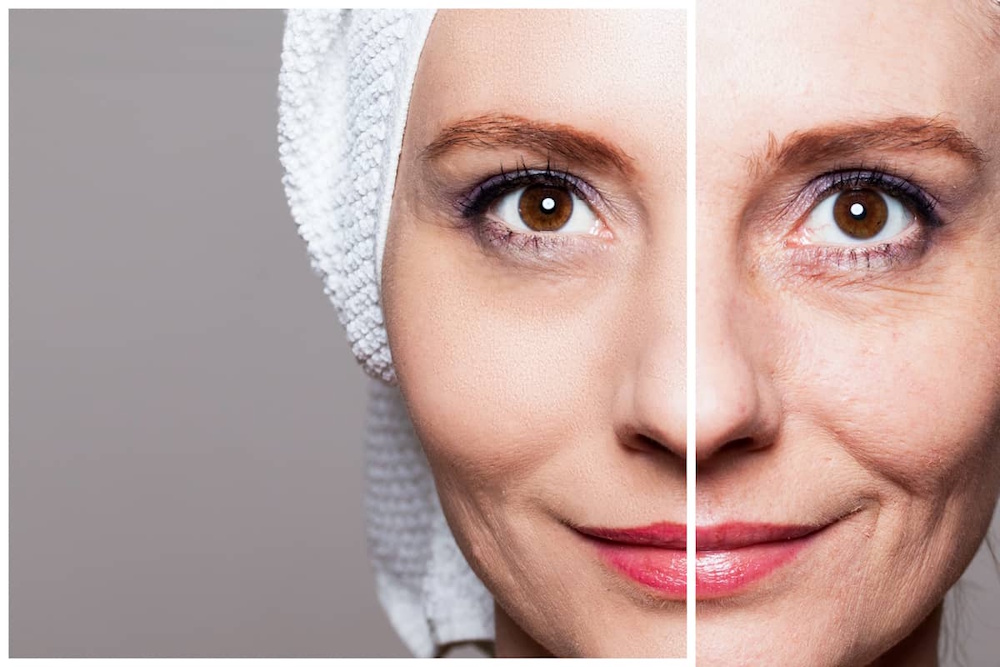




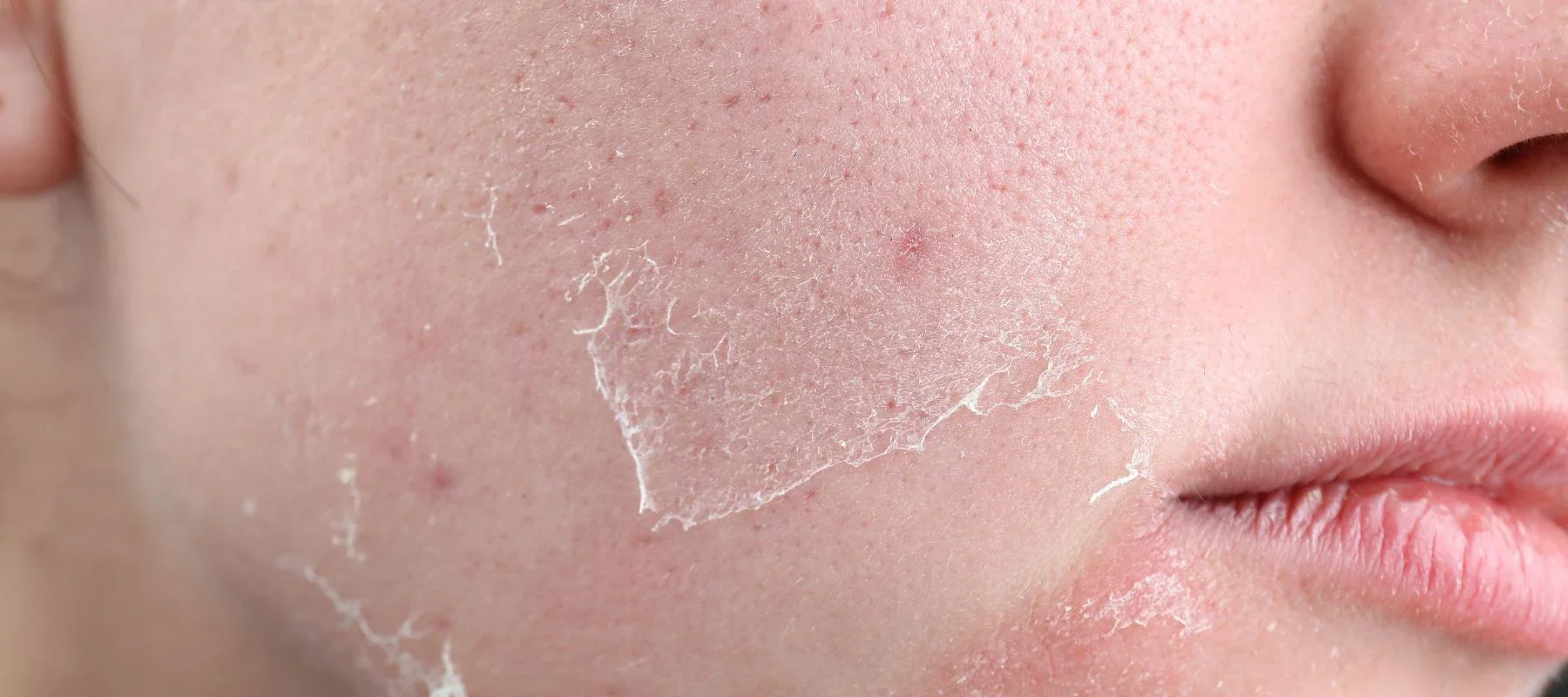

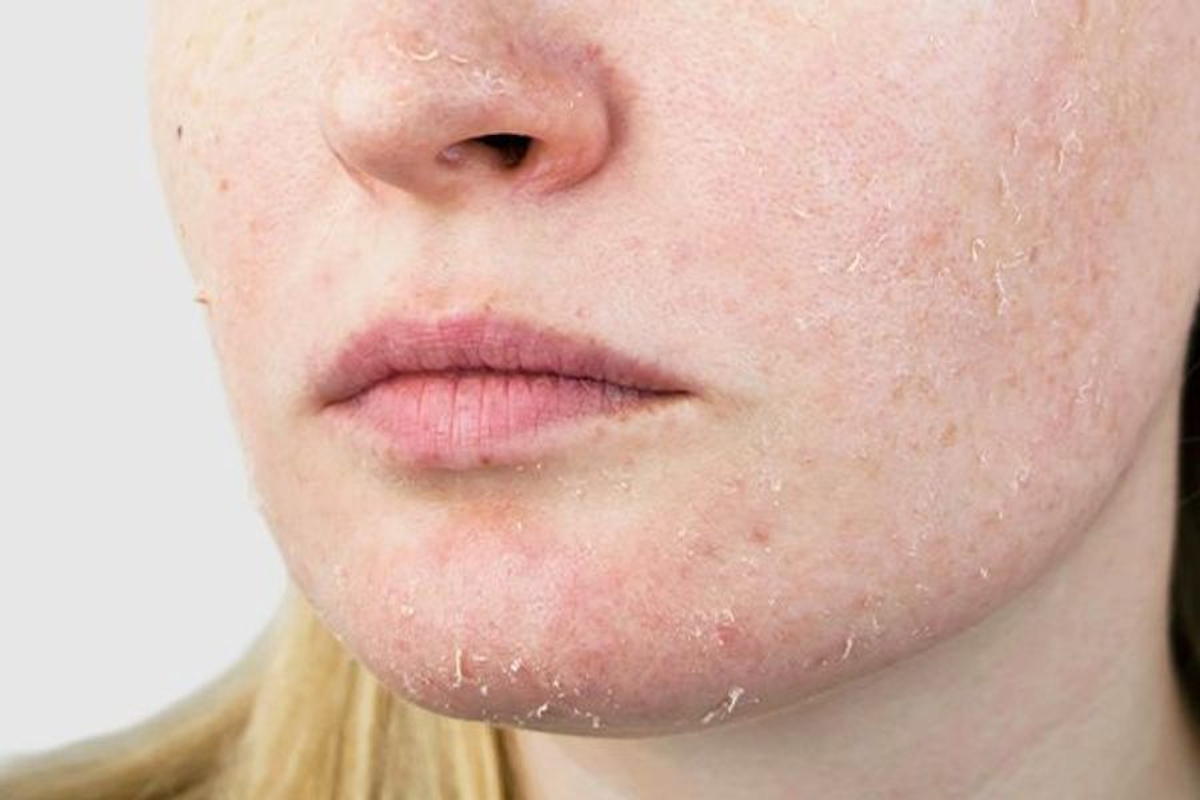
Tags
📧 Get More Articles Like This
Subscribe to receive product reviews and buying guides in your inbox!
We respect your privacy. Unsubscribe at any time.