Beauty Sleep Decoded: Night Routines That Actually Change Your Skin (Science-Backed)

PART 3: ARTICLE BODY
Table of Contents
- Introduction: The Science Behind Beauty Sleep
- Your Skin’s Circadian Clock: The 24-Hour Cycle
- What Actually Happens to Your Skin While You Sleep
- Building Your Science-Backed Night Routine
- Choosing the Right Products for Nighttime
- Optimizing Your Sleep Environment for Skin Health
- Common Mistakes That Sabotage Your Beauty Sleep
- Conclusion: Your Path to Better Skin Starts Tonight
- Frequently Asked Questions
Introduction: The Science Behind Beauty Sleep
Sarah stared at her reflection in the bathroom mirror at two in the morning, dark circles shadowing her eyes like bruises. The presentation was tomorrow, and she’d spent the last week surviving on four hours of sleep per night, mainlining coffee and ignoring her skincare routine. Her normally glowing complexion looked dull, almost gray, and fine lines she’d never noticed before seemed to have appeared overnight. She touched her face gently, feeling the dryness, the tightness, the unmistakable signs of exhaustion etched into her skin. “Just one more week,” she promised herself, not knowing that the damage accumulating beneath the surface would take months to reverse, even with the most expensive serums money could buy.
This video sheds light on the scientific truth behind “beauty sleep” and how it affects the skin, and there is still information hidden in the exclusive details at the bottom of this article - information you may not have discovered yet:
This scenario plays out in bathrooms across the world every single night. According to CDC sleep health benefits research, more than one-third of American adults regularly fail to get the recommended seven to nine hours of sleep each night. The consequences extend far beyond feeling tired during morning meetings or reaching for an extra cup of coffee. Your skin, the body’s largest organ, depends absolutely on quality sleep for its fundamental regeneration processes. When you shortchange your sleep, you’re literally watching your skin age in real-time, cell by damaged cell.

The concept of beauty sleep has existed for generations, but modern science of sleep processes has transformed it from folklore into documented biological reality with measurable cellular mechanisms. Sleeping Beauty didn’t just wake up with perfect skin because of magic in the fairy tale, the story intuited something that modern science has now definitively proven with sophisticated research methodologies and advanced imaging technologies. During sleep hours, your skin undergoes extraordinary transformations that simply cannot occur during waking hours when your body allocates resources to conscious activities, physical movement, and environmental defense mechanisms rather than cellular repair and regeneration processes.
Recent studies from the National Institutes of Health demonstrate that skin cell division rates peak during nighttime hours, specifically between eleven in the evening and midnight, when growth hormone secretion reaches its daily maximum. This isn’t coincidental timing or random biological variation, your entire body operates according to circadian rhythms, ancient internal clocks that evolved over millions of years to synchronize physiological processes with the predictable cycle of day and night. Your skin cells literally know what time it is, responding to darkness by shifting from protection mode into intensive repair mode, a transition that happens whether you’re consciously aware of it or not.
The implications extend far beyond simple hydration or temporary puffiness that disappears by lunchtime. Research published in Clinical and Experimental Dermatology found that people classified as poor quality sleepers, those consistently getting five hours or less per night, showed significantly increased signs of intrinsic skin aging compared to good quality sleepers who maintained seven to nine hours nightly. The poor sleepers demonstrated diminished skin barrier function, meaning their skin couldn’t retain moisture effectively or protect against environmental stressors. They exhibited lower satisfaction with their appearance, reporting concerns about premature aging, uneven texture, and persistent dullness that no amount of topical products seemed to improve despite expensive product regimens and professional treatments.
Understanding the science behind beauty sleep transforms it from passive rest into an active skincare treatment, possibly the most powerful one available regardless of how much money you’re willing to spend on serums and creams. When you sleep, your body temperature drops slightly, triggering increased blood flow to your skin. This enhanced circulation delivers oxygen and essential nutrients to skin cells while simultaneously removing metabolic waste products and toxins that accumulated during your waking hours. The skin barrier becomes more permeable during nighttime hours, a phenomenon that initially might sound negative but actually represents a critical opportunity. This increased permeability allows both moisture loss, which we’ll address with proper product selection, and enhanced absorption of beneficial ingredients applied in your nighttime routine.
The statistics paint a compelling picture that should concern anyone interested in maintaining healthy, youthful skin throughout their lifetime. The CDC reports that chronic insufficient sleep increases risks for numerous health conditions including type two diabetes, cardiovascular disease, depression, and accelerated cognitive decline. These systemic health impacts inevitably manifest in your skin’s appearance and function because skin health reflects overall physiological wellness. You cannot separate skin aging from systemic aging, they progress in parallel, each influencing the other through complex biochemical pathways that scientists are still working to fully understand decades into this research field.
This article decodes the science behind beauty sleep, translating complex circadian biology and dermatological research into actionable strategies you can implement tonight. We’ll explore exactly what happens to your skin during different sleep stages, why timing matters as much as duration, and how to build a nighttime routine that leverages your body’s natural repair mechanisms rather than fighting against them. You’ll learn which products actually work during nighttime hours based on peer-reviewed research rather than marketing claims, how to optimize your sleep environment for maximum skin benefits, and which common mistakes are actively sabotaging your skin’s overnight regeneration regardless of how expensive your products might be. The goal isn’t just better skin, it’s understanding how to work with your body’s innate wisdom rather than against it, creating sustainable habits that compound over months and years into dramatically improved skin health that people will notice even if they can’t quite identify what changed about your appearance.
Your Skin’s Circadian Clock: The 24-Hour Cycle
Your skin doesn’t just passively exist on your body’s surface, it actively participates in an intricate biological dance choreographed by your circadian rhythm, the master internal clock located in the suprachiasmatic nucleus of your brain’s hypothalamus. This tiny cluster of neurons, containing only about twenty thousand cells, exerts enormous influence over virtually every physiological process in your body, from hormone secretion to body temperature regulation to the precise timing of skin cell division and repair. Understanding how your skin’s circadian clock functions transforms abstract scientific concepts into practical knowledge you can leverage for better skin health starting immediately.

Research on circadian rhythm skin regeneration published by the National Institutes of Health confirms that skin contains its own peripheral circadian clocks, molecular machinery within individual skin cells that maintains approximately twenty-four-hour rhythms even in laboratory conditions completely isolated from light cues or temperature changes. These peripheral clocks don’t operate independently, they synchronize with the master clock in your brain through hormonal signals, particularly melatonin and cortisol, and through temperature fluctuations that occur throughout each twenty-four-hour cycle. When these clocks fall out of sync, a condition researchers call “circadian disruption,” the consequences manifest visibly in your skin’s appearance and measurably in its functional capacity to protect and repair itself effectively.
During daylight hours, your skin prioritizes protection mode, ramping up defenses against ultraviolet radiation, pollution, physical trauma, and pathogenic bacteria attempting to breach your body’s primary barrier. Keratinocyte proliferation rates decrease during morning and afternoon hours because cell division during peak UV exposure times would leave newly formed DNA vulnerable to photodamage. Your skin cleverly evolved to replicate its genetic material during darkness when harmful radiation cannot interfere with this delicate process. Sebum production follows its own rhythm, peaking around one in the afternoon and reaching its nadir during late evening hours, which explains why your face often appears shinier by mid-afternoon even if you cleansed thoroughly that morning.
Skin temperature varies predictably throughout the day, peaking in the afternoon around four o’clock and dropping to its lowest point during early morning hours between two and four in the morning. This temperature variation isn’t merely incidental, it actively influences skin permeability and barrier function. The stratum corneum, your skin’s outermost protective layer composed of dead keratinocytes arranged like bricks in a mortar of lipids, undergoes circadian changes in its structure and permeability. Research demonstrates that skin permeability increases significantly during evening hours compared to morning measurements, reaching maximum levels around four in the morning when skin temperature hits its lowest point and transepidermal water loss accelerates.
This increased nighttime permeability represents both a challenge and an opportunity that strategic nighttime skincare routines can exploit for maximum benefit. The challenge involves preventing excessive moisture loss during these vulnerable hours when your skin barrier becomes more permeable, potentially leading to dehydration and compromised barrier function by morning. The opportunity lies in enhanced absorption of beneficial ingredients applied during evening hours when increased permeability allows active compounds to penetrate more deeply into skin layers where they can exert their effects most powerfully on cellular metabolism and repair processes.
Blood flow to skin also follows a circadian pattern, increasing substantially during nighttime hours to support the intensive repair and regeneration activities occurring in darkness. This enhanced circulation delivers oxygen and nutrients to metabolically active skin cells while simultaneously removing carbon dioxide and metabolic waste products generated during cellular activities. The combination of increased blood flow and decreased body temperature during sleep creates optimal conditions for growth hormone release, which peaks during the first few hours of deep sleep and drives cellular proliferation, protein synthesis, and tissue repair throughout your body including your skin.
The circadian rhythm also regulates DNA repair mechanisms within skin cells, a critical function considering the constant assault your DNA faces from ultraviolet radiation, pollution, and normal metabolic processes that generate reactive oxygen species. Studies examining DNA repair enzyme expression in skin demonstrate clear circadian patterns, with repair activity peaking during nighttime hours when cells can focus energy on fixing accumulated damage rather than defending against ongoing assaults. This explains why adequate sleep proves so critical for preventing skin cancer and premature aging, the repair window that opens during darkness cannot compensate if you consistently fail to allocate sufficient time for these processes to complete their work before morning sun exposure begins accumulating fresh damage.
Disrupting your circadian rhythm through shift work, frequent time zone changes, irregular sleep schedules, or excessive light exposure during darkness hours scrambles these carefully orchestrated processes with visible consequences. Understanding circadian rhythms health impact helps explain why maintaining consistent sleep schedules proves so critical for skin repair efficiency beyond simple duration of rest. Research on night shift workers demonstrates they experience significantly higher rates of multiple skin conditions including acne, eczema, and psoriasis compared to day shift workers maintaining regular sleep schedules aligned with natural light-dark cycles. The disruption doesn’t just affect skin appearance, it fundamentally compromises skin function including barrier integrity, immune responses, wound healing capacity, and even susceptibility to skin infections and inflammatory conditions that thrive when circadian regulation falters.
While Western dermatology traditionally recommended simplified three-step routines, Asian beauty traditions have pioneered comprehensive nighttime rituals that align perfectly with circadian skin science. Korean and Japanese approaches emphasize layering lightweight hydrating products during evening hours when skin permeability peaks. These Korean and Japanese beauty philosophies revolutionized our understanding of nighttime skincare by treating sleep hours as the skin’s most critical repair window, not just a passive resting period. This philosophical shift from passive to active nighttime care reflects sophisticated understanding of circadian biology that modern research continues validating with increasingly detailed molecular evidence.
Understanding your skin’s circadian clock empowers you to time your skincare interventions for maximum effectiveness rather than applying products randomly throughout the day. Sunscreen during daylight hours protects DNA during its most vulnerable replication phases, while retinoids applied at night leverage enhanced permeability and avoid photodegradation that occurs with light exposure. Exfoliating treatments work more effectively during evening hours when skin can repair minor irritation overnight without facing immediate environmental stressors. Even simple moisturizer application becomes more strategic when you understand that nighttime application prevents water loss during the hours when transepidermal water loss naturally accelerates, maintaining hydration levels that support all the repair processes occurring simultaneously in darkness.
What Actually Happens to Your Skin While You Sleep
The moment you close your eyes and drift into sleep, your skin begins an extraordinary transformation that continues throughout the night, each sleep stage contributing unique benefits to skin health and appearance. Understanding these processes reveals why sleep quality matters as much as duration, and why the first few hours prove particularly critical for maximizing beauty benefits regardless of how many total hours you eventually accumulate before your morning alarm disrupts your rest.
Sleep progresses through distinct stages that cycle repeatedly throughout the night, beginning with light non-REM sleep, progressing into deep slow-wave sleep, then entering REM sleep before cycling back to lighter stages. Each complete cycle lasts approximately ninety minutes, meaning a full eight-hour sleep period includes about five or six complete cycles if you fall asleep quickly and don’t experience significant disruptions. The first two cycles contain the longest periods of deep slow-wave sleep, which is precisely when growth hormone secretion peaks and drives the most intensive cellular repair and regeneration throughout your body including your skin.
Growth hormone, secreted by your pituitary gland during deep sleep stages, serves as a master regulator of cellular metabolism, protein synthesis, and tissue repair. In your skin, growth hormone stimulates fibroblasts to produce new collagen and elastin, the structural proteins that maintain skin firmness, elasticity, and youthful appearance. Without adequate deep sleep, growth hormone secretion diminishes dramatically, and your skin literally cannot manufacture the building blocks it needs to maintain its structural integrity over time. The National Institute of Arthritis and Musculoskeletal and Skin Diseases conducts extensive NIAMS skin health research examining how sleep impacts barrier function, immune responses, and cellular aging processes. This isn’t a gradual process you can compensate for with occasional good sleep, chronic sleep deprivation creates a cumulative deficit in collagen production that manifests as visible sagging, increased wrinkling, and loss of the plump, resilient quality that characterizes youthful skin.
During sleep, your body temperature drops by approximately one to two degrees Fahrenheit, triggering vasodilation in peripheral blood vessels including the extensive capillary networks serving your skin. This vasodilation increases blood flow to skin by up to thirty percent compared to waking hours, creating a temporary boost in nutrient and oxygen delivery that fuels the intensive metabolic activities occurring in darkness. Simultaneously, this enhanced circulation efficiently removes metabolic waste products, carbon dioxide, and toxins that accumulated in skin tissues during your active hours when blood flow prioritized muscles and organs supporting conscious activities and physical movement.
The increased blood flow during sleep explains the “morning glow” many people experience after a good night’s rest, fresh oxygenated blood gives skin a healthy, rosy appearance that no amount of makeup can authentically replicate. Conversely, poor sleep reduces this beneficial circulation, leaving skin looking pale, dull, and lifeless by morning despite any products you might apply in desperate attempts to fake the appearance of well-rested skin. The circulation boost also enhances delivery of topically applied skincare ingredients, meaning products applied before bed have better opportunity to penetrate deeply and exert their effects when blood flow increases during sleep hours.

Skin cell division rates increase substantially during nighttime hours, particularly between eleven at night and midnight when cell division reaches its circadian peak. This timing isn’t arbitrary, it represents evolutionary adaptation ensuring that DNA replication occurs during darkness when ultraviolet radiation cannot damage vulnerable newly synthesized DNA molecules. The accelerated cell division during sleep produces fresh new skin cells that gradually migrate upward through the epidermis over subsequent weeks, eventually replacing the damaged, aged cells on your skin’s surface with pristine new ones that give skin its youthful appearance and optimal functional capacity.
The skin barrier undergoes dynamic changes during sleep as well, becoming more permeable to facilitate both nutrient absorption and waste removal while simultaneously becoming more vulnerable to moisture loss through transepidermal water loss that accelerates during nighttime hours. This increased permeability peaks around four in the morning, which represents both the most vulnerable time for dehydration and the optimal window for absorption of beneficial ingredients from night creams and serums applied before bed. Strategic product selection leverages this permeability window, using occlusive ingredients that seal moisture into skin while allowing therapeutic compounds to penetrate deeply into living skin layers where they can influence cellular behavior.
Melatonin, the hormone most associated with sleep regulation, also serves important functions in skin health beyond its role synchronizing circadian rhythms. Melatonin acts as a potent antioxidant in skin tissues, neutralizing reactive oxygen species generated during normal cellular metabolism and environmental exposures. Melatonin levels in skin peak during nighttime hours when the pineal gland secretes this hormone into your bloodstream in response to darkness, providing enhanced antioxidant protection during the hours when intensive cellular activities generate increased oxidative stress. Some research suggests topical melatonin application in evening skincare products may provide additional benefits, though absorption and effectiveness remain subjects of ongoing investigation.
Cortisol levels, conversely, reach their nadir around midnight before gradually rising throughout the early morning hours to peak shortly after awakening. This cortisol rhythm proves critically important for skin health because elevated cortisol suppresses immune function, promotes inflammation, and impairs collagen synthesis. The nighttime cortisol drop creates a window when your skin’s immune system operates at peak efficiency, clearing bacterial infections, repairing cellular damage, and conducting quality control on cellular function. Chronic stress that maintains elevated evening cortisol levels disrupts this beneficial drop, leaving skin in a semi-inflammatory state throughout the night when it should be healing and regenerating.
The lymphatic system becomes particularly active during sleep, clearing metabolic waste products and cellular debris from skin tissues. Unlike the cardiovascular system with its powerful pump constantly circulating blood, the lymphatic system relies on body movement and muscle contractions to propel lymph fluid through its vessels. During waking hours when you’re moving around, lymphatic flow remains relatively robust. During sleep when you’re motionless, lymphatic drainage slows, which is why you often wake with slight puffiness around your eyes or face that resolves within an hour or two as movement resumes and lymphatic flow increases. This temporary puffiness represents normal physiology, not a problem requiring treatment, though sleeping slightly elevated can minimize it if it bothers you aesthetically.
Temperature regulation during sleep also impacts skin, with core body temperature dropping while peripheral circulation increases to dissipate heat through skin surfaces. This temperature management represents delicate balancing that affects sleep quality and skin health simultaneously. Rooms that are too warm interfere with the natural temperature drop needed for deep sleep, potentially reducing growth hormone secretion and compromising the repair processes that depend on it. Excessively cool rooms, conversely, may trigger vasoconstriction that reduces skin blood flow, potentially diminishing the circulation boost that delivers nutrients and removes waste products during nighttime hours.
The integration of all these processes during sleep reveals why no daytime skincare routine, regardless of product quality or cost, can fully compensate for inadequate sleep. You cannot purchase in a bottle what your body provides for free during those seven to nine hours of darkness when it shifts from survival mode into repair and regeneration mode. Products certainly enhance these natural processes, but they cannot replace them, making sleep itself the foundation upon which all other skincare interventions build their effects. Understanding what happens during sleep transforms your bedtime from something you rush through or sacrifice for entertainment into a crucial beauty treatment you prioritize and protect as carefully as any professional procedure or expensive product in your routine.
Building Your Science-Backed Night Routine
Creating an effective nighttime skincare routine requires understanding both the biological processes occurring during sleep and the scientific evidence supporting specific ingredients and application techniques. This isn’t about following trends or copying celebrity routines, it’s about strategically applying products that work synergistically with your skin’s natural nighttime activities to maximize results while minimizing potential irritation or counterproductive interactions between incompatible ingredients.
The foundation of any effective night routine begins with thorough cleansing, a step many people either skip entirely when exhausted or perform inadequately with quick splashes of water that leave significant residue behind. Throughout your waking hours, your skin accumulates an impressive collection of unwanted substances including makeup, sunscreen, sebum, dead skin cells, environmental pollutants, and bacteria. This mixture creates a barrier that prevents beneficial ingredients from penetrating while simultaneously clogging pores and triggering inflammatory responses that damage skin over time. Research published by the American Academy of Dermatology confirms that failing to remove this daily accumulation before bed significantly increases risks for acne, inflammation, premature aging, and compromised barrier function.
Double cleansing, a technique pioneered in Asian skincare traditions and increasingly adopted worldwide, provides the most thorough removal of all accumulated substances. The first cleanse uses an oil-based cleanser that dissolves makeup, sunscreen, and sebum, the oily substances that water-based cleansers cannot effectively remove due to basic chemistry principles about polar and non-polar molecules. The second cleanse uses a gentle water-based cleanser appropriate for your skin type that removes the oil cleanser residue along with water-soluble debris and any remaining impurities missed by the first step. This two-step process takes perhaps three minutes total but provides dramatically more thorough cleansing than single-step approaches, creating genuinely clean skin that can effectively absorb subsequent treatment products.
After cleansing, your skin exists in its most receptive state for product absorption, but timing matters significantly. Applying products to damp rather than completely dry skin enhances absorption because water temporarily increases skin permeability and helps carry active ingredients deeper into skin layers. However, certain ingredients like retinoids should be applied to completely dry skin to minimize potential irritation, creating a balancing act between maximizing absorption and preventing sensitivity that requires understanding individual product characteristics and your skin’s tolerance levels.
Shop on AliExpress via link: wholesale-oil-cleanser-makeup-remover
The next layer typically consists of treatment serums containing high concentrations of active ingredients targeting specific concerns. Serums feature lightweight formulations with smaller molecular structures that penetrate more deeply than heavier creams, making them ideal vehicles for delivering potent compounds like vitamin C, niacinamide, peptides, or hyaluronic acid directly to living skin layers where they can influence cellular behavior. The key principle involves applying serums from thinnest to thickest consistency, allowing each layer to absorb before adding the next to prevent products from interfering with each other’s penetration.
Retinoids represent the gold standard for nighttime anti-aging treatment, backed by decades of research demonstrating their ability to accelerate cell turnover, stimulate collagen production, reduce hyperpigmentation, and improve skin texture. Retinoids include prescription-strength tretinoin as well as over-the-counter retinol and its derivatives, all working through similar mechanisms but with varying potency and potential for irritation. The challenge with retinoids involves balancing effectiveness against tolerability, starting with lower concentrations and gradually increasing frequency allows skin to build tolerance while minimizing the redness, peeling, and sensitivity that discourage many people from continuing use long enough to see benefits.
Retinoids must be applied at night because they degrade rapidly with light exposure, rendering them ineffective if used during daytime hours. Additionally, retinoids increase photosensitivity, making skin more vulnerable to UV damage during the adjustment period when cell turnover accelerates and the protective stratum corneum temporarily thins. Strategic retinoid use takes advantage of nighttime hours when skin can utilize these compounds for cellular renovation without facing immediate sun exposure that would counteract benefits and potentially cause additional damage.
Peptides represent another category of active ingredients particularly suited for nighttime application because they support the natural collagen synthesis that accelerates during sleep hours when growth hormone levels peak. Peptides are short chains of amino acids that serve as signaling molecules, essentially instructing skin cells to ramp up production of structural proteins like collagen and elastin. While the effectiveness of topically applied peptides remains somewhat controversial in dermatological circles due to questions about penetration and stability, emerging research suggests that certain peptide formulations can indeed influence gene expression in skin cells when applied consistently over time.
Niacinamide, a form of vitamin B3, has gained significant attention in recent years as research reveals its multiple beneficial effects on skin including strengthening barrier function, reducing inflammation, regulating sebum production, and diminishing hyperpigmentation. Niacinamide works well in nighttime routines because it doesn’t increase photosensitivity like some active ingredients, and it actually enhances the skin barrier’s ability to prevent the transepidermal water loss that accelerates during sleep hours. Studies demonstrate that five percent niacinamide applied consistently improves multiple skin parameters within several weeks, making it an excellent addition to night routines for people with various concerns from acne to aging.
Moisturizer application completes the routine, serving the crucial function of sealing in all the treatment products applied underneath while providing its own benefits including hydration, barrier repair, and protection against nighttime water loss. Night creams typically feature heavier textures and higher concentrations of occlusive ingredients compared to daytime moisturizers because nighttime application doesn’t require the lightweight feel needed under makeup, and the enhanced barrier properties help prevent the increased transepidermal water loss that occurs during sleep hours when skin permeability naturally increases.
Shop on AliExpress via link: wholesale-peptide-night-cream-collagen
The order of application follows the fundamental principle of applying products from thinnest to thickest consistency, ensuring that lightweight serums can penetrate before heavier creams create a barrier on the skin’s surface. This sequencing proves particularly important when using multiple active ingredients because improper layering can prevent products from reaching their target locations in skin or create interactions between ingredients that reduce effectiveness or increase irritation potential. Understanding product chemistry and formulation allows strategic layering that maximizes benefits while minimizing counterproductive interactions.

Timing between application steps also matters, though exactly how much time to wait remains debated among skincare experts. Some recommend waiting several minutes between each layer to allow complete absorption, while others suggest that quick successive application traps more hydration in skin. A practical middle ground involves waiting until each product no longer feels wet on your skin’s surface before applying the next layer, typically thirty seconds to two minutes depending on the product’s texture and your skin’s absorption rate.
For those new to structured skincare routines, the complexity can feel overwhelming, with dozens of products marketed as essential and conflicting advice about proper application techniques. If you’re just beginning to develop a nighttime routine, starting simple proves more sustainable than attempting to implement elaborate multi-step procedures that quickly become burdensome. A basic beginner routine includes just three steps: gentle cleanser, lightweight moisturizer, and sunscreen protection during the day. This complete skincare routine for beginners provides the foundation from which you can gradually add targeted treatments as you learn what your skin needs and responds to positively rather than jumping immediately into complicated regimens that may include inappropriate products or overwhelming combinations of active ingredients.
The most sophisticated routine in the world cannot compensate if you’re using harmful chemical ingredients that damage skin faster than other products can repair it. Many conventional cosmetics contain substances that pose risks ranging from mild irritation to serious long-term health concerns. The FDA cosmetics safety regulations list prohibited and restricted ingredients, yet many potentially harmful compounds remain perfectly legal for use in personal care products due to regulatory limitations. Educating yourself about beauty ingredient blacklist items empowers you to make informed choices about which products you’re willing to apply to your skin during the vulnerable nighttime hours when increased permeability enhances absorption of both beneficial and potentially harmful compounds.
Choosing the Right Products for Nighttime
Selecting appropriate nighttime skincare products requires understanding both active ingredient science and the practical realities of product formulation, stability, and compatibility. The skincare industry excels at marketing, creating appealing narratives about revolutionary ingredients and breakthrough formulations that may or may not have legitimate scientific support backing their claims. Learning to distinguish evidence-based products from pure marketing hype saves money and prevents disappointment while ensuring you invest in formulations that actually deliver measurable benefits to your skin.
Active ingredients represent the compounds in skincare products that have demonstrated biological activity in skin through rigorous scientific testing. These differ fundamentally from inactive ingredients that serve formulation purposes like creating appealing texture, extending shelf life, or providing fragrance but exert no direct effects on skin cells’ behavior or function. Understanding this distinction helps focus attention on products containing adequate concentrations of active ingredients proven effective rather than formulations heavy on marketing but light on substances that actually improve skin health through demonstrable mechanisms.
Retinoids, as mentioned earlier, remain the most thoroughly researched and proven anti-aging ingredients available, with decades of studies demonstrating their multiple beneficial effects including accelerated cell turnover, increased collagen production, reduced hyperpigmentation, and improved skin texture. However, not all retinoid products deliver equivalent results. Prescription tretinoin represents the most potent and well-studied form, requiring medical supervision but providing the most dramatic improvements for appropriate candidates. Over-the-counter retinol must be converted by skin cells into retinoic acid before becoming active, a process that reduces potency but also decreases irritation potential, making it more suitable for beginners or sensitive skin types.
When selecting retinoid products, concentration matters less than you might expect because formulation factors like the delivery system, accompanying ingredients that enhance or inhibit penetration, and the specific retinoid derivative used all significantly impact effectiveness. A low-concentration retinol in an optimized delivery system may outperform a higher concentration in a poor formulation. Additionally, many people experience better results with consistent use of gentler retinoid formulations they can tolerate nightly rather than aggressive products they can only use sporadically due to irritation.
Alpha hydroxy acids and beta hydroxy acids serve as chemical exfoliants that dissolve the bonds holding dead skin cells together on the stratum corneum, allowing them to shed more easily and revealing fresher skin underneath. Glycolic acid, an alpha hydroxy acid derived from sugar cane, penetrates effectively due to its small molecular size and provides benefits ranging from improved texture to reduced fine lines and hyperpigmentation. Lactic acid, another alpha hydroxy acid, offers slightly gentler exfoliation while also providing hydrating benefits. Salicylic acid, a beta hydroxy acid, uniquely penetrates into pores because it’s oil-soluble, making it particularly effective for acne-prone skin that needs pore-clearing action beyond surface exfoliation.
These exfoliating acids work synergistically with retinoids when used strategically but can cause excessive irritation if combined carelessly. Many dermatologists recommend alternating nights, using retinoids on some evenings and exfoliating acids on others, rather than applying both simultaneously. This rotation prevents overwhelming skin with multiple potent actives while still providing comprehensive treatment addressing various concerns through complementary mechanisms.
Vitamin C serums have become ubiquitous in skincare routines, promoted for their antioxidant properties, collagen-stimulating effects, and ability to brighten hyperpigmentation. However, vitamin C’s notorious instability creates significant formulation challenges that many products fail to adequately address. L-ascorbic acid, the most potent and studied form of vitamin C, oxidizes rapidly when exposed to light, air, or water, degrading into ineffective or potentially irritating compounds. Effective vitamin C products require careful formulation in appropriate pH ranges, opaque packaging that prevents light exposure, and airtight dispensing systems that minimize air contact.
The timing of vitamin C application remains debated, with some experts recommending morning application for daytime antioxidant protection while others prefer evening application when skin can utilize it for repair without facing immediate oxidative stress from sun exposure. Both approaches have merit, and the optimal choice may depend on the specific formulation and your overall routine structure. If using vitamin C at night, apply it before heavier serums or creams to ensure the relatively lightweight serum can penetrate effectively.
Hyaluronic acid has achieved near-cult status in skincare for its impressive capacity to hold up to one thousand times its weight in water, making it an exceptional hydrating ingredient. However, hyaluronic acid works as a humectant, meaning it draws moisture from its environment into skin, which creates potential problems in very dry environments where it may actually pull water out of deeper skin layers rather than drawing it in from the air. In nighttime routines, applying hyaluronic acid to damp skin and following with an occlusive moisturizer prevents this backfiring effect by ensuring the hyaluronic acid has moisture to draw in and then sealing it in place.
Ceramides represent essential lipids that form the mortar between skin cells in the stratum corneum, creating the barrier that prevents water loss and protects against environmental insults. As we age, ceramide levels naturally decline, contributing to increased dryness, sensitivity, and diminished barrier function. Topical ceramide application helps restore this critical barrier component, particularly important in nighttime routines when transepidermal water loss accelerates and barrier repair processes occur. Products containing ceramides in ratios that mimic skin’s natural ceramide composition prove most effective for barrier restoration.
Professional dermatologists often have surprising opinions about which products deliver the best results, frequently recommending drugstore options over luxury brands when the active ingredient profiles prove comparable. These dermatologists’ secret drugstore products often contain identical concentrations of proven ingredients at a fraction of the cost of prestige alternatives, the difference lies primarily in packaging, marketing, and brand positioning rather than actual effectiveness. Learning which affordable products dermatologists trust for their own skin helps allocate skincare budgets more effectively, investing in expensive products only when they genuinely offer superior formulations unavailable at lower price points.
Anti-aging serums represent significant investments for many people, often costing hundreds of dollars for products promising dramatic results. However, price correlates poorly with effectiveness in skincare, and some best anti-aging serums that reduce wrinkles come from unexpected sources including pharmaceutical brands and value-focused companies that prioritize formulation science over fancy packaging. The key lies in understanding which ingredients have robust evidence supporting their anti-aging effects, particularly retinoids, peptides, antioxidants, and barrier-supporting ingredients like niacinamide and ceramides.
Product texture and feel matter more than many people acknowledge because products you dislike using often end up abandoned in bathroom cabinets regardless of their technical effectiveness. A theoretically perfect product that feels unpleasant on your skin or interferes with sleep comfort probably won’t be used consistently enough to deliver benefits. Finding formulations you genuinely enjoy applying increases compliance dramatically, and consistency matters far more than having the absolute optimal product that gets used sporadically. This is why understanding your personal texture preferences and potential sensitivities helps guide product selection as much as knowing which active ingredients provide desired benefits.
Fragrance in skincare products represents a controversial topic with passionate advocates on both sides. Fragrance can make products more enjoyable to use, potentially improving compliance, but it also represents one of the most common sources of skin irritation and allergic reactions. For nighttime products that remain on your skin for eight or more hours in close proximity to your respiratory system, fragrance-free formulations often prove the safer choice, particularly for people with any history of sensitivity or those using multiple active ingredients that already stress skin tolerance. The temporary pleasure of pleasant scent rarely justifies the potential for irritation that can undermine all the benefits your routine should provide.
Optimizing Your Sleep Environment for Skin Health
The physical environment where you sleep impacts skin health as significantly as the products you apply before bed, yet most people never consider how their bedroom setup influences their skin’s overnight regeneration capacity. From temperature and humidity to pillowcase materials and sleeping positions, numerous environmental factors either support or undermine the biological processes occurring in your skin during sleep hours, making environment optimization a crucial component of any comprehensive approach to skin health improvement.
Room temperature profoundly affects both sleep quality and skin health through interconnected mechanisms. The optimal temperature for quality sleep ranges between sixty-five and sixty-eight degrees Fahrenheit, cool enough to support the natural core body temperature drop that triggers deep sleep stages but not so cold that discomfort disrupts rest. This temperature range also benefits skin by preventing excessive sweating that can disrupt the skin barrier and create conditions favorable for bacterial growth, while avoiding the excessive dryness that very warm heated rooms create during winter months when humidity already drops dramatically.
Temperature regulation during sleep involves complex interactions between your circadian rhythm, physical environment, and the thermoregulatory systems that maintain stable core body temperature despite changing external conditions. When your bedroom is too warm, your body cannot achieve the temperature drop necessary for deep sleep stages when growth hormone secretion peaks. This disrupts the hormonal signals that drive cellular repair and regeneration, essentially sabotaging your skin’s overnight renewal regardless of which products you’ve applied. Chronically sleeping in overheated environments contributes to poor sleep quality, reduced growth hormone secretion, and consequently accelerated skin aging that no amount of topical products can fully compensate.
Humidity levels in your sleeping environment affect skin hydration substantially, particularly during winter months when heating systems dry indoor air to levels far below the optimal range for skin health. Very dry air, below thirty percent relative humidity, increases transepidermal water loss from your skin’s surface, essentially evaporating moisture faster than your barrier can retain it despite moisturizer application. This is why many people notice dramatically drier skin during winter months even when using the same products that worked perfectly during humid summer weather.
Using a humidifier in your bedroom during dry months helps maintain humidity between forty and sixty percent, the optimal range for both respiratory health and skin hydration. Cool mist humidifiers work effectively without adding uncomfortable warmth to your sleeping environment, though they require diligent cleaning to prevent mold and bacteria growth that could worsen rather than improve health outcomes. Placing the humidifier several feet from your bed prevents excess moisture from accumulating on bedding or nearby surfaces while still delivering benefits to the air you breathe and the skin on your face throughout the night.
Pillowcase material represents another often-overlooked factor that significantly impacts skin health during sleep hours when your face remains pressed against fabric for extended periods. Traditional cotton pillowcases absorb moisture from skin and hair, potentially contributing to dehydration and creating friction that can irritate sensitive skin or cause fine lines over years of repetitive pressure. The texture of cotton also provides hospitable environments for bacteria, dead skin cells, and oils that accumulate despite regular washing and can transfer back to your skin nightly, potentially contributing to breakouts particularly in people prone to acne.
Silk and satin pillowcases offer several advantages for skin health compared to traditional cotton. These smooth fabrics create less friction against skin, reducing the mechanical stress that contributes to sleep wrinkles, those fine lines that appear on the side of your face where it contacted your pillow during sleep. While temporary sleep wrinkles disappear quickly in young skin, they can become permanent over decades of repeated nightly pressure in the same patterns, particularly in side sleepers who consistently sleep on one side. Additionally, silk and satin absorb less moisture from skin, helping maintain the hydration you’ve locked in with your nighttime products rather than transferring it to your pillowcase.
Sleeping position itself dramatically influences facial aging patterns, with side and stomach sleepers experiencing compression forces that gradually etch permanent wrinkles following predictable patterns based on how facial skin folds during sleep. Back sleeping eliminates this compression entirely, preventing the mechanical contribution to wrinkle formation that occurs with other positions. However, changing sleep position proves challenging for most people because position preferences develop early in life and persist stubbornly despite conscious attempts to change them. If you cannot comfortably sleep on your back, focusing on other environmental factors and using smooth pillowcases minimizes the skin damage from side sleeping even if you cannot eliminate it entirely.
Light exposure during sleep hours affects your circadian rhythm and consequently your skin’s nighttime repair processes. The suprachiasmatic nucleus in your brain, which coordinates circadian rhythms throughout your body, receives input directly from specialized photoreceptors in your eyes that detect light even through closed eyelids. Exposure to artificial light during sleep hours, whether from electronics, street lights filtering through windows, or other sources, can disrupt melatonin production and interfere with the circadian synchronization that optimizes skin repair timing.
Creating complete darkness in your bedroom optimizes circadian function and sleep quality, allowing melatonin levels to rise appropriately and maintaining the hormonal environment that supports skin regeneration. Blackout curtains, eye masks, and eliminating all electronics that emit light create ideal conditions for the darkness your biology expects during sleep hours. Some research suggests that even small amounts of light exposure during sleep may negatively impact health outcomes beyond just sleep quality, including metabolic function and potentially skin health through circadian disruption mechanisms.
Air quality in your bedroom also deserves consideration because overnight exposure to pollutants, allergens, or irritants can trigger inflammatory responses in skin that undermine repair processes occurring simultaneously. HEPA air purifiers remove particulate matter from bedroom air, reducing exposure to dust, pollen, pet dander, and other airborne particles that can irritate skin and respiratory systems. This proves particularly beneficial for people with allergies, asthma, or sensitive skin conditions that flare with environmental exposures. Clean air creates a less inflammatory environment that allows skin to focus energy on repair rather than defensive responses to inhaled irritants.
Bedding cleanliness impacts skin health substantially because sheets, pillowcases, and blankets accumulate dead skin cells, body oils, sweat, bacteria, and any products applied to skin or hair before bed. This accumulation creates conditions that favor bacterial growth and can transfer back to skin during sleep, potentially contributing to breakouts, irritation, or infections particularly in people with compromised skin barriers or active acne. Washing bedding weekly in hot water with fragrance-free detergent removes these accumulations before they become problematic, essentially creating a cleaner canvas for your skin’s overnight work.
The integration of all these environmental factors creates either an optimal sanctuary that supports skin health or a problematic space that actively undermines it regardless of your skincare routine’s sophistication. Treating your bedroom as a crucial component of your skincare regimen, worthy of the same attention and investment as the products you apply, often produces surprising improvements in skin appearance and function that seem disproportionate to the relatively simple changes involved in optimization.
Common Mistakes That Sabotage Your Beauty Sleep
Even people investing significant money and effort into nighttime skincare routines often unknowingly engage in behaviors that undermine their efforts, canceling out potential benefits or even actively damaging skin despite good intentions. Understanding common mistakes allows you to audit your own habits and identify areas where simple changes could dramatically improve results without requiring additional products or complicated procedures that strain already busy schedules.
The single most damaging mistake involves sleeping in makeup, allowing the day’s accumulation of cosmetics, sunscreen, sebum, pollution, and bacteria to remain on your skin throughout the crucial repair hours when pores should be clear and products should penetrate freely. Makeup physically blocks pores, preventing sebum excretion and creating conditions that favor bacterial overgrowth and inflammatory acne development. Leaving makeup on overnight essentially ensures that your skin cannot complete its normal repair and regeneration processes effectively, like trying to heal a wound while keeping it covered in dirt that you refuse to wash away.
The American Academy of Dermatology emphasizes that removing makeup before bed represents one of the most important skincare habits regardless of your age, skin type, or other routine components. Even on exhausting days when you can barely keep your eyes open, taking three minutes to cleanse your face prevents damage that could take weeks or months to reverse. Keeping cleansing wipes beside your bed for absolute emergencies provides a backup option that, while inferior to proper cleansing, beats sleeping in full makeup that will clog pores and trigger inflammation throughout the night.
Inconsistent application of products represents another common problem that prevents people from seeing the results their products should deliver. Skincare ingredients work through cumulative effects on cellular behavior, requiring consistent application over weeks or months to produce visible improvements. Using retinoids sporadically, for example, prevents your skin from building the tolerance needed to increase frequency and strength while also preventing the cumulative collagen stimulation that produces visible improvements. The person who uses a gentle retinoid every single night will almost always see better results than someone who uses a stronger formulation inconsistently due to irritation or forgetfulness.
Creating systems that support consistency matters more than selecting theoretically optimal products you’ll only use occasionally. Keeping your nighttime products in one easily accessible location, performing your routine at the same time each evening, and building it into existing habits like tooth brushing all increase the likelihood of consistent application that allows products to demonstrate their full potential over time.

Over-exfoliating represents a particularly insidious mistake because it often feels productive in the moment, the immediate smoothness and glow create the illusion of improvement that encourages continued aggressive exfoliation. However, excessive removal of the stratum corneum compromises your skin barrier’s protective function, leading to increased sensitivity, inflammation, moisture loss, and ironically often triggering increased oil production as your skin tries desperately to restore the barrier you keep stripping away. The healthy glow from gentle exfoliation differs fundamentally from the taut, shiny appearance of an over-exfoliated barrier that’s been stripped too thin to function properly.
Limiting physical exfoliation to once or twice weekly and using chemical exfoliants like alpha or beta hydroxy acids no more than every other night prevents barrier disruption while still providing texture improvement benefits. If your skin feels tight, looks shiny, or reacts sensitively to products that previously caused no problems, you’ve likely over-exfoliated and need to focus exclusively on barrier repair with gentle cleansing and intensive moisturizing until normal tolerance returns.
Applying too many active ingredients simultaneously creates another common problem, overwhelming skin with multiple potent compounds that individually provide benefits but together trigger irritation that undermines all positive effects. The skincare industry’s marketing encourages maximalist approaches where more products presumably equal better results, but skin biology suggests otherwise. Your skin can only process so many active ingredients effectively in a given timeframe, and exceeding its capacity produces diminishing returns or outright negative effects despite good intentions.
A strategic minimalist approach often produces superior results compared to elaborate multi-step routines layering numerous actives. Choosing one or two well-formulated products targeting your primary concerns and using them consistently generally outperforms using five or six products simultaneously, particularly when those products contain active ingredients that may interact negatively or simply overwhelm skin’s tolerance. Building gradually, adding one new product at a time and observing results for several weeks before introducing another, allows you to identify which products actually benefit your skin versus which ones provide no meaningful improvements worth continuing.
Neglecting sun protection fundamentally undermines nighttime skincare efforts because UV damage during daylight hours creates oxidative stress and DNA damage that your skin must repair during subsequent nights. If you’re consistently accumulating fresh damage each day faster than nighttime repair can address it, you’re essentially running on a treadmill, working hard but making no forward progress toward better skin. Many anti-aging ingredients including retinoids increase photosensitivity, making sun protection even more critical when using nighttime treatments that temporarily compromise your skin’s natural defenses.
Broad-spectrum sunscreen with SPF thirty or higher represents non-negotiable daily protection regardless of weather, season, or plans to stay primarily indoors. UV radiation penetrates clouds and windows, making protection necessary even on overcast days or when working beside sunny windows. Treating sunscreen as the final step in your morning routine, applied every single day without exception, prevents the damage that makes nighttime repair efforts necessary in the first place.
Ignoring the rest of your lifestyle while focusing exclusively on topical products creates unrealistic expectations about what skincare can achieve. Diet, stress levels, exercise habits, hydration, smoking, and alcohol consumption all substantially impact skin health through multiple pathways including inflammation, oxidative stress, hormone levels, and nutrient availability. You cannot out-serum a terrible diet, chronically high stress, or smoking habit regardless of how expensive your products might be or how perfectly you apply them each evening.
Taking a holistic approach that addresses lifestyle factors alongside topical treatments produces dramatically superior results compared to skincare-only approaches. Reducing inflammation through diet modification, managing stress through meditation or exercise, staying adequately hydrated, and avoiding smoking all provide skin benefits that synergize with topical products rather than fighting against them. Your skin reflects your overall health status, and improving that foundation allows topical treatments to build on a stronger base rather than trying to compensate for ongoing internal damage.
Conclusion: Your Path to Better Skin Starts Tonight
The journey to healthier, more radiant skin doesn’t require expensive professional treatments or complicated multi-step routines that consume hours of your evening. It starts with understanding that sleep itself represents perhaps the most powerful skincare treatment available, one that costs nothing but demands you prioritize it with the same commitment you’d give to any other aspect of health maintenance. Every night you achieve seven to nine hours of quality sleep, you’re essentially giving your skin a professional treatment session complete with growth hormone stimulation, enhanced circulation, accelerated cell turnover, and intensive repair of the damage accumulated during waking hours.
The scientific evidence supporting sleep’s critical role in skin health has reached overwhelming consensus, published across hundreds of peer-reviewed studies spanning decades of dermatological research. From the National Institutes of Health documenting circadian regulation of skin cell division to the CDC confirming sleep deprivation’s broad health impacts including accelerated aging, the message remains consistent across institutions and research methodologies. Your skin operates according to ancient biological rhythms that evolved over millions of years to synchronize repair processes with predictable environmental cycles, and disrupting these rhythms through inadequate or poorly timed sleep creates visible consequences that no amount of topical products can fully compensate.
Building an effective nighttime routine requires understanding both the biology underlying skin regeneration and the practical realities of product selection, application techniques, and environmental optimization. The routine doesn’t need to be elaborate or expensive to work effectively, it simply needs to include thorough cleansing that removes the day’s accumulation, strategic application of active ingredients appropriate for your specific concerns, and adequate moisturization that prevents the transepidermal water loss that accelerates during nighttime hours. Consistency matters far more than having theoretically optimal products that get used sporadically, making sustainability a crucial consideration when designing routines you’ll actually maintain over the months and years required for significant cumulative benefits.
The products you choose should reflect both scientific evidence supporting their active ingredients and honest assessment of what you’ll realistically use consistently. Retinoids remain the gold standard for anti-aging with the most robust research base, but they only work if you can tolerate them well enough to use regularly. Gentler alternatives that you’ll apply every night often produce superior results compared to more aggressive products you can only tolerate sporadically. Understanding your skin’s unique needs, tolerance levels, and response patterns allows personalized routine construction that works with your biology rather than against it.
Environmental factors deserve equal attention to the products you apply because they either support or undermine your skin’s overnight regeneration regardless of product quality. Temperature optimization that allows deep sleep, humidity maintenance that prevents excessive water loss, darkness that supports melatonin production and circadian synchronization, and clean bedding that minimizes bacterial exposure all contribute substantially to the effectiveness of your skin’s natural repair processes. Treating your bedroom as a crucial component of your skincare regimen often produces improvements that seem disproportionate to the relatively simple changes involved.
Avoiding common mistakes that sabotage beauty sleep proves as important as implementing positive habits. Sleeping in makeup, over-exfoliating, applying too many active ingredients simultaneously, neglecting sun protection, and ignoring lifestyle factors while focusing exclusively on topical products all undermine potential results. Auditing your current habits against these common pitfalls often reveals surprising opportunities for improvement that require minimal additional effort but produce substantial benefits by eliminating behaviors actively working against your skin health goals.
The path forward involves starting tonight with whatever changes feel most manageable within your current circumstances and gradually building from there. Perhaps you begin simply by committing to removing makeup every evening regardless of exhaustion, or by adjusting your bedroom temperature to optimal ranges, or by finally purchasing that retinoid product you’ve researched but never tried. Small consistent improvements compound over time into dramatic transformations that often surprise even the people implementing them, particularly when multiple positive changes synergize together producing effects greater than the sum of individual interventions.
Remember that skin improvement operates on timescales of weeks and months, not days. The skin cells visible on your face today began their journey in the basal layer of your epidermis approximately four weeks ago, meaning improvements you implement tonight won’t manifest visibly until those currently-forming cells complete their migration to your skin’s surface. This delayed gratification requires patience and faith in the biological processes operating beneath your skin’s surface long before visible evidence confirms their activity. Trust the science, maintain consistency, and allow adequate time for cumulative effects to produce the visible results that make your commitment worthwhile.
Your skin possesses remarkable regenerative capacity when given the support it needs to function optimally. Every night provides fresh opportunity to support those natural processes through strategic product application and environmental optimization. The choice to prioritize your skin health tonight, and tomorrow night, and the night after that, creates momentum that builds into transformation over time. Beauty sleep represents not just a catchy phrase but a fundamental biological reality backed by decades of scientific research, and leveraging that reality starting tonight sets you on a path toward healthier, more radiant skin that reflects the care and attention you invest in supporting your body’s innate wisdom.
Frequently Asked Questions
Question 1: What is beauty sleep and does it actually work?
Answer 1: Beauty sleep refers to the scientifically verified phenomenon where skin undergoes intensive repair and regeneration during nighttime rest, making it far more than folk wisdom or marketing hype. During sleep, particularly the deep slow-wave stages occurring primarily in the first few hours after falling asleep, your pituitary gland secretes growth hormone that drives cellular repair throughout your body including your skin. This hormone stimulates fibroblasts to produce collagen and elastin, the structural proteins maintaining skin firmness and elasticity. Simultaneously, blood flow to skin increases by up to thirty percent during sleep compared to waking hours, delivering oxygen and nutrients to support the accelerated cellular activities while removing metabolic waste products that accumulated during the day. Skin cell division rates peak between eleven at night and midnight, producing fresh new cells that gradually replace damaged ones on your skin’s surface. Research published by the National Institutes of Health confirms that adequate sleep duration correlates strongly with better skin barrier function, enhanced recovery from UV damage, improved hydration levels, and reduced visible signs of aging compared to chronic sleep deprivation. Studies examining people sleeping seven to nine hours nightly versus those getting five hours or less consistently demonstrate measurable differences in multiple skin health parameters including barrier integrity, inflammatory markers, moisture retention capacity, and subjective appearance ratings. The mechanisms underlying beauty sleep operate automatically according to your circadian rhythm regardless of whether you’re consciously aware of them, meaning quality sleep provides skin benefits even if you don’t apply any topical products. However, combining adequate sleep with strategic nighttime skincare creates synergistic effects that maximize results beyond what either intervention achieves independently.
Question 2: What time should I go to bed for optimal skin benefits?
Answer 2: Research indicates that bedtime timing matters as much as total sleep duration for maximizing skin health benefits because circadian rhythms synchronize repair processes with specific clock times rather than just hours spent sleeping. The most critical window for skin regeneration occurs between nine in the evening and midnight when multiple beneficial processes overlap including peak melatonin secretion, maximum growth hormone release during deep sleep stages, and highest rates of skin cell division. Your circadian clock evolved to anticipate darkness and initiate repair processes accordingly, meaning that sleeping during these evolutionarily expected hours allows your skin to leverage its full regenerative capacity. Studies examining night shift workers who sleep during daylight hours despite getting adequate total sleep duration demonstrate they still experience significantly more skin problems including acne, inflammation, and premature aging compared to day shift workers sleeping during darkness. This confirms that timing itself matters independently of duration because light exposure during sleep hours disrupts melatonin production and interferes with the hormonal signals coordinating skin repair activities. Practically speaking, going to bed by ten or ten-thirty in the evening positions you to capture the prime regeneration window even if you don’t fall asleep immediately, while regularly staying up past midnight means missing the hours when growth hormone secretion peaks regardless of how late you sleep the following morning. Consistency also matters substantially because irregular sleep schedules that vary dramatically between weekdays and weekends disrupt circadian synchronization, essentially creating a form of “social jet lag” that compromises skin repair efficiency even when total sleep hours seem adequate when averaged across the week.
Question 3: How does sleep affect skin aging?
Answer 3: Sleep deprivation accelerates visible skin aging through multiple interconnected pathways that compound over time to produce dramatic differences in appearance between people who consistently sleep well versus those who chronically shortchange their rest. During deep sleep, growth hormone secretion peaks and drives collagen synthesis throughout your body including your skin, meaning inadequate deep sleep directly reduces production of the structural protein that maintains skin firmness, elasticity, and youthful appearance. Without sufficient collagen replacement, your skin gradually loses its supportive scaffold, leading to sagging, increased wrinkling, and loss of the plump, resilient quality characterizing younger skin. Sleep deprivation also elevates cortisol levels, a stress hormone that breaks down existing collagen faster while simultaneously suppressing new collagen formation, essentially attacking your skin’s structural integrity from both directions. Research published in Clinical and Experimental Dermatology examined people classified as poor quality sleepers getting five hours or less nightly versus good sleepers maintaining seven to nine hours, finding that poor sleepers demonstrated significantly increased intrinsic aging signs including more pronounced fine lines, uneven pigmentation, reduced skin elasticity, and accelerated loss of skin volume particularly around the eyes and cheeks. Poor sleepers also showed measurably diminished barrier function, meaning their skin couldn’t retain moisture effectively or protect against environmental stressors, leading to chronic dehydration that accentuates every wrinkle and makes skin appear dull rather than radiant. Additionally, inadequate sleep reduces blood flow to skin, depriving cells of oxygen and nutrients needed for optimal function while impairing removal of metabolic waste products that accumulate and contribute to cellular aging. The inflammatory response triggered by sleep deprivation generates oxidative stress through reactive oxygen species that damage cellular DNA, proteins, and lipids, accelerating the fundamental aging processes occurring at molecular levels long before visible changes manifest on your skin’s surface.
Question 4: What products should I use at night for better skin?
Answer 4: Nighttime product selection should strategically leverage the increased skin permeability and intensive repair processes occurring during sleep hours, focusing on active ingredients that either support natural regeneration or address specific concerns through targeted mechanisms backed by scientific research. Retinoids represent the gold standard for nighttime anti-aging treatment because they accelerate cell turnover, stimulate collagen production, reduce hyperpigmentation, and improve texture through well-documented pathways, but they must be applied at night because they degrade with light exposure and temporarily increase photosensitivity. Start with lower concentrations like zero-point-twenty-five percent or zero-point-five percent retinol and gradually increase strength as your skin builds tolerance over several months. Peptide serums applied before moisturizer support the natural collagen synthesis that accelerates during sleep when growth hormone levels peak, essentially providing building blocks that skin cells can incorporate into new structural proteins. Hyaluronic acid serum applied to damp skin draws moisture into superficial skin layers, then gets sealed in by the moisturizer layer applied on top, preventing the increased transepidermal water loss that occurs during nighttime hours when skin permeability naturally rises. Niacinamide at five to ten percent concentration strengthens barrier function, reduces inflammation, regulates sebum production, and diminishes hyperpigmentation through multiple beneficial mechanisms without increasing photosensitivity like some actives. Night creams should feature heavier textures containing occlusive ingredients like ceramides, cholesterol, and fatty acids that repair the lipid barrier between skin cells while preventing overnight moisture loss. Apply products from thinnest to thickest consistency, waiting approximately thirty seconds to two minutes between layers to allow adequate absorption before adding the next product. Avoid combining multiple strong actives simultaneously when first building your routine, instead alternating retinoid nights with exfoliating acid nights to prevent overwhelming your skin’s tolerance while still addressing multiple concerns comprehensively over time.
Question 5: Does sleeping position affect my skin?
Answer 5: Sleeping position significantly impacts facial aging patterns through mechanical compression forces that create repetitive stress on skin tissues over decades of nightly pressure, gradually contributing to permanent wrinkle formation following predictable patterns based on how your face contacts your pillow during sleep. Side sleepers typically develop vertical lines on the cheeks and around the mouth corresponding to where facial skin folds and compresses against the pillow surface throughout the night, while stomach sleepers experience similar compression across the entire face including the delicate skin around eyes that lacks robust structural support. These sleep wrinkles initially appear temporarily each morning then fade within an hour or two as circulation increases and tissues rehydrate, but repeated mechanical stress in the same locations eventually overwhelms skin’s elastic recovery capacity, particularly as collagen and elastin production decline with age. Back sleeping eliminates facial compression entirely by preventing contact between your face and pillow, making it theoretically optimal for minimizing sleep-related wrinkle formation, though many people find back sleeping uncomfortable or impossible to maintain throughout the night because position preferences develop early in life and persist stubbornly despite conscious attempts to change. If you cannot comfortably sleep on your back, using silk or satin pillowcases significantly reduces friction and compression compared to traditional cotton fabrics, minimizing the mechanical stress that contributes to wrinkle development even when sleeping on your side. Additionally, side sleepers might consider periodically alternating which side they favor to distribute compression forces more evenly rather than concentrating stress on one side exclusively, though most people unconsciously revert to their preferred position during sleep regardless of conscious intentions. While sleeping position influences aging patterns over decades, it remains just one factor among many including genetics, sun exposure, smoking, diet, and skincare habits that collectively determine how your skin ages, meaning optimal sleeping position cannot compensate for poor choices in other areas but does represent one controllable factor worth optimizing within comprehensive anti-aging strategies.
Question 6: How long does it take to see results from a night routine?
Answer 6: The timeline for visible improvements from consistent nighttime skincare routines varies substantially depending on which specific results you’re targeting and which products you’re using, with some benefits manifesting within days while others require months of sustained application before becoming apparent. Hydration improvements typically appear fastest because moisturizer application directly addresses transepidermal water loss, often producing noticeably softer, more supple skin within three to seven days of consistent nighttime application. Barrier function improvements including reduced sensitivity and less reactivity to environmental stressors generally emerge within two to four weeks as ceramides and other barrier-supporting ingredients accumulate in the stratum corneum and restore its protective capacity. Skin cell turnover acceleration from retinoids or exfoliating acids produces texture refinement and reduced dullness within four to eight weeks, corresponding to approximately one to two complete skin cell turnover cycles during which fresh new cells replace aged damaged ones on your skin’s surface. However, deeper structural improvements including significant collagen remodeling and reduction of established wrinkles require substantially longer timelines, typically three to six months of consistent retinoid use before dramatic anti-aging effects become clearly visible because collagen synthesis occurs slowly even when optimally stimulated. Hyperpigmentation fading follows similar extended timelines because the pigmented cells must gradually migrate upward through the epidermis and shed from the surface before lighter skin underneath becomes visible, a process requiring multiple cell turnover cycles spanning several months. Importantly, consistency matters far more than having theoretically optimal products because skincare ingredients work through cumulative effects on cellular behavior rather than producing immediate transformations, meaning sporadic application prevents accumulation of the cellular changes that eventually manifest as visible improvements. Setting realistic expectations about timelines prevents premature abandonment of effective routines before they’ve had adequate opportunity to demonstrate their full potential, while also helping you recognize when products genuinely aren’t working for your skin after giving them fair trials lasting at least six to eight weeks.
Question 7: Can I skip my night routine if I’m tired?
Answer 7: Skipping nighttime cleansing and basic skincare when exhausted might feel justified in the moment but creates problems that often require significantly more time and effort to address than the three to five minutes you saved by going straight to bed. Throughout your waking hours, your skin accumulates an impressive collection of substances you definitely don’t want remaining on your face throughout the crucial repair hours including makeup that physically blocks pores, sunscreen that can oxidize and become irritating when left on too long, sebum that creates breeding grounds for acne-causing bacteria, dead skin cells that prevent product penetration, environmental pollutants that generate oxidative stress and inflammation, and bacteria transferred from your hands touching your face throughout the day. Leaving this mixture on your skin overnight essentially guarantees clogged pores, increased inflammation, accelerated aging from oxidative damage, and higher likelihood of breakouts regardless of how excellent your products might be because they cannot penetrate through the barrier of accumulated debris. The American Academy of Dermatology provides comprehensive skin care routine basics confirming that sleeping in makeup significantly increases risks for acne, irritation, eye infections from mascara and eyeliner, and premature aging from oxidative stress generated by cosmetics breaking down on skin throughout the night. Even when you’re utterly exhausted, implementing an abbreviated emergency routine takes minimal time but prevents substantial damage, involving perhaps just a quick cleanse with a gentle cleanser or even cleansing wipes if you truly cannot manage standing at the sink, followed by moisturizer application to prevent excessive transepidermal water loss during sleep. Many people find that keeping micellar water or cleansing wipes plus a simple moisturizer on their nightstand creates a backup option for nights when full bathroom routines feel impossible, providing basic protection that, while inferior to thorough cleansing, beats sleeping in full makeup and accumulated daily grime. Ultimately, making nighttime skincare as automatic as tooth brushing by performing it at the same time each evening before exhaustion peaks increases the likelihood you’ll maintain consistency even on challenging days when motivation runs low and collapsing into bed feels infinitely more appealing than any skincare routine regardless of how quick it might actually be.
Question 8: What’s the difference between day and night skincare products?
Answer 8: Daytime and nighttime skincare products serve fundamentally different purposes reflecting the distinct challenges and opportunities your skin faces during waking versus sleeping hours, requiring different formulation approaches optimized for each context. Daytime products prioritize protection against environmental stressors including ultraviolet radiation, pollution, free radicals, and physical trauma, incorporating ingredients like broad-spectrum sunscreen filters, antioxidants such as vitamin C or E that neutralize reactive oxygen species, and lighter textures that absorb quickly and work well under makeup without creating greasiness or interfering with cosmetics application. Nighttime products instead focus on supporting the intensive repair and regeneration processes that accelerate during sleep, featuring higher concentrations of active ingredients that may increase photosensitivity or prove incompatible with daytime activities but work synergistically with your skin’s natural nighttime activities. Retinoids exemplify ingredients strictly relegated to nighttime use because they degrade rapidly with light exposure rendering them ineffective if applied during daylight, and they temporarily increase skin’s vulnerability to UV damage during the adjustment period when cell turnover accelerates. Similarly, alpha hydroxy acids and other exfoliating treatments increase photosensitivity while providing texture improvement benefits, making nighttime application optimal when skin can recover overnight without immediately facing sun exposure. Night creams typically feature substantially heavier textures incorporating high concentrations of occlusive ingredients like ceramides, cholesterol, and fatty acids that create barrier-reinforcing films on skin’s surface, preventing the transepidermal water loss that accelerates during sleep hours when skin permeability naturally increases. These rich formulations would feel greasy and interfere with makeup during daytime but work perfectly during sleep when aesthetic considerations matter less than functional benefits. Additionally, nighttime formulations can include ingredients with strong odors or colors that might prove problematic during social interactions but cause no issues while you sleep in darkness. The strategic separation of daytime protection versus nighttime repair allows each product category to optimize for its specific purpose rather than compromising effectiveness by attempting to address all needs simultaneously with one formulation, ultimately producing superior results compared to generic products marketed for use at any time without consideration of how skin’s needs change throughout the twenty-four-hour circadian cycle.
Question 9: Does room temperature affect skin during sleep?
Answer 9: Room temperature during sleep substantially influences both sleep quality and skin health through interconnected mechanisms involving thermoregulation, barrier function, circulation, and hormonal signaling pathways that collectively determine how effectively your skin can complete its overnight repair processes. The optimal temperature range for quality sleep falls between sixty-five and sixty-eight degrees Fahrenheit, cool enough to support the natural core body temperature drop that triggers deep slow-wave sleep stages when growth hormone secretion peaks but not so cold that discomfort disrupts rest or triggers excessive vasoconstriction that reduces blood flow to skin. This temperature drop represents essential component of healthy sleep architecture because it signals your body to transition from active waking mode into repair and regeneration mode, with the decline in core temperature helping synchronize numerous circadian-controlled processes including the hormonal cascades that drive cellular repair throughout your body including your skin. Rooms maintained too warm interfere with this necessary temperature drop, essentially preventing your body from achieving the deep sleep stages when most intensive repair occurs, leading to reduced growth hormone secretion and consequently diminished overnight collagen synthesis and cellular regeneration. Chronically sleeping in overheated environments above seventy-two degrees contributes to poor sleep architecture, reduced restorative sleep, elevated nighttime cortisol that promotes collagen breakdown, and consequently accelerated visible aging despite any skincare products you might apply before bed. Excessively warm rooms also increase sweating that can disrupt skin barrier function and create conditions favoring bacterial overgrowth, potentially contributing to breakouts particularly in people prone to acne or folliculitis. Conversely, rooms maintained uncomfortably cold below sixty degrees may trigger excessive vasoconstriction that reduces blood flow to peripheral tissues including skin, potentially diminishing the circulation boost that normally delivers nutrients and removes waste products during sleep hours. Very cold environments may also reduce humidity levels if heating systems are running, potentially accelerating transepidermal water loss and contributing to morning dryness despite moisturizer application the previous evening. Individual temperature preferences vary somewhat based on factors like body composition, age, and personal comfort, but maintaining bedroom temperatures in the scientifically validated optimal range of sixty-five to sixty-eight degrees generally produces the best outcomes for both sleep quality and consequently skin health in most people, making temperature optimization a surprisingly impactful yet often overlooked component of comprehensive nighttime skincare approaches.
Question 10: Should I use different products on different nights?
Answer 10: Strategic product rotation across different evenings prevents tolerance buildup to active ingredients while allowing comprehensive treatment of multiple skin concerns without overwhelming your skin’s capacity to process numerous potent compounds simultaneously, an approach that often produces superior results compared to either using identical products every night or attempting to apply too many actives together on single evenings. The principle underlying effective rotation involves recognizing that different active ingredients address different concerns through distinct mechanisms, and alternating between them ensures each gets adequate opportunity to exert its effects while preventing the cumulative irritation that occurs when multiple strong actives compete for limited cellular processing capacity. A common rotation pattern alternates between retinoid nights focused on accelerating cell turnover and stimulating collagen synthesis, exfoliating acid nights that improve texture by dissolving bonds between dead surface cells, and hydrating treatment nights that focus exclusively on barrier repair and moisture retention without any potentially irritating actives. This three-night rotation ensures you’re comprehensively addressing anti-aging, texture refinement, and barrier function over each week without overwhelming skin on any single night with incompatible or synergistically irritating combinations. For example, Monday and Thursday might feature retinoid application for anti-aging benefits, Tuesday and Friday could incorporate glycolic or lactic acid for exfoliation and brightening, while Wednesday, Saturday, and Sunday focus on intensive hydration and barrier repair with ceramide-rich moisturizers and hydrating serums sans any potentially sensitizing actives. Importantly, this rotation doesn’t mean constantly changing your entire routine, the foundational steps of gentle cleansing and appropriate moisturizer remain consistent every single night regardless of which treatment products vary in the middle layers, providing stable baseline support for skin health while allowing strategic rotation of specific active ingredients targeting different concerns. As your skin builds tolerance to particular actives over several months, you might gradually increase frequency, perhaps moving from retinoids twice weekly to three or four times weekly, always monitoring for signs of irritation including increased redness, stinging, excessive dryness, or heightened sensitivity that indicate you’ve exceeded your skin’s current processing capacity and need to reduce intensity or frequency temporarily while focusing on barrier repair before resuming your progression toward more intensive treatment schedules.
Articles related:
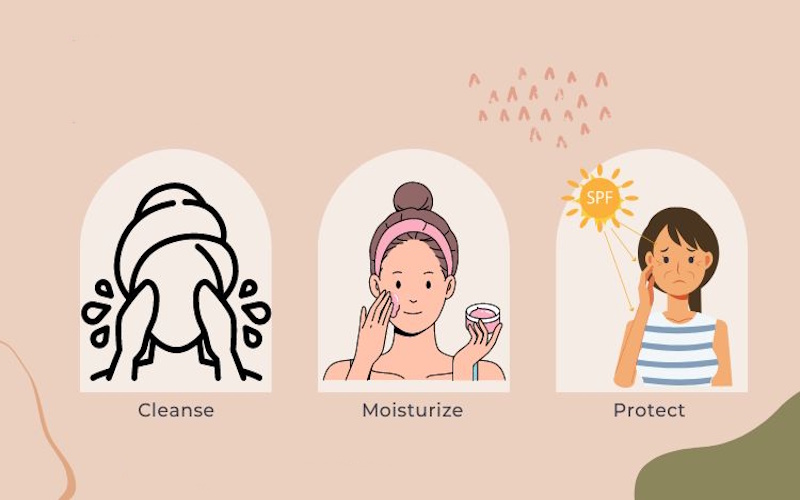
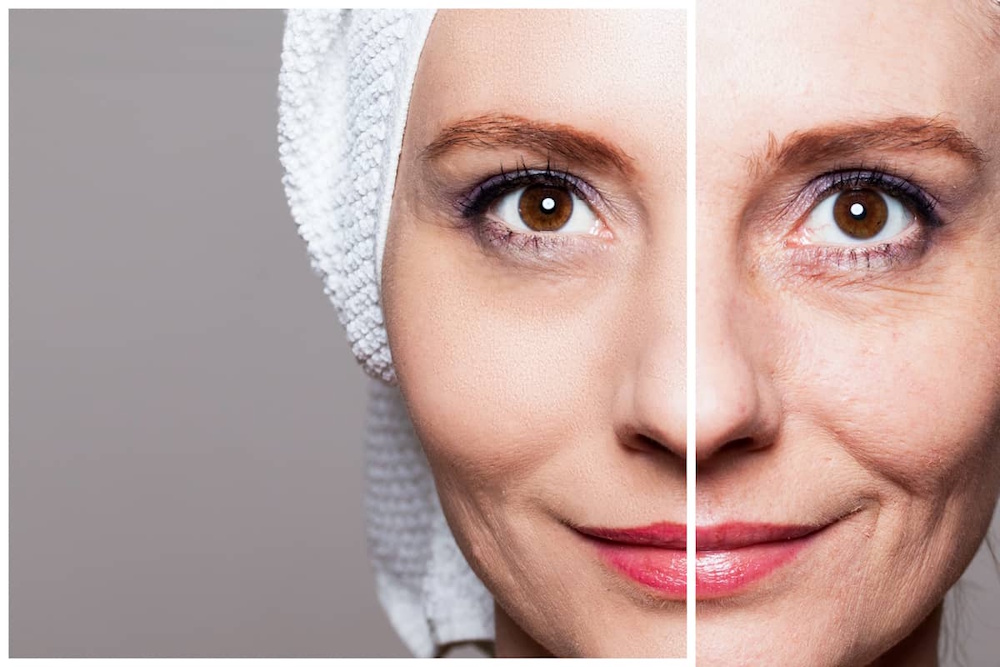
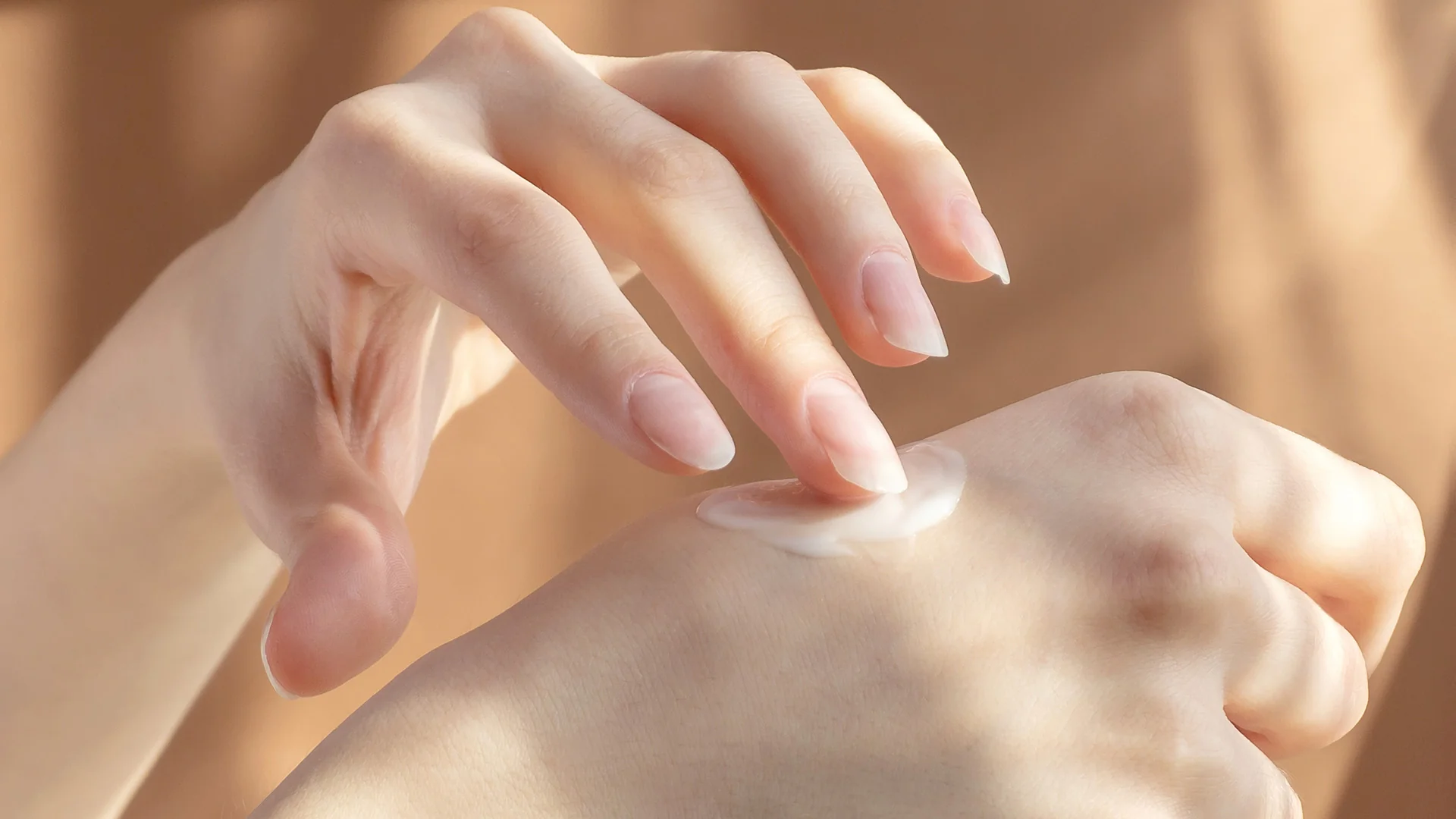


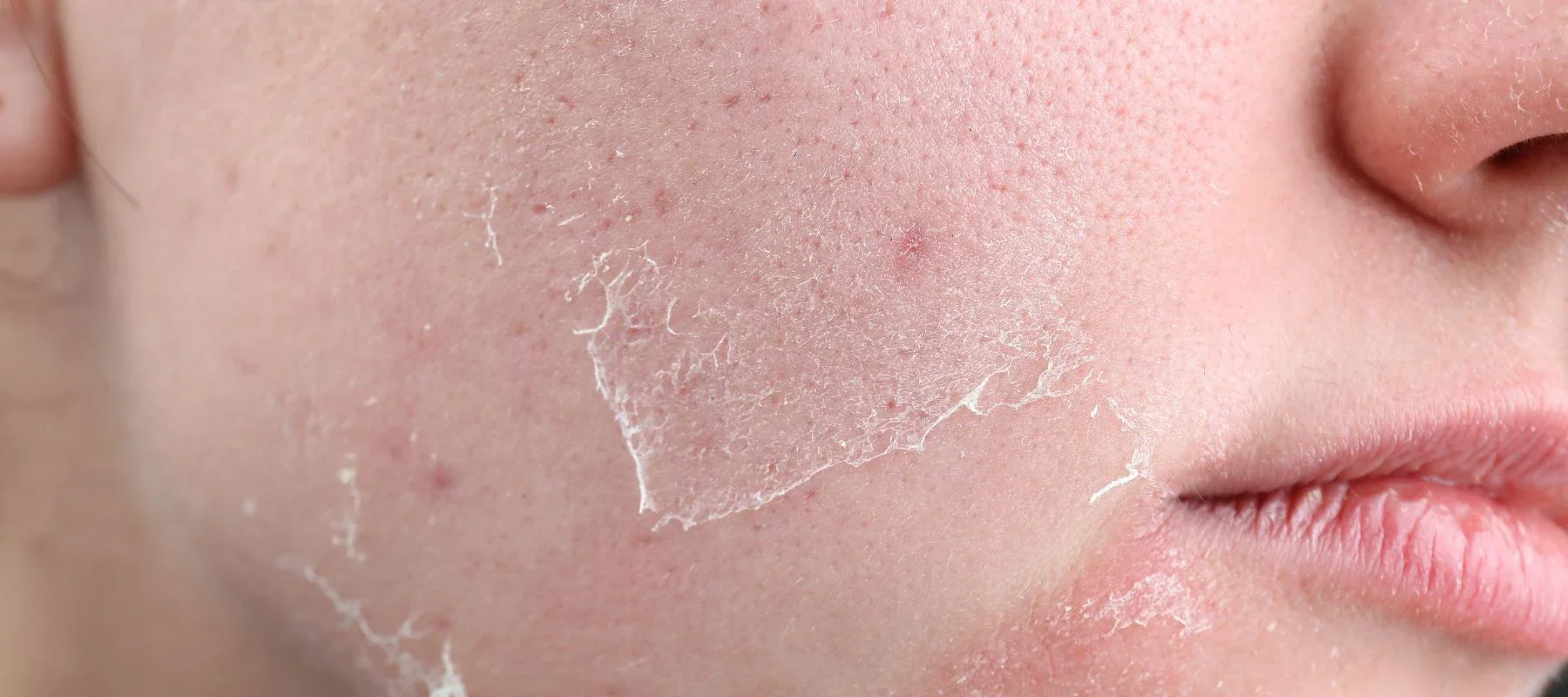
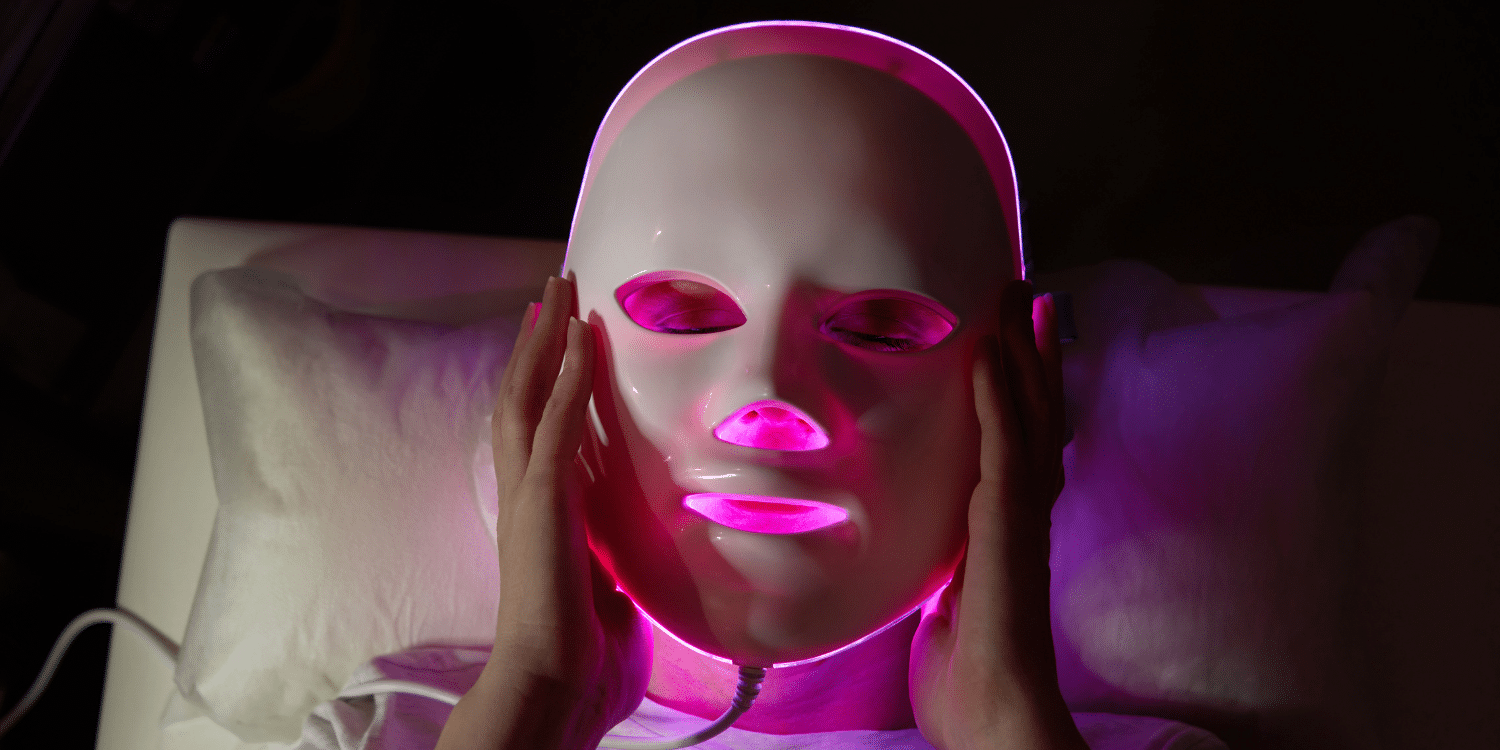
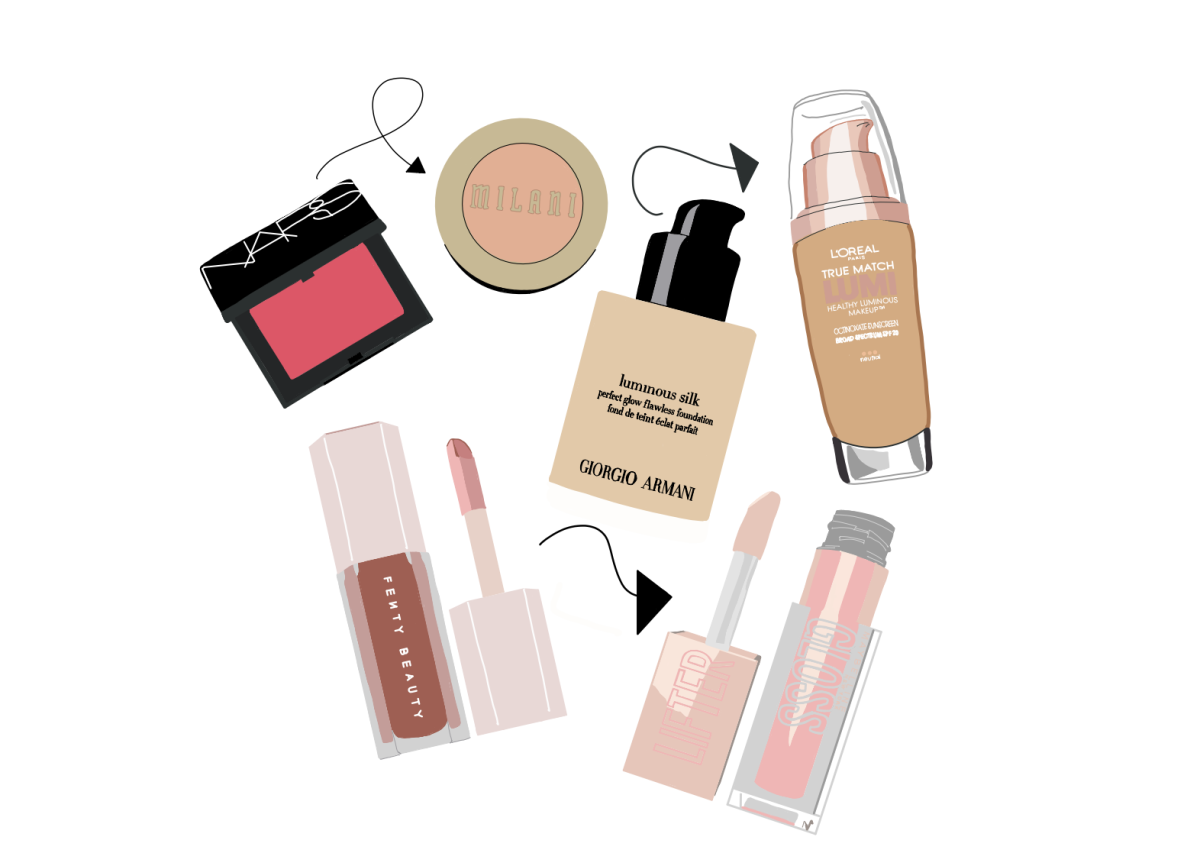
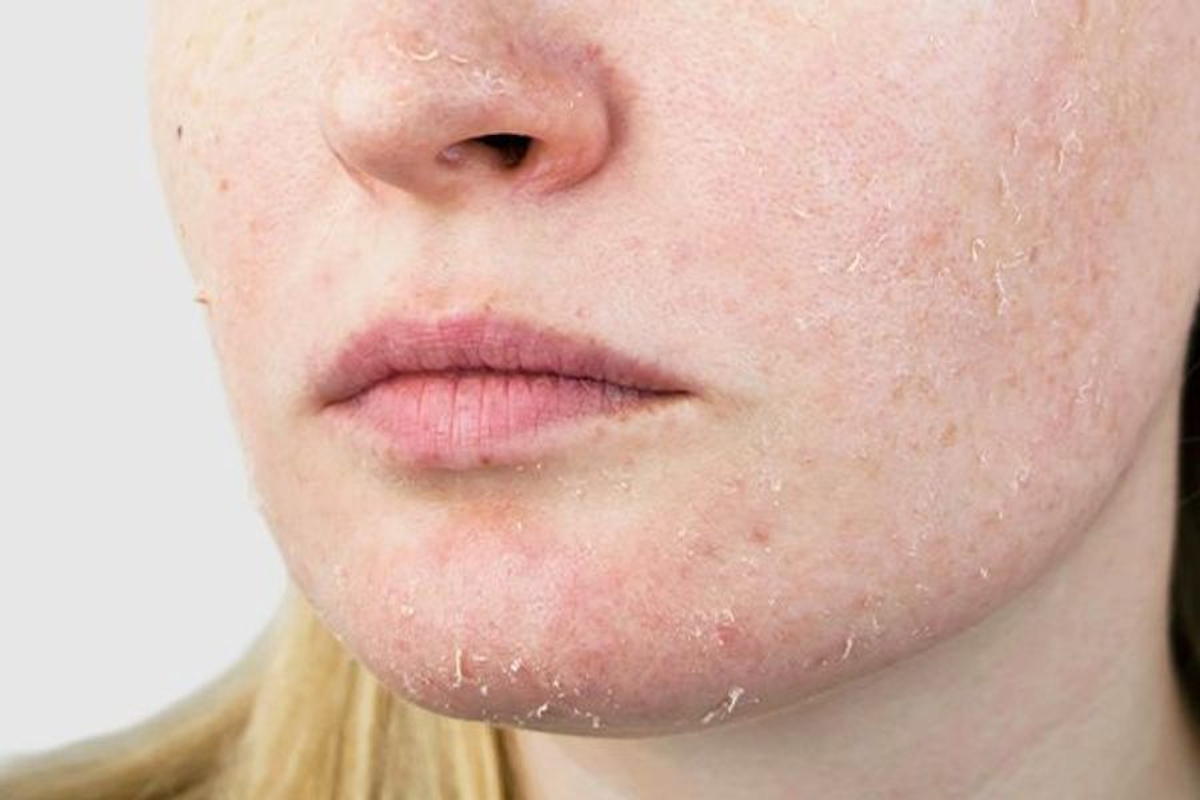
Tags
📧 Get More Articles Like This
Subscribe to receive product reviews and buying guides in your inbox!
We respect your privacy. Unsubscribe at any time.