Makeup Expiration Truth: What Happens When You Use Expired Products
Table of Contents
- The Hidden Danger Lurking in Your Makeup Bag
- Understanding Makeup Expiration: The Science Behind Product Degradation
- The Shocking Truth: Bacterial Contamination in Expired Products
- Product-by-Product Breakdown: When Each Item Expires
- Real Consequences: Health Risks of Using Expired Makeup
- How to Properly Store Makeup and Extend Product Life
- The Ultimate Makeup Audit: Cleaning Out Your Collection
- Frequently Asked Questions
Last month, Sarah thought she had developed a severe allergic reaction. Her eyes swelled shut, turned bright red, and produced thick yellow discharge. She rushed to the emergency room fearing the worst. After examination and cultures, doctors discovered the culprit wasn’t an allergy at all—it was a dangerous bacterial infection caused by her two-year-old mascara. The bacteria had multiplied inside the tube, and every application was essentially rubbing millions of microorganisms directly onto her delicate eye tissue. Sarah’s story isn’t unique. Thousands of people unknowingly damage their skin and health every day by using expired makeup products that have transformed from beauty enhancers into bacterial breeding grounds.
The cosmetics industry generates over five hundred billion dollars annually, yet most consumers remain dangerously uninformed about product expiration. FDA resources on using cosmetics safely emphasize the importance of monitoring product age, yet these warnings go largely unheeded by the average consumer. FDA resources on using cosmetics safely emphasize the importance of monitoring product age, yet these warnings go largely unheeded by the average consumer. Walk into any home and you’ll likely find makeup collections spanning several years, with products purchased on vacation years ago, impulse buys barely touched, and favorites used religiously past their prime. According to FDA cosmetics shelf life guidelines, every single one of these products has a ticking biological clock that begins the moment you break the seal. What starts as a carefully formulated blend of safe ingredients gradually transforms into something potentially harmful as preservatives break down, bacteria colonize, and chemical structures deteriorate.
Research published by NIH cosmetic contamination research reveals startling statistics that should concern every makeup user. Scientists tested hundreds of used cosmetic products and discovered that seventy-nine to ninety percent contained bacterial contamination, with some items harboring more than one million colony-forming units per milliliter. These aren’t harmless skin bacteria peacefully coexisting with your beauty routine—researchers identified pathogenic organisms including Staphylococcus aureus, Escherichia coli, Citrobacter freundii, and various fungal species capable of causing serious infections. Beauty blenders showed the highest contamination levels, often exceeding six figures in bacterial counts, yet only seven percent of users reported cleaning these tools regularly.
While this video sheds light on how to determine the expiration date of cosmetics, there are still details and information on this topic in this article - information you may not have discovered yet:
The invisible transformation from safe to dangerous happens gradually and silently. Your favorite foundation doesn’t suddenly announce its expiration with flashing lights or alarm bells. That mascara tube doesn’t warn you when bacterial colonies establish residence inside. The lipstick you’ve used for years doesn’t change color or texture to signal danger. This stealth degradation makes expired makeup particularly treacherous because visual and olfactory cues often fail to reveal contamination until serious problems develop. Many products look, smell, and perform identically even when teeming with microorganisms, creating a false sense of security that can lead to devastating consequences.
Understanding why makeup expires requires examining the complex interplay between chemistry, microbiology, and environmental factors. Every cosmetic product represents a carefully balanced formula designed to deliver specific benefits while remaining stable and safe. Manufacturers include preservatives to prevent microbial growth, antioxidants to prevent rancidity, and stabilizers to maintain texture and consistency. However, these protective compounds don’t last forever. Exposure to air, light, heat, moisture, and repeated use gradually degrades these safeguards, leaving products vulnerable to contamination and chemical breakdown. The moment you open a product and introduce it to the environment, you initiate a countdown to expiration that cannot be stopped, only slowed through proper storage and handling.

The Hidden Danger Lurking in Your Makeup Bag
Your innocent-looking makeup collection harbors secrets that could seriously impact your health. Every jar, tube, and compact in your bathroom represents a potential biological hazard if kept beyond its intended lifespan. The cozy, dark interior of your makeup bag creates an ideal incubation environment where bacteria, fungi, and other microorganisms thrive undetected. Unlike spoiled food that announces its decay through obvious visual and olfactory signals, contaminated cosmetics maintain their appearance while silently accumulating dangerous levels of pathogens. This deceptive stability makes expired makeup particularly insidious because most users continue applying products until they finish them completely, unaware that every application introduces more harmful microorganisms to their skin and mucous membranes.
The contamination process begins the moment you first use a product. Your skin naturally harbors millions of bacteria per square centimeter, including beneficial species that protect against pathogens and opportunistic organisms waiting for favorable conditions to multiply. When you dip fingers into creams, swipe brushes across powders, or apply mascara wands to lashes, you transfer these microorganisms directly into products where they encounter nutrient-rich environments perfect for colonization. Cosmetics contain fats, oils, proteins, and carbohydrates—the same nutritional components bacteria need to survive and reproduce. Combined with moisture present in liquid and cream formulations, these products essentially function as bacterial culture media, similar to what laboratories use to grow microorganisms for research.
Temperature fluctuations accelerate this biological takeover. Most people store makeup in bathrooms, where daily showers create dramatic temperature and humidity swings. Hot steam from showers raises temperatures inside closed makeup bags and drawers, creating tropical conditions where bacterial reproduction rates double or triple. When temperatures drop after showers, condensation forms inside partially used products, introducing additional moisture that dilutes preservatives and creates ideal breeding conditions. This cyclical pattern of heating, cooling, and moisture accumulation explains why bathroom-stored cosmetics expire faster than identical products kept in climate-controlled bedrooms or closets. The seemingly minor decision of storage location can reduce product lifespan by fifty percent or more.
Cross-contamination between products compounds the problem. Using the same brush for multiple powder products transfers bacteria, fungi, and skin cells between items, spreading contamination throughout your collection. Sharing makeup with friends or family members introduces entirely new microbial populations, dramatically increasing diversity and density of organisms present. Even touching product containers with unwashed hands after handling phones, keyboards, or other frequently contaminated surfaces deposits additional bacteria that can eventually work their way into products through imperfect seals. CDC facial hygiene recommendations emphasize the importance of hand washing before touching the face, yet most people apply makeup without considering the microbial transfer occurring during the process.
The manufacturing and packaging choices made by cosmetics companies significantly influence contamination risk. Jar packaging, while aesthetically pleasing and easy to use, exposes products to maximum air and finger contact with every use. Each time you unscrew the lid, airborne microorganisms settle on the exposed surface, and fingers dipping into the product introduce additional contamination. Pump bottles and squeeze tubes offer superior protection by minimizing air exposure and eliminating direct finger contact with bulk product. Aerosol sprays provide the most contamination resistance because the propellant system prevents backflow and maintains a sealed environment until the product empties completely. However, even well-designed packaging cannot overcome the fundamental reality that opened products gradually accumulate microorganisms regardless of how carefully users attempt to maintain hygiene.
Product ingredients themselves influence microbial susceptibility. Water-based formulations support wider varieties of microorganisms than oil-based products because most bacteria prefer aqueous environments. Beyond bacterial concerns, many cosmetics contain harmful chemicals legal products include despite safety questions, compounding risks when preservatives fail and these substances interact with bacterial byproducts.. However, certain fungi and molds thrive in oily conditions, meaning no formulation type offers complete protection against all possible contaminants. Natural and organic products, marketed as healthier alternatives to conventional cosmetics, often expire faster because they contain fewer synthetic preservatives. While reducing exposure to synthetic chemicals appeals to health-conscious consumers, these products require more diligent monitoring and faster replacement to maintain safety. The FTC warns about deceptive marketing practices where companies emphasize “natural” ingredients without adequately informing consumers about shorter shelf lives and increased contamination risks.
Understanding Makeup Expiration: The Science Behind Product Degradation
Chemical degradation and biological contamination work in tandem to transform fresh cosmetics into expired hazards. Understanding the scientific processes driving expiration helps explain why products can’t last indefinitely regardless of how carefully you store and handle them. Every cosmetic formula represents a delicate chemical equilibrium that manufacturers optimize for stability, safety, and performance. However, this equilibrium faces constant assault from environmental factors that gradually shift the balance toward instability. Oxygen exposure triggers oxidation reactions that break down fats and oils, causing rancidity characterized by unpleasant odors and color changes. Light exposure, particularly ultraviolet radiation from sunlight and some artificial lighting, accelerates photochemical reactions that degrade sensitive ingredients like retinoids, vitamin C, and certain pigments. Heat provides energy that speeds up all chemical reactions, including those responsible for preservative breakdown and ingredient degradation.
Preservatives represent the frontline defense against microbial invasion, but their effectiveness diminishes over time through multiple mechanisms. Parabens, phenoxyethanol, and other common preservatives gradually bind to other formula components or degrade through chemical reactions, reducing the free concentrations available to inhibit bacterial growth. Some preservatives evaporate slowly when products remain open, literally disappearing from formulations and leaving products defenseless. Others undergo chemical transformations that convert them into inactive derivatives incapable of antimicrobial action. This preservative depletion accelerates after opening because exposure to air, light, and contaminants introduces factors that speed degradation rates. Manufacturers calculate preservative concentrations to provide adequate protection throughout expected product lifespans, but they cannot account for extreme storage conditions or unusually prolonged use that exhausts preservative reserves prematurely.
The Period After Opening symbol, displayed as an open jar icon with a number followed by “M” for months, indicates manufacturer recommendations for safe use duration after breaking the seal. This standardized symbol appears on most cosmetics sold in regions with adequate consumer protection regulations, yet surveys reveal that fewer than thirty percent of consumers understand its meaning or check it before purchasing products. The PAO recommendation reflects manufacturer testing that evaluates preservative effectiveness, formula stability, and potential contamination under normal use conditions. However, this number represents an estimate rather than a guarantee because individual usage patterns and storage environments vary dramatically. Products stored in hot cars, humid bathrooms, or exposed to direct sunlight expire faster than those kept in cool, dark, stable environments regardless of PAO recommendations.
Product formulation complexity influences degradation patterns and rates. Simple formulations containing fewer ingredients typically exhibit greater stability because fewer components means fewer potential chemical interactions that could destabilize the product. Complex formulations with twenty, thirty, or more ingredients face higher risks of component interactions that accelerate degradation. Emulsions, which blend oil and water phases using emulsifiers, face particular stability challenges because the emulsifier effectiveness gradually diminishes, causing phase separation where oil and water components divide into distinct layers. This separation doesn’t necessarily indicate contamination, but it signals chemical instability that often accompanies preservative degradation and increased contamination susceptibility.
Active ingredients, the components responsible for products’ beneficial effects, degrade at different rates depending on their chemical stability. Professional dermatologists recognize this reality, which explains why drugstore products they use on their own skin often come from affordable lines with simpler, more stable formulations rather than complex luxury products prone to faster degradation. Vitamin C, one of the most unstable cosmetic ingredients, oxidizes rapidly when exposed to air and light, transforming from transparent to yellow or brown as it becomes inactive. Retinoids, powerful anti-aging ingredients, break down under light exposure, losing effectiveness even when products remain uncontaminated. Alpha hydroxy acids and beta hydroxy acids, used for chemical exfoliation, gradually lose potency through hydrolysis reactions that occur naturally in aqueous solutions. This active ingredient degradation means expired products not only carry contamination risks but also fail to deliver promised benefits, making their continued use both dangerous and pointless.
Physical changes often accompany chemical degradation, providing visible clues that products have exceeded their safe lifespan. Emulsion separation appears as distinct layers in foundations, moisturizers, and cream products that should maintain uniform appearance. Color shifts indicate pigment oxidation or degradation, particularly noticeable in products containing iron oxides or organic colorants. Texture changes including thickening, thinning, or graininess suggest formula instability that typically correlates with preservative depletion. Crystallization of ingredients creates gritty textures in formerly smooth products, signaling component precipitation that compromises performance and safety. Smell changes ranging from subtle shifts to overtly rancid or chemical odors directly indicate degradation of fats, oils, or fragrances that often accompanies biological contamination.

The Shocking Truth: Bacterial Contamination in Expired Products
Microbiological studies of used cosmetics reveal contamination levels that would shock most consumers into immediately discarding significant portions of their collections. Scientists examining everyday makeup products found bacterial counts regularly exceeding one hundred thousand colony-forming units per gram in cream products, with some samples surpassing one million colony-forming units. To put these numbers in perspective, food products with bacterial levels above ten thousand colony-forming units per gram would be considered potentially hazardous and subject to recall. Yet most people blithely apply products with ten to one hundred times that contamination level directly to their faces without a second thought. The invisible nature of microorganisms allows this dangerous practice to continue unnoticed until infections or reactions force recognition of the problem.
Beauty blenders and makeup sponges represent the most contaminated items in typical makeup collections. These porous, damp tools provide ideal conditions for bacterial colonization, and their design makes thorough cleaning nearly impossible. Research demonstrates that ninety-three percent of beauty blenders have never been cleaned according to their owners, and sixty-four percent had been dropped on floors yet continued in regular use. Microbiological analysis of these tools revealed staggering contamination levels, with most samples harboring multiple bacterial species including Enterobacteriaceae family members normally associated with fecal contamination. The combination of moisture retention, organic matter accumulation from product residue, and repeated skin contact creates perfect bacterial breeding conditions. Users essentially culture bacteria on these sponges between uses, then transfer enriched bacterial populations directly to their skin with every application.
Specific bacterial species identified in contaminated cosmetics pose varying levels of health risk. Staphylococcus species, the most commonly isolated organisms, include both harmless skin commensals and pathogenic strains like Staphylococcus aureus capable of causing serious skin and soft tissue infections. Pseudomonas aeruginosa, frequently found in mascara and liquid eyeliners, represents one of the most dangerous cosmetic contaminants because it thrives in aqueous environments and causes severe eye infections that can threaten vision. Escherichia coli presence indicates fecal contamination, usually resulting from inadequate hand hygiene before handling products. Bacillus species produce hardy spores that survive adverse conditions and can cause eye infections when introduced via contaminated eye cosmetics. Even generally harmless bacteria can cause problems when introduced to eyes or broken skin in sufficient quantities.
Fungal contamination, while less common than bacterial contamination, presents equally serious health risks. Candida albicans, the organism responsible for yeast infections, colonizes approximately twenty-six percent of contaminated beauty blenders and frequently appears in cream products stored in humid conditions. Aspergillus, Penicillium, and other mold species produce visible fuzzy growth in severely contaminated products, but microscopic colonization occurs long before visible signs appear. These fungi produce enzymes that break down cosmetic ingredients, contributing to product degradation while releasing compounds that can trigger allergic reactions or respiratory symptoms in sensitive individuals. Some mold species produce mycotoxins, poisonous metabolites that can cause serious health effects if absorbed through skin or mucous membranes during repeated exposure.
The contamination distribution pattern within products depends on formulation type and application method. Jar products show heaviest contamination near the surface where fingers repeatedly contact the product, while deeper product layers may remain relatively uncontaminated. This surface contamination gradually spreads inward as users remove surface layers and continue dipping into remaining product. Pump bottles concentrate contamination around the pump mechanism where product contacts air and accumulates between uses, but bulk product remains protected. Mascara tubes show uniform contamination throughout because the wand circulates through the entire product volume with every use, efficiently distributing organisms throughout the tube. This application method explains why mascara presents the highest infection risk among all cosmetic categories.
Temperature influences bacterial reproduction rates dramatically, with growth rates approximately doubling for every ten-degree Celsius temperature increase within optimal growth ranges. Products stored at twenty-five degrees Celsius support moderate bacterial multiplication, while those kept at thirty-five degrees Celsius, easily achieved in hot cars or sunny bathrooms, enable explosive growth that can increase contamination levels tenfold in just days. This temperature dependence explains why summer makeup contamination accelerates compared to winter storage, and why products left in vehicles, even briefly, should be discarded rather than risked. The invisible bacterial population explosion occurring inside that foundation bottle sitting in your hot car doesn’t announce itself until you develop a nasty infection days after application.
Proper storage following EPA cosmetics storage recommendations significantly reduces but cannot eliminate contamination risk. Cool, dry storage slows bacterial reproduction and chemical degradation, extending safe use periods. However, even refrigerated products eventually expire because low temperatures slow rather than stop microbial growth and chemical reactions. Some bacteria, classified as psychrophiles, actually thrive at refrigerator temperatures, making cold storage potentially counterproductive for certain product types. The optimal storage strategy balances temperature control with humidity management, light protection, and contamination prevention through proper handling and tool hygiene. Even perfect storage cannot overcome the fundamental reality that opened products gradually accumulate contaminants and degrade chemically until they become unsafe regardless of their pristine appearance.

Product-by-Product Breakdown: When Each Item Expires
Understanding specific expiration timelines for different product categories helps you make informed decisions about when to discard items despite their apparent continued usability. Mascara and liquid eyeliners earn the shortest recommended lifespan of three to six months due to their unique contamination vulnerability. The applicator wand travels directly from your eye, picking up bacteria and moisture, then returns to the tube where organisms find warm, moist, nutrient-rich conditions ideal for multiplication. Each application adds more contamination while the previous day’s bacterial population reproduces exponentially in the closed tube. This daily bacterial enrichment cycle explains why mascara contamination reaches dangerous levels faster than any other cosmetic category. The tube’s narrow opening and dense liquid make thorough cleaning impossible, and the formula’s moisture content supports diverse bacterial species that can cause conjunctivitis, keratitis, styes, and other painful eye infections.
Liquid foundations and concealers typically last six to twelve months depending on formulation specifics and storage conditions. Water-based foundations expire faster than silicone-based or oil-based alternatives because water provides better bacterial growth support. Pump bottles extend safety margins compared to jar packaging by minimizing air exposure and preventing finger contact with bulk product. However, even pump dispensers eventually accumulate contamination around the mechanism where product residue collects and dries between uses. Foundation applied with dirty brushes or sponges introduces exponentially more contamination than application with clean tools, dramatically accelerating expiration. Users who prefer fingers for application should wash hands thoroughly before use and avoid double-dipping into jars, instead dispensing needed amounts onto clean palettes then closing containers immediately.
Cream products including moisturizers, primers, cream blushes, and cream eyeshadows share similar six to twelve month lifespans after opening. Their rich, emollient textures contain high fat and oil content that can support specialized bacterial species adapted to lipid-rich environments. Jar packaging particularly compromises cream product safety because fingers repeatedly contact product surfaces, introducing skin bacteria, environmental contaminants, and moisture with every use. Temperature sensitivity affects cream products more than other categories because heat softens formulations, accelerating ingredient separation and preservative degradation. Products stored in bathrooms or near heat sources expire significantly faster than those kept in cool, stable environments. Visual inspection for texture changes, color shifts, or separation provides reliable expiration indicators for cream products even when PAO recommendations suggest continued safety.
Powder products including eyeshadows, blushes, bronzers, and finishing powders enjoy longer two-year lifespans thanks to their dry formulations that discourage bacterial growth. For those preferring minimal makeup approaches, following a natural makeup look tutorial often means using primarily powder products that offer both safer expiration profiles and lighter coverage perfect for everyday wear. However, this extended safety window assumes proper storage and handling practices that many users neglect. Powder surfaces develop hard films called “caking” when repeatedly contacted by dirty brushes or fingers that deposit oils and moisture. This contaminated surface layer supports bacterial colonization despite the underlying dry powder remaining safe. Regular scraping removes this contaminated layer, exposing fresh powder underneath while disposing of the compromised surface. Powders stored in humid environments absorb atmospheric moisture that creates localized damp spots where mold can develop, even though surrounding product remains dry and safe. Pressed powders in compacts with mirrors particularly risk contamination because the confined space traps moisture and the mirror surface accumulates makeup residue that harbors bacteria.
Lipsticks, lip glosses, and lip liners maintain quality for one to two years under normal conditions, though usage patterns significantly influence actual safety periods. Lipsticks applied directly from bullet packaging transfer oral bacteria, food particles, and moisture into products with every application. Sharing lipsticks introduces additional contamination sources, making shared products expire faster than those used by single individuals. Lip glosses with doe-foot applicators face similar contamination patterns as mascara because the applicator carries contamination from lips back into the tube. Natural and organic lip products containing plant oils and butters expire faster because these ingredients go rancid when exposed to air and light, creating unpleasant tastes and odors that signal degradation even when products remain microbiologically safe. Proper lipstick storage away from heat prevents melting that damages texture and accelerates ingredient separation.
Eye pencils and lip pencils offer unique safety advantages because sharpening removes contaminated outer layers with every use, exposing fresh, uncontaminated product inside. This self-cleaning mechanism allows pencils to last two to three years when stored properly and sharpened regularly. However, never-sharpened pencils or those used without regular sharpening accumulate surface contamination that transfers directly to skin with every application. Liquid eyeliner pens with felt tips fall somewhere between traditional pencils and liquid products in contamination risk because the felt tip can harbor bacteria but the product reservoir remains relatively protected. These hybrid products typically last six to twelve months with proper care and storage.
Nail polishes achieve impressive longevity of one to two years because their high solvent content naturally inhibits bacterial growth. However, they face different degradation challenges including solvent evaporation that thickens polish, pigment settling that creates uneven color, and formula separation that produces stringy application. These physical changes don’t indicate contamination but signal chemical instability that compromises performance. Adding polish thinner restores proper consistency, extending usability beyond normal expiration without creating safety concerns. The lack of water in nail polish formulations and application away from eyes and other sensitive areas makes these products relatively low-risk even when aged beyond recommended timelines.
Sunscreens, classified as drugs rather than cosmetics due to their active ingredient regulations, require special attention to expiration dating. Federal regulations mandate printed expiration dates on sunscreen products, unlike purely cosmetic items. Expired sunscreen loses photoprotective effectiveness even when appearing normal, leaving users vulnerable to UV damage despite confident reapplication throughout beach days. Chemical sunscreen ingredients including avobenzone and octinoxate break down under UV exposure and heat, gradually losing their ability to absorb harmful radiation. Physical sunscreen ingredients like zinc oxide and titanium dioxide remain stable longer but can separate from carrier formulations as products age, creating inconsistent protection. Never risk sun exposure with expired sunscreen regardless of how recently you purchased it if the printed expiration date has passed.
Shop on AliExpress via link: Makeup organizers

Real Consequences: Health Risks of Using Expired Makeup
The abstract concept of bacterial contamination becomes painfully concrete when you develop your first makeup-related infection. Eye infections represent the most common and potentially serious complications from expired cosmetics. Bacterial conjunctivitis, commonly called pink eye, causes redness, discharge, pain, and light sensitivity that can persist for weeks despite antibiotic treatment. Contaminated mascara and eyeliners introduce bacteria directly onto the delicate conjunctival surface where organisms quickly establish infection. Bacterial keratitis, infection of the cornea itself, represents a medical emergency requiring immediate treatment to prevent permanent vision damage. These severe infections typically result from Pseudomonas aeruginosa contamination in water-based eye products that users continued applying long past recommended expiration dates.
Skin infections from contaminated face makeup range from minor irritation to severe bacterial cellulitis requiring hospitalization and intravenous antibiotics. Staphylococcus aureus, the most common pathogen isolated from contaminated cosmetics, causes pustules, boils, and spreading infections that begin as small red bumps but can quickly enlarge into painful, pus-filled lesions. Methicillin-resistant Staphylococcus aureus, the notorious antibiotic-resistant strain, occasionally contaminates shared makeup in salons or among family members, causing difficult-to-treat infections that persist despite multiple antibiotic courses. Foundation and concealer applied over small cuts, scratches, or active acne create direct routes for bacterial invasion, particularly when products harbor high contamination levels from prolonged use or poor storage.
Fungal infections manifest differently than bacterial complications, typically presenting as persistent rashes, scaling, or itching that fails to improve with standard treatments. Candida infections appear as red, weeping rashes in skin folds or around the mouth where lip products repeatedly introduce organisms. Ringworm, despite its name actually a fungal infection rather than a parasite, occasionally spreads through contaminated cosmetics used by multiple people. These fungal complications often resist treatment because standard antibiotic medications don’t affect fungi, requiring specialized antifungal prescriptions that take weeks or months to fully resolve infections. The similarity between fungal rashes and other common skin conditions frequently delays proper diagnosis, allowing infections to worsen before appropriate treatment begins.
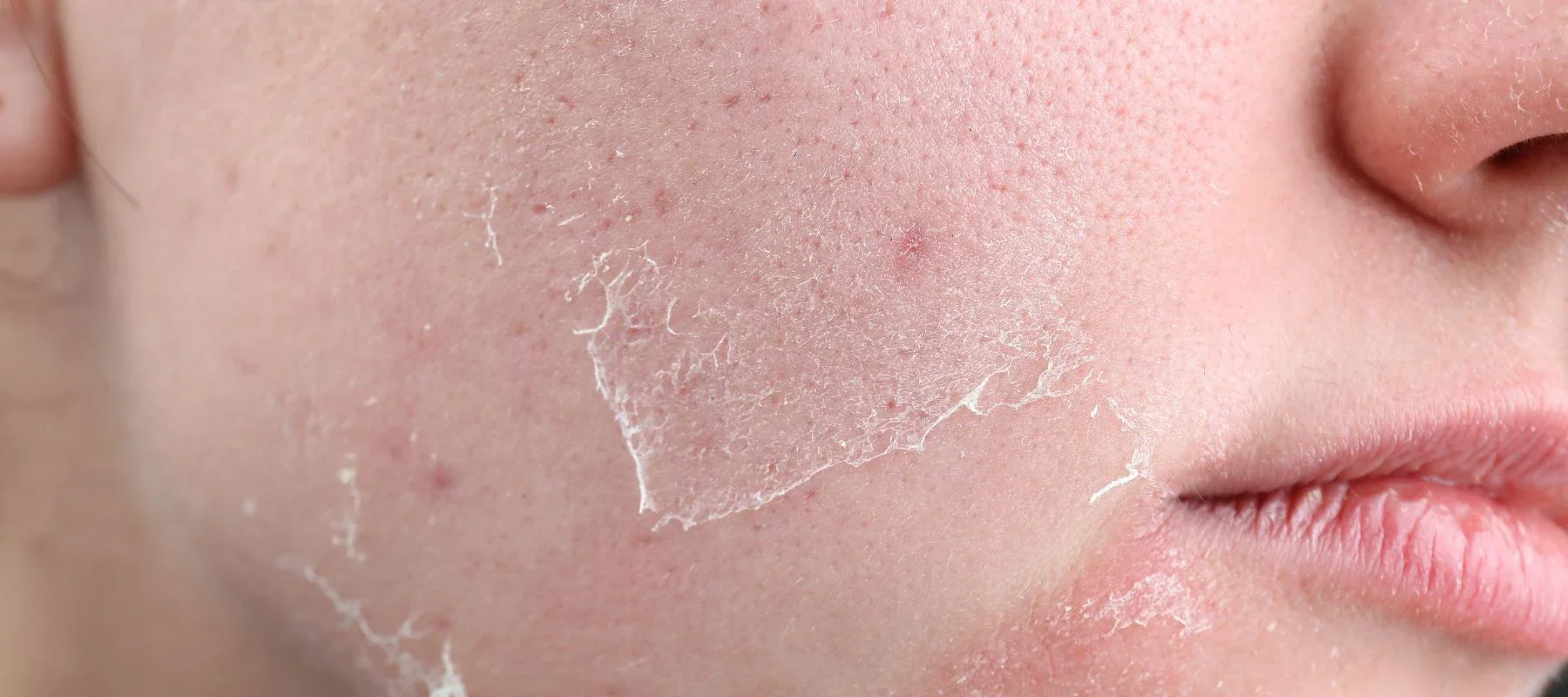
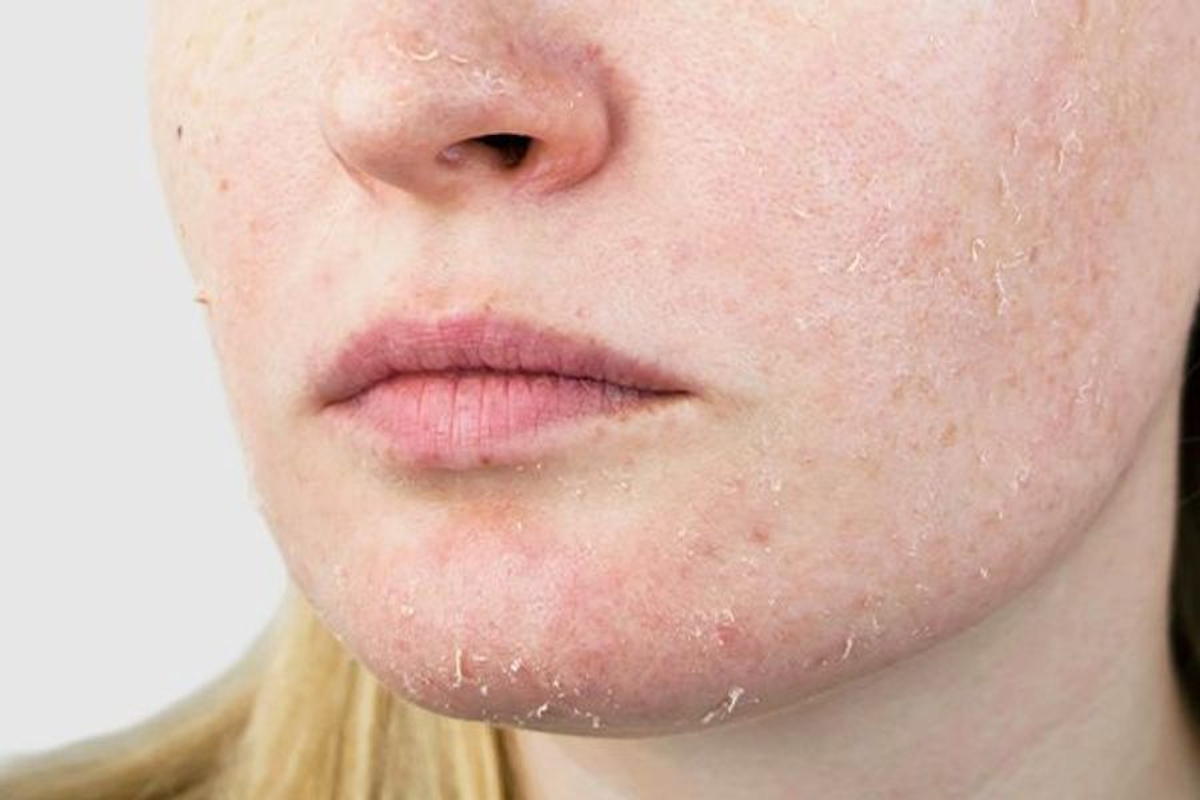
Allergic and sensitivity reactions to expired products often develop in people who previously tolerated the same products without problems. As cosmetics age, chemical degradation produces new compounds that weren’t present in fresh products. Similar contamination concerns apply beyond makeup—hair care tips emphasize replacing hair products on similar timelines because scalp applications face identical bacterial contamination risks. Fragrances break down into aldehydes and other irritating substances, preservatives transform into allergenic derivatives, and oxidized fats release inflammatory compounds. These degradation products trigger allergic contact dermatitis characterized by redness, swelling, itching, and sometimes blistering in areas where products were applied. Determining that an expired product rather than a newly developed allergy caused the reaction proves difficult without detailed history-taking and sometimes patch testing by dermatologists.
Acne exacerbations and persistent breakouts often trace back to contaminated makeup when other treatments fail to improve skin. Bacteria in expired foundations, concealers, and primers establish residence inside pores and hair follicles, causing inflammatory acne lesions that resist typical over-the-counter treatments. The makeup itself may also undergo chemical changes that increase its comedogenic potential, clogging pores and trapping bacteria deeper in skin structures. People who notice acne worsening despite using the same products for extended periods should suspect product expiration as a contributing factor, particularly if breakouts concentrate in areas where makeup application is heaviest.
Mite infestations represent an unexpected complication from shared or expired makeup, though less common than bacterial and fungal problems. Demodex folliculorum, microscopic mites that naturally inhabit human facial hair follicles, can contaminate cosmetics through direct contact. Research demonstrates these mites survive forty-eight hours in lipstick and up to one week in powder products under favorable conditions. While most people naturally harbor small Demodex populations without problems, excessive mite loads can cause rosacea-like symptoms, blepharitis, and persistent facial itching. Shared makeup in salons and makeup counters presents the highest risk for mite transmission, though personal products rarely harbor sufficient populations to cause symptoms.
Long-term consequences from repeated exposure to contaminated products remain poorly studied, but chronic low-grade inflammation from persistent bacterial exposure potentially contributes to premature skin aging and persistent skin conditions. Ironically, people investing in best anti-aging serums might simultaneously use expired makeup that creates inflammatory damage counteracting any benefits from expensive skincare treatments. The body’s immune response to continuous bacterial presence creates ongoing inflammation that breaks down collagen and elastin, the structural proteins maintaining skin firmness and elasticity. This chronic inflammation might explain why some people experience accelerated aging despite using expensive anti-aging products—they’re simultaneously applying contaminated makeup that counteracts any benefits from their skincare routine. Regular makeup replacement prevents this self-defeating cycle, allowing skin to benefit fully from quality skincare without inflammatory sabotage from expired cosmetics.
How to Properly Store Makeup and Extend Product Life
Strategic storage dramatically extends makeup lifespan while reducing contamination risk, potentially saving hundreds of dollars annually through reduced replacement frequency. Temperature control represents the single most important storage factor because heat accelerates both chemical degradation and bacterial multiplication. Ideal storage temperatures range from fifteen to twenty-five degrees Celsius, cool enough to slow reactions but warm enough to prevent condensation issues associated with refrigeration. Bathrooms, despite their convenience, represent the worst possible storage location due to extreme temperature and humidity fluctuations from daily shower use. The temperature inside a closed makeup drawer can rise twenty degrees or more during a hot shower, then drop rapidly as steam condenses, creating moisture accumulation that dilutes preservatives and encourages bacterial growth.
Bedroom closets, dresser drawers, or dedicated vanity areas away from bathrooms provide superior storage environments with stable temperatures and controlled humidity. Keeping products in original packaging or transferring them to airtight containers adds protection against environmental exposure between uses. Clear plastic organizers with lids offer excellent visibility for finding products quickly while maintaining protective barriers against dust and airborne contaminants. Avoid storing makeup near windows or heat-generating appliances where direct sunlight or appliance warmth creates localized hot spots that exceed safe temperature ranges. The seemingly minor difference between twenty-three degree storage and thirty-degree storage can halve product lifespan through accelerated preservative degradation and increased bacterial reproduction rates.
Humidity control matters nearly as much as temperature management, particularly for powder products that absorb atmospheric moisture. Maintaining relative humidity below fifty percent prevents powder caking, reduces mold growth risk, and extends preservative effectiveness. Silica gel packets, available inexpensively and reusable after oven-drying, absorb excess moisture when stored alongside makeup collections. Bathroom storage exposes products to humidity spikes exceeding ninety percent during showers, far above safe ranges for most cosmetics. This moisture infiltrates products through imperfect seals, introducing water that dilutes preservatives and supports microbial growth. Products stored in climate-controlled bedrooms maintain much lower average humidity exposure, dramatically reducing moisture-related degradation.
Light exposure, particularly ultraviolet radiation, degrades sensitive ingredients and accelerates chemical reactions that compromise product stability. Retinoids, vitamin C, and certain natural ingredients break down rapidly when exposed to sunlight or strong artificial lighting. Opaque packaging provides some protection, but products in clear containers require dark storage to prevent photodegradation. Makeup drawers, bags with closures, and closed storage boxes shield products from damaging light exposure between uses. Products requiring refrigeration, including certain vitamin C serums and natural cosmetics, benefit from storage in opaque containers or drawers inside the refrigerator to prevent light exposure during cold storage.
Proper tool hygiene extends product life as dramatically as environmental control because clean applicators introduce minimal contamination with each use. Washing makeup brushes weekly with gentle soap or specialized brush cleaner removes accumulated product, oils, and bacteria that would otherwise transfer back into cosmetics. Allow brushes to dry completely before use or storage because damp brushes support bacterial growth and introduce moisture into products. Replace brushes every three to six months or when bristles begin shedding excessively, indicating degradation that compromises both performance and hygiene. Beauty blenders and makeup sponges require even more frequent cleaning—ideally after each use—and replacement every three months regardless of apparent condition because their porous structure traps contamination deep inside where cleaning cannot reach.
Shop on AliExpress via link: Maintain tool hygiene with professional
Container hygiene matters too, though users often overlook this aspect of makeup care. Wiping bottle necks, pump mechanisms, and jar edges with alcohol-dampened cotton removes product buildup where bacteria concentrate between uses. These practices integrate seamlessly with a complete skincare routine beginners should establish early, building habits preventing contamination before problems develop. This regular cleaning prevents contamination reservoirs from developing in areas that contact product during normal use. Compact mirrors inside powder products accumulate surprising amounts of bacteria and should be wiped regularly with disinfecting wipes or alcohol to prevent recontamination of cleaned brushes or freshly applied makeup. These small hygiene efforts compound over time, significantly reducing overall contamination levels throughout makeup collections.

The Ultimate Makeup Audit: Cleaning Out Your Collection
Conducting a thorough makeup audit identifies expired products lurking in your collection while establishing systems to prevent future accumulation of dangerous cosmetics. Begin by gathering your entire makeup collection in one location with good lighting for detailed inspection. This includes products scattered across bathrooms, bedrooms, purses, gym bags, and anywhere else cosmetics might hide. Seeing the full collection scope often surprises people who didn’t realize how many products they’d accumulated over months or years. The average woman owns forty makeup products according to industry surveys, creating substantial replacement costs if significant portions require disposal due to expiration.
Create a systematic evaluation process for each item, checking multiple expiration indicators simultaneously. First, locate and read the PAO symbol indicating recommended use duration after opening. Mark current dates on products missing purchase or opening records, using permanent marker on packaging or bottom surfaces. Products exceeding PAO recommendations require particularly careful inspection for degradation signs. Second, examine product appearance for separation, color changes, texture alterations, or visible mold growth. Oil separation in liquid products, hard films on powder surfaces, or color shifts in any product category signal expiration regardless of PAO recommendations. Third, smell products for rancid, chemical, or otherwise abnormal odors indicating fat oxidation or microbial contamination. Fresh cosmetics should smell pleasant or neutral, never sharp, sour, or unpleasant.
Fourth, test product performance and application characteristics compared to your memory of original qualities. Foundation that applies streaky when it previously spread smoothly, mascara that clumps instead of separating lashes, or powder that requires excessive pressure to pick up color all indicate formula degradation. These performance changes often precede obvious visual or olfactory expiration signs, providing early warning that products are approaching the end of their safe use period. Trust your instincts about products that feel “off” even when visible inspection reveals no obvious problems—subtle changes in texture or application might reflect chemical alterations invisible to casual observation but significant for product safety.
Create three sorting categories during your audit: keep, maybe, and discard. The keep pile contains products within their PAO recommendations showing no degradation signs. The maybe pile holds products at the outer edge of recommended timelines or showing minor degradation that might not compromise safety. The discard pile receives anything clearly expired, contaminated, or degraded beyond safe use. Review the maybe category especially carefully, potentially testing products on wrists or arms before committing to continued facial use. When doubt exists about product safety, err toward discarding rather than risking infection or reaction to save twenty dollars of makeup.
Implement a dating system for new and remaining products to prevent future expiration confusion. Asian beauty philosophies emphasize this meticulous approach—comparing Korean versus Japanese beauty reveals both cultures prioritize product freshness and rotation, maintaining smaller collections used completely before replacement rather than accumulating large inventories that expire unused. Use permanent markers or labels to note opening dates on all products immediately after first use. Some people prefer more elaborate systems using color-coded stickers indicating expiration dates or purchase seasons, making quick expiration checks easy during routine makeup application. Choose whatever system you’ll actually maintain consistently—a simple but reliably followed approach proves more valuable than an elaborate system you abandon after two weeks.
Consider financial realities when purging expired products, particularly high-end items that represent significant investments. However, remember that continuing to use contaminated products risks medical expenses for treating resulting infections that quickly exceed replacement costs. Doctor visits, prescription medications, and lost work time from serious infections cost far more than replacing expired makeup, making disposal economically rational despite the immediate financial sting. Some people find it helpful to photograph discarded products and calculate their total value, using this information to motivate better future purchase decisions and usage patterns that prevent waste through expiration.
Establish a replacement schedule for categories requiring frequent turnover. Mascara replacement every three months should become automatic, marked on calendars or set as phone reminders to ensure timely disposal regardless of product appearance. Foundation and concealer replacement twice yearly prevents gradual contamination accumulation while these workhouse products rarely last longer than six months with daily use anyway. Annual reviews of powder products, lipsticks, and other longer-lasting items identify products approaching two-year marks requiring disposal even if they appear perfectly fine. This proactive replacement approach costs more initially than waiting until products fail, but it prevents contamination-related health problems and ensures consistent makeup performance.

Conclusion
The shocking truth about makeup expiration shouldn’t paralyze you with fear but instead empower you with knowledge for making informed choices protecting your health and beauty. Those seemingly innocent products in your makeup bag harbor potential dangers that grow with every passing month beyond their intended lifespan. Research consistently demonstrates that bacterial contamination reaches dangerous levels in most used cosmetics, with expired products posing even greater risks as preservatives fail and organisms multiply unchecked. Understanding product-specific timelines, proper storage requirements, and expiration warning signs equips you to maintain a safe makeup collection without sacrificing your beauty routine.
The financial investment in regular makeup replacement pales compared to potential medical costs from treating infections caused by expired products. Doctor visits, prescription medications, time lost from work or school, and the discomfort of suffering through preventable infections far exceed the cost of replacing mascara every three months or foundation twice yearly. Moreover, fresh products perform better, delivering the results you purchased them to achieve rather than disappointing you with degraded formulas that fail to blend properly or last throughout the day. Regular replacement ensures you always experience products at their peak performance while minimizing contamination risks.
Implementing proper storage practices, maintaining tool hygiene, and conducting periodic collection audits transforms makeup safety from overwhelming concern into manageable routine. Small consistent efforts compound over time, dramatically extending product lifespans while reducing contamination accumulation. These practices benefit both your health and your wallet by maximizing value from every product purchase while preventing waste through premature expiration. The time invested in proper makeup care returns dividends through better skin health, fewer infections, superior makeup performance, and reduced long-term replacement costs.
Remember that manufacturers design cosmetics for specific use periods, formulating products with enough preservatives to maintain safety throughout intended lifespans but not indefinitely. Respect these limitations by following PAO recommendations, trusting your instincts about degraded products, and prioritizing health over financial considerations when deciding whether to keep or discard questionable items. Your face deserves fresh, safe products that enhance your natural beauty without introducing risks that could damage skin or cause painful infections requiring medical intervention.
Take action today by auditing your current collection, properly storing products you’re keeping, and establishing replacement schedules for frequently used items. Share this knowledge with friends and family who might be unknowingly using expired products that could harm them. The person who’s been using the same mascara for eighteen months needs to hear this information before developing a serious eye infection. The friend storing makeup in her humid bathroom doesn’t realize she’s dramatically shortening her products’ safe lifespans. By spreading awareness about makeup expiration, you protect not just yourself but everyone in your social circle from preventable health problems caused by contaminated cosmetics.
Frequently Asked Questions
Question 1: How long does makeup actually last after opening?
**Answer 1: **Makeup lifespan varies dramatically by product category due to differences in formulation, application methods, and contamination susceptibility. Mascara and liquid eyeliners have the shortest safe use period of three to six months because applicator wands repeatedly transfer bacteria from eyes directly into product tubes where organisms find ideal warm, moist conditions for multiplication. Liquid foundations and concealers last six to twelve months depending on whether they’re water-based or silicone-based, with pump bottles extending safety compared to jar packaging by minimizing air and finger contact. Cream products including moisturizers, cream blushes, and primers share similar six to twelve month timelines. Powder products enjoy longer two-year lifespans thanks to their dry formulations that discourage bacterial growth, though proper storage and regular surface scraping to remove contaminated layers remain important. Lipsticks and lip glosses maintain quality for one to two years, while pencil products last two to three years because sharpening removes contaminated outer layers with each use. These timelines assume proper storage in cool, dry environments away from heat and humidity—bathroom storage can reduce safe use periods by fifty percent or more due to temperature and moisture fluctuations.
Question 2: What are the dangers of using expired makeup?
Answer 2: Using expired makeup exposes you to serious health risks ranging from minor irritation to severe infections requiring medical treatment. Bacterial contamination represents the primary danger, with research showing seventy-nine to ninety percent of used cosmetics contain potentially harmful organisms including Staphylococcus aureus, Escherichia coli, Pseudomonas aeruginosa, and various fungal species. Eye infections like bacterial conjunctivitis and keratitis occur most frequently from contaminated mascara and eyeliners, causing redness, discharge, pain, and potentially permanent vision damage if untreated. Skin infections ranging from minor pustules to severe cellulitis develop when contaminated face makeup introduces bacteria through small cuts, scratches, or active acne. Fungal infections manifest as persistent rashes, scaling, or itching that resist standard treatments because they require specialized antifungal medications. Allergic reactions often develop to expired products even when the same products caused no problems when fresh, because chemical degradation produces new allergenic compounds not present in original formulations. Chronic acne exacerbations sometimes trace back to contaminated makeup when other treatments fail to improve skin, as bacteria establish residence inside pores and resist typical over-the-counter therapies. The invisible nature of microbial contamination makes expired makeup particularly dangerous because products often appear, smell, and perform normally even when harboring dangerous bacterial loads.
Question 3: How can I tell if my makeup has expired?
Answer 3: Multiple indicators help identify expired makeup even when products lack clear expiration dates. First, check the Period After Opening symbol displayed as an open jar icon with a number and “M” showing recommended safe use duration in months—products exceeding these timelines warrant careful inspection regardless of appearance. Visual changes including color shifts, separation in liquid or cream products, mold growth, or hard films developing on powder surfaces clearly signal expiration requiring immediate disposal. Texture alterations like thickening, thinning, clumping in mascara, or graininess in formerly smooth products indicate formula degradation often accompanying bacterial contamination. Smell changes ranging from subtle shifts to obviously rancid or chemical odors directly indicate fat oxidation or microbial growth. Performance problems including streaky foundation application, mascara that clumps instead of separating lashes, or powder requiring excessive pressure to pick up color often precede obvious visible degradation, providing early warning of approaching expiration. Trust your instincts about products that feel “off” even when inspection reveals no obvious problems—subtle application or texture changes might reflect significant chemical alterations invisible to casual observation. When uncertainty exists about product safety, testing on wrists or arms before facial application allows assessment while minimizing risk. However, any product showing multiple expiration indicators should be discarded immediately regardless of its purchase price or remaining quantity, because the health risks far exceed potential financial savings from continued use.
**Question 4: **Does unopened makeup expire?
Answer 4: Yes, unopened makeup definitely expires because chemical degradation and preservative breakdown occur even in sealed packages, though sealed products last longer than opened ones due to reduced contamination exposure. Most manufacturers recommend using unopened products within two to three years of manufacture, though natural or organic cosmetics often expire faster due to fewer synthetic preservatives. Sealed packaging protects against bacterial contamination and moisture exposure but cannot prevent oxidation reactions, preservative degradation, or ingredient separation occurring gradually over time. Storage conditions dramatically influence sealed product longevity—cosmetics kept in cool, dark, stable environments maintain quality significantly longer than those stored in hot attics, sunny bathrooms, or temperature-fluctuating garages. Manufacturing date codes printed on packaging help determine actual product age, though these codes use various formats that require online decoding resources for interpretation. Chemical ingredients including retinoids, vitamin C, and certain natural components break down faster than stable synthetics regardless of whether packaging remains sealed. Color cosmetics can experience pigment oxidation even in sealed containers, causing color shifts that become apparent only after opening when products are compared to fresh versions. The “better safe than sorry” principle applies to questionable sealed products—if you cannot determine how long unopened makeup has been stored or if it shows obvious degradation signs like separation or color changes visible through transparent packaging, disposal proves safer than risking application of degraded formulations. Purchasing makeup from discount outlets or online marketplaces selling significantly discounted luxury brands warrants extra caution because these products might be old stock approaching or past manufacturer recommendations despite sealed packaging.
Question 5: Where should I store makeup to extend its life?
Answer 5: Optimal makeup storage requires controlling temperature, humidity, and light exposure to slow chemical degradation and microbial growth. Store products in cool locations maintaining fifteen to twenty-five degrees Celsius, avoiding bathrooms where shower steam creates temperature spikes and high humidity that accelerate expiration. Bedroom closets, dresser drawers, or dedicated vanity areas away from heat sources provide ideal stable environments. Keep products in original packaging or transfer to airtight containers protecting against dust, airborne contaminants, and moisture infiltration between uses. Clear plastic organizers with lids offer excellent visibility while maintaining protective barriers. Avoid locations near windows where direct sunlight causes photodegradation of sensitive ingredients, or near heat-generating appliances creating localized hot spots exceeding safe temperature ranges. Control humidity below fifty percent using silica gel packets stored alongside collections to absorb excess moisture that causes powder caking and encourages mold growth. Certain products including vitamin C serums and natural cosmetics benefit from refrigeration to extend shelf life, though temperature fluctuations when removing items cause condensation potentially introducing harmful moisture. If refrigerating makeup, use airtight containers and allow products to reach room temperature before application. Never store makeup in vehicles, even temporarily, because interior temperatures can reach sixty degrees Celsius on sunny days, causing catastrophic preservative failure and formula degradation within hours. Portable makeup bags for travel should contain only items needed for the trip rather than entire collections, minimizing products exposed to potentially harsh travel conditions. Implementing proper storage practices extends product lifespans dramatically, potentially reducing annual replacement costs by hundreds of dollars while simultaneously improving safety margins.
Question 6: Can expired makeup cause eye infections?
Answer 6: Yes, expired eye makeup represents one of the most dangerous categories of contaminated cosmetics due to direct application on delicate eye tissues and the serious nature of resulting infections. Contaminated mascara and eyeliners frequently cause bacterial conjunctivitis, commonly called pink eye, characterized by redness, thick discharge, pain, swelling, and light sensitivity that can persist for weeks despite antibiotic treatment. Bacterial keratitis, infection of the cornea itself, represents a true medical emergency requiring immediate treatment to prevent permanent vision damage or even blindness if left untreated. Pseudomonas aeruginosa, frequently found in water-based mascara formulations, poses particular danger because it thrives in moist environments and causes aggressive corneal infections that progress rapidly. Stye formation, painful bumps developing on eyelid margins, often results from bacteria transferred via contaminated eyeliners or mascara wands. The application method for eye makeup creates ideal contamination conditions because wands and pencils contact eye surfaces picking up bacteria and moisture, then return directly into product containers where organisms multiply between uses. This daily contamination cycle explains why eye makeup requires the shortest replacement schedule of all cosmetic categories. Fungal eye infections, while less common than bacterial complications, occasionally develop from prolonged use of contaminated products, causing chronic irritation and discharge that fails to improve with standard antibiotic treatment. People wearing contact lenses face even higher infection risks from contaminated eye makeup because lenses can trap bacteria against corneal surfaces, facilitating infection establishment. Proper eye makeup hygiene including never sharing products, avoiding application in moving vehicles where accidental eye scratches introduce contamination, and strict adherence to three to six month replacement schedules dramatically reduces but cannot completely eliminate infection risks inherent to eye makeup use.
Question 7: How often should I clean my makeup brushes?
Answer 7: Makeup brush cleaning frequency depends on product types applied and individual skin sensitivity, but general guidelines recommend weekly deep cleaning for brushes used with powder products and after every use for brushes contacting cream or liquid formulations. Weekly cleaning removes accumulated product buildup, skin oils, dead skin cells, and bacteria that transfer between products and skin with each application. Use gentle soap, baby shampoo, or specialized brush cleaner solutions, working cleaning agents through bristles thoroughly before rinsing until water runs clear. Reshape brush heads after washing and lay flat or hang upside down to dry completely before storage or reuse because damp brushes support bacterial growth and introduce moisture into products. Daily spot cleaning using brush cleaning sprays between thorough weekly washes helps maintain hygiene for frequently used brushes without requiring full wash cycles. Beauty blenders and makeup sponges demand even more rigorous cleaning—ideally after each use—because their porous structures trap contamination deep inside where standard cleaning cannot reach. These tools should be replaced entirely every three months regardless of apparent condition because even thoroughly cleaned sponges eventually accumulate irreversible bacterial colonization. Natural bristle brushes require gentler cleaning than synthetic versions to prevent damage to delicate hair structure, but they also harbor bacteria more readily due to their porous natural composition. Store cleaned brushes properly in ventilated holders allowing air circulation to prevent moisture accumulation that encourages microbial growth. Replace brushes showing signs of deterioration including excessive shedding, splayed bristles, or loosening ferrules regardless of their age because damaged brushes harbor bacteria more readily than intact tools while also compromising makeup application quality. Establishing consistent cleaning routines dramatically extends product lifespans by reducing contamination transfer while simultaneously improving skin health through reduced bacterial exposure.
**Question 8: **What does the PAO symbol on makeup mean?
Answer 8: The Period After Opening symbol, displayed as an open jar icon containing a number followed by the letter “M,” indicates the number of months a product remains safe for use after first opening and exposing it to air and contaminants. Common PAO indicators include 6M (six months), 12M (twelve months), and 24M (twenty-four months), with shorter periods typically assigned to products most vulnerable to contamination like mascara and longer periods for more stable formulations like powder products. This standardized symbol appears on cosmetics sold in regions with adequate consumer protection regulations, particularly the European Union where PAO marking became mandatory under cosmetics regulations, though many companies voluntarily include it on products sold worldwide. The PAO countdown begins when you first open and use the product, not the purchase date, emphasizing the importance of marking opening dates on packaging to track actual safe use periods. Manufacturers determine PAO recommendations through stability testing that evaluates preservative effectiveness, formula integrity, and contamination resistance under simulated normal use conditions. However, these numbers represent estimates rather than guarantees because individual storage environments and usage patterns vary dramatically from controlled testing conditions. Products stored in hot bathrooms or repeatedly contaminated through poor hygiene practices expire faster than PAO recommendations, while those maintained in optimal conditions might remain safe slightly longer. Despite its utility, fewer than thirty percent of consumers understand PAO symbol meaning or check it before purchasing products, allowing expired inventory to sell unknowingly. Some manufacturers print manufacturing date codes instead of or in addition to PAO symbols, requiring online resources to decode these various format codes into actual production dates. When PAO symbols are absent from older products, conservative estimates suggest discarding mascara after three months, liquid and cream products after six months, and powder products after one year of opening regardless of their appearance or apparent functionality.
Question 9: Are natural makeup products safer when expired?
Answer 9: No, natural and organic makeup products often pose greater risks when expired compared to conventional cosmetics because they typically contain fewer synthetic preservatives, allowing microbial contamination to develop faster and more extensively. Plant-based ingredients in natural products create nutrient-rich environments that actively support bacterial and fungal growth rather than resisting it like synthetic formulations with robust preservative systems. Many natural preservatives including vitamin E, rosemary extract, and grapefruit seed extract provide weaker antimicrobial protection compared to synthetic alternatives like parabens or phenoxyethanol, meaning natural products require more frequent replacement even when stored properly. Organic certifications restricting synthetic ingredient use further limit preservative options available to manufacturers, forcing compromises between product safety and marketing appeal. Natural oils and butters, common ingredients in natural cosmetics, go rancid through oxidation reactions when exposed to air and light, producing unpleasant odors and potentially irritating compounds even before bacterial contamination develops. The widespread belief that natural equals safer creates dangerous complacency where users continue applying organic products well past their abbreviated safe use periods, assuming natural ingredients cannot cause harm. However, bacterial infections from natural cosmetics cause identical complications to those from conventional products—Staphylococcus aureus doesn’t distinguish between organic and synthetic formulations when establishing skin infections. Natural preservatives’ weaker antimicrobial activity means products might show no obvious signs of contamination even when harboring dangerous bacterial loads, making visual inspection an unreliable safety assessment method. Responsible natural cosmetics companies address these limitations by recommending shorter use periods and sometimes including manufacturing dates allowing consumers to calculate actual product age, though compliance with these recommendations remains poor among consumers attracted to natural products specifically for their “clean” image. If choosing natural cosmetics, accept that these products require more diligent monitoring and faster replacement cycles than conventional alternatives, and never assume natural origin provides safety margins allowing extended use beyond manufacturer recommendations.
Question 10: Should I refrigerate my makeup?
Answer 10: Refrigerating makeup benefits certain specific products while potentially harming others, requiring selective application rather than blanket refrigeration of entire collections. Products benefiting from refrigeration include vitamin C serums prone to rapid oxidation, natural cosmetics with minimal preservatives, sheet masks providing refreshing coolness during application, and certain organic creams containing temperature-sensitive plant extracts. Cold temperatures slow chemical reactions including oxidation and preservative degradation, potentially extending product lifespans by twenty to thirty percent for vulnerable formulations. However, refrigeration creates significant challenges including condensation formation when removing products temporarily to room temperature, potentially introducing harmful moisture into formulations designed to remain dry. Temperature fluctuations from repeated warming and cooling might actually accelerate degradation for some products compared to stable room temperature storage. Never refrigerate mascara, powder products, or most conventional formulations because they gain no preservation benefit while potentially suffering texture changes from cold storage. If choosing refrigeration for select products, use dedicated small refrigerators rather than food refrigerators to maintain consistent temperatures without food odor contamination, and store products in airtight containers preventing moisture infiltration. Allow refrigerated products to warm to room temperature before application because cold cosmetics apply poorly and can shock sensitive facial skin. Some expensive skincare products recommend refrigeration on packaging instructions—follow these guidelines when provided but don’t assume universal refrigeration benefits all products equally. The storage effort and equipment cost required for proper refrigeration typically outweigh benefits for most users unless product selection heavily emphasizes natural, organic, or vitamin-rich formulations specifically known to benefit from cold storage. For most conventional makeup collections, cool room temperature storage away from bathrooms provides optimal balance between preservation effectiveness and practical convenience without refrigeration’s complications and limitations.
Articles related:


Tags
📧 Get More Articles Like This
Subscribe to receive product reviews and buying guides in your inbox!
We respect your privacy. Unsubscribe at any time.