Hair Care Tips for Healthy Hair: The Complete Guide to Beautiful, Strong, and Vibrant Hair
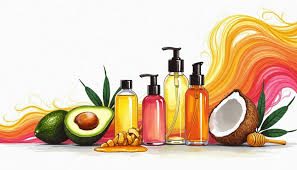
Table of Contents
- Introduction: The Foundation of Beautiful Hair
- Understanding Your Hair Type
- The Science of Healthy Hair
- Proper Hair Washing Techniques
- Choosing the Right Hair Products
- Deep Conditioning and Hair Masks
- Drying and Styling Safely
- Heat Protection and Tool Safety
- Nutrition for Healthy Hair Growth
- Natural Hair Treatments and Remedies
- Hair Trimming and Split End Prevention
- Nighttime Hair Care Routine
- Common Hair Problems and Solutions
- Seasonal Hair Care Strategies
- Hair Care Mistakes to Avoid
- Professional Treatments and When to Use Them
- Conclusion: Your Hair Care Journey
- FAQ
Introduction: The Foundation of Beautiful Hair
Beautiful, healthy hair doesn’t happen by accident—it’s the result of consistent care, informed choices, and understanding what your hair truly needs. In a world saturated with contradictory advice, expensive products promising miracle transformations, and social media showcasing impossibly perfect hair that may owe more to filters than follicles, navigating hair care can feel overwhelming and confusing.
The truth about healthy hair is simultaneously simpler and more nuanced than most realize. Healthy hair isn’t about using the most expensive products, following elaborate 15-step routines, or achieving someone else’s hair texture and volume. It’s about understanding your unique hair type and needs, establishing consistent care habits that work with rather than against your hair’s natural characteristics, avoiding common damaging practices that undermine even the best products, nourishing hair from inside through proper nutrition alongside external care, and developing realistic expectations based on your hair’s genetic potential.
The global hair care industry generates over $87 billion annually, yet millions of people struggle with damaged, brittle, lackluster hair despite spending substantial amounts on products and treatments. This paradox exists because effective hair care isn’t about quantity of products or money spent—it’s about understanding fundamental principles and applying them consistently.
Consider these sobering realities: The average person loses 50-100 hairs daily—this is normal shedding, not hair loss. However, improper care accelerates this rate dramatically. Heat styling tools can reach temperatures exceeding 400°F (204°C)—hot enough to literally cook protein in your hair. Chemical treatments (coloring, perming, relaxing) break and reform the bonds holding hair structure together—inherently damaging processes regardless of product quality. Over-washing strips natural protective oils, while under-washing allows buildup that suffocates follicles. And mechanical damage from brushing, tight hairstyles, and rough handling causes more harm than most realize.
Yet despite these challenges, achieving genuinely healthy, beautiful hair is absolutely possible for everyone regardless of hair type, texture, or current condition. The key lies in education, consistency, and patience—hair grows approximately half an inch monthly, meaning visible improvements require sustained effort over weeks and months, not overnight transformations.
This comprehensive guide provides everything you need to understand and implement effective hair care covering the biological basics of hair structure and growth, practical techniques for washing, conditioning, and styling that minimize damage, product selection strategies matching your specific hair type and concerns, natural treatments using accessible ingredients, nutritional approaches supporting hair health from within, problem-solving for common issues like dandruff, breakage, and excessive oiliness, and realistic timelines for seeing improvements.
Whether you’re dealing with damaged hair requiring rehabilitation, wanting to maximize your hair’s natural potential, transitioning to healthier hair care practices after years of neglect, preparing hair for major events, or simply seeking to maintain already-healthy hair—this guide offers evidence-based strategies proven to work.
Hair care isn’t vanity—it’s self-care. Your hair frames your face, affects how you’re perceived, and impacts your self-confidence. Investing time in proper care pays dividends in appearance, hair health, and personal satisfaction. Let’s begin your journey to the healthiest hair you’ve ever had.
1. Understanding Your Hair Type
Effective hair care begins with accurately identifying your hair type—different hair types have fundamentally different needs, and using approaches meant for other types often causes more harm than good.
The Hair Type Classification System
Modern hair typing uses two primary classification systems:
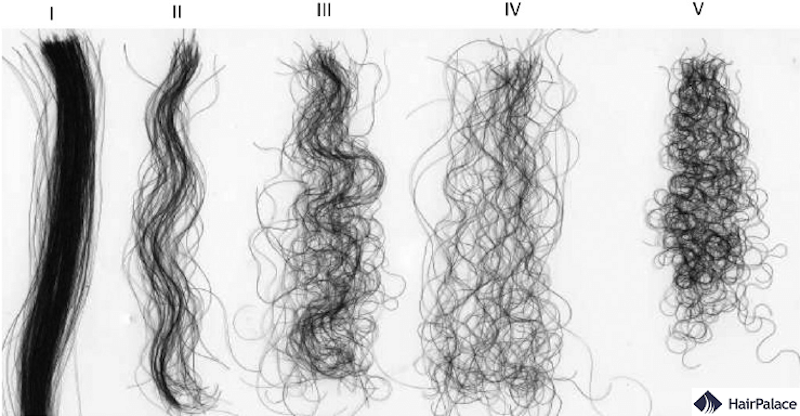
Texture Classification (Type 1-4):
Type 1 (Straight Hair):
- 1A: Completely straight, fine, soft texture—difficult to hold curls, tends toward oiliness
- 1B: Straight with slight body and volume—medium texture, some natural volume
- 1C: Straight but coarse and thick—holds slight bends, resistant to styling
Type 2 (Wavy Hair):
- 2A: Fine, thin S-shaped waves—easily straightened, prone to frizz in humidity
- 2B: Medium-textured waves with more definition—tends toward frizz, moderate volume
- 2C: Thick, coarse waves bordering on curly—prone to frizz, resistant to straightening
Type 3 (Curly Hair):
- 3A: Loose, large curls—well-defined ringlets, prone to frizz
- 3B: Tight, springy curls—medium texture, considerable volume
- 3C: Tight corkscrew curls—dense, full volume, prone to dryness
Type 4 (Coily/Kinky Hair):
- 4A: Soft, tightly coiled hair with S-pattern—fragile, shrinks significantly when dry
- 4B: Z-patterned bends rather than defined curls—very fragile, extreme shrinkage
- 4C: Tightly coiled zigzag pattern—most fragile, requires gentle handling, maximum shrinkage
Porosity Classification:
Low Porosity: Hair cuticles lay flat, resistant to moisture absorption—water beads on surface, products sit on hair rather than penetrating, takes forever to dry once wet. Needs: Lightweight products, heat to help absorption, humectants drawing moisture in.
Medium/Normal Porosity: Cuticles slightly raised, balanced moisture absorption and retention—the “Goldilocks” of porosity, easiest to manage. Needs: Standard products work well, occasional deep conditioning maintains balance.
High Porosity: Cuticles raised or damaged, absorbs moisture quickly but loses it just as fast—often damaged from chemical treatments or heat styling, prone to frizz, tangles easily. Needs: Heavy moisturizers, protein treatments, products sealing cuticles (oils, butter).
Density and Thickness:
Density: Number of hair strands per square inch—low, medium, or high density affects volume and how much product you need.
Strand Thickness: Individual strand diameter—fine, medium, or coarse affects fragility and styling hold.
Determining Your Hair Type
Texture test: Wash and air-dry hair without products—observe natural pattern revealing true texture without product influence.
Porosity test: Drop clean, dry hair strand in water—floats = low porosity, sinks slowly = medium, sinks immediately = high porosity.
Density test: Part hair and observe scalp visibility—easily visible = low density, somewhat visible = medium, barely visible = high density.
Strand thickness test: Compare single strand to sewing thread—thinner = fine, similar = medium, thicker = coarse.
Why Hair Type Matters
Product selection: Fine, straight hair drowns in heavy oils and butters meant for thick, coily hair. Conversely, lightweight serums do nothing for dry, coarse curls needing substantial moisture.
Washing frequency: Oily, straight hair may need daily or every-other-day washing; dry, coily hair suffers from frequent washing requiring weekly or bi-weekly schedules.
Styling approaches: Heat styling techniques, brush types, and styling products vary dramatically across hair types.
Damage susceptibility: Fine hair breaks easily from mechanical stress; coily hair’s natural dryness makes it fragile; chemically-treated hair regardless of type requires gentle handling.
Shop on AliExpress via link: wholesale-hair-care-products
2. The Science of Healthy Hair
Understanding hair’s biological structure and growth cycle helps you make informed care decisions based on science rather than marketing claims.
Hair Structure: The Three Layers
The Cuticle (Outer Layer): The cuticle consists of overlapping protective cells resembling roof shingles or fish scales. When healthy, these cells lay flat creating smooth, shiny surface reflecting light beautifully. When damaged, cuticles lift and separate creating rough texture, dullness, tangling, and breakage. The cuticle contains no pigment—hair color comes from deeper cortex layer.
Cuticle damage results from: heat styling (literally cooking proteins), chemical treatments (breaking and reforming structural bonds), mechanical damage (rough brushing, tight hairstyles), environmental damage (sun, chlorine, salt water), and pH disruption (very alkaline or acidic products forcing cuticles open).
The Cortex (Middle Layer): The cortex comprises 75-90% of hair strand thickness, containing structural proteins (primarily keratin) giving hair strength and elasticity, melanin pigments determining natural color, and moisture-retaining elements. Cortex damage causes: loss of elasticity (hair stretches but doesn’t bounce back), color fading or unwanted color changes, and structural weakness leading to breakage.
The Medulla (Inner Core): The medulla is the innermost layer present in thick, coarse hair but often absent in fine hair. Its function isn’t fully understood, but it contributes to hair strand thickness and thermal insulation properties.
The Hair Growth Cycle
Hair grows in distinct phases—understanding these explains why hair reaches maximum length, why shedding happens, and why growth-promoting products have limitations:
Anagen (Growth Phase): Lasts 2-7 years depending on genetics—this phase length determines your maximum hair length. Approximately 85-90% of scalp hair is in anagen phase at any time. Hair grows approximately 6 inches (15 cm) annually, or 0.5 inches (1.25 cm) monthly. Individual follicles cycle independently—otherwise you’d go completely bald periodically.
Catagen (Transition Phase): Lasts 2-3 weeks. Hair stops growing, follicle shrinks, hair detaches from blood supply. Only 1-2% of hair is in this phase simultaneously.
Telogen (Resting Phase): Lasts approximately 3 months. Hair remains in follicle but doesn’t grow. New hair begins forming beneath the old. Approximately 10-15% of hair is in telogen phase. At the end of telogen, old hair sheds when you wash, brush, or simply move—this is normal shedding, not hair loss.
Normal shedding: 50-100 hairs daily represents natural cycle turnover. Hair in brushes, shower drains, on pillows—this is expected. Concern arises when shedding exceeds 150-200 hairs daily or you notice thinning areas, increased scalp visibility, or dramatic shedding increases.
What Hair Needs to Thrive
Moisture: Hair is hygroscopic—absorbing and releasing water based on environment. Optimal moisture balance keeps hair flexible, elastic, and resistant to breakage. Over-moisturized hair (rare) becomes limp and mushy; under-moisturized hair (common) becomes brittle and breaks easily.
Protein: Hair is approximately 95% protein (keratin). Protein treatments help repair damaged areas and strengthen hair structure. However, too much protein makes hair stiff and brittle—balance is crucial.
Protection: Hair cannot heal itself—once damaged, the structure remains compromised until cut off. Therefore, prevention through protective practices is paramount.
Proper pH: Hair and scalp thrive at slightly acidic pH (4.5-5.5). This pH keeps cuticles flat and sealed. Alkaline products (pH above 7) force cuticles open causing damage; this is why clarifying shampoos used too frequently damage hair.
3. Proper Hair Washing Techniques
How you wash your hair matters as much as what products you use—improper technique causes unnecessary damage even with premium products.
Washing Frequency: Finding Your Balance
The washing frequency debate generates endless confusion—the truth is there’s no universal answer. Optimal frequency depends on:
Hair type and texture: Straight hair shows oil quickly, may need frequent washing (daily to every-other-day). Wavy hair typically thrives on every 2-3 days. Curly hair often does best with 2-3 times weekly. Coily hair may only need weekly washing—natural oils take longer traveling down curved hair shafts.
Scalp type: Oily scalps need more frequent washing than dry scalps. However, over-washing can trigger rebound oil production as scalps compensate for stripped oils.
Activity level: Heavy exercise causing sweating requires more frequent washing. Sedentary lifestyles allow extended time between washes.
Product use: Heavy styling products necessitate more frequent cleansing than product-free styling.
Environmental factors: Humid environments, pollution, hard water exposure affect washing needs.
Hair condition: Damaged, processed hair benefits from less frequent washing, while healthy hair tolerates more.
Signs you’re washing too frequently: Increased oiliness (rebound overproduction), dry, brittle hair despite using moisturizing products, color fading rapidly, scalp irritation or sensitivity, and hair feeling “squeaky” clean (this indicates stripped natural oils—not desirable).
Signs you’re not washing enough: Scalp itching or discomfort, visible oil/greasiness, limp, lifeless hair, buildup making hair feel waxy or heavy, and unpleasant odor.
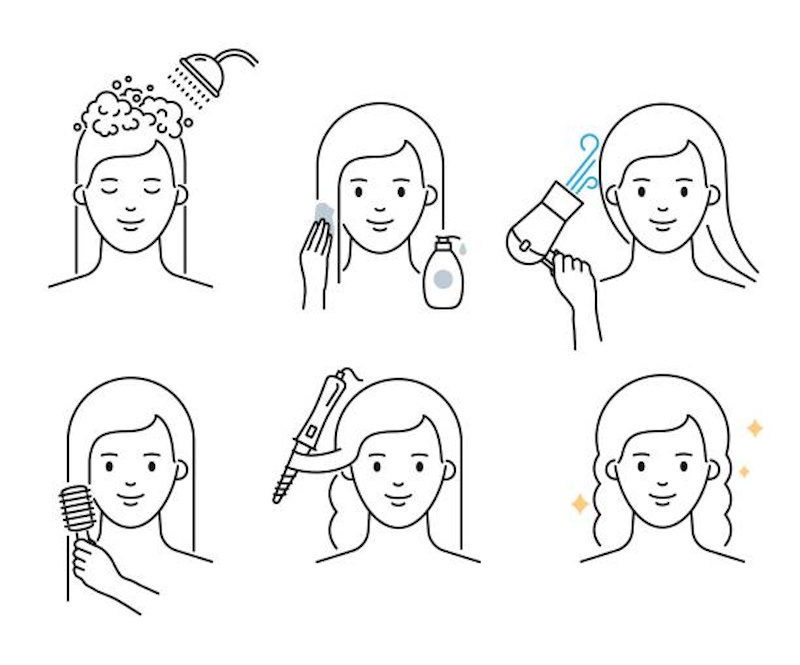
The Proper Washing Technique
Step 1: Pre-Wash Preparation (Optional but Beneficial)
Brush or finger-detangle dry hair before wetting—removes loose hairs, distributes natural oils, prevents severe tangling when wet. Use wide-tooth comb or detangling brush, starting from ends working upward to roots. Never rip through tangles—patience prevents breakage.
Pre-wash oil treatment for dry, damaged, or coily hair—apply coconut oil, olive oil, or dedicated pre-wash treatment to hair lengths (not scalp unless dry scalp), leave 20-60 minutes or overnight, then proceed to washing. The oil provides protective barrier during washing and adds moisture.
Step 2: Thorough Wetting
Use lukewarm water—not hot. Hot water strips excessive natural oils and can damage already-fragile hair. Cold water doesn’t clean effectively and is uncomfortable. Lukewarm water opens cuticles sufficiently for cleaning without excessive damage.
Saturate hair completely—inadequate wetting means shampoo won’t distribute properly, leading to using excess product and uneven cleaning.
Step 3: Shampooing
Amount: Quarter-sized amount for short hair, increasing to half-dollar size for longer, thicker hair. More isn’t better—excess shampoo is wasteful and harder to rinse completely.
Application: Pour shampoo into palm, add water to create lather, then apply—this ensures even distribution. Apply to scalp, not hair lengths. Your scalp produces oil and accumulates product; your hair lengths need much gentler cleansing.
Massage technique: Use fingertips (not nails) to massage scalp in circular motions. This loosens debris, stimulates circulation, and cleanses effectively without scratching or damaging scalp. Spend 1-2 minutes massaging—rushing doesn’t clean properly.
Hair lengths: As you rinse, shampoo running down lengths provides sufficient cleaning for hair shaft. If lengths are particularly dirty or product-heavy, you can gently work small amounts of diluted shampoo through lengths, but aggressive scrubbing is unnecessary and damaging.
Double cleansing: Some hair types (oily, heavy product use) benefit from double shampooing. First wash removes surface dirt and oil; second wash deep-cleans. This is optional—assess your hair’s needs.
Step 4: Rinsing
Rinse thoroughly—inadequately rinsed shampoo causes dullness, irritation, and buildup. Spend twice as long rinsing as you did washing. Ensure water runs clear before stopping. Lift hair sections to rinse underneath thoroughly—trapped shampoo under thick hair is common.
Cool water final rinse: After shampooing, finish with cool (not cold) water rinse. Cool water helps seal cuticles, enhancing shine and reducing frizz. This isn’t mandatory but provides noticeable benefits.
Step 5: Conditioning
Amount: Vary based on length and thickness—start conservatively, adding more if needed.
Application: Apply to hair lengths and ends only—avoid roots and scalp (unless using scalp-specific conditioner for dry scalp). Conditioner on scalp causes greasy appearance and can clog follicles.
Distribution: Use fingers or wide-tooth comb to distribute conditioner evenly through lengths. Combing through wet, conditioned hair is the safest time for detangling—cuticles are open, conditioner provides slip reducing friction.
Wait time: Leave conditioner 2-5 minutes allowing absorption. Use this time for other shower tasks. Conditioner labeled “rinse immediately” needs minimal wait; deep conditioners benefit from longer (5-15 minutes, or as directed).
Rinsing conditioner: Rinse thoroughly until water runs clear. Some advocate leaving slight residue for extra moisture, but this risks buildup and greasiness—thorough rinsing is generally better.
Final cool rinse: Finish with cool water to seal cuticles enhanced by conditioner.
Special Considerations
Hard water: If you have hard water (high mineral content), consider installing shower filter. Hard water minerals coat hair causing dullness, dryness, and buildup. Monthly chelating shampoo treatment removes mineral deposits.
Clarifying treatments: Use clarifying shampoo monthly (or as needed) to remove stubborn buildup from styling products, hard water minerals, chlorine, etc. Clarifying shampoos are stronger, more stripping—follow immediately with deep conditioning treatment.
Co-washing: Washing with conditioner instead of shampoo—popular with curly, coily, very dry hair types. Co-washing is gentler, less stripping, but doesn’t clean as deeply. Alternate co-washing with occasional shampooing to prevent buildup.
Shop on AliExpress via link: wholesale-natural-hair-oils
4. Choosing the Right Hair Products
The hair care aisle overwhelms with countless products making lofty promises—understanding how to choose products matching your specific needs saves money and prevents damage from inappropriate products.
Shampoo Selection
Sulfate-free vs. Sulfate shampoos:
Sulfates (sodium lauryl sulfate, sodium laureth sulfate) are powerful cleansing agents creating rich lather. They clean effectively but strip natural oils aggressively. Best for: oily hair, infrequent washers, heavy product users, pre-clarifying before treatments. Avoid if: you have dry, damaged, color-treated, or curly/coily hair—sulfates exacerbate dryness and strip color.
Sulfate-free shampoos use gentler cleansing agents producing less lather but cleaning effectively without stripping. Best for: dry, damaged, color-treated, or curly/coily hair. They require adjustment period—expect less foam, but foam doesn’t equal cleaning power.
Ingredient-specific shampoos:
Moisturizing shampoos: Contain ingredients like glycerin, oils, shea butter—ideal for dry, damaged, or coily hair. Avoid if oily hair as they can be too heavy.
Volumizing shampoos: Lightweight formulas avoiding heavy ingredients that weigh hair down—ideal for fine, limp hair lacking body. Avoid if dry or damaged as they may not provide sufficient moisture.
Clarifying shampoos: Strong cleansers removing stubborn buildup—use monthly or as needed, never exclusively. Always follow with deep conditioning.
Color-safe shampoos: pH-balanced, gentler formulas preserving color—essential if color-treated. Look for UV protection preventing sun-induced fading.
Anti-dandruff shampoos: Contain active ingredients (zinc pyrithione, ketoconazole, selenium sulfide, coal tar, salicylic acid) targeting fungal or bacterial causes of dandruff. Use as directed—usually 2-3 times weekly alternating with regular shampoo.
Protein-enriched shampoos: Contain hydrolyzed proteins strengthening hair—beneficial for damaged, over-processed, or weak hair. Use cautiously—excessive protein causes stiffness.
Conditioner Selection
Rinse-out conditioners: Standard conditioners used after every shampoo—lightest conditioning option. Choose formulas matching your hair type:
- Fine hair: Lightweight, volumizing formulas avoiding heavy oils
- Dry/damaged hair: Rich, moisturizing formulas with oils and butter
- Curly/coily hair: Creamy, highly moisturizing formulas providing slip for detangling
Leave-in conditioners: Applied to damp hair, not rinsed—provide ongoing moisture, heat protection, detangling benefits throughout the day. Lighter than rinse-out conditioners. Apply sparingly to avoid greasy appearance—focus on mid-lengths to ends.
Deep conditioners/Hair masks: Intensive treatments used weekly or bi-weekly—much richer than daily conditioners, left on 15-30 minutes (or longer), penetrate deeper into hair shaft. Essential for maintaining healthy hair, especially if heat styling or chemically treating.
Types of deep treatments:
Moisture masks: Hydrate dry, brittle hair using ingredients like shea butter, avocado oil, honey. Use when hair feels dry, straw-like, or frizzy.
Protein treatments: Strengthen damaged hair using hydrolyzed proteins (keratin, wheat, silk proteins). Use when hair feels mushy when wet, stretches excessively without snapping back, or breaks easily. Don’t overuse—excessive protein causes brittleness.
Clarifying treatments: Deep-clean removing buildup while conditioning. Use before major treatments or when hair feels waxy, coated, or products stop working effectively.
Styling Products
Heat protectants: Non-negotiable if using heat styling tools—create barrier between hair and heat preventing protein damage. Apply to damp hair before blow-drying or to dry hair before flat irons/curling irons. Look for ingredients like silicones (dimethicone, cyclomethicone) or natural alternatives (argan oil, grapeseed oil).
Serums and oils: Add shine, reduce frizz, provide light hold—apply to ends of damp or dry hair. Use sparingly—start with 1-2 drops, adding more only if needed. Oils work for most hair types; serums particularly benefit fine or oily hair as they’re lighter.
Mousses and foams: Provide volume and light hold—ideal for fine hair lacking body. Apply to damp hair before blow-drying. Avoid if you have dry or coily hair as they can be drying.
Gels: Provide hold and definition—excellent for curly hair forming defined curls without frizz. Range from light to strong hold. Apply to very wet hair, scrunch, air-dry or diffuse. Once dry, “scrunch out the crunch” for soft, defined curls.
Creams and lotions: Provide moisture, reduce frizz, define texture—work for various hair types depending on thickness. Lighter creams suit fine/wavy hair; richer creams suit thick/curly/coily hair.
Hairsprays: Provide hold and finishing—range from flexible to firm hold. Choose formulas offering hold without stiffness or stickiness. Apply 8-12 inches from hair for even distribution.
Reading Ingredient Labels
Beneficial ingredients to seek:
Natural oils: Argan, coconut, jojoba, olive, avocado oils provide moisture and protection.
Butter: Shea butter, cocoa butter offer intensive moisture for dry, coarse hair.
Proteins: Keratin, silk protein, wheat protein strengthen damaged hair (use moderately).
Humectants: Glycerin, aloe vera, honey attract and retain moisture.
Vitamins: Vitamin E (antioxidant protection), B-vitamins (strengthen hair), Biotin (supports growth).
Ingredients to limit or avoid:
Sulfates: SLS, SLES—harsh cleansers stripping natural oils (acceptable for oily hair, avoid for dry/damaged hair).
Silicones: Dimethicone, cyclomethicone—create shine and smoothness but can cause buildup requiring clarifying. Water-soluble silicones (PEG-modified) wash out more easily. Not inherently bad but require periodic clarifying.
Alcohols: Drying alcohols (isopropyl alcohol, alcohol denat, ethanol) can dry hair. Fatty alcohols (cetyl alcohol, stearyl alcohol) are actually moisturizing—don’t avoid these.
Parabens: Preservatives (methylparaben, propylparaben)—some prefer avoiding due to health concerns, though research is inconclusive. Paraben-free alternatives are readily available.
Synthetic fragrances: Can cause scalp irritation or allergic reactions in sensitive individuals.
Product Testing and Adjustment
Trial periods: Give new products 2-3 weeks for assessment—immediate judgments can be premature as hair adjusts to new formulations.
Patch testing: Test new products on small hair section or behind ear to check for allergic reactions before full application.
Seasonal adjustments: Hair needs change seasonally—winter may require more moisture; summer may need lighter products. Adjust product selection accordingly.
Don’t hoard: Products expire or lose effectiveness—check expiration dates, discard old products, and avoid buying excessive backups that may expire before use.
5. Deep Conditioning and Hair Masks
While daily conditioning provides surface moisture, deep conditioning treatments penetrate hair shaft providing intensive nourishment, repair, and strength—essential for maintaining truly healthy hair.
Understanding Deep Conditioning
Deep conditioners differ from regular conditioners in:
Molecular size: Smaller molecules penetrate deeper into hair cortex rather than coating surface.
Concentration: Higher concentrations of beneficial ingredients providing intensive treatment.
Application time: Left on 15-60 minutes (sometimes longer) allowing penetration, unlike 2-5 minutes for regular conditioners.
Frequency: Used weekly or bi-weekly rather than daily—they’re treatments, not maintenance products.
Types of Deep Conditioning Treatments
Moisture-based masks:
Purpose: Hydrate dry, brittle, dehydrated hair restoring flexibility and softness.
Key ingredients: Shea butter, coconut oil, avocado oil, honey, glycerin, aloe vera—all humectants and emollients attracting and sealing moisture.
Who needs them: Anyone with dry hair, those who heat style regularly, color-treated hair, anyone in dry climates, and those with naturally dry hair types (curly, coily).
Application: Apply generously to clean, damp hair focusing on mid-lengths to ends (avoid roots unless dry scalp). Cover with shower cap or plastic wrap trapping heat enhancing penetration. Leave 20-60 minutes, rinse thoroughly.
Protein treatments:
Purpose: Strengthen damaged, weak, or over-processed hair by temporarily binding to damage sites reinforcing structure.
Key ingredients: Hydrolyzed proteins (keratin, wheat protein, silk protein, collagen), amino acids—the building blocks of hair.
Who needs them: Hair damaged from heat styling, chemical treatments (color, relaxers, perms), mechanical damage, or hair feeling mushy/overly elastic when wet.
Warning signs you need protein: Hair stretches excessively when wet without bouncing back, feels limp or mushy, breaks easily, or lacks definition in curls.
Application: Apply to clean, damp hair, focusing on damaged areas. Leave 10-30 minutes as directed. Rinse thoroughly. Don’t overuse—too much protein causes stiffness and brittleness. Most people need protein treatments monthly or less frequently.
Combination treatments:
Many quality deep conditioners balance moisture and protein addressing multiple needs simultaneously. These work well for moderately damaged hair requiring both hydration and strength.
DIY Deep Conditioning Masks
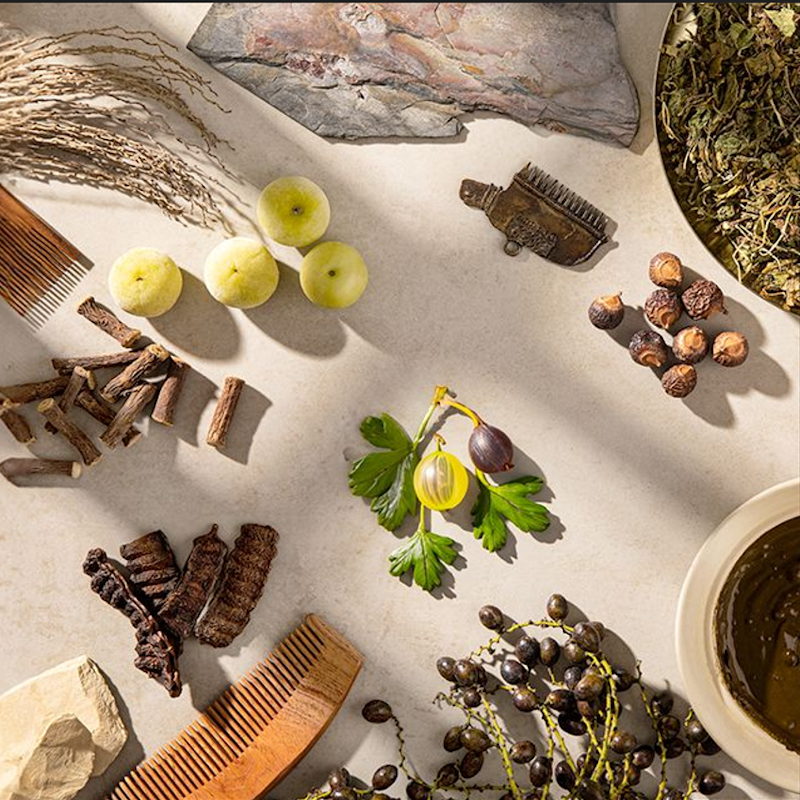
Store-bought products are convenient, but natural DIY masks offer effective, affordable alternatives using kitchen ingredients:
Moisture-intensive masks:
Avocado and honey mask:
- 1 ripe avocado (mashed)
- 2 tablespoons honey
- 1 tablespoon olive or coconut oil
Combine ingredients thoroughly. Apply to clean, damp hair avoiding scalp. Cover with shower cap. Leave 30-60 minutes. Rinse thoroughly, follow with light conditioner if needed. Shampoo again if residue remains.
Coconut milk and honey mask:
- 1/2 cup coconut milk (full-fat)
- 2 tablespoons honey
Mix well. Apply to hair lengths and ends. Cover and leave 30-45 minutes. Rinse thoroughly.
Banana and olive oil mask:
- 1 ripe banana (mashed until smooth—no lumps!)
- 2 tablespoons olive oil
- 1 tablespoon honey
Blend until completely smooth (lumps are difficult to rinse out). Apply, cover, leave 30 minutes. Rinse extremely thoroughly.
Protein-enriched masks:
Egg and yogurt mask:
- 1-2 eggs (depending on hair length)
- 1/4 cup plain Greek yogurt
- 1 tablespoon honey
Whisk together until smooth. Apply to damp hair. Leave 20-30 minutes. Rinse with cool or lukewarm water only—hot water scrambles eggs making them difficult to remove. Follow with regular shampoo and conditioner.
Mayonnaise treatment:
- Full-fat mayonnaise (quantity depending on hair length)
Apply generously to damp hair. Cover with shower cap. Leave 20-60 minutes. Shampoo thoroughly (may need double shampooing to remove all mayo). Mayonnaise contains eggs and oil providing protein and moisture.
Enhancing Deep Conditioning Results
Heat application: Heat helps treatments penetrate deeper. After applying mask and covering with shower cap, apply warm towel over cap (microwave damp towel 30-60 seconds), use hair dryer warming cap for 5-10 minutes, or simply wear cap in warm shower/bath environment.
Extended time: While products give minimum times, leaving treatments longer (within reason—1-2 hours maximum unless product specifies overnight use) enhances results.
Overnight treatments: Some oils (coconut, olive, argan) can be applied before bed, covered with cap or towel protecting pillowcase, left overnight, then shampooed out morning. This works particularly well for very dry or coily hair.
Consistency matters: Weekly deep conditioning provides cumulative benefits—one treatment won’t transform damaged hair, but weekly treatments over months produce dramatic improvements.
Shop on AliExpress via link: wholesale-hair-styling-tools
6. Drying and Styling Safely
How you dry and style hair significantly impacts its health—even perfect products can’t compensate for damaging styling practices.
Air Drying: The Healthiest Option
Air drying eliminates heat damage entirely—making it the safest drying method. However, technique matters:
Proper air drying:
After washing: Gently squeeze excess water from hair using hands—don’t wring or twist aggressively.
Towel technique: Never rub hair vigorously with towel—this causes severe mechanical damage and frizz. Instead, gently squeeze hair sections between towel folds absorbing water, or use “plopping” technique (place t-shirt or microfiber towel on flat surface, flip hair onto towel, wrap securing hair, leave 10-20 minutes).
Microfiber towels or t-shirts: Cotton towels’ rough texture creates friction damaging cuticles. Microfiber towels or old t-shirts are smoother, gentler, and absorb water more efficiently.
Detangling: Use wide-tooth comb or detangling brush on wet hair, starting from ends working up to roots. Apply leave-in conditioner providing slip for easier detangling.
Positioning: Let hair air-dry in natural fall pattern—pulling it back tightly while wet can cause breakage and distort curl patterns.
Air drying limitations: Takes significant time (hours for thick or long hair), can cause frizz in humid environments, may lack volume compared to blow-drying, and isn’t practical for people needing to leave home quickly after washing.
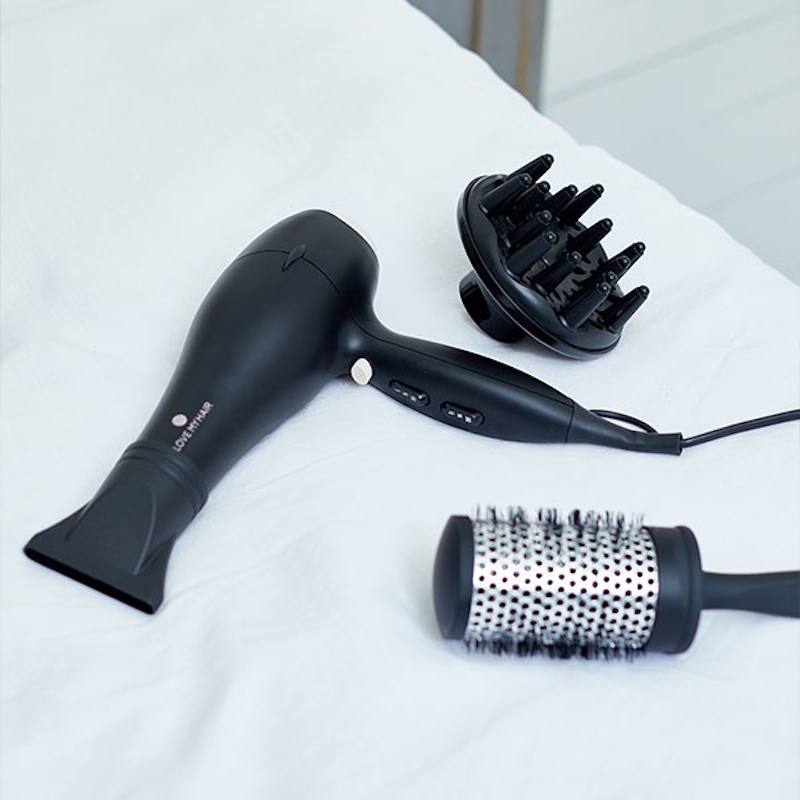
Blow Drying: Balancing Speed and Safety
Blow drying offers convenience and styling control but introduces heat damage risk—proper technique minimizes harm:
Essential blow drying rules:
Heat protectant: Absolutely mandatory—apply to damp hair before any heat styling. This creates protective barrier preventing protein damage.
Temperature settings: Use lowest effective temperature. Start with low/medium heat—you can always increase if needed, but starting hot ensures damage. Many modern dryers offer cool shot button—use it as finishing step sealing cuticles.
Distance: Hold dryer 6-8 inches from hair—closer creates excessive heat concentration causing damage. Constantly moving dryer prevents heat buildup on any section.
Direction: Direct airflow down hair shaft (from roots to ends) following natural cuticle direction. This smooths cuticles reducing frizz and enhancing shine. Blowing randomly or against cuticle pattern increases frizz and damage.
Dampness level: Don’t blow-dry soaking wet hair—this requires excessive heat and time. Let hair air-dry until damp (30-60% dry) then finish with blow dryer. This minimizes heat exposure while providing styling control.
Sectioning: Divide thick or long hair into sections, securing sections you’re not actively drying. This ensures even drying and prevents some sections receiving excessive heat while others remain damp.
Tension technique: For smooth styles, use round brush or paddle brush creating tension as you dry. This straightens hair and adds volume at roots.
Diffusing Curly Hair
Diffusers are blow dryer attachments designed for curly hair—they disperse airflow preventing curl disruption:
Diffusing technique:
- Apply styling products to very wet hair
- Attach diffuser to blow dryer
- Set to low heat, low speed
- “Cup” hair sections into diffuser bowl
- Hold diffuser stationary against hair for 10-20 seconds
- Release and move to next section
- Avoid touching or scrunching until completely dry—this preserves curl formation and prevents frizz
Benefits: Faster than air drying, maintains curl definition better than free blow-drying, adds volume at roots.
Protective Styling
Protective styles minimize manipulation and exposure reducing mechanical and environmental damage—particularly beneficial for fragile, damaged, or natural textured hair:
Types of protective styles:
Braids: Single braids, French braids, Dutch braids—keep hair contained reducing tangling and breakage. Don’t braid too tightly—tension causes breakage.
Buns and updos: Pull hair up securing with soft scrunchies (never tight elastic bands with metal components). Vary bun placement preventing breakage in same spot.
Twists and locs: For natural textured hair, twists and locs protect ends while promoting length retention.
Wigs and weaves: Completely cover and protect natural hair—popular protective styling for natural hair allowing rest from manipulation.
Protective styling guidelines:
- Don’t keep styles too long—2-4 weeks maximum for braids/twists before taking down and giving hair break
- Moisturize hair before styling and maintain moisture while styled
- Don’t make styles excessively tight—tension causes traction alopecia (hairline recession from pulling)
- Still wash/cleanse scalp regularly even while protectively styled
- Give hair breaks between protective styles—wearing them back-to-back indefinitely can cause issues
7. Heat Protection and Tool Safety
Heat styling tools—flat irons, curling irons, blow dryers—offer versatility and convenience but pose significant damage risk when used improperly.
Understanding Heat Damage
Heat damages hair by:
Denaturing proteins: Hair is primarily protein. Excessive heat literally cooks these proteins, permanently altering structure. This is irreversible—damaged sections must grow out or be cut off.
Evaporating moisture: Heat rapidly removes moisture from hair causing dryness and brittleness.
Lifting cuticles: High temperatures force cuticles open, increasing porosity, moisture loss, and fragility.
Weakening bonds: The bonds holding hair structure together weaken under high heat, reducing strength and elasticity.
Visible signs of heat damage: Split ends, rough texture, loss of shine, increased tangling, breakage, difficulty holding styles, hair feeling dry/straw-like, and discoloration (especially on darker hair showing reddish tint).
Heat Protectant Products
Heat protectants are non-negotiable for anyone using heat styling tools—they create barrier between hair and heat significantly reducing damage:
Types of heat protectants:
Sprays: Light, even distribution—ideal for fine or oily hair. Spray on damp hair before blow-drying or on dry hair before flat/curling irons.
Creams and lotions: Richer protection with added moisture—ideal for dry, thick, or coarse hair. Apply to damp hair, distribute evenly.
Serums: Concentrated protection with shine-enhancing properties—work for most hair types. Use sparingly to avoid greasiness.
Key ingredients in heat protectants:
Silicones: Dimethicone, cyclomethicone create physical barrier on hair surface deflecting heat.
Proteins: Hydrolyzed proteins strengthen hair temporarily protecting from heat.
Natural oils: Argan, coconut, grapeseed oils provide moisture and some heat protection (though less effective than silicone-based products).
Polymers: Form protective film coating hair.
Application tips:
- Apply to damp hair before blow-drying for comprehensive protection
- For flat/curling irons, apply to dry hair just before styling
- Use enough to coat hair but not so much it looks greasy or wet
- Distribute evenly through lengths and ends—these areas need most protection
Safe Heat Tool Usage
Flat Irons (Straighteners):
Temperature guidelines:
- Fine or damaged hair: 250-300°F (120-150°C)
- Normal, healthy hair: 300-350°F (150-175°C)
- Thick or coarse hair: 350-400°F (175-205°C)
- Never exceed 400°F—higher temperatures provide diminishing returns while exponentially increasing damage
Technique:
- Work with small sections (1-2 inches wide)
- Clamp iron at roots, glide smoothly to ends in one pass—multiple passes multiply heat exposure
- Don’t hold iron stationary on any section—keep it moving
- Let each section cool completely before touching or styling further
Tool quality matters: Invest in quality flat iron with adjustable temperature settings, ceramic or titanium plates (distribute heat evenly), and automatic shut-off features for safety.
Curling Irons:
Temperature guidelines: Similar to flat irons—adjust based on hair type and condition.
Technique:
- Work with small sections
- Wrap hair around barrel without overlapping
- Hold 5-15 seconds depending on temperature and desired curl tightness
- Release gently without pulling
Cool setting: After forming curl, secure with clip allowing it to cool in curl shape. This sets the style with heat memory.
Blow Dryers:
Covered in previous section—key points: use heat protectant, keep 6-8 inches distance, use lowest effective temperature, direct airflow down hair shaft, and allow hair to air-dry partially before blow-drying.
Frequency Recommendations
Minimize heat styling frequency—even with protection, repeated heat exposure accumulates damage:
Ideal scenario: Heat style 1-2 times weekly maximum, with heat-free days between.
If daily heat styling is unavoidable:
- Use absolute lowest effective temperature
- Invest in highest-quality tools with even heat distribution
- Use premium heat protectants
- Deep condition weekly
- Trim regularly preventing split ends traveling up hair shaft
Heat-free styling alternatives:
For straight hair:
- Wrap setting (wrap damp hair around head, secure, let air-dry)
- Roller setting
- Blow drying with lower heat + tension brushing
- Brazilian blowout or keratin treatments (professional straightening without daily heat)
For curly/wavy hair:
- Finger coiling on wet hair
- Braid waves (braid damp hair, air-dry, release for waves)
- Twist-outs or braid-outs
- Flexi-rods or perm rods on damp hair
- Bantu knots
Shop on AliExpress via link: wholesale-hair-care-brushes
8. Nutrition for Healthy Hair Growth
Hair grows from within—external products can only protect and maintain what grows, but optimal growth and hair quality fundamentally depend on nutrition. Your diet directly impacts hair strength, growth rate, texture, and overall health.
How Nutrition Affects Hair
Hair follicles are among the body’s most metabolically active tissues, requiring constant nutrient supply for optimal function. Deficiencies in key nutrients manifest in:
- Slowed growth rate
- Thinning or hair loss
- Brittle, weak strands prone to breakage
- Dull, lackluster appearance
- Premature graying (in some cases)
- Dry, flaky scalp
Conversely, optimal nutrition supports:
- Steady growth at genetically maximum rate
- Strong, resilient hair resistant to breakage
- Healthy shine and texture
- Thick, full appearance
- Healthy scalp environment
Essential Nutrients for Hair Health
Protein:
Hair is approximately 95% protein (keratin)—making adequate protein intake fundamental for hair health. Insufficient protein forces body to ration protein to vital organs, putting hair growth on hold.
Daily needs: 0.8-1.2 grams per kilogram body weight minimum; active individuals need more.
Best sources: Lean meats, poultry, fish, eggs, dairy, legumes, nuts, tofu, tempeh.
Biotin (Vitamin B7):
Essential B-vitamin supporting keratin production—biotin deficiency causes hair loss and brittle hair. However, deficiency is rare in people eating varied diets.
Daily needs: 30 mcg (most people easily meet this)
Best sources: Eggs (especially yolks), nuts, seeds, sweet potatoes, spinach, broccoli, whole grains.
Note: Biotin supplements are heavily marketed for hair growth, but they only help people with actual deficiency (rare). If you’re not deficient, supplementing won’t accelerate growth beyond genetic potential.
Iron:
Iron carries oxygen in blood—including to hair follicles. Iron deficiency (common in menstruating women) causes hair thinning and excessive shedding.
Daily needs: 18 mg for menstruating women, 8 mg for men and post-menopausal women
Best sources: Red meat, poultry, fish, lentils, beans, tofu, spinach, fortified cereals. Vitamin C enhances iron absorption—pair iron sources with citrus, berries, or bell peppers.
Omega-3 Fatty Acids:
Essential fats supporting scalp health, reducing inflammation, and providing moisture to hair shafts from within.
Daily needs: 250-500 mg combined EPA/DHA
Best sources: Fatty fish (salmon, mackerel, sardines), walnuts, flaxseeds, chia seeds, hemp seeds. Consider algae-based omega-3 supplements if you don’t eat fish.
Vitamin D:
Supports hair follicle cycling and may help prevent hair loss—deficiency correlates with hair thinning.
Daily needs: 600-800 IU minimum, but many experts recommend 1000-2000 IU
Best sources: Fatty fish, fortified dairy/plant milks, egg yolks, mushrooms, sunlight exposure (15-20 minutes daily). Supplementation is often necessary, especially in northern climates during winter.
Vitamin A:
Supports sebum production (natural scalp oil) keeping hair moisturized and healthy. However, excess vitamin A causes hair loss—balance is crucial.
Daily needs: 700-900 mcg (don’t exceed 3,000 mcg daily)
Best sources: Sweet potatoes, carrots, spinach, kale, butternut squash, eggs, dairy.
Vitamin C:
Antioxidant protecting hair from oxidative stress, supports collagen production (structural protein in hair), and enhances iron absorption.
Daily needs: 75-90 mg
Best sources: Citrus fruits, berries, bell peppers, broccoli, Brussels sprouts, tomatoes.
Vitamin E:
Antioxidant protecting hair cells from oxidative damage, supports scalp circulation.
Daily needs: 15 mg
Best sources: Nuts (especially almonds), seeds, vegetable oils, avocados, leafy greens.
Zinc:
Supports hair tissue growth and repair, regulates oil glands around follicles. Deficiency causes hair loss and dry, flaky scalp.
Daily needs: 8-11 mg
Best sources: Oysters, red meat, poultry, beans, nuts, whole grains, dairy.
B Vitamins (especially B12, Folate, Niacin):
Support red blood cell formation carrying oxygen to scalp and follicles. B12 deficiency (common in vegetarians/vegans and older adults) causes hair loss.
Daily needs: Vary by specific B vitamin
Best sources: Meat, poultry, fish, eggs, dairy, fortified plant milks and cereals, leafy greens, legumes.
Hair-Healthy Eating Patterns
Rather than obsessing over individual nutrients, focus on overall eating patterns providing comprehensive nutrition:
The Mediterranean diet (rich in fruits, vegetables, whole grains, fish, olive oil, nuts) provides excellent hair nutrition with anti-inflammatory omega-3s, antioxidants, and balanced protein.
Adequate protein at each meal ensures constant amino acid availability for keratin synthesis.
Colorful fruits and vegetables provide diverse vitamins, minerals, and antioxidants protecting hair cells.
Healthy fats from nuts, seeds, avocados, fish, olive oil support scalp health and provide moisture from within.
Whole grains provide B vitamins and minerals supporting hair metabolism.
Adequate hydration (8+ glasses water daily) keeps hair hydrated from inside, complementing external moisture.
Supplements: When Are They Necessary?
Most people eating varied, balanced diets don’t need hair-specific supplements. However, supplementation may help if:
- You have diagnosed nutrient deficiency (confirmed by blood tests)
- You follow restricted diets (vegan, vegetarian, food allergies) potentially limiting nutrient sources
- You have medical conditions affecting nutrient absorption
- You’re pregnant or breastfeeding (increased nutrient needs)
- You’re experiencing unexplained hair loss (consult doctor first—supplements treat deficiency, not other hair loss causes)
Popular hair supplements:
Biotin supplements: Only help if you’re actually deficient (rare). Most people don’t need supplemental biotin.
Collagen supplements: Some evidence suggests collagen peptides support hair growth and strength, but research is limited. Food sources of protein provide amino acids for collagen synthesis.
Multivitamins: Can fill nutritional gaps but aren’t substitutes for healthy eating. Choose quality brands third-party tested for purity and potency.
Before supplementing: Consult healthcare provider—some supplements interact with medications, excess amounts of certain nutrients cause problems, and supplements don’t address underlying health issues causing hair problems.
Foods to Limit
While focusing on beneficial foods, also consider limiting:
Excessive alcohol: Dehydrates body, depletes nutrients, and can impair hair growth.
High-sugar diets: May worsen scalp inflammation and potentially affect hair growth through hormonal pathways.
Crash diets/severe calorie restriction: Force body into conservation mode, halting non-essential processes like hair growth. Rapid weight loss often triggers temporary hair shedding.
9. Natural Hair Treatments and Remedies
Nature provides numerous ingredients supporting hair health—these natural treatments offer affordable, accessible alternatives or complements to commercial products.
Beneficial Natural Oils
Coconut Oil:
Benefits: Penetrates hair shaft reducing protein loss during washing, provides moisture, reduces breakage, adds shine, has antimicrobial properties supporting scalp health.
Application: Pre-wash treatment (apply to dry hair 30 minutes to overnight before shampooing), leave-in treatment for ends (use tiny amount to avoid greasiness), or scalp treatment for dry scalp.
Best for: All hair types, especially dry, damaged, or coily hair. Use moderately on fine or oily hair.
Argan Oil:
Benefits: Rich in vitamin E and fatty acids, moisturizes without greasiness, adds incredible shine, tames frizz, provides light heat protection.
Application: Apply few drops to damp or dry hair focusing on ends, or add to deep conditioning masks.
Best for: All hair types, particularly beneficial for dry, frizzy, or damaged hair.
Castor Oil:
Benefits: Thick, viscous oil rich in ricinoleic acid, promotes scalp health, may support hair growth, adds moisture, strengthens hair.
Application: Scalp massage (warm oil, massage into scalp, leave 30 minutes to overnight, shampoo out), or mix with lighter oils (dilute thick consistency for easier application).
Best for: Those seeking to promote hair growth, treat dry scalp, or strengthen hair.
Olive Oil:
Benefits: Moisturizes, adds shine, helps seal cuticles, inexpensive and readily available.
Application: Pre-wash treatment, hot oil treatment (warm oil, apply to hair, cover with shower cap, leave 30-60 minutes, shampoo thoroughly).
Best for: Dry, thick, or coarse hair. Can be heavy for fine or oily hair.
Jojoba Oil:
Benefits: Closely resembles scalp’s natural sebum, balances oil production, moisturizes without greasiness, supports scalp health.
Application: Scalp massage, light leave-in treatment, or added to styling products.
Best for: All hair types, particularly beneficial for those with scalp issues.
Sweet Almond Oil:
Benefits: Lightweight, easily absorbed, moisturizes, adds softness and shine.
Application: Leave-in treatment, pre-wash treatment, or added to masks.
Best for: Fine to medium hair textures—light enough not to weigh down hair.
Scalp Treatments
Apple Cider Vinegar Rinse:
Benefits: Balances scalp pH, removes product buildup, enhances shine, closes cuticles, has antimicrobial properties helping with dandruff.
Application: Mix 2-3 tablespoons apple cider vinegar with 1 cup water. After shampooing and rinsing, pour mixture over hair and scalp, massage briefly, let sit 1-3 minutes, rinse thoroughly. Use weekly or bi-weekly.
Caution: Dilute properly—undiluted ACV is too acidic and can damage hair. Don’t use if you have color-treated hair as acidity may affect color.
Tea Tree Oil Scalp Treatment:
Benefits: Powerful antimicrobial properties treat dandruff and scalp infections, unclogs hair follicles, reduces scalp inflammation.
Application: Add 5-10 drops tea tree oil to shampoo, or dilute 3-5 drops in tablespoon carrier oil (coconut, jojoba), massage into scalp, leave 10-15 minutes, shampoo out.
Caution: Never apply undiluted tea tree oil to scalp—it’s very concentrated and can cause irritation. Do patch test first.
Aloe Vera Scalp Treatment:
Benefits: Soothes irritated scalp, provides moisture, has antimicrobial properties, balances pH.
Application: Apply pure aloe vera gel directly to scalp, massage gently, leave 30 minutes, rinse, then shampoo normally. Use weekly for scalp issues.
Hair Growth Remedies
While no topical treatment creates hair where follicles don’t exist or extends hair beyond genetic potential, some natural remedies support optimal growth and scalp health:
Onion Juice:
Evidence: Some studies suggest sulfur compounds in onion juice support hair regrowth, though more research is needed.
Application: Blend onion, strain juice, apply to scalp, leave 15-30 minutes, shampoo thoroughly (to remove smell). Use 2-3 times weekly for several months to assess effectiveness.
Drawback: Strong smell that lingers despite thorough washing.
Rosemary Oil:
Evidence: Research suggests rosemary oil may be as effective as 2% minoxidil for promoting hair growth.
Application: Dilute 5-6 drops rosemary essential oil in tablespoon carrier oil, massage into scalp, leave 30 minutes to overnight, shampoo out. Use 2-3 times weekly.
Peppermint Oil:
Evidence: Animal studies suggest peppermint oil may promote hair growth by increasing blood circulation to follicles.
Application: Dilute 2-3 drops peppermint oil in tablespoon carrier oil (it’s very potent), massage into scalp, leave 10-15 minutes, shampoo out. Use weekly.
Caution: Causes tingling sensation—this is normal, but discontinue if irritation develops.
Natural Clarifying Treatments
Baking Soda Clarifying Treatment:
Benefits: Removes stubborn product buildup, clarifies hair and scalp.
Application: Mix 1 tablespoon baking soda with 1 cup water, pour over wet hair, massage scalp and lengths, leave 1-2 minutes, rinse thoroughly, follow immediately with deep conditioning treatment.
Caution: Baking soda is alkaline (opposite of hair’s natural pH), so use sparingly—once monthly maximum. Always follow with acidic rinse (apple cider vinegar) or deep conditioner to restore pH balance.
Creating Natural Hair Masks
Covered extensively in Deep Conditioning section, but key combinations:
For dry hair: Avocado + honey + coconut oil For damaged hair: Egg + olive oil + honey For oily scalp: Clay (bentonite or kaolin) + apple cider vinegar For dandruff: Yogurt + tea tree oil + honey
10. Hair Trimming and Split End Prevention
Regular trimming is essential for maintaining healthy hair—contrary to popular myth, trimming doesn’t make hair grow faster (growth happens at the scalp, not ends), but it prevents damage from traveling up hair shaft maintaining overall hair health.
Understanding Split Ends
Split ends (trichoptilosis) occur when hair’s protective cuticle layer wears away at ends, causing cortex to split apart. Once split, ends cannot be repaired—no product can truly “heal” splits. They must be cut off.
Types of split ends:
Single split: Hair shaft splits into two branches—most common type.
Double or triple split: Hair splits multiple times creating tree branch appearance—indicates severe damage.
Incomplete split: Hair begins splitting but hasn’t completely separated yet—can sometimes be prevented from worsening with intensive conditioning.
Fork split: Hair splits into multiple branches resembling fork prongs.
Feather split: Multiple splits along hair shaft, not just at very end—indicates damage extending further up.
Knot split: Hair tangles into knot that weakens and eventually breaks.
Causes of split ends:
- Heat styling without adequate protection
- Chemical treatments (coloring, perming, relaxing)
- Over-washing or harsh shampoos stripping protective oils
- Mechanical damage (rough brushing, tight hairstyles, friction from clothing or pillowcases)
- Environmental damage (sun exposure, chlorine, salt water)
- Lack of regular trims allowing damage to progress
- Nutritional deficiencies affecting hair strength
Trimming Guidelines
Frequency recommendations:
Healthy hair: Trim every 10-12 weeks maintaining health and preventing split ends.
Damaged hair: Trim every 6-8 weeks removing damage more aggressively while nursing hair back to health.
Chemically treated hair: Trim every 8-10 weeks—chemical processes increase fragility requiring more frequent maintenance.
Growing hair out: Minimum trim every 12 weeks—skipping trims trying to maximize length is counterproductive as split ends break off, creating illusion of no growth or even shorter hair.
How much to trim:
Maintenance trims: 1/4 to 1/2 inch removes split ends while maintaining length.
Damaged hair: 1 to 2 inches may be necessary removing substantial damage. Yes, this seems to contradict growth goals, but damaged hair breaks off anyway—controlled cutting is better than ragged breakage.
Major damage: Sometimes significant cutting is needed—cutting 3-4 inches (or more) removes damage allowing fresh start. This is difficult psychologically but sometimes necessary.
Between-Trim Split End Management
Since split ends can’t be repaired, focus on prevention and temporary management:
Dusting: Use sharp hair scissors trimming tiny amounts (1/8 inch) off ends between professional trims. Twist small hair sections—split ends stick out making them easy to identify and trim.
Search and destroy: Examine hair in good lighting looking for split ends, cutting individual splits as you find them. Time-consuming but maintains length while removing damage.
Protective styling: Keep ends tucked away in braids, buns, or protective styles reducing exposure to damage.
Deep conditioning: While this doesn’t repair splits, it prevents progression and keeps remaining hair healthy.
Avoid further damage: Minimize heat styling, be gentle when brushing, use silk/satin pillowcases reducing friction.
Professional vs. DIY Trimming
Professional trims offer:
- Expertise identifying and removing damaged areas
- Even, blunt cuts promoting healthy appearance
- Specific cutting techniques (layers, texturizing) requiring skill
- Assessment of overall hair health with recommendations
DIY trims work when:
- You simply need minor maintenance between professional cuts
- You’re comfortable with basic straight-across trimming
- You have right tools (professional hair scissors—never regular household scissors)
- You’re trimming small amounts (1/4 inch maximum)
DIY trimming tips:
- Use sharp, professional hair-cutting scissors (regular scissors create ragged cuts worsening splits)
- Work with dry hair—you see true length and texture
- Good lighting is essential
- Section hair clearly
- Cut less than you think necessary—you can always cut more, but can’t add back
- For straight cuts, pull hair taut and cut straight across
- For point cutting (texturizing), cut into ends at an angle
- When unsure, see professional
Preventing Split Ends
Prevention is infinitely easier than management:
- Minimize heat styling frequency and temperature
- Always use heat protectant before heat styling
- Be gentle when brushing—start from ends working up
- Use wide-tooth comb on wet hair, which is most fragile
- Avoid tight hairstyles pulling on hair
- Sleep on silk or satin pillowcases reducing friction
- Protect hair from environmental damage (sun hats, leave-in conditioners with UV protection, rinse chlorine immediately after swimming)
- Deep condition weekly providing intensive moisture
- Trim regularly preventing small splits from becoming major damage
- Avoid over-processing with chemical treatments
Shop on AliExpress via link: wholesale-hair-treatment-masks
11. Nighttime Hair Care Routine
While you sleep, friction, movement, and positioning affect hair—a thoughtful nighttime routine prevents damage, preserves styles, and even enhances hair health.
Protective Hairstyles for Sleep
Loose braids: Single loose braid or two braids keep hair contained preventing tangling while avoiding tension. Don’t braid tightly—this causes breakage.
Loose buns: Secure hair in very loose, high bun with silk/satin scrunchie (never tight elastic bands). This prevents hair from spreading and tangling while you move during sleep.
Pineappling: For curly/wavy hair—gather hair into very loose, high ponytail on top of head using silk/satin scrunchie. This preserves curl formation and volume.
Twists: Loosely twist hair sections before bed. This creates waves while protecting hair.
Free (for short hair): Very short hair can be left free—just ensure you’re using silk/satin pillowcase reducing friction.
Silk and Satin: Essential Materials
Cotton pillowcases create friction against hair causing:
- Breakage
- Split ends
- Frizz
- Tangles
- Flattened curls
Silk or satin pillowcases solve these problems:
Silk pillowcases: Natural silk (mulberry silk is highest quality) is smooth, reducing friction dramatically. Benefits include reduced breakage and split ends, less frizz and tangles, preserved hairstyles lasting longer, skin benefits (less facial creasing, retains moisture), and luxurious feel. Silk is more expensive and requires delicate care (hand wash or gentle cycle, line dry).
Satin pillowcases: Synthetic fabric (usually polyester) with smooth, silky finish. Benefits similar to silk at lower price point, easier care (machine washable), and more affordable ($10-30 vs. $30-100+ for silk). Less breathable than silk and doesn’t have same skin benefits.
Both work excellently for hair protection—choose based on budget and preferences.
Silk/satin bonnets or wraps: Alternative to pillowcases—wear bonnet or wrap covering hair completely. This works particularly well for protective hairstyles, natural hair styles needing preservation, and when traveling (ensuring hair protection regardless of pillowcase quality).
Nighttime Treatments
Overnight deep conditioning: Apply deep conditioning mask or oils to hair, cover with shower cap or wrap, sleep, shampoo out morning. This provides intensive treatment utilizing extended time for maximum penetration. Works particularly well for very dry or damaged hair.
Scalp oils: Apply small amount of beneficial oil (jojoba, castor, coconut) to scalp, massage briefly, sleep. This conditions dry scalp, may support hair growth through improved scalp health.
Leave-in treatments: Apply leave-in conditioner focusing on ends before bed. This provides overnight moisture and protection.
Morning Refresh
After sleeping, hair may need refreshing:
For straight hair: Light misting with water or leave-in conditioner spray, smooth with hands or light brushing, touch up with blow dryer or flat iron on low heat if needed.
For wavy/curly hair: Mist with water or curl refresher spray, scrunch to reactivate styling products, diffuse briefly if needed, or simply let it settle after removing bonnet.
Dry shampoo: If roots appear oily but you’re not washing that day, apply dry shampoo to roots absorbing oil and adding volume.
12. Common Hair Problems and Solutions
Understanding and addressing common hair issues prevents frustration and promotes optimal hair health.
Dandruff (Seborrheic Dermatitis)
What it is: Flaky, itchy scalp caused by overgrowth of yeast (Malassezia) naturally present on scalp, exacerbated by oil production, stress, or immune responses.
Solutions:
Anti-dandruff shampoos: Use shampoos containing zinc pyrithone, ketoconazole, selenium sulfide, coal tar, or salicylic acid. Use 2-3 times weekly, alternating with regular gentle shampoo. Leave on scalp 5 minutes before rinsing for maximum effectiveness.
Tea tree oil: Add few drops to shampoo—natural antifungal properties help control yeast overgrowth.
Don’t skip washing: While over-washing causes problems, under-washing allows oil and dead skin buildup worsening dandruff.
Manage stress: Stress exacerbates dandruff—stress management helps.
When to see doctor: If over-the-counter treatments don’t help after 4-6 weeks, or if you develop severe itching, redness, or inflammation, see dermatologist for prescription-strength treatments.
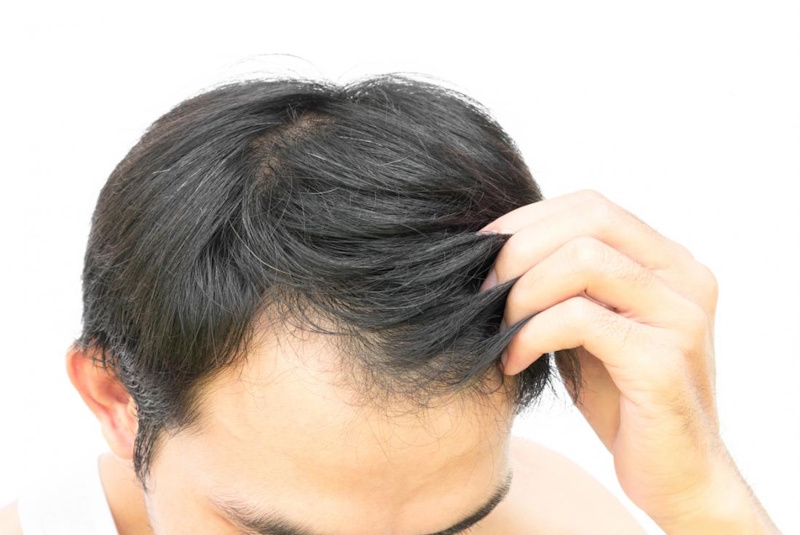
Excessive Hair Loss/Shedding
Normal vs. concerning shedding:
Normal: 50-100 hairs daily, more on wash days when loose hairs release.
Concerning: 150+ hairs daily, noticeable thinning, receding hairline, bald patches.
Common causes:
Telogen effluvium: Temporary excessive shedding triggered by major stress (illness, surgery, childbirth, crash dieting, emotional trauma). Hair growth cycle resets causing more hairs entering shedding phase simultaneously. Usually resolves within 6 months once trigger is removed.
Androgenetic alopecia: Genetic pattern hair loss (male/female pattern baldness). Requires medical treatment (minoxidil, finasteride for men, sometimes hormonal treatments for women).
Nutritional deficiencies: Iron deficiency (especially in women), protein deficiency, vitamin D deficiency can cause hair loss. Blood tests identify deficiencies; supplementation helps if deficient.
Thyroid disorders: Both hypothyroidism and hyperthyroidism cause hair loss. Blood tests diagnose thyroid issues; treatment restores hair growth.
Medical conditions/medications: Certain medications and medical conditions cause hair loss. Consult doctor if experiencing unexplained hair loss.
Solutions:
- Address underlying causes: Manage stress, ensure adequate nutrition, treat medical conditions
- Gentle hair care: Minimize damage while hair recovers
- Scalp massage: May improve circulation supporting healthy growth
- Minoxidil: Over-the-counter treatment proven effective for pattern hair loss
- Consult dermatologist: For ongoing hair loss, professional evaluation is crucial
Dry, Brittle Hair
Causes: Heat damage, over-processing, harsh products, environmental damage, insufficient moisture, low humidity environments, nutritional deficiencies.
Solutions:
- Deep condition weekly with moisture-intensive masks
- Reduce heat styling or use lower temperatures
- Use moisturizing shampoo and conditioner formulated for dry hair
- Apply oils to ends (argan, coconut, jojoba)
- Trim regularly removing damaged ends
- Increase water intake hydrating from within
- Use humidifier in dry environments
- Avoid over-washing which strips natural oils
Oily Hair/Greasy Scalp
Causes: Overactive sebaceous glands, hormonal factors, over-washing (triggering rebound oil production), heavy products, infrequent washing allowing oil buildup.
Solutions:
- Find washing frequency balance—too frequent and too infrequent both worsen oiliness
- Use clarifying shampoo weekly removing buildup
- Avoid heavy conditioners on scalp—condition ends only
- Dry shampoo between washes absorbing excess oil
- Apple cider vinegar rinse balances scalp pH
- Avoid touching hair constantly—hands transfer oil
- Manage stress—hormones affect oil production
- Ensure complete rinsing—residual product contributes to greasiness
Frizz
Causes: Humidity (dry hair absorbs atmospheric moisture), damage (lifted cuticles), friction, lack of moisture, wrong products for hair type.
Solutions:
- Deep condition regularly
- Use anti-frizz serums or oils on damp hair
- Apply leave-in conditioner providing moisture barrier
- Sleep on silk/satin pillowcases reducing friction
- Avoid brushing dry curly/wavy hair—detangle when wet with wide-tooth comb
- Use microfiber towels instead of cotton
- Air dry when possible or use diffuser on low heat
- Anti-humidity products for particularly humid environments
Tangles and Knots
Causes: Damaged, lifted cuticles catching on each other, fine hair texture, long hair, friction during sleep, windy conditions.
Solutions:
- Detangle gently starting from ends working upward
- Use wide-tooth comb on wet hair after applying conditioner
- Detangling brush with flexible bristles for dry hair
- Protective hairstyles preventing tangling
- Regular trims removing damaged, tangle-prone ends
- Silk/satin pillowcases reducing nighttime tangling
- Leave-in conditioner providing slip
13. Seasonal Hair Care Strategies
Hair needs change with seasons—adapting your routine optimizes hair health year-round.
Summer Hair Care
Challenges: Sun damage (UV rays), chlorine exposure, salt water, humidity, increased sweating, more frequent washing.
Solutions:
- UV protection: Use leave-in conditioners with SPF, wear hats
- Pre-swim protection: Wet hair with clean water before swimming—hair absorbs clean water, reducing chlorine/salt water absorption
- Post-swim care: Rinse immediately after swimming, use clarifying shampoo weekly removing chlorine/salt buildup
- Lightweight products: Switch to lighter formulas preventing greasiness in heat
- Hydration: Drink more water, use hydrating masks weekly
- Reduce heat styling: Take advantage of air drying weather
Fall Hair Care
Challenges: Transition from humidity to dryness, temperature fluctuations, shedding (many people experience increased shedding in fall).
Solutions:
- Moisture boost: Increase deep conditioning as air dries
- Scalp care: Exfoliate scalp addressing increased shedding
- Trim: Remove summer damage before winter
- Richer products: Transition from summer’s lightweight formulas to more moisturizing options
- Address shedding: If excessive, ensure adequate nutrition, manage stress, consult doctor if concerned
Winter Hair Care
Challenges: Dry indoor heating, cold outdoor air, low humidity, static, hats causing friction and breakage.
Solutions:
- Intensive moisture: Weekly deep conditioning treatments, richer conditioners, oils on ends
- Humidifier: Add moisture to indoor air
- Anti-static: Use leave-in conditioner, avoid plastic combs (use wood or metal)
- Protect from cold: Wear satin-lined hats or apply oil before hat-wearing
- Avoid over-washing: Dry winter air means you may need less frequent washing
- Scalp care: Address dry, itchy winter scalp with oil treatments
Spring Hair Care
Challenges: Transition from dry winter to humid spring, allergies affecting scalp, spring cleaning for hair.
Solutions:
- Clarifying: Remove winter buildup with clarifying treatment
- Trim: Remove winter damage
- Scalp detox: Use scalp scrubs or apple cider vinegar rinse
- Adjust products: Transition from heavy winter products to lighter spring formulas
- Address allergies: Antihistamines and anti-inflammatory diets help if allergies affect scalp
- Boost shine: Use vinegar rinses, glossing treatments preparing hair for summer
14. Hair Care Mistakes to Avoid
Recognizing and correcting common mistakes dramatically improves hair health.
Mistake 1: Washing with hot water Why it’s harmful: Hot water strips natural oils, causes frizz, irritates scalp. Fix: Use lukewarm water for washing, finish with cool rinse.
Mistake 2: Rubbing hair with towel Why it’s harmful: Creates friction damaging cuticles, causes breakage and frizz. Fix: Gently squeeze water out, use microfiber towel or t-shirt, pat don’t rub.
Mistake 3: Brushing wet hair roughly Why it’s harmful: Wet hair is most fragile—aggressive brushing causes severe breakage. Fix: Use wide-tooth comb, start from ends working up, apply conditioner for slip.
Mistake 4: Skipping heat protectant Why it’s harmful: Direct heat damages protein structure causing permanent harm. Fix: Always apply heat protectant before any heat styling.
Mistake 5: Using too-high heat Why it’s harmful: Excessive temperatures cause exponentially more damage than moderate heat. Fix: Use lowest effective temperature, adjust based on hair type.
Mistake 6: Neglecting regular trims Why it’s harmful: Split ends travel up hair shaft causing progressive damage. Fix: Trim every 8-12 weeks maintaining healthy ends.
Mistake 7: Over-washing or under-washing Why it’s harmful: Both extremes cause problems—stripped oils or buildup. Fix: Find your hair’s ideal frequency based on type, texture, and lifestyle.
Mistake 8: Applying conditioner to roots Why it’s harmful: Weighs down hair, can clog follicles, creates greasy appearance. Fix: Apply conditioner to mid-lengths and ends only.
Mistake 9: Tight hairstyles Why it’s harmful: Constant tension causes traction alopecia (permanent hair loss). Fix: Vary hairstyles, use gentle hair ties, don’t pull tight.
Mistake 10: Ignoring scalp health Why it’s harmful: Healthy hair grows from healthy scalp—neglecting scalp undermines all other efforts. Fix: Regular scalp massage, appropriate washing frequency, address scalp issues promptly.
15. Professional Treatments and When to Use Them
Some hair concerns benefit from professional treatments beyond at-home care.
Keratin Treatments
What they are: Professional smoothing treatments infusing keratin protein into hair, reducing frizz and straightening texture for 3-6 months.
Benefits: Dramatically reduced frizz, smoother texture, easier styling, less heat styling needed.
Considerations: Expensive ($150-400+), contain formaldehyde or formaldehyde-releasing agents (health concerns), require specific aftercare, gradually wash out over months.
When to consider: Chronically frizzy hair, desire for low-maintenance smooth styles, willingness to invest in professional treatment.
Protein Treatments (Professional)
What they are: Intensive protein infusions repairing severely damaged hair, stronger than at-home treatments.
Benefits: Strengthens damaged hair, temporarily repairs structure, improves elasticity.
When to consider: Severely damaged hair from bleaching, perming, or heat damage that isn’t responding to at-home treatments.
Scalp Treatments
What they are: Professional scalp facials, detox treatments, or medical treatments for scalp conditions.
Benefits: Deep cleansing, improved scalp health, may support hair growth, addresses stubborn scalp issues.
When to consider: Persistent dandruff not responding to at-home treatments, scalp conditions (psoriasis, severe seborrheic dermatitis), excessive hair loss requiring professional evaluation.
Olaplex and Bond-Building Treatments
What they are: Professional treatments repairing broken bonds in hair caused by chemical processing, particularly effective for bleached hair.
Benefits: Repairs damage at molecular level, strengthens hair, improves texture and shine.
When to consider: Chemically damaged hair, before or after major color changes, bleached hair needing repair.
Conclusion: Your Hair Care Journey
Achieving and maintaining healthy, beautiful hair isn’t about perfection, expensive products, or complicated routines—it’s about consistency, informed choices, and working with your hair’s unique characteristics rather than against them.
Remember these fundamental principles:
1. Know your hair: Understanding your hair type, porosity, and specific needs is the foundation of effective care.
2. Gentle is better: Hair cannot repair itself—prevention through gentle handling always beats attempting to fix damage later.
3. Consistency matters: Sporadic efforts produce sporadic results. Regular care routines compound into dramatic improvements over time.
4. Quality over quantity: Few well-chosen products appropriate for your hair type work better than cabinets full of random products.
5. Inside and out: External products can only protect what grows; optimal hair requires proper nutrition from within.
6. Patience is essential: Hair grows approximately half inch monthly—visible improvements require weeks and months, not days.
7. Regular maintenance: Trims, deep conditioning, scalp care—these aren’t optional luxuries but essential maintenance.
8. Protect from damage: Heat protection, gentle styling, protective nighttime routines prevent damage requiring extensive repair later.
Your hair care journey is personal and ongoing—what works for someone else may not work for you, and what works for you now may need adjustment as your hair, lifestyle, or environment changes. Stay flexible, observant, and responsive to your hair’s signals.
Start where you are right now—you don’t need to overhaul everything simultaneously. Choose one or two improvements from this guide, implement them consistently, then gradually add more practices as they become habitual.
Healthy hair is achievable for everyone regardless of starting point. With knowledge, consistency, and patience, you can achieve the strongest, healthiest, most beautiful hair possible for your unique genetics and lifestyle.
Your hair care journey begins today—every small improvement moves you toward your healthiest hair ever.
Frequently Asked Questions
Q: How often should I wash my hair?
A: This varies dramatically by hair type. Straight, fine, or oily hair typically needs washing every 1-2 days. Wavy hair usually thrives on every 2-3 days. Curly hair often does best with 2-3 times weekly. Coily hair may only need weekly washing. However, these are guidelines—your ideal frequency depends on your scalp’s oil production, lifestyle, product use, and personal preference. Signs you’re washing too much include increased oiliness (rebound production), dryness, or color fading. Signs you’re not washing enough include scalp itching, visible oil, or limp hair.
Q: Do I really need heat protectant?
A: Yes, absolutely—if you use any heat styling tools. Heat protectants aren’t marketing gimmicks; they create barrier between hair and heat significantly reducing protein damage. Even low heat causes some damage over time; protectants minimize this harm. This applies to blow dryers, flat irons, and curling irons. The cost of heat protectant ($8-20) is minimal compared to the cost of repairing heat-damaged hair or cutting off damage.
Q: Can split ends be repaired?
A: No—once hair splits, it cannot be repaired. Despite marketing claims, no product can genuinely “heal” split ends. Products can temporarily seal or smooth split ends making them less visible, but the split remains and will eventually break off. The only permanent solution is cutting them off. This is why prevention through gentle care and regular trims is crucial.
Q: Does trimming make hair grow faster?
A: No—this is a persistent myth. Hair grows from the scalp at a rate determined by genetics, age, health, and nutrition. Cutting the ends doesn’t affect what’s happening at the scalp. However, regular trims prevent split ends from breaking off, which creates the appearance of faster growth by maintaining length rather than losing it to breakage. Trimming is about maintaining health and preventing damage progression, not accelerating growth.
Q: How can I make my hair grow faster?
A: You can’t dramatically exceed your genetic growth rate (approximately 6 inches/15 cm yearly). However, you can optimize conditions allowing hair to reach its maximum potential: ensure adequate nutrition (particularly protein, iron, biotin, vitamin D), minimize damage so hair doesn’t break off (gentle styling, heat protection), maintain healthy scalp environment (proper washing, scalp massage), manage stress (affects hair growth cycle), get adequate sleep (growth occurs during rest), and consider minoxidil if experiencing pattern hair loss (proven to work but requires consistent use).
Q: Is expensive shampoo worth it?
A: Not necessarily—price doesn’t always equal quality. Some expensive shampoos offer superior formulations with quality ingredients, but many excellent shampoos exist at moderate prices ($8-20). What matters is choosing a shampoo appropriate for your hair type and concerns, not the price tag. Drugstore brands often have formulations comparable to expensive salon brands. Focus on ingredients and suitability rather than price.
Q: Should I use a different shampoo and conditioner?
A: Matching shampoo and conditioner from the same line isn’t necessary. While brands market matched sets, you can mix and match based on your specific needs. For example, you might use clarifying shampoo with moisturizing conditioner, or volumizing shampoo with standard conditioner. Choose each product based on what your hair needs rather than brand loyalty.
Q: How do I know if my hair needs protein or moisture?
A: The stretch test helps determine this: Take a strand of clean, wet hair and gently stretch it. If it stretches and stretches without breaking, then feels mushy: You have too much moisture and need protein. If it breaks immediately with little stretching: You need moisture. If it stretches slightly then returns to original length: You have good moisture-protein balance. Protein-deficient hair also feels limp, mushy, and lacks definition. Moisture-deficient hair feels dry, brittle, straw-like, and breaks easily.
Q: Can I repair bleach damage?
A: You can improve bleached hair but not truly “repair” it—bleaching permanently alters hair structure. However, you can strengthen and improve damaged bleached hair through: protein treatments (strengthening weakened structure), intensive moisture treatments (combating dryness), bond-building treatments like Olaplex (repairing broken bonds), heat-free styling (preventing additional damage), and regular trims (removing most damaged ends). Patience is essential—severely bleached hair takes months of consistent care showing improvement.
Q: Should I brush hair wet or dry?
A: This depends on hair type. Straight and wavy hair should generally be detangled when dry or when wet with conditioner providing slip—wet hair is most fragile. Curly and coily hair should typically be detangled when wet with conditioner (dry detangling disrupts curl pattern and causes excessive breakage). Regardless of type, always use wide-tooth comb or detangling brush on wet hair, never fine-tooth combs, start from ends working upward, and be gentle—if you encounter resistance, don’t force it.


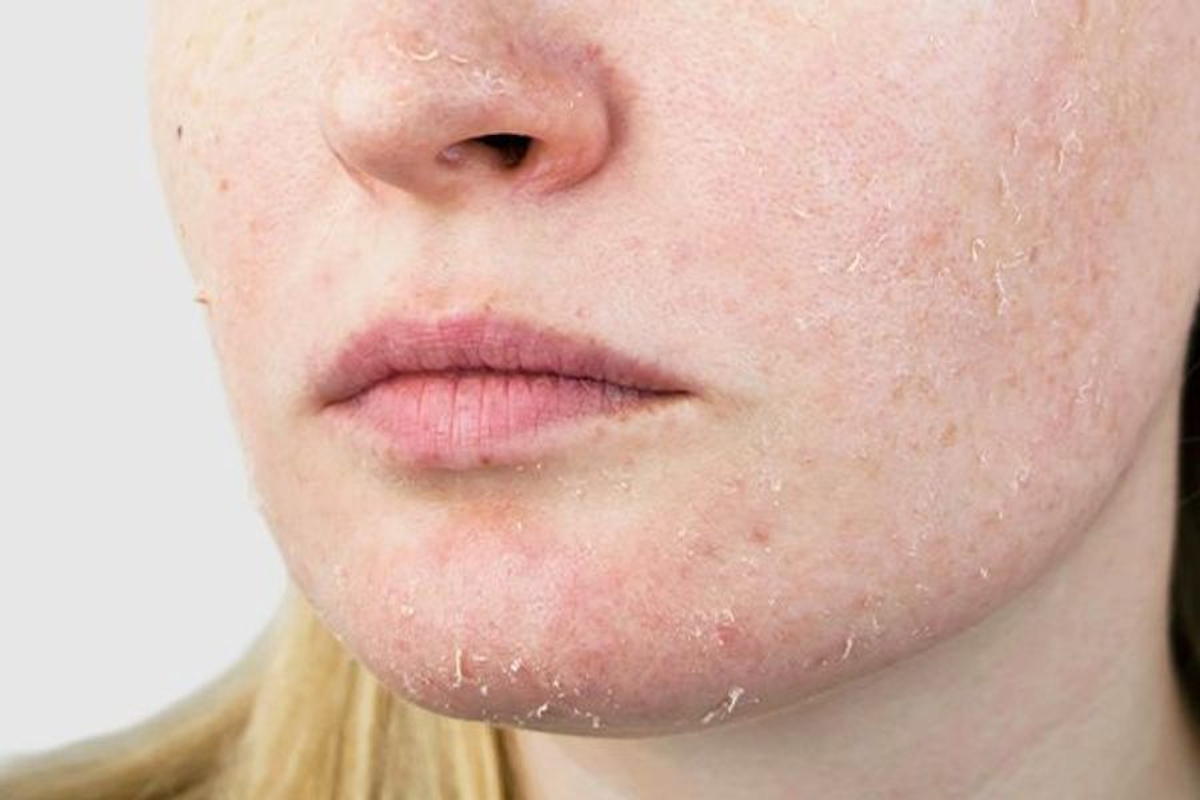
Tags
📧 Get More Articles Like This
Subscribe to receive product reviews and buying guides in your inbox!
We respect your privacy. Unsubscribe at any time.