EDC Essentials for Every Scenario: Office, Car, and Hiking Survival Guide
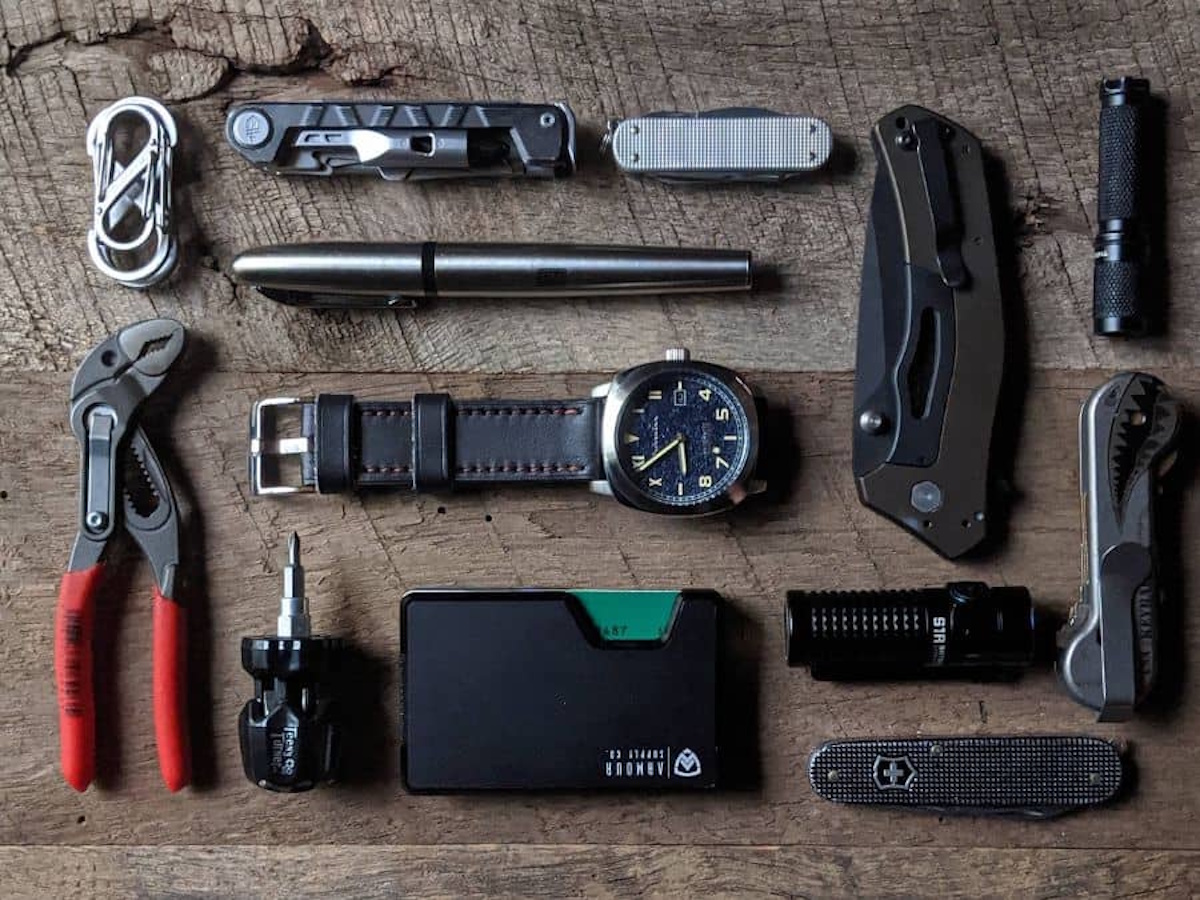
Table of Contents
- Introduction: The EDC Wake-Up Call Nobody Expects
- Understanding the EDC Philosophy: Why One Size Never Fits All
- Office EDC: Professional Preparedness Without the Paranoia
- Car EDC: Your Mobile Survival Command Center
- Hiking EDC: Wilderness Readiness in Every Step
- Universal EDC Principles: The Foundation of All Scenarios
- Building Your Customized EDC System: Practical Implementation
- Common EDC Mistakes and How to Avoid Them
- Conclusion: Preparedness as a Lifestyle
Introduction: The EDC Wake-Up Call Nobody Expects
Sarah Martinez never thought twice about the small flashlight her grandfather insisted she keep in her purse. For three years, it sat unused among receipts and lip gloss, just another piece of clutter weighing down her shoulder bag. Then came the Tuesday afternoon in March 2024 when a transformer explosion plunged her twenty-story office building into complete darkness. Within seconds, what had been a routine workday transformed into a scene of chaos - colleagues shouting in the blackness, emergency exits unmarked, cell phone batteries dying as everyone tried to use their screens as flashlights. Sarah reached into her purse, found that forgotten flashlight, and became the person who safely guided twelve coworkers down nineteen flights of pitch-black stairs to the street below.
This story, repeated in countless variations every single day across America, reveals a truth that most people discover too late. The difference between being a victim and being prepared isn’t about paranoia, massive expense, or carrying military-grade equipment everywhere you go. It’s about understanding that different environments present different risks, and adapting your everyday carry items to match those specific challenges. The office worker faces different emergencies than the daily commuter, and both face completely different scenarios than the weekend hiker. Yet traditional EDC advice treats everyone the same, resulting in either impractical gear that stays home or inadequate preparation that fails when needed most.
Before delving into the details of the article, watch this video about everyday emergency tools in the city :
The everyday carry movement has exploded in popularity over the past decade, but it’s also created confusion. Social media showcases elaborate EDC spreads featuring custom knives, titanium pry bars, and tactical pens that cost more than most people’s weekly grocery budget. Meanwhile, emergency management professionals emphasize that seventy-three percent of Americans lack basic emergency supplies for even a single day of disruption. The gap between Instagram-worthy gear collections and actual preparedness has never been wider. This disconnect leaves ordinary people wondering what they actually need, how much to spend, and whether they’re overthinking something that should be simple.
Understanding that your everyday carry should be a customized system rather than a one-size-fits-all solution changes everything. A financial analyst working in a climate-controlled office building has vastly different daily risks than a sales representative driving rural highways between client meetings. Similarly, someone who spends weekends on desert hiking trails faces completely different challenges than an urban professional whose biggest outdoor activity is walking from the parking garage to their apartment. Each scenario demands specific tools, different priorities, and unique strategies for the most likely emergencies they’ll encounter.
The statistics paint a sobering picture of how unprepared most people remain despite living in an age of unprecedented information access. Recent federal emergency management data shows that forty-eight percent of Americans do not have emergency supplies at their workplace, forty-four percent lack basic first aid kits, and seventy-six percent have no plan for communication disruptions during local emergencies. Vehicle emergency preparedness fares even worse, with sixty-two percent of Americans admitting they have no emergency supplies in their cars beyond perhaps a spare tire they’ve never actually checked. In wilderness recreation, search and rescue teams report that eighty-four percent of people they assist could have prevented their situation with basic preparedness items they didn’t bring.
These failures aren’t about ignorance or carelessness. They stem from a fundamental misunderstanding of what effective everyday carry actually means. People either go to extremes, building elaborate systems they never actually carry because they’re too heavy or conspicuous, or they do nothing at all because they don’t know where to start. The solution lies in developing scenario-specific EDC systems that address the actual emergencies you’re most likely to face in your daily routine, your commute, and your recreational activities. This approach makes preparedness practical, sustainable, and actually effective when seconds count and professional help is minutes or hours away.
Shop on AliExpress via link: wholesale-edc-tactical-flashlight

Understanding the EDC Philosophy: Why One Size Never Fits All
The everyday carry concept originated in emergency response, military operations, and outdoor professions where practitioners literally depended on the gear they carried for survival. Firefighters, paramedics, and wilderness guides developed sophisticated systems based on decades of real-world experience responding to actual emergencies. These professionals understood intuitively what many casual EDC enthusiasts miss entirely - effective preparedness requires matching your gear to your environment, your skills, and the specific scenarios you’re most likely to encounter. A paramedic’s jump bag looks nothing like a wildland firefighter’s kit, and neither resembles what a mountain guide carries on technical climbs.
This principle of scenario-specific customization represents the core philosophy of practical EDC. Your office environment presents predictable challenges within a controlled setting where help is usually nearby and temperature extremes are managed by HVAC systems. Car emergencies typically happen along roadways with some level of traffic, involve vehicle-specific problems, and may require extended periods of waiting in harsh weather conditions. Hiking situations occur in remote locations with delayed rescue response, unpredictable weather changes, and the physical challenge of carrying everything you might need on your back. Each scenario demands different tools, different priorities, and different strategies for the most statistically likely emergencies.
The weight consideration alone drives the need for customized approaches. Your office EDC might fit in a single desk drawer and weigh less than five pounds, containing items useful for workplace emergencies but unnecessary weight for daily pocket carry. Car EDC can include bulky items like jumper cables, tire repair kits, and gallon water containers because vehicle storage eliminates the burden of personal carry. Hiking EDC operates under completely different constraints where every ounce matters over miles of trail, forcing difficult decisions about multi-use items that justify their weight by serving multiple critical functions.
Environmental factors further emphasize why different scenarios need different gear. Office buildings provide shelter from weather but can trap you during fires, active threats, or infrastructure failures. Your office EDC therefore prioritizes evacuation tools, communication devices, and supplies for sheltering in place until professional responders arrive. Cars offer mobile shelter but can become death traps in extreme temperatures, requiring supplies that help you maintain safe body temperature, signal for help, and potentially survive for days if stranded in remote areas during severe weather events. Wilderness environments provide no inherent protection, demanding that your hiking EDC include shelter components, weather protection, and self-rescue capabilities.
Risk probability analysis drives smart EDC customization decisions. In office environments, the most common emergencies involve minor injuries, sudden illnesses, power outages, building evacuations, and extreme weather requiring shelter in place. Actual workplace violence, despite media attention, remains statistically rare compared to these mundane but frequent disruptions. Car emergencies most often involve mechanical breakdowns, weather-related incidents, minor accidents, and medical situations affecting the driver or passengers. Hiking scenarios present exposure risks, navigation challenges, minor trauma from falls, dehydration, and unexpected weather changes that trap people in dangerous conditions.
Understanding these probability distributions prevents the common mistake of preparing for dramatic but unlikely scenarios while ignoring mundane but frequent situations. Many people build elaborate office EDC kits featuring defensive weapons and tactical gear while lacking basic items for the power outage, sudden illness, or building evacuation they’re far more likely to experience. Similarly, car EDC often emphasizes zombie apocalypse preparations while missing the jumper cables, tire repair kit, and winter supplies that address ninety percent of actual vehicle emergencies. Smart EDC matches your preparation intensity to actual risk probability in each specific environment.
The skill factor represents another crucial element of scenario-specific EDC philosophy. Tools are only useful if you know how to employ them effectively under stress. A sophisticated multi-tool serves no purpose if you’ve never practiced using its various functions. Fire starting equipment fails people who’ve never actually started fires in adverse conditions. Medical supplies become useless without basic first aid training to apply them correctly. Effective EDC therefore combines appropriate gear with the knowledge and practice to use it confidently when emergencies eliminate the luxury of time to figure things out.
Legal considerations create additional scenario-specific requirements that vary dramatically by environment. Items perfectly legal and appropriate in wilderness settings may violate workplace policies or local laws when carried in office buildings or vehicles in certain jurisdictions. Knife laws vary by blade length, opening mechanism, and intended use. Some states restrict emergency tools like glass breakers or seat belt cutters in vehicles. Pepper spray regulations differ between workplace carry, vehicle storage, and outdoor recreation. Responsible EDC requires understanding applicable laws and organizational policies for each environment where you carry gear.
Social acceptability further shapes practical EDC systems for different scenarios. Items that seem paranoid or threatening in professional office environments may be completely normal and expected in outdoor recreation contexts. Carrying a fixed-blade knife to your accounting job raises eyebrows and concerns, while the same knife is standard equipment for serious hiking. This social dimension of EDC affects not just what you carry but how you carry it, how you store it, and how you communicate about your preparedness practices in different social contexts.
Office EDC: Professional Preparedness Without the Paranoia
The Modern Workplace Emergency Landscape
Contemporary office environments present a unique set of challenges that most employees never consider until they face an actual emergency. Large commercial buildings create dependencies on infrastructure systems that, when they fail, can trap hundreds or thousands of people in potentially dangerous situations. Elevators stop working, leaving mobility-impaired individuals stranded between floors. HVAC systems fail during heat waves or cold snaps, creating life-threatening temperature extremes in buildings designed to be climate-controlled boxes. Fire alarm systems malfunction, creating confusion about whether evacuations are real emergencies or false alarms. Power outages plunge windowless interior offices into complete darkness, turning familiar hallways into disorienting mazes.
Beyond infrastructure failures, modern workplaces face increasing medical emergencies as aging workforce populations spend more hours in sedentary positions under high stress. Cardiac events, diabetic emergencies, severe allergic reactions, and stress-induced medical crises occur daily in American workplaces. Yet most offices lack adequate first aid supplies beyond basic bandages, and many employees wouldn’t know how to respond effectively even if supplies were available. The combination of aging infrastructure, concentrated populations, and limited emergency training creates risk factors that smart office EDC directly addresses.
Workplace safety regulations establish minimum first aid requirements for commercial environments based on the number of employees, proximity to emergency medical services, and specific hazards present in each facility. Understanding these regulatory standards helps professionals build office EDC systems that meet or exceed legal requirements while addressing realistic emergency scenarios.
Essential Office EDC Components
The foundation of practical office EDC starts with items that address the most statistically common workplace emergencies while remaining socially acceptable and compliant with organizational policies. A compact but comprehensive first aid kit forms the core of office preparedness, containing supplies for the minor injuries and sudden illnesses that account for the vast majority of workplace health incidents. Adhesive bandages in multiple sizes, antiseptic wipes, pain relievers, antacid tablets, antihistamine medication, and personal prescription medications cover most routine health situations. A small quantity of specialized items like a blood pressure cuff, glucose tablets for diabetics, or aspirin for cardiac symptoms can prove life-saving for specific medical emergencies.
Medical professionals emphasize the importance of well-stocked first aid kits that address both routine injuries and serious medical emergencies requiring immediate intervention before professional help arrives. Evidence-based recommendations focus on supplies with proven effectiveness for common injuries while including items that could prove life-saving during cardiac, respiratory, or severe allergic events.
Illumination tools rank second only to medical supplies in office EDC priority. A quality LED flashlight with fresh batteries enables safe navigation through dark stairwells during power outages, the most common emergency in commercial buildings. The difference between a cheap keychain light and a proper flashlight becomes obvious when you’re guiding coworkers down nineteen flights of completely dark stairs. Professional-grade tactical flashlights offer both illumination and emergency signaling capabilities while remaining small enough for daily desk storage. Backup lighting options like chemical light sticks provide hours of hands-free illumination without requiring batteries that might be depleted when needed most.
Communication capabilities represent the third critical component of office EDC. A portable phone charger or power bank ensures you can maintain contact with emergency services, loved ones, and rescue personnel even during extended power outages when building phone systems fail. Modern smartphones serve multiple emergency functions beyond communication, including flashlight applications, emergency information storage, and GPS location services. However, their dependency on battery power makes backup charging capability essential. Some professionals add a basic AM/FM radio to receive emergency broadcasts when internet and cell networks become overloaded during major incidents.
Emergency communication systems play critical roles in building safety during crises, with technical standards governing how information reaches occupants quickly and effectively. Research into communication strategies during emergencies reveals that clear, specific messaging dramatically improves response effectiveness compared to generic alarm signals that create confusion.
Public safety communications research examines how first responders and civilians maintain contact during emergencies when infrastructure damage disrupts normal communication channels. Technical studies reveal that redundant communication methods combining cellular, radio, and visual signaling dramatically improve coordination and rescue effectiveness during large-scale disasters.
Personal comfort and hygiene items address the reality that office emergencies often require sheltering in place for extended periods. A compact emergency blanket provides warmth if HVAC systems fail during winter months. Basic hygiene supplies including hand sanitizer, facial tissues, and personal medications maintain health during extended shelter situations. A small water bottle or collapsible water container ensures hydration if building water systems fail or become contaminated. Non-perishable snacks like protein bars provide energy during extended emergencies when cafeterias and vending machines become inaccessible.
Workplace-Specific Considerations
Office EDC must balance preparedness with professional appearance and workplace policy compliance. Items that seem reasonable in tactical gear collections can appear alarming or paranoid when displayed on an office desk. The goal is comprehensive preparedness that doesn’t mark you as a survivalist oddity among professional colleagues. Discrete storage in desk drawers, small bags that double as briefcases or purses, and items that serve dual purposes as both emergency tools and routine office supplies help maintain professional appearances while ensuring readiness.
Storage location strategies optimize both accessibility and discretion. Essential items you might need within seconds, like a flashlight for sudden power outages, belong in your most accessible desk drawer or bag. Supplies needed for extended shelter scenarios, like emergency blankets and additional food, can occupy less accessible storage spaces. Some professionals maintain a “grab bag” ready to evacuate with them and a separate “shelter kit” designed for remaining in the building during lockdowns or infrastructure failures. This dual approach addresses both evacuation and shelter-in-place scenarios with appropriate gear for each situation.

Car EDC: Your Mobile Survival Command Center
Vehicle Emergency Realities
Your vehicle represents both transportation and potential shelter, making car EDC fundamentally different from other everyday carry scenarios. Unlike office or hiking environments where you’re either stationary or highly mobile on foot, vehicle situations combine elements of both. You might use your car for a five-minute commute or an eight-hour road trip, encounter mechanical failures on busy highways or deserted rural roads, and face weather conditions ranging from extreme heat to life-threatening cold. This versatility demands that car EDC address vehicle-specific problems, environmental exposure, and extended survival scenarios while leveraging the storage capacity that vehicles provide.
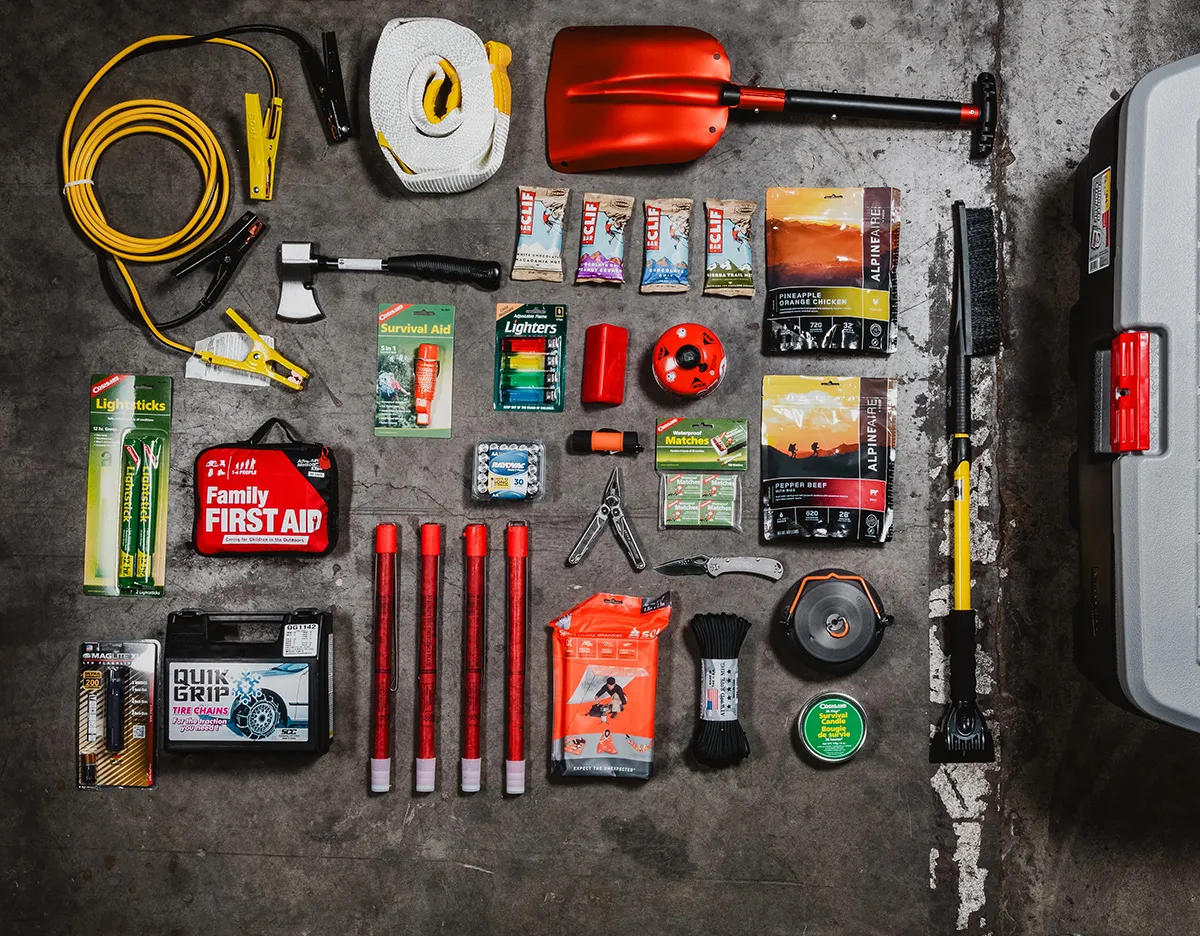
Comprehensive vehicle emergency kits require systematic planning to address mechanical failures, weather exposure, and extended survival scenarios that distinguish automotive emergencies from other preparedness contexts. Understanding what supplies actually prevent common roadside situations from becoming dangerous helps prioritize essential equipment over theoretical preparations.
The statistics on vehicle emergencies reveal how common and potentially dangerous these situations become. Every year, American motorists experience more than six million roadside breakdowns requiring assistance. Weather-related vehicle incidents increase dramatically during winter months, with thousands of drivers becoming stranded in their vehicles during snowstorms, ice storms, and severe cold snaps. Summer heat creates different but equally dangerous scenarios when vehicles break down in desert regions or remote areas with limited shade and no water access. Understanding these common emergency patterns guides smart car EDC development that addresses real dangers rather than hypothetical scenarios.
Vehicle-Specific Tools and Equipment
Car EDC begins with items that address vehicle mechanical failures and routine roadside problems. A quality set of jumper cables or a portable jump starter eliminates dependency on other motorists when batteries fail, the most common vehicle emergency. Tire repair equipment including a properly inflated spare tire, tire iron, jack, and tire sealant addresses flat tires without waiting for roadside assistance. Basic hand tools including adjustable wrenches, screwdrivers, and pliers enable minor repairs that might get you to a service station rather than waiting hours for a tow truck. A shop rag, basic duct tape, and zip ties solve numerous temporary fixes that keep vehicles operational until professional repairs become possible.
Safety and signaling equipment ensures visibility to other motorists and emergency responders, critical for preventing secondary accidents and expediting rescue. Reflective emergency triangles or road flares mark your location for approaching traffic, especially important on highways where vehicles travel at high speeds. A bright flashlight with both white and red LED modes serves multiple purposes including engine inspection, tire changing, and signaling for help. High-visibility safety vests make you visible to traffic when you must exit the vehicle for repairs or to signal for assistance. These simple items dramatically improve safety during roadside emergencies by making your situation obvious to other drivers and rescue personnel.
Weather protection components address the exposure risks inherent in vehicle emergencies. Emergency blankets rated for sub-zero temperatures provide critical warmth if you must wait hours for help during winter breakdowns. Heat-reflective survival blankets protect against hyperthermia during summer emergencies in hot climates. A complete change of clothes suitable for the season, including waterproof jacket, warm hat, and sturdy walking shoes, enables comfortable waiting or hiking for help if necessary. Window shades and reflective windshield covers help maintain reasonable interior temperatures when vehicles become shelters during temperature extremes.
Sustenance supplies ensure you can maintain hydration and energy during extended roadside situations. A gallon of water per person covers drinking needs for a full day of stranding, while additional water supports engine cooling if mechanical problems require adding coolant. Non-perishable food items like protein bars, nuts, and dried fruit provide calories without requiring refrigeration or preparation. A simple camping stove or portable heater, used only with proper ventilation, enables warming food and maintaining comfort during extended cold weather situations. These supplies transform your vehicle from a broken machine into a temporary survival shelter.
Winter vehicle emergencies present unique challenges requiring specialized equipment beyond basic car emergency supplies. Cold weather preparedness demands understanding how temperature extremes affect both vehicles and human survival, with specific gear addressing the hypothermia risks inherent in stranded situations during severe winter conditions.
Seasonal Modifications and Maintenance
Smart car EDC adapts to seasonal challenges and regional climate patterns. Winter vehicle kits include ice scrapers, snow brushes, sand or kitty litter for tire traction, windshield de-icer, and cold-weather sleeping bags rated for the temperatures in your area. Additional winter items might include hand warmers, a small shovel for snow removal, and traction mats for freeing stuck vehicles. Summer modifications emphasize cooling aids like battery-powered fans, sun shades, extra water, electrolyte replacement drinks, and supplies to prevent heat-related illness during breakdowns in hot conditions.
Regular maintenance checks ensure your car EDC remains functional when emergencies strike. Quarterly inspections should verify that tire pressure in your spare matches recommended levels, batteries in flashlights and electronics remain charged, food and water supplies haven’t expired, and all equipment remains in working condition. Test jump starters every three months to ensure adequate charge. Rotate seasonal equipment between winter and summer as weather patterns change. A well-maintained car EDC provides reliable support during emergencies, while neglected kits often fail at the worst possible moments.

Hiking EDC: Wilderness Readiness in Every Step
The Wilderness Emergency Paradigm Shift
Hiking and outdoor recreation EDC operates under completely different parameters than office or vehicle preparedness. In wilderness environments, you carry everything you might need on your back across potentially many miles of difficult terrain. Professional rescue, if available at all, may require hours or even days to reach you. Weather changes rapidly from comfortable to life-threatening. Navigation errors can turn short day hikes into overnight survival ordeals. Every item must justify its weight by serving critical functions or multiple purposes, creating gear selection pressures that don’t exist in other EDC scenarios.
The wilderness emergency statistics reveal patterns that should guide hiking EDC priorities. Hypothermia causes more hiking deaths than any other single factor, occurring even in moderate temperatures when people become wet and exhausted. Dehydration and heat-related illnesses rank second, affecting hikers who underestimate water needs or lack purification capability. Falls and traumatic injuries occur frequently on uneven terrain, requiring first aid supplies and emergency signaling to summon rescue. Navigation errors trap unprepared hikers overnight in conditions they dressed for two hours, not twenty hours. Understanding these common failure modes drives intelligent hiking EDC that addresses real wilderness dangers.
The Ten Essentials Framework
Modern hiking EDC builds on the classic “Ten Essentials” framework developed by mountaineering organizations based on decades of search and rescue analysis. Navigation tools including map, compass, and GPS device prevent getting lost, the precursor to most serious wilderness emergencies. Sun protection with sunglasses, sunscreen, and protective clothing prevents debilitating sunburn and snow blindness. Insulation through extra clothing layers addresses the hypothermia risk in changing weather conditions. Illumination via headlamp and backup flashlight enables safe travel and camp activities after dark while serving as emergency signaling.
First aid supplies address the traumatic injuries and medical emergencies common in wilderness settings. Comprehensive first aid kits include supplies for bleeding control, wound cleaning, blister treatment, fracture stabilization, and medication for pain, inflammation, and allergic reactions. Knowledge to use these supplies correctly becomes as important as carrying them, making wilderness first aid training essential for serious outdoor enthusiasts. Fire-starting equipment serves multiple purposes including warmth, water purification, signaling, and psychological comfort during emergency situations. Waterproof matches, lighters, and alternative fire starters ensure you can create fire even in wet conditions.
Repair kit components enable fixing gear failures that could otherwise end trips prematurely or create emergency situations. Duct tape repairs torn clothing, sleeping gear, and pack damage. Safety pins, sewing needles, and strong thread fix various equipment failures. Gear-specific repair items like tent pole splints, sleeping pad patches, and stove maintenance tools address specialized equipment. Emergency shelter items including space blankets, tarps, or ultralight bivy sacks provide protection from elements if injury, darkness, or exhaustion prevents reaching planned destinations.
Weight Optimization and Multi-Use Strategy
Hiking EDC demands ruthless weight optimization that other scenarios don’t require. Every item must justify its presence by serving critical needs or multiple purposes. Multi-tools replace carrying separate knife, pliers, scissors, and screwdriver. Trekking poles serve as shelter supports, river crossing aids, and splints for fractures. Bandanas function as sun protection, water filters, first aid bandages, and cordage. This multi-use mentality reduces pack weight while maintaining comprehensive capability for various emergency scenarios.
The principle of diminishing returns guides smart hiking EDC development. The first pound of carefully selected gear provides enormous capability and safety increases. Each additional pound offers less marginal benefit while increasing fatigue and injury risk from excessive pack weight. Elite ultralight backpackers often carry complete wilderness EDC systems weighing under ten pounds by ruthlessly eliminating redundancy and choosing the lightest effective option for each function. This weight discipline makes longer hikes feasible while maintaining essential emergency capabilities.
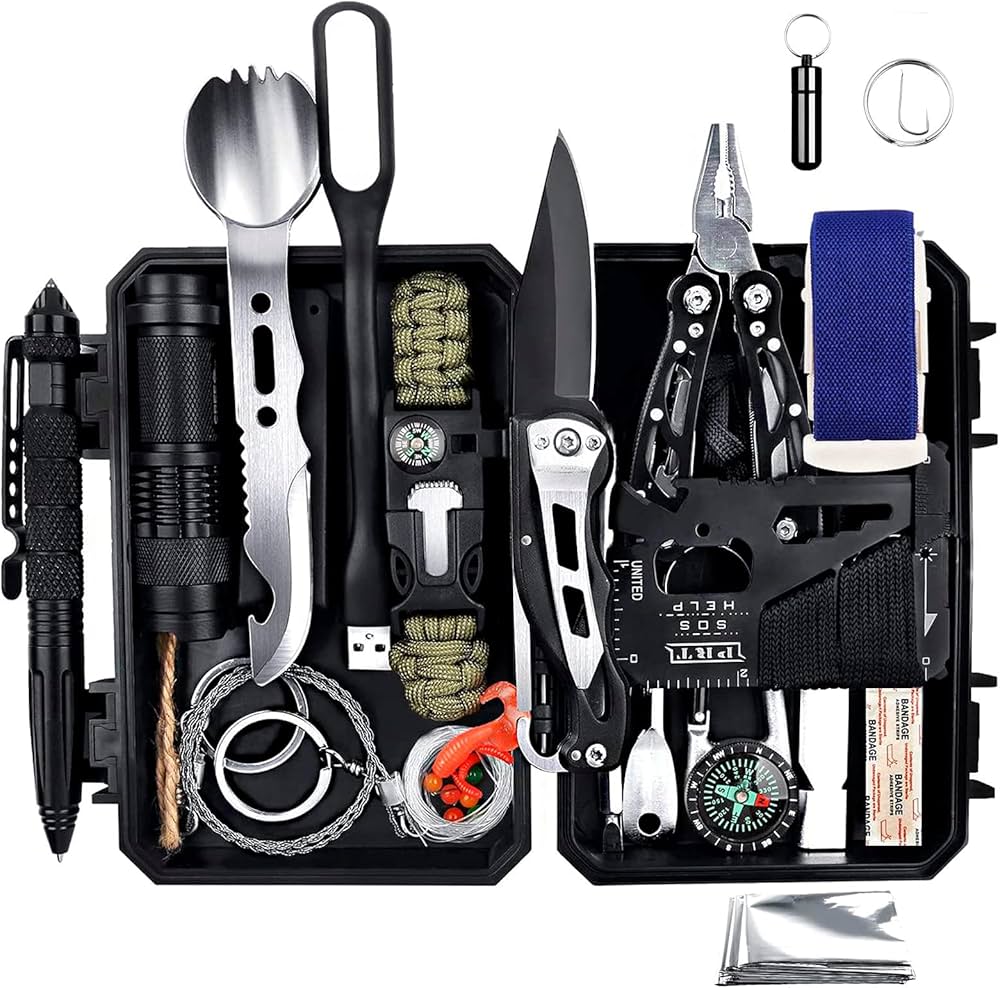
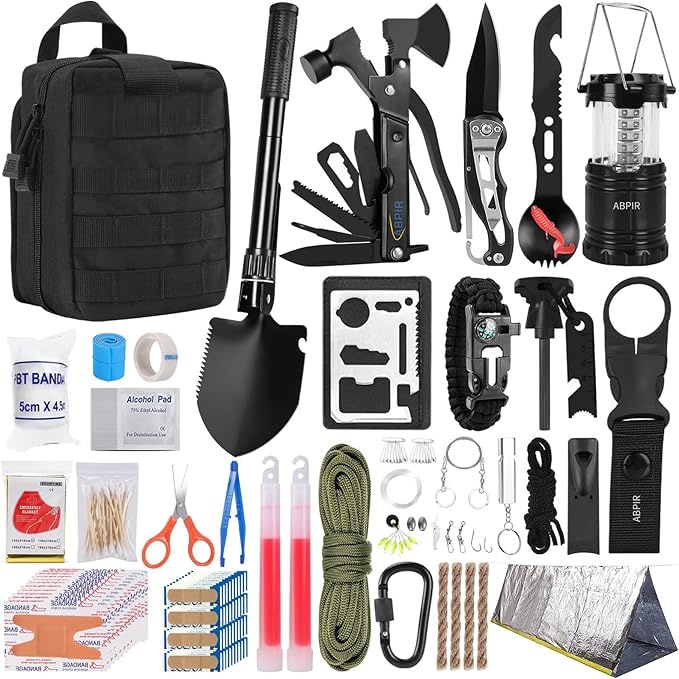
Building effective everyday carry systems requires understanding how professional survival gear addresses real emergencies through versatility and reliability. Ultimate survival tools serve multiple critical functions while maintaining durability standards that ensure performance when lives depend on equipment functioning in harsh conditions.

Universal EDC Principles: The Foundation of All Scenarios
Despite the scenario-specific customization that defines effective EDC, certain principles and items prove universally valuable across office, vehicle, and wilderness environments. Understanding these universal foundations helps build comprehensive preparedness systems that address the core human needs in any emergency while allowing appropriate customization for specific scenarios. These universal elements represent the intersection of what works everywhere, providing a baseline from which scenario-specific additions extend.
Core Human Needs in Emergencies
All emergency situations, regardless of location or specific circumstances, challenge the same fundamental human requirements for survival and safety. Maintaining safe body temperature stands paramount - hypothermia kills in hours, hyperthermia in similar timeframes. Access to potable water becomes critical within days, with severe dehydration causing incapacitation long before death. Shelter from environmental extremes extends survival time dramatically. Medical care addresses injuries and illnesses that might otherwise worsen into life-threatening conditions. Communication enables calling for help, coordinating with others, and receiving information about the emergency situation.
Illumination proves universally valuable across all scenarios. Whether navigating dark office stairwells during power outages, changing tires on nighttime highways, or setting up emergency shelter after dark in wilderness areas, reliable lighting makes difficult situations manageable and dangerous situations survivable. A quality LED flashlight with fresh batteries therefore appears in every well-designed EDC system, though the specific model might vary based on size constraints, brightness requirements, and runtime needs for different scenarios.
First aid capability represents another universal EDC requirement. Cuts, burns, sprains, and sudden illnesses occur in offices, vehicles, and wilderness settings with similar frequency and severity. The basic first aid supplies for cleaning wounds, stopping bleeding, stabilizing injuries, and managing common medical emergencies remain essentially identical whether you’re at a desk, on a highway, or miles into backcountry. The difference lies primarily in kit size and depth - wilderness first aid kits typically include more comprehensive supplies for managing serious injuries over extended periods without professional medical care.
Multi-Tool Philosophy
The multi-tool concept extends beyond pocket knives with screwdrivers to encompass items serving multiple critical functions across various scenarios. Paracord provides cordage for equipment repairs, emergency shelter construction, splinting injuries, and dozens of other applications. A simple whistle weighs ounces but signals for help across long distances without battery dependency. Duct tape repairs everything from torn clothing to broken equipment to damaged shelters. These versatile items earn their place in every EDC system by addressing multiple needs with minimal weight and bulk.
Fire-starting capability demonstrates multi-use value particularly well. Fire provides warmth, light, water purification, signaling, cooking capability, and psychological comfort during emergencies. The same waterproof matches or lighter that starts campfires in wilderness areas can signal for help from stranded vehicles or provide emergency heat during power outages. This universal utility makes compact fire-starting equipment a baseline EDC item that adapts to any scenario where access to fire might prove valuable or life-saving.
Building Your Customized EDC System: Practical Implementation
Risk Assessment and Priority Setting
Effective EDC development begins with honest assessment of the emergencies you’re most likely to face in each environment where you spend significant time. Office workers in earthquake zones prioritize different items than those in hurricane or tornado regions. Daily commuters on rural highways face different vehicle emergencies than urban drivers in heavy traffic. Weekend hikers in desert environments need different gear than those hiking forested mountain trails. This risk assessment drives customization that addresses real threats rather than preparing for every possible scenario with expensive, heavy, impractical gear.
The probability-severity matrix helps prioritize EDC investments and efforts. High-probability, high-severity events like vehicle breakdowns during extreme weather deserve significant attention and comprehensive preparation. High-probability, low-severity events like minor cuts or power outages need basic supplies but don’t justify elaborate preparations. Low-probability, high-severity scenarios like building fires or serious wilderness injuries require some preparation but shouldn’t dominate your entire EDC approach. Low-probability, low-severity situations can often be ignored entirely in favor of addressing more likely or dangerous risks.
Phased Implementation Strategy
Building comprehensive EDC systems works best as a phased process rather than attempting to assemble everything simultaneously. Phase one establishes baseline capability for the most common emergencies in each environment - basic first aid, illumination, communication, and immediate comfort items. This foundation addresses perhaps eighty percent of likely emergency scenarios with modest investment. Phase two adds specialized items for specific high-risk situations relevant to your circumstances, like severe weather gear for regions with extreme climates or advanced medical supplies for people with specific health conditions.
Phase three optimizes existing EDC through better quality items, weight reduction for hiking gear, or expanded capability in areas where you’ve identified gaps through practice and review. This iterative approach prevents the paralysis of trying to build perfect systems immediately while ensuring you have functional capability quickly. Many people never progress beyond phase one because they feel overwhelmed by the prospect of comprehensive preparedness, yet phase one alone provides dramatic improvements in emergency readiness compared to having no EDC systems at all.
Training and Practice Requirements
Gear without knowledge creates false confidence more dangerous than no preparation. Every EDC system requires corresponding training to use items effectively under the stress of actual emergencies. Basic first aid training ensures you can apply medical supplies correctly rather than fumbling with unfamiliar equipment during injuries. Fire-starting practice in various weather conditions builds confidence that you can actually create fire when hypothermia threatens. Navigation training with map and compass prevents the GPS dependency that leaves people helpless when electronic devices fail or batteries die.
Regular practice scenarios simulate emergencies in controlled settings where mistakes have no serious consequences. Try navigating your office building in complete darkness using only your EDC flashlight. Practice changing a tire in your driveway to ensure you can actually operate the jack and remove lug nuts before encountering a real flat on a dark highway. Set up your emergency shelter in your backyard to verify you understand the process and have all necessary components. These practice sessions reveal gaps in gear or knowledge while you can easily address them rather than discovering problems during actual emergencies.

Common EDC Mistakes and How to Avoid Them
The Over-Preparation Trap
One of the most common EDC mistakes involves building elaborate systems so heavy or conspicuous that you leave them at home where they provide zero value during actual emergencies. Social media showcases impressive gear collections that photograph beautifully but prove impractical for daily carry. The result is extensive preparation that never gets used because it’s too burdensome for regular life. Effective EDC must be sustainable - gear you actually carry every day rather than impressive collections that stay in closets.
The solution involves ruthless prioritization focused on items you’ll actually use and carry consistently. A small, practical EDC you have with you beats an extensive kit left in your car or at home. Start with absolute essentials that fit in pockets or small bags, then expand gradually as you develop habits of actually carrying gear daily. Many experienced EDC practitioners find that their systems become simpler and smaller over time as they eliminate rarely-used items in favor of versatile tools that address multiple needs with minimal bulk.
The Set-and-Forget Failure
Building EDC systems once then never maintaining them represents another critical mistake that causes failures during actual emergencies. Batteries corrode, food expires, medications lose effectiveness, and equipment degrades over months and years of storage. The first aid kit assembled three years ago may contain adhesive bandages that no longer stick, medications past expiration dates, and supplies depleted from previous uses but never replaced. The flashlight with dead batteries or the fire starter with moisture-damaged matches provides no value when darkness or cold threatens.
Establishing quarterly maintenance schedules prevents these failures. Every three months, inspect all EDC systems to verify batteries remain charged, food and medications haven’t expired, equipment functions properly, and consumed items have been replaced. Test electronic devices to ensure they actually work. Replace seasonal items as weather changes. Treat EDC maintenance with the same regularity as changing air filters in your home or oil in your vehicle - simple routine maintenance that prevents failures during emergencies when you desperately need equipment to function.
Government emergency management agencies have established comprehensive guidelines for workplace, vehicle, and outdoor preparedness that inform modern EDC practices. Federal standards emphasize maintaining adequate first aid supplies across all environments, with specific recommendations for kit contents based on the number of people potentially affected and the proximity to professional medical care during emergencies.
The Skill Gap Problem
Perhaps the most dangerous EDC mistake involves carrying sophisticated equipment without the training to use it effectively. Advanced medical supplies serve no purpose without the knowledge to apply them correctly. Navigation tools don’t prevent getting lost if you lack basic map and compass skills. Fire-starting equipment fails people who’ve never practiced in wet or windy conditions. This skill gap creates false confidence - people believe they’re prepared because they have gear, then discover during actual emergencies that possessing equipment and knowing how to use it under stress are entirely different capabilities.
The solution requires matching your EDC to your current skill level while committing to ongoing training that expands capabilities over time. Start with simple, intuitive items that require minimal training to use effectively. Invest in basic first aid courses, wilderness survival training, vehicle emergency workshops, and other educational opportunities that build the knowledge to use your gear effectively. Practice with your equipment regularly in non-emergency situations where mistakes have no serious consequences. This combination of appropriate gear and corresponding skills creates genuine preparedness rather than just the illusion of safety.
Conclusion: Preparedness as a Lifestyle
The journey from unprepared to genuinely ready for emergencies across multiple life scenarios represents not just assembling gear, but adopting a mindset of responsibility for your own safety and welfare. Understanding that different environments present different risks, and developing customized EDC systems that address those specific challenges, transforms preparedness from abstract concept into practical daily reality. The office worker who maintains basic emergency supplies at their desk, the commuter with properly stocked vehicle emergency kit, and the hiker carrying appropriate wilderness survival gear all share the common thread of taking personal responsibility for handling likely emergencies rather than depending entirely on others for rescue.
This customized approach to EDC eliminates the paralysis that prevents many people from preparing at all. When preparedness seems to require massive expense, extensive gear, and expert knowledge across every possible emergency scenario, most people do nothing because the task appears overwhelming. Breaking EDC into manageable scenario-specific systems makes comprehensive preparedness achievable through incremental improvement. You don’t need to become a wilderness survival expert to maintain basic office emergency supplies. You don’t need tactical training to stock your vehicle with jumper cables and winter blankets. Starting with simple baseline capability in your most frequent environments provides immediate value while building toward more comprehensive preparedness over time.
The statistics on emergency preparedness in America reveal both the problem and the opportunity. Nearly half of adults lack basic emergency supplies, yet the items that address most common emergencies cost less than a typical restaurant dinner and require no special training to use effectively. The gap between vulnerability and reasonable preparedness is surprisingly small in terms of investment and effort, yet most people never bridge it because they either don’t think about emergencies until after experiencing them, or they become overwhelmed by extreme preparedness advice that seems impractical for everyday life. Practical, scenario-specific EDC offers the middle path between these extremes - comprehensive capability without paranoia, professional preparedness without conspiracy theories.
Your everyday carry systems represent insurance against the unexpected disruptions that everyone eventually faces. Like other forms of insurance, they require modest ongoing investment to maintain but provide enormous value during the rare occasions when you actually need them. Unlike traditional insurance, EDC also offers regular utility in non-emergency situations - the flashlight that prevents injuries during power outages, the first aid kit that treats minor injuries before they worsen, the vehicle tools that save time and money on simple roadside issues. This dual nature of EDC as both emergency insurance and daily utility tool makes the investment worthwhile even for people who never face serious emergencies.
Moving forward, treat EDC development as an ongoing process of improvement rather than a one-time project to complete. Start with baseline systems addressing the most likely emergencies in your daily environments. Add specialized items as you identify specific needs or gaps in current capability. Invest in training that enhances your ability to use gear effectively. Practice with equipment regularly to maintain proficiency and confidence. Review and update systems quarterly to ensure continued functionality. This iterative approach builds genuine preparedness gradually and sustainably rather than creating expensive collections that gather dust because they’re too impractical to actually carry and use.
The difference between those who handle emergencies well and those who become victims often comes down to simple preparedness choices made long before crises occur. Sarah Martinez, who started this article’s introduction, never expected that forgotten flashlight would become the tool that safely guided twelve people through a life-threatening building evacuation. Her grandfather, who gave her that flashlight, understood something she learned that day - the items we carry daily, the small preparations we make for unlikely events, and the knowledge we acquire about handling emergencies all combine to transform vulnerable situations into survivable challenges. Whether in offices, vehicles, or wilderness trails, comprehensive EDC systems provide the tools, supplies, and confidence to handle whatever emergencies your daily life might encounter.

Frequently Asked Questions
Question 1: What is EDC and why do I need different setups for different scenarios?
Answer 1: EDC (Everyday Carry) encompasses the essential tools, supplies, and equipment you keep readily available to handle emergencies and common challenges in your daily environments. The need for scenario-specific setups stems from the fundamental differences in risks, constraints, and resources across various settings. Office emergencies typically involve building infrastructure failures, minor medical situations, and shelter-in-place requirements where help is nearby and temperature is controlled. Car emergencies center on vehicle mechanical problems, weather exposure during roadside situations, and potentially extended periods awaiting rescue with some protection from elements but limited mobility. Hiking scenarios present wilderness exposure, delayed rescue response, navigation challenges, and the constraint of carrying everything you need on your back across potentially many miles. Each environment demands different tools, different priorities for limited space and weight, and different strategies for addressing statistically likely problems. A one-size-fits-all approach results in either carrying impractically heavy gear or lacking critical items for specific situations. Customized EDC systems ensure you have exactly what you need for each environment without unnecessary bulk or missing essential capabilities. This targeted approach makes preparedness practical, sustainable, and genuinely effective when emergencies occur in different contexts throughout your daily, commuting, and recreational activities.
Question 2: What are the absolute essentials for an office EDC kit?
Answer 2: Office EDC prioritizes items addressing the most common workplace emergencies while remaining compliant with organizational policies and socially acceptable in professional environments. At minimum, include a comprehensive first aid kit with adhesive bandages in multiple sizes, antiseptic wipes, pain relievers, antacid tablets, antihistamine medication, and any personal prescription medications you require daily. A quality LED flashlight with fresh batteries enables safe navigation during power outages, the most frequent office emergency. Include a portable phone charger to maintain communication capability when building power fails and cell networks become overloaded during major incidents. Emergency contact information listing key phone numbers for building security, emergency services, personal emergency contacts, and medical providers ensures you can quickly reach appropriate help. Basic personal comfort items like emergency blanket, water bottle, and non-perishable snacks address extended shelter-in-place situations during severe weather or building lockdowns. Store these items discreetly in a desk drawer or small bag that can serve dual purpose as daily briefcase or purse. Many professionals maintain two systems - a grab bag for evacuation scenarios and a shelter kit for remaining in the building during lockdowns or infrastructure failures. This dual approach addresses both potential emergency responses with appropriate gear for each situation while keeping office EDC professional, practical, and genuinely useful during the statistically likely emergencies you’ll actually face at work.
Question 3: How is a car EDC different from other everyday carry systems?
Answer 3: Car EDC operates under fundamentally different parameters than office or personal carry systems because vehicles combine aspects of both shelter and mobility while presenting unique mechanical and exposure challenges. Unlike office EDC constrained by professional appearance and space limitations, or hiking EDC restricted by personal carry weight, vehicle kits can include bulkier, heavier items like jumper cables, full-size spare tires, gallon water containers, complete blankets, and comprehensive tool sets because automotive storage eliminates personal burden. The priorities shift dramatically toward vehicle-specific problems - battery failures requiring jump-starting equipment, flat tires needing repair tools, mechanical breakdowns demanding basic hand tools, and engine problems requiring fluids and supplies. Weather protection becomes paramount as vehicles can become death traps during temperature extremes if you’re stranded without proper supplies to maintain safe body temperature. Summer heat requires extra water, sun protection, and cooling aids while winter conditions demand warm blankets, extra clothing, ice scrapers, and traction equipment. Extended survival capability matters more in vehicle scenarios because rural breakdowns or severe weather situations may require waiting hours or even days for rescue. Your car EDC must sustain life during these extended periods while signaling your location to rescue personnel and maintaining enough capability to attempt self-rescue if professional help becomes unavailable. This combination of vehicle-specific tools, weather protection, extended sustenance, and rescue signaling creates car EDC systems that look entirely different from office or hiking preparations while addressing the unique challenges of automotive emergencies.
Question 4: What EDC items are most critical for hiking and outdoor activities?
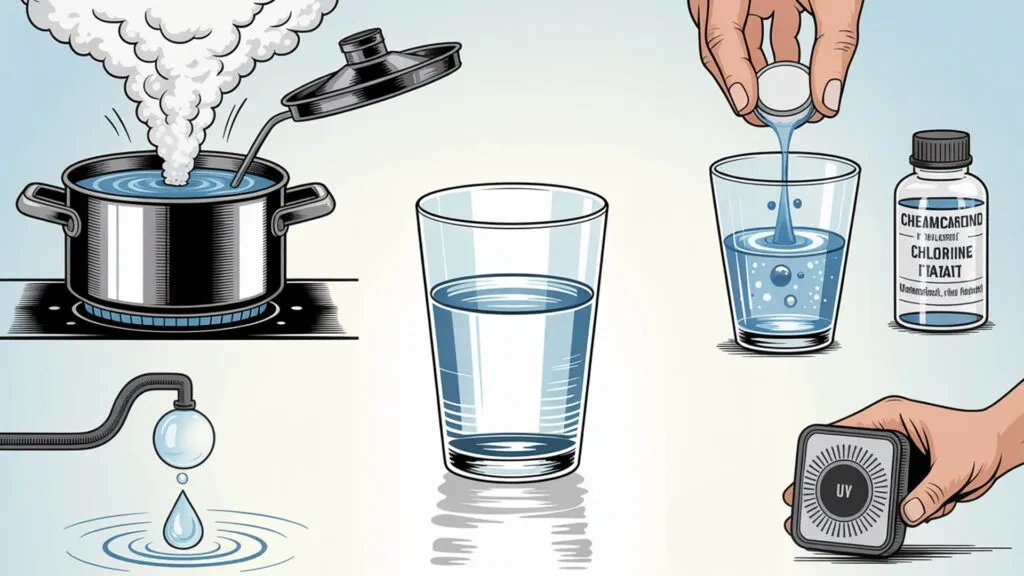
Answer 4: Hiking EDC builds on the classic “Ten Essentials” framework refined through decades of wilderness search and rescue experience identifying what prevents and resolves most outdoor emergencies. Navigation tools including detailed topographic map, quality compass, and GPS device with fresh batteries prevent getting lost, the precursor to most serious wilderness situations. Shelter capability through emergency bivy sack, space blanket, or lightweight tarp provides critical protection from hypothermia when weather changes or injuries prevent reaching planned destinations. Fire-starting equipment including waterproof matches, reliable lighter, and alternative ignition sources enables creating warmth, purifying water, signaling rescue, and maintaining morale during unexpected overnight situations. Water purification capability through filters, chemical treatment, or boiling methods ensures access to safe drinking water from natural sources, preventing the dehydration that causes more wilderness emergencies than any other single factor except hypothermia. Comprehensive first aid kit with supplies for bleeding control, wound cleaning, blister treatment, fracture stabilization, and medications for pain and allergic reactions addresses the traumatic injuries common on uneven terrain. Sun protection including sunglasses, sunscreen, and protective clothing prevents debilitating sunburn and snow blindness. Illumination via headlamp and backup flashlight enables safe travel after dark and serves as emergency signaling. Extra insulation through additional clothing layers addresses rapid weather changes and the hypothermia risk that kills more hikers than any other cause. Emergency nutrition with high-calorie food providing energy beyond normal trip requirements sustains you during extended situations. Signaling devices including whistle, mirror, and bright-colored clothing enable attracting rescuers’ attention across long distances. Weight optimization remains critical - every item must justify its presence through addressing essential needs or serving multiple purposes, creating ruthless gear selection that other EDC scenarios don’t demand.
Question 5: Should I carry weapons as part of my EDC setup?
Answer 5: Weapon carry in EDC systems requires careful consideration of legal requirements, organizational policies, training levels, and actual risk probabilities in your specific environments. Many workplaces explicitly prohibit weapons including firearms, large knives, pepper spray, and even multi-tools with significant blades, making compliance with employer policies essential regardless of legal carry rights. Legal frameworks vary dramatically by jurisdiction - knife blade length restrictions, concealed carry permits, pepper spray regulations, and self-defense tool laws differ between states, counties, and municipalities requiring research into applicable rules for everywhere you carry gear. Training becomes paramount if choosing to carry defensive tools because improper use during stressful situations can escalate rather than resolve threats or result in legal liability for inappropriate application. The statistical reality shows that most EDC emergencies involve accidents, medical situations, natural disasters, and infrastructure failures rather than interpersonal violence, suggesting that comprehensive first aid capability, communication tools, and basic safety equipment address far more likely scenarios than weapons designed primarily for defense against human threats. That said, reasonable non-lethal options like quality tactical flashlights serving dual purposes of illumination and personal defense, small pepper spray in jurisdictions where legal, or basic self-defense training may provide proportionate capability without significant legal or social complications. The key is matching defensive measures to actual threat levels in your environments, ensuring full legal compliance, obtaining proper training for any defensive tools you choose to carry, and prioritizing the preparedness items that address far more statistically likely emergency scenarios over focusing exclusively on interpersonal defense.
Question 6: How often should I update and maintain my EDC kits?
Answer 6: Comprehensive EDC maintenance requires quarterly inspections - every three months - to ensure all components remain functional and current when emergencies strike. This regular schedule catches most deterioration before it compromises capability while remaining manageable within busy schedules. During quarterly reviews, systematically check expiration dates on all medications, food items, chemical light sticks, water purification tablets, and any other perishable supplies, replacing items approaching expiration before they lose effectiveness. Test all electronic devices including flashlights, phone chargers, GPS units, and radios to verify they power on, batteries maintain charge, and functions operate correctly. Inspect physical items like first aid supplies, blankets, tools, and clothing for damage from moisture, temperature extremes, or simple deterioration that occurs during storage. Replace any used items immediately after deploying your EDC during actual emergencies or practice scenarios. Seasonal transitions demand specific attention - swap winter items like heavy blankets and ice scrapers for summer gear like extra water and sun protection in vehicle kits as weather patterns change. Update personal information including emergency contact numbers, medication lists, and medical condition details whenever changes occur. Practice with your equipment during quarterly reviews to maintain proficiency and identify any gaps in capability or knowledge. This consistent maintenance rhythm prevents the common failure mode where well-intentioned EDC systems become useless collections of expired medications, dead batteries, and degraded equipment that provide no value during the emergencies they’re meant to address. Treating EDC maintenance with the same regularity as vehicle oil changes or home HVAC filter replacements ensures your preparedness investment remains functional when you desperately need it.
Question 7: What’s the biggest mistake people make with EDC systems?
Answer 7: The most critical and common EDC mistake involves building elaborate, impressive systems so heavy, conspicuous, or impractical that people leave them at home where they provide absolutely zero value during actual emergencies. Social media showcase effects encourage assembling photographically attractive gear collections featuring expensive knives, tactical accessories, and specialized equipment that looks impressive but proves too burdensome or socially inappropriate for daily carry in professional or social contexts. This over-preparation creates psychological barriers where people choose between carrying nothing and carrying extensive gear, usually opting for nothing because the full system seems too extreme for regular life. The result is extensive investment in preparedness that stays in closets or vehicles rather than being actually available when office power fails, vehicles break down, or hiking injuries occur. Close behind this primary mistake comes the set-and-forget failure where people build EDC systems once then never maintain them, resulting in expired medications, dead batteries, corroded equipment, and missing items that render otherwise comprehensive kits useless during actual emergencies. A third major error involves the skill gap problem - carrying sophisticated equipment without corresponding training to use it effectively under stress. Advanced medical supplies serve no purpose without first aid knowledge, navigation tools don’t prevent getting lost without map and compass skills, and fire-starting equipment fails those who’ve never practiced in adverse conditions. These three failures - over-preparation leading to non-carry, lack of maintenance causing equipment failure, and insufficient training limiting effective use - account for the vast majority of EDC system failures when people actually face emergencies. The solution involves starting with simple, practical baseline systems you’ll actually carry daily, establishing quarterly maintenance schedules to ensure continued functionality, and matching gear complexity to current skill levels while committing to ongoing training that expands capabilities over time.
Question 8: Can I build an effective EDC system on a budget?
Answer 8: Building comprehensive EDC systems on limited budgets is entirely achievable by prioritizing function over brand names, starting with essentials, and expanding gradually as resources permit. Begin with items you already own - basic flashlight, water bottle, first aid supplies from your medicine cabinet, and multi-purpose tools from household collections - organizing them into dedicated EDC kits rather than purchasing new equipment. Dollar stores and discount retailers carry perfectly functional versions of many EDC essentials including batteries, basic first aid supplies, emergency blankets, whistles, and simple tools at fraction of premium brand costs. Focus spending on items where quality critically affects function and safety - reliable LED flashlights, quality multi-tools, and proper fire-starting equipment justify modest investment because failures during emergencies can prove catastrophic. Build systems incrementally by adding one essential item monthly rather than attempting comprehensive preparation simultaneously, spreading costs across time while steadily improving capability. Many professional-grade EDC components cost under twenty dollars - quality flashlights run fifteen dollars, basic first aid kits ten dollars, emergency blankets two dollars, whistles three dollars, and paracord five dollars. Prioritize addressing the most statistically likely emergencies in each environment first - illumination and basic medical supplies for offices, jumper cables and tire repair for vehicles, navigation and shelter for hiking. This probability-based approach ensures your limited budget addresses scenarios you’ll actually encounter before expanding into specialized preparations for less likely situations. Avoid the temptation of cheap multi-item emergency kits that include many low-quality items in favor of building smaller collections of reliable gear that actually functions when needed. Consider borrowing or renting specialized equipment for occasional activities rather than purchasing items you’ll rarely use. The reality is that effective baseline EDC addressing eighty percent of likely emergencies across office, vehicle, and hiking scenarios costs approximately one hundred to two hundred dollars when purchasing thoughtfully and prioritizing function over brands, making genuine preparedness accessible on almost any budget.
Question 9: How do I choose the right backpack or bag for my EDC?
Answer 9: Selecting appropriate EDC containers requires matching bag characteristics to your primary scenario while considering factors of accessibility, durability, organization, and social appropriateness for contexts where you’ll carry gear. For office EDC, choose discrete professional bags that blend into workplace environments - messenger bags, briefcases, or professional backpacks in neutral colors that serve dual purposes as both daily work carry and emergency equipment storage. Interior organization with multiple compartments keeps emergency gear separated from work materials while enabling quick access to critical items like flashlights during sudden power outages. Vehicle EDC containers must withstand temperature extremes, moisture, and jostling during driving without degrading or allowing contents to scatter throughout your car. Durable plastic bins with secure lids, heavy-duty duffel bags, or purpose-built automotive emergency kits provide organization while protecting contents from harsh automotive environments. Hiking EDC demands comfortable backpacks with proper weight distribution, adjustable suspension systems, and capacity matching your typical trip lengths and wilderness travel distances. Look for water-resistant construction, multiple access points for grabbing items without unpacking everything, external attachment points for bulky items, and adequate ventilation to prevent excessive sweating during strenuous activity. Universal bag selection principles include prioritizing quick access to most frequently needed items - flashlights, first aid supplies, and communication devices should occupy easily reached pockets rather than buried deep in main compartments. Water resistance through sealed seams, water-resistant zippers, or rain covers protects critical electronics and supplies from moisture damage. Adequate capacity allows carrying all essential items without excessive compression that damages equipment or makes items impossible to locate quickly during emergencies. Durability through quality construction, reinforced stress points, and robust materials ensures bags withstand years of daily carry and occasional rough use during actual emergencies. Test fully loaded bags before committing by carrying them through typical daily activities - uncomfortable or inconvenient bags stay home where they provide no emergency value regardless of comprehensive contents.
Question 10: What EDC items are universally useful across all scenarios?
Answer 10: Certain fundamental EDC components prove valuable across office, vehicle, and wilderness scenarios because they address core human needs that remain constant regardless of environment - illumination, medical care, fire, cordage, communication, and signaling capabilities. Quality LED flashlights with fresh batteries enable navigation during power outages, vehicle repairs at night, and wilderness travel after dark while serving as emergency signaling devices across all scenarios. Comprehensive first aid kits address injuries and medical emergencies that occur with similar frequency whether you’re at a desk, on a highway, or miles into backcountry - bleeding control, wound cleaning, pain management, and basic medical supplies remain essential everywhere. Multi-tools combining knife, pliers, screwdrivers, and other implements solve repair problems, open packaging, address equipment failures, and handle dozens of tasks across any environment. Fire-starting equipment including waterproof matches and reliable lighters provides warmth, light, water purification, and signaling in emergencies ranging from office building failures to vehicle breakdowns to wilderness exposure. Emergency whistles enable signaling across long distances without battery dependency or voice strain in any scenario requiring help. Paracord provides cordage for equipment repairs, shelter construction, gear securing, first aid applications, and countless other uses wherever rope or line proves necessary. Portable phone chargers maintain communication capability during extended emergencies when building power fails, vehicle batteries die, or wilderness situations extend beyond planned durations. Water containers and purification capability ensure access to safe drinking water whether trapped in offices during infrastructure failures, stranded in vehicles during breakdowns, or hiking in areas with questionable water sources. Emergency blankets provide warmth and weather protection in climate-controlled buildings when HVAC fails, vehicles during winter breakdowns, or wilderness scenarios requiring overnight shelter. These universal items form the foundation of every well-designed EDC system because they address fundamental needs that emerge in emergencies regardless of specific setting, making them the first priorities when building new preparedness systems or operating under strict weight and budget constraints where every item must justify inclusion through broad applicability and proven utility.
Articles related:











Tags
📧 Get More Articles Like This
Subscribe to receive product reviews and buying guides in your inbox!
We respect your privacy. Unsubscribe at any time.