Survival Skills You Can Learn in Your Backyard This Weekend

Table of Contents
- Introduction: The Saturday That Changed Everything
- Why Your Backyard Is Perfect for Survival Training
- Fire Mastery: From Lighter to Friction Methods
- Emergency Shelter Construction Techniques
- Water Location and Purification Methods
- Essential First Aid and Medical Skills
- Navigation Without Technology
- Your Complete Weekend Training Schedule
- Conclusion
- Frequently Asked Questions
Introduction: The Saturday That Changed Everything
Thomas Martinez thought he knew enough about outdoor survival from watching countless YouTube videos during his lunch breaks and reading survival blogs before bed. He owned quality camping gear, subscribed to outdoor magazines, and followed every major survival instructor on social media. His backpack contained an impressive collection of gadgets, tools, and equipment that promised to keep him alive in any situation. That confidence evaporated completely when a simple day hike in Colorado’s backcountry turned into a nightmare after he slipped on wet rocks, twisted his ankle badly, and watched his expensive GPS unit tumble into a ravine where it shattered on impact. Alone, injured, with darkness approaching and temperatures dropping toward freezing, Thomas discovered the brutal truth that separates theoretical knowledge from practical competence. His hands shook so violently from cold and panic that he couldn’t manipulate his fancy ferro rod, his shelter tarp became a tangled mess he couldn’t configure properly, and the water purification tablets he’d purchased online remained useless because he never practiced the simple skill of finding water sources in unfamiliar terrain.
The gap between knowing about survival and being capable of survival yawns wider than most people realize until crisis forces recognition of their incompetence. Millions of outdoor enthusiasts carry sophisticated equipment they cannot operate under stress, memorize techniques they have never physically practiced, and maintain false confidence built on consumption of survival content rather than development of actual skills. The consequences of this delusion range from embarrassing discomfort during camping trips to life-threatening emergencies when weather turns bad, injuries occur, equipment fails, or navigation errors lead people deep into unfamiliar wilderness. Search and rescue teams across North America report consistent patterns in their callouts, with lost hikers possessing everything they needed to self-rescue except the practiced skills to use their equipment effectively. The tragedy lies not in lack of resources but in failure to transform intellectual understanding into embodied competence through deliberate practice.
While the following demonstration highlights 7 essential survival skills you can master at home, there is still exclusive information below this article - information you may not have discovered yet :
Recent data from the National Park Service indicates that visitor numbers to America’s wilderness areas increased by forty-seven percent between 2020 and 2025, with many newcomers possessing minimal outdoor experience or survival knowledge. This surge coincided with a thirty-three percent increase in search and rescue operations, equipment-related injuries, and emergency evacuations of unprepared recreationists who ventured beyond their capabilities without developing fundamental skills. The pattern reveals a dangerous disconnect between outdoor enthusiasm and outdoor competence, where social media inspiration drives people into wilderness settings they lack the skills to navigate safely. Park rangers report encounters with visitors carrying thousands of dollars in gear who cannot start fire without matches, construct basic shelter, purify water, read topographic maps, or perform elementary first aid on themselves or companions.
The solution does not require expensive wilderness courses in exotic locations, week-long expeditions into remote backcountry, or abandoning normal life to pursue full-time survival training. Your backyard provides everything needed to develop genuine competence in essential survival skills through focused weekend practice sessions that transform theoretical knowledge into reliable capability. The controlled environment offers safety, convenience, immediate access to backup resources if practice goes wrong, and the ability to repeat techniques until muscle memory develops. Unlike expensive wilderness schools that teach skills once then send students home to forget them, backyard training enables the repetition necessary for genuine mastery. According to Ready.gov emergency preparedness guidelines, practicing emergency skills in familiar environments before crises occur dramatically increases survival rates and reduces panic during actual emergencies.
The weekend approach to survival skills development recognizes that most people cannot dedicate months to wilderness immersion but can commit two days to focused practice that builds competence in core techniques. Research from the CDC emergency preparedness programs demonstrates that hands-on practice of emergency skills produces significantly better retention and performance than passive learning through videos or reading alone. The physical act of starting fires, building shelters, purifying water, and practicing first aid creates neural pathways and muscle memory that persist for months or years, unlike intellectual knowledge that fades within weeks without application. A single weekend of intensive backyard practice can establish skill foundations that last a lifetime with periodic refresher sessions to maintain proficiency.

Why Your Backyard Is Perfect for Survival Training
The concept of learning survival skills in your backyard rather than wilderness settings strikes many people as counterintuitive or even contradictory, as if practicing in comfort undermines the authenticity of skills meant for harsh conditions. This objection misunderstands both how skills develop and what makes training effective. The backyard offers distinct advantages over wilderness environments for initial skill development, providing safety, convenience, controlled conditions, immediate feedback opportunities, and the ability to practice techniques repeatedly until competence develops. Professional survival instructors increasingly recognize that students who practice fundamentals at home before wilderness application demonstrate superior skill retention and confidence compared to those who attempt to learn everything during single intensive wilderness courses.
The safety advantage of backyard training cannot be overstated when learning potentially dangerous skills like fire-making, knife work, tool use, and emergency shelter construction. Mistakes during wilderness training can result in burns, cuts, hypothermia, dehydration, or other injuries that transform learning experiences into medical emergencies requiring evacuation and professional treatment. Your backyard provides immediate access to first aid supplies, running water, warm shelter, and emergency services if something goes wrong during practice. This safety net allows you to push learning boundaries, attempt techniques outside your current competence, and take calculated risks that accelerate skill development without the potentially catastrophic consequences that would occur in remote wilderness settings.
The convenience factor of backyard training removes the largest obstacle preventing most people from developing survival skills: time and logistics. Wilderness training requires travel to remote locations, often involving long drives, expensive permits, camping reservations, specialized transportation, and coordination with other participants. These barriers mean that even motivated individuals may only practice skills once or twice annually during dedicated outdoor trips. Backyard training transforms dead weekends, evenings after work, and random free afternoons into skill-building opportunities. The ability to practice for thirty minutes after dinner or spend Saturday morning on fire-making drills creates consistency impossible with wilderness-only approaches. According to research on skill acquisition, frequent short practice sessions produce better retention than infrequent long sessions, making backyard training physiologically superior for building lasting competence.
Controlled conditions in your backyard enable isolation of specific variables during practice, allowing focused development of individual skills before combining them into complex scenarios. In wilderness settings, you must simultaneously manage navigation, weather, equipment, terrain, fatigue, time pressure, and skill execution, creating cognitive overload that impairs learning. Your backyard eliminates these distractions, letting you focus exclusively on perfecting fire-starting technique, shelter construction methods, or knot-tying sequences without worrying about getting lost, running out of daylight, or being caught in storms. Once individual skills reach proficiency through isolated practice, you can progressively introduce complexity and environmental challenges to test capabilities under more realistic conditions.
The immediate feedback and iteration opportunities provided by backyard training accelerate skill development far beyond what wilderness courses can achieve. When you fail to start fire in the wilderness, you might wait days or weeks before your next opportunity to try again, allowing the lesson to fade from memory. In your backyard, you can attempt the same technique five times in an hour, adjusting approach based on immediate results and building competence through rapid iteration. This tight feedback loop between attempt, result, analysis, and correction creates powerful learning that etches techniques into muscle memory. Professional skills acquisition research demonstrates that rapid iteration with immediate feedback represents the most effective training methodology across domains from athletics to music to technical skills.
The psychological benefits of backyard training deserve recognition alongside practical advantages. Many people feel intimidated by survival skills, viewing them as esoteric knowledge requiring exceptional talent or extensive wilderness experience to master. Practicing in the familiar, safe environment of your backyard demystifies techniques, revealing that fire, shelter, water, and navigation skills involve learnable procedures rather than mysterious wilderness magic. This confidence built through successful backyard practice translates directly to wilderness settings, where self-assurance often determines whether people successfully apply skills under stress or panic and freeze when emergencies occur. Studies of emergency response performance consistently show that prior practice in controlled settings dramatically improves performance during actual crises compared to theoretical knowledge alone.
The progression from backyard to wilderness follows a logical learning path that builds competence incrementally rather than throwing beginners into sink-or-swim scenarios. Initial backyard practice develops basic technique in perfect conditions with unlimited attempts and zero consequences for failure. Next-level training adds challenges like practicing in rain, darkness, cold, or wind while still in the backyard’s safety net. Advanced backyard scenarios introduce time pressure, limited tools, and realistic constraints that mirror wilderness conditions. Finally, wilderness application tests skills developed through hundreds of backyard repetitions against actual environmental challenges. This graduated approach produces genuine competence compared to single wilderness courses that expose students to skills once without the repetition needed for mastery.
Fire Mastery: From Lighter to Friction Methods
Fire represents humanity’s oldest survival technology and remains the single most critical skill for outdoor survival, providing warmth against hypothermia, ability to purify water through boiling, signaling capacity for rescue, psychological comfort during crisis, cooking capability for nutrition, and protection from wildlife threats. The difference between confident fire mastery and fumbling incompetence often determines survival outcomes when weather turns severe, injuries prevent movement, or darkness catches people unprepared. Yet most outdoor enthusiasts possess only superficial fire skills, relying exclusively on modern lighters or matches without backup methods or understanding of fundamental fire principles. Your backyard weekend provides perfect opportunity to develop genuine fire mastery across multiple methods, from easiest modern tools to challenging primitive techniques that work when all else fails.
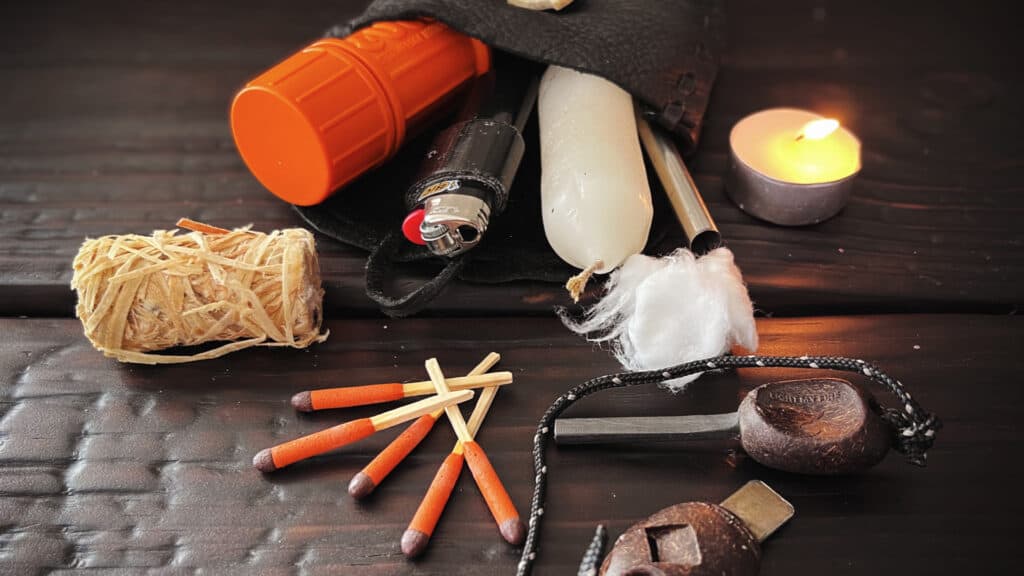
The progression of fire-making skills should follow a logical path from most reliable methods toward more challenging techniques, building confidence through success before attempting difficult skills. Begin with butane lighters, the most foolproof fire-starting method available in normal conditions. Practice creating sustainable fires using only lighter and natural materials from your yard, developing the fundamental skills of tinder preparation, kindling arrangement, fuel progression, and fire structure that remain constant across all methods. Master the teepee arrangement for quick-starting fires, the log cabin structure for long-burning warmth, and the lean-to configuration for cooking fires. Practice until you can reliably create fire from lighter to self-sustaining blaze in under five minutes using only materials found in your yard.
Progress to waterproof matches after mastering lighter technique, introducing the first layer of difficulty through striker-based ignition that requires more skill than simple lighter operation. Practice match conservation techniques, learning to light fires with single matches by perfecting tinder preparation and fire structure. Create tinder bundles from dry grass, bark shavings, cattail fluff, or cotton balls infused with petroleum jelly that catch flame from brief match contact. Experience teaches that match-based fire requires superior tinder compared to lighter flames, developing your eye for dry, fluffy, easily ignitable materials. Practice in progressively worse conditions, learning to start fires with matches during wind by creating wind blocks, in damp conditions by finding dry materials under bark or in protected locations, and with cold hands by working efficiently before dexterity fails.
Ferro rod fire-starting represents a critical skill bridging modern and primitive methods, providing reliable ignition that works when wet, functions in extreme cold where lighters fail, and lasts for thousands of uses compared to limited matches. The initial difficulty curve frustrates beginners who expect easy success, as ferro rods require proper technique, appropriate tinder, and patience to master. Understanding the specific requirements of ferro rod ignition helps beginners avoid common failures. The shower of hot sparks produced by scraping ferro rod with striker reaches temperatures around 3000 degrees Fahrenheit but lasts only milliseconds, requiring ultra-fine, ultra-dry tinder that catches immediately. Natural materials like char cloth, birch bark, dry grass punk, or chemically treated tinder catch ferro sparks reliably, while normal wood shavings or damp grass ignore even perfect technique.
The mechanics of effective ferro rod technique deserve detailed explanation, as subtle variations in approach determine success or failure. Hold the ferro rod stationary against your tinder bundle rather than moving it, eliminating the common mistake of dragging tinder away from sparks during stroke. Use the striker to move forcefully away from the rod in smooth, controlled scraping motion that maximizes spark shower length and temperature. Apply significant downward pressure during the scrape, as light contact produces weak sparks insufficient for ignition. Position your face away from the strike direction to avoid spark injuries to eyes. Practice these mechanics through hundreds of repetitions until muscle memory develops and you can reliably produce fires from ferro rod in under one minute with natural tinder.
Magnifying glass fire-starting teaches solar ignition principles applicable to any lens including eyeglasses, water-filled bags, or ice lenses carved from frozen water. Understanding that concentrated sunlight creates intense heat at the focal point enables fire-starting using unexpected resources during emergencies. Practice with magnifying glass during mid-day sun when intensity peaks, learning to find the precise focal distance where sunlight concentrates into smallest, brightest point. Create ultra-fine tinder from charred cloth, dry punk wood, or powdered plant materials that ignite from concentrated heat. Hold the lens perfectly steady at focal distance for thirty to sixty seconds while smoke develops and ignition occurs. Recognize that magnifying fires require patience and stillness impossible for many beginners accustomed to instant results from modern methods.
Friction fire represents the ultimate survival fire skill, requiring no modern materials and demonstrating that fire creation depends entirely on knowledge, technique, and determination rather than equipment. The bow drill method provides the most reliable friction fire technique for beginners, using a wooden drill rotated rapidly by bow against a wooden fireboard to create char and eventually glowing ember. Building functional bow drill sets from materials in your backyard teaches wood selection, carving techniques, and the physics underlying friction fire. Select soft, dry woods like cedar, cottonwood, or willow for drill and fireboard, avoiding hard woods that resist charring. Carve smooth, round drill approximately pencil thickness and eight inches long. Create fireboard from flat piece of soft wood with carved depression for drill rotation. Construct bow from curved branch with cordage connecting the ends, with drill wrapped in the cordage loop.
The technique of bow drill operation requires full-body coordination, endurance, and proper pressure to generate sufficient friction heat for ignition. Position fireboard on stable ground with carved notch allowing char dust to accumulate. Place drill tip in fireboard depression with bow cordage wrapped once around drill. Kneel with one foot stabilizing fireboard, apply downward pressure through socket piece held in non-dominant hand atop drill, and drive bow with dominant hand in smooth, rapid strokes using full bow length. Maintain steady downward pressure while maximizing bow stroke speed, creating increasing quantities of dark char dust in the notch. Continue drilling as smoke intensifies, building a pile of hot char until glowing ember forms. Transfer ember to prepared tinder bundle, gently blow to ignite tinder, and build into sustainable fire. Expect dozens of failed attempts before successful ember formation, accepting frustration as normal part of mastering this challenging skill.

Emergency Shelter Construction Techniques
Shelter ranks second only to fire in survival priorities, providing critical protection from environmental exposure that can kill through hypothermia within hours in cold, wet, or windy conditions. The human body loses heat twenty-five times faster when wet compared to dry, making waterproof shelter essential during rain even in moderate temperatures. Wind magnifies heat loss dramatically through convection, creating life-threatening conditions when ambient temperature combined with wind chill drops core body temperature below sustainable levels. Most outdoor deaths attributed to exposure result from inadequate shelter rather than lack of food or water, as hypothermia kills in hours while dehydration requires days and starvation takes weeks. Your backyard provides ideal training ground for developing shelter construction skills that could save your life during wilderness emergencies.
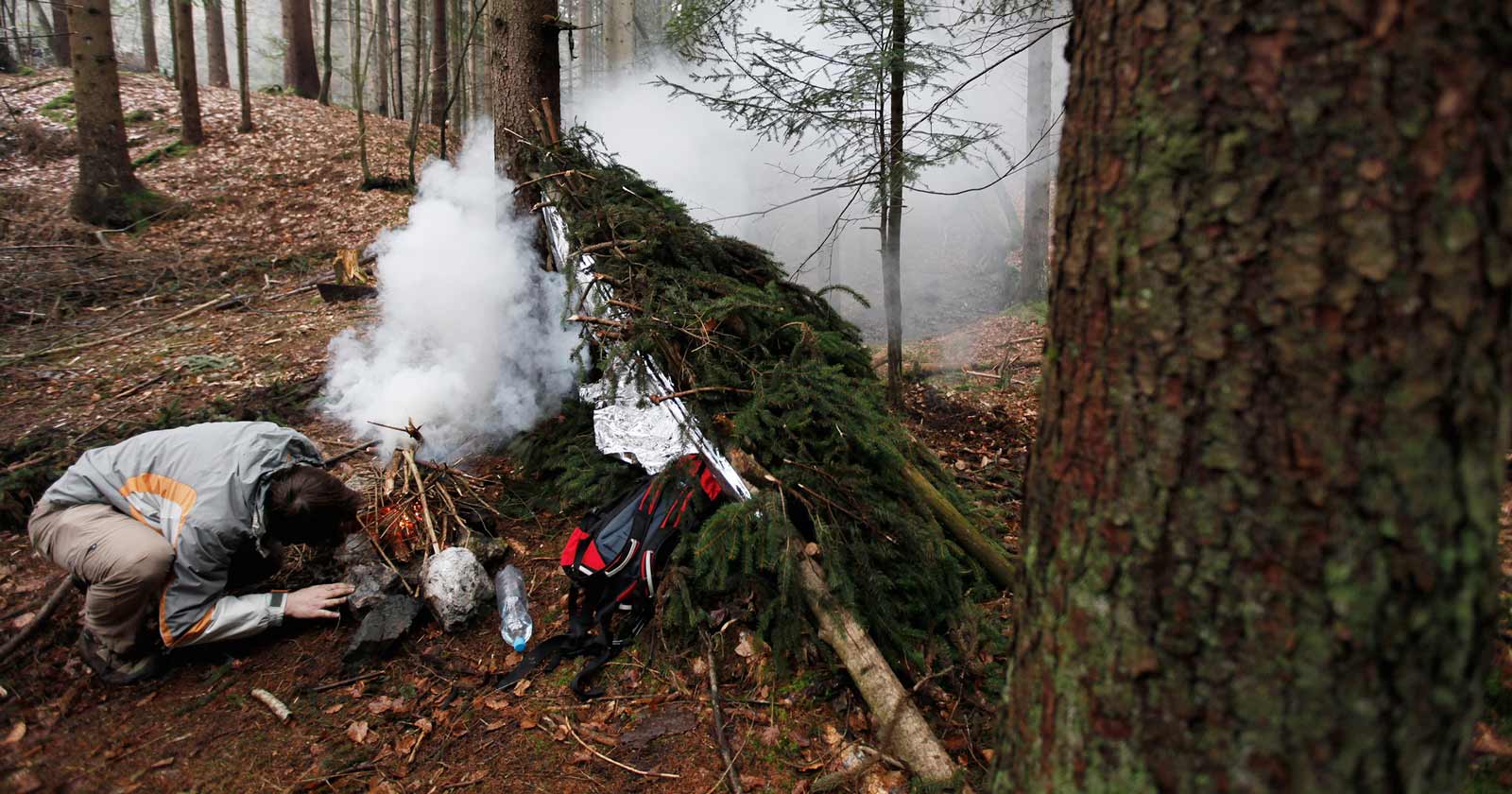
The debris hut represents the most fundamental survival shelter, requiring no tools or materials beyond natural resources available in most environments. Understanding debris hut construction principles enables shelter creation in virtually any forest, grassland, or brushy environment where sufficient organic material accumulates on the ground. The basic structure resembles a ribcage, with ridge pole forming the spine and ribs extending from ridge pole to ground on both sides. Begin by finding or creating a ridge pole approximately ten feet long and arm-thickness diameter. Prop one end of ridge pole three to four feet off ground using forked stick, rock pile, or tree trunk, creating angled shelter frame with other end resting on ground. Lean shorter sticks along both sides of ridge pole at approximately forty-five degree angles, creating ribbed framework spaced roughly one foot apart. Cover framework with progressive layers of leaves, grass, pine needles, bark, and any available organic material, building thickness of two feet minimum for adequate insulation and waterproofing.
The critical lesson that most beginners fail to grasp involves the massive quantity of debris required for effective insulation and weather protection. A debris hut that appears well-covered when first constructed will compress and develop gaps within hours as material settles and compacts. Professional wilderness instructors teach that you need approximately three times more debris than seems necessary for first-time builders to achieve genuinely weatherproof, warm shelter. Practice building debris huts in your backyard multiple times, testing them during rain to identify leaks and inadequate coverage. Sleep in your practice shelters during mild weather to experience firsthand how well they retain warmth and block wind, learning to distinguish between cosmetically complete shelters and functionally effective structures that actually protect from elements.
The tarp shelter offers faster, lighter, more versatile protection when you carry emergency tarp or space blanket in your pack. Mastering multiple tarp configurations allows adaptation to different weather conditions, terrain features, and available anchor points. The basic A-frame represents the simplest effective tarp shelter, requiring only rope and two anchor points. String cordage between two trees at chest height, drape tarp over cord with equal overhang on both sides, and stake out all four corners to create simple pitched shelter. Practice creating A-frames until you can complete setup in under five minutes, developing efficiency that matters when racing against approaching storms or fading daylight. Progress to more complex configurations including lean-to shelters for reflecting fire heat, C-fly setups for maximum wind protection, and diamond configurations maximizing coverage from small tarps.
The critical importance of site selection often receives insufficient attention from beginners focused on shelter construction technique. Even perfectly built shelters fail when positioned in locations where water accumulates, wind concentrates, or ground conditions create discomfort and cold. Practice systematic site evaluation in your backyard, developing the habitual assessment process that identifies suitable shelter locations quickly. Look for level ground free from rocks, roots, and moisture, elevated slightly above surrounding terrain to avoid water accumulation during rain. Check overhead for dead branches or widow-makers that could fall during wind storms. Position shelter openings away from prevailing wind direction while maintaining access to morning sun for warming and drying. Consider proximity to water, firewood, and potential rescue visibility when balancing convenience against exposure.
The improvised shelter category encompasses countless creative approaches using available materials when standard techniques prove impossible due to terrain, weather, or resource limitations. Rock shelters, snow caves, leaf nests, debris cocoons, and vegetation structures all represent viable options depending on environment. Your backyard training should include experimentation with unusual materials and unconventional approaches, building creative problem-solving capacity that activates during actual emergencies when textbook methods fail. Try building shelter using only materials found within thirty feet of your starting point. Practice creating waterproof cover from trash bags, plastic sheeting, or space blankets. Experiment with insulation techniques using newspapers, cardboard, or foam materials. Each experiment develops your mental database of possible solutions, increasing likelihood of successful improvisation when facing unfamiliar challenges.
The combination shelters integrating fire, tarps, and natural materials often provide superior protection compared to single-method approaches. Practice positioning lean-to tarp shelters to reflect fire heat into sleeping area, dramatically increasing warmth compared to shelters alone. Experiment with debris huts incorporating tarp inner layers for guaranteed waterproofing combined with natural insulation. Develop methods for attaching tarps to debris frameworks, creating hybrid structures capturing advantages of both approaches. Understanding how different shelter elements work synergistically allows you to optimize protection using limited resources, creating genuinely comfortable sleeping conditions even during challenging weather that would defeat less sophisticated approaches.
Water Location and Purification Methods
Water represents the third survival priority after shelter and fire, with dehydration creating serious impairment within twenty-four hours and potentially fatal consequences within three to five days depending on temperature, exertion level, and individual physiology. The cruel irony of wilderness survival involves water’s simultaneous abundance and danger, as virtually every natural water source contains bacteria, viruses, or parasites capable of causing illness ranging from uncomfortable diarrhea to life-threatening dysentery. Drinking contaminated water during emergencies often proves worse than remaining dehydrated, as waterborne illness creates additional fluid loss through vomiting and diarrhea while depleting strength needed for self-rescue. Understanding both water location and purification methods becomes essential for multi-day survival situations where dehydration threatens life but water treatment prevents immediate use of available sources.
The fundamental principles of water location in various terrains provide knowledge applicable across diverse environments from forests to deserts to mountains. Water flows downhill following gravity, accumulating in low points including valleys, ravines, drainage areas, and basins where terrain naturally concentrates runoff. Learning to read terrain features allows you to identify likely water locations without aimless wandering that wastes energy and increases dehydration. Study topographic maps of your region in your backyard, developing ability to recognize contour patterns indicating valleys, streams, springs, and wetlands where water typically appears. Practice navigating to predicted water sources using only map and compass, testing your terrain-reading skills by locating creeks, ponds, or seeps you identified through map analysis alone.
The methods for locating water when obvious sources remain invisible require observation skills and environmental awareness developed through practice. Follow game trails leading downhill, as animals travel regularly between food sources and water locations, wearing visible paths through vegetation. Watch for concentrations of green vegetation in otherwise dry landscapes, as plants cluster near underground water sources even when surface water remains invisible. Listen for running water sounds, as small streams often hide beneath vegetation but create audible rushing or trickling detectable from considerable distances. According to comprehensive water purification methods tested by survival experts, the most reliable water sources flow from springs or high-altitude snowmelt, while the most dangerous stagnant sources like ponds, puddles, or slow streams contain highest concentrations of harmful organisms.
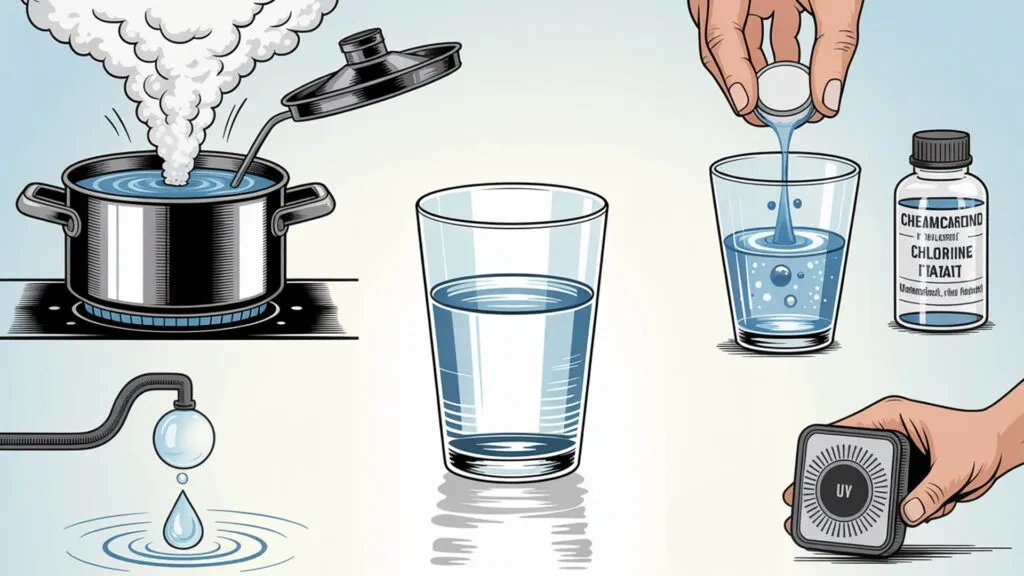
The boiling method represents the most reliable water purification technique, killing all bacteria, viruses, and parasites through sustained high temperature exposure. Despite requiring fire and heat-resistant container, boiling provides guaranteed safety when correctly performed. Bring water to full rolling boil visible as large bubbles rapidly breaking the surface, maintain boiling for minimum one minute at sea level, extending to three minutes at elevations above 6,500 feet where lower atmospheric pressure reduces boiling temperature. Allow boiled water to cool naturally rather than contaminating through premature pouring into dirty containers. The primary limitation of boiling involves fuel requirements and time consumption, as each purification cycle demands fifteen to twenty minutes including fire preparation, heating, boiling, and cooling. Practice boiling water using various heat sources and containers in your backyard, developing efficiency and familiarity with different approaches.
Chemical purification using iodine tablets, chlorine dioxide drops, or household bleach provides lightweight, packable water treatment suitable for emergency kits and ultralight backpacking. Chemical methods work through oxidation that destroys cell walls of harmful microorganisms, requiring specific contact time based on water temperature and chemical concentration. Follow manufacturer instructions precisely for commercial tablets, as underdosing allows some organisms to survive while overdosing creates chemical taste and potential health effects from excessive consumption. When using household bleach for emergency purification, add two drops of unscented bleach per quart of clear water, four drops if water appears cloudy, mix thoroughly, and wait minimum thirty minutes before drinking. The Ready.gov safety skills resources emphasize that chemical purification represents acceptable emergency measure but should not replace superior methods when equipment and time allow proper treatment.
Filter-based purification systems using hollow fiber membranes, ceramic elements, or activated carbon remove bacteria and protozoa through physical filtration while improving taste compared to chemical methods. Modern portable filters provide convenient, fast treatment suitable for backpacking and emergency kits, with devices like LifeStraw or Sawyer Mini offering thousands of gallons capacity in lightweight packages. Understanding filter limitations remains critical, as most portable filters cannot remove viruses due to their microscopic size passing through membrane pores. In North American wilderness where viral contamination remains uncommon, filters provide adequate protection, but international travel or contaminated urban water requires additional viral treatment through chemicals or UV light. Practice operating your chosen filter system in backyard conditions, learning proper technique, identifying when flow rate indicates clogged filters needing cleaning, and developing familiarity preventing fumbling during actual emergencies.
The improvised purification methods using natural materials or makeshift tools deserve practice attention despite limitations compared to modern equipment. Sand and charcoal filters constructed from layers of gravel, sand, and crushed charcoal inside containers with small drainage holes provide basic sediment removal and taste improvement but cannot guarantee biological safety without additional boiling. Solar disinfection (SODIS) using clear plastic bottles exposed to direct sunlight for minimum six hours kills bacteria and viruses through combined ultraviolet radiation and heat, providing zero-cost purification for emergency situations. Transpiration bags tied around living vegetation collect pure water evaporated by plants, producing small quantities of drinkable water without any treatment necessary. Each improvised method offers backup capability when primary equipment fails or becomes unavailable, justifying practice attention despite imperfect effectiveness.

Essential First Aid and Medical Skills
First aid knowledge transforms from abstract information into lifesaving capability when medical emergencies occur far from professional help, where your actions during the critical first minutes often determine whether injuries remain manageable or spiral into life-threatening crises. Wilderness first aid differs fundamentally from urban first aid taught in standard courses, as the “golden hour” concept of rapid evacuation to emergency rooms becomes impossible when you’re hours or days from hospitals. The ability to assess injuries, provide appropriate treatment, prevent deterioration, and manage pain using limited resources becomes essential for backcountry travelers, disaster survivors, and anyone facing medical emergencies without immediate professional assistance. Your backyard provides ideal training environment for developing and maintaining first aid competency through realistic practice scenarios.
The primary survey sequence forms the foundation of systematic injury assessment, preventing tunnel vision fixation on obvious wounds while missing life-threatening conditions. The acronym MARCH provides memorable framework for priority-based examination covering Massive hemorrhage, Airway, Respiration, Circulation, and Hypothermia/Head injury. Check immediately for severe bleeding requiring immediate pressure to prevent blood loss leading to shock and death within minutes. Ensure airway remains open and clear of obstructions, as airway blockage kills faster than bleeding. Assess breathing quality and rate, identifying respiratory distress requiring intervention. Evaluate circulation through pulse, skin color, and capillary refill, recognizing shock symptoms requiring treatment. Finally check for hypothermia risk and head injuries potentially causing brain damage. Practice this systematic sequence repeatedly in your backyard using family volunteers as mock patients, developing automatic mental checklist that activates under stress.
The management of severe bleeding represents the highest immediate priority in trauma situations, as major arterial hemorrhage can cause death through blood loss within three to five minutes without effective intervention. Direct pressure applied with gauze, cloth, or bare hands stops most bleeding through mechanical compression of damaged vessels. Place pressure pad directly over wound, press firmly with palm or fingers maintaining steady pressure for minimum five to ten minutes without removing to check if bleeding stopped. Elevation of injured limb above heart level reduces blood pressure at wound site, supplementing direct pressure effectiveness. Pressure points where arteries cross bones allow upstream compression reducing blood flow to injured areas, though this technique requires anatomical knowledge and practice to locate and apply effectively. According to American Red Cross first aid training guidelines, tourniquets represent appropriate intervention only for life-threatening limb hemorrhage that direct pressure cannot control, applied tightly above wound between injury and heart.
The recognition and treatment of shock often separates successful first aid from tragic outcomes, as shock represents the body’s cascading failure response to trauma, blood loss, dehydration, or severe pain. Early shock symptoms include rapid pulse, pale or bluish skin, cold and clammy skin texture, rapid breathing, anxiety or confusion, and complaints of thirst or nausea. Late shock symptoms indicate critical deterioration including weak or absent pulse, shallow or absent breathing, unresponsiveness, and dilated pupils. Treatment focuses on preventing shock progression through laying patient flat with legs elevated twelve to eighteen inches unless this positioning causes pain or breathing difficulty, maintaining body temperature through insulation from ground and covering with blankets or emergency blankets, providing reassurance and comfort reducing anxiety, avoiding food or drink that could complicate surgery if evacuation becomes necessary, and monitoring for deterioration requiring more aggressive intervention.
The management of fractures and sprains requires knowledge balancing immobilization against potential complications from incorrect splinting. The fundamental principles include immobilizing joints above and below fracture site, maintaining injured limb in position found unless circulation appears compromised requiring gentle realignment, padding splints to prevent pressure injuries, and checking circulation, sensation, and movement distal to injury before and after splinting. Improvised splints can be constructed from straight sticks, trekking poles, rolled newspapers, foam pads, or any rigid material providing support. Practice splinting various extremities on volunteer partners, developing comfort with techniques and learning to secure splints using triangular bandages, strips of cloth, or tape without creating excessive pressure causing additional damage.
The treatment of burns requires understanding depth classification and appropriate interventions for different severity levels. First-degree burns affecting only outer skin layer cause redness and pain but heal without scarring, treated through cooling with water and protecting from further damage. Second-degree burns penetrating into deeper skin layers create blisters, intense pain, and risk of infection, requiring cleaning, antibiotic ointment, non-stick dressing, and pain management. Third-degree burns destroying full skin thickness appear white or charred, paradoxically cause less pain due to nerve destruction, and demand professional medical treatment including skin grafts. The immediate response to all burns involves removing from heat source, cooling with water for ten to twenty minutes while avoiding ice that causes additional tissue damage, covering with clean dry dressing, and providing pain relief through medication or cold compresses.
The specific challenges of wilderness first aid when evacuation requires hours or days demand additional skills beyond standard urban first aid curriculum. Wound cleaning and closure using irrigation, betadine or iodine disinfection, and butterfly bandages or improvised sutures prevents infection during delayed evacuation. Splinting techniques must allow patient mobility when hiking out becomes necessary despite injuries. Pain management using over-counter medications, ice application, and distraction techniques maintains patient comfort during extended periods before hospital arrival. Hypothermia prevention through insulation, dry clothing, and heat sources becomes critical when injuries prevent normal movement and heat generation. Practice realistic scenarios in your backyard where you must manage injuries for simulated six to twenty-four hours before imaginary evacuation, developing the sustained care skills that wilderness situations demand.
Navigation Without Technology
Navigation skills represent critical survival knowledge often overlooked by modern outdoors enthusiasts who rely exclusively on GPS technology, smartphones, and digital mapping applications. The vulnerability of electronic navigation became painfully apparent during widespread 2024 satellite outages that left thousands of backcountry travelers disoriented when their devices suddenly displayed error messages instead of precise positions. Battery failures, water damage, physical impacts, extreme temperatures, and simple technical glitches can instantly transform sophisticated GPS units into useless electronic paperweights, leaving unprepared users with no backup navigation capability in unfamiliar terrain. The ability to navigate using traditional map and compass methods provides reliable backup that functions regardless of battery charge, satellite availability, or electronic failures that plague digital systems.
The topographic map reading skill begins with understanding the symbolic language that translates three-dimensional terrain onto two-dimensional paper through contour lines, color coding, and conventional symbols. Contour lines represent imaginary lines connecting points of equal elevation, with spacing between lines indicating terrain steepness. Closely spaced contour lines reveal steep slopes or cliffs requiring difficult climbing or representing dangerous terrain. Widely spaced lines indicate gentle slopes easily traversed. Contour lines forming closed circles represent hilltops when elevation numbers increase toward center or depressions when elevations decrease. The characteristic “V” shape formed where contour lines cross streams always points uphill, with the stream flowing down through the V opening. Practice reading topographic maps of your local area in your backyard, identifying terrain features like ridges, valleys, saddles, peaks, and drainages by contour line patterns. Compare map representations to actual terrain visible from hills or high points, developing the mental translation between abstract contours and real landscape features.
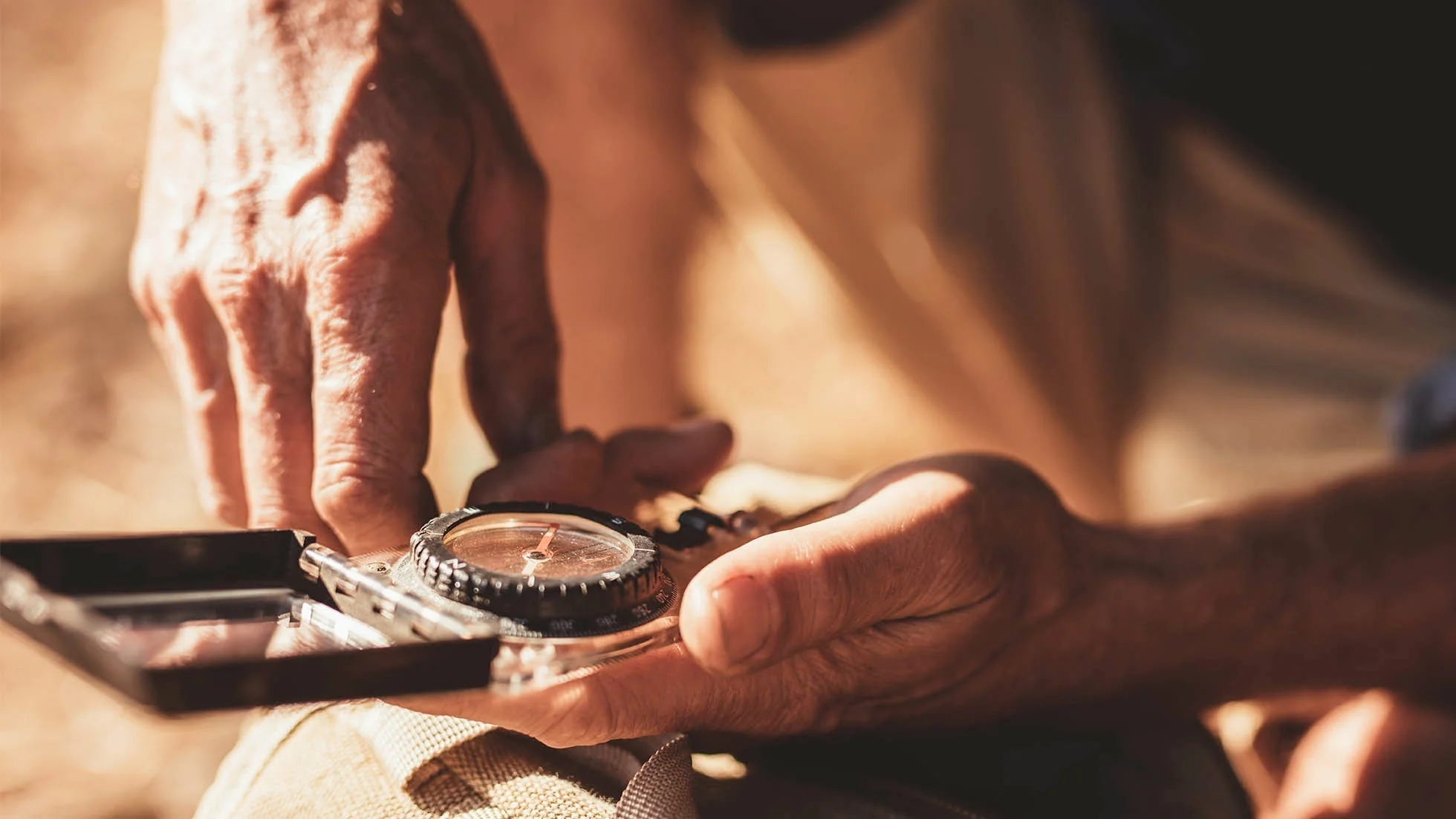
The compass fundamentals require understanding both the instrument itself and the magnetic principles governing its operation. The magnetic needle suspended in compass housing aligns with Earth’s magnetic field, pointing toward magnetic north located approximately eleven degrees from true geographic north in most of United States. This declination varies by location and changes slowly over time, requiring adjustment when precise navigation matters. The rotating bezel marked in degrees allows measurement of bearings, the direction from your position toward destination expressed as angle measured clockwise from north. The direction of travel arrow and orienting lines facilitate alignment between compass and map. Practice basic compass skills including determining bearings to visible landmarks, following bearings through terrain, and measuring distances using pace counting. Set up courses in your backyard or neighborhood with specific bearings and distances, practicing navigation to reach predetermined destinations using only compass guidance.
The integration of map and compass through triangulation enables determination of your precise position when visual landmarks allow bearing measurements to known features. Identify two or more landmarks visible from your location and marked on your map. Measure compass bearing from your position to first landmark, then adjust for magnetic declination to convert magnetic bearing into true bearing matching map orientation. Draw line on map from landmark back toward you at reciprocal bearing. Repeat process with second landmark, creating second line intersecting with first. Your position lies at intersection point where bearing lines cross. Practice triangulation in your backyard using visible landmarks like water towers, church steeples, or distinctive buildings appearing on your map. Verify accuracy by moving to known locations and comparing triangulated positions against actual coordinates.
The terrain association navigation method relies on continuous mental mapping comparing observed landscape features against map representation, maintaining rough position awareness without constant bearing calculations or triangulation. Practice scanning terrain for distinctive features appearing on your map including ridge lines, stream junctions, trail intersections, lone trees, boulders, or buildings. Note when you cross contour lines indicated by elevation changes. Develop habit of frequent orientation checks comparing your expected map position against visible terrain features. This continuous awareness prevents getting seriously lost, as you recognize deviations from planned route within hundreds of yards rather than discovering navigational errors after wandering miles off course. Create navigation routes through your neighborhood combining street walking with trail sections, practicing terrain association by tracking progress on map without checking GPS for verification.
The night navigation and poor visibility techniques become essential when darkness, fog, snowstorms, or dense vegetation prevent visual landmark identification. During nighttime or low visibility conditions, navigation relies more heavily on compass bearings, pace counting for distance measurement, and careful attention to terrain features detected through sound, touch, and limited vision. Practice night navigation in your backyard or safe neighborhood areas, learning to follow compass bearings using only headlamp illumination. Develop pace counting accuracy by measuring your stride length during normal walking and faster hiking, then counting paces to measure distances traveled. Test your navigation skills during rainfall or fog when visibility drops, experiencing firsthand the difficulty of maintaining accurate course when visual references disappear.
The backup navigation methods using natural indicators provide rough directional guidance when maps and compass become unavailable. The sun rises generally east and sets generally west with seasonal variations, allowing rough east-west orientation throughout day. Shadow stick method using vertical stick shows sun movement from east to west, with shadow tip marking positions at fifteen-minute intervals revealing east-west line. Star navigation using North Star (Polaris) in northern hemisphere provides accurate north direction visible on clear nights. Watch method using analog watch with hour hand pointed toward sun creates rough north-south line bisecting angle between hour hand and twelve o’clock. Understanding what to do first 24 hours lost focuses mental energy on immediate survival priorities rather than panic reactions that worsen situations through aimless wandering and energy depletion.

Your Complete Weekend Training Schedule
The structured weekend approach to survival skills development maximizes learning efficiency by concentrating practice into focused blocks, allowing complete immersion in techniques without the distractions and interruptions characterizing weekday schedules. This intensive format mirrors professional training methodologies used by military units, emergency responders, and outdoor professionals who recognize that concentrated practice produces superior skill retention compared to scattered sessions spread over months. The two-day timeline provides sufficient duration for meaningful repetition while remaining accessible to people with normal work schedules and family commitments. The following schedule represents one effective approach balancing multiple skills with depth of practice, though you should modify based on your specific needs, current skill level, and environmental conditions.
Saturday morning begins at eight AM with coffee, breakfast, and mental preparation reviewing the weekend training objectives. By nine AM, dedicate the first training block to fire mastery, the most essential survival skill justifying extended practice time. Spend thirty minutes perfecting lighter-based fires using only natural materials from your yard, building speed and efficiency until you reliably create sustainable fires within three minutes. Progress to waterproof matches for thirty minutes, learning conservation techniques and developing superior tinder preparation that catches flame from brief match contact. Take fifteen minute break for water and stretching. Resume with ferro rod practice for a full hour, working through the frustration until you achieve reliable ignition within one minute using natural tinder. Take another fifteen minute break. Attempt bow drill friction fire for ninety minutes, accepting that success may not come during first weekend but establishing the fundamental techniques and beginning the repetition necessary for eventual mastery. Break for lunch at twelve thirty PM.
Saturday afternoon resumes at two PM focusing on shelter construction skills requiring daylight hours for material gathering and structure building. Spend first hour building debris hut from natural materials, learning to assess whether coverage provides adequate weather protection. Take fifteen minute break. Spend next hour practicing multiple tarp configurations including A-frame, lean-to, and C-fly setups, developing speed and efficiency in deployment. Practice site selection throughout your yard, identifying locations where shelters would succeed or fail based on water drainage, wind exposure, and ground conditions. By five PM, combine fire and shelter skills by building overnight camp including fire pit, complete shelter, and organized gear layout. Cook simple meal over fire using basic camp cooking techniques. Take detailed notes on what worked well and what needs improvement, creating reference for future practice. Conclude Saturday training by six PM, allowing evening for rest and recovery before Sunday sessions.
Sunday morning starts at eight AM with review of Saturday accomplishments and Sunday objectives. By nine AM, begin water skills training focusing on purification methods you can practice in backyard setting. Boil water using camp stove or fire, timing the complete process from cold water through rolling boil to cool drinkable result. Practice using whatever portable filter system you own or plan to carry, learning proper operation, flow rate expectations, and cleaning procedures. If you own chemical purification tablets, practice proper dosing and contact times. Build improvised sand and charcoal filter from plastic bottle, gravel, sand, and crushed charcoal, testing effectiveness on muddy water to observe sediment removal. Practice reading topographic maps of your region, identifying water sources marked on maps and planning routes to reach them from various starting points. By noon, break for lunch.
Sunday afternoon from one PM forward focuses on first aid and navigation skills requiring different practice methodology than physical skills like fire and shelter. Set up realistic first aid scenarios using family volunteers as patients, practicing systematic injury assessment using MARCH protocol, treating mock bleeding wounds with pressure and bandaging, splinting simulated fractures, and managing hypothetical shock patients. Rotate through scenarios giving each person opportunity to serve as both patient and rescuer, developing comfort with hands-on assessment and treatment. By three PM, transition to navigation practice using map and compass around your neighborhood or nearby park. Set up bearing courses with specific compass headings and distances, practicing accurate navigation to reach predetermined points. Practice triangulation using visible landmarks and map coordinates. Attempt terrain association by following route while tracking position on map without GPS verification. By five PM, conduct final skills review and debrief, identifying strengths, weaknesses, and priorities for future practice sessions.
The post-weekend maintenance plan determines whether your weekend training translates into lasting competence or fades into forgotten experience. Schedule monthly practice sessions maintaining critical skills including fire-starting with multiple methods, emergency shelter construction, water purification, and first aid scenarios. These refresher sessions need not consume entire weekends, as two to three hour focused practice maintains proficiency once initial competence develops. Quarterly comprehensive reviews covering all skills test retention and identify degraded capabilities needing remediation. Annual intensive weekends introduce new skills and techniques expanding your capabilities beyond basics. The commitment to ongoing practice separates people who genuinely develop survival competence from those who attend single workshops then wonder years later why they cannot perform skills they supposedly learned.
The progression toward advanced training should follow logical skill building from backyard basics toward increasingly challenging scenarios testing capabilities under realistic stress. Second weekend training introduces environmental challenges including practicing all skills during rain, cold, darkness, and wind. Third weekend adds time pressure and limited tools, forcing improvisation when ideal equipment becomes unavailable. Fourth weekend combines multiple skills into integrated scenarios requiring simultaneous fire, shelter, water, navigation, and first aid under realistic constraints. Eventually, weekend car camping trips in actual wilderness test backyard-developed skills against real environmental conditions while maintaining relative safety through vehicle access and communication devices. This graduated approach builds confidence incrementally rather than overwhelming beginners with complexity before fundamentals solidify.
The documentation and review process captures learning insights that would otherwise fade from memory within weeks. Keep detailed training journal recording techniques practiced, successes achieved, failures experienced, insights gained, and areas needing improvement. Photograph or video your practice sessions, allowing later review revealing mistakes invisible during active practice. Compare your performance against expert demonstrations available through resources like budget survival gear 200 kit equipment guides and best survival fire starters ranked comparisons, identifying technical deficiencies in your approach. Create personal reference guides documenting procedures, measurements, and tips specific to your region, equipment, and physical capabilities. This documentation transforms isolated practice sessions into cumulative learning journey building expertise over months and years.
Conclusion
The transformation from survival knowledge to survival capability requires no exotic travel, expensive courses, or radical lifestyle changes—just committed weekend practice in the familiar environment of your backyard. Thomas Martinez, the injured hiker we met in the introduction, eventually escaped his Colorado ordeal through determination and rescue team assistance, but the experience fundamentally changed his approach to outdoor preparation. He now spends one weekend monthly practicing survival skills in his backyard, building genuine competence that no amount of video watching or gear purchasing could provide. His hands now manipulate fire-starting tools with practiced efficiency born from hundreds of repetitions. His shelter construction demonstrates understanding of principles that only comes through building multiple structures and testing them against weather. His navigation confidence stems from successful bearing courses and map reading exercises eliminating the mystery that previously surrounded topographic interpretation.
The backyard training approach recognizes that survival situations demand embodied skills accessible under stress rather than intellectual knowledge requiring calm reflection to recall. The muscle memory developed through repetitive practice activates automatically when panic threatens rational thought during actual emergencies. The confidence built through successful technique execution prevents the paralysis that freezes unprepared people when crisis demands action. The creative problem-solving capacity developed through improvisation exercises enables adaptive responses when textbook solutions prove impossible. These capabilities emerge only through practice, never through passive consumption of survival content regardless of source quality or presenter credentials.
The weekend investment required for meaningful skill development represents trivial commitment compared to time already spent consuming outdoor content, researching gear, planning trips, and discussing adventures with others. Most outdoor enthusiasts spend more time watching survival videos during random evenings than they ever invest in hands-on practice developing actual capabilities. Redirecting just two days toward focused training produces competence far exceeding thousands of hours consuming content without application. The return on this minimal time investment potentially includes saved life during wilderness emergency, successful self-rescue preventing expensive helicopter evacuation, confidence enabling more ambitious outdoor adventures, and peace of mind knowing you possess capabilities protecting yourself and others during crisis.
The progression from basic backyard practice toward wilderness application follows natural learning curve building competence incrementally. Initial weekend establishes fundamental techniques in controlled conditions. Subsequent practice sessions add challenges and environmental stresses testing capabilities. Advanced scenarios combine multiple skills under realistic constraints. Finally, actual wilderness experiences validate backyard-developed competence against real terrain, weather, and circumstances. This systematic approach produces genuine survival capability compared to single intensive wilderness courses teaching everything once without repetition necessary for mastery. The graduates of weekend backyard training programs consistently outperform wilderness course alumni when tested months after initial instruction, demonstrating superior retention from distributed practice versus concentrated exposure.
The invitation stands open regardless of current experience level, physical condition, or outdoor background. You need not possess exceptional talent, extensive wilderness experience, or remarkable physical capabilities to develop competent survival skills. The techniques remain accessible to anyone willing to invest focused practice time learning procedures through repetition. Children as young as eight successfully master fire-making, shelter-building, and navigation skills through age-appropriate instruction and supervision. Elderly practitioners maintain proficiency through regular refresher sessions compensating for physical limitations through superior technique and knowledge. Urban dwellers with limited outdoor exposure often progress faster than experienced campers who must unlearn ineffective habits preventing skill development. The only requirement involves commitment to practice rather than passive consumption of content, accepting frustration as normal part of learning rather than evidence of inadequacy.

The weekend starts now, not someday when conditions become perfect or motivation mysteriously appears. Saturday morning will arrive whether you spend it developing survival competence or scrolling through social media envying others’ outdoor adventures. The choice between theoretical knowledge and practical capability remains yours, but that choice determines whether you become the person requiring rescue or the person capable of self-rescue and assisting others. Your backyard contains everything needed to begin transformation this weekend—natural materials for fire and shelter, space for practice and experimentation, safety net preventing catastrophic learning mistakes, and opportunity for repetition building genuine mastery. The skills you develop during focused weekend practice could save your life, your companions’ lives, or strangers requiring assistance during emergencies when professional help remains hours away. That possibility justifies the minimal investment of two days spent transforming knowledge into capability through hands-on practice that no amount of reading, watching, or discussing can replace.

Frequently Asked Questions
Question 1: Can I really learn survival skills in my backyard?
Answer 1: Yes, your backyard provides an ideal practice environment for essential survival skills that translate directly to wilderness situations. The controlled setting allows safe repetition of fire-making, shelter construction, water purification, first aid, and navigation techniques without the dangers and logistics of wilderness training. Professional survival instructors increasingly recognize that students who practice fundamentals at home before wilderness application demonstrate superior skill retention and confidence compared to those who attempt to learn everything during single intensive wilderness courses. The safety net of immediate access to water, shelter, and emergency services if practice goes wrong enables you to push learning boundaries and attempt techniques outside your current competence. This calculated risk-taking accelerates skill development without the potentially catastrophic consequences that would occur in remote wilderness settings. The convenience factor removes the largest obstacle preventing most people from developing survival skills, transforming dead weekends and evenings after work into skill-building opportunities. Frequent short practice sessions produce better retention than infrequent long wilderness training according to skills acquisition research, making backyard training physiologically superior for building lasting competence.
Question 2: What survival skills can I learn in one weekend?
Answer 2: In one focused weekend, you can develop functional competence in multiple essential survival skills including fire-starting with various methods from lighters to ferro rods, emergency shelter construction using tarps and natural materials, water purification through boiling and chemical treatment, basic first aid assessment and treatment of common injuries, navigation using map and compass for route following and position finding, and essential knots for equipment securing and shelter construction. The key involves focusing on fundamental techniques within each skill category rather than attempting mastery of advanced methods. Fire skills should prioritize reliable ignition using modern tools before progressing toward challenging primitive methods. Shelter practice should establish understanding of basic structures and site selection before attempting complex configurations. First aid training should cover systematic injury assessment and treatment of bleeding, fractures, and shock before addressing rare conditions. Navigation should develop compass operation and map reading before attempting advanced techniques. This focused approach on core techniques provides solid foundation supporting future skill development through continued practice. Expecting too much from single weekend leads to superficial exposure across many skills without genuine competence in any technique. Better to master three skills thoroughly than expose yourself to ten skills poorly, as the former approach builds confidence and capability while the latter creates false sense of knowledge without corresponding ability.
Question 3: Do I need expensive equipment to practice survival skills?
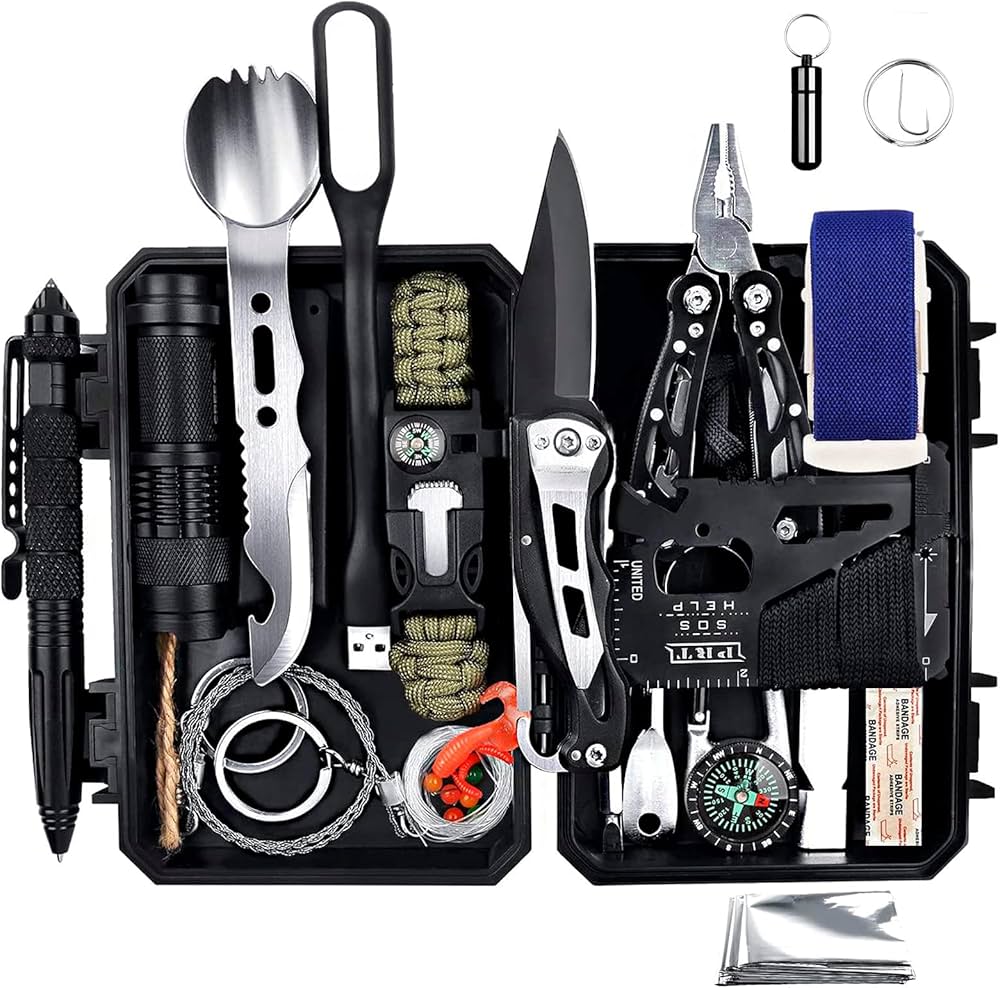
Answer 3: No, most survival skills require minimal investment beyond basic tools you likely already own or can obtain inexpensively. Fire-making practice uses butane lighters costing one to three dollars, waterproof matches around five dollars per box, ferro rods available for ten to fifteen dollars, and magnifying glass from dollar stores. Shelter construction requires only tarp or space blanket costing ten to twenty dollars plus cordage available as utility rope for few dollars per hundred feet. Water purification can be practiced using camp stove or fire for boiling, chemical tablets costing five to ten dollars, or portable filters ranging from fifteen dollars for basic straw filters to fifty dollars for quality pump filters. First aid practice uses bandaging materials, tape, and improvised splinting supplies totaling under thirty dollars for comprehensive kit. Navigation requires only topographic map of your area costing seven to twelve dollars and basic compass ranging from ten to thirty dollars depending on features. The complete equipment package supporting all fundamental survival skills rarely exceeds two hundred dollars and often costs significantly less when sourcing budget options or using items already owned. More important than expensive specialized gear is the knowledge, technique, and practice transforming basic tools into effective survival capabilities. Many primitive survival skills including friction fire, debris shelters, and improvised tools intentionally avoid modern equipment, teaching resource independence. Examining detailed comparisons in urban survival wilderness survival complete comparison resources reveals that competence matters far more than equipment cost when determining survival outcomes during actual emergencies.
Question 4: How often should I practice survival skills to maintain proficiency?
Answer 4: Practice key survival skills monthly to maintain proficiency and prevent degradation of capabilities developed during initial training. Skills like fire-making and shelter-building involve motor sequences and procedural memory that fade without regular repetition, following the neurological principle of “use it or lose it” where neural pathways strengthen through activation and weaken through neglect. Monthly two to three hour practice sessions targeting different skills each month provide sufficient repetition maintaining competence once initial mastery develops. Fire-making particularly benefits from frequent practice, as the subtle techniques distinguishing successful ignition from frustrating failure fade quickly without regular refreshers. Shelter construction skills degrade more slowly but benefit from quarterly practice maintaining structural knowledge and site selection judgment. First aid requires annual comprehensive reviews including realistic scenarios testing systematic assessment and treatment under simulated stress. Navigation skills maintain well through regular map reading during normal outdoor activities but benefit from dedicated compass work every few months preventing rust in techniques. This maintenance schedule assumes initial competence from weekend intensive training providing solid foundation. People who completed only brief introductory exposure without developing genuine skill require more frequent practice establishing capabilities before transitioning to maintenance mode. The commitment to ongoing practice separates people who genuinely develop survival competence lasting years from those who attend single workshops then wonder later why they cannot perform skills they supposedly learned.
Question 5: Are backyard survival skills actually useful in real emergencies?
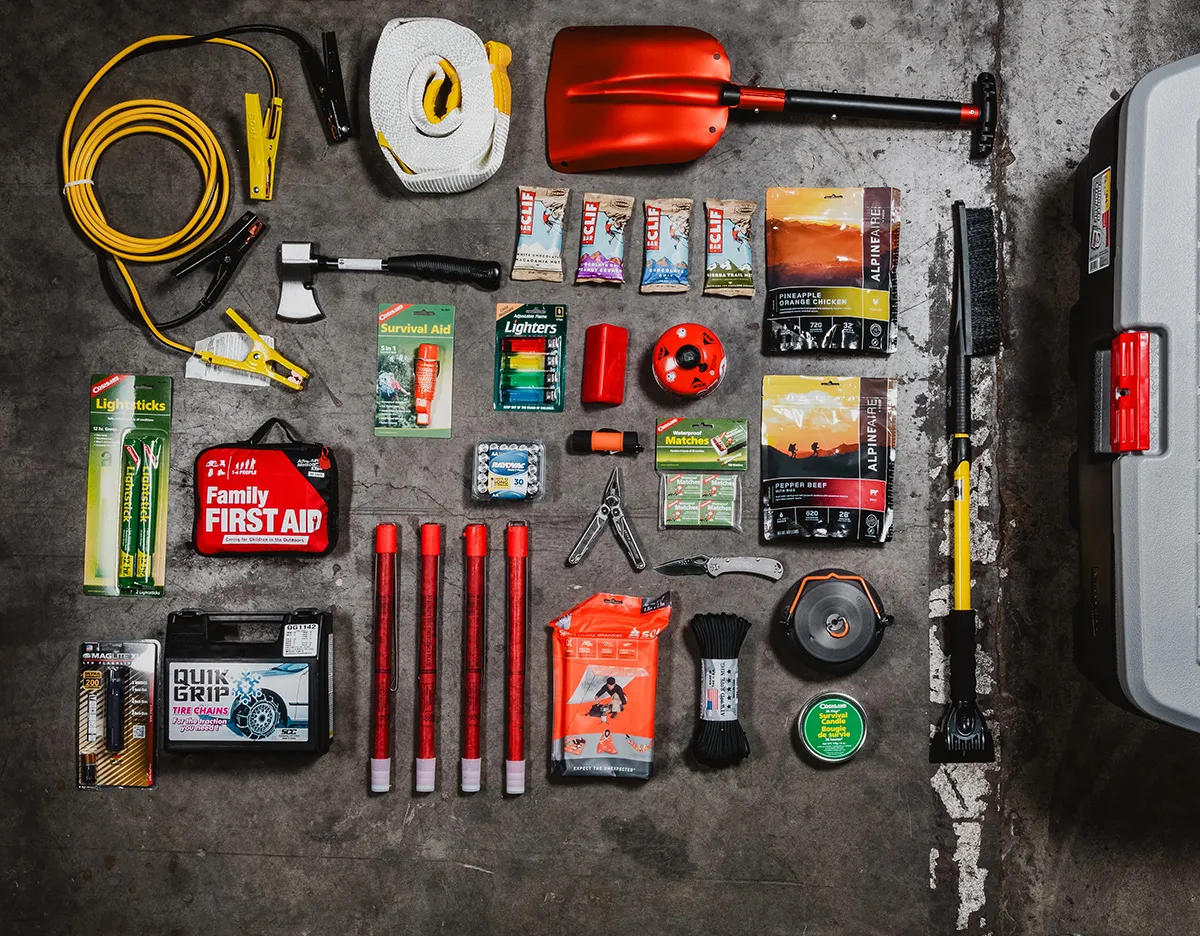
Answer 5: Absolutely, skills practiced in your backyard translate directly to wilderness emergencies, natural disasters, and urban survival situations where the fundamentals of fire, shelter, water, and first aid remain identical regardless of location. The physical mechanics of fire-starting using ferro rod work identically in backyard, forest, desert, or disaster zone, as the chemical reaction between ferrocerium and steel produces identical spark shower igniting properly prepared tinder wherever you practice. Shelter construction principles regarding insulation, waterproofing, and wind protection apply universally across environments, with only available materials varying between locations. Water purification through boiling kills bacteria and viruses identically whether water comes from backyard pool, mountain stream, or emergency storage tank. First aid procedures for controlling bleeding, splinting fractures, and managing shock remain constant across settings from living room practice to actual trail injuries. The confidence and competence built through home practice prove invaluable when actual emergencies occur unexpectedly, as stress and panic degrade performance in unpracticed individuals while practiced skills activate automatically despite fear. Multiple search and rescue case studies document how basic survival skills learned through recreational practice enabled lost hikers to survive multi-day ordeals that killed less prepared individuals facing identical circumstances. The ability to create fire for warmth and signaling, construct shelter blocking wind and rain, purify contaminated water, and treat injuries without professional help often determines survival outcomes during wilderness emergencies when rescue takes hours or days. Building your car emergency kit what you actually need demonstrates practical application of skills and equipment knowledge preventing theoretical preparation that fails during actual use.
Question 6: What’s the most important survival skill to learn first?
Answer 6: Fire-making ranks as the most critical survival skill to master first, providing warmth preventing fatal hypothermia, water purification capability through boiling contaminated sources, signaling capacity for attracting rescue attention, psychological comfort reducing panic during crisis, cooking ability for preparing food and sterilizing water, and protection from wildlife through light and smoke deterrence. The ability to create fire reliably under various conditions often determines survival outcomes during wilderness emergencies, natural disasters, and extended power outages when modern heating systems fail. Hypothermia kills within hours in cold wet conditions, making fire creation literally difference between life and death when clothing becomes soaked from rain, river crossing, or perspiration. Beyond physical warmth, fire provides immeasurable psychological benefit during crisis situations, offering focal point for activity preventing panic and sense of control countering helplessness. Master multiple fire-starting methods including matches, lighters, ferro rods, and primitive friction techniques to ensure backup capability when primary methods fail through wet conditions, equipment loss, or user error. Once fire mastery develops through practice enabling reliable ignition in under five minutes using natural materials, progress toward shelter construction skills providing protection from weather elements. Water location and purification follow as third priority, with first aid and navigation completing essential survival skill set. This priority sequence reflects the physiological timeline of threats, as hypothermia kills within hours, dehydration within days, and starvation within weeks. Investing concentrated practice developing fire competence before attempting other skills provides foundation supporting all subsequent survival capabilities while ensuring you can address the most immediate life threat during actual emergencies.
Question 7: Can children participate in backyard survival training?
Answer 7: Yes, children ages six and older can safely participate in backyard survival training with appropriate supervision, age-appropriate task assignments, and safety protocols preventing injury during practice sessions. Survival skills build confidence, self-reliance, outdoor competence, and practical knowledge in young people while creating family bonding opportunities through shared learning experiences. Start children with safer foundational skills including knot-tying, basic map reading, shelter construction using tarps rather than tools, and water collection before progressing toward potentially dangerous activities involving fire and sharp tools. Children often demonstrate remarkable aptitude for primitive skills including bow drill fire-making, tracking, plant identification, and navigation games that engage their natural curiosity and hands-on learning preferences. The sense of accomplishment from successfully starting fire or building functional shelter provides powerful confidence boost transcending survival contexts and supporting general self-efficacy beliefs. Teaching children survival skills early establishes lifelong foundation for outdoor safety and emergency preparedness, reducing likelihood of panic during actual crises through practiced competence replacing fear with capability. Always maintain direct adult supervision during all practice sessions involving fire, cutting tools, or physical activities risking injury. Establish clear safety rules and immediate consequences for violations, as survival training inherently involves some risk requiring disciplined behavior preventing accidents. Create age-appropriate learning materials and adjust expectations matching developmental capabilities rather than expecting children to perform adult-level techniques requiring greater strength, coordination, or judgment.
Question 8: How do I know if my survival skills are adequate?
Answer 8: Test your survival skills through realistic practice scenarios imposing authentic constraints, time pressure, and environmental challenges revealing true competency levels beyond performance in ideal backyard conditions. Can you start fire using only ferro rod and natural tinder in under two minutes during rain? This simple test reveals whether you possess genuine fire competence or merely succeed during perfect weather with unlimited attempts. Can you construct weatherproof debris shelter from natural materials in thirty minutes that actually keeps you dry during rainstorm? This practical test demonstrates whether your shelter knowledge translates to functional structures or remains theoretical understanding without corresponding execution capability. Can you purify one liter of water from untreated source using methods available in your kit, tracking time required and confirming proper procedures? This assessment validates water treatment competence beyond vague familiarity with purification concepts. Can you navigate accurately to specific coordinates using only topographic map and compass without GPS verification? This navigation test confirms genuine map reading and bearing-following skills versus dependency on electronic devices. Can you perform systematic injury assessment using MARCH protocol and provide appropriate treatment for mock bleeding wounds, fractures, and shock patients? These first aid scenarios measure practical competence versus memorized information lacking hands-on application. Regular testing reveals weaknesses needing additional practice while confirming genuine competency in areas where performance meets standards consistently across multiple attempts and varying conditions. Examining guidance on your first survival knife beginners guide helps ensure you possess and can safely operate essential cutting tools fundamental to many survival techniques.
Question 9: What mistakes do beginners make when learning survival skills?
Answer 9: Common beginner mistakes include relying on single methods instead of developing backup techniques for each survival need, creating dangerous dependence on equipment or approaches vulnerable to failure during actual emergencies. Many beginners practice only during ideal weather conditions avoiding rain, cold, darkness, and wind, then discover their comfortable competence evaporates when forced to perform skills under challenging realistic conditions. Failing to test equipment before emergencies represents another frequent error, as people purchase survival tools assuming they function correctly without confirming proper operation through hands-on practice revealing manufacturing defects, missing components, or technique requirements they lack. Learning too many skills superficially rather than mastering fundamental techniques thoroughly creates false sense of competence where beginners demonstrate brief familiarity across numerous areas without genuine proficiency in any single capability. Avoiding uncomfortable or difficult scenarios during practice because they induce frustration prevents development of stress tolerance and problem-solving capacity essential during actual emergencies when ideal conditions never exist. Neglecting regular maintenance practice after initial learning allows hard-won skills to degrade through disuse, leaving practitioners unable to perform techniques they successfully demonstrated months earlier. Focusing exclusively on primitive skills while ignoring practical modern methods creates romantic but impractical competence that fails during real emergencies where efficiency and reliability matter more than bushcraft purity. Better to master reliable modern techniques first, then progress toward primitive methods as advanced skills building creative capability. Understanding common pitfalls documented through resources on deadliest camping mistakes prevention helps beginners avoid dangerous errors that transform minor problems into life-threatening situations.
Question 10: How can I make survival skills practice more realistic?
Answer 10: Increase realism by intentionally practicing during adverse weather including rain, cold, darkness, and wind that mirror actual emergency conditions rather than limiting training to comfortable sunny afternoons when everything works easily. The competence you develop starting fires during rainstorms with wet materials translates directly to wilderness emergencies, while sunny practice produces false confidence that evaporates when weather turns bad and you discover your techniques fail under moisture and wind. Limit available tools during practice sessions to test improvisation capabilities when ideal equipment becomes unavailable through loss, damage, or oversight during trip planning. Can you create shelter using only tarp and natural cordage when specialized stakes and poles remain in vehicle? This constraint forces creative problem-solving building adaptability essential during actual emergencies. Set strict time constraints mirroring urgent scenarios where darkness approaches, temperatures drop, or injuries require immediate attention preventing leisurely technique refinement. Build functional fire in five minutes, construct weatherproof shelter in thirty minutes, purify water in fifteen minutes, and complete first aid treatment in ten minutes. These deadlines create stress simulating actual emergency pressure while revealing whether your skills activate quickly or require extended contemplation and multiple attempts. Wear gloves during practice to simulate cold hands with reduced dexterity, as hypothermia impairs fine motor control making familiar tasks frustratingly difficult. Practice skills while intentionally fatigued from exercise mimicking the exhaustion following long hikes or stressful emergencies sapping energy and degrading performance. Introduce unexpected scenarios through surprise challenges from training partners, forcing adaptation beyond scripted practice routines. Combine multiple skills simultaneously rather than practicing in isolation, as actual emergencies demand concurrent fire-building, shelter construction, water procurement, injury treatment, and navigation decision-making overwhelming cognitive resources.
Articles related:

Tags
📧 Get More Articles Like This
Subscribe to receive product reviews and buying guides in your inbox!
We respect your privacy. Unsubscribe at any time.