How to Choose Your First Survival Knife: Complete Beginner's Guide
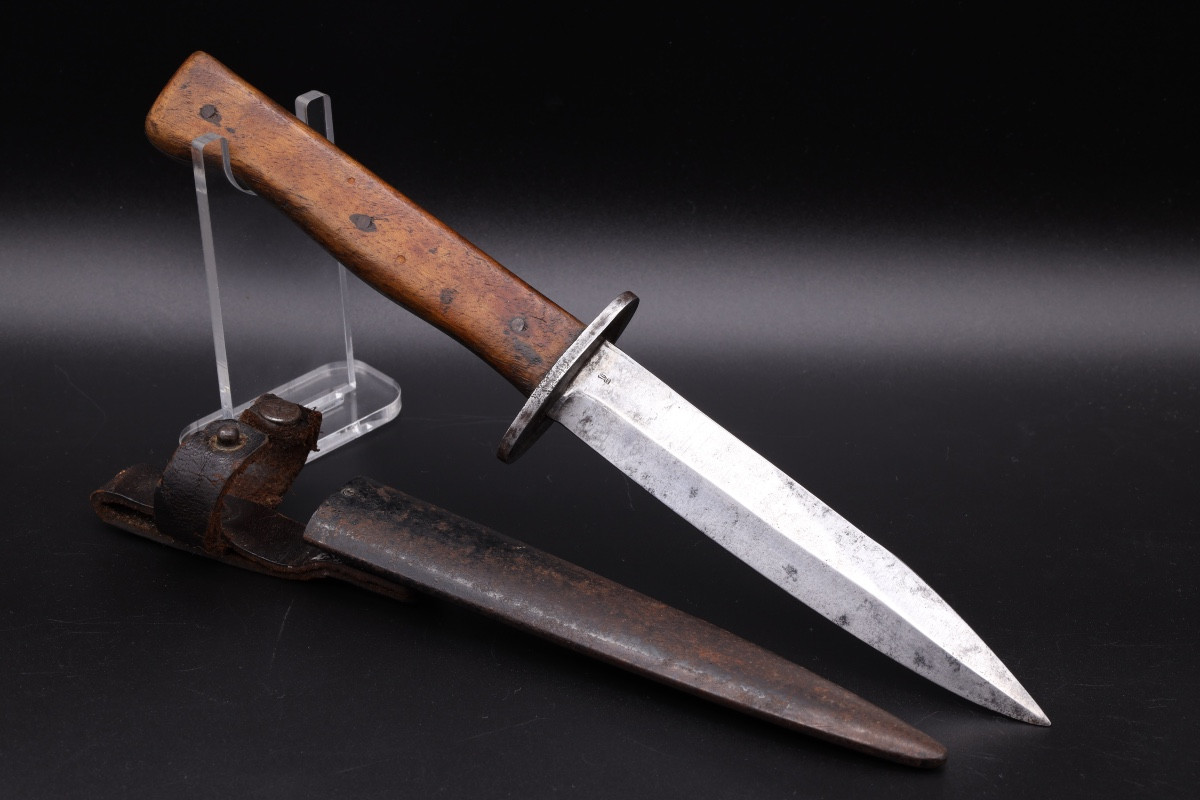
Table of Contents
- Introduction: Why Choosing Your First Survival Knife Feels So Overwhelming
- The Fundamental Truth About Survival Knives That Beginners Need to Understand
- Fixed Blade vs Folding Knife: Making the Right First Choice
- Blade Length: Finding Your Goldilocks Zone
- Steel Types Explained Simply (Without the Metallurgy Degree)
- Handle Design: What Actually Matters for Beginners
- Blade Shape and Grind: Cutting Through the Confusion
- Tang Construction: The Hidden Feature That Determines Knife Lifespan
- Price vs Quality: Where to Spend and Where to Save
- Top 5 Beginner-Friendly Survival Knives Under $100
- Common Beginner Mistakes When Buying First Survival Knife
- How to Test and Break In Your New Knife Safely
- Maintenance Basics: Keeping Your Knife Ready
- Conclusion: Your Action Plan for Confident Purchase
- FAQ: Detailed Answers to Critical Survival Knife Questions
Introduction: Why Choosing Your First Survival Knife Feels So Overwhelming
The paradox facing every beginning outdoors enthusiast involves that purchasing first survival knife should represent straightforward decision yet somehow transforms into bewildering maze of conflicting advice, incomprehensible terminology, and thousands of options ranging from $15 gas station specials to $500 custom blades that enthusiast forums insist represent “minimum acceptable quality” despite most users never subjecting knives to conditions justifying such expense. The information overload stems partly from survival knife market catering primarily to experienced users whose decade-long journeys through multiple knives, broken gear, and hard-learned lessons create perspective that beginners completely lack making expert recommendations technically accurate yet practically useless when you’re standing in outdoor store or scrolling through online retailers trying to decide whether 1095 carbon steel really differs meaningfully from 440C stainless or if full tang versus partial tang actually matters for weekend camping trips that represent your realistic use case rather than hypothetical month-long wilderness survival scenarios that marketing materials emphasize but statistical reality shows almost nobody experiences.

The psychological burden that analysis paralysis creates proves substantial enough that many beginners either abandon purchase entirely continuing to borrow inadequate kitchen knives for camping trips, or make impulsive decision selecting whatever knife appears in YouTube video or receives Amazon’s “bestseller” badge despite these indicators reflecting marketing success rather than actual field performance that proper evaluation would reveal. The fundamental problem involves that survival knife selection advice comes predominantly from two sources that both fail serving beginner needs adequately, with expert reviewers testing dozens of knives annually developing preferences for subtle performance differences that beginners cannot perceive or evaluate making their detailed comparisons of edge geometry and heat treatment essentially meaningless when you lack reference experience distinguishing superior from adequate performance, while manufacturer marketing emphasizes features that sound impressive like “tactical styling” or “military-grade materials” without explaining which attributes actually contribute to survival functionality versus which represent purely aesthetic choices that photograph well but provide no practical advantage during actual field use.
While this video highlights a survival knife guide and how to use it, there’s still a lot of information you may not have discovered yet about choosing a knife, which you’ll find in the exclusive details below this article :
The honest assessment that most survival knife content avoids acknowledging involves that vast majority of survival knives on market from reputable manufacturers perform adequately for typical beginner use cases including car camping, day hiking, basic bushcraft practice, and emergency preparedness, with performance differences between $50 and $300 knives proving far less significant than marketing suggests when realistic beginner tasks like cutting rope, processing kindling, and preparing food represent actual demands rather than extreme scenarios like batoning through foot-thick hardwood logs or prying apart rocks that genuine survival situations rarely require and beginners certainly shouldn’t attempt with first knife before developing proper technique that prevents blade damage and personal injury. This pragmatic perspective suggests that choosing wrong knife from among reasonable options matters far less than marketing fear-mongering implies, yet simultaneously some genuinely bad knife choices exist that beginners risk making without guidance that identifies disqualifying features like hollow handles prone to breaking, serrations impossible to sharpen, or blade steel so soft that edge retention fails after minimal use requiring constant resharpening that field conditions cannot accommodate.
The objective of this guide involves cutting through complexity to provide clear actionable guidance specifically designed for beginners who need confident first purchase rather than encyclopedic knowledge qualifying them to debate metallurgy on enthusiast forums, with focus on explaining decision factors in plain language, identifying truly essential features versus nice-to-have bonuses, establishing realistic budget expectations that balance quality with beginner uncertainty about long-term commitment, and ultimately recommending specific proven knives that newcomers can purchase confidently knowing that choice represents solid foundation for learning outdoor skills rather than expensive mistake requiring replacement once actual experience reveals initial selection’s inadequacy. Understanding what to do in the first 24 hours after getting lost demonstrates how proper equipment including reliable knife proves critical during genuine emergencies making thoughtful selection worth investment despite overwhelming options and conflicting advice that beginner shopping experience inevitably encounters.
The Fundamental Truth About Survival Knives That Beginners Need to Understand
The survival knife category exists in peculiar position within outdoor gear because unlike tents or sleeping bags where quality directly correlates with comfort and safety making premium purchases clearly worthwhile, knife performance follows diminishing returns curve where basic well-made knife handles 95% of realistic survival tasks perfectly adequately while expensive premium knives provide marginal improvements in edge retention, toughness, or corrosion resistance that matter primarily for professional guides using knives daily or serious enthusiasts pushing equipment to genuine limits rather than weekend campers whose knife spends more time in sheath than actual use making cost-benefit analysis favor modest investment over premium purchase. This fundamental economic reality gets obscured by enthusiast community whose members have progressed through multiple knives developing refined preferences that beginners lack context understanding, combined with manufacturers whose profit margins favor selling expensive knives through marketing emphasizing extreme scenarios and premium materials that sound impressive but provide minimal practical advantage for typical beginner applications that proper technique with basic knife handles completely adequately.
The specific survival tasks that knife actually performs during realistic outdoor recreation and emergency scenarios include shelter construction by cutting branches and processing cordage, fire starting through creating feather sticks and processing tinder into manageable sizes, food preparation including opening packages and cutting vegetables with occasional game cleaning if hunting, tool making by carving tent stakes and friction fire components, and self-defense as absolute last resort when wildlife encounter or human threat cannot be avoided through proper prevention that represents first line of actual safety. These fundamental tasks require knife that cuts effectively, maintains edge through reasonable use, withstands forces from batoning and prying without breaking, and proves reliable over years of service, yet none specifically demand premium steel alloys, exotic handle materials, or specialized blade grinds that marketing emphasizes because basic carbon or stainless steel properly heat-treated cuts wood and rope identically to exotic super-steels costing triple the price while synthetic handle grips hand adequately without requiring micarta or G10 composites that enthusiasts prefer for subtle texture differences that beginners cannot distinguish during actual field work.
The gear redundancy principle that experienced outdoorspeople embrace involves that single perfect knife doesn’t exist because different tasks favor different blade characteristics making experienced users often carry multiple knives including fixed blade for heavy work, folder for convenience, and specialized tools for specific applications, yet this approach proves completely inappropriate for beginners who need learning one versatile knife thoroughly before expanding collection addresses genuine needs versus premature optimization attempting to replicate experienced user’s setup without understanding why those specific tools got selected through years of actual field experience identifying limitations that beginner hasn’t encountered yet. The proper beginner approach involves purchasing one solid general-purpose survival knife then using it extensively across various applications to develop personal understanding of blade behavior, technique refinement, and maintenance discipline before considering additional specialized tools that specific observed needs justify rather than theoretical future scenarios that may never materialize making premature collection expansion waste money on unused equipment instead of investing in core skills development with basic reliable gear.
What "Survival Knife" Actually Means and Doesn't Mean
The survival knife designation gets applied loosely to virtually any fixed blade marketed toward outdoor use regardless of whether design actually suits genuine survival applications, with true survival knife characteristics including fixed blade construction for reliability and strength, blade length between 4-6 inches providing versatile cutting capacity, full tang extending blade metal completely through handle for maximum durability, simple robust design minimizing failure points and maintenance requirements, and ergonomic handle enabling extended use without causing blisters or fatigue that improper grip or hard materials create during repetitive cutting tasks. These core attributes define survival knife functionally rather than aesthetically, yet marketing often emphasizes tactical appearance, aggressive styling, or military associations that photograph dramatically but contribute nothing to actual field performance making superficial features that beginners often prioritize when selecting first knife because impressive appearance suggests capability that only actual use reveals as illusory when fancy knife with hollow handle breaks during first batoning attempt while basic unglamorous design continues performing reliably through years of hard service.
The survival knife market includes several sub-categories that beginners often confuse including general survival knife designed for versatile outdoor use, bushcraft knife optimized for wood carving and shelter building, tactical knife emphasizing self-defense and aggressive styling, hunting knife specialized for game processing, and combat knife built for military applications, with these categories overlapping significantly but maintaining distinct design priorities that affect blade shape, grind, and handle configuration making category understanding important for matching knife to intended use rather than selecting tactical folder for camping trips or delicate bushcraft blade for general survival applications where different priorities should guide choice. The beginner-appropriate survival knife falls squarely in general survival category balancing multiple demands adequately rather than excelling at one specific task through design compromises that limit other applications, with this versatility proving essential when beginner hasn’t yet identified personal priorities or use patterns that would justify specialized knife selection over general-purpose capability.
The survival situation reality check that marketing carefully avoids involves that genuine life-threatening wilderness survival scenarios prove extraordinarily rare for recreational outdoors enthusiasts, with actual knife use during camping, hiking, and bushcraft practice constituting 99.9% of realistic applications making extreme durability testing like batoning through 6-inch hardwood logs or prying rocks apart essentially irrelevant for evaluating whether knife suits beginner needs when actual tasks involve processing kindling, cutting cordage, and preparing food that far less demanding applications make premium construction overkill for typical use. This perspective doesn’t diminish survival knife importance because reliable tool proves critical when genuinely needed, rather it correctly frames purchase decision around realistic applications that weekend warrior actually encounters rather than hypothetical extreme scenarios that marketing emphasizes but statistics show almost never occur making modest investment in proven reliable knife smarter than expensive premium purchase based on capabilities that user will never actually need or test during realistic outdoor recreation that represents true use case.
Fixed Blade vs Folding Knife: Making the Right First Choice
The first and most fundamental decision facing beginner survival knife buyers involves choosing between fixed blade where blade and handle form one solid piece or folding knife where blade pivots into handle for compact storage, with this choice affecting virtually every other aspect of knife performance, durability, and functionality making it critical decision point that beginners must understand clearly before considering other features that subsequent selections depend upon. The definitive recommendation for first survival knife unequivocally favors fixed blade construction despite folding knives offering apparent convenience advantages that superficial evaluation might suggest outweigh fixed blade benefits, because mechanical complexity that folding mechanism introduces creates multiple failure points including pivot pin that repeated stress can loosen or break, lock mechanism that debris, cold, or wear can compromise, and liner structure that impacts or side-loads can damage making folder inherently less reliable than fixed blade’s simple one-piece construction that contains zero mechanical parts capable of failing during use.

The strength differential between fixed and folding knives proves dramatic with fixed blade capable of withstanding forces that would instantly destroy folder, particularly during batoning where striking knife spine with baton to split wood creates impacts that pivot point cannot sustain making this essential survival technique completely inappropriate for folders regardless of how robust lock mechanism manufacturer claims provides adequate strength. The practical implication involves that fixed blade enables full range of survival knife applications including heavy wood processing, prying when necessary, and improvised tool creation that folder simply cannot perform safely or reliably making fixed blade’s capability advantage worth apparent inconvenience of belt carry versus pocket clip that folding knife provides. The beginner who purchases folder as first survival knife inevitably discovers limitations requiring fixed blade purchase anyway once actual field use reveals folder’s inadequacy for genuine survival tasks making initial folder investment wasted money that proper fixed blade selection from outset would have avoided entirely.
The convenience argument favoring folders loses relevance when properly evaluated because survival knife shouldn’t live in pocket like everyday carry folder but rather rides on belt in sheath providing immediate access during outdoor activities when needed, with proper belt carry proving just as convenient as pocket clip while offering far superior retention preventing accidental loss during active movement through brush or difficult terrain where pocket carry allows knife slipping out unnoticed until needed moment when lost knife creates emergency that could have been prevented through proper belt carry that fixed blade sheath provides. The size comparison between fixed blade and quality folder proves less dramatic than intuition suggests because folder requiring adequate strength and blade length to attempt survival tasks ends up nearly as large when folded as equivalent fixed blade in low-profile sheath making space savings minimal while accepting significant capability compromises that proper analysis reveals as unjustified trade-off for marginal carrying convenience.
The One Scenario Where Folding Might Make Sense (And Why It Still Doesn't)
The argument occasionally advanced suggesting that urban dwellers whose outdoor activity involves only day hiking might prefer folder because local regulations restrict fixed blade carry while allowing folders proves technically accurate yet practically misguided because person serious enough about outdoor preparedness to purchase actual survival knife should prioritize capability over regulatory convenience when situations requiring survival knife involve genuine emergencies where legal concerns prove secondary to having functional tool capable of performing necessary tasks. The regulatory landscape varies dramatically by jurisdiction with some locales imposing blade length limits or fixed blade restrictions that folding knife avoids, yet these regulations typically include exceptions for outdoor recreation, camping, and hiking that properly transported fixed blade falls within making legal concern often overstated obstacle that research into specific local laws usually reveals as non-issue for legitimate outdoor use.
The psychological comfort that folder provides to nervous beginners who imagine confrontation with law enforcement over visible knife on belt proves real but ultimately counterproductive because outdoor pursuits where survival knife proves relevant involve backcountry environments where knife visibility matters not at all and capability proves paramount, with person unable to comfortable carrying fixed blade openly during wilderness activities perhaps reconsidering whether they actually need survival knife at all versus basic pocket folder adequate for minimal outdoor recreation not demanding genuine survival tool. The compromise position some sources recommend involving purchasing both folder for urban carry and fixed blade for serious outdoor use proves financially inefficient for beginners better served by single quality fixed blade that handles all realistic scenarios adequately rather than splitting budget across two knives when money better spent on single excellent tool plus developing skills through practice and training that capability provides foundation for effective use rather than gear collection compensating for lack of knowledge and experience.
Blade Length: Finding Your Goldilocks Zone
The blade length decision represents critical specification that dramatically affects knife capability and handling characteristics, with survival knife blades ranging from minimalist 3-inch designs through massive 12-inch choppers that approach machete territory, yet this wide range contains optimal zone for beginners between 4-5 inches that balances cutting power with control making this recommendation providing clear starting point that avoids both inadequate small blades and unwieldy large ones. The 4-5 inch blade length provides sufficient leverage and edge length for effective batoning through reasonably sized firewood, adequate belly for skinning and food preparation, enough point length for detailed carving and precision work, and overall dimensions that remain controllable during extended use without causing fatigue or requiring excessive strength for effective handling that larger blades demand from users who haven’t developed technique and grip strength that experience builds over time.
The small blade limitations below 4 inches become apparent during wood processing where insufficient length prevents effective batoning and limits cutting capacity on branches exceeding few inches diameter, with short blade also providing limited edge length that food preparation and extended cutting tasks prove tedious when insufficient blade surface requires extra strokes completing work that longer blade handles efficiently. The large blade problems above 6 inches involve that increased weight creates fatigue during extended use, excessive length makes detailed work awkward requiring compensation through technique that beginners haven’t developed, and overall bulk creates carry inconvenience that discourages consistent belt carry resulting in knife staying home when trip seems short or casual despite emergencies by definition occurring unexpectedly when preparedness determines outcome. The middle ground that 4-5 inches occupies avoids both extremes providing blade long enough for genuine survival tasks yet short enough for comfortable all-day carry and detailed work that versatility proves most valuable attribute for beginners uncertain about specific use priorities that experience eventually clarifies.
The batoning consideration proves particularly relevant for survival knife blade length because this technique involving striking knife spine with baton to split wood represents fundamental wilderness skill that proper knife enables performing safely and effectively, with blade length directly affecting maximum wood diameter that technique can process making too-short blade severely limiting while too-long blade becoming dangerous when excessive leverage creates control difficulties during striking that beginners particularly vulnerable to experiencing. The 4-5 inch blade handles firewood processing up to approximately wrist-thickness that represents typical kindling and small fuel wood sizes, with this capability proving entirely adequate for realistic survival fire building that doesn’t require processing large logs when abundant small dead wood exists that proper selection eliminates need for processing oversized material that wastes energy and risks injury attempting tasks beyond reasonable necessity.
Why Bigger Isn't Better Despite What Movies Suggest
The Hollywood survival knife depicts massive Rambo-style blade suggesting that bigger means more capable, yet actual field experience reveals that oversized knives create more problems than they solve for users who haven’t developed strength and technique handling heavy blades effectively, with large knife fatigue factor causing users to leave unwieldy blade in pack rather than keeping it accessible on belt where immediate availability proves crucial during unexpected needs that advance planning cannot always anticipate. The specific disadvantages of oversized blades for beginners include that 7+ inch blades weigh substantially more creating fatigue during extended carry and use, excessive length makes detailed carving and food preparation awkward requiring compensating technique that beginners lack, overall bulk creates conspicuous belt presence that self-conscious beginners find uncomfortable in public trailhead areas despite knife being completely legal, and sheath size for large blade proves cumbersome during activities like climbing or scrambling where bulk interferes with movement that smaller knife avoids entirely.
The capability argument suggesting that larger blade provides more options proves technically accurate but practically irrelevant when realistic beginner applications involve tasks that 4-5 inch blade handles perfectly adequately, with supposed advantages of 7+ inch blade materializing only during extreme applications like chopping substantial wood or clearing thick brush that proper wilderness travel avoids making these capabilities essentially unused during typical recreational outdoor activities that represent actual beginner use cases. The inverse relationship between blade length and actual use frequency becomes apparent when experienced outdoorspeople often carry smaller knives than beginners imagine necessary because refined technique and realistic task assessment reveals that compact capable tool sees more consistent use than impressive large blade that intimidation or inconvenience factor causes remaining in vehicle or at home when short trip seems low-risk despite preparedness by definition involving readiness for unexpected situations that cannot be predicted making consistent carry paramount over theoretical maximum capability.
Carrying proper survival tools and equipment proves meaningless when size and weight prevents consistent belt carry, making moderately-sized knife that actually accompanies every outdoor adventure far more valuable than impressive large blade that stays home more often than not because bulk creates excuse for leaving behind when trip appears routine despite survival situations by definition occurring when least expected during otherwise mundane outings that seemed low-risk until circumstances changed requiring emergency gear that presence determines outcome.
Steel Types Explained Simply (Without the Metallurgy Degree)
The knife steel selection represents most confusing specification for beginners because metallurgy involves genuinely complex chemistry that enthusiasts discuss using terminology like “Rockwell hardness” and “carbide structure” that might as well be foreign language to newcomers who simply want reliable knife without requiring materials science degree understanding why 1095 carbon differs from D2 tool steel or how stainless 440C compares to VG-10. The fundamental beginner-friendly simplification involves that survival knife steels fall into two main categories being carbon steel and stainless steel, with each offering distinct advantages and disadvantages that match different user priorities making choice dependent on personal factors including maintenance discipline, environmental conditions, and rust tolerance that individual circumstances determine rather than one category proving objectively superior across all applications despite marketing claims suggesting otherwise.

The carbon steel characteristics include exceptional edge retention where properly sharpened blade maintains cutting ability through extended use, relatively easy sharpening when edge does dull allowing field maintenance with basic equipment, higher achievable hardness providing toughness for heavy tasks like batoning, and lower manufacturing cost making carbon steel knives generally less expensive than stainless equivalents with similar quality construction. The carbon steel disadvantage involves susceptibility to rust and corrosion when moisture contacts blade requiring immediate cleaning and drying after use particularly when blood, salt, or acidic foods create especially corrosive exposure, with this maintenance burden proving problematic for beginners who forget proper care or encounter field conditions where immediate thorough cleaning proves impractical making rust development inevitable without discipline that inexperience often lacks. The common carbon steels in survival knives include 1095 providing excellent toughness and edge holding, A2 offering superior wear resistance, and O1 balancing ease of sharpening with decent edge retention, with these designations referencing specific alloy compositions that performance characteristics distinguish though beginners need not memorize technical details when reputable manufacturer using any of these steels indicates adequate material selection.
The stainless steel advantages include corrosion resistance where moisture exposure doesn’t immediately cause rust making maintenance far more forgiving for beginners who inevitable occasionally forget immediate cleaning, saltwater and humid environment tolerance that coastal or tropical conditions require, and reduced maintenance frequency allowing longer intervals between sharpening and care that convenience favors particularly for casual users whose knife sees occasional rather than daily use. The stainless steel disadvantages involve generally softer maximum hardness limiting ultimate toughness compared to carbon steel though quality stainless still performs admirably for realistic survival tasks, more difficult sharpening requiring proper technique and equipment that field expedient methods cannot always provide adequately, and higher cost where equivalent quality stainless knife typically costs 20-30% more than carbon version making budget considerations relevant. The common stainless steels include 440C offering good balance of edge retention and corrosion resistance, AUS-8 providing easier sharpening at modest cost, and VG-10 delivering premium performance at higher price point, with these options spanning range from budget-friendly to premium making stainless category containing choices for various budgets rather than being uniformly expensive.
The Definitive Beginner Recommendation: Choose Stainless
The clear recommendation for first survival knife unequivocally favors stainless steel despite carbon steel’s theoretical performance advantages because forgiveness proves more valuable than ultimate capability when user lacks experience and discipline that proper carbon steel care requires, with rust development from inadequate maintenance degrading blade performance and potentially causing failure exactly when knife needed most during emergency situation that prevented proper cleaning making reliability through neglect-resistance more important than maximum edge retention that proper maintenance achieves. The beginner who purchases carbon steel knife as first survival blade frequently experiences rust frustration when inevitable maintenance lapses occur, with damaged blade requiring restoration work that expense and effort makes carbon steel’s cost savings illusory compared to stainless knife that would have tolerated same treatment without degradation making stainless the smarter first purchase even if future knife purchases include carbon options once developed discipline and experience justify accepting maintenance burden for performance benefits.
The environmental consideration affects steel choice when camping in humid coastal areas, tropical environments, or rainy climates where moisture exposure proves constant making carbon steel nearly impossible maintaining rust-free without extraordinary discipline, while desert or dry mountain camping makes carbon steel far more practical when ambient moisture doesn’t constantly attack blade surface making geographic factors legitimately influencing steel selection beyond just user preference. The specific recommendation involves beginners in wet climates absolutely selecting stainless while those in dry regions can consider carbon if drawn to traditional materials and willing accepting maintenance discipline that proper care demands, though even dry-climate beginners often better served by stainless forgiveness until experience develops proper habits making carbon steel practical option for second knife purchase.
Handle Design: What Actually Matters for Beginners
The knife handle proves equally important as blade because improper handle causes blisters, hand fatigue, loss of control, and potential injury when grip fails during use, yet handle selection receives far less attention than blade specifications despite ergonomics directly affecting whether knife remains comfortable during extended use that survival situations demand. The handle material categories include natural materials like wood and leather offering traditional appearance and decent grip, synthetic polymers like rubber and textured plastic providing reliable all-weather performance, composite materials like micarta and G10 delivering premium feel and durability, and paracord wraps creating DIY aesthetic with questionable functionality making material selection involving trade-offs between appearance, performance, cost, and maintenance that beginner priorities should guide toward practical reliable options over premium or traditional materials whose advantages prove marginal for typical applications.
The natural handle materials particularly wood provide beautiful appearance and traditional feel that aesthetic appeal makes popular, yet wood requires maintenance including occasional oiling preventing drying and cracking, moisture exposure causes swelling and potential loosening of grip, temperature extremes create expansion and contraction that joint integrity threatens, and blood or food contamination absorption makes thorough cleaning difficult preventing bacterial growth that health concerns create making wood handles essentially requiring more care than blade itself that burden beginners often unprepared accepting. The leather handle wraps similarly require maintenance including waterproofing treatments and replacement when wear becomes excessive, with wet leather becoming slippery exactly when secure grip proves most critical during rain or after cleaning fish making performance degradation under adverse conditions eliminating advantages that dry controlled conditions might have demonstrated. The practical assessment suggests beginners avoiding natural materials entirely for first knife despite aesthetic appeal because maintenance demands and performance limitations make synthetic alternatives objectively superior for users prioritizing function over appearance.
The synthetic handle materials including textured rubber, molded plastic, and rubberized coatings provide grip that moisture improves rather than degrades, require essentially zero maintenance beyond washing when dirty, withstand temperature extremes without material property changes, and cost substantially less than premium materials making them ideal beginner choice that reliability and convenience favor over fancier options. The ergonomic shaping proves more important than material choice once baseline synthetic selected, with properly contoured handle featuring palm swell, finger grooves or texturing, and slight forward cant matching natural grip angle creating secure comfortable hold that reduces fatigue during extended use compared to simple cylindrical or rectangular handle requiring grip strength maintaining control rather than shape naturally guiding hand into optimal position. The guard presence between handle and blade prevents hand sliding forward onto blade during thrust or slip, though some bushcraft-style knives intentionally omit guard for improved carving control making this feature preference depending on intended use priorities that beginners often uncertain about until experience clarifies personal needs.
Why Hollow Handles Are Terrible Despite Looking Cool
The hollow survival knife handle containing storage compartment for matches, fishing line, or other small survival items appears ingeniously practical making these knives perennially popular with beginners attracted to built-in storage, yet this design represents one of few genuinely bad survival knife features that beginners absolutely must avoid because structural compromises required creating hollow storage space fundamentally weaken handle making blade attachment unreliable under stress that survival use creates. The hollow handle construction typically involves threaded connection where blade screws into handle rather than full tang extending through handle length, with this mechanical joint creating weakness point that heavy impacts from batoning or side loads from prying can separate causing catastrophic failure that leaves user holding handle while blade remains stuck in wood or lost entirely making unreliability under stress completely unacceptable for genuine survival tool that emergency situations demand performing when needed most.
The storage capacity argument favoring hollow handles proves illusory because items small enough fitting inside hollow handle prove too small being genuinely useful during survival situations, with matches requiring waterproof container anyway making handle storage providing no advantage over dedicated match case in pack, fishing kit needing more space than handle provides for functional assortment, and signaling mirror or fire starter better carried accessibly in pocket rather than requiring knife disassembly accessing during emergency when fumbling with threaded handle wastes precious time. The weight savings from hollow construction provides no meaningful advantage because survival knife carried on belt rather than being ounce-counted backpacking item making few ounces difference irrelevant compared to reliability that solid construction provides through full tang eliminating mechanical joints that failure modes introduce.
The conclusive recommendation involves beginners immediately disqualifying any knife featuring hollow handle storage regardless of how impressive marketing presents this feature, because structural weakness makes these knives fundamentally unsuitable for actual survival use despite popular media frequently depicting hollow handle knives suggesting widespread acceptance that market success reflects effective marketing rather than genuine field performance. The experienced knife users virtually never select hollow handle designs once understanding limitations, with this category existing primarily serving beginners who haven’t yet learned why this feature proves problematic making educational guidance steering away from hollow handles one of most valuable specific recommendations preventing poor first knife purchase.
Blade Shape and Grind: Cutting Through the Confusion
The blade profile refers to overall shape viewing knife from side including belly curvature, point style, and spine contour, with common survival knife profiles including drop point where spine curves downward to meet blade edge creating strong point ideal for general use, clip point featuring concave spine curve creating fine point suited for piercing and detail work, tanto with angular transitions creating extremely strong point for penetration, and spear point with symmetrical curves centering point along blade centerline. The drop point represents optimal beginner choice because strong point resists breaking during normal use including accidental impacts that technique errors create, substantial belly provides effective slicing and skinning capacity, and overall profile proves versatile across all typical survival tasks making it most common design on quality survival knives that widespread adoption reflects genuine functional advantages rather than mere tradition.
The blade grind describes cross-sectional geometry determining how blade tapers from spine to cutting edge, with primary grinds including flat grind where blade surfaces are perfectly flat planes meeting at edge, hollow grind with concave surfaces creating very thin edge geometry, convex grind producing rounded surfaces yielding thick strong edge, Scandinavian grind combining flat bevel with unground spine section, and saber grind where bevels begin partway down blade leaving upper section full thickness. The beginner-appropriate grind proves less critical than profile choice because competent manufacturer using any standard grind produces functional knife, though flat or Scandinavian grinds prove easiest maintaining during field sharpening because simple geometry matches sharpening stone naturally while hollow or convex grinds require technique maintaining consistent angle throughout stroke that experience develops but beginners often struggle achieving without guidance.
The edge geometry including primary bevel angle and micro-bevel determines cutting performance and edge durability, with acute 15-20 degree edges cutting aggressively but proving fragile when contacting hard materials, moderate 20-25 degree angles balancing sharpness with durability for general use, and obtuse 25-30 degree edges maximizing toughness while sacrificing some cutting efficiency. The survival knife edge typically falls in moderate 20-25 degree range because balance favors versatility over optimizing for specific tasks that specialty blades address through different angles, with beginner neither needing nor able to evaluate subtle edge geometry differences making factory edge from reputable manufacturer providing appropriate angle that use and eventual resharpening will naturally adjust matching personal preferences that experience develops over time rather than requiring obsessive initial angle selection that beginners lack context evaluating meaningfully.
Plain Edge vs Serrations: The Definitive Answer
The serrated edge portion featuring saw-like teeth along part of blade appears useful for cutting rope and fibrous materials making partial serration common on survival knives marketed toward beginners, yet this feature proves problematic because serrations require specialized sharpening tools and technique that field conditions cannot provide making maintenance essentially impossible once serrations dull leaving partially functional blade rather than fully capable tool. The plain edge advantages include versatility where smooth blade performs all survival tasks effectively when properly sharpened, simple maintenance using basic flat stone that pack easily carries enabling field sharpening maintaining performance, superior carving and slicing performance where smooth edge produces cleaner cuts than serrations on most materials, and batoning compatibility where serrations create stress concentrations that crack initiation makes edge chipping more probable compared to plain edge’s continuous structure.
The serration advocates argue that specialized cutting of rope, webbing, and fibrous materials proves easier with serrations than plain edge, yet this advantage proves marginal because properly sharpened plain edge cuts these materials adequately when proper technique employed slicing across fibers rather than attempting sawing motion that dull plain edge requires but sharp edge makes unnecessary. The hybrid designs featuring both plain edge and serrated section attempt compromising between advantages yet actually maximize disadvantages by reducing available plain edge length while adding serrations requiring maintenance that field expedient methods cannot provide making supposedly versatile design actually less capable than full plain edge that universal functionality and maintainability both favor. The conclusive beginner recommendation unequivocally favors full plain edge avoiding any serrations regardless of marketing suggesting their utility, because simplicity and field maintainability prove more valuable than marginal advantages that proper technique with plain edge replicates adequately making serrations essentially unnecessary complication.
Tang Construction: The Hidden Feature That Determines Knife Lifespan
The tang refers to portion of blade extending into and through handle, with this hidden structural element determining knife strength and longevity more than any visible feature yet receiving little attention from beginners who focus on blade appearance and handle aesthetics without understanding that tang construction fundamentally affects whether knife survives hard use or fails catastrophically at worst possible moment. The full tang design where blade steel extends completely through handle with handle scales attached to both sides represents gold standard for survival knives because metal runs continuously from blade tip to handle end eliminating mechanical joints that failure points create, with visible tang at handle top and bottom providing easy verification that manufacturer used proper construction rather than cheaper alternatives that marketing might misrepresent as adequate when actually proving structurally inferior.
The partial tang or rat-tail tang where narrow blade extension inserts into handle like sword in scabbard creates fundamental weakness because small cross-section where blade neck enters handle concentrates stress during impacts or side loads making this junction prone to breaking when forces exceed design limits that survival use frequently approaches or exceeds, with failure mode being catastrophic separation leaving user holding handle while blade remains stuck in work or falls away making knife instantly useless exactly when needed most during emergency situation. The push tang variant where blade section simply pressed into handle without mechanical attachment or adhesive securing proves even worse because handle can separate from blade during normal use making this construction essentially worthless for any serious application despite appearing superficially similar to proper construction when handle remains attached during casual inspection.
The stick tang compromise where blade extends partially through handle with threaded pommel securing represents middle ground between full and partial tang attempting balance between strength and weight savings, yet this construction still creates mechanical joint that failure potential exists though less severe than rat-tail tang because threaded connection can work loose or break under repeated stress that full tang’s continuous structure cannot experience. The specific recommendation for first survival knife demands full tang construction without exception because this represents non-negotiable structural requirement that survival reliability depends upon, with verification being straightforward through examining knife where full tang proves visible as continuous metal strip running handle perimeter from blade to pommel making inspection simple once knowing what indicators reveal proper construction versus inadequate alternatives.
The manufacturer honesty about tang construction varies with reputable brands clearly stating “full tang” in specifications and making tang visible through handle design, while less scrupulous sellers use ambiguous terms like “extended tang” or “reinforced construction” that sound impressive but deliberately avoid committing to full tang admission because actual construction uses cheaper partial tang that marketing euphemisms conceal from uninformed buyers who later discover inadequacy only after purchase and use reveal weakness. The beginner protection against deceptive marketing involves insisting on explicit “full tang” specification and visual verification where tang shows at handle top and bottom, with any ambiguity or inability to see tang providing sufficient reason immediately disqualifying knife from consideration regardless of how attractive other features appear because structural inadequacy makes all other specifications irrelevant when knife breaks during first serious use.
Price vs Quality: Where to Spend and Where to Save
The survival knife market spans enormous price range from $15 mall ninja specials through $500+ custom blades, with this 30-fold price variation reflecting genuine quality differences at extremes yet substantial overlap in middle ranges where $50, $100, and $200 knives often provide similar functional performance making value optimization involving understanding where money buys meaningful improvements versus where premium prices reflect brand prestige or cosmetic features that field performance doesn’t benefit from meaningfully. The budget constraint reality for many beginners involves that spending $300 on first knife represents impractical investment when uncertain whether outdoor pursuits will continue long-term making expensive purchase potentially wasteful if interest wanes, yet simultaneously purchasing inadequate cheap knife that breaks during first use wastes even modest investment while creating dangerous situation when equipment failure occurs during genuine need making false economy potentially costly in both money and safety.

The price-quality correlation proves relatively predictable with knives under $30 almost universally featuring poor steel, inadequate heat treatment, inferior construction using partial tang or mechanical attachments prone to failure, and uncomfortable handles making this price range essentially worthless for genuine survival applications despite appealing to budget-conscious beginners who mistakenly believe any knife proves adequate. The $40-$80 range represents sweet spot where reputable manufacturers offer solid construction using proper full tang, adequate steel properly heat-treated maintaining edge through reasonable use, and functional handles providing secure grip making this tier delivering genuine survival knife capability at accessible price that beginners can justify even when uncertain about long-term commitment. The $100-$200 range provides premium construction using better steel, refined ergonomics, superior finish quality, and usually lifetime warranty making these knives worthwhile for serious enthusiasts but representing marginal improvements over $60 knife for typical beginner use that modest performance gains don’t justify double or triple cost when fundamental capability already exists at lower price point.
The premium knife market above $200 serves serious users whose specific needs or preferences justify custom construction, exotic materials, or handmade craftsmanship that these prices reflect, yet beginners absolutely should avoid this tier because experience hasn’t yet revealed personal priorities that custom options address making expensive purchase essentially buying features that user cannot appreciate or utilize effectively until developing skills and preferences that only field experience teaches. The celebrity endorsement effect where survival personality promotes specific knife creates artificial demand inflating prices beyond manufacturing costs justify, with these signature models often costing 50-100% more than equivalent knives without celebrity branding despite identical construction and materials making endorsement premium pure marketing waste that informed buyer avoids through focusing on actual specifications rather than personality association that adds zero functional value.
The Specific Budget Recommendation That Works
The definitive beginner budget guidance recommends spending $60-$80 on first survival knife as optimal investment balancing quality with financial prudence, with this price range accessing proven manufacturers including Morakniv, Condor, ESEE, and Ka-Bar whose mid-tier offerings provide genuine survival capability through proper construction, adequate materials, and designs proven through decades of field use by actual outdoorspeople rather than marketing departments. The $60-80 investment proves low enough that beginner can commit without excessive financial risk if outdoor interests don’t develop as hoped, yet high enough ensuring quality knife that proper use and reasonable care will last lifetime making it final knife purchase needed rather than starter blade requiring eventual replacement once limitations become apparent through experience revealing inadequacy that proper initial selection would have avoided.
The false economy of cheap knives proves compelling when $25 appears saving $55 compared to $80 recommendation, yet this calculation ignores that cheap knife will break requiring replacement purchase that doubles total cost while creating dangerous situation when failure occurs during use, with proper perspective recognizing that one-time $80 investment in quality knife that lifetime service provides proves far cheaper than multiple cheap knife replacements plus potential emergency costs if equipment failure creates dangerous situation requiring rescue or medical attention that adequate equipment would have prevented. The unnecessary expense of premium knives proves equally wasteful when $300 custom blade provides marginal improvements over $70 production knife that beginner cannot perceive or benefit from making expensive purchase essentially buying bragging rights rather than functionality, with money better spent on training, practice time, or complementary gear like quality sharpening equipment that skills development and maintenance capability both provide greater value than premium knife whose advantages remain theoretical until expertise develops appreciating subtle differences.
Top 5 Beginner-Friendly Survival Knives Under $100
The specific knife recommendations proving ideal for beginners combine proper construction, appropriate blade length, beginner-friendly materials, reasonable pricing, and proven field reliability making these five options representing safe confident first purchases that various budgets and preferences accommodate while maintaining fundamental quality standards that survival applications demand. Each recommended knife features full tang construction, 4-5 inch blade length, stainless steel composition, comfortable handle suitable for extended use, and manufacturer reputation for reliability making these selections essentially foolproof for beginners whose uncertainty about priorities makes versatile proven designs optimal choice over specialized alternatives.
Morakniv Garberg represents premium option within budget at approximately $80 featuring Swedish stainless steel renowned for edge retention, full tang construction with exposed pommel for batoning, ergonomic polymer handle with excellent grip, 4.3-inch blade ideal for versatile use, and included leather sheath with belt loop providing immediate carry capability making this knife essentially complete package requiring no upgrades or accessories for full functionality. The Garberg specifically addresses beginner needs through bombproof construction handling abuse that technique errors create, maintenance-friendly stainless eliminating rust concerns, and overall design balancing all attributes without specific weaknesses that various survival tasks expose making
ESEE-4 costs approximately $90 providing American manufacturing quality with 1095 carbon steel offering traditional material appeal, full flat grind optimizing cutting performance, canvas Micarta handles balancing grip with durability, 4.5-inch blade length in sweet spot for versatility, and lifetime warranty including repairs for any damage regardless of cause demonstrating manufacturer confidence in construction making this knife essentially zero-risk purchase when warranty eliminates financial consequences of user error or material defects. The ESEE-4 particularly suits beginners willing accepting carbon steel maintenance discipline because exceptional edge retention and toughness reward proper care with superior performance, though stainless alternatives exist in ESEE lineup for those preferring corrosion resistance over ultimate edge characteristics making brand offering options addressing different user priorities within similar quality construction standards.
Ka-Bar Becker BK2 provides budget excellence around $70 delivering incredible value through thick 1/4-inch blade stock offering durability exceeding needs while ensuring nothing breaks this knife, 5.25-inch blade length at longer end of ideal range favoring batoning and heavy tasks, simple reliable design eliminating unnecessary complications, and proven reliability through decades of user feedback confirming construction quality making this knife frequent recommendation for those prioritizing indestructibility over weight optimization. The BK2 specifically addresses beginning knife user abuse through overbuilt construction tolerating mistakes that would damage lighter knives, though weight penalty makes extended carry somewhat burdensome suggesting this knife suits base camp applications or situations where durability absolutely must trump convenience making it excellent choice for beginners planning demanding use or uncertain about maintaining proper technique immediately.
Shop on AliExpress via link: A variety of Ka Bar knives
Condor Tool & Knife Bushlore costs approximately $45 delivering exceptional value through proper full tang construction, 4.375-inch high carbon steel blade offering traditional carbon advantages, hardwood handle providing natural material aesthetic without maintenance burden of premium woods, and simple robust design focusing on function over appearance making this knife proving premium capability achievable at budget price when manufacturer prioritizes quality over marketing. The Bushlore particularly suits budget-conscious beginners willing accepting carbon steel care requirements in exchange for traditional materials and excellent value proposition that price-to-performance ratio makes difficult matching in competitive field where compromises usually accompany low prices yet Condor manages delivering quality construction through efficient manufacturing rather than material or design shortcuts.
Ontario Knife Company RAT-5 represents military contractor quality at civilian prices around $85 featuring 1095 carbon steel with powder coating improving corrosion resistance, full tang extending through handle with lanyard hole, textured polymer handle providing secure grip, 5-inch blade balancing cutting power with control, and NSN number indicating military procurement acceptance demonstrating construction meeting defense standards making this knife essentially mil-spec reliability accessible to civilians at reasonable cost. The RAT-5 specifically addresses reliability concerns through construction proven in actual military service rather than marketing claims, with utilitarian appearance and no-nonsense functionality appealing to pragmatic beginners prioritizing proven performance over aesthetic refinement that field use quickly damages anyway making simple durable design outlasting prettier alternatives whose cosmetic features prove irrelevant once real use begins.
Common Beginner Mistakes When Buying First Survival Knife
The predictable errors that beginners consistently make when selecting first survival knife stem from inexperience creating knowledge gaps that marketing exploits through emphasizing features that sound impressive but prove relatively unimportant while downplaying critical attributes that actual field performance depends upon, with understanding common pitfalls enabling conscious avoidance through recognizing warning signs indicating poor decision that specifications, appearance, or marketing might otherwise make appealing despite underlying inadequacy. The most frequent beginner mistake involves purchasing knife based primarily on appearance selecting tactical-styled knife with aggressive aesthetics that photographs dramatically yet features hollow handle construction, inadequate tang, poor steel, or other fundamental flaws that impressive looks cannot compensate for when actual use reveals functional inadequacy making pretty knife essentially expensive decoration rather than reliable tool.
The second common error involves assuming that expensive automatically means better quality purchasing premium knife whose price reflects brand prestige or custom construction rather than manufacturing costs, with beginner unable distinguishing between genuine quality justifying premium price versus marketing-inflated cost that brand recognition supports making expensive purchase potentially wasteful when equivalent functionality exists at fraction of cost from less-marketed manufacturers whose products prove equally capable despite lower prices that reduced advertising budgets and simpler distribution enable. The third mistake involves opposite extreme of excessive budget consciousness purchasing cheapest available knife assuming all knives essentially similar making expensive options wasteful when actually profound quality differences exist between $20 and $60 knives that performance, durability, and safety all reflect making modest investment in proper knife critical rather than optional luxury that penny-pinching appropriately avoids.
The fourth common mistake involves purchasing folder as survival knife succumbing to convenience appeal despite fundamental reliability disadvantages that folding mechanisms create compared to fixed blade construction that survival applications demand, with beginner discovering folder limitations only after attempting serious tasks that mechanical complexity cannot support making fixed blade purchase eventually necessary anyway rendering initial folder investment wasted money. The fifth mistake involves selecting knife based on celebrity endorsement or media appearance purchasing signature model that television personality promotes or recognizing blade from popular survival show despite these knives often featuring compromises serving entertainment needs rather than genuine field performance making fictional scenarios and manufactured drama poor guide for actual equipment selection that realistic use case should determine.
The Gear Obsession Trap That Wastes Money
The beginner tendency toward premature gear optimization purchasing multiple specialized knives before developing experience revealing actual needs proves common yet wasteful pattern where enthusiasm drives collection expansion that use frequency doesn’t justify, with proper approach involving thoroughly learning one quality general-purpose knife before considering additional specialized tools that observed limitations might eventually justify rather than attempting replicating experienced user’s complete kit without understanding why specific items earned inclusion through solving problems that beginner hasn’t yet encountered. The knife collecting enthusiasm proves understandable because gear appreciation represents accessible enthusiasm requiring only money rather than skills or experience that field competence demands through practice and study, yet collection expansion serves ego more than capability when multiple unused knives accumulate while basic skills remain undeveloped making expensive gear essentially compensating for lack of knowledge that proper priorities would address through training rather than purchasing.
The social media influence effect drives beginners toward purchasing expensive impressive knives that photograph well for Instagram or YouTube content rather than selecting functional reliable tools that field performance rather than appearance prioritizes, with internet validation seeking creating perverse incentives where impressive gear collection substitutes for actual outdoor competence making expensive knives essentially props for social media persona rather than working tools serving genuine needs. The proper perspective recognizes that most experienced outdoorspeople use relatively modest gear selected through practical experience rather than marketing appeal, with worn reliable knife that years of hard use has proven far more valuable than pristine expensive blade whose owner fears damaging through actual use making it remain unused while cheaper backup performs all real work that reluctance to risk expensive knife creates ironic situation where premium purchase provides less actual value than modest alternative would have delivered.
Understanding the deadliest camping mistakes people make and how to avoid them demonstrates that equipment alone cannot ensure safety when proper knowledge, skills, and judgment prove equally critical making balanced approach toward preparedness involving modest reliable gear combined with comprehensive training and realistic self-assessment rather than expensive equipment collection substituting for competence that only experience develops through practice and study.
How to Test and Break In Your New Knife Safely
The new knife requires familiarization period before relying upon it during actual wilderness activities because learning specific knife’s handling characteristics, confirming construction quality, and developing muscle memory for proper techniques all demand practice that controlled environment provides safely unlike field situations where errors might create dangerous outcomes. The initial inspection upon receiving new knife should verify full tang construction visible at handle top and bottom, confirm blade centering where edge and spine both run straight without warping or grinding errors, check handle attachment security with no looseness or movement between scales and tang, examine sheath fit ensuring positive retention preventing accidental loss while allowing smooth draw, and verify edge sharpness through paper cutting test where properly sharpened factory edge should slice newspaper cleanly without tearing or requiring sawing motion.
The breaking-in process involves using knife for simple tasks in safe environment gradually building familiarity and confidence before attempting advanced techniques or relying on knife during genuine need situations where unfamiliarity could cause problems, with progression starting from basic cutting like processing cardboard and trimming branches, advancing to batoning using proper technique on softwood rounds in backyard, practicing carving by creating tent stakes and feather sticks, performing food preparation including vegetable cutting and simulated game cleaning, and eventually attempting all survival tasks that field use might demand before actually needing to perform them under pressure when practice ensures competence rather than attempting unfamiliar technique during emergency when stress and time pressure both increase error probability.
The proper technique learning proves critical because even quality knife can be damaged or cause injury when used incorrectly, with batoning particularly requiring proper form where baton strikes knife spine squarely using controlled force rather than wild swinging that accuracy loss makes dangerous, carving demands cutting away from body with work piece secured preventing slips that directional error makes injurious, and food preparation involves stable cutting surface with proper hand positioning keeping fingers clear of blade path that attention to detail prevents accidents. The online video resources prove valuable for learning proper techniques with channels featuring experienced instructors demonstrating correct form and explaining common errors that visual medium makes clearer than written descriptions could convey, though in-person instruction from knowledgeable friend or paid course provides even better learning through immediate feedback correcting mistakes before they become ingrained bad habits.
The Practice Projects That Build Real Skills
The specific practice tasks that simultaneously test knife capability while developing user proficiency include creating feather stick bundle for fire starting by carving long thin wood curls that ignition catches easily, processing small dead branches into kindling lengths using batoning technique splitting wood into thumb-thickness pieces, carving tent stake set making eight pointed stakes that ground penetration and guy-line attachment both accommodate, whittling spoon or spatula as extended carving project developing control and edge awareness, and building figure-4 deadfall trap demonstrating detail work and carving precision that traditional survival skills teach. These projects provide concrete goals making practice purposeful rather than aimless experimentation that boredom ends before skill development occurs, with completed items serving useful functions during actual camping providing additional motivation completing projects that immediate utility demonstrates learning’s practical value.
The wood selection for practice proves important because softwoods like pine, cedar, and poplar cut easily making them ideal for learning before attempting hardwoods whose increased density demands better technique and sharper blade that inexperienced users might lack initially. The progression from simple to complex projects prevents frustration when early attempts don’t meet expectations that unrealistic standards set, with understanding that first feather stick will be ugly and first carved stake probably crooked allowing acceptance of imperfect results while still learning fundamental techniques that subsequent practice refines toward better outcomes making persistence through early failures critical for eventual competence that only experience develops.
Maintenance Basics: Keeping Your Knife Ready
The survival knife maintenance involves relatively simple procedures that regular performance ensures reliable operation when needed while preventing premature wear or damage that neglect causes, with proper care routine including cleaning after each use, regular sharpening maintaining edge geometry, occasional deep cleaning removing accumulated dirt, periodic lubrication protecting moving parts if any exist, and proper storage preventing damage when not being carried. The cleaning procedure after use involves wiping blade with clean cloth removing debris and moisture, washing with soap and water when substantial contamination exists from blood or food, thoroughly drying all surfaces preventing water spots or early rust formation particularly important for carbon steel, and applying thin oil coat on carbon steel blades for storage protection that moisture barrier creates though stainless knives require oil only for extended storage exceeding several weeks.

The sharpening maintenance represents most important regular task because even quality knife proves useless when edge dulls beyond effective cutting, with proper sharpening technique involving consistent angle against stone typically 20-25 degrees for survival knife, alternating sides maintaining symmetrical edge, and progressing through grits from coarse for damage repair through fine for final polish creating hair-shaving edge. The beginner sharpening challenge involves that improper technique damages blade through inconsistent angles creating uneven edge or excessive removal weakening blade, yet simultaneously avoiding sharpening from fear of damage causes knife remaining dull making it dangerous through requiring excessive force that control loss increases injury probability making learning proper sharpening absolutely essential skill that knife ownership demands developing through practice and instruction rather than avoidance.
The sharpening equipment for beginners should include basic whetstone approximately 1000 grit providing good balance between material removal and edge refinement, with diamond stone or Arkansas stone both proving suitable though personal preference and budget guide specific selection between options that all work adequately when proper technique employed. The angle guide proving valuable for beginners ensuring consistent angle throughout sharpening stroke preventing edge unevenness that freehand sharpening often produces when inexperienced user struggles maintaining proper angle without visual or mechanical reference that guide provides. The stropping using leather and polishing compound provides final edge refinement after stone sharpening removing microscopic burrs creating truly sharp edge that paper slicing demonstrates clearly, though stropping proves optional rather than essential when proper stone sharpening creates adequately sharp working edge.
When to Sharpen and How to Tell
The sharpening timing proves less rigid than beginners often imagine with no specific usage hours or calendar schedule determining when maintenance becomes necessary, rather edge performance testing through attempted tasks reveals when sharpness degrades beyond acceptable level requiring restoration before further use. The paper cutting test where sharp knife slices newspaper cleanly without tearing provides simple reliable sharpness assessment, with blade that requires sawing motion or tears paper indicating dull edge needing sharpening attention before field use where cutting performance affects task completion. The arm hair shaving test where sharp blade easily removes arm hair with light contact demonstrates premium sharpness though this represents higher standard than survival tasks absolutely require making paper cutting adequate assessment for field readiness.
The typical sharpening frequency varies dramatically based on use intensity with knife seeing daily hard use potentially requiring weekly sharpening while occasional recreational use might need attention only several times per year, making rigid schedule less useful than performance monitoring determining when intervention becomes necessary. The damage inspection before sharpening checks for chips, bends, or other problems that simple sharpening cannot fix requiring repair work or professional attention, with minor damage like small chips addressable through extra time on coarse stone removing sufficient material to eliminate defect while major damage often requires sending knife to professional or accepting limitation rather than attempting repair that proper equipment and skills lack making professional services worthwhile for valuable knife rather than risking further damage through inadequate DIY repair attempts.
Conclusion: Your Action Plan for Confident Purchase
The journey from overwhelmed beginner to confident knife owner requires cutting through marketing noise and expert jargon to focus on fundamental principles that first knife selection involves fixed blade construction, 4-5 inch blade length, stainless steel composition, full tang structure, and simple reliable design from reputable manufacturer in $60-80 price range making these specifications providing clear shopping criteria that thousands of options narrow down to manageable shortlist where any choice among properly-qualified candidates proves adequate for beginner needs. The decision confidence comes from understanding that modest investment in quality knife provides genuine survival capability that expensive premium blade improves only marginally for typical beginner applications making middle-tier purchase smart balance between false economy of cheap knives and wasteful expense of premium options whose advantages remain theoretical until experience develops appreciating subtle differences.
The realistic perspective recognizing that knife alone ensures nothing when proper skills and knowledge prove equally critical makes equipment selection just one component of overall preparedness that balanced approach addresses through modest reliable gear combined with comprehensive training developing competence that expensive equipment cannot substitute for when actual emergency tests capability. The first knife purchase represents beginning of learning journey rather than final destination making choice less critical than beginner anxiety suggests because experience will eventually clarify personal priorities potentially leading to additional specialized tools supplementing general-purpose first knife whose role evolves from only knife to primary knife within larger collection, though many experienced users continue relying primarily on their first quality knife because fundamental capability makes it remain relevant regardless of how much additional gear accumulates.
The action steps for confident first survival knife purchase involve reviewing this guide’s principles understanding key decision factors, researching specific recommended models examining specifications and user reviews, visiting outdoor retailer if possible handling knives evaluating ergonomics and construction quality through physical inspection, making purchase from reputable seller ensuring return option if knife proves unsuitable, and immediately beginning practice with new knife developing familiarity that field reliability requires through extensive safe use before depending upon it during genuine need situations. The long-term perspective involves that quality survival knife properly maintained provides lifetime service making one-time investment worthwhile for anyone seriously pursuing outdoor recreation, with proper selection from outset ensuring that first purchase proves final knife needed rather than learning mistake requiring replacement once experience reveals initial choice’s inadequacy making thoughtful decision pays dividends throughout years of reliable service that confident purchase enables.
FAQ: Detailed Answers to Critical Survival Knife Questions
Question 1: What’s the most important feature in a first survival knife?
Answer 1: Fixed blade construction with full tang represents the single most critical feature for first survival knife because one-piece design where blade metal extends completely through handle from tip to pommel provides structural integrity and reliability that folding mechanisms, partial tangs, or mechanical attachments fundamentally cannot match regardless of quality materials or precision manufacturing that other design approaches employ attempting to compensate for inherent weaknesses that physics imposes on alternative constructions. The full tang fixed blade eliminates all mechanical failure points that hinges, locks, pivot pins, and threaded connections create in folders and cheaper fixed blades using inadequate tang designs, with this immunity to mechanical failure proving absolutely essential for genuine survival tool that emergency situations demand performing reliably when stakes involve potential injury or death from equipment malfunction that proper construction prevents through simple robust design philosophy prioritizing reliability over convenience, portability, or manufacturing cost savings.
The specific mechanical advantages of full tang construction involve that continuous metal from blade through handle distributes stress uniformly throughout entire knife structure rather than concentrating forces at weak junction points that partial tang or threaded connections create, making full tang knife capable of withstanding impacts from batoning, side loads from prying, and torsional forces from levering that would instantly break inferior construction causing catastrophic separation leaving user holding useless handle while blade remains stuck in work or falls away entirely. The practical implications become apparent during batoning where striking knife spine with baton to split wood creates tremendous impact forces transmitted through blade into handle, with full tang absorbing and distributing these forces while partial tang focuses all stress onto small cross-section where narrow blade extension enters handle making fracture inevitable under repeated impacts that survival wood processing demands when proper technique employed still exceeds partial tang structural limits.
The durability advantage of full tang construction extends beyond catastrophic failure prevention to include long-term reliability where decades of hard use prove manageable because solid construction degrades gradually through normal wear rather than failing suddenly from weakening mechanical joints that folding mechanisms and inferior tang designs experience as pivot pins loosen, threads strip, or adhesive fails making knife progressively less reliable until ultimate failure occurs potentially during critical moment when equipment malfunction creates emergency that proper gear would have prevented. The maintenance simplicity that full tang fixed blade provides through having essentially zero moving parts or mechanical components requiring adjustment, lubrication, or eventual replacement makes reliability essentially permanent when proper care prevents corrosion and edge damage, with simple robust design requiring only cleaning and occasional sharpening maintaining full functionality indefinitely unlike folders whose complexity demands periodic disassembly, cleaning, lubrication, and adjustment preventing performance degradation that neglect causes.
The handle attachment security in full tang knives where scales attach directly to exposed metal tang using pins, screws, or epoxy creates mechanical and adhesive redundancy that handle retention ensures even if one attachment method fails, while also allowing handle replacement if scales crack or wear excessively without requiring complete knife replacement because blade itself remains fully functional just needing new scales attached to existing tang. The visual verification that full tang provides through metal visible at handle top and bottom allows immediate construction quality confirmation when knife shopping, with this inspection capability protecting beginners from deceptive marketing that might claim adequate construction while actually using partial tang or other inferior designs that visual examination immediately reveals making full tang non-negotiable requirement that purchase decision should never compromise regardless of how attractive other features appear because structural inadequacy makes all other specifications irrelevant when knife breaks during use.
Question 2: How much should a beginner spend on their first survival knife?
Answer 2: Beginners should budget between $60 and $80 for their first survival knife as this price range represents optimal balance between quality and affordability, providing access to proven manufacturers using proper full tang construction, adequate steel properly heat-treated for edge retention and toughness, comfortable handles engineered for extended use, and included sheaths offering secure belt carry making knives in this tier delivering genuine survival capability rather than just appearance of functionality that cheaper alternatives offer while simultaneously avoiding unnecessary premium pricing that marginal performance improvements don’t justify for beginners whose experience hasn’t yet developed ability appreciating subtle differences that expensive knives provide. The $60-80 investment proves low enough that financial risk remains manageable even if outdoor interests don’t develop long-term as hoped making beginner comfortable committing without excessive concern about wasted money, yet high enough ensuring quality construction that will last lifetime with proper care making it potentially final knife purchase needed rather than temporary starter blade requiring eventual replacement once limitations become apparent through use revealing initial selection’s inadequacy.
The false economy of budget knives under $40 becomes apparent when understanding that manufacturing costs for quality survival knife including proper steel, heat treatment, handle materials, and assembly labor simply cannot compress below approximately $40-50 threshold while maintaining adequate standards, making knives priced substantially below this level inevitably featuring compromises including inferior steel that edge retention proves poor requiring constant resharpening, inadequate heat treatment leaving blade too soft for proper performance or too hard causing brittleness, partial tang or mechanical construction that reliability concerns create, uncomfortable handles causing blisters during extended use, or poor quality control allowing defects that immediate failure or premature wear causes. The beginner purchasing $25 knife believing savings justified versus $65 recommendation actually wastes $25 entirely when cheap knife breaks or proves inadequately performing making replacement purchase necessary anyway, with total cost then exceeding proper initial investment while also having created dangerous situation if equipment failure occurred during actual use when knife needed most.
The premium knife market above $150 serves specific needs including custom construction matching unusual hand sizes or grip preferences, exotic steel alloys providing ultimate edge retention or corrosion resistance, handmade craftsmanship delivering aesthetic refinement and collector value, or specialized designs optimizing for specific tasks that general-purpose knives compromise between, yet these advantages prove irrelevant for beginners who haven’t developed preferences or needs that premium features address making expensive purchase essentially buying capabilities that user cannot appreciate or utilize making cost unjustified when equivalent functionality exists at fraction of price. The specific performance differences between $70 and $300 knives involve that more expensive blade holds edge perhaps 20-30% longer before requiring sharpening, handle materials might feel slightly more refined in hand, finish quality shows better attention to aesthetic details like symmetrical grinding and polished surfaces, and warranty coverage often proves more comprehensive, yet none of these improvements affect fundamental capability of knife to perform survival tasks when both knives feature proper construction and adequate materials making premium purchase luxury rather than necessity.
The budget allocation perspective for overall outdoor preparedness suggests that spending $60 on knife and $140 on quality sleeping bag, first aid training, and emergency communication device provides far better overall preparedness than spending $200 on premium knife alone when survival situations involve multiple factors beyond just having impressive blade, with balanced approach toward gear and skills acquisition proving more valuable than concentrating excessive money on single tool regardless of quality when other equipment and knowledge gaps create vulnerabilities that fancy knife cannot compensate for during actual emergency. The long-term value proposition involves that quality $70 knife maintained properly provides lifetime service making effective cost essentially zero when amortized over decades of use, while cheap $25 knife requiring replacement every few years actually costs more over time while also never performing as well as proper knife would have from beginning, and premium $250 knife provides marginally better performance that doesn’t justify 3-4 times cost for typical beginner applications making middle tier optimal from both short-term affordability and long-term value perspectives simultaneously.
Question 3: What blade length is best for survival knives?
Answer 3: Four to five inch blade length measured from handle to tip represents ideal size range for first survival knife because this dimension provides sufficient cutting power and leverage for heavy tasks like batoning and shelter building while remaining manageable for detailed work including carving, food preparation, and fire starting that precision demands, with this middle ground avoiding both inadequate short blades under 4 inches that limit capability and unwieldy long blades over 6 inches that control difficulties create making balanced versatile size optimal for beginners uncertain about specific priorities until experience clarifies personal preferences. The 4-5 inch blade handles realistic survival tasks effectively including processing firewood up to approximately wrist-thickness that batoning technique splits adequately, cutting branches and vegetation for shelter construction, preparing food through cleaning game and cutting vegetables, creating tools by carving stakes and improvised implements, and performing detail work like feather stick creation that fire starting requires, with this task range covering everything typical wilderness situation demands making specialized longer or shorter blades unnecessary for general-purpose application that beginner first knife should provide.
The batoning capability proves particularly relevant for blade length selection because this essential wilderness skill using knife to split wood for fire building requires adequate blade length to safely process typically-sized dead wood that forests provide as readily available fuel source, with 4-5 inch blade proven through extensive field experience capable of batoning through branches and small logs up to approximately 4 inches diameter that represents vast majority of practical firewood that proper fire site selection makes available without requiring processing larger material that excessive effort wastes when smaller pieces serve adequately. The specific batoning mechanics involve that blade length directly affects maximum wood diameter that technique can safely process because insufficient blade length prevents achieving full split before blade exits wood bottom causing potential binding or control loss, while excessive blade length creates awkward leverage during striking that accuracy and control both suffer making middle range providing optimal combination of splitting capacity and handling characteristics that safe effective batoning demands.
The control factor affecting everyday detailed tasks shows inverse relationship with blade length where longer blades prove progressively more awkward for precision carving, food preparation, and fire starting work that survival situations regularly require, with 4-5 inch blade remaining nimble enough for creating feather sticks, carving notches in trap components, and performing delicate cuts during game cleaning that longer blades make difficult through excessive size requiring technique compensation that beginners haven’t developed yet. The comparative analysis against alternatives reveals that 3-4 inch blades popular in bushcraft community sacrifice too much batoning capacity and reach for processing larger materials despite excelling at carving and detail work, while 6-8 inch blades marketed as combat or tactical knives provide marginal advantage processing large wood at cost of becoming unwieldy for everything else making extreme lengths in either direction representing specialization toward specific priorities that general-purpose first knife should avoid through balanced middle approach.
The carry comfort consideration involves that 4-5 inch blade remains compact enough for all-day belt wear without causing constant awareness or interference during movement through brush or climbing over obstacles, while longer blades create carry burden through weight and bulk that reduces likelihood of consistent carry making knife potentially unavailable when unexpectedly needed because user left it in vehicle or pack avoiding carry inconvenience that proper size would have minimized. The legal compliance factor proves relevant in some jurisdictions where blade length restrictions affect knife carry legality, with many locations setting limits at 5 or 6 inches making 4-5 inch recommendation generally falling within legal parameters that local regulations impose while longer blades might require special permits or prove entirely prohibited creating complications that proper size selection avoids while still providing adequate capability for legitimate outdoor use.
The handle proportion relationship with blade length affects overall knife balance and handling characteristics where 4-5 inch blade paired with proportional 4-5 inch handle creates neutral balance point near guard or slightly forward making knife feel natural in hand without excessive tip-heavy or handle-heavy characteristics that awkward feel creates, with proper proportions allowing extended use without causing hand fatigue that poor balance generates through requiring constant grip pressure compensating for unbalanced weight distribution. The sheath size for 4-5 inch knife remains compact enough for discreet carry without creating obvious bulge or uncomfortable protrusion that longer blades create when worn on belt, with reasonable overall dimensions allowing positioning on belt without interfering with pack hip belt, sitting in vehicles, or moving through tight spaces that larger knives complicate through excessive bulk that practical daily carry makes relevant consideration beyond just theoretical cutting capacity.
Question 4: Should beginners choose stainless steel or carbon steel?
Answer 4: Beginners should definitively select stainless steel for first survival knife because corrosion resistance proves more valuable than marginal performance advantages that carbon steel offers, with stainless forgiveness toward maintenance mistakes that inexperienced users inevitably make preventing rust damage that carbon steel suffers when humidity, blood, food acids, or moisture contact blade without immediate thorough cleaning that field conditions and beginner forgetfulness often prevent making carbon’s superior edge retention and ease of sharpening meaningless when blade develops rust pitting that performance degrades or structural integrity compromises. The modern stainless steel formulations used in quality survival knives including 440C, AUS-8, and 14C28N provide edge retention adequate for realistic survival tasks while requiring minimal maintenance beyond basic cleaning, with these alloys representing decades of metallurgical development specifically optimizing balance between edge performance and corrosion resistance making contemporary stainless eliminating historical trade-offs that once made carbon steel clearly superior choice when stainless technology remained primitive compared to modern capabilities.
The specific beginner scenarios where stainless advantages prove critical include camping in humid coastal environments where salt air constantly attacks exposed metal surfaces making carbon steel rusting overnight without extraordinary care, rainy conditions where knife gets wet repeatedly during use making immediate thorough drying impractical between tasks, extended trips where daily maintenance discipline proves difficult maintaining consistently, food preparation involving acids from citrus or tomatoes that carbon steel corrodes rapidly from brief exposure, and general forgetfulness that beginners frequently experience leaving knife uncleaned after use when distraction or exhaustion causes skipping maintenance that carbon steel absolutely requires preventing permanent damage. The rust prevention burden that carbon steel imposes includes immediate cleaning after any use even just handling because hand moisture and oils promote corrosion, thorough drying using cloth rather than air-drying that water spots create, application of protective oil coating before storage, and regular inspection removing any rust spots immediately before they progress causing pitting, with this maintenance routine proving tedious and easy to forget making carbon steel essentially requiring daily attention that stainless forgives through inherent corrosion resistance.
The performance comparison between quality stainless and carbon steel shows carbon holding edge approximately 20-30% longer before requiring sharpening when comparing equivalent quality levels, carbon achieving slightly higher maximum hardness enabling tougher blade for extreme impacts, and carbon sharpening somewhat easier through simpler carbide structure that abrasives cut faster, yet these advantages prove marginal for realistic beginner use where sharpening every few months versus every four months represents trivial difference, maximum hardness rarely gets tested because proper technique prevents extreme impacts, and sharpening ease matters little when proper stone and technique work fine on stainless making performance delta essentially negligible during actual field applications. The specific scenario where carbon steel proves genuinely superior involves survival situations extending months without resupply when edge retention advantage accumulates meaningfully and corrosion environment allows careful maintenance preventing rust, yet this represents extreme outlier case that recreational camping never approaches making carbon optimization for unrealistic scenario while accepting daily rust concerns during normal use that stainless eliminates.
The blade coating options including powder coating or ceramic coating applied to carbon steel knives attempt providing corrosion protection while retaining carbon steel’s performance benefits, yet coatings prove imperfect because any scratch or chip exposing underlying steel creates rust initiation point that spreads under coating undermining protection, edge itself cannot receive coating without preventing sharpening making it remain vulnerable requiring same immediate cleaning that uncoated carbon demands, and coating adds cost that price difference versus stainless narrows making economic argument for carbon largely disappearing when coating expense considered. The practical recommendation involves beginners choosing stainless for first knife then potentially exploring carbon options for second or third knives once developed maintenance discipline and understanding of personal priorities reveal whether carbon advantages justify additional care burden, with this progression allowing informed decision based on actual experience rather than theoretical considerations that inexperience prevents evaluating accurately.
Question 5: Do I need a serrated edge on my survival knife?
Answer 5: Plain edge proves definitively superior for first survival knife and beginners should avoid any serrations because smooth blade performs all survival tasks effectively when properly sharpened while serrated sections create maintenance burden through requiring specialized sharpening tools and techniques that field conditions cannot provide, with serrations offering minimal practical advantage cutting rope and fibrous materials that proper plain edge technique handles adequately making complexity and sharpening difficulty of partial serration unjustified for general-purpose survival knife that simplicity and field maintainability should characterize. The plain edge versatility includes effective performance on all materials that survival situations involve including wood during batoning and carving, rope and cordage that slicing motion cuts cleanly, food during preparation whether vegetables or meat, and fabric or leather that straight edge processes without difficulty, with single continuous edge geometry allowing optimization through sharpening toward specific use priorities rather than compromising between plain and serrated sections that hybrid design requires.
The serration sharpening challenge involves that saw-like teeth demand specialized tapered stones or ceramic rods matching serration size plus technique understanding individual tooth angles and proper stroke direction, with these requirements proving beyond typical beginner capability and certainly impractical for field maintenance when no specialized tools exist making serrations essentially permanent feature that dulls over time with no restoration possible until returning home with proper equipment. The practical consequence of serration dulling involves that partially-serrated knife loses effectiveness on one section of blade while plain portion maintains performance if properly maintained, creating situation where knife effectively becomes shorter over time as serrated section proves increasingly useless making initial blade length measurement misleading when portion of edge becomes non-functional through dullness that user cannot address.
The supposed serration advantages for cutting rope, webbing, and fibrous materials prove substantially overestimated because properly sharpened plain edge using correct slicing technique cuts these materials very effectively, with serrations providing meaningful benefit only when edge extremely dull making them essentially compensating for poor sharpening discipline rather than offering genuine performance advantage that well-maintained plain edge cannot replicate. The specific technique for plain edge cutting fibrous materials involves slicing across fibers rather than attempting direct chop or press cut that dull blade requires, with proper sawing motion using full blade length generating sufficient friction and pressure that clean cut results regardless of material toughness making serrations unnecessary when correct technique employed with sharp plain edge.
The hybrid partially-serrated designs attempting to provide both plain and serrated options on single blade actually maximize disadvantages while minimizing advantages through reducing available plain edge length that most survival tasks utilize while adding serrated section requiring maintenance that field conditions prevent, with transition point between plain and serrated creating geometry discontinuity that certain cutting tasks prove awkward performing making smooth continuous edge preferred for majority of applications. The marketing appeal of serrations toward beginners proves effective because sawteeth appearance suggests enhanced capability through specialized feature, yet experienced users overwhelmingly prefer full plain edge having learned through actual field experience that simplicity and maintainability prove more valuable than theoretical multi-purpose capability that serrations promise but rarely deliver meaningfully during realistic use.
The exception scenario occasionally cited involves maritime environment where cutting heavy braided line or synthetic rope proves frequent task potentially justifying partial serration, yet even this specialized application handles adequately with proper plain edge technique making serrations optional convenience rather than necessity even when rope cutting represents primary knife use rather than general outdoor survival that beginners actually encounter. The conclusive recommendation involves purchasing full plain edge knife initially then evaluating whether second specialized knife with serrations proves justified after extensive experience with first knife reveals specific needs that plain edge doesn’t address adequately, with this progression preventing premature specialization toward applications that beginner hasn’t yet encountered making flexibility and simplicity of plain edge proving optimal choice until actual use reveals limitations that serrations might address if they genuinely exist rather than being theoretically possible but practically irrelevant concerns.
Question 6: What handle material works best for beginners?
Answer 6: Rubber or textured polymer handles provide optimal material choice for first survival knife because these synthetic materials maintain secure grip when wet, cold, bloody, or dirty while requiring essentially zero maintenance and costing substantially less than premium materials whose subtle advantages prove imperceptible to beginners who haven’t developed sensitivity appreciating minor differences in feel or performance that experience eventually reveals through comparison. The synthetic handle advantages include that grip improves when wet rather than degrading like wood or leather that moisture makes slippery, cold weather doesn’t affect material properties making handles remain functional in freezing temperatures where natural materials become uncomfortable or brittle, blood and other contaminants wash off easily without absorption that cleaning natural materials proves difficult preventing, and durability proves essentially permanent when synthetic materials resist UV degradation, impact damage, and environmental exposure that natural materials succumb to through weathering and wear.
The natural handle materials including wood, bone, and leather provide traditional aesthetic and organic feel that some users prefer, yet these materials impose maintenance requirements including periodic oiling preventing drying and cracking, careful cleaning avoiding moisture absorption, and eventual replacement when wear or damage occurs making them essentially requiring more care than blade itself that burden beginners often unprepared accepting especially when field conditions make careful maintenance difficult or impossible. The specific wood handle problems include that moisture causes swelling potentially loosening handle attachment to tang, prolonged wetness promotes rot that structural integrity threatens, freezing temperatures make wood uncomfortable holding with bare hands, and blood or food residue absorption creates sanitation concerns that thorough cleaning cannot fully eliminate once wood fibers absorb contaminants making wood handles essentially high-maintenance choice inappropriate for beginners prioritizing reliability over aesthetics.
The leather wrap handles similarly suffer from moisture vulnerability where wet leather becomes slippery exactly when secure grip proves most critical during rain or after cleaning fish, with leather also requiring waterproofing treatments maintaining performance and replacement when wear causes unraveling or thinning that grip security compromises. The paracord wrap handles that some survival knives feature or users add themselves prove theoretically useful by providing cordage reserve for emergencies, yet practical experience reveals that wrapped cord collects dirt and moisture, unravels during use when catches on vegetation or equipment, and provides inferior grip compared to molded handle specifically designed for ergonomics making paracord wrap essentially novelty feature whose supposed utility proves less valuable than marketing suggests.
The premium composite materials including Micarta and G10 offer refined feel and extreme durability that enthusiasts appreciate, yet these materials cost substantially more than basic polymers while providing marginal functional advantages that beginners cannot distinguish during use making premium expense unjustified when rubber or textured plastic performs equally well for all practical purposes. The ergonomic shaping proves more important than material selection once baseline synthetic chosen, with properly contoured handle featuring palm swell where hand naturally grips, textured or grooved surface preventing rotation during use, and slight forward cant matching natural grip angle creating secure comfortable hold requiring minimal grip pressure maintaining control reducing fatigue during extended use compared to simple cylindrical or flat handle demanding constant grip strength preventing slippage.
The temperature consideration affects handle material selection when extreme cold makes metal or hard plastics uncomfortable touching with bare hands while rubber remains relatively neutral temperature-wise, though this factor proves less relevant than novices imagine because gloves typically worn in cold conditions insulate hands regardless of handle material making temperature transfer minimal concern during actual winter use. The maintenance perspective confirms that synthetic handles requiring only washing with soap and water when dirty represents ideal simplicity for beginners whose attention better focused on developing skills rather than gear maintenance that unnecessarily complicated materials demand, with zero-maintenance handle allowing concentration on blade care through sharpening and rust prevention rather than splitting attention between blade and handle both requiring different maintenance procedures.
Question 7: How can I tell if a survival knife is good quality?
Answer 7: Full tang construction visible at handle top and bottom represents primary and most reliable quality indicator for survival knives because exposed metal tang confirming blade extends completely through handle demonstrates proper structural design that reliability demands, with this single visual inspection revealing whether manufacturer used correct construction method versus cheaper alternatives that inadequate strength creates making tang verification essential first step in quality assessment that purchase decision should never proceed without confirming regardless of how impressive other features appear or how trusted brand reputation seems. The specific visual inspection for full tang involves examining handle top near blade junction and handle bottom at pommel where metal should be clearly visible as continuous strip running between handle scales from front to back, with some designs featuring visible tang around entire handle perimeter while others show metal only at ends though both indicate proper construction when tang presence confirms blade extends through handle length rather than just partially inserting.
The handle construction quality assessment involves checking for looseness or movement between scales and tang that secure attachment prevents, with properly assembled handle showing no gaps or rattle when knife shaken indicating pins, screws, or epoxy securing scales tightly against tang without voids that moisture or debris accumulates in causing eventual loosening. The blade grind symmetry checking by sighting down spine observing whether bevels appear even on both sides and edge runs straight without warps or inconsistent geometry indicates quality control during manufacturing, with asymmetric grinds or wandering edge line revealing poor craftsmanship that performance affects through uneven cutting and difficult sharpening when inconsistent geometry creates. The finish quality examination noting whether surfaces show even treatment without grinding marks, scratches, or coating irregularities demonstrates attention to detail that correlates with overall manufacturing quality, though purely cosmetic finish imperfections don’t affect function making pristine appearance nice but not essential when structural integrity proves adequate.
The reputable manufacturer identification through researching brand reputation provides substantial quality assurance because established companies including Morakniv, ESEE, Ka-Bar, Ontario, and Condor maintain consistent standards protecting reputation built through decades of producing reliable knives, with brand recognition not guaranteeing perfection but substantially reducing probability of receiving defective knife compared to unknown manufacturers whose lack of reputation makes quality completely unpredictable. The warranty coverage examination reveals manufacturer confidence in construction quality when lifetime warranty against defects or even damage from misuse demonstrates company stands behind product knowing that quality construction makes warranty claims rare, while limited warranty or no coverage at all suggests manufacturer expects substantial failure rate that comprehensive warranty would prove too costly providing making warranty terms indirect quality indicator worth considering during purchase decision.
The price correlation with quality follows predictable pattern where knives under $30 almost universally feature inadequate construction, $40-$80 range provides genuine quality from reputable manufacturers, and above $100 offers incrementally better materials and refinement rather than fundamental capability improvements, with this understanding helping set realistic expectations that quality exists across price spectrum but very cheap knives prove unreliable while very expensive knives provide luxury rather than necessity making middle tier representing best value for beginners. The steel marking examination noting whether blade shows manufacturer mark and steel designation indicates legitimate knife from established maker rather than generic unbranded product whose quality proves completely uncertain, with reputable companies proudly marking products while questionable manufacturers avoid identification that accountability would create making visible marking positive sign though absence doesn’t automatically indicate poor quality when some good knives feature minimal markings due to design aesthetic.
The user review consultation through reading actual customer experiences on outdoor forums and retailer websites provides valuable quality insight when patterns emerge across multiple reviews, with single negative review meaning little but consistent complaints about rust, handle failures, or blade chipping indicating genuine problems that purchase should avoid, while overwhelmingly positive long-term user reports confirming reliability provide confidence that quality construction will deliver expected performance. The hands-on inspection in physical store when possible allows assessing blade centering, handle comfort, sheath retention, and overall feel that online shopping cannot provide, with opportunity to handle knife before purchase reducing uncertainty though not essential when research and brand reputation provide adequate confidence making online purchase acceptable when local retail options don’t exist or prices prove significantly better.
Question 8: What survival tasks will my first knife actually perform?
Answer 8: First survival knife handles five fundamental task categories including shelter construction by cutting branches and processing cordage for lashing, fire starting through creating feather sticks and processing tinder and kindling into appropriate sizes, food preparation encompassing opening packages, cutting vegetables, and cleaning game if hunting, tool creation by carving stakes, trap components, and improvised implements, and self-defense as absolute last resort when wildlife encounters or human threats cannot be avoided through proper prevention that represents primary safety strategy, with these core applications requiring only basic robust knife properly used rather than specialized features or premium materials making simple quality design entirely adequate for realistic beginner needs. The shelter building tasks specifically involve cutting small trees and branches for framework construction, trimming vegetation for thatching or bedding material, processing bark or vegetation into cordage through splitting and twisting, carving stakes for securing guy-lines, and notching logs or branches for fitting joints when building more elaborate structures, with these applications demanding knife withstand batoning forces for splitting larger material and maintain edge through extended repetitive cutting without requiring constant resharpening that proper steel and geometry provides.
The fire starting role proves particularly critical because wet or cold conditions make fire essential for survival through preventing hypothermia and enabling water purification, with knife tasks including creating feather stick bundle by carving long thin curls on small stick that ignition catches easily, processing larger dead wood into kindling sizes through batoning technique, scraping bark for tinder material when prepared tinder unavailable, carving flat friction fire components if attempting bow drill or hand drill methods, and splitting resinous wood into fatwood splinters that waterproof ignition source provides when conditions wet. The food preparation applications encompass opening packaged foods including cans, cutting vegetables and fruit for cooking, cleaning fish through scaling, gutting, and filleting requiring edge control and precision, field dressing game animals when hunting by making careful cuts accessing body cavity, processing meat into portions for cooking or storage, and carving eating utensils if needed though modern camping usually includes proper cutlery making this task optional rather than necessary.
The tool making capability proves valuable when situation requires improvised implements that knife allows creating from natural materials, with common projects including carving tent stakes from branches when factory stakes lost or broken, making deadfall trap triggers for emergency food acquisition, creating fishing spear or gorge hooks from wood and bone, fashioning simple containers from bark or wood, and carving spoons or spatulas for cooking when utensils unavailable or damaged making knife essentially enabling creation of additional tools that specific situations demand beyond knife’s direct capabilities. The self-defense application representing absolute last resort proves least important practically because proper prevention through food storage preventing wildlife encounters, maintaining situational awareness avoiding human threats, and carrying bear spray providing superior defense against animals makes situations requiring knife combat extraordinarily rare, yet knife provides psychological security and emergency option that potentially life-saving capability justifies carrying even when probability of defensive use remains very low throughout typical outdoor recreation career.
The realistic task assessment reveals that survival knife spending most time performing mundane camp chores including food preparation, cutting cordage, processing firewood, and general cutting tasks rather than dramatic survival scenarios that marketing emphasizes, with understanding that 95% of actual knife use involves routine camping activities rather than genuine emergencies making reliability for everyday tasks equally important as capability for crisis situations that possibility always exists despite low probability making proper knife selection addressing both common utility and rare emergency performance simultaneously. The technique factor proving critical involves that even perfect knife performs poorly when used incorrectly making skill development through practice equally important as equipment quality, with proper batoning technique, safe carving grip, and correct sharpening method all requiring learning through instruction and experience rather than intuitive discovery making training and practice essential components of preparedness that expensive knife cannot substitute for when knowledge and skills prove lacking.
Question 9: Should I buy a survival knife with a sheath or separately?
Answer 9: Quality sheath included with knife proves essential rather than optional because proper blade retention, body positioning, and draw accessibility require sheath designed specifically for that knife’s dimensions and balance, with factory sheath engineered to match blade length, handle angle, and overall proportions creating secure fit that custom fabrication or aftermarket sheaths rarely achieve without substantial modification making included sheath providing immediate functionality while separate purchase gambles on achieving adequate fit that poor match makes dangerous through either loose retention allowing accidental loss or tight fit preventing quick access when emergency demands immediate knife availability. The sheath primary functions include protecting blade from damage and preventing injury during carry, securing knife firmly on belt preventing loss during active movement, positioning blade angle for natural comfortable draw motion, and potentially providing attachment points for fire steel, sharpening stone, or other accessories that integrated storage makes convenient though not essential for basic functionality.
The retention security proves particularly critical because knife falling from inadequate sheath during hiking, climbing, or bushwhacking creates immediate loss of essential tool that survival situations cannot tolerate, with proper sheath design incorporating friction fit through tight molding, positive mechanical retention using snap strap or thumb break, or both providing redundant security ensuring knife stays securely attached during vigorous activity that loose fit would allow escaping. The draw accessibility requiring balance between retention security and quick access proves difficult optimization that factory sheath designers address through testing that aftermarket products cannot replicate without specific knife dimensions, with proper sheath allowing swift one-handed draw using natural motion that practice makes instinctive rather than requiring fumbling or two-handed manipulation when emergency demands immediate blade availability that fighting sheath retention wastes precious seconds.
The aftermarket sheath limitations include that universal-fit sheaths attempting to accommodate multiple knife sizes compromise fit quality providing neither secure retention nor clean draw that custom fitting would enable, with adjustable retention straps or generic sizing creating mediocre performance on all knives rather than excellent fit on specific model making aftermarket purchase essentially accepting degraded performance compared to properly matched factory sheath. The custom leather or Kydex sheath from specialist makers theoretically provides ultimate fit and functionality through fabrication to exact knife dimensions, yet this option proves expensive costing $50-$100 beyond knife price and requiring shipping knife to maker for fitting then waiting weeks for completion making custom work impractical for beginners better served using included factory sheath that immediate availability and adequate performance both provide despite perhaps lacking absolute perfection that custom work achieves.
The material consideration for sheaths includes leather offering traditional appearance and quiet draw, Kydex or plastic providing waterproof durability and low maintenance, and ballistic nylon combining light weight with adequate protection, with each material proving functionally adequate making selection based on personal preference rather than objective performance requirements when proper design using any material works reliably. The attachment method determining how sheath secures to belt includes simple belt loop allowing threading belt through sheath attachment, clip system providing quick on/off capability without removing belt, MOLLE compatibility for tactical gear integration, and dangling leg rig lowering carry position though this proves uncomfortable for hiking making standard belt carry most practical for recreational outdoor use that beginners typically encounter.
The belt position choice between strong-side hip carry placing knife at 3 o’clock position, cross-draw at 10-11 o’clock allowing opposite hand draw, appendix carry near centerline, or small-of-back at 6 o’clock affects accessibility and comfort during various activities, with experimentation determining personal preference though strong-side hip carry proves most popular because natural reach and minimal interference with pack hip belt both favor this position for general hiking and camping activities. The knife-sheath matching importance cannot be overstated because even excellent knife becomes dangerous liability when poor sheath allows loss or prevents access when needed making included properly-fitted sheath essentially mandatory component of complete knife purchase rather than optional accessory that aftermarket acquisition adequately addresses making knives sold without sheaths representing incomplete products requiring additional expense and fit uncertainty that included sheath avoids.
Question 10: How do I practice using my survival knife safely?
Answer 10: Begin practice sessions in controlled backyard or park environment using designated practice wood including pine boards or small logs purchased specifically for learning rather than cutting valuable trees or protected vegetation, always maintaining clear workspace with stable footing preventing falls or obstacles interfering with cutting motion, cutting only away from body with blade motion directed into areas where injury cannot occur if slip happens regardless of how controlled technique feels, keeping knife sharp because dull edges require excessive force that control loss makes dangerous creating injury probability higher than properly maintained sharp blade, and starting with simple tasks including whittling and basic cutting before attempting advanced techniques like batoning that improper execution causes injury or equipment damage when rushed progression skips fundamental skill development. The designated practice materials selection proves important because hardwoods prove too difficult for beginners causing frustration and equipment damage, while softwoods like pine, cedar, and poplar cut easily making learning comfortable while developing proper technique that harder materials eventually introduce once basic skills prove solid.
The workspace setup for safe practice involves clearing area of obstacles or tripping hazards within 10-foot radius around cutting location, establishing stable base either standing with wide stance or sitting with solid support preventing off-balance situations that cutting force might destabilize, positioning work at comfortable height avoiding awkward reaching or bending that control compromises, and ensuring adequate lighting seeing exactly where blade goes preventing miscuts that shadows or dim conditions cause through reduced visual feedback. The clothing consideration during practice includes wearing close-fitting garments without loose sleeves or strings that blade might catch during motion, protecting hands with leather gloves when learning reduces cut risk though experienced users often work bare-handed for better feel, and wearing closed-toe sturdy boots rather than sandals protecting feet from dropped knife or deflected cutting attempts that occasionally occur during learning despite careful attention.
The progression from simple to advanced techniques prevents attempting difficult tasks before fundamental skills develop, with recommended learning sequence starting from whittling small stick smoothing surfaces and creating simple tapers, advancing to batoning using proper technique on softwood rounds splitting kindling-sized pieces, practicing carving by creating tent stakes and feather sticks, attempting food preparation by cutting vegetables and simulating game cleaning on chicken, and finally combining all skills in realistic camp scenario testing competence across full range of survival applications. The supervision or instruction benefit when learning cannot be overstated because experienced person immediately corrects dangerous habits or technique errors that self-teaching allows becoming ingrained before recognizing problems, with in-person instruction from knowledgeable friend or professional course providing fastest safest learning path though online video tutorials and written guides serve adequately when in-person teaching unavailable.
The specific safe batoning technique requiring mastery includes selecting appropriate baton made from hardwood branch approximately forearm length and wrist thickness, positioning knife blade on wood exactly where split desired, placing blade perpendicular to wood surface rather than angled preventing deflection, striking knife spine squarely with controlled force using wrist motion rather than full arm swing, maintaining firm grip on knife handle preventing bounce or movement, and stopping immediately if binding occurs rather than forcing blade that sudden release causes loss of control. The cutting direction discipline always directing blade away from body and keeping non-knife hand clear of blade path proves critical safety principle that must become automatic through conscious practice, with specific rule being that knife-hand and free-hand never occupy same space requiring positioning work piece such that cutting motion goes away from both hands regardless of how awkward this requires positioning rather than accepting “careful” cutting toward hand that momentary inattention makes dangerous.
The mistake learning from near-misses or minor cuts proving valuable educational opportunity when honest analysis determines what went wrong making pattern recognition prevent repeating specific error, with common mistakes including insufficient attention allowing distraction during cutting, attempting cuts while tired or cold when coordination degrades, rushing work to finish quickly when haste increases error probability, and using dull knife requiring excessive force that control loss makes inevitable eventually. The progressive challenge approach where practice tasks become incrementally more difficult prevents plateauing while avoiding attempting work beyond current skill level that injury or frustration causes, with periodic return to fundamental exercises even after advancing ensuring basic techniques remain sharp because skill degradation occurs without regular practice making maintenance of foundational abilities equally important as learning new techniques.
Articles related:
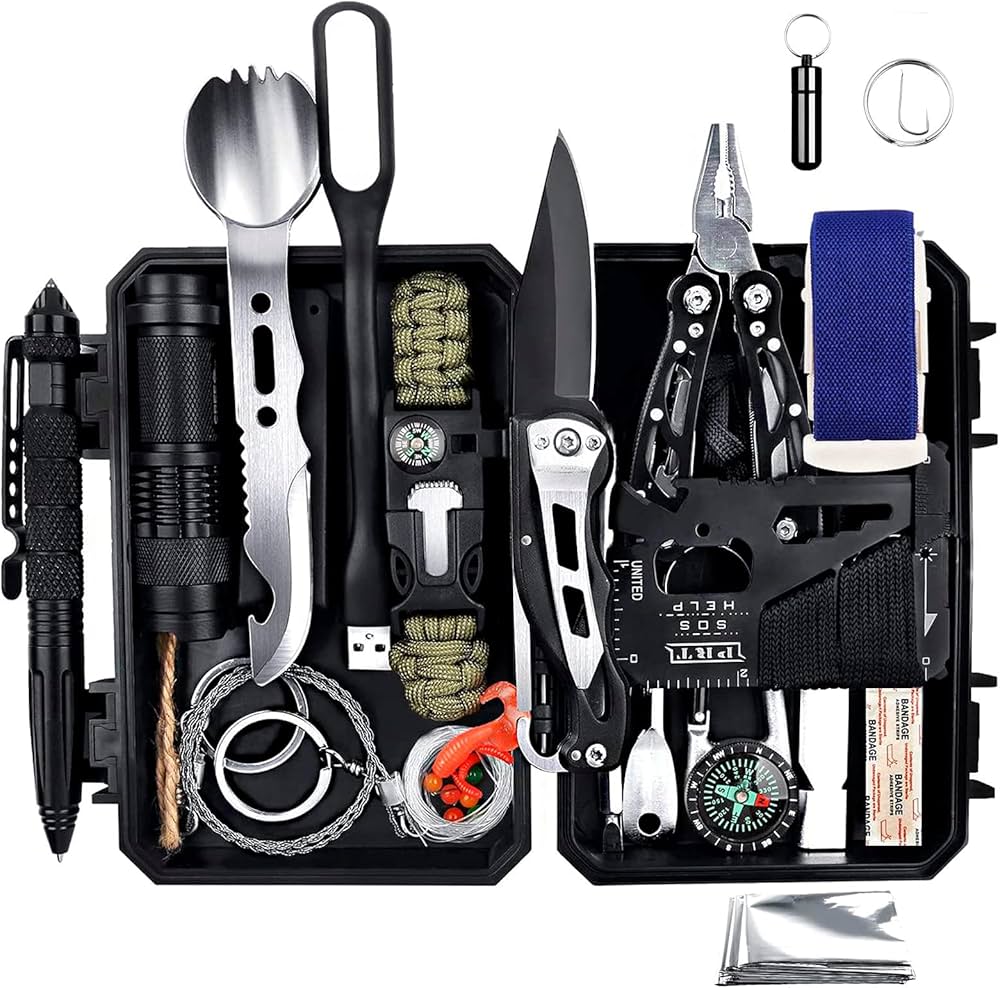
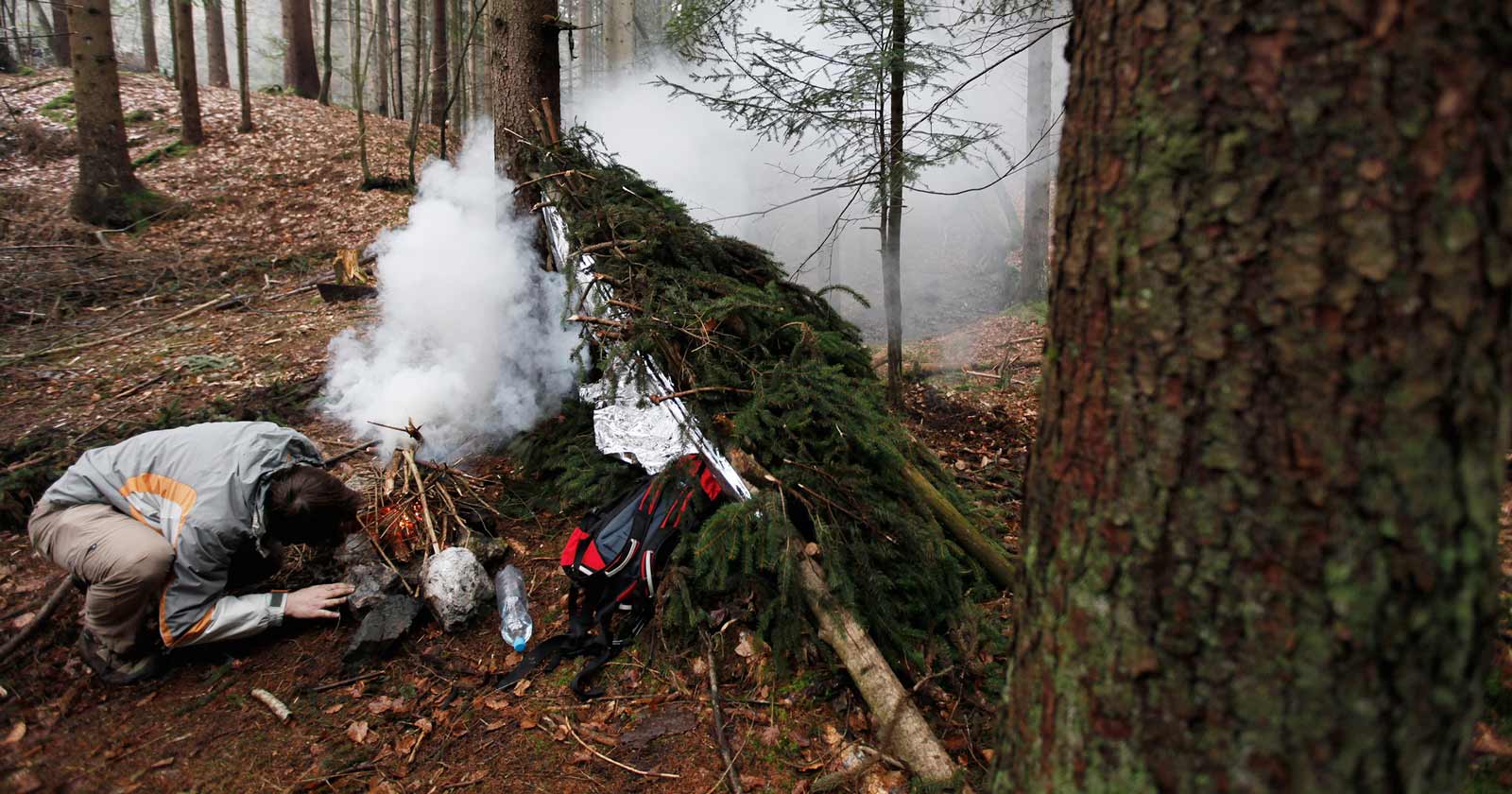

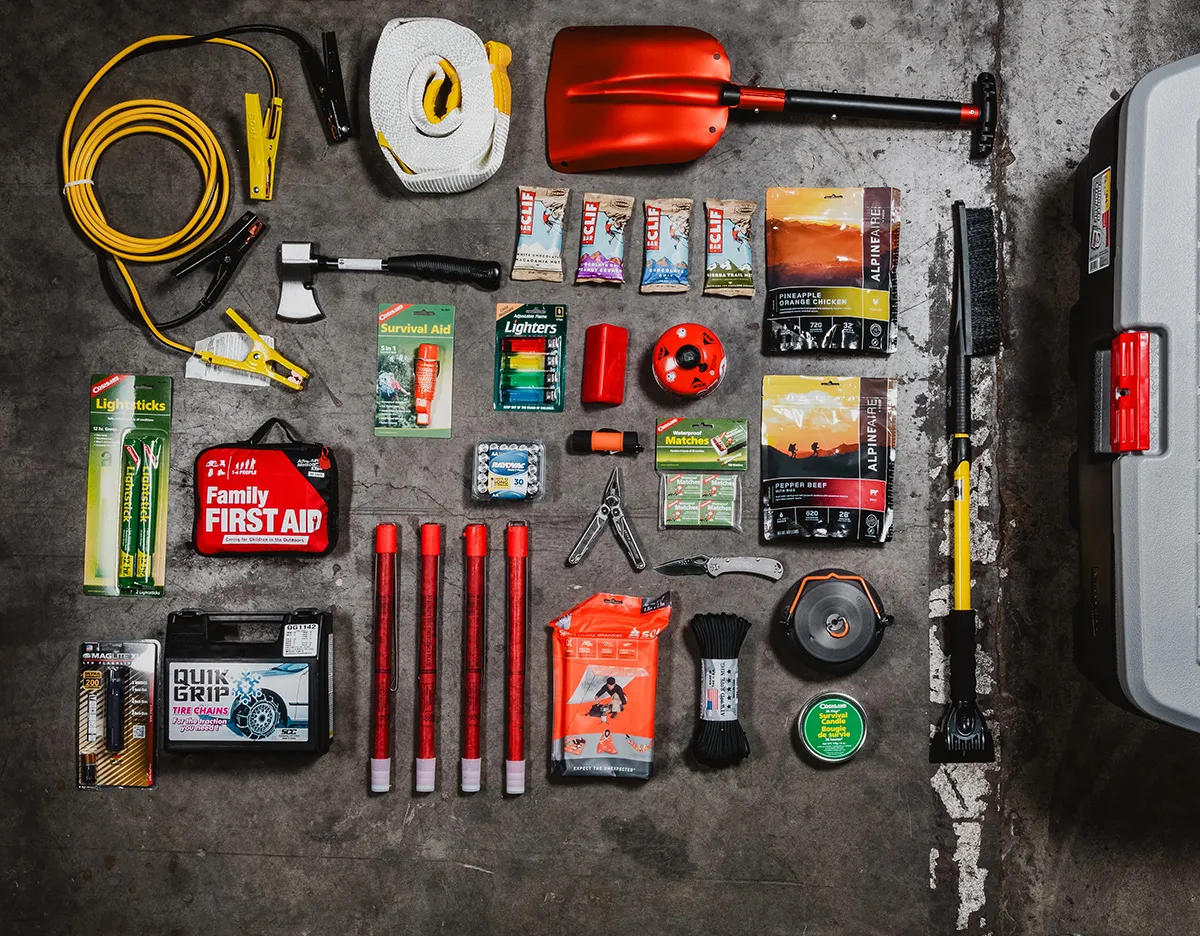




Tags
📧 Get More Articles Like This
Subscribe to receive product reviews and buying guides in your inbox!
We respect your privacy. Unsubscribe at any time.