Urban Survival vs Wilderness Survival: Complete Comparison Guide
Table of Contents
- Introduction: The Fundamental Divide in Survival Contexts
- Resource Availability: Abundance vs Scarcity Paradigms
- Shelter Strategies: Construction vs Location
- Water Procurement: Infrastructure vs Natural Sources
- Navigation Fundamentals: Landmarks vs Terrain Reading
- Threat Assessment: Human vs Environmental Dangers
- Fire and Cooking: Utility Access vs Primitive Methods
- Medical Response: Proximity vs Self-Sufficiency
- Psychological Factors: Isolation vs Overcrowding
- Long-Term Sustainability: Depletion vs Renewal
- Skills Training Priorities: Environment-Specific Preparation
- Transition Scenarios: Adapting Between Environments
- Conclusion: Integrated Preparedness Approach
- FAQ: Detailed Answers to Critical Survival Environment Questions
Introduction: The Fundamental Divide in Survival Contexts
The categorical distinction between urban and wilderness survival transcends simple geographic classification to represent fundamentally different strategic approaches where resource type, threat profile, skill requirements, and psychological demands diverge so substantially that expertise in one environment provides limited transferable advantage in the other despite superficial similarities in core survival priorities including shelter, water, fire, and food acquisition. The urban survivor navigates human-created infrastructure systems, manages social dynamics, exploits manufactured resources, and addresses threats primarily originating from other people or failing infrastructure, while wilderness survivor operates in natural ecosystem, relies on ecological knowledge, extracts resources from environment through physical effort and technical skill, and faces threats predominantly from exposure, wildlife, and navigation failure creating parallel yet distinct survival paradigms that preparation must address separately rather than assuming universal survival principles adequately serve both contexts.
The statistical reality of survival outcomes demonstrates environment significantly influences mortality rates with wilderness scenarios killing untrained individuals at substantially higher frequency through rapid onset of life-threatening conditions including hypothermia, dehydration, and injury complications that inadequate knowledge and equipment cannot prevent, whereas urban disasters typically provide more time before critical failures occur through residual infrastructure, potential rescue proximity, and familiar navigation despite introducing unique mass casualty risks including building collapse, civil disorder, and epidemic disease that wilderness isolation avoids. The prepared individual recognizing these distinctions trains accordingly through developing environment-specific skills rather than relying on generic survival knowledge whose abstract principles require concrete application methods that differ dramatically between manufactured and natural settings making comprehensive preparedness demanding investment in both wilderness and urban capabilities despite one representing more probable scenario based on personal geographic location and lifestyle patterns.
The practical implications of environment selection during actual emergencies reveal that survivors possessing choice should evaluate comparative advantages through systematic assessment including immediate resource availability, rescue probability, known versus unknown navigation challenges, and personal skill alignment with environmental demands rather than defaulting to either urban or wilderness evacuation through assumptions about inherent safety that circumstances might contradict. Understanding structural collapse rescue operations conducted by specialized teams in urban disasters provides baseline expectation for professional assistance timeline that wilderness scenarios cannot match, yet this advantage assumes communication capability, accessible location, and functioning emergency services whose availability disasters frequently compromise making self-sufficiency assumption prudent regardless of environment despite urban infrastructure theoretically reducing isolation that wilderness inherently creates.

The objective of this comprehensive comparison involves providing actionable intelligence enabling informed decision-making about training priorities, equipment selection, evacuation planning, and real-time strategic choices during emergencies through detailed examination of how survival fundamentals manifest differently across environments rather than promoting superiority of either setting whose appropriateness depends entirely on specific circumstances, personal capabilities, and disaster characteristics. The methodology emphasizes practical distinctions that preparation addresses through environment-specific skills and equipment rather than theoretical survival philosophy whose universal principles prove insufficiently detailed for guiding concrete actions that different settings demand making this analysis focusing on tactical implementation rather than abstract concepts that inadequately serve desperate circumstances requiring immediate competent response.
Resource Availability: Abundance vs Scarcity Paradigms
The resource landscape differentiates urban and wilderness environments more dramatically than any other survival factor, with cities containing astronomical quantities of manufactured goods including food, water, medicine, clothing, tools, and shelter materials that scarcity emerges not from absolute shortage but from access barriers including locked buildings, property disputes, social competition, and physical obstacles requiring navigation skills and sometimes forceful entry, while wilderness provides renewable natural resources in modest quantities demanding identification, collection, processing, and often substantial physical effort making resource acquisition versus resource location the fundamental strategic difference between these environments. The urban survivor operates in target-rich environment where single grocery store contains more calories than person could consume in years yet retrieving those resources might prove impossible without breaking social conventions, risking violence, or overcoming physical barriers, whereas wilderness survivor facing genuinely scarce resources must identify edible plants, track game, locate water sources, and extract materials from environment through direct physical effort.
The specific resource categories demonstrating this divergence include food availability with urban areas offering packaged shelf-stable items, canned goods, dry staples, and refrigerated products whose abundance makes starvation practically impossible during short-term emergencies despite distribution and access challenges potentially creating artificial scarcity when social order breaks down, compared to wilderness food consisting of game requiring hunting skills and equipment, edible plants demanding botanical knowledge and often extensive processing, and fishing opportunities dependent on water body proximity making caloric acquisition requiring substantial daily effort and technical competency. The prepared urban survivor focusing on securing access to existing stores through strategic location selection, relationship building enabling legitimate acquisition, and if necessary forceful entry tools and knowledge, while wilderness survivor investing in hunting weapons, trap construction skills, plant identification training, and food preservation techniques addressing the reality that wilderness rarely provides easy calories without significant skill and effort investment.
The water resource comparison reveals similarly dramatic differences with urban environments containing millions of gallons in water heaters, toilet tanks, swimming pools, water fountains, and broken pipe leakage that collection rather than location represents primary challenge though contamination from sewage backups or chemical spills creates treatment necessity, whereas wilderness water requiring location through terrain analysis, collection from streams or precipitation, and treatment to eliminate biological hazards making each gallon representing substantial effort compared to simply opening urban faucet or accessing building water storage. Understanding vehicle emergency kit essentials including water storage addresses mobile resource capability applicable to either environment. The treatment requirements differ with urban water potentially containing chemical or radiological contamination that standard purification cannot address requiring sophisticated testing and treatment, while wilderness water primarily facing biological threats that boiling water kills germs addresses effectively making simpler treatment protocols sufficient for natural sources despite requiring consistent application because untreated water reliably causes illness.
The tool and equipment availability showing urban environments providing essentially unlimited manufactured items including hand tools, power equipment, building materials, rope, tarps, and specialized devices that creative improvisation converts into survival applications, while wilderness demanding either carried equipment or primitive tool creation from natural materials through skills including flint knapping, cordage making, and wood carving requiring extensive practice developing proficiency. The specific example of fire starting illustrates this with urban survivor accessing matches, lighters, paper, cardboard, wood furniture, gasoline, and countless combustible materials making fire trivially easy compared to wilderness fire requiring tinder preparation, primitive ignition methods like bow drill or flint and steel, and fuel gathering from dead standing wood making simple fire potentially consuming hours for unpracticed individual demonstrating how urban abundance versus wilderness scarcity manifests across every resource category.

Shelter Strategies: Construction vs Location
The shelter approach representing perhaps the most visible distinction between urban and wilderness survival with city environments offering existing structures whose walls, roofs, insulation, and protection from elements eliminate construction necessity making shelter selection and access the primary challenge rather than actual building, whereas wilderness survival demanding either carrying tent or constructing natural shelter using available materials and environmental features creating fundamental difference between finding versus building that different skill sets and time investments require. The urban survivor evaluating building structural integrity after earthquakes or storms, assessing security against human threats, checking utilities and hazards including gas leaks or electrical damage, and securing entry without unnecessary destruction, while wilderness survivor selecting campsite based on drainage, wind protection, proximity to resources, and potential hazards then constructing shelter appropriate to conditions and available materials making preparation focusing on completely different knowledge domains.
The specific shelter requirements varying by disaster type with urban fires, floods, or building collapses forcing evacuation to intact structures whose location demands navigating damaged infrastructure and potentially competing with other survivors, while wilderness emergencies typically resulting from weather exposure, injury, or becoming lost making immediate shelter construction preventing hypothermia the primary concern regardless of rescue timeline. Understanding disaster shelter environmental health standards maintained by emergency management reveals professional criteria that improvised urban shelters might not meet yet surviving demands accepting suboptimal conditions rather than risking exposure searching for ideal location, whereas wilderness shelter adequacy determined entirely by environmental protection provided rather than health department standards making pragmatic functionality rather than regulation compliance the wilderness criterion.
The construction methods when building becomes necessary show urban environments providing superior materials including plastic sheeting, cardboard, wood pallets, furniture, insulation, and fasteners that debris piles yield making substantial protected structures possible through creative engineering, while wilderness shelter relying on natural materials including branches, leaves, bark, grass, and occasionally snow requiring significantly more effort producing less comfortable protection despite techniques like debris huts, lean-tos, snow caves, or tarp configurations providing adequate environmental protection when properly constructed. The specific skill development for urban shelter emphasizing structural assessment, debris clearing, improvised reinforcement, and weatherproofing using found materials, whereas wilderness training focusing on site selection, framework construction, natural material gathering, and insulation techniques that primitive methods require making completely different educational investments necessary.
The shelter security considerations introducing human threat dimension predominantly affecting urban scenarios where other survivors potentially pose danger requiring defensible positions, concealment, watch schedules, and sometimes physical barriers preventing intrusion, while wilderness shelter security primarily concerning wildlife deterrence through proper food storage and occasionally elevated sleeping platforms making human versus animal threat the defining security distinction. The specific urban security measures including elevated positions making ground access difficult, minimal openings reducing entry points, noise or visual concealment avoiding unwanted attention, and group coordination enabling defensive capability, whereas wilderness security involving bear hang food storage, elevated sleeping if predators present, and campsite selection avoiding game trails or territorial areas making threat profile determining appropriate security response across environments.
Water Procurement: Infrastructure vs Natural Sources
The water acquisition strategy diverging completely between environments with urban areas containing massive stored quantities in residential water heaters holding forty to eighty gallons, toilet tanks providing several gallons of potable water, building HVAC systems containing substantial volumes, swimming pools offering thousands of gallons despite chlorination, and broken municipal lines potentially yielding continuous flow making location and access rather than absolute scarcity the urban water challenge, whereas wilderness water demanding identification through terrain analysis, physical collection from streams or precipitation, and thorough treatment making each gallon requiring substantial more effort compared to simply accessing urban infrastructure storage. The prepared urban survivor knowing that average house contains fifty gallons immediately accessible plus additional volumes in pipes and appliances making dehydration unlikely during short emergencies despite municipal system failure, while wilderness survivor potentially walking miles locating reliable water source then spending additional time treating before consumption making water procurement consuming significant daily effort and planning.
The treatment requirements reflecting contamination source differences with urban water potentially containing chemical pollutants, heavy metals, pharmaceutical residues, and biological pathogens from sewage backups creating complex treatment challenges that simple boiling inadequately addresses requiring filtration and chemical treatment, while wilderness water primarily facing biological contamination from animal waste and parasites that boiling effectively eliminates despite requiring fuel and time making treatment protocols environment-specific rather than universal. The specific urban treatment approach involving assessment of contamination type through observation of color, odor, and source, then applying appropriate methods including bleach disinfection for biological threats, activated carbon for chemical removal, and potentially distillation for comprehensive purification, whereas wilderness treatment typically involving particulate filtration through cloth, boiling for minimum one minute, and potentially iodine tablets as backup making simpler protocol adequate for natural sources.
The collection methods varying dramatically with urban scenarios enabling passive accumulation from rain gutters, air conditioning condensate, or leaking pipes into containers requiring minimal effort beyond positioning receptacles, while wilderness collection demanding active gathering from streams, springs, morning dew, or precipitation using improvised funnels and containers making labor intensity substantially higher. The
Shop on AliExpress via link: wholesale-emergency-water-filter-portable
portable water filters prove invaluable for either environment though urban chemical contamination potentially exceeding filter capabilities makes pretreatment assessment necessary, whereas wilderness biological threats falling squarely within filter design parameters making reliable treatment simpler despite natural water requiring greater effort locating and collecting compared to accessing urban infrastructure storage.
The seasonal considerations affecting water availability with urban infrastructure maintaining consistent volumes year-round barring catastrophic system failure making seasonal variation minimal, while wilderness water showing dramatic fluctuation with spring snowmelt providing abundance, summer reducing many streams to intermittent flow, fall rains replenishing sources, and winter freezing limiting liquid water access making seasonal planning critical for wilderness survival yet largely irrelevant to urban scenarios. The specific winter wilderness water procurement involving melting snow or ice requiring substantial fuel consumption and time, locating unfrozen flowing water in valleys, or collecting icicles making water acquisition significantly more challenging during cold months compared to urban environments where interior pipes and water heaters remain liquid providing consistent access regardless of outside temperature demonstrating how infrastructure buffers seasonal variation that wilderness survivors must directly accommodate through adaptive strategies.
Navigation Fundamentals: Landmarks vs Terrain Reading
The navigation approach representing fundamentally different skill sets across environments with urban wayfinding relying on landmarks including distinctive buildings, monuments, business signs, street names, and infrastructure features providing constant reference points that simple direction sense and memory navigate effectively, while wilderness navigation demanding map reading, compass operation, terrain association, celestial navigation, and natural indicator interpretation requiring technical training and practice because forests, deserts, or mountains provide minimal obvious reference points making directional maintenance challenging without proper skills and equipment. The urban survivor potentially reaching any destination through asking directions, following signs, or recognizing familiar features making navigation relatively forgiving of mistakes since reorientation proves simple, whereas wilderness traveler getting lost potentially creating life-threatening situation where stop think observe plan protocols become necessary for survival rather than mere inconvenience that urban disorientation represents.
The specific urban navigation skills emphasizing mental mapping through landmark memorization, cardinal direction awareness using sun position or street grid patterns, and strategic route planning avoiding hazardous areas or impassable obstacles including collapsed buildings, flooded streets, or civil unrest zones making social and structural awareness more critical than technical navigation proficiency. The particular challenge during disasters involving altered landscapes where familiar landmarks disappear through destruction, smoke obscuring visibility, or flooding transforming streetscapes making backup navigation methods including compass bearings and systematic search patterns necessary when visual references fail. Understanding choosing survival knife wisely provides tool selection applicable across environments though urban navigation rarely demanding cutting trail compared to wilderness requiring machete or knife clearing vegetation making equipment priorities environment-dependent.
The wilderness navigation demanding substantially higher technical proficiency through map and compass skills including taking bearings, triangulating position, accounting for magnetic declination, and following azimuth across featureless terrain, plus terrain association matching map contours to actual landscape, identifying peaks or valleys, recognizing drainage patterns, and estimating distances making navigation full-time attention requiring process rather than casual awareness that urban wayfinding permits. The specific wilderness navigation training involving formal orienteering courses, deliberate practice in unfamiliar areas, GPS device familiarity while maintaining traditional skills as backup, and systematic approach to route planning including identifying handrail features, attack points, and escape routes making comprehensive skill development necessary rather than intuitive capability that urban environments’ constant reference points enable without formal training.

The natural navigation methods providing backup when equipment fails including sun arc tracking east-to-west travel, North Star celestial navigation at night, moss growth patterns indicating north on tree trunks in northern hemisphere, prevailing wind direction understanding, and drainage flow recognition that streams descend toward civilization making primitive navigation possible though substantially less accurate than instruments provide. The specific natural indicators requiring local knowledge because moss patterns vary by region, wind directions change seasonally, and vegetation growth responding to microclimate rather than cardinal directions making these methods supplementary rather than primary navigation tools whose reliability conventional wisdom overstates compared to actual field performance. The urban equivalent of natural navigation involving infrastructure pattern recognition including power line directions, antenna orientations, satellite dish pointing, and traffic flow patterns indicating major routes making human-created environment providing analogous directional cues despite requiring different interpretation skills than wilderness indicators demand.
Threat Assessment: Human vs Environmental Dangers
The threat profile diverging dramatically between urban and wilderness contexts with cities during disasters experiencing human-originated dangers including violence from desperate individuals, organized criminal activity, civil unrest, resource competition, and social manipulation alongside infrastructure hazards like structural collapse, fire, chemical releases, and disease transmission that population density amplifies, whereas wilderness threats focusing on environmental exposure creating hypothermia or heat stroke, wildlife encounters ranging from insects to predators, traumatic injury without medical access, dehydration, starvation, and navigation failure with human threats largely absent making situational awareness requirements fundamentally different across environments despite both demanding systematic risk evaluation and mitigation.
The specific urban threat categories requiring constant social awareness with desperate people potentially resorting to violence securing resources, opportunistic criminals exploiting disaster chaos, coordinated gangs controlling territory or supply routes, and even previously peaceful neighbors becoming dangerous under extreme stress making interpersonal threat assessment critical survival skill that wilderness scenarios rarely involve. The particular urban danger signals including aggressive posturing, group formations suggesting coordination, blocking movements or escape routes, questioning about resources or location, and following behavior indicating targeting making early threat recognition enabling avoidance rather than confrontation whose violent outcomes prove unpredictable even for trained individuals. Understanding preventing deadly camping errors translates across environments through systematic planning though urban threats predominantly social rather than environmental making interpersonal skills rather than outdoor competency the primary urban survival differentiator.
The infrastructure hazards specific to urban disasters including weakened buildings risking collapse during aftershocks, fires spreading through connected structures, electrical hazards from downed lines, gas leaks creating explosion risk, toxic chemical releases from industrial facilities, and sewage contamination threatening water supplies making technical assessment skills necessary evaluating safe shelter locations, travel routes, and resource acquisition sites. The specific evaluation criteria including visual damage inspection for cracks or lean indicating instability, gas odor detection requiring immediate evacuation, electrical hazard identification through downed wires or sparking equipment, and chemical threat recognition through unusual smells, visible releases, or dead vegetation making environmental threat literacy essential for urban survival despite these hazards rarely present in wilderness where natural dangers predominate.
The wilderness environmental threats emphasizing exposure with hypothermia killing within hours when wet and cold conditions combine with inadequate clothing or shelter, heat stroke developing rapidly during exertion in hot climates without proper hydration, and dehydration symptoms appearing within day making environmental protection and resource management the critical wilderness priorities. The wildlife dangers varying dramatically by geography with bear encounters demanding proper food storage and avoidance protocols, venomous snakes requiring careful movement and camp selection, insects transmitting diseases or causing allergic reactions, and occasionally predators including mountain lions or wolves stalking humans making wildlife awareness region-specific rather than universal. The statistical reality showing wildlife rarely kills people compared to exposure or injury making environmental protection vastly more important than predator defense despite popular media emphasis on dramatic animal attacks whose actual frequency proves minimal compared to mundane hypothermia deaths that inadequate preparation causes.
Fire and Cooking: Utility Access vs Primitive Methods
The fire and cooking approach showing perhaps most dramatic skill requirement difference with urban environments providing natural gas service, propane tanks, electric stoves, microwaves, matches, lighters, paper products, and abundant combustible materials making fire trivially easy when utilities function and still readily achievable through improvisation after infrastructure failure, whereas wilderness fire demanding tinder preparation, primitive ignition methods, fuel gathering and processing, and often substantial time investment making simple cooking fire potentially consuming hours for unpracticed individual demonstrating how urban infrastructure eliminates primitive skill requirements that wilderness survival absolutely demands. The urban survivor potentially cooking using intact utilities, improvised stoves from cans and alcohol, or simple fires using furniture wood and newspaper never facing primitive fire-making challenge, while wilderness traveler without lighter or matches must master bow drill, flint and steel, or fire plow techniques requiring extensive practice developing reliable proficiency.
The specific urban cooking methods emphasizing fuel efficiency with portable camping stoves using propane or alcohol providing controllable heat, improvised alcohol stoves constructed from soda cans burning surprisingly hot, and carefully managed fires in safe locations using minimal fuel cooking effectively making elaborate fire craft unnecessary when manufactured solutions exist. The particular urban fire hazards including connected structures allowing fire spread, limited ventilation causing carbon monoxide accumulation, and fire department response delays or absence during disasters making fire safety more critical than in wilderness where isolation prevents spread to other structures and natural ventilation eliminates carbon monoxide concerns. Understanding first 24 hours lost priorities applies differently across environments with urban emphasizing security and resource acquisition while wilderness demanding immediate shelter and fire creation preventing exposure deaths.
The wilderness fire construction requiring systematic approach beginning with tinder preparation using dry grass, bark shavings, or commercial fire starters, assembling kindling from pencil-sized dry twigs, gathering fuel wood from dead standing trees rather than ground wood, and constructing appropriate fire lay including teepee, log cabin, or lean-to configurations optimizing ignition and heat making proper fire structure equally important as ignition method. The specific primitive ignition techniques including bow drill requiring proper spindle and fireboard materials plus correct technique developing friction heat igniting tinder bundle, flint and steel showering sparks onto char cloth catching ember, fire plow abrading wood surface generating ember, and hand drill using cordage-free rotation though requiring significant hand strength and endurance making multiple method mastery necessary because conditions varying which technique proves most practical.
Shop on AliExpress via link: wholesale-survival-fire-starter-kit
The fire starting kit combining multiple ignition methods provides redundancy essential for reliability with magnesium bar, flint striker, waterproof matches, and commercial tinder ensuring capability even when conditions challenge individual methods making equipment investment worthwhile despite proper training enabling primitive fire without tools. The cooking methods once fire established showing wilderness camp cooking emphasizing simple preparation techniques including direct ember roasting, green stick suspension over flames, rock slab griddle heating, or primitive pottery vessels making elaborate cooking unnecessary when nutrition rather than cuisine represents priority, whereas urban survivors potentially utilizing intact cookware, proper pots, and controlled heat making more sophisticated food preparation possible despite disaster circumstances when equipment accessible.
Medical Response: Proximity vs Self-Sufficiency
The medical response capability differing dramatically between environments with urban disasters potentially allowing hospital access, EMS response, or at minimum proximity to other people providing assistance and transport, while wilderness injuries occurring in complete isolation where self-treatment or companion care represents only option making medical self-sufficiency absolutely critical for backcountry travel despite urban scenarios potentially enabling professional medical care if infrastructure remains functional and access proves possible. The specific urban medical advantage involving that even serious injuries receiving definitive treatment within hours when emergency services respond or transport to functioning hospitals proves feasible, whereas wilderness medical emergencies potentially going days without professional care making stabilization, pain management, and preventing deterioration the realistic treatment goals rather than definitive care that urban proximity theoretically enables.
The first aid skill requirements reflecting access to professional care with urban survivors potentially managing injuries short-term until rescue or hospital transport becomes possible making comprehensive medical training less critical though still valuable, while wilderness travelers absolutely requiring wilderness first aid or wilderness first responder certification covering extended care scenarios including wound management over days, fracture stabilization for transport, spinal injury protocols, and improvised treatment solutions addressing circumstances where conventional protocols prove impossible due to resource limitations or environmental challenges. The specific wilderness medical protocols differing from conventional first aid through assuming professional care unavailable, making treatment decisions including evacuation necessity balanced against risk, managing patient comfort over extended periods, and improvising solutions when proper equipment unavailable making wilderness medicine requiring substantially different mindset than urban first response.
The medication and equipment considerations showing urban environments potentially providing pharmacy access, medical supply stores, or home medicine cabinets yielding pain relievers, antibiotics, bandages, and specialized equipment that improvised medical care utilizes, while wilderness requiring carrying comprehensive first aid kit including prescription medications, trauma supplies, and specialized items whose weight and bulk limit quantities making equipment selection critical balancing completeness against pack weight. The particular wilderness medical kit components including tourniquet for severe bleeding, hemostatic gauze, chest seals for penetrating injuries, SAM splint for fractures, extensive gauze and bandages, comprehensive medication supply including antibiotics if possible, and specialized items for environmental injuries including hypothermia treatment and blister prevention making wilderness kit substantially more comprehensive than urban kit might require given proximity to professional care.
The common injury patterns varying by environment with urban disasters causing trauma from falling debris, burns from fires, lacerations from broken glass, crush injuries from collapsed structures, and respiratory issues from smoke or dust inhalation making trauma care skills particularly important, while wilderness injuries typically involving sprains and fractures from falls, blisters from hiking, cuts from tools or vegetation, insect bites, and environmental exposure making injury prevention and early intervention more critical than acute trauma management that urban collapse scenarios might demand. Understanding comprehensive survival tools overview including medical supplies applicable either environment though specialized training for likely injury types environment-specific makes targeted preparation more effective than generic first aid knowledge whose abstract principles require concrete application.

Psychological Factors: Isolation vs Overcrowding
The psychological challenges representing perhaps least discussed yet critically important survival dimension with urban disasters typically involving overcrowding, constant social interaction, noise, limited privacy, and human conflict stress, while wilderness emergencies creating isolation, profound quiet, absence of human contact, and existential exposure to natural forces making psychological demands completely opposite despite both environments potentially causing severe mental strain affecting decision-making, physical performance, and ultimately survival outcomes. The urban survivor managing interpersonal relationships, negotiating resource sharing, maintaining security awareness, and coping with lack of personal space making social skills and emotional regulation critical for sustained urban survival, whereas wilderness survivor combating loneliness, maintaining motivation without external validation, managing fear of predators or injury, and preserving sanity through self-sufficiency making different psychological resilience required.
The specific urban psychological stressors including constant alertness to human threats draining mental energy, lack of privacy creating continuous social pressure, noise preventing rest and recovery, disagreements over resources or decisions creating conflict, and witnessing others’ suffering causing emotional burden making psychological endurance essential for extended urban survival despite physical needs potentially met. The particular coping strategies for urban stress involving establishing routines providing structure, creating private space even symbolically through curtains or designated quiet times, maintaining focus on controllable factors rather than fixating on circumstances beyond influence, and building supportive relationships with trustworthy individuals sharing burden making social connection rather than isolation the urban psychological survival approach. Understanding practice situational awareness terrain applies wilderness contexts through constant environmental monitoring though urban situations demanding equal attention to human behavior and social dynamics making awareness target differing dramatically between environments.
The wilderness psychological challenges emphasizing isolation with absence of human contact potentially causing depression, lack of external validation making sustained motivation difficult, profound quiet seeming oppressive after constant urban noise, and separation from loved ones creating emotional strain making psychological preparation for solitude equally important as physical skills. The specific wilderness coping mechanisms involving establishing daily routines providing structure when external schedule absent, talking aloud maintaining verbal processing ability, journaling thoughts preserving sanity through expression, focusing on immediate concrete tasks rather than abstract worries about rescue, and maintaining optimistic outlook through small victories like successful fire or finding water making self-generated psychological support necessary when external validation unavailable.
The fear management requiring different approaches with urban scenarios creating justified fear of violence, building collapse, or resource scarcity that situational awareness and security measures address through concrete action, while wilderness fear often irrational involving predator anxiety, superstitious concerns about darkness or isolation, and existential exposure to natural forces making cognitive reframing rather than physical response appropriate for most wilderness fears whose statistical likelihood proves minimal compared to mundane exposure deaths. The specific wilderness fear reduction techniques including understanding actual wildlife behavior versus Hollywood depictions, recognizing that proper preparation substantially reduces environmental dangers, maintaining realistic perspective that modern gear and knowledge make wilderness far safer than ancestors experienced, and focusing on tangible immediate needs rather than abstract what-ifs making rational assessment replacing emotional reaction.
Long-Term Sustainability: Depletion vs Renewal
The sustainability timeline showing urban and wilderness environments exhibiting opposite characteristics with cities offering short-term abundance followed by inevitable depletion as stored resources exhaust without resupply or infrastructure restoration, while wilderness providing modest renewable resources enabling indefinite sustainability for individuals possessing ecological knowledge and primitive living skills making temporal dimension determining which environment proves superior shifting from urban advantage during initial weeks to wilderness superiority for scenarios extending months or years. The urban food stores containing sufficient calories feeding millions for weeks yet representing finite supply whose depletion proves mathematically certain without agricultural production or external resupply, whereas wilderness game, fish, edible plants, and natural resources renew continuously through ecological processes enabling sustainable harvesting that proper knowledge and restraint maintains indefinitely.
The specific urban resource depletion following predictable pattern with easily accessible supplies disappearing within days as initial survivors claim obvious resources, remaining supplies requiring increasingly risky acquisition through contested areas or secured facilities over subsequent weeks, and eventually total exhaustion forcing either migration to new areas or transition to agricultural production making long-term urban survival ultimately requiring food production rather than continued harvesting of stored supplies. The particular concern involving population density where urban areas supporting millions through external supply chains cannot sustain even fraction of residents through local production making extended urban survival potentially forcing migration to rural areas whose lower population density and productive land make agriculture feasible, whereas wilderness areas naturally supporting far fewer people per square mile yet providing renewable resources that sustainable harvesting maintains.
The wilderness sustainability requiring substantially higher skill investment through ecological knowledge identifying edible plants, hunting and trapping techniques securing game, fishing methods providing protein, and seasonal awareness understanding resource availability fluctuations making self-sufficient wilderness living demanding years developing comprehensive competency. The specific wilderness food sources including large game providing substantial calories but requiring hunting skills and equipment, small game and birds offering consistent protein from trapping, fish providing reliable protein when water bodies accessible, edible plants supplementing diet though rarely providing sufficient calories alone, and insects offering protein when cultural barriers overcome making diverse harvesting strategy necessary because single source proves insufficient or unreliable. Understanding structural collapse rescue operations urban disasters involve may continue functioning while infrastructure operates though extended scenarios overwhelming these systems making self-reliance ultimately necessary regardless of initial professional response.
The shelter sustainability showing urban structures deteriorating without maintenance with roofs failing, structural degradation progressing, and eventually buildings becoming uninhabitable forcing migration to intact structures whose finite number creates competition, whereas wilderness shelters requiring regular maintenance and reconstruction yet materials prove perpetually available through forests providing unlimited building materials that labor rather than supply represents limiting factor. The tool and equipment longevity favoring wilderness where primitive tools created from natural materials provide indefinite sustainability through replacement when worn, compared to urban manufactured items eventually exhausting even abundant initial supplies without industrial production making long-term wilderness survivor potentially better equipped through primitive technology than urban survivor whose modern equipment eventually fails without replacement parts or expertise repairing complex devices.
Skills Training Priorities: Environment-Specific Preparation
The training approach requiring environment-specific focus because skills proving critical in one setting provide limited value in another making comprehensive preparedness demanding investment in both urban and wilderness capabilities despite time and resource constraints forcing prioritization based on likely scenarios, personal capabilities, and geographic location. The urban survival training emphasizing infrastructure knowledge including utility system operation and emergency shutdown, building structural assessment identifying safe versus dangerous locations, improvised tool creation from abundant materials, social dynamics navigation managing interpersonal conflict and resource negotiation, and situational awareness recognizing threats and opportunities making urban skills predominantly intellectual and social rather than physical and technical that wilderness demands.
The specific urban skill development pathways including formal training courses covering urban search and rescue, structural collapse awareness, and disaster response, supplemented by independent study of local infrastructure including water system maps, electrical grid layout, fuel distribution networks, and emergency services locations making systematic knowledge rather than intuitive ability the urban preparation foundation. The practical urban training exercises involving exploring city areas noting resources like water sources, potential shelter locations, and navigation landmarks, practicing improvised tools and repairs using common materials, and conducting thought experiments planning responses to various urban disaster scenarios making mental preparation equally important as physical skill development.
The wilderness training requiring substantially different investment through formal courses including wilderness first aid covering extended care scenarios, navigation certification teaching map and compass proficiency, survival skills workshops developing fire craft and shelter construction, and potentially primitive skills instruction covering advanced techniques like hide tanning, flint knapping, and cordage making that indefinite wilderness living might eventually demand. The specific wilderness skill progression following logical sequence beginning with basic skills including reliable fire starting, effective shelter construction, water treatment, and navigation then advancing to intermediate capabilities including hunting and trapping, plant identification, tool creation, and food preservation finally reaching advanced proficiency with primitive technology, ecological awareness, and seasonal strategies making years-long development process for comprehensive wilderness competency.
The cross-training value recognizing that certain capabilities prove valuable across environments including fire starting applying universally, first aid skills transferring between settings, situational awareness requiring similar mental discipline, and psychological resilience developing through either wilderness solitude or urban stress making core survival principles universally applicable despite implementation methods varying dramatically. The specific cross-applicable skills including improvisation mindset converting available materials into needed solutions regardless of environment, systematic problem-solving approaching challenges methodically rather than panicking, physical fitness enabling extended exertion either hiking wilderness or navigating urban obstacles, and learning agility adapting to unfamiliar circumstances making foundational capabilities supporting both urban and wilderness survival despite specialized skills remaining environment-specific.
The training time allocation following practical framework where individuals investing sixty percent training effort in most likely scenario environment based on geography and lifestyle, thirty percent in alternative environment providing backup capability, and ten percent in transition scenarios covering movement between environments making balanced approach more effective than exclusive specialization whose limitations become apparent when actual emergency forces operating in unexpected setting. The particular consideration involving that urban dwellers facing higher statistical probability of urban disasters yet possessing less wilderness exposure making urban training priority, while rural residents potentially evacuating to wilderness during urban disasters yet lacking daily urban familiarity making both populations benefiting from comprehensive training despite differing probability distributions.
Transition Scenarios: Adapting Between Environments
The transition between urban and wilderness environments during emergencies creating unique challenges requiring skills from both domains with evacuation scenarios forcing urban residents into wilderness settings whose unfamiliarity creates danger, while wilderness survivors potentially requiring urban resources necessitating city navigation skills whose absence proves limiting making transition capability distinct from pure urban or wilderness proficiency requiring integrated knowledge enabling movement between environments. The specific urban-to-wilderness evacuation following pattern where initial disaster forces leaving city, vehicle travel extending into rural areas until fuel exhausts or roads become impassable, then foot travel through increasingly wild terrain reaching remote locations whose resource challenges unprepared evacuees prove unable handling making transition often killing people whose urban survival skills prove insufficient when environment changes yet inadequate wilderness preparation prevents adapting.
The vehicle-based transition representing most common scenario with car providing mobile shelter, storage capacity enabling substantial gear carrying, and range extending hundreds of miles before fuel exhaustion makes continuation on foot necessary creating decision point whether remaining with vehicle or continuing into wilderness. The specific vehicle advantages including protection from weather and potentially hostile people, visibility to rescue aircraft or search teams, radio for information and communication if functioning, and familiar space reducing psychological stress making remaining with disabled vehicle often better strategy than abandoning seeking help whose risks include getting lost, exposure, injury, and missing rescue attempts at vehicle location. Understanding that comprehensive survival tools overview including vehicle emergency kit essentials bridges urban and wilderness environments through mobile platform whose strategic importance many evacuees underestimate.
The foot transition after vehicle becomes unusable requiring physical fitness carrying necessary gear across terrain whose difficulty unprepared urban residents struggle managing, navigation skills maintaining direction toward safe destination, camping ability securing shelter and water during multi-day travel, and psychological resilience sustaining motivation when exhaustion and discomfort make quitting tempting. The specific gear considerations for transition travel emphasizing lightweight backpacking equipment, sufficient food and water for journey plus margin, navigation tools including map and compass, shelter capability for expected conditions, and fire starting equipment making proper preparation enabling successful transition that improvisation proves unlikely achieving given physical demands and technical requirements.
The wilderness-to-urban transition occurring less frequently yet proving equally challenging when wilderness survivors requiring medical care, communication capability, or specialized supplies necessitate entering urban areas whose social dynamics and infrastructure challenges wilderness skills inadequately address. The specific urban entry concerns including territorial boundaries requiring negotiation or avoidance, resource competition with established survivor groups, navigation through damaged infrastructure, and potential infectious disease exposure that wilderness isolation avoided making urban penetration requiring different skill set than wilderness survival developed. The strategic approach involving reconnaissance before committing, minimal profile avoiding attention, specific objective rather than open-ended exploration, and rapid exit returning to wilderness safety making brief targeted urban visits rather than relocation the prudent wilderness survivor strategy when urban resources become necessary.

Conclusion: Integrated Preparedness Approach
The comprehensive emergency preparedness requiring balanced capability development across both urban and wilderness environments rather than exclusive specialization whose limitations become apparent when actual emergencies force operating in unexpected settings, with optimal approach investing majority training time in statistically likely scenarios based on geography and lifestyle while maintaining secondary proficiency in alternative environment enabling effective response regardless which setting circumstances demand. The fundamental recognition that survival principles including shelter, water, fire, and food apply universally despite implementation methods varying dramatically between manufactured and natural environments makes core competencies transferable even when specific techniques remain environment-dependent, enabling prepared individuals adapting across contexts through flexible problem-solving rather than rigid protocol following whose inadequacy unfamiliar circumstances expose.
The practical implementation of integrated preparedness involves systematic training progression beginning with environment most likely based on residence and travel patterns, developing solid foundation in that setting’s critical skills, then branching into alternative environment establishing functional capability if not mastery, and finally addressing transition scenarios covering movement between settings. The specific training schedule might allocate six months intensive urban survival training for city dwellers including infrastructure knowledge, improvised tool creation, and social dynamics, followed by three months wilderness fundamentals covering fire, shelter, navigation, and water, then two months practicing transition scenarios including vehicle evacuation and wilderness entry making eleven-month program providing comprehensive baseline competency across environments that subsequent practice and advanced training builds upon.
The equipment considerations supporting integrated preparedness through versatile gear selection emphasizing items proving valuable across environments including quality knife, fire starting capability, basic first aid supplies, water treatment, and navigation tools whose utility transcends setting-specific applications, supplemented by environment-specific additions stored separately enabling grabbing appropriate kit when circumstances permit but maintaining core capabilities if forced operating with minimal equipment. The strategic equipment positioning involves maintaining comprehensive urban kit at residence for disasters occurring at home, vehicle emergency kit enabling mobile response during evacuation, and lightweight wilderness kit enabling backcountry travel making layered approach providing capability regardless which equipment accessible when emergency strikes.
The psychological preparation recognizing that mental resilience proves equally important as physical skills or equipment with stress management, decision-making under pressure, adaptability to changing circumstances, and sustained motivation all determining survival outcomes independent of technical proficiency making emotional preparation deserving equal investment as skill development. The specific psychological readiness activities including visualization exercises mentally rehearsing emergency responses, controlled exposure to discomfort building tolerance for adverse conditions, meditation developing focus and emotional regulation, and community building establishing support networks providing collective capability exceeding individual limitations making comprehensive preparedness addressing mental dimensions alongside physical and technical requirements.
The ultimate survival advantage emerging not from superior knowledge of single environment but from versatile capability enabling effective response across diverse scenarios, systematic problem-solving converting available resources into needed solutions regardless of setting, psychological resilience maintaining composure when circumstances prove dire, and realistic assessment of personal capabilities and environmental demands making informed strategic choices rather than defaulting to comfortable yet potentially inappropriate responses. The prepared survivor recognizing that choosing survival knife wisely, preventing deadly camping errors, understanding first 24 hours lost priorities, and maintaining vehicle emergency kit essentials all contribute to integrated capability whose flexibility proves more valuable than specialized expertise whose narrow focus creates dangerous limitations when reality delivers unexpected challenges demanding adaptive response rather than predetermined protocol following.
FAQ: Detailed Answers to Critical Survival Environment Questions
Question 1: What’s the single most critical difference between urban and wilderness survival?
Answer 1: Resource availability patterns represent the fundamental divergence between urban and wilderness survival contexts, with urban environments providing abundant manufactured resources including food, water, medicine, tools, and shelter materials whose sheer quantity makes absolute scarcity nearly impossible during short-term emergencies yet whose access proves complicated by infrastructure damage, social barriers, locked facilities, and human competition requiring navigation skills and sometimes forceful entry methods making location versus acquisition the core challenge, while wilderness settings offer renewable natural resources in modest quantities demanding identification through ecological knowledge, physical extraction through technical skills and labor, and often processing before use making wilderness survival requiring substantially higher baseline competency for securing basic necessities despite natural environment providing unlimited sustainability through proper harvesting compared to urban stored supplies whose inevitable exhaustion without resupply creates long-term limitation.
The specific manifestation of this resource difference across survival priorities shows urban food procurement involving accessing stores, warehouses, or homes containing packaged items whose preservation and abundance eliminate starvation risk during weeks or months-long scenarios despite distribution challenges potentially creating artificial scarcity when social order breaks down, compared to wilderness food consisting primarily of game requiring hunting skills, fish demanding catching techniques, and edible plants needing botanical knowledge making each calorie representing substantial more effort and expertise. The water contrast proves equally dramatic with urban environments containing millions of gallons in infrastructure including water heaters, toilet tanks, swimming pools, and building systems that simple collection accesses, whereas wilderness water requiring location through terrain analysis, gathering from streams or precipitation, and treatment eliminating biological hazards making wilderness survivor potentially walking miles and spending hours securing drinking water that urban survivor obtains within minutes from residential plumbing.
The shelter dimension showing this pattern continuing with cities offering existing structures whose walls and roofs provide environmental protection making shelter selection rather than construction the primary concern despite evaluating structural integrity, securing access, and addressing security becoming necessary, while wilderness shelter demanding either carrying tent or constructing protection from natural materials through skills including debris hut building, lean-to assembly, or snow cave excavation requiring knowledge and physical effort that urban survivor never faces. The tool availability demonstrating most extreme version of urban abundance with essentially unlimited manufactured items including hand tools, rope, tarps, containers, and specialty equipment that creative improvisation converts into survival applications, compared to wilderness demanding either carried equipment whose weight and bulk limit quantities or primitive tool creation from natural materials through techniques including flint knapping, cordage making, and wood carving requiring extensive skill development.
The strategic implications of these resource differences mean that urban survival during initial emergency period proves far easier for unprepared individuals through residual infrastructure and stored supplies providing cushion that wilderness immediately denies, yet long-term urban survival becomes increasingly difficult as finite stored resources deplete and population density prevents local production, whereas wilderness offers indefinite sustainability through renewable resources that proper knowledge harvests perpetually making temporal dimension where urban provides short-term advantage while wilderness enables long-term viability. The prepared survivor recognizing this distinction plans accordingly through developing urban skills for immediate disaster response when residual resources accessible, while building wilderness capabilities enabling extended scenarios where urban resources exhaust or circumstances force relocation to less populated areas whose natural productivity supports sustainable living that cities cannot match without external supply chains.
The training priorities following from this fundamental difference emphasize that urban preparation focusing on access and exploitation skills including infrastructure knowledge, improvised tools, and social dynamics enabling securing abundant resources despite barriers, while wilderness training developing identification, extraction, and processing skills transforming natural environment into survival supplies through competent application of ecological knowledge and primitive techniques. The equipment selection reflecting this pattern involves urban kits emphasizing tools for accessing and processing manufactured resources including pry bars, bolt cutters, and containers, whereas wilderness kits containing extraction and creation tools including knives, cordage, fire starters, and hunting implements making resource paradigm determining both skill and equipment requirements.
Question 2: Which environment proves statistically more dangerous for untrained survivors?
Answer 2: Wilderness environments demonstrate substantially higher mortality rates for untrained individuals compared to urban disasters, with statistical analysis of search and rescue data, survival incident case studies, and emergency management records consistently showing that unprepared people dying more frequently and rapidly in backcountry settings through exposure, dehydration, injury complications, and navigation failures creating compounding deterioration that hours rather than days proves fatal, whereas urban scenarios despite introducing mass casualty risks including building collapse, fire, and civil disorder typically provide residual infrastructure, rescue proximity, and familiar navigation reference points granting more time before critical failures occur making urban disasters more forgiving of incompetence despite potentially affecting far more people through population density concentrating casualties when catastrophic events occur.
The specific wilderness mortality mechanisms showing exposure deaths from hypothermia or hyperthermia representing leading killer of lost hikers and stranded travelers, with inadequate clothing, absence of shelter, and weather changes creating life-threatening core temperature loss within hours when wet cold conditions combine particularly during shoulder seasons where mild daytime temperatures deceive people into carrying insufficient gear. The dehydration timeline demonstrating that wilderness scenarios frequently killing through water shortage when individuals lack treatment capability, cannot locate sources, or attempt rationing precious supplies making dangerous decisions, with symptoms including confusion and impaired judgment appearing within twelve hours and life-threatening conditions developing by twenty-four hours making water procurement absolutely critical wilderness skill whose absence proves rapidly fatal. The injury complications killing wilderness travelers through minor incidents becoming major medical emergencies when professional care unavailable, with simple ankle sprains preventing mobility, lacerations becoming infected without proper cleaning, or head injuries causing deterioration without monitoring making wilderness first aid knowledge essential rather than optional.
The urban disaster survival statistics showing better outcomes for average unprepared person despite horrific footage and casualty counts from major catastrophes, with typical urban resident potentially surviving weeks using stored food at home, accessing municipal water infrastructure even after treatment plants fail, sheltering in familiar residence or nearby buildings, and maintaining reasonable navigation capability through landmark recognition making immediate survival threats lower than wilderness isolation creates. The particular urban advantages for untrained survivors including that rescue services typically functioning at reduced capacity rather than complete absence during disasters, that neighbors and community providing mutual assistance, that stored supplies requiring minimal skill accessing unlike wilderness resources demanding identification and extraction, and that familiar environment reducing navigation and psychological stress compared to unfamiliar wilderness whose disorientation compounds other challenges.
The casualty comparison methodology requiring context because urban disasters affecting hundreds or thousands simultaneously through catastrophic building collapse, widespread fire, or epidemic disease creates higher absolute casualty numbers than wilderness incidents typically involving individuals or small groups, yet when controlling for exposure numbers wilderness showing substantially higher mortality rate per person entering situation making wilderness statistically more dangerous despite lower total deaths. The specific death rate analysis showing that percentage of people entering wilderness unprepared and experiencing emergency who subsequently die exceeds percentage of urban disaster victims dying by substantial margin, with wilderness lost hiker mortality potentially reaching twenty percent of serious incidents compared to urban disaster mortality typically below five percent even during major catastrophes making wilderness proving roughly four times deadlier on per-capita basis when comparing equivalent seriousness of initial situation.
The training impact showing dramatic difference in outcomes with minimal preparation substantially improving wilderness survival rates through basic skills including fire starting, shelter construction, water treatment, and navigation reducing mortality by half or more, whereas urban survival requiring less technical proficiency making untrained individuals achieving relatively good outcomes through common sense and residual infrastructure exploitation. The specific skill threshold for adequate wilderness survival representing several weekend courses plus practice totaling perhaps fifty hours developing reliable fire, functional shelter, water treatment capability, and navigation basics, compared to urban survival potentially requiring only informal knowledge sharing and situational awareness development whose informal acquisition through conversation or reading provides sufficient foundation for reasonable outcomes making formal training less critical despite still beneficial.
Question 3: Can wilderness survival skills transfer effectively to urban emergencies?
Answer 3: Wilderness survival skills provide foundational capabilities including fire starting under adverse conditions, water purification protocols, improvised shelter construction techniques, and psychological resilience that emotional stress tolerance all transferring effectively to urban emergency contexts despite requiring adaptation for manufactured environment whose different materials and infrastructure create implementation variations rather than completely different principles, yet urban scenarios demanding additional competencies including infrastructure system knowledge, building structural assessment, crowd dynamics management, and social negotiation skills that wilderness training inadequately addresses making comprehensive preparedness requiring environment-specific education rather than assuming wilderness proficiency automatically ensures urban survival capability despite significant conceptual overlap in fundamental priorities and systematic problem-solving approach.
The specific wilderness skills proving directly valuable in urban contexts include fire starting capability enabling warming, cooking, and psychological comfort when utility systems fail, with techniques including friction fire, flint and steel, and improvised tinder creation working equally well using urban materials as natural substances making fire craft universally applicable. The water purification knowledge translating perfectly to urban scenarios where municipal treatment plants fail, with boiling protocols, chemical treatment understanding, and filtration principles applying identically whether treating stream water or suspect tap water making water skills completely transferable. The shelter construction experience developing spatial reasoning and material utilization that urban debris shelter building employs, with wilderness techniques for wind protection, insulation, and waterproofing informing urban improvised shelter despite using different materials like plastic sheeting, cardboard, and structural debris rather than branches, leaves, and bark.
The psychological preparation that wilderness solitude develops including self-reliance, stress tolerance, discomfort acceptance, and sustained motivation proving extremely valuable during urban disasters whose chaos, fear, and deprivation create similar mental challenges despite opposite social context of crowding versus isolation, with wilderness psychological resilience training teaching emotional regulation and systematic thinking under pressure that urban emergencies equally demand. The improvisation mindset that wilderness survival cultivates through converting available natural materials into needed solutions transferring perfectly to urban scenarios whose abundant manufactured items require creative repurposing rather than primitive creation, making problem-solving approach rather than specific techniques proving most valuable wilderness-to-urban transfer.
The limitations of wilderness skill transfer becoming apparent when urban-specific challenges emerge including building structural assessment requiring engineering knowledge, electrical hazard recognition demanding technical understanding, social dynamics navigation needing interpersonal competence, and infrastructure system exploitation requiring municipal knowledge that wilderness experience provides no foundation for despite both environments demanding systematic assessment and strategic planning. The particular urban capabilities lacking from wilderness training include that wilderness survivors might excel at creating fire and shelter yet prove unable evaluating whether damaged building safe occupying, that navigation skills using terrain and celestial reference points prove useless in featureless urban grid whose landmarks and infrastructure provide different orientation system, and that wilderness social isolation providing no preparation for managing interpersonal conflict or resource negotiation that urban survival constantly involves.
The cross-training value suggesting that wilderness proficiency provides approximately forty percent of skills needed for urban survival through transferable fundamentals including fire, water, improvisation, and psychology, yet remaining sixty percent demanding urban-specific training covering infrastructure, structural assessment, crowd dynamics, and social navigation making wilderness expert without urban training achieving moderate urban survival outcomes compared to comprehensive preparation addressing both environments. The specific recommendation involves that wilderness-trained individuals supplementing capabilities through urban-focused education covering several weekends learning building assessment, infrastructure systems, and social dynamics providing sufficient urban competency that combined wilderness-urban skill set enables effective response across environments despite neither alone proving complete.
Question 4: How does water procurement differ between urban and wilderness settings?
Answer 4: Urban water procurement emphasizes identifying and accessing residual municipal infrastructure and building systems containing massive stored quantities that simple collection retrieves with minimal treatment often sufficient for short-term use, including residential water heaters holding forty to eighty gallons, toilet tanks providing several gallons of immediately potable water, building HVAC systems containing substantial volumes, swimming pools offering thousands of gallons despite chlorination, and broken municipal lines potentially yielding continuous flow making location and access rather than absolute scarcity the urban water challenge whose abundance elimination of dehydration risk during initial emergency period provided infrastructure partially functioning, whereas wilderness water acquisition demands locating natural sources through terrain analysis and environmental observation, physically collecting from streams, springs, or precipitation requiring containers and effort, and implementing thorough purification protocols because untreated wilderness water reliably contains biological hazards that boiling water kills germs methodology effectively addresses making each wilderness gallon requiring substantially more effort, knowledge, and time compared to simply accessing urban infrastructure storage.
The specific urban water sources and collection methods showing typical single-family residence containing minimum fifty gallons immediately accessible in water heater without considering additional volumes in pipes, toilet tanks, and potentially swimming pool if present, with collection involving simply opening water heater drain valve filling containers or accessing toilet tank reservoir whose water remains potable unlike bowl water that sewage contamination makes dangerous, making urban water procurement potentially requiring only minutes securing days-worth supply. The building system water including HVAC units containing condensate and coolant water potentially totaling hundreds of gallons in large buildings, fire suppression sprinkler systems holding substantial pressurized volumes, and commercial building water features like decorative fountains providing additional sources making systematic building survey yielding abundant water that minimal processing makes usable. The municipal infrastructure remnants including fire hydrants potentially operational even after treatment plants fail, broken water mains creating pooling that collection captures, and intact pipe sections containing residual volumes that bleeding valves releases making urban environment essentially unable completely eliminating water access during short-term scenarios.
The wilderness water location requiring substantially different approach through terrain analysis identifying where water naturally accumulates including valley bottoms where streams flow, depressions where springs emerge, and rock faces where seepage occurs, with additional sources including precipitation collection, morning dew gathering, and potentially snow melting during winter making each source demanding different collection techniques and yielding varying quantities. The specific wilderness collection challenges showing streams requiring accessing banks potentially requiring dangerous scrambling or wading, springs often producing minimal flow demanding patient collection over hours, precipitation gathering needing surface area and containers that improvisation provides, and dew collection using absorbent cloth wrung into containers making labor-intensive process for modest yield. The seasonal variation affecting wilderness water dramatically with spring snowmelt providing abundant flow, summer reducing many streams to intermittent trickles, fall rains replenishing sources, and winter freezing limiting liquid availability making seasonal planning critical compared to urban infrastructure maintaining consistent volumes year-round.
The treatment requirements reflecting contamination type differences with urban water potentially containing chemical pollutants including industrial releases, petroleum products, heavy metals, and pharmaceutical residues that standard boiling inadequately addresses requiring activated carbon filtration or distillation, alongside biological contamination from sewage backups that conventional treatment handles making urban water demanding more sophisticated assessment and potentially multi-stage treatment, whereas wilderness water primarily facing biological threats from animal waste and waterborne parasites that boiling one minute at sea level or three minutes above 6500 feet reliably eliminates making simpler single-stage treatment adequate. The specific urban treatment protocol involving visual assessment for obvious contamination, odor detection identifying petroleum or chemical presence, and source consideration determining appropriate method with residential water heaters often requiring minimal treatment compared to pooled street water needing comprehensive purification, while wilderness treatment consistently involving filtration removing particulates then boiling killing pathogens making standardized protocol applicable.
The storage considerations showing urban scenarios enabling substantial water stockpiling using abundant containers that buildings provide including bottles, jugs, barrels, and even bathtubs or sinks, with storage location selection emphasizing security, accessibility, and protection from freezing making tens or hundreds of gallons accumulation feasible through systematic collection effort, whereas wilderness water storage limited by container availability and weight making typical backpacker carrying maximum four liters creating constant procurement need rather than occasional large-scale collection. The strategic implications suggesting urban survivor potentially securing week’s water supply through single collection effort and proper storage, while wilderness traveler requiring daily or twice-daily water gathering making procurement consuming significant time and energy that affects overall activity planning and range limitations.
Question 5: Which survival skill set requires longer training time to develop?
Answer 5: Wilderness survival demands substantially longer skill development timeline requiring months or years of dedicated practice establishing reliable competency across critical capabilities including ecological knowledge identifying edible plants and useful materials, navigation proficiency using map and compass plus terrain association, fire craft mastery enabling ignition under adverse conditions, shelter construction techniques creating effective protection, water treatment protocols ensuring safety, hunting and trapping skills securing protein, and seasonal awareness understanding resource availability changes making comprehensive wilderness expertise representing multi-year journey from novice to proficient practitioner, compared to urban survival emphasizing situational awareness, infrastructure exploitation, improvised tool creation, and social dynamics navigation that shorter intensive training periods ranging from several weekends to few months develop adequate capability for reasonable survival outcomes because manufactured environments provide more forgiving error margins through residual infrastructure and abundant resources reducing consequence severity when mistakes occur.
The specific wilderness skill progression following logical developmental sequence beginning with foundational capabilities that weekend intensive courses establish basic proficiency including reliable fire starting using modern tools, constructing functional debris shelter or tarp configuration, treating water through boiling or chemical methods, and reading topographic maps with compass bearing taking requiring perhaps twenty hours initial instruction plus twenty hours independent practice developing adequate baseline. The intermediate wilderness skills building upon foundation through extended multi-day practice including primitive fire methods like bow drill, advanced shelter types including snow caves or long-term structures, hunting with firearms or bow, trapping small game, identifying twenty to thirty edible plant species, and navigation without GPS requiring approximately one hundred additional hours over several months developing reliable capability. The advanced wilderness proficiency demanding years of immersion including extensive plant knowledge covering hundreds of species, tracking animals, hide tanning, primitive tool creation, seasonal strategy understanding, and holistic ecological awareness that indigenous peoples traditionally developed through lifetime learning making true wilderness mastery representing decade-long commitment.
The urban survival skill development showing dramatically compressed timeline through several intensive weekend workshops covering infrastructure knowledge, building assessment, improvised tools, and social dynamics providing foundation within perhaps thirty hours instruction, supplemented by mental exercises including route planning, resource mapping, and scenario visualization requiring additional twenty hours independent work developing adequate urban capability within two-month period. The specific urban skills including identifying water sources in buildings, assessing structural damage indicators, creating improvised tools from common materials, understanding utility shutoffs, and navigating damaged infrastructure all proving teachable through demonstration and brief practice rather than extended field time that wilderness skills demand making urban competency more rapidly achievable. The social dynamics component requiring ongoing practice through interpersonal interaction rather than technical instruction, with conflict de-escalation, negotiation, leadership, and group coordination developing through experience rather than formal training making urban social skills potentially lifelong development but adequate baseline capability arising quickly compared to technical wilderness skills.
The practical training comparison showing wilderness novice requiring minimum one year regular practice developing reliable fire starting in wet conditions, effective shelter building using natural materials, confident navigation across unfamiliar terrain, and competent water treatment making wilderness weekend warrior unlikely achieving genuine proficiency despite enthusiasm and equipment, whereas urban novice potentially reaching adequate capability within several months through concentrated study and mental preparation because urban skills emphasizing knowledge and awareness rather than physical technique that practice perfects. The specific timeline for minimum competency showing wilderness survivor needing approximately two hundred hours spread across twelve months experiencing different seasons and conditions developing reliable baseline skills, compared to urban survivor achieving equivalent capability within seventy-five hours over three months making wilderness demanding nearly triple time investment for comparable proficiency level.
The expertise ceiling showing both environments offering unlimited growth potential yet wilderness providing more obvious skill progression from basic fire and shelter through intermediate hunting and plant knowledge to advanced ecological mastery and primitive technology, whereas urban expertise involving more abstract capabilities including infrastructure understanding, social dynamics, and strategic planning whose advancement proves less visible despite equally valuable. The maintenance requirement showing wilderness skills requiring ongoing practice maintaining proficiency with techniques like bow drill or trap construction degrading rapidly without regular use, compared to urban knowledge proving more durable through mental retention rather than physical skill making wilderness expertise demanding continuous investment that urban survival permits intermittent review.
Question 6: Do navigation strategies fundamentally differ between environments?
Answer 6: Navigation approaches diverge completely between urban and wilderness contexts with cities enabling landmark-based wayfinding using distinctive buildings, monuments, business signs, street names, and infrastructure features providing constant reference points that simple direction sense, memory, and occasional asking directions navigates effectively making urban navigation relatively intuitive requiring minimal technical training despite complexity of modern cities whose grid patterns and arterial roads create logical organization that systematic exploration reveals, while wilderness navigation demands map reading proficiency, compass operation expertise, terrain association skills matching map contours to actual landscape features, celestial navigation using sun and stars, and natural indicator interpretation recognizing subtle environmental cues because forests, deserts, or mountains provide minimal obvious reference points creating featureless expanse where directional mistakes compound rapidly making getting lost substantially easier requiring technical competencies that formal training develops rather than intuitive sense that urban wayfinding permits.
The specific urban navigation methods emphasizing mental mapping through landmark memorization creating cognitive representation of area layout, cardinal direction awareness using sun position or street grid patterns maintaining general orientation, and route planning avoiding hazardous areas through pre-trip study or local knowledge making urban navigation predominantly cognitive rather than technical despite disasters potentially obscuring familiar landmarks through destruction, smoke, flooding, or darkness requiring backup methods. The particular urban challenges during emergencies involving altered landscapes where buildings collapse eliminating reference points, smoke or dust obscuring visibility preventing distant landmark recognition, flooding transforming streets into waterways whose navigation demands completely different approach, and power outages eliminating artificial lighting making nighttime urban navigation substantially harder despite retaining more reference points than wilderness darkness provides.
The wilderness navigation demanding compass and map proficiency as foundational technical skills with compass bearing taken toward destination accounting for magnetic declination local variation, map contour interpretation revealing terrain slope and elevation changes, triangulation using multiple landmarks determining precise position, and azimuth following maintaining straight line travel across featureless terrain making navigation full-time attention-demanding process rather than casual awareness that urban wayfinding permits. The specific wilderness techniques including handrail navigation following linear features like ridges or streams providing guaranteed direction, attack point identification using obvious landmarks near destination enabling final approach, catching feature recognition ensuring overshoot detection preventing bypassing objective, and pace counting measuring distance traveled making systematic approach necessary because featureless forests or uniform deserts provide no visual feedback confirming progress or detecting errors until substantial distance traveled potentially far off course.
The celestial navigation providing backup when equipment fails with sun arc tracking east-to-west movement enabling rough direction maintenance, North Star identification at night providing true north reference in northern hemisphere, Southern Cross constellation indicating south in southern hemisphere, and moon phase understanding revealing approximate east-west orientation making primitive navigation possible though substantially less accurate than instruments provide. The natural navigation indicators including moss growth patterns supposedly indicating north on tree trunks though actually responding to moisture and shade making unreliable, prevailing wind direction understanding requiring local knowledge, and plant growth patterns revealing sun exposure making these supplementary rather than primary techniques whose folklore often overstates reliability compared to actual field performance. The urban equivalent of natural navigation involving infrastructure pattern recognition including power line directions generally following major routes, satellite dish pointing revealing southern exposure in northern hemisphere, antenna orientations indicating broadcast tower locations, and traffic flow patterns suggesting arterial roads making human-created environment providing analogous directional cues despite requiring different interpretation skills.
The GPS technology transforming both urban and wilderness navigation through satellite positioning eliminating most technical skill requirements yet creating dangerous dependency when devices fail through battery exhaustion, signal loss, or damage making traditional navigation backup capability essential rather than obsolete despite modern technology generally providing superior convenience and accuracy. The specific GPS limitations including battery life requiring charging capability or spare batteries, signal obstruction from terrain or buildings preventing fix acquisition, accuracy degradation in deep canyons or dense forest, and complete unavailability during solar storm or satellite failure making compass and map maintaining relevance despite smartphone ubiquity whose reliability many people dangerously overestimate.
Question 7: How does shelter priority change between urban and wilderness survival?
Answer 7: Shelter assumes immediate critical importance in wilderness scenarios where exposure to temperature extremes, precipitation, wind, and radiant heat loss creates life-threatening hypothermia risk within hours particularly when clothing becomes wet and weather conditions deteriorate making shelter construction or natural feature utilization representing first survival priority even before water procurement because death from exposure occurs more rapidly than dehydration, whereas urban environments typically provide existing structures offering environmental protection making shelter location and securing access rather than construction the primary concern though structural integrity assessment after earthquakes, floods, or explosions, contamination avoidance from chemical releases or sewage, and security considerations protecting against human threats introduce complications that wilderness shelter decisions avoid making environment determining whether building or finding represents the core challenge.
The specific wilderness shelter immediacy demonstrated through survival priority hierarchy placing shelter above water despite conventional wisdom suggesting otherwise, because hypothermia kills within three hours during severe conditions when wet clothing and wind combine with temperatures even above freezing, whereas dehydration requiring minimum twelve hours before serious symptoms develop and three days before death becomes likely making exposure representing more immediate threat that shelter addresses through environmental protection. The particular wilderness scenarios demanding urgent shelter including sudden weather deterioration dropping temperatures or bringing precipitation, injury preventing travel requiring overnight stay, darkness making navigation dangerous suggesting waiting for daylight, and exhaustion requiring rest before continuing making shelter construction or site selection consuming significant time and effort that cannot defer unlike water or food whose procurement allows more flexibility.
The urban shelter selection involving different calculus through existing buildings providing immediate environmental protection making construction unnecessary yet introducing assessment requirements including structural integrity evaluation after disasters checking for cracks, lean, or damage indicating collapse risk, utility hazards including gas leaks creating explosion danger or downed electrical wires threatening electrocution, and contamination concerns from chemical releases or sewage backups making safe versus dangerous shelter determination requiring technical knowledge. The specific urban shelter checklist including visual exterior inspection for obvious damage, interior examination for cracks or structural distortion, utility assessment confirming no gas odor or electrical hazards, and security evaluation determining defensibility against human threats making multi-factor analysis necessary before occupying building despite environmental protection it provides.
The construction methods when building becomes necessary showing dramatically different approaches with wilderness shelter relying on natural materials including branches, leaves, bark, grass, and snow requiring significant effort producing modest protection yet adequate environmental buffering through techniques like debris huts using leafy branch piles creating insulation, lean-tos using tarp or bark creating wind and rain break, snow caves excavating insulated chambers in deep snow, or tarp configurations using rope and vegetation creating waterproof cover making primitive methods enabling functional shelter from available materials. The urban construction using manufactured materials including plastic sheeting, cardboard, wood pallets, furniture, insulation, and fasteners creating substantially more comfortable protected structures through creative engineering that abundant urban materials enable making urban improvised shelters potentially exceeding wilderness natural shelters in environmental protection despite both proving adequate for survival when properly executed.
The long-term shelter considerations showing wilderness scenarios demanding regular maintenance with natural materials degrading rapidly requiring periodic reconstruction or repair, whereas urban structures potentially remaining serviceable weeks or months without maintenance despite eventual deterioration from lack of upkeep making urban shelter providing more stable long-term solution. The specific wilderness shelter longevity showing debris huts requiring reconstruction every few days as leaves compact and branches settle, lean-tos needing waterproofing renewal as natural materials rot, and snow caves melting during temperature fluctuations requiring excavation refreshing making wilderness shelter representing ongoing rather than one-time effort compared to urban buildings whose durability permits extended use without significant intervention.
Question 8: Which environment offers better long-term sustainability for survivors?
Answer 8: Wilderness environments providing renewable natural resources including game populations that reproduction maintains, edible plant communities that seasonal growth regenerates, clean water sources that precipitation replenishes, and natural shelter materials that forests continually produce enable indefinite sustainability for individuals possessing adequate ecological knowledge and primitive living skills making wilderness theoretically supporting human life perpetually through proper resource harvesting and seasonal awareness that indigenous peoples demonstrated for millennia, while urban areas despite containing massive stores of manufactured food, materials, and equipment face inevitable depletion without external resupply and infrastructure restoration making short-term urban survival substantially easier through abundant accessible resources yet long-term persistence impossible without transitioning to agricultural production or receiving external supply creating temporal dimension where optimal environment shifts from urban advantage during initial weeks to wilderness superiority for scenarios extending beyond several months duration.
The specific urban resource trajectory following predictable depletion pattern with easily accessible supplies including grocery stores, warehouses, and home pantries disappearing within days or weeks as survivors claim obvious resources, followed by more difficult acquisition from secured facilities, hidden caches, or dangerous areas over subsequent months, eventually leading to complete exhaustion of stored food making long-term urban survival requiring either migration to agricultural production areas, establishing urban farming utilizing available space, or receiving external aid whose likelihood decreases as crisis duration extends. The population density consideration showing urban areas historically supporting millions through external agricultural production and supply chains cannot maintain even small fraction of residents through local production because urban land provides insufficient agricultural capacity making extended urban survival potentially forcing massive population decline through starvation, migration, or disease unless rapid agricultural establishment or external assistance materializes.
The wilderness sustainability mechanisms involving renewable resource harvest that ecological carrying capacity limits rather than absolute depletion constrains, with game populations producing annual surplus through reproduction that hunting can harvest sustainably, plant communities generating seasonal growth that gathering collects without destroying parent plants, and natural materials regenerating faster than consumption demands making wilderness providing permanent resource base assuming knowledge enabling identification and extraction. The specific wilderness food sources showing large game like deer providing substantial calories yet requiring hunting success rates averaging perhaps one kill per ten attempts for skilled hunters making unreliable primary source, small game and birds offering consistent protein from trapping whose passive nature enables simultaneous other activities, fish providing reliable protein when water bodies accessible, edible plants supplementing diet though rarely supplying sufficient calories alone, and insects offering emergency protein when desperation overcomes cultural barriers making diversified harvesting strategy necessary because single source proves insufficient or unreliable.
The skill requirements for wilderness sustainability demanding comprehensive ecological knowledge that years rather than months develops including identifying dozens of edible plant species with seasonal availability understanding, tracking and hunting various game animals with species-specific techniques, constructing effective traps and snares, processing and preserving food preventing spoilage, understanding seasonal patterns enabling strategic resource planning, and tool creation maintaining equipment making wilderness sustainability possible only for individuals committed to substantial skill investment. The specific knowledge areas including plant identification covering edibles, medicinals, and materials with toxic species recognition preventing poisoning, animal behavior understanding enabling successful hunting, ecological awareness recognizing habitat patterns and resource distribution, seasonal strategies adapting activities to availability changes, and primitive technology creating tools from natural materials making wilderness expertise representing holistic ecological understanding rather than isolated survival techniques.
The agricultural transition representing potential long-term solution for either environment with wilderness areas providing land and water enabling crop cultivation and animal husbandry, while urban spaces potentially supporting container gardens, rooftop farming, and small livestock though scale limitations make urban agriculture supplementary rather than primary food source. The specific agricultural timeline showing that establishing productive gardens requires minimum three months from planting to harvest making initial survival depending on stored or gathered resources, with sustainable agriculture demanding crop rotation, seed saving, tool maintenance, and pest management representing additional knowledge beyond basic survival making agricultural capability building upon rather than replacing primitive subsistence skills.
Question 9: How do threat assessment priorities differ between settings?
Answer 9: Urban survival threat assessment emphasizes human dangers including civil unrest creating widespread violence, resource competition driving interpersonal conflict, organized criminal activity exploiting disaster chaos, and desperate individuals resorting to robbery or assault alongside infrastructure hazards involving structural collapse from earthquakes or explosions, widespread fire through connected buildings, chemical contamination from industrial releases, and epidemic disease that crowded conditions accelerate making urban scenarios demanding constant social awareness monitoring for aggressive behavior, group formations, territory disputes, and deception attempts plus technical evaluation of building stability, utility hazards, and contamination risks creating multi-dimensional threat environment, whereas wilderness survival focuses predominantly on environmental exposure causing hypothermia or hyperthermia, wildlife encounters ranging from dangerous insects to predators, traumatic injury without medical access, dehydration from water scarcity, and starvation from food insufficiency with human threats largely absent except in heavily trafficked areas making environmental threat recognition and physical self-sufficiency rather than social dynamics dominating wilderness risk management requiring completely different situational awareness focus.
The specific urban human threat categories requiring continuous evaluation including desperate individuals whose psychological state from stress, hunger, or fear makes behavior unpredictable creating assault or robbery risk particularly when survivors appear well-supplied or vulnerable, organized groups establishing territorial control potentially demanding tribute or preventing passage, opportunistic criminals exploiting breakdown of law enforcement engaging in looting or violence, and even previously peaceful neighbors becoming dangerous under extreme deprivation making trust calibration difficult when familiar people exhibiting unfamiliar threatening behavior. The threat detection indicators including aggressive posturing through body language or verbal challenges, group formations suggesting coordination particularly when blocking routes or surrounding locations, movement shadowing indicating surveillance or targeting, questioning about resources or destination revealing information-gathering preceding potential attack, and territorial marking or barrier establishment showing areas under control requiring negotiation or avoidance making early recognition enabling preemptive action rather than reactive defense whose violent outcomes prove unpredictable.
The infrastructure hazards specific to urban disasters demanding technical assessment skills including building structural evaluation checking for cracks, lean, or settling indicating collapse risk particularly during aftershocks, fire danger from broken gas lines, overturned appliances, or electrical shorts threatening connected structures, electrical hazards from downed power lines whose appearance of inactivity potentially deceiving when grid power intermittently restores, gas leaks creating explosion risk requiring immediate evacuation when detected, toxic chemical releases from industrial facilities whose vapor clouds potentially invisible yet deadly, and sewage contamination threatening water supplies and creating disease transmission risk making environmental threat literacy essential for identifying dangers that immediate evacuation or protective action addresses before exposure causes injury.
The wilderness environmental exposure representing primary killer through hypothermia developing within hours when wet clothing, wind, and cold temperatures combine particularly during shoulder seasons where daytime mildness deceives about nighttime severity, heat stroke occurring rapidly during exertion in hot climates without adequate hydration and rest, and dehydration causing confusion and weakness within day when water sources unavailable or treatment capability absent making environmental protection and resource management the critical wilderness priorities. The specific exposure prevention involving proper clothing layering enabling adaptation to changing conditions, adequate shelter capability providing wind and precipitation protection, fire starting proficiency enabling warming and drying, and water treatment competency securing hydration making technical skills rather than social awareness determining exposure survival outcomes.
The wildlife threat assessment requiring realistic rather than Hollywood-influenced understanding with statistics showing wildlife rarely killing people compared to exposure deaths despite popular media emphasis on dramatic animal attacks, yet prudent precautions including proper food storage preventing bear encounters, careful movement avoiding snake strikes, insect protection through repellent and clothing preventing disease transmission, and awareness of predator behavior enabling appropriate response to rare encounters making wildlife preparation proportional to actual rather than perceived risk. The specific wildlife dangers varying dramatically by geography with bear country demanding food hanging and avoidance protocols, venomous snake regions requiring careful foot placement and camp selection, tick areas needing protection against Lyme disease transmission, and predator territories occasionally requiring defensive capability making regional threat assessment rather than universal wildlife fear the appropriate wilderness approach whose actual statistical risk proves minimal compared to mundane exposure and injury deaths that inadequate preparation causes.
Question 10: Should preppers train exclusively for one environment or both?
Answer 10: Comprehensive emergency preparedness demands training for both urban and wilderness environments because disasters occur unpredictably with evacuation scenarios potentially forcing transition between settings regardless of initial planning, making exclusive specialization creating dangerous capability gaps when unexpected circumstances force operating in unfamiliar environment, yet practical time and resource constraints requiring prioritized approach investing approximately sixty percent training effort in statistically likely scenario environment based on geographic location, lifestyle patterns, and identified risks, with thirty percent allocated to alternative setting providing functional backup capability, and remaining ten percent addressing transition scenarios covering movement between environments enabling adaptive response when circumstances demand environment change, creating balanced preparation more effective than either exclusive urban or wilderness focus whose narrow expertise proves inadequate when reality delivers different challenges than anticipated.
The specific training allocation methodology beginning with honest assessment of most probable emergency scenarios through evaluating geographic risks including earthquake zones, hurricane regions, or wildfire areas, considering lifestyle patterns including urban residence versus rural living and travel frequencies, analyzing potential evacuation routes determining whether urban, wilderness, or mixed terrain characterizes likely travel paths, and examining personal capabilities including physical fitness, existing skills, and learning capacity making realistic rather than idealistic planning acknowledging actual rather than aspirational circumstances. The risk-based prioritization showing urban dwellers facing higher statistical probability of urban disasters through population density concentration, infrastructure dependencies, and man-made threat exposure making urban training consuming majority time allocation, while rural residents potentially evacuating into wilderness during urban disasters yet possessing less daily urban experience suggesting balanced approach despite wilderness familiarity.
The integrated curriculum structure following logical progression beginning with environment fundamentals covering critical skills for primary likely scenario during initial three to six months establishing solid foundation, then branching into secondary environment basics providing functional capability during subsequent three months, followed by advanced skills development in primary environment over next six months, and finally addressing transition scenarios and environment-specific challenges completing twelve to eighteen month comprehensive preparation program. The specific urban-focused program for city dwellers involving six months intensive urban training covering infrastructure knowledge including utility systems and emergency shutdown, building assessment identifying structural hazards, improvised tool creation from manufactured materials, resource location and acquisition, social dynamics and conflict de-escalation, then three months wilderness fundamentals covering fire, shelter, water treatment, and navigation providing backup capability, then six months advanced urban skills including medical response, long-term sustainability planning, and community organization, finally two months transition training covering evacuation planning and wilderness entry protocols.
The wilderness-focused curriculum for rural dwellers or outdoor enthusiasts beginning six months wilderness skill development including reliable fire craft, effective shelter construction, water treatment proficiency, navigation expertise, hunting and trapping basics, and plant identification fundamentals, followed by three months urban training covering building assessment, infrastructure exploitation, social awareness, and resource navigation providing functional urban capability, then six months advanced wilderness skills including primitive tools, advanced hunting, extensive plant knowledge, and seasonal strategies, finishing with two months transition scenarios covering urban resource acquisition and integration planning. The skills integration recognizing certain capabilities proving valuable across environments including fire starting methods applying universally, water treatment principles transferring between settings, psychological resilience developing regardless of stressor type, and systematic problem-solving benefiting both contexts making core survival mentality more important than environment-specific techniques whose situations demand adaptive application.
The maintenance training preventing skill degradation through regular practice sessions quarterly reviewing critical techniques, annual comprehensive exercises testing full capability under realistic conditions, continuous education through reading current resources and studying actual emergency case studies, and community involvement including joining preparedness groups enabling skill sharing and collective capability building making ongoing rather than one-time preparation investment. The specific maintenance activities including quarterly fire drill practicing various ignition methods under different conditions, annual camping trip testing shelter and navigation skills, regular first aid review maintaining medical competency, and monthly scenario planning sessions mentally rehearsing different emergencies improving decision-making speed and quality when actual events demand immediate competent response.
Articles related:
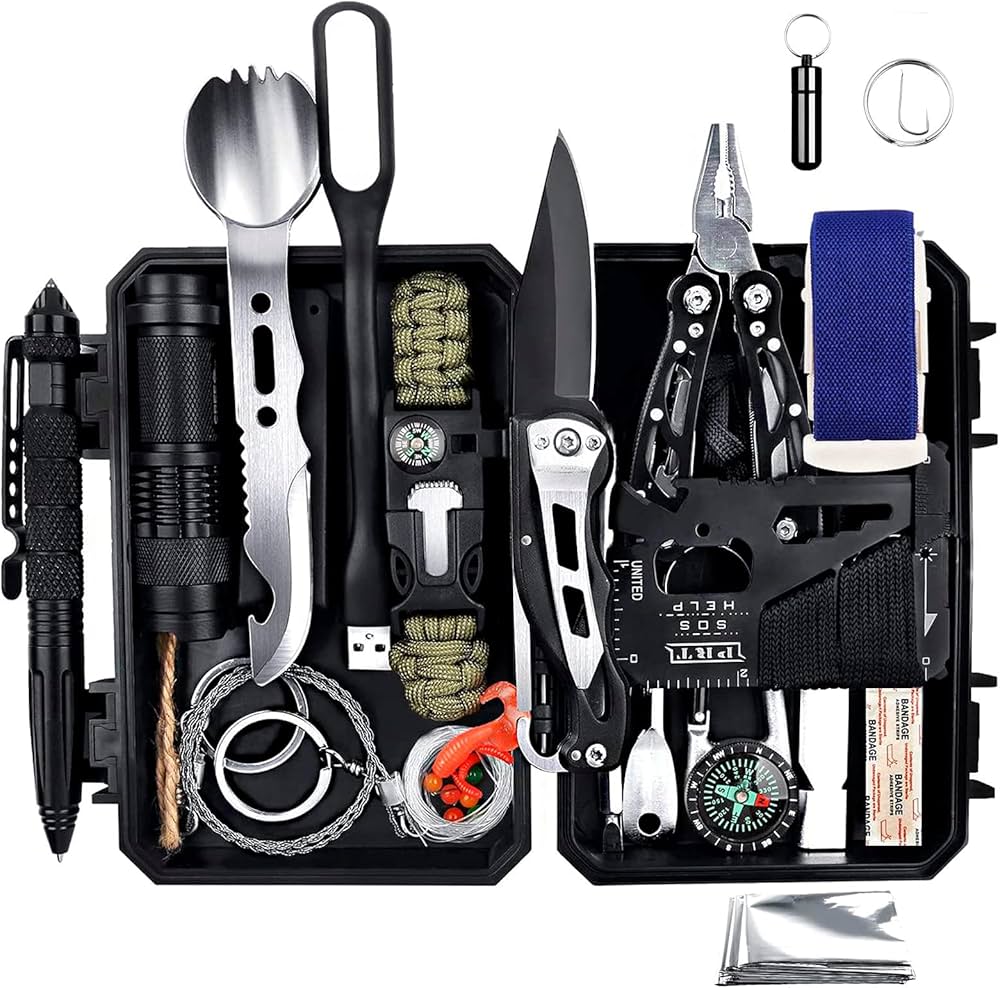
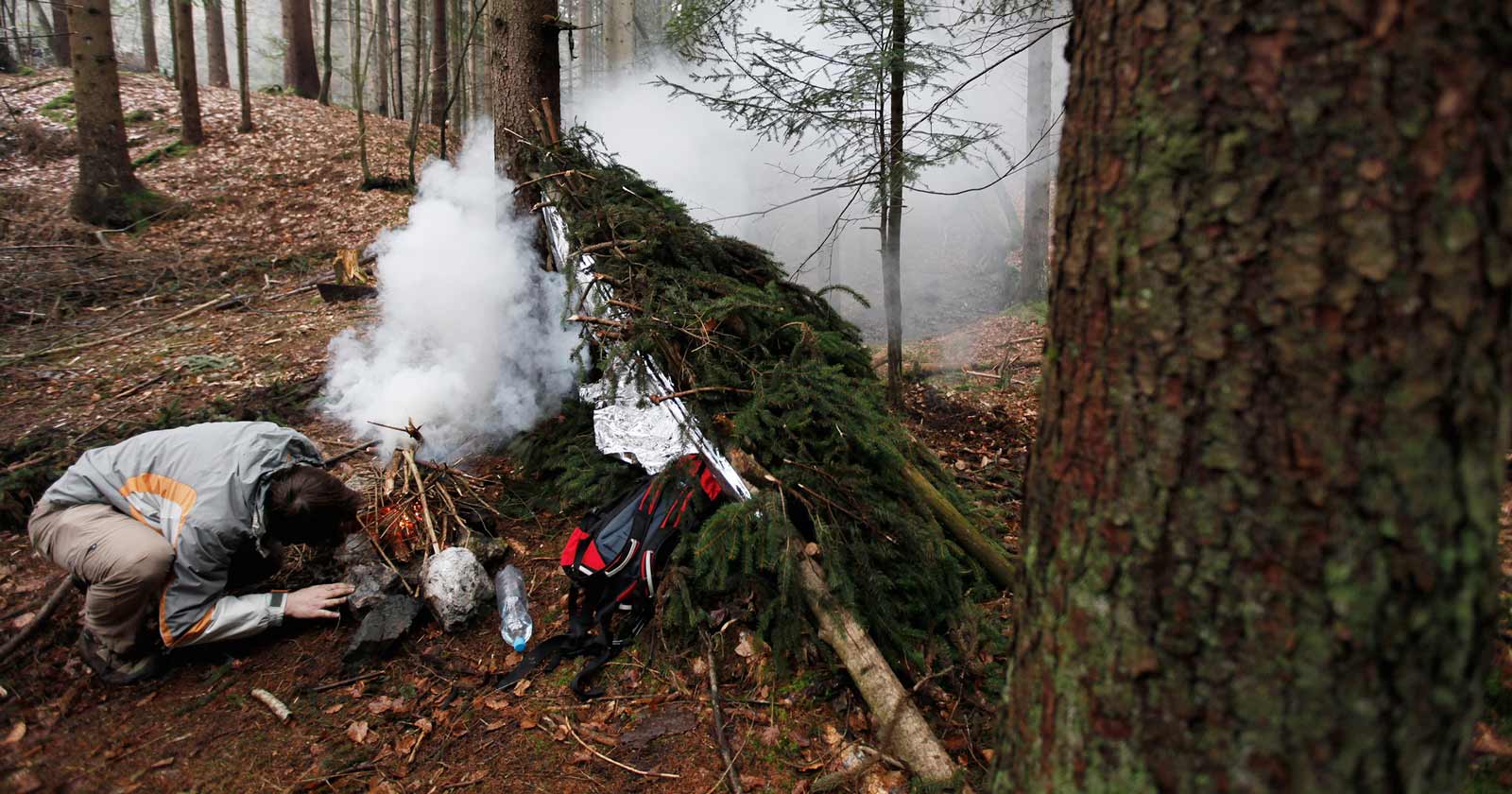


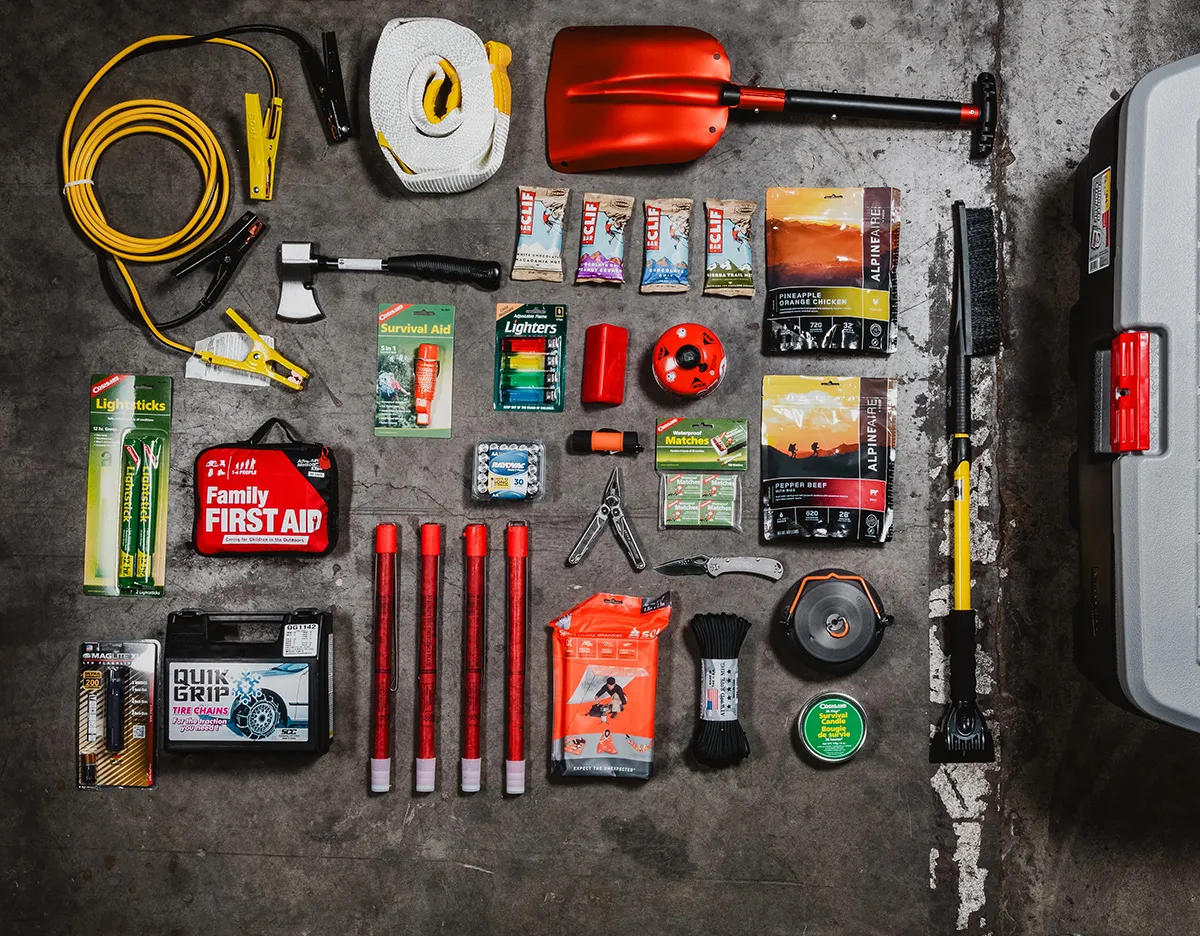
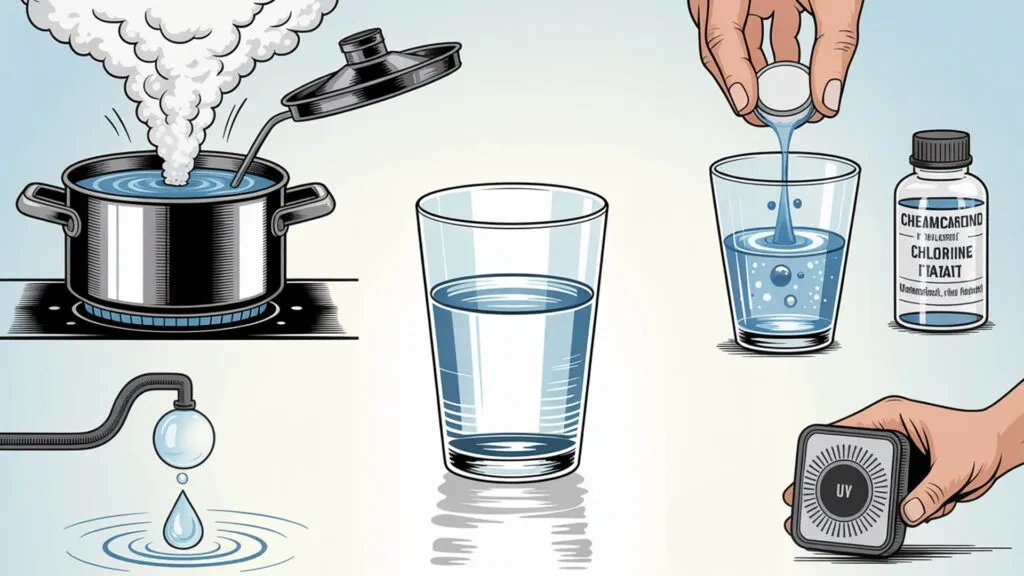
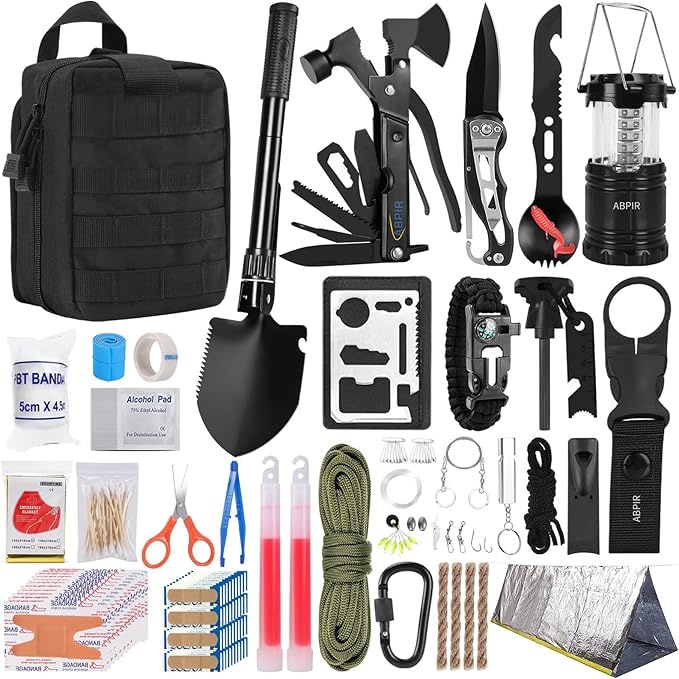



Tags
📧 Get More Articles Like This
Subscribe to receive product reviews and buying guides in your inbox!
We respect your privacy. Unsubscribe at any time.