Car Emergency Kit: What You ACTUALLY Need (Not Amazon Lists)
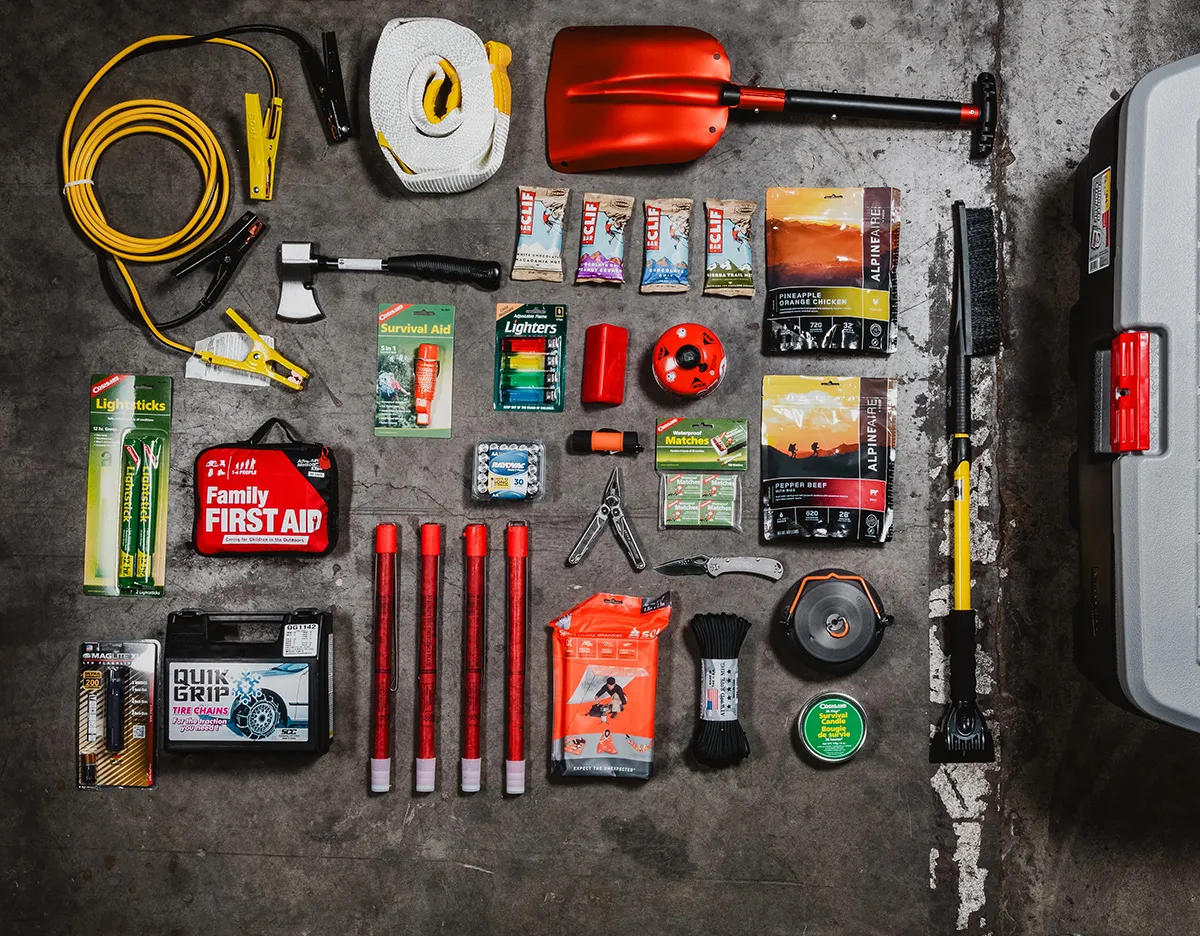
Table of Contents
- Introduction: Why Generic Emergency Kits Fail When You Need Them
- The Real Scenarios That Kill People (And Amazon Kits Don’t Prepare For)
- Core Survival Priority: Temperature Regulation Equipment
- Water and Food: Beyond the Three-Day Myth
- Communication and Signaling: When Your Phone Dies
- Vehicle-Specific Tools That Actually Get You Moving
- First Aid: Trauma Response vs Band-Aids
- Lighting Systems: Redundancy Saves Lives
- Seasonal Modifications: Winter vs Summer Requirements
- The Twenty-Four Hour Test: What Fails First
- Building Your Kit: Priority-Based Approach
- Maintenance Schedule: Keeping Your Kit Ready
- Conclusion: Reality Over Marketing
- FAQ: Detailed Answers to Critical Car Emergency Kit Questions
Introduction: Why Generic Emergency Kits Fail When You Need Them
The fundamental problem with commercial car emergency kits involves that manufacturers optimize for shelf appeal and profit margins rather than actual survival scenarios, creating products that photographs impressively and generates positive initial unboxing reactions yet proves catastrophically inadequate when genuine emergencies test equipment under conditions that marketing materials carefully avoid depicting. The typical $50 roadside emergency kit sold through major retailers contains approximately 80 items generating impressive item count that comparison shoppers use making purchase decisions, yet closer inspection reveals that perhaps 15 items provide genuine utility while remaining 65 constitute filler products including cheap promotional-quality items, redundant variations of same tool, or accessories addressing scenarios so unlikely that statistical probability makes inclusion essentially marketing theater rather than practical preparation. The disconnect between what emergency kits contain versus what actual breakdown scenarios demand stems from manufacturers responding to consumer expectations shaped by disaster movies and survival television rather than mundane reality that mechanical failures, weather exposure, and medical emergencies represent true risks that proper preparation addresses through unglamorous essential supplies instead of impressive tactical accessories.
The specific failure modes that generic emergency kits exhibit during real use include thermal blankets made from mylar so thin that single unfolding tears material rendering it useless for maintaining body heat that hypothermia prevention demands, jumper cables using wire gauge inadequate for actually starting dead batteries particularly in cold weather when amperage demands increase substantially, first aid supplies limited to minor cuts and scrapes ignoring serious trauma that vehicle accidents frequently cause, and food rations if included at all consisting of five-year-old granola bars whose palatability degradation makes consumption during stress difficult despite adequate nutrition technically remaining. The cumulative effect of these individual inadequacies creates emergency kit that appears comprehensive yet fails systematically across multiple critical categories when actual use reveals design compromises that competitive pricing demanded making cheap kit ultimately expensive through requiring emergency replacement purchases or worse creating false confidence that dangerous situations expose as misplaced exactly when consequences prove most severe.
While this video highlights 10 essential elements for car emergencies, there’s still much more information you may not have discovered yet, which you’ll find in the exclusive details below this article. :
The psychological dimension of emergency preparedness proves equally important as physical supplies because knowing that proper equipment exists creates mental resilience enabling clear thinking during crisis situations, while discovering kit inadequacy during actual emergency generates panic that impaired decision-making compounds making bad situations worse through stress responses that adequate preparation would have prevented. The person who opens trunk during winter breakdown discovering proper cold-weather sleeping bag, week’s food supply, and reliable communication equipment maintains composure enabling effective self-rescue or calm waiting for assistance, while person finding mylar blanket that tears immediately and three granola bars experiences despair that dangerous choices might follow including abandoning vehicle seeking help on foot that survival statistics show frequently proves fatal compared to shelter-in-place that proper supplies enable. The preparedness confidence factor suggests that investment in genuine emergency equipment provides value beyond physical utility through psychological security that stress management enables even when supplies never get used during entire vehicle ownership making insurance-like benefit justify upfront cost.
The objective of this guide involves cutting through marketing deception and conventional wisdom about car emergency kits to focus exclusively on what actual survival scenarios demand based on incident analysis, survivor accounts, and expert assessment rather than product reviews written by people who never experienced genuine emergencies making their evaluations essentially theoretical rather than experientially validated. Understanding emergency roadside kit contents that government safety organizations recommend provides baseline that commercial products often fail meeting despite regulatory guidance existing specifically to prevent inadequate preparation that lives at risk places. The approach emphasizes scenario-based thinking where specific realistic situations determine equipment requirements rather than generic checklists that fail addressing particular threats that geography, climate, and travel patterns create for individual drivers whose unique circumstances generic solutions inadequately serve making personalized kit development necessary despite requiring more effort than simply purchasing pre-made package whose adequacy remains questionable until tested under conditions that hopefully never occur yet proper preparation assumes might.

The Real Scenarios That Kill People (And Amazon Kits Don't Prepare For)
The statistical analysis of roadside fatalities reveals that exposure deaths from hypothermia and hyperthermia vastly exceed mechanical accident trauma, with stranded motorists succumbing to temperature extremes within hours when inadequate preparation prevents maintaining survivable core body temperature that properly equipped person could sustain for days making climate control emergency kit’s most critical function despite commercial products emphasizing vehicle repair tools and first aid supplies that while useful address less immediately life-threatening situations. The typical winter breakdown scenario involves vehicle becoming disabled during evening commute with temperatures dropping below freezing, stranded driver having inadequate clothing because climate-controlled vehicle interior provided comfortable environment until mechanical failure eliminated heating capability, and rescue delays extending several hours or overnight when remote locations or severe weather prevents prompt assistance making those initial 6-12 hours critical period when proper thermal protection determines survival outcome that inadequate preparation makes increasingly unlikely as time passes and body temperature drops.
The James Kim tragedy from 2006 exemplifies how inadequate vehicle emergency preparation contributes to preventable deaths, with family becoming stranded in Oregon mountains during winter storm, inadequate supplies forcing desperate decisions, and father ultimately dying from hypothermia while seeking help that proper emergency kit would have eliminated need for by enabling family safely sheltering in vehicle until rescue arrived. The specific failures in that situation included lack of proper cold-weather sleeping bags that entire family could have shared maintaining body heat, insufficient food supplies forcing rationing that caloric deficit made dangerous during cold exposure, and absence of reliable signaling equipment that helicopter searching overhead might have detected preventing father’s fatal decision abandoning vehicle. The lesson that incident teaches involves that even brief trip through potentially hazardous areas demands full emergency preparation because weather can change rapidly, route deviations occur unexpectedly, and mechanical failures happen without warning making assumption of safety based on planned short duration fundamentally flawed when actual events prove circumstances beyond control.
[ ](Vehicle stranded in winter storm showing critical importance of proper emergency kit with cold rated sleeping bag hand warmers and winter survival supplies - InfoProds 2026)
The summer exposure scenario proves equally dangerous despite receiving less attention than winter emergencies, with Southwest desert breakdowns creating life-threatening situations within hours when temperatures exceed 110°F and humidity remains minimal causing rapid dehydration that inadequate water supplies cannot prevent. The specific survival timeline in extreme heat shows that person without water loses approximately one liter fluid per hour through perspiration and respiration, with dehydration symptoms including confusion and impaired judgment appearing within 4-6 hours and life-threatening conditions developing by 12 hours making water supply emergency kit’s most critical component for warm-climate drivers whose assumptions about rescue promptness might prove fatally optimistic when reality delivers delays that preparation could have sustained through but inadequacy makes increasingly desperate. The case studies from Death Valley and Arizona deserts show that stranded motorists frequently die within sight of their vehicles after abandoning shelter seeking help, with proper emergency water supply of 2 gallons per person enabling survival for 48+ hours that remaining with vehicle shelter and proper supplies would have provided until rescue arrived.
The flood scenario represents increasingly common emergency as climate change intensifies precipitation events, with drivers encountering rapidly rising water that vehicle flotation makes immediately dangerous creating situations where evacuation becomes necessary yet surrounding flood waters prevent safe travel. Understanding that six inches moving water can knock person down and twelve inches can sweep vehicles away provides critical knowledge that decision-making informs about when abandoning vehicle proves necessary versus when remaining inside offers better protection. The emergency kit considerations for flood-prone areas include waterproof containers protecting supplies from water damage, flotation devices enabling safe evacuation if water level demands vehicle abandonment, and emergency communication equipment summoning rescue when self-extraction proves impossible making flood-specific additions necessary for drivers whose routes include low-lying areas that flash flooding threatens during storms that forecasts might not adequately warn about.
The medical emergency scenario involving driver or passenger experiencing health crisis demands supplies beyond basic first aid that commercial kits provide, with cardiac events, severe allergic reactions, diabetic emergencies, and traumatic injuries from accidents all requiring intervention that proper medical supplies enable while awaiting emergency services whose arrival times vary dramatically between urban and rural locations. The specific medical kit components for vehicle emergency include prescription medications for chronic conditions preventing dangerous lapses, epinephrine auto-injector for anaphylaxis, glucose for diabetic emergencies, tourniquet and hemostatic gauze for severe bleeding, and CPR mask for safe resuscitation making medical preparedness extending beyond bandages and antiseptic that minor wound treatment addresses inadequately when serious medical situations demand advanced intervention that minutes can determine outcome before professional help arrives.
Core Survival Priority: Temperature Regulation Equipment
The physiological reality of human temperature regulation shows that maintaining core body temperature between 97-99°F proves absolutely critical for survival, with hypothermia developing rapidly when ambient temperature and inadequate insulation combine creating net heat loss exceeding body’s metabolic heat production, while hyperthermia developing equally quickly in extreme heat when cooling mechanisms prove insufficient for thermal load that environmental conditions create. The emergency kit temperature regulation equipment must address both cold and heat scenarios despite opposite challenges involved, with cold protection requiring insulation trapping metabolic heat while heat protection requiring methods enhancing evaporative cooling and reducing solar heat gain making comprehensive temperature management demanding distinct equipment serving different purposes.
The cold weather survival equipment centerpiece involves genuine cold-rated sleeping bag rather than emergency blanket that commercial kits typically include, with sleeping bag rated for temperatures 20°F below expected minimum providing safety margin when bag rating typically reflects lower limit that survival rather than comfort defines making rated temperature essentially survival threshold rather than pleasant sleeping condition. The specific recommendation involves compact sleeping bag rated to -20°F for winter climate drivers or 20°F for moderate climates, stuffed into compression sack reducing storage space making trunk storage feasible, with synthetic insulation rather than down because moisture resistance proves critical when wet conditions from snow or condensation otherwise compress down eliminating insulating properties exactly when needed most. The sleeping bag enables maintaining survivable body temperature throughout night even when vehicle interior temperature matches exterior ambient conditions, with multiple people sharing single bag or using two bags layered increasing thermal protection beyond individual bag rating through reduced air space that collective body heat warms creating effective temperature rating substantially below nominal specifications.
Shop on AliExpress via link: Emergency Sleeping Bag
The supplementary cold weather items include hand and foot warmers providing chemical heat generation lasting 6-10 hours useful for extremity protection preventing frostbite when core insulation proves adequate but peripheral circulation reduction causes dangerous cooling, spare winter clothing including insulated jacket, pants, boots, gloves, and hat addressing situation where driver wearing business attire or casual clothes inadequate for extended cold exposure, and foam sleeping pad providing ground insulation preventing conductive heat loss that sleeping directly on car seat or floor creates eliminating much of sleeping bag’s effectiveness when contact with cold surface conducts heat away faster than insulation can retain it. The layering principle for cold protection involves multiple thin insulating layers trapping dead air space proving more effective than single thick layer, with ability to add or remove layers allowing fine temperature regulation preventing overheating and sweating that moisture accumulation eventually causes dangerous cooling once activity level decreases.
The heat exposure protection equipment emphasizes completely different approach focusing on shade creation, evaporative cooling enhancement, and hydration maintenance rather than insulation that cold weather demands, with sun shade for windows reducing solar heat gain inside vehicle, spray bottle for water misting enhancing evaporative cooling, portable fan increasing air movement when external temperature permits benefit, and cooling towel that moisture retention and evaporation creates continuous cooling effect when periodically re-wetted. The specific heat survival strategy involves remaining inside vehicle during midday maximum temperature while occasionally running engine and air conditioning for cooling periods, with nighttime travel if movement becomes necessary because darkness eliminates solar heating reducing temperature substantially compared to daytime conditions that attempting movement during peak heat makes dangerously dehydrating.
Water and Food: Beyond the Three-Day Myth
The conventional emergency preparedness advice recommending three days supplies reflects urban scenario assumptions where rescue or self-extraction rarely exceeds 72 hours, yet rural breakdowns or severe weather situations can extend stranding substantially longer making three-day supply potentially inadequate when actual circumstances deliver week-long isolation that inadequate supplies cannot sustain. The water storage recommendation of one gallon per person per day provides baseline for moderate temperatures and limited activity, yet hot weather or physical exertion can double or triple requirements making two-gallon-per-person minimum more realistic safety margin particularly for families where children’s needs might exceed adult calculations and stress responses increase everyone’s hydration demands beyond normal consumption patterns.

The water storage containers must withstand temperature extremes without leaking or contaminating contents, with rigid containers proving superior to collapsible bladders that puncture risk creates reliability concerns, though collapsible containers offering space efficiency advantage when storage limitations demand compromise. The specific water storage approach involves keeping sealed commercial water bottles rotated every six months maintaining freshness, with additional empty containers allowing snow melting in winter scenarios or rainwater collection during extended situations when initial supplies prove insufficient making capacity for water gathering equally important as static storage when realistic scenarios might demand resource extension beyond prepared quantities. The water purification capability including tablets or filter provides backup enabling consumption of questionable water sources when desperation makes contamination risk acceptable compared to dehydration certainty, though municipal water supply areas rarely requiring this capability compared to remote locations where natural water sources might be accessed during extreme situations.
The food selection criteria emphasize calorie density, shelf stability, and palatability under stress rather than nutrition balance that longer-term survival would demand but short-term emergency makes secondary to simply consuming adequate calories maintaining energy and core temperature that metabolic demands require. The specific food recommendations include energy bars providing 200+ calories in compact package, mixed nuts offering protein and fat for sustained energy, dried fruit providing quick carbohydrates and palatability during stress, and hard candy offering morale boost and blood sugar maintenance when meal consumption proves difficult making variety addressing both physiological needs and psychological factors that eating behavior influences during high-stress situations. The quantity calculation of 2000 calories per person per day for three days requires approximately 2 pounds of dense foods, with week’s supply totaling roughly 5 pounds per person making storage space manageable even for family vehicles when proper selection emphasizes calorie density over bulk.
The food storage considerations include temperature protection preventing melting of chocolate or degradation of protein bars during summer heat, moisture protection preventing spoilage, and rotation schedule ensuring consumption before expiration dates pass making annual replacement practical schedule that freshness maintains. The supplementary food items include electrolyte powder reconstituting in water replacing minerals that sweating depletes particularly during heat scenarios where hydration alone proves insufficient preventing heat exhaustion when mineral balance becomes critical for physiological function, instant coffee or tea providing morale boost and cold weather warming, and hard candies that children particularly appreciate during extended stressful waiting making family preparedness considering needs beyond pure survival nutrition.
Communication and Signaling: When Your Phone Dies
The modern dependence on cellular phones for emergency communication creates dangerous vulnerability when phone batteries die, service proves unavailable, or impacts damage devices making backup communication methods absolutely essential despite phones providing primary emergency response mechanism in vast majority of breakdown scenarios. The communication equipment redundancy involves multiple independent systems ensuring that single failure mode doesn’t eliminate all communication capability, with car charger maintaining phone operation while vehicle battery retains charge, portable power bank providing charging capability after vehicle battery dies, and alternative signaling methods attracting attention when electronic communication fails completely or proves unavailable in remote locations where cellular coverage gaps exist.
The phone charging infrastructure includes 12-volt car adapter for normal operation, USB battery bank rated for multiple phone recharges maintaining power through temperature extremes without degradation, solar panel charger for extended scenarios where battery bank eventually depletes, and charging cables for all family members’ devices preventing incompatibility issues that various phone models create making universal charging capability necessary when emergency affects multiple people whose different devices demand different connection types. The battery bank selection criteria emphasize temperature rating ensuring operation during winter cold that consumer-grade batteries often fail under, capacity sufficient for 5+ full phone charges providing week-long capability, and rugged construction protecting from impacts that emergency situations might cause making military-grade specifications justifying premium cost through reliability that cheap consumer models cannot match.
The traditional signaling methods providing backup when electronic communication fails include road flares creating highly visible smoke and flame attracting attention from passing vehicles or search aircraft, reflective emergency triangles placed at intervals behind vehicle warning approaching traffic of obstruction ahead, bright orange emergency flag attached to antenna making disabled vehicle visible from distance, and signal mirror that sunlight reflection creates flash visible for miles enabling ground-to-air signaling when aircraft searching overhead might otherwise miss vehicle despite flying directly overhead. The whistle providing sound signaling when visual contact exists but distance prevents voice communication carries farther than shouting while requiring minimal energy expenditure that exhaustion otherwise limits making sustained signaling possible when physical condition degrades.
The emergency radio providing weather information and news updates during extended stranding enables informed decision-making about whether remaining with vehicle versus attempting self-rescue proves appropriate given current conditions and forecasts, with hand-crank powered radio eliminating battery dependence that extended operation otherwise creates making weather information continuously available throughout ordeal. The two-way radio or CB providing direct communication with passing trucks or other motorists creates local communication network supplementing cellular infrastructure when phones work but congestion or damage limits connectivity, though limited range and requiring other people monitoring makes this supplementary capability rather than primary communication method. The satellite communicator or PLB (Personal Locator Beacon) providing communication independent of cellular infrastructure creates ultimate backup for remote areas where traditional communication proves impossible, though subscription costs and device price limits adoption to serious backcountry travelers whose remote routes justify expense that typical highway driving doesn’t demand.
Vehicle-Specific Tools That Actually Get You Moving
The vehicle repair and extraction tools separate between items that genuinely enable mobility restoration versus accessories providing minimal utility despite marketing suggesting otherwise, with priority given to equipment addressing common failure modes including flat tires, dead batteries, and vehicle stuck in snow, sand, or mud that self-extraction capability determines whether stranding proves temporary inconvenience versus extended emergency demanding full survival supplies. The tire repair capability proves most immediately useful because flat tires represent most common breakdown type, with proper jack meeting vehicle weight rating, lug wrench fitting wheel bolts, spare tire maintaining proper inflation through periodic checking, and tire plug kit enabling field repair of punctures avoiding spare use for future incidents making multi-incident capability rather than single-use only.
The battery jump capability requires quality jumper cables with adequate gauge wire enabling current flow sufficient for starting dead batteries particularly in cold weather when amperage demands increase substantially, with 4-gauge or heavier cables rated for 500+ amps providing reliability that lighter cables cannot match despite lower cost seeming attractive until inadequate performance during actual use reveals false economy. The portable jump starter providing battery-independent starting capability eliminates need for another vehicle making self-rescue possible in isolated locations where passing traffic proves sparse, with lithium battery units maintaining charge through cold weather that lead-acid portable batteries cannot match despite lithium units costing substantially more than older technology whose temperature limitations prove unacceptable for year-round trunk storage through winter months.
Shop on AliExpress via link: Portable Jump Starter with Power Bank

The extraction equipment for vehicles stuck in snow, sand, or mud includes folding shovel for digging around tires, traction mats providing grip surface under drive wheels, tow strap rated for vehicle weight enabling another vehicle pulling free when self-extraction proves impossible, and sand or cat litter providing traction material that spreading under wheels creates grip that spinning on slick surface otherwise prevents. The specific extraction technique involves first digging out around tires creating movement space, placing traction mat or material under drive wheels, rocking vehicle by alternating between drive and reverse to build momentum, and if these prove unsuccessful attaching tow strap to frame-mounted tow point enabling another vehicle providing extraction force that self-rescue attempts could not generate. The tire chains for winter driving providing supreme traction on ice and snow prove worth carrying despite installation effort when winter routes through mountainous areas make conditions encounter likely, with practice installation before emergency ensures capability rather than attempting learning during actual need when stress and cold make complex task substantially harder.
The basic tool kit addressing minor mechanical repairs includes socket set fitting vehicle’s specific fastener sizes, screwdrivers, adjustable wrench, zip ties, duct tape, and fuse assortment enabling field repairs of common failures including securing loose components, replacing blown fuses, or temporary fixes allowing vehicle operation long enough reaching proper repair facility. The specialty tools for specific vehicle types include diesel glow plug for cold starting diesel engines, tire pressure gauge ensuring proper inflation for safety and fuel efficiency, and owner’s manual providing reference for vehicle-specific procedures or specifications that memory alone cannot reliably maintain making documentation valuable during actual repairs when stress impairs recall of details that routine familiarity ordinarily provides.
First Aid: Trauma Response vs Band-Aids
The first aid kit separation between minor wound treatment versus serious trauma response reflects different emergency categories requiring distinct supplies and training, with commercial kits emphasizing minor care through extensive bandage assortments and antiseptic wipes yet providing minimal trauma supplies that vehicle accidents frequently demand when impact injuries create bleeding, fractures, or other serious conditions requiring immediate intervention before emergency services arrive. The trauma supplies proving most critical include tourniquet for severe extremity bleeding that direct pressure cannot control, hemostatic gauze accelerating clotting for wounds where tourniquet proves inapplicable, chest seals for penetrating chest injuries preventing tension pneumothorax, and Israeli bandage providing versatile wound dressing with integrated pressure application that various wound types accommodate making single item addressing multiple trauma scenarios.
The first aid training requirement cannot be overstated because supplies prove useless without knowledge of proper application, with basic first aid and CPR certification from recognized organizations including Red Cross or American Heart Association providing foundation that emergency response demands, while advanced training including Stop the Bleed or Wilderness First Aid addressing trauma scenarios that severe accidents or remote locations create making advanced skills justifying time investment despite hopefully never requiring use. The specific techniques that training teaches include recognizing arterial versus venous bleeding that treatment differences demand, proper tourniquet application including specific tightness and placement that effectiveness versus tissue damage balances, wound packing technique maximizing hemostatic gauze effectiveness, and shock recognition with appropriate response preventing secondary mortality when primary injury survival proves possible given proper care.
The medication component including pain relievers, antihistamines for allergic reactions, anti-diarrheal for gastrointestinal issues, and any prescription medications that family members require preventing dangerous lapses during extended stranding that medical emergencies could precipitate if regular dosing schedule gets interrupted. The specific prescription medication consideration involves carrying week’s supply in emergency kit rather than assuming ready access to primary supplies, with climate-controlled storage necessary for temperature-sensitive medications and documentation of prescription information enabling emergency responders providing continuation if situation extends beyond carried supply making medical information equally important as actual medications whose names and dosing schedule might not be remembered during high-stress situations.
The chronic condition specific supplies including glucose tablets and testing supplies for diabetics, epinephrine auto-injector for severe allergy, inhaler for asthma, and heart medication for cardiac conditions address life-threatening situations that underlying health issues create when routine management gets disrupted by emergency circumstances making condition-specific preparedness necessary beyond generic first aid that assumes previously healthy people suddenly facing acute injuries but ignoring chronic conditions that exacerbation could prove equally dangerous during extended emergency situations.
Lighting Systems: Redundancy Saves Lives
The lighting equipment redundancy principle involves multiple independent light sources ensuring that battery failure, damage, or loss of one unit doesn’t eliminate all illumination capability when darkness creates dangers that adequate lighting prevents including tripping hazards, wildlife encounters, and simply psychological security that light provides during stressful nighttime stranding. The primary lighting should include LED headlamp providing hands-free operation for vehicle repairs or campsite setup, with LED technology offering superior battery life compared to incandescent bulbs whose power consumption requires frequent battery replacement making LED essentially mandatory despite higher initial cost that operational efficiency justifies through reduced long-term battery expenses.
The backup lighting includes LED flashlight stored separately from primary headlamp preventing simultaneous loss if storage bag gets damaged or misplaced, glow sticks providing chemical light independent of batteries or bulbs making them failure-proof during multi-day scenarios when electronic lights eventually exhaust power supplies, and candles offering extended duration lighting when fire safety precautions enable safe use though carbon monoxide risk makes vehicle interior use dangerous without adequate ventilation that cold weather makes impractical creating conflict between heating needs and combustion ventilation demands. The specific lighting strategy involves using headlamp for active tasks requiring focused beam and hands-free operation, flashlight for general illumination and signaling, glow sticks for ambient lighting and marking locations, and candles as ultimate backup when all electronic options fail though indoor use requires open window preventing carbon monoxide accumulation that enclosed space makes lethal.
The battery supply maintaining lighting operation includes spare batteries for all electronic devices stored separately from devices themselves preventing corrosion from leaked batteries damaging lights during storage, with lithium batteries proving superior in cold weather compared to alkaline batteries whose performance degrades substantially below freezing making winter preparedness demanding lithium despite higher cost. The rechargeable battery system including solar panel and charging controller providing unlimited power generation during extended scenarios when disposable battery supply eventually exhausts, though solar dependency makes this supplementary rather than primary power source given weather variability and winter’s limited daylight hours reducing charging capability exactly when extended darkness makes lighting demands greatest creating seasonal mismatch between generation and consumption.
The vehicle lighting capability including hazard flashers warning approaching traffic of disabled vehicle proves critical for preventing secondary accidents, with battery preservation requiring judicious use balancing visibility needs against battery depletion that extended operation causes making timer or manual on-off cycling necessary rather than continuous operation that battery reserves cannot sustain for overnight periods. The road flares providing emergency lighting independent of vehicle electrical system create highly visible warning that battery state cannot affect, with chemical flare duration of 30 minutes to several hours depending on type making strategic deployment necessary rather than continuous use that supply limits would exceed during extended roadside presence awaiting assistance or repair.
Seasonal Modifications: Winter vs Summer Requirements
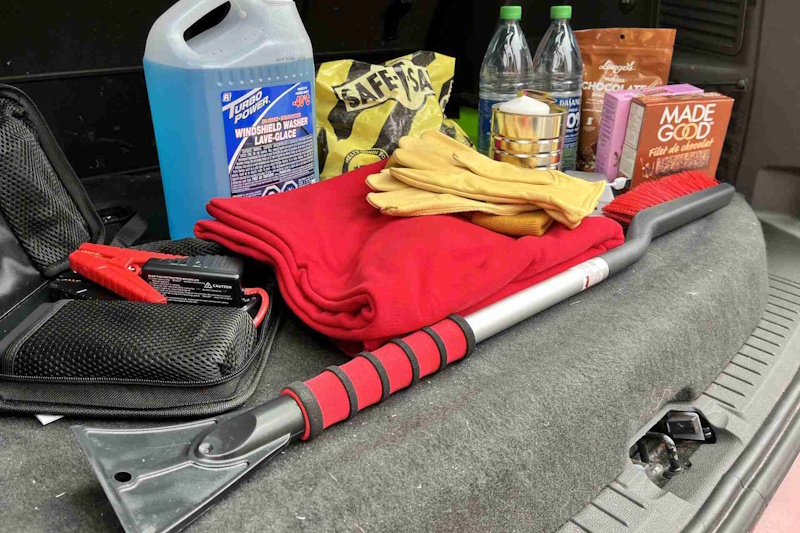
The seasonal kit rotation acknowledging that climate-appropriate equipment varies substantially between winter and summer creates maintenance task that preparedness demands despite inconvenience that twice-annual kit modifications impose, with winter preparation emphasizing cold protection and ice/snow mobility while summer focusing on heat management and increased hydration making distinct equipment sets necessary even when core items remain constant throughout year. Understanding when stranded in winter storm situations prove most dangerous validates emphasis on cold-weather preparation for winter months, with proper cold-rated sleeping bag, hand warmers, spare winter clothing, and snow shovel proving potentially life-saving when breakdown occurs during winter storm conditions that temperature extremes make immediately threatening absent adequate thermal protection.
The winter-specific additions include ice scraper and snow brush for visibility maintenance, cat litter or sand providing traction when stuck on ice, tire chains for extreme winter conditions, antifreeze for potential coolant additions, and windshield washer fluid rated for sub-zero temperatures preventing freeze that would eliminate ability cleaning windshield salt spray or road grime. The cold weather clothing backup including insulated coveralls, boots, gloves, and balaclava addresses situation where regular clothes prove inadequate when extended cold exposure becomes necessary during repairs or while awaiting rescue, with assumption that business attire or casual clothing insufficient for survival making dedicated emergency cold-weather outfit necessary rather than assuming daily wardrobe will suffice during breakdown that hours or overnight extends.
The summer modifications emphasizing heat protection include sun shades for all windows reducing interior temperature by substantial margin when parked, spray bottles for water misting that evaporative cooling enhances, extra water supply acknowledging increased consumption during heat, electrolyte powder preventing heat exhaustion, and portable fan if battery supply permits operation increasing air movement that stagnant interior otherwise suffers. The summer clothing considerations involve ensuring emergency kit contains sun-protective items including wide-brimmed hat and long-sleeve light-colored shirts protecting from sunburn during extended exposure when remaining inside vehicle during peak heat proves preferable but eventually necessitates outside presence that direct sun exposure creates burn risk within hours of continuous exposure.
The transition dates between winter and summer kits should align with seasonal weather patterns for specific geographic location rather than calendar dates, with winter kit activation when first freezing temperatures become possible making October appropriate for northern climates while November suffices for moderate regions, and summer kit transition when heat becomes primary concern typically April or May depending on location. The core items remaining constant throughout year include first aid supplies, non-perishable food, communication equipment, and basic tools with only climate-specific additions changing seasonally making transition primarily addition rather than complete replacement reducing effort while maintaining preparedness year-round.
The Twenty-Four Hour Test: What Fails First
The realistic emergency kit validation involves twenty-four hour simulated stranding test identifying weaknesses before actual emergency reveals inadequacy when consequences prove substantial, with test conducted during weather conditions matching anticipated worst-case scenario for season and location making winter test appropriately miserable and summer test genuinely uncomfortable providing realistic assessment rather than fair-weather evaluation suggesting false adequacy. The test protocol involves parking vehicle in safe location, turning off engine simulating total breakdown, and surviving next 24 hours using only emergency kit supplies with strict rules preventing any access to resources beyond kit contents making test genuinely representative of isolation that real stranding creates.
The typical failure points that testing reveals include thermal regulation inadequacy becoming apparent within first few hours when body temperature begins dropping during winter test or heat stress developing during summer evaluation, water supply proving insufficient when actual consumption exceeds theoretical calculations particularly during heat or physical activity, food palatability issues emerging when stress reduces appetite yet caloric needs remain making variety important for actual consumption despite any particular item providing adequate nutrition theoretically. The lighting duration limits becoming obvious as night extends and battery supplies drain faster than anticipated, communication redundancy proving necessary when primary phone battery dies and backup charging methods prove inconveniently slow making multiple charged devices better strategy than assuming single device with charging capability will suffice.
The psychological aspects emerging during test including boredom, anxiety, and temperature discomfort that actual emergency would amplify substantially beyond test conditions reveal importance of morale-supporting items including reading materials, games, or comfort items that mental health supports during extended stress that pure survival focus might overlook yet psychological deterioration can impair decision-making making mental state preservation equally important as physical needs. The specific additions that testing typically reveals as necessary include more insulation than initially anticipated because stationary body heat production proves minimal compared to active movement assumptions, substantially more water than calculations suggest because stress and anxiety increase consumption, better food variety because preferred items get consumed early leaving less palatable options that appetite suppression during stress makes difficult forcing consumption, and entertainment or activity options because continuous alertness proves impossible maintaining over 24 hours making rest and distraction necessary rather than constant vigilance that initial assumptions might suggest appropriate.
The test modifications after initial trial addressing revealed deficiencies should include second validation confirming improvements proved adequate rather than assuming changes fixed problems without verification, with iterative improvement process ensuring kit genuinely serves intended purpose rather than theoretical adequacy that actual use might still reveal as insufficient. The family test involving all members who might be present during actual emergency validates kit for multiple people revealing needs that individual test cannot identify including children’s requirements, medical needs across ages, and dynamics between people that isolation stress might exacerbate requiring preparation addressing group needs rather than just individual survival that testing by single person evaluates incompletely.
Building Your Kit: Priority-Based Approach
The kit construction methodology using priority tiers acknowledges that budget constraints might prevent complete kit assembly immediately, with staged approach addressing most critical needs first ensuring partial preparedness proves better than delaying until complete kit becomes affordable, making systematic priority-based building practical for real-world financial limitations that ideal solutions often ignore. The Tier 1 priorities including thermal regulation, water, and communication represent absolute essentials that life-threatening situations demand within hours, with cold-rated sleeping bag, two gallons water per person, and phone charging capability constituting minimum baseline that immediate purchase should address before any other considerations making these three categories non-negotiable foundation.
The Tier 2 additions including food supply, lighting, and first aid address needs emerging over 12-24 hour timeframe when initial emergency becomes extended situation, with 2000 calories per person for three days, LED headlamp with backup flashlight, and comprehensive first aid kit including trauma supplies constituting second priority level that budget permits should be added completing core survival capability. The Tier 3 enhancements including tools, extraction equipment, and comfort items address self-rescue capability and extended duration scenarios, with jumper cables or portable jump starter, traction mats for stuck vehicle, and entertainment options for psychological wellbeing representing nice-to-have additions that complete kit but whose absence doesn’t create immediate survival threats making them appropriate third-tier priorities when budget stages requiring prioritization.
The container selection storing emergency kit proves important for organization, protection, and accessibility, with options including dedicated emergency bag that portability enables if abandoning vehicle becomes necessary, plastic storage bin providing protection and organization within trunk space, or modular system using multiple smaller containers allowing customization and incremental building. The specific container requirements include waterproof or water-resistant construction protecting contents from moisture damage, sufficient size accommodating all planned contents without forcing compromises through inadequate capacity, organizational features including pockets or dividers preventing items becoming jumbled mess that frustrates emergency access, and visibility of contents either through clear sides or clear labeling ensuring quick item location during stress when searching proves time-consuming and frustrating.
The quality versus quantity balance involves purchasing fewer high-quality items rather than complete cheap kit, with single proper sleeping bag proving more valuable than cheap mylar blankets plus inadequate food plus poor tools that comprehensive but low-quality approach delivers, making selective excellence superior to comprehensive mediocrity when budget limitations demand choices. The specific quality indicators include reputable brand names in outdoor or emergency equipment from companies whose products genuine users rely on versus generic Amazon brands whose quality control and design proves questionable, cold-weather ratings for clothing and sleeping bags from independent testing rather than marketing claims, and tool construction using actual metal rather than plastic components that durability demands making proper tools lasting decades while cheap versions fail during first serious use.
Maintenance Schedule: Keeping Your Kit Ready
The emergency kit maintenance schedule ensuring readiness when actually needed requires systematic approach preventing degradation that time inevitably causes without active management, with quarterly inspection catching issues before they create failures during actual emergencies making regular checking worthwhile despite no immediate benefit visible making discipline necessary for maintaining invisible preparedness. The specific quarterly tasks include checking expiration dates on food, water, and medications replacing items approaching expiration, testing battery charge levels for electronics and battery banks recharging as needed, inspecting physical condition of all items looking for damage or degradation that use or storage causes, and verifying nothing missing that previous inspection or use removed without replacement making inventory control preventing gradual kit depletion.
The annual maintenance involving more extensive evaluation includes rotating all stored water regardless of remaining shelf life because taste degradation occurs even when water remains safe, replacing food items with updated supply maintaining palatability and nutrition, inspecting sleeping bags and clothing for moisture, mildew, or pest damage that storage creates, testing all electronic devices confirming operation rather than assuming readiness, and reviewing kit contents against current needs acknowledging family changes or lessons learned from experience might justify modifications. The seasonal transitions between winter and summer configurations providing natural maintenance opportunities ensures minimum twice-yearly thorough kit inspection catching issues that more frequent quarterly checks might miss through familiarity breeding complacency that fresh seasonal review prevents.
The documentation maintaining inventory list of all kit contents with expiration dates and inspection history creates accountability system preventing neglect through tracking that visibility provides, with simple spreadsheet or even handwritten log sufficient for recording dates and actions making systematic approach possible without complex technology. The family involvement in maintenance ensuring all members understanding kit contents and operation prevents situation where only one person knows where items located or how equipment operates making that person’s incapacitation during emergency leaving others unable effectively using supplies making shared knowledge critical for family preparedness.
The test deployment practicing actual kit use annually through camping trip or parking lot exercise validates that kit genuinely serves intended purpose while familiarizing users with equipment operation in low-stress environment making emergency use more effective through prior experience rather than first-time learning during crisis when stress impairs learning ability. The specific test should include using sleeping bag to ensure proper size and warmth rating, consuming food items verifying palatability and preparation simplicity, operating all electronic devices confirming battery life and functionality, and reviewing first aid supplies refreshing knowledge of use rather than assuming years-old training remains adequate without practice.
Conclusion: Reality Over Marketing
The fundamental principle guiding effective car emergency kit creation involves prioritizing actual survival needs demonstrated through incident analysis and expert guidance over marketing claims and product aesthetics that commercial kits emphasize, with realistic scenario planning based on geographic location, seasonal weather patterns, and typical travel routes informing equipment selection rather than generic one-size-fits-all approach that individual circumstances make inadequately specific. The investment in proper emergency supplies proves worthwhile through peace of mind that preparedness provides even when supplies never get used, with statistical reality showing that most drivers never experience genuine emergency requiring full kit deployment yet those who do find proper preparation makes difference between manageable inconvenience and life-threatening crisis making insurance-like value justifying upfront cost despite probabilistically unlikely usage.
The distinction between commercial emergency kits and properly equipped custom kit becomes obvious when actual use reveals commercial product inadequacies that proper gear would have prevented, with investment of $200-300 in quality supplies proving far superior to $50 generic kit supplemented with vehicle repairs, hotel stays, or worse yet medical treatment that inadequate preparation contributed to through preventable complications. The systematic approach to kit building using priority tiers acknowledges budget realities while ensuring most critical needs get addressed first, with staged construction over time creating complete capability eventually while maintaining partial preparedness throughout building process rather than delaying any preparation until complete system becomes affordable making progress better than perfection when financial constraints exist.
The maintenance discipline keeping kit ready proves equally important as initial construction, with quarterly inspections and annual updates ensuring continued readiness rather than gradual degradation that time causes without active management making systematic approach necessary despite no immediate feedback validating effort until actual emergency reveals whether preparation proved adequate. The testing validation through simulated emergencies provides confidence that kit genuinely serves intended purpose while identifying weaknesses before real situations create consequences, with annual tests recommended ensuring familiarity with equipment and exposing inadequacies that theoretical planning cannot reveal making practical verification essential component of thorough preparedness.
Understanding avoiding deadly camping mistakes translates directly to vehicle emergency preparation since similar principles of proper equipment, realistic planning, and systematic checking apply across outdoor emergency preparedness domains. Learning about choosing survival knife properly demonstrates equipment selection methodology emphasizing actual utility over marketing appeal that same thinking should guide all emergency kit component choices. The knowledge from first 24 hours survival protocols directly applies to vehicle stranding scenarios where initial response determines outcome. Building comprehensive emergency capability requires consulting essential survival tools guide covering full range of equipment categories that complete preparedness demands.
FAQ: Detailed Answers to Critical Car Emergency Kit Questions
Question 1: What’s the most critical item missing from pre-made emergency kits?
Answer 1: Thermal emergency blankets designed for actual survival situations represent the most commonly and dangerously absent item from commercial emergency kits, with manufacturers substituting cheap single-use mylar sheets that tear during first unfolding rendering them completely useless for maintaining body heat that hypothermia prevention absolutely demands, when proper survival blankets constructed from durable materials with grommets enabling secure wrapping and rated for sub-zero temperature protection would provide genuine thermal protection that life-threatening situations require. The specific inadequacy of mylar emergency blankets involves that ultra-thin material tears from minimal handling creating holes that eliminate insulating properties immediately, while even intact mylar provides only radiant heat reflection without actual insulation making it substantially less effective than marketing suggests particularly when wind or moisture present that convective and evaporative heat loss creates requiring insulation resistance that thin metallic film simply cannot provide regardless of reflective properties.
The economic motivation for manufacturers including worthless mylar blankets involves that fifty-cent mylar sheet enables including “emergency blanket” on product description and packaging creating appearance of comprehensive preparation while avoiding ten to twenty dollar cost that proper sleeping bag would impose making profit margins rather than user safety driving decisions about kit contents. The proper thermal protection for car emergency kit requires actual cold-rated sleeping bag rather than any form of emergency blanket, with sleeping bag rated for temperatures twenty degrees below expected seasonal minimum providing safety margin that comfort ratings versus survival ratings make necessary because manufacturer temperature specifications typically reflect lower survival limit rather than comfortable sleeping temperature making rated temperature essentially minimum survivable rather than pleasant experience.
The sleeping bag selection criteria include synthetic insulation rather than down because moisture resistance proves critical when condensation from breathing or snow melt otherwise compromises insulation that wet down completely loses while synthetic materials maintain warmth when damp, compression storage capability enabling trunk storage without consuming excessive space that bulky items would demand making compact design necessary for vehicle kit rather than just home storage, and mummy-style construction minimizing air space that body must heat while providing face protection that rectangular bags lacking make substantially less thermally efficient. The specific temperature ratings appropriate for different climates show that northern winter driving demands bag rated to negative twenty Fahrenheit providing protection for severe conditions that extreme cold snaps might create even in moderate climate zones when unusual weather occurs, while southern regions might function adequately with twenty-degree-rated bag though colder rating provides margin that unexpected weather or extended exposure might require making conservative rating selection prudent.
The supplementary thermal protection items working alongside sleeping bag rather than replacing it include chemical hand and foot warmers providing supplemental heating for extremities when core insulation proves adequate but peripheral circulation reduction causes dangerous cooling of hands and feet that frostbite risk creates, closed-cell foam sleeping pad preventing conductive heat loss through contact with cold car seat or floor that otherwise drains heat faster than sleeping bag can retain it making ground insulation equally important as air insulation, and spare winter clothing including insulated coveralls, boots, gloves and balaclava that regular daily wear rarely includes despite extended cold exposure requiring dedicated cold-weather outfit rather than business attire or casual clothes that inadequate insulation provides. The layering strategy for effective cold weather protection involves wearing multiple thin layers trapping dead air space between garments rather than single thick layer that same total insulation thickness would provide, with ability to add or remove layers allowing fine temperature regulation preventing overheating and sweating that moisture accumulation makes dangerous once activity level decreases and wet clothing accelerates heat loss through evaporative cooling.
The cost comparison between proper cold weather protection and inadequate substitutes shows that forty dollar sleeping bag plus twenty dollar pad plus thirty dollars supplementary items totaling ninety dollars provides genuine survival capability that vehicle insurance premium equivalent of twenty dollars monthly proves trivial cost for potentially life-saving equipment, while commercial emergency kit containing worthless mylar blanket might cost fifty dollars yet provides false confidence rather than actual protection making expensive inadequate kit worse than no kit at all through complacency that supposed preparation creates despite actual inability maintaining survivable body temperature during genuine cold exposure emergency. The statistical evidence from cold-weather survival incidents shows that properly insulated people survive multi-day exposures that kill inadequately protected individuals within hours, with core temperature maintenance representing single most critical survival factor that all other considerations prove secondary to making thermal protection non-negotiable priority.
Question 2: How much water should a car emergency kit contain?
Answer 2: Minimum one gallon water per person represents essential baseline requirement for emergency kit providing bare subsistence hydration for twenty-four hours under moderate conditions, yet realistic safety margin demands two gallons per person acknowledging that stress increases consumption, temperature extremes amplify needs, and rescue delays might extend beyond initially anticipated timeframe making doubled supply providing three-day capability at normal consumption rates that conservative planning demands. The physiological water requirements that human survival demands show that sedentary adult in moderate temperature needs approximately half gallon daily just maintaining metabolic functions and replacing insensible losses through breathing and minimal perspiration, while heat exposure or physical activity easily doubles or triples requirements when sweating for cooling dramatically increases fluid loss that adequate replacement demands preventing dehydration.
The dehydration timeline showing progressive deterioration as water deficit increases demonstrates that missing ten percent body water through inadequate consumption impairs judgment and physical capability substantially within first day, while twenty percent loss creates life-threatening condition by second day and thirty percent proves fatal making adequate water supply truly critical during extended emergency rather than merely uncomfortable inconvenience that short-term privation might seem. The specific calculations for family emergency kit show that four-person family requires minimum eight gallons for bare subsistence lasting one day or preferably sixteen gallons providing three-day supply at reduced rations, with storage volume of sixteen gallons requiring approximately two cubic feet trunk space that proper organization makes manageable though certainly not trivial making water storage representing largest single component of comprehensive emergency kit by both volume and weight.
The water storage container selection affecting both durability and practicality involves choosing between rigid containers that puncture resistance and stacking capability favor versus collapsible bladders that storage efficiency when empty makes attractive but reliability concerns when puncture or seam failure could eliminate entire water supply. The specific recommendation involves rigid containers for primary water supply providing reliability that emergency situations demand, with food-grade plastic jugs designed for water storage offering best combination of durability, cost-effectiveness, and availability through simply purchasing sealed commercial water bottles and rotating into emergency kit making acquisition and maintenance straightforward. The collapsible containers serving as supplementary capacity for water collection when rainfall, snow melt, or other sources enable supply extension beyond carried amount that extended emergency might demand making capacity for gathering additional water equally important as static storage.
The water quality considerations during extended storage show that commercially bottled water typically rated for two-year shelf life maintains safety substantially longer though taste degradation occurs making rotation every six months practical schedule that palatability maintains despite safety extending longer, with rotation accomplished through incorporating emergency supply into normal household consumption and replacing with fresh stock making cost essentially zero beyond initial purchase when systematic replacement prevents waste. The water purification capability including tablets or portable filter providing backup enabling consumption of questionable water sources when desperation makes contamination risk acceptable compared to dehydration certainty, though municipal water supply areas rarely requiring this capability compared to remote locations where streams or lakes might be accessed during extreme situations that carried water proves insufficient.
The seasonal adjustments for water supply acknowledge that winter freezing concerns make liquid water storage problematic when temperatures below thirty-two Fahrenheit convert water to ice rendering it temporarily inaccessible, with solutions including storing water inside heated passenger compartment rather than trunk though convenience and space limitations make this impractical, using insulated containers that thermal mass delays freezing though eventually succumbs during extended cold, or accepting winter water storage as snow requiring melting before consumption though this demands heat source and container for melting process. The summer heat creating opposite concern involves that excessive temperature promotes bacterial growth if water containers previously opened become contaminated, while plastic container degradation from UV exposure and heat cycles makes replacement every two years prudent even when contents remain sealed making seasonal factors affecting both water storage and container longevity requiring attention that temperate conditions wouldn’t demand.
The water supplementation through electrolyte powder mixing with stored water replaces minerals that sweating depletes particularly during heat exposure when hydration alone proves insufficient preventing heat exhaustion when sodium and potassium balance becomes critical for cardiovascular function and cellular processes, with electrolyte addition costing minimal yet providing substantial benefit during situations where heat stress creates dangerous mineral depletion that water consumption alone cannot address making ten-dollar electrolyte powder container worthwhile addition despite rarely mentioned in emergency kit discussions that focus purely on water quantity ignoring quality considerations affecting physiological function.
Question 3: Do commercial jumper cables actually work in emergencies?
Answer 3: Most commercial jumper cables priced under thirty dollars feature inadequate wire gauge that electrical resistance makes effectively useless for dead batteries particularly during cold weather when starting current demands increase substantially, with typical sixteen-gauge or even twenty-gauge wire found in budget cables creating such severe voltage drop over cable length that insufficient current reaches dead battery providing starting power making cheap cables appearing functional during casual inspection yet proving completely ineffective during actual use when desperate situation reveals inadequacy. The specific electrical principles explaining cable inadequacy involve that resistance increases with wire length and decreases with wire thickness measured by gauge number where confusingly lower numbers indicate thicker wire, with inadequate thickness creating resistance that voltage drop across cables reduces available voltage at dead battery below threshold that starter motor requires even when donor battery provides full power making electrical inefficiency rather than donor battery inadequacy causing failure.
The minimum wire gauge for reliable jumper cables functioning under real-world conditions including cold weather and seriously depleted batteries demands eight-gauge wire providing adequate current capacity for typical passenger vehicles, while four-gauge cable offers margin ensuring function even during worst-case scenarios with severely depleted battery in sub-zero temperatures when current requirements exceed normal conditions substantially making heavier gauge worthwhile despite increased cost and bulk. The cable length trade-off involves that longer cables provide positioning flexibility making connection between vehicles easier particularly when donor vehicle cannot approach closely, yet increased length proportionally increases resistance requiring heavier gauge offsetting length penalty making twelve-foot cables with four-gauge wire proving optimal combination of flexibility and performance compared to shorter lighter cables that positioning limitations make frustrating or longer cables whose resistance makes marginal.
The commercial cable quality indicators that reliable performance predict include prominently listed wire gauge specification with reputable manufacturer stating gauge clearly rather than ambiguous claims about “heavy duty” construction that marketing term without specific meaning provides no actual performance information, clamp size and construction using substantial copper contact surfaces rather than cheap aluminum or even steel that inferior conductivity makes problematic, and insulation quality using flexible cold-weather rated covering rather than stiff plastic that cold temperatures make brittle leading to cracking that wire exposure creates. The price correlation with quality shows that twenty-dollar cables almost certainly prove inadequate through compromises that low cost demands, while fifty to eighty dollar cables from known brands including tool manufacturers or automotive specialty companies generally provide specifications and construction that reliable operation enables making price essentially proxy for quality when technical evaluation proves beyond typical consumer capability.
The portable jump starter representing alternative approach eliminating dependence on another vehicle provides self-sufficient starting capability valuable for isolated breakdowns where passing traffic proves sparse, with lithium battery units maintaining charge through temperature extremes that lead-acid portable batteries cannot match despite lithium units costing substantially more ranging from eighty to two hundred dollars versus thirty to sixty dollars for older lead-acid technology. The specific advantages of portable jump starter beyond eliminating need for donor vehicle include that proper unit provides multiple jump attempts from single charge enabling starting vehicle with severely depleted battery requiring several attempts, integrated features often including USB charging ports for phones, LED work light for nighttime repairs, and air compressor for tire inflation making multi-function device rather than single-purpose cables whose utility proves limited to just jump-starting.
The portable jump starter limitations requiring realistic expectations include that battery capacity eventually exhausts particularly if starter motor cranking for extended period attempting to start seriously compromised engine making unlimited attempts impossible, cold weather reduces battery performance substantially though lithium technology suffers less degradation than lead-acid alternatives, and periodic recharging every few months maintains readiness preventing gradual self-discharge that full depletion causes if neglected making maintenance attention necessary rather than completely forget-and-find-ready when eventually needed. The combination approach keeping both quality jumper cables and portable jump starter in emergency kit provides redundancy that single-method reliance cannot match, with cables serving as primary method when another vehicle available and portable unit providing backup if isolated or if cables prove insufficient for severely depleted battery.
Question 4: Should emergency kits include food, and what type?
Answer 4: High-calorie non-perishable food providing minimum two thousand calories per person per day for three days represents essential emergency kit component because extended stranding scenarios commonly exceed twelve hours making sustained energy availability necessary for maintaining body temperature, mental alertness, and physical capability that survival situations demand, with caloric deficit during stress creating compounding problems through reduced metabolic heat production, impaired judgment from low blood sugar, and decreased physical endurance exactly when circumstances require optimal function. The specific food selection criteria emphasize calorie density enabling compact storage, shelf stability lasting years without refrigeration or special storage conditions, and palatability under stress when appetite suppression makes eating difficult despite physiological need making food choices requiring careful evaluation rather than simply purchasing whatever convenient.
The recommended food types for car emergency kit include energy bars providing approximately two hundred to three hundred calories in compact convenient package that single-hand consumption enables without preparation making accessibility during cold weather when removing gloves proves undesirable, mixed nuts offering protein and healthy fats delivering sustained energy through gradual metabolism unlike simple carbohydrates that quick energy followed by crash creates, dried fruit providing vitamins, minerals, and natural sugars that palatability and nutrition both deliver making variety addressing both physiological needs and psychological factors affecting eating behavior during stress, and hard candy offering quick energy from sugar plus morale boost that something enjoyable during miserable situation provides making mental health consideration rather than just calorie delivery.
The quantity calculations for adequate food supply show that two thousand calories daily for three days requires approximately six thousand total calories, with energy bars typically providing two hundred to three hundred calories each meaning twenty to thirty bars supplies one person three days, or nuts at approximately one hundred seventy calories per ounce requiring roughly thirty-five ounces totaling approximately two pounds for three-day supply. The family emergency kit food supply calculation multiplying per-person requirements by family size shows that four-person family needs twenty-four thousand total calories over three days translating to approximately eight pounds of dense foods making storage volume manageable even for family vehicles when proper selection emphasizes calorie density rather than bulk that prepared meals or canned goods would require consuming far more space for equivalent nutrition.
The food storage considerations include temperature protection preventing chocolate melting or energy bar degradation during summer heat when trunk temperatures easily exceed one hundred fifty Fahrenheit making storage container with some insulation desirable even if not maintaining specific temperature just moderating extremes, moisture protection using sealed containers or individually wrapped items preventing humidity exposure that staleness or spoilage might cause particularly in humid climates, and rotation schedule replacing food annually regardless of stated expiration dates because palatability degradation occurs even when food remains technically safe making fresh supplies maintaining eating willingness that stale years-old food might not despite equivalent nutrition. The specific packaging approach involves storing food in waterproof container or heavy-duty ziplock bags protecting from moisture and pest access, with individual meal portions rather than bulk supplies enabling rationing and preventing opening entire supply when partial consumption proves sufficient making portion control easier during actual emergency.
The supplementary food items beyond basic calorie sources include electrolyte powder mentioned previously for mineral replacement during heat stress, instant coffee or tea providing caffeine for alertness during overnight situations plus warm liquid comfort during cold weather making psychological benefit alongside physiological effect, hard candies that children particularly appreciate during extended stressful situations making family considerations extending beyond adult needs, and condiments including salt, pepper, hot sauce making unpalatable emergency rations more acceptable through flavor enhancement that eating motivation affects particularly when stress already suppresses appetite. The cost analysis shows that sixty dollars purchases comprehensive three-day food supply for four people when selecting dense affordable options including bulk nuts, energy bar multi-packs, and dried fruit making nutrition aspect of emergency kit relatively inexpensive compared to other components whose equipment costs prove substantially higher.
The special dietary considerations including allergies, diabetes, or other medical conditions requiring specific food types demand customization beyond generic recommendations, with diabetics needing glucose tablets for emergency blood sugar management plus insulin if normally required though temperature-sensitive nature makes unrefrigerated storage problematic, food allergy sufferers requiring careful label reading ensuring no allergens present in emergency food particularly tree nuts that otherwise common emergency food choice creates dangerous situation, and young children needing age-appropriate foods that consumption without preparation enables rather than assuming adult foods prove suitable making family members’ specific requirements driving food selection rather than one-size-fits-all approach.
Question 5: What tools actually matter versus marketing gimmicks?
Answer 5: Multi-tool with pliers representing single most versatile implement for vehicle repairs and improvised problem-solving proves more valuable than specialized tools whose specific applications rarely materialize during actual roadside emergencies, with quality multi-tool costing forty to eighty dollars providing needle-nose pliers, wire cutters, screwdrivers in multiple sizes, knife blade, scissors, file, and saw making dozen individual tools accessible in pocket-sized package that convenience and capability both favor over carrying full toolbox whose bulk makes impractical for continuous vehicle storage. The specific multi-tool selection prioritizes pliers function over knife emphasis that many multi-tools feature because plier capability proves more difficult replicating with other items while knife redundancy through separate dedicated blade makes multi-tool knife secondary consideration rather than primary decision factor.
The folding shovel representing second genuinely useful tool enables vehicle extraction when stuck in snow, sand, or mud through digging around tires creating movement space, with military-style entrenching tool costing twenty to forty dollars providing durability that plastic snow shovels cannot match plus compact storage through folding design that full-size shovel would make awkward. The specific shovel applications during vehicle emergency extend beyond just snow removal to include digging drainage channels redirecting water during flooding, creating level sleeping surface during overnight stranding, and even emergency sanitation when no facilities available making versatile tool rather than single-purpose implement. The shovel selection criteria favor steel blade over aluminum that bending or breaking risk creates particularly when frozen ground or compacted snow creates high forces during use, with D-handle grip proving more ergonomic than straight handle for repetitive digging though straight handle enables use as pry bar adding additional functionality.
The socket set addressing vehicle-specific fastener sizes enables minor mechanical repairs or adjustments that roadside situations might demand, with metric versus SAE determination depending on vehicle origin making proper research necessary ensuring compatibility, and ratchet plus extension providing leverage and access that simple wrenches cannot match for recessed fasteners. The specific socket applications during emergency include tightening loose exhaust components whose rattling creates noise or danger from carbon monoxide entry, removing battery terminals for cleaning corroded connections preventing starting, adjusting or removing seats creating more comfortable sleeping position during overnight stranding, and various other repairs that universal tool kit makes possible compared to helplessness without proper tools. The supplementary tools including adjustable wrench, screwdrivers in both flathead and Phillips patterns, zip ties for securing loose components, and duct tape for temporary repairs or weatherproofing round out basic tool complement costing total perhaps forty to sixty dollars yet providing capability for addressing numerous mechanical issues that proper tools make repairable but their absence would require professional assistance.
The tire repair capability beyond just spare tire includes tire plug kit enabling puncture repair without using spare making multi-incident capability rather than single-use only, with tire pressure gauge verifying proper inflation after repair or addressing slow leak identified through periodic checking making ten-dollar kit providing substantial utility. The specific plug kit application involves locating puncture through visual inspection or soapy water revealing escaping air bubbles, reaming puncture hole ensuring clean edges that plug adhesion optimizes, inserting glue-coated plug using specialized tool that package includes, and inflating tire to proper pressure using portable compressor or at next service station making process taking fifteen minutes versus spare tire change requiring similar time but consuming spare leaving no backup for subsequent incidents.
The portable air compressor powered from vehicle 12-volt outlet enables tire inflation after repair or addressing gradual pressure loss that temperature changes create, with thirty to fifty dollar compressor providing capability that dependency on service stations eliminates making self-sufficiency rather than just emergency response. The specific compressor applications include inflating underinflated tires improving fuel efficiency and safety, adjusting tire pressure for different terrain when off-road driving makes lower pressure beneficial for traction then reinflating for highway travel, and filling emergency inflatable devices if any supplementary equipment uses air making versatile tool beyond just tire service. The compressor selection criteria favor models with automatic shut-off at preset pressure preventing overinflation, long power cord reaching all tires without vehicle repositioning, and integrated LED light for nighttime operation making convenience features justifying slightly higher cost through improved usability.
Question 6: How does climate affect emergency kit contents?
Answer 6: Winter climates demanding additional cold-weather-specific equipment create substantially different emergency kit requirements compared to summer heat or moderate year-round temperatures, with geographic location and seasonal weather patterns determining which climate-specific additions prove necessary beyond universal core items that all emergency kits should contain regardless of environment. The winter-specific additions emphasizing cold protection include cold-rated sleeping bag mentioned extensively previously, chemical hand and foot warmers providing supplemental heating when sleeping bag alone proves insufficient particularly for extremities that peripheral circulation reduction makes vulnerable to frostbite, ice scraper and snow brush for windshield clearing that visibility maintenance requires, and sand or cat litter providing traction when stuck on ice making self-extraction possible that helplessly spinning wheels otherwise prevents.
The winter clothing considerations involve dedicated emergency cold-weather outfit stored in vehicle rather than assuming daily wardrobe proves adequate when breakdown occurs during commute wearing business attire or after activity when athletic clothes or casual outfit insufficient for extended cold exposure, with insulated coveralls providing single-item full-body protection, winter boots protecting feet from cold and wet, insulated gloves enabling hand dexterity while preventing cold injury, and balaclava protecting face and head that substantial heat loss otherwise occurs through uncovered regions. The specific winter storage concern involves that trunk location common for emergency kit proves coldest vehicle area making equipment stored there already cold-soaked when accessed potentially making sleeping bag or clothing initially uncomfortable until body heat warms items, though alternative of passenger compartment storage consumes limited interior space that daily use makes problematic suggesting trunk storage remains practical despite temperature considerations.
The summer modifications emphasizing heat protection include sun shades for all windows reducing interior temperature substantially when vehicle parked in direct sun, with even inexpensive reflective shades dropping interior temperature by twenty to thirty degrees Fahrenheit compared to unshaded vehicle making relatively small investment delivering substantial comfort improvement plus potentially life-saving cooling when air conditioning proves unavailable. The additional water supply for summer acknowledging increased consumption during heat needs doubling beyond winter baseline recommendations with three to four gallons per person providing three-day supply when perspiration rates increase dramatically compared to cold weather, making water storage representing even larger component of summer emergency kit compared to winter where snow provides supplementary water source if melting capability exists.
The spray bottle for water misting enhancing evaporative cooling proves simple yet effective method managing heat stress when air conditioning unavailable, with periodic face and neck misting plus light clothing saturation creating cooling effect lasting thirty to sixty minutes before reapplication necessary making psychological relief from heat alongside actual physiological cooling benefit. The portable fan if battery supply permits operation increases air movement reducing perception of heat even when actual temperature unchanged, with small battery-powered fans costing fifteen to thirty dollars using AA batteries or USB charging providing hours of operation from readily available power sources making affordability and practicality both favorable.
The climate transition zones experiencing both winter cold and summer heat demand comprehensive emergency kit containing equipment for both extremes rather than seasonal rotation that single-season climates might enable, with storage space becoming premium when both sleeping bag and extra water plus both winter clothing and sun shades all require accommodation making organization and container selection more critical for variable-climate locations. The specific transition approach involves identifying worst-case scenarios for both seasons determining equipment that each season demands, then maintaining complete kit year-round with perhaps minor additions during transitional periods like extra batteries during winter or electrolyte powder during summer making base kit sufficient with minor supplements rather than complete seasonal replacement.
The regional climate considerations beyond just temperature include humidity affecting mold growth on stored items particularly clothing and sleeping bags requiring periodic airing or desiccant packets preventing moisture accumulation, altitude creating temperature extremes where mountain passes make cold weather concerns relevant even during summer necessitating year-round cold protection capability, and coastal areas where salt air creates corrosion concerns for metal tools requiring protective measures including oil coating or sealed storage preventing premature deterioration. The microclimate within vehicle affecting stored equipment requires attention when summer heat turns trunk into oven potentially damaging temperature-sensitive items including batteries, food, and even some plastics making insulated storage container worthwhile even without active temperature control just moderating extremes that would otherwise exceed safe storage parameters.
Question 7: Are phone chargers and power banks really necessary?
Answer 7: Multiple charging methods creating redundancy for maintaining cellular phone operation proves absolutely critical because modern emergency response depends overwhelmingly on cellular communication, with dead phone eliminating rescue coordination capability that isolation creates making power maintenance non-negotiable priority rather than optional convenience despite obvious nature making some people underestimate importance through assuming single charging method proves sufficient when realistic scenarios show multiple independent charging capabilities necessary for reliability. The 12-volt car adapter providing primary charging method works well while vehicle electrical system remains functional enabling continuous phone operation through vehicle battery, yet mechanical failures frequently disable charging capability either through alternator failure preventing battery maintenance or catastrophic damage severing electrical connections making vehicle power unreliable exactly during situations when vehicle breakdown makes communication most critical.

The portable power bank providing battery-independent phone charging capability represents essential backup eliminating vehicle dependency, with quality power bank rated for minimum three full phone recharges costing thirty to fifty dollars delivering week-long capability when combined with conservative phone usage limiting continuous screen time that battery drain creates. The specific power bank selection criteria include temperature rating ensuring operation during winter cold that consumer-grade batteries often fail under when performance degradation at freezing temperatures makes cheap units essentially worthless exactly when winter breakdowns create greatest need, capacity measured in milliamp-hours with 20,000mAh providing approximately three full phone charges for typical smartphone, and rugged construction protecting from impacts that emergency situations might cause through drops or vehicle contents shifting during incident making durability specification justifying premium cost.
The solar panel charger providing theoretically unlimited power generation during extended scenarios appeals initially yet practical limitations make this tertiary backup rather than primary charging method, with small affordable panels generating insufficient power for direct phone charging instead requiring battery bank intermediary that days of sunshine slowly recharges, while weather variability particularly during winter storms makes solar unreliable exactly when emergency occurs during conditions preventing sunshine access. The realistic solar charging scenario involves carrying solar panel plus power bank combination where panel maintains power bank charge over multiple days rather than expecting direct phone charging, with foldable solar panels costing forty to eighty dollars generating ten to twenty watts adequate for emergency backup though requiring multiple sunny days providing full power bank recharge from depleted state.
The charging cable redundancy ensuring compatibility with all family members’ devices prevents situation where working charging equipment proves useless because cable type mismatch, with Apple Lightning, USB-C, and older micro-USB cables all potentially necessary depending on devices that family members carry making small cable assortment costing fifteen to twenty dollars providing universal compatibility that single cable cannot deliver. The specific cable storage organization using labeled ziplock bags or cable organizer preventing tangled mess makes accessing correct cable during emergency straightforward rather than frustrating search through jumbled pile that stress makes more difficult than should be necessary for simple task.
The phone usage conservation strategies extending battery life during emergency include immediately reducing screen brightness to minimum usable level, disabling background app refresh and location services that continuous battery drain creates when no benefit during emergency, using airplane mode when actively using phone for communication impossible making standby power consumption minimal between required usage periods, and completely powering off phone during extended waiting when immediate communication proves unnecessary making conservation extending available power substantially compared to continuous operation that rapid depletion causes. The realistic usage pattern during emergency involves keeping phone off most of time, turning on periodically for checking messages and making status calls, then powering off again making limited battery lasting days rather than hours that continuous use would exhaust.
The communication backup beyond cellular including emergency radio receiving weather information and news updates provides situational awareness enabling informed decision-making about whether remaining with vehicle versus attempting self-rescue proves appropriate given current conditions and forecasts, with hand-crank radio eliminating battery dependency making weather information continuously available throughout extended ordeal. The two-way radio or CB providing direct communication with passing trucks or other motorists creates local communication network supplementing cellular when phones work but congestion or damage limits connectivity, though limited range and requiring other people monitoring makes this supplementary rather than primary communication method suitable for active trucking routes but less useful in remote areas where traffic proves sparse.
Question 8: What first aid supplies matter beyond basic bandages?
Answer 8: Trauma supplies addressing serious injuries that vehicle accidents frequently cause prove far more critical than minor wound treatment that basic first aid kits emphasize through extensive bandage assortments, with accident scenarios creating bleeding, fractures, and other serious conditions requiring immediate intervention that proper trauma supplies enable while awaiting emergency services whose arrival times vary dramatically between urban areas with rapid response and remote locations where delays prove substantial. The tourniquet representing single most important trauma supply addresses severe extremity bleeding that direct pressure cannot control, with proper tourniquets costing twenty to thirty dollars from reputable manufacturers including Combat Application Tourniquet (CAT) or SOF Tactical Tourniquet whose military proven designs deliver reliability that improvised tourniquets cannot match making specific equipment rather than improvisation critical for life-threatening hemorrhage.

The hemostatic gauze accelerating blood clotting for wounds where tourniquet proves inapplicable including torso injuries or areas that anatomy makes tourniquet application impossible provides critical capability that severe bleeding demands, with hemostatic agents impregnated in gauze including QuikClot or Celox costing ten to twenty dollars per package significantly improving clot formation compared to standard gauze through chemical or physical mechanisms that natural clotting process accelerates. The proper hemostatic gauze application involves wound packing technique where gauze gets forcefully stuffed into wound cavity creating pressure and maximizing agent contact with bleeding surfaces, then direct pressure application over packed wound for three to five minutes allowing clot formation, making technique requiring training that Stop the Bleed courses or online videos provide ensuring effective use rather than assuming obvious application that incorrect technique would deliver suboptimal results.
The chest seals for penetrating chest injuries preventing tension pneumothorax that open chest wounds create when air enters chest cavity but cannot escape creating dangerous pressure represents specialized but potentially life-saving supply, with commercial chest seals costing fifteen to twenty-five dollars providing adhesive vented design that one-way valve allows air escape while preventing entry making proper treatment rather than improvised occlusive dressing whose inadequate seal might worsen situation. The Israeli bandage providing versatile wound dressing with integrated pressure application that various wound types accommodate makes single item addressing multiple trauma scenarios, with elastic wrap, absorbent pad, and pressure bar enabling significant bleeding control through proper application technique that simple gauze and tape cannot match in effectiveness making thirty-dollar Israeli bandage worthwhile investment despite seeming expensive for single bandage.
The basic first aid supplies that pre-made kits typically include adequately covering minor wounds still prove necessary despite trauma emphasis, with antiseptic wipes for wound cleaning, various bandage sizes for different injuries, medical tape for securing dressings, instant cold packs for reducing swelling from sprains or minor impacts, elastic bandages for support, tweezers for splinter removal, scissors for cutting tape or clothing, and disposable gloves for infection control all contributing to comprehensive medical capability. The over-the-counter medications including pain relievers like ibuprofen and acetaminophen addressing pain and inflammation, antihistamines for allergic reactions short of anaphylaxis, anti-diarrheal for gastrointestinal issues that bad food or stress might cause, and antacids for heartburn provide symptomatic relief that comfort maintains during stressful situations even when not life-threatening.
The prescription medication considerations for people with chronic conditions requiring regular dosing include carrying week’s supply in emergency kit preventing dangerous lapses during extended stranding, with medications stored in climate-controlled location when temperature sensitivity demands protection, and prescription information documented enabling emergency responders continuing treatment if situation extends beyond carried supply. The specific chronic condition supplies include glucose tablets and testing supplies for diabetics managing blood sugar during stress that eating pattern disruption might affect, epinephrine auto-injector for people with severe allergies preventing anaphylactic shock that insect stings or food exposure might cause in uncontrolled environment, inhaler for asthmatics managing breathing, and cardiac medications for heart conditions that stress might exacerbate making condition-specific preparedness necessary beyond generic first aid.
The first aid training requirement cannot be overstated because supplies prove useless without knowledge of proper application, with basic first aid and CPR certification from Red Cross or American Heart Association providing foundation that emergency response demands taking eight hour course costing sixty to ninety dollars, while advanced training including Stop the Bleed focusing specifically on trauma care or Wilderness First Aid addressing extended care when professional help proves unavailable providing specialized skills that serious emergencies demand making training investment equally important as equipment purchase through capability that knowledge enables. The practice maintaining skills through periodic review rather than assuming years-old training remains adequate without refresher proves necessary for effective emergency response, with online resources, practice scenarios, and even annual recertification courses keeping skills current that rarely-used knowledge otherwise degrades over time making systematic skill maintenance necessary component of comprehensive preparedness.
Question 9: How often should emergency kit contents be inspected and replaced?
Answer 9: Quarterly inspection schedule examining all emergency kit components for expiration dates, physical condition, and operational readiness represents minimum frequency that thorough preparedness demands, with three-month intervals providing balance between frequent-enough catching degradation before it becomes serious yet infrequent-enough that inspection burden remains manageable rather than becoming tedious task that excessive frequency would create making compliance unlikely. The specific quarterly inspection tasks include checking expiration dates on food, water, and medications replacing items within six months of expiration rather than waiting until actual expiration provides safety margin, testing battery charge levels for electronics and power banks using built-in indicators or attempting brief operation verifying functionality then recharging as needed rather than assuming stored charge maintains indefinitely, inspecting physical condition of all items looking for damage, mold, corrosion, or degradation that storage environment or time causes requiring replacement before actual failure occurs during emergency, and verifying inventory completeness ensuring nothing missing through previous use or inspection that never got replaced making systematic checking preventing gradual kit depletion.
The annual maintenance involving more thorough evaluation beyond quarterly inspection includes replacing all stored water regardless of remaining shelf life because taste degradation occurs making stale water unpalatable even when technically safe, with annual rotation schedule maintaining fresh supply that drinking willingness affects particularly during stress when palatability influences consumption despite physiological need suggesting forcing consumption but psychological barriers making voluntary drinking preferable. The food replacement involving complete rotation every twelve months maintaining freshness regardless of stated shelf life acknowledges that commercial expiration dates reflect safety rather than palatability, with energy bars, nuts, and dried fruit all experiencing texture and taste changes during extended storage despite remaining nutritionally adequate making annual replacement ensuring emergency food proves acceptably palatable rather than edible-but-unpleasant that might discourage consumption.
The sleeping bag and clothing inspection during annual maintenance includes checking for moisture, mildew, or pest damage that storage creates, with periodic airing in sun killing any mildew spores and drying accumulated moisture that sealed storage might trap, and examining for rips, worn areas, or zipper damage that use or age causes requiring repair or replacement before complete failure occurs. The specific storage method preventing damage involves keeping sleeping bag in storage sack that compression prevents rather than stuff sack that constant compression degrades insulation over time, storing in dry location using desiccant packets if humidity concerns exist, and keeping in sealed container or bag preventing pest access that mice particularly pose problem for stored fabric items finding nest-building material in emergency kit.
The electronics testing during annual inspection includes actually powering on all devices verifying operation rather than just checking battery charge, with flashlights, radios, and power banks all getting brief functional test ensuring no hidden failures occurred during storage period making annual operational test catching failures before emergency reveals dysfunction. The specific electronic failure modes during storage include battery corrosion when stored in device rather than removed preventing damage to device terminals, seal degradation allowing moisture intrusion that circuits damages, and mechanical wear on switches or buttons that sitting unused somehow still causes making annual exercise of all functions worthwhile. The battery replacement schedule suggests three-year maximum for any stored batteries regardless of technology acknowledging that self-discharge and age-related degradation reduces capacity and reliability making prophylactic replacement reasonable when cost of fresh batteries proves trivial compared to value of reliable operation.
The seasonal transitions between winter and summer kit configurations providing natural maintenance trigger ensures minimum twice-yearly thorough inspection catching issues that quarterly checks might miss through familiarity breeding complacency where same cursory glance each time fails noting gradual changes that fresh seasonal review with specific focus on climate-appropriate additions forces systematic evaluation. The specific transition procedure involves removing prior season’s climate-specific items checking their condition before storage, adding new season’s additions verifying completeness and functionality, and reviewing core year-round items using transition as reminder performing thorough check rather than quick glance that quarterly timeline might become when discipline fades.
The documentation maintaining inventory list of all kit contents with expiration dates and inspection history creates accountability system preventing neglect through tracking that visibility provides, with simple spreadsheet or even handwritten log sufficient for recording dates and actions enabling systematic approach without requiring complex technology or substantial time investment. The family involvement in maintenance ensuring all members understand kit contents and operation prevents situation where only one person knows where items located or how equipment operates making that person’s incapacitation during emergency leaving others unable effectively using supplies that capabilities they possess no knowledge of makes worthless despite adequate equipment existing.
Question 10: Do emergency kits need different contents for highway versus rural driving?
Answer 10: Highway scenarios emphasizing visibility and traffic warning items reflect collision risks that proximity to moving vehicles creates when disabled vehicle becomes hazard that approaching traffic might not recognize until dangerously close, making warning triangles, reflective vests, and road flares proving particularly critical for highway breakdowns compared to rural isolated locations where traffic proves sparse making collision risk minimal but rescue delays prove substantially longer demanding comprehensive self-sufficiency supplies. The specific highway visibility requirements include placing reflective emergency triangles at intervals of one hundred, two hundred, and three hundred feet behind disabled vehicle providing progressive warning to approaching traffic enabling lane changes avoiding collision, with additional triangle positioned one hundred feet ahead protecting from front approaching traffic when breakdown location makes forward warning necessary.
The reflective safety vest worn by anyone outside vehicle during highway breakdown creates personal visibility that reflective triangles cannot provide when body positioned near traffic lanes during repairs or while awaiting assistance, with high-visibility yellow-green vest meeting ANSI standards costing ten to twenty dollars providing day and night visibility through reflective strips that headlights illuminate making wearer obvious to approaching drivers whose attention might not focus on roadside until person suddenly appears in headlight beam. The road flares providing additional warning particularly during limited visibility conditions when fog, rain, or darkness makes reflective triangles less effective create unmistakable warning that fire and smoke generates, with highway flares burning fifteen to thirty minutes each requiring multiple flares for extended roadside presence though extended duration flares lasting hours also available at premium cost.
The rural scenario priorities differing substantially from highway emphasis involve comprehensive survival supplies addressing days-long self-sufficiency when rescue delays prove realistic possibility, with proper cold-weather sleeping bag, week’s food and water supply, comprehensive first aid supplies, and multiple communication methods all proving more critical than visibility items that rural isolation makes less relevant when traffic proves sparse eliminating collision risks that highway creates. The specific rural additions include detailed map showing local roads and services enabling route planning if vehicle abandonment becomes necessary, compass for navigation if map reading requires orientation, and knowledge of basic wilderness survival including fire starting, shelter construction, and water purification making outdoor skills rather than just equipment providing capability when extended stranding pushes beyond equipment limits.
The urban versus rural distance considerations affecting rescue timeline show that urban breakdowns typically receive assistance within one to two hours when commercial roadside services or friends/family can respond quickly, while rural remote locations might face delays of half day or longer when commercial services prove unwilling traveling substantial distances for service call and friends/family also face long drives reaching location making self-rescue capability or sustained waiting both realistic scenarios that preparation must address. The specific timeline planning suggests that urban drivers might function with minimal kit that several hours sustains acknowledging rapid assistance typically available, while rural drivers demand comprehensive multi-day supplies that isolation requires when hoping for quick rescue proves unrealistic making geographic-specific preparation recognizing actual risks rather than generic one-size-fits-all approach.
The commute route analysis examining typical driving patterns helps determine appropriate kit configuration acknowledging that person whose daily commute involves only urban streets faces different risks than person regularly traveling remote highways through sparsely populated areas, with kit customization reflecting actual exposure rather than hypothetical scenarios that realistic probability suggests unlikely making efficient resource allocation toward threats that genuine possibility rather than remote theoretical risks that paranoid over-preparation addresses unnecessarily. The specific risk assessment involves mapping regular routes identifying segments where services prove sparse or weather creates hazards, noting seasonal variations when winter weather makes even urban areas potentially dangerous through road closures or service delays, and acknowledging occasional trips beyond normal patterns might demand supplementary supplies temporarily added for specific journey making flexible approach recognizing that daily needs differ from occasional special circumstances.
Articles related:
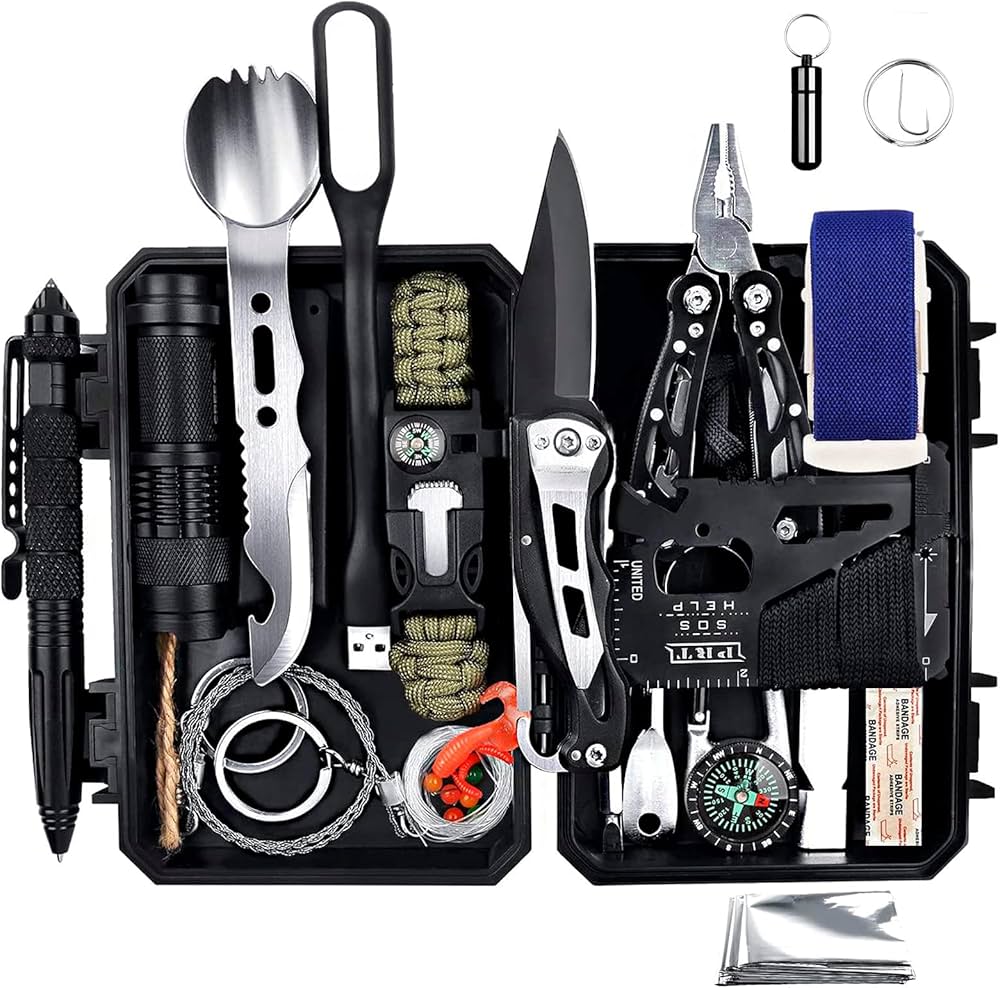
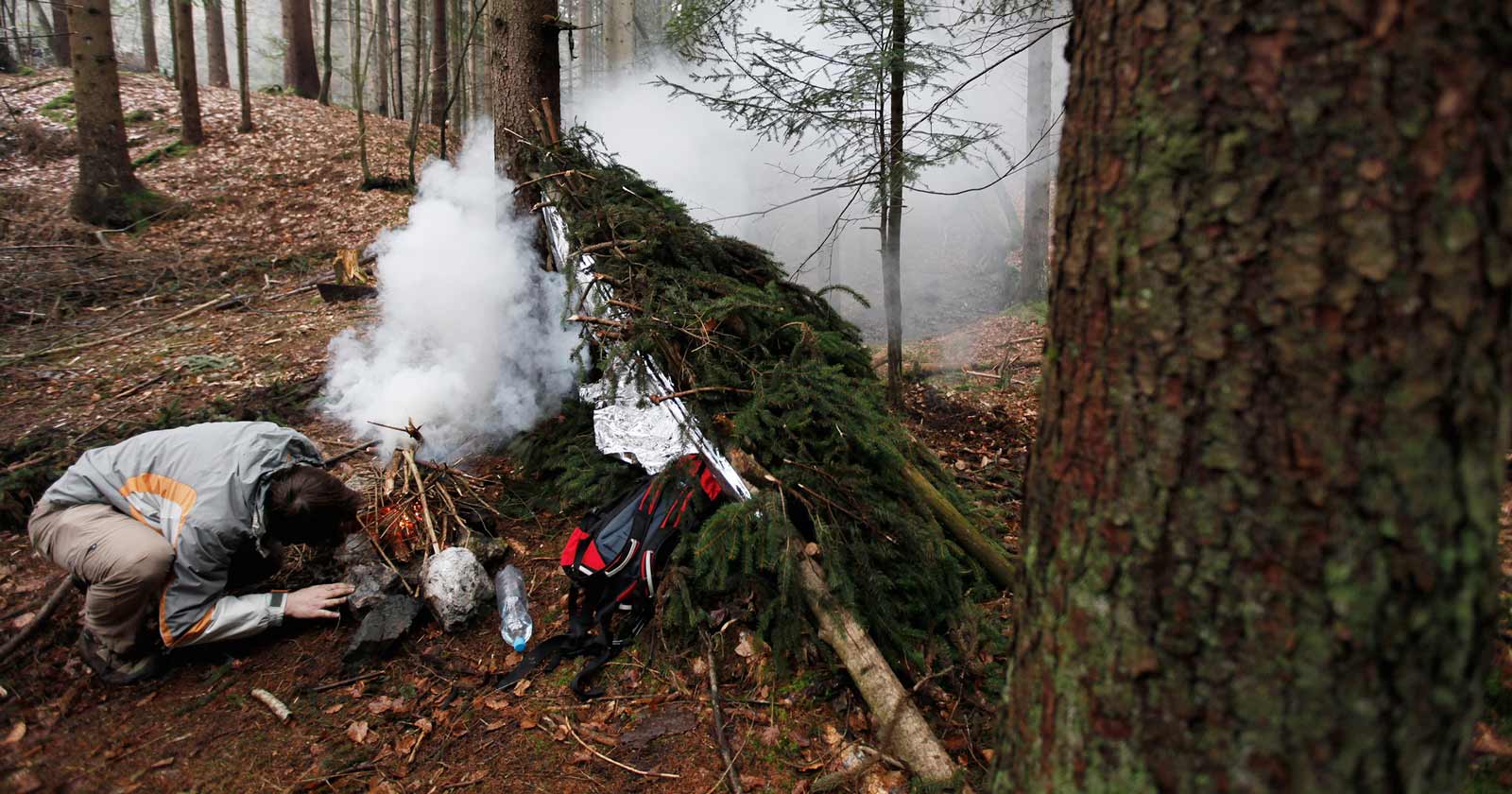



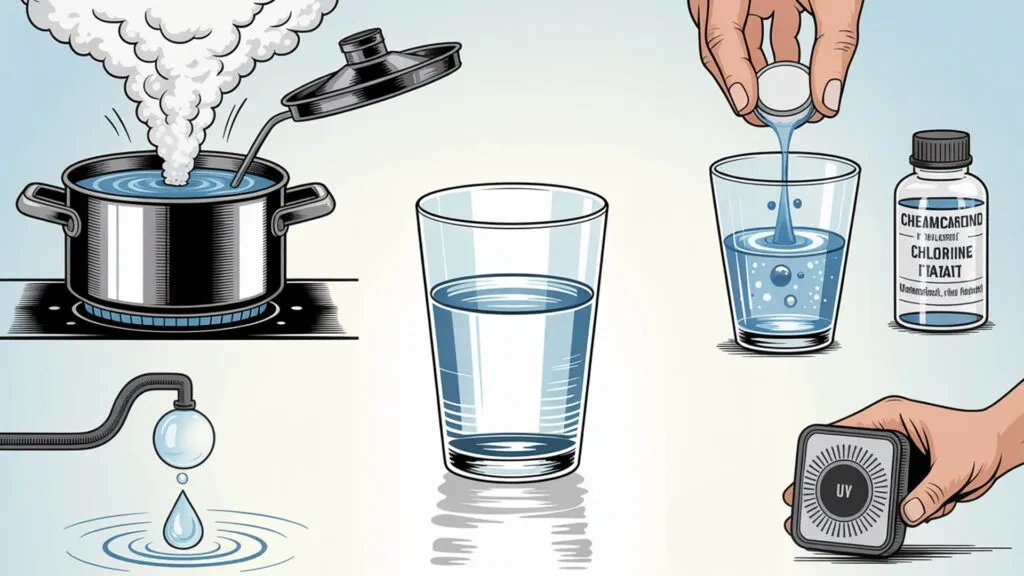
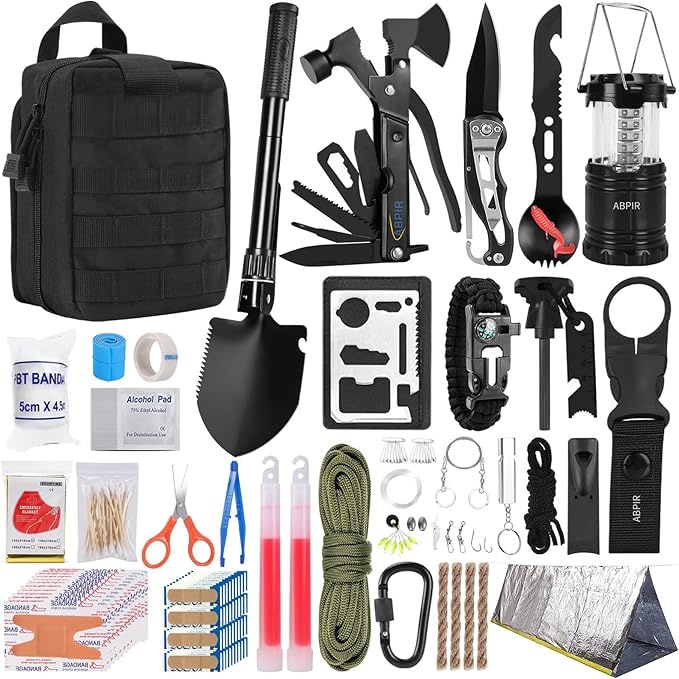



Tags
📧 Get More Articles Like This
Subscribe to receive product reviews and buying guides in your inbox!
We respect your privacy. Unsubscribe at any time.