Survival Myths That Will Get You Killed: Fact vs Fiction
TABLE OF CONTENTS
- Introduction: When Hollywood Myths Meet Wilderness Reality
- The Deadly Truth About Temperature Extremes
- Water and Hydration Misconceptions
- Navigation Myths That Lead You Astray
- Wildlife Encounter Fallacies
- Medical Emergency Myths
- Shelter and Fire Misconceptions
- Psychology and Survival Priorities
- Conclusion: Knowledge Is Your Best Survival Tool
- Frequently Asked Questions
INTRODUCTION: WHEN HOLLYWOOD MYTHS MEET WILDERNESS REALITY
The helicopter blades sliced through the mountain air as the search and rescue team scanned the terrain below for any sign of the missing hiker. Three days had passed since Mark Thompson, an experienced outdoorsman from Colorado, had failed to return from what should have been a simple day hike in Rocky Mountain National Park. When they finally spotted him, huddled beneath a rocky overhang, the paramedics were shocked by what they discovered. Mark had attempted to warm himself by rubbing his frostbitten fingers vigorously, following advice he remembered from a survival show. The result was catastrophic tissue damage that would ultimately cost him parts of three fingers, damage that could have been prevented if he had simply kept his hands immobilized and protected. This true story, documented in a 2024 wilderness medicine journal, represents just one of thousands of cases where survival myths actively contributed to injury or death in emergency situations.
The gap between survival fiction and survival fact has never been more dangerous. Television shows depicting contestants eating insects for sustenance, movies showing heroes sucking venom from snake bites, and viral social media posts sharing ancient wilderness wisdom have created a cultural database of misinformation that fills people’s minds when real emergencies strike. These myths are not merely incorrect; they are actively lethal, causing people to take actions that worsen their situations, waste precious energy and resources, or inflict permanent harm on themselves while believing they are following proper survival protocols. The wilderness does not care about dramatic television ratings or compelling movie plots. It operates according to inflexible physical and biological laws that punish mistakes with unforgiving severity.
Before delving into the details of the article, watch this video about survival myths that might kill you instead of saving you:
Modern search and rescue statistics paint a sobering picture of how these myths play out in actual emergencies. Analysis of over one hundred wilderness survival cases from the past two decades reveals that the majority of preventable deaths and serious injuries resulted from victims following popular survival advice that contradicted established emergency medicine and wilderness safety protocols. A 2025 study by the National Park Service found that hikers who attempted to implement skills learned from survival television shows had significantly worse outcomes than those who simply stayed put and focused on basic needs like maintaining body temperature and signaling for rescue. The entertainment value of rubbing sticks together to make fire or fashioning elaborate shelters from natural materials means nothing when hypothermia is setting in or when you have become dangerously dehydrated.
Research published by National Geographic examines why some lost hikers survive while others perish despite similar conditions. Analysis of rescue case studies reveals that successful outcomes correlate strongly with specific behaviors rather than advanced survival skills.
The human mind is remarkably susceptible to accepting survival myths because they often contain kernels of truth wrapped in dangerous misinterpretations. The myth that rubbing frostbitten areas restores circulation sounds logical because we know friction generates heat and movement improves blood flow. What this overlooks is the fundamental nature of frostbite: ice crystals have formed inside cells, and any physical manipulation causes these crystals to tear through cell walls like microscopic shrapnel, destroying tissue that might have been saved through proper gradual rewarming. Similarly, the idea of drinking urine to prevent dehydration seems reasonable if you think of urine as just water that has passed through your body, when in reality it is concentrated waste that your kidneys expended significant water to produce and eliminate. Consuming it forces your body to waste even more water processing these toxins again.
Weather patterns across North America have intensified the dangers facing outdoor enthusiasts, with climate data from 2024-2025 showing record temperature extremes, unpredictable storms, and rapid weather transitions that catch hikers unprepared. The Grand Canyon National Park alone recorded a forty-seven percent increase in heat-related emergencies during shoulder seasons when visitors expected mild conditions but encountered temperatures exceeding one hundred degrees Fahrenheit. Meanwhile, unseasonable cold snaps in traditionally temperate regions have created hypothermia situations where hikers assumed extra clothing was unnecessary. These changing conditions mean that survival myths are being tested more frequently and in more varied circumstances, exposing their fundamental flaws with greater regularity.
Heat exposure presents escalating risks that progress from discomfort to medical emergency through predictable stages if not managed proactively. Recognizing early warning signs and implementing cooling strategies before heat exhaustion advances to heat stroke represents critical knowledge for anyone spending time in warm environments.
The psychological dimension of survival myths may be their most insidious aspect. When people find themselves in genuine wilderness emergencies, stress and fear compromise cognitive function, making them more likely to grasp at any remembered information that seems relevant. The survival myths stored in their memories often surface first because they were packaged as entertaining stories that engaged emotional memory systems more effectively than dry safety briefings. A person shivering in the early stages of hypothermia is more likely to remember the dramatic movie scene of the hero rubbing snow on their face to stay alert than they are to recall the actual medical advice that movement should be minimized to conserve heat. This is why debunking these myths is not merely about correcting factual errors; it is about replacing dangerous mental scripts with accurate information that will be accessible when rational thought is compromised.

The stories that emerge from search and rescue operations reveal patterns in how survival myths influence behavior during actual emergencies. Victims frequently report that their initial actions following an accident or after becoming lost were based on survival techniques they had seen performed on television or read about in adventure novels. Only later, as their situations deteriorated, did they realize that these techniques were either ineffective or actively harmful. One rescue coordinator from Alaska Search and Rescue Association noted that the most difficult patients to help are often those who have invested significant effort into implementing survival myths, because acknowledging that their efforts were counterproductive adds psychological trauma to their physical distress. The emotional difficulty of accepting that you made your situation worse can prevent people from changing course even when better options become apparent.
Research into wilderness survival outcomes consistently shows that the simplest approaches produce the best results. Studies analyzing hundreds of survival situations found that people who focused on three basic priorities—maintaining core body temperature, ensuring adequate hydration, and making themselves visible to searchers—had survival rates exceeding ninety percent even in challenging conditions. Those who attempted elaborate survival techniques had significantly lower success rates, often because these activities consumed energy and resources that should have been conserved. A 2024 analysis published in the Journal of Wilderness Medicine found that every hour spent building unnecessary shelters or attempting to procure food in the first seventy-two hours of a survival situation correlated with decreased rescue success and increased injury severity.
The intersection of survival myths and modern technology has created new dangers that compound traditional misunderstandings. Hikers carrying GPS devices and satellite communicators sometimes take greater risks because they believe technology will save them, failing to recognize that electronics fail, batteries die, and signal coverage can be blocked by terrain. This false sense of security has led to an increase in rescues from areas that hikers would have previously avoided due to obvious danger. Simultaneously, the ubiquity of smartphones has created dependency on devices for navigation and weather information, leaving people helpless when these tools become unavailable. The irony is that the same technology that could genuinely help in emergencies through features like location beacons and emergency contacts is often rendered useless because users did not plan for device failure or understand how to operate emergency features under stress.
The transformation of survival knowledge from practical skill to entertainment commodity has had profound effects on public understanding of wilderness emergencies. Survival reality shows prioritize drama and unusual scenarios that make compelling television but bear little resemblance to the situations most people face when lost or injured in the outdoors. The emphasis on exotic food procurement, primitive fire-starting methods, and extreme endurance tests creates the impression that wilderness survival is about testing oneself against nature rather than efficiently managing resources to ensure rescue. This fundamental misunderstanding of what survival actually entails—conserving energy, preventing injury, maintaining hope—leads people to exhaust themselves with unnecessary activities when they should be minimizing movement and focusing on making themselves findable.
THE DEADLY TRUTH ABOUT TEMPERATURE EXTREMES
The human body operates within a remarkably narrow temperature range, and myths about managing extreme temperatures kill more people in wilderness settings than any other category of misinformation. Your core temperature must remain between ninety-seven and ninety-nine degrees Fahrenheit for optimal function, with serious physiological consequences occurring when this range is exceeded in either direction. Hypothermia begins when core temperature drops below ninety-five degrees, while heat stroke occurs when core temperature exceeds one hundred and four degrees. These seemingly small deviations trigger cascading failures in multiple organ systems, and the window for effective intervention is often measured in minutes rather than hours. Understanding what actually happens during temperature emergencies versus what survival myths claim should happen is literally the difference between life and death.
The rubbing frostbite myth represents one of the most dangerous pieces of misinformation in circulation. Frostbite occurs when tissue freezes, forming ice crystals within and between cells. These crystals are sharp at the molecular level, and any movement or manipulation causes them to tear through cell membranes and damage cellular structures that were still viable before the rubbing began. The Wilderness Medical Society’s 2024 clinical practice guidelines explicitly state that frostbitten tissue should never be rubbed, massaged, or manipulated in any way during field treatment. The proper approach is to protect frozen tissue from further cold exposure and avoid thawing unless you can maintain a thawed state continuously, because refreezing causes exponentially more damage than remaining frozen. If thawing is appropriate, it should occur gradually in water heated to between ninety-eight and one hundred two degrees Fahrenheit, never through friction or direct heat application.
The Wilderness Medical Society publishes evidence-based clinical guidelines for managing cold-related injuries in remote settings where immediate hospital care is unavailable. These peer-reviewed protocols represent consensus from leading experts in mountain medicine and reflect current understanding of tissue freezing mechanisms.

The alcohol warming myth kills people every winter in wilderness settings and urban cold exposure situations alike. Alcohol causes vasodilation, meaning blood vessels near the skin surface expand and fill with warm blood from the body’s core. This creates a temporary sensation of warmth that people interpret as their body temperature increasing, when in fact the opposite is occurring. Heat is being transferred from the core, where it is essential for organ function, to the periphery, where it radiates into the environment and is lost. Medical research on hypothermia fatalities consistently identifies alcohol consumption as a significant risk factor because it accelerates heat loss while simultaneously impairing the judgment needed to recognize and respond to dropping core temperature. The warm feeling that prompts people to remove protective clothing or stop moving actually signals that they are entering the early stages of hypothermia.
The misconception about wet clothing and hypothermia risk demonstrates how partial understanding creates dangerous oversimplifications. People often believe that as long as they stay active and generate body heat through movement, wet clothing does not pose a serious threat. This myth ignores the fundamental physics of heat transfer. Water conducts heat away from the body twenty-five times faster than air, meaning wet clothing dramatically accelerates heat loss even during vigorous activity. A hiker who falls into a stream and continues hiking in wet clothes may feel warm from exertion while their core temperature steadily drops. The risk becomes acute when exhaustion forces rest or injury prevents movement, at which point hypothermia can develop within thirty minutes even in temperatures above fifty degrees Fahrenheit. This is why wilderness safety protocols emphasize changing into dry clothing immediately after water immersion, even if you must stop to do so.
The belief that you can tell if someone has hypothermia by checking if they are shivering represents a dangerous misunderstanding of how the condition progresses. Shivering is actually the body’s most effective cold-defense mechanism, capable of increasing heat production by up to five times normal metabolism. However, shivering requires energy, and as the body’s fuel reserves become depleted or core temperature drops below approximately ninety degrees Fahrenheit, shivering ceases. The absence of shivering in a cold person does not mean they are warming up; it means they have progressed to moderate or severe hypothermia where the body can no longer generate heat through this mechanism. At this stage, external rewarming is essential, and victims must be handled gently because rough movement can trigger cardiac arrhythmias that prove fatal. The paradoxical undressing sometimes observed in severe hypothermia victims, where they remove clothing despite freezing temperatures, results from dysfunction in the brain’s temperature regulation centers and is a terminal sign if not immediately treated.
Clinical research on temperature-related injuries has established that hypothermia prevention requires understanding how rapidly core temperature can drop under various conditions. Government health agencies maintain detailed guidelines on recognizing progressive stages of cold exposure and implementing appropriate interventions.
Heat-related illness myths are equally dangerous but receive less attention because they seem less dramatic than cold injuries. The myth that heat stroke victims should be cooled gradually to avoid shock has killed numerous people by delaying the aggressive cooling that represents the only effective treatment. Heat stroke is a medical emergency where core temperature exceeds one hundred four degrees Fahrenheit and the body’s temperature regulation has failed completely. Every minute that passes with elevated core temperature causes progressive damage to brain tissue, liver cells, and kidney function. The
correct treatment is immediate rapid cooling using any means available—cold water immersion, ice packs to major vessels, wet sheets with fanning—with the goal of dropping core temperature to one hundred two degrees as quickly as possible. The concern about cold shock is unfounded; the real danger is the ongoing cellular destruction occurring while body temperature remains elevated.
National weather service research demonstrates that extreme heat events are becoming more frequent and intense across all regions. Understanding heat-related illness progression from mild heat exhaustion to life-threatening heat stroke enables proper assessment of when aggressive cooling becomes medically necessary.
The sun exposure myth that darker skin provides sufficient protection against heat illness demonstrates how cultural assumptions override medical reality. While melanin does provide some protection against UV radiation damage, it offers minimal defense against heat-related illness. Heat stroke occurs when the body cannot dissipate heat faster than it is being produced or absorbed, and skin pigmentation has virtually no effect on this thermal balance. Studies of military personnel in desert environments show that heat casualties occur across all skin tones when proper hydration and heat management protocols are not followed. The myth is particularly dangerous because it can lead people to underestimate their vulnerability and skip essential precautions like adequate water intake and regular rest periods in shade.
The misconception that eating snow provides adequate hydration without energy cost fails to account for the thermodynamic reality of converting ice to usable water inside the body. Melting one kilogram of snow requires approximately eighty calories of energy and produces less than one liter of water, often with insufficient volume to prevent dehydration. The body must heat the snow from subzero temperatures to core temperature, expending precious energy reserves that are already compromised in cold-weather survival situations. Additionally, putting snow directly in the mouth can cause cold injury to oral tissues and accelerate core temperature drop through conductive heat loss. The wilderness survival protocol is to melt snow externally when possible, either through fire or by placing containers inside clothing to use body heat, drinking only after the water has reached near-ambient temperature.
Federal land management agencies emphasize that wilderness travelers must understand environmental challenges specific to remote areas. Resources about backcountry preparedness address hydration strategies that account for both energy conservation and water acquisition in various conditions.
WATER AND HYDRATION MISCONCEPTIONS
The clear water myth stands as one of the most dangerous pieces of wilderness misinformation because it directly contradicts what we can observe with our own eyes. Crystal-clear mountain streams flowing through pristine wilderness areas appear so pure that drinking from them seems not just safe but natural. This visual assessment ignores the microscopic reality of waterborne pathogens that thrive in these environments. Giardia lamblia, the parasite responsible for most wilderness-acquired gastrointestinal illness, is completely invisible without magnification and can survive in water that meets every visual criterion for purity. A single organism measuring only ten micrometers can establish an infection that manifests seven to fourteen days after exposure with severe diarrhea, cramping, and dehydration that becomes life-threatening in wilderness settings where medical care is inaccessible.

The running water safety myth compounds the clear water fallacy by adding the false criterion of movement. People believe that flowing water self-purifies through oxygenation and that stagnant water is inherently more dangerous. While it is true that standing water can concentrate certain pathogens and provide breeding grounds for vectors like mosquitoes, flowing water offers no protection against the organisms most dangerous to humans in wilderness settings. Giardia cysts are remarkably resilient, surviving for months in cold mountain streams and remaining viable through the mechanical action of flow. Studies of wilderness water sources show comparable pathogen levels in flowing and standing water when both are contaminated by wildlife feces, which is essentially universal in any ecosystem with mammal populations.
The natural immunity myth suggests that people who regularly drink from wilderness water sources develop resistance to waterborne illness. This dangerous misconception conflates true immunological adaptation, which does occur for some pathogens, with the reality that giardiasis can infect the same person multiple times without conferring significant immunity. The human immune system does develop some response to repeat Giardia infections, potentially reducing symptom severity, but this partial protection does nothing to prevent the initial infection or the serious complications that can occur in wilderness settings. Moreover, the myth encourages risk-taking based on false confidence, leading experienced outdoors people to skip water purification protocols that would protect them and their companions. The truth is that water purification should be universal, regardless of perceived exposure history or water source appearance.
The urine drinking myth resurfaces regularly in survival discourse despite consistent scientific evidence of its danger. Proponents argue that desperate situations require desperate measures and that the water content in urine makes it preferable to complete dehydration. This reasoning fails to account for why urine exists in the first place. Your kidneys filter blood to remove waste products, excess salts, and toxins, concentrating these substances in urine for elimination. The water in urine is not lost water; it is the vehicle your body used to carry away waste. Drinking it reintroduces these waste products, forcing your kidneys to process them again using even more water than was in the original urine. The net result is accelerated dehydration plus the accumulation of toxic substances in your bloodstream. Medical case studies of individuals who attempted urine consumption during survival situations show universally negative outcomes, with increased mortality compared to those who endured dehydration without consuming urine.
The myth that certain plants or natural materials can purify water through filtration demonstrates dangerous oversimplification of water treatment science. Social media posts regularly suggest using charcoal, sand, cloth, or specific plants to filter water to potability. While these materials can remove some particulates and improve water clarity, they provide essentially zero protection against microscopic pathogens. Bacteria measure one to three micrometers, while many viruses are smaller than one hundred nanometers. No improvised filtration system using natural materials can reliably remove organisms this small. The only field-expedient purification methods proven effective are boiling water for at least three minutes, using commercial filters rated to remove organisms smaller than one micrometer, treating with iodine or chlorine tablets per manufacturer instructions, or using ultraviolet purification devices. Everything else is safety theater that provides false confidence while allowing pathogen transmission.
The dehydration timeline myth suggests that you have days before water becomes critical, following the survival rule of threes: three minutes without air, three days without water, three weeks without food. While this sequence correctly ranks survival priorities, it drastically understates how quickly dehydration compromises function in active wilderness scenarios. The three-day figure applies to relatively inactive people in moderate conditions. In hot weather with physical activity, dehydration begins impairing physical and cognitive performance within hours, and life-threatening dehydration can develop in under twenty-four hours. Heat stress, altitude, cold-induced diuresis, and diarrhea from contaminated water all accelerate fluid loss beyond baseline rates. The myth becomes dangerous when people prioritize other activities over establishing reliable water sources during the critical first day of a survival situation.
The water from plants myth creates unrealistic expectations about hydration from vegetation. Survival literature often describes obtaining water from vines, cacti, or bamboo, which is technically possible but practically challenging and potentially dangerous. Many plant species that contain water also contain compounds that cause illness, from mild gastrointestinal distress to serious poisoning. Identifying safe water-bearing plants requires expert-level botanical knowledge that few people possess, and mistakes can add medical emergencies to existing survival stress. Even when correctly identified, the water yield from plants is often disappointing, requiring significant effort to extract small volumes that may not offset the energy and time expended. The better strategy in almost all situations is locating surface water and purifying it rather than attempting to extract water from vegetation.
Shop on AliExpress via link: wholesale-water-filter-outdoor
NAVIGATION MYTHS THAT LEAD YOU ASTRAY
The moss on north side of trees myth represents perhaps the most famous piece of flawed navigation advice in survival lore. This myth suggests that moss preferentially grows on the north side of trees in the Northern Hemisphere due to reduced sun exposure and increased moisture on that side. The ecological reality is far more complex. Moss growth patterns are determined by multiple environmental factors including prevailing wind direction, local topography, proximity to water sources, species-specific moisture requirements, and microclimate variations that have nothing to do with cardinal directions. A comprehensive study of moss distribution in temperate forests found no consistent relationship between moss location and tree orientation. In dense forests, moss often grows circumferentially around entire tree trunks wherever conditions support it. Near streams or on hillsides, moss reliably indicates the direction of moisture gradient, which may be any direction depending on local geography. Using moss for navigation has led numerous hikers deeper into wilderness when they confidently followed their “north” only to find themselves traveling in circles or away from trails.

The follow water downstream myth sounds logical because civilization often develops along waterways, but this advice has directly contributed to numerous search and rescue emergencies and several deaths. The problem is that streams do not follow gentle, hikeable routes. They follow gravity through the path of least resistance, which often means steep gorges, waterfalls, and terrain that becomes increasingly difficult and dangerous as flow volume increases downstream. Hikers following streams find themselves funneled into narrow canyons where escape is impossible without technical climbing equipment. The vegetation near streams often grows densely due to available water, creating impenetrable thickets that force travelers into the streambed itself, where slippery rocks and cold water increase injury risk. The better survival strategy is moving to high ground or open areas visible from the air, staying put to conserve energy, and making yourself maximally visible to aerial searchers rather than wandering through difficult terrain following water.
The navigation by stars myth assumes clear nights and sufficient astronomy knowledge that most people do not possess. While it is true that Polaris indicates north in the Northern Hemisphere and the Southern Cross provides directional information in the Southern Hemisphere, actually using these stellar landmarks requires practice and clear skies. Cloud cover, forest canopy, and terrain features often obscure star viewing precisely when people most need navigation assistance. Moreover, knowing which direction is north provides little help if you do not know your starting location or the direction to safety. In wilderness emergencies, energy conservation and staying findable should take priority over attempting to navigate out, especially at night when moving is both dangerous and inefficient. The few calories burned shivering while stationary are far preferable to the many calories expended struggling through difficult terrain in darkness based on celestial navigation you may be interpreting incorrectly.
Outdoor retail organizations provide expert guidance on essential wilderness safety practices developed in consultation with search and rescue professionals. Their educational resources cover the fundamental skills that prevent emergencies and improve outcomes when problems do occur.
The map and compass infallibility myth creates false confidence in tools that are only as good as the user’s skill and the accuracy of current information. Maps can be outdated, showing trails that no longer exist or missing recent changes in terrain. Compass readings can be affected by magnetic anomalies, nearby metal objects, or electronic devices. More fundamentally, even perfect tools require competent use. Many hikers carry maps and compasses but lack the skills to properly orient a map to terrain, triangulate their position, or account for magnetic declination. When lost, they make navigation decisions based on flawed readings that increase their displacement from known locations. The myth is not that maps and compasses are useless—they remain vital wilderness tools—but that possession equals capability. Actual navigation skill requires practice, and in emergency situations, staying put with your map and compass is often smarter than attempting to navigate out with incomplete skills.
The GPS infallibility myth reflects technology dependence that fails in wilderness contexts. GPS devices require battery power, satellite signal reception, and sometimes functioning infrastructure that may not exist in remote locations. Trees, canyon walls, and weather can block satellite signals. Batteries die faster in cold temperatures. Software can malfunction or provide incorrect information if maps are outdated. The most dangerous aspect of GPS dependence is that it encourages people to venture into terrain they would otherwise avoid, believing technology will compensate for inadequate preparation. When devices fail, users often lack backup navigation skills or paper maps. The 2025 data from national parks shows that GPS-related rescues have increased as hikers follow device directions into dangerous situations without questioning whether the suggested route matches real-world conditions.
The universal trail marking myth assumes that all wilderness paths are clearly marked with consistent symbols that any hiker can follow. Reality is far messier. Different agencies use different marking systems. Blazes can be faded, missing, or damaged. Social trails created by other hikers look legitimate but lead nowhere useful. In some wilderness areas, minimal marking is intentional policy to preserve primitive character. Hikers expecting obvious trail markers panic when they cannot find them, leading to poor decisions made from anxiety rather than assessment. The safe approach is studying trail descriptions before trips, carrying detailed maps, and understanding that in genuine wilderness, trails may be faint or intermittent. When markers are unclear, staying on the main worn path and avoiding improvised shortcuts prevents most navigation errors.
WILDLIFE ENCOUNTER FALLACIES
The play dead for all bears myth has caused numerous serious injuries and some fatalities by prescribing a universal response to what are actually three distinctly different scenarios. Black bears and grizzly bears are separate species with different behaviors, and attacks can be defensive or predatory regardless of species. Playing dead is appropriate only for defensive attacks by grizzly bears, which occur when you surprise a bear protecting cubs or a food source. In these cases, the bear’s goal is to neutralize you as a threat, and passive non-resistance signals that you pose no danger. However, black bear attacks are rarely defensive. When a black bear attacks, it is typically predatory, meaning the bear views you as potential food. Playing dead during a predatory attack by any bear species encourages continued attack. The correct response to black bears is aggressive defense—making noise, fighting back, and appearing dangerous. The lethal confusion occurs when people cannot identify bear species or attack type in the moment, leading them to play dead when they should fight or vice versa.
The run from predators myth contradicts every piece of scientific understanding about predator psychology. Running triggers chase instincts in virtually all predatory mammals because fleeing behavior signals prey status. Predators are hardwired to pursue movement, and humans cannot outrun wildlife. Even relatively slow predators like bears can reach speeds exceeding thirty miles per hour for short distances. Mountain lions can sprint at fifty miles per hour. When you run, you transform yourself from ambiguous object to identified prey, often triggering an attack that might not have occurred if you had remained still or backed away slowly. The proper response to most predator encounters is making yourself large, avoiding direct eye contact which can be perceived as challenge, and slowly creating distance without turning your back. Backing away while facing the animal and speaking in calm, firm tones usually results in the predator choosing to disengage rather than escalate to attack.

The universal food for thought myth that you can determine plant edibility by observing what wildlife eats demonstrates fundamental misunderstanding of comparative biology. Birds have crops and gizzards that allow them to safely consume berries toxic to mammals. Deer possess specialized bacteria in their multi-chambered stomachs that break down compounds that would kill humans. Many plants have evolved defense compounds targeting specific predator groups, meaning a plant safely consumed by one species may be deadly to another. Poison hemlock, which killed Socrates, resembles Queen Anne’s lace and is eaten by some bird species without harm while causing respiratory paralysis in humans through alkaloids that affect our nervous systems differently. The only safe approach to plant identification is expert knowledge of local flora, preferably verified through multiple reliable sources, and when in doubt, avoiding consumption entirely. Starvation is rarely the immediate threat in wilderness survival situations; poisoning from misidentified plants creates new emergencies requiring treatment you cannot provide.
The snake behavior myth suggests that snakes chase people aggressively, promoting panic responses that increase bite risk. Venomous snakes do not hunt humans and strongly prefer to avoid confrontation. When encountered, most snakes attempt to flee or remain motionless relying on camouflage. The handful of cases where snakes seem to approach humans usually involve the snake moving toward cover that happens to be near the person, or defensive bluff charges from species like cottonmouths that rarely result in actual contact. The mythology of aggressive snakes causes people to jump or run when they see snakes, precisely the sudden movements most likely to startle the snake into defensive striking. The safe protocol is freezing immediately upon seeing a snake, then slowly backing away to create distance. Most snake bites occur when people deliberately handle snakes or inadvertently step on them. Simply giving snakes space and escape routes prevents almost all strike events.
The animal attack fighting strategy myth oversimplifies responses that must be tailored to specific species and situations. The advice to punch a shark’s nose sounds heroic but requires getting close to the very jaws you want to avoid while your punches are slowed by water resistance. The reality is that shark attacks often occur with such speed that deliberate targeting is impossible, and the most effective defense is protecting vital areas by curling into a ball if pulled underwater. Similarly, the myth that you should aim for an animal’s eyes during an attack sounds logical but is nearly impossible to achieve when being mauled by a fast-moving predator. Most successful defense involves protecting your head and neck with your arms while using any available objects as weapons or shields. The specifics vary dramatically by species, situation, and available resources, making universal fighting advice worse than useless because it creates false confidence in techniques unlikely to work.
Fire-starting capability represents one of the few universal survival priorities that applies across virtually all outdoor emergency scenarios. Evaluating different ignition methods based on reliability, weather resistance, and ease of use under stress helps identify which fire-starting tools justify their weight in emergency kits.
The garbage and scent-free camping myth suggests that keeping food sealed prevents all wildlife encounters. While proper food storage is essential and dramatically reduces wildlife interaction likelihood, it addresses only one attraction. Animals are drawn by non-food scents including toiletries, sunscreen, insect repellent, and even scented lip balm. They investigate unusual objects out of curiosity, not just hunger. A meticulously clean camp can still receive visits from animals attracted by detergent residue on clothing, curiosity about colorful tent fabric, or territorial inspection of their range. The complete protocol requires proper food storage in bear canisters or hung bags, but also awareness that human presence itself attracts wildlife attention. Making noise while moving through wildlife habitat, camping away from game trails and water sources, and storing all scented items properly creates defense in depth rather than relying on a single measure that addresses only one attractant.
MEDICAL EMERGENCY MYTHS
The suck venom myth ranks among the most persistent and dangerous pieces of first aid misinformation despite decades of medical evidence against it. The outdated practice assumes that venom remains localized at the bite site long enough for oral suction to remove meaningful quantities before systemic circulation begins. Physiological reality contradicts this assumption. Venomous snakes inject their toxins directly into tissue and often into blood vessels. Venom begins circulating immediately through lymphatic drainage and blood flow, making surface extraction impossible after the first few seconds. Attempting to suck venom introduces new problems: oral bacteria that can cause serious wound infections, tissue damage from the sucking pressure that increases venom spread through damaged lymphatic channels, and time wasted on ineffective treatment when proper protocols demand immediate evacuation to medical care. Studies measuring venom removal through suction devices showed less than one-thousandth of injected venom could be extracted, an amount with zero clinical significance. The proper snakebite protocol is keeping the victim calm to slow circulation, immobilizing the affected limb slightly below heart level, removing jewelry before swelling begins, marking the swelling edge to track progression, and arranging emergency evacuation while avoiding any manipulation of the bite site.
Common camping mistakes often stem from assumptions about outdoor recreation that seem reasonable until they fail during actual emergencies. Learning which widespread practices actually increase risk rather than reducing it helps outdoor enthusiasts avoid preventable accidents.
Understanding what actions to take during the critical first day after becoming lost can mean the difference between a quick rescue and a prolonged ordeal. The initial twenty-four hours establish patterns that either aid search efforts or complicate them, making immediate proper response essential.
The tourniquets for bleeding myth reflects outdated military medicine that has been superseded by current evidence-based protocols. The concern was that tourniquets left in place too long caused tissue death requiring amputation, leading to widespread teaching that they should be last resort only. Modern combat medicine research has dramatically revised this understanding. Properly applied tourniquets can remain in place for several hours without causing irreversible damage, and they save lives in situations where direct pressure cannot control hemorrhage. However, the pendulum has swung too far in some wilderness first aid teaching that now recommends tourniquets too quickly. The correct protocol is attempting direct pressure first for limb bleeding, using wound packing if available, and escalating to tourniquet only when direct pressure fails to control life-threatening hemorrhage. Tourniquet application requires proper technique: placed on the limb bone close to the injury site but not directly over a joint, tightened until bleeding completely stops, with time of application marked on the victim and the tourniquet never loosened in the field. Partial tourniquets that reduce but do not stop arterial flow are dangerous because they prevent venous return while allowing continued arterial bleeding.
The CPR interruption myth suggests that starting CPR creates an obligation to continue until medical professionals arrive or you are physically unable to continue. This absolutist approach ignores wilderness context where rescue may be days away and rescuers must balance saving one person against endangering themselves or others through exhaustion. Wilderness medicine protocols specifically address this with different standards than urban first aid. CPR is appropriate when cardiac arrest is witnessed and occurs from causes that might be reversible with resuscitation, such as hypothermia, drowning, or lightning strike. It is not indicated when the victim is obviously deceased with signs like dependent lividity, rigor mortis, or incompatible-with-life injuries. In wilderness settings, performing CPR creates significant physical burden on rescuers who must maintain adequate compression depth and rate, which is exhausting. The wilderness protocol allows stopping CPR after thirty minutes if there is no return of spontaneous circulation, no shockable rhythm on AED, and continued CPR would compromise the safety of surviving party members. This is one of the hardest decisions people face, but continuing futile CPR that exhausts rescuers and prevents them from getting other survivors to safety serves no one.
The wound closure myth promoted by adventure movies shows heroes stitching their own lacerations or using superglue to seal injuries in the field. The reality is that wilderness wound management focuses on bleeding control and infection prevention, not closure. Wounds closed in non-sterile conditions trap bacteria inside, creating ideal environments for serious infections including tetanus and necrotizing fasciitis that are far more dangerous than open wounds. The proper field treatment for lacerations is thorough irrigation with clean water to remove debris, application of antibiotic ointment if available, sterile dressing to protect the wound, and leaving closure to medical professionals who can properly debride dead tissue, ensure complete cleaning, and use sterile technique. The only wilderness scenario where wound closure is appropriate is when large wounds require temporary closure to control bleeding during evacuation, and even then, the preferred method is wound edge approximation with tape rather than sutures that penetrate tissue and create additional infection risks.
Selecting appropriate cutting tools for wilderness situations involves understanding blade characteristics that serve multiple emergency functions. From processing kindling to first aid applications, having a reliable knife designed for outdoor use provides capabilities that improvised tools cannot match.
The hypothermia treatment with alcohol myth persists despite being precisely backwards from proper care. People believe that alcohol’s warming sensation will help hypothermic victims recover. In fact, alcohol dramatically worsens hypothermia through multiple mechanisms. It causes peripheral vasodilation that increases heat loss from core to periphery and environment. It impairs judgment and coordination, making self-care more difficult. It provides empty calories that do not contribute to thermogenesis. Most dangerously, it creates a false sensation of warmth that may cause victims to remove protective clothing or refuse proper treatment. The actual treatment for mild to moderate hypothermia is moving the victim to shelter, replacing wet clothing with dry insulation, providing warm sweet drinks if they are alert and able to swallow, applying heat to core areas like chest and groin using warm water bottles or heat packs wrapped to prevent burns, and avoiding rough handling that could trigger cardiac arrhythmia. Severe hypothermia requires professional medical care with controlled rewarming to prevent afterdrop and circumrescue collapse that can cause fatal cardiovascular events.
SHELTER AND FIRE MISCONCEPTIONS
The elaborate shelter building myth promoted by survival television wastes precious time and energy on constructions that provide minimal benefit over simple improvements to natural shelters. The primitive lean-to or debris hut featured in survival shows looks impressive and demonstrates bushcraft skills, but building these structures from scratch requires hours of work that consumes calories and creates injury risk through cutting, carrying, and construction. The better wilderness shelter strategy is using existing features that provide protection with minimal modification. A large fallen tree, rock overhang, or dense evergreen grove can be enhanced with basic improvements in a fraction of the time required for new construction. The priorities are insulation from ground cold, wind protection, and overhead cover if precipitation threatens. A simple insulation layer of evergreen boughs, leaves, or a space blanket laid on the ground addresses the primary heat loss mechanism. A tarp or emergency blanket rigged to block wind provides significant temperature benefit. These improvements take minutes rather than hours, preserving energy and avoiding injury while achieving the functional goal of maintaining core temperature.
The fire as first priority myth stems from fire’s psychological comfort and practical utility, but elevating it to absolute priority creates problems in many survival scenarios. Yes, fire provides warmth, water purification through boiling, signaling capability, and morale benefit. However, fire starting in wet conditions or with limited materials can be time-consuming and frustrating, pulling focus from more critical needs like finding shelter before dark or addressing injuries. In some situations, fire is impractical or dangerous due to high winds, fire restrictions, or lack of fuel. The actual priority hierarchy is protecting core temperature through shelter and insulation, securing water, making yourself visible to searchers, and then fire if conditions permit. A person who spends four hours trying to start fire in the rain while neglecting to insulate themselves from the cold ground may develop hypothermia despite their eventual success with fire, whereas someone who prioritized insulation first remains functional even without flame.
The fire location myth suggests that building fires on high points makes them more visible to searchers. While visibility is important for signal fires, the location choice involves tradeoffs that television often ignores. High exposed locations suffer from stronger winds that make fire starting and maintenance difficult, consume fuel faster, and increase cold stress on the survivor waiting beside the fire. They often lack nearby fuel sources, requiring exhausting trips to carry wood uphill. The better strategy is establishing a main fire in a protected location near fuel supplies and maintaining body temperature, with a separate signal fire prepared in an open area that can be quickly ignited when aircraft are heard or seen. This prepared signal fire consists of dry kindling and fuel arranged ready to light, with green vegetation or other smoke-producing materials ready to add once ignition is achieved. The few seconds saved by having your main fire already at the signal location do not offset the hours of misery spent exposed to wind while trying to maintain it there.
The universal fire-starting technique myth suggests that the friction method of rubbing sticks together is reliable and universally applicable. In reality, friction fire starting requires specific wood species, precise technique, dry materials, significant physical exertion, and considerable practice. The bow drill or hand drill methods featured in survival media work beautifully when demonstrated by experts using ideal materials and conditions. They fail miserably when attempted by novices using whatever wood happens to be available while already stressed and cold from an emergency situation. The mythical reliability of friction fire methods has left numerous people exhausted from futile attempts when they should have been focusing on other survival priorities. The practical approach is carrying reliable ignition sources—disposable lighters, waterproof matches, ferrocerium rods—on every wilderness trip, with friction methods reserved for practice scenarios and ideal conditions rather than emergency dependence.
Shop on AliExpress via link: wholesale-survival-lighter
The fire size myth promoted by campfire culture suggests bigger fires are better. Large bonfires consume fuel rapidly, create sparks that can ignite wildfires or burn clothing, and produce more heat than a person can effectively use because you can only be on one side at a time. The efficiency principle in fire management is building appropriately sized fires that balance heat output against fuel consumption. A small fire built in a reflector configuration with rocks or a natural alcove can provide more useful warmth than a large fire in an open location because the reflector directs heat toward you rather than losing it to the surrounding environment. Similarly, a long narrow fire built parallel to your sleeping position provides even warmth along your body length, whereas a circular campfire leaves one side warm and the other cold. These configurations require less fuel gathering, allow you to conserve energy, and reduce safety risks from large flames.
PSYCHOLOGY AND SURVIVAL PRIORITIES
The panic is your enemy myth oversimplifies the complex psychological response to emergencies by treating all anxiety as harmful when appropriate fear actually serves survival purposes. The advice to “never panic” creates secondary stress by adding feelings of failure when natural fear responses occur. The reality is that initial fear provides the adrenaline surge that enables rapid physical response and heightened awareness. The problem is not fear itself but uncontrolled panic that leads to poor decisions. The useful reframing is recognizing fear as information about danger that should be processed rather than suppressed. The psychological technique is not eliminating fear but channeling it through structured decision-making. When you feel panic rising, the protocol is stopping all movement, sitting down to prevent impulsive flight, taking deliberate slow breaths to manage the physiological stress response, and then systematically assessing your situation using frameworks like shelter, water, signals, and injury check. This transforms panic energy into productive analysis rather than trying to wish fear away.
The positive mental attitude myth suggests that optimism alone significantly improves survival outcomes, when research shows the relationship is more nuanced. Excessive optimism can be as dangerous as despair because it prevents realistic threat assessment and appropriate caution. The survivorship bias in rescue stories emphasizes positive attitude because dead people cannot be interviewed about their mindset, creating false impression that optimism causes survival rather than both being results of favorable circumstances. The research that does exist suggests that mental flexibility and realistic planning matter more than fixed emotional states. People who survive long ordeals typically report oscillating between hope and despair, with the critical factor being continued action toward survival goals rather than sustained emotional positivity. The dangerous optimism appears in cases where overconfidence led to poor decisions, such as believing rescue was imminent and therefore not conserving resources or failing to prepare for potential long-term survival needs.
The alone is most dangerous myth stems from obvious benefits of group survival but ignores significant psychological and practical advantages of solo survival. Groups can provide shared skills, combined physical capacity, mutual support, and better decision-making through consultation. However, groups also create social pressure to keep moving when rest is needed, consensus difficulties that delay critical decisions, resource competition, and injury care burden where helping one person may endanger others. Solo survivors make independent decisions without social negotiation, conserve resources that only support one person, move at their own optimal pace, and face clearer accountability for their situation. Accident analysis shows that poor group dynamics contribute to many wilderness emergencies, with decisions driven by group pressure rather than individual judgment. The myth makes solo hiking seem inherently dangerous when proper preparation and protocols make it safely manageable, while the opposite myth that groups guarantee safety leads to risky behavior among people who believe companions will compensate for individual inadequacy.

The finding way out myth suggests that self-rescue through navigation should be the primary goal after becoming lost. This myth has directly contributed to numerous search and rescue operations becoming more difficult and several deaths when people wandered further from their last known location. The statistical reality is that most people who become lost and stay put are found within seventy-two hours, whereas those who attempt to navigate out significantly decrease their chances of timely rescue while increasing injury risk through travel. The stay put protocol works because search and rescue teams use systematic grid searches radiating from last known locations, and they interview people who might have encountered you to establish search corridors. When you move, you exit these search areas and create an expanding search zone that may exceed available rescue resources. The exceptions where self-rescue makes sense are when you have definitive knowledge of nearby road or trail location, possess navigation skills and tools, have no injuries limiting mobility, and conditions allow safe travel. In most actual lost-hiker scenarios, none of these conditions exist.
The food procurement priority myth reflects television survival content emphasizing hunting, fishing, and foraging when these activities rarely affect survival outcomes in typical wilderness emergencies. The human body has remarkable fat reserves that sustain life for weeks without food, and starvation is almost never the limiting factor in search and rescue situations. The average person carries enough body fat to survive more than thirty days without eating, whereas dehydration kills in three days and hypothermia kills in three hours under certain conditions. Spending precious energy stalking game or processing plant materials depletes reserves that should be conserved for maintaining core temperature and signaling rescue. The psychological satisfaction of eating can boost morale, but this must be weighed against energy expended and risk involved in food acquisition. The rare exception where food procurement becomes survival-critical is in prolonged survival situations extending beyond two weeks, which represent a tiny fraction of actual wilderness emergencies.
CONCLUSION: KNOWLEDGE IS YOUR BEST SURVIVAL TOOL
The fundamental lesson emerging from analysis of survival myths is that entertainment value stands in direct opposition to practical utility in wilderness emergencies. Every dramatic technique featured in survival television exists because it creates compelling viewing, not because it represents optimal strategy. The producer’s incentive is maximizing audience engagement through novelty and suspense, requirements that explicitly reward unusual approaches over proven protocols. This structural misalignment means that popular survival content cannot be trusted as educational resource regardless of how credible the instructor appears or how realistic the scenarios seem. The viewing public lacks framework to distinguish between techniques that look impressive on camera and practices that actually save lives in the field. This knowledge gap becomes deadly when people encounter genuine emergencies and their mental database of survival information consists primarily of entertainment rather than education.
The survival reality that emerges from comprehensive analysis of rescue statistics and wilderness medicine research is startlingly simple compared to myth-based complexity. Most people who survive wilderness emergencies do so by executing three basic protocols: establishing protection from temperature extremes through shelter or insulation, securing water through purification of available sources, and making themselves maximally visible to searchers through signals and staying in obvious locations. None of these protocols require advanced skills or dramatic techniques. They demand only knowledge, preparation, and disciplined execution of straightforward procedures. The statistical survival benefit of these basic practices vastly exceeds any advantage gained from exotic food procurement, primitive fire starting, or elaborate shelter construction. Yet these fundamental life-saving protocols receive minimal attention in popular survival media precisely because they lack the dramatic flair that drives viewer engagement.
The planning phase before wilderness travel represents the highest-leverage opportunity to prevent survival situations from occurring and to improve outcomes when they do happen. Telling someone your plans with specific return time creates a safety net that initiates rescue when you fail to check in, dramatically reducing time between becoming lost and searchers beginning their work. Carrying proper clothing for worst-case weather rather than expected conditions provides protection when situations deteriorate. Packing the ten essentials including navigation tools, first aid supplies, fire starting capability, and emergency shelter creates capability to manage problems before they become crises. None of these preparations appear exciting or generate social media interest, yet they collectively represent more survival value than any collection of wilderness skills demonstrated without them. The unsexy truth is that survival success is primarily determined before entering the wilderness through preparation and planning rather than through dramatic improvisation during emergencies.
Building comprehensive emergency supply kits represents one of the most practical steps anyone can take to prepare for unexpected situations. Whether assembling car emergency supplies or backpacking equipment, having the right tools immediately accessible transforms potential crises into manageable challenges that can be addressed systematically rather than desperately.
The current trajectory of survival information in digital media creates concerning future prospects. The algorithms that determine content visibility explicitly reward novelty and engagement over accuracy and utility. A video demonstrating proper hypothermia prevention through correct layering and insulation will be buried beneath videos showing extreme cold-weather challenges or unconventional warming techniques precisely because the former is useful but boring while the latter is dangerous but entertaining. This creates evolutionary pressure favoring misinformation that reaches larger audiences and becomes more deeply embedded in collective understanding. The solution requires conscious effort by viewers to seek authoritative sources including wilderness medicine textbooks, search and rescue training materials, and content from qualified instructors teaching in educational rather than entertainment context. The literacy required is recognizing that survival content without boring parts is probably survival entertainment rather than survival education.
Comparing different survival contexts reveals that skills applicable in wilderness areas may not transfer effectively to urban emergencies. Understanding which capabilities are universal versus environment-specific helps people prepare appropriately for the scenarios they are most likely to encounter.
The integration of survival knowledge with general wilderness competency represents the appropriate framework for understanding these skills. Survival situations emerge from the intersection of inadequate preparation, poor decision-making, and unfortunate circumstances rather than from planned testing of extreme skills. The prevention approach is developing thorough wilderness competency including trip planning, physical conditioning, navigation skill, weather interpretation, and judgment that keeps you from entering survival situations in the first place. When prevention fails and survival situations occur despite preparation, the skills that matter are basic thermoregulation, hydration management, wound care, and rescue signaling rather than primitive living techniques. This framework reorients survival from entertainment category to component of comprehensive outdoor competency that includes knowing your limits, recognizing hazards, and maintaining safety margins that prevent emergencies from developing.
The personal responsibility aspect of wilderness travel demands acknowledging that no external resource—search and rescue teams, emergency communication devices, or survival training—can substitute for individual judgment and preparation. Technology fails, weather prevents rescue operations, and terrain limitations restrict where help can reach. The ultimate survival tool is the knowledge inside your head combined with physical preparations you make before entering wilderness. This places survival firmly in prevention and preparation domain rather than reaction and improvisation category. Understanding why survival myths are dangerous forms part of this essential knowledge base, protecting you from implementing advice that seems logical but contradicts evidence. The unsexy reality is that survival is primarily about avoiding problems rather than solving them, preventing situations rather than escaping them, and maintaining margins rather than testing limits.
FREQUENTLY ASKED QUESTIONS
Question 1: What is the most dangerous survival myth?
Answer 1: The myth that rubbing frostbitten tissue restores circulation represents the most immediately dangerous survival misinformation because it causes permanent tissue damage within seconds of implementation. When tissue freezes, ice crystals form inside cells in delicate lattice structures. These crystals are sharp at the molecular level, and any physical manipulation causes them to tear through cell membranes like microscopic razors, destroying cells that were still viable before the rubbing began. The Wilderness Medical Society’s clinical practice guidelines for frostbite treatment explicitly state that frozen tissue should never be rubbed, massaged, or manipulated in any way during field care. The proper approach is protecting the frozen area from further cold exposure and avoiding thawing unless you can maintain a continuously thawed state, because freeze-thaw-refreeze cycles cause exponentially more damage than remaining frozen. If thawing is appropriate, it should occur through gradual immersion in water heated to between ninety-eight and one hundred two degrees Fahrenheit, never through friction or direct heat application like fires or heating pads. The tissue damage from rubbing frostbite is irreversible and has resulted in unnecessary amputations when proper gradual rewarming might have saved the tissue.
Federal emergency management resources provide comprehensive protocols for preventing and responding to cold-weather emergencies that affect thousands of Americans annually. Modern medical understanding of tissue freezing has completely revised historical treatment approaches that actually caused more harm than benefit.
Weather service meteorologists track storm systems and temperature extremes that create hazardous conditions for outdoor recreation. Understanding tornado safety protocols becomes critical during severe weather events when shelter options are limited and rapid response is necessary.
Question 2: Can you really survive three weeks without food?
Answer 2: Yes, the human body contains sufficient energy reserves in stored fat and muscle tissue to sustain basic metabolic functions for approximately three to four weeks without any food intake, though this duration varies significantly based on individual body composition, activity level, environmental conditions, and underlying health status. A person with ten percent body fat carries enough stored energy to survive roughly thirty days without eating, assuming adequate hydration is maintained throughout. The survival rule of threes—three minutes without air, three days without water, three weeks without food—correctly ranks these priorities while providing rough guidelines rather than fixed timeframes. However, survival television and movies have created deeply misleading expectations about wilderness food procurement, suggesting that hunting, fishing, and foraging are critical survival activities. In actual wilderness emergency scenarios, starvation is almost never the limiting factor affecting survival outcomes. The average search and rescue operation locates missing persons within seventy-two hours, well before food deprivation becomes medically significant. Even in prolonged survival situations, the energy expended attempting to procure food through hunting or extensive foraging often exceeds the caloric value of food obtained, making these activities counterproductive when conservation of existing energy reserves should be the priority.
Vehicle-based emergencies present unique survival challenges where the automobile itself becomes either a shelter resource or a trap depending on conditions. Understanding how to leverage vehicle capabilities while avoiding carbon monoxide poisoning and hypothermia risks requires specific knowledge about winter car safety.
Question 3: Does drinking urine help you survive dehydration?
Answer 3: Drinking urine accelerates dehydration and increases mortality risk rather than preventing it, representing one of the most dangerous survival myths despite persistent belief in its effectiveness during water scarcity. Urine exists specifically because your kidneys have filtered waste products, excess salts, and metabolic toxins from your blood, concentrating these substances for elimination from your body. The water content in urine is not “lost” water that can be recovered; it is the transport medium your body used to carry away harmful substances that would poison you if they accumulated. When you consume urine, you reintroduce all these waste products into your digestive system, forcing your kidneys to filter them out again using even more water than was present in the original urine. This creates a destructive cycle where each iteration of urine drinking requires progressively more water to process the increasingly concentrated waste, while simultaneously allowing toxic metabolites to accumulate to dangerous levels in your bloodstream. Medical case studies documenting individuals who attempted urine consumption during survival situations show universally negative outcomes, with those who drank urine experiencing faster deterioration and higher mortality rates compared to people who endured dehydration without consuming urine. The biochemistry is unequivocal: urine is toxic waste that your body expended significant resources to eliminate, and reintroducing it undermines the very systems trying to keep you alive.
Question 4: Should you suck venom from a snake bite?
Answer 4: Never attempt to suck venom from a snake bite either with your mouth or with suction devices, as this obsolete practice causes additional harm without removing clinically significant amounts of venom. The fundamental problem is that venom injected by snakes enters tissue and often blood vessels immediately, beginning systemic circulation within seconds through lymphatic drainage and blood flow. No surface extraction method can retrieve meaningful quantities of venom once this circulation begins, and studies using advanced suction devices showed that less than one-thousandth of injected venom could be removed even under optimal conditions. This infinitesimal amount has zero impact on envenomation severity. Meanwhile, attempting venom extraction creates multiple new problems. Your mouth contains abundant bacteria that cause serious wound infections when introduced into puncture wounds. The sucking pressure damages surrounding tissue and ruptures small lymphatic vessels, potentially accelerating venom spread rather than removing it. Most importantly, time spent on ineffective extraction delays proper treatment protocols. The evidence-based snake bite response is keeping the victim calm to slow venom circulation, immobilizing the affected limb slightly below heart level, removing jewelry before swelling makes removal impossible, marking the leading edge of swelling with ink to track progression for medical providers, and immediately arranging evacuation to medical facilities capable of administering antivenom. Every minute spent on venom extraction is a minute not spent on these life-saving priorities.
Question 5: Is moss a reliable indicator for finding north?
Answer 5: Moss growth on the north side of trees is an unreliable navigation myth that has contributed to countless hikers becoming more thoroughly lost while believing they were accurately determining direction. The ecological reality of moss distribution is far more complex than this simplistic directional indicator suggests. Moss grows wherever conditions of moisture, shade, and suitable substrate converge, which can be any side of a tree depending on local topography, prevailing wind patterns, proximity to water sources, and species-specific requirements of different moss types. A comprehensive scientific study examining moss distribution patterns in temperate forests found no consistent correlation between moss location and cardinal directions. In dense forest environments, moss commonly grows circumferentially around entire tree trunks wherever microclimate conditions support it. Near streams or on hillsides, moss reliably indicates the direction of moisture gradient, which may align with any compass direction depending on local geography. Trees in exposed locations may have more moss on sides protected from prevailing winds regardless of whether that protection comes from the north, south, east, or west. The myth persists because confirmation bias leads people to remember instances where moss direction coincidentally matched north while forgetting the many times it indicated other directions, creating false pattern recognition that seems to validate the myth despite its fundamental unreliability.
Question 6: Can you drink from any clear flowing stream?
Answer 6: Clear water does not mean safe water, and this dangerous misconception has caused thousands of cases of wilderness-acquired gastrointestinal illness including potentially fatal complications when untreated. Waterborne parasites like Giardia lamblia measure only ten micrometers and are completely invisible without microscopic magnification, meaning water can appear absolutely pristine while containing organism concentrations sufficient to cause severe infection. A single Giardia cyst can establish infection in the human intestinal tract, with symptoms manifesting seven to fourteen days after exposure through severe diarrhea, debilitating cramps, and dangerous dehydration. In wilderness settings where medical care is hours or days away and where physical exertion increases fluid requirements, this combination becomes life-threatening rapidly. The myth that flowing water self-purifies through oxygenation and mechanical action provides false security against the reality that Giardia cysts are remarkably resilient, surviving for months in cold mountain streams and remaining viable through the turbulent action of water flow. Scientific surveys of wilderness water sources show essentially universal contamination with various pathogens in any ecosystem supporting mammal populations, because animal feces containing these organisms constantly enter water systems through natural biological processes. Every wilderness water source should be assumed contaminated until proven otherwise through purification via boiling for three minutes, filtering through devices rated to remove particles smaller than one micrometer, chemical treatment with iodine or chlorine tablets, or ultraviolet sterilization.
Question 7: Should you play dead during a bear attack?
Answer 7: Playing dead is appropriate only in specific circumstances involving grizzly bear defensive attacks, never as a universal response to all bear encounters or all attack types. This critical distinction has been obscured by oversimplified survival advice that fails to account for different bear species and different attack motivations. Grizzly bears typically attack defensively when surprised at close range while protecting cubs or defending a food source. In these defensive scenarios, the bear’s goal is neutralizing you as a perceived threat, and passive non-resistance signals that you pose no danger, often causing the bear to disengage once it determines you are not a threat. The proper defensive position is lying on your stomach with hands clasped behind your neck, legs spread to prevent being rolled over, remaining still even if the bear makes contact, and only moving once the bear has left and you are certain it will not return. However, black bear attacks are almost never defensive in nature. When a black bear initiates physical contact with a human, it is typically exhibiting predatory behavior, meaning the bear views you as potential food. Playing dead during a predatory attack actively encourages the bear to continue its attack because you are behaving exactly as incapacitated prey should behave. The correct response to black bears showing predatory interest is aggressive defense including fighting back with any available means, making loud noise, and appearing as dangerous and difficult as possible to convince the bear that you represent too much risk for insufficient reward. The lethal confusion occurs when people cannot identify bear species or determine attack type in the stressful moment of confrontation.
Question 8: Will alcohol warm you up in cold conditions?
Answer 8: Alcohol consumption accelerates heat loss and significantly increases hypothermia risk despite creating a temporary subjective sensation of warmth that leads many people to believe it provides protection against cold. The physiological mechanism behind this dangerous misconception is vasodilation of peripheral blood vessels near the skin surface. Alcohol causes these vessels to expand and fill with warm blood from the body’s core, creating the sensation of warmth in skin and extremities that people interpret as their body temperature increasing. The actual effect is precisely opposite: heat is being transferred from the core, where it is essential for maintaining organ function, to the periphery, where it radiates into the environment and is lost. Core temperature drops faster when peripheral vessels are dilated, accelerating the progression toward hypothermia while the subjective warmth sensation masks this dangerous decline. Medical research analyzing cold-weather fatalities consistently identifies alcohol consumption as a significant contributing factor in hypothermia deaths. Alcohol impairs judgment and reduces awareness of environmental hazards at precisely the time when clear thinking is most critical for recognizing and responding to dropping body temperature. It interferes with the body’s natural thermoregulation mechanisms including shivering, which is the most effective physiological defense against cold that can increase heat production by up to five times normal metabolism. The warm sensation that prompts people to remove protective clothing or delay seeking shelter represents a false signal that leads to decisions that worsen their actual physiological condition.
Question 9: Can you navigate by following water downstream?
Answer 9: Following water downstream is inherently risky advice that has directly contributed to numerous prolonged search and rescue operations and several fatalities when lost hikers attempted to find civilization by tracking streams toward rivers. The appealing logic is that water flows toward lower elevations where human settlements historically developed along waterways, but this reasoning fails to account for the actual terrain that streams traverse. Rivers and streams follow the path of least resistance determined by gravity, which frequently means flowing through steep gorges, over waterfalls, and around cliffs that become increasingly dangerous as water volume increases downstream. Hikers following streams find themselves funneled into narrowing canyons where escape requires technical climbing skills and equipment they do not possess. The vegetation density near water sources creates thick undergrowth and fallen logs that make progress exhausting and injury-prone, often forcing travelers directly into the streambed where slippery rocks and cold water significantly increase fall risk. Swift current can sweep people downstream in sections where stream depth increases, and crossing streams becomes progressively more dangerous as volume accumulates from tributary flows. The statistically superior strategy is moving to high ground or open areas that are visible from aerial search platforms, conserving energy by staying relatively stationary rather than expending calories struggling through difficult terrain, and focusing efforts on making yourself maximally visible through signals and maintaining position rather than wandering. Search and rescue teams work from your last known location outward in systematic patterns, and every mile you move from that point exponentially expands the search area.
Question 10: Is it safe to eat any plant that birds or animals eat?
Answer 10: Animals can safely consume numerous plants that contain compounds toxic or fatal to humans due to fundamental differences in digestive anatomy, metabolic pathways, and evolved biochemical defenses that make cross-species food safety assumptions extremely dangerous. Many documented wilderness poisoning cases result directly from people observing birds eating berries or deer browsing vegetation and concluding that these plants must be safe for human consumption. This reasoning ignores that bird digestive systems include crops and gizzards with pH levels and enzymatic profiles completely different from human stomach and intestinal environments, allowing them to process plant compounds that would cause organ failure in humans. Ruminant animals like deer possess specialized multi-chambered stomachs hosting bacterial populations that break down toxic alkaloids and tannins through fermentation processes humans cannot replicate. Species-specific metabolic differences mean that rabbits can eat plants containing cardiac glycosides that would induce fatal heart arrhythmias in humans, while numerous bird species safely consume nightshade berries that contain solanine at concentrations sufficient to cause respiratory paralysis in people. The evolutionary relationships between specific animal species and certain toxic plants have resulted in remarkable biochemical adaptations, with some animals actually using plant toxins as protection against their own predators while humans lack these adaptations entirely. The only safe approach to wild plant consumption is expert-level botanical knowledge of local flora verified through multiple reliable identification sources, and when any doubt exists, complete avoidance is the only appropriate choice because plant poisoning creates medical emergencies requiring treatment completely unavailable in wilderness contexts.
Articles related:
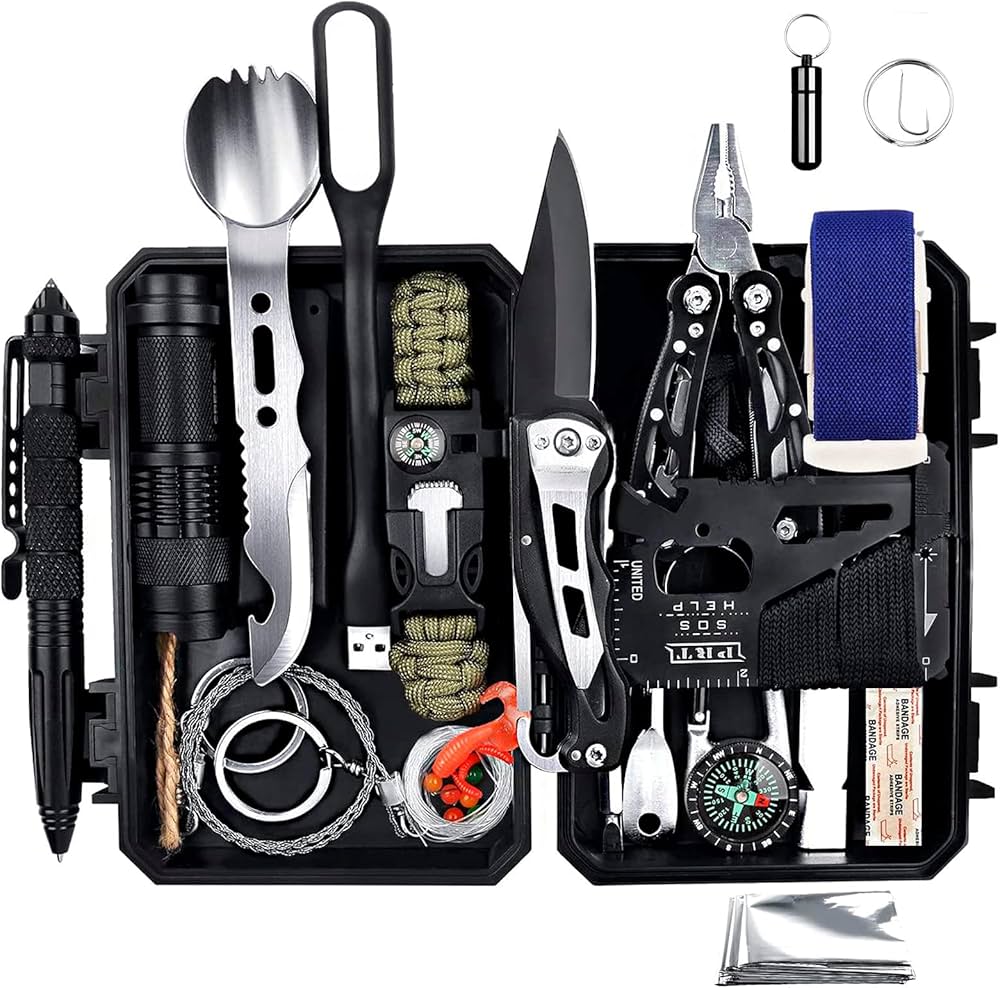
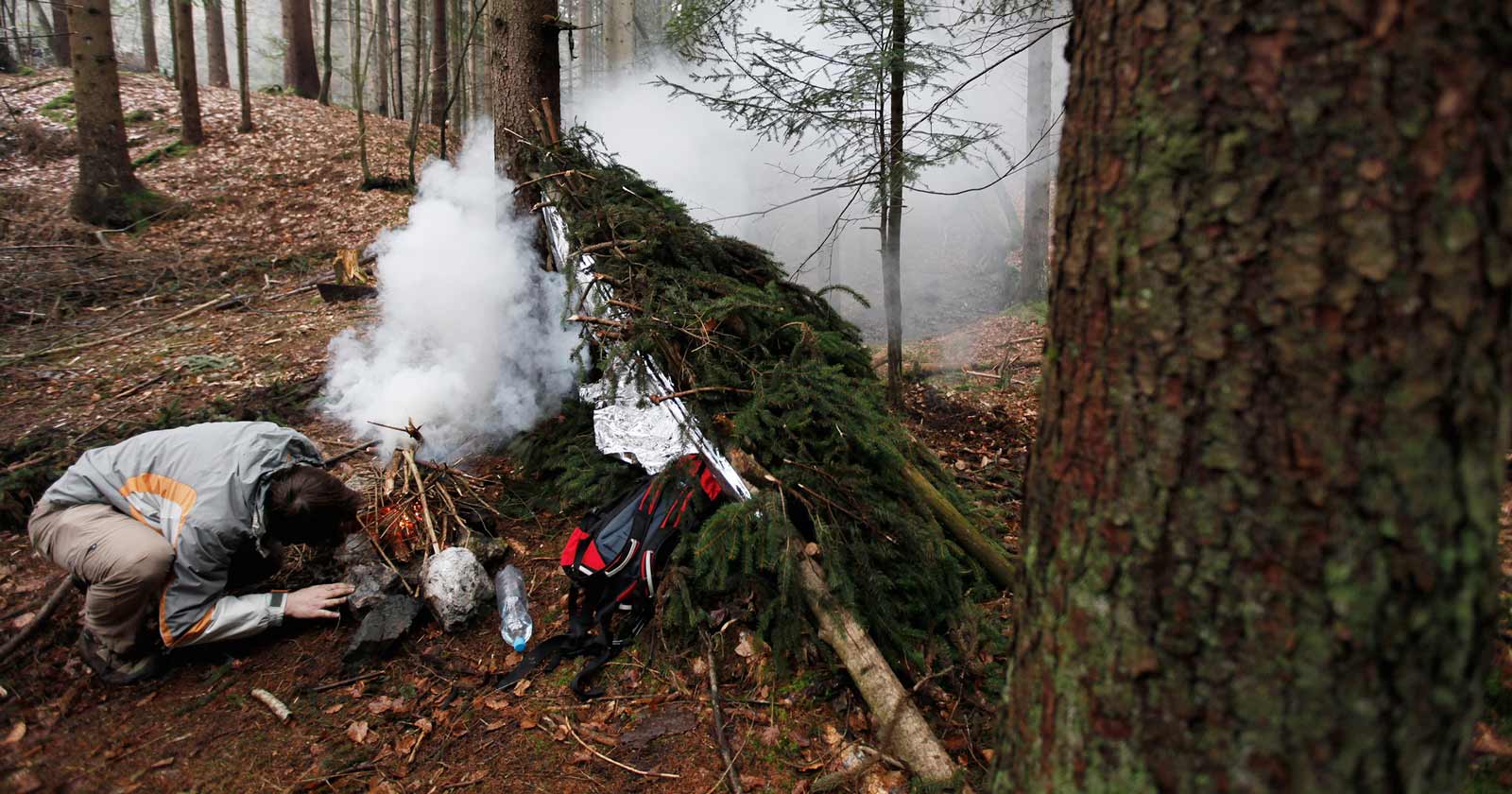


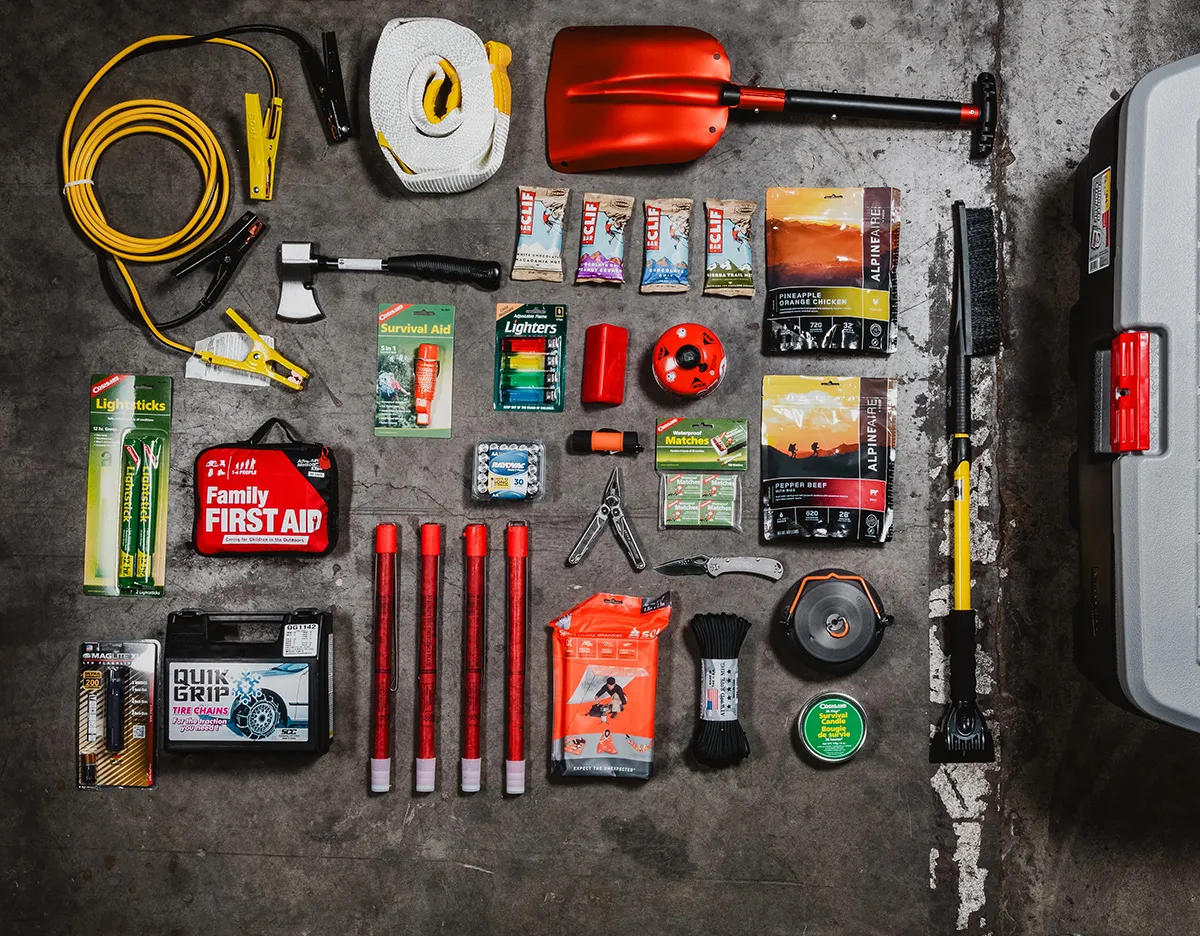
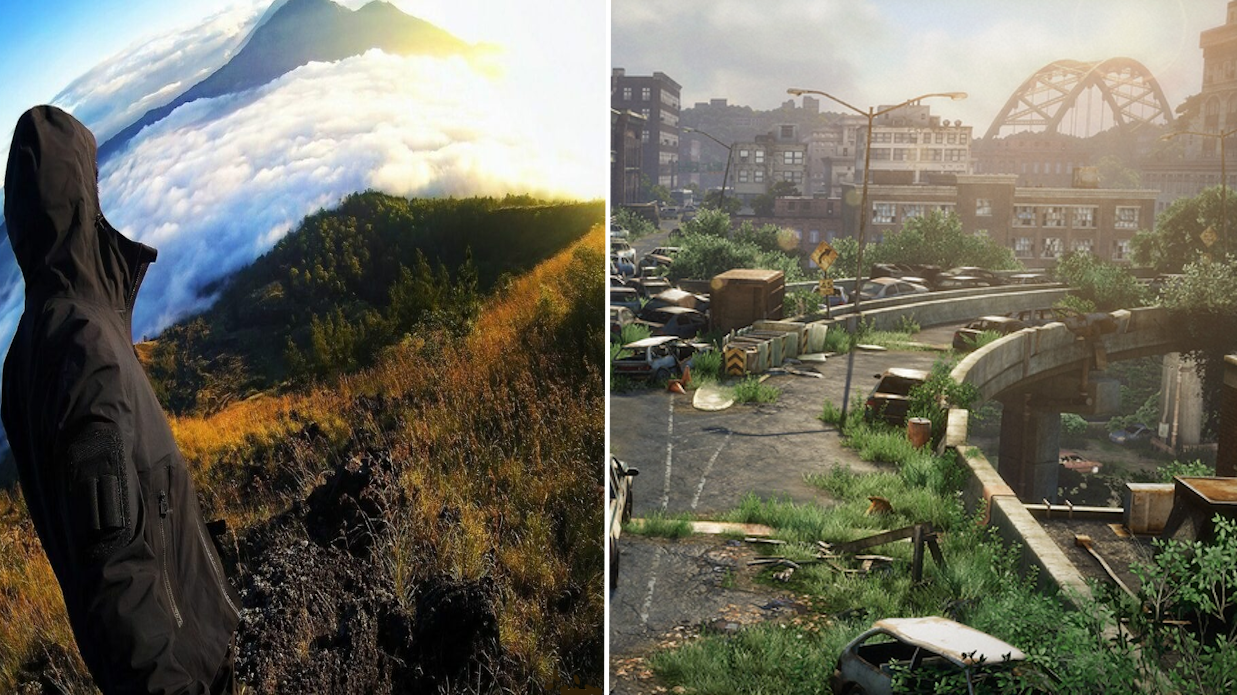
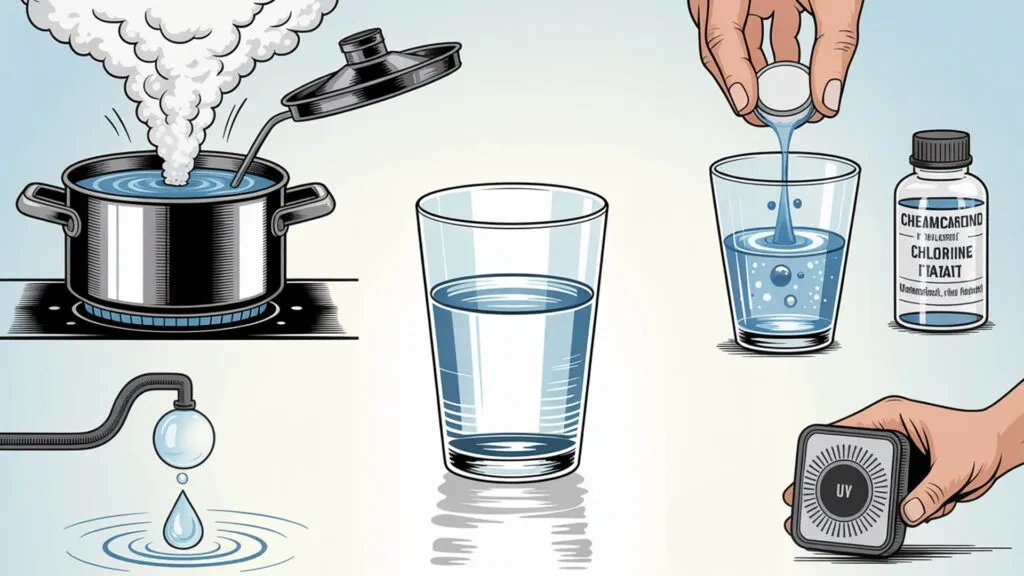
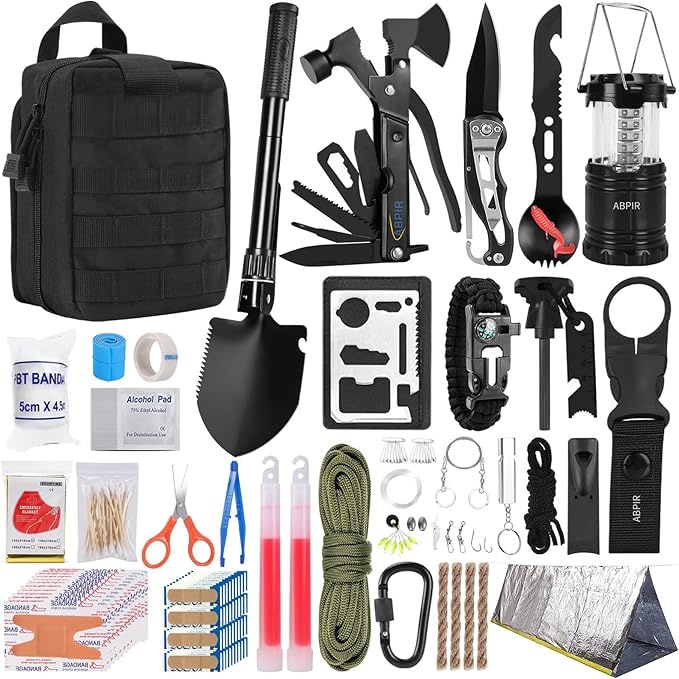


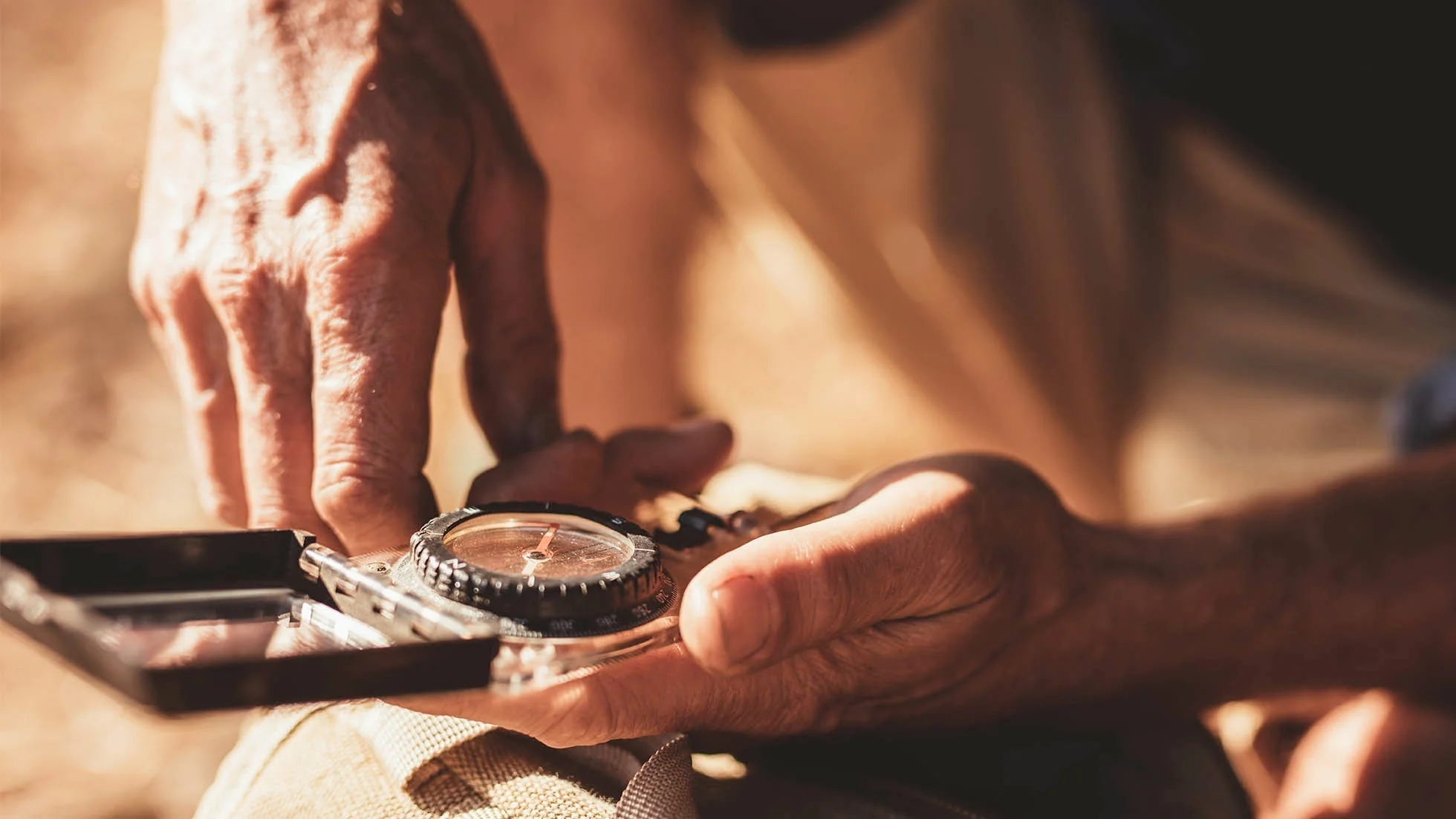

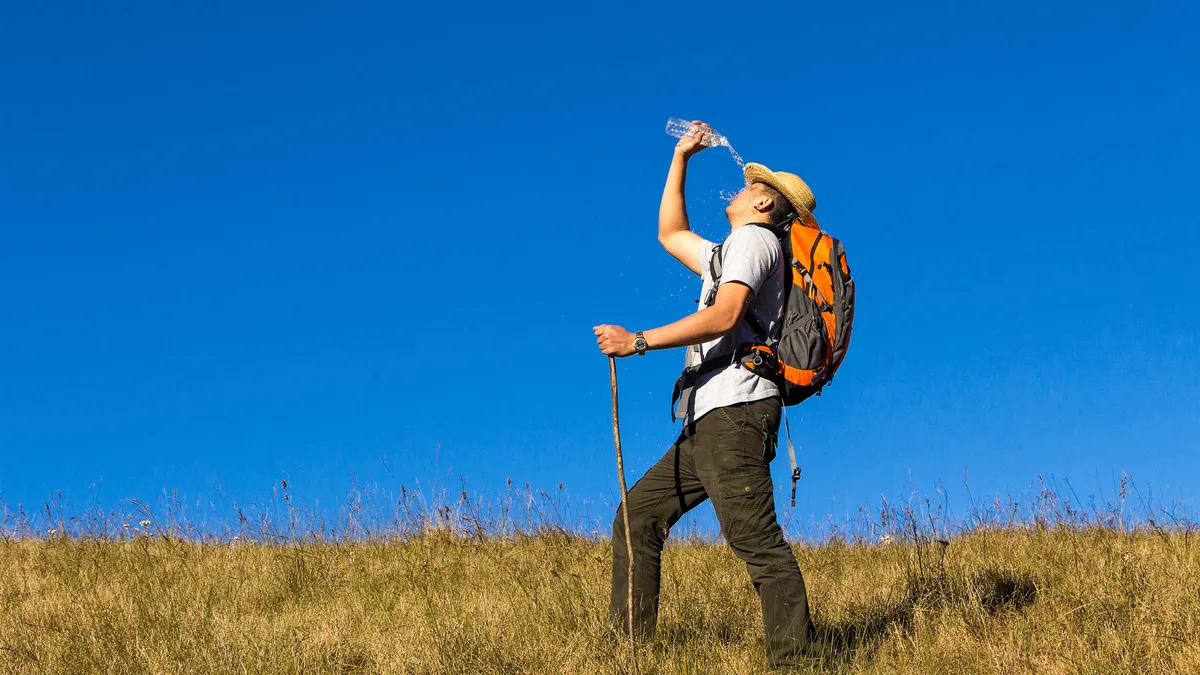
Tags
📧 Get More Articles Like This
Subscribe to receive product reviews and buying guides in your inbox!
We respect your privacy. Unsubscribe at any time.