Winter Car Survival: What If You're Stranded in Snow?
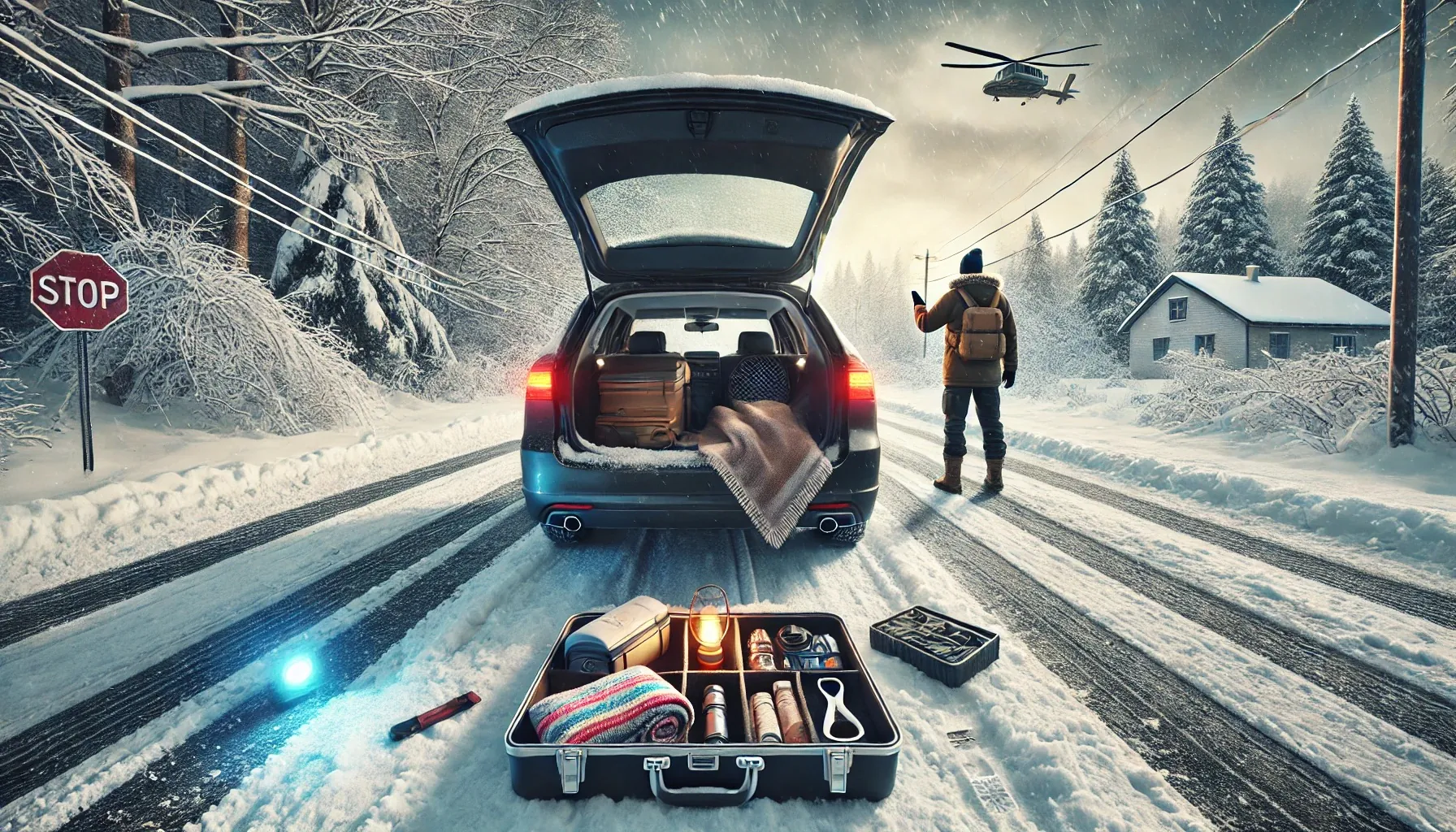
Table of Contents
- Introduction
- The Psychology of Panic: Why People Make Fatal Decisions
- Stay or Go: The Most Critical Decision You’ll Ever Make
- The First Hour: Immediate Actions That Save Lives
- Heat Management: The Science of Staying Warm
- The Silent Killer: Carbon Monoxide Prevention
- Signaling for Rescue: Making Yourself Visible
- Survival Timeline: Hour by Hour Strategy
- Real Survival Stories: Lessons from Those Who Made It
- Preparation: Building Your Winter Car Survival Kit
- Conclusion
- Frequently Asked Questions
Introduction
The temperature had dropped to minus fifteen degrees when Sarah Mitchell’s Honda Civic slid off Interstate Ninety during a February blizzard in Montana. The thirty-two-year-old teacher from Billings had been driving home from a conference when the whiteout conditions reduced visibility to mere feet. Her car came to rest in a snowbank fifteen feet from the road, completely hidden from passing traffic by the relentless curtain of falling snow. Sarah had two choices that would determine whether she survived the next forty-eight hours: stay with her vehicle or attempt to walk for help through the storm. Her decision, made in those first terrifying minutes, would become a case study taught to emergency responders across the northern United States. Every winter, thousands of drivers face similar life-threatening situations when they become stranded in snow, and the decisions they make in those crucial first moments often determine their fate.
The statistics paint a sobering picture of winter vehicle emergencies across North America. Between January and March of each year, approximately one hundred fifty thousand vehicles become stranded in snow-related incidents, with weather conditions ranging from moderate snowfall to full blizzards with wind chills reaching minus fifty degrees or lower. The National Highway Traffic Safety Administration reports that severe winter weather contributes to more than one hundred thousand police-reported crashes annually, resulting in over four hundred fatalities and an estimated thirty-three thousand injuries. Transportation safety officials continuously analyze winter crash data to identify prevention strategies and improve driver education programs. Their research demonstrates that vehicle preparation and driver decision-making significantly reduce accident risks during severe weather conditions. These numbers represent families traveling to visit relatives, workers commuting home during unexpected storms, and adventurers caught off guard by rapidly changing mountain weather. What separates survivors from casualties is rarely luck, but rather knowledge, preparation, and the ability to make rational decisions when fear threatens to override common sense.
Before delving into the article, watch this informative video which highlights essential survival tips inside a car during winter storms :
Winter car survival presents unique challenges that differ dramatically from other outdoor emergency scenarios. Unlike hikers lost in wilderness areas who can build shelters and move to seek help, stranded motorists must decide whether their vehicle represents safety or a trap. The car itself becomes both asset and liability. Its metal shell provides crucial wind protection and remains far more visible to rescuers than a person on foot, yet it offers no insulation without the engine running and becomes a refrigerator in subzero temperatures. Modern vehicles packed with electronic systems can fail in extreme cold, leaving occupants without heat, communication, or the ability to signal for help. The average car fuel tank provides only six to eight hours of continuous heat, forcing survivors to ration warmth carefully while fighting the body’s natural response to dangerous cold. Understanding how to maximize your vehicle’s protective qualities while mitigating its weaknesses forms the foundation of winter car survival.
The human body’s response to extreme cold presents its own cascade of challenges that complicate survival decisions. Hypothermia begins when core body temperature drops below ninety-five degrees Fahrenheit, and in windy conditions with temperatures below zero, exposed skin can develop frostbite in less than thirty minutes. Medical experts emphasize the importance of recognizing cold-related health emergencies early, as prompt intervention can prevent progression to life-threatening stages. Public health guidelines detail specific symptoms and response protocols that everyone exposed to winter conditions should understand thoroughly. The body prioritizes keeping vital organs warm by restricting blood flow to extremities, causing fingers, toes, ears, and noses to freeze first. Mental impairment accompanies hypothermia, making victims increasingly unable to recognize their own deteriorating condition or make sound survival choices. Shivering burns enormous amounts of energy, depleting body reserves that cannot be easily replenished in a stranded vehicle. Dehydration accelerates in cold dry air, yet eating snow lowers body temperature dangerously. Each of these physiological factors must be understood and managed throughout the ordeal.
The psychological aspect of winter car survival often proves more challenging than the physical elements. Panic triggers the fight-or-flight response, flooding the brain with adrenaline and cortisol that impair rational thinking precisely when clear judgment becomes most critical. Isolated in a dark vehicle surrounded by howling wind and accumulating snow, the mind conjures worst-case scenarios that can drive dangerous decisions. Loneliness and fear intensify as hours stretch into days without rescue. The temptation to “do something” even when staying put represents the safest option becomes overwhelming. People abandon their vehicles and walk to their deaths mere yards away because psychological pressure overcomes survival knowledge. Learning from others’ mistakes proves far less costly than making them yourself, and winter survival errors follow predictable patterns that proper education prevents. Analyzing common tactical failures reveals how seemingly minor decisions cascade into life-threatening situations when conditions turn severe. The mental game of staying calm, maintaining hope, and resisting panic often determines who survives extreme winter ordeals.
Yet within this crucible of danger lies a surprising truth: with proper knowledge and basic preparation, surviving a winter car stranding is remarkably achievable. Every year, hundreds of people endure two, three, or even five days stranded in vehicles during blizzards and emerge safely because they followed fundamental survival principles. The same vehicle that seems like a death trap becomes a life-saving shelter when used correctly. Simple supplies costing less than one hundred dollars provide the tools needed to maintain warmth and signal rescuers. Clear understanding of carbon monoxide risks prevents the most common cause of death in vehicle strandings. Most importantly, knowledge replaces panic, allowing stranded motorists to make the sequential decisions that keep them alive until help arrives. This article provides that knowledge through examining real survival cases, explaining the science behind winter survival, and offering step-by-step strategies for every phase of a winter car emergency.

The Psychology of Panic: Why People Make Fatal Decisions
The moment Emily Zhao realized her SUV was hopelessly stuck in a Wyoming snow drift during a March storm in twenty twenty-four, her heart rate doubled and her hands began to shake. The thirty-eight-year-old software engineer from Seattle had been driving through what seemed like light snow when conditions deteriorated within minutes into a full whiteout. Now, forty minutes after calling nine-one-one with her exact GPS coordinates, she sat in darkness watching her phone battery die and feeling the cold creeping through the vehicle despite running the engine intermittently. Her mind raced through options: should she start walking toward lights she thought she had seen a mile back, or trust the dispatcher’s instructions to remain with her vehicle. This internal struggle between action and patience, between movement and stillness, represents the critical psychological battlefield where winter car survival is won or lost.
Understanding panic’s neurological mechanisms helps explain why intelligent, educated people make catastrophic decisions during winter emergencies. When the brain perceives mortal danger, the amygdala hijacks higher reasoning functions and triggers the release of stress hormones that prepare the body for immediate physical action. Blood flow diverts from the prefrontal cortex responsible for planning and judgment toward muscles needed for running or fighting. Vision narrows into tunnel focus, hearing becomes muffled, and time perception distorts. This ancient survival mechanism served our ancestors well when threatened by predators but proves actively harmful in situations requiring patience and measured response. The stranded motorist experiencing this cascade cannot think clearly about consequences, risk assessment, or long-term survival strategy. Instead, they feel an overwhelming compulsion to act, to escape, to do something, anything, to relieve the psychological pressure of feeling trapped.
The illusion of control powerfully influences decision-making during winter car emergencies and often leads directly to death. Humans are psychologically uncomfortable with passivity, especially in threatening situations. Sitting in a dark, cold vehicle waiting for rescue feels like accepting defeat, while walking through a storm toward imagined safety feels like taking control of one’s fate. This cognitive bias toward action, combined with panic-induced impairment of risk assessment, causes people to dramatically underestimate the dangers of exposure and overestimate both their physical capabilities and their sense of direction. Multiple case studies document victims found frozen just hundred yards from their vehicles after attempting to walk to help they never reached. The tragic irony is that those who survived the exact same conditions were the ones who resisted the psychological pressure to move and instead managed their anxiety enough to remain with their vehicles.
Isolation amplifies fear in ways that few other stressors can match. Humans are fundamentally social creatures whose brains are wired for connection and communication. When cut off from others during a crisis, when cell phones die or lose signal, when darkness and snow create complete sensory deprivation, the mind can spiral into catastrophic thinking patterns. Every creak of settling snow sounds like an approaching threat. The wind’s howl becomes voices in the storm. Hours feel like days, and the rational certainty that rescue teams are searching gets buried under mounting dread that no one knows where you are or that you have been forgotten. Survivors consistently report that this psychological isolation was harder to endure than cold, hunger, or physical discomfort. Those who maintained mental stability often did so through specific techniques: talking aloud to themselves, mentally composing messages to loved ones, establishing hourly routines to mark time’s passage, or focusing on detailed memories of happy occasions.
The concept of “learned helplessness” documented in psychological research creates particular danger for groups stranded together in vehicles. When multiple people collectively decide they are powerless and doomed, this shared negative belief system can override individual survival instincts. Conversely, when even one person maintains hope and takes charge of organizing survival activities like managing fuel, rationing food, or maintaining signal fires, that person’s confidence can sustain the entire group’s will to survive. Emergency psychologists recommend that stranded groups explicitly assign roles and responsibilities to each person capable of helping, as purposeful activity combats despair while ensuring critical survival tasks receive attention. Even children can contribute by monitoring time between engine warm-ups or watching for approaching rescue vehicles, giving them purpose that reduces both their fear and their parents’ stress.
Cognitive biases beyond panic also sabotage winter survival decisions in documented patterns. The sunk cost fallacy causes people who have already driven for hours to continue pressing forward into worsening conditions rather than turn back, because admitting the trip was a mistake feels psychologically impossible. Normalcy bias makes drivers dismiss increasingly dangerous weather as “not that bad” because their brains struggle to accept that routine travel has become life-threatening. Optimism bias convinces people their vehicle will definitely make it over that next hill or through that next drift, leading to incremental decisions that cumulatively place them in impossible situations. Understanding these psychological traps helps stranded motorists recognize when their own thinking has become compromised and default to following survival rules rather than trusting their panic-altered judgment.
Stay or Go: The Most Critical Decision You’ll Ever Make
The single most important decision any stranded winter motorist faces is whether to remain with the vehicle or attempt to reach help on foot. This choice carries such profound consequences that survival experts dedicate entire training sessions to decision trees that guide this determination. The statistics overwhelmingly favor staying put: search and rescue data from the past decade shows that ninety-two percent of people who remained with their vehicles during winter storms survived, while only forty-seven percent of those who abandoned their cars and attempted to walk survived the same conditions. Yet understanding when those eight percent who correctly left their vehicles made the right choice requires examining the specific factors that tip the balance toward movement rather than shelter.
Meteorological services issue multiple levels of winter weather warnings designed to help the public assess danger and make informed travel decisions. Understanding the difference between watches, advisories, and warnings enables drivers to gauge risk accurately before departing.
Your vehicle provides irreplaceable advantages that human bodies simply cannot match when facing winter weather. The metal and glass structure blocks wind completely, and wind chill causes more rapid heat loss than still air at the same temperature. Even without running the engine, a vehicle’s enclosed space retains body heat far better than exposure to open air, sometimes maintaining temperatures fifteen to twenty degrees warmer than outside conditions. The car’s size and distinct shape make it dramatically more visible to aerial search patterns and ground rescue teams than a person walking through snow and darkness. Modern vehicles contain numerous items that can be repurposed for survival: floor mats become insulation, seat stuffing provides padding against cold metal, mirrors can signal aircraft, and even motor oil can be burned for an emergency heat source if properly managed. Most critically, your vehicle is exactly where you told others you would be traveling, where your cell phone last pinged towers, and where your GPS coordinates placed you during that final emergency call.
The decision to leave your vehicle should be made only when specific, clearly defined criteria are met. The first absolute requirement is visibility of safe shelter. You must be able to actually see with your own eyes a building, house, service station, or other structure that offers better protection than your vehicle. This cannot be a structure you remember passing earlier or believe exists in a certain direction; it must be visibly present and the route to reach it must be clearly visible throughout your entire journey there. Distance matters critically: rescue experts set one hundred yards as the maximum safe distance to attempt, and even that distance becomes impassable in whiteout conditions when you cannot see more than ten feet ahead. If you cannot maintain visual contact with both your starting point and your destination simultaneously, the risk of becoming disoriented and lost exceeds any benefit of moving.
Weather conditions must support travel for abandoning your vehicle to be justified. Active blizzards, whiteout conditions, thunder snow, freezing rain, or winds above thirty miles per hour make walking suicidal regardless of how close help appears. Wait for breaks in the storm, windows of clearer weather, or daylight that improves visibility and reduces disorientation risk. Temperature also factors into the equation: below minus twenty degrees Fahrenheit, exposed skin develops frostbite in less than ten minutes, and even with perfect winter clothing, maintaining core body temperature during physical exertion in extreme cold depletes energy reserves that cannot be replaced in an emergency situation. If weather forecasts accessible through your car radio indicate conditions will improve within twelve to twenty-four hours, waiting almost always presents better odds than attempting travel in current dangerous conditions.
Certain emergency scenarios do justify or even require abandoning your vehicle immediately despite storm conditions. If your car catches fire and extinguishers cannot control the blaze, you must evacuate regardless of weather. If your vehicle is positioned in an avalanche zone, on railroad tracks, in a flood zone, or anywhere that presents immediate danger beyond cold and snow, leaving becomes necessary. Carbon monoxide accumulation that cannot be ventilated requires evacuation. Serious medical emergencies including heart attacks, major trauma, or complications of pregnancy may force the decision to attempt reaching help despite risks. In these cases, before leaving prepare yourself maximally: dress in every layer of clothing available, wrap blankets around your torso and head, cover your face to pre-warm inhaled air, carry any food and water you can manage, take matches or lighters, and leave a note in the vehicle explaining your departure direction and time so rescue teams know which way to search.
The decision to walk must include a realistic assessment of your physical capabilities and the actual distance to help. People consistently underestimate distances when viewing them from vehicles: what appears to be a half-mile is often actually one and a half miles or more. Through deep snow, even fit individuals rarely travel faster than one mile per hour, and exhaustion comes rapidly when fighting through drifts. Physical exertion causes sweating, and moisture in clothing dramatically accelerates heat loss once you stop moving. Elderly individuals, children, people with existing medical conditions, or anyone not accustomed to vigorous physical activity face even steeper risks. If you have companions, only the strongest should attempt the walk if the decision is made, leaving others with the vehicle where they have better survival odds. Transportation research organizations conduct extensive studies on seasonal driving hazards, analyzing factors that contribute to winter accidents and identifying effective prevention measures. Their findings inform both individual preparedness strategies and public policy decisions regarding road maintenance and driver education. The walker should take any cell phone with remaining battery and promise to send help back immediately upon reaching safety, with strict time limits agreed upon: if they have not returned with rescue within a specified time frame, those remaining should assume they failed and not send others to follow.

The First Hour: Immediate Actions That Save Lives
The first sixty minutes after your vehicle becomes stranded in a winter storm constitute the most critical period for establishing survival conditions that will sustain you for however long rescue takes. During this initial hour, adrenaline and shock often impair decision-making, yet the actions you take now directly determine your prospects for the next twenty-four to forty-eight hours. Marcus Chen, a survival instructor who has trained hundreds of people in winter emergency response, teaches a systematic checklist that prioritizes immediate threats before addressing longer-term survival needs. The sequence matters: first eliminate immediate dangers, then establish communication with rescue services, next conserve resources, and finally settle into the sustainable survival pattern that will carry you through extended stranding.
Your absolute first priority is ensuring you are not in immediate physical danger from traffic, avalanche, or other hazards. If your vehicle stopped on or partially blocking a traveled roadway, turn on hazard lights immediately and place emergency triangles or flares at least three hundred feet behind your vehicle to warn approaching traffic. If conditions allow and you have the equipment, use a shovel to partially move your car farther from the road. However, do not exhaust yourself during these first critical minutes pushing or digging your vehicle; conserve energy for the potentially long ordeal ahead. If your position presents no immediate traffic danger, focus instead on making your car visible from above and from multiple angles by tying bright colored cloth to the antenna, laying bright clothing on the hood, or using reflective emergency blankets draped over the roof.
Communication with emergency services must be established before your cell phone battery dies. Call nine-one-one immediately and provide your exact GPS coordinates, which most smartphones display in their compass or mapping applications. Describe your vehicle’s make, model, and color, explain your situation, and listen carefully to dispatcher instructions. Even if cell signal is weak, text messages often transmit when voice calls fail; send a text to emergency services and to multiple family members or friends with your coordinates and situation. Enable your phone’s emergency location sharing if available. Set your phone to airplane mode between communications to preserve battery life, and turn off all non-essential background applications. If you have a car charger, connect your phone immediately but avoid running the engine continuously; instead charge it during periodic engine warm-up cycles. Some stranding survivors have maintained phone communication for days by carefully managing these resources.
Inventory your resources systematically within the first thirty minutes while you are still calm enough to think clearly and organize effectively. Empty your trunk and examine every item for potential survival utility. Your emergency kit if you have one should be moved into the passenger compartment where it remains accessible. Check your fuel gauge and calculate how many hours of intermittent heat your remaining gas will provide. Federal emergency management agencies provide comprehensive guidance on vehicle emergency protocols that every driver should review before winter travel begins. Understanding proper fuel management, exhaust monitoring, and heating schedules forms the foundation of safe winter vehicle operation whether you face stranding or not. Gather all clothing from the vehicle including items in luggage, floor mats that can provide insulation, and even cargo padding or fabric seat covers. Collect all food and water, including forgotten items in seat pockets or under seats. Locate your vehicle’s first aid kit, flashlight, and any tools. Multi-purpose cutting tools serve countless functions during vehicle emergencies from cutting seatbelts in accidents to preparing kindling for emergency fires or modifying materials for improvised shelter improvements. Selecting an appropriate blade for your emergency kit requires understanding basic knife types and their optimal applications in survival contexts. This inventory serves two purposes: it shows you what resources you actually have to work with, and the activity itself provides purposeful distraction from panic while establishing psychological control over your situation.
Establish your heating schedule before cold becomes unbearable, because creating and following a systematic pattern conserves fuel while preventing the carbon monoxide risks of continuous engine operation. The universally recommended schedule runs the engine for ten minutes every hour or five minutes every half hour. Set your phone alarm if battery allows, or use your watch if battery has died. During these warm-up cycles, run the heater on high, check that your exhaust pipe remains clear of snow accumulation, and crack a downwind window slightly for ventilation. Use these periods to charge your phone, run the defroster to clear windows for visibility, and restore body heat before the next cold period. Between warm-ups, bundle in every available blanket, jacket, and insulating material, huddling with companions if you have them to share body heat. This disciplined approach can extend an eight-hour fuel supply across forty-eight hours or longer.
Organize your survival space within the vehicle to maximize comfort and efficiency during what may become an extended stay. If you are alone, move to the back seat which provides more space to curl up while using the seats themselves as insulation against cold. Use floor mats beneath you as ground insulation preventing cold transfer from the vehicle’s metal floor. Drape jackets over windows to reduce radiant heat loss through glass. Create a nest with all available soft materials, positioning yourself in a semi-reclined posture that promotes circulation while conserving heat. If you have multiple occupants, assign positions that maximize shared warmth while ensuring everyone has access to exits. Safety organizations provide detailed protocols for vehicle emergencies affecting multiple passengers, addressing both physical positioning and psychological support strategies. These guidelines help families and groups maintain calm coordination during extended emergency situations. Designate one corner as a waste area if rescue extends beyond several hours and bathroom needs arise; human waste in a closed vehicle is unpleasant but managing it hygienically prevents illness.
Within this first hour, establish a mental framework that will sustain you psychologically through the ordeal ahead. Remind yourself that you have done everything correct by staying with your vehicle, that rescue teams are actively searching, that your location is known, and that thousands of people survive situations identical to yours every winter. Set specific hourly goals: monitor fuel and food levels, watch for rescue vehicles or aircraft, maintain your signal displays, and mark time’s passage. If you have paper and pen, write down your thoughts and feelings as both a distraction and a record for those who will find you. Tell yourself repeatedly that your job now is simply to wait safely and that patience represents strength rather than passivity. This mental preparation in the first hour often proves decisive in maintaining composure during the second day or third day of waiting.
The Science of Staying Warm
Understanding how the human body loses heat in cold environments provides the foundation for effective thermal management when stranded in a winter vehicle. The body maintains its core temperature of approximately ninety-eight point six degrees Fahrenheit through a delicate balance of heat production from metabolism and heat retention through insulation. In cold conditions, the body loses heat through four primary mechanisms: conduction when touching cold surfaces, convection from air movement across the skin, radiation emitting infrared energy, and evaporation from moisture on skin or clothing. Each mechanism requires specific countermeasures, and vehicle strandings present unique opportunities to manipulate these heat loss pathways.
Conductive heat loss directly through contact with cold materials poses one of the most underestimated threats in vehicle survival. The human body can lose heat twenty-five times faster through conduction to cold metal or frozen ground than through air at the same temperature. This is why sitting directly on a car’s metal frame or floor can produce rapid hypothermia even when air temperature inside the vehicle seems tolerable. Combat conduction by creating insulation layers between your body and cold surfaces. Floor mats, seat cushions, folded clothing, blankets, newspapers, or even crumpled paper bags all trap air pockets that prevent direct thermal contact. The goal is creating as much distance as possible between your body and the vehicle’s structure, essentially building a nest that suspends you within insulating materials. Foam yoga mats or camping pads serve this function perfectly if they happen to be in your vehicle, but improvisation works nearly as well.
Convective heat loss from air movement can be dramatically reduced within a vehicle compared to exposure outside, provided you take specific steps to eliminate drafts and create still air pockets. Even inside a closed vehicle, small gaps around doors and windows allow cold air infiltration that creates circulation patterns carrying away body heat. Stuff these gaps with clothing, towels, or even packed snow which ironically provides excellent wind blocking despite being frozen. Cover windows with blankets, jackets, or anything that creates an air gap between glass and interior space, because glass radiates heat rapidly to the cold outside. If you have multiple occupants, everyone should huddle together in one area of the vehicle rather than spreading out, because the combined body heat warms a smaller space more effectively. Create a makeshift tent within the car using blankets draped over the front seats down to the rear floor, forming an even smaller heated zone that conserves warmth.
Radiant heat loss occurs continuously as your body emits infrared energy in all directions, and while you cannot see this radiation, it accounts for substantial heat loss in cold environments. Reflective materials dramatically reduce radiant losses by bouncing thermal energy back toward your body rather than allowing it to escape. This is why mylar emergency blankets, despite their thin construction, prove so effective; they reflect up to ninety percent of radiant body heat. If you lack purpose-built emergency blankets, aluminum foil from a lunch or any reflective material including the sun shade used in your windshield can be wrapped around your body or fashioned into a reflective surface near where you are sitting. Even positioning yourself against the vehicle’s interior surfaces rather than leaving air gaps helps retain some radiant heat.
Evaporative heat loss from moisture poses complex challenges because water is essential for survival yet wetness dramatically accelerates hypothermia. Each gram of water evaporating from skin or clothing removes approximately five hundred forty calories of heat from your body, enough to lower body temperature measurably. This creates a dangerous paradox: physical activity generates heat but also causes sweating, and once you stop moving, that moisture chills you. Avoid any strenuous activity that produces sweat during vehicle survival situations. If you must exert yourself shoveling snow away from the exhaust or walking to check signals, remove layers before beginning so you remain cool, then immediately put those dry layers back on before sweat can soak them. If clothing becomes wet from snow or perspiration, remove it and wring it as dry as possible before wearing it again. Change positions periodically to allow body heat to dry damp fabrics.
The body’s own thermoregulation system works against survival in extended cold exposure. As core temperature begins dropping, the hypothalamus triggers involuntary shivering that can generate enough heat to maintain body temperature temporarily, but shivering burns enormous amounts of calories and depletes energy reserves quickly. Eventually shivering stops not because you are warming up but because your body has exhausted its fuel. At this point, core temperature begins falling more rapidly toward dangerous hypothermia levels. Prevent this cascade by maintaining warmth proactively rather than waiting until you are uncontrollably shivering. This means using your rationed engine heat early and often, consuming high-energy foods to fuel your metabolism, staying as dry as possible, and adding layers before you feel cold rather than after. The old survival saying applies: “If you’re cold, you’re dying. If you feel warm, you’re doing it right.”

The Silent Killer: Carbon Monoxide Prevention
Carbon monoxide poisoning kills more people stranded in winter vehicles than hypothermia, yet remains completely preventable through vigilant adherence to safety protocols. This colorless, odorless, tasteless gas produces from incomplete combustion of gasoline, and vehicle exhaust contains high concentrations that can reach lethal levels within minutes in enclosed spaces. The insidious danger of carbon monoxide is that victims often fail to recognize their symptoms until mental impairment prevents them from taking corrective action. Understanding how CO poisoning occurs, recognizing its warning signs, and maintaining constant vigilance against this threat determines survival outcomes as much as managing cold and resources.
Carbon monoxide molecules bind to hemoglobin in red blood cells approximately two hundred times more readily than oxygen molecules, effectively displacing oxygen throughout the body. As carboxyhemoglobin levels rise in the bloodstream, cells throughout the body and particularly in the brain begin starving for oxygen. Initial symptoms at relatively low exposures include headache, dizziness, weakness, upset stomach, vomiting, chest pain, and confusion. These symptoms are often misattributed to stress, hunger, or cold rather than recognized as poisoning. At moderate exposure levels, mental impairment becomes severe with memory loss, poor coordination, and disorientation. High exposure produces loss of consciousness, irregular heartbeat, seizures, and death. The truly horrific aspect is that once confusion sets in, victims often fail to recognize they are being poisoned and continue behaviors that expose them to more CO rather than seeking fresh air.
The blocked exhaust pipe represents the primary cause of vehicle CO poisoning during winter strandings. Snow accumulation from falling or blowing snow, snow thrown by plows, or drifts pushed by wind can bury a vehicle’s tailpipe within minutes. When the engine runs with even a partially blocked exhaust, combustion gases cannot escape and instead back up into the vehicle through various penetration points in the floor, wheel wells, or trunk. Some survivors have reported snow blocking exhausts within fifteen minutes of clearing them during active blizzards, requiring constant monitoring. The location where you are stranded influences this risk: parking perpendicular to prevailing wind typically keeps exhaust pipes clearer than parking parallel, and positioning on elevated ground reduces drifting compared to stopping in roadside ditches or low areas where snow naturally accumulates.
Prevention requires obsessive attention to several specific protocols that together eliminate CO risk. First, never run your engine continuously; the ten minutes every hour schedule not only conserves fuel but dramatically reduces CO exposure by allowing built-up gases to dissipate between heating cycles. Second, physically check your exhaust pipe before every engine start by walking to the rear of your vehicle and visually confirming the pipe is completely clear of snow, ice, and any obstruction. Use a stick, your shovel handle, or even your arm to probe into the pipe confirming clearance at least a foot deep. Third, crack a downwind window approximately one inch during every engine running period; this creates cross-ventilation that dilutes any CO that might enter the passenger compartment. The cold air entering through this gap is uncomfortable but represents trivial discomfort compared to poisoning risk.
Recognizing CO symptoms in yourself or companions requires deliberate mental checks because the confusion caused by CO poisoning impairs your ability to realize you are becoming impaired. Before each engine warm-up cycle, consciously assess your mental clarity by performing a simple task like counting backward from one hundred by sevens or reciting your home address and phone number. If you notice increasing difficulty with these tasks, or if you develop headaches that worsen when the engine runs, or if you or companions become unusually irritable and confused, suspect CO poisoning immediately. Turn off the engine, open all windows and doors if possible, and move outside into fresh air until symptoms resolve. If symptoms are severe, this becomes one of the rare situations justifying attempting to walk for help despite weather conditions, because continued exposure will prove fatal.
Modern vehicles vary in their CO risk profiles based on design factors including exhaust system routing, vehicle body integrity, and cabin ventilation systems. Older vehicles with rust holes in the floor or trunk provide more pathways for exhaust infiltration than newer models. Vehicles that have been in previous accidents may have body damage that creates unsealed penetrations. Certain SUV and van designs position occupants closer to exhaust system routing. However, no vehicle design provides immunity from CO poisoning when the exhaust becomes blocked, and survivors cannot rely on their vehicle’s newness or quality for protection. Universal vigilance in checking exhaust pipes, limiting engine run time, and maintaining ventilation protects everyone regardless of what they drive. This vigilance must continue throughout the entire stranding period because accumulating snow constantly changes the dynamics of drift patterns around your vehicle.
Signaling for Rescue: Making Yourself Visible
Search and rescue operations for stranded vehicles rely on sophisticated technology including GPS triangulation, helicopter thermal imaging, and snowmobile ground teams, yet these resources prove useless if searchers cannot identify your vehicle among the landscape. Snow-covered vehicles blend remarkably well into winter terrain, and even bright paint colors disappear under white accumulation. Active blizzards reduce visibility for both ground searchers and pilots to mere yards even when rescue teams pass within feet of stranded vehicles. Maximizing your visibility through multiple signaling methods dramatically increases the probability of rapid location and rescue, often reducing stranding duration from days to hours.
Visual signals exploit the human eye’s sensitivity to color contrast, movement, and geometric shapes that stand out against natural backgrounds. The most effective color for winter visibility is international orange or red, which the human eye can detect from greater distances than any other color against white snow. If you have any bright orange or red cloth, jacket, flag, or even a red shopping bag in your vehicle, tie this to your antenna, door handle, or any point where it extends above snow level and moves with wind. The movement itself catches observer attention more effectively than static objects. If you lack bright materials, black items against white snow also provide strong contrast; draping dark jackets over your vehicle’s roof or hood creates visibility from aerial searches. Reflective emergency triangles if you have them should be positioned in a triangle pattern around your vehicle, creating a geometric signature that aerial observers recognize as deliberate signaling rather than natural terrain features.
Vehicle lights provide signaling when maintained strategically. Hazard flashers should run continuously during the first hours after stranding when rescue response is most likely, but this drains your battery typically within twelve to twenty-four hours. Many survival experts recommend intermittent flasher use: turn them on for fifteen minutes every hour during daylight, run them continuously for the first hour after dark, then switch to flashing your headlights manually if you hear or see approaching rescue activity. During periods when your engine runs for heat, that is the time to charge your battery and run lights freely. Your dome light creates a beacon visible from significant distances at night; if rescue has not arrived by evening, turn on the dome light whenever you hear any vehicle or aircraft sounds. Some survivors have been located because pilots spotted the faint glow of interior lights through snow-covered windows after dark.
Sound signals prove effective in some situations though winter conditions dramatically reduce sound propagation. Your vehicle horn should be sounded in a distinctive three-blast pattern at the beginning and end of each hour during daylight. This three-blast signal represents international distress signaling recognized by rescue teams. If you have a whistle from an emergency kit, its piercing tone carries farther than shouting and requires far less energy. Emergency preparedness specialists recommend specific signaling equipment based on extensive field testing in various weather conditions. Their research identifies which signal types prove most effective for attracting rescue attention across different distances and visibility scenarios. Avoid shouting for help as a primary strategy because it exhausts you, adds moisture to your respiratory system through heavy breathing, and carries poorly in wind and snow. Reserve voice signaling for when you actually hear or see potential rescuers close enough that they might respond to direct calls.
Nighttime signaling takes advantage of how even small lights stand out against dark backgrounds. If you have a flashlight, use it to flash SOS in Morse code: three short flashes, three long flashes, three short flashes, repeated with distinct pauses between repetitions. This pattern gets recognized by pilots, snowmobilers, and rescue teams as deliberate distress signaling rather than random light. If your vehicle has LED flashlights or strobe lights from your emergency kit, these create powerful beacons. Place them on your vehicle’s roof cleared of snow, or if conditions allow, walk them fifty feet from your vehicle in cardinal directions to create a search grid that makes you visible from multiple approach vectors. Cyalume light sticks from emergency kits glow for twelve hours and can be suspended from antennas or placed in snow patterns.
Ground signals provide visibility from aircraft that may be scanning search areas from above. The international ground-to-air emergency signal “SOS” should be created in letters as large as possible, using materials that contrast with snow. Stomp out SOS in letters fifty feet tall if you have the energy and weather permits. Use floor mats, dark clothing, branches from nearby trees, or even motor oil poured onto snow to form letters. If you have space blankets, spread them on snow creating bright reflective patches that aerial observers immediately recognize as artificial. Creating X shapes also signals distress. These ground signals require significant effort so should be constructed during weather windows when conditions improve enough to work outside safely, and maintained by brushing off accumulating snow that obscures them.

Survival Timeline: Hour by Hour Strategy
Understanding what happens to the human body and mind during extended cold exposure helps you anticipate challenges and adjust your survival strategy as hours stretch into days. Each phase of a winter vehicle stranding presents unique physical and psychological demands that require different approaches to resource management, physical activity, and mental discipline. Experienced survivors report that the second day of stranding typically proves most difficult psychologically as initial hope fades and the reality of extended isolation sets in. Preparing for this timeline mentally allows you to recognize each phase as normal and temporary rather than as signs of impending doom.
The first six hours following stranding are characterized by shock, adrenaline, and high mental alertness that must be channeled into productive survival actions. This initial period is when you establish your heating schedule, inventory resources, create signaling methods, and implement your carbon monoxide prevention protocols. Physical discomfort remains minimal as your body has not yet depleted its energy reserves, and cold has not yet penetrated your core. Use this window of peak capability to accomplish all physical tasks requiring exertion: clearing snow from around the vehicle, positioning emergency triangles, stomping out ground signals, or organizing your interior space. Avoid the temptation to ration your energy too conservatively during this phase; fatigue later will make these same tasks nearly impossible. Eat and drink normally during the first six hours, maintaining normal caloric intake that fuels your body’s heat production.
Hours six through twenty-four present the first real physical challenges as cold begins affecting your body despite your heating schedule and insulation efforts. Hunger becomes noticeable even if you ate before stranding, because your body burns calories at accelerated rates fighting cold. Your hands and feet, farthest from your core, begin feeling persistently cold requiring active measures like hand warmers, frequent position changes, and periodic movement to maintain circulation. Mental alertness typically remains good during this phase, though anxiety about rescue timing increases. This is when disciplined adherence to your established patterns becomes critical. Resist the temptation to extend engine run times beyond your schedule or to waste fuel trying to drive out of your stuck position. Continue your hourly signaling activities, monitor weather conditions for any improvement, and maintain hope that rescue often arrives within the first day.
The twenty-four to forty-eight hour window typically brings significant psychological challenges as the reality sets in that rescue is not immediate. Disappointment and fear intensify, particularly overnight when darkness makes time feel endless and temperatures typically reach their lowest points. Physical fatigue accumulates from the stress response that has kept your body on high alert for an entire day. Hunger becomes more acute, and if water supplies are limited, thirst also emerges. This is the phase where maintaining mental discipline becomes paramount. Establish routines to mark time: monitor the sunrise and sunset, check your watch frequently, maintain your signaling schedule, and set small hourly goals like organizing certain items or performing specific exercises. Combat despair by reminding yourself that two days represents a very manageable survival duration and that hundreds of people endure longer strandings and emerge safely.
Beyond forty-eight hours, survival transitions into a more complex physiological challenge as caloric reserves become depleted and dehydration if water is insufficient begins affecting both physical and mental function. Weakness, slower thinking, increased irritability, and greater cold sensitivity all emerge. If rescue has not arrived by the third day, consider whether your situation warrants attempting to walk for help if weather permits, though even at this stage staying with the vehicle typically remains the statistically better choice unless you can see definite help within a hundred yards. Focus on conserving energy by minimizing movement, maintaining your heating schedule which prevents hypothermia progression, and continuing signal displays. Many survivors report entering a semi-dreamlike state during extended strandings where hours blur together and psychological detachment provides protection against ongoing stress. This dissociative state is normal and does not indicate mental breakdown, simply your brain’s adaptation to prolonged crisis.
The longest documented survival in a stranded vehicle during winter conditions is sixty-four days, achieved by a Swedish man trapped in his car under snow in northern Sweden. While this represents an extreme outlier rather than a typical scenario, it demonstrates the human body’s remarkable resilience when basic survival principles are maintained. For the vast majority of winter vehicle strandings in North America, rescue occurs within twelve to seventy-two hours because modern communication systems and active search efforts locate stranded motorists relatively quickly. Your primary goal throughout any timeline is simply remaining alive and maintaining hope until rescuers arrive, knowing that they are indeed searching and that your odds of survival are excellent if you follow the protocols established in the first hour.
Real Survival Stories: Lessons from Those Who Made It
James and Jennifer Kim became tragically emblematic of both correct and catastrophic winter survival decisions during their twenty-five stranding in Oregon’s Cascade Mountains in November two thousand six. The San Francisco couple was driving with their two young daughters when they took a wrong turn onto a snowed-in logging road. For nine days, the family stayed together in their station wagon, managing heat carefully and remaining found by authorities. Then on day nine, James made the fateful decision to hike out for help, leaving his family with the vehicle. He walked nineteen miles through deep snow before succumbing to hypothermia. Jennifer and their daughters, who stayed with the car, survived and were rescued two days later. This tragedy teaches perhaps the most fundamental lesson: the person who stayed with shelter survived, while the person who left to walk for help did not.
Peter Skyllberg’s sixty-four day survival in his snow-entombed car near Umea, Sweden in twenty twelve represents the opposite extreme: extraordinary endurance through strict adherence to survival principles. The forty-four-year-old man’s vehicle became completely buried under snow in an untrapped forest road where passing traffic did not exist. For over two months, Skyllberg survived on handful of snow for water and whatever food remained in his car. Temperatures plunged to minus thirty degrees Celsius. Rescuers who finally found him marveled that he remained conscious and coherent despite severe emaciation. Skyllberg later explained that he created a sleeping bag from the car’s insulation, rationed his movements to conserve calories, and maintained hope by counting days on the car’s ceiling. Medical experts believe he entered a state similar to hibernation where his metabolism slowed dramatically, extending survival far beyond normal parameters.
Rita Chretien and Albert Chretien’s contrasting outcomes during their forty-eight-day ordeal in a remote Nevada wilderness in twenty eleven provides another study in stay-versus-go decisions. The Canadian couple became stranded when their van got stuck on a rarely-traveled mountain road. After waiting a week, Albert decided to walk for help, leaving Rita with the vehicle and supplies. He was never seen alive again and his body was found months later miles from the vehicle. Rita, meanwhile, survived forty-nine days in the van, eating beef jerky, trail mix, and fish oil pills while rationing water. When rescuers finally located her after the couple’s son organized aerial searches, they found her severely weakened but alive specifically because she had remained with the vehicle’s shelter and used its resources systematically. Her survival and her husband’s death powerfully illustrate that patience with vehicle shelter typically provides better odds than active searching for help.
Robert Domres’s three-day survival in Washington State’s Cascade Mountains in December twenty twenty-three demonstrates how modern emergency supplies and technology combine with traditional survival knowledge to ensure positive outcomes. When Domres’s pickup truck became stuck in deep snow on a forest service road, he immediately called nine-one-one providing GPS coordinates before his phone died. He then deployed his winter emergency kit containing an emergency blanket, candles, matches, protein bars, and bottled water. Domres ran his engine exactly ten minutes every hour while checking his exhaust pipe between cycles. He melted snow for additional water using a candle and metal cup. Three days later, snowmobile rescue team using his GPS coordinates located his truck and found Domres cold but healthy. He credited his survival kit and strict adherence to the ten-minute engine schedule for preventing both fuel exhaustion and carbon monoxide poisoning.
The lessons synthesized from these real cases form a consistent pattern across successful survival outcomes. First, staying with your vehicle provides shelter and visibility that walking almost never matches. Second, systematic resource management extending your fuel supply through disciplined heating schedules prevents both freezing and running out of heat during extended strandings. Third, hope and mental resilience matter as much as physical preparation; survivors consistently report that maintaining the belief they would be found carried them through the darkest hours. Fourth, modern emergency communication and positioning technology dramatically improve rescue speed, but only when you report your situation and location before batteries die. Fifth, even basic emergency supplies make survival exponentially more comfortable and certain compared to having nothing. Every survival story reinforces that preparation plus knowledge equals life.
Shop on AliExpress via link: wholesale-emergency-flashlight

Preparation: Building Your Winter Car Survival Kit
Advance preparation transforms potential tragedy into manageable difficulty, and a properly equipped winter car survival kit provides the critical tools and supplies needed to maintain life throughout extended stranding scenarios. The ideal kit balances weight and space constraints against comprehensive capability, prioritizing items that address the primary threats of cold, carbon monoxide, invisibility to rescuers, and psychological stress. Building this kit requires modest investment typically less than two hundred dollars, but the return on that investment if you ever face a winter emergency is literally priceless. Determining which supplies provide the most critical protection versus those that add convenience requires understanding real emergency scenarios and survival priorities. A well-designed emergency kit balances essential life-saving items with practical tools that address common winter vehicle problems, creating a comprehensive system that covers both immediate survival and extended comfort during rescue delays. Every vehicle traveling through regions experiencing winter weather should carry these supplies from November through March, with kit contents checked and refreshed annually.
Shelter and warmth supplies form the foundation of any winter car survival kit. Include at least two emergency mylar blankets that reflect radiant body heat; these fold to wallet size and weigh ounces yet provide remarkable thermal protection. Add one heavyweight fleece or wool blanket per occupant you typically transport, because while emergency blankets prevent heat loss, traditional blankets provide cushioning comfort and psychological reassurance. Chemical hand warmers and toe warmers prove invaluable for preventing frostbite to extremities during extended cold exposure; include at least ten pairs of each. Pack one complete spare set of winter clothing including thermal underwear, thick socks, insulated gloves, and a winter hat, sealed in a waterproof bag. Even if you are already dressed warmly when stranding occurs, having dry backup clothing available becomes critical if your original clothes become wet from snow or sweat. A foam sleeping pad or yoga mat provides insulation from the vehicle floor’s cold-conducting metal.
Food and water supplies must provide high-energy calories while remaining stable during temperature fluctuations from summer heat to winter freezing. Granola bars, protein bars, mixed nuts, dried fruit, chocolate, and beef jerky all meet these criteria and require no preparation. Store enough food to provide two thousand calories per day per person for at least three days; for a typical family vehicle, this means approximately twenty-four thousand calories or about ten pounds of these high-density foods. Water poses unique challenges because it freezes solid in winter vehicles, so include smaller bottles that thaw more quickly from body heat rather than gallon jugs that remain frozen blocks. Pack at least one gallon per person for three days, recognizing you may need to thaw frozen water by bringing bottles inside your clothing or using brief engine heat cycles. Avoid salty snacks that increase thirst and avoid foods requiring preparation.
Light sources extend your capability for nighttime signaling and provide psychological comfort during long dark hours. Include at least two LED flashlights with lithium batteries that function in extreme cold better than alkaline batteries, plus one complete set of spare batteries sealed separately. Add chemical light sticks that activate without batteries and glow for twelve to twenty-four hours; these prove particularly valuable if batteries fail. A small LED headlamp allows hands-free operation during tasks requiring both visibility and manual dexterity. Waterproof matches, a lighter, and fire-starting cubes enable emergency fire creation if you must leave your vehicle in an extreme situation. While you should never build a fire inside a vehicle due to carbon monoxide and fire risk, having this capability provides options if circumstances force you outside.
Communications and signaling tools dramatically improve rescue probability and speed. Your cell phone becomes your primary communication tool, but include a portable battery charger that can provide at least two full recharges. Some survivors recommend solar chargers for extended situations, though their effectiveness decreases significantly in winter’s limited daylight. Pack a handheld AM/FM radio for weather updates and emergency broadcasts that can guide your decisions. Include a loud emergency whistle that carries farther than shouting while using less energy. Road flares or electronic LED safety flares make you visible to passing traffic, and their bright orange color stands out against snow for aerial searches. A small mirror enables daytime signaling to aircraft. Brightly colored surveyor’s tape can mark a trail if you must walk for help or can be tied to antennas to increase visibility.
Tools and emergency equipment address various scenarios you might encounter during stranding. A folding shovel allows you to clear snow from your exhaust pipe, dig your vehicle out if conditions improve, or build snow shelters if necessary. Include kitty litter or sand bags for creating traction under tires during self-rescue attempts. Pack jumper cables because cold often drains vehicle batteries even before stranding occurs, and having another motorist jump-start your vehicle can prevent stranding entirely. A basic first aid kit addresses injuries and medical needs. Include any personal prescription medications you need regularly plus basic over-the-counter pain relievers and antacids. Beyond medical supplies, certain specialized tools dramatically enhance your survival capability and self-rescue potential during winter emergencies. Understanding which gear provides multiple functions versus single-purpose items helps optimize your limited vehicle storage space while ensuring comprehensive preparation for various scenarios. A multi-tool provides pliers, knife, and screwdriver functions for vehicle repairs or kit item modifications. Some experts recommend including duct tape which has almost unlimited repair and improvisation applications.
Beyond physical supplies, your kit should include information resources. Print and laminate a card listing the exact contents of your kit so you know what you have during a crisis. Include a detailed road map of your typical travel areas because GPS devices and phones fail. Write down emergency contact numbers including local emergency services, your insurance company’s roadside assistance, and family phone numbers, because phones may die before you can access stored contacts. Some survival instructors recommend including playing cards or small games to occupy children or combat boredom during extended waits. Moisture-proof storage for all these items matters; commercial emergency kits come in weather-resistant containers, or you can use plastic bins with sealed lids. Organize kit contents logically, keeping most frequently needed items like flashlights and food readily accessible without unpacking everything. Store your kit in your trunk or cargo area but move it to the passenger compartment if winter weather threatens.

Conclusion
Winter car survival ultimately distills to three fundamental principles: stay with your vehicle unless safe shelter is clearly visible within one hundred yards, manage your resources systematically to extend survival time indefinitely, and maintain psychological resilience through the knowledge that rescue teams are searching and that your survival is not only possible but probable. Every winter, thousands of people face these terrifying situations when their vehicles become trapped by snow, disabled by cold, or stuck in conditions that transform routine travel into life-threatening emergencies. The difference between those who survive and those who do not rarely comes down to luck or circumstances beyond their control. Instead, survival depends on the knowledge they carry in their minds, the preparation they made before emergencies struck, and the decisions they make during those first critical hours after becoming stranded.
The statistics speak clearly about effective strategies. Ninety-two percent of people who stay with their vehicles during winter storms survive until rescue, while less than half of those who abandon their cars and attempt to walk to help survive the same conditions. Modern emergency services equipped with GPS technology, helicopter thermal imaging, and coordinated search protocols locate stranded motorists with increasing speed and effectiveness, typically within twelve to seventy-two hours for the vast majority of incidents. Your survival job is simply remaining alive and findable during that window, a goal absolutely achievable through the methods detailed throughout this article. The vehicle that seems like a cold metal trap actually provides wind protection, visibility, and resources that make it a viable shelter even in the harshest conditions.
Automotive safety experts emphasize that modern vehicles offer remarkable protection during winter emergencies when occupants understand proper utilization techniques. Their guidance helps drivers transform standard cars into effective survival shelters through strategic resource management.
Resource management extends survival time from hours to days or even weeks when necessary. A tank of gasoline that provides eight hours of continuous heat instead delivers forty-eight hours or more when used in disciplined ten-minute intervals every hour. Food supplies that seem inadequate become sufficient when caloric expenditure drops to minimum levels through resting in place rather than burning energy through futile escape attempts. Body heat trapped by emergency blankets, shared among occupants, and conserved through proper insulation techniques maintains core temperature without mechanical heating. Water from melted snow, though requiring careful management to avoid lowering body temperature, provides hydration for extended periods. Each resource maximized through knowledge multiplies your survival prospects geometrically rather than linearly.
The psychological battle often proves harder than the physical challenge. Darkness, isolation, cold, and uncertainty combine to create overwhelming pressure to abandon rational survival strategies in favor of action even when that action leads directly to death. Understanding that these feelings represent normal stress responses rather than accurate danger assessments helps you resist their pull. Setting hourly routines, maintaining hope through deliberate thought patterns, focusing on small accomplishments like keeping signals visible or rationing supplies effectively, and remembering that rescue is actively searching all provide mental anchors against despair. The survivors interviewed for this article consistently report that their minds, not their bodies, presented the greatest survival challenge. Those who won that mental battle lived to tell their stories.
Preparation remains entirely within your control and requires modest investment in time and money while providing unlimited return if ever needed. Building a winter car survival kit, understanding carbon monoxide risks, knowing the signs of hypothermia, and making a mental commitment to stay with your vehicle unless extremely clear criteria justify leaving can all be accomplished before any emergency strikes. Every reader has the opportunity right now, today, to ensure they would survive a winter car stranding by purchasing basic supplies and studying proven survival strategies. This knowledge and preparation transforms you from potential victim into someone capable of managing winter emergencies with confidence and competence.
Winter storms will continue threatening travelers as they have for thousands of years, but unlike our ancestors who faced these dangers without modern vehicles, communication systems, or emergency response infrastructure, today’s travelers have remarkable advantages. Your vehicle provides shelter that early humans would have considered luxurious. Your cell phone can summon professional rescue teams to your exact location. Your understanding of thermal management, carbon monoxide prevention, and signaling techniques gives you tools that would have seemed like magic just generations ago. Combined with basic emergency supplies and mental preparation, these advantages make winter car survival not a desperate gamble but a manageable challenge with highly favorable odds. Take the preparation seriously, understand the principles thoroughly, and trust that when and if you face a winter emergency, you possess everything needed to survive until rescue arrives.
Frequently Asked Questions
Question 1: What should you do immediately if your car breaks down in a snowstorm?
Answer 1: The moment your vehicle becomes disabled or stuck in a snowstorm, your immediate actions set the foundation for everything that follows. First, assess whether your current position presents immediate danger from traffic or other hazards, and if safe, turn on hazard lights to make your vehicle visible to any passing motorists or rescue personnel. Second, call emergency services immediately while your phone still has battery power, providing your exact GPS coordinates and detailed description of your vehicle, location, and situation. Third, check your fuel gauge and mentally calculate how many hours of intermittent heat you can maintain, then establish your engine running schedule immediately: ten minutes every hour or five minutes every half hour. Fourth, systematically inventory all resources in your vehicle including food, water, clothing, and any emergency supplies, moving these items into the passenger compartment for easy access. Fifth, begin creating insulation by positioning floor mats beneath you, draping blankets over windows, and organizing all warm items within reach. Finally, establish signal visibility by tying any bright colored cloth to your antenna or door handle, and prepare yourself psychologically to wait patiently for rescue while maintaining hope that help is actively searching for your location. These first-hour actions directly determine your comfort, safety, and survival prospects throughout however long rescue takes to arrive.
Question 2: How long can you survive in a stranded car during winter?
Answer 2: Survival duration in a winter-stranded vehicle varies dramatically based on multiple interacting factors, but properly prepared individuals have survived days, weeks, and in extreme documented cases, even months in their vehicles. The primary limiting factors include fuel supply for intermittent heat, food and water availability, effectiveness of insulation and layering, outside temperature and wind chill, vehicle condition and exhaust system integrity, and most critically, the survivor’s knowledge of proper protocols and mental resilience. With a full tank of gasoline managed through the recommended ten-minutes-per-hour heating schedule, you can extend heat availability across two to three days or more, dramatically longer than the eight hours continuous operation would provide. Food supplies become less critical in the short term since the human body can survive weeks without nutrition, though consuming high-energy snacks helps fuel your metabolism’s heat production. Water becomes essential after approximately three days, though winter offers the advantage of snow for melting if containers are available. The coldest documented survival occurred at temperatures below minus thirty degrees Celsius, demonstrating that extreme cold alone does not prevent survival when proper techniques are employed. Medical research shows hypothermia can develop in as little as thirty minutes under certain conditions, but proper clothing, shelter, and heat management prevent this progression indefinitely. Psychological factors often determine survival duration as strongly as physical ones; maintaining hope and resisting panic enables people to endure conditions that might otherwise overwhelm them. Most winter vehicle strandings in North America resolve within twelve to seventy-two hours as emergency services locate and rescue stranded motorists, meaning your survival preparation need only sustain you for this relatively brief though challenging period.
Question 3: What is the most dangerous mistake people make when stranded in winter?
Answer 3: The single most deadly error people make during winter car strandings is abandoning their vehicle to attempt walking for help, particularly when visibility is poor, distance to help is uncertain, or weather conditions remain severe. Search and rescue data reveals that victims found dead from hypothermia are frequently located just yards or a few hundred feet from their abandoned vehicles, having become disoriented in blowing snow or exhausted by fighting through deep drifts. The psychological pressure to take action, to move, to do something rather than wait passively feels overwhelming during emergencies, yet this compulsion to flee shelter proves fatal in the majority of cases where people succumb. Your vehicle provides wind protection worth approximately twenty degrees of warmth compared to exposure, visibility that makes you dramatically easier to locate than a person on foot, and contains resources including intermittent heat, shelter from precipitation, and items useful for survival that you cannot carry while walking. Beyond the primary mistake of leaving the vehicle, other common deadly errors include running the engine continuously until fuel exhausts, failing to monitor the exhaust pipe for snow blockage leading to carbon monoxide poisoning, neglecting to call emergency services before phone batteries die, discarding or failing to use available clothing and insulation materials, consuming alcohol which impairs judgment and accelerates heat loss, allowing clothing to become wet through sweat or snow without changing to dry alternatives, and underestimating the speed at which hypothermia develops in truly cold conditions. Each of these errors proves preventable through knowledge and discipline, yet panic and poor information cause people to make choices directly opposite to survival best practices, transforming manageable situations into tragedies that proper decision-making would have prevented entirely.
Question 4: How do you prevent carbon monoxide poisoning in a stranded vehicle?
Answer 4: Preventing carbon monoxide poisoning during winter vehicle survival requires constant vigilance and strict adherence to multiple overlapping safety protocols that together eliminate exposure to this colorless, odorless, deadly gas. The most critical prevention measure involves physically checking your exhaust pipe before every single engine start by walking to the rear of your vehicle and visually confirming the pipe is completely clear of snow, ice, mud, or any obstruction, using a stick or shovel handle to probe at least one foot into the pipe to ensure total clearance since blockages can form deep inside the system. Second, never run your engine continuously; the recommended schedule of ten minutes every hour or five minutes every half hour not only conserves fuel but more importantly allows any accumulated carbon monoxide to dissipate from the passenger compartment between heating cycles rather than building to dangerous concentrations. Third, crack a downwind window approximately one inch during every engine operation period, creating cross-ventilation that dilutes any CO that might penetrate into the cabin even though the incoming cold air creates discomfort. Fourth, position your vehicle if possible before becoming completely stuck so the exhaust faces away from prevailing wind that might blow fumes toward your car, and avoid parking in low spots where snow drifts naturally accumulate around the vehicle. Fifth, if your vehicle has known rust holes, body damage, or exhaust system leaks, understand you face higher CO risk and take extra ventilation precautions. Sixth, perform regular mental status checks on yourself and any companions by counting backward, reciting personal information, or performing simple tasks, because confusion and impaired thinking represent early CO poisoning symptoms that may be misattributed to stress or cold. If you or anyone in your vehicle develops headaches that worsen when the engine runs, dizziness, nausea, confusion, or unusual irritability, suspect carbon monoxide immediately, turn off the engine, open all windows and doors, and move into fresh air until symptoms completely resolve. Understanding that CO has caused more deaths among people stranded in winter vehicles than hypothermia has, treat this threat with appropriate seriousness and maintain perfect consistency with prevention protocols throughout your entire stranding ordeal regardless of how cold you feel or how tempting it becomes to take shortcuts with safety measures.
Question 5: What are the essential items for a winter car survival kit?
Answer 5: A comprehensive winter car survival kit must address the primary threats of cold exposure, carbon monoxide poisoning, invisibility to rescuers, and extended isolation while remaining compact enough to store permanently in your vehicle. Essential warmth and shelter items include at least two emergency mylar blankets that reflect body heat, one thick wool or fleece blanket per typical occupant, ten pairs each of chemical hand warmers and toe warmers, one complete spare set of winter clothing including thermal underwear, insulated gloves, thick socks, and a winter hat stored in waterproof bags, and a foam sleeping pad or yoga mat for floor insulation. Food supplies should provide high-energy, non-perishable calories including granola bars, protein bars, mixed nuts, dried fruit, chocolate, and beef jerky totaling approximately six thousand to eight thousand calories for a multi-day supply. Water presents challenges due to freezing, so include multiple smaller bottles totaling at least one gallon per person that can be thawed more easily than gallon jugs. Light and signaling equipment needs to include two LED flashlights with spare lithium batteries, chemical light sticks, one LED headlamp, waterproof matches and a lighter, road flares or electronic LED safety flares, and an emergency whistle. Communication tools should include a portable phone battery charger providing at least two full charges, a handheld AM/FM radio for weather updates, and bright orange surveyor’s tape for trail marking and visibility. Essential tools encompass a folding shovel for exhaust pipe clearing and vehicle extraction, kitty litter or sand bags for tire traction, jumper cables for battery issues, a basic first aid kit with personal medications, a multi-tool with knife, pliers, and screwdrivers, and duct tape for repairs. Information resources should include laminated cards listing kit contents and emergency contact numbers, printed road maps of your travel areas, and items to occupy children such as playing cards. Store all these items in weather-resistant containers in your trunk, checking expiration dates on food and batteries annually, and move the kit to your passenger compartment when winter weather threatens. The total investment typically runs less than two hundred dollars while providing comprehensive capability to sustain life throughout extended winter stranding scenarios.
Question 6: How do you stay warm in a car with no heat?
Answer 6: Maintaining body warmth in an unheated vehicle during winter conditions requires combining multiple thermal management strategies that address the four mechanisms of heat loss: conduction, convection, radiation, and evaporation. Start by eliminating conductive heat loss to cold surfaces by creating insulation layers beneath and around your body using floor mats, seat cushions, folded clothing, blankets, or even newspapers arranged to prevent direct contact between your body and the vehicle’s metal frame or cold seats. Reduce convective heat loss by sealing gaps around doors and windows using clothing or towels to eliminate drafts, covering windows with blankets or jackets to create air gaps that insulate against cold glass, and huddling with other occupants in one area of the vehicle rather than spreading out, creating a smaller heated zone. Minimize radiant heat loss by wrapping yourself in emergency mylar blankets that reflect up to ninety percent of your body’s infrared radiation back toward you, or improvising with aluminum foil or reflective sun shades if available. Control evaporative heat loss by avoiding any activity that causes sweating, removing layers before physical exertion then replacing them immediately afterward, and changing out of wet clothing whenever possible since moisture accelerates heat loss by five hundred calories per gram of evaporated water. Layer clothing strategically starting with dry base layers against skin, adding insulating mid-layers of fleece or wool that trap air pockets, and topping with windproof outer shells; remember that multiple thin layers provide more adjustability and warmth than single thick layers. Consume high-energy foods like nuts, chocolate, and granola bars that fuel your metabolism’s heat production, staying hydrated but avoiding the need to process snow that lowers body temperature. Perform periodic light exercises like arm circles, leg lifts, or tensing and relaxing muscle groups to maintain circulation without causing sweat, and change positions regularly to allow body heat to dry damp fabric. Protect extremities especially since fingers, toes, ears, and noses lose heat first and risk frostbite, using hand warmers, extra socks, and covering your head which can lose up to forty percent of body heat. Create a nest within the vehicle using all available soft materials, positioning yourself semi-reclined to promote circulation while conserving heat, and use the seats themselves as insulation walls. Throughout cold periods between engine warm-ups, remind yourself that discomfort does not equal danger and that maintaining warmth through these techniques works effectively even when it feels insufficient, sustaining core body temperature successfully until rescue arrives.
Question 7: Should you run your car engine all night if stranded in winter?
Answer 7: Running your vehicle engine continuously throughout the night when stranded in winter conditions represents a dangerous mistake that depletes your fuel supply unnecessarily, dramatically increases carbon monoxide poisoning risk, and leaves you without heat resources for subsequent days if rescue does not arrive immediately. Instead, survival experts universally recommend the disciplined schedule of running your engine for only ten minutes each hour or alternatively five minutes every half hour, a pattern that conserves fuel while providing adequate heat maintenance throughout extended stranding scenarios. This measured approach transforms a typical half-tank of gasoline that would provide approximately eight hours of continuous operation into a resource lasting forty-eight hours or considerably longer, extending your survival capability across multiple days rather than exhausting heat by morning. During each brief engine operation cycle, run the heater on its highest setting to maximize heat transfer into the passenger compartment, crack a downwind window approximately one inch for ventilation against carbon monoxide accumulation, and check your exhaust pipe before starting to ensure no snow blockage has occurred since the previous cycle. Between heating periods, maintain warmth through layering every available insulating material around your body, huddling with other occupants to share body heat, and accepting that you will feel cold but understanding this discomfort does not represent dangerous hypothermia if you have proper clothing and blankets. The temptation to extend engine time or run continuously becomes overwhelming during the coldest nighttime hours when temperatures drop to their lowest points, yet resisting this temptation and trusting the intermittent schedule has proven successful in countless real survival situations where rescue took multiple days rather than hours. Many vehicles in extreme cold also face battery drain from continuous operation, risking the engine failing to restart after running for extended periods, which would leave you completely without heat for the remainder of your ordeal. Additionally, continuously running engines consume fuel through idling inefficiency at rates higher than the ten-minute pattern allows, further reducing your total heat availability. If you find the scheduled approach leaves you too cold between cycles, increase insulation and layering rather than extending engine time, add physical activity like light exercises to generate body heat, or adjust the schedule to five minutes every thirty minutes for more frequent warmth infusions. The proven success of this systematic approach across thousands of winter survival cases demonstrates that patience and discipline with heat management works far more effectively than impulsive continuous operation that merely provides short-term comfort at the cost of long-term survival capability.
Question 8: What are the first signs of hypothermia to watch for?
Answer 8: Recognizing hypothermia’s early warning signs in yourself or companions provides critical opportunity to intervene before the condition progresses to dangerous levels where mental impairment prevents recognition or appropriate response. Hypothermia develops when your body’s core temperature drops below the normal ninety-eight point six degrees Fahrenheit, beginning to show symptoms around ninety-five degrees in a condition termed mild hypothermia that, while concerning, remains easily reversible with prompt warming. The earliest and most recognizable symptom is intense uncontrollable shivering representing your body’s attempt to generate heat through involuntary muscle contractions, though understand that shivering eventually stops in advanced hypothermia not because you are warming but because your body has depleted energy reserves needed to maintain this response. Additional early signs include clumsiness, stumbling, or lack of fine motor coordination particularly affecting your hands, making simple tasks like fastening buttons or holding objects difficult. Cognitive impairment emerges as confusion, difficulty making decisions, slurred speech, memory loss, or irrational thinking; this symptom proves particularly dangerous because affected individuals cannot recognize their own impairment and may make catastrophic survival decisions. Mood changes including unusual irritability, withdrawal, or inappropriate behavior such as removing clothing despite cold also indicate developing hypothermia. Physical symptoms beyond shivering include cold pale skin that feels firm rather than pliable, drowsiness or exhaustion that makes staying awake difficult, and gradual weakening of pulse and breathing rates as the body conserves resources. As hypothermia progresses from mild through moderate toward severe stages, shivering paradoxically stops, consciousness becomes increasingly impaired with victims appearing drunk or semi-conscious, breathing becomes shallow and slow, heart rate drops dangerously, pupils dilate, skin turns bluish or grayish, and without intervention the person becomes completely unresponsive and at risk of cardiac arrest. In vehicle survival situations, prevent hypothermia progression by immediately adding layers, using emergency blankets, running the engine for a warming cycle, consuming high-energy foods and warm liquids if available, and performing light physical activity to generate body heat. If hypothermia symptoms appear despite these measures, understand you face serious medical emergency requiring more aggressive warming including sharing body heat with companions, creating better insulation, and potentially justifying attempts to reach help if visibility and conditions allow. Perform regular mental status checks on yourself by counting backward, reciting personal information, or assessing whether your thinking feels clear, because once hypothermia significantly impairs judgment you may no longer recognize the danger you face. Teaching all vehicle occupants to watch for these symptoms in each other provides mutual protection, as observers often detect changes before the affected person realizes their condition has deteriorated.
Question 9: How do rescue teams locate stranded vehicles in snowstorms?
Answer 9: Modern search and rescue operations employ sophisticated multi-layered detection methods that dramatically improve success rates for locating stranded vehicles compared to decades past, though survivors must actively support these efforts through proper signaling and remaining with their vehicles where detection systems work most effectively. The primary location method when available uses GPS coordinates provided by the stranded motorist’s initial emergency call before phone batteries die, allowing rescue coordinators to pinpoint exact positions and direct ground teams or helicopters to specific areas, reducing what once required searching hundreds of square miles to focused rescue efforts. When GPS data is unavailable, searchers use the person’s last known position from cell tower triangulation that places phones within general areas based on which towers received signals, combined with reported travel routes that narrow search corridors. Helicopter aerial searches using thermal imaging cameras can detect heat signatures from vehicles and their occupants through moderate snow cover and during conditions where visual identification proves impossible, picking up the warmth differential between a recently occupied vehicle and surrounding cold terrain. Ground search teams on snowmobiles or tracked vehicles follow logical routes including main roads, service roads, and pull-offs where stranded vehicles typically end up, using high-powered spotlights during darkness to identify vehicle reflectors, colors, or shapes that stand out against snow backgrounds. Aerial visual searches during daylight or when storms clear look for vehicle-shaped anomalies in the landscape, tire tracks visible before fresh snowfall covers them, and most importantly any artificial signals including bright colors, geometric patterns, or light sources that indicate human presence. Civil Air Patrol volunteers often participate in winter searches, flying grid patterns over suspected areas while scanning for any signs of stranded motorists. In areas with emergency beacon systems, vehicles equipped with satellite communication devices can broadcast distress signals that immediately alert rescue coordination centers to precise locations. You maximize your detectability by maintaining multiple signal types: tie bright red or orange cloth to your antenna creating movement and color contrast, clear snow from your vehicle’s roof and hood to expose paint colors, use road flares or LED flashers that create obvious artificial light, flash your headlights and horn when you hear approaching aircraft or vehicles, display emergency blankets or bright clothing on snow near your car, spell SOS in ground markings visible from above, and keep your vehicle’s dome light on during darkness making it visible from considerable distances. Understanding that rescuers are actively searching using these sophisticated methods helps maintain hope during your wait, knowing that their technology and determination combined with your signaling efforts will lead to your discovery and rescue within hours or days at most in the vast majority of winter stranding scenarios.
Question 10: When should you abandon your vehicle and seek shelter elsewhere?
Answer 10: The decision to abandon your vehicle during winter conditions represents one of the most critical survival choices you will make, and the threshold for making this decision must be extremely high given that staying with your car provides better survival odds in the overwhelming majority of situations. Only abandon your vehicle when specific unambiguous criteria are met that make staying genuinely more dangerous than leaving. The primary justification for leaving occurs when you can clearly see safe shelter such as a house, building, service station, or other structure within one hundred yards with visibility good enough that you can maintain visual contact with both your starting point and destination throughout your entire walk there. This shelter must be actually visible with your own eyes right now, not something you remember passing earlier or believe exists in a certain direction, because disorientation in snow and wind causes people to walk in circles or completely miss structures they thought they could locate. Weather conditions must support travel, meaning no active blizzard, visibility exceeding fifty feet continuously, wind below thirty miles per hour, and temperature above minus twenty degrees where exposed skin frostbites within minutes. Immediate life-threatening emergencies justify evacuation regardless of conditions: if your vehicle catches fire that extinguishers cannot control, if carbon monoxide has accumulated with no possibility of ventilation, if you are positioned in imminent danger from avalanche, flooding, or other environmental hazards, or if someone suffers severe medical emergency like heart attack, major trauma, or birth complications requiring immediate medical intervention unavailable while remaining in place. Additionally, some experts argue that if you have absolutely no fuel remaining for heat and possess zero warm clothing, blankets, or emergency supplies, and you face multi-day wait in extreme cold, the calculated risk of attempting to walk to visible shelter might provide better odds than certain hypothermia from staying in an unheated vehicle without insulation, though even this scenario favors staying put and improvising insulation from floor mats, seat stuffing, and other vehicle materials. Before leaving under any circumstances, prepare maximally by dressing in every available layer, wrapping blankets around your core and head, covering your face to pre-warm inhaled air, carrying any food and water you can manage along with matches or lighters, leaving a detailed note in the vehicle explaining your departure direction and time so rescue teams know which way to search, and making a realistic assessment of your physical capability to cover the distance through snow while understanding that post-holing through deep drifts exhausts you far faster than walking on clear ground. If multiple people are stranded together, only the strongest should attempt walking while others remain with the vehicle’s superior shelter, and strict time limits must be agreed: if the walker has not returned with help within the specified window, those remaining understand they should not send others to follow. In all cases except the specific emergency situations described, patience with your vehicle’s protection, systematic resource management, proper signaling, and trust that rescue teams are actively searching provides statistically better survival odds than abandoning shelter to walk through winter weather even when that walking feels psychologically preferable to waiting. Remember that the vast majority of winter stranding victims who die are found on foot having left their vehicles, while the vast majority who survive are found with their vehicles, making the stay-or-go decision perhaps the single most important survival choice you will ever make.
Articles related:
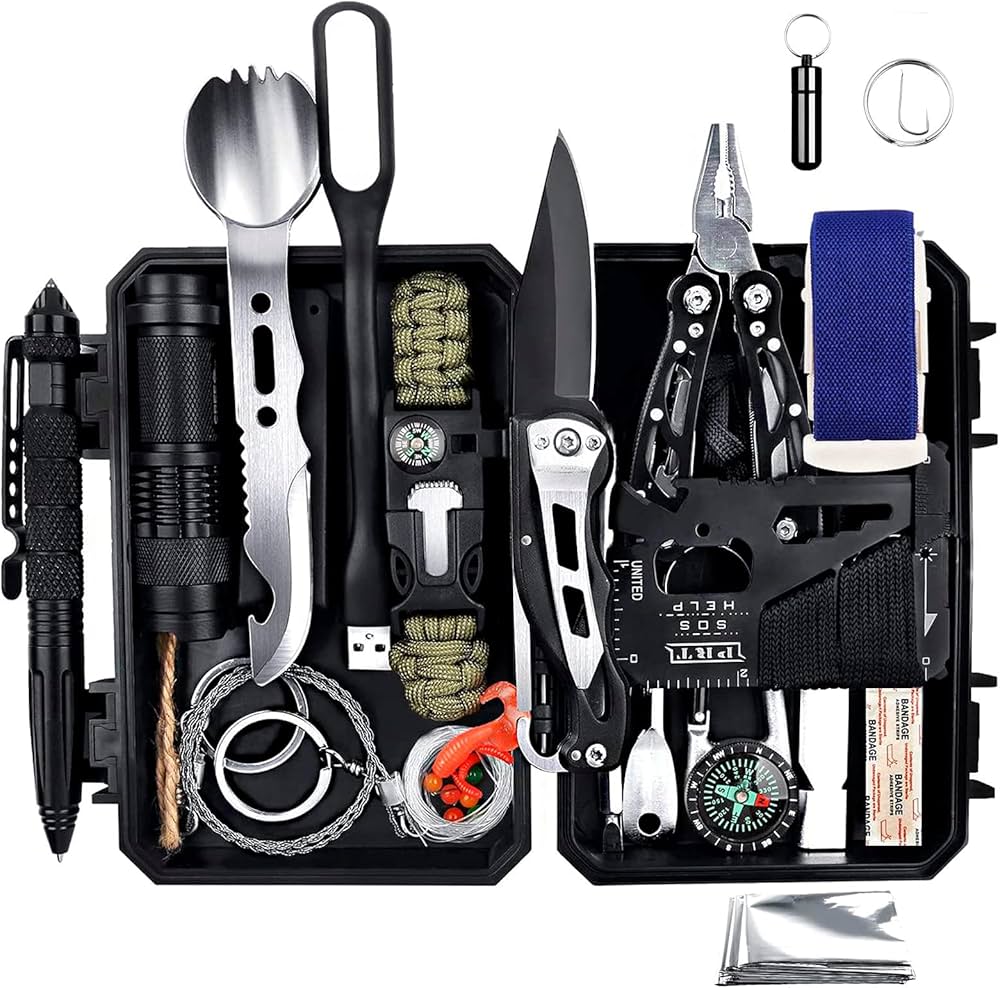
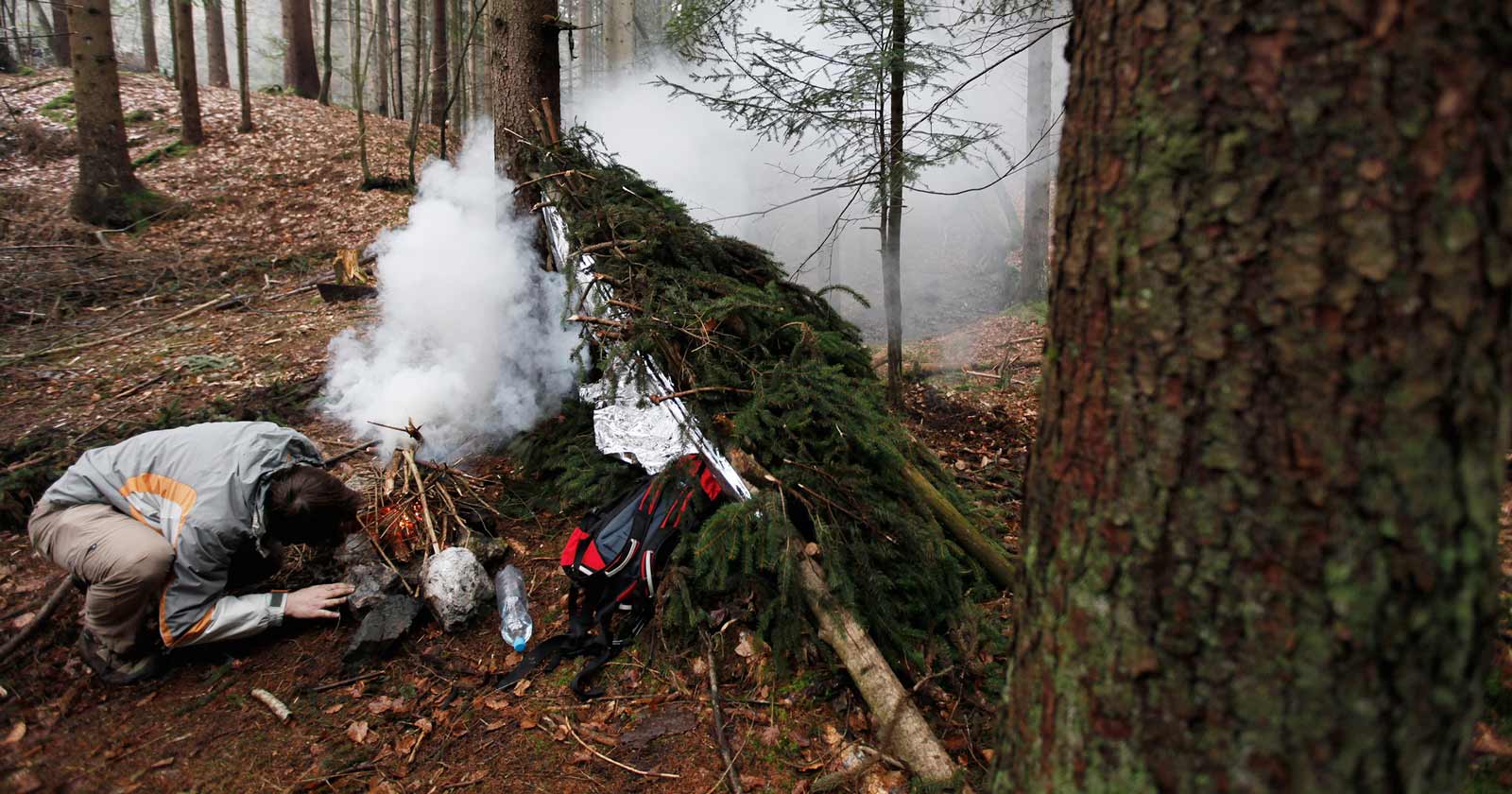


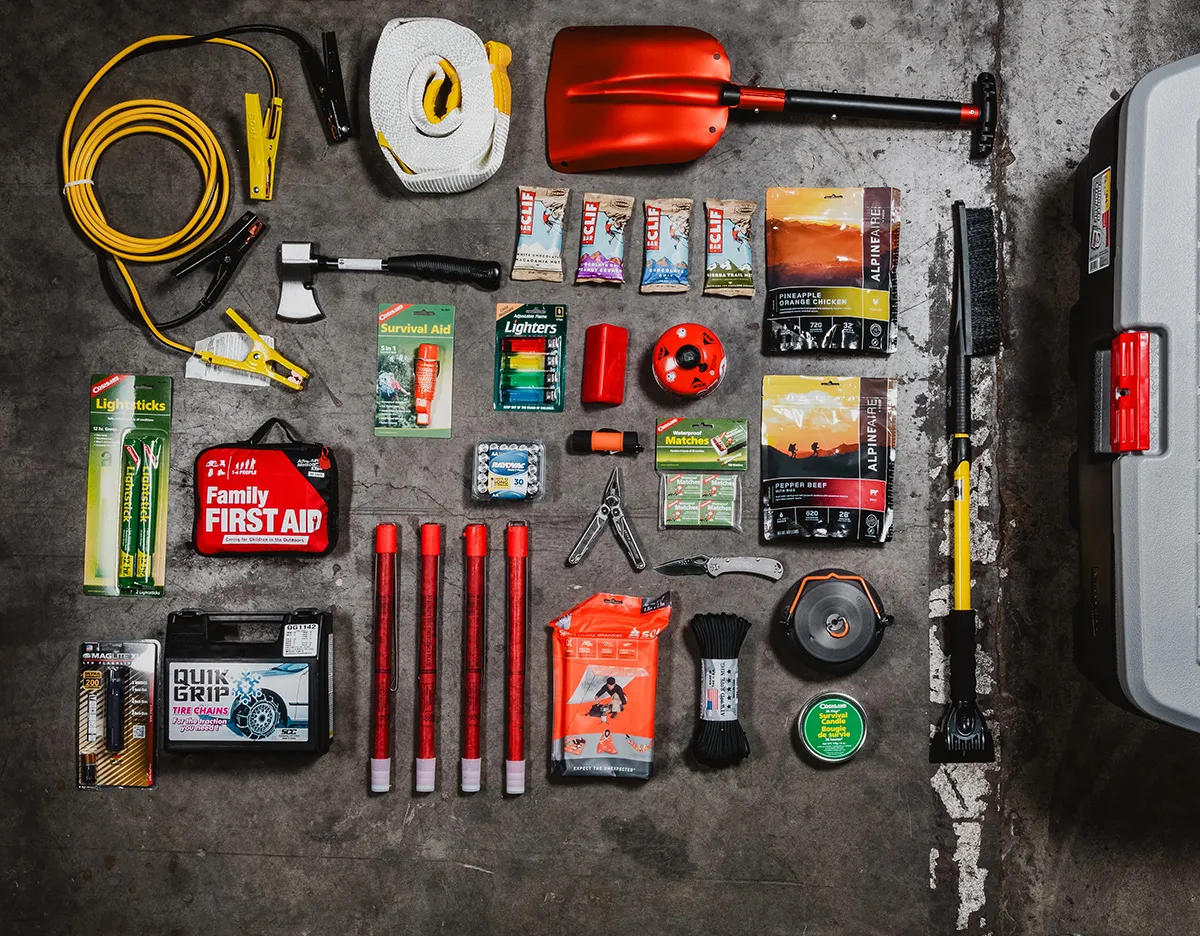
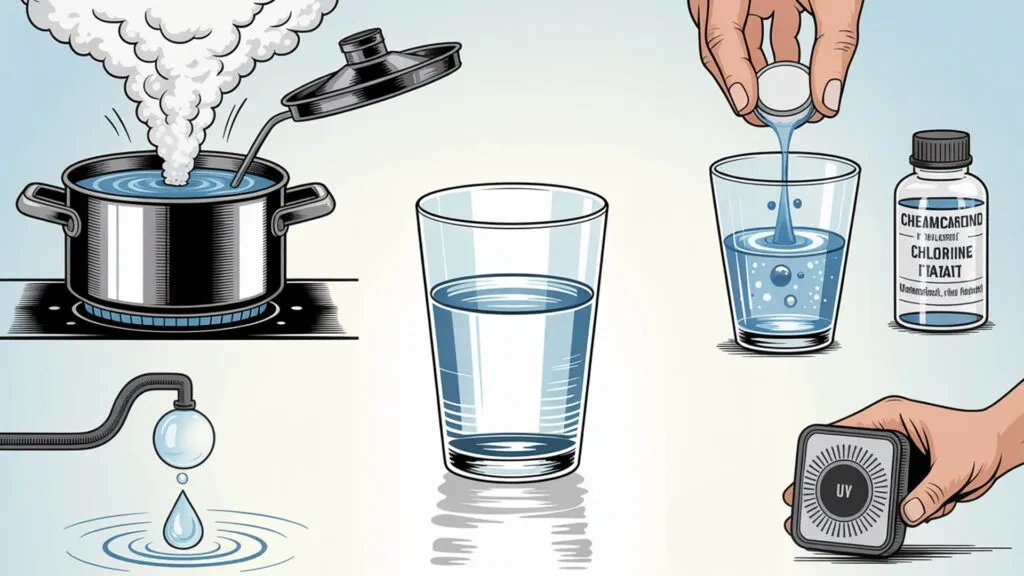
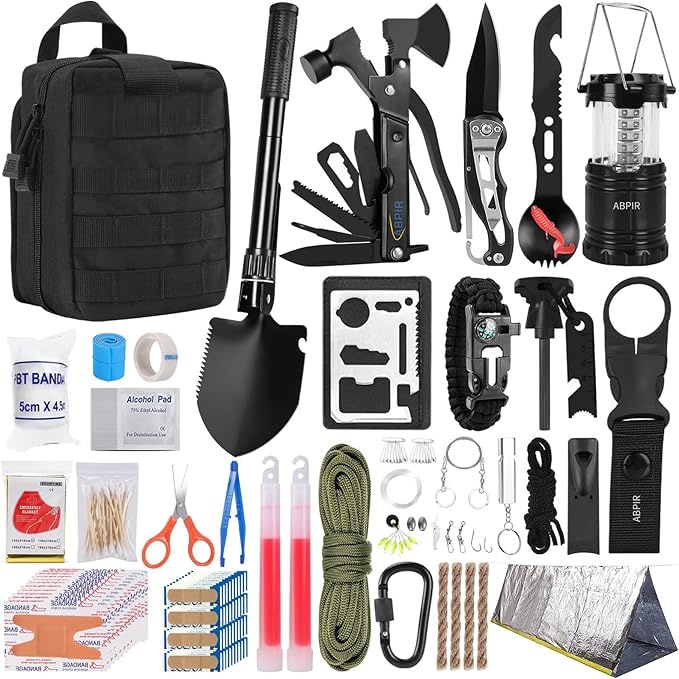



Tags
📧 Get More Articles Like This
Subscribe to receive product reviews and buying guides in your inbox!
We respect your privacy. Unsubscribe at any time.