Summer Heat Survival: Preventing Heatstroke During Hiking
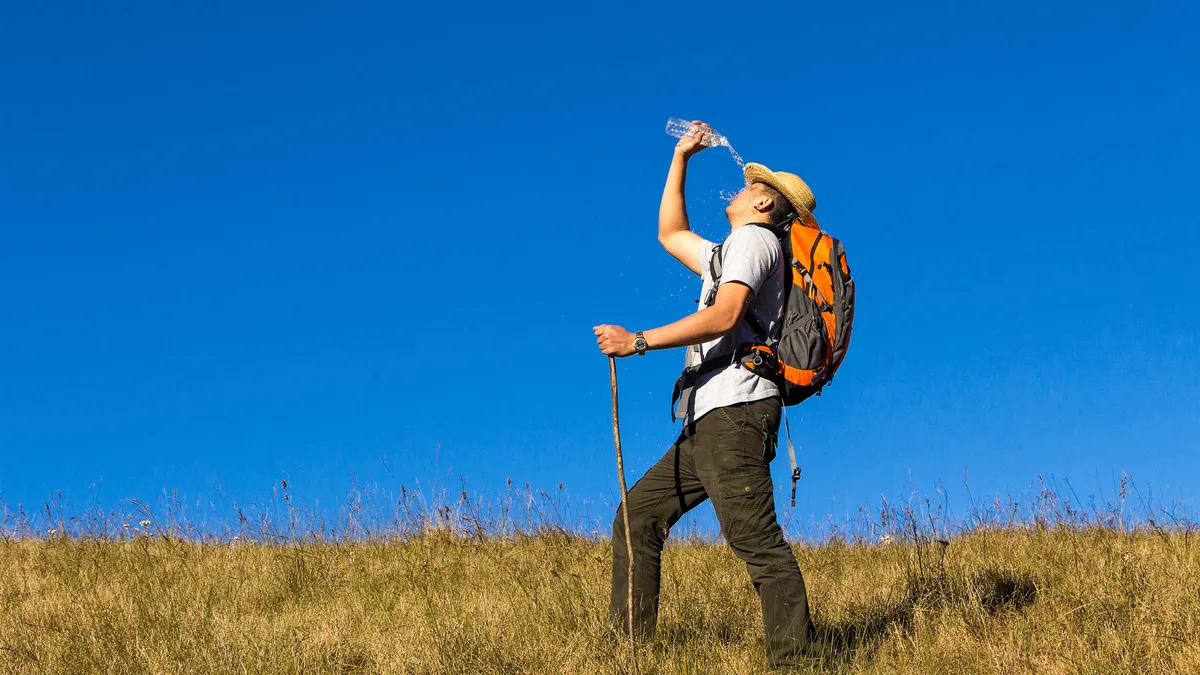
Table of Contents
- Introduction: When Summer Trails Turn Deadly
- Understanding Heat Stroke: The Silent Killer on the Trail
- The Science of Thermoregulation During Hiking
- Early Warning Signs: Reading Your Body’s Distress Signals
- Prevention Strategies: Building Your Heat Defense System
- Emergency Response: Critical Actions When Heat Stroke Strikes
- Trail Selection and Timing: Strategic Planning for Summer Hiking
- Acclimatization Protocols: Training Your Body for Heat
- Conclusion: Embracing Summer Hiking Safely
- Frequently Asked Questions
Introduction: When Summer Trails Turn Deadly
The Arizona sun climbed mercilessly toward its midday peak as Sarah Mitchell, a marathon runner with five years of trail experience, confidently ascended the Camelback Mountain trail outside Phoenix. At 29 years old and impeccably fit, she had conquered dozens of challenging hikes across the American Southwest. This particular August morning seemed no different from countless others, except for one critical detail she would later recount from her hospital bed—she had underestimated the ruthless efficiency with which heat transforms familiar trails into death traps. Within ninety minutes of starting her hike, Sarah’s vision began tunneling, her thoughts scattered like windblown leaves, and her usually reliable legs buckled beneath her trembling body. A passing hiker’s quick recognition of heat stroke symptoms and immediate emergency response saved her life, but Sarah’s core body temperature had already reached 106 degrees Fahrenheit, dangerously close to the threshold where vital organs begin catastrophic failure.
Sarah’s experience reflects a disturbing reality that medical researchers and wilderness safety experts have documented with increasing alarm over the past decade. Heat-related deaths during outdoor recreation have surged dramatically as climate patterns shift and average summer temperatures continue rising across hiking regions worldwide. According to medical emergency data, more than three thousand hikers required emergency treatment for severe heat illness across national parks and wilderness areas during the summer of 2025 alone. The statistics become more sobering when examining fatality rates—heat stroke killed forty-seven hikers during that same period, with the majority being experienced outdoor enthusiasts who believed their fitness level provided immunity against heat-related emergencies. These numbers represent not just abstract statistics but real people whose families received devastating phone calls from rangers and emergency responders, their loved ones having ventured onto familiar trails only to be overwhelmed by conditions they thought they understood.
Before delving into the article, watch this video which highlights the strategies of doctors and mountain rescue experts for dealing with high temperatures:
The medical community has identified a particularly insidious aspect of heat stroke that distinguishes it from other hiking emergencies and makes it exceptionally dangerous for outdoor enthusiasts. Federal health agencies have documented this progression extensively through thousands of documented cases across diverse populations and geographic regions. The Centers for Disease Control provides comprehensive resources detailing how heat illness develops during recreational activities, with specific guidance for preventing complications when engaging in strenuous outdoor pursuits like hiking. Unlike gradual onset conditions that provide ample warning, exertional heat stroke can progress from subtle discomfort to life-threatening crisis within mere minutes, especially when physical exertion accelerates the body’s heat production beyond its cooling capacity. Your cardiovascular system, respiratory function, and neurological processes all face simultaneous assault as core temperature climbs past safe thresholds, triggering a cascade of physiological failures that can become irreversible without immediate intervention. The brain, particularly vulnerable to temperature extremes, begins experiencing dysfunction that manifests as confusion, disorientation, and impaired decision-making—precisely when you most need clear thinking to recognize the emergency and execute appropriate responses.
Heat stroke during hiking differs fundamentally from the classic heat stroke that affects elderly individuals during heat waves in their homes. Many outdoor enthusiasts make preventable errors that dramatically increase their heat illness risk without recognizing the danger until symptoms become severe. Understanding the deadliest camping mistakes and how to prevent them helps hikers avoid the common judgment failures and preparation oversights that transform routine summer trips into medical emergencies. Heat management represents just one component of comprehensive outdoor safety, but mistakes in this area prove particularly unforgiving because symptoms can progress so rapidly. Exertional heat stroke strikes healthy, active people during intense physical activity, often in conditions that wouldn’t necessarily trigger concern for sedentary individuals. Your working muscles generate tremendous internal heat—potentially ten to twenty times your resting metabolic rate—which must be dissipated through sweating and increased blood flow to the skin. When environmental conditions prevent adequate cooling, when humidity blocks sweat evaporation, when dehydration reduces your blood volume, or when you simply push too hard for too long, your body’s temperature regulation systems become overwhelmed. The result is a medical emergency that requires recognition and response within minutes to prevent permanent organ damage or death, making knowledge of prevention strategies and emergency protocols literally life-saving information for anyone who hikes during warm weather.
The tragedy of heat stroke lies not in its inevitability but in its preventability through proper understanding, preparation, and respect for the profound stress that hot weather hiking places on human physiology. Medical experts consistently emphasize that the vast majority of heat stroke cases could have been avoided through appropriate precautions, adequate hydration, smart timing, heat acclimatization, and most importantly, willingness to recognize warning signs and abort missions when conditions become dangerous. This article draws from current medical research, wilderness medicine protocols, emergency response data, and survivor experiences to provide comprehensive, potentially life-saving guidance for anyone planning to hike during hot weather. Understanding the mechanisms of heat illness, recognizing the progression of symptoms, implementing proven prevention strategies, and knowing exactly how to respond during emergencies transforms abstract danger into manageable risk, allowing you to safely enjoy summer trails while maintaining the vigilance that keeps you alive when temperatures soar.

Understanding Heat Stroke: The Silent Killer on the Trail
Heat stroke represents the catastrophic failure of your body’s temperature regulation system, a life-threatening medical emergency that kills cells, damages organs, and can leave survivors with permanent neurological impairments if treatment is delayed. Medical researchers define heat stroke as a condition where core body temperature exceeds 104 degrees Fahrenheit accompanied by central nervous system dysfunction, though many victims experience temperatures well above 106 degrees by the time they receive emergency care. Unlike heat exhaustion, which involves dehydration and electrolyte imbalances but preserved mental function, heat stroke crosses a critical threshold where your brain literally begins cooking inside your skull, triggering seizures, hallucinations, loss of consciousness, or bizarre behavioral changes that terrify witnesses and signal imminent danger. The distinction between these conditions is not academic—it determines whether you walk off the trail under your own power or whether emergency helicopters rush you to intensive care units where medical teams fight to prevent multiple organ failure.
The physiological mechanisms underlying heat stroke reveal why this condition proves so deadly and why fitness provides no protection when environmental and exertional factors combine against you. Under normal circumstances, your hypothalamus maintains core temperature within a remarkably narrow range around 98.6 degrees Fahrenheit through sophisticated feedback systems that balance heat production against heat dissipation. Academic medical centers have conducted extensive research into the relationship between dehydration and thermoregulation failure during physical exertion. Johns Hopkins Medicine researchers have documented how fluid deficits compromise both cardiovascular function and heat dissipation mechanisms, creating a dangerous cascade that can rapidly progress from manageable discomfort to life-threatening crisis. When hiking generates muscular heat faster than your body can eliminate it through sweating and increased skin blood flow, core temperature begins climbing. Initially, your cardiovascular system compensates by shunting blood from internal organs to the skin, increasing heart rate to maintain circulation, and ramping up sweat production to maximize evaporative cooling. These adaptive responses work effectively until you encounter conditions that overwhelm them—extreme ambient temperature, high humidity that prevents sweat evaporation, inadequate fluid intake that reduces blood volume, or simply sustained exertion that generates heat faster than any physiological mechanism can eliminate it.
Once core temperature climbs past 104 degrees, cellular damage begins throughout your body with particularly devastating effects on the brain, liver, kidneys, and muscles. Proteins that maintain cellular structure start denaturing—literally changing shape and losing function—much like egg whites solidifying when heated. Your cell membranes become unstable, allowing harmful substances to leak between compartments where they don’t belong. Blood clotting mechanisms malfunction, potentially triggering dangerous bleeding or inappropriate clot formation. Muscle cells break down in a process called rhabdomyolysis, releasing myoglobin that can clog kidney filters and cause acute renal failure. The gastrointestinal lining deteriorates, allowing bacteria and toxins to enter the bloodstream and trigger inflammatory cascades that can progress to multi-organ dysfunction syndrome. Meanwhile, your brain swells inside the rigid confines of your skull, compressing vital structures and potentially causing permanent damage to regions controlling movement, memory, personality, and basic survival functions.
The medical literature documents two distinct types of heat stroke that hikers must understand because recognition patterns and risk factors differ significantly between them. Classic heat stroke typically affects elderly individuals, infants, or people with chronic illnesses during prolonged heat waves, developing gradually over hours or days as environmental heat overwhelms passive cooling mechanisms. Exertional heat stroke, the variant that strikes hikers, develops rapidly during intense physical activity when metabolic heat production combines with environmental heat stress to exceed the body’s maximum cooling capacity. Young, healthy, remarkably fit individuals prove equally vulnerable to exertional heat stroke because muscular exertion generates internal heat that can overwhelm even the most efficient thermoregulation systems. The critical difference lies in timing—classic heat stroke provides hours or days of warning while exertional heat stroke can progress from feeling hot to losing consciousness within thirty minutes of the first concerning symptoms.
Research into heat stroke outcomes paints a sobering picture of why rapid cooling and immediate medical care prove absolutely essential for survival and recovery. Studies tracking heat stroke victims reveal that mortality rates climb steeply when core temperature exceeds 106 degrees Fahrenheit for more than ninety minutes, with survival depending heavily on how quickly cooling begins and how effectively medical teams manage complications. Survivors who experienced prolonged hyperthermia frequently face permanent neurological deficits including cognitive impairment, personality changes, coordination problems, and chronic fatigue that persists for months or years after the incident. The medical costs associated with severe heat stroke can easily exceed several hundred thousand dollars when intensive care, multiple organ support, extended rehabilitation, and long-term follow-up become necessary. These statistics underscore a fundamental truth about wilderness heat emergencies—prevention remains infinitely superior to treatment because even successful rescue and aggressive medical intervention cannot always reverse the damage caused by your brain and organs essentially cooking inside your body for too long.
The Science of Thermoregulation During Hiking
Understanding how your body manages heat during hiking illuminates why certain conditions become so dangerous and why specific prevention strategies prove effective. Your thermoregulation system operates as a remarkably sophisticated network of sensors, control centers, and effector mechanisms that constantly monitor and adjust your core temperature through dozens of interrelated physiological processes. Temperature receptors distributed throughout your skin and deep within your body continuously feed information to your hypothalamus, which functions as your body’s thermostat, comparing actual temperature against the set point and orchestrating appropriate responses to maintain homeostasis. When hiking generates muscular heat that threatens to raise core temperature, your hypothalamus triggers a coordinated series of adjustments designed to increase heat dissipation while minimizing further heat gain, though the effectiveness of these responses depends entirely on environmental conditions and your physiological reserves.
Sweating represents your body’s primary and most powerful cooling mechanism, capable of dissipating enormous amounts of heat through the evaporation of water from your skin surface. Each liter of sweat that evaporates removes approximately 580 kilocalories of heat from your body—enough to cool several pounds of tissue by multiple degrees. During intense hiking in hot conditions, well-conditioned athletes can produce up to two liters of sweat per hour, translating to a theoretical cooling capacity of more than 1,100 kilocalories hourly. However, this impressive capability comes with critical limitations and dependencies that determine whether sweating actually protects you or merely dehydrates you without adequate cooling. High humidity represents the most significant environmental factor that undermines sweat effectiveness because when air is already saturated with moisture, your sweat cannot evaporate efficiently, instead running off your skin without providing cooling benefit. This explains why hiking in humid conditions feels more oppressive and dangerous than similar temperatures in arid climates—your primary cooling mechanism fails precisely when you need it most.
Cardiovascular adjustments form the second major component of heat dissipation, with your circulatory system performing a delicate balancing act between meeting the oxygen demands of working muscles and routing blood to your skin for cooling purposes. As you hike, your heart rate increases dramatically to pump more blood per minute, while peripheral blood vessels dilate to accommodate increased flow to skin surfaces where heat can radiate into the environment. This redistribution of blood flow creates competing demands—your muscles need oxygenated blood to sustain activity, your brain requires adequate perfusion to maintain consciousness and coordination, and your skin needs increased circulation for cooling. When you become dehydrated, blood volume decreases, making it progressively more difficult for your cardiovascular system to meet all these demands simultaneously. Your heart rate climbs higher as it attempts to compensate for reduced stroke volume, your blood pressure may drop as peripheral vasodilation outpaces the heart’s pumping capacity, and eventually the system can no longer maintain adequate blood flow to all critical areas at once, precipitating cardiovascular collapse and heat stroke.
The relationship between hydration status and thermoregulation cannot be overstated in its importance for hikers attempting to prevent heat illness. Even mild dehydration of just two percent of body weight—about three pounds for a 150-pound person—significantly impairs your cardiovascular function and reduces sweat production, effectively undermining both major cooling mechanisms your body possesses. Research using precise physiological measurements has demonstrated that dehydrated hikers experience core temperature increases of 0.3 to 0.5 degrees Fahrenheit higher than their well-hydrated counterparts during identical exertion levels. This might sound trivial until you consider that the difference between heat exhaustion and heat stroke often comes down to just a few degrees of core temperature, and that these seemingly small deficits accumulate over hours of hiking, potentially pushing you across the threshold from manageable discomfort to life-threatening emergency. Plasma volume decreases when you’re dehydrated, reducing the fluid available for both sweat production and cardiovascular circulation, creating a vicious cycle where diminished cooling leads to higher temperatures, which triggers more sweating, which accelerates dehydration, which further impairs cooling capacity.
Acclimatization represents one of the most powerful physiological adaptations your body can make to improve heat tolerance, yet it remains widely misunderstood by recreational hikers who dramatically underestimate how much time and gradual exposure this process requires. When you regularly expose yourself to hot conditions over a period of seven to fourteen days, your body undergoes remarkable changes that enhance both heat dissipation and heat tolerance. Your sweat glands become more sensitive, beginning to activate at lower core temperatures and producing more dilute sweat that conserves salt while still providing cooling. Your blood plasma volume expands by up to twenty percent, improving cardiovascular efficiency and providing more fluid for both circulation and sweating. Your core temperature set point adjusts slightly downward, meaning you begin cooling responses earlier before temperature rises as high. Most importantly, your subjective perception of heat stress decreases significantly—the same conditions that felt unbearable initially become merely uncomfortable after proper acclimatization, though the objective physiological stress remains largely unchanged. This adaptation proves so powerful that heat-acclimatized individuals can safely perform activities that would cause heat stroke in unacclimatized people under identical conditions.

The metabolic heat production during hiking varies enormously based on factors including pace, terrain, elevation gain, pack weight, and your personal fitness level, with sustained steep climbing potentially generating ten to twenty times your resting metabolic rate. A typical hiker ascending moderate terrain might produce 300 to 500 kilocalories of heat per hour, while aggressive climbing with heavy packs can generate 800 to 1,200 kilocalories hourly. To put these numbers in perspective, if your body couldn’t dissipate any of this heat, your core temperature would rise by one degree Fahrenheit every five to ten minutes during vigorous hiking, reaching lethal levels within an hour or two of starting your trek. This sobering reality underscores why your cooling mechanisms must function at peak efficiency throughout your hike and why any factors that impair heat dissipation—high ambient temperature, high humidity, dehydration, lack of acclimatization, inappropriate clothing—dramatically increase your risk of heat stroke even during relatively brief exertion.
Early Warning Signs: Reading Your Body’s Distress Signals
Recognizing the early warning signs of heat illness requires understanding the progression from initial heat stress through heat exhaustion and ultimately to life-threatening heat stroke, with each stage presenting distinctive symptoms that demand immediate attention and intervention. The challenge lies in distinguishing normal discomfort from dangerous physiological compromise while you’re experiencing the very cognitive impairments that heat stress produces. Medical research has identified a characteristic progression of symptoms that typically unfolds over minutes to hours, though individual variation and environmental factors can accelerate or slow this timeline unpredictably. Your ability to recognize these warning signs in yourself and fellow hikers directly determines whether a potentially dangerous situation remains a manageable inconvenience or escalates into a medical emergency requiring evacuation and intensive care.
The earliest indicators of heat stress often masquerade as normal hiking discomfort, making them easy to dismiss or rationalize away when you’re focused on reaching your destination. Excessive sweating beyond what you typically experience during similar exertion represents one of the first measurable signs that your thermoregulation system is working harder than usual to maintain safe core temperature. Your heart rate climbing higher than expected for your current pace and perceived exertion level indicates that your cardiovascular system is struggling to meet competing demands for muscle perfusion and skin blood flow. A persistent throbbing headache, particularly one that doesn’t respond to rest and shade, often signals that blood flow to your brain is being compromised as your body prioritizes skin circulation for cooling. Unusual fatigue or weakness disproportionate to your physical conditioning and the trail difficulty you’ve covered suggests that dehydration and cardiovascular stress are accumulating faster than you can compensate through normal recovery mechanisms.
Heat cramps represent a distinct warning sign that many hikers experience as painful muscle spasms, typically affecting the calves, quadriceps, or abdominal muscles during or shortly after intense exertion in heat. Weather forecasting agencies track heat-related illness patterns across the United States to provide public safety warnings during dangerous thermal events. The National Weather Service maintains comprehensive educational resources about heat cramps and their relationship to more severe conditions, helping outdoor enthusiasts understand the progression of heat-related medical emergencies. These cramps result from electrolyte imbalances as profuse sweating depletes sodium, potassium, and magnesium from your body faster than normal hydration replaces them. While heat cramps themselves don’t constitute a medical emergency, they serve as unmistakable evidence that you’re approaching the limits of your body’s ability to cope with heat stress and electrolyte losses. Continuing to hike after experiencing heat cramps without addressing the underlying fluid and electrolyte deficits dramatically increases your risk of progressing to heat exhaustion or heat stroke within the next hour or two. Many heat stroke victims later report having experienced muscle cramps earlier in their hike but pushed through the discomfort, believing rest and water would resolve the problem without recognizing these symptoms as a critical warning that they needed to abort their hike immediately.
Heat exhaustion presents with a constellation of symptoms that clearly indicate your thermoregulation and cardiovascular systems are becoming overwhelmed, though you haven’t yet crossed the threshold into life-threatening heat stroke territory. Major healthcare systems have developed comprehensive patient education resources distinguishing between the various stages of heat-related illness based on clinical presentation. Cleveland Clinic emergency medicine specialists outline the key differences between heat exhaustion and more severe conditions, emphasizing the importance of early recognition and appropriate response. Profuse sweating that soaks your clothing and drips steadily from your face continues during heat exhaustion, distinguishing it from heat stroke where sweating may cease entirely as your body’s cooling mechanisms fail completely. Dizziness or lightheadedness, particularly when standing from a resting position, signals that your blood pressure is dropping as peripheral vasodilation and dehydration reduce the blood volume available to maintain cerebral perfusion. Nausea and vomiting indicate that your gastrointestinal system is being compromised as blood flow is diverted away from internal organs to support cooling and muscular activity. Cool, clammy skin that feels unusually pale despite environmental heat reflects your cardiovascular system’s struggle to maintain adequate circulation, with peripheral blood vessels constricting periodically to preserve blood pressure even as your body needs skin blood flow for cooling.
The critical distinction between heat exhaustion and heat stroke lies primarily in mental status changes and core temperature elevation, with heat stroke presenting unmistakable signs of central nervous system dysfunction that demand immediate emergency response. Leading medical institutions have published detailed clinical descriptions of how these conditions differ in presentation and required treatment approaches. Mayo Clinic medical experts provide authoritative guidance on recognizing heatstroke symptoms and understanding the critical temperature thresholds that separate manageable heat stress from life-threatening medical emergencies. Confusion, disorientation, or inability to answer simple questions like your name, location, or the current date indicate that elevated core temperature is beginning to damage brain function. Slurred speech, aggressive or combative behavior, inappropriate giddiness or emotional lability, and difficulty coordinating movements all signal neurological impairment consistent with heat stroke. Loss of consciousness or inability to remain standing represents an obvious medical emergency requiring immediate cooling and evacuation. Critically, heat stroke victims may stop sweating entirely as their thermoregulation system fails completely, leaving skin hot and dry to the touch, though some cases of exertional heat stroke continue showing profuse sweating even as core temperature soars past 105 degrees. This variability makes mental status changes the most reliable indicator of heat stroke—if someone shows confusion or altered consciousness while hiking in hot weather, assume heat stroke and begin emergency cooling regardless of whether they’re still sweating.
Understanding the subtle early warning signs that precede obvious heat illness can provide the crucial window you need to take preventive action before a reversible problem becomes a medical catastrophe. Many heat stroke survivors report experiencing vague premonitory symptoms in the thirty to sixty minutes before their condition deteriorated rapidly—feeling unusually irritable or emotionally unstable, developing tunnel vision or difficulty focusing their eyes, noticing that familiar landmarks seemed confusing or disorienting, experiencing persistent goosebumps or chills despite obvious heat, or simply feeling an indefinable sense that something was wrong. These subtle neurological signs reflect early brain dysfunction as temperature begins creeping past safe thresholds, providing a brief opportunity to recognize danger and take immediate action. Unfortunately, these same symptoms impair the judgment and decision-making needed to recognize their significance, which is why hiking with partners who can observe each other for behavioral changes provides such critical protection against heat stroke. A companion might notice that you’re stumbling more than usual, that your responses to questions seem delayed or confused, or that your pace has become erratic long before you consciously recognize these problems yourself.

Prevention Strategies: Building Your Heat Defense System
Preventing heat stroke requires a comprehensive, multi-layered approach that addresses hydration, timing, clothing, pacing, nutrition, and realistic assessment of your capabilities relative to environmental conditions. The most effective prevention strategy begins days before you actually set foot on the trail, with systematic preparation that optimizes your physiological readiness and ensures you possess the knowledge, equipment, and support systems necessary to recognize and respond to heat stress before it becomes life-threatening. Medical experts emphasize that preventing heat illness proves infinitely easier, cheaper, and more reliable than treating it after the fact, with even aggressive medical intervention unable to reverse all the damage caused by prolonged hyperthermia. Your prevention plan should address each link in the chain of causation that leads to heat stroke, creating multiple backup systems so that failure of any single protective mechanism doesn’t automatically result in catastrophic outcome.
Hydration represents the single most critical preventable factor that determines your heat tolerance during hiking, yet the majority of recreational hikers dramatically underestimate how much fluid they need to consume before, during, and after hot weather activities. Proper hydration begins at least 24 hours before your planned hike, with conscious effort to consume additional fluids beyond your normal intake to ensure you start with optimal plasma volume and cellular hydration. Current medical guidelines recommend drinking an additional liter of water or electrolyte beverage on the day before your hike, spread throughout the day rather than consumed all at once, which would simply result in increased urination without improving tissue hydration. On the morning of your hike, consume at least 500 milliliters of fluid two hours before starting, allowing time for absorption and urination so you don’t begin hiking with a uncomfortably full bladder. Your urine color provides the most practical indicator of hydration status—pale yellow like lemonade indicates good hydration, while dark yellow like apple juice signals dehydration requiring immediate fluid intake.
During your hike, consuming at least one liter of fluid per hour during hot weather should be considered your minimum baseline, with increases necessary for higher temperatures, lower humidity, faster pace, heavier pack weight, or personal factors like larger body size or higher sweat rates. Carrying adequate hydration capacity proves essential for summer hiking safety, with hands-free drinking systems enabling you to maintain steady fluid intake without stopping to remove your pack. Modern hydration bladders and water bottles designed specifically for outdoor activities provide the durability and convenience necessary for maintaining the aggressive drinking schedules that prevent heat illness during extended trail time. Waiting until you feel thirsty represents a dangerous approach because thirst only triggers after you’ve already lost significant fluid volume, and the physiological lag means you’re constantly playing catch-up rather than maintaining adequate hydration. Setting a timer on your watch or phone to remind you to drink every fifteen to twenty minutes removes the need to consciously remember hydration when you’re focused on navigation and safety. Small, frequent sips prove more effective than large, infrequent gulps because your gastrointestinal system can only absorb fluid at a finite rate, with excess passing through without benefiting your hydration status. The general guideline of consuming small amounts continuously throughout your hike ensures steady absorption while avoiding the stomach discomfort that comes from drinking large volumes at once.
Shop on AliExpress via link: wholesale-hiking-hydration-bladder
Electrolyte replacement becomes essential during hiking exceeding two hours in duration or when you notice salt crystals on your skin and clothing indicating significant mineral losses through sweating. Plain water alone can actually worsen heat illness risk during prolonged exertion because drinking large volumes without electrolyte replacement dilutes your blood sodium concentration, potentially causing hyponatremia that produces symptoms similar to dehydration including confusion, nausea, and weakness. Sports drinks formulated with sodium, potassium, and carbohydrates provide the optimal composition for replacement during extended hiking, though you can also use electrolyte tablets, powders, or simply consuming salty snacks along with water. The specific electrolyte concentration matters less than ensuring you’re getting some sodium replacement during extended sweating—most commercial sports drinks contain 300 to 500 milligrams of sodium per liter, which approximates your sweat losses during moderate exertion. Avoid relying solely on plain water for hikes exceeding three hours, and pay particular attention to electrolyte replacement if you’re among the significant minority of people who produce very salty sweat, evidenced by white residue on dark clothing after previous hikes.
Strategic timing of your hiking activities relative to daily temperature patterns provides one of the most effective and cost-free methods of reducing heat stress exposure. Summer temperatures typically reach their peak between 2 PM and 4 PM in most regions, with the hottest several hours extending from roughly 11 AM to 5 PM depending on local climate patterns and topography. Planning your hikes to avoid these peak heat hours dramatically reduces the thermal stress your body faces even when covering identical terrain and distance. Early morning starts targeting a trailhead arrival before sunrise allow you to complete substantial mileage during the coolest part of the day, with many serious hikers in desert regions routinely beginning their ascents at 4 AM or 5 AM during summer months. National park rangers and wilderness managers have developed extensive protocols for educating visitors about the specific dangers posed by summer heat in outdoor recreation areas. The National Park Service maintains detailed guidance on recognizing and preventing heat illness based on decades of emergency response experience across America’s most challenging hiking environments. Evening hikes starting after 6 PM similarly exploit cooler temperatures, though you must carefully plan to have adequate daylight or headlamp capabilities for safe navigation and completion of your route before darkness complicates trail finding.
Clothing selection plays a surprisingly significant role in heat management, with appropriate fabric choices, colors, and fit potentially reducing your heat burden by several hundred kilocalories per hour compared to poor selections. Synthetic moisture-wicking fabrics or merino wool transport sweat away from your skin to outer layers where evaporation can occur more effectively than cotton, which absorbs moisture and clings to skin while providing minimal evaporative cooling. Light colors, particularly white or very pale shades, reflect solar radiation rather than absorbing it like dark colors that can become painfully hot to the touch in direct sun. Loose-fitting garments allow air circulation between fabric and skin, promoting convective and evaporative cooling, while tight clothing traps heat against your body and limits sweat evaporation. Long sleeves and pants made from lightweight, breathable fabric actually provide better heat protection than shorts and tank tops by blocking direct solar heating of your skin while still permitting air circulation and sweat evaporation through the fabric.
A wide-brimmed hat represents one of the most valuable pieces of heat protection equipment you can carry, with research demonstrating that effective head shading can reduce your perceived heat stress and actual core temperature rise by measurable amounts during sun exposure. Your head and neck contain major blood vessels close to the skin surface, making these areas particularly effective for heat exchange with the environment. Shading your head prevents direct solar heating of your scalp and brain while allowing convective cooling and protecting your eyes from glare that can contribute to headaches and fatigue. Choose hats with breathable crown construction that doesn’t trap heat while providing sufficient brim width to shade your face and neck, ideally four inches or more all around. Some hikers enhance cooling by periodically wetting their hat with water, though be aware this only provides significant benefit in low humidity conditions where evaporation occurs readily.

Pacing strategies represent another critical variable under your direct control that significantly influences your metabolic heat production and cumulative heat stress over the course of a hike. Pushing yourself to maintain an aggressive pace generates substantially more metabolic heat than comfortable, sustainable hiking speeds, with the relationship between exertion intensity and heat production increasing exponentially rather than linearly. Slowing your pace by just twenty to thirty percent can reduce your metabolic heat production by forty to fifty percent while only modestly increasing your total time on the trail. This proves particularly important during the hottest parts of the day when your cooling capacity is most limited—maintaining the same pace you’d use during cool weather nearly guarantees heat stress accumulation when ambient temperatures soar. Many experienced desert hikers adopt a deliberate, almost meditative pace during hot weather, accepting that they’ll cover less distance per hour while dramatically reducing their heat illness risk and extending the hours they can safely remain active.
Regular rest breaks in shaded locations provide essential opportunities for your core temperature to stabilize or decrease slightly before resuming activity, preventing the cumulative heat accumulation that leads to heat stroke. Current recommendations suggest taking at least ten minutes of rest in shade for every hour of hiking during hot weather, with more frequent or longer breaks necessary during extreme conditions or when you notice early warning signs of heat stress. During these breaks, remove your pack to expose your back to air circulation, loosen restrictive clothing, wet your head and neck with water for evaporative cooling, consume fluids and electrolytes, and honestly assess your physical status and the wisdom of continuing your hike. Some wilderness medicine protocols recommend taking pulse measurements during rest breaks as an objective indicator of recovery adequacy—if your heart rate hasn’t dropped to within twenty beats per minute of your normal resting rate after ten minutes of rest, you’re accumulating heat stress faster than you’re recovering, signaling the need for extended rest or route modification.
Nutrition planning for hot weather hiking requires balancing adequate caloric intake to fuel your muscles against the reality that exercise in heat often suppresses appetite and can make eating feel difficult or nauseating. Your body needs energy to sustain physical activity, but digesting food generates additional metabolic heat and diverts blood flow from cooling circulation to your gastrointestinal system, potentially compromising thermoregulation. The optimal approach involves consuming smaller, more frequent snacks throughout your hike rather than large meals that overload your digestive system. Foods with high water content like fruits provide both calories and hydration while being easier to consume when you feel overheated. Salty snacks help replace sodium losses from sweating while stimulating your thirst mechanism to encourage fluid intake. Avoid heavy, protein-rich foods during the hottest parts of your hike because protein metabolism generates more heat than carbohydrate or fat metabolism, though you’ll want adequate protein in your pre-hike and post-hike meals to support muscle recovery.
Emergency Response: Critical Actions When Heat Stroke Strikes
Understanding the appropriate emergency response to suspected heat stroke can mean the difference between full recovery and permanent disability or death, with the first ten to fifteen minutes of intervention proving absolutely critical for outcomes. Heat stroke represents a true medical emergency requiring immediate action even before you call for help, because every minute your core temperature remains dangerously elevated increases the likelihood of irreversible organ damage. The medical principle governing heat stroke treatment is ruthlessly simple—cool first, transport second—with aggressive rapid cooling taking absolute priority over everything except ensuring the victim can breathe and has a pulse. Wilderness medicine protocols emphasize that you cannot harm a heat stroke victim by cooling them too quickly, but you can absolutely kill them through delayed or inadequate cooling, making aggressive intervention appropriate even if you harbor doubts about whether the person has heat stroke versus less serious heat exhaustion.
The moment you suspect heat stroke in yourself or a hiking companion based on confusion, altered consciousness, or combination of severe symptoms with very high perceived body temperature, immediately stop all physical activity and move to the shadiest location available within safe reach. If the victim is conscious and able to walk short distances, assist them to optimal shade; if unconscious or unable to move safely, begin cooling measures on site while simultaneously sending someone for help or calling emergency services. Remove excess clothing including hats, packs, and any constrictive garments that impede heat loss, though maintain modesty and prevent sunburn on newly exposed skin. Position the person lying down rather than sitting to maximize blood flow to the brain and reduce the cardiovascular work needed to maintain cerebral perfusion. Elevate the legs slightly if possible to enhance blood return to the core circulation, though this is secondary to cooling priorities and should be skipped if it delays initiation of cooling measures.
Rapid cooling using any and all available methods represents the single most important intervention you can provide, with research demonstrating that cooling rate directly correlates with survival and neurological outcomes in heat stroke cases. Emergency response organizations train millions of people annually in proper first aid techniques for heat-related medical emergencies. The American Red Cross provides evidence-based protocols for heat stroke treatment that prioritize aggressive cooling as the primary life-saving intervention, with specific instructions for field application when professional medical help is delayed. The most effective cooling method in wilderness settings involves immersing the victim up to their neck in cold water if you have access to a stream, lake, or pool, which can reduce core temperature by 0.2 to 0.4 degrees Fahrenheit per minute when water temperature is sufficiently cold. This proves dramatically faster than all other field-expedient methods, though obviously requires proximity to suitable water sources that many hiking trails lack. If full immersion is impossible, create an improvised cooling system by continuously applying water to the victim’s skin while fanning vigorously to promote evaporative cooling, which remains effective even with warm water as long as you maintain continuous wetting and airflow. Focus cooling efforts on areas where major blood vessels run close to the skin—neck, armpits, groin—though don’t limit application to just these zones because cooling the entire skin surface maximizes heat loss.
Ice packs or cold compresses applied to the neck, armpits, and groin accelerate cooling through direct conductive heat transfer from skin to cold objects, though the total cooling capacity of limited ice supplies will be exhausted quickly without continuous replenishment. If you’re carrying a limited amount of ice or chemical cold packs, rotate them frequently between body sites rather than leaving them in one location until completely warmed. Wet towels or clothing items provide surprisingly effective cooling when combined with fanning, with the evaporation of water removing substantial heat from skin surfaces. Some hiking groups carry spray bottles specifically for emergency cooling, allowing continuous misting of water onto skin without requiring submersion or soaking of garments. The specific cooling method matters far less than the speed with which you begin cooling and the aggressiveness with which you continue cooling efforts until emergency responders arrive or the victim shows clear mental status improvement.
Monitoring the victim’s consciousness and responsiveness while cooling provides critical information about whether your interventions are succeeding and whether additional complications are developing. A heat stroke victim who begins showing improvement in mental status—becoming less confused, responding more appropriately to questions, regaining orientation to person, place, and time—indicates that core temperature is dropping and neurological function is recovering. Continued deterioration in consciousness despite aggressive cooling suggests either that cooling is inadequate or that the victim has developed secondary complications like cerebral edema, seizures, or cardiovascular collapse requiring more advanced medical intervention. If the victim loses consciousness completely, becomes unresponsive, or stops breathing normally, immediately assess for pulse and breathing and be prepared to begin CPR if needed. Heat stroke can trigger cardiac arrest through multiple mechanisms including severe electrolyte imbalances, volume depletion, and direct thermal damage to the heart muscle, making basic life support skills potentially necessary in worst-case scenarios.
Communicating with emergency services requires providing specific information that helps responders understand the severity of the situation and prepare appropriate resources for evacuation and treatment. Wilderness emergencies like heat stroke require immediate coordinated response and clear priorities for the critical first hours when outcomes are determined. Knowing what to do during the first 24 hours lost or injured in the backcountry provides the framework for effective emergency management when heat illness strikes on remote trails. The principles of emergency assessment, calling for help, providing immediate treatment, and preparing for evacuation apply directly to heat stroke scenarios where minutes matter. When calling emergency services, clearly state that you’re reporting a suspected heat stroke case, provide your precise location using GPS coordinates if available, describe the victim’s current mental status and whether they’re conscious and breathing normally, report any cooling measures you’ve already implemented, and ask for guidance about continuing care while awaiting evacuation. Emergency dispatchers may provide specific instructions for ongoing cooling and monitoring based on your situation and resources. They can also coordinate helicopter evacuation if your location warrants this resource-intensive response, with the decision depending on factors including remoteness, terrain difficulty, victim stability, and weather conditions affecting helicopter operations.
Shop on AliExpress via link: wholesale-cooling-towel-sports

Deciding whether to attempt evacuation while continuing cooling or to remain in place awaiting professional rescue involves balancing multiple competing factors that don’t always have clear right answers. If you have sufficient people to maintain aggressive cooling while simultaneously moving the victim toward a trailhead or road, and if the victim remains stable or improving with walking assistance, beginning a careful evacuation can reduce the time until definitive medical care. However, if the victim is unconscious, deteriorating despite cooling, or if exertion involved in moving them might worsen their condition, remaining in place while maintaining aggressive cooling and awaiting professional rescue generally proves safer. Many heat stroke cases occur on popular trails where emergency responders can reach victims relatively quickly, making the decision to await rescue reasonable. Remote wilderness situations where evacuation could take many hours may necessitate attempting to move the victim even if their condition is marginal, accepting the risks because delayed access to advanced medical care poses greater danger than the exertion of evacuation.
Trail Selection and Timing: Strategic Planning for Summer Hiking
Intelligent trail selection and timing represent perhaps the most powerful tools available for preventing heat stroke because they allow you to simply avoid the most dangerous combinations of environmental factors rather than relying on your body to cope with extreme conditions. Not all hiking trails present equal heat risk even within the same region during the same season, with factors including elevation, aspect, vegetation coverage, water availability, and local microclimate patterns creating dramatic differences in thermal stress exposure. Understanding how these variables influence heat load enables strategic choices that maintain your summer hiking opportunities while dramatically reducing your risk of heat-related emergencies. The most experienced desert and summer hikers typically operate with mental models that categorize trails into those suitable for any summer conditions, those appropriate only during perfect weather with early starts, and those that should simply be avoided during the hottest months regardless of precautions.
Elevation represents one of the most significant variables affecting heat stress during summer hiking, with temperature typically decreasing by approximately 3.5 to 5 degrees Fahrenheit for every 1,000 feet of elevation gain. A trail reaching 8,000 feet elevation might be 15 to 20 degrees cooler than a trailhead at 4,000 feet, transforming marginally tolerable conditions into comfortable hiking weather through nothing more than strategic route selection. This elevation effect provides the foundation for common summer hiking strategies in mountainous regions—targeting high-elevation destinations, planning routes that gain elevation quickly to escape heat, or simply accepting that valley trails become off-limits during peak summer while mountain routes remain accessible. However, the physiological effects of altitude add complexity to this equation because reduced oxygen availability at high elevations can impair your exercise capacity and potentially increase your perceived exertion, though most hikers find this trade-off acceptable compared to heat stress at lower elevations.
The aspect of a trail—the compass direction its slopes face—dramatically influences solar radiation exposure and resulting heat load, particularly in regions with strong directional weather patterns or during different times of day. South-facing slopes in the Northern Hemisphere receive maximum solar heating during summer, potentially becoming 10 to 15 degrees hotter than north-facing slopes just across a ridge line. East-facing trails heat up rapidly during morning hours as the sun climbs, while west-facing routes face maximum solar radiation during the hottest afternoon hours when ambient temperature is already at its daily peak. North-facing slopes offer relative coolness and often retain more vegetation that provides shade, making them dramatically more comfortable for summer hiking compared to exposed southern slopes. Strategic route planning considers these patterns—choosing north-facing ascents when possible, starting hikes on east-facing slopes to complete them before afternoon heat, or planning longer routes that shift from east to north to west-facing segments as the day progresses.
Vegetation coverage and shade availability transform marginally tolerable temperatures into comfortable hiking conditions through multiple mechanisms including blocking direct solar radiation, reducing ground surface temperatures through transpirational cooling, and creating cooler microclimates through air circulation patterns. Forested trails consistently prove 10 to 20 degrees cooler than nearby exposed desert or grassland routes during summer, with the difference becoming even more pronounced during midday hours when solar radiation peaks. The type and density of forest canopy matters significantly—dense evergreen forests provide nearly complete shade throughout the day, while mixed deciduous forests offer variable shading depending on leaf coverage and canopy gaps. Even scattered trees or large boulders that provide intermittent shade offer measurable heat relief compared to completely exposed routes. When selecting summer hiking destinations, prioritize trails known for good tree coverage or natural shading from canyon walls, cliffs, or other topographic features that block solar radiation during the hottest hours.
Water availability along your planned route creates critical decision points for summer hiking safety because reliable water sources enable extended cooling opportunities and reduce the weight penalty of carrying sufficient hydration for your entire hike. Understanding how to safely obtain drinking water from natural sources becomes especially critical during hot weather hiking when consumption needs can easily double or triple compared to moderate conditions. Comprehensive testing of various water purification methods reveals which techniques work most reliably in field conditions while providing the safety margins essential for preventing gastrointestinal illness that would compound dehydration risks. Carrying effective purification systems allows you to take advantage of streams and springs along your route rather than bearing the crushing weight of all necessary water from the trailhead. Trails offering streams, springs, or lakes at strategic intervals allow you to wet clothing for evaporative cooling, replenish depleted water supplies, or even fully immerse yourself for rapid core temperature reduction during breaks. However, relying on natural water sources requires careful research to confirm they’re flowing during summer months when many seasonal streams dry up, knowledge of water purification methods to prevent gastrointestinal illness from contaminated sources, and backup plans for routes where expected water doesn’t materialize. Some hiking communities maintain detailed online databases of water source conditions updated by recent trail users, providing valuable current information for planning. Never assume water availability based on maps or trail descriptions without confirming through recent trip reports, because a dry water source on a hot trail can transform a challenging hike into a life-threatening emergency if you’ve planned your water supply around replenishment that doesn’t exist.
Loop routes versus out-and-back trails present strategic considerations for summer hiking because your options and required commitment differ substantially between these configurations. Out-and-back routes provide the critical flexibility to turn around at any point if conditions deteriorate, you’re experiencing heat stress symptoms, or you simply underestimated the challenge and need to retreat. This built-in escape option makes out-and-back trails generally safer for summer hiking, particularly when you’re testing your heat tolerance or venturing onto new routes where you lack experience with the specific conditions. Loop routes commit you to completing the entire circuit once you pass the halfway point, potentially forcing you to continue through increasingly dangerous conditions when retreat might be the wiser choice. However, some loop routes offer strategic advantages if they’re designed to tackle the most exposed or difficult sections during early morning coolness while saving shadier or easier terrain for afternoon hours when you’re more fatigued and ambient temperature is higher.
Route distance and elevation gain planning for summer conditions should incorporate significant safety margins compared to your typical cool-weather capabilities because heat stress, the extra weight of water supplies, and the need for frequent rest breaks all substantially reduce your comfortable pace and total distance capacity. Many experienced hikers apply a fifty percent reduction to their normal summer mileage targets when planning hot weather routes, accepting that covering twelve miles in summer heat requires the same time and effort as eighteen miles during spring or fall. Elevation gain proves even more energy-intensive during heat because ascending generates substantially more metabolic heat than flat terrain while simultaneously increasing altitude-related stress. Conservative planning that targets distances and elevation gains well within your capabilities provides cushion for unexpected challenges, slower-than-anticipated pace, or the need to extend rest breaks in response to heat stress symptoms.
Acclimatization Protocols: Training Your Body for Heat
Heat acclimatization represents one of the most powerful physiological adaptations you can develop to improve your safety and performance during hot weather hiking, yet it requires systematic exposure to heat stress over sufficient time to trigger the remarkable biological changes that enhance thermoregulation. The difference between heat-acclimatized and unacclimatized individuals proves so dramatic that medical researchers describe it as comparable to gaining several hundred miles of additional endurance capacity or improving cardiovascular fitness by months of training. An unacclimatized person attempting strenuous hiking in heat faces substantially higher risk of heat stroke compared to someone who has undergone proper acclimatization performing identical activity under the same conditions. Understanding the mechanisms, timeline, and methods for achieving effective heat acclimatization empowers you to deliberately improve your heat tolerance rather than gambling that your body will somehow cope with thermal stress it hasn’t been prepared to handle.
The physiological changes induced by heat acclimatization occur across multiple organ systems and cellular processes, collectively enhancing both your cooling capacity and your tolerance for elevated core temperatures. Workplace safety organizations have studied heat acclimatization protocols extensively to protect outdoor workers who face similar thermal stress as recreational hikers. The Occupational Safety and Health Administration has established evidence-based guidelines for progressive heat exposure that safely triggers adaptive responses while minimizing risk during the acclimatization process itself. Your sweat glands undergo remarkable adaptation, beginning to activate at lower core temperatures so cooling starts earlier before heat stress becomes severe. Sweat production rate increases substantially, with well-acclimatized individuals potentially producing two to three liters per hour compared to one liter or less in unacclimatized people. The composition of your sweat changes, becoming more dilute with lower sodium concentration, which conserves essential electrolytes even during profuse sweating episodes. Your plasma volume expands by ten to twenty percent over the course of acclimatization, providing additional fluid for both sweat production and cardiovascular circulation without requiring you to drink extraordinary volumes immediately before activity. Skin blood flow increases for any given core temperature, improving heat dissipation efficiency while your heart rate at a given work intensity decreases, indicating more efficient cardiovascular function.
The timeline required for heat acclimatization varies among individuals but generally requires seven to fourteen days of progressive heat exposure to achieve substantial adaptation, with maximal benefits developing over three to four weeks of continued exposure. Initial adaptations begin appearing within three to five days, particularly the increased plasma volume that provides relatively quick improvement in cardiovascular stability. Sweat gland changes require longer, typically showing significant effects after seven to ten days of heat exposure. Your subjective heat tolerance—how uncomfortable and stressed you feel during heat exposure—improves noticeably within the first week even though your physiological responses may still be developing. Interestingly, heat acclimatization proves partially reversible, with adaptations beginning to decay after just a week without heat exposure and returning nearly to baseline within two to three weeks of avoiding heat stress. This means you need ongoing heat exposure to maintain acclimatization status, though reacclimatization after a lapse occurs faster than initial acclimatization.

Effective acclimatization protocols involve gradual, progressive exposure to heat stress that stimulates adaptation without causing dangerous heat illness during the acclimatization process itself. The safest approach begins with low-intensity activity during the coolest parts of the day, gradually increasing either the ambient temperature you’re exposed to, the intensity of activity you perform, or the duration of heat exposure over the course of one to two weeks. Military and athletic organizations that need to rapidly acclimatize personnel use structured protocols typically involving exercising for sixty to ninety minutes daily in heat sufficient to elevate core temperature and induce sweating, starting at thirty to forty percent of maximum intensity on day one and progressing by ten to twenty percent daily until reaching full work capacity by day seven to ten. For recreational hikers, this might translate to starting with easy thirty-minute walks during warm morning hours, gradually progressing to longer hikes, steeper terrain, hotter times of day, and eventually full-distance routes as your tolerance improves.
Active heat acclimatization through exercise in heat proves significantly more effective than passive exposure to hot environments without physical activity, though passive exposure provides some benefit when active acclimatization isn’t possible. Sitting in a sauna or hot bath stimulates some adaptive responses including plasma volume expansion and improved cutaneous circulation, but doesn’t trigger the full spectrum of changes produced by exercising in heat. The combination of elevated core temperature from muscular work plus heat stress from the environment provides the optimal stimulus for comprehensive thermoregulatory adaptation. This means you can’t effectively acclimatize by simply spending time in hot weather without exercising, though regular sauna use or hot yoga might provide partial benefits. The most effective strategy combines progressive heat exposure during actual hiking or similar exercise that mimics your planned activities, ensuring your adaptations are specific to the demands you’ll face on the trail.
Maintaining adequate hydration and electrolyte balance during heat acclimatization proves essential because dehydration impairs the adaptive responses you’re trying to stimulate and increases your risk of experiencing heat illness during the acclimatization process. Drink according to your thirst plus an additional twenty to thirty percent during acclimatization sessions, ensuring your urine remains pale yellow and you’re not losing excessive body weight between sessions. Electrolyte replacement through sports drinks or salty foods supports the plasma volume expansion that forms a major component of heat adaptation. Some evidence suggests that deliberate salt loading during acclimatization, consuming additional sodium beyond normal dietary intake, accelerates and enhances certain adaptations, though this remains somewhat controversial and may not be necessary for most recreational hikers who maintain adequate normal salt intake.
Individual variation in heat tolerance and acclimatization capacity means that identical exposure protocols produce different outcomes in different people, with some individuals achieving remarkable heat tolerance while others show more modest improvements despite following the same training regimen. Age influences acclimatization capacity, with younger individuals typically adapting more readily than older hikers, though this trend shows wide individual variation and certainly doesn’t preclude older adults from achieving excellent heat tolerance. Baseline fitness level correlates positively with acclimatization capacity, meaning fitter individuals generally acclimatize more effectively, though unfit people can still achieve significant improvements. Body composition matters, with higher body fat percentages associated with reduced heat tolerance and potentially slower acclimatization, though again individual variation exceeds these population-level trends. The practical implication is that you should undertake your own heat acclimatization process rather than assuming your tolerance will match that of hiking partners or published guidelines, monitoring your responses and adjusting intensity and duration to match your demonstrated capacity.
Cross-acclimatization between heat and altitude remains a subject of ongoing research with mixed and sometimes contradictory findings, though some evidence suggests that heat acclimatization might provide modest benefits for high-altitude performance through shared mechanisms involving plasma volume expansion and improved oxygen delivery. More relevant for hikers planning trips involving both heat and altitude exposure is that the two stresses appear partially independent, meaning you need specific acclimatization to each rather than assuming that altitude training will prepare you for heat or vice versa. If you’re planning a hiking trip that involves both significant heat and substantial altitude—for example, summer hiking in Rocky Mountain National Park or the High Sierra—you ideally want to arrive already acclimatized to heat and then allow several days for altitude acclimatization before attempting strenuous routes. The compounding effects of altitude and heat stress create substantially greater physiological challenge than either stress alone, making careful acclimatization to both factors particularly important for safety.
Conclusion: Embracing Summer Hiking Safely
Summer hiking offers extraordinary opportunities to experience trails in their lushest, most vibrant conditions, to enjoy extended daylight for ambitious routes, and to escape into wilderness during the season when most people feel drawn to outdoor adventure. Heat stroke risk should inform but not prevent your summer hiking ambitions because understanding the physiological mechanisms, recognizing warning signs, implementing comprehensive prevention strategies, and knowing appropriate emergency responses transforms this threat from an invisible lottery into a manageable, calculable risk. The vast majority of heat stroke incidents reflect preventable failures of knowledge, preparation, or judgment rather than unavoidable accidents, meaning you possess substantial control over your safety through the choices you make before and during your hikes. The tragic cases that end in evacuation or death typically involve people who ignored warning signs, pushed beyond their capabilities, ventured onto inappropriate trails during dangerous conditions, or simply lacked the knowledge to recognize their danger until intervention became impossible.
The comprehensive strategies outlined throughout this article—systematic hydration starting days before your hike, strategic timing to avoid peak heat hours, appropriate clothing and equipment, realistic pacing that matches conditions rather than pushing cool-weather performance standards, heat acclimatization through progressive exposure, intelligent trail selection that considers elevation and shade, and immediate aggressive response to any heat stress symptoms—collectively create a robust defense system with multiple redundancies. No single element guarantees safety because heat stroke can occur even when most precautions are followed, but layering multiple protective strategies dramatically reduces your risk to levels where summer hiking becomes a reasonable, enjoyable activity rather than a dangerous gamble. The key lies in approaching hot weather hiking with the same systematic preparation and respect for environmental hazards that you’d apply to winter mountaineering, recognizing that heat kills hikers just as reliably as hypothermia, falls, or avalanches when conditions overwhelm human physiology.
Your personal responsibility extends beyond just protecting yourself to watching for heat stress symptoms in hiking companions and being willing to make the difficult decision to turn around when conditions or your group’s responses indicate continuing would be dangerous. Many heat stroke victims were hiking with partners who noticed concerning symptoms but hesitated to voice concerns or suggest aborting the hike because of social dynamics, competitive impulses, or reluctance to “spoil” the trip by turning back. Establishing explicit pre-hike agreements that anyone can call for retreat without justification or criticism creates permission structures that enable appropriate responses when someone is showing heat stress. Discussing warning signs before you start ensures everyone knows what to watch for in themselves and others. Agreeing that reaching the summit, completing the loop, or hitting your mileage target matters far less than everyone returning safely removes the implicit pressure to continue despite symptoms that many hikers report feeling during heat emergencies.
The evolution of climate patterns means that heat stress during summer hiking is likely to intensify rather than moderate in coming years, with temperature records being broken regularly across hiking regions worldwide and heat waves becoming more frequent and more severe. This reality underscores the importance of developing robust heat management knowledge and capabilities rather than hoping conditions will moderate or assuming traditional hiking seasons and routes will remain appropriate indefinitely. Routes that proved perfectly safe for summer hiking a decade ago may now present unacceptable risk during the same calendar periods, requiring shift toward earlier season timing, different locations, or simply accepting that certain trails should migrate from summer itineraries to spring and fall. Monitoring local climate trends, heat wave forecasts, and trail condition reports becomes increasingly important as historical patterns prove less reliable for predicting safe hiking windows.
Ultimately, preventing heat stroke during summer hiking comes down to respecting the profound stress that heat places on human physiology, accepting that your body’s cooling capacity has absolute limits that cannot be exceeded regardless of fitness or determination, and making conservative decisions that prioritize safety over summit achievement. The wilderness will still be there for future attempts, but your brain and organs cannot regenerate from the damage caused by heat stroke if you gamble wrong. Understanding that turning around represents wisdom rather than failure, that slower pacing enables longer, safer enjoyment rather than diminished accomplishment, and that no destination justifies risking permanent disability or death creates the mental framework for sound decision-making when you’re hot, tired, and potentially experiencing the impaired judgment that heat stress itself produces. Every hiker who has survived serious heat illness credits either their own recognition of danger signs and willingness to retreat despite difficulty, or a companion’s insistence on stopping when they themselves wanted to continue, reinforcing that the mental ability to quit appropriately often proves more valuable than any physical capability or technical skill.
Frequently Asked Questions
Question 1: What is the difference between heat exhaustion and heat stroke?
Answer 1: Heat exhaustion and heat stroke represent distinct points on the spectrum of heat-related illness with critically different medical implications and required responses. Heat exhaustion occurs when your body becomes significantly dehydrated and struggles to regulate temperature, presenting with heavy sweating, dizziness, headache, nausea, weakness, and fatigue while your core body temperature remains below 104 degrees Fahrenheit. Your mental function stays relatively intact during heat exhaustion, meaning you remain oriented to person, place, and time, can answer questions appropriately, and make reasonable decisions. Most importantly, heat exhaustion responds well to rest, shade, cooling, and fluid replacement without requiring emergency medical evacuation. Heat stroke, in contrast, crosses a critical threshold where your temperature regulation system fails completely and brain function becomes impaired. Core temperature exceeds 104 degrees Fahrenheit, often climbing to 106 degrees or higher. The defining feature of heat stroke is altered mental status including confusion, disorientation, slurred speech, aggressive behavior, seizures, or loss of consciousness. Some heat stroke victims stop sweating entirely as their cooling systems shut down, though exertional heat stroke during hiking can still present with profuse sweating. Heat stroke constitutes a life-threatening medical emergency requiring immediate aggressive cooling and professional medical care to prevent permanent organ damage or death.
Question 2: How much water should I drink while hiking in hot weather?
Answer 2: Proper hydration for hot weather hiking begins at least 24 hours before you hit the trail and continues throughout your hike with consumption rates that may surprise people accustomed to cooler conditions. Starting a day before your planned hike, consciously increase your fluid intake by at least one additional liter spread throughout the day to ensure optimal baseline hydration. The morning of your hike, consume at least 500 milliliters two hours before starting, allowing time for absorption and bathroom needs. During the hike itself, medical guidelines recommend consuming at least one quart of fluid per hour as your minimum baseline during hot weather, with increases necessary for higher temperatures, faster pace, steeper terrain, heavier pack weight, or personal factors like larger body size or naturally high sweat rates. Setting a timer for every 15 to 20 minutes to remind you to drink ensures you maintain steady intake rather than waiting until thirst signals you’re already dehydrated. Small, frequent sips prove more effective than large, infrequent gulps because your gastrointestinal system can only absorb fluid at a finite rate. Monitor your urine color as a practical hydration indicator—pale yellow like lemonade indicates good hydration, while dark yellow like apple juice signals dangerous dehydration requiring immediate increased fluid intake. For hikes exceeding two hours, switch at least half your fluids to electrolyte replacement beverages rather than plain water to prevent potentially dangerous sodium depletion.
Question 3: What are the first warning signs of heat stroke during hiking?
Answer 3: Recognizing heat stroke’s early warning signs can provide the crucial window you need to take life-saving action before your condition deteriorates to the point where you lose the cognitive function necessary to help yourself. The earliest indicators often include a persistent, throbbing headache that doesn’t respond to rest and shade, signaling compromised blood flow to your brain as your cardiovascular system struggles to meet competing demands. Unusual dizziness or lightheadedness, particularly when standing up, indicates dropping blood pressure and reduced cerebral perfusion. Nausea or sudden loss of appetite, especially if accompanied by vomiting, suggests your gastrointestinal system is being compromised by diverted blood flow. Muscle cramps, particularly in your legs or abdomen, warn that electrolyte losses are outpacing replacement. Changes in your skin appearance or texture—either becoming unusually dry when you’d expect heavy sweating, or developing a flushed, red appearance—signal thermoregulation problems. Perhaps most critically, any changes in mental status including confusion, disorientation, difficulty concentrating, slurred speech, irritability, or feeling “not quite right” without being able to articulate specific symptoms indicate that elevated core temperature is beginning to affect brain function. Behavioral changes that companions might notice before you recognize them yourself include stumbling more than usual, responding inappropriately to questions, becoming unusually aggressive or withdrawn, or showing deteriorating pace and coordination. The critical principle is this: if you or a hiking companion show any combination of these symptoms during hot weather hiking, immediately stop, move to shade, begin aggressive cooling, and do not resume hiking until symptoms completely resolve or professional medical help arrives.
Question 4: What time of day is safest for summer hiking?
Answer 4: Strategic timing of your summer hikes relative to daily temperature patterns represents one of the most effective and completely free methods for reducing heat stroke risk while still enjoying trail access. Summer temperatures typically reach their daily peak between 2 PM and 4 PM in most regions, with the dangerous heat window extending from approximately 11 AM to 5 PM depending on local climate, topography, and elevation. Early morning hikes starting before sunrise or shortly thereafter allow you to complete substantial mileage during the coolest part of the day, with many serious desert and summer hikers routinely beginning trail ascents between 4 AM and 6 AM during peak summer months. This timing enables you to finish your hike or reach your high point before late morning when temperatures begin climbing toward dangerous levels. Evening hikes starting after 6 PM similarly exploit cooler temperatures, though you must carefully plan to ensure adequate daylight or headlamp capabilities for safe completion of your route. Some ambitious hikers adopt split-day strategies, tackling one section during early morning coolness, resting through midday hours in shade or returning to air-conditioned shelter, then completing a second hiking session during evening cooling. Coastal regions often experience different thermal patterns than inland areas, with afternoon sea breezes providing cooling that makes late afternoon hiking more tolerable than midday hours. High elevation trails may remain comfortable throughout daylight hours while nearby valley trails become dangerously hot, allowing you to shift your hiking locations rather than just timing when you encounter heat stress regardless of where you go.
Question 5: Can I develop heat stroke even if I’m physically fit?
Answer 5: Physical fitness, while valuable for overall hiking performance and endurance, provides absolutely no immunity against heat stroke and may even increase risk through mechanisms that catch fit hikers by surprise. Heat stroke affects professional athletes, military special forces operators, and elite ultramarathon runners with disturbing regularity, demonstrating that cardiovascular conditioning cannot override the fundamental limits of human thermoregulation when environmental and exertional factors overwhelm your body’s cooling capacity. Fit individuals often maintain higher exercise intensity and faster pace in heat compared to less conditioned hikers, generating substantially more metabolic heat that must be dissipated. Their confidence in their capabilities and higher pain tolerance may lead them to push through warning signs that less fit people would recognize as signals to stop. The physiological reality is this: your body can only dissipate heat through sweating and skin blood flow at a maximum rate determined by environmental conditions, hydration status, and acclimatization level. When your metabolic heat production from vigorous exercise exceeds this maximum dissipation capacity, your core temperature will rise regardless of how many marathons you’ve completed or how impressive your VO2 max measurements are. In fact, some research suggests that highly motivated, competitive individuals face higher heat stroke risk precisely because they’re more willing to ignore discomfort and push their bodies past safe limits in pursuit of performance goals. The essential lesson for fit hikers: your conditioning helps you hike faster and farther, but it doesn’t increase your heat dissipation capacity enough to offset the increased metabolic heat you generate through that faster, more intense effort.
Question 6: What should I do if someone shows signs of heat stroke on the trail?
Answer 6: Heat stroke represents a true medical emergency where your actions in the first ten to fifteen minutes can determine whether the victim survives intact, survives with permanent disability, or dies despite eventual professional medical intervention. The moment you suspect heat stroke based on confusion, altered consciousness, or combination of severe heat illness symptoms, immediately implement this response sequence: First, call emergency services or send someone for help while you begin treatment, because cooling takes priority over transport but you need professional responders en route as quickly as possible. Second, move the victim to the best available shade within safe reach, or create shade using emergency blankets, tarps, or clothing if natural shade is unavailable. Third, remove excess clothing including pack, hat, boots, and restrictive garments to maximize skin surface available for cooling while maintaining modesty and sun protection. Fourth, begin aggressive rapid cooling using any and all available methods—pour water over their entire body while fanning vigorously to promote evaporative cooling, apply ice or cold packs to neck, armpits, and groin where major blood vessels run close to skin, immerse them up to their neck in cold stream or lake water if available nearby, or create an improvised cooling system by rotating wet towels on their torso and limbs. Continue cooling relentlessly until either the victim shows clear mental status improvement or emergency responders arrive and assume care. Monitor consciousness continuously—if they lose consciousness, stop breathing normally, or lose pulse, immediately begin CPR. Do not give oral fluids to anyone with altered mental status or reduced consciousness due to aspiration risk. Remember the critical medical principle: you cannot harm a heat stroke victim by cooling them too aggressively, but you absolutely can kill them through delayed or inadequate cooling.
Question 7: How long does it take to acclimate to hot weather hiking?
Answer 7: Heat acclimatization requires systematic exposure to heat stress over a period of seven to fourteen days to achieve substantial physiological adaptations, with maximal benefits developing over three to four weeks of continued heat exposure and regular training. Your body undergoes remarkable changes during this acclimatization period including increased sweat production that begins at lower core temperatures, more dilute sweat composition that conserves essential electrolytes, expanded plasma volume by ten to twenty percent that improves cardiovascular efficiency, increased skin blood flow for better heat dissipation, and enhanced subjective tolerance for heat stress. The timeline for these adaptations varies among individuals and depends on the intensity and duration of your heat exposure, but general patterns are well-established through research. Initial benefits begin appearing within three to five days, particularly the plasma volume expansion that provides relatively quick improvement in your cardiovascular stability during heat stress. Sweat gland adaptations require longer, typically showing significant effects after seven to ten days of progressive heat exposure. Your subjective experience—how uncomfortable and stressed you feel during heat exposure—improves noticeably within the first week even though some physiological responses may still be developing. The optimal acclimatization protocol involves exercising for sixty to ninety minutes daily in heat sufficient to elevate your core temperature and induce profuse sweating, starting at thirty to forty percent of your maximum intensity on day one and increasing by ten to twenty percent daily until reaching full work capacity. Importantly, heat acclimatization proves partially reversible, with adaptations beginning to decay within a week of avoiding heat exposure and returning nearly to baseline within two to three weeks, meaning you need ongoing heat exposure to maintain your acclimatized status throughout summer hiking season.
Question 8: What clothing is best for preventing heat stroke while hiking?
Answer 8: Optimal clothing for hot weather hiking involves strategic choices regarding fabric type, color, fit, and coverage that collectively can reduce your heat burden by several hundred kilocalories per hour compared to poor selections. Synthetic moisture-wicking fabrics like polyester or nylon, or natural merino wool, transport sweat away from your skin to outer garment layers where evaporation occurs more effectively than cotton, which absorbs moisture, clings to skin, and provides minimal evaporative cooling while feeling heavy and uncomfortable. Light colors, particularly white, cream, or very pale shades, reflect solar radiation rather than absorbing it like dark colors that can become painfully hot to touch in direct sun, with research showing that white clothing stays 10 to 15 degrees cooler than black clothing under identical sun exposure. Loose-fitting garments allow air circulation between fabric and skin, promoting both convective and evaporative cooling, while tight clothing traps heat against your body and limits sweat evaporation even if made from moisture-wicking fabric. Surprisingly, long sleeves and full-length pants made from lightweight, breathable fabric often provide better overall heat protection than shorts and tank tops by blocking direct solar heating of your skin while still permitting air circulation and sweat evaporation through the fabric, with the additional benefit of sun protection that prevents the compromised cooling capacity that sunburned skin experiences. A wide-brimmed hat represents perhaps the single most valuable clothing item for heat protection, with four-inch or wider brims shading your head, face, and neck to prevent direct solar heating of your scalp and brain while allowing heat dissipation through the crown, ideally choosing designs with ventilated crown construction or mesh panels that don’t trap heat on top of your head.
Question 9: Are sports drinks better than water for heat stroke prevention?
Answer 9: The optimal hydration strategy for hot weather hiking involves using both water and electrolyte-replacement beverages in appropriate proportions based on your hiking duration, intensity, and personal sweat characteristics. For hikes lasting less than two hours at moderate intensity, plain water generally provides adequate fluid replacement for most people without requiring electrolyte supplementation beyond what your normal diet provides. However, for extended hiking exceeding two hours, particularly during intense heat that triggers profuse sweating, sports drinks or other electrolyte-replacement beverages become essential rather than optional. Here’s why: your sweat contains significant amounts of sodium, potassium, chloride, and other electrolytes that must be replaced during prolonged exertion. Drinking only plain water during extended heavy sweating can actually worsen your condition through a dangerous phenomenon called exercise-associated hyponatremia, where your blood sodium concentration drops too low from dilution, producing symptoms remarkably similar to dehydration including nausea, confusion, weakness, and potentially seizures or death in severe cases. Sports drinks formulated with 300 to 500 milligrams of sodium per liter, along with potassium and carbohydrates, provide optimal replacement ratios that match typical sweat losses while also enhancing fluid absorption in your intestines. The practical approach many experienced hikers use involves alternating between plain water and electrolyte beverages, consuming approximately half your fluids from each source during hikes exceeding two hours. You can also achieve effective electrolyte replacement through combination of plain water plus salty snacks like pretzels, chips, or trail mix, or by adding electrolyte tablets or powder to your water bottles. Pay particular attention to electrolyte replacement if you’re among the significant minority of people who produce very salty sweat, evidenced by white crystalline residue on dark clothing and skin after previous hikes.
Question 10: Can certain medications increase heat stroke risk while hiking?
Answer 10: Numerous commonly prescribed medications significantly increase your heat stroke risk through various mechanisms that impair thermoregulation, increase dehydration, or reduce your ability to recognize dangerous symptoms. Diuretics, frequently prescribed for high blood pressure or heart failure, accelerate fluid losses and reduce your blood volume, compromising both sweat production and cardiovascular circulation needed for cooling. Beta blockers slow your heart rate and may reduce your body’s ability to increase cardiac output in response to heat stress, potentially limiting skin blood flow essential for heat dissipation. Antihistamines, widely used for allergies, suppress sweating through their anticholinergic effects, directly undermining your primary cooling mechanism. Antidepressants, particularly older tricyclic medications, can impair sweating and may reduce your thirst sensation, leading to inadequate fluid intake. Stimulants including ADHD medications and some diet pills increase metabolic heat production while potentially masking fatigue that would normally signal you to slow down. Certain antipsychotic medications interfere with temperature regulation at the brain level and may suppress sweating. Even common over-the-counter medications like decongestants can reduce sweat production and increase metabolic rate. The practical implications for hikers: if you take any medications regularly, consult your prescribing doctor before planning hot weather hiking to discuss whether your specific drugs increase heat illness risk and what precautions you should implement. Many medication-related heat risks can be managed through doubled hydration efforts, reduced exertion intensity, avoiding peak heat hours, and enhanced vigilance for warning signs. Never discontinue prescribed medications without medical guidance, but do recognize that some drugs require extra caution and preparation when you’re planning to hike in hot conditions.
Articles related:
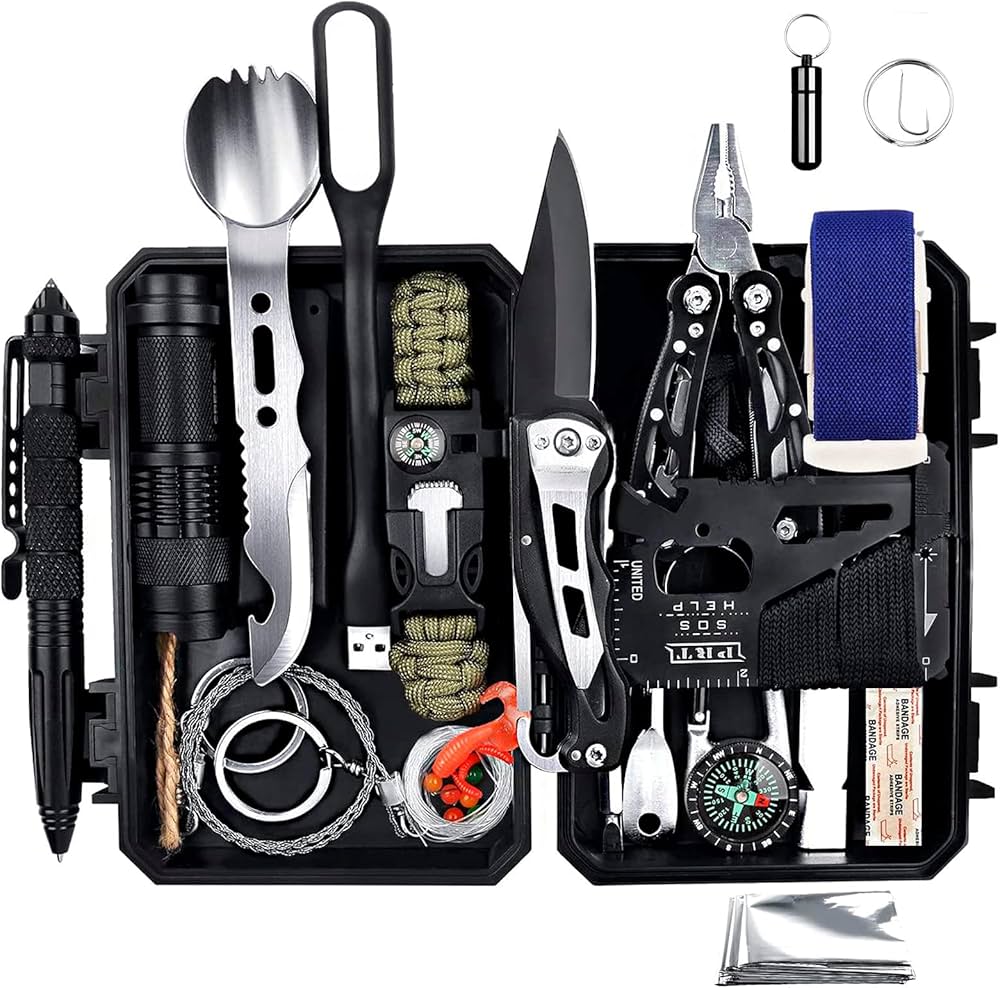
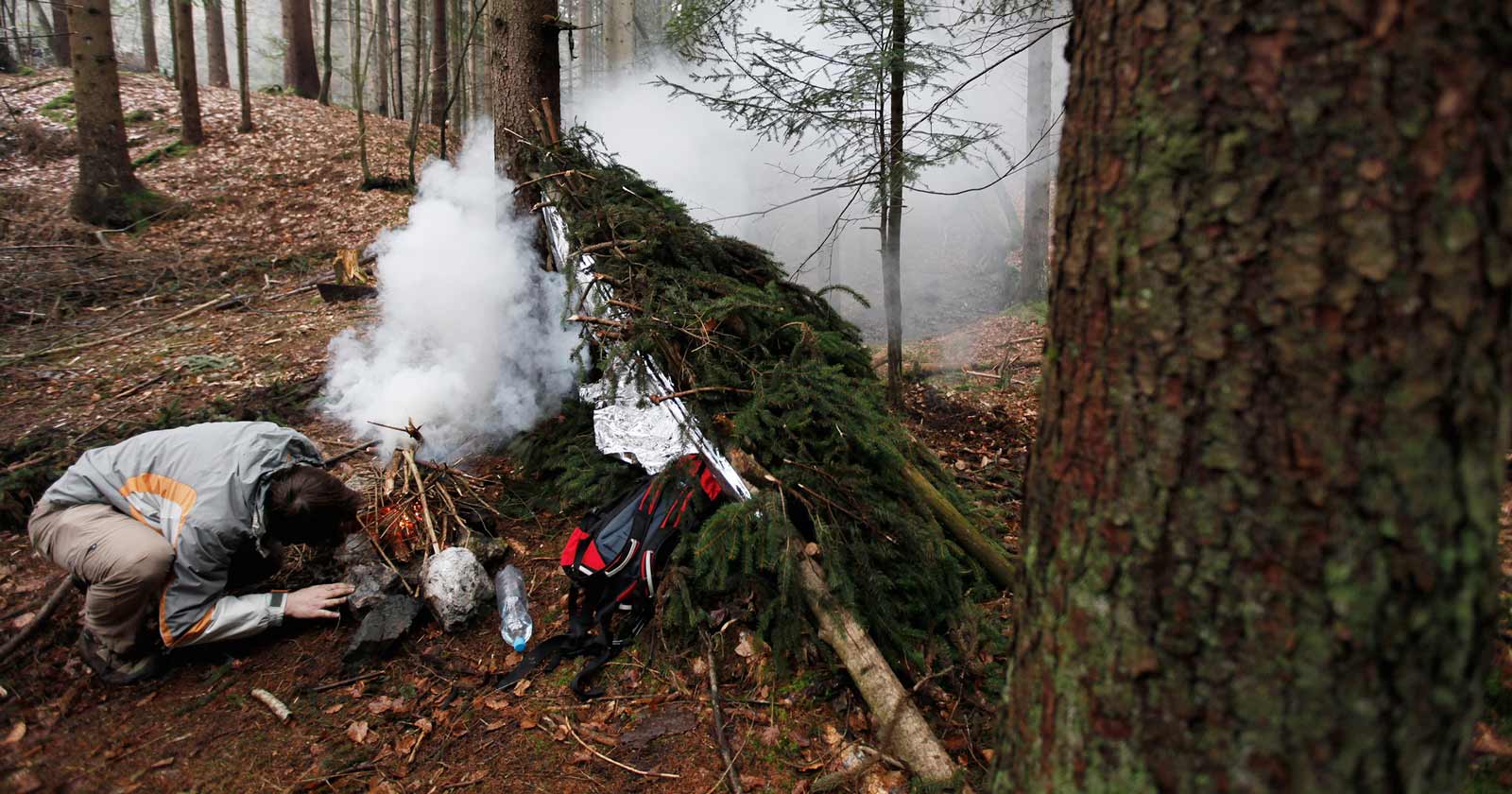

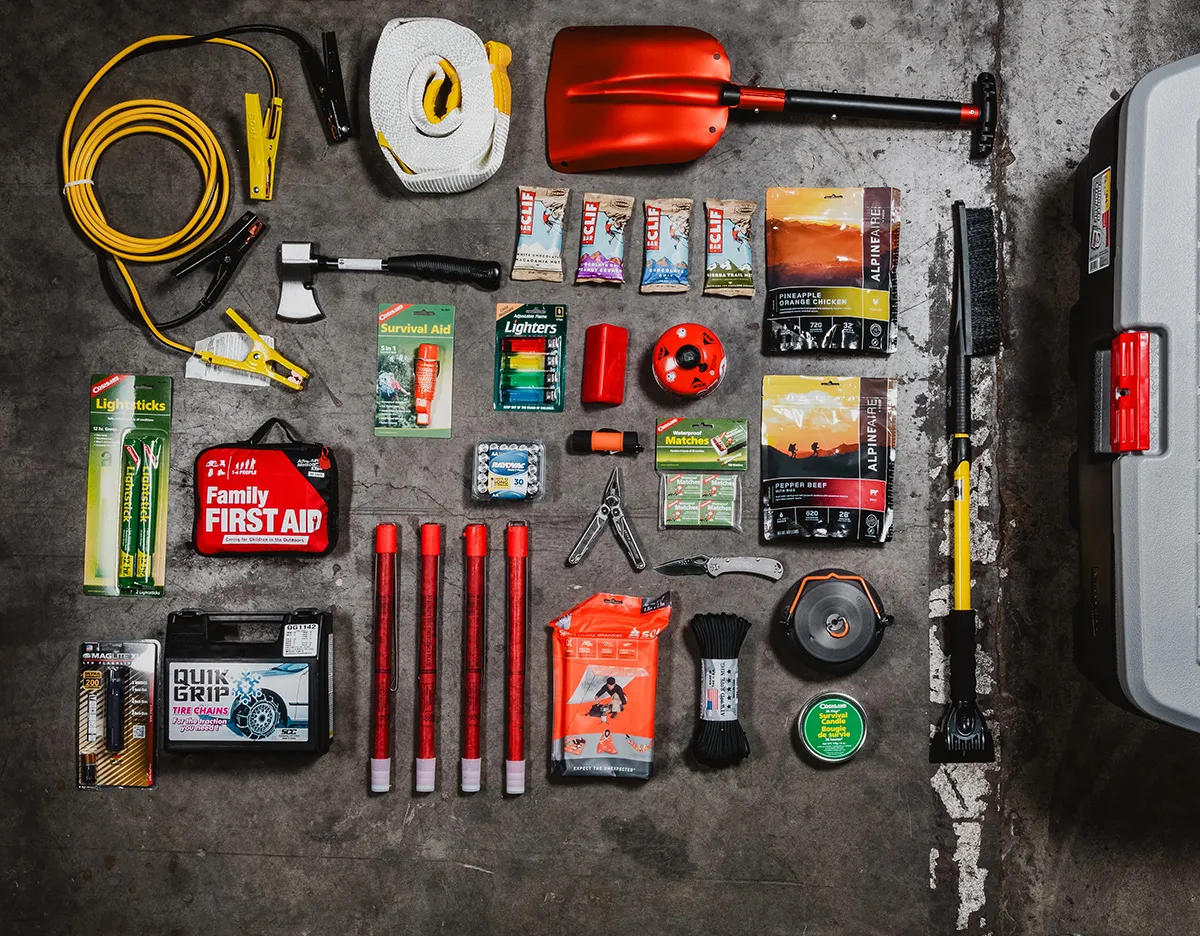
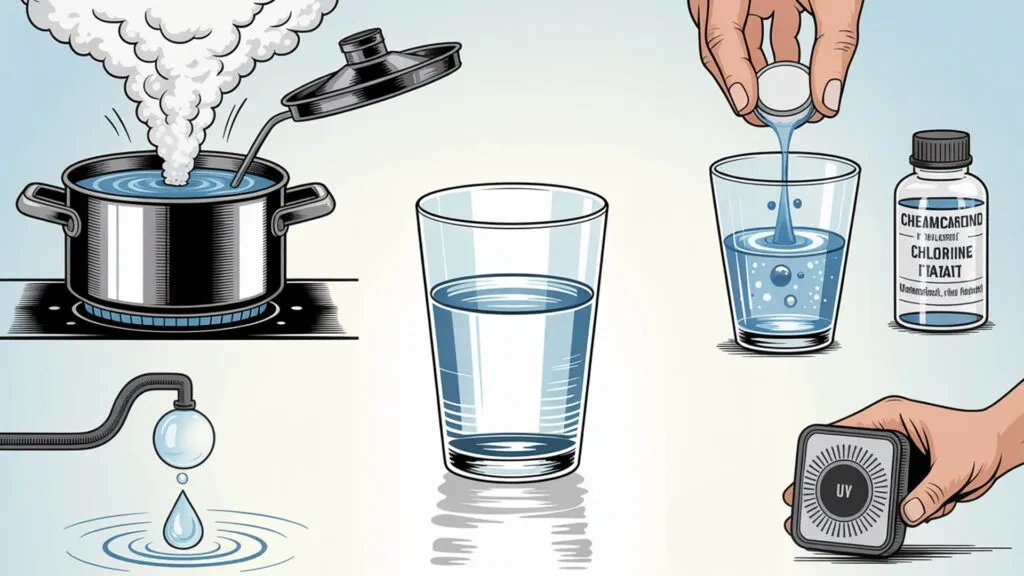
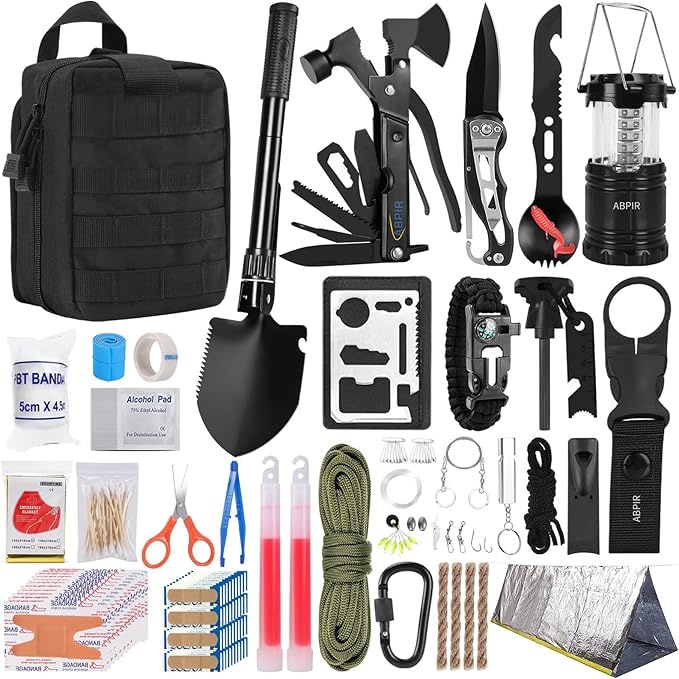


Tags
📧 Get More Articles Like This
Subscribe to receive product reviews and buying guides in your inbox!
We respect your privacy. Unsubscribe at any time.