Can You Really Drink Your Urine to Survive? Science Says

Table of Contents
- The Persistent Myth of Urine as a Survival Drink
- The Science Behind Why Urine Cannot Hydrate You
- What Actually Happens When You Drink Urine
- Historical Beliefs Versus Modern Medical Evidence
- Real Survival Alternatives to Drinking Urine
- Understanding Dehydration and Your Body’s Water Needs
- When Desperation Meets Biology
- Conclusion
- Frequently Asked Questions
The Persistent Myth of Urine as a Survival Drink
Three days into his solo hiking trip through Death Valley, Marcus felt the first pangs of genuine panic creeping into his consciousness as he tilted his empty water bottle upside down for the hundredth time that afternoon, desperately hoping a few more drops might materialize. The relentless sun had transformed the desert landscape into a shimmering hellscape where temperatures soared past one hundred and fifteen degrees Fahrenheit, and his carefully planned water cache at the fifteen-mile marker had somehow vanished, leaving him stranded with nothing but miles of sand, rock, and the haunting question that television survival shows had burned into his mind during countless episodes watched from the comfort of his air-conditioned living room. Could he really drink his own urine to stay alive, the way those charismatic hosts with their British accents and military backgrounds had demonstrated with such confidence and apparent success? The answer that medical science provides might surprise you, and it could mean the difference between life and death in genuine survival situations where every decision carries potentially fatal consequences.
The myth of drinking urine as a hydration source has persisted through centuries of human history, woven into survival folklore with such tenacity that even well-educated outdoor enthusiasts often accept it as legitimate emergency protocol without questioning the underlying biological reality. This dangerous misconception has been amplified exponentially by modern entertainment media, particularly survival television programs that prioritize dramatic content over scientific accuracy, creating scenarios where hosts consume their own urine while cameras capture every grimace and commentary for millions of viewers who absorb these images as factual survival instruction rather than entertainment spectacle. The psychological impact of watching respected survivalists engage in this practice cannot be understated, as viewers unconsciously file away these demonstrations as potentially life-saving techniques, never realizing that what works for television ratings often fails catastrophically in real-world emergency situations where production crews, medical personnel, and rescue helicopters exist nowhere within the harsh reality of genuine wilderness isolation.
Before delving into the details of the article, watch this video about one of the most controversial topics: drinking urine to survive :
Understanding why this myth continues to flourish requires examining both its historical roots and the powerful influence of contemporary media narratives that shape public perception about survival practices. Ancient civilizations practiced urine therapy for various medicinal purposes, though these traditions emerged from pre-scientific belief systems that attributed magical or spiritual properties to bodily fluids rather than understanding the biochemical processes that modern medicine has since revealed. When desperate people throughout history found themselves without access to clean water, some undoubtedly resorted to drinking urine out of sheer desperation, and the fact that some survived despite this practice rather than because of it created anecdotal evidence that seemed to validate the approach for future generations facing similar dire circumstances. The critical distinction that gets lost across centuries of storytelling involves correlation versus causation, as survivors who consumed urine typically had other factors working in their favor, such as rescue arriving before severe dehydration set in, cooler environmental conditions that slowed fluid loss, or access to alternative water sources that provided the actual hydration keeping them alive while urine consumption simultaneously worked against their survival by adding metabolic stress to already compromised physiological systems.

The scientific reality stands in stark contrast to these persistent myths, and understanding the biological mechanisms involved reveals exactly why consuming urine represents one of the worst possible decisions someone facing dehydration could make. Your kidneys function as remarkably sophisticated filtration organs that process approximately two hundred liters of blood every single day, extracting waste products, excess minerals, metabolic byproducts, and unnecessary substances that your body needs to eliminate in order to maintain proper chemical balance and prevent toxic buildup in your tissues. The liquid waste that emerges from this intensive filtration process contains concentrated amounts of urea, a compound created when your liver breaks down proteins, along with creatinine from muscle metabolism, various salts including sodium chloride, excess potassium, phosphates, sulfates, and numerous other substances that your body has specifically identified as requiring immediate elimination through urination. When you consume this concentrated waste mixture, you force your kidneys to process these same compounds again, requiring additional precious water from your already depleted reserves to dilute these substances sufficiently for safe filtration, creating a vicious cycle where each sip of urine demands more water than it provides, accelerating rather than preventing the dangerous progression toward fatal dehydration.
The concentration factor becomes especially critical when examining salt content in urine and its devastating impact on someone already suffering from fluid depletion. A dehydrated person produces increasingly concentrated urine as their kidneys desperately attempt to conserve water, resulting in waste fluid that contains exponentially higher levels of sodium and other salts compared to what a well-hydrated individual might excrete during normal circumstances. Drinking this highly concentrated salt solution triggers the same physiological response as consuming seawater, another dangerous practice that survival experts unanimously condemn because the excessive sodium forces cells throughout your body to release their internal water content in an attempt to dilute the salt flooding your bloodstream, paradoxically pulling vital fluids away from tissues that desperately need hydration while simultaneously increasing your sensation of thirst to agonizing levels that drive increasingly irrational decision-making. This biochemical cascade creates a feedback loop where thirst intensifies despite fluid consumption, confusion clouds judgment as brain cells lose water content, and the body’s regulatory systems spiral toward complete failure as they struggle against the double assault of environmental dehydration and self-inflicted salt poisoning from urine consumption.
The Science Behind Why Urine Cannot Hydrate You
The fundamental principle governing whether any liquid can effectively hydrate the human body involves a straightforward calculation that compares how much water that liquid provides against how much additional water your kidneys require to process and eliminate the substances dissolved within it, and this simple mathematical reality dooms urine as a hydration source before you even bring it to your lips. Healthy urine typically contains between two and three percent urea by volume, along with approximately nine hundred milligrams of salt per liter, creating an osmotic load that demands significant water input to process safely through your renal system without damaging the delicate filtering mechanisms that keep you alive. When you drink urine, your kidneys must work harder than they would processing plain water, consuming precious metabolic resources and demanding additional fluid reserves to safely dilute and transport the concentrated waste products through your urinary tract, resulting in a net loss of hydration despite the fact that urine consists primarily of water at the molecular level.
Beyond understanding specific survival myths and dangerous practices to avoid, comprehensive outdoor safety education must address the full spectrum of common camping and wilderness mistakes that kill or injure people every year despite being entirely preventable through proper knowledge and preparation. Many outdoor fatalities result not from exotic dangers or unavoidable natural disasters but from mundane errors in judgment, preparation failures, or neglect of basic safety principles that experienced outdoors enthusiasts consider obvious yet novices overlook or underestimate. Learning about these deadly camping mistakes and how to prevent them provides essential context for understanding why survival situations develop in the first place, enabling better decision-making that keeps you from ever facing the desperate circumstances where myths about drinking urine might seem tempting.
The osmolarity of urine plays a crucial role in understanding why this fluid cannot serve as an effective hydration source during emergency situations. Osmolarity measures the concentration of dissolved particles in a solution, and normal urine osmolarity ranges from six hundred to one thousand milliosmoles per liter, significantly higher than blood plasma which maintains approximately three hundred milliosmoles per liter. This concentration differential means that consuming urine introduces a hypertonic solution into your digestive system, forcing water to move from your blood and tissues into your intestines through osmosis in an attempt to dilate the concentrated waste products, ultimately pulling hydration away from vital organs rather than replenishing depleted fluid reserves throughout your body. The physiological stress created by this osmotic imbalance compounds existing dehydration symptoms while simultaneously increasing metabolic demand at precisely the moment when your body possesses minimal resources to meet those additional requirements.
The kidneys themselves represent marvels of biological engineering, containing approximately one million tiny filtering units called nephrons that work continuously to maintain the delicate chemical balance required for human survival. Each nephron consists of a glomerulus that filters blood and a tubule that selectively reabsorbs valuable substances while allowing waste products to pass through into urine, and this intricate process requires adequate blood flow and hydration levels to function properly. When dehydration reduces blood volume, your kidneys receive less oxygen and nutrients, compromising their ability to perform efficient filtration while simultaneously increasing the concentration of waste products in the diminished urine output they produce. Drinking this increasingly concentrated urine during states of progressive dehydration demands that already stressed kidneys work even harder to process the reintroduced waste products, potentially pushing these vital organs toward acute failure as they struggle to maintain function despite inadequate resources and overwhelming toxic loads that exceed their compromised filtering capacity.
The intricate mechanisms through which kidneys filter blood and maintain chemical homeostasis demonstrate why reintroducing filtered waste back into your system through urine consumption creates such severe physiological stress. Medical research from the National Institute of Diabetes and Digestive and Kidney Diseases explains that healthy kidneys filter approximately half a cup of blood every minute, removing wastes and extra water to produce urine that gets eliminated from the body through the urinary tract. This continuous filtration process removes acids produced by body cells while maintaining critical balance of water, salts, and minerals including sodium, calcium, phosphorus, and potassium in your blood, without which nerves, muscles, and tissues throughout your body cannot function normally. The approximately one million filtering units called nephrons within each kidney work tirelessly to separate valuable substances that get reabsorbed into your bloodstream from waste products that become urine, making the consumption of this concentrated waste particularly harmful as it forces these already stressed organs to repeat their intensive filtration work using diminished resources during dehydration emergencies.
The urea cycle provides additional insight into why consuming urine creates such profound problems for a dehydrated body attempting to maintain basic survival functions. Your liver produces urea as the primary means of eliminating nitrogen waste generated from protein metabolism, and this process requires water and energy to convert toxic ammonia into the less harmful urea compound that your kidneys can safely filter. When you drink urine containing high concentrations of urea, your digestive system absorbs some of this compound back into your bloodstream, forcing your liver to process it again through the urea cycle and generating additional metabolic waste that your kidneys must filter once more using precious water reserves. This recycling of waste products creates exponentially increasing demands on organs already compromised by dehydration, consuming energy and fluid that could otherwise sustain critical life processes such as maintaining blood pressure, regulating body temperature, and preserving cognitive function necessary for making rational survival decisions.
The bacterial contamination present in urine, despite widespread myths about its sterility, presents yet another layer of danger for anyone desperate enough to consider drinking it during survival emergencies. Recent microbiological research has definitively demonstrated that urine contains low levels of bacteria even in healthy individuals, contradicting decades of medical assumptions that bladder urine remained sterile until it passed through the urethra during excretion. These bacteria multiply rapidly once urine leaves the body, especially in warm environmental conditions common during the outdoor emergencies where someone might contemplate drinking urine, and consuming this contaminated fluid introduces potentially pathogenic microorganisms directly into your digestive system where they can cause infections that trigger vomiting and diarrhea. The cruel irony of developing gastrointestinal illness from drinking urine lies in how these symptoms accelerate fluid loss through multiple pathways simultaneously, creating a medical catastrophe where dehydration, infection, and metabolic stress converge to overwhelm survival prospects far more rapidly than simple water deprivation alone would accomplish.

What Actually Happens When You Drink Urine
The immediate physiological response to consuming urine begins the moment this concentrated waste fluid contacts your mouth and tongue, where taste receptors immediately detect the high salt concentration and bitter urea compounds, triggering involuntary disgust responses that evolution designed to protect you from consuming harmful substances. Your salivary glands attempt to dilute the concentrated solution by increasing saliva production, consuming water from your already depleted reserves, while your tongue’s sensory nerves send urgent warnings to your brain about the dangerous salt levels detected in this liquid. As you force yourself to swallow despite these biological warning systems, the urine travels down your esophagus into your stomach where gastric acids begin breaking down any proteins or complex molecules present, but the dissolved salts, urea, creatinine, and other waste products remain intact and ready for absorption through your intestinal walls into your bloodstream.
The absorption phase creates the most significant problems for your dehydrated body as your small intestine begins processing the urine you consumed. The high osmolarity of urine relative to your blood plasma creates an osmotic gradient that draws water from your bloodstream into your intestinal lumen, effectively dehydrating your body further as fluid moves in the wrong direction to support survival. This water movement into your digestive tract can trigger diarrhea as your intestines respond to the hyperosmotic load by attempting to flush out the concentrated waste products, resulting in additional fluid loss that compounds your existing dehydration while simultaneously eliminating electrolytes that your body desperately needs to maintain proper nerve and muscle function. The cruel paradox of drinking urine becomes devastatingly apparent during this absorption phase, as the very act intended to provide hydration instead accelerates the dehydration process through multiple simultaneous mechanisms that work synergistically to deplete your fluid reserves at an accelerated rate.
Understanding how the body maintains fluid balance becomes crucial when facing emergency situations where clean water remains unavailable. The Centers for Disease Control emphasizes that creating emergency water supplies before crises occur provides the foundation for avoiding desperate and dangerous hydration choices. Their comprehensive guidance on emergency water storage recommends maintaining at least one gallon of water per person per day for a minimum three-day supply, with additional reserves for pregnant women, children, and individuals with medical conditions requiring enhanced hydration. Learning to make water safe through proper boiling, chemical treatment, or filtration techniques ensures that when you encounter natural water sources during emergencies, you possess the knowledge necessary for converting potentially contaminated water into safe drinking fluid without resorting to consuming bodily waste products that worsen rather than improve your survival prospects.
The renal response to absorbed urine components represents perhaps the most metabolically expensive consequence of this desperate survival choice. As urea, creatinine, excess salts, and other waste products enter your bloodstream through intestinal absorption, your kidneys immediately recognize these substances as requiring elimination and begin the energy-intensive process of filtering them back out of your blood. This filtration process demands adequate blood flow to carry waste products to the kidneys, sufficient water to dilute these compounds for safe processing, and enough metabolic energy to power the active transport mechanisms that move substances across cellular membranes within each nephron. A severely dehydrated person lacks all three of these critical resources, yet their kidneys must still attempt to filter the reintroduced waste products, creating a situation where organ function becomes increasingly compromised as blood pressure drops from volume depletion, concentrated urine damages delicate kidney tubules, and metabolic resources get diverted from life-sustaining processes toward the futile task of repeatedly filtering waste products that keep getting recycled through urine consumption.
The cardiovascular system experiences significant stress as it struggles to maintain adequate blood pressure and tissue perfusion while processing the chemical compounds absorbed from consumed urine. The excess sodium from urine absorption triggers vasoconstriction as your body attempts to compensate for the osmotic disturbance by narrowing blood vessels, increasing blood pressure in the short term but further reducing blood flow to peripheral tissues and organs that already suffer from dehydration-induced circulation problems. Your heart must work harder to pump the increasingly viscous blood through constricted vessels while simultaneously dealing with electrolyte imbalances that can disturb the electrical signals coordinating each heartbeat, potentially triggering dangerous arrhythmias that compromise cardiac output precisely when your body needs maximum circulation efficiency to deliver oxygen and nutrients to struggling tissues. The combination of increased cardiac workload, reduced blood volume, electrolyte disturbances, and inadequate hydration creates perfect conditions for cardiovascular collapse, where your heart simply cannot maintain the pressure needed to perfuse vital organs against the rising resistance of constricted blood vessels and thickening blood.
The neurological consequences of drinking urine during severe dehydration emerge gradually but inexorably as your brain cells lose water content and experience disrupted chemical balance. Brain tissue requires extremely precise regulation of fluid and electrolyte levels to function properly, and the sodium overload from urine consumption disrupts this delicate balance by pulling water out of neurons through osmosis while simultaneously interfering with the sodium-potassium pumps that maintain proper electrical signaling across nerve cell membranes. Early symptoms include difficulty concentrating, slowed reaction times, and impaired judgment that makes rational decision-making increasingly difficult, which creates additional danger in survival situations where clear thinking represents one of your most valuable assets for identifying escape routes, signaling rescuers, or locating alternative water sources. As dehydration and electrolyte imbalance progress, more severe neurological symptoms develop including confusion, hallucinations, loss of coordination, and eventually seizures or coma as brain function deteriorates under the combined assault of cellular dehydration and chemical imbalance that drinking urine has paradoxically accelerated rather than prevented.

Historical Beliefs Versus Modern Medical Evidence
Ancient civilizations developed elaborate systems of urine therapy based on observations and beliefs that lacked any understanding of the underlying biological and chemical processes that modern science has since revealed in comprehensive detail. In India, the practice of “amaroli” within Ayurvedic medicine involved drinking one’s own urine as treatment for various ailments, based on philosophical concepts about recycling life energy rather than scientific understanding of waste product elimination and kidney function. Similarly, traditional Chinese medicine texts described potential benefits of urine consumption without possessing knowledge of molecular chemistry, bacterial contamination, or the osmotic principles that govern fluid balance in the human body. These historical practices emerged from pre-scientific worldviews that attributed mystical or spiritual properties to bodily fluids, and while they represent fascinating cultural history, they provide no valid justification for drinking urine in modern survival situations where evidence-based medical knowledge offers far superior alternatives.
The Roman Empire contributed significantly to urine therapy myths through widespread practices that included using urine for teeth whitening, a custom based on the ammonia content that could potentially provide mild bleaching effects while simultaneously exposing users to bacterial contamination and chemical damage to tooth enamel. The poet Catullus famously mocked a Gaul named Egnatius for this practice in verses that have survived two millennia, demonstrating that even ancient observers recognized something questionable about consuming or using urine despite lacking modern scientific explanations for why such practices proved problematic. Medieval European medicine continued these traditions through the Renaissance period, when physicians would taste patient urine to diagnose conditions like diabetes based on sweetness, a practice that seems horrifying by contemporary standards but represented the cutting edge of medical diagnosis before the development of analytical chemistry and laboratory testing techniques that have since revolutionized how we understand human physiology.
The transition from historical belief to modern scientific understanding began accelerating during the nineteenth century as researchers developed increasingly sophisticated methods for analyzing urine composition and understanding kidney function. Scientists discovered that urine contains specific waste products that the body actively eliminates for good reason, contradicting earlier assumptions that bodily fluids contained universal healing properties regardless of their actual chemical composition. The development of biochemistry as a scientific discipline revealed the urea cycle, the role of kidneys in maintaining chemical homeostasis, and the specific mechanisms by which the body regulates fluid and electrolyte balance, fundamentally undermining the theoretical foundations of urine therapy by demonstrating that urine represents concentrated waste rather than a beneficial tonic. By the early twentieth century, medical consensus had shifted decisively against urine consumption as researchers accumulated overwhelming evidence that this practice offered no therapeutic benefits while presenting significant health risks through bacterial contamination, electrolyte disturbance, and the metabolic burden of processing recycled waste products.
The persistence of urine therapy myths into the modern era despite this scientific evidence reflects several psychological and cultural factors that continue influencing public perception. The publication of books like “The Water of Life: A Treatise on Urine Therapy” by British naturopath John W. Armstrong in nineteen forty-five helped revive interest in these discredited practices by wrapping ancient beliefs in pseudo-scientific language that appealed to audiences seeking alternative medicine approaches. The rise of the internet and social media has amplified these messages, allowing proponents of urine therapy to spread misinformation to global audiences while legitimate medical authorities struggle to counteract these dangerous myths through official channels that lack the viral appeal of sensationalized survival content. The fundamental problem involves the human tendency to remember dramatic anecdotal stories about people who survived despite drinking urine rather than understanding the scientific reality that such individuals succeeded because of other factors operating in their favor, not because urine provided meaningful hydration or health benefits.
Contemporary survival television programming has dramatically intensified this problem by presenting urine consumption as a legitimate emergency technique performed by seemingly credible experts with military or outdoor credentials. When viewers watch respected television personalities drink urine and explain the supposed rationale behind this practice, they receive powerful implicit endorsement of a dangerous myth from sources they perceive as authoritative survival instructors rather than entertainment performers following television scripts designed to maximize shock value and viewer engagement. These programs rarely include proper medical disclaimers or explanations of why the techniques demonstrated should not be attempted in real survival situations, and the production circumstances differ fundamentally from genuine emergencies as crews provide medical oversight, maintain communication with rescue services, and carefully control environmental factors to ensure performer safety regardless of whether the demonstrated survival tactics would actually work in authentic wilderness crises.
Real Survival Alternatives to Drinking Urine
Finding potable water in survival situations requires knowledge, observation skills, and understanding of natural processes that can extract or collect moisture from environments that appear completely devoid of water sources at first glance. Solar stills represent one of the most reliable methods for producing clean water from seemingly barren desert terrain by using basic physics principles to extract moisture from soil, vegetation, or contaminated water sources through evaporation and condensation. To construct a solar still, dig a hole approximately three feet in diameter and two feet deep, place a collection container at the bottom center, arrange vegetation or pour contaminated water around the container but not in it, cover the hole with clear plastic sheeting anchored by rocks around the edges, and place a small rock in the center of the plastic to create a cone shape that directs condensed water droplets into your collection container as sunlight heats the ground and causes moisture to evaporate upward, condense on the cooler plastic surface, and drip into your vessel providing reliably clean water free from the salt and waste products that make urine dangerous to consume.
Morning dew collection offers another highly effective water procurement method that works especially well in environments with significant temperature variations between day and night that create condensation on exposed surfaces. Before sunrise, use absorbent cloth or clothing to wipe dew from grass, leaves, vehicle surfaces, or any other objects where moisture has condensed overnight, wringing the collected water into a container or directly into your mouth if desperate circumstances prevent carrying collection vessels. This technique can yield surprising amounts of water in the right environmental conditions, with dedicated collectors potentially harvesting several liters during a single morning session if they work systematically across available surfaces while dew remains present before evaporating as temperatures rise with the climbing sun. The water collected through dew harvesting contains no dissolved salts or waste products, making it infinitely superior to urine as a hydration source while requiring only time, effort, and basic absorbent materials that most people carry as standard clothing items during outdoor activities.
Natural water sources require careful evaluation and often treatment before consumption, but they invariably provide better hydration than urine when you can locate them despite appearance concerns about color or clarity. Running water from streams or rivers generally contains fewer pathogens than stagnant pools, though both require treatment through boiling, chemical purification, or filtration before drinking to prevent waterborne illnesses that could compromise your survival prospects. Look for water in valley bottoms, follow animal trails that often lead to water sources, watch for concentrations of vegetation that indicate underground moisture, and listen for the sound of flowing water that might reveal hidden streams in rocky terrain where visual observation fails to locate water courses. Even muddy or discolored water can be made safe through proper filtration and treatment, and the slight risk of illness from imperfectly treated natural water sources remains far preferable to the certain dehydration acceleration that results from drinking urine in desperate attempts to maintain hydration.
The science behind different water purification methods reveals significant performance differences that influence which techniques prove most appropriate for specific survival scenarios and water source characteristics. Comparing water purification tablets versus portable filters versus boiling versus ultraviolet light treatment demonstrates how each approach offers distinct advantages and limitations depending on available resources, time constraints, water contamination levels, and the specific pathogens or chemicals requiring removal. Understanding these technical distinctions allows for informed decision-making about which purification equipment to carry on outdoor adventures and which techniques to employ when treating questionable water sources during emergencies where improper treatment could cause illness that compounds dehydration through vomiting and diarrhea.
Emergency water purification equipment has become increasingly sophisticated and affordable, placing professional-grade filtration technology within reach of budget-conscious outdoor enthusiasts who recognize that investing in proper purification tools represents essential insurance against waterborne illness during wilderness emergencies. Modern portable filters remove bacteria, protozoa, and sediment from questionable water sources, transforming muddy stream water or stagnant pool liquid into safe drinking water without the time requirements of boiling or the chemical taste associated with purification tablets. Equipping yourself with reliable filtration devices ensures you can confidently utilize natural water sources encountered during outdoor adventures rather than gambling with contaminated water or facing dangerous dehydration from avoiding suspicious but potentially life-saving water sources. Explore portable water filtration systems at to find solutions matching your budget and filtration capacity needs.
Shop on AliExpress via link: wholesale-portable-water-filter
Vegetation provides multiple pathways to obtaining water in survival situations where obvious water sources remain elusive or inaccessible to a person with limited mobility or tools. Certain plants store significant water content in their tissues, including various cacti species that can be cut open to access moisture-rich pulp, though you must learn to identify safe species versus those containing toxic compounds that create additional problems beyond simple thirst. Morning dew collects particularly abundantly on broad leaves, and some plants like bamboo store water in hollow stem segments that can be harvested by cutting above and below node joints to release the liquid inside. Transpiration bags offer another vegetation-based water collection method where you enclose living green branches in clear plastic bags, seal the opening around the branch, and wait for photosynthesis and transpiration to release moisture that condenses inside the bag and can be harvested by carefully removing the bag without spilling its contents. These plant-based water procurement techniques require more knowledge and effort than simply drinking urine, but they provide genuinely useful hydration without the devastating physiological consequences that make urine consumption potentially fatal.

Precipitation represents the most reliable water source when available, and learning to collect rainwater efficiently can provide substantial hydration during storms or extended rainy periods. Spread tarps, plastic sheeting, or waterproof clothing to create collection surfaces that channel rainwater into containers, or use natural depressions in rocks as improvised catchment basins that accumulate significant volumes during rainfall events. Fresh rainwater requires minimal treatment before consumption compared to ground water sources, though atmospheric pollution in certain regions might warrant basic filtration to remove particulate matter or chemical contaminants depending on your location and the storm’s origin. The psychological boost of obtaining abundant clean water during a rainstorm cannot be overstated, as this success provides both critical hydration and renewed hope that improves decision-making and motivation during extended survival ordeals where despair and poor judgment create as much danger as physical threats to your wellbeing.
Emergency preparedness extends beyond individual survival knowledge to include understanding broader water safety systems that protect communities during disasters and contamination events. The Environmental Protection Agency’s comprehensive emergency preparedness resources help both water utilities and individuals develop response plans for scenarios where normal water supplies become compromised through natural disasters, equipment failures, or contamination incidents. These guidelines emphasize conducting risk assessments to identify potential hazards including wildfires, flooding, or chemical releases that could affect water sources, establishing detection systems that provide early warning of contamination, and coordinating with emergency responders to ensure rapid response when water emergencies occur. Understanding these institutional preparedness frameworks helps outdoor enthusiasts and survival practitioners recognize that proper planning before emergencies occur provides vastly superior protection compared to desperate improvisation after crises develop, reinforcing why investment in water procurement knowledge and emergency supplies represents wise preparation rather than paranoid over-preparation.
Understanding Dehydration and Your Body’s Water Needs
The human body maintains approximately sixty percent water content by mass in adults, with this percentage varying based on age, sex, body composition, and hydration status at any given moment. This water performs countless critical functions including regulating body temperature through sweating and respiration, transporting nutrients and oxygen to cells throughout your tissues, removing metabolic waste products through urine and other excretory processes, lubricating joints to prevent painful friction during movement, cushioning vital organs against mechanical shock, and serving as the medium for essentially every chemical reaction that sustains life at the cellular level. When water intake fails to match water loss through normal physiological processes plus environmental factors like heat exposure or physical exertion, your body enters a state of dehydration where these critical functions become progressively impaired as available fluid reserves decline below the levels required for optimal biological operation.
The progression of dehydration follows a predictable pattern with increasingly severe symptoms emerging as fluid deficit grows more pronounced. Mild dehydration representing one to two percent body weight loss manifests through thirst, slightly darkened urine, and subtle decreases in physical and cognitive performance that victims might not immediately recognize as dehydration symptoms rather than normal fatigue or environmental stress. Moderate dehydration at three to five percent body weight loss produces much more obvious symptoms including intense thirst, very dark urine or significantly reduced urination, dry mouth and lips, headache, dizziness particularly when standing up quickly, and noticeable decreases in both physical strength and mental acuity that interfere with complex task performance and decision-making. Severe dehydration exceeding five percent body weight loss becomes a medical emergency requiring immediate intervention, with symptoms including extreme confusion or altered consciousness, rapid heartbeat and breathing, lack of sweating even in heat, sunken eyes, shriveled skin that lacks elasticity, very little or no urine output, and critically low blood pressure that can lead to organ failure, shock, and death within hours if fluid resuscitation does not occur promptly.
Recognizing the progressive stages of fluid depletion requires understanding how heat exposure and physical exertion combine to accelerate water loss beyond normal daily requirements. Research on heat stress and hydration demonstrates that when working in hot environments, individuals should drink one cup of water every fifteen to twenty minutes, translating to approximately three-quarters to one quart per hour to replace fluids lost through sweating and maintain proper hydration levels. This aggressive hydration protocol seems excessive until you consider that adults can lose approximately one and a half liters of fluid per hour through sweating during extreme heat exposure, making it physiologically impossible to rely on thirst sensation alone as an adequate hydration guide since by the time you feel thirsty you have already fallen behind in fluid replacement. The critical takeaway involves understanding that preventing dehydration through proactive regular water consumption requires far less effort and carries dramatically better outcomes compared to attempting recovery after dehydration has already compromised your physical and cognitive capabilities.
Medical treatment protocols for dehydration vary dramatically based on severity level, with mild cases responding well to oral rehydration while moderate to severe dehydration requires professional medical intervention to prevent life-threatening complications. Johns Hopkins Medicine specialists explain that moderate dehydration often necessitates intravenous fluid administration to rapidly restore blood volume and electrolyte balance, while severe cases constitute medical emergencies requiring hospitalization where healthcare providers can monitor vital signs, correct dangerous electrolyte imbalances, and address any organ damage that occurred during the dehydration crisis. The critical distinction involves recognizing when home treatment through increased fluid intake remains adequate versus when professional medical care becomes necessary, as attempting to self-treat severe dehydration through oral rehydration alone can result in delayed intervention that allows preventable complications including kidney damage, cardiovascular collapse, or neurological injury to develop while victims struggle unsuccessfully to consume sufficient fluids to reverse their deteriorating condition.
The rate at which dehydration progresses depends heavily on environmental conditions and activity levels that influence how rapidly your body loses water through various pathways. Sweating represents the most variable water loss mechanism, with rates ranging from minimal amounts during rest in cool environments to several liters per hour during intense physical exertion in extreme heat. Respiratory water loss increases with breathing rate and environmental dryness, as each breath humidifies inspired air using moisture extracted from respiratory tract tissues, leading to significant cumulative fluid loss during extended periods of heavy breathing in arid climates where atmospheric humidity provides no moisture replacement. Urination normally accounts for one to two liters of water loss daily, though this decreases substantially during dehydration as kidneys concentrate urine in attempts to conserve fluid, while gastrointestinal losses remain minimal under normal circumstances but can escalate dramatically during illness involving vomiting or diarrhea that rapidly depletes fluid reserves if replacement fluids remain unavailable.
Individual variation in dehydration tolerance and water requirements reflects differences in body size, metabolic rate, acclimatization to heat and activity, age, overall health status, and genetic factors that influence physiological responses to fluid deprivation. Larger individuals generally require more absolute water intake to maintain hydration compared to smaller people, though requirements calculated per kilogram of body weight remain fairly consistent across different sizes within similar activity and environmental conditions. Children and elderly people face greater dehydration risks due to less efficient temperature regulation, altered thirst perception that may not accurately signal fluid needs, and reduced kidney function that compromises the body’s ability to conserve water during shortages. Pre-existing medical conditions like diabetes or kidney disease dramatically affect both water requirements and dehydration tolerance, as these conditions alter normal fluid balance mechanisms and may increase baseline fluid losses that must be replaced to prevent dangerous imbalances.
Age-related changes in body composition and physiological function create particularly dangerous dehydration vulnerabilities for older adults that demand heightened awareness and proactive prevention strategies. Medical specialists note that people aged sixty-five and older have significantly less water in their bodies compared to younger adults, combined with decreased kidney function and reduced thirst sensation that fails to signal fluid needs accurately before serious deficits develop. These physiological changes mean that elderly individuals may become dangerously dehydrated without experiencing the intense thirst that normally prompts younger people to seek water, making regular scheduled fluid intake essential rather than relying on thirst as an adequate hydration guide. The risk becomes especially pronounced during illness, medication changes, or environmental heat exposure when fluid requirements increase while the body’s compensatory mechanisms become even less reliable, creating perfect conditions for rapid progression from mild dehydration to life-threatening crises that require hospitalization and intensive medical management to reverse successfully.
Environmental factors interact with individual characteristics to determine actual water needs during specific survival scenarios. Temperature extremes in both hot and cold conditions increase water requirements, with heat exposure obviously accelerating sweat losses while cold environments promote increased respiratory water loss and cold-induced diuresis where the body inappropriately increases urine production despite adequate or inadequate hydration. Altitude compounds dehydration risk through increased respiratory rate and insensible water loss in the dry air characteristic of high elevations, while humidity levels dramatically affect the efficiency of evaporative cooling through sweating and respiratory moisture loss. Understanding these environmental influences allows for better estimation of water needs and more realistic survival planning that accounts for the specific challenges present in different outdoor emergency scenarios rather than relying on generic hydration advice that may prove inadequate or misleading when applied to particular environmental conditions.
Temperature extremes create distinct survival challenges requiring different adaptation strategies and equipment depending on whether you face life-threatening heat or dangerous cold exposure. Summer heat survival demands aggressive hydration practices, appropriate clothing for sun protection and cooling, activity modification to avoid peak temperature hours, and recognition of heat illness symptoms that signal when environmental conditions have exceeded your body’s compensatory capabilities. The physiological stress imposed by extreme heat accelerates fluid loss through sweating while simultaneously increasing metabolic demands and cardiovascular workload, creating perfect conditions for rapid dehydration progression that makes water procurement and conservation absolutely critical for maintaining survival during extended heat exposure without access to air conditioning or other modern climate control technologies.

When Desperation Meets Biology
The psychological state of someone facing life-threatening dehydration creates intense pressure toward irrational decisions as fear, physical discomfort, and impaired cognitive function combine to override rational analysis of available options. As dehydration progresses and affects brain function, the ability to think clearly about consequences diminishes precisely when clear thinking becomes most critical for survival, creating a dangerous feedback loop where poor decisions compound existing problems and accelerate the progression toward complete physical and mental collapse. The idea of drinking urine seems to offer an immediate solution to the overwhelming sensation of desperate thirst, providing psychological relief through the feeling of taking action even though the biological reality involves making the situation objectively worse rather than better. This conflict between psychological comfort and physiological reality explains why people continue drinking urine despite experiencing increased thirst and worsening symptoms, as the short-term psychological benefit of feeling like they are doing something to address their predicament overrides their ability to recognize that this action produces increasingly dire consequences.
The role of media influence in shaping desperate survival decisions cannot be overstated, particularly in our current era where reality television and social media expose billions of people to survival content created primarily for entertainment value rather than educational accuracy. When someone faces genuine dehydration in the wilderness, their mind naturally reaches for the survival techniques they have absorbed through years of passive media consumption, pulling up images of television personalities drinking urine and explaining why this desperate measure might save their lives in extreme circumstances. The critical difference between television production and authentic survival emergencies gets completely lost during these moments of crisis, as the dehydrated person fails to recognize that television hosts maintain constant access to medical support, communication equipment, and extraction options that make any technique demonstration essentially consequence-free regardless of whether the demonstrated method would actually work in genuine emergencies. This media-induced confidence in dangerous practices creates a deadly trap where people believe they are following expert advice when they are actually following entertainment scripts that prioritize shock value over survival effectiveness.
The physiological mechanics of thirst provide additional insight into why drinking urine proves so psychologically tempting despite its biological futility. Thirst receptors in your mouth and throat respond to dryness and chemical concentrations in saliva, sending urgent signals to your brain that demand immediate fluid intake to address detected dehydration. Consuming any liquid temporarily satisfies these receptors by moistening your mouth and throat, providing immediate psychological and sensory relief even when the consumed liquid ultimately worsens overall hydration status. This short-term satisfaction creates powerful reinforcement for continued urine consumption despite the fact that thirst returns stronger than before within minutes or hours as the body processes the ingested waste products and demands additional water to handle the increased metabolic load. The disconnect between immediate sensory relief and longer-term physiological consequences allows people to convince themselves that drinking urine helps them feel better, never fully recognizing that this perceived benefit represents temporary receptor satisfaction rather than genuine hydration progress.
Breaking free from the desperation-driven cycle of urine consumption requires conscious recognition of the biological realities involved and deliberate decision-making that overrides both media conditioning and immediate sensory feedback. When facing severe thirst in survival situations, you must consciously remind yourself that drinking urine will make the situation worse rather than better regardless of how desperately you crave fluid intake or how confident television personalities appeared when demonstrating this technique. Redirect that desperate energy toward productive water procurement activities like searching for natural water sources, collecting dew, constructing solar stills, or signaling for rescue rather than engaging in counterproductive actions that accelerate your decline while providing only temporary psychological comfort. The discipline required to resist drinking urine when experiencing desperate thirst represents one of the most challenging mental battles in survival scenarios, but maintaining this discipline could literally save your life by preserving your remaining physiological resources and keeping you functional long enough for rescue to arrive or for you to locate genuine water sources that can reverse your deteriorating condition.
The immediate actions you take during the first twenty-four hours after realizing you are lost in the wilderness fundamentally determine whether your situation resolves quickly through self-rescue or deteriorates into an extended survival ordeal requiring professional search and rescue intervention. Understanding what to prioritize during this critical initial period when you still possess full physical and mental capabilities allows you to make strategic decisions that maximize survival prospects while minimizing the risk of compounding your predicament through panicked movement or poor judgment. The first day lost presents a narrow window for establishing shelter, signaling rescuers, securing water sources, and making rational assessments about whether to stay put or attempt self-extraction before dehydration, exposure, or injury degrade your capabilities below the threshold necessary for effective survival actions.
The importance of pre-crisis education and planning in preventing desperate survival decisions cannot be emphasized enough, as the knowledge and decisions you make before finding yourself in emergency situations determine whether you possess the mental framework necessary for making rational choices when cognitive function becomes impaired by dehydration and stress. Learning proper survival water procurement techniques before you need them ensures that your mind has alternative options to reach for when facing thirst in the wilderness, reducing the psychological pull toward media-influenced mistakes like urine consumption. Practice building solar stills, collecting dew, and identifying water sources during comfortable training scenarios where mistakes carry no consequences, creating muscle memory and knowledge frameworks that your brain can access even when functioning at reduced capacity during genuine emergencies. Carry appropriate emergency water purification equipment on outdoor adventures, maintain realistic estimates of your water needs based on planned activities and environmental conditions, and develop contingency plans for scenarios where water sources prove unavailable or contaminated so that you never face the desperate moment where drinking urine seems like the only remaining option for continued survival.
Comprehensive emergency preparedness extends beyond water procurement knowledge to include essential equipment and supplies that support survival across multiple crisis scenarios. Building a properly equipped emergency kit ensures you possess the tools necessary for addressing various threats including injury, exposure, signaling rescue, and meeting basic needs during extended emergencies when help remains unavailable or delayed. A well-designed car emergency kit proves particularly valuable for vehicle-based travelers who face unique vulnerabilities during breakdowns, accidents, or weather-related incidents that strand them in remote locations where walking for help presents greater dangers than staying with their vehicle while awaiting rescue.
The fundamental distinction between urban and wilderness survival scenarios influences which water procurement techniques prove most practical and effective in different emergency contexts. Understanding these environmental differences helps outdoor enthusiasts develop appropriate skill sets for the specific challenges they might realistically face during adventures or unexpected emergencies. Urban environments typically offer access to infrastructure-based water sources including plumbing systems, public facilities, and commercial supplies even during disasters, while wilderness settings demand knowledge of natural water location, primitive collection methods, and purification techniques that work without modern equipment or utilities. Developing proficiency in both skill sets ensures comprehensive preparedness regardless of whether emergencies occur in developed areas or remote backcountry locations far from civilization’s conveniences.
Portable water storage containers represent essential equipment for any outdoor enthusiast serious about maintaining adequate hydration during extended adventures in environments where natural water sources may prove scarce or unreliable. Collapsible water bladders and durable bottles designed specifically for wilderness use allow you to carry sufficient reserves to bridge gaps between water sources while maintaining the flexibility to collect and transport larger volumes when opportunities arise. Investing in quality hydration storage equipment ensures you can take advantage of every water procurement opportunity whether collecting rainfall, harvesting morning dew, or transporting filtered water from distant streams back to your camp or vehicle. Browse water storage and hydration solutions at to find portable containers that meet your specific capacity and durability requirements.
Shop on AliExpress via link: wholesale-outdoor-water-storage
Conclusion
The scientific evidence stands absolutely clear and unambiguous in condemning the practice of drinking urine as a survival hydration strategy, regardless of how many television programs have depicted this technique or how long historical traditions of urine therapy have persisted across various cultures worldwide. Medical research has conclusively demonstrated that consuming urine worsens rather than relieves dehydration through multiple simultaneous mechanisms including osmotic fluid loss, increased metabolic burden on kidneys and liver, dangerous salt accumulation that intensifies thirst, and potential bacterial infections that further deplete fluid reserves through vomiting and diarrhea. The mathematical reality remains inescapable: urine requires more water to process than it provides to your body, making it a net negative for hydration regardless of environmental conditions, degree of desperation, or any other factors that might seem to justify this practice in the moment of crisis. Every reputable survival expert, military field manual, and medical authority agrees unanimously that you should never drink urine under any circumstances, yet this myth persists with dangerous tenacity that continues placing lives at risk whenever people find themselves facing genuine dehydration emergencies without proper knowledge or preparation.
The alternatives to urine consumption provide numerous viable options for obtaining water in seemingly impossible survival situations, from solar stills and dew collection to finding natural water sources and harvesting moisture from vegetation. These techniques require more effort, knowledge, and patience than simply drinking readily available urine, but they deliver actual hydration without the catastrophic physiological consequences that make urine consumption potentially fatal. The investment required to learn proper water procurement methods before facing survival emergencies pales in comparison to the potential cost of making desperate mistakes based on media myths and historical misconceptions when your life depends on making rational decisions despite impaired cognitive function from advancing dehydration. Education, preparation, and understanding the biological realities of human hydration needs represent your best defenses against the desperate moment where drinking urine seems like a reasonable option, ensuring that you possess both the knowledge and mental framework necessary for rejecting this dangerous practice in favor of legitimate survival techniques that genuinely improve your prospects for living through extended periods without access to conventional water sources.

Frequently Asked Questions
Question 1: Can drinking your own urine help you survive in an emergency?
Answer 1: No, drinking urine actually creates more problems than it solves in survival situations, fundamentally worsening your chances of survival rather than improving them as popular media might suggest. When you consume urine, you are reintroducing concentrated waste products that your body specifically filtered out for elimination, including urea, creatinine, excess salts, and various metabolic byproducts that your kidneys must process again using precious water reserves from your already depleted system. The high salt concentration in urine triggers the same physiological response as drinking seawater, pulling water from your cells and tissues in an attempt to dilute the sodium flooding your bloodstream, which paradoxically increases your sensation of thirst while simultaneously dehydrating you further. Medical authorities including the United States Army Field Manual explicitly advise against drinking urine under any circumstances, and survival experts worldwide agree that this practice accelerates dehydration progression rather than providing meaningful hydration despite containing approximately ninety-five percent water by volume. The mathematical reality proves inescapable: your kidneys require more water to safely filter the waste products in urine than the liquid itself provides, creating a net negative hydration effect that compounds your existing fluid deficit and brings you closer to organ failure rather than extending your survival time.
Question 2: Why do survival movies often show people drinking urine?
Answer 2: Survival television programs and movies prioritize dramatic entertainment value over scientific accuracy, creating compelling visual content that generates viewer engagement and ratings rather than providing reliable life-saving instruction for genuine emergency situations. Producers understand that showing hosts drinking urine creates shock value and memorable moments that distinguish their content from competing programs, leading to viral social media sharing and increased viewership regardless of whether the demonstrated technique would actually work in real-world survival scenarios. These programs operate under carefully controlled production circumstances with medical personnel standing by, communication equipment readily available, and extraction options prepared if anything goes seriously wrong, fundamentally different from authentic wilderness emergencies where no safety net exists beyond your own knowledge and decisions. The hosts performing these demonstrations may genuinely believe in the techniques they showcase, or they may simply follow television scripts designed by producers seeking maximum audience impact, but either way the media presentation lacks the critical context about why medical science and military survival doctrine explicitly condemn urine consumption as dangerous and counterproductive. Historical precedents for urine therapy in traditional medicine systems provide another layer of apparent credibility that television producers exploit without explaining how these ancient practices emerged from pre-scientific belief systems that attributed mystical properties to bodily fluids rather than understanding the biochemical processes that modern research has since revealed.
Question 3: What happens to your body when you drink urine?
Answer 3: The moment you consume urine, a cascade of physiological processes begins that ultimately worsens your dehydration status and places additional stress on organs already compromised by fluid deprivation. Your mouth and throat taste receptors immediately detect the high concentration of salts and bitter urea compounds, triggering disgust responses that evolution designed to protect you from consuming harmful substances, while your salivary glands attempt to dilute the concentrated solution by increasing saliva production using water from your depleted reserves. As the urine enters your stomach and small intestine, the high osmolarity relative to your blood plasma creates an osmotic gradient that draws water from your bloodstream into your digestive tract, effectively dehydrating your body further as fluid moves in the wrong direction to support survival and potentially triggering diarrhea as your intestines attempt to flush out the concentrated waste products. The dissolved urea, creatinine, excess sodium, and other waste components get absorbed through your intestinal walls into your bloodstream, where they circulate to your kidneys and demand immediate filtration using precious water resources and metabolic energy that your dehydrated body can barely spare. This creates a vicious cycle where each episode of urine consumption forces your kidneys to work harder processing reintroduced waste products while simultaneously pulling water away from vital tissues through osmotic effects, accelerating progression toward severe dehydration, organ failure, and potentially death if the practice continues without access to genuine hydration sources that can reverse the downward spiral.
Question 4: Is urine sterile and safe to drink?
Answer 4: The myth of urine sterility has been thoroughly debunked by modern microbiological research using advanced detection methods that can identify bacterial populations that earlier techniques missed completely. Recent scientific studies have definitively demonstrated that urine contains low levels of bacteria even in healthy individuals with no urinary tract infections, contradicting decades of medical assumptions that bladder urine remained sterile until passing through the urethra during excretion. These bacteria multiply rapidly once urine leaves the body and sits at room temperature or warmer, especially in outdoor environments where someone might contemplate drinking urine during survival emergencies, transforming relatively clean fresh urine into increasingly contaminated fluid within hours of collection. Consuming this bacterial-laden liquid introduces potentially pathogenic microorganisms directly into your digestive system where they can cause gastro intestinal infections that trigger vomiting and diarrhea, symptoms that dramatically accelerate fluid loss through multiple pathways simultaneously and create a medical catastrophe far worse than simple dehydration alone. Even setting aside bacterial contamination concerns, urine remains fundamentally unsafe to drink because of its concentrated waste product content, high salt levels that worsen dehydration through osmotic effects, and the metabolic burden it places on kidneys forced to filter these same compounds repeatedly, making the sterility question somewhat irrelevant when so many other factors render urine consumption dangerous and counterproductive for survival hydration regardless of its microbial status.
Question 5: What should you do instead of drinking urine in a survival situation?
Answer 5: Legitimate water procurement techniques that actually improve survival prospects include constructing solar stills to extract moisture from soil and vegetation through evaporation and condensation, collecting morning dew from grass and other surfaces using absorbent cloth that you can wring into containers or your mouth, searching for natural water sources like streams or springs by following animal trails and looking in valley bottoms where water naturally accumulates, harvesting precipitation using tarps or plastic sheeting spread to channel rainwater into collection vessels, and extracting moisture from certain plants including various cacti species and bamboo stems that store significant water content in their tissues. These methods require more knowledge, effort, and patience than simply drinking readily available urine, but they provide genuinely useful hydration without the devastating physiological consequences that accelerate dehydration and organ stress when you consume concentrated waste products your body specifically filtered out for elimination. Even contaminated natural water sources that require boiling or chemical treatment before consumption represent vastly superior hydration options compared to urine, as the slight risk of waterborne illness from imperfectly treated water remains far preferable to the certain dehydration acceleration that results from drinking urine. Invest time before facing survival emergencies to learn these proper water procurement techniques, practice building solar stills and collecting dew during comfortable training scenarios, and carry appropriate water purification equipment on outdoor adventures so you possess both the knowledge and tools necessary for obtaining genuine hydration when circumstances prevent access to conventional water sources.
Question 6: How long can a human survive without water?
Answer 6: Survival time without water varies dramatically based on environmental conditions, physical activity levels, individual health factors, and existing hydration status when water deprivation begins, making it impossible to provide a single definitive answer that applies universally across all scenarios. In temperate conditions with minimal physical exertion and moderate temperatures, the average healthy adult might survive approximately three to five days without any water intake, though cognitive function and physical capabilities deteriorate significantly long before death occurs from complete organ failure. Extreme heat dramatically reduces survival time to as little as one to two days as accelerated sweat losses rapidly deplete fluid reserves, while intense physical activity in any environment increases metabolic water demands and respiratory losses that exhaust available resources much faster than rest in comfortable conditions. Conversely, cool shaded environments with minimal movement requirements might extend survival duration to seven days or potentially longer for particularly resilient individuals with low metabolic rates and efficient kidney function that maximizes water conservation. Individual variation in survival time reflects differences in body size and composition, baseline hydration status, acclimatization to heat and activity, age-related changes in kidney function and thirst perception, and pre-existing medical conditions that affect fluid balance mechanisms. The critical takeaway involves understanding that regardless of how long you theoretically might survive without water, your physical and cognitive capabilities decline precipitously within the first twenty-four to forty-eight hours of water deprivation, making it essential to prioritize water procurement immediately when facing potential dehydration rather than assuming you have days of functional capacity remaining before the situation becomes critical.
Question 7: What are the first signs of dangerous dehydration?
Answer 7: The earliest warning signs of developing dehydration include thirst sensation that persists despite small water sips, urine that appears dark yellow or amber rather than pale yellow or clear, decreased frequency of urination with smaller volumes produced, dry mouth with sticky saliva, fatigue and weakness that seem disproportionate to your activity level, headache that develops without other obvious cause, and dizziness or lightheadedness particularly when standing up quickly from sitting or lying positions. These initial symptoms represent your body’s attempt to signal fluid deficit before the situation becomes medically serious, providing a critical window for intervention through increased water intake that can prevent progression to more dangerous dehydration stages. As fluid deficit deepens into moderate dehydration representing three to five percent body weight loss, symptoms intensify dramatically to include extreme thirst that dominates your thoughts, very dark urine or significantly reduced urination, severely dry mouth and lips with cracked skin, pronounced headache and difficulty concentrating, notable dizziness and coordination problems, rapid heartbeat as your cardiovascular system struggles to maintain blood pressure with reduced volume, and skin that has lost elasticity and remains tented when pinched rather than quickly returning to normal appearance. Severe dehydration becomes a life-threatening medical emergency requiring immediate professional intervention, with symptoms including extreme confusion or altered consciousness, rapid shallow breathing, absence of sweating even in heat exposure, sunken eyes with dark circles, very little or no urine output despite time passage, critically low blood pressure causing shock symptoms, and in the final stages seizures or loss of consciousness as brain function deteriorates from cellular dehydration and electrolyte imbalances. Recognizing these progressive warning signs allows for appropriate response calibrated to dehydration severity, from simple increased water intake for mild symptoms to seeking immediate emergency medical care when severe symptoms indicate imminent organ failure without rapid fluid resuscitation.
The cardiovascular complications arising from severe fluid depletion extend beyond simple blood pressure drops to include potentially fatal cardiac rhythm disturbances that require emergency medical management. Cleveland Clinic research demonstrates that dehydration can trigger heart palpitations and dangerous arrhythmias as reduced blood volume forces the heart to work harder while simultaneously creating electrolyte imbalances that disrupt the electrical signals coordinating each heartbeat. When experiencing severe symptoms including confusion, extreme dizziness, or rapid irregular heartbeat, immediate emergency room evaluation becomes essential as healthcare teams can administer intravenous fluids, monitor cardiac function, and provide treatments that home care cannot replicate regardless of how much water you attempt to drink orally. The distinction between manageable dehydration responding to oral rehydration within minutes to hours versus severe cases requiring professional intervention represents a critical judgment call that could determine whether full recovery occurs or whether organ damage from delayed treatment creates permanent health consequences affecting kidney function, heart health, and neurological capabilities long after the immediate dehydration crisis resolves.
Question 8: Does urine contain any beneficial nutrients or water?
Answer 8: While urine consists of approximately ninety-five percent water by volume, the remaining five percent comprises concentrated waste products, excess salts, urea, creatinine, and various metabolic byproducts that your kidneys specifically filtered out of your bloodstream for immediate elimination from your body. Trace amounts of water-soluble vitamins, minerals, proteins, and hormones do appear in urine representing substances that your body determined it did not need and actively chose to excrete, but these components exist in such minimal concentrations that they provide no meaningful nutritional benefit that could not be obtained far more safely and efficiently from actual food sources or vitamin supplements. The fundamental purpose of urine involves removing unwanted substances from your body, not storing valuable nutrients for potential recycling, and consuming this waste product forces your organs to process these same compounds again using precious metabolic resources and water reserves that dehydration has already severely depleted. The small amount of water present in urine cannot offset the negative consequences of the concentrated waste products dissolved within it, as your kidneys require more additional water to safely filter these compounds than the urine itself provides, creating a net negative hydration effect regardless of the literal water content at the molecular level. Proponents of urine therapy sometimes claim that recycling excess vitamins and other excreted compounds provides health benefits, but this argument ignores the biological reality that your body excreted these substances precisely because it determined they were unnecessary or potentially harmful in their current concentrations, making their reintroduction through urine consumption counterproductive rather than beneficial for maintaining optimal health and survival in emergency situations where every physiological decision carries potentially fatal consequences.
Question 9: What do military survival guides say about drinking urine?
Answer 9: The United States Army Field Manual, along with survival doctrine from virtually every other military organization and reputable wilderness training program worldwide, explicitly and unambiguously advises against drinking urine under any circumstances regardless of how desperate your situation might appear. These authoritative sources base their recommendations on decades of survival research, medical evidence, and unfortunately occasional real-world experiences where service members or civilians attempted urine consumption during emergencies with universally poor outcomes that demonstrated the practice’s ineffectiveness for extending survival time. Military survival guides emphasize that urine’s high salt concentration worsens dehydration by triggering the same physiological response as drinking seawater, pulling water from tissues in futile attempts to dilute the sodium flooding your system while simultaneously increasing your sensation of thirst and accelerating progression toward complete physiological collapse. The doctrine recognizes that desperate people facing life-threatening dehydration may feel tempted to drink urine based on media depictions or historical myths, which is precisely why training materials address this topic explicitly with strong warnings against the practice rather than simply omitting it from curriculum and hoping soldiers never consider the option. Beyond the immediate dehydration acceleration that makes urine consumption counterproductive for survival, military guides note additional concerns including the risk of gastrointestinal illness from bacterial contamination, the metabolic burden placed on organs already stressed by environmental exposure, and the psychological impact of engaging in degrading practices that may undermine morale and decision-making capacity when clear thinking represents one of your most valuable survival assets alongside physical endurance and technical knowledge.
Question 10: Can filtering or treating urine make it safe to drink?
Answer 10: Standard survival water filtration methods designed to remove bacteria, parasites, and particulate matter from natural water sources cannot adequately address the fundamental problems that make urine dangerous to consume, as the harmful compounds in urine exist as dissolved molecules rather than particles or microorganisms that mechanical filters can capture. The salts, urea, creatinine, and other waste products responsible for urine’s dehydrating effects pass straight through even the finest filtration media because they are molecularly dissolved in the water at a scale far smaller than filter pores can block, making filtration essentially useless for converting urine into safe drinking water. Chemical purification methods like iodine tablets or chlorine treatment address microbial contamination but have zero effect on dissolved chemical compounds, meaning treated urine would be sterile from a bacterial standpoint while retaining all the concentrated waste products that accelerate dehydration and stress your kidneys. Distillation represents the only realistic method for separating pure water from dissolved waste products in urine, as this process involves boiling the liquid to create water vapor that leaves dissolved salts and compounds behind, then condensing that vapor into pure water that lacks the harmful constituents. However, distillation requires significant heat energy, specialized equipment or improvised apparatus, and considerable time investment that makes it impractical in most survival situations where you would theoretically consider drinking urine, especially since the effort required for constructing and operating a distillation system would be better invested in finding natural water sources, building solar stills to extract moisture from soil and plants, collecting dew, or signaling for rescue rather than attempting to reclaim water from waste products your body specifically eliminated for very good biological reasons.
Articles related:

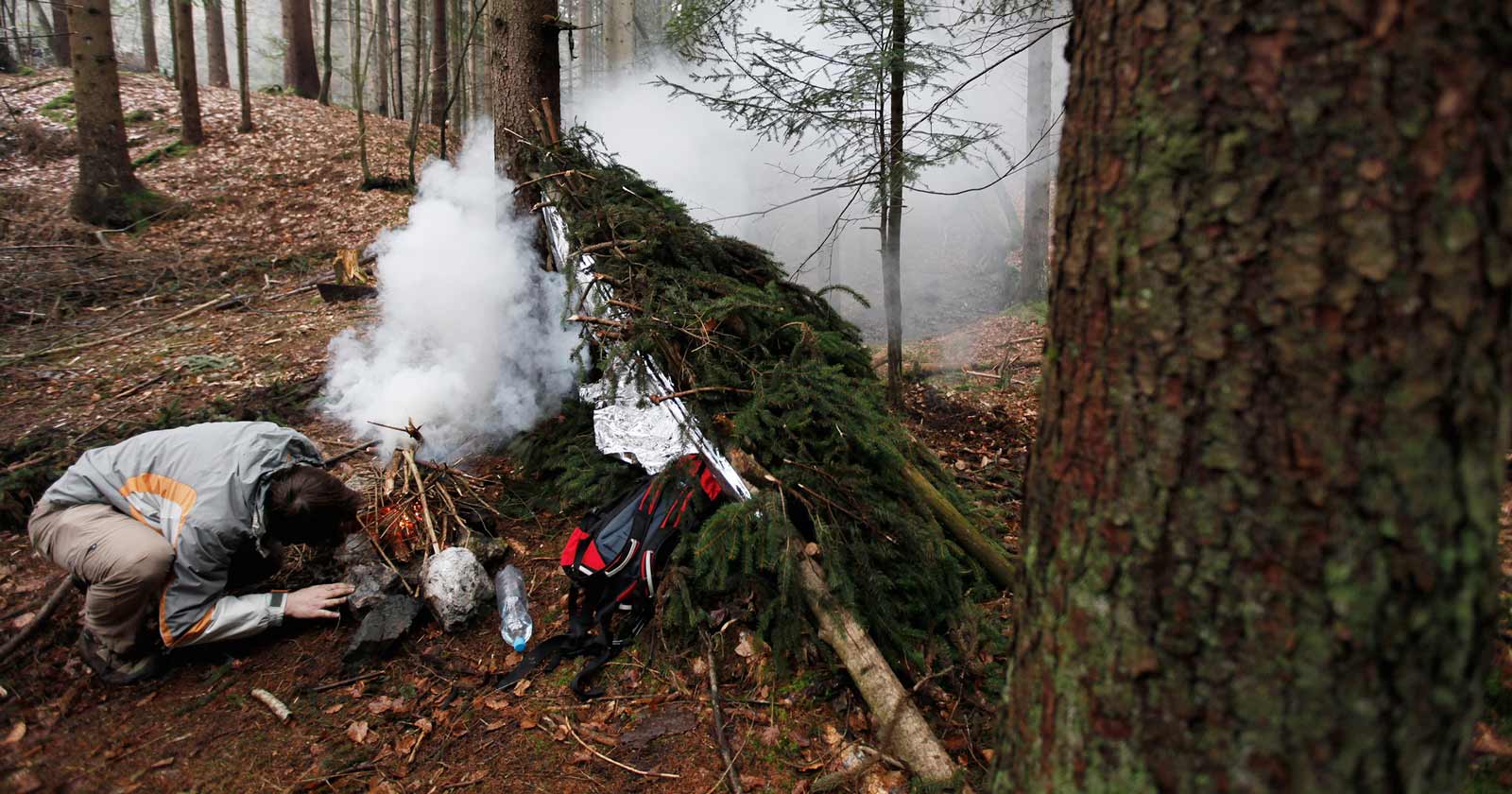


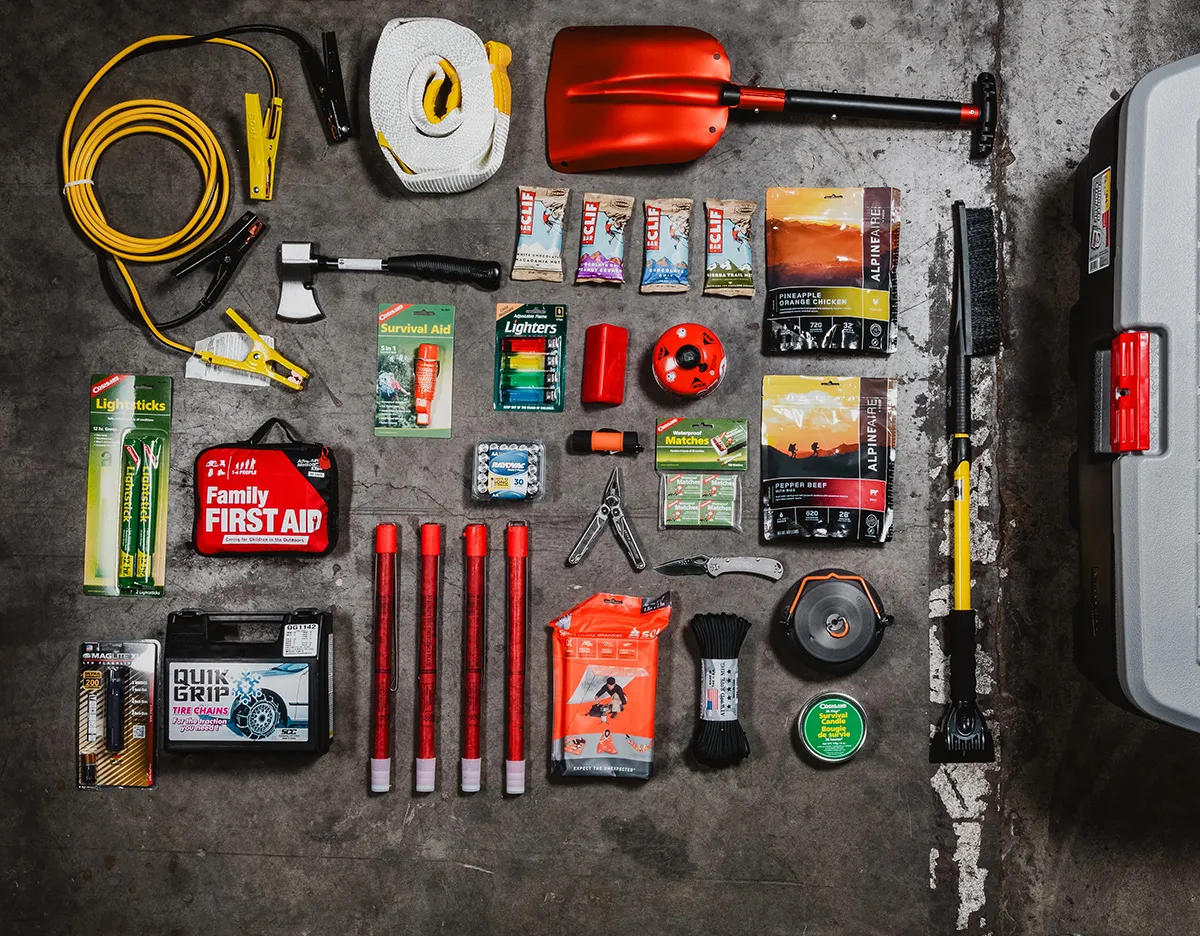

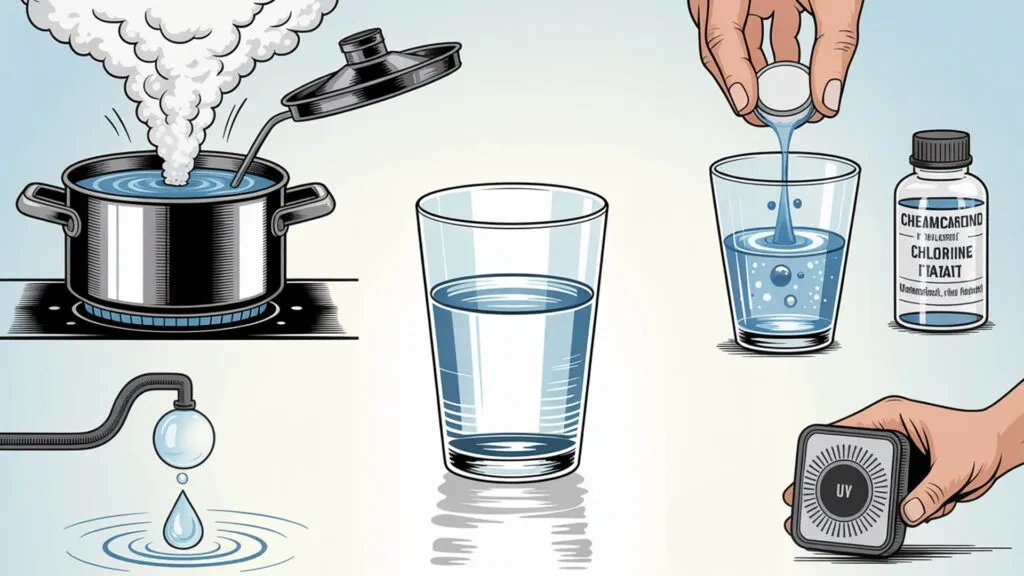







Tags
📧 Get More Articles Like This
Subscribe to receive product reviews and buying guides in your inbox!
We respect your privacy. Unsubscribe at any time.