Walking vs Running for Weight Loss (Science-Backed)

Table of Contents
- Introduction: The Great Debate
- The Science Behind Calorie Burning
- Walking: The Sustainable Approach
- Running: Maximum Efficiency
- Metabolic Differences and Long-Term Effects
- Practical Implementation Strategies
- Combining Both for Optimal Results
- Conclusion
- Frequently Asked Questions
Introduction: The Great Debate
The morning sun barely touched the horizon when Sarah laced up her running shoes for the third time that week, her determination unwavering despite the lingering soreness in her knees. Six months earlier, she had weighed herself and seen a number that shocked her into action. Her doctor had mentioned something about metabolic syndrome, and suddenly the abstract concept of “getting in shape” became urgently concrete. She started running because everyone said it was the fastest way to lose weight, pushing through breathlessness and joint pain because she believed suffering equaled results. But three weeks into her ambitious program, an injury sidelined her completely, and she watched helplessly as her motivation crumbled along with her carefully constructed routine.
Meanwhile, her neighbor Mark took an entirely different path. He simply walked. Every single day, without exception, he walked for an hour before work. His friends teased him about taking the “easy route,” suggesting he’d never see real results without pushing himself harder. Yet six months later, Mark had lost thirty-five pounds while Sarah, despite her intense early efforts followed by frustrated inactivity, had actually gained five. This scenario plays out in millions of households across the globe, raising a fundamental question that confounds fitness enthusiasts and frustrates beginners alike. When it comes to sustainable, meaningful weight loss, does the tortoise actually beat the hare? The answer, as cutting-edge research from 2024 and 2025 reveals, challenges many assumptions we’ve held about exercise intensity and weight management.
Before delving into the details of the article, watch this video which reviews scientific research on amazing facts about the efficiency of walking versus running :
The debate between walking and running for weight loss represents more than just a comparison of two cardiovascular activities. It encompasses broader questions about sustainability, injury prevention, metabolic adaptation, and the psychological factors that determine whether someone maintains an exercise program for weeks or years. Recent studies published in peer-reviewed journals have fundamentally shifted our understanding of how different exercise intensities affect not just immediate calorie expenditure but long-term weight management success. The data tells a more nuanced story than the simple “more intense equals better” narrative that dominates fitness culture.
Consider the stark statistics that frame this discussion. According to research tracking physical activity patterns across populations, approximately 80% of adults in the United States fail to meet basic physical activity guidelines, with one of the primary barriers being unsustainable exercise programs that lead to injury or burnout. A landmark six-year prospective study published in Medicine & Science in Sports & Exercise followed 15,237 walkers and 32,216 runners, revealing surprising differences in how these activities affect body composition over time. The researchers found that while running produced greater weight loss per unit of energy expended, the dropout rate and injury incidence created a more complex picture of real-world effectiveness. Meanwhile, walking demonstrated remarkable sustainability, with participants maintaining their programs year after year with minimal interruption from injury or fatigue.
This groundbreaking National Runners Health Study tracked participants through detailed questionnaires measuring changes in body mass index and waist circumference relative to exercise energy expenditure over the multi-year period. The findings challenged conventional assumptions about exercise intensity equivalence. Men experienced significantly greater weight loss per metabolic equivalent hour of running compared to walking across all body mass quartiles, with differences ranging from six to seventeen percent depending on baseline weight. Women demonstrated similar patterns primarily in the highest body mass quartile, where running produced 32 percent greater BMI reduction per energy unit expended. These results suggested that vigorous exercise provides benefits beyond simple caloric expenditure when examining long-term weight management under real-world conditions.
The physiological mechanisms underlying weight loss remain constant regardless of exercise modality. Creating a caloric deficit drives fat reduction, period. Yet the path to achieving and maintaining that deficit varies dramatically based on chosen activities, individual circumstances, and long-term adherence patterns. Research from the National Institutes of Health examining energy expenditure in different exercise intensities reveals that metabolic responses to moderate versus vigorous activity involve distinct hormonal cascades, recovery requirements, and adaptations that influence total daily energy expenditure in ways that extend far beyond the workout itself. Understanding these mechanisms proves crucial for making informed decisions about exercise programming.
Shop on AliExpress via link: wholesale-fitness-equipment-accessories

The human body evolved for endurance activities, with our ancestors covering vast distances through walking and occasional bursts of running for hunting or escape. This evolutionary heritage means we’re remarkably efficient at both activities, but efficiency in energy expenditure presents a double-edged sword for weight loss. Our bodies naturally seek to conserve energy, adapting to repetitive activities by becoming more metabolically economical over time. This adaptation explains why many people hit frustrating plateaus despite maintaining consistent exercise routines. The question then becomes not which activity burns more calories in isolation, but which creates sustainable metabolic disruption that prevents adaptive efficiency while remaining maintainable over months and years.
Current guidelines from the World Health Organization and Centers for Disease Control recommend 150-300 minutes of moderate-intensity aerobic activity weekly for adults, or 75-150 minutes of vigorous-intensity activity, or an equivalent combination of both. These recommendations emerge from extensive research linking physical activity duration and intensity with health outcomes including cardiovascular disease prevention, metabolic health improvement, and yes, weight management. However, the translation of these guidelines into practical weight loss strategies requires understanding how walking and running fit within these frameworks and how individual factors like current fitness level, injury history, time availability, and personal preferences influence long-term success.
The World Health Organization systematically reviewed scientific evidence through rigorous protocols before establishing these WHO physical activity guidelines for global populations. Their 2020 updated recommendations addressed multiple age groups and special populations, providing the first specific guidance for pregnant women, individuals with chronic conditions, and people living with disabilities. The evidence review examined hundreds of studies connecting physical activity with outcomes ranging from all-cause mortality and cardiovascular disease to mental health improvements and sleep quality. Importantly, the guidelines emphasized that all physical activity counts, whether accumulated through recreation, transportation like walking or cycling, occupational activities, or household tasks, acknowledging that modern sedentary lifestyles require creative approaches to meeting movement targets.
The Centers for Disease Control emphasizes that achieving these physical activity recommendations requires understanding the distinction between moderate and vigorous intensities. Brisk walking, where your heart rate noticeably increases but you can still maintain conversation, exemplifies moderate-intensity activity. Running or jogging, which causes rapid breathing and substantially elevated heart rate, represents vigorous intensity. Both contribute toward weekly targets, with one minute of vigorous activity generally equivalent to two minutes of moderate activity for health benefit calculations. The CDC notes that adults who sit less and engage in any amount of moderate-to-vigorous physical activity gain measurable health benefits, reinforcing that some movement always surpasses complete inactivity.
The scientific literature addressing this question spans decades, with early research often focusing narrowly on acute calorie expenditure during single exercise sessions. More recent investigations take a broader view, examining how different exercise modalities affect 24-hour energy expenditure, muscle mass preservation, metabolic rate changes, hormonal responses, and crucially, long-term program adherence. A 2024 meta-analysis synthesizing data from multiple randomized controlled trials found that the “best” exercise for weight loss isn’t determined by maximum calorie burn per minute, but by the intersection of several factors including total weekly energy expenditure, muscle mass preservation, injury avoidance, and the participant’s likelihood of maintaining the program beyond the initial enthusiasm phase.
The U.S. Department of Health and Human Services developed comprehensive Physical Activity Guidelines Americans through an expert advisory committee that conducted systematic reviews of scientific literature spanning decades of research. These evidence-based guidelines recognize the complexity of prescribing optimal exercise by acknowledging individual variability in responses to different activity types and intensities. The 2018 second edition incorporated new findings on dose-response relationships, demonstrating that some physical activity provides better outcomes than none, while greater amounts generate additional benefits up to certain thresholds. The guidelines specifically note that adults can meet targets through various combinations of moderate and vigorous activity, allowing personalization based on preferences, capabilities, and circumstances rather than mandating one-size-fits-all approaches.
The Science Behind Calorie Burning
The fundamental principle governing weight loss remains elegantly simple in theory yet maddeningly complex in execution. Energy balance determines body composition changes, with weight loss occurring when energy expenditure exceeds energy intake over time. However, the human metabolism doesn’t operate like a simple furnace burning fuel at constant rates. Instead, it represents a dynamic, adaptive system that responds to exercise in multifaceted ways that extend far beyond the calories displayed on a treadmill screen. Understanding these metabolic intricacies proves essential for making informed decisions about exercise selection for weight management.
When researchers measure caloric expenditure during exercise, they typically express results in metabolic equivalents, or METs, where one MET equals the energy cost of sitting quietly. Walking at a moderate pace of 3-4 miles per hour registers approximately 3.5-4.5 METs, while running at 6 miles per hour jumps to about 10 METs. This threefold difference explains why running burns significantly more calories per minute than walking. A person weighing 160 pounds burns roughly 314 calories during 30 minutes of running at 5 miles per hour, compared to approximately 140 calories during 30 minutes of moderate walking. Based purely on time efficiency, running appears decisively superior for calorie expenditure.
However, this time-based comparison obscures a crucial finding that emerged from research published in the Journal of Applied Physiology. When scientists calculated energy expenditure based on distance covered rather than time elapsed, they discovered something remarkable. Walking and running a mile each burn approximately 100 calories, regardless of the speed at which you complete that mile. This distance-based equivalence fundamentally shifts the calculation for people who have flexible schedules but limited tolerance for high-intensity exercise. A person who can walk for 60 minutes but only run for 20 minutes before exhaustion or injury risk becomes prohibitive will actually burn more total calories through walking.
The metabolic responses to exercise extend well beyond the immediate energy cost of the activity itself. After vigorous exercise like running, the body experiences elevated oxygen consumption for extended periods as it works to restore homeostasis, repair muscle tissue, and replenish energy stores. This phenomenon, called excess post-exercise oxygen consumption or EPOC, contributes additional caloric expenditure that can persist for hours after the workout ends. Research published in the Journal of Strength and Conditioning Research found that EPOC following running lasted approximately five minutes longer than after walking, contributing an extra 5-15% to total calories burned during the recovery period.

The intensity of exercise also influences the fuel sources the body preferentially oxidizes during the activity. At moderate intensities typical of brisk walking, the body derives approximately 50-60% of its energy from fat oxidation, with the remainder coming from carbohydrate metabolism. As intensity increases into the vigorous zone characteristic of running, the metabolic shift favors carbohydrate utilization, with fat oxidation contributing a smaller percentage of total energy production. This has led to persistent myths about “fat-burning zones” that suggest lower-intensity exercise proves superior for weight loss. However, this reasoning fails to account for total energy expenditure, which matters far more than the specific fuel source during individual exercise sessions.
A comprehensive study examining substrate utilization across different exercise intensities clarified this confusion. While walking does burn a higher percentage of calories from fat, running burns more total calories including more absolute fat calories despite the lower percentage contribution from fat oxidation. For example, if walking for 30 minutes burns 140 calories with 60% from fat, that equals 84 fat calories. Running for 30 minutes burning 314 calories with only 40% from fat still yields 125 fat calories burned. The total caloric deficit created over time determines fat loss, not the fuel source during individual workouts.
The body’s metabolic response to exercise training also includes adaptations that affect resting metabolic rate and overall daily energy expenditure. Regular vigorous exercise like running tends to preserve or even increase lean muscle mass better than moderate-intensity walking alone, particularly when performed as interval training. Since muscle tissue burns more calories at rest than fat tissue, maintaining or building muscle mass contributes to higher 24-hour energy expenditure independent of structured exercise sessions. Research tracking body composition changes in walkers versus runners over six months found that runners experienced less age-related muscle loss compared to age-matched controls, while walkers showed intermediate effects.
Harvard Medical School researchers emphasize that resting energy expenditure accounts for 60-75 percent of total daily calories burned, making it the largest component of energy balance for most individuals. This basal metabolic rate continues operating 24 hours daily to fuel essential bodily functions including breathing, circulation, cell repair, and temperature regulation. Any intervention that elevates resting metabolic rate therefore provides cumulative benefits far exceeding the calories burned during isolated exercise sessions. Vigorous physical activities like running can increase resting energy expenditure for extended periods following workouts, while muscle mass preservation through regular exercise prevents the metabolic slowdown typically accompanying weight loss. Understanding this relationship helps explain why exercise programs sometimes produce weight loss exceeding predictions based solely on workout calorie expenditure.
Individual variability in metabolic responses to exercise presents another layer of complexity that prevents simple universal prescriptions. Some individuals demonstrate robust increases in daily energy expenditure with increased activity, while others show compensatory decreases in non-exercise activity thermogenesis that partially offset their workout energy costs. A fascinating study published in Current Biology examined this phenomenon by tracking total daily energy expenditure in people undergoing exercise programs. The researchers discovered that beyond certain activity thresholds, total daily energy expenditure plateaued rather than continuing to increase linearly, suggesting the body implements energy-conserving adaptations that maintain energy balance despite increased exercise volume.
Walking: The Sustainable Approach
Walking represents humanity’s most fundamental form of movement, requiring no special equipment beyond appropriate footwear, no gym membership, no complex technique to master, and minimal risk of injury for most people. This accessibility translates into exceptional adherence rates compared to more demanding exercise modalities. When researchers examine long-term weight loss maintenance, sustainability emerges as the single most important predictor of success. A program that burns fewer calories per session but gets performed consistently for years will always outperform an intense protocol abandoned after a few weeks due to injury, exhaustion, or simple lack of enjoyment.
The injury rates associated with walking versus running tell a compelling story about sustainability. Epidemiological studies tracking runners report injury incidence ranging from 19-79% annually, with the variation reflecting differences in how injuries are defined and populations studied. These injuries typically involve the lower extremities, with knee problems, shin splints, plantar fasciitis, and stress fractures accounting for the majority of cases. The repetitive impact forces during running, which can reach 2-3 times body weight with each foot strike, stress bones, tendons, and joints in ways that frequently exceed tissue adaptation capacity, especially in beginners or individuals carrying excess weight.
Walking, by contrast, involves impact forces of only 1-1.5 times body weight, dramatically reducing mechanical stress on weight-bearing joints and connective tissues. This lower force profile translates to injury rates below 5% in most walking populations, with the injuries that do occur typically being minor and resolving with short rest periods rather than requiring extended time off or medical intervention. For individuals carrying significant excess weight, this difference becomes even more pronounced. A 250-pound person attempting to run subjects their knees to forces exceeding 500 pounds with each step, while walking involves forces of approximately 375 pounds, a meaningful reduction in cumulative stress over thousands of steps.

The psychological dimensions of exercise adherence deserve equal consideration alongside purely physiological factors. Walking allows for social interaction during the activity, as the moderate intensity permits normal conversation. This social component enhances enjoyment and accountability, both of which strongly predict long-term program maintenance. Research examining factors associated with exercise adherence found that people who walk with partners or groups maintain their programs significantly longer than those exercising alone. Running’s higher intensity generally precludes extended conversation, potentially reducing this social reinforcement mechanism for some individuals.
The accessibility of walking extends beyond physical capacity to include practical considerations like weather adaptation and integration into daily routines. Walking can occur in shopping malls during extreme weather, around office buildings during lunch breaks, or as transportation to nearby destinations, seamlessly integrating physical activity into existing schedules without requiring dedicated workout time. This integration represents a crucial advantage for people struggling to carve out exercise time from busy lives. A study examining physical activity patterns in working adults found that those who incorporated walking into transportation and daily activities achieved higher total weekly activity minutes compared to those relying solely on scheduled gym-based exercise sessions.
The dose-response relationship between walking and weight loss has been carefully characterized through multiple research studies. Evidence indicates that 150-250 minutes per week of moderate-intensity walking produces modest weight loss of approximately 2-3% of body weight over 6-12 months when dietary intake remains stable. Increasing walking duration beyond 250 minutes weekly correlates with more substantial weight reduction, with some studies documenting 5-7% weight loss over similar timeframes. While these percentages may sound modest compared to sensational weight loss claims from fad diets or extreme exercise programs, they represent clinically meaningful improvements in metabolic health markers and fall within ranges associated with sustainable long-term weight management.
The American College of Sports Medicine conducted extensive reviews of weight loss intervention research to establish position stands guiding exercise prescription for weight management. Their analysis found that moderate-intensity physical activity between 150 and 250 minutes weekly effectively prevents weight gain in most adults but provides only modest weight reduction without concurrent dietary modifications. Achieving clinically significant weight loss through exercise alone typically requires exceeding 250 minutes weekly of moderate-to-vigorous activity, an amount substantially beyond minimum health recommendations. The ACSM position further clarified that combining exercise with modest caloric restriction produces superior outcomes compared to either intervention alone, with moderate dietary reductions of 500-1000 calories daily paired with regular physical activity creating sustainable weight loss approaching 1-2 pounds weekly.
The metabolic benefits of walking extend well beyond caloric expenditure and fat loss. Regular walking improves insulin sensitivity, reduces blood pressure, favorably modifies lipid profiles, decreases inflammation markers, and enhances cardiovascular function. A landmark study published in JAMA tracking over 10,000 adults found that those who walked briskly for 150 minutes weekly experienced a 30% reduction in cardiovascular disease risk compared to sedentary individuals, with additional benefits accruing up to 300 minutes weekly. These health improvements occur even in the absence of significant weight loss, suggesting that walking provides value beyond its role in weight management.
The progression strategies for walking programs allow for gradual, sustainable increases in challenge without requiring dramatic intensity jumps that risk injury or burnout. Beginners can start with short 10-15 minute walks at comfortable paces, gradually extending duration before increasing speed. Adding incline through hills or treadmill elevation substantially increases energy expenditure without requiring faster speeds that stress joints. Studies examining incline walking found that a 5% grade increases caloric burn by approximately 30-40% compared to level walking at the same speed. Interval walking, alternating between comfortable and brisk paces for specific time intervals, provides another progression method that elevates average intensity while maintaining sustainability.
Running: Maximum Efficiency
For individuals who can safely engage in running without injury limitations, this vigorous-intensity activity offers unmatched time efficiency for caloric expenditure and weight loss. The threefold increase in energy cost per minute compared to walking means that a 30-minute run accomplishes similar total calorie burn as a 90-minute walk. For people with limited discretionary time, this efficiency advantage can determine whether they maintain an exercise program or abandon it due to scheduling impossibilities. The time demands of modern life represent a frequently cited barrier to regular physical activity, making running’s efficiency a compelling practical advantage.
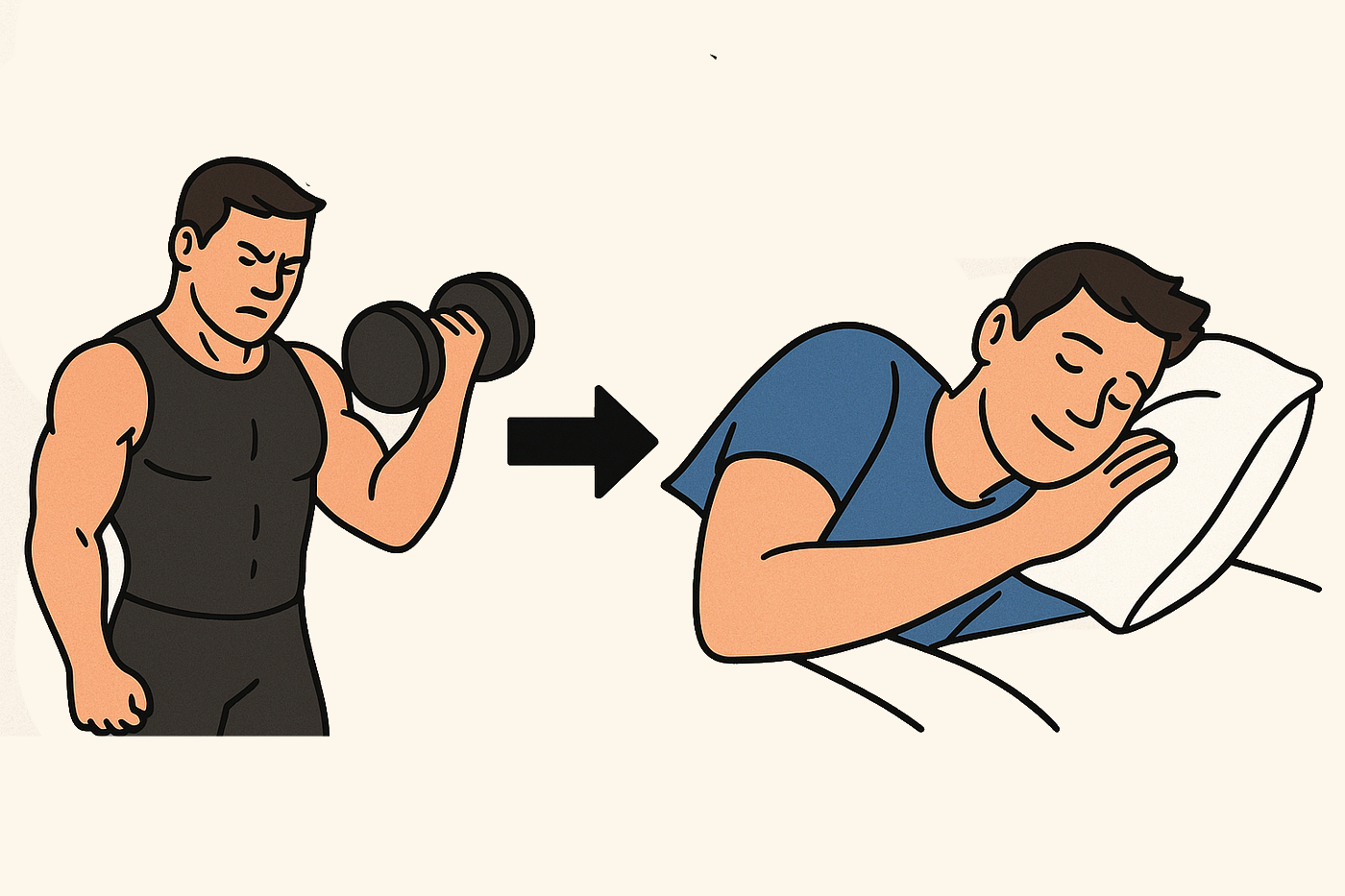
The relationship between sleep exercise fat loss reveals complex interactions where inadequate sleep undermines exercise effectiveness for weight management through multiple mechanisms. Sleep deprivation disrupts appetite-regulating hormones including leptin and ghrelin, increasing hunger and cravings for calorie-dense foods that can negate exercise-created deficits. Additionally, insufficient sleep impairs workout performance by reducing energy levels, motivation, and recovery capacity between sessions, often leading to skipped workouts or reduced exercise intensity that diminishes total weekly energy expenditure. Research demonstrates that individuals who prioritize both adequate sleep duration of 7-9 hours nightly and regular physical activity achieve superior weight loss outcomes compared to those emphasizing either factor alone, highlighting the importance of comprehensive lifestyle approaches rather than exercise in isolation.
The cardiovascular adaptations stimulated by running exceed those typically achieved through moderate-intensity walking, particularly regarding improvements in VO2 max, the maximum rate at which the body can consume oxygen during exercise. VO2 max serves as perhaps the single best predictor of cardiovascular fitness and correlates strongly with overall health and longevity. Research comparing cardiorespiratory fitness improvements from walking versus running found that running programs typically increase VO2 max by 15-25% over 12-16 weeks in previously sedentary individuals, while walking programs produce more modest 5-15% improvements. These enhanced cardiovascular adaptations translate to improved exercise capacity, better performance in daily activities, and reduced cardiovascular disease risk.
Running’s impact on body composition extends beyond simple fat loss to include favorable effects on muscle mass preservation and distribution. While often considered purely cardiovascular exercise, running actually involves substantial lower-body muscular work, particularly in the glutes, quadriceps, hamstrings, and calves. This muscular engagement, combined with the metabolic stress of vigorous exercise, promotes muscle protein synthesis and helps preserve lean tissue even during caloric restriction. A study examining body composition changes during weight loss found that participants who included running maintained significantly more lean mass compared to those restricting calories without exercise, though resistance training still proved superior for muscle preservation.

The afterburn effect following vigorous exercise like running contributes meaningfully to total daily energy expenditure in ways that modify the simple per-minute calorie calculations. Research measuring oxygen consumption for hours after exercise completion found that a single running session elevated metabolic rate by 5-10% for up to 24 hours post-exercise, depending on workout intensity and duration. This elevation translates to an additional 50-200 calories burned during the recovery period beyond the workout itself. Over weeks and months, these accumulated afterburn calories add substantially to total energy deficit, potentially explaining why some studies find running produces greater weight loss than would be predicted from exercise calorie expenditure alone.
The progression pathways for running allow experienced exercisers to continually increase challenge through speed work, interval training, hill running, and distance progression. This scalability means that running can continue providing training stimulus even as fitness improves, preventing the plateaus that sometimes occur when the body fully adapts to moderate-intensity activities. Interval training, alternating high-intensity running periods with recovery intervals, has garnered particular research attention for its metabolic benefits. Studies document that high-intensity interval training can produce similar or even superior metabolic improvements compared to longer duration moderate-intensity exercise despite dramatically reduced time commitment.
However, the effectiveness of running for weight loss hinges entirely on the ability to maintain the program without injury interruption or burnout. The harsh reality is that many people who start running programs abandon them within weeks or months, either due to injury, excessive fatigue, or simple lack of enjoyment. A meta-analysis examining exercise adherence across different modalities found that vigorous-intensity programs demonstrate higher dropout rates compared to moderate-intensity alternatives, with the disparity particularly pronounced in previously sedentary individuals and those with obesity. This adherence challenge tempers running’s theoretical advantages, as an exercise program only produces results when actually performed consistently.
The recommendations for safe running progression emphasize gradual increases to allow tissue adaptation and prevent overuse injuries. The commonly cited 10% rule suggests limiting weekly mileage increases to no more than 10% per week, though recent research questions whether this specific percentage represents the optimal balance between progression and injury prevention. More importantly, beginners should start with walk-run intervals rather than continuous running, progressively increasing running segments while decreasing walking recovery periods. This graduated approach reduces initial stress on unconditioned tissues while building the cardiovascular fitness and muscular endurance required for sustained running.
Mayo Clinic sports medicine physicians recommend that individuals new to running should begin with walk-run interval programs rather than attempting continuous running immediately, regardless of current cardiovascular fitness levels. This graduated approach allows musculoskeletal tissues including tendons, ligaments, and bones to adapt to the repetitive impact forces that characterize running biomechanics. A typical progression starts with one-minute running intervals separated by two to three minutes of walking recovery, repeated for 20-30 minutes total session time. As tolerance improves over several weeks, running segments progressively lengthen while recovery walking shortens, eventually leading to continuous running for those who find it enjoyable and sustainable. However, experts emphasize that progressing to continuous running remains optional rather than necessary, as consistent walking programs deliver substantial health benefits and effective weight management without requiring advancement to higher-intensity modalities.
Running form and biomechanics significantly influence both efficiency and injury risk, yet proper technique receives inadequate attention in popular fitness advice. Research examining running mechanics has identified several factors associated with injury risk, including excessive vertical oscillation, overstriding, asymmetrical loading patterns, and inadequate hip stability. While some biomechanical factors reflect individual anatomy and cannot be easily modified, others respond to technique coaching and strengthening exercises. Runners experiencing persistent pain should consider gait analysis and form coaching, which can identify correctible issues contributing to discomfort or inefficiency.
Metabolic Differences and Long-Term Effects
The metabolic responses to moderate versus vigorous exercise extend far beyond immediate calorie expenditure to encompass hormonal signaling, gene expression changes, mitochondrial adaptations, and long-term modifications in how the body processes and stores energy. Understanding these deeper physiological responses illuminates why walking and running may produce different long-term weight management outcomes even when acute energy expenditure is matched. The complexity of human metabolism means that simple calorie-in, calorie-out calculations, while fundamentally correct, fail to capture the full picture of how different exercise modalities influence body composition over months and years.
Hormonal responses to exercise vary substantially based on intensity and duration. Vigorous exercise like running triggers more pronounced elevations in stress hormones including cortisol and adrenaline compared to moderate walking. While these hormones mobilize energy stores and enhance performance during the workout, chronically elevated cortisol from excessive high-intensity exercise can promote abdominal fat accumulation and interfere with recovery. This presents a delicate balance where too little exercise fails to create metabolic stimulus, but too much high-intensity work without adequate recovery can actually undermine weight loss efforts through hormonal dysregulation. Studies examining optimal exercise volume suggest that most individuals benefit from 3-5 vigorous sessions weekly, with additional activity from moderate-intensity sources like walking.

The mitochondrial adaptations induced by different exercise intensities reveal intriguing differences in how cells handle energy metabolism. Mitochondria function as cellular powerhouses, and their quantity and efficiency directly determine metabolic capacity. Research using muscle biopsies before and after training programs demonstrates that vigorous exercise induces greater mitochondrial biogenesis, the creation of new mitochondria, compared to moderate-intensity training. More and better-functioning mitochondria translate to enhanced fat oxidation capacity, improved insulin sensitivity, and higher resting metabolic rate. However, moderate-intensity exercise still stimulates meaningful mitochondrial improvements, particularly when accumulated in higher weekly volumes.
Gene expression changes triggered by exercise provide another window into metabolic responses. Hundreds of genes involved in metabolism, inflammation, muscle growth, and fat oxidation show altered expression patterns following both acute exercise sessions and chronic training programs. Interestingly, some genes respond primarily to exercise intensity while others respond more to total work volume regardless of intensity. This suggests that both walking and running trigger beneficial genetic responses, albeit through partially distinct molecular pathways. The practical implication is that combining both intensities may provide more comprehensive metabolic benefits than relying exclusively on one modality.
The long-term weight loss maintenance picture reveals perhaps the most important metabolic consideration. Research consistently demonstrates that maintaining lost weight proves far more challenging than achieving initial weight reduction. The body implements multiple adaptations following weight loss that favor weight regain, including decreased metabolic rate beyond what would be expected from reduced body mass, alterations in appetite-regulating hormones that increase hunger and decrease satiety, and changes in reward pathways that enhance the palatability of calorie-dense foods. Regular physical activity serves as the most reliable countermeasure to these weight-regaining forces.
Studies examining successful weight loss maintainers, individuals who have lost significant weight and kept it off for years, reveal consistent patterns in their physical activity habits. The National Weight Control Registry, which tracks over 10,000 individuals who have maintained at least 30 pounds of weight loss for a minimum of one year, reports that successful maintainers average 60-90 minutes of moderate-intensity physical activity daily. This substantial time commitment exceeds standard physical activity guidelines and highlights the importance of finding sustainable activities. Walking features prominently in the exercise repertoires of these successful maintainers, often combined with other activities but rarely absent entirely.
The American Heart Association emphasizes that achieving recommended physical activity levels requires understanding both quantity and quality of movement throughout each week. Their guidelines mirror federal recommendations, specifying that adults need at least 150 minutes weekly of moderate-intensity aerobic activity or 75 minutes of vigorous aerobic exercise, preferably spread across most days rather than concentrated into single marathon sessions. Research supporting these recommendations demonstrates that distributing activity throughout the week provides superior cardiovascular and metabolic benefits compared to sporadic intense efforts. The organization also stresses that physical activity encompasses any movement burning calories and elevating heart rate, from structured gym workouts to recreational walking, household tasks, active transportation, and occupational movements, broadening opportunities for accumulating health-promoting activity beyond traditional exercise paradigms.
The concept of metabolic flexibility, the ability to efficiently switch between burning fat and carbohydrates depending on availability and energy demands, represents another important adaptation influenced by exercise training. Metabolically flexible individuals demonstrate superior insulin sensitivity, better appetite regulation, and more stable energy levels compared to metabolically inflexible individuals stuck predominantly burning carbohydrates. Both walking and running improve metabolic flexibility, though some evidence suggests that incorporating both intensities may optimize this adaptation by training the body to efficiently utilize different fuel sources across varying intensity demands.
The impact of exercise on appetite regulation presents both opportunities and challenges for weight management. While acute exercise often suppresses appetite temporarily, the longer-term effects prove more variable. Some individuals experience increased hunger following regular exercise that can lead to compensatory eating exceeding the calories burned, while others show better appetite control and decreased caloric intake. Research suggests that vigorous exercise may produce stronger temporary appetite suppression compared to moderate walking, but individual responses vary dramatically. Self-monitoring and mindful eating practices help individuals identify their personal patterns and prevent compensatory overconsumption that negates exercise-created deficits.
Practical Implementation Strategies
Translating research findings into actionable exercise programs requires considering individual circumstances including current fitness level, weight status, injury history, time availability, environmental factors, and personal preferences. The theoretically optimal program means nothing if practical barriers prevent its implementation or if the person finds it so unenjoyable that adherence becomes impossible. Successful weight loss through exercise demands a personalized approach that balances scientific principles with real-world constraints and individual psychology.
For previously sedentary individuals or those carrying substantial excess weight, starting with walking represents the lowest-risk entry point into regular physical activity. Initial sessions might last only 10-15 minutes at a comfortable pace, with the primary goal being establishing the habit rather than maximizing caloric burn. Gradual progression remains key, with most experts recommending increasing weekly duration by no more than 10-20% to allow physiological adaptation and prevent overuse injuries. After establishing a base of 150 minutes weekly of comfortable walking maintained for several weeks, individuals can progress by increasing pace toward brisk walking, adding intervals of faster walking, incorporating hills or inclined treadmill settings, or extending total duration toward 250-300 minutes weekly.
The transition from walking to running should occur gradually through walk-run intervals rather than attempting continuous running immediately. A typical progression might begin with 1-minute running intervals separated by 2-3 minutes of walking recovery, repeated for 20-30 minutes total. As cardiovascular fitness and musculoskeletal tolerance improve, the running intervals extend while recovery walking shortens, eventually progressing to continuous running for those who enjoy it and can do so without pain. However, there’s no requirement to progress to running if walking adequately serves one’s goals and preferences. Many successful exercisers maintain walking programs indefinitely without ever transitioning to running.
Scheduling strategies significantly influence program adherence. Research on habit formation suggests that exercising at consistent times creates stronger behavioral automaticity compared to variable scheduling. Morning exercisers often report higher adherence rates, possibly because morning sessions face fewer competing demands than evening workouts vulnerable to work delays, social obligations, or simple fatigue-related excuses. However, the best time for exercise is ultimately the time that someone will consistently do it. Some individuals function better with evening workouts, while others benefit from splitting activity into multiple shorter sessions throughout the day.
Environmental considerations affect both safety and enjoyment. Hot weather increases cardiovascular strain and dehydration risk, requiring pace reductions and careful hydration monitoring. Cold weather demands appropriate layering to maintain core temperature without overheating. Icy conditions dramatically increase fall risk, making indoor alternatives preferable. Air quality concerns including high pollen counts or pollution levels may necessitate rescheduling outdoor exercise. Having contingency plans like gym access, treadmills, or indoor walking locations ensures that environmental barriers don’t completely derail exercise programs.
Shop on AliExpress via link: wholesale-running-walking-shoes

Equipment needs for walking and running remain minimal but not negligible. Proper footwear represents the single most important investment, with shoes appropriate for one’s gait pattern, foot structure, and chosen activity. Running shoes typically require replacement every 300-500 miles due to midsole compression that reduces shock absorption. Walking shoes endure longer but still require periodic replacement. Moisture-wicking clothing prevents chafing and improves comfort compared to cotton garments that retain sweat. Reflective gear enhances safety during low-light conditions. Phone apps or simple pedometers provide feedback on distance, pace, and progress that many people find motivating.
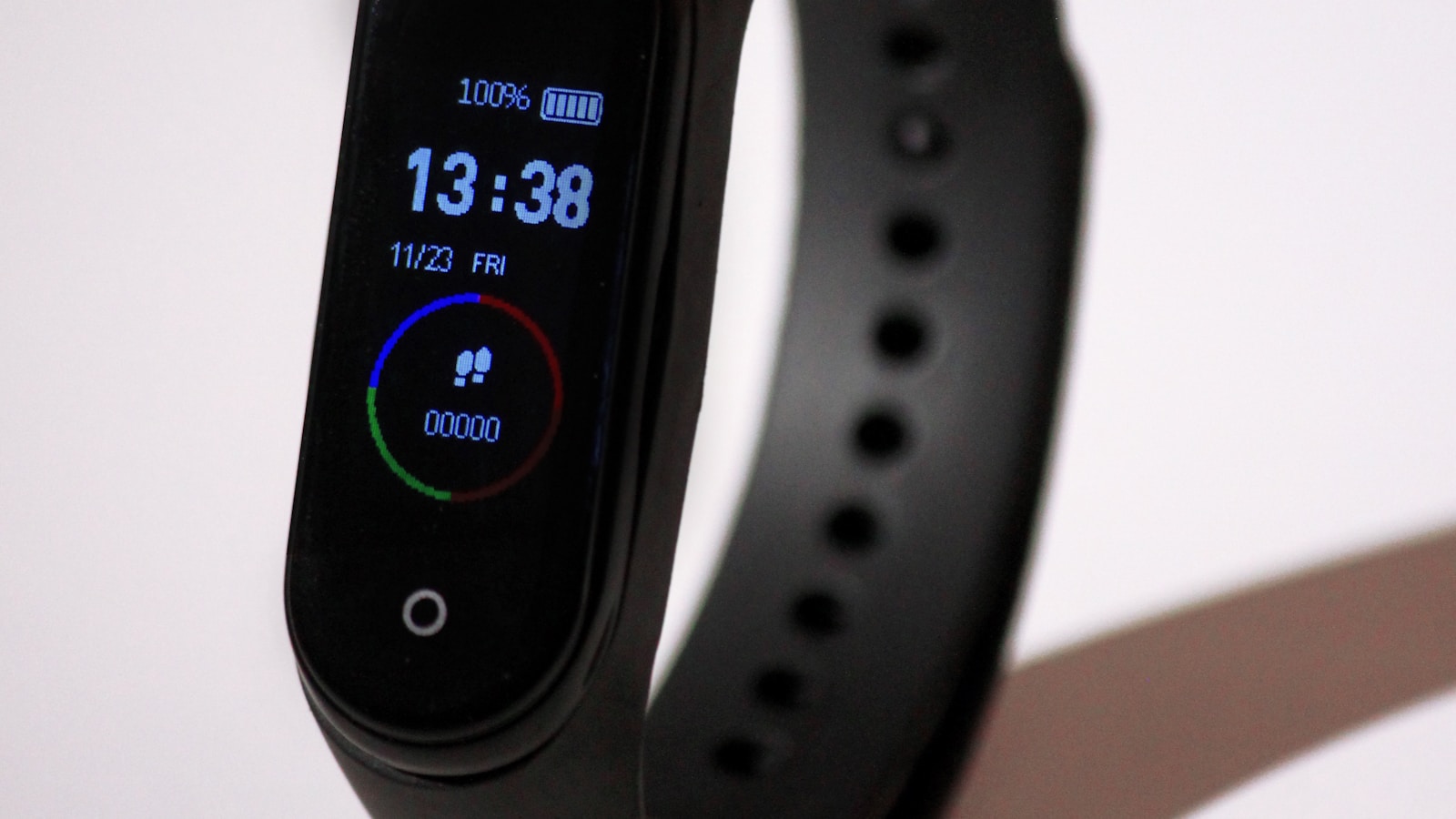
Modern fitness trackers health monitoring devices have evolved far beyond simple step counting to provide comprehensive data on heart rate zones, calorie expenditure estimates, sleep quality, recovery status, and even stress levels through heart rate variability analysis. These wearable technologies allow precise tracking of whether exercise intensity actually reaches moderate or vigorous zones rather than relying on subjective effort perceptions that often prove inaccurate, particularly for beginners unfamiliar with appropriate training intensities. Advanced features like automatic activity recognition, GPS route mapping, and workout suggestions based on fitness trends help users optimize their walking and running programs. Research examining fitness tracker usage finds that consistent monitoring correlates with increased daily activity levels and better long-term adherence compared to untracked exercise, though the devices themselves don’t guarantee results without commitment.
Monitoring progress through objective measurements helps maintain motivation and allows program adjustments based on results. Body weight, while commonly tracked, actually represents a poor short-term progress indicator due to normal fluctuations from hydration status, sodium intake, menstrual cycle phase, and glycogen storage. Measurements like waist circumference, how clothes fit, progress photos, and importantly, fitness markers like distance covered in a set time or ease of performing daily activities often provide better feedback than scale weight. Many successful exercisers track workout completion rather than pounds lost, shifting focus toward controllable behaviors rather than unpredictable outcomes.
Combining Both for Optimal Results
The dichotomy between walking and running represents a false choice for most people. Rather than selecting one modality exclusively, evidence suggests that combining both intensities throughout the week optimizes multiple fitness components while managing injury risk and preventing psychological burnout. This combined approach allows individuals to accumulate high total weekly energy expenditure through walking’s sustainable volume while gaining cardiovascular and time-efficiency benefits from strategic running sessions. The synergy between modalities provides advantages that neither offers independently.
A sample weekly program might include three moderate-intensity walking sessions of 45-60 minutes each, providing 135-180 minutes of baseline moderate activity and burning approximately 500-800 calories total. Two shorter running or high-intensity interval sessions of 20-30 minutes each add vigorous-intensity work totaling 40-60 minutes, contributing another 400-600 calories while stimulating cardiovascular adaptations beyond what walking alone achieves. This combination satisfies physical activity guidelines, creates substantial weekly caloric deficit, and provides variety that enhances both physical and psychological sustainability.
The strategic placement of different intensity sessions throughout the week matters for recovery and adaptation. Vigorous running sessions require more recovery time than moderate walking, suggesting 48-hour spacing between high-intensity workouts for most individuals. Walking sessions can occur on consecutive days without significant recovery concerns, making them ideal for daily or near-daily scheduling. A Monday-Wednesday-Friday schedule for vigorous sessions alternating with Tuesday-Thursday-Saturday-Sunday walking provides adequate recovery while maintaining high total weekly activity. Individual recovery capacity varies based on training status, age, sleep quality, stress levels, and nutrition, requiring program adjustments based on fatigue monitoring and performance feedback.
Interval training incorporating both walking and running within single sessions provides another effective combination strategy. Alternating running intervals with walking recovery periods allows accumulation of more total running time compared to continuous running attempts, creating greater training stimulus while managing fatigue. The walking intervals permit active recovery that maintains elevated heart rate while reducing musculoskeletal stress compared to complete rest. Research on interval training documents superior fitness improvements and higher caloric expenditure compared to steady-state moderate exercise of equal total time, though individual responses vary and some people find interval work less enjoyable than steady-pace activity.
Periodization principles, systematically varying training volume and intensity across weeks and months, optimize adaptations while preventing overtraining. A simple periodization approach might emphasize higher walking volume during recovery weeks, then increase running intensity or frequency during building weeks, cycling between emphasis areas every 3-4 weeks. This structured variation prevents plateaus, reduces injury risk from repetitive stress, and maintains psychological freshness compared to unchanging routines. More sophisticated periodization schemes exist for competitive athletes, but basic wave loading benefits recreational exercisers seeking sustainable progress.
Cross-training with non-impact activities like swimming, cycling, or elliptical training provides additional options for accumulating weekly activity without excessive musculoskeletal stress. These alternatives allow cardiovascular training while reducing repetitive loading on joints and connective tissues most stressed by walking and running. For individuals managing injuries or experiencing persistent joint discomfort despite proper progression, substituting cross-training for some walking or running sessions may allow continued caloric expenditure while permitting tissue recovery. The optimal activity mix reflects individual circumstances rather than universal prescriptions.
Strength training deserves inclusion in comprehensive weight loss programs despite not burning as many calories during sessions as cardiovascular exercise. Resistance training preserves lean muscle mass during weight loss, maintains or increases resting metabolic rate, improves functional capacity, reduces injury risk, and provides psychological benefits distinct from cardiovascular work. Two to three weekly strength sessions targeting major muscle groups complements walking and running programs without requiring excessive time investment. The combination addresses multiple fitness components more comprehensively than cardiovascular exercise alone.
Supporting muscle preservation during weight loss requires strategic muscle growth nutrition herbs and whole food protein sources that provide essential amino acids for tissue repair and synthesis. While cardiovascular exercise forms the foundation of most weight loss programs, maintaining lean mass throughout caloric restriction demands adequate protein intake typically ranging from 1.6 to 2.2 grams per kilogram of body weight daily for active individuals. Natural compounds found in certain herbs and foods may enhance muscle protein synthesis and recovery, potentially amplifying the muscle-preserving effects of resistance training performed alongside walking and running routines. Timing protein consumption around strength workouts, particularly in the hours immediately following exercise when muscle protein synthesis rates peak, optimizes the anabolic response to training stimuli.
Optimizing exercise performance and recovery requires attention to nutrition tips athletes have long recognized as essential for supporting training adaptations. Proper macronutrient timing around workouts enhances glycogen replenishment and muscle protein synthesis, while adequate hydration maintains performance and prevents fatigue-related form breakdown that increases injury risk. Athletes engaging in regular running and walking programs benefit from consuming complex carbohydrates before longer sessions to fuel sustained activity, along with protein intake within hours post-exercise to support tissue repair. Micronutrient adequacy also matters, with deficiencies in iron, vitamin D, calcium, and B vitamins potentially impairing both performance capacity and recovery between sessions, highlighting why comprehensive nutritional strategies complement exercise programming.
Conclusion
The question of whether walking or running proves superior for weight loss defies simplistic answers, despite our desire for clear prescriptions in fitness as in life. The scientific evidence reveals that both modalities effectively support weight management when implemented consistently as part of comprehensive lifestyle approaches including appropriate nutrition. Running offers undeniable advantages in time efficiency and maximum caloric expenditure per minute, making it the clear choice for those who can engage in it safely and enjoyably. Walking provides sustainability, accessibility, and remarkably low injury rates that translate to superior long-term adherence for many individuals, often producing better real-world results than abandoned intense programs ever could.
The most important exercise for weight loss is the one you’ll actually do consistently over months and years, not the one that burns the most calories in theoretical comparisons. Sustainability trumps intensity for long-term success. Individual factors including injury history, current fitness level, time availability, personal preferences, and enjoyment should guide exercise selection more than abstract notions of optimal metabolic stimulus. The program that fits seamlessly into your life and brings genuine satisfaction stands infinitely more chance of producing lasting results than the “perfect” protocol that gets abandoned after brief enthusiasm fades.
For most people, the optimal approach combines both walking and running in proportions reflecting individual circumstances. Regular walking provides sustainable baseline activity that can be maintained almost daily with minimal recovery demands, while strategic running sessions add time-efficient caloric burn and cardiovascular challenge. This combination harnesses the strengths of both modalities while mitigating their respective limitations. Progression should emphasize gradual increases in volume and intensity, allowing physiological adaptations that reduce injury risk while improving fitness. Monitoring adherence and enjoyment proves more valuable than obsessing over calorie counters or weight scales, shifting focus toward sustainable behavior change rather than short-term outcomes.
Frequently Asked Questions
Question 1: Does running burn significantly more calories than walking?
Answer 1: Running burns approximately three times more calories per minute compared to walking at moderate intensity, making it far more time-efficient for energy expenditure. A 160-pound person running at 5 miles per hour for 30 minutes burns roughly 314 calories, while the same person walking at 3.5 miles per hour burns approximately 140 calories in the same timeframe. However, when measuring by distance rather than time, the difference narrows substantially. Both walking and running burn approximately 100 calories per mile, meaning the total caloric expenditure depends more on distance covered than speed of completion. Research published in Medicine & Science in Sports & Exercise tracking participants over six years found that running produced 90% greater weight loss per metabolic equivalent unit expended compared to walking, though this advantage assumes consistent program adherence without injury interruption. The practical superiority depends heavily on individual ability to maintain each activity type over extended periods.
Question 2: Can walking alone lead to meaningful weight loss?
Answer 2: Walking alone can absolutely produce meaningful weight loss when performed with adequate volume and combined with appropriate nutritional habits. Research demonstrates that 150-250 minutes weekly of moderate-intensity walking supports modest but clinically significant weight reduction, typically 2-3% of body weight over six months when dietary intake remains stable. Exceeding 250 minutes weekly correlates with more substantial weight loss in the 5-7% range over similar timeframes. A study published in the Journal of Nutrition found that participants combining moderate walking with modest caloric restriction achieved significantly greater fat loss while preserving lean muscle mass compared to diet-only interventions. The sustainability of walking programs represents a crucial advantage, as long-term weight maintenance requires permanent lifestyle changes rather than temporary intense efforts. Data from the National Weight Control Registry tracking successful long-term weight maintainers reveals that most incorporate regular walking as a foundational component of their physical activity, often averaging 60-90 minutes daily of moderate-intensity movement.
Question 3: Which exercise is better for beginners trying to lose weight?
Answer 3: Walking serves as the superior starting point for most beginners due to dramatically lower injury risk, enhanced sustainability, universal accessibility, and minimal barriers to entry. The impact forces during walking reach only 1-1.5 times body weight compared to 2-3 times body weight during running, substantially reducing stress on joints and connective tissues. This translates to injury rates below 5% for walking compared to 19-79% annually for running depending on population and injury definition. For individuals carrying excess weight, this difference becomes even more pronounced, as a 250-pound person running subjects their knees to forces exceeding 500 pounds with each step. Walking requires no special technique mastery, allows conversation during activity which enhances social support and enjoyment, and permits gradual progression without dramatic intensity jumps. Beginners can start with short 10-15 minute sessions and progressively extend duration before increasing pace, allowing cardiovascular and musculoskeletal systems to adapt safely. Research consistently shows that sustainable programs maintained for months and years produce superior long-term outcomes compared to intense protocols abandoned due to injury, excessive difficulty, or lack of enjoyment.
Question 4: How does exercise intensity affect fat burning during workouts?
Answer 4: Exercise intensity fundamentally alters the metabolic fuel sources the body preferentially oxidizes during activity, though the practical implications for weight loss prove more nuanced than popular fitness mythology suggests. At moderate intensities characteristic of brisk walking, the body derives approximately 50-60% of energy from fat oxidation with the remainder from carbohydrate metabolism. As intensity increases into vigorous zones typical of running, the metabolic shift favors carbohydrate utilization, with fat contributing a smaller percentage of total energy production. However, focusing solely on fuel source percentages during exercise misses the crucial factor of total energy expenditure. Running burns more total calories including more absolute fat calories despite the lower percentage from fat, while also creating elevated metabolic rate for hours post-exercise through excess post-exercise oxygen consumption. Research published in the Journal of Strength and Conditioning Research documented that this afterburn effect lasted approximately five minutes longer following running compared to walking, contributing an additional 5-15% to total calories burned. The 24-hour energy balance and total weekly caloric deficit matter far more for fat loss than the specific fuel source during individual workouts.
Question 5: What role does distance versus time play in weight loss?
Answer 5: Distance-based exercise calculations provide significantly superior metrics for weight management compared to time-based estimates, though this finding remains underappreciated in mainstream fitness advice. Research published in multiple peer-reviewed journals demonstrates that energy expenditure calculated from distance covered produces effect sizes approximately twice as large for body weight associations compared to time-based calculations. Walking or running one mile burns roughly 100 calories regardless of completion speed, making distance a reliable measurement for energy expenditure planning. This distance-based equivalence means that someone who can walk for extended periods but only run briefly may actually achieve higher total caloric expenditure through walking despite its lower per-minute burn rate. The practical implication is that for weight loss purposes, tracking weekly mileage matters more than workout duration or intensity. A study examining distance-based versus time-based exercise prescriptions for previously sedentary overweight adults found that the distance-based group exhibited meaningful body mass reduction and blood glucose improvements while the time-based group showed increases in both measures, despite similar adherence rates between groups.
Question 6: Can you maintain weight loss with walking after initial reduction?
Answer 6: Weight loss maintenance represents a distinct challenge from initial weight reduction, requiring permanent lifestyle changes and consistent physical activity to counteract metabolic adaptations favoring weight regain. Walking provides excellent sustainability for long-term weight maintenance due to low injury rates, minimal recovery demands, and ease of integration into daily routines. However, research consistently indicates that successful maintenance requires substantially more activity than initial weight loss, with studies documenting that maintainers average 60-90 minutes daily of moderate-intensity physical activity. Data from the National Weight Control Registry tracking over 10,000 individuals who lost significant weight and kept it off for years reveals that walking features prominently in their exercise repertoires, often combined with other activities but rarely absent. The sustainability of walking programs allows accumulation of this high weekly volume without the injury interruptions or burnout that frequently undermine more intense approaches. A meta-analysis examining factors predicting long-term weight maintenance found that consistent physical activity emerged as the single strongest behavioral predictor, with the specific modality mattering less than total weekly energy expenditure and program adherence over years.
Question 7: Does body weight affect calorie burn during walking or running?
Answer 7: Body weight directly and substantially affects absolute caloric expenditure during both walking and running, as moving greater mass requires proportionally more energy. A 200-pound person burns approximately 30-40% more calories walking or running a given distance compared to a 140-pound individual due to the additional work required to move their larger body mass. However, when expressed relative to body weight, calories burned per kilogram remain relatively constant across different weights. Research examining energy expenditure across diverse populations confirms that body weight serves as one of the strongest predictors of exercise caloric burn, often incorporated into estimation equations along with speed and distance. This means heavier individuals actually possess an advantage in creating caloric deficits through activity, as they burn more total calories performing the same exercise as lighter individuals. However, this advantage must be balanced against increased mechanical stress on weight-bearing joints, particularly during high-impact activities like running. Studies document that obesity increases ground reaction forces during running, potentially elevating injury risk unless progression follows conservative guidelines allowing tissue adaptation.
Question 8: What weekly exercise duration produces clinically significant weight loss?
Answer 8: Clinically meaningful weight loss, typically defined as 5-10% of initial body weight sustained over time, requires substantial weekly physical activity when achieved through exercise without severe caloric restriction. Evidence from randomized controlled trials and prospective cohort studies supports that 250-300 minutes weekly of moderate-to-vigorous physical activity produces clinically significant weight reduction when combined with modest dietary modifications. Lesser amounts ranging from 150-250 minutes weekly provide important health benefits and help prevent weight gain but typically yield minimal fat loss without concurrent caloric restriction. Research published by the American College of Sports Medicine examining dose-response relationships found that weight loss magnitude correlates strongly with total weekly exercise volume, with volumes exceeding 300 minutes associated with more substantial reductions. However, individual variability means some people lose meaningful weight with less activity while others require more, influenced by factors including baseline body composition, dietary adherence, genetic factors, and non-exercise activity thermogenesis. The consistency and sustainability of exercise programs over months and years matters more than weekly volume during any individual week, as weight management represents a lifelong endeavor rather than a temporary intervention.
Question 9: How does running affect appetite compared to walking?
Answer 9: Exercise intensity influences appetite regulation through complex hormonal mechanisms that vary substantially between individuals, preventing simple universal predictions about running versus walking effects on hunger. Acute vigorous exercise like running often produces temporary appetite suppression lasting 1-2 hours post-workout through alterations in ghrelin, peptide YY, and other appetite-regulating hormones. Moderate-intensity walking typically produces weaker or absent acute appetite suppression. However, longer-term effects prove more variable, with some individuals experiencing increased compensatory eating following regular exercise that can offset caloric deficits, while others demonstrate improved appetite control and reduced overall intake. Research published in the American Journal of Clinical Nutrition examining appetite responses to different exercise intensities found significant inter-individual variability, with some participants showing robust appetite suppression after vigorous exercise while others reported increased hunger. The elevated resting energy expenditure following exercise means that moderate post-workout nutrition doesn’t necessarily negate caloric deficits created during activity. Individual monitoring of hunger patterns and intake relative to exercise remains crucial, as generalizations about appetite effects often fail to predict personal responses.
Question 10: Should you alternate between walking and running for weight loss?
Answer 10: Alternating between walking and running within weekly programs optimizes multiple fitness and weight loss objectives while managing injury risk and preventing psychological burnout from repetitive training. This combined approach allows accumulation of high total weekly activity volume through walking’s sustainable frequency while gaining cardiovascular adaptations and time-efficiency benefits from strategic running sessions. Research on concurrent training demonstrates that mixing intensities produces more comprehensive fitness improvements than single-modality programs, enhancing both aerobic capacity from vigorous work and sustainable energy expenditure from moderate activity. Interval training incorporating both modalities within single sessions elevates metabolism beyond steady-state exercise while reducing injury risk compared to continuous running. A study examining adherence to different exercise protocols found that programs offering variety through multiple activities demonstrated superior long-term maintenance compared to single-modality approaches, possibly due to reduced boredom and overuse injury prevention. The optimal ratio of walking to running reflects individual factors including injury history, fitness level, time availability, and personal preferences, with successful programs ranging from predominantly walking with occasional running intervals to primarily running supplemented by walking recovery days.
Articles related:












Tags
📧 Get More Articles Like This
Subscribe to receive product reviews and buying guides in your inbox!
We respect your privacy. Unsubscribe at any time.