Sleep vs Exercise: Shocking Study Shows What Actually Burns More Fat
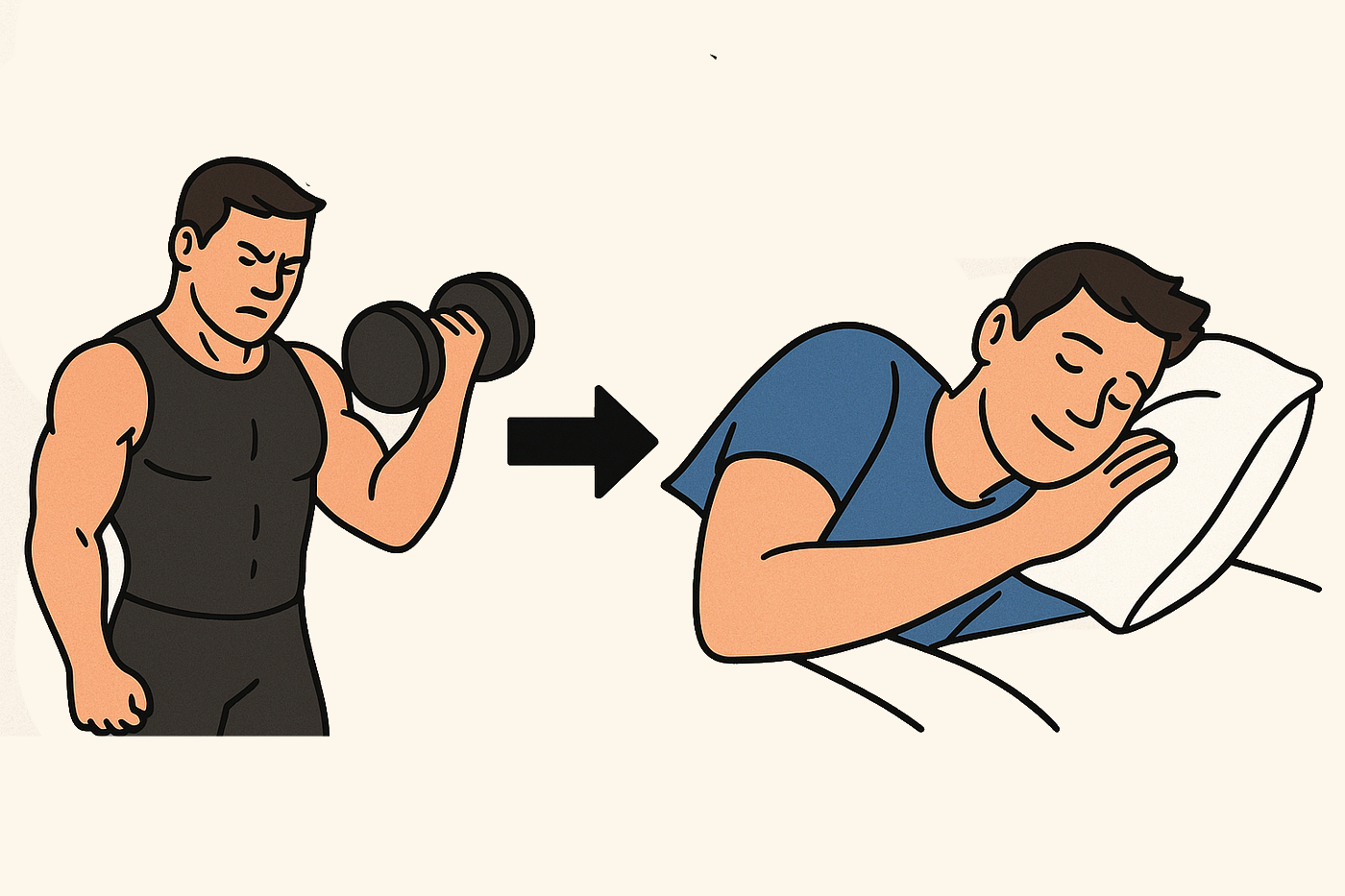
Table of Contents
- Introduction: The Night That Changed Everything
- The Hidden Power of Sleep in Fat Metabolism
- Exercise Science: What Actually Burns Fat
- The Shocking 2024-2025 Research That Changed Everything
- Why Sleep Deprivation Sabotages Your Fitness Goals
- The Optimal Combination: Sleep Plus Exercise Protocol
- Practical Strategies for Maximum Fat Loss
- Common Mistakes That Prevent Fat Loss
- Conclusion
- Frequently Asked Questions
Introduction: The Night That Changed Everything
Marcus Thompson stood on the scale for the hundredth time that month, watching the numbers settle on exactly the same weight he had been carrying for six frustrating weeks. Every morning at five thirty, he dragged himself out of bed after roughly four and a half hours of sleep, stumbled into his gym clothes, and pushed through an intense sixty-minute workout that left him drenched in sweat and gasping for air. His diet was meticulous, his calorie tracking obsessive, his exercise routine punishing, yet his body refused to shed another pound. The plateau felt like a personal betrayal after months of dedication, early mornings, and sacrifice. What Marcus did not realize was that his solution had become his problem, and the answer to breaking through his plateau was not more exercise or stricter dieting, but something his body desperately needed yet rarely received: sleep.
The debate between sleep and exercise for fat loss has dominated fitness circles, scientific laboratories, and social media platforms for years, with passionate advocates on both sides presenting compelling arguments backed by personal experiences and selective interpretation of research data. Fitness influencers showcase their pre-dawn workout routines, celebrating the discipline of sacrificing sleep to train harder, while sleep researchers publish study after study demonstrating the metabolic catastrophe that occurs when we chronically deprive ourselves of adequate rest. Meanwhile, millions of people like Marcus find themselves caught in the middle, struggling to understand which choice will actually help them achieve their fat loss goals without destroying their health in the process. The confusion multiplies when conflicting advice floods our screens daily, some experts swearing that early morning fasted cardio is the secret to shredding fat, while others insist that prioritizing eight hours of quality sleep matters more than any workout routine could ever deliver.
This video explains how the timing of eating and its relationship to sleep change the body’s fat-burning chemistry :
Recent groundbreaking research conducted throughout 2024 and early 2025 has finally provided the answer that frustrated dieters and fitness enthusiasts have been desperately seeking, and the results shocked even veteran researchers who have spent decades studying metabolism and weight loss. A comprehensive meta-analysis published in JAMA Network Open examined one hundred sixteen randomized clinical trials involving nearly seven thousand adults, revealing dose-response relationships between aerobic exercise and fat loss that challenged long-held assumptions about optimal training volumes. Simultaneously, researchers at the University of Chicago, Harvard Medical School, and Johns Hopkins University published complementary studies demonstrating how sleep restriction fundamentally alters the composition of weight loss, causing the body to preferentially burn muscle tissue while stubbornly clinging to fat stores, even when total weight decreases on the scale. These studies did not simply confirm what we already knew about sleep and exercise; they revealed mechanisms and thresholds that completely reframe how we should approach fat loss, metabolism optimization, and sustainable body composition changes.
The implications extend far beyond academic curiosity or theoretical understanding of human physiology, touching the lives of approximately seventy percent of American adults who report trying to lose weight at some point during any given year, according to recent CDC survey data. Understanding the interplay between sleep, exercise, and fat metabolism has become critically important as obesity rates continue climbing globally, with current projections suggesting that by 2030, nearly half of the world’s adult population will be classified as overweight or obese if current trends continue unchecked. The financial burden alone reaches staggering proportions, with obesity-related healthcare costs in the United States exceeding three hundred billion dollars annually, not counting lost productivity, reduced quality of life, or the psychological toll of unsuccessful weight loss attempts. For individuals struggling with excess body fat, the question of whether to prioritize sleep or exercise represents not just an academic exercise but a practical decision that could determine whether their weight loss efforts succeed or fail, whether they preserve their muscle mass or lose it, and whether they establish sustainable healthy habits or burn out in frustration.
The story of what happens inside your body during sleep versus exercise reveals a complex orchestration of hormones, cellular processes, metabolic pathways, and gene expression patterns that together determine whether you burn fat or store it, whether you build muscle or break it down, and whether your metabolism speeds up or slows down in response to your weight loss efforts. When you exercise, your muscles contract, your heart rate elevates, your breathing intensifies, and your body mobilizes stored energy to fuel the increased demand for ATP production that powers every movement. The immediate calorie burn during exercise is obvious and measurable, creating the satisfying sensation of “earning” your calorie deficit through physical effort and sweat. Sleep, by contrast, appears passive and restful, offering no immediate feedback, no dramatic spike in heart rate, no visible sweat or struggle, leading many people to underestimate its profound impact on fat metabolism, hormone regulation, and long-term weight management success.

The Hidden Power of Sleep in Fat Metabolism
The relationship between sleep and fat metabolism operates through mechanisms far more sophisticated than most people imagine, involving intricate hormonal cascades, circadian rhythm synchronization, cellular repair processes, and metabolic programming that collectively determine how efficiently your body burns stored fat for energy. During sleep, your body does not simply shut down and rest; it actively engages in critical metabolic processes that are impossible to replicate during waking hours, processes that directly influence whether your fat cells release their stored energy or stubbornly hold onto it despite your best dietary and exercise efforts. Research measuring metabolic rate during sleep using sophisticated whole-body indirect calorimetry has revealed that energy expenditure decreases by approximately fifteen percent during sleep compared to quiet wakefulness, yet this reduction masks the profound metabolic work occurring beneath the surface, work that preferentially targets fat stores when sleep quality and duration are adequate.
The hormonal environment during sleep creates optimal conditions for fat mobilization and oxidation through a carefully choreographed sequence of hormone releases that occur at specific times throughout the night. Growth hormone, one of the body’s most potent fat-burning hormones, surges during slow wave sleep, the deepest stage of non-REM sleep that typically dominates the first half of the night. This growth hormone pulse promotes lipolysis, the breakdown of stored triglycerides in fat cells into free fatty acids that can be burned for energy, while simultaneously protecting muscle tissue from catabolism and supporting overnight muscle repair and growth. Studies using continuous blood sampling throughout the night have documented that growth hormone levels can increase by as much as five to seven times during deep sleep compared to daytime levels, creating a powerful fat-burning environment that simply cannot be replicated through exercise or dietary manipulation alone, no matter how intense or restrictive.
Cortisol, often vilified as a “stress hormone” that promotes fat storage, actually follows a beneficial pattern during healthy sleep, remaining low throughout most of the night before rising gradually in the early morning hours to prepare the body for waking activity. This natural cortisol rhythm supports healthy metabolic function, but when sleep is disrupted or insufficient, cortisol patterns become dysregulated, remaining elevated throughout the day and evening when it should be declining. Chronically elevated cortisol directly promotes visceral fat accumulation, particularly in the abdominal region, while simultaneously increasing appetite, promoting insulin resistance, and triggering cravings for high-calorie comfort foods rich in sugar and fat. The connection between poor sleep and belly fat is so strong that researchers can predict abdominal fat gain with remarkable accuracy simply by measuring sleep duration and quality, independent of diet or exercise habits.
Leptin and ghrelin, the twin hormones that regulate hunger and satiety, respond dramatically to sleep duration, creating a perfect storm for overeating when sleep is inadequate. Leptin, produced by fat cells to signal satiety and reduce appetite, decreases by approximately fifteen percent after just two nights of sleep restriction to four hours per night, sending the brain false starvation signals despite adequate fat stores. Simultaneously, ghrelin, the hunger hormone produced primarily in the stomach, increases by approximately fifteen percent under the same sleep restriction conditions, creating intense cravings and the sensation of never feeling quite full even after eating substantial meals. This hormonal double-whammy helps explain why sleep-deprived individuals consume an average of three hundred to five hundred additional calories per day compared to well-rested counterparts, calories that accumulate silently and steadily over weeks and months, translating into significant fat gain regardless of exercise volume or intensity.
The impact of sleep on insulin sensitivity represents another critical pathway through which sleep influences fat metabolism and storage. Studies examining glucose metabolism during different sleep conditions have consistently demonstrated that even a single night of sleep restriction impairs insulin sensitivity, forcing the pancreas to produce more insulin to achieve the same blood sugar control. Over time, this insulin resistance creates a metabolic environment that favors fat storage over fat burning, as elevated insulin levels directly inhibit lipolysis while promoting lipogenesis, the synthesis of new fat molecules from dietary carbohydrates. The vicious cycle intensifies as insulin resistance worsens, requiring ever-higher insulin levels to manage blood sugar, creating ever-stronger signals for fat storage, and making fat loss progressively more difficult despite heroic efforts with diet and exercise.
Research investigating the cellular mechanisms underlying sleep’s influence on fat metabolism has identified fascinating connections to mitochondrial function and oxidative metabolism that help explain why adequate sleep enhances fat burning at the cellular level. Mitochondria, the cellular powerhouses responsible for converting stored fat into usable energy through beta-oxidation, function more efficiently when sleep is adequate, producing more ATP from each gram of fat oxidized while generating less oxidative stress and cellular damage. Sleep restriction, by contrast, impairs mitochondrial function, reduces fat oxidation capacity, and shifts cellular metabolism toward glucose burning instead of fat burning, even during periods when fat stores are abundant and available. This metabolic inflexibility, the inability to switch efficiently between fuel sources based on availability, represents a hallmark of metabolic dysfunction and predicts poor fat loss outcomes during caloric restriction.
The protective effects of adequate sleep on lean tissue become particularly critical during energy restriction, as the body faces pressure to catabolize both fat and muscle to meet energy demands. Research has demonstrated that proper sleep combined with strategic resistance training creates the optimal environment for muscle preservation during weight loss, allowing dieters to maintain metabolic rate while preferentially oxidizing fat stores for energy.
The profound influence of sleep on fat cell biology itself has emerged as a fascinating area of research, with studies demonstrating that adipocytes, the specialized cells that store fat, respond directly to sleep-wake cycles through circadian clock mechanisms embedded within the cells themselves. These cellular clocks regulate the timing of fat storage and fat release, coordinating with the master circadian clock in the brain to optimize metabolic efficiency. When sleep-wake patterns become irregular or when sleep is chronically restricted, these cellular clocks become desynchronized, leading to metabolic chaos where fat cells simultaneously receive contradictory signals about whether to store or release their contents. The resulting metabolic confusion promotes fat accumulation while impeding fat mobilization, creating the worst of both worlds for anyone attempting to lose body fat through caloric restriction and exercise.

Exercise Science: What Actually Burns Fat
The mechanisms through which exercise promotes fat loss operate through both immediate calorie expenditure during the activity itself and longer-term metabolic adaptations that increase daily energy expenditure even during rest and sleep. Understanding these mechanisms reveals why certain exercise approaches prove more effective than others for fat loss, why exercise alone rarely produces dramatic fat loss without dietary changes, and how exercise and sleep work synergistically to optimize body composition outcomes. The fundamental principle underlying exercise-induced fat loss remains simple: physical activity increases energy expenditure, and when this increased expenditure exceeds caloric intake over time, the body mobilizes stored fat to bridge the energy deficit. However, the execution of this simple principle involves complex physiological processes that determine whether fat loss occurs efficiently or whether the body resists by lowering metabolic rate, increasing hunger, and preserving fat stores at the expense of muscle tissue.
Aerobic exercise, often promoted as the cornerstone of fat-burning programs, increases immediate calorie expenditure through sustained elevation of heart rate and oxygen consumption, with the magnitude of calorie burn depending on exercise intensity, duration, and individual factors like body weight and fitness level. During moderate-intensity aerobic exercise such as brisk walking or easy cycling, the body preferentially oxidizes fat for fuel, with fat contributing approximately sixty to seventy percent of the energy needed to sustain the activity. This fat oxidation occurs because moderate-intensity exercise can be sustained using primarily oxidative metabolism, which efficiently burns fat in the presence of adequate oxygen, unlike high-intensity exercise which relies more heavily on glycolytic pathways that preferentially burn carbohydrates. The appealing simplicity of burning fat during exercise has led to the persistent myth of a “fat-burning zone” that maximizes fat oxidation, typically identified as exercise performed at fifty-five to sixty-five percent of maximum heart rate.
The reality of exercise-induced fat loss extends far beyond the immediate calorie and fat burn during the activity itself, involving adaptations in muscle tissue, metabolic rate, hormone sensitivity, and appetite regulation that collectively determine long-term fat loss success. Recent meta-analyses examining dose-response relationships between aerobic exercise and fat loss have revealed fascinating patterns that challenge conventional wisdom about optimal exercise volume. Research published in JAMA Network Open analyzing one hundred sixteen randomized trials found that aerobic exercise volumes of at least one hundred fifty minutes per week produced clinically meaningful reductions in waist circumference and body fat percentage, with increasing benefits observed up to approximately three hundred minutes per week. Beyond this threshold, additional exercise volume provided diminishing returns for fat loss, suggesting that more is not always better when it comes to exercise programming for body composition goals.
Resistance training, often overlooked in fat loss discussions dominated by cardio enthusiasts, exerts profound effects on body composition through mechanisms entirely distinct from aerobic exercise. While the immediate calorie burn during a typical resistance training session may be modest compared to equivalent-duration aerobic exercise, the metabolic benefits extend far beyond the workout itself. Resistance training stimulates muscle protein synthesis, promoting muscle growth or preservation during caloric restriction, and muscle tissue contributes significantly to resting metabolic rate, the calories burned simply to maintain basic physiological functions at rest. Each pound of muscle tissue burns approximately six to ten calories per day at rest, a seemingly modest number that becomes significant when considering that maintaining or building several pounds of muscle can increase daily energy expenditure by fifty to one hundred calories without any additional exercise. More importantly, during weight loss, resistance training signals the body to preserve muscle mass and preferentially oxidize fat stores, fundamentally altering the composition of weight loss compared to diet alone or diet combined with only aerobic exercise.
The synergistic effects of combining aerobic exercise with resistance training have been demonstrated repeatedly in controlled trials, with combined training protocols consistently outperforming either modality alone for improving body composition. A 2025 systematic review and meta-analysis comparing resistance training, aerobic training, and concurrent training on body fat loss in metabolically healthy individuals found that concurrent training, the combination of both modalities, produced superior fat loss outcomes while better preserving lean body mass compared to either aerobic or resistance training alone. The mechanisms underlying this synergy involve complementary adaptations, with aerobic exercise improving cardiovascular fitness and increasing immediate calorie expenditure, while resistance training builds metabolic machinery through muscle growth and enhances insulin sensitivity through improved glucose uptake in muscle tissue.
High-intensity interval training has emerged as a time-efficient exercise modality that produces fat loss comparable to traditional moderate-intensity continuous training despite requiring significantly less total exercise time. HIIT protocols involve alternating brief periods of near-maximal effort with active recovery or rest periods, creating acute metabolic stress that triggers powerful adaptive responses. The fat loss benefits of HIIT stem partly from the substantial excess post-exercise oxygen consumption, the elevated metabolic rate that persists for hours after the workout ends as the body works to restore homeostasis, replenish energy stores, and repair exercise-induced cellular damage. This afterburn effect can increase total daily energy expenditure significantly, adding meaningful calories to the immediate burn during the workout itself. Additionally, HIIT appears to preferentially target visceral abdominal fat, the metabolically harmful fat surrounding internal organs, making it particularly valuable for improving metabolic health beyond simple weight or fat loss.
The dose-response relationship between exercise and fat loss reveals important practical implications for program design and realistic expectation setting. Research consistently demonstrates that exercise alone, without caloric restriction, produces modest fat loss averaging approximately zero point five to two kilograms over typical study durations of eight to sixteen weeks. This modest fat loss occurs because increased exercise expenditure often triggers compensatory increases in caloric intake, either through conscious decisions to “reward” exercise effort or through unconscious increases driven by exercise-induced hunger and appetite changes. The combination of exercise with moderate caloric restriction produces dramatically better fat loss outcomes than either intervention alone, with typical losses of five to ten kilograms over twelve to sixteen weeks in overweight or obese individuals following combined diet-exercise programs. These superior outcomes result partly from additive effects of reduced intake and increased expenditure, but also from beneficial metabolic adaptations that occur when exercise and caloric restriction are combined, including better preservation of resting metabolic rate and more favorable changes in hunger hormones compared to diet alone.
The Shocking 2024-2025 Research That Changed Everything
The research landscape surrounding sleep, exercise, and fat loss underwent a seismic shift during 2024 and early 2025 as multiple landmark studies converged on findings that fundamentally challenged conventional approaches to weight management and body composition improvement. These studies did not simply confirm existing knowledge or provide incremental insights; they revealed mechanisms and thresholds that demand reevaluation of how we prioritize sleep versus exercise when pursuing fat loss goals. The implications extend from individual behavior change to public health policy, potentially reshaping recommendations from medical professionals, fitness coaches, and health organizations worldwide as the evidence becomes impossible to ignore.
The most comprehensive examination of exercise and fat loss came from a December 2024 meta-analysis published in JAMA Network Open that analyzed data from one hundred sixteen randomized clinical trials involving six thousand eight hundred eighty adults with overweight or obesity. This massive undertaking examined dose-response relationships between aerobic exercise volume and multiple measures of adiposity, including body weight, waist circumference, and body fat percentage, with follow-up periods extending from eight weeks to over a year. The research team employed sophisticated statistical methods to account for study heterogeneity and determine whether relationships between exercise volume and fat loss were linear, curvilinear, or threshold-based. Their findings revealed that clinically meaningful reductions in waist circumference and body fat began occurring at approximately one hundred fifty minutes of weekly moderate-intensity aerobic exercise, the exact threshold recommended by the CDC physical activity guidelines, providing powerful validation for these long-standing recommendations. Increasing exercise volume to three hundred minutes per week produced progressively greater reductions in body weight, waist size, and fat metrics, but benefits appeared to plateau beyond this point, suggesting diminishing returns for additional exercise volume when fat loss is the primary goal.
Simultaneously, research examining sleep’s influence on weight loss composition revealed findings that shocked even experienced obesity researchers who thought they understood the relationship between sleep and metabolism. A landmark study tracking adults through a twelve-month behavioral weight loss intervention found that better sleep health at baseline predicted significantly greater fat mass loss independent of other factors including age, sex, diet adherence, and exercise compliance. Participants with good sleep across multiple dimensions, including regularity, satisfaction, alertness, timing, efficiency, and duration, lost substantially more fat mass during the subsequent six months compared to those with poor sleep health, even when both groups followed identical diet and exercise programs. The sleep effect remained significant even after adjusting for obstructive sleep apnea severity, suggesting that sleep quality and quantity influence fat loss through mechanisms beyond simply treating sleep-disordered breathing.
Perhaps most striking were findings from crossover studies that directly compared weight loss outcomes under different sleep conditions while holding diet constant. Research conducted at the University of Chicago assigned overweight adults to either eight and a half hours or five and a half hours of sleep opportunity per night for fourteen days while following identical moderate caloric restriction diets designed to produce steady weight loss. Both groups lost similar total weight, approximately three kilograms over two weeks, but the composition of that weight loss differed dramatically between sleep conditions. Participants sleeping eight and a half hours lost fifty-six percent of their weight from fat stores, consistent with typical healthy weight loss composition. However, participants sleeping only five and a half hours lost merely twenty-five percent of their weight from fat, with the majority coming from lean body mass, primarily muscle tissue. This complete reversal of weight loss composition occurred despite identical caloric intake and exercise, demonstrating that sleep restriction fundamentally alters how the body responds to caloric deficit, promoting muscle catabolism while defending fat stores.
The mechanisms underlying sleep’s influence on weight loss composition involve hormonal changes documented through continuous blood sampling throughout intervention periods. Sleep restriction caused a sixty percent increase in circulating ghrelin levels, the hormone that stimulates appetite and promotes food intake, while simultaneously decreasing leptin by eighteen percent, creating a hormonal environment that strongly favors overeating and fat storage. Evening cortisol levels increased significantly under sleep restriction conditions, remaining elevated when they should be declining, and this cortisol elevation directly inhibited growth hormone secretion during subsequent sleep periods. The net effect created a perfect storm for muscle loss and fat retention: elevated cortisol promoted muscle protein breakdown, suppressed growth hormone reduced overnight muscle repair and fat mobilization, increased ghrelin stimulated hunger and cravings, and decreased leptin removed the normal satiety signals that prevent overeating.
Additional research published throughout 2025 examined whether improving sleep could enhance fat loss outcomes in real-world weight loss programs, moving beyond tightly controlled laboratory conditions to evaluate practical applications. One particularly illuminating study tracked one hundred twenty-three overweight adults undergoing a seventeen-week behavioral weight loss program supervised by registered dietitians, with baseline measurements of sleep duration and quality predicting subsequent fat loss success. Participants sleeping seven to nine hours nightly and reporting good sleep quality lost significantly more fat mass over the intervention period compared to short sleepers and those reporting poor sleep quality, even after accounting for differences in initial body composition, diet adherence, and exercise compliance. The predictive power of baseline sleep habits suggested that optimizing sleep before beginning weight loss efforts might substantially improve outcomes, potentially explaining why some individuals succeed while others struggle despite seemingly identical diet and exercise programs.
Research examining the relationship between exercise timing, sleep quality, and fat loss revealed complex interactions that challenge simple recommendations about when to exercise. Some studies suggested that evening exercise might impair sleep quality by elevating core body temperature and arousal levels close to bedtime, potentially offsetting fat loss benefits through sleep disruption. However, other research found that regular exercisers actually experienced improved sleep quality regardless of exercise timing, possibly due to physiological adaptations that occur with consistent training. The individual variation in responses to exercise timing highlights the importance of personalized approaches that consider sleep patterns, chronotype preferences, and schedule constraints rather than applying one-size-fits-all recommendations.

Why Sleep Deprivation Sabotages Your Fitness Goals
The cascade of physiological disruptions triggered by inadequate sleep creates a perfect environment for fat gain and muscle loss, systematically undermining every aspect of a comprehensive fitness program regardless of how perfectly executed the diet and exercise components might be. Understanding these mechanisms reveals why sleep cannot be treated as optional or negotiable when pursuing body composition goals, and why attempting to compensate for poor sleep with increased exercise intensity or stricter dieting typically backfires, accelerating burnout while failing to produce desired fat loss outcomes. The sabotage occurs through multiple pathways that compound and reinforce each other, creating a downward spiral that becomes progressively more difficult to escape the longer sleep deprivation persists.
The immediate impact of inadequate sleep on exercise performance manifests through reduced motivation, decreased power output, impaired endurance, and increased perceived exertion during physical activity. Sleep-deprived individuals consistently report that exercise feels harder at any given intensity compared to well-rested conditions, with this increased perception of effort leading to unconscious reductions in exercise intensity or duration. Studies using objective activity monitors have documented that sleep-restricted participants reduce their spontaneous physical activity throughout the day, taking fewer steps, spending more time sedentary, and expending less energy on non-exercise activity thermogenesis, the calories burned through fidgeting, maintaining posture, and other non-deliberate movements. This reduction in total daily energy expenditure can easily offset the calorie burn from structured exercise, explaining why exhausted exercisers often fail to lose fat despite maintaining their workout schedules.
The quality of exercise performed under sleep-deprived conditions suffers dramatically, with particular impairment in high-intensity efforts that require maximal recruitment of fast-twitch muscle fibers. Research examining strength training performance after sleep restriction has consistently found decreases in one-repetition maximum strength, reduced total training volume across multiple sets, and increased ratings of perceived exertion for equivalent loads. These decrements directly impact the muscle-building stimulus provided by resistance training, as insufficient mechanical tension and metabolic stress fail to trigger the protein synthesis signaling cascades necessary for muscle growth and adaptation. Over time, this chronic underperformance prevents progressive overload, the systematic increase in training stress that drives continued improvement, leaving exercisers spinning their wheels without meaningful strength gains or muscle development despite regular gym attendance.
Recovery from exercise requires adequate sleep to facilitate the cellular repair processes, protein synthesis, glycogen restoration, and immune system restoration that allow adaptation to training stress. Sleep restriction impairs all these recovery processes, leaving muscles inadequately repaired, glycogen stores incompletely restored, and immune function compromised, setting the stage for overtraining syndrome, increased injury risk, and chronic inflammation. The inflammatory state created by combined exercise stress and inadequate recovery triggers systemic inflammation markers like C-reactive protein and interleukin-6, creating a pro-inflammatory environment that impairs insulin sensitivity, promotes fat storage, and interferes with muscle growth. Athletes and fitness enthusiasts who pride themselves on training hard while sleeping little often wonder why they plateau despite ever-increasing training volumes, never recognizing that their insufficient recovery prevents adaptation to the training stimulus they so diligently apply.
The cognitive and motivational impacts of sleep deprivation sabotage fitness goals through mechanisms beyond purely physiological pathways, affecting decision-making, self-control, emotional regulation, and adherence to planned behaviors. Brain imaging studies reveal that sleep deprivation reduces activity in the prefrontal cortex, the brain region responsible for executive function, impulse control, and rational decision-making, while simultaneously increasing activity in reward centers that respond to high-calorie foods. This neurological imbalance creates the perfect storm for dietary indiscretion, with reduced impulse control failing to override intensified cravings for calorie-dense comfort foods. Sleep-deprived individuals consistently consume more calories from snacks, choose less nutritious foods, and show reduced ability to resist temptations compared to well-rested counterparts, sabotaging even the most carefully planned nutrition programs.
The metabolic flexibility that allows efficient switching between fat burning and carbohydrate burning depending on fuel availability and activity demands becomes severely impaired under conditions of chronic sleep restriction. Metabolically flexible individuals can readily oxidize fat during low-intensity activity and rest while shifting to carbohydrate oxidation during high-intensity exercise, then returning to preferential fat oxidation during recovery and sleep. Sleep deprivation locks metabolism into a state of inflexibility characterized by preferential carbohydrate oxidation even during rest and low-intensity activity, when fat burning should predominate. This inflexibility explains why sleep-deprived dieters stubbornly retain fat stores despite caloric deficits that should force fat mobilization, as their metabolism remains locked in carbohydrate-burning mode, preserving fat while catabolizing muscle protein to provide glucose for the brain and other glucose-dependent tissues.
The relationship between sleep and hunger operates through neural circuits in the hypothalamus that integrate signals from the gut, fat tissue, and the periphery to regulate appetite and energy balance. Sleep deprivation disrupts these circuits, causing increased activation of hunger-promoting neurons while simultaneously reducing activity in satiety-promoting neurons. The result is persistent hunger that fails to resolve even after consuming adequate calories, leading to chronic positive energy balance as caloric intake creeps upward to satisfy the never-quite-full sensation that plagues the sleep-deprived. This physiological hunger differs fundamentally from the psychological cravings that dieters typically battle, as it stems from genuine neural signaling errors rather than mere willpower failures, making it nearly impossible to resist through determination alone.
The Optimal Combination: Sleep Plus Exercise Protocol
The synergistic relationship between adequate sleep and appropriate exercise creates outcomes superior to either intervention alone, with properly combined protocols producing fat loss, muscle preservation, metabolic improvements, and health benefits that far exceed what simple addition of independent effects would predict. Understanding how to structure this combination requires examining not just total amounts of sleep and exercise, but also their quality, timing, consistency, and interaction effects that determine whether they work in harmony or create conflicting demands that impair both rest and recovery. The optimal combination varies between individuals based on current fitness level, sleep quality, schedule constraints, and recovery capacity, but general principles emerge from the research that can guide most people toward better outcomes than they currently achieve through haphazard approaches that neglect either sleep or exercise.
The foundation of an optimal protocol begins with establishing consistent sleep-wake schedules that provide opportunity for seven to nine hours of sleep per night, the range consistently associated with best health outcomes and most favorable body composition changes during weight loss interventions. This sleep opportunity must translate into actual sleep time, requiring attention to sleep hygiene practices that optimize sleep quality and minimize time spent awake in bed. The consistency of sleep schedules matters tremendously, with regular bedtimes and wake times supporting circadian rhythm alignment and deeper, more restorative sleep compared to variable schedules that force the body to constantly readjust its internal timing. Implementing evidence-based protocols that integrate sleep optimization with structured training provides the framework necessary for sustainable fat loss and long-term body composition improvement. Following a comprehensive ultimate fitness guide 2025 ensures that training volume, intensity, frequency, and progression align with recovery capacity rather than exceeding it, preventing the overtraining and burnout that derail so many well-intentioned fitness efforts when sleep becomes sacrificed in pursuit of additional training time. Weekend sleep schedule shifts exceeding two hours from weekday patterns have been associated with metabolic disruption comparable to chronic sleep restriction, suggesting that consistency across all seven days of the week produces superior outcomes to patterns that dramatically vary between workdays and weekends.
Exercise programming within an optimal sleep-plus-exercise protocol should target the evidence-based threshold of one hundred fifty to three hundred minutes of moderate-intensity aerobic activity per week, distributed across at least three to five weekly sessions to avoid excessive single-session duration that might impair recovery or create scheduling conflicts with adequate sleep. This aerobic exercise volume aligns perfectly with CDC physical activity guidelines while providing the dose demonstrated in recent meta-analyses to produce clinically meaningful fat loss when combined with modest caloric restriction. The moderate intensity allows sustainable adherence without excessive fatigue that might compromise sleep quality or reduce spontaneous physical activity throughout the day. Practical implementations might include thirty-minute sessions five days per week, forty-five-minute sessions four days weekly, or sixty-minute sessions three times weekly, with choice depending on individual preferences, schedule constraints, and recovery capacity.
For individuals training at home, establishing a dedicated workout space with appropriate equipment removes barriers to consistency while allowing flexible scheduling that accommodates both training and adequate sleep. Investing in best home gym equipment eliminates commute time to commercial facilities, creates opportunities for shorter but more frequent training sessions, and supports adherence by making resistance training as convenient as possible regardless of weather, gym hours, or schedule conflicts.
Resistance training integration into the protocol should target at least two weekly sessions focused on major muscle groups using progressive overload principles that gradually increase mechanical tension and metabolic stress to drive continued adaptation. These resistance sessions need not be lengthy or overly complex, with evidence suggesting that sixty to ninety-minute sessions performing eight to twelve repetitions across two to four sets per exercise for eight to twelve different exercises can provide sufficient stimulus for muscle growth and strength development in most individuals. The timing of resistance training relative to aerobic exercise and sleep requires strategic consideration, with some evidence suggesting that separating resistance and aerobic sessions by several hours or performing them on different days might optimize recovery and adaptation compared to back-to-back combined sessions that create cumulative fatigue.
The interaction between exercise timing and sleep quality represents a critical consideration that often goes overlooked in fitness program design. Evening exercise performed within two to three hours of intended bedtime can elevate core body temperature, increase sympathetic nervous system activity, and stimulate cortisol and adrenaline release, all of which might delay sleep onset or reduce sleep quality if insufficient time passes before attempting to sleep. However, research indicates that regular exercisers often adapt to evening training schedules without persistent sleep disruption, suggesting that consistency and individual tolerance matter more than rigid avoidance of all evening exercise. Morning exercise offers the advantage of minimal sleep interference while potentially enhancing circadian rhythm alignment by providing a strong zeitgeber, an environmental cue that helps synchronize the body’s internal clock, particularly when performed outdoors in natural light.
Recovery and regeneration protocols deserve equal attention to exercise programming and sleep hygiene in an optimized approach, as inadequate recovery prevents adaptation to training stress while increasing injury risk and burnout likelihood. Recovery strategies should include at least one to two complete rest days per week with no structured exercise, allowing physiological systems to fully restore and adapt. Active recovery techniques like gentle walking, stretching, or recreational activities performed at very low intensity can support recovery without creating additional fatigue. Nutrition timing and composition play crucial roles in recovery, with adequate protein intake distributed across the day supporting muscle protein synthesis, while strategic carbohydrate intake around exercise sessions supports glycogen restoration and reduces cortisol elevation that might interfere with sleep if training occurs in the evening.
The psychological sustainability of any sleep-plus-exercise protocol determines whether short-term adherence translates into long-term behavior change and lasting results. Programs demanding excessive sacrifice of sleep, social activities, or personal time inevitably fail as motivation wanes and life stressors accumulate. Successful protocols balance ambition with realism, acknowledging that some weeks will allow perfect execution while others require flexibility and self-compassion. Building in planned diet breaks, periodic training deloads with reduced exercise volume, and schedule adjustments for life events prevents the all-or-nothing mentality that sabotages so many well-intentioned fitness efforts. The goal should be developing sustainable habits that can be maintained for years rather than pursuing unsustainable extremes that produce rapid short-term results followed by inevitable rebound.

Practical Strategies for Maximum Fat Loss
Translating research findings into actionable strategies that work in real-world contexts requires acknowledging the practical constraints, competing demands, and individual differences that prevent simple application of laboratory protocols to everyday life. The following strategies represent evidence-based approaches that balance scientific rigor with practical feasibility, offering concrete steps that most people can implement regardless of their current fitness level, schedule limitations, or access to specialized equipment. Success requires not perfection but consistent application of core principles with strategic flexibility that accommodates inevitable disruptions without derailing long-term progress toward fat loss and improved body composition.
Prioritizing sleep as a non-negotiable foundation should be the first strategic focus for anyone serious about fat loss, requiring honest assessment of current sleep duration and quality followed by systematic identification and elimination of barriers to adequate rest. Begin by tracking actual sleep hours for two weeks using a simple sleep diary or wearable activity tracker, noting bedtime, wake time, and perceived sleep quality each morning. This baseline data often reveals surprising patterns, with perceived adequate sleep frequently falling short when objectively measured. Compare your average sleep duration to the seven to nine-hour recommendation, identifying the gap between current habits and optimal targets. If the gap exceeds one hour, prioritize closing it through gradual bedtime adjustments of fifteen to thirty minutes per week rather than attempting drastic overnight changes that rarely stick.
Sleep hygiene optimization addresses environmental and behavioral factors that influence sleep quality independent of total time in bed. Begin with bedroom environment modifications that support deeper, more restorative sleep, including temperature reduction to approximately sixty-five to sixty-eight degrees Fahrenheit, complete darkness achieved through blackout curtains or eye masks, and noise reduction via earplugs or white noise machines if necessary. Reserve the bedroom exclusively for sleep and intimate activity, relocating televisions, computers, and work materials to other spaces to strengthen the psychological association between bedroom and rest. Establish a consistent pre-sleep routine performed in the same sequence each night, signaling the brain and body that sleep approaches, with activities like reading, gentle stretching, meditation, or warm bathing promoting relaxation and facilitating the transition from wakefulness to sleep.
Technology management in the evening hours represents a critical intervention that disproportionately impacts sleep quality in modern life. Blue light emission from smartphones, tablets, computers, and televisions suppresses melatonin production, the hormone that promotes sleep onset, while the engaging content on these devices maintains mental arousal that delays drowsiness. Implement a technology sunset at least sixty to ninety minutes before intended bedtime, turning off all screens and transitioning to non-stimulating activities that support relaxation. If complete technology avoidance proves impractical, enable blue light filtering features on devices, use amber-tinted glasses designed to block blue wavelengths, or at minimum reduce screen brightness to minimize melatonin suppression. Recent research suggests that the engagement level of screen content matters as much as blue light exposure, so passive viewing of calm content may interfere with sleep less than interactive gaming or emotionally charged social media scrolling.
Exercise programming should emphasize consistency over intensity, with regular moderate-intensity sessions proving more effective for fat loss and sustainable behavior change than sporadic high-intensity workouts interspersed with long inactive periods. Establish a realistic weekly schedule that accounts for work commitments, family obligations, and personal preferences, then protect exercise appointments as rigorously as professional meetings or medical appointments. Morning exercise offers advantages for consistency since fewer conflicts and obligations typically arise early in the day compared to afternoon or evening slots where competing demands accumulate. However, the best exercise time is ultimately the one you will consistently maintain, making adherence more important than theoretical optimization.
Incorporating daily movement beyond structured exercise sessions addresses the spontaneous physical activity reductions that commonly occur when sleep is inadequate or when sedentary occupations dominate waking hours. Set hourly movement reminders during work hours, standing and walking for two to three minutes each hour to interrupt prolonged sitting. Seek opportunities for incidental activity throughout the day, taking stairs instead of elevators, parking farther from destinations, walking during phone calls, and pacing during television commercial breaks. These seemingly trivial activities accumulate to meaningful energy expenditure over days and weeks, with studies showing that high levels of non-exercise activity thermogenesis can contribute two hundred to three hundred additional calories of daily energy expenditure compared to completely sedentary patterns.
Nutrition strategies should complement rather than conflict with sleep and exercise priorities, avoiding extreme caloric restriction that triggers adaptive responses reducing metabolic rate and increasing hunger to levels that sabotage adherence. Aim for moderate caloric deficits of three hundred to five hundred calories daily, achievable through a combination of reduced intake and increased exercise expenditure. This moderate approach supports steady fat loss of approximately one to two pounds weekly while minimizing muscle loss, metabolic adaptation, and hunger intensity that characterize more aggressive approaches. Distribute protein intake across the day with targets of zero point seven to one gram per pound of body weight, supporting muscle preservation during caloric restriction while enhancing satiety through protein’s superior ability to promote fullness compared to carbohydrates or fats.
Stress management deserves explicit attention in any comprehensive fat loss strategy, as chronic stress elevates cortisol, impairs sleep quality, drives emotional eating, and directly promotes abdominal fat accumulation through mechanisms independent of total caloric intake. Identify major stressors in your life and develop specific coping strategies beyond simply exercising more or sleeping longer, as these behaviors address stress symptoms rather than root causes. Consider meditation practices, progressive muscle relaxation, deep breathing exercises, time in nature, social connection with supportive individuals, and professional counseling if stress levels significantly impair daily functioning. The relationship between stress, sleep, and fat metabolism creates a vicious cycle where stress impairs sleep, poor sleep elevates stress hormones, elevated stress promotes fat storage, increasing body fat exacerbates stress, and the cycle perpetuates unless deliberately interrupted through targeted stress reduction interventions.
Self-monitoring and progress tracking provide essential feedback that maintains motivation during inevitable plateaus and allows detection of problems before they derail long-term success. Track multiple metrics beyond just body weight, including measurements of waist and hip circumference, progress photos from consistent angles and lighting, performance improvements in strength and endurance, and subjective markers like energy levels, sleep quality, and mood. Weight fluctuations occur normally due to fluid shifts, digestive contents, hormonal cycles, and other factors unrelated to actual fat loss, making daily weigh-ins potentially misleading and discouraging. Weekly or biweekly measurements averaged across multiple days provide more reliable indicators of true trends while minimizing emotional reactions to normal fluctuations.
Common Mistakes That Prevent Fat Loss
The path toward fat loss is littered with common mistakes that sabotage progress despite seemingly correct application of diet and exercise principles, with many of these errors stemming from outdated information, overly aggressive approaches, or failure to recognize the critical importance of adequate sleep and recovery. Understanding these pitfalls allows proactive avoidance rather than learning through frustrating trial and error that wastes months or years pursuing ineffective strategies. The most damaging mistakes often involve not doing the wrong things but rather neglecting the right things, with adequate sleep representing the most frequently overlooked factor that determines whether diet and exercise efforts succeed or fail.
Chronic sleep sacrifice in pursuit of more training time represents perhaps the most counterproductive mistake committed by dedicated fitness enthusiasts who believe that discipline demands early wake times regardless of bedtime and that sleep can be manipulated with stimulants without consequence. The logic appears sound at first glance: waking at five in the morning to exercise before work demonstrates commitment and eliminates scheduling conflicts, while caffeine consumption throughout the day maintains alertness despite insufficient rest. However, this approach systematically undermines the metabolic environment required for fat loss, triggering all the hormonal disruptions, increased hunger, reduced insulin sensitivity, and preferential muscle loss that characterize chronic sleep restriction. The irony is profound: individuals sacrificing sleep to exercise more actually achieve worse body composition outcomes than they would obtain from exercising less while sleeping adequately, as the metabolic damage from sleep deprivation exceeds any benefits gained from the additional training volume.
Excessive caloric restriction combined with high exercise volumes creates a perfect storm for metabolic adaptation, where the body dramatically reduces energy expenditure to defend against perceived starvation, making further fat loss nearly impossible despite heroic efforts. The phenomenon of adaptive thermogenesis, the disproportionate decrease in metabolic rate beyond what would be predicted from reduced body mass alone, occurs most severely when aggressive caloric deficits combine with insufficient sleep and excessive exercise stress. Bodies experiencing this triple threat of stressors activate powerful survival mechanisms that evolved to protect against famine, including reduced thyroid hormone production, decreased sympathetic nervous system activity, lowered sex hormone levels, elevated cortisol, and unconscious reductions in non-exercise activity. The metabolic rate can decline by three hundred to five hundred calories beyond what would be expected from body mass changes alone, effectively erasing the caloric deficit and bringing fat loss to a frustrating halt despite continued restriction and exercise.
Understanding the complex interplay between metabolism, caloric restriction, and adaptive responses requires appreciation for how the body defends against perceived energy scarcity. According to Mayo Clinic metabolism guidelines, metabolic rate comprises multiple components including basal metabolic rate, thermic effect of food, exercise activity thermogenesis, and non-exercise activity thermogenesis, all of which can decrease during sustained caloric deficit, with sleep deprivation exacerbating these adaptive reductions through hormonal disruptions that signal energy crisis even when fat stores remain abundant.
Neglecting resistance training in favor of exclusive cardio represents another common error that compromises body composition outcomes by failing to provide the muscle-preserving stimulus necessary during caloric restriction. The body readily catabolizes muscle tissue during energy deficits unless given a compelling reason to preserve it, and that reason comes from regular mechanical tension and metabolic stress applied through resistance exercise. Dieters who perform only aerobic exercise typically lose significant lean body mass along with fat, experiencing metabolic rate reductions that make long-term weight maintenance difficult once active weight loss ends. The muscle loss also produces disappointing aesthetic outcomes, as individuals reach their goal weight only to discover they still appear soft and undefined rather than lean and toned, a phenomenon sometimes called “skinny fat” where body fat percentage remains high despite normal body weight.
Inconsistent sleep schedules that vary dramatically between workdays and weekends create metabolic disruption comparable to chronic sleep restriction despite adequate total weekly sleep hours, a phenomenon researchers term social jet lag. Staying up late Friday and Saturday nights then sleeping in Sunday morning creates circadian misalignment that impairs glucose metabolism, increases inflammation, disrupts hunger hormones, and reduces the metabolic benefits of adequate sleep duration. The body’s internal clock cannot quickly adjust to schedule shifts, requiring several days to resynchronize when sleep timing suddenly changes by several hours. Weekend sleep schedule shifts exceeding two hours from weekday patterns have been associated with increased diabetes risk, elevated body mass index, and worse diet quality independent of total sleep duration, suggesting that consistency matters as much as quantity.
Overreliance on exercise to create caloric deficits without corresponding attention to dietary intake dooms most weight loss efforts to failure, as exercise-induced energy expenditure can be easily and quickly offset by unconscious increases in food consumption. The phenomenon of compensation, where increased exercise triggers proportional increases in caloric intake, occurs through both physiological mechanisms involving hunger hormone changes and psychological mechanisms involving rewards and rationalizations. Studies tracking free-living individuals who begin exercise programs without dietary intervention consistently find minimal fat loss averaging under two kilograms despite months of regular training, far below what would be predicted from the exercise energy expenditure alone. The synergistic relationship between exercise, sleep, and nutrition requires comprehensive attention to all three pillars rather than focusing exclusively on any single element. Evidence-based nutrition tips athletes complete guide emphasize protein timing, micronutrient adequacy, and strategic carbohydrate distribution around training sessions to support both performance and recovery, creating a complete system where diet, exercise, and sleep work together to optimize body composition outcomes. The discrepancy stems from compensatory eating that eliminates most or all of the exercise-induced caloric deficit, often without conscious awareness that intake has increased.
Failure to monitor and adjust approaches based on actual results rather than expected results prevents recognition that current strategies are not working until weeks or months have been wasted. Bodies vary tremendously in their responses to identical interventions due to genetic factors, metabolic history, hormonal status, stress levels, sleep quality, and countless other variables that influence energy balance and body composition. An approach that works beautifully for one person might produce minimal results for another despite seemingly identical execution. Regular assessment of actual outcomes including body measurements, performance metrics, energy levels, and hunger/satiety signals allows detection of problems and implementation of corrective adjustments before frustration derails motivation and adherence collapses.

Conclusion
The question that opened this exploration asking whether sleep or exercise matters more for fat burning yields a clear answer grounded in the latest 2024-2025 research: both matter profoundly, but sleep provides the foundation upon which exercise effectiveness depends, making it the non-negotiable prerequisite for successful fat loss rather than an optional luxury to pursue after exercise and nutrition are perfected. The compelling evidence demonstrates that exercise performed in a state of chronic sleep deprivation produces dramatically inferior body composition outcomes compared to identical exercise performed by well-rested individuals, with sleep restriction fundamentally altering whether weight loss comes primarily from fat stores or muscle tissue. No amount of exercise intensity or volume can fully compensate for the metabolic disruption caused by inadequate sleep, as the hormonal chaos, increased hunger, reduced insulin sensitivity, and impaired recovery triggered by sleep restriction systematically undermine every aspect of a comprehensive fitness program.
The practical implications for anyone pursuing fat loss goals demand a fundamental reordering of priorities that places sleep quality and duration on equal footing with exercise programming and dietary management rather than treating it as an afterthought to address once time permits. This reordering requires courage to challenge cultural narratives that celebrate sleep sacrifice as evidence of dedication and discipline, narratives perpetuated by social media fitness influencers who showcase four AM workout routines while remaining suspiciously silent about the pharmaceutical assistance or genetic advantages that allow them to thrive on minimal rest. The reality for most people is that inadequate sleep creates physiological and psychological barriers to fat loss that no amount of willpower can overcome, making it not just difficult but literally impossible to achieve desired body composition changes without addressing sleep deficits first.
The synergistic relationship between adequate sleep and appropriate exercise creates outcomes that exceed what either intervention achieves alone, with properly combined protocols producing the sustainable fat loss, muscle preservation, metabolic health improvements, and behavioral adherence that characterize truly successful transformations. The optimal combination does not demand perfection or extreme sacrifice but rather consistent application of evidence-based principles: seven to nine hours of quality sleep nightly, one hundred fifty to three hundred minutes of weekly aerobic exercise, at least two weekly resistance training sessions, and moderate caloric restriction achieved through balanced reduction of intake and increase in expenditure. This approach may seem less dramatic than extreme protocols promising rapid transformation, but its sustainability and superior long-term outcomes make it vastly more effective for the vast majority of individuals pursuing lasting body composition changes.
Marcus Thompson, the exhausted exerciser we met in the introduction, eventually discovered these principles through consultation with a sleep medicine specialist who recognized that his plateau stemmed from chronic sleep restriction rather than inadequate exercise or diet adherence. Stories of successful gym home workout transformation consistently emphasize the critical role of adequate sleep alongside consistent training, with individuals who prioritize both rest and exercise achieving superior results compared to those who sacrifice sleep to maximize training volume or wake before dawn for workouts despite insufficient overnight recovery. When Marcus committed to eight hours nightly sleep opportunity and reduced his training volume slightly to allow adequate recovery, the fat loss that had stalled for months resumed within two weeks, ultimately producing the lean physique he had desperately pursued through unsustainable extremes. His experience mirrors what research consistently demonstrates: prioritizing sleep unlocks fat loss potential that remains frustratingly inaccessible when rest is sacrificed in pursuit of more training time or work productivity. The most powerful fat-burning supplement is not found in bottles or purchased online; it occurs naturally every night when we give our bodies the sleep they require to function optimally.

Frequently Asked Questions
Question 1: Does sleep actually burn fat while you rest?
Answer 1: Yes, sleep burns approximately fifty to seventy calories per hour through basal metabolic processes including brain activity, breathing, heartbeat, cellular repair, and temperature regulation. During deep sleep stages, your body preferentially burns fat stores while preserving muscle mass, especially when combined with adequate protein intake throughout the day and regular resistance training. Research using whole-body indirect calorimetry has demonstrated that metabolic rate decreases by approximately fifteen percent during sleep compared to quiet wakefulness, but this reduced rate still represents significant energy expenditure accumulating over seven to nine hours of nightly rest. The hormonal environment during sleep, particularly the growth hormone surge that occurs during slow-wave sleep, actively promotes lipolysis, the breakdown of stored triglycerides in fat cells into free fatty acids that can be oxidized for energy. This fat oxidation occurs continuously throughout the night, with studies showing that well-rested individuals burn more total fat over twenty-four hours compared to sleep-deprived counterparts, even when total daily energy expenditure is similar between groups. The quality of sleep matters tremendously, with deep restorative sleep producing more favorable metabolic conditions for fat burning than fragmented or light sleep that fails to trigger appropriate growth hormone release and cortisol suppression.
Question 2: How much sleep do I need for optimal fat burning?
Answer 2: Research consistently demonstrates that seven to nine hours of quality sleep per night maximizes fat loss during weight loss programs while preserving lean muscle mass and supporting healthy metabolic function. Landmark studies comparing different sleep durations under controlled conditions have revealed that participants sleeping eight and a half hours lost fifty-five percent more body fat compared to those sleeping only five and a half hours, despite consuming identical calories and following the same diet plan. The improved fat loss in longer sleepers occurred because adequate sleep optimizes hormones that regulate metabolism and appetite, including growth hormone, leptin, ghrelin, cortisol, and insulin, creating a metabolic environment that favors fat oxidation over fat storage. Individual sleep needs vary based on age, genetics, activity level, and stress exposure, with some people thriving on seven hours while others require closer to nine hours for optimal function. The best indicator of adequate sleep duration is waking naturally without alarm clocks, feeling refreshed and energetic throughout the day, and maintaining stable mood and appetite patterns. During active fat loss efforts involving caloric restriction and increased exercise, sleep needs may actually increase slightly compared to maintenance periods due to the additional recovery demands placed on the body.
Question 3: Can exercise compensate for lack of sleep when losing weight?
Answer 3: No, exercise cannot fully compensate for chronic sleep deprivation when pursuing fat loss goals, as insufficient sleep fundamentally alters metabolic processes, hormone levels, and body composition changes in ways that exercise alone cannot reverse. Research has definitively demonstrated that exercise performed in a sleep-deprived state produces dramatically different body composition outcomes compared to identical exercise performed by well-rested individuals, with sleep restriction causing the body to preferentially burn muscle tissue while stubbornly preserving fat stores even during caloric deficit. The hormonal disruptions triggered by inadequate sleep, including elevated cortisol, reduced growth hormone, decreased leptin, and increased ghrelin, create a metabolic environment that actively resists fat loss regardless of exercise volume or intensity. Additionally, sleep deprivation reduces exercise quality and intensity through increased perceived exertion, decreased motivation, impaired muscle function, and reduced recovery capacity, meaning that workouts performed when exhausted provide less stimulus for positive adaptations compared to the same sessions performed when well-rested. Studies examining the interaction between sleep and exercise have found that the combination of adequate sleep and regular exercise produces synergistic fat loss benefits far exceeding what either intervention achieves alone, while attempting to exercise your way out of sleep debt typically leads to overtraining, injury, burnout, and disappointing body composition results that leave frustrated exercisers wondering why their dedication fails to produce expected outcomes.
Question 4: What type of exercise burns the most fat?
Answer 4: Research indicates that combining aerobic exercise with resistance training produces superior fat loss results compared to either modality performed alone, while also better preserving lean muscle mass during caloric restriction. Large-scale meta-analyses examining hundreds of studies have found that concurrent training protocols incorporating both cardiovascular and strength work consistently outperform single-modality programs for improving body composition in adults with overweight or obesity. Aerobic exercise, particularly performed at moderate intensity for sustained durations, increases immediate fat oxidation during the activity itself while creating caloric deficits that force the body to mobilize stored energy. Resistance training provides complementary benefits by stimulating muscle protein synthesis, preserving or building metabolic tissue that increases resting energy expenditure, and signaling the body to preferentially oxidize fat rather than muscle during weight loss. Current evidence-based recommendations from the CDC physical activity guidelines suggest adults should accumulate one hundred fifty to three hundred minutes weekly of moderate-intensity aerobic activity plus at least two strength training sessions targeting major muscle groups. High-intensity interval training has emerged as a time-efficient alternative that produces comparable fat loss to traditional moderate-intensity continuous training despite requiring significantly less total exercise time, making it particularly appealing for individuals with limited time availability or schedule constraints that prevent longer duration workouts.
Question 5: Does poor sleep make you gain belly fat specifically?
Answer 5: Yes, chronic sleep restriction specifically promotes visceral belly fat accumulation through multiple mechanisms including elevated cortisol levels, increased caloric consumption, impaired insulin sensitivity, and metabolic changes that favor abdominal fat storage over subcutaneous fat distribution in other body regions. Research examining body composition changes in response to sleep duration has consistently found that short sleepers accumulate more visceral adipose tissue, the metabolically harmful fat surrounding internal organs in the abdominal cavity, compared to adequate sleepers even when controlling for total body weight and other lifestyle factors. The relationship appears bidirectional, with sleep deprivation promoting belly fat gain while excess abdominal fat increases risk of sleep-disordered breathing conditions like obstructive sleep apnea that further disrupt sleep quality, creating a vicious cycle. Cortisol, the primary stress hormone that follows a natural diurnal rhythm peaking in morning hours and declining toward evening, becomes dysregulated under conditions of chronic sleep restriction, remaining elevated when it should be declining and directly promoting visceral fat deposition through its effects on insulin, glucose metabolism, and fat cell biology. Studies tracking individuals over multiple years have documented that those who shift from short sleep duration to adequate sleep duration experience attenuated belly fat gain compared to those who maintain chronically restricted sleep patterns, suggesting that improving sleep habits can help prevent future abdominal obesity even if current fat stores are not immediately reduced.
Question 6: How does sleep affect exercise performance and recovery?
Answer 6: Inadequate sleep profoundly impairs both acute exercise performance and recovery from training stress through mechanisms affecting motivation, muscle function, energy systems, pain perception, immune function, and protein synthesis required for adaptation to exercise stimulus. Sleep-deprived individuals consistently demonstrate reduced power output during strength training, decreased time to exhaustion during endurance exercise, impaired cognitive function affecting technique and decision-making, increased ratings of perceived exertion at any given workload, and reduced voluntary activation of muscle fibers limiting the training stimulus applied. Recovery processes that occur primarily during sleep, including growth hormone release, muscle protein synthesis, glycogen restoration, immune system restoration, and clearance of metabolic waste products, become compromised when sleep duration or quality is insufficient, leaving muscles incompletely repaired and unprepared for subsequent training sessions. The cumulative effect of repeated training sessions without adequate recovery between them leads to non-functional overreaching or overtraining syndrome characterized by performance decrements, persistent fatigue, mood disturbances, increased injury susceptibility, and elevated resting heart rate that can require weeks or months of reduced training to resolve. Well-rested athletes and exercisers not only perform better during individual workouts but also adapt more effectively to training stress over time, experiencing greater strength gains, faster progression, improved endurance adaptations, and lower injury rates compared to chronically sleep-deprived counterparts attempting to train through inadequate recovery.
Question 7: What happens to fat cells during sleep?
Answer 7: During sleep, fat cells undergo dynamic metabolic processes involving lipolysis, the breakdown of stored triglycerides into free fatty acids and glycerol that can be released into circulation and oxidized for energy throughout the body. The hormonal environment during healthy sleep creates optimal conditions for fat cell metabolism through elevated growth hormone levels that directly stimulate lipolysis, suppressed insulin levels that remove the primary hormone inhibiting fat release, and appropriate cortisol patterns that support metabolic flexibility without promoting excessive fat storage. Research using continuous metabolic monitoring and fat cell biopsies has revealed that fat oxidation rates remain substantial throughout the night, with deeper sleep stages associated with preferential fat burning compared to lighter sleep or wakefulness. The circadian clocks present within adipocytes themselves regulate the timing of lipid metabolism, coordinating with the master circadian clock in the brain to optimize when fat cells store versus release their contents. When sleep patterns become irregular or chronically restricted, these cellular clocks become desynchronized, leading to metabolic confusion where fat cells receive contradictory signals about storage versus mobilization, typically resulting in a bias toward storage and resistance to mobilization that impairs fat loss efforts. The insulin sensitivity of fat cells also follows circadian patterns influenced by sleep, with morning hours typically showing better insulin sensitivity compared to evening hours, explaining partly why meal timing can influence fat storage patterns independent of total caloric intake.
Question 8: Can sleeping more help break a weight loss plateau?
Answer 8: Yes, improving sleep quality and duration can help overcome weight loss plateaus by optimizing the hormonal and metabolic environment necessary for continued fat loss when dietary and exercise factors have been maximized. Research examining predictors of fat loss success during behavioral weight loss interventions has consistently found that baseline sleep habits predict subsequent fat mass loss independent of diet adherence, exercise compliance, initial body weight, and other factors, suggesting that inadequate sleep creates metabolic resistance to fat loss that persists despite appropriate caloric deficit and exercise programming. When weight loss stalls despite continued caloric restriction and regular exercise, the problem often stems from metabolic adaptations including reduced thyroid hormone production, decreased sympathetic nervous system activity, elevated cortisol, and adaptive thermogenesis that collectively reduce energy expenditure below expected levels for the reduced body mass. Improving sleep duration from inadequate levels to seven to nine hours nightly can partially reverse some of these adaptive responses by normalizing thyroid function, reducing stress hormone elevation, improving insulin sensitivity, and restoring leptin levels that signal the brain about energy availability and metabolic status. Multiple case studies and clinical reports have documented individuals who successfully restarted stalled fat loss simply by prioritizing sleep improvement without making any changes to diet or exercise routines, though most experts recommend comprehensive optimization of all factors including sleep, nutrition, exercise, and stress management for most reliable plateau-breaking results.
Question 9: Is morning or evening exercise better for fat burning?
Answer 9: Both morning and evening exercise can effectively burn fat and support weight loss goals, with research suggesting that consistency and sustainability of the chosen timing matter far more than theoretical metabolic advantages of one time over another. Some studies have found modest benefits for morning fasted cardio in terms of increased fat oxidation during the exercise session itself, as overnight fasting depletes liver glycogen stores and may force greater reliance on fat metabolism to fuel activity. However, total daily fat oxidation and twenty-four-hour energy balance appear more important than fat burning during individual exercise sessions, and multiple studies have failed to find significant differences in long-term fat loss outcomes between morning and evening exercisers when total energy expenditure and dietary intake are controlled. Evening exercise may offer advantages for some individuals by improving subsequent sleep quality through physical fatigue and core body temperature regulation, though exercise performed too close to bedtime can potentially delay sleep onset or reduce sleep quality in individuals sensitive to evening arousal. Morning exercise provides strong circadian rhythm entrainment, particularly when performed outdoors in natural light, helping stabilize sleep-wake patterns and potentially improving sleep quality through better circadian alignment. The optimal timing ultimately depends on individual chronotype, schedule constraints, meal timing preferences, and which option allows most consistent long-term adherence, as the best exercise program is the one that can be maintained sustainably over months and years rather than abandoned after weeks due to scheduling conflicts or lack of enjoyment.
Question 10: How long does it take to see fat loss results from better sleep?
Answer 10: Studies examining the timeline for sleep improvement effects on body composition have documented measurable changes within two to four weeks of establishing consistent sleep patterns with adequate duration and quality, though individual variation exists based on how severe initial sleep deficits were and how dramatically sleep habits improve. One particularly illuminating six-month longitudinal study found that participants who shifted sleep duration from six hours or less to seven to eight hours nightly experienced two point four kilograms less fat gain compared to those maintaining chronically short sleep duration, with the protective effect becoming apparent within the first eight to twelve weeks of improved sleep habits. The mechanisms underlying these rapid changes involve normalization of hunger hormones leptin and ghrelin within several days of improved sleep, restoration of insulin sensitivity within one to two weeks of consistent adequate sleep, and gradual reduction in stress hormone levels as the body exits the chronic physiological stress state created by sleep deprivation. However, the benefits accumulate progressively over time, with longer-term adherence to healthy sleep patterns producing greater improvements in body composition, metabolic health markers, exercise performance, mood, cognitive function, and overall quality of life compared to short-term improvements followed by relapse to inadequate sleep habits. Individuals beginning sleep improvement efforts should not expect dramatic overnight transformations but rather gradual steady progress that becomes increasingly noticeable after four to eight weeks of consistency, similar to the timeline for adaptations to new exercise programs or dietary changes that require time for cellular and metabolic adjustments to manifest in measurable outcomes.
Articles related:




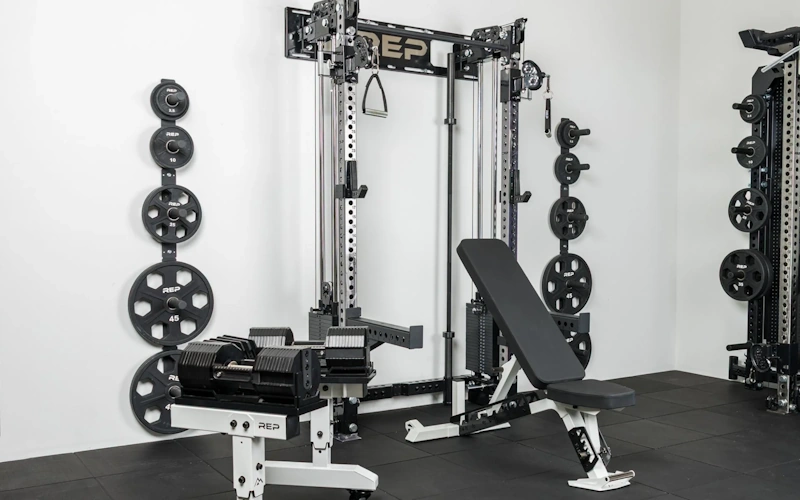







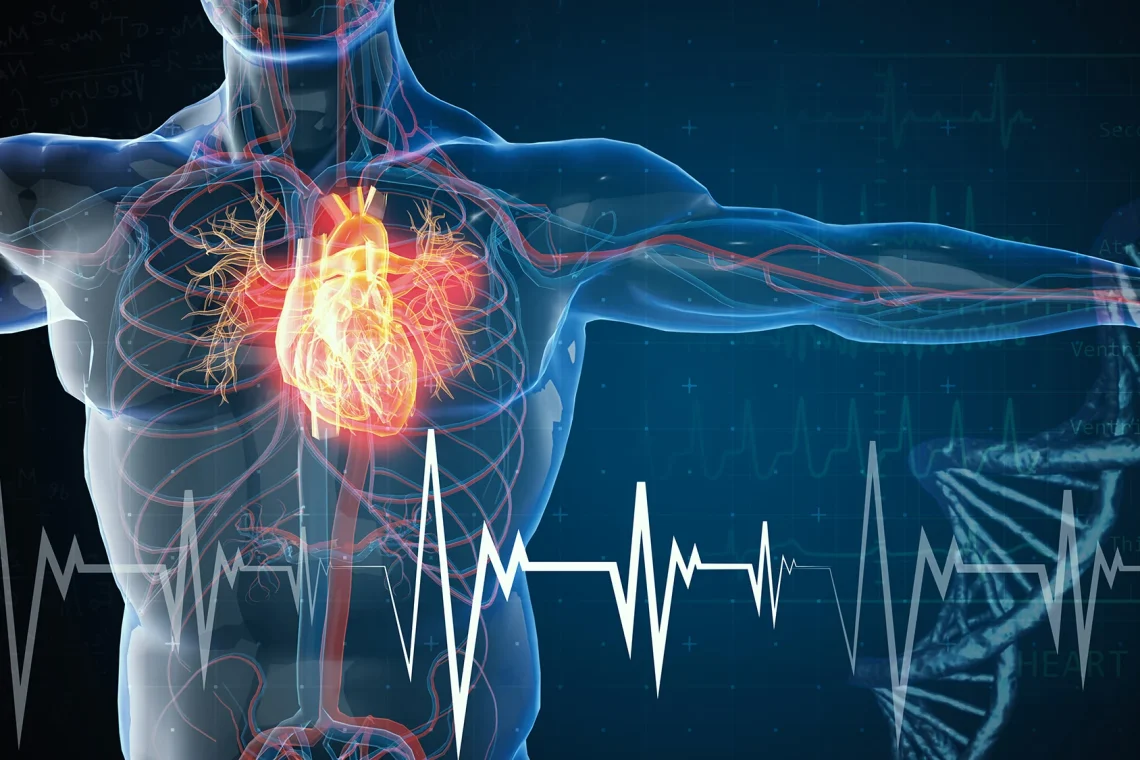
Tags
📧 Get More Articles Like This
Subscribe to receive product reviews and buying guides in your inbox!
We respect your privacy. Unsubscribe at any time.