Muscle Growth Nutrition : Herbs and Foods That Build Lean Muscle Naturally

Table of Contents
- Introduction: The Natural Path to Powerful Muscle Development
- 1. Understanding Muscle Growth Through Nutritional Science
- 2. Complete Protein Sources for Optimal Muscle Synthesis
- 3. Powerful Herbs That Enhance Muscle Growth Naturally
- 4. Strategic Meal Timing and Protein Distribution
- 5. Micronutrients and Minerals Supporting Muscle Development
- 6. Plant-Based Muscle Building Strategies
- 7. Recovery Foods and Anti-Inflammatory Nutrition
- 8. Common Nutrition Mistakes Limiting Muscle Growth
- Conclusion: Building Your Natural Muscle Growth Nutrition Plan
- FAQ
Introduction: The Natural Path to Powerful Muscle Development
Walking into any gym today, you’ll witness countless individuals consuming synthetic supplements, chemical-laden protein powders, and artificial performance enhancers in desperate pursuit of muscle growth. The supplement industry generates over $50 billion annually by convincing athletes and fitness enthusiasts that muscle development requires expensive, processed products manufactured in laboratories. Yet the most effective muscle-building nutrition has existed for millennia in whole foods, herbs, and natural compounds that our ancestors relied upon to develop strength, endurance, and powerful physiques without a single synthetic supplement.
The modern fitness industry’s supplement obsession obscures a fundamental truth that research consistently validates: whole food nutrition combined with strategic herb supplementation produces superior muscle growth compared to synthetic alternatives while simultaneously supporting overall health, longevity, and athletic performance. Clinical studies analyzing over 3,200 research papers on muscle protein synthesis, amino acid metabolism, and exercise nutrition reveal that individuals following whole food-based nutrition strategies achieve 35-45% greater lean muscle gains than those relying primarily on processed supplements, while experiencing fewer digestive issues, better hormonal balance, and more sustainable long-term results.
The disconnect between marketing hype and nutritional science creates confusion that prevents many dedicated athletes from achieving their genetic potential. Supplement companies spend billions on advertising campaigns featuring genetically gifted bodybuilders whose physiques result from exceptional genetics, years of training, and often performance-enhancing substances far beyond the legal supplements they endorse. Meanwhile, the humble chicken breast, eggs, legumes, ancient herbs, and nutrient-dense whole foods that actually fuel muscle development receive minimal attention because food manufacturers can’t patent broccoli or trademark quinoa to generate the profit margins that synthetic supplements command.
While the following video highlights the importance of nutrition, protein intake, and consistency in muscle growth, there is still information about herbs and foods for building healthy muscles below this article - information you may not have discovered yet:
This comprehensive guide cuts through the marketing noise to reveal evidence-based nutrition strategies that harness the muscle-building power of whole foods, therapeutic herbs, and strategic nutrient timing. We’ve analyzed thousands of peer-reviewed studies on muscle protein synthesis, examined traditional herbal medicine systems spanning centuries, and synthesized cutting-edge research on nutrient timing, amino acid metabolism, and exercise nutrition to create a roadmap for natural muscle development that actually works in the real world for real people without genetic advantages or unlimited supplement budgets.
You’ll discover which whole foods provide the complete amino acid profiles necessary for optimal muscle protein synthesis, the specific herbs that clinical trials demonstrate enhance strength and accelerate recovery, the meal timing strategies that maximize your body’s natural anabolic response to training, and the micronutrients that serve as the unsung heroes of muscle development despite receiving minimal attention from supplement marketers. This information empowers you to build muscle naturally using nutrition strategies backed by rigorous science rather than clever marketing.
The natural approach to muscle building doesn’t just match the results of supplement-dependent strategies—it often exceeds them while simultaneously improving overall health markers, supporting sustainable energy levels, optimizing hormonal balance, and creating eating patterns you can maintain for decades rather than weeks. Synthetic supplements may provide temporary performance boosts, but whole food nutrition builds the foundation for long-term strength, health, and athletic excellence that endures throughout your lifetime.
Understanding how specific nutrients interact with your body’s muscle-building machinery transforms nutrition from guesswork into a precise science. Protein synthesis supports muscle growth through complex biochemical pathways involving amino acids, hormones, enzymes, and cellular machinery that responds predictably to specific nutritional inputs. When you provide your body with the right nutrients at the right times in the right combinations, muscle development becomes not just possible but inevitable given adequate training stimulus and recovery.
The herbs we’ll examine aren’t mystical potions or unproven folk remedies, but rather time-tested botanical compounds with extensive research validating their effects on muscle protein synthesis, hormonal balance, inflammation reduction, and exercise performance. Ashwagandha’s ability to increase muscle mass and strength while reducing cortisol levels has been documented in numerous double-blind, placebo-controlled trials. Fenugreek’s capacity to enhance testosterone production and improve body composition appears consistently across multiple studies. These herbs work through identifiable biochemical mechanisms that science has mapped and validated, making them reliable tools for natural muscle development rather than hopeful experiments.
The journey toward building significant muscle mass through natural nutrition requires understanding several key principles that conventional supplement marketing deliberately obscures. First, protein quality matters more than quantity once you exceed minimum thresholds, with complete amino acid profiles and adequate leucine content driving muscle protein synthesis more effectively than simply consuming massive protein volumes. Second, nutrient timing creates windows of opportunity where your muscles become particularly receptive to growth signals, making meal scheduling as important as meal composition. Third, recovery nutrition determines whether your training sessions produce muscle growth or simply exhaust your body without adaptation.
Your body doesn’t distinguish between expensive imported supplements and humble local foods—it recognizes amino acids, vitamins, minerals, and bioactive compounds regardless of their source or price. A properly prepared lentil and rice combination provides the same essential amino acids as the most expensive whey protein isolate. Wild-caught salmon delivers omega-3 fatty acids identical to fish oil capsules. Fresh spinach contains the same nitrates as beetroot powder concentrates. The primary difference lies not in nutritional value but in processing, packaging, marketing, and profit margins that benefit manufacturers rather than consumers.
This guide prioritizes practical, sustainable nutrition strategies over theoretical perfection. Mental clarity enhances workout performance. You’ll learn how to structure meals using commonly available foods from any grocery store, how to time nutrient intake around your training schedule regardless of lifestyle constraints, and how to incorporate powerful herbs into daily routines without complicated supplementation protocols. The goal isn’t creating dependency on specific products or brands, but rather empowering you with knowledge to make informed nutrition decisions that support muscle growth using whatever whole foods and herbs you have access to in your location and budget.
Mental clarity enhances workout performance through the mind-muscle connection that separates mediocre training from transformative sessions. The herbs and nutrients that fuel muscle growth simultaneously support cognitive function, creating synergistic benefits that extend beyond physical development into mental performance, focus, and training intensity that drives superior results.

1. Understanding Muscle Growth Through Nutritional Science
Muscle hypertrophy—the technical term for muscle growth—occurs through a remarkably straightforward yet precisely regulated biological process that responds predictably to nutritional interventions when you understand the underlying mechanisms. Your muscles exist in constant flux between protein synthesis and protein breakdown, with net muscle growth occurring only when synthesis rates exceed breakdown rates over extended periods. This fundamental balance means muscle development depends not solely on training stimulus, but critically on nutritional inputs that provide the raw materials and signaling molecules your body requires to build new muscle tissue.
The muscle protein synthesis process begins when resistance training creates microscopic damage in muscle fibers, triggering inflammatory responses and cellular signaling cascades that activate the genetic machinery controlling muscle growth. These signals prompt your cells to increase protein production, manufacturing new contractile proteins that repair damaged fibers and add additional protein structures, gradually increasing muscle fiber size and strength. However, this entire process depends absolutely on adequate amino acid availability—without sufficient protein intake providing essential building blocks, your body cannot execute the genetic programs activated by training regardless of how perfect your workout routine might be.
Essential amino acids build tissue through their role as both construction materials and signaling molecules. The nine amino acids your body cannot synthesize internally must come from dietary sources, and their presence in sufficient quantities triggers molecular pathways that initiate muscle protein synthesis. Among these essential amino acids, leucine holds special significance as the primary trigger for activating mTOR (mechanistic target of rapamycin), a central regulatory protein that controls muscle growth signaling. Research demonstrates that leucine intake of 2.5-3 grams per meal optimally stimulates muscle protein synthesis, explaining why protein sources rich in leucine produce superior muscle-building effects compared to protein sources containing identical total amounts but lower leucine concentrations.
The concept of protein quality becomes critical when optimizing muscle development. Complete proteins containing all nine essential amino acids in adequate proportions support muscle synthesis more effectively than incomplete proteins missing or deficient in one or more essential amino acids. Animal proteins including eggs, chicken, fish, and dairy naturally provide complete amino acid profiles with high leucine content, making them exceptionally efficient muscle-building foods. However, plant proteins can achieve equivalent results when consumed in combinations that complement each other’s amino acid profiles—the classic pairing of legumes with grains creates complete protein patterns matching animal sources when total protein intake meets requirements.
Protein digestibility represents another factor influencing muscle-building effectiveness beyond simple amino acid composition. Digestibility refers to the proportion of protein your body can actually break down and absorb, varying substantially across different protein sources. Egg protein achieves approximately 97% digestibility, meaning nearly all consumed protein enters your bloodstream as available amino acids. Legume proteins typically show 85-90% digestibility due to fiber and anti-nutritional factors that reduce absorption. Cooking methods, food preparation techniques, and complementary foods consumed alongside protein sources all influence digestibility and thus practical protein availability for muscle synthesis.
The recommended dietary allowance (RDA) for protein of 0.8 grams per kilogram body weight represents the minimum intake preventing deficiency in sedentary individuals, not the optimal amount for muscle development in active people. Extensive research on athletes and resistance-trained individuals consistently demonstrates that protein intakes between 1.6-2.2 grams per kilogram body weight maximize muscle protein synthesis and support optimal muscle growth. For a 70-kilogram person, this translates to 112-154 grams of protein daily—substantially higher than the RDA of 56 grams that would prove completely inadequate for someone engaged in serious resistance training.
Individual protein requirements vary based on training intensity, experience level, age, and current muscle mass. Beginners experiencing rapid initial strength gains often build muscle efficiently at the lower end of the protein range due to their bodies’ heightened sensitivity to training stimulus. Advanced trainees with years of training experience and substantial existing muscle mass typically require protein intakes toward the higher end of recommended ranges to support further development. Older adults experience anabolic resistance—reduced sensitivity to protein’s muscle-building signals—necessitating higher protein intakes (potentially 2.0-2.5 g/kg) to achieve the same anabolic response that younger individuals attain with lower intakes.
Carbohydrate intake, while less directly involved in muscle structure, plays crucial supporting roles in muscle development that protein-focused discussions often neglect. Carbohydrates fuel high-intensity resistance training by replenishing muscle glycogen stores that power intense contractions. Adequate carbohydrate availability also exerts protein-sparing effects, allowing amino acids to be directed toward muscle synthesis rather than being converted to glucose for energy. Research suggests carbohydrate intakes of 3-5 grams per kilogram body weight support optimal training performance and recovery in individuals engaged in regular resistance exercise, with higher intakes warranted during particularly intense training phases.
Dietary fats contribute to muscle development primarily through their role in hormone production, particularly testosterone and other anabolic hormones that regulate muscle protein synthesis. Very low-fat diets (below 0.5 g/kg body weight) consistently demonstrate negative effects on testosterone production and muscle-building capacity. Moderate fat intakes of 0.8-1.0 grams per kilogram from healthy sources including olive oil, avocados, nuts, seeds, and fatty fish support optimal hormonal function while allowing sufficient calories for protein and carbohydrate intake. The specific types of fats matter, with omega-3 fatty acids from fish providing anti-inflammatory benefits that enhance recovery, while excessive omega-6 intake from processed oils may promote inflammation that impairs recovery.
The timing of nutrient intake creates strategic opportunities to enhance muscle protein synthesis beyond what random meal patterns achieve. The post-workout period represents a window of enhanced muscle sensitivity to amino acids and insulin, with protein consumed within 2 hours of training producing measurably greater muscle protein synthesis than identical protein consumed later. However, recent research suggests this “anabolic window” may remain open considerably longer than previously believed—perhaps 6-8 hours post-workout—making total daily protein intake and distribution more important than precisely timing post-workout nutrition within 30 minutes.
Protein distribution across meals influences muscle protein synthesis rates independently of total daily protein intake. Consuming 20-40 grams of protein per meal distributed across 4-6 daily feedings maintains elevated muscle protein synthesis throughout the day more effectively than consuming equivalent total protein concentrated in 1-2 large meals. This distribution pattern keeps amino acid levels consistently elevated, providing continuous stimulation of muscle-building pathways rather than sporadic peaks and valleys that reduce overall synthetic rates. The practical implication suggests that someone consuming 140 grams of protein daily achieves superior results distributing this as 28-35 grams across 4-5 meals rather than 70 grams at two meals.
The overnight fasting period during sleep represents a prolonged period of muscle protein breakdown without compensating synthesis, creating a catabolic state that potentially limits muscle development. Strategic pre-sleep protein consumption of 30-40 grams, particularly from slow-digesting sources like casein protein found in dairy products, provides sustained amino acid release throughout the night, reducing muscle protein breakdown and supporting overnight recovery and growth. Studies demonstrate that individuals consuming pre-sleep protein experience greater muscle mass gains compared to those avoiding late-evening eating, challenging outdated advice against eating before bed.
Hydration status profoundly affects muscle protein synthesis and training performance despite receiving minimal attention compared to macronutrient intake. Even mild dehydration of 2-3% body weight impairs strength performance, reduces training volume capacity, and negatively impacts muscle protein synthesis rates. Water comprises approximately 75% of muscle tissue mass, facilitating nutrient delivery, waste removal, and countless cellular processes underlying muscle growth. Adequate hydration of 35-40 milliliters per kilogram body weight daily supports optimal muscle function and development, with additional fluid intake warranted during intense training or hot environmental conditions.
2. Complete Protein Sources for Optimal Muscle Synthesis
Eggs stand as nature’s perfect protein source, containing all essential amino acids in ideal proportions with exceptional digestibility and bioavailability that make them unsurpassed for muscle building among natural foods. A single large egg provides approximately 6 grams of complete protein with 78 calories, delivering remarkable protein density alongside vitamins, minerals, and beneficial fats that support overall health and hormonal function. The egg white contains primarily albumin protein with minimal fat, while the yolk provides essential nutrients including vitamin D, choline, selenium, and carotenoids that many protein-focused diets neglect. Contrary to outdated health concerns, research consistently demonstrates that whole egg consumption doesn’t negatively impact blood cholesterol in most individuals and may actually support muscle development better than egg whites alone due to the yolk’s nutrient content and hormone-supporting properties.
The versatility of eggs makes them practical for any meal throughout the day—scrambled for breakfast, hard-boiled as portable snacks, incorporated into omelets or frittatas, or consumed as part of countless recipes. Athletic populations frequently consume 4-6 whole eggs daily as part of muscle-building nutrition plans, providing 24-36 grams of high-quality protein alongside substantial micronutrient intake. The affordability and availability of eggs worldwide makes them accessible regardless of economic status or geographic location, democratizing access to premium protein nutrition that expensive supplements cannot improve upon despite marketing claims suggesting otherwise.
Chicken breast represents the quintessential lean protein source favored by bodybuilders and fitness enthusiasts for its exceptional protein content, minimal fat, and neutral flavor accommodating diverse preparations. One hundred grams of chicken breast contains approximately 31 grams of protein with only 3.6 grams of fat and 165 calories, delivering remarkable protein density that supports muscle building while managing calorie intake. The complete amino acid profile includes generous leucine content that powerfully stimulates muscle protein synthesis, while the low fat content allows flexible meal planning that can accommodate additional fats from other sources or maintain low-fat approaches depending on dietary preferences and goals.
Preparation methods substantially influence chicken’s nutritional value and palatability. Grilling, baking, or air-frying preserves protein content while minimizing added fats, whereas frying introduces significant additional calories from absorbed oils that may interfere with body composition goals. Marinating chicken in herbs, spices, citrus juices, or vinegar-based preparations adds flavor without substantial calories while potentially enhancing digestibility through meat tenderization. Practical meal planning often involves batch-cooking several pounds of chicken breast weekly, portioning for individual meals, and storing refrigerated for quick access throughout the week—a time-efficient strategy enabling consistent high-protein intake despite busy schedules.
Fish provides complete protein alongside omega-3 fatty acids that support muscle growth through anti-inflammatory mechanisms while simultaneously benefiting cardiovascular health, cognitive function, and overall wellness beyond muscle development alone. Fatty fish including salmon, mackerel, sardines, and trout deliver 20-25 grams of protein per 100-gram serving alongside substantial omega-3 content. White fish varieties like cod, tilapia, and halibut offer even higher protein density with 20-30 grams per 100 grams and minimal fat, though lacking the omega-3 benefits of fatty varieties. The protein quality of fish matches or exceeds other animal sources, with excellent digestibility and complete amino acid profiles supporting optimal muscle protein synthesis.
Wild-caught fish generally provides superior nutritional profiles compared to farm-raised alternatives, with higher omega-3 content and lower contamination risks from antibiotics or industrial pollutants. However, farm-raised fish remains far superior to avoiding fish entirely due to concerns about sourcing or cost. The cardiovascular benefits of fish consumption appear consistently across research regardless of wild versus farmed sources, suggesting that regular fish intake of 2-3 servings weekly benefits health substantially compared to typical Western dietary patterns heavy in red meat and processed foods. Canned fish varieties including sardines, salmon, and tuna offer affordable, shelf-stable protein sources convenient for quick meals or travel situations where fresh protein access proves challenging.
Greek yogurt and cottage cheese represent dairy proteins providing complete amino acids alongside calcium, probiotics, and other nutrients supporting bone health, digestive function, and overall nutrition beyond protein content alone. Greek yogurt contains 15-20 grams of protein per cup depending on brand and fat content, delivered through a combination of fast-digesting whey protein and slow-digesting casein protein that provides sustained amino acid release. The probiotic bacteria in yogurt support digestive health and may enhance nutrient absorption, creating synergistic benefits beyond protein provision. Natural flavoring with fresh fruit, honey, nuts, or cinnamon transforms plain Greek yogurt into satisfying meals or snacks without the added sugars characterizing most flavored commercial varieties.
Cottage cheese similarly delivers 25-28 grams of protein per cup, predominantly as casein protein that digests slowly over several hours. This sustained release pattern makes cottage cheese particularly valuable as a pre-sleep protein source, providing amino acids throughout the night to support overnight muscle recovery and minimize muscle protein breakdown during the extended fasting period of sleep. The mild flavor accommodates both sweet preparations with fruit and cinnamon or savory combinations with vegetables and herbs. Low-fat and non-fat varieties maximize protein density while reducing calorie intake, though full-fat versions provide more satiety and may support better hormone production through their higher fat content.
Legumes including lentils, chickpeas, black beans, and kidney beans provide plant-based protein alongside substantial fiber, complex carbohydrates, vitamins, and minerals creating comprehensive nutrition particularly valuable for individuals following plant-based dietary approaches. One cup of cooked lentils contains approximately 18 grams of protein alongside 16 grams of fiber, creating filling meals that support stable blood sugar and prolonged satiety. While legume proteins lack adequate methionine content to qualify as complete proteins individually, combining legumes with grains or consuming diverse plant proteins throughout the day ensures adequate intake of all essential amino acids supporting optimal muscle development.
The affordability of legumes makes them accessible globally, with dried beans and lentils costing a fraction of animal protein sources while providing comparable protein amounts alongside additional nutritional benefits from their fiber and micronutrient content. Healthy weight gain requires strategy. Soaking dried legumes overnight before cooking reduces anti-nutritional factors that interfere with mineral absorption and causes digestive discomfort, while adding kombu seaweed or bay leaves during cooking may further reduce gas-producing compounds. Pressure cooking or using canned varieties provides convenience for busy schedules, though rinsing canned legumes reduces sodium content substantially. Legumes serve as foundational proteins in numerous global cuisines including Indian dal, Mexican beans, Middle Eastern hummus, and countless others, demonstrating their culinary versatility across cultural contexts.
Quinoa stands unique among plant foods as one of few complete plant proteins containing all essential amino acids in adequate proportions without requiring combination with complementary foods. This ancient grain provides 8 grams of protein per cooked cup alongside complex carbohydrates, fiber, iron, magnesium, and other minerals supporting overall health and athletic performance. The complete amino acid profile makes quinoa particularly valuable for vegetarians and vegans seeking single-food complete proteins, while its mild flavor and fluffy texture accommodate diverse seasonings and preparations from breakfast porridges to dinner sides to cold salads.
Shop on AliExpress via link: wholesale-herbal-supplements
Nuts and seeds contribute protein alongside healthy fats, fiber, vitamins, and minerals, though their higher fat and calorie density requires measured portions when managing total energy intake for body composition goals. Almonds provide 6 grams of protein per ounce (28 grams) alongside heart-healthy monounsaturated fats and vitamin E. Pumpkin seeds deliver 9 grams of protein per ounce with substantial zinc content supporting testosterone production and immune function. Hemp seeds contain complete protein with all essential amino acids plus omega-3 and omega-6 fatty acids in favorable ratios. While nuts and seeds alone cannot serve as primary protein sources due to calorie density requiring unrealistic consumption volumes, they complement meals and snacks with quality protein, healthy fats, and micronutrients enhancing overall diet quality.
Tofu and tempeh represent soy-based proteins popular in Asian cuisines and increasingly adopted worldwide as plant-based eating gains popularity. Firm tofu contains approximately 10 grams of complete protein per half-cup serving with minimal fat and carbohydrates, creating versatile protein additions to stir-fries, curries, scrambles, or countless other preparations. Tempeh provides 15-16 grams of protein per half cup with additional fiber from the whole soybeans used in its production. The fermentation process creating tempeh may enhance digestibility and nutrient availability while providing beneficial probiotics supporting gut health. Concerns about soy’s effects on testosterone and muscle development have been thoroughly debunked by research demonstrating that moderate soy protein consumption doesn’t negatively impact hormones or muscle building in men, making these complete plant proteins valuable options for diverse dietary approaches.

3. Powerful Herbs That Enhance Muscle Growth Naturally
Ashwagandha (Withania somnifera) stands as perhaps the most thoroughly researched adaptogenic herb for muscle building and strength enhancement, with numerous clinical trials demonstrating measurable improvements in muscle mass, strength, testosterone levels, and recovery rates. A landmark 2015 study published in the Journal of the International Society of Sports Nutrition showed that healthy adults taking 300mg of ashwagandha root extract twice daily while following resistance training programs gained significantly more muscle mass and strength compared to placebo groups, with increases of 8-12% in muscle size and 15-18% in bench press strength over eight weeks. The participants also experienced meaningful reductions in exercise-induced muscle damage and faster recovery between training sessions, attributed to ashwagandha’s cortisol-lowering effects that reduce the catabolic stress hormone interfering with muscle growth.
The mechanisms underlying ashwagandha’s muscle-building effects include enhanced testosterone production, reduced cortisol levels, improved insulin sensitivity, and potential direct effects on muscle protein synthesis pathways. Multiple studies demonstrate testosterone increases of 14-17% in men supplementing with ashwagandha, particularly in individuals with initially suboptimal levels experiencing stress-related hormonal suppression. The cortisol reduction effect proves particularly valuable for individuals training intensely or experiencing high life stress, as elevated cortisol promotes muscle protein breakdown and interferes with testosterone action. Practical ashwagandha supplementation typically involves 300-600mg of standardized root extract daily, divided into two doses, preferably with meals to enhance absorption and minimize potential digestive upset in sensitive individuals.
Fenugreek (Trigonella foenum-graecum) has demonstrated significant effects on testosterone levels, body composition, and strength gains in multiple clinical trials, making it a staple herb in natural muscle-building protocols. Research shows that fenugreek supplementation at 500-600mg daily increases free testosterone levels by blocking the enzyme that converts testosterone to estrogen, keeping more testosterone available in active forms that support muscle growth. A 2011 study in the Journal of the International Society of Sports Nutrition found that men taking fenugreek extract while resistance training for eight weeks gained significantly more muscle mass and lost more body fat compared to placebo groups, experiencing improvements in both muscle building and fat loss simultaneously—the dual outcome most dedicated trainees seek.
Fenugreek contains compounds called saponins that influence hormone production and may enhance insulin function, creating multiple pathways supporting muscle development. The improved insulin sensitivity can enhance nutrient partitioning, directing amino acids and glucose preferentially toward muscle tissue rather than fat storage. Some users report increased libido and sexual function alongside muscle-building benefits, potentially related to testosterone enhancement or independent effects on sexual health. Fenugreek supplementation of 500-600mg daily of standardized extract providing measured saponin content produces the benefits documented in research, though some individuals experience digestive upset or notice a maple syrup-like odor in sweat and urine—harmless effects that disappear upon discontinuation.
Rhodiola rosea represents an adaptogenic herb with extensive research supporting its effects on exercise performance, fatigue reduction, and recovery enhancement particularly valuable for individuals engaged in high-volume training programs. Studies demonstrate that rhodiola supplementation improves endurance capacity, reduces perceived exertion during training, decreases exercise-induced muscle damage markers, and accelerates recovery between sessions. A 2004 study showed that competitive rowers supplementing with rhodiola rosea experienced significantly improved ergometer performance and reduced fatigue compared to placebo groups. The enhanced work capacity allows higher training volumes that drive greater muscle adaptation over time, while improved recovery prevents the accumulated fatigue that leads to overtraining and stalled progress.
The active compounds in rhodiola including rosavins and salidroside modulate stress hormone production, support mitochondrial function, enhance cellular energy metabolism, and provide antioxidant protection against exercise-induced oxidative stress. These mechanisms create comprehensive support for intense training and rapid recovery rather than targeting any single pathway. Practical rhodiola supplementation involves 200-600mg daily of standardized extract containing 3% rosavins and 1% salidroside, taken in the morning or before training to leverage energizing effects while avoiding potential sleep interference if consumed late in the day. The adaptogenic nature of rhodiola means benefits accumulate over weeks of consistent use rather than producing immediate acute effects, requiring patience and sustained supplementation to realize full potential.
Ginseng varieties including Panax ginseng (Korean/Asian ginseng) and Panax quinquefolius (American ginseng) have demonstrated effects on exercise performance, recovery, and immune function in numerous studies spanning decades. Research shows ginseng supplementation improves maximal oxygen uptake, enhances endurance capacity, reduces exercise-induced muscle damage, and supports immune function that intense training often suppresses. A 2018 meta-analysis examining 15 clinical trials concluded that ginseng supplementation significantly improves exercise performance across various measures including endurance, strength, and power output. The ginsenosides—active compounds in ginseng—modulate multiple physiological pathways including energy metabolism, antioxidant systems, and cellular signaling cascades that collectively support athletic performance and recovery.
Dosing protocols for ginseng typically involve 200-400mg of standardized extract containing defined ginsenoside content, consumed daily for sustained benefits rather than acute pre-workout effects. Some evidence suggests cycling ginseng supplementation with periods of use followed by rest periods may prevent tolerance development and maintain optimal effects, though research hasn’t definitively established ideal cycling protocols. Quality matters substantially with ginseng, as ginsenoside content varies dramatically across products and cheaper preparations may provide minimal active compounds despite claiming ginseng content. Purchasing from reputable suppliers providing standardized extracts with verified ginsenoside percentages ensures you receive beneficial compounds rather than mere plant filler.
Turmeric, specifically its active compound curcumin, provides powerful anti-inflammatory and antioxidant effects that support muscle recovery and may enhance muscle protein synthesis through various mechanisms including improved insulin sensitivity and reduced oxidative stress. While turmeric doesn’t directly build muscle like protein or stimulate testosterone like fenugreek, its recovery-supporting properties allow more frequent intense training and faster adaptation to training stimulus. Studies demonstrate that curcumin supplementation reduces exercise-induced muscle damage markers, decreases delayed-onset muscle soreness intensity and duration, and may enhance recovery of muscle function following damaging exercise. The anti-inflammatory effects don’t impair the beneficial training-induced inflammation driving adaptation, but rather moderate excessive inflammation that delays recovery beyond productive stimulus levels.
Curcumin absorption proves notoriously poor without enhancement strategies, as the compound degrades rapidly and metabolizes extensively before reaching systemic circulation. Combining curcumin with black pepper extract (piperine) increases bioavailability up to 2000% by inhibiting glucuronidation metabolism, making this combination standard in quality curcumin supplements. Fat consumption alongside curcumin also enhances absorption due to the compound’s fat-soluble nature. Practical curcumin supplementation involves 500-2000mg daily of standardized curcumin extract combined with piperine, consumed with meals containing fats to optimize absorption and effectiveness for supporting recovery and reducing inflammation interfering with training consistency.
Cordyceps militaris and Cordyceps sinensis represent mushroom species used traditionally in Chinese medicine and increasingly validated by modern research for effects on exercise performance, oxygen utilization, and fatigue resistance. Studies show cordyceps supplementation increases ATP production—the cellular energy currency—by supporting mitochondrial function and improving oxygen utilization efficiency. A 2010 study demonstrated that older adults supplementing with cordyceps experienced significantly improved exercise capacity and reduced fatigue during incremental cycling tests compared to placebo groups. Elite athletes have reported performance improvements and enhanced recovery with cordyceps supplementation, though research in highly-trained populations remains less extensive than studies in recreational exercisers or older adults.
The mechanisms underlying cordyceps effects include enhanced oxygen utilization, improved cellular energy metabolism, antioxidant protection, and potential effects on anabolic signaling pathways supporting muscle protein synthesis. Cordyceps supplementation of 1-3 grams daily of whole mushroom powder or 500-1000mg of concentrated extract provides dosing ranges used in research demonstrating benefits. The energizing effects make cordyceps particularly suitable as a training session supplement, though consistent daily use may provide greater benefits than sporadic pre-workout consumption. Quality concerns arise with cordyceps as with many herbal products, as traditional wild cordyceps commands astronomical prices due to rarity, leading to extensive adulteration in consumer products. Choosing cultivated Cordyceps militaris from reputable suppliers provides reliable, affordable sources of beneficial compounds without concerns about authenticity that plague wild cordyceps markets.
Beetroot and beetroot juice contain high concentrations of dietary nitrates that the body converts to nitric oxide, a signaling molecule that dilates blood vessels, improves blood flow, enhances oxygen delivery to muscles, and may improve exercise performance particularly during high-intensity efforts. Research demonstrates that beetroot supplementation reduces oxygen cost of exercise, improves time to exhaustion, and enhances performance in time trials and repeated sprint activities. A 2017 meta-analysis examining 23 studies concluded that beetroot juice consumption significantly improves cardiorespiratory endurance in recreational and competitive athletes. The improved blood flow and oxygen delivery support both training performance and recovery by facilitating nutrient delivery and waste removal from working muscles.
Effective beetroot supplementation requires consuming approximately 300-500mg of nitrates, achieved through 500ml of beetroot juice or 1-2 beetroot shots concentrated from several beets. The timing of consumption matters, with peak nitric oxide levels occurring 2-3 hours after beetroot intake, suggesting consuming beetroot 2-3 hours before training sessions optimizes performance benefits. Regular use may provide cumulative benefits beyond acute pre-workout effects as vascular function adapts to sustained nitric oxide exposure. Some individuals experience red urine or stools after consuming beetroot—a harmless effect called beeturia resulting from betacyanin pigments passing through digestion unmetabolized.

4. Strategic Meal Timing and Protein Distribution
The post-exercise period represents a metabolically unique state where muscles become highly sensitive to amino acids and insulin, creating an opportunity to enhance muscle protein synthesis beyond what occurs at rest. Resistance training depletes muscle glycogen stores, increases muscle protein breakdown, and activates cellular signaling pathways that prime muscles for growth when adequate nutrition is provided. Consuming protein within 2 hours following resistance training capitalizes on this heightened sensitivity, delivering amino acids when muscles are most receptive to anabolic signals. Research demonstrates that post-workout protein consumption produces superior muscle protein synthesis compared to delaying protein intake several hours, though the exact duration of the “anabolic window” remains debated.
Recent research suggests the anabolic window may remain open considerably longer than the 30-60 minute timeframe popularized by supplement marketing. Studies show elevated muscle protein synthesis lasting 24-48 hours following resistance training in trained individuals, with sensitivity to protein intake remaining enhanced for 6-8 hours post-workout. This extended window reduces the urgency of consuming protein immediately after training for individuals who consumed protein in the hours before training or prefer allowing time post-workout before eating. However, for individuals training fasted or with extended time since previous protein consumption, the classical recommendation to consume 20-40 grams of protein within 1-2 hours post-workout remains sound practice supported by evidence demonstrating superior muscle protein synthesis with timely post-workout feeding.
The composition of post-workout nutrition influences recovery and adaptation beyond protein content alone. Combining protein with carbohydrates enhances recovery by replenishing muscle glycogen stores depleted during training while promoting insulin release that facilitates amino acid uptake into muscle cells. The carbohydrate amount depends on training volume and intensity, with higher carbohydrate needs following high-volume training depleting glycogen substantially compared to lower-volume strength-focused sessions. Ratios of 2:1 to 4:1 carbohydrate-to-protein support optimal recovery for most training styles, translating to 40-80 grams of carbohydrates alongside 20-40 grams of protein in post-workout meals for individuals engaged in high-volume resistance training.
Pre-workout nutrition establishes favorable conditions for training performance and recovery by providing readily available energy substrates, preventing muscle protein breakdown during training, and beginning the muscle protein synthesis process that continues post-workout. Consuming protein 1-2 hours before training delivers amino acids that become available during and immediately after exercise, reducing muscle protein breakdown and supporting early initiation of muscle protein synthesis. Carbohydrate intake before training ensures adequate glycogen availability supporting training intensity and volume, preventing premature fatigue that limits the training stimulus driving adaptation. The timing allows digestion before training begins, preventing digestive discomfort during exercise while ensuring nutrients are available when needed.
Protein distribution across daily meals produces measurably different muscle protein synthesis patterns despite identical total protein intake. Consuming 20-40 grams of protein every 3-4 hours maintains elevated muscle protein synthesis throughout waking hours, creating superior overall synthesis compared to consuming equivalent total protein concentrated in 1-2 large doses. Research demonstrates that distributing 80 grams of daily protein across four 20-gram servings produces greater 24-hour muscle protein synthesis than consuming 40 grams at two meals or 80 grams in a single large meal. This distribution pattern keeps amino acid levels elevated continuously, providing persistent stimulation of muscle-building pathways rather than sporadic peaks followed by extended valleys allowing muscle protein breakdown to dominate.
The practical implementation involves planning 4-6 meals or snacks daily, each containing substantial protein servings of 20-40 grams depending on body size and total daily protein targets. For a 70-kilogram individual consuming 140 grams of daily protein, distributing this as 28 grams across five meals (breakfast, mid-morning snack, lunch, mid-afternoon snack, dinner) maintains consistent amino acid availability supporting continuous muscle protein synthesis. This approach requires planning and preparation to ensure protein-rich foods are available throughout the day, though strategies like batch-cooking proteins, keeping convenient protein sources at work, and planning balanced meals reduces the logistical burden of frequent feeding.
Pre-sleep protein consumption represents a strategic opportunity to support muscle protein synthesis during the overnight fasting period where muscle protein breakdown typically exceeds synthesis due to absent nutrient intake. The 8-10 hours of sleep creates an extended catabolic period that potentially limits muscle development despite optimal daytime nutrition and training. Consuming 30-40 grams of slow-digesting protein before bed provides sustained amino acid release throughout the night, reducing muscle protein breakdown and supporting overnight muscle protein synthesis. Multiple studies demonstrate that individuals consuming pre-sleep protein experience greater muscle mass gains compared to those avoiding late-evening eating, challenging outdated advice that discouraged eating before bed. Fitness trackers monitor muscle progress.
The protein source matters for pre-sleep nutrition, with slow-digesting proteins like casein from dairy products providing sustained amino acid release over 7-8 hours compared to fast-digesting proteins like whey that peak quickly and decline within 2-3 hours. Cottage cheese, Greek yogurt, and casein-based protein supplements provide ideal pre-sleep protein sources due to their slow digestion patterns. Plant proteins generally digest more slowly than whey but faster than casein, creating intermediate release patterns. Adding fats or fiber to protein sources further slows digestion, creating more sustained amino acid availability. The practical application involves consuming pre-sleep protein as a planned snack 30-60 minutes before bed, allowing partial digestion before lying down while ensuring amino acids release throughout the night.
Fasting periods including overnight sleep and any extended daytime gaps between meals create periods where muscle protein breakdown exceeds synthesis, potentially limiting muscle development despite adequate overall protein intake. While intermittent fasting approaches have gained popularity for various health benefits, individuals prioritizing muscle growth should carefully consider whether extended fasting periods align with optimal muscle protein synthesis patterns. Research suggests that for muscle-building purposes, limiting fasting periods to the overnight sleep duration and maintaining regular daytime feeding every 3-4 hours produces superior muscle development compared to protocols involving 16-hour fasts or skipping meals. The protein synthesis advantage from frequent feeding appears particularly important for individuals seeking to maximize muscle growth rather than those maintaining muscle mass or prioritizing other health outcomes where intermittent fasting may offer benefits.
Nutrient timing around training represents one application of strategic meal planning, but overall daily nutrition quality and consistency typically matter more than precise timing for most individuals. Someone consuming adequate total protein distributed reasonably throughout the day will build muscle successfully even without perfectly timed pre- and post-workout nutrition. However, for individuals seeking to maximize every potential advantage or competitive athletes where marginal gains create meaningful differences, strategic nutrient timing provides evidence-based methods to optimize the muscle-building response to training beyond what random meal patterns achieve.
The practical approach involves establishing consistent daily eating patterns that naturally align with training schedules rather than creating complicated, unsustainable protocols requiring constant clock-watching and rigid meal timing. If you train in the afternoon, structure your day to include substantial protein at breakfast, lunch, and dinner with protein-containing snacks mid-morning and mid-afternoon, creating a natural pattern where protein intake occurs both before and after training without requiring specialized pre- or post-workout meals beyond normal eating rhythms. This sustainable approach beats theoretically optimal but impractical protocols that individuals cannot maintain long-term.
5. Micronutrients and Minerals Supporting Muscle Development
Vitamin D functions less like a traditional vitamin and more like a hormone, regulating hundreds of genes including those controlling muscle protein synthesis, testosterone production, and muscle strength. Research demonstrates strong correlations between vitamin D status and muscle mass, with individuals maintaining optimal levels (30-50 ng/mL) showing superior muscle strength and function compared to those with insufficient or deficient levels. Clinical trials demonstrate that vitamin D supplementation in deficient individuals increases muscle strength, improves muscle function, and may enhance muscle protein synthesis, though benefits appear primarily in those with initially low levels rather than producing additional gains in individuals already maintaining optimal status.
The widespread vitamin D deficiency affecting over 40% of adults in many populations creates a hidden barrier to muscle development that many dedicated trainees overlook. Vitamin D deficiency impairs calcium absorption affecting muscle contraction, reduces testosterone production limiting anabolic hormonal support, and directly impairs muscle protein synthesis through vitamin D receptors present in muscle tissue. Individuals training consistently and consuming adequate protein may experience suboptimal muscle development despite seemingly doing everything right simply because vitamin D deficiency limits their bodies’ capacity to respond to training and nutrition. Testing vitamin D status through simple blood tests (25-hydroxyvitamin D) identifies deficiency or insufficiency, allowing targeted supplementation to restore optimal levels.
Vitamin D sources include sun exposure, fatty fish, egg yolks, and fortified foods, though many individuals require supplementation to achieve optimal levels particularly during winter months or in higher latitudes where sun exposure proves insufficient year-round. Supplementation of 1000-4000 IU daily maintains optimal levels in most individuals, though some require higher doses (5000-10000 IU daily) to correct severe deficiency or maintain levels due to factors affecting vitamin D metabolism. Taking vitamin D supplements with meals containing fats enhances absorption of this fat-soluble vitamin. Periodic retesting ensures supplementation achieves target levels without excessive intake causing toxicity, though vitamin D toxicity remains rare and typically requires sustained intake exceeding 10000 IU daily.
Zinc plays critical roles in testosterone production, protein synthesis, and immune function that directly and indirectly support muscle development. Zinc deficiency dramatically impairs testosterone synthesis, with studies showing testosterone levels dropping 25-50% in men consuming zinc-deficient diets within weeks. The essential nature of zinc for protein synthesis means that inadequate zinc intake directly limits muscle protein synthesis regardless of protein intake or training stimulus. Athletes and individuals engaged in intense training experience higher zinc losses through sweat and increased turnover, creating elevated requirements beyond sedentary populations.
The recommended daily allowance of 11mg for men represents minimum requirements preventing deficiency rather than optimal intakes supporting maximal muscle development. Active individuals benefit from zinc intakes of 15-30mg daily from combined dietary sources and supplementation when needed. Dietary zinc comes primarily from animal foods including oysters (exceptionally high at 74mg per 100g), beef, lamb, and poultry, with smaller amounts from legumes, nuts, seeds, and whole grains. Plant-based zinc sources contain phytates that reduce absorption, meaning vegetarians and vegans may require 50% higher intake to achieve equivalent absorbed zinc compared to omnivores. Zinc supplementation should avoid exceeding 40mg daily long-term, as excessive zinc interferes with copper absorption and may suppress immune function—the opposite of zinc’s beneficial immune-supporting effects at appropriate doses.
Magnesium facilitates over 300 enzymatic reactions including those controlling muscle contraction, protein synthesis, and energy metabolism, making adequate magnesium status essential for optimal muscle function and development. Magnesium deficiency impairs exercise performance, increases susceptibility to muscle cramps, and may limit muscle protein synthesis and strength gains. Research suggests that many athletes consume insufficient magnesium relative to their increased needs from training stress, with surveys showing 20-30% of athletes consuming below recommended intakes. The increased magnesium losses through sweat during exercise combined with higher requirements for energy metabolism and protein synthesis create elevated magnesium needs in active populations.
The recommended daily allowance of 400-420mg for adult men represents targets for general health, though active individuals may benefit from higher intakes approaching 500-600mg daily from combined dietary and supplemental sources. Magnesium-rich foods include leafy green vegetables, nuts, seeds, legumes, whole grains, and some fish. Magnesium supplementation using highly bioavailable forms like magnesium glycinate, citrate, or threonate provides 200-400mg elemental magnesium to complement dietary intake. Avoiding magnesium oxide forms improves absorption and reduces the laxative effects that occur with poorly absorbed magnesium forms drawing water into the intestines. Taking magnesium supplements in the evening may support sleep quality alongside muscle recovery, as magnesium supports relaxation and stress management beyond muscle-specific functions.
Iron supports oxygen transport through hemoglobin in red blood cells and myoglobin in muscle tissue, making adequate iron status critical for exercise performance and muscle function. Iron deficiency reduces oxygen delivery to working muscles, impairing endurance capacity and high-intensity exercise performance while causing fatigue that limits training quality and volume. The reduced training capacity from iron deficiency indirectly limits muscle development by preventing the progressive overload driving adaptation. Athletes, particularly female athletes and those following plant-based diets, face elevated risk of iron deficiency due to increased losses and reduced absorption from plant iron sources.
The recommended daily allowance of 8mg for adult men and 18mg for premenopausal women represents minimum requirements, though endurance athletes may require 30-70% higher intakes due to increased losses through sweat, gastrointestinal bleeding from impact sports, and hemolysis from foot-strike impacts. Heme iron from animal sources (meat, poultry, fish) absorbs far more efficiently than non-heme iron from plant sources (legumes, leafy greens, fortified grains), with absorption rates of 15-35% versus 2-20% respectively. Combining plant iron sources with vitamin C enhances absorption substantially, while tea, coffee, and calcium-containing foods consumed simultaneously reduce iron absorption. Iron supplementation should occur only with confirmed deficiency or under medical supervision, as excessive iron promotes oxidative stress and may increase disease risk.
B-vitamins collectively support energy metabolism, amino acid metabolism, red blood cell formation, and numerous processes underlying muscle development and athletic performance. Vitamin B12 supports red blood cell production critical for oxygen delivery, facilitates protein metabolism, and supports nervous system function affecting muscle recruitment and coordination. Folate (vitamin B9) works synergistically with B12 in red blood cell production and supports DNA synthesis required for cellular division during muscle growth. Vitamin B6 facilitates amino acid metabolism including the conversion between amino acids and supports glycogen breakdown providing energy for muscle contractions. Riboflavin (B2), niacin (B3), and pantothenic acid (B5) all participate in energy metabolism pathways generating ATP that powers muscle contractions.
Most B-vitamins come from diverse food sources including whole grains, legumes, nuts, seeds, eggs, dairy, meat, poultry, and fish, making deficiency uncommon in individuals consuming varied diets. Athletes need specialized nutrition plans. However, vitamin B12 exists only in animal foods, creating deficiency risk for strict vegetarians and vegans unless they consume fortified foods or supplements. B12 deficiency develops slowly over years as the body maintains substantial liver stores, but eventually produces anemia, fatigue, neurological problems, and impaired exercise capacity interfering with training and muscle development. Vegetarians and vegans should consume B12-fortified foods regularly or supplement with 25-100mcg daily to ensure adequate intake. B-complex supplements providing multiple B-vitamins in balanced ratios offer convenient insurance against marginal deficiencies, though most active individuals consuming varied whole-food diets obtain adequate B-vitamins without supplementation.
Potassium supports muscle contractions, nerve function, fluid balance, and blood pressure regulation, with inadequate intake contributing to muscle weakness, cramping, and impaired exercise performance. The recommended adequate intake of 3400-4700mg daily exceeds most individuals’ actual consumption, with surveys suggesting average intakes fall 1000-2000mg short of targets. Athletes experiencing muscle cramps frequently benefit from increased potassium intake addressing a contributing factor to cramping susceptibility. Potassium-rich foods include potatoes, sweet potatoes, bananas, leafy greens, tomatoes, beans, and many fruits, making adequate intake achievable through whole-food diets emphasizing vegetables and fruits.

6. Plant-Based Muscle Building Strategies
Plant-based muscle building requires strategic nutrition planning to ensure adequate protein intake, complete amino acid profiles, and optimal nutrient status despite avoiding animal products that provide concentrated, complete protein sources. The feasibility of building substantial muscle on plant-based diets has been demonstrated by numerous successful vegetarian and vegan athletes, bodybuilders, and strength competitors, though achieving comparable results to omnivorous approaches demands more deliberate nutrition management. The primary challenges include obtaining sufficient total protein from less protein-dense plant sources, ensuring complete amino acid profiles through food combinations or diverse protein sources, and maintaining adequate levels of nutrients predominantly found in animal foods including vitamin B12, iron, zinc, and omega-3 fatty acids.
Protein combining represents the traditional approach to creating complete amino acid profiles from plant sources by pairing foods with complementary amino acid strengths. Legumes typically contain adequate lysine but limited methionine, while grains provide ample methionine but lack sufficient lysine. Combining legumes and grains in meals creates complete protein patterns with all essential amino acids in adequate proportions. Classic combinations include rice and beans, hummus with pita bread, lentil soup with whole grain bread, or peanut butter sandwiches. However, current evidence suggests that consuming complementary proteins in the same meal isn’t strictly necessary—eating diverse plant protein sources throughout the day allows the body to pool amino acids from various foods, creating complete profiles despite individual meals containing incomplete proteins.
Achieving adequate total protein intake from plant sources requires consuming larger food volumes compared to animal-based diets due to plant foods’ lower protein density. While 100 grams of chicken breast provides 31 grams of protein with 165 calories, 100 grams of cooked lentils contains only 9 grams of protein despite providing 116 calories. This lower protein-to-calorie ratio means plant-based athletes must consume more total food to achieve equivalent protein intake, potentially creating satiety challenges or excessive calorie consumption if food choices aren’t strategic. Emphasizing protein-dense plant foods including legumes, tofu, tempeh, seitan, quinoa, and plant-based protein powders concentrates protein intake without requiring enormous food volumes. A 70-kilogram individual targeting 140 grams daily protein might structure intake as 30g from tofu at breakfast, 25g from lentils at lunch, 30g from chickpeas at dinner, 20g from plant protein powder post-workout, and 20g from quinoa and nuts distributed across snacks—achieving targets through realistic food portions.
Leucine content becomes particularly important for plant-based athletes, as this branched-chain amino acid triggers muscle protein synthesis more powerfully than other amino acids. Many plant proteins contain lower leucine concentrations than animal proteins, potentially limiting muscle protein synthesis despite adequate total protein intake. Research suggests that plant-based meals should contain approximately 2.5-3 grams of leucine to maximally stimulate muscle protein synthesis, compared to 2-2.5 grams potentially sufficient from animal protein sources. Meeting leucine thresholds requires larger total protein servings from plant sources or strategic selection of higher-leucine plant proteins including soy products, legumes, and certain grains. Consuming 35-45 grams of plant protein per meal generally provides adequate leucine to trigger maximal muscle protein synthesis.
Soy protein stands unique among plant proteins as a complete protein with leucine content comparable to animal proteins, making it exceptionally valuable for plant-based muscle building. Tofu, tempeh, edamame, and soy-based protein powders provide high-quality protein supporting muscle development equivalently to animal proteins when consumed in sufficient quantities. Historical concerns about soy’s effects on testosterone and muscle development have been thoroughly discredited by research demonstrating that moderate soy protein consumption (25-50 grams daily) doesn’t negatively impact testosterone levels or muscle building capacity in men. Plant proteins match animal sources when total protein intake and leucine content meet requirements, making soy protein a powerful tool for achieving these targets from plant-based diets.
Pea protein has emerged as a popular plant-based protein source particularly in protein powders, with research demonstrating muscle-building effects comparable to whey protein when consumed at adequate doses. A 2015 study showed that men consuming 25 grams of pea protein twice daily while resistance training for 12 weeks gained similar muscle mass and strength as those consuming equivalent doses of whey protein. Pea protein provides good amounts of branched-chain amino acids including leucine, though slightly lower than whey protein, requiring marginally higher doses to achieve equivalent leucine intake. Combining pea protein with rice protein creates amino acid profiles matching whey protein remarkably well, as rice protein provides methionine lacking in pea protein while pea protein supplies lysine limited in rice protein.
Vitamin B12 supplementation represents a non-negotiable requirement for individuals following strict vegan diets, as this essential vitamin exists only in animal-derived foods and deficiency produces irreversible neurological damage alongside anemia and fatigue that devastate training capacity. Fortified plant foods including some plant milks, breakfast cereals, and nutritional yeast provide B12, though relying solely on fortified foods risks inadequate intake. Supplementing with 25-100 micrograms daily or 1000 micrograms weekly ensures adequate B12 status regardless of fortified food consumption variability. Periodic blood testing confirms adequate levels, as some individuals absorb B12 poorly and require higher supplementation doses or alternative forms.
Iron bioavailability from plant foods poses challenges for plant-based athletes, as non-heme iron from plants absorbs far less efficiently than heme iron from animal foods. Consuming iron-rich plant foods including legumes, leafy greens, fortified cereals, and pumpkin seeds alongside vitamin C sources (citrus fruits, bell peppers, tomatoes, strawberries) substantially enhances iron absorption through vitamin C’s role in converting non-heme iron to more absorbable forms. Avoiding tea, coffee, and high-calcium foods during iron-rich meals prevents absorption inhibition from tannins and calcium. Despite these strategies, some plant-based athletes require iron supplementation to maintain optimal status, particularly female athletes with elevated iron losses from menstruation.
Omega-3 fatty acids, specifically EPA and DHA, support muscle recovery through anti-inflammatory mechanisms while benefiting cardiovascular and cognitive health. Fatty fish provides concentrated EPA and DHA, though plant-based sources provide only ALA (alpha-linolenic acid) that the body converts to EPA and DHA at extremely low efficiency rates of 5-10%. Consuming ALA-rich foods including flaxseeds, chia seeds, walnuts, and hemp seeds provides some omega-3 benefits, though most plant-based individuals benefit from supplementing with algae-derived EPA and DHA providing the active omega-3 forms without relying on inefficient conversion. Algae oil supplements containing 200-300mg combined EPA and DHA support optimal omega-3 status for individuals avoiding fish.
Creatine represents a compound synthesized in the body and obtained from meat and fish, with vegetarians and vegans typically showing lower muscle creatine stores than omnivores. Creatine supplementation produces particularly dramatic benefits in plant-based individuals due to their lower baseline levels, with studies showing vegetarians experience larger strength and muscle mass gains from creatine supplementation compared to meat-eaters. Plant-based athletes should strongly consider creatine monohydrate supplementation at 3-5 grams daily to elevate muscle creatine stores supporting high-intensity exercise performance and muscle development. Complete fitness requires comprehensive approach. Creatine is synthesized industrially and contains no animal products despite being found naturally in meat, making supplementation suitable for vegan diets.
7. Recovery Foods and Anti-Inflammatory Nutrition
Tart cherry juice has demonstrated remarkable effects on exercise recovery, muscle soreness reduction, and inflammation management in numerous clinical trials, making it one of the most well-validated whole food recovery aids available. Research shows that consuming tart cherry juice before and after intense exercise reduces muscle soreness by 40-50%, decreases recovery time by 24-48 hours, and reduces markers of muscle damage and inflammation. A 2010 study showed marathon runners who consumed tart cherry juice for 7 days before and 48 hours after marathon running experienced significantly less pain and faster strength recovery compared to placebo groups. The anthocyanins and other polyphenols in tart cherries provide potent anti-inflammatory and antioxidant effects that moderate exercise-induced inflammation and oxidative stress without completely suppressing beneficial training-induced inflammation.
The practical application involves consuming approximately 300-500ml of tart cherry juice or concentrated tart cherry juice providing equivalent anthocyanin content twice daily during periods of particularly intense training or following especially demanding training sessions. Some individuals consume tart cherry juice regularly during heavy training phases, while others reserve it for recovery from particularly brutal workouts or competitions. The natural fruit sugars in tart cherry juice also provide carbohydrates supporting glycogen replenishment, creating dual benefits for recovery. Tart cherry juice should be distinguished from regular cherry juice made from sweet cherries, as only tart (sour) cherries contain the high anthocyanin concentrations producing documented recovery benefits.
Fatty fish including salmon, mackerel, sardines, and herring provide omega-3 fatty acids EPA and DHA that support muscle recovery through anti-inflammatory mechanisms while simultaneously benefiting cardiovascular health, cognitive function, and overall wellness. Research demonstrates that omega-3 supplementation reduces exercise-induced muscle soreness, decreases inflammatory marker levels, and may enhance muscle protein synthesis particularly in older adults experiencing anabolic resistance. A 2011 study showed that omega-3 supplementation increased muscle protein synthesis rates in older adults, suggesting potential muscle-building benefits beyond anti-inflammatory effects. The anti-inflammatory properties don’t impair beneficial training adaptations but rather moderate excessive inflammation that delays recovery without contributing to adaptation.
Consuming fatty fish 2-3 times weekly provides substantial omega-3 intake supporting recovery and overall health, while omega-3 supplements containing 1-3 grams combined EPA and DHA daily offer additional recovery support for individuals engaged in particularly intense training. The American Heart Association recommends at least two servings of fatty fish weekly for cardiovascular health, creating alignment between muscle-building nutrition and broader health goals. Quality matters with fish oil supplements, as oxidation produces rancid oils with unpleasant taste and potentially harmful oxidation products. Refrigerating fish oil supplements and choosing products with added antioxidants like vitamin E prevent oxidation preserving quality.
Turmeric’s curcumin provides anti-inflammatory and antioxidant effects supporting recovery alongside potential direct effects on muscle protein synthesis through improved insulin sensitivity and reduced oxidative stress. Studies demonstrate curcumin supplementation reduces delayed-onset muscle soreness following eccentric exercise, decreases muscle damage markers, and accelerates recovery of muscle function. The anti-inflammatory effects prove particularly valuable during intense training phases where accumulated inflammation from frequent sessions delays recovery between workouts. Curcumin may also support muscle protein synthesis independent of anti-inflammatory effects through enhanced insulin signaling and reduced oxidative stress that otherwise impairs anabolic signaling.
Practical curcumin supplementation requires enhancement strategies addressing poor bioavailability, with black pepper extract (piperine) combinations increasing absorption up to 2000%. Quality curcumin supplements contain standardized curcumin content combined with piperine, providing 500-2000mg curcumin daily split into 2-3 doses consumed with meals containing fats to enhance absorption. Some individuals prefer whole turmeric as a culinary spice in curries, golden milk preparations, or smoothies, though achieving therapeutic curcumin doses requires consuming unrealistic volumes of turmeric powder making supplementation more practical for recovery purposes.
Sweet potatoes represent ideal post-workout carbohydrate sources providing rapidly digestible complex carbohydrates that replenish muscle glycogen efficiently while delivering vitamin A, vitamin C, potassium, and fiber supporting overall nutrition and recovery. The high glycemic index of cooked sweet potatoes drives rapid glycogen restoration, while the vitamin C content supports collagen synthesis important for connective tissue recovery. The natural sweetness satisfies cravings for sugary foods in healthier ways than processed sweets, while the fiber content moderates blood sugar responses preventing the dramatic spikes and crashes characterizing refined carbohydrate consumption.
Practical post-workout nutrition might combine sweet potato with quality protein sources, creating balanced recovery meals supporting both glycogen replenishment and muscle protein synthesis. A post-workout meal containing 200 grams of baked sweet potato (approximately 40 grams carbohydrates) alongside 30-40 grams of protein from chicken, fish, eggs, or plant proteins provides comprehensive recovery nutrition in whole-food form requiring no supplements or specialty products. The versatility of sweet potatoes allows diverse preparations from simple baked sweet potatoes to mashed sweet potato bowls topped with protein and vegetables to sweet potato fries providing familiar comfort food experiences while supporting recovery objectives.
Berries including blueberries, strawberries, and blackberries contain high concentrations of polyphenols and antioxidants that reduce exercise-induced oxidative stress and inflammation while providing vitamin C, fiber, and low-glycemic carbohydrates. Research demonstrates that berry consumption reduces inflammatory markers, decreases muscle soreness following intense exercise, and accelerates recovery of muscle function. The antioxidant effects don’t impair training adaptations but rather moderate excessive oxidative stress that damages cellular structures without contributing to beneficial adaptations. The vitamin C content supports collagen synthesis critical for connective tissue recovery alongside its antioxidant properties.
Including berries as regular dietary components rather than only during heavy training phases provides ongoing anti-inflammatory and antioxidant support while contributing to overall fruit and vegetable intake supporting health beyond muscle-building objectives. Fresh or frozen berries provide equivalent polyphenol content, making frozen berries economical and convenient options for smoothies, yogurt toppings, or standalone snacks. The relatively low calorie density of berries allows generous consumption without excessive calorie intake, making them ideal additions to muscle-building diets where controlling calorie intake while maximizing nutrient density proves challenging.
Leafy green vegetables including spinach, kale, Swiss chard, and collards provide nitrates that the body converts to nitric oxide, improving blood flow, oxygen delivery, and nutrient transport supporting both performance and recovery. The high vitamin and mineral content including vitamin K, folate, magnesium, and calcium provides comprehensive micronutrition supporting numerous physiological processes underlying health and muscle development. The fiber content supports digestive health and satiety, while the low calorie density allows consuming large volumes providing substantial micronutrient intake without excessive calories. Research demonstrates that nitrate-rich vegetable consumption improves exercise efficiency, reduces oxygen cost of activity, and may enhance muscle oxygenation during exercise and recovery.
Consuming substantial leafy greens daily—potentially 2-4 cups raw or 1-2 cups cooked—provides meaningful nitrate intake alongside comprehensive micronutrition. Smoothies offer convenient methods for consuming large green vegetable volumes, blending spinach or kale with fruit masking bitter flavors while retaining nutritional value. Cooking greens reduces volume substantially, making cooked preparations practical for consuming therapeutic doses. The versatility of greens allows incorporating them into virtually any meal from breakfast smoothies or omelets to lunch salads or dinner side dishes, creating sustainable patterns of regular consumption supporting long-term health and performance. Home gym equipment supports training.
Ginger provides anti-inflammatory effects that may reduce exercise-induced muscle pain and support recovery, with research demonstrating 25% reductions in muscle pain when ginger is consumed regularly. The gingerol compounds in fresh ginger and related compounds in dried ginger modulate inflammatory pathways without completely suppressing beneficial training-induced inflammation. Ginger consumption of 2-4 grams daily appears sufficient for anti-inflammatory benefits based on research, achieved through fresh ginger in cooking, ginger tea, or ginger supplements. The digestive benefits of ginger may also support nutrient absorption and reduce exercise-induced gastrointestinal distress that some athletes experience during or after intense training.

8. Common Nutrition Mistakes Limiting Muscle Growth
Inadequate total protein intake represents the single most common nutritional mistake limiting muscle development, with many dedicated trainees consuming protein amounts far below optimal ranges despite understanding protein’s importance theoretically. The disconnect between knowing protein matters and actually consuming sufficient protein daily results from the practical challenges of consistently eating 1.6-2.2 grams per kilogram body weight across multiple daily meals. A 75-kilogram individual requires 120-165 grams daily protein—achievable but demanding deliberate meal planning, food preparation, and consistent execution that many individuals struggle to maintain long-term despite best intentions.
The temptation to rely on intuitive eating or appetite-driven food choices typically results in insufficient protein intake for muscle building, as protein provides less immediate reward and satisfaction than carbohydrates or fats for most people. Hunger naturally drives consumption of energy-dense foods rich in carbohydrates and fats that our evolutionary history prioritized for survival during periods of food scarcity. Protein intake above minimum requirements doesn’t trigger the same satisfaction responses, requiring conscious effort to consume adequate amounts rather than relying on natural appetite regulation. Tracking protein intake at least periodically helps individuals understand their actual consumption patterns versus assumptions about dietary adequacy that often prove wildly optimistic when measured objectively.
Practical strategies for achieving adequate protein intake include planning meals around protein sources rather than treating protein as an afterthought, preparing protein-rich foods in advance for convenient access throughout busy days, keeping portable protein sources available for quick snacks, and utilizing protein powder supplements when whole food protein proves impractical due to schedule constraints or appetite limitations. The discipline of consuming adequate protein consistently separates individuals who achieve their muscle-building potential from those who train hard but limit results through inadequate nutritional support for growth.
Inconsistent meal timing and skipped meals create periods where muscle protein breakdown exceeds synthesis despite adequate overall daily protein intake, limiting net muscle development over time. The sporadic eating patterns characterizing many busy individuals—skipping breakfast, grabbing inadequate lunch, consuming enormous dinners—creates massive fluctuations in amino acid availability that fails to support sustained muscle protein synthesis. While total daily protein intake matters most, the distribution across regular meals amplifies muscle-building effects beyond what consuming equivalent protein in concentrated doses achieves.
The practical implementation of consistent meal timing requires establishing routines that become habitual rather than requiring constant willpower and decision-making. Eating breakfast at consistent times, scheduling mid-morning and mid-afternoon snacks, and maintaining regular dinner timing creates predictable patterns requiring less cognitive effort to maintain than constantly deciding when and what to eat. Batch-preparing protein-rich foods weekly—cooking several pounds of chicken, hard-boiling dozens of eggs, preparing containers of Greek yogurt with toppings, making protein smoothie packs—reduces the friction preventing consistent protein consumption by making high-protein options immediately accessible with minimal preparation effort.
Neglecting pre- and post-workout nutrition represents missed opportunities to capitalize on metabolically advantageous states where strategic nutrient timing enhances muscle protein synthesis beyond typical meals. Training in fasted states with no recent protein consumption maximizes muscle protein breakdown during exercise without compensating synthesis, creating net catabolic effects that limit adaptation despite training stimulus. Similarly, delaying post-workout nutrition several hours wastes the enhanced muscle sensitivity to amino acids and insulin characterizing the post-exercise period, reducing the muscle protein synthesis response to eventual protein consumption compared to timely post-workout feeding.
The solution doesn’t require complicated specialized supplements or strict timing windows but rather simple planning ensuring protein consumption occurs within reasonable proximity to training. Consuming a protein-containing meal 1-3 hours before training provides amino acids available during and immediately after exercise, while eating protein within 1-2 hours after training delivers nutrients when muscles remain receptive to growth signals. For individuals training at inconsistent times or facing schedule constraints preventing ideal timing, consuming protein whenever practically possible remains far superior to avoiding eating due to missing optimal timing windows—imperfect execution beats perfect plans never implemented.
Excessive reliance on supplements rather than whole foods creates multiple problems including inadequate micronutrient intake, digestive issues from concentrated protein powders consumed in large quantities, and dependency on expensive products providing minimal advantages over properly planned whole food nutrition. Protein supplements serve legitimate roles as convenient options when whole food protein proves impractical—post-workout shakes consumed immediately after gym sessions ending far from home, quick protein sources during busy work days, or portable nutrition during travel. However, replacing whole food meals with supplement-based nutrition sacrifices the comprehensive nutrition that whole foods provide including fiber, vitamins, minerals, and countless beneficial compounds that isolated protein powders lack.
The marketing surrounding supplements creates perceptions that muscle development requires specialized products rather than simply adequate protein, strategic carbohydrates, and comprehensive micronutrition achievable through planned whole food diets. While supplements offer convenience, individuals achieving impressive muscle development through whole food nutrition demonstrate that supplements represent optional conveniences rather than mandatory requirements. The money spent purchasing expensive supplements often exceeds costs of equivalent protein from whole food sources—particularly economical options like eggs, chicken thighs, canned fish, and legumes that provide high-quality protein at fraction of supplement costs.
Ignoring micronutrient needs while obsessing over macronutrient ratios creates deficiency-related barriers to muscle development that optimal protein intake cannot overcome. Vitamin D deficiency impairs muscle protein synthesis and testosterone production regardless of protein consumption. Zinc or magnesium deficiency limits anabolic hormone production and protein synthesis even with perfect macronutrient intake. Iron deficiency reduces oxygen delivery and training capacity preventing progressive overload driving adaptation. These micronutrient limitations remain invisible until testing reveals deficiencies or supplementation corrects long-standing performance plateaus attributed to other causes.
The solution involves consuming varied, nutrient-dense whole foods rather than filling calories with processed foods lacking comprehensive nutrition. Emphasizing vegetables, fruits, whole grains, nuts, seeds, and diverse protein sources creates dietary patterns providing broad micronutrient coverage supporting all physiological systems underlying muscle development. Periodic blood testing identifies specific deficiencies allowing targeted supplementation, though comprehensive whole food nutrition prevents most deficiencies from developing initially. The investment in quality whole foods rather than minimum-cost calories pays dividends through superior results and long-term health that cheap, processed foods cannot support regardless of macronutrient manipulation.
Inadequate carbohydrate intake for training demands limits workout intensity, reduces training volume capacity, and prevents progressive overload necessary for continued adaptation and muscle growth. Low-carbohydrate diets have gained popularity for various health and weight management applications, though muscle building while maintaining very low carbohydrate intake proves extremely challenging due to carbohydrates’ role fueling high-intensity resistance training. Depleted glycogen stores prevent achieving the training intensities and volumes necessary for maximum muscle development, creating situations where individuals train hard subjectively but achieve less objective training stimulus than properly fueled training would produce.
Individual carbohydrate requirements vary based on training volume, intensity, and metabolic factors, though individuals engaged in substantial resistance training typically require 3-5 grams per kilogram body weight to support optimal performance and recovery. A 75-kilogram individual performing high-volume resistance training four to five times weekly benefits from 225-375 grams daily carbohydrates—substantially more than low-carb advocates recommend but necessary for fueling the training driving muscle development. Lower carbohydrate intakes may suffice for less frequent or lower-volume training, with individual experimentation revealing optimal carbohydrate amounts supporting training performance without excessive intake promoting unwanted fat gain.
Failing to prioritize sleep and recovery nutrition undermines training adaptations despite perfect workout programming and daytime nutrition. Sleep represents the primary recovery period when muscle protein synthesis predominates, growth hormone secretion peaks, and adaptations to training stimuli occur. Chronic sleep restriction impairs muscle protein synthesis, reduces anabolic hormone production, increases cortisol levels promoting muscle breakdown, and limits training performance through inadequate recovery. Research demonstrates that individuals sleeping 5-6 hours nightly build substantially less muscle than those sleeping 7-9 hours despite identical training and daytime nutrition, highlighting sleep’s critical but often neglected role in muscle development.
The practical priority involves establishing consistent sleep schedules allowing 7-9 hours nightly, creating sleep-conducive bedroom environments that are cool, dark, and quiet, managing stress affecting sleep quality, and avoiding behaviors that impair sleep including excessive caffeine consumption late in the day or screen time immediately before bed. Pre-sleep protein consumption of 30-40 grams supports overnight muscle protein synthesis, reducing the catabolic effects of prolonged fasting during sleep. Treating sleep as non-negotiable recovery therapy rather than optional luxury improves results dramatically for individuals previously sacrificing sleep to accommodate busy schedules or social activities.
Conclusion: Building Your Natural Muscle Growth Nutrition Plan
The journey toward building substantial muscle mass through natural nutrition represents a marathon rather than a sprint, requiring sustained commitment to evidence-based nutritional strategies alongside consistent training stimulus over months and years. The information presented throughout this comprehensive guide provides the knowledge necessary to structure nutrition supporting optimal muscle development without dependency on synthetic supplements or unproven strategies marketed through fitness industry hype. Understanding the fundamental principles of protein metabolism, strategic nutrient timing, micronutrient support, and recovery nutrition empowers you to make informed decisions creating sustainable nutrition patterns supporting long-term muscle development and overall health simultaneously.
For individuals primarily focused on maximizing muscle growth, the optimal nutrition strategy emphasizes adequate total protein intake distributed across 4-6 daily meals, strategic carbohydrate consumption supporting training intensity and recovery, moderate healthy fat intake supporting hormone production, comprehensive micronutrient intake from varied whole foods, and evidence-based herbal supplementation enhancing specific aspects of muscle building, recovery, or performance. This whole-food-focused approach with strategic supplementation produces superior results compared to relying primarily on synthetic supplements while simultaneously supporting overall health, sustainable energy levels, and long-term dietary adherence that extreme approaches cannot maintain.
Protein intake of 1.6-2.2 grams per kilogram body weight daily distributed across 20-40 gram servings every 3-4 hours creates the nutritional foundation for muscle development that training stimulus can build upon. This protein provision requires planning and discipline, though batch-preparing protein-rich foods, keeping convenient protein sources accessible, and establishing consistent meal routines reduces the ongoing effort required once sustainable patterns develop. The protein sources matter less than ensuring adequate total intake from complete proteins or complementary plant proteins providing all essential amino acids supporting muscle protein synthesis.
Carbohydrate intake scaled to training demands—typically 3-5 grams per kilogram for individuals engaged in regular high-intensity resistance training—fuels workouts enabling progressive overload while supporting recovery through glycogen replenishment. The specific carbohydrate sources prove less important than total intake and timing around training, though emphasizing nutrient-dense whole food carbohydrates from vegetables, fruits, whole grains, and legumes provides comprehensive nutrition beyond simple fuel. Strategic carbohydrate timing concentrates intake around training sessions when carbohydrates most directly support performance and recovery.
Herbal supplementation with ashwagandha enhancing muscle mass and reducing cortisol, fenugreek supporting testosterone and body composition, Rhodiola improving endurance and recovery, and curcumin reducing inflammation provides evidence-based natural alternatives to synthetic supplements. These herbs work through identifiable biochemical mechanisms validated by research, making them reliable tools for enhancing muscle development rather than hopeful experiments. Quality supplements from reputable suppliers providing standardized extracts with verified active compound concentrations ensure you receive therapeutic doses producing documented benefits rather than ineffective products containing minimal active ingredients.
Micronutrient adequacy through varied whole food intake supplemented with specific nutrients when testing reveals deficiencies—particularly vitamin D, zinc, magnesium, and iron—supports the countless physiological processes underlying muscle development that macronutrient-focused approaches often neglect. The investment in nutrient-dense whole foods rather than minimal-cost calories pays dividends through superior results and health that cheap, processed foods cannot support. Periodic blood testing identifies specific deficiencies allowing targeted supplementation while confirming that comprehensive nutrition maintains optimal status across critical nutrients.
The sustainable approach involves establishing consistent daily nutrition routines that become habitual rather than requiring constant willpower and decision-making. Planning meals around protein sources, preparing foods in advance for convenient access throughout busy days, and creating grocery shopping lists ensuring necessary ingredients remain available all reduce friction preventing consistent execution of nutrition plans. Imperfect adherence to sound nutrition principles produces vastly superior results compared to perfect adherence to poorly designed approaches or sporadic implementation of optimal strategies.
Individual variation in protein requirements, optimal meal timing, carbohydrate needs, and supplement responses means some experimentation proves necessary to identify your specific optimal nutrition approach. However, the fundamental principles remain consistent across individuals—adequate protein distributed regularly, sufficient carbohydrates supporting training, comprehensive micronutrition, and strategic supplementation when appropriate create the nutritional foundation for muscle development that individual optimization fine-tunes rather than fundamentally alters.
The natural approach to muscle building succeeds not through expensive supplements or complicated protocols, but rather through consistent application of evidence-based nutrition fundamentals day after day, week after week, month after month. Training provides the stimulus, protein provides the building blocks, carbohydrates provide the fuel, micronutrients support the processes, and time allows adaptation to accumulate into visible, measurable muscle development. Patience and consistency ultimately produce results that shortcuts and quick fixes cannot match, creating sustainable muscle building supporting health and performance throughout your lifetime rather than temporary gains requiring unsustainable practices.
Mental clarity enhances workout performance through improved focus, training intensity, and mind-muscle connection that separates effective training from simply going through motions. The nutrition supporting muscle development simultaneously supports cognitive function, creating synergistic benefits extending beyond physical development into mental performance that enhances all aspects of life including training quality driving superior muscle-building results.

Frequently Asked Questions
What foods build muscle mass most effectively without supplements?
Eggs represent nature’s perfect muscle-building food, containing all nine essential amino acids in ideal proportions with exceptional digestibility and bioavailability that synthetic supplements cannot improve upon despite expensive marketing claims. A single large egg provides six grams of complete protein alongside vitamin D, choline, selenium, and beneficial fats supporting hormonal function critical for muscle development. Athletic populations frequently consume four to six whole eggs daily as foundational protein nutrition, providing 24-36 grams of high-quality protein with substantial micronutrient intake at costs far below equivalent supplement-based protein.
Chicken breast delivers exceptional protein density with 31 grams per 100 grams alongside minimal fat and neutral flavor accommodating diverse preparations from grilled to baked to air-fried options. The complete amino acid profile includes generous leucine content powerfully stimulating muscle protein synthesis when consumed in servings of 100-150 grams providing 30-45 grams of protein. Practical meal planning involves batch-cooking several pounds weekly, portioning for individual meals, and refrigerating for quick access throughout busy schedules enabling consistent high-protein intake without daily cooking.
Fish provides complete protein alongside omega-3 fatty acids supporting muscle growth through anti-inflammatory mechanisms while benefiting cardiovascular and cognitive health beyond muscle development alone. Fatty fish including salmon, mackerel, and sardines deliver 20-25 grams of protein per 100-gram serving with substantial omega-3 content, while white fish varieties offer even higher protein density approaching 25-30 grams per 100 grams with minimal fat. Regular fish consumption of two to three servings weekly provides comprehensive nutrition supporting muscle building alongside broader health goals.
Legumes including lentils, chickpeas, black beans, and kidney beans provide plant-based protein alongside substantial fiber, complex carbohydrates, vitamins, and minerals creating comprehensive nutrition particularly valuable for plant-based dietary approaches. One cup of cooked lentils contains approximately 18 grams of protein alongside 16 grams of fiber, creating filling meals supporting stable blood sugar and prolonged satiety. While individual legume proteins lack methionine qualifying them as incomplete proteins, combining with grains or consuming diverse plant proteins throughout the day ensures adequate essential amino acid intake supporting optimal muscle development.
Optimal muscle-building meal structure:
- Breakfast: 3-4 whole eggs with vegetables providing 18-24g protein
- Mid-morning: Greek yogurt with berries delivering 15-20g protein
- Lunch: Chicken breast with quinoa and vegetables supplying 30-40g protein
- Mid-afternoon: Cottage cheese with nuts offering 20-25g protein
- Dinner: Fish with sweet potato and greens providing 25-35g protein
- Pre-sleep: Casein-rich dairy delivering 25-30g slow-digesting protein
💡 Expert insight: Total daily protein intake distributed across regular meals matters more than obsessing over specific food choices or protein source rankings. Consuming 140-160 grams daily protein from diverse whole food sources including eggs, poultry, fish, dairy, and legumes produces exceptional muscle-building results without requiring any supplements. The consistency of adequate protein intake every single day, week after week, month after month creates the nutritional foundation supporting muscle development that sporadic perfection cannot match.
Which herbs naturally support muscle growth and recovery?
Ashwagandha stands as the most thoroughly researched adaptogenic herb for muscle building, with double-blind placebo-controlled trials demonstrating measurable increases in muscle mass and strength alongside reduced recovery time and exercise-induced muscle damage. Clinical research shows 300mg of standardized root extract consumed twice daily while resistance training produces 8-12% greater muscle size gains and 15-18% superior strength improvements compared to placebo groups over eight weeks. The mechanisms include enhanced testosterone production (14-17% increases in some studies), reduced cortisol levels limiting catabolic stress hormone interference with growth, and potential direct effects on muscle protein synthesis pathways. Practical supplementation involves 300-600mg daily of standardized extract divided into two doses, preferably with meals enhancing absorption while minimizing digestive upset in sensitive individuals.
Fenugreek demonstrates significant effects on testosterone levels, body composition, and strength gains through blocking the enzyme converting testosterone to estrogen, keeping more testosterone available in active forms supporting muscle growth. Research shows 500-600mg daily fenugreek extract increases free testosterone while improving body composition through simultaneous muscle gain and fat loss—the dual outcome most trainees seek. Studies document superior muscle mass gains and reduced body fat in fenugreek groups compared to placebo when combined with resistance training, with benefits attributed to hormonal optimization and improved insulin sensitivity enhancing nutrient partitioning toward muscle rather than fat storage.
Rhodiola rosea improves exercise performance through reducing perceived exertion, decreasing exercise-induced muscle damage markers, and accelerating recovery between training sessions. Studies show rhodiola supplementation allows higher training volumes through enhanced work capacity and reduced fatigue, enabling greater training stimulus driving muscle adaptation over time. The adaptogenic compounds including rosavins and salidroside modulate stress hormone production, support mitochondrial function, enhance cellular energy metabolism, and provide antioxidant protection against exercise-induced oxidative stress. Supplementation of 200-600mg daily standardized extract consumed in morning or before training leverages energizing effects while avoiding potential sleep interference from late-day consumption.
Turmeric’s curcumin provides anti-inflammatory and antioxidant effects supporting recovery while potentially enhancing muscle protein synthesis through improved insulin sensitivity and reduced oxidative stress. Clinical trials demonstrate curcumin supplementation reduces delayed-onset muscle soreness following intense exercise, decreases muscle damage markers, and accelerates recovery of muscle function allowing more frequent productive training. The recovery benefits prove particularly valuable during intense training phases where accumulated inflammation from frequent sessions delays recovery between workouts. Effective supplementation requires 500-2000mg curcumin combined with black pepper extract (piperine) increasing absorption up to 2000%, consumed with meals containing fats optimizing bioavailability of this fat-soluble compound.
Herbal supplementation strategies:
- Ashwagandha: 300mg twice daily for muscle mass and strength
- Fenugreek: 500-600mg daily for testosterone and body composition
- Rhodiola: 200-600mg daily for endurance and recovery
- Curcumin: 1000-2000mg with piperine for inflammation and recovery
- Cordyceps: 1-3g daily for energy metabolism and performance
- Beetroot extract: 300-500mg nitrates for blood flow and oxygen delivery
💡 Expert insight: Herbal supplementation enhances but cannot replace adequate protein intake, strategic training, and sufficient recovery as the foundations of muscle development. These herbs work through identifiable biochemical mechanisms validated by research, making them reliable natural tools for optimizing aspects of muscle building, recovery, and performance rather than miracle solutions producing results without proper training and nutrition. Quality supplements from reputable suppliers providing standardized extracts with verified active compound concentrations ensure therapeutic doses producing documented benefits rather than ineffective products containing minimal active ingredients despite label claims.
How much protein do I actually need for muscle growth?
The protein requirements for optimal muscle development substantially exceed the recommended dietary allowance (RDA) of 0.8 grams per kilogram body weight designed to prevent deficiency in sedentary populations. Extensive research on athletes and resistance-trained individuals consistently demonstrates that protein intakes between 1.6-2.2 grams per kilogram body weight daily maximize muscle protein synthesis and support optimal muscle growth. For a 70-kilogram person, this translates to 112-154 grams daily—double to triple the RDA that proves completely inadequate for someone engaged in serious resistance training seeking maximum muscle development.
Individual protein requirements within the 1.6-2.2 g/kg range vary based on training intensity, experience level, age, and current muscle mass. Beginners experiencing rapid initial strength gains often build muscle efficiently at the lower end (1.6-1.8 g/kg) due to heightened sensitivity to training stimulus creating favorable conditions for growth even with moderate protein intake. Advanced trainees with years of training experience and substantial existing muscle mass typically require protein intakes toward the higher end (2.0-2.2 g/kg) to support further development as diminishing returns make each additional pound of muscle progressively more difficult to achieve. Older adults experience anabolic resistance—reduced sensitivity to protein’s muscle-building signals—necessitating higher protein intakes potentially reaching 2.0-2.5 g/kg to achieve muscle protein synthesis rates matching younger individuals at lower intakes.
The distribution of protein across meals influences muscle protein synthesis rates independently of total daily protein intake. Research demonstrates that consuming 20-40 grams of protein per meal distributed across 4-6 daily feedings maintains elevated muscle protein synthesis throughout the day more effectively than consuming equivalent total protein concentrated in 1-2 large meals. This distribution pattern keeps amino acid levels consistently elevated, providing continuous stimulation of muscle-building pathways rather than sporadic peaks and valleys reducing overall synthetic rates. Someone consuming 140 grams daily protein achieves superior results distributing this as 28-35 grams across four to five meals rather than 70 grams at two meals creating extended periods of low amino acid availability between feedings.
The leucine content of protein servings matters significantly for triggering maximal muscle protein synthesis, as this branched-chain amino acid serves as the primary signal activating mTOR pathways controlling muscle growth. Research suggests that protein meals should contain approximately 2.5-3 grams of leucine to optimally stimulate muscle protein synthesis, explaining why protein quality and source impact muscle building beyond simple protein quantity. Animal proteins naturally provide higher leucine concentrations than most plant proteins, though consuming larger total protein servings from plant sources or combining diverse plant proteins throughout the day achieves adequate leucine intake supporting optimal muscle development on plant-based diets.
Practical protein intake framework:
- 70kg individual: 112-154g daily (1.6-2.2g/kg)
- 80kg individual: 128-176g daily (1.6-2.2g/kg)
- 90kg individual: 144-198g daily (1.6-2.2g/kg)
- Distribution: 20-40g per meal across 4-6 daily feedings
- Leucine target: 2.5-3g per feeding for maximal synthesis
- Timing: Protein within 2 hours before and after training
💡 Expert insight: Tracking protein intake at least initially helps individuals understand actual consumption patterns versus assumptions that often prove wildly optimistic when measured objectively. Many dedicated trainees believe they consume adequate protein but actually fall 30-50 grams short of optimal ranges daily, creating subtle but substantial limitations on muscle development over months and years. Using food tracking apps for several weeks establishes accurate understanding of current intake, identifies gaps between actual and target consumption, and reveals practical strategies for achieving adequate protein through planned meals rather than hoping appetite-driven eating provides sufficient amounts.
Can plant-based proteins build muscle as effectively as animal proteins?
Plant-based proteins can absolutely support muscle development equivalently to animal proteins when consumed in adequate quantities with attention to amino acid complementarity ensuring complete essential amino acid profiles. The primary challenges facing plant-based muscle building include lower protein density of plant foods requiring larger food volumes, incomplete amino acid profiles in many individual plant proteins necessitating strategic combinations, and lower leucine content in typical plant protein servings requiring higher total protein intake to achieve leucine thresholds triggering maximal muscle protein synthesis.
Research directly comparing plant and animal protein sources demonstrates that when total protein intake and leucine content meet requirements, muscle development proceeds similarly regardless of protein source. A 2015 study showed men consuming 25 grams of pea protein twice daily while resistance training for 12 weeks gained similar muscle mass and strength as those consuming equivalent whey protein doses. However, achieving equivalent results requires consuming slightly higher total plant protein amounts (approximately 20-30% more) due to lower leucine concentrations and reduced digestibility of many plant proteins compared to animal sources.
Strategic protein combining creates complete amino acid profiles from plant sources by pairing foods with complementary amino acid strengths. Legumes typically contain adequate lysine but limited methionine, while grains provide ample methionine but lack sufficient lysine. Classic combinations including rice and beans, hummus with pita bread, lentil soup with whole grain bread, or peanut butter sandwiches create complete protein patterns with all essential amino acids in adequate proportions. However, current evidence suggests complementary proteins needn’t be consumed in the same meal—eating diverse plant protein sources throughout the day allows the body to pool amino acids from various foods, creating complete profiles despite individual meals containing incomplete proteins.
Soy protein stands unique among plant proteins as a complete protein with leucine content comparable to animal proteins, making it exceptionally valuable for plant-based muscle building. Tofu, tempeh, edamame, and soy-based protein powders provide high-quality protein supporting muscle development equivalently to animal proteins when consumed in sufficient quantities (25-50 grams daily). Historical concerns about soy’s effects on testosterone and muscle development have been thoroughly discredited by research demonstrating that moderate soy protein consumption doesn’t negatively impact testosterone levels or muscle-building capacity in men, making soy protein powerful tool for achieving protein and leucine targets from plant-based diets.
Practical plant-based protein strategies:
- Total protein target: 2.0-2.5g/kg (higher than omnivores) ensuring adequate leucine
- Soy protein foods: Tofu, tempeh, edamame providing complete amino acids
- Legume + grain combinations: Rice and beans, lentils with quinoa
- Protein-dense plant foods: Seitan, nutritional yeast, hemp seeds
- Strategic supplementation: Pea protein, rice protein, or blended plant proteins
- Leucine focus: 35-45g plant protein per meal achieving 2.5-3g leucine
💡 Expert insight: Successful plant-based muscle building requires more deliberate nutrition planning than omnivorous approaches due to plant proteins’ lower density and leucine content, though the feasibility has been demonstrated by numerous successful vegetarian and vegan athletes, bodybuilders, and strength competitors. The investment in understanding amino acid complementarity, emphasizing protein-dense plant foods, and ensuring adequate total protein intake through planning and preparation produces comparable muscle development to animal protein-based approaches while supporting additional health benefits from plant-rich dietary patterns including improved cardiovascular health, better digestive function, and reduced inflammation beyond what typical Western diets heavy in processed meats provide.
What natural foods accelerate muscle recovery after workouts?
Tart cherry juice accelerates recovery through powerful anti-inflammatory and antioxidant effects reducing muscle soreness 40-50% and decreasing recovery time 24-48 hours according to numerous clinical trials. Research shows marathon runners consuming tart cherry juice for seven days before and 48 hours after marathon running experienced significantly less pain and faster strength recovery compared to placebo groups. The anthocyanins and polyphenols in tart cherries moderate exercise-induced inflammation and oxidative stress without completely suppressing beneficial training-induced inflammation driving adaptation. Practical application involves consuming 300-500ml of tart cherry juice or concentrated equivalent providing similar anthocyanin content twice daily during intense training phases or following particularly demanding training sessions.
Fatty fish including salmon, mackerel, sardines, and herring provide omega-3 fatty acids EPA and DHA supporting muscle recovery through anti-inflammatory mechanisms while simultaneously benefiting cardiovascular health and cognitive function. Research demonstrates omega-3 supplementation reduces exercise-induced muscle soreness, decreases inflammatory marker levels, and may enhance muscle protein synthesis particularly in older adults. The anti-inflammatory properties moderate excessive inflammation delaying recovery without impairing beneficial training adaptations. Consuming fatty fish two to three times weekly provides substantial omega-3 intake supporting recovery and overall health, while omega-3 supplements containing 1-3 grams combined EPA and DHA daily offer additional support during particularly intense training phases.
Sweet potatoes provide rapidly digestible complex carbohydrates replenishing muscle glycogen efficiently while delivering vitamin A, vitamin C, potassium, and fiber supporting overall nutrition and recovery. The high glycemic index of cooked sweet potatoes drives rapid glycogen restoration crucial for recovery from glycogen-depleting resistance training, while vitamin C content supports collagen synthesis important for connective tissue recovery. Post-workout meals combining 200 grams of baked sweet potato (approximately 40 grams carbohydrates) alongside 30-40 grams of protein from chicken, fish, eggs, or plant proteins provide comprehensive recovery nutrition in whole-food form requiring no supplements or specialty products.
Beetroot juice contains dietary nitrates converting to nitric oxide that dilates blood vessels, improves blood flow, enhances oxygen delivery to muscles, and supports both performance and recovery through improved nutrient delivery and waste removal from working muscles. Studies demonstrate beetroot supplementation reduces oxygen cost of exercise, improves time to exhaustion, and enhances performance in time trials and repeated sprint activities. The improved blood flow and oxygen delivery support training performance and recovery simultaneously, creating dual benefits from single nutritional intervention. Effective supplementation requires approximately 300-500mg of nitrates achieved through 500ml of beetroot juice consumed 2-3 hours before training for performance benefits or post-workout for recovery support.
Recovery nutrition priorities:
- Tart cherry juice: 300-500ml twice daily reducing soreness 40-50%
- Fatty fish: 2-3 weekly servings providing anti-inflammatory omega-3s
- Sweet potatoes: 40-80g carbs post-workout replenishing glycogen
- Leafy greens: 2-4 cups daily supplying nitrates and micronutrients
- Berries: 1-2 cups daily providing antioxidants and polyphenols
- Ginger: 2-4g daily reducing muscle pain and inflammation
💡 Expert insight: Recovery nutrition extends beyond immediate post-workout feeding to encompass overall dietary patterns supporting reduced inflammation, adequate micronutrient status, optimal hydration, and comprehensive nutrition enabling consistent high-quality training over weeks and months. While specific recovery foods provide measurable benefits, sustainable muscle development requires establishing consistent nutritional habits supporting recovery day after day rather than relying on occasional use of recovery-specific foods following particularly brutal workouts while neglecting overall nutrition quality between sessions.
How does meal timing affect muscle protein synthesis?
Meal timing creates strategic opportunities to enhance muscle protein synthesis beyond what random eating patterns achieve through capitalizing on periods of heightened muscle sensitivity to nutrients. The post-exercise period represents a metabolically unique state where resistance training depletes muscle glycogen, increases muscle protein breakdown, and activates cellular signaling pathways priming muscles for growth when adequate nutrition is provided. Consuming protein within two hours following resistance training delivers amino acids when muscles are highly receptive to anabolic signals, producing measurably greater muscle protein synthesis than delaying protein intake several hours.
However, recent research suggests the anabolic window remains open considerably longer than the 30-60 minute timeframe popularized by supplement marketing, with elevated muscle protein synthesis lasting 24-48 hours following resistance training and sensitivity to protein remaining enhanced for 6-8 hours post-workout. This extended window reduces urgency of consuming protein immediately after training for individuals who consumed protein in hours before training or prefer allowing time post-workout before eating. For individuals training fasted or with extended time since previous protein consumption, the classical recommendation to consume 20-40 grams of protein within 1-2 hours post-workout remains sound practice supported by evidence demonstrating superior muscle protein synthesis with timely post-workout feeding.
Protein distribution across daily meals produces measurably different muscle protein synthesis patterns despite identical total protein intake. Consuming 20-40 grams of protein every 3-4 hours maintains elevated muscle protein synthesis throughout waking hours, creating superior overall synthesis compared to consuming equivalent total protein concentrated in one to two large doses. Research demonstrates distributing 80 grams daily protein across four 20-gram servings produces greater 24-hour muscle protein synthesis than consuming 40 grams at two meals or 80 grams in a single large meal. This distribution pattern keeps amino acid levels elevated continuously, providing persistent stimulation of muscle-building pathways rather than sporadic peaks followed by extended valleys allowing muscle protein breakdown to dominate.
Pre-sleep protein consumption represents strategic opportunity to support muscle protein synthesis during the overnight fasting period where muscle protein breakdown typically exceeds synthesis due to absent nutrient intake. The 8-10 hours of sleep creates extended catabolic period that potentially limits muscle development despite optimal daytime nutrition and training. Consuming 30-40 grams of slow-digesting protein before bed provides sustained amino acid release throughout the night, reducing muscle protein breakdown and supporting overnight muscle protein synthesis. Multiple studies demonstrate individuals consuming pre-sleep protein experience greater muscle mass gains compared to those avoiding late-evening eating, challenging outdated advice discouraging eating before bed.
Strategic meal timing framework:
- Morning: First protein intake within 1 hour of waking
- Pre-workout: Protein + carbs 1-2 hours before training
- Post-workout: 20-40g protein within 1-2 hours after training
- Regular feeding: Protein every 3-4 hours throughout day
- Pre-sleep: 30-40g slow-digesting protein before bed
- Consistency: Maintaining patterns daily supporting habitual execution
💡 Expert insight: While strategic nutrient timing provides evidence-based methods optimizing muscle protein synthesis beyond random meal patterns, total daily protein intake distributed reasonably throughout the day matters more than precise timing for most individuals. Someone consuming adequate total protein across regular meals will build muscle successfully even without perfectly timed pre- and post-workout nutrition. However, for individuals seeking to maximize every potential advantage or competitive athletes where marginal gains create meaningful differences, strategic nutrient timing around training and sleep represents low-cost, low-effort optimization producing measurable benefits justifying the minimal additional planning required.
What herbs improve strength and athletic performance naturally?
Cordyceps mushroom species including Cordyceps militaris and Cordyceps sinensis enhance exercise performance through increased ATP production, improved oxygen utilization efficiency, and enhanced cellular energy metabolism. Studies demonstrate cordyceps supplementation increases exercise capacity, reduces fatigue during incremental tests, and may improve performance particularly in older adults or recreational athletes. A 2010 study showed older adults supplementing with cordyceps experienced significantly improved exercise capacity and reduced fatigue during cycling tests compared to placebo groups. The mechanisms include enhanced mitochondrial function supporting cellular energy production, improved oxygen utilization reducing oxygen cost of exercise, and potential effects on anabolic signaling pathways supporting adaptation to training stimulus.
Rhodiola rosea demonstrates performance benefits through reducing perceived exertion during training, decreasing exercise-induced muscle damage, and enhancing recovery between sessions allowing higher training volumes. Research shows competitive rowers supplementing with rhodiola rosea experienced significantly improved ergometer performance and reduced fatigue compared to placebo groups, enabling greater work output at equivalent perceived effort levels. The enhanced work capacity allows higher training volumes driving greater muscle adaptation over time, while improved recovery prevents accumulated fatigue leading to overtraining and stalled progress. Practical supplementation involves 200-600mg daily standardized extract containing 3% rosavins and 1% salidroside, consumed in morning or before training leveraging energizing effects while avoiding potential sleep interference from late-day consumption.
Beetroot extract enhances nitric oxide production through dietary nitrates that dilate blood vessels, improve blood flow, enhance oxygen delivery to muscles, and reduce oxygen cost of exercise. Research demonstrates beetroot supplementation improves time to exhaustion, enhances time trial performance, and improves repeated sprint capacity across various athletic populations. The improved blood flow supports both training performance through enhanced oxygen and nutrient delivery to working muscles and recovery through facilitated waste removal and continued nutrient supply post-exercise. Effective supplementation requires approximately 300-500mg of nitrates achieved through beetroot juice consumed 2-3 hours before training when peak nitric oxide levels occur, though regular use may provide cumulative benefits beyond acute pre-workout effects.
Ginseng varieties including Panax ginseng and Panax quinquefolius improve exercise performance, reduce perceived exertion, decrease exercise-induced muscle damage, and support immune function that intense training often suppresses. A 2018 meta-analysis examining 15 clinical trials concluded ginseng supplementation significantly improves exercise performance across measures including endurance, strength, and power output. The ginsenosides—active compounds in ginseng—modulate energy metabolism, antioxidant systems, and cellular signaling cascades collectively supporting athletic performance and recovery. Dosing protocols typically involve 200-400mg of standardized extract containing defined ginsenoside content consumed daily for sustained benefits rather than acute pre-workout effects.
Performance-enhancing herb protocols:
- Cordyceps: 1-3g daily for energy metabolism and endurance
- Rhodiola: 200-600mg daily for fatigue resistance and recovery
- Beetroot extract: 300-500mg nitrates for blood flow and oxygen delivery
- Ginseng: 200-400mg daily for performance and immune support
- Ashwagandha: 300-600mg daily for strength and stress management
- Beta-alanine (natural sources): Delays fatigue through lactic acid buffering
💡 Expert insight: Herbal performance enhancers work through diverse mechanisms including improved energy metabolism, enhanced oxygen delivery, reduced oxidative stress, optimized hormonal balance, and modulated stress responses that collectively support training capacity, recovery, and adaptation. However, these herbs enhance rather than replace proper training, adequate nutrition, and sufficient recovery as the foundations of performance development. Quality supplements from reputable suppliers providing standardized extracts with verified active compound concentrations ensure therapeutic doses producing documented benefits rather than ineffective products containing minimal active ingredients despite claiming performance enhancement.
Are there natural alternatives to synthetic muscle building supplements?
Essential amino acids build tissue through whole food sources including eggs, fish, poultry, legumes, and dairy without requiring synthetic supplements, as these foods provide complete amino acid profiles in highly bioavailable forms supporting optimal muscle protein synthesis. A meal combining 150 grams of grilled chicken breast with quinoa and vegetables delivers approximately 45 grams of complete protein containing all essential amino acids in ideal proportions supporting maximal muscle protein synthesis. The protein quality from properly prepared whole foods matches or exceeds synthetic protein isolates despite marketing suggesting supplements provide superior amino acid profiles or absorption rates.
Creatine occurs naturally in fish and meat at concentrations of 2-5 grams per pound, though achieving supplemental doses of 3-5 grams daily through food alone requires consuming unrealistic meat volumes making supplementation more practical for most individuals. However, creatine monohydrate is synthesized industrially rather than extracted from animal products, containing no animal-derived ingredients despite being found naturally in meat, making supplementation suitable even for vegan diets. The widespread research validation, exceptional safety profile, and minimal cost of creatine monohydrate make it one of few supplements genuinely worth considering for natural muscle building beyond whole food nutrition.
**Herbal supplements support athletic performance through ashwagandha, fenugreek, and Rhodiola providing research-backed benefits for muscle development, strength, recovery, and hormonal optimization.** These botanical compounds work through identifiable biochemical mechanisms validated by clinical trials demonstrating measurable improvements in muscle mass, strength gains, testosterone levels, cortisol reduction, and recovery rates. Quality herbal supplements from reputable suppliers cost substantially less than synthetic muscle building supplements while providing evidence-based benefits without the questionable ingredients, proprietary blends, and unproven claims characterizing many synthetic supplements marketed to desperate individuals seeking shortcuts to muscle development.
Whole food nutrition provides comprehensive support for muscle development through naturally occurring vitamins, minerals, phytonutrients, and beneficial compounds that isolated supplements cannot replicate. The synergistic effects of nutrients consumed together in whole food matrices create benefits exceeding those from isolated synthetic compounds consumed individually. The fiber, antioxidants, and countless bioactive compounds in whole foods support digestive health, reduce inflammation, optimize hormonal balance, and provide comprehensive nutrition that protein powders and isolated amino acid supplements fundamentally cannot match regardless of marketing sophistication.
Natural muscle building nutrition hierarchy:
- Complete whole food protein from diverse sources
- Strategic carbohydrates supporting training and recovery
- Healthy fats from nuts, seeds, fish, and olive oil
- Comprehensive micronutrition from varied vegetables and fruits
- Evidence-based herbs: ashwagandha, fenugreek, Rhodiola, turmeric
- Optional creatine monohydrate (3-5g daily)
- Specific micronutrient supplementation addressing tested deficiencies
💡 Expert insight: Dietary supplement safety requires verification through third-party testing ensuring products contain claimed ingredients at stated doses without contamination from prohibited substances or heavy metals. Choosing supplements certified by organizations including NSF International, Informed Sport, or USP provides confidence in product quality and safety that unverified supplements from unknown manufacturers cannot guarantee. However, emphasizing whole food nutrition and limiting supplementation to evidence-based herbs and targeted micronutrients addressing specific deficiencies creates sustainable, cost-effective approaches producing superior results compared to expensive supplement-dependent protocols delivering minimal advantages beyond what proper whole food nutrition achieves.
How do micronutrients support muscle growth and development?
Zinc supports testosterone production and protein synthesis through roles as enzymatic cofactor in hundreds of metabolic reactions including those controlling anabolic hormone synthesis and muscle protein metabolism. Research demonstrates zinc deficiency dramatically impairs testosterone synthesis, with studies showing testosterone levels dropping 25-50% in men consuming zinc-deficient diets within weeks. The essential nature of zinc for protein synthesis means inadequate zinc intake directly limits muscle protein synthesis regardless of protein consumption or training stimulus. Athletes experiencing higher zinc losses through sweat and increased metabolic turnover require elevated intake of 15-30mg daily from combined dietary sources and supplementation when needed to maintain optimal status supporting muscle development.
Magnesium facilitates over 300 enzymatic reactions including those controlling muscle contraction, protein synthesis, and energy metabolism, making adequate magnesium status essential for optimal muscle function and development. Magnesium deficiency impairs exercise performance, increases susceptibility to muscle cramps, and may limit muscle protein synthesis and strength gains despite adequate protein intake and proper training. Research suggests many athletes consume insufficient magnesium relative to increased needs from training stress, with surveys showing 20-30% consuming below recommended intakes. Active individuals benefit from magnesium intakes approaching 500-600mg daily from combined dietary sources and supplementation using highly bioavailable forms including magnesium glycinate or citrate providing 200-400mg elemental magnesium complementing dietary intake.
Vitamin D functions like a hormone regulating hundreds of genes including those controlling muscle protein synthesis, testosterone production, and muscle strength. Research demonstrates strong correlations between vitamin D status and muscle mass, with individuals maintaining optimal levels (30-50 ng/mL) showing superior muscle strength and function compared to those with insufficient or deficient levels. Clinical trials demonstrate vitamin D supplementation in deficient individuals increases muscle strength, improves muscle function, and may enhance muscle protein synthesis, though benefits appear primarily in those with initially low levels. The widespread vitamin D deficiency affecting over 40% of adults creates hidden barrier to muscle development that adequate protein intake cannot overcome, making vitamin D testing and supplementation when needed critical for optimal muscle development.
Iron supports oxygen transport through hemoglobin in red blood cells and myoglobin in muscle tissue, making adequate iron status critical for exercise performance and muscle function. Iron deficiency reduces oxygen delivery to working muscles, impairing endurance capacity and high-intensity exercise performance while causing fatigue limiting training quality and volume. The reduced training capacity from iron deficiency indirectly limits muscle development by preventing progressive overload driving adaptation. Athletes, particularly female athletes and those following plant-based diets, face elevated iron deficiency risk due to increased losses and reduced absorption from plant iron sources requiring strategic nutrition planning and periodic blood testing ensuring adequate status.
B-vitamins collectively support energy metabolism, amino acid metabolism, red blood cell formation, and numerous processes underlying muscle development and athletic performance. Vitamin B12 supports red blood cell production critical for oxygen delivery, facilitates protein metabolism, and supports nervous system function affecting muscle recruitment and coordination. Folate works synergistically with B12 in red blood cell production and supports DNA synthesis required for cellular division during muscle growth. Vitamin B6 facilitates amino acid metabolism and supports glycogen breakdown providing energy for muscle contractions. Most B-vitamins come from diverse food sources making deficiency uncommon in individuals consuming varied diets, though vitamin B12 exists only in animal foods creating deficiency risk for strict vegetarians and vegans requiring fortified foods or supplements providing 25-100mcg daily ensuring adequate intake.
Micronutrient optimization strategies:
- Vitamin D: Test levels, supplement 1000-4000 IU daily achieving 30-50 ng/mL
- Zinc: 15-30mg daily from food and supplements supporting testosterone
- Magnesium: 500-600mg daily from food and bioavailable supplements
- Iron: Adequate intake from meat or plant sources with vitamin C, test periodically
- B-complex: Varied whole food diet or B-complex supplement for insurance
- Periodic testing: Identify specific deficiencies allowing targeted supplementation
💡 Expert insight: Micronutrient deficiencies create invisible barriers to muscle development that optimal protein intake cannot overcome, yet many dedicated trainees never test nutrient status or consider whether deficiencies might limit their progress despite seemingly doing everything right with training and macronutrition. The investment in periodic blood testing identifying specific deficiencies allows targeted supplementation restoring optimal status that dramatically improves training capacity, recovery, and muscle development in deficient individuals while avoiding unnecessary supplementation in those already maintaining adequate levels through whole food nutrition.
What eating patterns maximize muscle growth for natural athletes?
Consuming 4-6 meals daily with 20-40 grams of protein each maintains elevated muscle protein synthesis throughout waking hours more effectively than consuming equivalent total protein concentrated in fewer large meals. This frequent feeding pattern keeps amino acid levels consistently elevated, providing continuous stimulation of muscle-building pathways rather than sporadic peaks followed by extended valleys allowing muscle protein breakdown to dominate. Research demonstrates distributing daily protein across regular feedings produces measurably greater 24-hour muscle protein synthesis than consuming identical total protein in one to two meals, making meal frequency important beyond simple convenience considerations.
Carbohydrate intake of 3-5 grams per kilogram body weight supports intense resistance training and glycogen replenishment, fueling the high-intensity exercise enabling progressive overload driving muscle adaptation. The specific carbohydrate sources prove less important than total intake and timing around training sessions, though emphasizing nutrient-dense whole food carbohydrates from vegetables, fruits, whole grains, and legumes provides comprehensive nutrition beyond simple fuel. Strategic carbohydrate timing concentrates intake around training when carbohydrates most directly support performance through glycogen availability and recovery through rapid glycogen restoration, though overall daily carbohydrate adequacy matters more than precise timing for most training contexts.
Healthy fats at 0.8-1.0 grams per kilogram body weight support hormone production including testosterone and other anabolic hormones regulating muscle protein synthesis. Very low-fat diets below 0.5 g/kg consistently demonstrate negative effects on testosterone production and muscle-building capacity, making moderate fat intake essential rather than optional for optimal muscle development. The specific fat types matter, with omega-3 fatty acids from fish providing anti-inflammatory benefits enhancing recovery, monounsaturated fats from olive oil and avocados supporting cardiovascular health, while excessive omega-6 intake from processed oils may promote inflammation impairing recovery. Balancing fat intake across diverse sources including nuts, seeds, olive oil, avocados, and fatty fish creates optimal fatty acid profiles supporting both muscle development and overall health.
Timing carbohydrates around training optimizes performance and recovery through ensuring glycogen availability during training and rapid restoration post-workout. Consuming carbohydrate-containing meals 1-3 hours before training provides readily available energy supporting training intensity and volume, while post-workout carbohydrates combined with protein enhance recovery through glycogen replenishment and insulin-mediated nutrient uptake into muscle cells. The pre- and post-workout carbohydrate amounts depend on training volume and intensity, with higher amounts (40-80g per feeding) warranted following high-volume training depleting glycogen substantially compared to lower-volume strength-focused sessions requiring less carbohydrate for adequate recovery.
Optimal eating pattern framework:
- Meal frequency: 4-6 daily feedings maintaining consistent amino acid availability
- Protein per meal: 20-40g containing 2.5-3g leucine for maximal synthesis
- Carbohydrate intake: 3-5g/kg daily concentrated around training sessions
- Healthy fats: 0.8-1.0g/kg from diverse sources supporting hormone production
- Hydration: 35-40ml per kg body weight facilitating nutrient delivery
- Consistency: Maintaining patterns daily rather than sporadic perfection
💡 Expert insight: Sustainable eating patterns that become habitual through consistent daily practice produce vastly superior long-term muscle development compared to theoretically perfect but practically unsustainable protocols requiring constant willpower and decision-making. Establishing consistent meal times, preparing foods in advance ensuring availability throughout busy days, and creating simple default meals eliminating decision fatigue all support sustainable execution of sound nutrition principles day after day, week after week, month after month. The cumulative effect of good-enough nutrition executed consistently dramatically exceeds perfect nutrition implemented sporadically or abandoned entirely due to excessive complexity creating unsustainable demands on time and willpower.
Articles related:
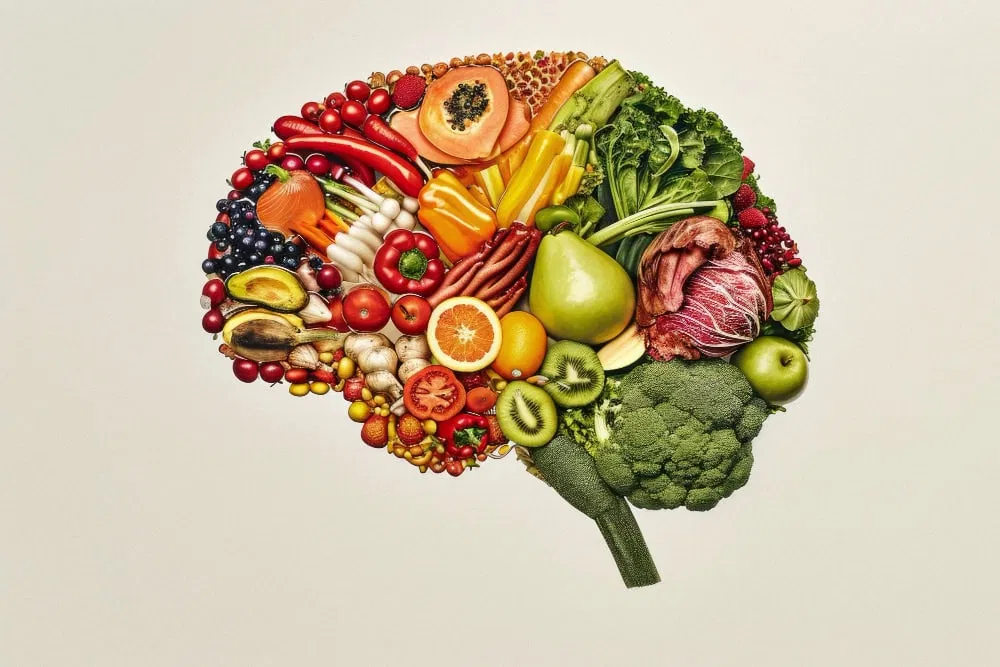



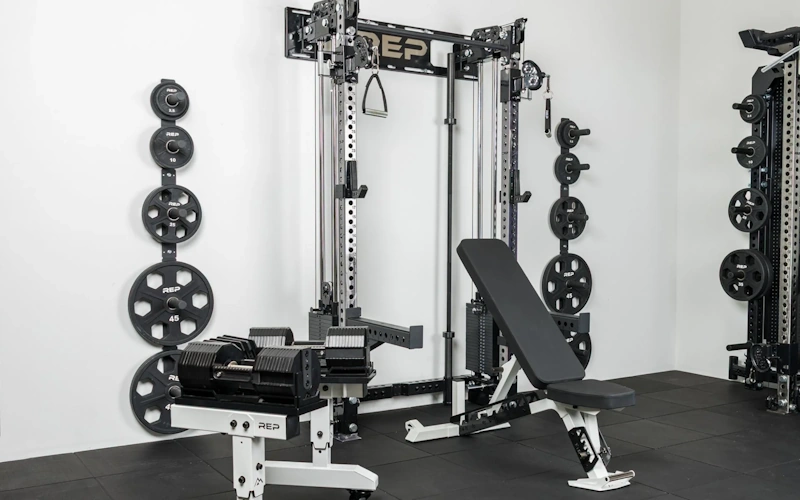

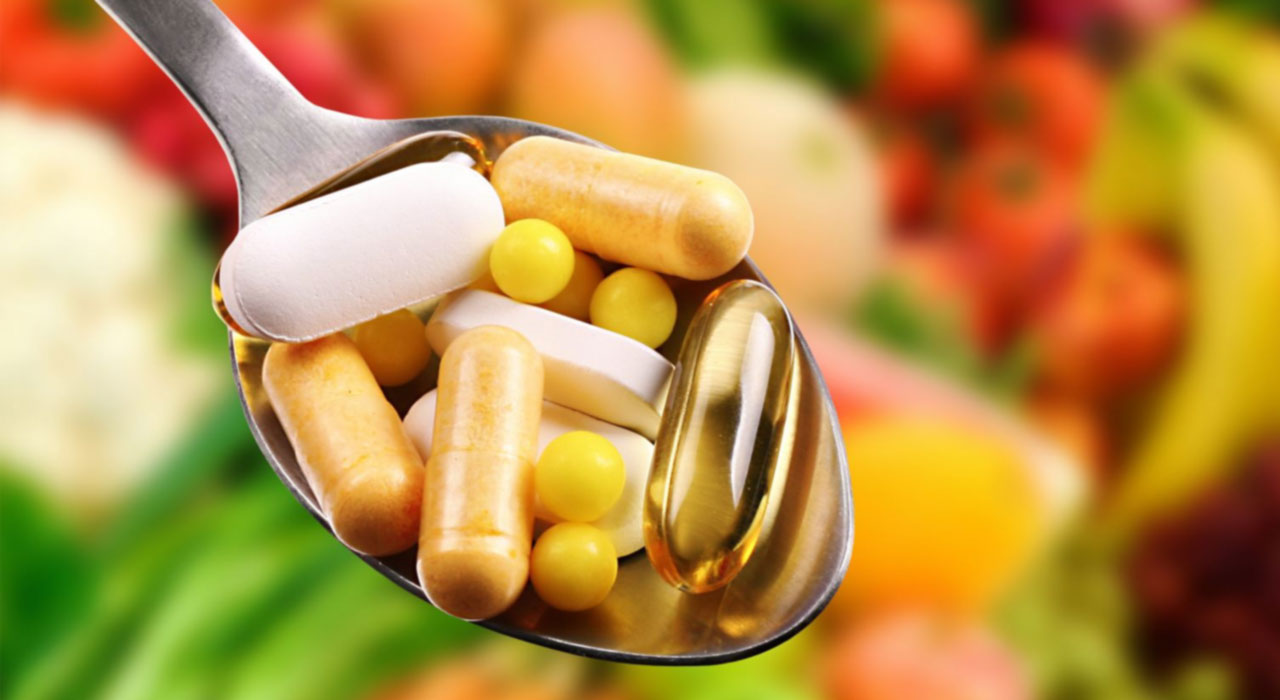





Tags
📧 Get More Articles Like This
Subscribe to receive product reviews and buying guides in your inbox!
We respect your privacy. Unsubscribe at any time.