Ultimate Fitness Guide 2026: Transform Your Body, Mind, and Life Through Science-Based Training

Introduction: Your Journey to Peak Physical Performance Starts Here
Stand in front of a mirror right now. Look at yourself honestly. Are you living in the body you want? Are you performing at the level you’re capable of? Are you experiencing the energy, strength, and vitality that should define your daily existence? For most people, the answer is no—not because they lack potential, but because they lack the right information, strategies, and tools to unlock that potential.
The fitness industry generates over $100 billion annually, yet obesity rates continue climbing, chronic diseases proliferate, and the average person feels weaker and more exhausted than any generation before. This paradox reveals a fundamental truth: more information doesn’t equal better results. In fact, the overwhelming flood of conflicting fitness advice—keto versus vegan, cardio versus weights, HIIT versus steady-state, fasted training versus fed training—creates paralysis rather than progress.
According to recent studies, approximately 80% of people who start fitness programs abandon them within the first six months. The reasons are predictable: unrealistic expectations, unsustainable approaches, lack of proper guidance, inadequate recovery, poor nutrition strategies, and programs that don’t align with individual lifestyles, preferences, or goals. People jump from trend to trend—30-day challenges, extreme diets, punishing workout regimens—searching for the magic solution that will finally deliver the transformation they desperately want.
But here’s the reality that the fitness industry doesn’t want you to know: sustainable fitness transformation isn’t complicated. It doesn’t require extreme measures, expensive gym memberships, personal trainers charging $150 per session, or exotic supplements promising miraculous results. What it requires is understanding fundamental principles of human physiology, applying proven training methodologies consistently, fueling your body appropriately, recovering intelligently, and building habits that integrate seamlessly into your actual life rather than requiring you to become a different person.
The human body is an extraordinary adaptation machine. Give it the right stimulus—progressive resistance, varied movement patterns, adequate recovery, proper nutrition—and it will respond by becoming stronger, leaner, more resilient, and more capable. This adaptation happens regardless of your starting point, current age, genetic background, or fitness history. The sixty-year-old can build muscle. The overweight beginner can develop cardiovascular endurance. The formerly athletic person who’s been sedentary for years can reclaim their fitness. Your body wants to adapt and improve—you just need to provide the right conditions.
While the following presentation highlights 12 key, science-based tips for 2026, there are facts and strategiesin the exclusive details at the bottom of this article – insights you may not have discovered yet: :
In 2026, we understand more about human performance, exercise physiology, nutrition science, and recovery strategies than ever before in history. Research has definitively answered questions that were mysteries just decades ago. We know which training methods produce specific adaptations. We understand how different macronutrients affect body composition and performance. We’ve identified recovery modalities that genuinely accelerate adaptation versus those that are merely marketing hype. We can measure, track, and optimize variables that were previously invisible.
This comprehensive guide synthesizes decades of exercise science research, practical coaching experience with thousands of individuals, and the latest 2026 understanding of optimal training, nutrition, and recovery strategies. Whether you’re a complete beginner taking your first steps toward fitness, an intermediate athlete seeking to break through plateaus, or an advanced trainee optimizing the final percentages of performance, this guide provides actionable, science-based information that produces real results.
We’ll cover progressive resistance training principles that build strength and muscle regardless of your starting point, cardiovascular training strategies that improve heart health and endurance without destroying your joints or metabolism, flexibility and mobility work that prevents injury and enhances movement quality, nutrition fundamentals that fuel performance and body composition changes, recovery protocols that maximize adaptation and prevent burnout, essential fitness equipment and gear that genuinely enhances training effectiveness, program design principles that create sustainable long-term progress, and mental strategies that transform fitness from a temporary project into a lifelong practice.
This isn’t another trendy fitness program that works for three weeks before becoming unsustainable. This is comprehensive education in how your body actually works and how to systematically improve every aspect of physical performance. By the end of this guide, you’ll understand more about training, nutrition, and recovery than 95% of people who consider themselves “into fitness.” More importantly, you’ll have practical strategies you can implement immediately to start transforming your body, health, and life.
The fitness journey isn’t about perfection—it’s about progression. It’s not about comparing yourself to Instagram influencers with professional lighting, filters, and possibly pharmaceutical enhancement. It’s about becoming a better, stronger, healthier version of yourself than you were yesterday, last week, last month, last year. That journey starts right now, with this guide, with the decision to invest in yourself and your physical potential.
Your body is the only place you have to live for your entire life. Doesn’t it deserve the investment of understanding how to maintain it, strengthen it, and optimize its performance? Let’s begin the transformation.

1. Understanding Fitness Fundamentals: The Science Behind Physical Transformation
The Three Pillars of Complete Fitness
Complete fitness isn’t just about looking good in a mirror or lifting impressive weights. It’s about developing comprehensive physical capability across multiple domains that enhance your quality of life, and daily function. The three fundamental pillars that support complete fitness are strength, cardiovascular endurance, and mobility—each requiring specific training approaches and each contributing uniquely to overall health and performance.
Strength: The Foundation of Physical Function
Strength represents your muscles’ ability to generate force against resistance. Beyond the obvious aesthetic benefits of developed musculature, strength training provides profound health advantages that extend well into old age. Research consistently demonstrates that maintaining muscle mass and strength as you age is one of the single most important factors in preserving independence, preventing falls, maintaining metabolic health, and extending both lifespan and healthspan.
Muscle tissue is metabolically active, meaning it burns calories even at rest. Every pound of muscle you add increases your basal metabolic rate by approximately 30-50 calories daily—seemingly small, but compounding significantly over time. For someone who adds 10 pounds of muscle, that’s 300-500 additional calories burned daily without any extra activity, equivalent to 31,000-52,000 calories annually, or approximately 9-15 pounds of fat loss potential from the metabolic increase alone.
Beyond metabolism, strength training profoundly impacts bone density. The mechanical stress placed on bones during resistance training stimulates osteoblast activity, increasing bone mineral density and reducing osteoporosis risk. This becomes critically important with aging—hip fractures in elderly populations carry mortality rates approaching 30% within one year. Strength training is literally a life-extending intervention through bone health preservation alone.
Strength also improves insulin sensitivity, glucose metabolism, cardiovascular function, mental health, cognitive function, and even immune system response. The benefits extend so far beyond appearance that strength training should be considered essential medicine rather than optional recreation. The World Health Organization now recommends resistance training at least twice weekly for all adults, recognizing its fundamental importance to human health.
Cardiovascular Endurance:
Cardiovascular fitness represents your heart, lungs, and circulatory system’s ability to deliver oxygen to working muscles and remove metabolic waste products efficiently. Often called “cardio,” cardiovascular training improves the efficiency of your body’s most critical systems—the ones keeping you alive with every heartbeat and breath.
VO2 max—the maximum amount of oxygen your body can utilize during intense exercise—is one of the strongest predictors of all-cause mortality ever identified in medical research. Studies following tens of thousands of people for decades consistently show that individuals in the highest VO2 max category have 4-5 times lower mortality risk than those in the lowest category. This relationship holds even after controlling for other health factors, making cardiovascular fitness one of the most powerful health interventions available.
Cardiovascular training strengthens the heart muscle, increasing stroke volume (the amount of blood pumped per heartbeat) and decreasing resting heart rate. A well-trained endurance athlete might have a resting heart rate of 40-50 beats per minute, while an untrained individual averages 70-80 beats per minute. Over a lifetime, this difference represents tens of millions of fewer heartbeats—less wear and tear on the cardiovascular system translating to longer cardiac health.
Beyond heart health, cardiovascular training improves mitochondrial density and function. Mitochondria are the cellular powerhouses converting nutrients into usable energy. More and better-functioning mitochondria mean more energy production, better metabolic flexibility, improved fat oxidation, enhanced recovery, and increased overall vitality. This cellular-level adaptation affects every aspect of your physical and mental performance.
Mobility: The Often-Neglected Foundation
Mobility represents your ability to move joints through their full range of motion with control. While often overlooked in favor of more glamorous strength or cardio training, mobility work is absolutely fundamental to injury prevention, movement quality, training effectiveness, and long-term physical function.
Limited mobility creates compensation patterns where your body finds alternative movement strategies to accomplish tasks. These compensations distribute force suboptimally, creating excessive stress on certain structures while underutilizing others. Over time, these dysfunctional patterns lead to overuse injuries, chronic pain, and progressive movement degradation that many people mistakenly attribute to “normal aging” when it’s actually reversible movement dysfunction.
Mobility training includes both flexibility (passive range of motion) and active mobility (controlled movement through ranges). The distinction matters—being able to passively stretch into a position doesn’t guarantee you can actively control that position under load. True mobility means owning your ranges of motion with strength and control, not just achieving extreme flexibility without stability.
As you age, mobility naturally decreases without specific maintenance work. This creates the gradual physical decline many accept as inevitable—difficulty getting up from the floor, reduced shoulder range limiting overhead activities, hip tightness affecting gait and balance. Yet with consistent mobility training, people in their 60s, 70s, and beyond can maintain movement quality rivaling individuals decades younger. Mobility is use-it-or-lose-it, but with regular practice, you absolutely can maintain it.
How Your Body Adapts to Training: The Principle of Progressive Overload
Understanding how adaptation works is crucial to designing effective training programs. Your body adapts to stress through a predictable process: you apply a training stimulus (stress), your body experiences fatigue and slight damage, during recovery your body repairs that damage and builds additional capacity (supercompensation) to handle future similar stress more effectively. This cycle—stress, recovery, adaptation—is fundamental to all training.
The key principle is progressive overload: to continue adapting, you must progressively increase the training stimulus over time. Your body only adapts as much as necessary to handle the stress you apply. If that stress remains constant, adaptation plateaus. This is why people who do the same workouts for years eventually stop seeing results—their body has fully adapted to that specific stress and has no reason to continue changing.
Progressive overload can be achieved through multiple variables:
- Increasing weight/resistance: The most obvious method—lift heavier weights over time** - **Increasing volume: More sets, reps, or total work performed** - **Increasing frequency: Training more often throughout the week** - **Increasing density: Performing the same work in less time (reduced rest periods)** - **Increasing range of motion: Performing exercises through greater movement ranges** - **Improving technique: Executing movements with better form and control
Beginners can progress quickly because their adaptation potential is highest—they’re furthest from their genetic limits. Intermediate trainees progress more slowly as they approach genetic potentials in various capacities. Advanced athletes measure progress in tiny increments because they’re operating near their physiological ceilings. This is normal and expected—don’t compare your progress to others at different training stages.
The Recovery Equation: Where Adaptation Actually Happens
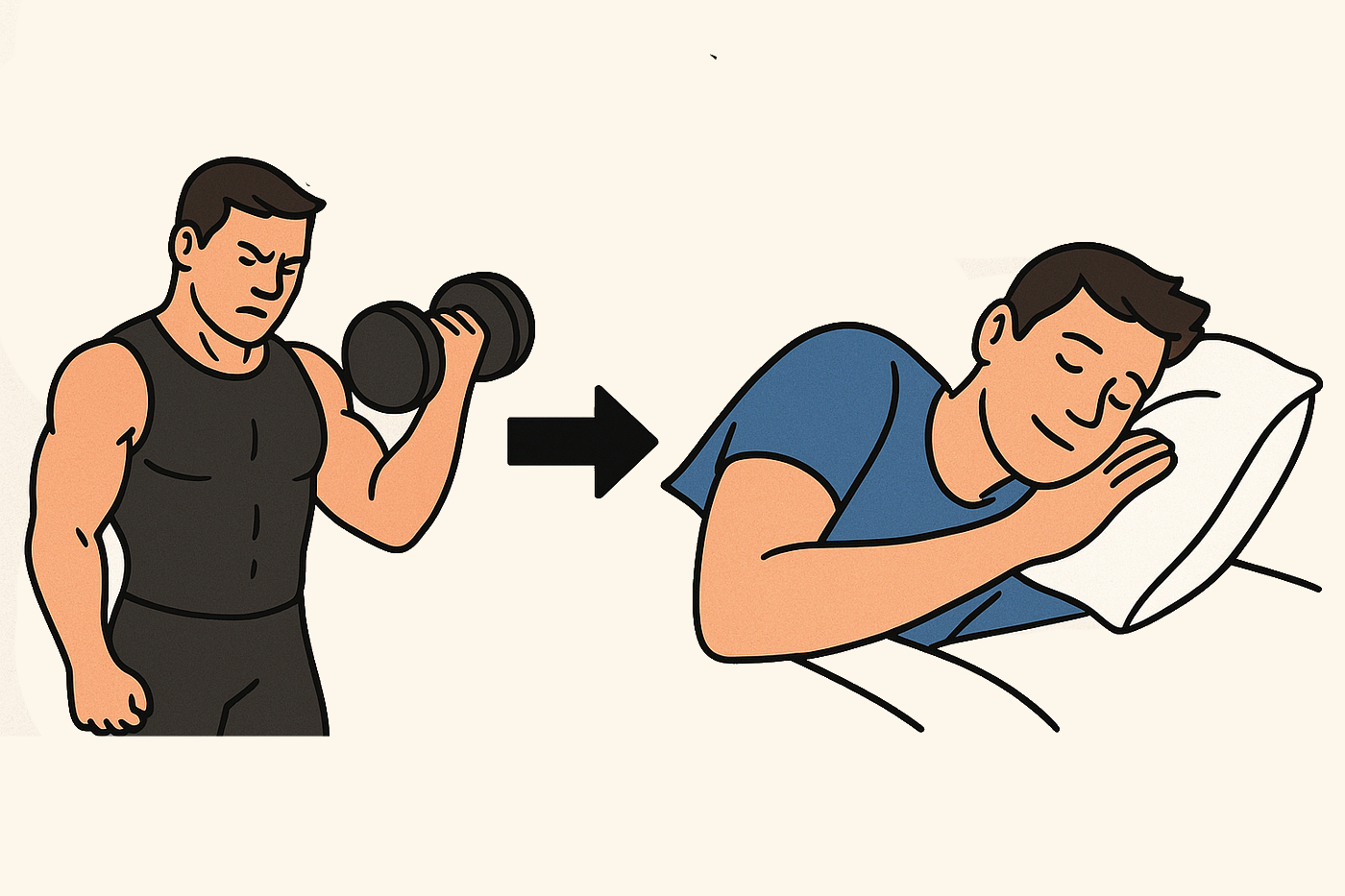
Perhaps the most misunderstood aspect of fitness is that adaptation doesn’t happen during training—it happens during recovery. Training provides the stimulus that triggers adaptation, but the actual building of muscle, strengthening of connective tissues, improvement of cardiovascular capacity, and enhancement of neural pathways occurs during rest periods between training sessions.
This is why recovery must be treated as seriously as training itself. Inadequate recovery undermines adaptation, leads to overtraining syndrome, increases injury risk, and creates the frustrating experience of training hard without seeing corresponding results. Many people dramatically under-recover relative to their training stress, creating a chronic state of incomplete adaptation.
Recovery includes multiple components:
Sleep: The most critical recovery tool. During deep sleep, your body releases growth hormone, repairs muscle tissue, consolidates motor learning, and clears metabolic waste from the brain. Sleep deprivation dramatically impairs performance, increases injury risk, hampers body composition changes, and reduces training adaptation. For serious training, 7-9 hours of quality sleep nightly is non-negotiable. One study found that athletes getting less than 8 hours of sleep had nearly double the injury rate of those getting 8+ hours.
This video explains The relationship of sleep to recovery and performance in elite athletes Mary Morrell:
Nutrition: Proper fueling provides the raw materials for adaptation. Protein supplies amino acids for muscle protein synthesis. Carbohydrates replenish glycogen stores depleted during training. Fats support hormone production and cellular function. Micronutrients enable countless enzymatic processes required for adaptation. Without adequate nutrition, training creates breakdown without sufficient rebuilding.
Active recovery: Light activity that promotes blood flow without creating significant training stress. Walking, easy cycling, swimming, or yoga can accelerate recovery by delivering nutrients to recovering tissues and removing metabolic waste products without adding fatigue.
Stress management: Training is physical stress. When combined with life stress (work, relationships, finances, health concerns), total stress can exceed your recovery capacity. Managing life stress through meditation, social connection, nature exposure, or other stress-reduction practices indirectly improves training recovery and adaptation.
Periodization: Strategically varying training intensity, volume, and focus prevents adaptation plateaus and manages fatigue. Rather than training maximally year-round (which leads to burnout), periodization alternates between phases emphasizing different qualities—strength, hypertrophy, power, endurance—allowing some capacities to be maintained while others are developed, and regularly incorporating recovery periods where training stress decreases to allow full adaptation.
Shop on AliExpress via link: wholesale-fitness-recovery-equipment

2. Strength Training Mastery: Building Muscle, Power, and Resilience
The Fundamental Movement Patterns
Rather than thinking about training individual muscles, effective strength programs build around fundamental movement patterns that represent how humans naturally move. These patterns ensure balanced development, functional strength, and reduced injury risk compared to bodybuilding-style muscle isolation.
The Seven Essential Movement Patterns:
1. Squat (Knee-Dominant Lower Body): Sitting and standing, the most fundamental human movement. Squatting patterns develop quadriceps, glutes, and overall lower body strength while improving hip, knee, and ankle mobility. Variations include back squats, front squats, goblet squats, split squats, and lunges.
2. Hinge (Hip-Dominant Lower Body): Bending at the hips while maintaining a neutral spine—the movement pattern for lifting objects from the ground. Hinge patterns primarily develop the posterior chain (glutes, hamstrings, lower back) while teaching proper spinal mechanics under load. Variations include deadlifts, Romanian deadlifts, good mornings, and hip thrusts.
3. Horizontal Push (Pushing Away): Pressing movements in the horizontal plane, primarily developing chest, shoulders, and triceps. The fundamental “pushing something away” pattern. Variations include push-ups, bench press, and dumbbell presses.
4. Horizontal Pull (Pulling Toward): Pulling movements in the horizontal plane, developing back musculature, rear shoulders, and biceps. The essential “pulling something to you” pattern that balances horizontal pushing. Variations include rows, inverted rows, and cable pulls.
5. Vertical Push (Pressing Overhead): Pressing movements overhead, developing shoulders and upper chest while requiring core stability. The pattern for placing objects on high shelves or pressing upward. Variations include overhead press, push press, and handstand push-ups.
6. Vertical Pull (Pulling Downward): Pulling movements from overhead positions, developing the lats, upper back, and biceps. The pattern for climbing and pulling yourself upward. Variations include pull-ups, chin-ups, lat pulldowns.
7. Carry/Core: Resisting rotation and maintaining spinal stability under load while moving. This anti-movement pattern develops core strength more effectively than crunches while having tremendous carryover to real-world function. Variations include farmer’s carries, suitcase carries, planks, Pallof presses, and dead bugs.
A complete strength program includes all seven patterns in appropriate proportions, ensuring balanced development and comprehensive strength. Most programs emphasize lower body (squat and hinge) patterns twice as much as upper body patterns since legs are larger, stronger, and used more in daily life.
Designing Your Strength Training Program
Training Frequency: For beginners, 2-3 full-body training sessions weekly provides optimal stimulus and recovery balance. Each session includes variations of the seven fundamental patterns. Intermediate trainees often benefit from 3-4 sessions weekly, potentially splitting into upper/lower or push/pull/legs divisions. Advanced trainees might train 4-6 times weekly with more sophisticated splits and periodization.
Sets and Reps: Training different rep ranges produces different primary adaptations:
- 1-5 reps (Heavy): Primarily builds maximal strength and neural efficiency** - **6-12 reps (Moderate): The “hypertrophy range” most effective for muscle growth** - **12-20+ reps (Light): Develops muscular endurance and work capacity
Most people benefit from spending the majority of training time in the 6-12 rep range with periodically incorporating both heavier strength work (1-5 reps) and lighter endurance work (12-20 reps). This varied approach develops all strength qualities while preventing adaptation plateaus.
Exercise Selection: Each training session should include:
- One squat pattern exercise
- One hinge pattern exercise
- One horizontal push exercise
- One horizontal pull exercise
- One vertical push OR vertical pull exercise
- Core/carry work
This ensures balanced development and complete movement coverage. Within each pattern, you can select from numerous exercise variations based on available equipment, individual biomechanics, injury history, and training goals.
Sample Beginner Full-Body Program (3x weekly):
Day A:
- Goblet Squat: 3 sets x 8-12 reps
- Dumbbell Romanian Deadlift: 3 sets x 8-12 reps
- Push-ups: 3 sets x 8-15 reps
- Dumbbell Rows: 3 sets x 8-12 reps per arm
- Dumbbell Shoulder Press: 3 sets x 8-12 reps
- Plank: 3 sets x 30-60 seconds
Day B:
- Dumbbell Lunges: 3 sets x 8-12 reps per leg
- Dumbbell Deadlifts: 3 sets x 8-12 reps
- Dumbbell Bench Press: 3 sets x 8-12 reps
- Inverted Rows: 3 sets x 8-12 reps
- Lat Pulldowns or Assisted Pull-ups: 3 sets x 8-12 reps
- Farmer’s Carry: 3 sets x 30-60 seconds
Day C:
- Dumbbell Front Squat: 3 sets x 8-12 reps
- Hip Thrusts: 3 sets x 10-15 reps
- Incline Push-ups: 3 sets x 10-15 reps
- Cable Rows: 3 sets x 10-15 reps
- Arnold Press: 3 sets x 8-12 reps
- Dead Bugs: 3 sets x 10 reps per side
This program covers all fundamental patterns multiple times weekly with appropriate volume for beginners. Progress by gradually adding weight, reps, or sets over time—progressive overload in action.
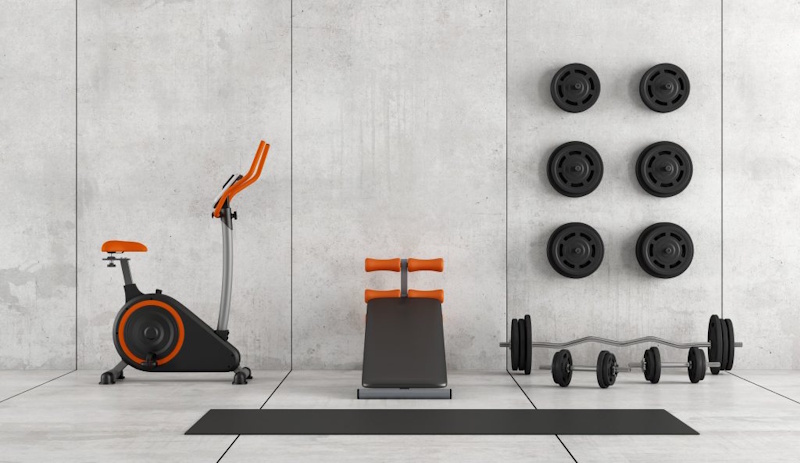
Essential Strength Training Equipment for Home Workouts
You don’t need an expensive gym membership or massive home gym to build impressive strength. Strategic equipment purchases create a highly effective training environment at home, saving time and money while providing training flexibility.
Adjustable Dumbbells: The single most versatile strength training tool. Quality adjustable dumbbells ranging from 5-50+ pounds per hand enable hundreds of exercises covering all movement patterns. Look for sets with secure locking mechanisms and comfortable grip handles. Many people build complete physiques using only adjustable dumbbells.
Resistance Bands: Extremely versatile and portable, resistance bands provide variable resistance that increases through movement ranges. They’re perfect for warm-ups, activation exercises, assistance for difficult movements like pull-ups, adding resistance to bodyweight exercises, and as primary training tools when traveling. A set including multiple resistance levels costs under $30 and fits in a small bag.
Pull-up Bar: Doorway pull-up bars install in seconds without permanent mounting and enable one of the single best upper body exercises. Beyond pull-ups, these bars support hanging (excellent for shoulder and spine health), inverted rows using a sheet or towel, and various core exercises. At $20-40, this is among the highest-value fitness investments possible.
Kettlebell: A single 35-50 pound kettlebell (adjust based on your current strength) opens up ballistic training like swings, snatches, and cleans while also serving as a weight for goblet squats, overhead presses, and Turkish get-ups. The unique weight distribution of kettlebells creates different training stimulus than dumbbells, making them a valuable addition rather than redundant.
Weight Bench: A simple adjustable bench enables incline, decline, and flat pressing and rowing variations that aren’t possible lying on the floor. Quality benches cost $100-200 and dramatically expand exercise options, particularly for upper body training.
Barbell and Plates (Optional Upgrade): For those ready to invest more significantly, a barbell with plates enables the absolute best lower body strength exercises—back squats, deadlifts, and their variations. A basic setup (barbell, rack, plates) costs $300-600 but provides unmatched lower body training capacity.
Shop on AliExpress via link: wholesale-adjustable-dumbbells-home-gym
The Role of Proper Form and Injury Prevention
Perfect technique serves two critical purposes: maximizing training effectiveness by targeting intended muscles and movement patterns, and minimizing injury risk by distributing forces optimally through structures designed to handle them. Poor form achieves neither—it reduces training effectiveness AND increases injury likelihood.
Key Form Principles Across All Exercises:
Neutral spine: Your spine has natural curves that should be maintained under load—not exaggerated into hyperextension or flexed into rounding. Neutral spine distributes compressive forces evenly across vertebral discs and allows spinal stabilizing muscles to work effectively. Practice finding neutral spine without load, then maintain it as you add resistance.
Full range of motion: Moving through complete ranges at joints (without compromising form) creates balanced strength development, maintains mobility, and produces better hypertrophy adaptations than partial range training. Unless you have specific injury limitations, strive for full, controlled ranges of motion.
Controlled tempo: Especially during the lowering (eccentric) phase of movements, control the weight rather than letting gravity do the work. The eccentric phase creates significant training stimulus and controlling it builds strength throughout the movement range while dramatically reducing injury risk from uncontrolled lowering.
Appropriate loading: Ego lifting—using weights too heavy to maintain proper form—is the fastest route to injury and ironically produces worse results than training with appropriate loads and excellent form. Always prioritize form over load. Add weight only when you can maintain perfect technique throughout all prescribed reps.
Progressive warm-up: Don’t jump immediately into working weights. Perform general warm-up (5-10 minutes of light cardio and dynamic stretching), then specific warm-up sets with increasing weights before your working sets. This prepares joints, muscles, and neural patterns while identifying any issues before training with challenging loads.
Listen to your body: Distinguish between productive training discomfort (muscle burn, cardiovascular challenge, general fatigue) and warning sign pain (joint pain, sharp localized pain, pain that persists beyond training). Training through productive discomfort builds adaptation; training through warning pain creates injuries.

3. Cardiovascular Training Strategies: Building an Unstoppable Engine
Understanding Different Cardiovascular Training Methods
Cardiovascular training isn’t just “cardio”—multiple distinct training methods produce different physiological adaptations. Understanding these methods allows you to design cardiovascular programs targeting your specific goals rather than randomly doing cardio and hoping for results.
Low-Intensity Steady State (LISS): Training at approximately 60-70% of maximum heart rate for extended durations (30-90+ minutes). LISS primarily develops aerobic base fitness, improves fat oxidation, builds cardiovascular efficiency, and has minimal impact on recovery. This is the foundation cardiovascular training that supports all other training. Examples include easy jogging, cycling, swimming, or rowing where you could maintain a conversation.
LISS often gets dismissed in favor of more intense training, but it provides unique benefits: extremely high calorie burn (due to long duration), improved mitochondrial density, enhanced fat metabolism, minimal muscle loss or interference with strength training, sustainable adherence, and powerful stress-reduction effects. For many people, LISS should comprise 60-80% of total cardiovascular training volume.
Moderate-Intensity Continuous Training (MICT): Training at approximately 70-85% of maximum heart rate for moderate durations (20-60 minutes). This represents the “traditional cardio” most people think of—steady-state running, cycling, or rowing at a challenging but sustainable pace. MICT improves cardiovascular fitness, burns significant calories, and builds mental toughness while being more time-efficient than LISS.
MICT occupies a middle ground that’s neither the most effective for maximum cardiovascular adaptation (that’s high-intensity training) nor optimal for recovery and fat oxidation (that’s LISS). However, it’s practical, time-efficient, and psychologically satisfying for many people who enjoy pushing themselves to moderate discomfort levels.
High-Intensity Interval Training (HIIT): Alternating between short periods of very high intensity (85-95% maximum heart rate) and recovery periods, typically for 10-30 minutes total. HIIT produces remarkable cardiovascular adaptations in minimal time, significantly improves VO2 max, creates substantial EPOC (excess post-exercise oxygen consumption) leading to extended calorie burn after training, and builds both aerobic and anaerobic capacity simultaneously.
A typical HIIT session might involve 30 seconds of all-out sprinting followed by 90-120 seconds of active recovery, repeated 6-10 times. The work periods should be genuinely intense—not just “somewhat hard” but approaching your maximum sustainable effort for that duration. The recovery periods allow partial recovery so you can maintain high intensity in subsequent work intervals.
HIIT is extremely effective but also extremely demanding on recovery. Most people can handle 2-3 HIIT sessions weekly maximum before accumulating excessive fatigue that undermines all training. HIIT should supplement, not replace, lower-intensity cardiovascular training that builds aerobic base.
Sprint Interval Training (SIT): Even more intense than HIIT, SIT involves true maximum-effort sprints of 10-30 seconds followed by several minutes of complete or nearly complete recovery. SIT sessions are brief (typically 10-20 minutes including warm-up and recovery periods) but brutally intense. The training effect is primarily neuromuscular and anaerobic, building explosive power and maximum intensity capacity.
SIT is advanced training appropriate for already-fit individuals. The injury risk and recovery demands are significant, but the adaptations—particularly for power development and anaerobic capacity—are unmatched by other cardiovascular training methods.
Designing Your Cardiovascular Training Program
The optimal cardiovascular training approach depends on your goals, current fitness level, time availability, and how it integrates with your strength training and recovery capacity.
For General Health: Prioritize LISS and MICT, accumulating 150-300 minutes of moderate-intensity activity weekly. This recommendation comes from decades of research consistently showing this volume provides maximum health benefits with minimal injury risk. Add 1-2 HIIT sessions weekly if desired for additional cardiovascular adaptation and time efficiency.
For Fat Loss: Combine LISS (high calorie burn, preserves muscle, sustainable) with HIIT (high calorie burn per minute, significant EPOC effect, maintains metabolic rate). A sample week might include 3-4 LISS sessions of 30-60 minutes and 2 HIIT sessions of 15-20 minutes. Remember that nutrition drives fat loss—cardiovascular training supports the process and improves body composition, but calorie balance determines fat loss.
For Athletic Performance: Develop a complete aerobic foundation first with primarily LISS training, then progressively add MICT, HIIT, and potentially SIT as your base builds. Sport-specific conditioning should mimic the energy system demands of your sport—endurance athletes need primarily aerobic development, power athletes need more anaerobic capacity, and most sports require both systems developed appropriately.
For Maximum Cardiovascular Fitness: Emphasize HIIT and threshold training (high MICT intensity) once you’ve built an aerobic base. These training methods most effectively improve VO2 max and maximum cardiovascular capacity. However, maintain some LISS training to preserve aerobic base and support recovery between high-intensity sessions.
Sample Weekly Cardiovascular Program (Intermediate Level):
- Monday: 45-minute LISS run/cycle** - **Tuesday: Rest or 20-minute easy walk** - **Wednesday: 20-minute HIIT session (30s hard / 90s easy x 8 rounds)** - **Thursday: 30-minute moderate-intensity steady-state** - **Friday: Rest or 20-minute easy walk** - **Saturday: 60-minute LISS run/cycle** - **Sunday: 20-minute HIIT session (different modality than Wednesday)
This program provides approximately 195 minutes of cardiovascular training with a mix of intensities creating comprehensive adaptations.
Cardiovascular Training Equipment and Gear Essentials
Quality Running Shoes: If running is your primary cardiovascular activity, proper footwear is crucial for injury prevention and comfort. Visit a running specialty store for gait analysis and proper fitting. Quality running shoes cost $100-150 but typically last 300-500 miles—a worthwhile investment considering they protect your knees, ankles, and feet from the repetitive impact of thousands of foot strikes.
Replace running shoes based on mileage rather than visible wear. The cushioning degrades before shoes look worn out, reducing impact protection and increasing injury risk. Track your mileage and replace shoes proactively.
Heart Rate Monitor: While not essential, heart rate monitors provide valuable training feedback, helping you train at appropriate intensities rather than guessing based on perceived effort. Chest strap monitors are most accurate; wrist-based monitors (like those in fitness watches) are less precise but more convenient. Basic heart rate monitors cost $30-50; more advanced options with GPS and training features run $200-500.
Moisture-Wicking Clothing: Cotton absorbs sweat and stays wet, creating discomfort and potential chafing during longer cardiovascular sessions. Moisture-wicking synthetic fabrics pull sweat away from skin and dry quickly, dramatically improving comfort during and after training. A few quality shirts and shorts transform training experience, particularly in hot or humid conditions.
Shop on AliExpress via link: wholesale-moisture-wicking-workout-clothing
Compression Gear: Compression clothing (tights, sleeves, socks) provides mild support to muscles and improves venous return, potentially reducing muscle vibration during running and accelerating recovery. Research shows mixed results, but many athletes report subjective benefits. Compression gear is optional rather than essential, but if it makes training more comfortable and recovery better, it’s worth trying.
Foam Roller and Mobility Tools: Cardiovascular training, particularly running, creates significant muscle tightness that benefits from regular mobility and self-massage work. Foam rollers, massage balls, and other myofascial release tools help maintain tissue quality, reduce soreness, and identify developing problems before they become injuries.
Shop on AliExpress via link: wholesale-foam-roller-massage-tools
4. Flexibility and Mobility: The Foundation of Movement Quality
Why Mobility Training Matters More Than You Think
Mobility is the most under-trained aspect of fitness despite being foundational to everything else. You can’t perform strength exercises properly through restricted ranges of motion. You can’t run efficiently with tight hips and ankles. You can’t maintain good posture with a tight chest and weak upper back. Yet most people ignore mobility work entirely until pain or injury forces attention to it.
The compounding benefits of consistent mobility training include: reduced injury risk through improved movement mechanics, enhanced training effectiveness by accessing full ranges of motion, faster recovery through improved tissue quality, reduced chronic pain from correcting movement compensations, improved posture from balancing tight and weak areas, better athletic performance through efficient movement, and preserved independence in older age through maintained movement capability.
Dynamic Warm-Up: Preparing Your Body for Training
Every training session should begin with a dynamic warm-up that gradually increases heart rate, raises tissue temperature, lubricates joints, activates neuromuscular patterns, and mentally prepares you for training. Dynamic warm-ups use controlled movement through progressively increasing ranges rather than static stretching (holding stretches), which research shows can temporarily reduce power output and doesn’t effectively prepare you for training.
Sample Dynamic Warm-Up (10 minutes):
- Light cardio (3-5 minutes): Easy jogging, cycling, or rowing to raise heart rate and tissue temperature** 2. **Leg swings (10 each direction per leg): Forward/back and side-to-side to mobilize hips** 3. **Arm circles (10 each direction): Small to large circles mobilizing shoulders** 4. **Bodyweight squats (10-15 reps): Activating lower body movement patterns** 5. **Inchworms (5-8 reps): Dynamic hamstring stretch combined with core activation** 6. **Walking lunges (10 per leg): Mobilizing hips while activating glutes** 7. **Cat-cow stretches (10 reps): Mobilizing spine through flexion and extension** 8. **Scapular push-ups (10 reps): Activating shoulder blade muscles** 9. **Jumping jacks (20-30 reps): Final heart rate elevation before training
This sequence takes just 10 minutes but dramatically reduces injury risk while improving training performance by properly preparing your body for the work ahead.
Static Stretching: Post-Training Flexibility Work
Static stretching—holding positions at end ranges of motion—is most effective after training when tissues are warm and pliable. Post-training stretching improves flexibility, aids recovery, reduces muscle tension, and provides mental transition from training to regular activity.
Key Static Stretches to Perform Post-Workout:
Hip Flexor Stretch (30-60 seconds per side): Kneeling lunge position stretching the front of the hip. Tight hip flexors are nearly universal in modern sedentary populations and contribute to lower back pain and altered movement patterns.
Hamstring Stretch (30-60 seconds per leg): Seated or standing, straightening one leg while hinging at the hip. Tight hamstrings limit hip mobility and contribute to lower back stress.
Quadriceps Stretch (30-60 seconds per leg): Standing, pulling one foot toward glutes. Particularly important after lower body strength training or running.
Chest Stretch (30-60 seconds): Using a doorway or wall, arm extended at shoulder height. Chest tightness from desk work, driving, and pressing exercises contributes to rounded shoulder posture.
Thoracic Spine Extension (30-60 seconds): Using a foam roller positioned horizontally under mid-back, gently extending backward. Mobilizes the mid-back region that becomes stiff from sitting and forward-focused activities.
Child’s Pose (60-90 seconds): Kneeling position, sitting back on heels with arms extended forward. Gently stretches lower back, hips, and shoulders while providing relaxation benefits.
Perform static stretching after training when muscles are warm rather than before training when it can temporarily reduce force production capability.
Mobility Routines for Common Problem Areas
Shoulder Mobility Routine: Modern life creates rounded, internally rotated shoulders from computer work, driving, and phone use. This shoulder routine restores balance:
- Wall angels (10 reps)
- Band pull-aparts (15 reps)
- Doorway chest stretch (60 seconds)
- Thread the needle stretch (30 seconds per side)
- Shoulder circles (10 each direction)
Hip Mobility Routine: Sitting for hours daily creates tight hip flexors and weak glutes. This routine addresses both:
- 90/90 hip stretch (60 seconds per side)
- Pigeon pose (60 seconds per side)
- Fire hydrants (10 per leg)
- Glute bridges (15 reps)
- Deep squat hold (60-90 seconds)
Ankle Mobility Routine: Restricted ankle mobility limits squat depth and contributes to knee pain. This quick routine improves ankle dorsiflexion:
- Ankle circles (10 each direction per ankle)
- Calf stretch on wall (30 seconds per leg)
- Knee-to-wall drill (10 reps per leg)
- Toe raises (15 reps)
Spend 5-10 minutes daily on mobility work targeting your specific restrictions. Consistency matters more than duration—brief daily practice produces better results than occasional lengthy sessions.

5. Nutrition for Performance: Fueling Your Fitness Journey
Macronutrient Fundamentals: Protein, Carbohydrates, and Fats
Understanding macronutrients—protein, carbohydrates, and fats—is essential for optimizing body composition, performance, and recovery. Each macronutrient serves specific functions and should be consumed in appropriate amounts based on your goals and training demands.
Protein: The Building Block of Adaptation
Protein provides amino acids necessary for muscle protein synthesis—the process of building and repairing muscle tissue after training. Inadequate protein intake prevents your body from fully adapting to training stimulus, essentially wasting the time and effort spent training.
Research consistently shows that active individuals training for muscle growth or strength need approximately 0.7-1.0 grams of protein per pound of body weight daily (1.6-2.2 g/kg). For a 150-pound person, that’s 105-150 grams of protein daily. Endurance athletes have slightly lower requirements (0.5-0.7 g/lb) but still need substantially more than sedentary individuals.
Protein timing matters less than total daily intake. The “anabolic window” where protein must be consumed immediately post-workout is largely myth—total daily protein intake drives muscle protein synthesis more than specific timing. That said, distributing protein relatively evenly across 3-5 meals throughout the day slightly optimizes muscle protein synthesis compared to consuming most protein in one large meal.
High-quality protein sources include lean meats (chicken, turkey, lean beef), fish, eggs, Greek yogurt, cottage cheese, protein powder, and legumes. Different sources have varying amino acid profiles and digestion rates, but any combination of high-quality sources meeting total daily requirements works well.
Carbohydrates: The Performance Fuel
Carbohydrates are your body’s preferred fuel source for moderate- to high-intensity training. During intense exercise, your body preferentially uses carbohydrates (stored as glycogen in muscles and liver) because they can be converted to energy more rapidly than fats. Adequate carbohydrate intake improves training performance, speeds recovery, preserves muscle mass, and supports hormonal health.
Carbohydrate needs vary dramatically based on training volume and intensity. Sedentary individuals or those doing minimal exercise need relatively few carbohydrates. Endurance athletes training 10+ hours weekly need substantial carbohydrates to fuel training and recovery. Most people engaged in regular strength training and moderate cardiovascular activity do well with 1.0-2.0 grams of carbohydrates per pound of body weight daily.
Carbohydrate quality matters for health and satiety. Prioritize minimally processed carbohydrates like whole grains, fruits, vegetables, and legumes that provide fiber, vitamins, minerals, and sustained energy. These whole food sources create greater satiety per calorie than refined carbohydrates like white bread, sugary cereals, and sweets.
Carbohydrate timing is more relevant than protein timing. Consuming carbohydrates around training (1-2 hours before and within 2 hours after) ensures glycogen availability for training and rapid replenishment post-training, improving performance and recovery.
Fats: Essential for Hormones and Health
Dietary fats support hormone production (including testosterone and estrogen), provide fat-soluble vitamins (A, D, E, K), reduce inflammation, support cognitive function, and provide concentrated energy for lower-intensity activities. Despite decades of misguided “low-fat” dietary advice, adequate fat intake is essential for optimal health and performance.
Active individuals should consume approximately 0.3-0.5 grams of fat per pound of body weight daily, or roughly 20-35% of total calories from fat. Going below this range can negatively impact hormone production and overall health. Very high fat intake (50%+ of calories) is unnecessary for most people and reduces carbohydrate availability for training performance.
Emphasize unsaturated fats from sources like olive oil, avocados, nuts, seeds, and fatty fish. These provide anti-inflammatory omega-3 fatty acids and other beneficial compounds. Minimize trans fats from processed foods and don’t fear saturated fats from whole foods like eggs, dairy, and meat—these aren’t the health demons they were once portrayed as, though they shouldn’t dominate fat intake.
Calorie Balance: The Foundation of Body Composition
Body weight and body composition are primarily determined by calorie balance—the relationship between calories consumed and calories expended. This isn’t the only factor (hormones, sleep, stress, food quality all matter), but it’s the dominant factor that determines whether you gain, lose, or maintain weight.
To lose fat: Create a modest calorie deficit of 300-500 calories daily through some combination of eating less and moving more. Larger deficits create faster initial weight loss but are difficult to sustain, often lead to muscle loss along with fat loss, create greater metabolic adaptation, and typically result in weight regain when the diet ends. Slow, steady fat loss of 0.5-1% of body weight weekly is optimal for preserving muscle and maintaining metabolic rate.
To gain muscle: Maintain a slight calorie surplus of 200-300 calories daily, providing extra energy for training performance and muscle growth without accumulating excessive fat. Larger surpluses don’t accelerate muscle growth (which has biological limits) and just create unnecessary fat gain. Natural muscle growth is slow—1-2 pounds monthly for beginners, less for advanced trainees—so aggressive bulking is counterproductive.
To maintain: Match calorie intake to calorie expenditure. This is appropriate for most of the year for most people, as it allows you to maintain current body composition while focusing on performance improvements rather than appearance changes.
Calculate your maintenance calories using online TDEE (total daily energy expenditure) calculators as a starting point, then adjust based on actual results. Track weight weekly (same day, same time, same conditions) and average across the week to account for daily fluctuations. If your goal is fat loss and weight isn’t decreasing over 2-3 weeks, reduce intake by 100-200 calories. If your goal is muscle gain and weight isn’t increasing, add 100-200 calories. Adjust incrementally based on actual results rather than strictly following calculator estimates.
Hydration: The Most Overlooked Performance Factor
Even mild dehydration (2% of body weight) significantly impairs physical performance, cognitive function, and recovery. Your body is approximately 60% water—every physiological process depends on adequate hydration. Yet most people operate in a chronically under-hydrated state.
General recommendations suggest approximately 0.5-1.0 ounces of water per pound of body weight daily, adjusted upward for training, heat, and humidity. For a 150-pound person, that’s 75-150 ounces (roughly 2-4 liters) daily. During training, drink an additional 16-20 ounces per hour of exercise.
Monitor urine color as a simple hydration assessment. Pale yellow indicates good hydration; dark yellow suggests dehydration. You should urinate every 2-3 hours during waking hours. Less frequent urination or dark urine means you need more fluid intake.
Don’t wait until you’re thirsty to drink—thirst is a late-stage dehydration signal. Sip water consistently throughout the day. Keep water readily accessible—having a water bottle visible and nearby dramatically increases consumption.
Supplements: What Actually Works
The supplement industry generates billions in revenue selling mostly unnecessary products with exaggerated claims. However, a few supplements have solid research support and provide genuine benefits for active individuals.
Worth Considering:
Protein powder: Convenient, cost-effective protein source for meeting daily requirements. Whey protein is absorbed rapidly, making it ideal post-workout. Casein protein digests slowly, beneficial before bed. Plant-based options (pea, rice, hemp) work for vegetarians/vegans.
Creatine monohydrate: The most researched and effective sports supplement. Creatine increases muscle creatine phosphate stores, improving performance in high-intensity, short-duration efforts (lifting, sprinting) while supporting muscle growth. Take 5 grams daily—timing doesn’t matter. Side effects are minimal (possible water retention). Cost is trivial ($10-15 for a 3-month supply).
Caffeine: Improves endurance performance, power output, focus, and perceived exertion. Consumed 30-60 minutes pre-training (150-300mg for most people), caffeine provides noticeable performance benefits. Already drinking coffee? That counts. Not a supplement you need to buy separately unless you want precise dosing.
Vitamin D: Many people, particularly those in northern climates, are deficient in vitamin D, which impacts bone health, immune function, and mood. If you don’t get regular sun exposure, 1000-2000 IU daily supplementation is reasonable. Have blood levels tested to determine if supplementation is necessary.
Omega-3 fatty acids: If you don’t regularly eat fatty fish, fish oil supplements providing EPA and DHA omega-3s support cardiovascular health, reduce inflammation, and potentially aid recovery. Standard dose is 1-2 grams combined EPA/DHA daily.
Probably Not Worth It:
Most pre-workout supplements, BCAAs (if protein intake is adequate), testosterone boosters (they don’t work), fat burners (ineffective and potentially dangerous), and most other supplements are unnecessary marketing hype with minimal supporting research.
Shop on AliExpress via link: wholesale-protein-shaker-bottle

6. Recovery and Regeneration: Maximizing Training Adaptations
Sleep: The Ultimate Performance Enhancer
Sleep is when your body actually adapts to training stimulus. During deep sleep, growth hormone release peaks, muscle protein synthesis accelerates, metabolic waste is cleared from the brain, motor learning is consolidated, and immune function strengthens. Inadequate sleep doesn’t just make you tired—it directly impairs training adaptation, performance, body composition, and injury prevention.
Research on athletes shows that sleep deprivation (<7 hours nightly) increases injury risk by nearly 2x, impairs reaction time and decision-making equivalently to alcohol intoxication, reduces time to exhaustion during endurance exercise by 10-30%, and decreases muscle protein synthesis despite adequate protein intake.
Optimizing Sleep Quality:
Consistency: Go to bed and wake at the same times daily, even on weekends. Your body’s circadian rhythm functions best with predictable sleep-wake cycles. Irregular sleep schedules create social jet lag that impairs sleep quality even when total sleep duration is adequate.
Environment: Cool (65-68°F), dark (blackout curtains or eye mask), and quiet (white noise if needed) environments optimize sleep. Your bedroom should be associated with sleep, not wakefulness—remove TVs, computers, and other wakeful activities from the bedroom.
Evening routine: Wind down 60-90 minutes before bed. Dim lights, avoid screens (blue light suppresses melatonin), engage in calming activities (reading, gentle stretching, meditation). This signals your body that sleep is approaching and facilitates the transition from wakefulness.
Avoid sleep disruptors: Caffeine has a half-life of 5-6 hours, meaning afternoon coffee still affects sleep quality. Alcohol might make you drowsy but disrupts sleep architecture, particularly REM sleep. Heavy meals close to bedtime impair sleep quality as your body focuses on digestion.
Naps: Brief naps (20-30 minutes) can boost performance and recovery without interfering with nighttime sleep. Longer naps (60-90 minutes including a full sleep cycle) provide deeper recovery but may create sleep inertia (grogginess upon waking) and potentially interfere with nighttime sleep if taken too late in the day.
Active Recovery and Rest Days
Recovery doesn’t mean complete inactivity. Active recovery—low-intensity movement that promotes blood flow without creating training stress—often accelerates recovery better than complete rest.
Active recovery activities include easy walking, light cycling, swimming, yoga, or mobility work. The intensity should be genuinely easy—you should feel like you could continue indefinitely without fatigue. If you’re breathing hard or feeling muscular burn, the intensity is too high to qualify as recovery.
Incorporate 1-2 complete rest days weekly where training load is minimal or zero. Your body needs occasional breaks from accumulated training stress to fully recover and adapt. Rest days aren’t wasted time—they’re when adaptation actually occurs.
Myofascial Release and Self-Massage
Foam rolling, massage balls, and other self-massage tools help maintain tissue quality, reduce muscle tension, break up adhesions, and improve recovery. While the mechanisms aren’t fully understood (early theories about “breaking up fascia” have been debunked), research and practical experience show that regular self-massage reduces soreness, improves range of motion, and subjectively improves recovery.
Spend 5-10 minutes daily on self-massage, focusing on particularly tight or sore areas. Roll slowly, pausing on tender spots for 30-60 seconds. Discomfort is expected but shouldn’t be unbearable—you should be able to breathe normally and remain relatively relaxed.
Common areas to address: calves, hamstrings, quadriceps, IT band, glutes, lower back, upper back, and chest. Combine foam rolling with static stretching for maximum benefit.
Managing Training Load and Preventing Overtraining
More training isn’t always better. Beyond a certain point, additional training volume and intensity exceed your recovery capacity, creating overreaching (short-term performance decline that resolves with rest) or overtraining syndrome (chronic performance decline, persistent fatigue, mood disruption, increased illness, and hormonal dysregulation).
Warning signs of excessive training stress include persistent fatigue despite adequate sleep, decreasing performance despite consistent training, elevated resting heart rate, disrupted sleep quality, loss of motivation, irritability, increased illness frequency, and persistent muscle soreness.
If experiencing these symptoms, immediately reduce training volume and intensity, prioritize sleep and nutrition, manage life stress, and consider a complete training break if symptoms persist. Overtraining syndrome can take months to fully resolve—prevention is far easier than treatment.
Shop on AliExpress via link: wholesale-back-support-belt-fitness
Conclusion: Your Transformation Journey Starts Now
You’ve now absorbed comprehensive, science-based information covering every aspect of fitness—strength training, cardiovascular conditioning, mobility work, nutrition, recovery, and the equipment that enhances training effectiveness. This knowledge separates you from 95% of people who approach fitness haphazardly, following whatever trendy program appeared on social media last week.
But knowledge alone changes nothing. Information without application is merely entertainment. The transformation you want—the stronger body, improved health, increased energy, enhanced confidence—only happens when you consistently apply what you’ve learned.
Start today. Not Monday. Not next month after the holidays. Today. Choose one action from this guide and implement it. Schedule your first workout. Buy the equipment you need. Prepare a high-protein meal. Establish a consistent sleep schedule. Take the first step, however small.
Remember that sustainable fitness is a lifestyle, not a temporary project. You’re not doing a “12-week transformation” that ends with a finish line—you’re building habits and practices that enhance your life permanently. Progress compounds over months and years. The person who trains consistently for a decade transforms beyond recognition compared to their starting point.
There will be obstacles. Life gets busy. Motivation wanes. Progress plateaus. Injuries happen. This is normal. Success isn’t avoiding obstacles—it’s persisting despite them. When you miss workouts, you don’t abandon the entire effort—you simply resume at the next opportunity. When progress slows, you adjust your approach based on what you’ve learned. When injuries occur, you adapt your training to work around limitations while addressing the underlying issues.
Your future self—stronger, healthier, more capable—is waiting for you to decide that transformation is worth the consistent effort. That decision, made repeatedly across thousands of days, creates extraordinary changes that seem impossible from your current perspective.
The ultimate fitness guide is now in your hands. The ultimate results are in your actions.
Frequently Asked Questions
Q: How long until I see results from training?
A: Initial neural adaptations (strength improvements from better muscle recruitment) happen within 2-3 weeks. Visible muscle growth becomes noticeable at 6-8 weeks. Substantial body composition changes requiring new clothing sizes typically take 3-6 months of consistent training and nutrition. Remember that daily changes are invisible—compare photos monthly rather than obsessing over daily mirror checks.
Q: Can I build muscle and lose fat simultaneously?
A: Yes, particularly for beginners or those returning after long breaks. This “body recomposition” becomes increasingly difficult as you advance. Eventually, you’ll need to alternate between dedicated muscle-building phases (slight calorie surplus) and fat-loss phases (moderate calorie deficit) to continue progressing.
Q: How important is workout timing? Should I train fasted?
A: Workout timing matters far less than consistency, effort, and total daily nutrition. Train whenever fits your schedule and when you can perform best. Fasted training has no special fat-burning properties—total daily calorie balance determines fat loss. Most people perform better with some pre-training nutrition.
Q: Do I need supplements to build muscle?
A: No. Adequate protein, calories, progressive training, and recovery build muscle. Supplements are minor optimizations, not requirements. Focus on training and nutrition fundamentals first—supplements add maybe 5-10% benefit at most.
Q: How do I break through training plateaus?
A: Plateaus result from insufficient progressive overload, inadequate recovery, poor nutrition, or lack of training variation. Address these systematically: increase training volume or intensity, improve sleep and stress management, verify protein and calorie intake, modify exercise selection or rep ranges. Most plateaus resolve when you identify and fix the limiting factor.
Q: Is it better to train in the morning or evening?
A: Train when you’re most consistent and perform best. Some people have more energy in the morning; others feel stronger in the evening. Body temperature and hormone levels create slight performance advantages in late afternoon, but the difference is minor compared to training at your personally optimal time.
Q: How much protein do I really need?
A: Active individuals training for muscle growth need 0.7-1.0 grams per pound of body weight daily. More isn’t harmful but doesn’t provide additional benefit. Less than this amount limits muscle growth despite training stimulus.
Q: Can women train the same as men?
A: Yes. Women respond to the same training stimuli as men, building strength and muscle proportionally to their starting points. Women have lower absolute strength due to less muscle mass and different hormone profiles, but relative strength improvements are similar. Don’t fear “getting bulky”—women lack the testosterone for massive muscle growth without deliberate, years-long effort.
Articles related:









Tags
📧 Get More Articles Like This
Subscribe to receive product reviews and buying guides in your inbox!
We respect your privacy. Unsubscribe at any time.