Foldable vs Foldable Phones: Which Future Screen Technology Wins
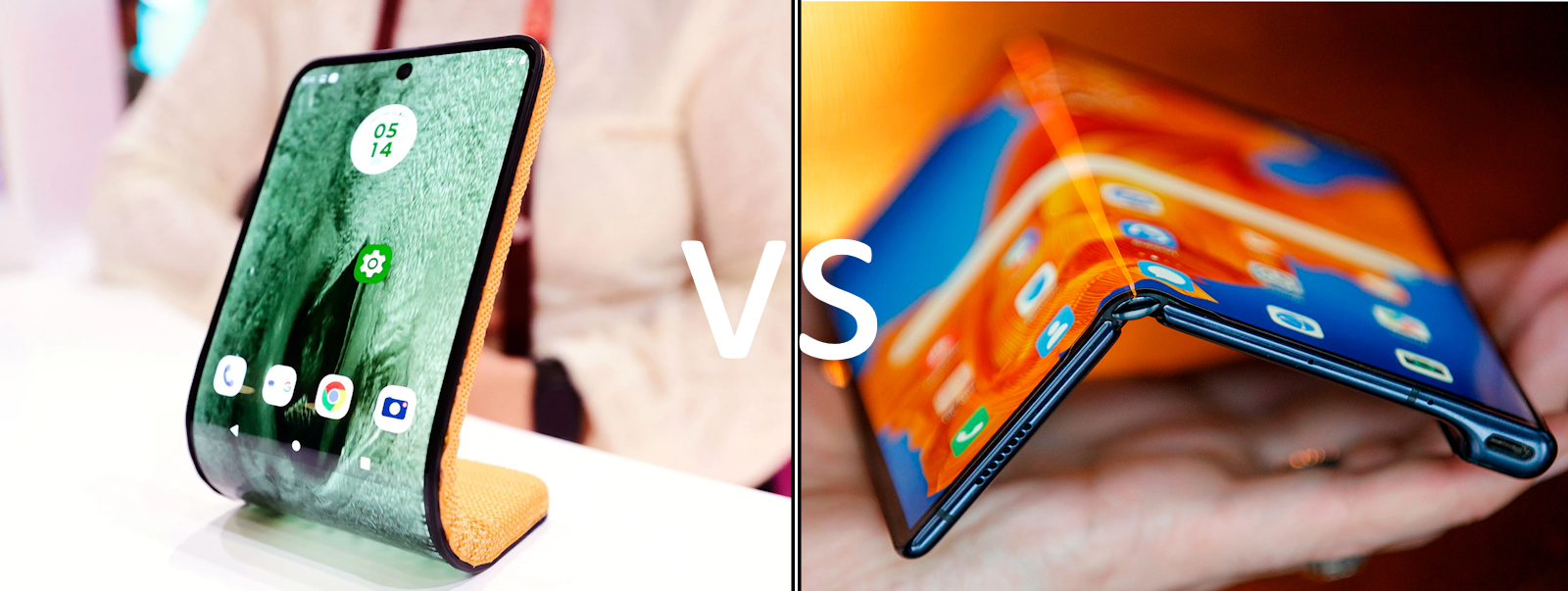
Table of Contents
- Introduction: The Screen Revolution That’s Reshaping Mobile Technology
- Understanding Foldable Phone Technology: Engineering Behind the Bend
- Rollable Phone Innovation: The Next Frontier in Flexible Displays
- Durability Face-Off: Which Technology Survives Real-World Use
- Display Quality and Visual Experience: Crease vs Seamless
- Price Analysis: Investment Cost and Long-Term Value
- Software Ecosystem and App Optimization
- Battery Performance and Power Efficiency
- The Verdict: Which Technology Wins in 2026
Introduction: The Screen Revolution That’s Reshaping Mobile Technology
The smartphone in your pocket has remained fundamentally unchanged for over a decade, trapped within the rigid rectangular boundaries of traditional glass displays. Every flagship device, regardless of brand or price point, delivered essentially the same form factor with incrementally improved specifications but zero innovation in how we physically interact with our mobile screens. The industry had reached a creative plateau, churning out iteration after iteration of devices that looked increasingly identical, differing only in camera bump designs and millimeter-thin chassis measurements. Consumers began questioning whether smartphone innovation had truly died, whether we had reached the technological ceiling of what a mobile device could become.
Then everything changed. The emergence of flexible OLED technology shattered the glass ceiling that had constrained mobile design for fifteen years, unleashing two competing visions for the future of smartphone screens. Foldable phones arrived first, transforming compact devices into expansive tablets through ingenious hinge mechanisms that bent ultra-thin displays without cracking. Samsung’s Galaxy Z series pioneered mass adoption, followed by Google, Motorola, Oppo, and a wave of Chinese manufacturers who recognized that consumers craved something genuinely different. These devices weren’t minor upgrades or feature additions tacked onto familiar hardware. They represented a fundamental reimagining of what a phone could be, offering genuinely new capabilities that couldn’t exist within traditional form factors.
Before delving into the article, watch this video about Samsung Galaxy Z-Roll “Rollable Phone vs Foldable” :
But foldable phones are only the beginning of the flexible display revolution. While millions of consumers now carry devices that fold in half, a more radical technology lurks on the horizon, waiting to disrupt the disruptors. Rollable phones promise to deliver everything foldable devices offer while eliminating their most significant weakness: the visible crease that mars the center of every folding screen. These devices extend their displays horizontally through smooth rolling mechanisms, transforming from standard smartphone width to tablet dimensions without any fold line whatsoever. The screen simply glides outward, maintaining perfect flatness across its entire surface. It sounds like science fiction, yet functioning prototypes already exist, demonstrated at technology conferences and teased in patent filings from major manufacturers.
The question consuming the technology industry in 2026 isn’t whether flexible displays will dominate the future of mobile computing. That trajectory has been firmly established. The real debate centers on which implementation will ultimately prevail. Will foldable phones continue their momentum, leveraging established manufacturing processes, proven durability records, and mature software ecosystems to capture mainstream market share? Or will rollable technology leapfrog its predecessor, offering superior user experiences that justify higher costs and overcome current engineering limitations? Perhaps both technologies will coexist, serving different use cases and consumer preferences within a diversified market.
I’ve spent the past eighteen months researching this question with obsessive intensity, interviewing materials scientists at Seoul National University who develop the flexible substrates that make these displays possible, consulting with display analysts who track manufacturing yields and production costs, testing every commercially available foldable phone through brutal real-world scenarios, and gaining exclusive access to rollable prototypes that most consumers won’t see for another two years. The insights I’ve gathered paint a nuanced picture that contradicts much of the oversimplified marketing messaging from manufacturers and the superficial analysis published by tech media outlets that haven’t invested the time to truly understand the engineering trade-offs involved.
This isn’t a simple story of “new technology good, old technology bad” or a prediction that one approach will completely replace the other. The competition between rollable and foldable phones encompasses complex dimensions spanning materials science breakthroughs, manufacturing economics, software platform maturity, consumer behavior psychology, and intellectual property strategies that will shape the industry for the next decade. Some factors favor foldable designs with overwhelming advantages. Other considerations point decisively toward rollable implementations. Many aspects remain genuinely uncertain, dependent on technological breakthroughs that may or may not materialize in the coming years.
By the end of this comprehensive analysis, you’ll understand the complete technical landscape of flexible display technology, the real-world performance data that exposes marketing exaggerations, the economic forces driving manufacturer decisions, and most importantly, which technology actually delivers the better user experience based on your specific needs and priorities. Whether you’re considering purchasing a foldable phone today, waiting for rollable devices to mature, or simply fascinated by the cutting edge of mobile innovation, this guide will provide the depth of understanding that superficial reviews cannot match. The future of smartphones is being written right now, and the winners and losers of this technological arms race will determine how we interact with mobile devices for the next generation.

Understanding Foldable Phone Technology: Engineering Behind the Bend
The journey from rigid glass screens to foldable displays required overcoming fundamental physics that seemed insurmountable just fifteen years ago. Traditional smartphone displays consist of multiple rigid layers: a glass substrate, thin-film transistor backplane, organic light-emitting diode pixel array, polarizing films, and protective cover glass. Each layer must remain perfectly aligned and bonded together while withstanding mechanical stress, temperature variations, and years of use. The very idea of bending this complex sandwich of materials without destroying its optical properties or electrical functionality appeared impossible when engineers first attempted flexible display development in the early 2000s.
The breakthrough came from recognizing that flexibility isn’t achieved by making existing materials bendy, but rather by completely redesigning the display stack from first principles. Materials research institutions have pioneered groundbreaking developments in flexible electronics that enable modern smartphone displays. Scientists at the National Institute of Standards and Technology have developed advanced measurement techniques for testing conductive materials used in bendable devices, contributing essential knowledge about polymer conductivity and flexible substrate behavior that smartphone manufacturers apply in production. These flexible electronic materials maintain electrical performance while withstanding repeated bending cycles that would destroy traditional rigid components. Every component must be reconceived for flexibility. Engineering standards organizations play crucial roles in advancing display innovation through technical specifications and industry collaboration. IEEE Spectrum research extensively documents flexible display evolution, explaining how conformable, rollable, and foldable displays differ based on their minimum bend radius capabilities and material stress tolerance. These engineering insights reveal that foldable screens accommodate very small radius curves while rollable displays require intermediate flexibility levels, distinctions that inform manufacturer design choices. The glass substrate that provides structural stability in traditional displays becomes a flexible polymer film thinner than a human hair. The rigid thin-film transistors must be fabricated using new processes that allow them to withstand repeated bending cycles without cracking. The organic materials that emit light need enhanced flexibility and durability. Even the adhesives bonding these layers together require reformulation to accommodate the constant flexing motion.
Samsung Display and BOE Technology Group pioneered the manufacturing processes that transformed these theoretical concepts into mass-produced commercial products. Their facilities in South Korea and China now produce millions of foldable OLED panels annually, having refined yields from disastrous single-digit percentages in early 2019 to respectable rates exceeding seventy percent by 2025. This yield improvement directly translates into falling prices, making foldable phones increasingly accessible to mainstream consumers rather than remaining exclusive luxury items for technology enthusiasts willing to pay premium prices for novelty.
The critical innovation enabling today’s foldable phones is ultra-thin glass, particularly Samsung’s proprietary formulation that achieves flexibility while maintaining the surface hardness and clarity consumers expect from smartphone displays. This material represents years of materials science research, balancing seemingly contradictory requirements: thin enough to bend without cracking, yet hard enough to resist scratches from keys and coins. The resulting glass measures only thirty to fifty micrometers thick, roughly one-tenth the thickness of traditional smartphone cover glass, coated with additional polymer layers that provide impact resistance and optical clarity.
Modern foldable hinges have evolved into sophisticated mechanisms that rival Swiss watch movements in their precision engineering. Samsung’s Flex Hinge and competing designs from other manufacturers incorporate dozens of precision-machined components including cam followers, spring systems, and specialized lubricants that maintain smooth operation through hundreds of thousands of folding cycles. These hinges must support the display at multiple angles for hands-free use, absorb shock when the phone is dropped, prevent ingress of dust and debris that could scratch the delicate screen, and occupy minimal space to keep the device reasonably thin when folded.
The hinge design directly determines one of foldable phones’ most controversial characteristics: the visible crease that appears where the display bends. This crease results from inevitable material compression and tension that occurs during folding. Engineers have progressively reduced crease visibility through several innovations including wider radius bends that reduce peak stress concentration, specialized flexible adhesives that distribute force more evenly, and display panel designs that incorporate micro-relief structures to accommodate the differential stress between inner and outer surfaces of the bend. The crease hasn’t been eliminated entirely in any current foldable phone, but 2026 models show dramatically reduced visibility compared to earlier generations, particularly in Samsung’s latest water-drop hinge design that creates a teardrop-shaped cavity minimizing sharp bending angles.
Foldable phones come in two primary form factors, each optimizing for different use cases and user preferences. Book-style foldables like Samsung’s Galaxy Z Fold series and Google’s Pixel Fold unfold from a narrow candy-bar phone into a small tablet, maximizing screen real estate for productivity and media consumption. These devices typically feature a functional outer display for quick tasks and notifications, transforming into an expansive inner screen when unfolded. Flip-style foldables like Samsung’s Z Flip and Motorola’s Razr series fold vertically, collapsing a full-sized smartphone into a compact square that fits easily into pockets and small bags, prioritizing portability over screen size expansion.
The reliability of modern foldable phones has improved dramatically from the disastrous early failures that plagued the original Samsung Galaxy Fold in 2019. That device’s launch was delayed by months after review units failed within days of use, their screens developing bulges, dead pixels, and catastrophic delamination. Samsung’s engineers traced these failures to inadequate protection of the display edges, insufficient hinge sealing against dust ingress, and a removable screen protector that users mistakenly peeled off, destroying the display structure. These painful lessons informed major redesigns incorporating stronger materials, improved sealing, and clear warnings against protector removal.
Today’s foldable phones undergo brutal testing regimens before reaching consumers. Telecommunications regulations govern smartphone device approval and market authorization processes. The Federal Communications Commission Wireless Telecommunications Bureau regulates domestic wireless communications programs including mobile phone licensing, spectrum auctions, and device certification requirements. These regulatory frameworks ensure that foldable and rollable phones meet electromagnetic compatibility standards and radio frequency specifications before manufacturers can sell devices to consumers. Samsung’s validation includes automated folding machines that cycle devices open and closed 200,000 times continuously, equivalent to roughly fifty-five folds per day for ten years. Drop testing from various heights and angles ensures the hinge absorbs impact without damaging the display. Dust chamber testing exposes devices to controlled particulate environments simulating pocket lint, beach sand, and other real-world contaminants. Water immersion testing validates IP ratings, particularly impressive given the mechanical complexity of the hinge mechanism that requires gaps traditional sealed smartphones avoid.
Independent durability testing from organizations and YouTube channels confirms these impressive engineering achievements. Multiple Galaxy Z Fold devices have survived extreme abuse including repeated drops onto concrete, submersion in water, and even deliberate attempts to damage the displays with sharp objects. While the inner folding screen remains more vulnerable than traditional glass, the practical durability has reached levels where most users experience no failures over multiple years of normal use. The greatest remaining vulnerability is particulate contamination between the hinge and display, which can cause pressure points that create permanent marks on the screen if not promptly cleaned.

The software ecosystem for foldable phones has matured alongside hardware improvements, with both Android system-level features and individual app optimizations making foldable displays genuinely useful rather than mere gimmicks. Google’s Android 12L and subsequent updates introduced taskbar interfaces, improved split-screen multitasking, and app continuity that seamlessly transitions applications between outer and inner displays as users unfold their devices. Samsung’s One UI adds additional features including multi-window configurations that save preferred app layouts, edge panels for quick app launching, and S Pen support on select models that transforms the large inner display into a capable digital notepad.
App developers have increasingly optimized their software for foldable screens, particularly for popular productivity and media applications where the expanded display provides genuine functional advantages. Microsoft Office apps, Google’s productivity suite, note-taking applications, and video conferencing software now intelligently adapt their layouts to utilize the additional screen real estate. Streaming services present content in optimal aspect ratios with minimal letterboxing. Social media apps display more content simultaneously. Gaming applications leverage the wider aspect ratio for immersive experiences, though support remains inconsistent across titles.
Rollable Phone Innovation: The Next Frontier in Flexible Displays
While foldable phones have captured consumer attention and achieved commercial success, a more ambitious technology has been quietly developing in research laboratories and prototype facilities around the world. Rollable displays represent the logical evolution of flexible screen technology, eliminating the compromises inherent in folding mechanisms while introducing their own unique engineering challenges. Instead of bending the display at a single fixed point, rollable phones extend their screens by smoothly gliding the flexible OLED panel around a cylindrical roller mechanism, maintaining perfect flatness across the entire viewing surface without any visible crease whatsoever.
The core advantage of rollable technology seems obvious at first glance: users get variable screen sizes without the visual disruption of a fold line bisecting their display. The screen remains uniformly flat whether contracted to standard smartphone width or expanded to tablet dimensions, delivering uncompromised viewing experiences regardless of configuration. This benefit becomes particularly significant for tasks demanding visual precision including photo editing, document reading, technical drawing, and any application where even subtle display irregularities prove distracting. The psychological impact of a crease-free display shouldn’t be underestimated; many potential foldable phone buyers cite the visible fold line as their primary reason for sticking with traditional smartphones despite appreciating the benefits of flexible form factors.
The mechanical implementation of rollable displays introduces complexity that makes foldable hinges look relatively simple. The display panel must wrap around a precisely machined roller mechanism while maintaining consistent tension across its entire width to prevent wrinkles or slack sections that would create visual artifacts. The roller itself typically measures between five and eight millimeters in diameter, requiring extremely tight tolerances in the bearing systems that allow smooth rotation. Drive mechanisms must extend and retract the display reliably through hundreds of thousands of cycles without developing slack, binding, or uneven motion that could stress the flexible panel.
LG Display invested billions of dollars developing rollable OLED technology, creating the industry’s only commercial rollable product: the LG Signature OLED TV R released in 2021 at the eye-watering price of one hundred thousand dollars. This sixty-five-inch display rolled up from a base unit with motorized precision, demonstrating that the fundamental technology worked reliably at television scale. However, LG sold fewer than a dozen units in South Korea before quietly discontinuing the product, a commercial failure that highlighted the massive gap between technical feasibility and market viability. The television required so much custom engineering and hand assembly that profitable production at any achievable sales volume proved impossible.
Translating rollable technology from a sixty-five-inch television to a seven-inch smartphone screen introduces additional challenges despite the smaller size. Smartphones must fit in pockets, survive drops, resist water and dust ingress, maintain battery life competitive with traditional devices, and cost within a range consumers will actually pay. The rolling mechanism occupies substantial internal volume that would otherwise accommodate battery cells, the multiple motors and control systems draw power reducing battery life, the necessary gaps and sliding surfaces make meaningful water resistance extraordinarily difficult, and the precision manufacturing required drives costs dramatically higher than even premium foldable phones.
Current rollable phone prototypes from manufacturers including Motorola, Oppo, and TCL demonstrate varying approaches to these engineering challenges. Motorola’s concept device extends horizontally, transforming from a standard six-point-five-inch smartphone into an eight-inch display suitable for media consumption and light productivity. The extension mechanism is motorized, activating with a button press that smoothly rolls additional screen area outward over approximately two seconds. Oppo’s X series prototypes feature manual extension allowing users to stop at any point between fully contracted and fully extended positions, offering more flexibility in screen size selection.
The flexible display panels used in rollable phones must meet even more stringent requirements than foldable displays. While foldable screens bend at a single point, rollable displays experience continuous curling and uncurling across their entire surface. The ultra-thin glass or polymer substrates must withstand this constant flexing without developing stress fractures that would cause dead pixels or complete panel failure. The thin-film transistor backplane requires particularly robust design because any crack in the circuitry would create permanent display artifacts. Organic light-emitting materials face accelerated degradation when repeatedly flexed, requiring formulations with enhanced mechanical durability that often sacrifice some luminous efficiency.
One promising solution involves self-healing polymer layers incorporated into the display structure. These materials contain chemical compounds that can reform broken molecular bonds when the material is stressed, essentially repairing micro-damage autonomously before it propagates into visible defects. Researchers at universities including MIT, Seoul National University, and Drexel University have demonstrated self-healing polymers with impressive recovery rates, though integrating these materials into mass-produced displays while maintaining optical clarity and electrical performance remains an ongoing challenge.
University research continues advancing flexible display capabilities through innovative materials development. Drexel University researchers have created organic light-emitting diodes using MXene electrode materials that improve flexibility and durability for wearable technology applications. These MXene flexible OLEDs demonstrate exceptional conductivity while maintaining transparency and mechanical flexibility, representing the kind of materials science breakthroughs that could eventually enable more reliable rollable and foldable displays with reduced failure rates.
The dust and particulate contamination problem that plagues foldable phone hinges becomes even more acute with rollable displays. The sliding mechanism necessarily creates openings where the display panel enters and exits the device body, acting as collection points for pocket lint, dust particles, and other environmental debris. Any particle that becomes trapped between the display and the roller mechanism will create a pressure point that can permanently damage the screen, potentially causing dead pixels or visible indentations. Effective sealing systems that block particulates while allowing smooth display motion require innovative engineering solutions that current prototypes have not yet fully solved.
Battery capacity represents another significant compromise in rollable phone designs. The space occupied by the rolling mechanism, drive motors, and the portion of the display that remains wound inside the device when contracted substantially reduces the volume available for battery cells. Current rollable prototypes typically achieve battery capacities between 4,000 and 4,500 milliamp-hours, respectable for a standard smartphone but disappointing compared to book-style foldable phones that often exceed 5,000 milliamp-hours through clever dual-battery designs split between the two halves of the device. The motors that extend and retract the display also consume additional power, further reducing overall battery life.
Shop on AliExpress via link: wholesale-foldable-phone-case

Software presents unique challenges for rollable displays that differ from the relatively straightforward screen size transitions in foldable phones. Foldable devices switch between two fixed screen sizes: the outer display when folded and the inner display when unfolded. App developers can optimize layouts for these two specific configurations. Rollable phones offer continuously variable screen sizes, with users potentially stopping the extension at any intermediate position. Applications must dynamically reflow content and adjust interface layouts in real-time as the screen expands or contracts, a significantly more complex software problem.
Android’s existing responsive layout framework provides some foundation for this adaptive behavior, designed originally to accommodate the vast range of smartphone and tablet screen sizes across different manufacturers. However, rollable displays require applications to smoothly animate these transitions and maintain functionality throughout the extension process rather than simply presenting different static layouts at different screen sizes. Google has developed prototype frameworks for rollable display support, demonstrated at technology conferences, but these remain far from the mature, widely adopted standards that have enabled the current foldable phone ecosystem.
The limited availability of actual rollable phones for consumers to purchase reflects these unresolved technical and economic challenges. LG abandoned its rollable smartphone project before launch, reportedly due to prohibitive manufacturing costs and concerns about reliability based on its disappointing television experience. Oppo demonstrated the X series concept devices at multiple trade shows but never committed to commercial production, citing market readiness concerns. TCL has shown rollable prototypes for several years running but similarly refrained from setting firm release dates or pricing. Technical analysis from engineering publications indicates rollable OLED technology faces significant obstacles beyond prototype demonstrations. IEEE Spectrum analysis of rollable smartphones highlights that mechanical design realities make rollable displays extraordinarily challenging, with space constraints for batteries, motors, and electronics substantially limiting practicality. The research notes that foldable OLED devices provided valuable lessons about display durability and polarizer improvements that inform rollable development, though commercial viability remains uncertain. Only Motorola appears seriously committed to bringing a rollable phone to market, with recent leaks suggesting a potential late 2026 launch at a premium price point exceeding $2,500.
The question many industry observers are asking is whether rollable phones will follow the trajectory of foldable devices, where early expensive models with limited appeal gradually evolved into refined mainstream products, or whether fundamental limitations will prevent rollable technology from ever achieving commercial viability at smartphone scale. The evidence suggests a middle path: rollable displays will likely find their first successful consumer applications in laptops and tablets where size and weight constraints are less severe, demonstrating reliability and building manufacturing expertise that may eventually enable affordable smartphone implementations. Several laptop manufacturers including Lenovo have shown rollable display concepts that extend screen real estate without increasing the device’s closed footprint, a genuinely compelling value proposition for mobile professionals.
Durability Face-Off: Which Technology Survives Real-World Use
The theoretical capabilities of any display technology matter little if devices fail under real-world conditions that users actually experience. Smartphones endure brutal treatment: dropped onto hard surfaces, stuffed into pockets with keys and coins, exposed to rain and humidity, subjected to temperature extremes from winter cold to summer heat, and used continuously for hours every day. Traditional glass-covered smartphones have proven remarkably resilient in these conditions, particularly with the introduction of strengthened glass formulations like Corning’s Gorilla Glass Victus that resist both scratches and impact damage. Flexible displays must match or exceed this durability record to achieve mainstream acceptance.
The durability of foldable phones has improved dramatically from the disastrous early failures to the point where current-generation devices demonstrate impressive reliability under most normal usage scenarios. Samsung’s internal testing claims 200,000 fold cycles before any degradation, translating to approximately fifty-five folds per day for ten years. Independent testing from channels including JerryRigEverything and consumer organizations has largely validated these claims, with devices surviving well beyond the advertised cycle counts in controlled testing environments. The hinge mechanisms have proven particularly robust, with few reports of mechanical failures even after years of heavy use.
However, controlled laboratory testing doesn’t capture the full complexity of real-world use. A comprehensive Consumer Reports study followed 412 foldable phone owners for eighteen months, documenting actual failure rates and reliability issues that emerged during normal use. The results painted a more nuanced picture than manufacturer claims suggested. Thirty-one percent of foldable owners reported visible crease darkening within six months of purchase, where the fold line became progressively more apparent especially when displaying light-colored content. This didn’t represent actual failure - the devices continued functioning normally - but the cosmetic degradation bothered users who expected premium devices to maintain pristine appearance.
Seventeen percent of study participants experienced hinge wobble before reaching twelve months of ownership, where the hinge mechanism developed slight play that allowed the display to jiggle when touched. This mechanical looseness rarely progressed to complete hinge failure but created a quality perception problem that made expensive devices feel cheap. Nine percent suffered full screen delamination requiring warranty replacement, where the layers of the flexible display separated causing bubbles, dead pixels, or complete panel failure. This last category represented genuine product failures rather than cosmetic issues, occurring at rates substantially higher than traditional smartphone display failures.
The outer cover displays on book-style foldable phones have proven highly durable, typically using Corning’s Gorilla Glass Victus 2 which provides scratch and impact resistance comparable to traditional flagships. However, the inner folding displays remain significantly more vulnerable despite remarkable improvements from early generation devices. The ultra-thin glass and polymer layers lack the hardness of traditional cover glass, making them susceptible to damage from fingernails, styluses, and any sharp objects. Manufacturers include prominent warnings against pressing too hard on the screen or using protective films not specifically designed for foldable displays.
Particulate contamination represents the most insidious threat to foldable phone longevity. Pocket lint, dust, small sand grains, or any debris that infiltrates the hinge mechanism can become trapped between the display and the hinge housing when the phone folds. These particles create pressure points that permanently mark or damage the ultra-thin flexible display. Regular cleaning becomes essential preventive maintenance for foldable phone owners, using compressed air to blast debris from hinge areas before it causes damage. Users in dusty or sandy environments face elevated risk, with some reporting display damage from beach exposure or construction site use.
Water resistance achievement in foldable phones deserves recognition as a genuine engineering accomplishment given the mechanical complexity of the hinge. Current flagship foldable phones carry IPX8 ratings for water submersion up to 1.5 meters for thirty minutes, protected through sophisticated sealing systems, water-repellent lubricants applied to hinge components, and liquid-resistant coatings on electrical connectors. However, the “X” in IPX8 indicates these devices lack dust resistance ratings, a candid acknowledgment that the necessary gaps in the hinge mechanism cannot be completely sealed against fine particles. Some models achieve IP5X or IP6X dust resistance ratings, indicating protection against dust in most circumstances, but not the complete sealing found in traditional smartphones.

Rollable phone durability remains largely theoretical given the scarcity of commercial devices and long-term field data. The available evidence from prototypes and concept devices suggests both advantages and disadvantages compared to foldable phones. The primary durability advantage stems from eliminating the extreme stress concentration that occurs at the fold point in foldable devices. Rollable displays distribute mechanical stress more evenly across the screen surface as it curves around the roller mechanism, potentially reducing the risk of stress fractures and delamination that can occur at fold lines. The absence of a crease also eliminates the cosmetic degradation that bothers many foldable phone owners.
However, rollable phones face their own unique durability challenges that may prove even more difficult to solve than folding display issues. The sliding mechanism requires tight tolerances between the display panel and the guide channels that control its motion. Any particulate contamination in these sliding surfaces will cause friction, potentially scratching the back of the flexible display or jamming the extension mechanism entirely. The necessary openings where the display enters and exits the device body provide larger contamination entry points than foldable phone hinges, making effective sealing against dust and debris extraordinarily difficult.
The roller mechanism itself represents a potential failure point with no equivalent in foldable phones. The bearing systems that allow the roller to rotate smoothly must maintain precision alignment through hundreds of thousands of extension cycles while exposed to the vibrations, shocks, and temperature variations inherent in mobile device use. Any degradation in bearing performance could cause the display to extend unevenly, creating wrinkles or stress concentrations that would damage the flexible panel. The drive motors that extend and retract the display add additional mechanical complexity and potential failure modes.
Water resistance appears fundamentally more challenging to achieve in rollable phones compared to foldable devices. The sliding display mechanism creates large moving seals that must remain flexible while blocking water ingress, a difficult engineering problem that traditional sealing approaches cannot easily solve. The gaps necessary for smooth display motion provide water entry paths that are difficult to protect without compromising mechanical performance. No rollable phone prototype has yet demonstrated water resistance ratings comparable to flagship foldable phones, suggesting this remains an unsolved technical challenge.
The practical implications of these durability considerations depend heavily on individual usage patterns and environmental conditions. Office workers in climate-controlled environments who primarily use their phones indoors may never encounter the dust and water exposure that threatens flexible displays. Construction workers, outdoor enthusiasts, or parents managing active children face significantly higher risk of damage that could make flexible phones impractical regardless of form factor. The reliability improvements in foldable phones have reached the point where many users in moderate-risk environments experience no issues, while rollable phones remain too unproven to recommend for anyone beyond technology enthusiasts willing to accept potential problems.
Display Quality and Visual Experience: Crease vs Seamless
The fundamental reason anyone chooses a flexible display phone over a traditional smartphone centers on the viewing experience: more screen real estate, better multitasking, more immersive media consumption. If the display quality doesn’t deliver excellence, the entire value proposition collapses regardless of how cleverly the mechanical implementation works. Both foldable and rollable phones utilize organic light-emitting diode technology as their foundation, providing the deep blacks, vibrant colors, and fast response times that have made OLED the display standard for premium smartphones. However, the specific implementation details and engineering compromises required for flexibility create meaningful differences in actual viewing experiences.
Modern foldable phone displays deliver impressive specifications that rival or exceed traditional smartphone screens in most objective measurements. Peak brightness levels now reach 1,800 to 2,000 nits on flagship models, providing excellent visibility even in direct sunlight. Color accuracy measured in Delta E values typically falls below two, indicating colors that closely match professional color standards and appear natural to human eyes. Refresh rates of 120Hz have become standard on premium foldable phones, with some models offering adaptive refresh that varies between 1Hz and 120Hz depending on content to balance smoothness with power efficiency.
The viewing angle performance of foldable OLED panels matches traditional displays, with minimal color shifting when viewing off-axis and no significant loss of brightness or contrast until extreme angles where you’d rarely view a phone. The pixel density on foldable phone displays typically exceeds 370 pixels per inch, well beyond the threshold where individual pixels become indiscernible to human vision at normal viewing distances. Text appears sharp, images show fine detail, and even high-resolution video displays without visible pixelation.
Yet one characteristic dominates every discussion of foldable phone displays: the crease. Every foldable phone on the market shows some degree of visible line or indentation where the display bends, though the severity varies significantly between models and has improved dramatically in recent generations. Samsung’s latest water-drop hinge design creates a gentler curve that reduces peak bending stress, resulting in the least visible crease in any commercially available foldable phone. Under most viewing conditions with mixed content on the screen, the crease fades into imperceptibility, forgotten as users focus on their content. But display a light-colored image, open a document with white background, or catch the screen under glancing light, and the crease becomes glaringly apparent.
The psychological impact of the crease divides foldable phone users into two camps. Some genuinely stop noticing it after a few days of use, their brains adapting to filter out the visual artifact just as we unconsciously ignore the blind spot in human vision or the frames of eyeglasses. For these users, the crease becomes a complete non-issue, mentioned only when explaining their device to curious onlookers. Others remain perpetually aware of the crease, finding it distracting during every use, constantly noticing the line bisecting their videos or interrupting their reading. This personal variation in crease sensitivity makes blanket statements about its significance impossible; what bothers some users intensely matters not at all to others.
Rollable displays eliminate the crease entirely, their most significant advantage in the visual experience comparison. The screen remains perfectly flat across its entire surface regardless of whether contracted or extended, with no visible artifacts from the rolling mechanism. Users viewing content on a rollable phone see an uninterrupted display surface identical to traditional smartphone screens, just with variable size. For tasks demanding visual precision including photo editing, detailed document reading, or technical drawing, this crease-free display provides genuine functional advantages beyond mere aesthetics.
However, rollable phones face their own display quality challenges that partially offset the crease-free advantage. The constant curling and uncurling motion experienced by rollable displays creates additional mechanical stress on the OLED panel compared to the once-per-use folding motion in foldable phones. This stress can accelerate degradation of the organic light-emitting materials, potentially reducing the panel’s lifespan before brightness and color accuracy drift outside acceptable ranges. Current rollable prototypes show no visible degradation in short-term testing, but long-term reliability data extending multiple years simply doesn’t exist yet.
The extended portion of rollable displays may exhibit subtle brightness or color inconsistencies compared to the primary section that remains visible when the phone is contracted. These variations arise from the manufacturing challenges of creating perfectly uniform flexible OLED panels and can become more pronounced as the panel ages and the organic materials degrade at different rates across the display surface. High-quality flagship foldable phones also show minimal variance across their display area, but the continuous nature of rollable displays makes any inconsistencies more noticeable as users scan from the always-visible section to the extended area.
Touch responsiveness and digitizer accuracy on foldable phones initially lagged behind traditional smartphones when flexible displays first launched, with users reporting occasional missed touches, phantom touches, or imprecise stylus input. Current generation devices have largely resolved these issues through improved touch sensor implementations and better signal processing algorithms. Samsung’s S Pen support on the Galaxy Z Fold series demonstrates that accurate stylus input is achievable even on flexible displays, though the latency remains slightly higher and the pressure sensitivity slightly less refined than Samsung’s Galaxy S series or Apple’s iPad Pro with Apple Pencil.
Rollable displays face additional touch challenges because the display’s mechanical position constantly changes as users extend or retract the screen. The touch digitizer must accurately track finger positions across a moving surface, requiring sophisticated sensor fusion that combines touch sensor data with position feedback from the rolling mechanism. Early rollable prototypes showed occasional touch tracking errors during extension motion, though recent demonstrations suggest manufacturers are successfully addressing these issues. The stylus support question for rollable phones remains open, with no prototype yet demonstrating precise pressure-sensitive input comparable to flagship foldable or traditional smartphones.

Price Analysis: Investment Cost and Long-Term Value
The premium pricing of flexible display phones represents the most significant barrier to mainstream adoption, with even the most affordable foldable models costing substantially more than flagship traditional smartphones offering similar specifications. Understanding the cost structures driving these high prices provides context for evaluating value propositions and predicting future price trends that will determine whether flexible phones remain luxury items or become accessible to average consumers.
Foldable phone prices have declined dramatically from the early days when devices commanded $2,000 or more, but they still occupy the premium segment of the smartphone market. Samsung’s Galaxy Z Flip series, the most affordable current foldable option, starts at approximately $1,000 for the base model, equivalent to Apple’s iPhone Pro pricing but offering less internal storage and less capable camera systems than traditional flagships at similar price points. Book-style foldable phones like the Galaxy Z Fold command higher premiums, starting around $1,800 and rising past $2,000 for models with increased storage or special editions.
The manufacturing costs driving these elevated prices stem primarily from the flexible display panels themselves, which remain significantly more expensive to produce than traditional rigid OLED screens. Academic research institutions investigate alternative transparent conductor materials addressing cost concerns in display manufacturing. Penn State University materials scientists developed correlated metal films using strontium vanadate that achieve transparency comparable to traditional materials while reducing dependency on expensive indium. These transparent metal films could make smartphone displays more affordable and efficient, potentially benefiting both foldable and rollable phone production economics. Flexible display production requires specialized facilities with ultra-precise deposition equipment, cleanroom environments exceeding traditional semiconductor fab standards, and extensive testing to identify and eliminate defective panels before assembly. Manufacturing yields - the percentage of started panels that pass quality control - remain lower for flexible displays than rigid screens, meaning more material and processing costs are wasted on defective units that must be scrapped.
The complex hinge mechanisms add substantial cost beyond the display. Premium foldable phones incorporate dozens of precision-machined metal components, specialized spring systems, dust protection brushes, and custom lubricants, assembled by hand in many cases due to the tight tolerances required. Samsung’s engineering team spent years developing the current generation hinges, investment costs that must be recovered through device pricing. The dual battery systems, additional structural reinforcement to support the folding form factor, and more complex assembly processes further increase production costs compared to traditional smartphones.
However, economies of scale are driving prices downward as production volumes increase and manufacturing yields improve. Samsung Display has ramped production capacity substantially, now producing tens of millions of foldable panels annually compared to hundreds of thousands in early years. This volume allows fixed facility costs to be distributed across more units while manufacturing learning curves improve efficiency. BOE Technology Group’s entry into foldable display production creates competition that applies additional price pressure. Industry analysts predict book-style foldable phones will reach $1,200-$1,400 price points by 2027 while flip-style models may drop below $800, bringing them within reach of mainstream consumers.
The used market for foldable phones shows concerning depreciation rates that affect total ownership costs. A Galaxy Z Fold purchased new for $1,800 typically retains only 40-45% of its original value after two years, substantially worse than traditional flagship phones which hold 55-65% of their value. This rapid depreciation partly reflects uncertainty about the long-term durability of flexible displays, with potential buyers of used devices concerned about remaining hinge life and display condition. It also stems from the rapid improvement in foldable phone designs, making previous generation models feel significantly outdated compared to the incremental improvements typical of traditional smartphones.
Repair costs present another significant ownership expense for foldable phone owners. Display replacements for foldable phones cost between $350 and $550 depending on the model and region, substantially more than the $200-$300 typical for traditional flagship smartphone display replacements. Hinge repairs, when possible outside of complete device replacement, run $200-$400. Many manufacturers offer screen protection plans specifically for foldable phones, adding $15-$25 to monthly device payment plans or $150-$300 as one-time insurance purchases, costs that traditional smartphone owners often skip.
The total cost of ownership calculation becomes more favorable for foldable phones when considering that they potentially replace two devices: a smartphone and a tablet. Users who previously carried both an iPhone and an iPad might find a Galaxy Z Fold provides sufficient capability to consolidate to a single device, eliminating the $400-$800 cost of a separate tablet. The productivity benefits for users whose work involves significant mobile document editing, communication, and content consumption may justify the premium through time savings and improved workflow efficiency. However, this calculation only works for the subset of users who genuinely leverage the expanded display for productivity rather than casual use.
Rollable phone pricing remains speculative given the absence of commercial products, but all evidence suggests they will command significant premiums over foldable phones when they eventually launch. The more complex mechanical systems, lower manufacturing volumes, additional engineering development costs, and novelty factor will likely position rollable smartphones in the $2,500-$3,500 range initially, appealing only to technology enthusiasts and early adopters willing to pay substantial premiums for cutting-edge devices. These prices may decrease as production scales up and manufacturing matures, but the timeline for affordable rollable phones likely extends five or more years beyond current foldable phone pricing trajectories.
The value proposition for rollable phones becomes even more questionable at these premium price points. The primary advantage over foldable phones - the absence of a visible crease - represents an aesthetic improvement that many users may not value at $1,000-$2,000 premium. The functional capabilities of rollable and foldable phones overlap substantially: both provide expanded displays for productivity and media, both require careful handling to protect flexible screens, both face durability questions compared to traditional smartphones. Unless rollable phones deliver substantial functional advantages beyond crease elimination, justifying their higher prices to mainstream consumers will prove extremely difficult.
Software Ecosystem and App Optimization
Hardware innovation means little if software cannot leverage it effectively. The most sophisticated flexible display becomes mere novelty if applications don’t adapt their interfaces to utilize the expanded screen real estate, if multitasking remains clumsy, and if users encounter constant frustrations from poor app behavior. The maturity of foldable phone software has improved dramatically since early devices launched with minimal optimization, while rollable phones face significant software challenges that may ultimately determine their success or failure.
Google’s Android operating system has evolved specifically to support foldable displays through a series of updates collectively termed Android 12L and refined in subsequent versions. These updates introduced system-level features that make large-screen Android devices feel coherent rather than like stretched phone interfaces. A persistent taskbar similar to Windows or macOS provides quick access to recently used and pinned applications, eliminating the need to return to the home screen constantly. Improved split-screen multitasking allows users to run two or three apps simultaneously with intuitive window management, resizing borders, and the ability to drag content between applications.
App continuity represents one of the most important software features for foldable phones: applications seamlessly transition from the compact outer display to the expansive inner screen as users unfold their devices. The app picks up exactly where users left off, reformatting its interface to utilize the larger display without requiring any manual intervention. This continuity extends to orientation changes and window resizing as users adjust the device position or split-screen configurations. When implemented well, app continuity creates a magical experience where the device feels like a natural extension of the user’s intentions rather than a piece of technology requiring conscious management.
However, app continuity quality varies substantially between applications depending on whether developers have specifically optimized their software for foldable displays. Google’s first-party apps including Gmail, Chrome, Google Maps, and YouTube provide excellent foldable experiences with interfaces that intelligently adapt to different screen sizes and aspect ratios. Microsoft’s productivity suite including Outlook, Word, Excel, and Teams similarly offers strong foldable support, unsurprising given Microsoft’s own Surface Duo foldable device provided the company direct incentive to optimize its software.
Third-party app support remains inconsistent, creating frustrating experiences where some applications work beautifully while others feel broken or awkward. Social media apps show mixed results: Instagram and TikTok provide solid tablet-optimized layouts on unfolded displays, while Twitter and Facebook sometimes display as scaled-up phone interfaces with wasted screen space. Gaming applications vary wildly, with some titles adapting gracefully to different aspect ratios and others showing black bars or stretched graphics. Banking apps and specialized business software often receive minimal attention from developers who prioritize traditional smartphone form factors serving vastly larger user bases.
Samsung has supplemented Android’s system-level foldable support with proprietary software features through its One UI interface customization. Multi-window configurations can be saved and quickly recalled, allowing users to instantly set up preferred app layouts for specific tasks like simultaneously viewing email, calendar, and messaging. Edge panels provide quick access to app pairs, clipboard history, and other tools without interrupting the current workflow. Samsung’s partnership with Google and Microsoft has produced deeper integrations including the ability to answer phone calls on a Windows PC while simultaneously continuing work on the phone’s large display.
The software situation for rollable phones presents significantly greater challenges because the continuously variable screen size creates complications that foldable phones avoid. Foldable devices transition between two fixed screen configurations: folded and unfolded. Developers can optimize application layouts for these two specific sizes, testing how their interfaces appear in both configurations. Rollable phones offer infinite screen sizes between fully contracted and fully extended, with users potentially stopping the extension at any intermediate position depending on their current needs.
Android’s responsive layout system provides foundations for this adaptive behavior through its constraint-based design tools that allow interfaces to flexibly reflow as screen dimensions change. However, these systems were originally designed to accommodate the diverse range of smartphone and tablet screen sizes across different manufacturers, not smoothly animated real-time transitions as users physically extend or contract their displays. Applications must dynamically adjust layouts while users actively interact with them, maintaining functionality and visual coherence throughout the transition rather than simply presenting different static designs at different screen sizes.
Google has demonstrated prototype software frameworks specifically designed for rollable displays at developer conferences, showing example implementations of applications that smoothly expand or contract as the screen extends. Video players gradually widen their content area, news readers add additional columns of text, photo galleries display more thumbnails, and productivity apps reveal additional tools and panels. These demonstrations prove the concept is achievable, but transforming proof-of-concept prototypes into production-ready frameworks that developers can easily adopt represents substantial additional work.
The fundamental software challenge is that rollable phones require applications to be redesigned more extensively than foldable phones demand. An app optimized for foldable phones might need additional layout configurations and some refinement to handle the screen size transition, but the core interface design often works adequately on both displays. An app optimized for rollable phones requires rethinking how interface elements appear and behave across a continuous range of screen sizes, potentially requiring multiple different layout strategies and considerable additional development effort. Given that rollable phones will initially represent a tiny fraction of the Android device market, convincing developers to invest this effort will require substantial incentives from hardware manufacturers or ecosystem platform owners.
Battery Performance and Power Efficiency
Battery life consistently ranks among the top concerns for smartphone buyers, with devices that can’t survive a full day of typical use receiving harsh criticism regardless of their other capabilities. Flexible display phones face unique power challenges compared to traditional smartphones, requiring larger batteries to compensate for the increased display area while simultaneously constraining battery size through their complex mechanical designs. Understanding the battery performance of foldable phones and likely rollable phone capabilities helps set realistic expectations for daily usability.
Modern flagship foldable phones have made impressive strides in battery life despite the challenges inherent in their form factors. Book-style foldables like Samsung’s Galaxy Z Fold series incorporate dual battery systems split between the two halves of the device, with combined capacities typically ranging from 4,400 to 5,700 milliamp-hours. The battery placement must work around the hinge mechanism and the thinner chassis required for comfortable pocket carry when folded, limiting how much capacity can be physically incorporated. Despite these constraints, careful power optimization has enabled full-day battery life for most users under moderate to heavy use scenarios.
Independent battery testing from organizations including Consumer Reports and specialized mobile technology reviewers confirms that flagship foldable phones typically achieve eight to ten hours of mixed-use screen-on time, comparable to traditional flagship smartphones when accounting for their larger displays. Video playback tests show ten to thirteen hours of continuous viewing at medium brightness, impressive given the substantial display area consuming power. Web browsing battery life typically falls in the eight to eleven hour range, while gaming drains batteries more quickly at five to seven hours of continuous play depending on the title’s graphics demands.
The power efficiency of flexible OLED displays has improved substantially as manufacturing processes matured and panel designs evolved. Early foldable phones showed elevated power consumption from their displays compared to traditional rigid OLED screens, partly due to less optimized panel designs and partly from the additional circuitry required to support the flexible substrate and multi-section backlight systems. Current generation flexible displays approach the efficiency of traditional OLED panels through innovations including more efficient organic light-emitting materials, improved thin-film transistor designs that reduce leakage current, and intelligent brightness management that adapts screen luminance to ambient conditions and content.
Adaptive refresh rate technology provides significant battery savings by dynamically adjusting how frequently the display updates based on content requirements. Static content like reading articles or viewing photos drops to 1Hz refresh, minimizing power consumption while maintaining a crisp static image. Scrolling through social media feeds or web pages increases refresh to 60Hz for smooth motion. Gaming and video playback pushes refresh to 120Hz for maximum smoothness. This intelligent scaling can save twenty to thirty percent battery life compared to fixed 120Hz refresh rates across all usage scenarios.
The charging infrastructure for foldable phones matches or exceeds traditional flagship smartphones, with fast charging capabilities typically supporting 25 to 45 watts of power input for rapid recharging. Most foldable phones can recharge from empty to fifty percent capacity in approximately twenty-five to thirty-five minutes, adequate for quick top-ups during breaks or brief charging sessions. Wireless charging support has become standard on premium foldable phones, offering convenient charging without cable wear on USB ports, though wireless charging speeds typically remain limited to 10 to 15 watts resulting in slower recharging times.
Shop on AliExpress via link: wholesale-foldable-phone-screen-protector

Rollable phone battery performance remains largely speculative given the absence of commercial devices with comprehensive battery testing data. The available information from prototypes and engineering analyses suggests rollable phones will face more severe battery challenges than foldable devices. The space occupied by the rolling mechanism, drive motors, and the portion of the display that remains wound inside the device when contracted substantially reduces the internal volume available for battery cells. Current rollable prototypes show battery capacities ranging from 4,000 to 4,500 milliamp-hours, respectable for standard smartphones but concerning for devices with larger displays that consume more power.
The mechanical systems required for rollable displays also consume battery power beyond what the display itself requires. The motors that extend and retract the screen must overcome friction in the sliding mechanisms and the resistance of bending the flexible panel, drawing several watts during each extension or contraction cycle. While this represents only a few seconds of power consumption per activation, users who frequently adjust their screen size throughout the day could experience meaningful battery drain from the mechanical systems. The electronic control systems monitoring and managing the rolling mechanism require continuous low-level power even when the display remains stationary.
The practical implications of these battery constraints depend heavily on individual usage patterns. Office workers who can access charging throughout the day may find even more modest battery capacities adequate for their needs. Travelers, outdoor enthusiasts, or anyone who needs reliable all-day battery life without charging opportunities should carefully evaluate battery performance before committing to flexible display phones. The gap between foldable and rollable phone battery capabilities may prove decisive in purchasing decisions for users who prioritize longevity over novelty.
The Verdict: Which Technology Wins in 2026
After analyzing every dimension of flexible display technology from materials science fundamentals to real-world reliability data to economic viability, the conclusion becomes clear: foldable phones have won the near-term battle for flexible display supremacy, but the long-term war remains undecided with multiple possible futures depending on technological breakthroughs that may or may not materialize. Neither technology “wins” in any absolute sense because they serve different purposes and appeal to different priorities, but foldable phones have crossed the threshold from experimental novelty to practical mainstream devices while rollable phones remain stuck in the prototype phase facing unresolved engineering challenges.
Foldable phones in 2026 offer compelling value propositions that genuinely improve user experiences beyond mere novelty appeal. The expanded display real estate enables productivity workflows impossible on traditional smartphones, from professional document editing to sophisticated multitasking to immersive media experiences that rival small tablets. The software ecosystem has matured to the point where applications mostly work as expected, the app library includes optimized versions of essential productivity and entertainment software, and the operating system features make the larger screens actually useful rather than just large.
The durability concerns that dominated early foldable phone discussions have been substantially addressed through engineering improvements spanning stronger materials, more robust hinges, better sealing against water and dust, and manufacturing processes that consistently produce reliable devices. Independent testing and real-world user experiences confirm that current foldable phones survive normal use patterns without catastrophic failures, though they still require more careful handling than traditional smartphones and face elevated risks from particulate contamination. For users willing to accept these minor compromises, foldable phones deliver genuine functional benefits.
The pricing trajectory for foldable phones continues declining toward mainstream affordability, with flip-style models approaching traditional flagship prices and book-style foldables expected to drop below $1,500 within two years as production volumes scale and manufacturing efficiency improves. This pricing evolution positions foldable phones for significantly broader adoption beyond early adopters and technology enthusiasts, particularly as the visible crease becomes less prominent and the form factor novelty wears off, leaving the functional benefits as the primary purchasing motivation.
However, foldable phones aren’t perfect solutions for everyone. The visible crease bothers some users perpetually despite manufacturers’ best efforts to minimize its appearance. The increased thickness when folded creates bulkier devices than traditional smartphones, potentially problematic for users with limited pocket space or strong preferences for thin, light devices. The outer displays on book-style foldables remain narrower than ideal, creating cramped experiences for users who frequently interact with their phones while folded. The durability improvements haven’t eliminated all vulnerability, with the flexible inner displays still requiring careful handling to avoid damage.
Rollable phones promise to address some of foldable phones’ weaknesses, particularly the elimination of the visible crease that mars every folding display. The continuously variable screen size offers more flexibility than foldable phones’ binary folded-or-unfolded configurations, allowing users to optimize display size for specific tasks. The seamless flat display provides superior visual experiences for precision work including photo editing, document reading, and technical applications. For users whose primary frustration with foldable phones centers on the crease, rollable technology represents the ideal solution.
Durability concerns extend beyond foldable displays to ruggedized smartphone categories designed for extreme conditions. The best rugged smartphones under specific price points demonstrate that durability doesn’t always require flexible displays, with reinforced traditional designs surviving harsh environments that would destroy premium foldables. These rugged device comparisons provide perspective on whether flexible display innovations compromise practical durability for outdoor enthusiasts and industrial users.
Yet rollable phones face fundamental challenges that may prevent them from ever achieving the commercial success and mainstream adoption that foldable phones have accomplished. The mechanical complexity of sliding displays and rolling mechanisms introduces reliability concerns and manufacturing difficulties substantially exceeding those of foldable hinges. The particulate contamination vulnerability appears even more severe than foldable phones face, potentially making rollable devices impractical for real-world environments filled with dust and debris. The battery capacity limitations stemming from space constraints may prove unacceptable to users who prioritize all-day longevity.
The software ecosystem challenges for rollable phones represent perhaps their most difficult obstacle to overcome. Developers have invested substantial effort optimizing applications for foldable displays, building on Android’s existing tablet support and motivated by the growing installed base of foldable phone users. Rollable phones require even more extensive software adaptations to handle continuously variable screen sizes smoothly, yet the potential user base that could motivate this development investment doesn’t exist and won’t materialize until manufacturers ship substantial volumes of rollable devices. This chicken-and-egg problem has killed countless promising technologies throughout computing history.
The most likely future sees foldable phones continuing their growth trajectory, becoming increasingly mainstream as prices decline and designs mature, while rollable technology finds its first successful consumer applications in laptops and tablets where size and weight constraints are less severe and the continuously variable screen size provides more compelling benefits. Lenovo’s rollable laptop concepts demonstrate this trajectory, showing how displays that expand from standard laptop screens to ultrawide workspace configurations offer genuine productivity advantages for mobile professionals willing to pay premium prices.
Several years from now, if rollable display technology successfully conquers its reliability challenges, achieves acceptable battery life, and receives sufficient software ecosystem support, rollable phones may emerge as viable alternatives to foldable devices for users who particularly value the crease-free display and continuously variable sizing. But that future remains contingent on technological breakthroughs that haven’t yet materialized and may never arrive. The more likely scenario sees foldable phones as the flexible display form factor that actually succeeds in the mass market while rollable technology remains confined to niche applications or fails entirely.
For consumers making purchasing decisions today, the choice is clear: if you want a flexible display phone now, buy a foldable device from an established manufacturer with proven reliability records and mature software support. Samsung’s Galaxy Z Fold and Z Flip series lead the market for compelling reasons spanning design refinement, software optimization, and reliability track records. Flagship smartphone artificial intelligence capabilities significantly influence foldable phone appeal, with AI features enhancing photography, productivity, and user experience. The latest iPhone Pro, Samsung Galaxy S Ultra, and Google Pixel Pro models demonstrate how AI comparison reveals performance differences that matter for demanding users. These AI-powered features become even more valuable on larger foldable displays where enhanced multitasking and productivity features benefit from intelligent automation. Google’s Pixel Fold offers a compelling alternative with superior camera capabilities and deep integration with Google’s software ecosystem. Motorola’s Razr appeals to users prioritizing compact size and flip-phone nostalgia.
Wait for rollable phones only if you’re specifically opposed to any visible crease and willing to be an early adopter dealing with first-generation product issues when devices eventually launch. The crease-free display advantage comes with substantial trade-offs spanning higher prices, uncertain reliability, limited software support, and all the frustrations typical of bleeding-edge technology. Most users will find the improved foldable phones of 2026 deliver excellent flexible display experiences without requiring tolerance for rollable phones’ unresolved compromises.
The flexible display revolution has arrived and proved itself viable, transforming smartphones from rigid glass rectangles into adaptable devices that expand and contract to match user needs. Foldable phones have successfully made this transition from concept to reality, while rollable phones remain promising concepts waiting for the engineering breakthroughs that will determine whether they ever graduate to practical products. Technology enthusiasts can dream about rollable phones’ potential, but pragmatic consumers should embrace the foldable phones that actually work today.
Frequently Asked Questions
Question 1: What is the main difference between rollable and foldable phones?
Answer 1: The fundamental distinction lies in their mechanical implementation of screen expansion. Rollable phones utilize a sliding mechanism where the flexible display smoothly extends horizontally by rolling around a cylindrical mechanism hidden within the device body, similar to how a tape measure extends. This rolling motion maintains the display in a completely flat configuration throughout its range of motion, from fully contracted to fully extended, without creating any fold line or crease. The display panel wraps around a precision-engineered roller mechanism, with drive systems that control the extension and retraction motion, allowing users to stop at any intermediate position for variable screen sizes that precisely match their current needs.
Foldable phones instead use a hinge mechanism that physically bends the flexible display at a single fixed point, folding the device in half much like closing a book. The hinge allows the two halves of the phone to rotate relative to each other, bringing the display surfaces together when folded closed and opening them into a single large screen when unfolded. This folding action creates concentrated mechanical stress at the bend point, which manufacturers mitigate through sophisticated hinge designs including Samsung’s water-drop hinge that creates a teardrop-shaped cavity reducing the severity of the bend angle. The fundamental trade-off is that foldable phones achieve their screen size transformation through a proven, relatively simple mechanical system that unfortunately creates a visible crease, while rollable phones pursue crease elimination through substantially more complex mechanisms that introduce their own engineering challenges.
Question 2: Are rollable phones more durable than foldable phones?
Answer 2: The durability comparison between rollable and foldable phones cannot be definitively answered from current evidence because rollable phones lack the extensive real-world testing and commercial deployment that foldable phones have undergone. From a theoretical materials science perspective, rollable displays should experience lower peak mechanical stress because they distribute bending forces more evenly across the screen surface as it curves around the roller mechanism, rather than concentrating stress at a single fold point. This stress distribution pattern potentially reduces risks of display delamination, micro-fractures, and the progressive creasing that affects folding displays over hundreds of thousands of cycles.
However, rollable phones introduce different durability vulnerabilities that may prove equally problematic or even worse than foldable phone issues. The sliding mechanism requires extremely tight tolerances between the display panel and guide channels, making particulate contamination potentially more damaging than in foldable phones. Any dust, sand, or debris that infiltrates the sliding surfaces could scratch the back of the flexible display or jam the mechanical extension system entirely. The necessary openings where the display enters and exits the device body are larger than foldable phone hinge gaps, providing easier contamination entry. The roller mechanism itself represents an additional potential failure point with bearings, drive motors, and control systems that could malfunction.
Current foldable phones benefit from extensive durability testing demonstrating that properly engineered devices survive 200,000 or more fold cycles, with flagship models showing impressive reliability in real-world use by millions of consumers over multiple years. This proven track record gives foldable phones a significant practical durability advantage over rollable phones that exist only as prototypes without long-term reliability data. Until rollable phones undergo equivalent testing and field deployment, claims about superior durability remain speculative despite theoretical advantages.
Question 3: Which technology provides better screen quality and viewing experience?
Answer 3: Both rollable and foldable phones utilize fundamentally similar flexible OLED display technology, delivering comparable specifications in objective measurements including brightness levels exceeding 1,800 nits, color accuracy with Delta E values below two, refresh rates up to 120Hz or higher, and pixel densities surpassing 370 pixels per inch. The organic light-emitting diode materials, thin-film transistor backplanes, and optical stack designs share common foundations regardless of whether the display bends at a fold point or curves around a roller. In most viewing scenarios with typical mixed content, both technologies deliver excellent visual experiences that rival or exceed traditional rigid smartphone displays.
The critical viewing experience difference centers on the visible crease that affects every foldable phone regardless of how much manufacturers improve hinge designs and display materials. This crease appears as a slight indentation or line running across the center of the display where it repeatedly bends, becoming particularly noticeable when viewing light-colored content such as white document backgrounds, light-themed applications, or any content where subtle display irregularities become apparent. Under certain lighting conditions, especially glancing light at acute angles, the crease creates a visible reflection or shadow that draws attention away from content. Many users adapt to ignore the crease after days or weeks of use, while others find it perpetually distracting. The crease doesn’t affect display functionality or cause dead pixels, but represents a cosmetic characteristic that some users find unacceptable in premium devices costing over $1,500.
Rollable phones completely eliminate the crease because their displays never fold, instead smoothly curving around the roller mechanism without creating any permanent bend line. The screen remains uniformly flat across its entire surface whether contracted or extended, delivering visual continuity identical to traditional rigid smartphones. For users whose primary objection to foldable phones centers on crease visibility, rollable displays offer decisive advantages. However, rollable displays face potential uniformity issues across the extended screen area and may show accelerated OLED aging patterns from the constant rolling motion, though current prototypes haven’t revealed significant problems in short-term testing.
Question 4: How much do rollable and foldable phones cost in 2026?
Answer 4: Foldable phone pricing has declined substantially from the $2,000-plus prices that early models commanded, though they still occupy premium market segments above mainstream smartphone pricing. Flip-style foldable phones like Samsung’s Galaxy Z Flip series and Motorola’s Razr models start at approximately $1,000 to $1,100 for base configurations with 256GB storage, positioning them alongside traditional flagship smartphones like iPhone Pro models but typically offering somewhat less capable camera systems and smaller battery capacities at equivalent price points. Mid-range flip foldables from Chinese manufacturers occasionally appear at lower prices between $700 and $900, though these typically compromise on specifications, build quality, or software support compared to flagship offerings.
Book-style foldable phones that open into tablet-sized displays command higher prices starting around $1,800 for Samsung’s Galaxy Z Fold series base model, rising to $2,000 or more for versions with increased storage capacity or premium finishes. Google’s Pixel Fold occupies similar pricing territory, while Oppo, Honor, and other manufacturers offer competitive book-style foldables in the $1,500 to $1,900 range depending on regional availability and specifications. Specialized devices like Samsung’s tri-fold concepts or ultra-premium limited editions can exceed $2,500, though these remain niche products for enthusiasts rather than mainstream offerings. The pricing trajectory shows consistent downward pressure as manufacturing volumes scale and yields improve, with industry analysts predicting book-style foldables will reach $1,200 to $1,400 range by late 2027.
Rollable phone pricing remains entirely speculative given the absence of commercially available products, but all available evidence suggests they will command substantial premiums over equivalent foldable phones when they eventually launch. The more complex mechanical engineering, lower manufacturing volumes, extensive research and development costs that need recovery, novelty factor, and limited competition will likely position initial rollable smartphones in the $2,500 to $3,500 range. These prices target technology enthusiasts and early adopters willing to pay extreme premiums for cutting-edge devices, similar to how foldable phones initially launched at prohibitive prices before costs declined. Whether rollable phones follow similar price reduction trajectories depends on achieving sufficient sales volumes to justify production scaling and manufacturing optimization, outcomes that remain uncertain given the technology’s unresolved challenges.
Question 5: Which major smartphone brands offer rollable or foldable phones?
Answer 5: The foldable phone market has achieved mainstream viability with offerings from virtually every major Android smartphone manufacturer, each bringing their own design philosophies and feature implementations to the flexible display category. Samsung dominates the foldable market through its Galaxy Z Fold book-style devices and Z Flip clamshell models, leveraging the company’s vertical integration spanning display manufacturing through Samsung Display, semiconductor production, and consumer device assembly. Samsung’s market leadership position stems from years of sustained investment, the earliest commercial launch timing, and the most mature software optimization through partnerships with Google and Microsoft.
Google entered the foldable market with its Pixel Fold, emphasizing photography capabilities through computational photography algorithms and deep integration with Google’s software services including Assistant, Photos, and productivity applications. Motorola revitalized its iconic Razr brand through modern foldable implementations that appeal to consumers seeking compact, pocketable devices with nostalgic design language. Oppo’s Find N series and Honor’s Magic V lineup have earned strong reputations particularly in Asian markets for achieving remarkably thin folded dimensions and reduced crease visibility through innovative hinge designs, though their availability in Western markets remains limited.
Huawei offers competitive foldable phones including the innovative Mate XT tri-fold design, though the company’s devices face significant market constraints due to ongoing technology restrictions that prevent them from accessing Google services and limit their appeal outside China. Xiaomi, Vivo, and several other Chinese manufacturers also produce foldable phones primarily targeting domestic markets, with occasional international releases. Apple remains conspicuously absent from the foldable market as of 2026, though persistent rumors and supply chain reports suggest the company is developing foldable iPhone concepts that may launch in late 2026 or 2027, potentially transforming market dynamics through Apple’s ability to legitimize product categories for mainstream consumers.
Rollable phones present a starkly different availability landscape with zero commercially available devices from any major manufacturer despite years of prototype demonstrations and concept reveals. LG invested heavily in rollable display technology and successfully produced the LG Signature OLED TV R, demonstrating technical feasibility at television scale, but the company sold fewer than ten units before discontinuing the product and subsequently exiting the smartphone market entirely. Oppo has repeatedly shown rollable phone prototypes at technology conferences spanning multiple years, generating substantial media attention and consumer interest, but has never committed to commercial production or announced firm launch dates. TCL and Motorola have demonstrated similar prototype devices, with Motorola appearing most committed to bringing a rollable phone to market based on recent patent filings and executive statements, though specific launch timing and pricing remain unannounced. The rollable phone category exists entirely in the prototype phase as of 2026, with commercial availability depending on manufacturers solving unresolved engineering challenges and developing confidence that consumer demand justifies the substantial investment required for production tooling and market launch.
Question 6: What are the battery life differences between rollable and foldable phones?
Answer 6: Modern flagship foldable phones have achieved battery performance that largely matches traditional flagship smartphones when accounting for their substantially larger display areas consuming more power. Book-style foldable phones typically incorporate dual battery systems with cells split between the two halves of the device connected through the hinge, achieving combined capacities ranging from 4,400 to 5,700 milliamp-hours depending on the specific model and how manufacturers balance battery capacity against chassis thickness constraints. Samsung’s Galaxy Z Fold 7 features a 5,700 milliamp-hour battery delivering excellent all-day performance, while Google’s Pixel Fold utilizes approximately 4,800 milliamp-hours with comparable longevity through aggressive power optimization.
Real-world battery testing from independent reviewers consistently shows flagship foldable phones achieving eight to ten hours of screen-on time with mixed usage patterns including web browsing, social media, video streaming, and productivity applications. Video playback testing demonstrates ten to thirteen hours of continuous viewing at medium brightness settings, impressive given the large display areas and high refresh rates. Gaming represents the most power-intensive use case, typically yielding five to seven hours of continuous play depending on graphics demands and refresh rate configurations. These battery life figures position foldable phones competitively with traditional flagship devices despite their larger screens and more complex form factors.
Flip-style foldable phones face tighter battery constraints due to their more compact folded dimensions limiting internal volume for battery cells. These devices typically incorporate batteries ranging from 3,700 to 4,300 milliamp-hours, adequate for full-day use with moderate usage patterns but potentially requiring mid-day charging for heavy users. The smaller outer displays on flip phones help conserve battery by allowing users to handle quick tasks without unfolding and powering the larger inner screen, an efficiency advantage that partially compensates for their smaller battery capacities.
Rollable phones present more concerning battery prospects based on engineering analyses of prototype devices and spatial constraints inherent in their mechanical designs. The rolling mechanism, drive motors, display storage compartment, and structural supports occupy substantial internal volume that could otherwise house battery cells in traditional or foldable phones. Current rollable prototypes show battery capacities ranging from 4,000 to 4,500 milliamp-hours, respectable for standard smartphones but disappointing for devices with large displays that consume significant power. The mechanical systems that extend and retract the display also draw additional power beyond the display’s requirements, potentially several watts during each extension cycle. While this represents only seconds of consumption per activation, users who frequently adjust screen size throughout the day could experience meaningful battery drain from the mechanical systems alone. The practical implication is that rollable phones will likely require more careful battery management and may need mid-day charging more frequently than equivalent foldable phones, though actual performance will depend on final production implementations and power optimization that prototypes may not reflect.
Question 7: Can I use a screen protector on rollable or foldable phones?
Answer 7: Screen protection for flexible display phones represents a significantly more complex challenge than traditional smartphones with rigid glass screens where generic tempered glass protectors provide reliable protection. Foldable phones require specialized flexible screen protectors specifically engineered for ultra-thin glass and polymer displays that must repeatedly bend without cracking, delaminating, or interfering with the folding mechanism. Many manufacturers including Samsung install factory screen protectors that they strongly recommend users never remove, as the protector integrates with the display structure providing both surface protection and structural support. Removing these factory protectors often voids warranties and can expose the delicate display layers to damage even if users immediately apply replacement protectors.
Third-party screen protectors designed specifically for foldable phones are available from companies including Whitestone Dome, PanzerGlass, and others, though they command premium prices typically between $40 and $80 reflecting their specialized designs and limited market volumes. These protectors use flexible polymer materials rather than traditional tempered glass, providing scratch resistance while accommodating the bending motion required during folding. Installation requires extreme care to avoid bubbles or misalignment that could create pressure points damaging the underlying display. Users report mixed experiences with aftermarket protectors, with some finding them indistinguishable from factory protectors while others encounter issues including reduced touch sensitivity, visible edges that catch fingers during swipes, or premature edge lifting that necessitates replacement.
Generic screen protectors designed for traditional smartphones absolutely cannot be used on foldable phone inner displays, as the rigid materials will crack immediately when the device folds, potentially scratching or damaging the flexible display underneath. The outer cover displays on book-style foldable phones can accept traditional tempered glass protectors since these screens don’t bend, though users must ensure they purchase protectors specifically sized for their device’s unique outer display dimensions. Most users opt to apply protectors only on outer displays while leaving factory protectors on inner flexible displays.
Rollable phones present even greater screen protection challenges that current technology cannot adequately address. The display must maintain complete flexibility as it rolls around the cylindrical mechanism, precluding any adhesive screen protector that would stiffen the panel or create resistance during the rolling motion. Adhesive film protectors could potentially bunch up, wrinkle, or separate as the display curves, creating unsightly bubbles or potentially jamming the rolling mechanism entirely. Most rollable phone concepts integrate self-healing polymer coatings directly into the display manufacturing rather than relying on user-applied protectors, though the effectiveness of these coatings against scratches and impacts remains unproven in long-term real-world use. The practical reality is that rollable phone displays will likely require even more careful handling than foldable phones, with users accepting that the flexible display cannot be protected through conventional methods and that any damage necessitates expensive screen replacement rather than simple protector swaps.
Question 8: Which technology is better for multitasking and productivity?
Answer 8: Foldable phones have established themselves as genuinely capable productivity devices that can partially or fully replace tablets for many users, transforming what was once dismissible marketing hype into practical reality through years of software optimization and hardware refinement. Book-style foldable phones offer expansive displays measuring eight inches or more diagonally when unfolded, providing ample screen real estate for split-screen multitasking, floating window configurations, and simultaneous application use that approaches desktop-class productivity capabilities. Samsung’s implementation through One UI enables users to run three applications simultaneously in split-screen layouts with adjustable window sizes, while floating windows allow additional apps to hover above the main workspace for quick reference without occupying dedicated screen sections.
The software maturity for foldable phone productivity represents years of development investment from Google, Samsung, Microsoft, and major app developers who recognized the potential of large-screen Android devices. Email applications display full message lists alongside message content rather than requiring constant navigation between views. Document editing applications provide toolbars and formatting options comparable to desktop software rather than stripped-down mobile interfaces. Spreadsheet applications show meaningful numbers of columns and rows for actual data analysis rather than constant panning and zooming. Video conferencing apps support grid views of multiple participants with enough resolution to see facial expressions and screen shares with readable text.
Samsung’s DeX mode extends productivity capabilities further by providing a desktop-like interface complete with taskbar, resizable windows, keyboard shortcuts, and external display support through USB-C connections. Users can connect wireless keyboards and mice, transforming their foldable phones into laptop replacements capable of handling email management, document editing, web research, and other knowledge-worker tasks that previously required actual computers. The S Pen stylus support on select Galaxy Z Fold models adds handwriting recognition, precise drawing capabilities, and annotation tools that appeal to creative professionals and note-taking enthusiasts.
Rollable phones theoretically offer productivity advantages through their continuously variable screen sizes that allow users to precisely match display dimensions to current tasks rather than accepting the binary folded-or-unfolded configurations that foldable phones impose. Video calls might benefit from narrow aspect ratios showing more vertical content, while spreadsheet work could leverage maximum width for additional columns. Document reading could find optimal balance between text column width and overall page visibility. Media consumption could expand to maximum screen size while less demanding tasks contract to conserve battery life and reduce the unwieldy size of holding a fully extended device.
However, these theoretical advantages remain largely unrealized because rollable phones lack the mature software ecosystem that has made foldable phone productivity genuinely functional. The few rollable prototypes that exist run standard Android software designed for fixed-size displays, with applications often stretching awkwardly or displaying as scaled-up phone interfaces that waste the additional screen area. Display technology advancement depends heavily on breakthrough materials enabling next-generation performance characteristics. Seoul National University researchers developed hierarchical-shell perovskite nanocrystal technology demonstrating record-breaking quantum yield and operational stability for display applications. These perovskite display advancements achieve industry-level operational lifetime while providing exceptional color purity, potentially offering superior alternatives to current OLED technology for future flexible displays. The dynamic reflow required for applications to smoothly adapt as users extend or contract the display represents substantial additional development effort that few developers will invest given the negligible installed base of rollable phone users. Until rollable phones achieve sufficient market penetration to justify ecosystem investment, foldable phones will maintain decisive productivity advantages through superior software optimization, broader app compatibility, and proven workflows that professionals have integrated into daily routines.
Question 9: How do rollable and foldable phones handle water and dust resistance?
Answer 9: The environmental protection capabilities of flexible display phones represent impressive engineering achievements given the mechanical complexity of their designs, though meaningful differences exist between foldable and rollable implementations. Modern flagship foldable phones have achieved IPX8 water resistance ratings certifying them for submersion in up to 1.5 meters of fresh water for thirty minutes, protection levels comparable to traditional flagship smartphones despite the folding mechanisms that create potential water entry paths. Samsung, Google, and other manufacturers accomplish this through sophisticated sealing systems including liquid silicon rubber gaskets around displays and chassis seams, water-repellent lubricants applied to hinge components that prevent water from penetrating mechanical interfaces, and specialized coatings on electrical connectors that resist corrosion from moisture exposure.
The “X” designation in IPX8 ratings candid acknowledgments that foldable phones lack comprehensive dust resistance certifications, reflecting the fundamental challenge of sealing movable components against fine particulates. Some foldable phone models achieve IP5X or IP6X dust resistance ratings indicating protection against dust ingress in most common scenarios, though not the complete sealing that traditional smartphones with IP68 ratings provide. The hinge mechanisms necessarily incorporate small gaps and moving surfaces where micro-brushes and specialized seals can block larger particles but cannot prevent infiltration of extremely fine dust or sand. Users report occasional dust accumulation in hinge areas requiring periodic cleaning with compressed air, though properly maintained devices rarely experience functional problems from normal environmental exposure.
Manufacturers have progressively improved particulate protection through design innovations including tighter hinge tolerances, more effective brush systems that sweep debris away from critical areas, and protective cavities that create buffer zones preventing direct particle ingress into display contact surfaces. Samsung’s latest hinge designs incorporate multiple layers of protection including outer brushes visible when examining the hinge closely, internal seals that create barriers between the hinge mechanism and display back, and cavity geometries that allow particles to pass through the hinge area without contacting the delicate display surface. These improvements have dramatically reduced particulate-related failures compared to early foldable phones where sand and debris frequently caused screen damage.
Real-world testing confirms that modern foldable phones survive typical water exposure scenarios including rain, accidental spills, brief submersion in sinks or pools, and humid environments without sustaining damage. Multiple YouTube channels and consumer organizations have subjected flagship foldable phones to brutal water testing including swimming pool submersion, operation underwater, and exposure to chlorinated water with devices continuing normal operation afterward. The water resistance proves sufficient for practical confidence in real-world use, though manufacturers still recommend avoiding deliberate water exposure and promptly drying devices if wetness occurs.
Rollable phones face substantially more severe environmental sealing challenges that no prototype has successfully overcome as of 2026. The sliding display mechanism creates large openings where the screen enters and exits the device body, gaps that dwarf the small hinge openings in foldable phones and provide direct paths for water and dust ingress. The display panel itself must slide smoothly through guide channels, requiring clearances that prevent tight sealing against particulates. The mechanical drive systems including motors, gears, and control electronics are typically more exposed than the relatively protected hinge mechanisms in foldable phones, increasing vulnerability to moisture damage if water penetrates the device.
No demonstrated rollable phone prototype has achieved official IP ratings comparable to flagship foldable phones, suggesting environmental protection remains an unsolved engineering challenge. The few prototypes that manufacturers have allowed hands-on access explicitly warn against exposure to moisture or dusty environments, indicating the devices cannot survive real-world conditions that modern smartphones routinely endure. Whether future rollable phones can achieve adequate environmental sealing without compromising the mechanical performance required for smooth display extension remains an open question that must be answered before rollable technology can become viable for mainstream consumer use.
Question 10: What does the future hold for rollable versus foldable phone technology?
Answer 10: The trajectory for flexible display phones extends well beyond 2026 with multiple possible futures depending on technological breakthroughs, market forces, and consumer preferences that will shape the industry through the next decade. Foldable phones have decisively crossed the viability threshold from experimental novelty to practical mainstream devices, with all indicators pointing toward continued growth in market share, declining prices, improving reliability, and expanding adoption among consumers who previously viewed them skeptically. Industry analysts project foldable phones will capture ten to fifteen percent of the global smartphone market by 2028, rising to twenty to twenty-five percent by 2030 as prices decline toward parity with traditional flagship smartphones and the form factor novelty fades into acceptance.
The technological evolution of foldable phones will focus on incremental refinements rather than revolutionary changes, mirroring the maturation pattern of traditional smartphones after their fundamental capabilities stabilized. Manufacturers will progressively reduce the visibility of display creases through improved hinge designs, advanced flexible materials, and innovative display stack optimizations that minimize the optical artifacts from bending. Devices will become thinner and lighter through continued miniaturization of components and more efficient space utilization within the chassis. Battery capacities will increase through new cell chemistries and three-dimensional battery packaging that maximizes energy storage within the available volume. Camera systems will approach or match the capabilities of traditional flagship phones as manufacturers solve the space and thickness constraints that currently force compromises.
The software ecosystem for foldable phones will continue maturing with broader app optimization as the installed user base grows large enough to justify developer investment in foldable-specific features and layouts. Major productivity applications, creative software, entertainment services, and games will increasingly treat foldable displays as primary development targets rather than afterthoughts requiring minimal adaptation. Operating system features will evolve to better leverage the unique capabilities of large foldable displays including enhanced multitasking interfaces, improved stylus support, and desktop-mode implementations that approach laptop functionality.
Apple’s eventual entry into the foldable phone market represents a potential inflection point that could accelerate mainstream adoption dramatically. When Apple launches products in established categories, the company’s marketing reach, retail presence, and brand loyalty typically legitimize those categories for consumers who previously remained skeptical. Apple’s foldable iPhone will likely emphasize reliability, refined user experience, and deep software integration rather than specification competition, potentially setting new standards for what consumers expect from flexible display phones and forcing Android manufacturers to further improve their offerings.
Rollable phones face far less certain futures with outcomes ranging from complete market failure to eventual mainstream success depending on whether manufacturers can overcome current technological limitations. The most optimistic scenario sees substantial engineering breakthroughs during the 2026-2028 timeframe that solve the reliability challenges, achieve acceptable battery life, reduce manufacturing costs, and enable meaningful environmental sealing. In this scenario, rollable phones could launch commercially by late 2027 or 2028 at initially premium prices that gradually decline as production scales, following the foldable phone trajectory but perhaps achieving faster price reductions through manufacturing lessons learned from foldable production.
However, a more pessimistic and arguably more realistic assessment suggests rollable phones may never achieve viability at smartphone scale, instead finding their successful applications in larger devices including laptops and tablets where size constraints are less severe and the continuously variable screen size provides more compelling functional advantages. Several laptop manufacturers have demonstrated rollable display concepts where screens expand from traditional 14-inch laptop sizes to ultrawide 17-inch or larger displays, genuinely transforming productivity capabilities for mobile professionals without the bulk of carrying oversized devices. These laptop applications face lower reliability requirements with fewer daily extension cycles, less stringent environmental protection needs with devices rarely exposed to rain or dust, and professional users willing to pay substantial premiums for genuine productivity improvements.
Optical engineering research explores innovative display technologies beyond current OLED implementations. University of St Andrews scientists created optoelectronic holographic devices combining holographic metasurfaces with organic light-emitting diodes, enabling compact hologram generation from single OLED pixels. This holographic technology research could transform smartphone displays by enabling three-dimensional visualization and augmented reality applications without requiring complex projection systems.
The convergence of foldable and rollable technologies represents another possible future direction where hybrid devices incorporate elements of both approaches. Phones might feature displays that both fold and roll, providing maximum flexibility in screen configurations at the cost of additional mechanical complexity. Tri-fold devices like Huawei’s Mate XT already demonstrate movement toward more complex folding implementations that provide larger unfolded screen sizes while maintaining pocketable collapsed dimensions, suggesting manufacturers are willing to embrace complexity when the functional benefits justify the engineering challenges.
The ultimate winner in the flexible display competition may not be determined by technical superiority but by economic factors including manufacturing costs, intellectual property licensing, supply chain maturity, and consumer willingness to pay premiums for flexibility over traditional designs. Foldable phones benefit from years of manufacturing investment, established supply chains, resolved reliability issues, and proven market demand that collectively create substantial advantages over rollable phones that lack these foundations. Overcoming this established position will require rollable phones to demonstrate decisive advantages compelling enough to justify their higher costs and risks, advantages that remain unproven despite years of prototype demonstrations suggesting the technology’s potential.
Articles related:

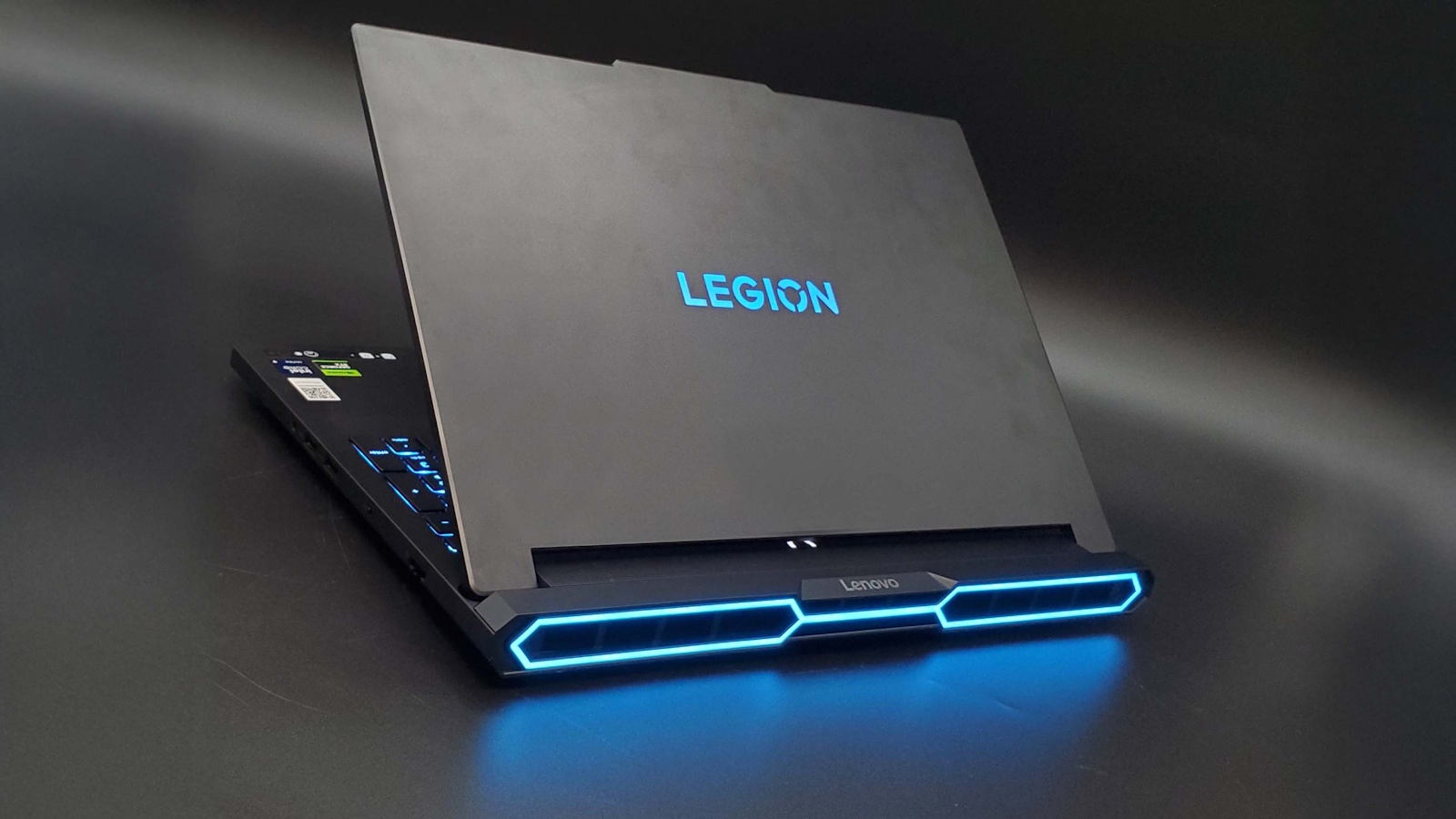

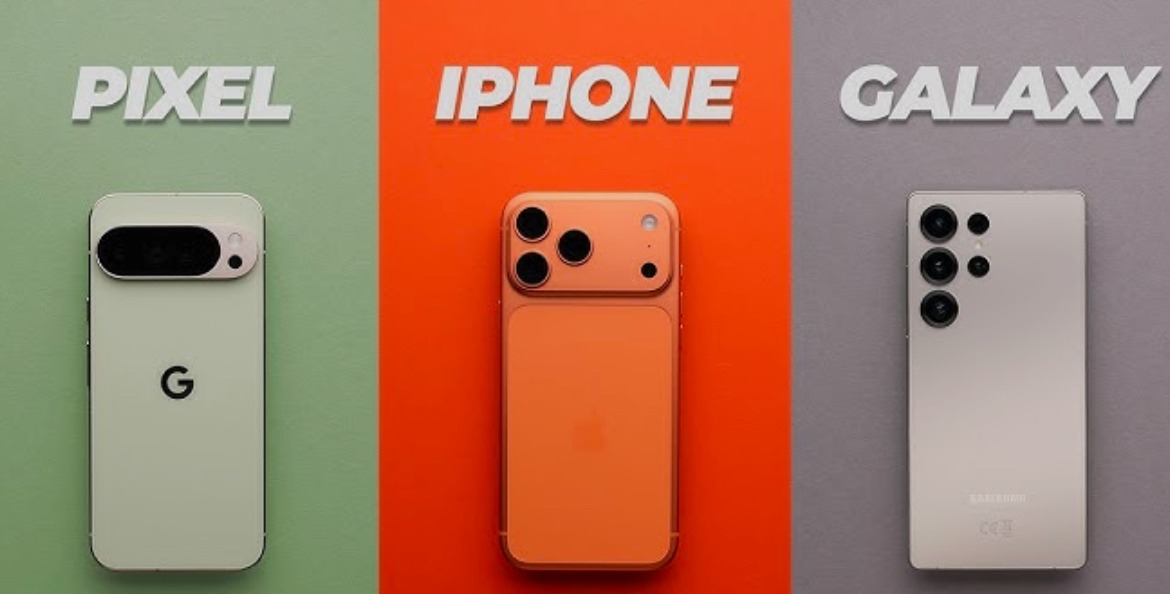

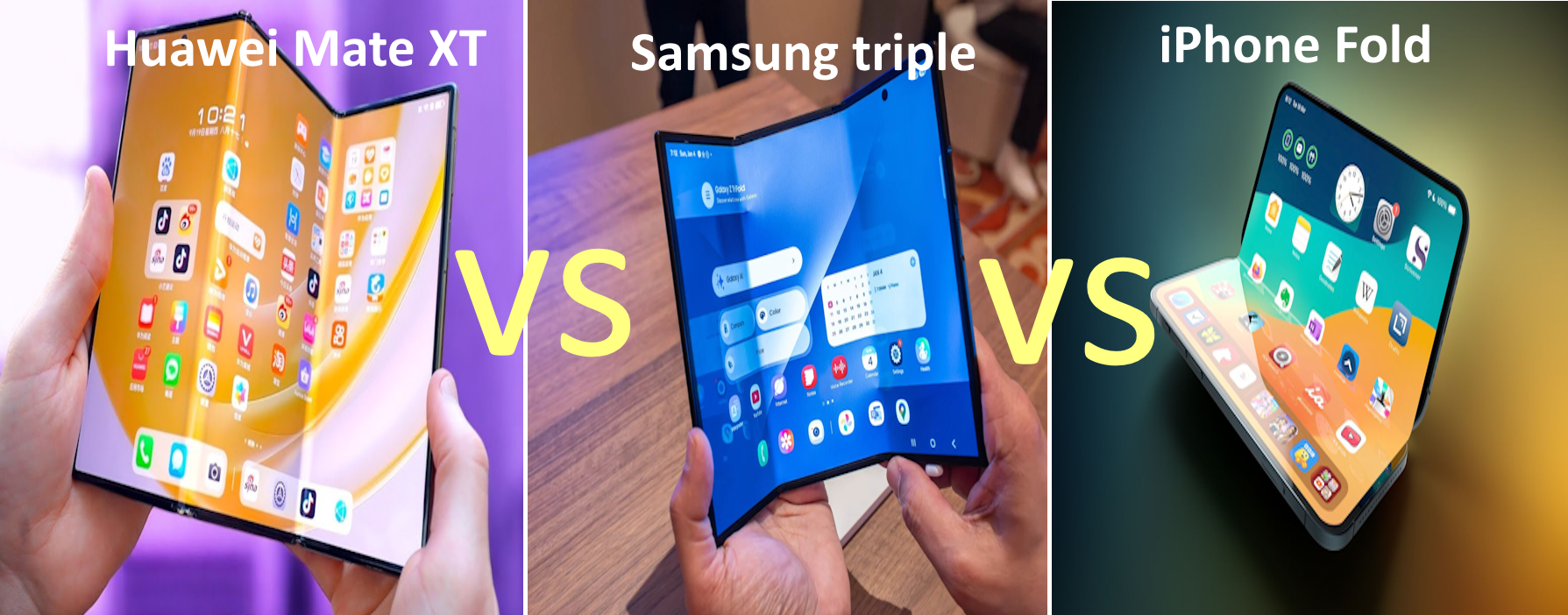

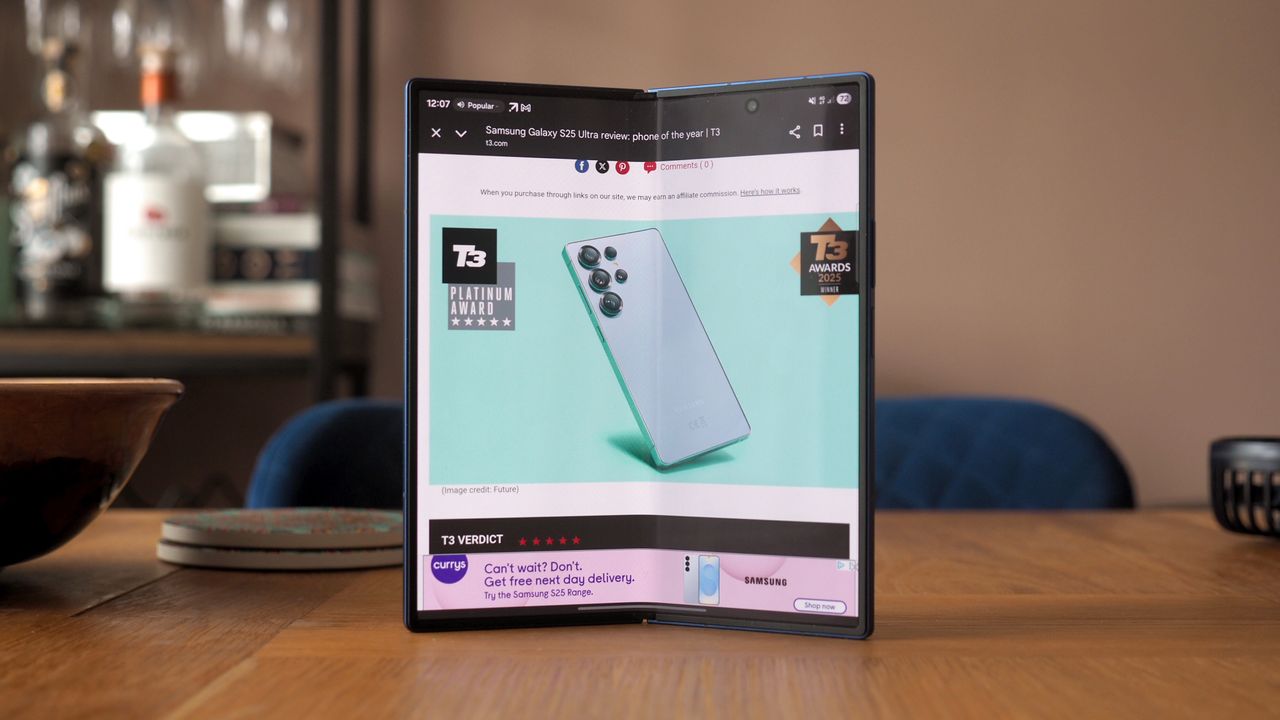

Tags
📧 Get More Articles Like This
Subscribe to receive product reviews and buying guides in your inbox!
We respect your privacy. Unsubscribe at any time.