Creaseless vs Traditional Foldable Displays: Samsung's Revolutionary Screen Technology Test

Table of Contents
- Introduction: The Revolution in Mobile Display Technology
- The Engineering Challenge Behind Foldable Screens
- Traditional Foldable Display Technology Explained
- Samsung’s Creaseless Display Innovation
- Comprehensive Durability Testing Protocols
- Real-World Performance Comparison
- Manufacturing Complexity and Cost Analysis
- Future Implications for Mobile Technology
- Conclusion: The Next Chapter in Display Evolution
- Detailed FAQ Section
Introduction: The Revolution in Mobile Display Technology
Three years ago, Sarah Martinez walked into a Samsung flagship store in downtown San Francisco with skepticism etched across her face. As a technology journalist who had witnessed countless “revolutionary” products fail to deliver on their promises, she approached the latest foldable smartphone demonstration with measured expectations. The sales representative handed her a gleaming device, encouraging her to examine the screen closely. Sarah’s fingers traced along the center of the display, searching for the telltale ridge that had plagued every foldable phone she had reviewed over the past four years. Her eyebrows raised slightly when she found nothing but smooth, uniform glass. She folded and unfolded the device seven times, each movement accompanied by increasing surprise. The screen remained perfectly flat, without the slightest hint of the permanent crease that had become synonymous with foldable technology. This was not an incremental improvement but rather a fundamental reimagining of how flexible displays could function.
Before delving into the details of the article, watch this video about the amazing leap Samsung has made in technology to hide the noticeable screen crease in the Galaxy Z Fold 8:
The journey from rigid smartphone screens to truly creaseless foldable displays represents one of the most significant engineering achievements in consumer electronics history. When Samsung first introduced foldable smartphones in 2019, the technology promised to revolutionize how we interact with mobile devices by offering tablet-sized screens that could fold into pocket-friendly form factors. However, early adopters quickly discovered a persistent problem that no amount of marketing could obscure: the visible crease that developed along the fold line after just weeks of use. This crease was not merely a cosmetic concern but rather a symptom of fundamental material science limitations that the entire display industry struggled to overcome. Traditional foldable displays relied on ultra-thin glass or specialized polyimide substrates that could bend without shattering, but these materials inevitably developed permanent deformation at the fold point after repeated stress cycles. The crease created optical distortions, reduced touch sensitivity, and served as a constant reminder that foldable technology remained in its evolutionary infancy.
Shop on AliExpress via link: wholesale-foldable-phone-holder

According to recent data from the International Data Corporation, the global foldable smartphone market reached 24.8 million units in 2025, representing 340% growth compared to 2022 figures. Despite this impressive expansion, consumer surveys consistently identified the visible crease as the primary deterrent preventing mainstream adoption of foldable devices. Market research conducted by Strategy Analytics revealed that 73% of potential foldable phone buyers cited crease concerns as their main hesitation, while 68% indicated they would pay premium prices for crease-free alternatives. These statistics underscore the enormous market potential for technologies that could eliminate this persistent flaw. Samsung’s investment in creaseless display research reportedly exceeded $2.1 billion between 2020 and 2025, involving collaboration between materials scientists, mechanical engineers, optical specialists, and manufacturing process experts across multiple continents. The resulting technology represents the culmination of thousands of failed prototypes, millions of testing hours, and breakthrough discoveries in polymer chemistry, adhesive science, and precision manufacturing techniques.
The implications of truly creaseless foldable displays extend far beyond aesthetic preferences. Display technology fundamentally shapes how we consume information, communicate with others, and interact with digital services. A crease-free foldable screen enables new use cases that were previously impractical, including extended reading sessions without visual distractions, professional photography and video editing with accurate color representation across the entire display surface, and immersive gaming experiences that leverage the full screen real estate without compromising visual quality. Healthcare applications could benefit from creaseless displays through improved medical imaging reviews on portable devices, while educational technology gains enhanced accessibility for students requiring larger viewing areas without the bulk of traditional tablets. The technology also addresses durability concerns that have plagued the foldable market, as the engineering solutions that eliminate creasing simultaneously improve overall screen longevity and resistance to environmental factors.
Audio technology has similarly evolved toward wireless solutions that eliminate physical connection constraints between devices and accessories. Premium audio equipment increasingly emphasizes seamless connectivity and device compatibility alongside traditional sound quality metrics, paralleling how display technology balances multiple performance dimensions.
Professional content creators increasingly demand mobile devices offering display quality approaching dedicated camera equipment viewfinders for critical evaluation of photographs and video footage during field production. Smartphone displays have evolved to provide color accuracy and resolution sufficient for preliminary content assessment, though specialized camera equipment still maintains advantages for mission-critical professional applications.
Understanding the technical distinctions between traditional foldable displays and Samsung’s creaseless technology requires examining the fundamental physics of flexible materials under repeated stress. When any material bends, the outer surface experiences tension while the inner surface undergoes compression. At the microscopic level, these opposing forces create strain patterns that can lead to permanent deformation when the material’s elastic limit is exceeded. Traditional foldable displays attempted to minimize this deformation by using materials with high flexibility and small bend radii, but even the most advanced polymers and ultra-thin glass formulations could not completely prevent plastic deformation after hundreds of thousands of fold cycles. The crease that developed was essentially a localized failure of the material to return to its original flat configuration, creating a visible ridge that disrupted both the optical and mechanical properties of the display. Samsung’s creaseless approach fundamentally reconceptualizes how stress is distributed during folding, employing multi-layered substrate architectures that redirect and dissipate mechanical forces before they can concentrate at the fold line.
The development timeline for creaseless display technology reveals the extraordinary complexity involved in bringing this innovation to market. Samsung’s internal research documents indicate that initial proof-of-concept demonstrations in 2021 showed promise but exhibited critical failures after just 10,000 fold cycles. Engineers spent eighteen months identifying the precise failure mechanisms through high-resolution electron microscopy, computational stress modeling, and real-time strain monitoring during fold operations. These investigations revealed that traditional adhesive layers between display components were concentrating stress at their interfaces, while the hinge mechanism’s fold radius was too sharp to accommodate the material’s natural bending characteristics. Subsequent prototypes incorporated variable-thickness adhesive layers with engineered stress-relief zones, modified hinge geometries that increased the fold radius by 40%, and novel polymer formulations that maintained elasticity across temperature ranges from -20 to 60 degrees Celsius. By late 2023, testing protocols demonstrated screen longevity exceeding 400,000 folds without visible creasing, marking the transition from research project to manufacturable product.
Consumer electronics analysts project that creaseless display technology will fundamentally reshape the smartphone market landscape over the next five years. Current premium foldable devices command prices between $1,800 and $2,400, limiting their appeal to technology enthusiasts and affluent early adopters. As creaseless manufacturing processes mature and production volumes increase, industry forecasts suggest foldable phones incorporating this technology could reach price parity with conventional flagship smartphones by 2028, potentially capturing 35-40% of the premium smartphone market segment. This mainstream adoption would trigger cascading effects throughout the mobile ecosystem, influencing application interface design paradigms, accessory markets, and even how telecommunications carriers structure their service plans. The technology also opens possibilities for foldable tablets, laptop displays, and automotive information systems, creating entirely new product categories that blur traditional device boundaries.
Ruggedized mobile devices designed for demanding environmental conditions traditionally prioritized physical durability over display sophistication, but creaseless foldable technology enables manufacturers to combine both attributes in single devices. Devices engineered to survive drops, impacts, and environmental extremes can now incorporate large foldable screens without sacrificing the protection levels required for professional field use.
Display technology evolution parallels broader smartphone innovation trends where manufacturers continuously push boundaries of what mobile devices can achieve through hardware improvements and software optimization. Premium flagship devices increasingly differentiate themselves through display quality, camera capabilities, and processing power rather than incremental feature additions, driving consumer upgrade decisions based on tangible performance improvements.
Scientific publications document the progression of deformable display technology from laboratory prototypes to commercial products through peer-reviewed research articles that detail fabrication techniques, performance characterization, and failure analysis. Technical challenges including material durability, manufacturing scalability, and commercialization barriers are systematically addressed through interdisciplinary research spanning materials engineering, mechanical design, and optical scie
The Engineering Challenge Behind Foldable Screens
The fundamental challenge in creating foldable displays stems from the inherent conflict between the requirements for optical clarity and mechanical flexibility. Smartphone screens must transmit light with minimal distortion while maintaining perfect flatness to enable accurate touch detection, yet these same screens need to withstand repeated bending cycles without developing permanent deformation or optical defects. This engineering paradox has consumed thousands of research hours across multiple technology companies, as the materials that excel at optical performance typically lack the flexibility required for folding, while highly flexible materials often compromise visual quality through reduced clarity, color accuracy, or brightness. Understanding this challenge requires examining the multilayered architecture that constitutes a modern display and recognizing how each layer contributes both beneficial properties and constraints to the overall system.
A conventional smartphone display contains seven to eleven distinct layers, each serving specific functions in the complex process of generating and presenting visual information. Starting from the bottom, a backplane layer contains the thin-film transistors that control individual pixels, followed by the OLED emissive layer that generates colored light, protective encapsulation layers that prevent moisture and oxygen degradation, touch sensor arrays that detect finger inputs, polarizing films that enhance outdoor visibility, and finally the cover glass or protective film that interfaces with the user’s fingers. In rigid displays, these layers can be bonded using stiff adhesives that maximize optical coupling and mechanical stability. However, foldable displays demand adhesives that remain flexible across millions of bend cycles while maintaining perfect layer alignment and preventing air gaps that would create visible distortions. The adhesive layer must also conduct touch signals without interfering with display brightness, withstand temperature fluctuations during device operation, and resist delamination from repeated mechanical stress.

The mechanical engineering challenges extend beyond material selection to encompass the precise geometry of the fold itself. When a display bends, the materials on the outer radius stretch while those on the inner radius compress, creating a neutral plane somewhere within the stack where neither tension nor compression occurs. Engineers must position the most critical display components as close to this neutral plane as possible to minimize stress exposure. However, the neutral plane location shifts depending on the bend radius, the relative thickness of each layer, and the mechanical properties of the adhesives bonding those layers together. Computational modeling reveals that even tiny variations in layer thickness—on the order of micrometers—can dramatically alter stress distribution patterns and determine whether a display survives 100,000 folds or 1 million folds. This sensitivity to manufacturing precision explains why early foldable displays exhibited such variable longevity, as slight variations in production processes created displays with wildly different durability characteristics.
Temperature effects compound these mechanical challenges in ways that are not immediately obvious to casual observers. Polymer materials used in flexible displays exhibit temperature-dependent mechanical properties, becoming stiffer in cold environments and more pliable in warm conditions. A display that folds perfectly at room temperature might develop creases when operated in air-conditioned offices or fail catastrophically when used outdoors on freezing winter days. Samsung’s testing protocols therefore include temperature cycling experiments where displays are repeatedly folded at temperatures ranging from -40 to 85 degrees Celsius, revealing failure modes that would never appear during room-temperature evaluations. These tests demonstrated that traditional foldable displays lost 60% of their crack resistance when folded at temperatures below freezing, while creaseless technology maintained 90% of its room-temperature performance across the entire tested temperature range through specialized polymer formulations that resist thermal stiffening.
Intellectual property protection enables technology companies to recover research and development investments by securing exclusive rights to manufacture products incorporating patented innovations. Patent systems encourage continued innovation by providing temporary market advantages to companies developing breakthrough technologies while ultimately promoting knowledge sharing through public disclosure of technical details.
The optical consequences of mechanical stress present equally demanding challenges. When display materials deform even slightly, their refractive index can change in ways that affect light transmission and polarization. A crease in a display creates local variations in thickness that alter how light passes through the stack, producing visible brightness variations or color shifts that degrade image quality. Touch sensor performance also suffers when displays crease, as the capacitive sensing electrodes embedded in the screen rely on precise spacing and geometric patterns to detect finger position. When creasing distorts these patterns, touch accuracy declines, creating dead zones or areas with reduced sensitivity. Users notice these effects during everyday interactions, as gestures that should work smoothly instead require repeated attempts or fail to register entirely. Eliminating creases therefore improves not just visual aesthetics but also the fundamental usability of the device.
Manufacturing precision requirements for creaseless displays exceed those of almost any other consumer product, approaching tolerances typically associated with aerospace or medical device production. Layer thickness must be controlled to within ±2 micrometers across display areas measuring 150 square centimeters or larger, while layer-to-layer alignment must maintain accuracy within ±5 micrometers to prevent optical defects. The adhesive application process demands similarly exacting control, as variations in adhesive thickness create stress concentration points that accelerate crease formation. Achieving these tolerances requires cleanroom environments with air particle counts measured in single digits per cubic meter, temperature regulation within ±0.5 degrees Celsius, and humidity control maintaining ±2% variation. The manufacturing equipment itself must position substrates with sub-micrometer accuracy while applying uniform pressure across large areas, capabilities that demanded entirely new machine designs costing tens of millions of dollars per production line.
Material science innovations form the foundation of creaseless display technology. Traditional flexible displays employed polyimide substrates due to their combination of flexibility and thermal stability, but polyimide’s tendency to develop permanent set—a type of plastic deformation—limited display longevity. Researchers explored hundreds of polymer formulations searching for materials that could withstand repeated bending without retaining deformation. This search eventually led to custom copolymer systems that blend multiple polymer types to achieve properties unavailable in single-component materials. These advanced polymers incorporate molecular architectures designed to distribute stress across polymer chains rather than concentrating it at specific chemical bonds, preventing the chain scission that leads to permanent deformation. The resulting materials exhibit elastic moduli carefully tuned to match the other display layers, ensuring stress distributes evenly through the entire stack rather than concentrating at interfaces.
The hinge mechanism represents another critical engineering element that distinguishes creaseless from traditional foldable designs. Early foldable phones employed simple two-bar linkages that created sharp fold angles, concentrating stress over narrow regions of the display. These sharp folds exceeded the elastic limits of even the most advanced flexible materials, inevitably producing creases after repeated use. Samsung’s creaseless technology incorporates multi-link hinge designs that distribute the fold across a wider radius, reducing peak stress levels by 45% compared to traditional designs. The hinge also includes precision-controlled resistance that ensures smooth, controlled folding motion rather than allowing the screen to snap closed under spring tension. This controlled folding reduces shock loads that could damage delicate display layers while providing satisfying tactile feedback that enhances the user experience.
Traditional Foldable Display Technology Explained
Traditional foldable display technology emerged from decades of research into flexible electronics, with roots extending back to early experiments with organic light-emitting diodes and printed circuit techniques in the late 1990s. The first commercially viable foldable smartphones appeared in 2019 after years of prototype demonstrations at technology trade shows, marking the culmination of intensive development efforts by Samsung, Huawei, and other major electronics manufacturers. These early devices relied on ultra-thin glass formulations or specialized polyimide substrates that could bend without shattering, representing significant achievements in materials engineering even as they struggled with the persistent crease problem that would define the technology’s early reputation. Understanding how traditional foldable displays function provides essential context for appreciating the innovations that enable creaseless technology.

The display stack in traditional foldable phones begins with a thin-film transistor backplane fabricated on polyimide substrate using low-temperature polysilicon or oxide semiconductor materials. This backplane contains millions of individual transistors arranged in a grid pattern, with each transistor controlling a single sub-pixel in the display. The transistors must be deposited at temperatures low enough to avoid damaging the temperature-sensitive polyimide substrate, constraining manufacturing processes to specialized techniques that limit transistor performance compared to those used in rigid displays. Above the backplane sits the OLED emissive layer, where organic compounds generate red, green, and blue light when electrical current flows through them. These organic materials present particular challenges in foldable applications, as mechanical stress can create defects in the molecular structure that reduce light output or alter emission spectra. Protective encapsulation layers shield the OLEDs from moisture and oxygen, which would rapidly degrade the organic materials, but these encapsulation layers must maintain their barrier properties even when repeatedly bent.
Touch sensing in traditional foldable displays typically employs one of two approaches: add-on touch film laminated to the top surface, or integrated touch sensor embedded within the display stack. Add-on touch films simplify manufacturing but create additional interfaces that can delaminate during folding, while integrated touch sensors eliminate interfaces but complicate the already-challenging display fabrication process. Both approaches must detect capacitance changes when fingers approach the screen surface while maintaining this capability across fold lines where material properties change due to mechanical stress. The touch sensor’s transparent conductive electrodes, usually made from indium tin oxide or silver nanowires, must maintain electrical connectivity even as the display bends, requiring careful attention to material ductility and stress distribution patterns. Traditional foldable designs often exhibited reduced touch sensitivity along the fold line where microscopic cracks in the electrode layers disrupted signal transmission.
The cover window in traditional foldable displays represents perhaps the most visible component from the user’s perspective, as this layer directly interfaces with fingers during interaction. Early foldable phones employed thin polyimide films as cover windows due to their flexibility and optical clarity, but these films scratched easily and developed a tacky surface texture that collected fingerprints. Subsequent generations introduced ultra-thin glass alternatives measuring just 30-50 micrometers thick, offering improved scratch resistance and a more premium feel. However, even ultra-thin glass cannot bend indefinitely without developing micro-cracks that eventually propagate into visible damage. The cover window must also incorporate anti-reflective coatings to maintain visibility under bright lighting conditions, and these coatings face additional durability challenges as repeated folding creates cyclic stress that can cause coating delamination or cracking.
Adhesive technology forms an often-overlooked but absolutely critical component of traditional foldable displays. Each layer in the display stack must be bonded to adjacent layers with adhesives that maintain optical clarity while providing mechanical stability. These adhesives face contradictory requirements: they must be strong enough to prevent delamination during normal handling but flexible enough to accommodate the strain that occurs during folding. Traditional optical clear adhesives used in rigid displays become stiff or brittle when formulated for high adhesion strength, making them unsuitable for foldable applications. Specialized pressure-sensitive adhesives developed for foldables attempt to balance these requirements but inevitably compromise either adhesion strength or flexibility. The adhesive thickness also matters enormously, as thicker adhesive layers create air gaps that reduce optical coupling between layers, while thinner layers may not provide adequate bonding strength. Achieving optimal adhesive performance across millions of fold cycles proved one of the most vexing challenges in traditional foldable display development.
The crease formation mechanism in traditional foldable displays stems from plastic deformation that accumulates in display materials over repeated fold cycles. When materials bend, they experience elastic deformation that reverses when bending force is removed, returning the material to its original flat configuration. However, if stress levels exceed the material’s yield strength, plastic deformation occurs where the material permanently changes shape without recovering. In foldable displays, the outer layers experience the highest tensile stress during folding, while inner layers undergo the greatest compressive stress. These stress levels concentrate at the fold line due to the sharp bend radius typical of traditional foldable designs. After thousands or tens of thousands of fold cycles, micro-level plastic deformation accumulates until it becomes visible as a permanent crease. This crease reflects light differently than the surrounding flat areas, creating the characteristic visible line that mars the display appearance.
Environmental factors accelerate crease formation in traditional foldable displays through mechanisms that are not always obvious during laboratory testing. Humidity affects polymer materials by causing swelling that alters mechanical properties, while ultraviolet light exposure can initiate photochemical reactions that degrade polymer chains and reduce material strength. Temperature cycling creates differential thermal expansion between layers with different coefficients of thermal expansion, generating internal stresses even when the display is not being folded. User handling introduces additional stress through twisting motions, point loads from fingers pressing specific areas, and impacts from dropping the device. These combined environmental and mechanical stressors create a complex failure landscape that traditional foldable displays must navigate throughout their operational lifetime, often with limited success as evidenced by the persistent crease problem.
Samsung’s Creaseless Display Innovation
Samsung’s creaseless display technology represents the synthesis of breakthroughs across multiple scientific disciplines, from advanced polymer chemistry to precision manufacturing processes to novel optical engineering approaches. The technology does not rely on a single innovation but rather integrates dozens of incremental improvements that collectively eliminate the crease problem that plagued previous foldable displays. At its core, creaseless technology reconceptualizes how mechanical stress propagates through display layers during folding, implementing strategic modifications that prevent stress concentration at the fold line while maintaining the optical and touch performance that users demand from premium smartphones. The result is a display that feels indistinguishable from a rigid screen when flat yet can fold hundreds of thousands of times without developing visible deformation.
The substrate architecture in creaseless displays employs a multi-layer approach fundamentally different from traditional foldable designs. Rather than using a single flexible substrate supporting all display components, Samsung’s technology distributes display elements across multiple substrate layers with carefully engineered mechanical properties. The bottommost substrate layer uses a specialized copolymer formulation that exhibits extremely high elastic recovery, meaning it returns almost perfectly to its original shape after bending with minimal permanent deformation. This substrate supports the thin-film transistor backplane but remains mechanically isolated from upper layers through compliant interlayer materials that can accommodate slight differential motion between layers. Above this sits a second substrate layer optimized for optical performance rather than mechanical flexibility, bonded through pressure-sensitive adhesives that permit controlled slippage during folding to prevent stress transmission. This multi-substrate architecture distributes the total strain experienced during folding across multiple interfaces rather than concentrating it in a single material layer.
The hinge mechanism in creaseless displays incorporates precision-engineered geometry that fundamentally alters the stress distribution during folding. Traditional foldable hinges created a sharp V-shaped fold with a radius of curvature measuring 3-4 millimeters, concentrating stress over a narrow band of display material. Samsung’s creaseless hinge increases the fold radius to 6-7 millimeters while simultaneously distributing the fold across a wider section of display through a curved folding profile rather than a sharp angle. Computational fluid dynamics modeling adapted from aerospace engineering revealed that this gentler folding curve reduces peak tensile stress levels by 52% and peak compressive stress by 47% compared to traditional designs. The hinge also incorporates spring-loaded cam mechanisms that ensure the display follows a prescribed folding path, preventing irregular bending that could create localized stress concentrations. These cams engage at precise angles during the folding process, guiding the display through the optimal stress distribution profile identified through thousands of simulation iterations.
Advanced polymer science enables the creaseless performance through materials engineered at the molecular level for elastic recovery. Samsung’s research laboratories synthesized custom block copolymers combining hard segments that provide mechanical strength with soft segments that permit flexibility. The molecular architecture incorporates reversible cross-linking chemistry that allows polymer chains to temporarily disconnect and reconnect during folding, accommodating large-scale deformation without permanent chain scission. These materials also include shape memory characteristics, where the polymer “remembers” its flat configuration and actively works to return to that state after folding. The shape memory effect operates through thermally reversible phase transitions engineered into the polymer structure, causing the material to stiffen slightly when flat and soften during folding to reduce stress levels. Temperature-dependent mechanical properties are carefully tuned so that the transitions occur at temperatures naturally encountered during device operation, leveraging waste heat from the processor and display to assist in crease prevention.
Adhesive innovations play an equally critical role in enabling creaseless performance. Samsung developed pressure-sensitive adhesives with engineered viscoelastic properties that behave differently depending on strain rate and magnitude. During slow folding motions typical of normal device use, the adhesives remain compliant and permit slight slippage between bonded layers, preventing stress transmission that could cause creasing. However, during rapid impacts like dropping the device, the same adhesives stiffen dramatically through shear-thickening behavior, protecting the display from shock damage. This dual-mode adhesive behavior required extensive formulation development involving thousands of candidate materials tested under accelerated aging conditions to ensure long-term stability. The final adhesive compositions incorporate nanoparticle additives that create controlled weak points at the fold line, allowing the adhesive to preferentially deform in these engineered regions rather than transmitting stress to adjacent display layers.
Optical engineering innovations ensure that creaseless displays maintain perfect visual quality across the entire screen surface. Traditional foldable displays sometimes exhibited slight brightness or color variations at the fold line due to changes in material thickness or refractive index. Samsung’s creaseless technology incorporates compensation structures within the display stack that counteract these optical effects. Micro-structured optical films with precisely patterned surface features redistribute light to maintain uniform brightness, while specialized coating materials with tailored refractive indices minimize light scattering at material interfaces. The display backplane includes compensation algorithms that adjust pixel brightness in real-time based on fold angle sensors within the hinge, ensuring consistent visual appearance whether the device is fully open, partially folded, or in intermediate positions. These algorithms employ machine learning models trained on millions of measurements from prototype displays, predicting optimal compensation values for any fold configuration..
Industry standardization efforts establish measurement methodologies that enable objective comparison of display performance across different manufacturers and technologies. Precision measurement standards developed for electronic displays ensure consistent evaluation of brightness uniformity, color accuracy, and viewing angle characteristics using calibrated instruments and validated testing procedures that eliminate subjective interpretation.
Manufacturing process innovations enable mass production of creaseless displays with the extreme precision required for reliable operation. Samsung invested in custom robotic assembly systems that position display layers with sub-micrometer accuracy, employing laser alignment technologies originally developed for semiconductor lithography. The adhesive application process uses precision-controlled dispensing systems that can vary adhesive thickness across the display area according to pre-programmed patterns, creating regions with different mechanical properties optimized for their specific locations. Curing processes employ precisely controlled thermal profiles that ensure adhesives achieve their designed properties without inducing thermal stress in adjacent layers. Quality verification systems inspect every manufactured display using automated optical inspection equipment that can detect defects measuring just micrometers in size, ensuring only flawless displays reach consumer devices.
The touch sensor architecture in creaseless displays employs novel electrode geometries that maintain sensitivity across fold lines. Rather than continuous electrode strips that cross the fold area, Samsung developed serpentine electrode patterns with deliberate weak points positioned to align with stress relief zones in the substrate. These serpentine patterns accommodate the slight stretching and compression that occurs during folding without disrupting electrical continuity. The touch controller firmware includes compensation algorithms that account for geometry changes during folding, maintaining accurate touch position detection across the full range of fold angles. Capacitive sensing signals are sampled at higher frequencies near the fold line to detect and correct for any intermittent connectivity issues, ensuring seamless touch response across the entire display surface.
Comprehensive Durability Testing Protocols
The durability testing regimen for creaseless displays represents one of the most comprehensive product validation programs in consumer electronics history, exceeding automotive industry standards for thoroughness and sophistication. Samsung’s testing facilities process hundreds of display samples through accelerated lifecycle evaluations designed to simulate years of real-world usage within compressed timeframes measured in weeks or months. These testing protocols address not only the obvious concern of fold cycle endurance but also examine performance under environmental extremes, mechanical abuse scenarios, chemical exposure, and combinations of stressors that users might encounter during extended device ownership. The resulting data provides confidence that creaseless displays will maintain their performance characteristics throughout typical device lifespans of three to five years.

Automated folding testing forms the cornerstone of durability validation, with custom-built machines capable of repeatedly folding displays at precisely controlled rates, angles, and temperatures. These machines operate continuously, completing fold cycles every 3-4 seconds around the clock to accumulate the hundreds of thousands of cycles required for thorough validation. Samsung’s testing specifications mandate displays survive at least 400,000 fold cycles without developing visible creases or experiencing more than 5% degradation in brightness, touch sensitivity, or optical clarity. To put this number in context, a user who folds their device 100 times daily would require nearly eleven years to reach 400,000 cycles, far exceeding typical device replacement intervals. Testing occurs at multiple temperature conditions including room temperature (23 degrees Celsius), high temperature (60 degrees Celsius), and low temperature (-20 degrees Celsius) to verify performance across the full range of environmental conditions users might encounter. High-resolution cameras monitor each display during testing, capturing images every 1,000 cycles to track any subtle changes in surface geometry or optical properties.
Environmental stress testing subjects displays to temperature cycling, humidity exposure, thermal shock, and combinations of environmental factors designed to reveal hidden failure modes. Temperature cycling tests transition displays between -40 and 85 degrees Celsius with rapid heating and cooling rates that induce thermal stress from differential expansion between materials with different coefficients of thermal expansion. Humidity testing exposes displays to 85% relative humidity at 60 degrees Celsius for 1,000 hours, accelerating moisture-related degradation mechanisms that might occur over years of normal use in humid climates. Thermal shock testing plunges displays from high temperature environments directly into freezing conditions, creating extreme thermal gradients that stress adhesive bonds and material interfaces. These environmental tests run concurrently with mechanical folding operations to simulate the combined stressors displays experience during actual use, as users may fold their devices outdoors in freezing weather or in humid tropical environments.
Mechanical abuse testing evaluates display resilience under scenarios that would destroy most electronic devices, providing margin to ensure displays survive the inevitable mishaps that occur during consumer ownership. Drop testing releases devices from heights ranging from 0.5 to 2.0 meters onto various surfaces including concrete, tile, carpet, and steel plates, with the device oriented to impact on corners, edges, and flat faces. High-speed cameras recording at 10,000 frames per second capture the impact dynamics, revealing how shock waves propagate through the device structure and where peak stresses occur. Displays must remain functional after specified numbers of drops at each height, with no cracks, delamination, or dead pixels permitted. Scratch resistance testing employs Mohs hardness picks and calibrated abrasion equipment to verify the cover window resists damage from keys, coins, and other objects commonly carried in pockets or bags. Displays receive scratch resistance ratings based on the hardness level required to create visible damage, with creaseless displays targeting ratings of 6H or higher to match conventional smartphone glass.
Chemical resistance testing exposes displays to substances commonly encountered during daily use, including cosmetics, sunscreen, hand sanitizer, cleaning agents, and food substances like coffee, soda, and cooking oil. Testing protocols apply these materials to display surfaces for specified durations before cleaning to verify that no permanent staining, discoloration, or material degradation occurs. The testing includes both neutral pH substances and acidic or alkaline materials that might aggressively attack polymer surfaces or adhesives. Touch functionality must remain unaffected after chemical exposure, with no change in sensitivity or position accuracy permitted. Oleophobic coating performance is verified by measuring contact angles of water and oil droplets before and after exposure to ensure the coating retains its anti-fingerprint characteristics throughout device lifetime.
Optical performance verification employs precision measurement equipment to quantify brightness uniformity, color accuracy, viewing angle performance, and contrast ratios across the display surface. Spectroradiometers measure light output at hundreds of locations across the screen, creating detailed maps of brightness and color distribution with resolution sufficient to detect variations of just 1-2 candelas per square meter. Measurements repeat after every 50,000 fold cycles during endurance testing to track performance degradation over time. Color gamut mapping verifies displays maintain accurate color reproduction across the full sRGB or DCI-P3 color spaces, with Delta E measurements quantifying color accuracy against reference standards. Viewing angle testing employs robotic positioning systems to measure display characteristics from angles ranging from perpendicular to 80 degrees off-axis, ensuring consistent visual quality regardless of viewing position.
Touch performance validation uses robotic styluses that can execute precise touch gestures with position accuracy better than 0.1 millimeter and force control spanning from light touches barely exceeding detection threshold to firm presses simulating aggressive user inputs. These robots test thousands of touch positions across the display surface, measuring response time, position accuracy, and multi-touch tracking capability. Testing specifically targets the fold area where traditional foldable displays often exhibited reduced sensitivity, verifying that creaseless technology maintains uniform touch response across the entire screen. The testing includes swipe gestures, multi-finger pinch and zoom operations, and rapid-fire touch sequences that stress the touch controller’s processing capabilities. Displays must achieve 99.9% or better touch recognition rates across all tested positions and gesture types.
Long-term reliability testing places displays in accelerated aging chambers where elevated temperature and voltage stress simulate years of operation within weeks or months. Displays operate continuously showing worst-case content patterns designed to maximize OLED stress, including bright white screens that drive pixels to maximum output and checkerboard patterns that create temperature gradients across the panel. Current monitoring tracks OLED efficiency degradation over time, predicting how brightness will decline over typical device lifetimes. Displays must retain at least 80% of their initial brightness after simulated lifespans equivalent to five years of eight-hour daily usage. Pixel defect formation is monitored throughout aging testing, with zero tolerance for additional dead or stuck pixels developing during simulated lifetime operation.
Real-World Performance Comparison
Translating laboratory testing results into meaningful real-world performance comparisons requires examining how creaseless and traditional foldable displays behave under actual usage conditions that combine multiple stress factors in unpredictable sequences. Field testing programs deployed hundreds of prototype devices to beta users across diverse geographic regions and usage patterns, collecting detailed performance metrics alongside qualitative feedback about user experiences. These real-world evaluations revealed nuances that laboratory testing alone could not capture, including how displays respond to the unique combination of folding patterns, environmental conditions, and handling characteristics that define individual user behavior. The resulting data provides compelling evidence that creaseless technology delivers measurable performance advantages across multiple dimensions that matter to users.
Visual quality assessments conducted by professional display reviewers consistently rated creaseless displays superior to traditional foldables across multiple criteria. Side-by-side comparisons using calibrated test patterns revealed creaseless displays exhibited 8-12% higher peak brightness when measured at the center of the fold line, where traditional foldables typically show slight brightness reductions due to material thickness variations or optical distortions. Color accuracy measurements showed creaseless technology maintained Delta E values below 1.0 across the entire display area, indicating color reproduction accurate enough to satisfy professional photographers and graphic designers. Traditional foldable displays frequently measured Delta E values between 2.0 and 3.5 near the fold line, creating visible color shifts that degraded image quality. Viewing angle performance tests demonstrated creaseless displays maintained color consistency and contrast ratios beyond 75 degrees off-axis, compared to 60-65 degrees for traditional foldables where light scattering at the crease area reduced viewing angle performance.
Touch responsiveness testing in real-world applications revealed significant differences between creaseless and traditional technologies. Professional mobile gaming tests using rhythm games requiring precise timing and position accuracy showed creaseless displays achieved 99.7% input accuracy across the full screen surface, while traditional foldables averaged 94-96% accuracy with the lowest performance occurring at the fold line. Latency measurements from touch input to screen response averaged 11-13 milliseconds for creaseless displays versus 15-19 milliseconds for traditional foldables, with the difference most pronounced during rapid gesture sequences like swiping or scrolling. Productivity applications involving drawing or handwriting showed users could create smoother, more accurate strokes on creaseless displays, as the absence of physical crease allowed styluses to glide seamlessly across the entire screen without encountering the slight ridge that disrupted drawing motions on traditional foldables.
Battery life comparisons conducted through standardized usage scenarios showed minimal differences between creaseless and traditional foldable displays despite the slightly different layer structures and optical properties. Continuous video playback tests drained batteries at nearly identical rates, with creaseless displays consuming approximately 3% more power to maintain equivalent brightness levels due to slightly reduced light transmission through additional protective layers. During typical mixed-use scenarios combining web browsing, social media, messaging, and occasional video viewing, creaseless displays delivered screen-on times averaging 8 hours and 47 minutes compared to 9 hours and 3 minutes for traditional foldables, a difference of just 16 minutes that falls within normal variation between individual devices. Standby power consumption showed no measurable difference, as both technologies employ identical OLED pixel structures and backplane electronics that dominate power consumption when displays are active.
Durability assessment through extended beta testing programs provided the most compelling real-world performance data. Devices distributed to beta users received remote monitoring software that tracked fold count, screen-on time, environmental conditions, and various performance metrics throughout six-month testing periods. Users who folded their devices more than 100 times daily for the full six months accumulated over 18,000 fold cycles, revealing how displays perform under intensive real-world use. Traditional foldable displays in the test group showed visible crease development after 8,000-12,000 folds, with crease severity correlating strongly with folding frequency and environmental conditions. Creaseless displays completed the full testing period without developing visible creases even in devices that exceeded 25,000 total folds, confirming laboratory testing predictions about superior durability. Touch sensitivity measurements showed creaseless displays maintained 98-99% of their initial sensitivity throughout testing, while traditional foldables declined to 88-93% of initial sensitivity with the greatest degradation occurring at the fold line.

Environmental resilience testing during field trials revealed creaseless displays’ advantages in challenging conditions. Devices used in tropical climates with high humidity and temperature showed no accelerated degradation compared to those used in moderate climates, while traditional foldables often exhibited adhesive delamination or increased crease visibility when exposed to prolonged high humidity. Users in cold climates reported traditional foldables sometimes became difficult to fold or developed temporary creasing when used outdoors in freezing temperatures, issues completely absent in creaseless devices that maintained consistent folding characteristics across the full operational temperature range. Beach usage provided particularly challenging conditions combining sunlight, humidity, salt air, and sand exposure, yet creaseless displays emerged from these environments without performance degradation while traditional units sometimes showed reduced touch sensitivity or increased friction during folding from salt crystal accumulation in hinge mechanisms.
Reliability data from field testing showed creaseless displays achieved failure rates 67% lower than traditional foldable displays during the six-month beta period. Device failures in the traditional foldable group primarily resulted from screen failures including dead pixels, delamination, or touch sensor malfunctions concentrated at the fold area. Creaseless display failures occurred at random locations across the screen without correlation to the fold line, suggesting failure mechanisms unrelated to folding stress. When devices from both groups were returned at testing conclusion for detailed examination, microscopic inspection revealed traditional foldables exhibited micro-cracks in cover window materials and adhesive degradation invisible to the naked eye but contributing to long-term reliability risks. Creaseless displays showed minimal micro-damage even after extensive use, confirming the effectiveness of stress distribution strategies in preventing cumulative damage accumulation.
User satisfaction surveys conducted at testing conclusion revealed overwhelming preference for creaseless technology across multiple dimensions. When asked to rate display quality on a scale from 1-10, creaseless users averaged 9.1 compared to 7.3 for traditional foldable users, with the difference primarily attributed to crease visibility affecting perceived screen quality. Confidence in long-term reliability showed even larger gaps, with 87% of creaseless users expressing confidence their display would maintain quality for three or more years versus just 54% of traditional foldable users reporting similar confidence. Intent to recommend foldable phones to friends and family scored 8.7 for creaseless users and 6.2 for traditional foldable users, suggesting creaseless technology significantly improves the overall value proposition of foldable devices.
Manufacturing Complexity and Cost Analysis
Manufacturing creaseless displays requires production capabilities that exceed those available in conventional display fabrication facilities, demanding substantial capital investment in specialized equipment, cleanroom infrastructure, and process control systems. Samsung’s production lines for creaseless technology incorporate innovations across every manufacturing stage, from substrate preparation through final assembly and testing. These manufacturing advances enable the precision and consistency required for reliable creaseless performance, but they also introduce cost premiums that impact device pricing during the technology’s early market introduction phase. Understanding the manufacturing complexity provides insight into both current cost structures and future cost reduction pathways as production volumes scale.
The substrate fabrication process begins with specialized polymer film production requiring extreme cleanliness and uniformity control. The custom copolymer formulations used in creaseless displays are synthesized in dedicated chemical reactors operating under precisely controlled temperature, pressure, and atmosphere conditions to ensure consistent molecular weight distribution and compositional uniformity. These polymers then undergo film casting processes employing precision-controlled coating heads that deposit polymer solutions onto moving carrier films with thickness variations maintained below ±1 micrometer across substrate widths exceeding one meter. The casting process occurs in Class 10 cleanrooms where air contains fewer than ten particles per cubic meter larger than 0.5 micrometers, preventing contamination that could create defects in the finished substrate. Multiple coating passes build up substrate thickness through sequential layer depositions, with each layer cured under specific thermal and UV exposure conditions before applying the next layer to achieve the designed multi-layer architecture.
Backplane fabrication on flexible substrates employs low-temperature processing techniques developed specifically for temperature-sensitive polymer materials. Thin-film transistor deposition occurs through sputtering and chemical vapor deposition processes operating below 200 degrees Celsius, well below the 300-400 degree temperatures typical in conventional rigid display production. These low temperatures constrain the crystallization and grain growth processes that determine transistor performance, requiring longer process times and more sophisticated equipment to achieve acceptable electrical characteristics. Laser annealing systems provide localized heating to improve transistor performance without exposing the entire substrate to damaging temperatures, but these laser systems represent significant capital investments costing millions of dollars per production line. Photolithography steps that define transistor patterns demand precision alignment equipment capable of maintaining registration accuracy within ±2 micrometers despite dimensional changes in polymer substrates as they respond to temperature and humidity variations in the processing environment.
OLED material deposition presents unique challenges when fabricating displays on flexible substrates. The organic compounds used in OLED pixels degrade when exposed to moisture or oxygen levels exceeding a few parts per million, requiring deposition processes to occur in ultra-high vacuum chambers with pressure maintained below 10^-6 torr. These materials deposit through thermal evaporation from heated crucibles, with deposition rates controlled to within ±5% to ensure uniform layer thickness across large substrate areas. Shadow mask systems define the red, green, and blue sub-pixel patterns, employing precision-machined metal masks with apertures measuring just micrometers across. The masks must align perfectly with the underlying transistor array despite the flexible substrate’s tendency to expand or contract slightly during processing. Encapsulation layers protecting the OLEDs from moisture employ atomic layer deposition or other barrier coating technologies capable of creating defect-free barriers even on curved or irregular substrate surfaces near the fold area.
Touch sensor integration requires additional processing steps that must not damage the underlying OLED layers. Transparent conductive materials deposit through sputtering processes operating at low power levels to minimize thermal stress on the organic materials. Photolithography defines the serpentine electrode patterns optimized for fold area performance, with alignment accuracy requirements even more stringent than for backplane processing given the small feature sizes involved. Annealing steps improve electrode conductivity while remaining below temperatures that would degrade OLED materials or disturb previously deposited adhesive layers. The complete touch sensor fabrication sequence adds ten to fifteen process steps beyond those required for displays without integrated touch capability.
Assembly operations bond multiple component layers into the complete display stack using precision-controlled lamination processes. Robotic systems position substrates on alignment stages where optical cameras measure alignment marks to determine position and orientation with sub-micrometer accuracy. Adhesive layers apply through screen printing or precision dispensing systems that can vary adhesive thickness according to programmed patterns, creating thicker adhesive regions in areas requiring additional compliance and thinner regions where optical coupling demands minimal spacing between layers. Vacuum lamination presses eliminate air bubbles while bonding layers together, applying controlled pressure distributed uniformly across large areas through compliant bladder systems. Each bonding operation requires precise process control to achieve target bond strengths without inducing stress that could cause warping or delamination during subsequent processing or use.
Quality control verification examines every manufactured display through automated inspection systems capable of detecting defects measuring just micrometers in size. Optical inspection equipment images displays under various lighting conditions to identify cosmetic defects like dust particles, scratches, or contamination. Electrical testing applies signals to every transistor and pixel in the array, verifying functionality and measuring performance parameters against specification limits. Touch functionality testing uses calibrated robotic contact systems to verify touch response across thousands of screen locations. Any display failing to meet specifications is rejected and often subjected to failure analysis to identify root causes and prevent future occurrences. This rigorous quality control reduces field failure rates but also decreases manufacturing yield, as marginal displays that might be acceptable in less demanding applications cannot meet creaseless display standards.
Final assembly integrates displays into device chassis through processes demanding exceptional precision to achieve proper hinge alignment and display tension. Automated assembly systems position displays in chassis with gap tolerances of ±0.1 millimeter, ensuring uniform separation between display and hinge components that determines folding characteristics. Adhesives bond display edges to chassis structures while maintaining flexibility in the fold region where rigid bonding would stress the display. Connector attachment processes provide electrical connectivity between displays and device electronics through flexible printed circuit boards specifically designed to accommodate folding motions without developing fatigue cracks. Assembly verification includes mechanical testing where devices undergo fold cycling before leaving the factory to detect infant mortality failures that manifest during early operation.
Production yield analysis reveals creaseless display manufacturing currently achieves approximately 65-70% yield rates, meaning 30-35% of substrates entering production fail to produce shippable displays due to defects or performance failures. This compares to 75-85% yields typical for mature display technologies, with the yield gap attributable to the tighter tolerances and additional process steps required for creaseless performance. Each yield point lost adds substantial cost to surviving displays, as all manufacturing expenses must be recovered from the units that pass quality verification. As production processes mature and operators gain experience, yields are expected to improve toward 80-85%, significantly reducing per-unit costs through economies of scale and continuous improvement initiatives.
Future Implications for Mobile Technology
The successful commercialization of creaseless display technology creates far-reaching implications that extend beyond immediate improvements to foldable smartphone aesthetics and durability. This technological milestone enables entirely new device form factors previously constrained by the limitations of traditional foldable screens, while simultaneously accelerating the broader transition from rigid to flexible electronics across multiple product categories. The ripple effects of creaseless displays will reshape how consumers interact with technology, how manufacturers design devices, and how entire industries approach product development in an era where flexibility and adaptability have become paramount considerations. Understanding these implications requires examining both near-term applications likely to emerge within the next two years and longer-term possibilities that could fundamentally transform the electronics landscape.
Laptop computers represent one of the most compelling near-term applications for creaseless display technology. Current laptop designs employ rigid displays hinged to keyboard bases, creating devices that must balance screen size against portability constraints. Creaseless foldable screens could enable laptop designs where a single large display folds in half, with one half serving as a traditional screen while the other half functions as a touch-sensitive keyboard and trackpad area. This architecture eliminates the mechanical complexity of traditional laptop hinges while reducing device thickness by removing the separate keyboard assembly. Prototype demonstrations from Samsung and Lenovo show 17-inch displays folding to fit form factors typically occupied by 13-inch laptops, offering professionals expansive workspace without sacrificing portability. The creaseless characteristic ensures the fold line remains invisible during use, maintaining the premium appearance business users demand while the durability improvements guarantee devices survive the repeated opening and closing cycles inherent in mobile computing scenarios.
Tablet computers could evolve into dual-mode devices that fold to phone-sized form factors for portability yet unfold to tablet dimensions when maximum screen area is required. This capability addresses the fundamental tension between pocket portability and productive screen real estate that has defined mobile computing since smartphones and tablets first emerged. Users could carry a single device that serves both functions rather than choosing between them or carrying multiple devices. Creaseless technology makes this vision practical by eliminating the visual distraction and durability concerns that limited previous attempts at phone-tablet hybrids. Application developers could design software specifically optimized for these dual-mode devices, automatically adapting interfaces based on fold state without requiring user intervention. Gaming applications could leverage the expanded screen area for immersive experiences while maintaining convenient portability between gaming sessions.
Automotive applications for creaseless displays span instrument clusters, center console screens, and passenger entertainment systems. Modern vehicles increasingly incorporate digital displays replacing traditional analog gauges, but these displays remain constrained to rigid rectangular formats that limit design flexibility. Creaseless foldable displays could enable curved or multi-surface instrument panels that wrap around steering columns or extend across entire dashboard widths. The technology could also support retractable displays that emerge from dashboard surfaces when needed and fold away when not in use, reducing visual clutter and improving driver focus during critical maneuvering situations. Rear-seat entertainment systems could employ foldable screens that collapse for storage when passengers exit the vehicle, maximizing cargo space and reducing theft risk. The durability characteristics of creaseless displays make them particularly suitable for automotive applications where temperature extremes and vibration impose demanding operating conditions.
Wearable devices represent another compelling application domain where creaseless displays could enable innovations currently impossible with rigid screens. Smartwatches could incorporate displays that unfold to provide expanded screen area for reading messages, viewing maps, or interacting with complex applications without sacrificing the compact form factor required for comfortable wrist wear. Fitness tracking bands could employ wrap-around displays conforming to wrist contours while maintaining perfect visual clarity without creases that would mar appearance. Medical monitoring devices could use creaseless displays to present detailed health data on demand while folding to discreet sizes that minimize social stigma for patients requiring continuous monitoring. The combination of visual quality and mechanical reliability makes creaseless technology ideal for wearables that must maintain performance despite constant body motion and environmental exposure.
Augmented reality and virtual reality headsets could benefit from creaseless display technology through foldable viewing screens that reduce headset bulk when not in use. Current VR headsets employ rigid displays positioned close to users’ eyes through complex optical systems that create the illusion of distant screens. Foldable displays could enable partially collapsible designs that reduce storage volume while maintaining image quality when deployed. The technology could also support variable focal distance displays that adjust curvature to present images at different apparent depths, enhancing visual comfort during extended VR sessions. Augmented reality glasses could employ foldable waveguide displays that fold flat against temple frames when inactive and pivot into viewing position when users activate AR features, addressing the social acceptance challenges that have hindered AR adoption.
Emerging display technologies demonstrate dramatic improvements in refresh rates and response times that expand application possibilities beyond traditional usage scenarios. Advanced display controllers enable e-paper screens to achieve refresh rates comparable to conventional LCD displays while maintaining the low power consumption and outdoor readability advantages that distinguish reflective display technologies.
E-readers could evolve beyond current designs limited to single-screen displays approximating traditional book pages. Creaseless foldable displays would enable e-readers with multiple connected screens that unfold to reveal two-page spreads matching traditional book formats while folding to single-page dimensions for portability. The enhanced durability of creaseless technology ensures displays survive the repeated folding inherent in e-reader usage patterns where devices are frequently opened and closed throughout reading sessions. The absence of visible creases maintains the paper-like visual quality that makes e-readers preferable to backlit tablets for extended reading, preserving one of the key advantages that distinguish dedicated e-readers in the market.
Beyond consumer electronics, creaseless displays could transform professional applications in fields ranging from healthcare to industrial design. Medical imaging professionals could review diagnostic scans on portable foldable displays offering tablet-sized viewing areas while maintaining pocket portability for hospital rounds. Architects and designers could present project concepts on foldable displays that unfold to reveal detailed renderings and plans while remaining conveniently transportable between meeting locations. Field service technicians could access equipment manuals and diagnostic data on ruggedized foldable displays sized for maximum readability yet compact enough to fit in tool bags. The combination of durability, visual quality, and form factor flexibility makes creaseless displays suitable for professional tools where performance and reliability outweigh cost considerations.
The long-term implications of creaseless display technology extend to fundamental shifts in how we conceptualize computing devices. The rigid rectangular form factors that have defined electronics for decades may give way to adaptable devices that change shape based on current usage requirements. A single device might fold to phone dimensions for voice calls, unfold to tablet size for content consumption, or extend to laptop configurations for productivity tasks, eliminating the need for multiple specialized devices. This consolidation could reduce electronic waste, simplify users’ technology ecosystems, and create new opportunities for software developers to create applications that span form factors. The societal implications include changes to how we interact with information, communicate with others, and structure our daily activities around technology that adapts to our needs rather than constraining our behavior to fit rigid device capabilities.
Academic research institutions advance display technology through fundamental investigations into materials science, optical engineering, and manufacturing processes that inform commercial product development. University research programs collaborate with industry partners to address complex technical challenges through experimental studies and theoretical modeling that extend beyond the immediate product development timelines of commercial manufacturers.
Manufacturing capabilities developed for creaseless displays will accelerate innovation in other flexible electronics applications including printed circuits, stretchable sensors, and conformable solar cells. The precision fabrication techniques, advanced materials, and quality control systems created for creaseless displays directly translate to these adjacent technologies, reducing development timelines and enabling applications previously economically infeasible. This cross-pollination could hasten the transition to truly ubiquitous computing where electronics integrate seamlessly into clothing, building materials, vehicles, and everyday objects previously incompatible with rigid circuit boards. The broader flexible electronics revolution made possible by creaseless display innovations may ultimately dwarf the immediate impact of improved smartphone screens.
Breakthrough discoveries in polymer chemistry create new possibilities for flexible electronics by developing materials that combine mechanical flexibility with electronic functionality. Researchers synthesize elastic light-emitting polymers that maintain optical performance during stretching and bending, enabling displays that conform to curved surfaces or reshape dynamically in response to user interactions.
Technical standards organizations develop frameworks that ensure interoperability between devices and components from different manufacturers while establishing minimum performance requirements that protect consumer interests. Display technology standards address architectural frameworks, security protocols, and privacy protection measures that enable smart display systems to function reliably across diverse deployment environments.
Shop on AliExpress via link: wholesale-phone-screen-cleaning-kit

Conclusion: The Next Chapter in Display Evolution
The development of creaseless foldable display technology marks a pivotal moment in the evolution of human-computer interfaces, representing the culmination of decades of research into flexible electronics and years of intensive engineering focused specifically on eliminating the persistent crease problem that limited foldable device adoption. Samsung’s achievement in bringing this technology to mass-market production demonstrates how sustained investment in materials science, manufacturing innovation, and quality engineering can overcome challenges that many industry observers considered insurmountable. The technology delivers measurable performance advantages across durability, visual quality, and user experience dimensions while maintaining the form factor flexibility that makes foldable devices appealing for users seeking maximum screen area in portable packages.
The technical accomplishments underlying creaseless displays extend beyond the visible absence of crease lines to encompass breakthrough innovations in polymer chemistry, adhesive science, optical engineering, and precision manufacturing. The multi-layer substrate architectures that distribute mechanical stress during folding required fundamental advances in understanding how materials behave under repeated cyclic loading and how interfaces between dissimilar materials can be engineered to prevent stress concentration. The hinge mechanisms that enable gentler folding profiles demanded insights from aerospace engineering and computational modeling to optimize geometry for minimal stress exposure. The adhesive formulations that bond display layers while accommodating folding motions represent years of materials development exploring thousands of candidate compositions. Collectively, these innovations create a technology platform that exceeds previous foldable displays across virtually every performance metric while establishing new standards for what consumers should expect from flexible electronics.
The manufacturing capabilities required to produce creaseless displays at scale demonstrate the extraordinary precision that modern display fabrication has achieved. Maintaining layer thickness variations below ±2 micrometers across substrates measuring hundreds of square centimeters, aligning photolithography masks with sub-micrometer accuracy on flexible substrates that dimensionally change with temperature and humidity, and bonding multiple layers with adhesives that maintain optical clarity while permitting mechanical compliance collectively represent manufacturing achievements on par with semiconductor device production. The investment required to develop these capabilities explains why only a handful of companies worldwide possess the technical and financial resources to compete in advanced display manufacturing. As production volumes increase and manufacturing processes mature, the cost premiums currently associated with creaseless technology should decline substantially, accelerating mainstream adoption.
The market implications of creaseless displays suggest foldable devices will transition from niche premium products to mainstream consumer electronics within the next three to five years. The elimination of the crease addresses the primary consumer concern that limited foldable adoption, while the durability improvements provide confidence that devices will maintain performance throughout typical ownership periods. As manufacturing scales reduce costs and make foldable devices price-competitive with conventional flagship smartphones, the form factor advantages of foldables could capture significant market share from traditional rigid designs. This transition would fundamentally reshape the smartphone market, creating opportunities for innovative applications and services specifically designed to leverage foldable displays while challenging manufacturers who cannot match the technology to find alternative differentiation strategies.
Samsung’s pioneering work in foldable display technology establishes competitive advantages that extend beyond single product categories to encompass entire ecosystems of devices sharing common design philosophies and technological foundations. The company’s multi-device strategy leverages display innovations across smartphones, tablets, and experimental form factors that explore new possibilities for mobile computing.
The broader technological legacy of creaseless displays may ultimately exceed their immediate application to smartphones and tablets. The engineering solutions developed to eliminate creasing in displays translate directly to other flexible electronics applications including wearable sensors, conformable solar cells, and stretchable circuits. The manufacturing infrastructure created for creaseless display production can support these adjacent technologies, reducing development costs and accelerating time to market for innovations that would otherwise require dedicated fabrication facilities. The materials science advances enabling creaseless performance may find applications in industries far removed from consumer electronics, as polymer formulations optimized for elastic recovery and adhesives engineered for compliant bonding prove useful wherever flexible, durable materials are required.
Looking forward, the next generation of display innovations will likely build upon the foundation established by creaseless technology. Stretchable displays that can expand in two dimensions rather than just folding along a single axis represent the next frontier, potentially enabling devices that adapt their screen size to match immediate requirements. Rollable displays that extend from compact housings like window shades could provide even greater screen area expansion compared to current foldable designs. Transparent displays that become opaque on demand might enable automotive windshields that double as information displays or architectural glass that transforms into video walls. Each of these advanced display concepts faces technical challenges comparable to those overcome in developing creaseless foldables, but the successful precedent established by Samsung’s achievement provides confidence that continued research and development will ultimately yield solutions.
The human experience of interacting with technology will evolve as creaseless displays enable device form factors previously impossible or impractical. The psychological impact of using devices without visible physical flaws like creases may prove more significant than specifications suggest, as users develop stronger emotional connections to devices that maintain pristine appearance throughout their ownership period. The expanded screen area available in foldable formats enables new interaction paradigms including multi-window multitasking, expansive content consumption, and enhanced creative applications that were constrained on conventional smartphone screens. As these usage patterns mature and software developers optimize applications for foldable displays, the advantages of creaseless technology will become increasingly apparent in daily experiences rather than remaining confined to technical specifications.
The story of creaseless display development illustrates fundamental principles about innovation in mature technology markets. Incremental improvements to established technologies eventually encounter physical limits that cannot be overcome through refinement of existing approaches. Breakthrough innovations require willingness to reconsider fundamental assumptions about how products are designed and manufactured, investing in research that may not yield immediate returns but creates opportunities for discontinuous advancement. Samsung’s multi-billion dollar investment in creaseless technology demonstrates the commitment required to achieve such breakthroughs, while the resulting market advantages show how technical leadership can translate into competitive positioning. The success of creaseless displays validates the strategy of aggressive investment in advanced technologies even when immediate commercial returns remain uncertain.
As creaseless display technology matures from introduction to mainstream adoption, the industry will learn valuable lessons about manufacturing scalability, cost reduction pathways, and market acceptance patterns for innovative product categories. These lessons will inform subsequent development of other flexible electronics technologies, potentially accelerating their commercialization timelines by avoiding pitfalls that delayed creaseless displays. The ecosystem of suppliers, equipment manufacturers, and materials developers that formed around creaseless display production will continue innovating to support future display generations, creating a virtuous cycle of continuous improvement that drives the entire flexible electronics industry forward. The transformation from rigid to flexible electronics represents one of the defining technological transitions of the early 21st century, with creaseless displays serving as the catalyst that makes this transition commercially viable and socially acceptable.
Frequently Asked Questions
Question 1: What is Samsung’s creaseless display technology and how does it differ from traditional foldable screens?
Answer 1: Samsung’s creaseless display technology represents a fundamental reimagining of how foldable screens manage mechanical stress during folding operations, employing multi-layer substrate architectures with engineered compliance zones that distribute strain across multiple material interfaces rather than concentrating it at a single fold line. Traditional foldable displays utilize single-layer substrates that bend sharply at the hinge point, creating localized stress concentrations that exceed the material’s elastic limit and produce permanent deformation visible as a crease. Creaseless technology addresses this problem through several coordinated innovations including custom copolymer substrates with exceptional elastic recovery characteristics, pressure-sensitive adhesives engineered to permit controlled interlayer motion during folding, and precision-designed hinge mechanisms that increase fold radius from the 3-4 millimeters typical in traditional designs to 6-7 millimeters while implementing curved folding profiles that further reduce peak stress levels. The technology also incorporates shape-memory polymers that actively work to return the display to its flat configuration after folding, counteracting any tendency toward permanent deformation. These combined innovations eliminate the visible crease while simultaneously improving display durability, touch sensitivity, and optical performance compared to traditional foldable screens that continue exhibiting visible fold lines even after relatively modest usage periods.
Question 2: How durable are creaseless displays compared to traditional foldable screens?
Answer 2: Comprehensive durability testing demonstrates creaseless displays deliver substantially superior longevity compared to traditional foldable screens across multiple failure mechanisms. Samsung’s validation testing requires creaseless displays to withstand minimum 400,000 fold cycles without developing visible creases or experiencing more than 5% degradation in brightness, touch sensitivity, or optical clarity, compared to traditional foldable displays that typically begin showing crease formation after 150,000-200,000 cycles under identical testing conditions. Real-world beta testing programs tracking devices through six-month evaluation periods with users who fold their devices 100+ times daily revealed creaseless displays maintained their original appearance and performance even after accumulating 25,000+ total folds, while traditional foldables in the same program developed visible creases after 8,000-12,000 folds with crease severity increasing proportionally to fold count. Environmental stress testing shows creaseless displays maintain performance consistency across temperature ranges from -20 to 60 degrees Celsius, while traditional foldables exhibit increased crease visibility and reduced flexibility when operated in cold environments. The enhanced durability stems from stress distribution strategies that prevent cumulative micro-damage accumulation that ultimately causes traditional foldable failures, combined with improved layer adhesion that resists delamination under repeated mechanical cycling. Failure rate analysis from field testing indicates creaseless displays achieve 67% lower overall failure rates compared to traditional foldables, with the remaining failures occurring randomly across the display surface rather than concentrating at the fold line as seen in traditional designs. Projected display lifetime for creaseless technology exceeds five years of typical consumer usage patterns compared to three-year lifespans more realistic for traditional foldable displays subjected to similar usage intensity.
Question 3: What engineering innovations enable creaseless display technology?
Answer 3: Creaseless display technology relies on an integrated system of engineering innovations spanning materials science, mechanical design, optical engineering, and manufacturing process development. The substrate system employs multi-layer polymer architecture where mechanical and optical functions are separated across different material layers rather than requiring a single substrate to provide all properties, allowing each layer to be optimized for its specific role while engineered interlayer materials accommodate slight differential motion during folding to prevent stress transmission. Custom copolymer formulations synthesized specifically for creaseless applications incorporate reversible cross-linking chemistry that allows molecular chains to temporarily disconnect and reconnect during deformation, enabling large-scale bending without permanent chain scission that would cause creasing. Shape-memory characteristics engineered into the polymer structure cause materials to actively return to their flat configuration after folding, counteracting any tendency toward permanent deformation through thermally reversible phase transitions that occur at temperatures naturally encountered during device operation. Advanced adhesive systems utilize pressure-sensitive formulations with engineered viscoelastic properties that behave as compliant during slow folding motions but stiffen dramatically during rapid impacts through shear-thickening mechanisms, providing both fold flexibility and drop protection from a single adhesive formulation. Precision hinge mechanisms employ multi-link designs that distribute folding action across wider display regions while implementing curved folding profiles rather than sharp angles, reducing peak tensile and compressive stress levels by approximately 50% compared to traditional designs. Computational modeling systems adapted from aerospace engineering predict stress distribution patterns with sufficient accuracy to optimize material placement and thickness variations at micrometer scales, ensuring stress remains below material yield strengths throughout the fold cycle. Manufacturing innovations include laser alignment systems providing sub-micrometer position accuracy, variable-thickness adhesive application equipment that creates engineered weak points at fold lines, and multi-stage quality verification systems that detect defects measuring just micrometers in size, ensuring only flawless displays reach consumer devices.
Question 4: Can existing foldable phones be upgraded to creaseless display technology?
Answer 4: Retrofitting existing foldable phones with creaseless display technology is technically infeasible due to fundamental architectural differences extending throughout the entire device design from display substrates through chassis geometry to hinge mechanisms and internal component placement. Creaseless displays require specific substrate materials with molecular architectures not present in traditional foldable displays, adhesive formulations with viscoelastic properties unavailable in conventional display manufacturing, and multi-layer constructions employing different numbers of functional layers compared to traditional designs, making direct replacement impossible. The precision-engineered hinge mechanisms that enable creaseless performance incorporate multi-link geometries and controlled-resistance mechanisms fundamentally incompatible with the simpler two-bar linkages typical in traditional foldable phones, requiring complete hinge system replacement that would necessitate chassis redesign to accommodate different mounting points, actuation mechanisms, and internal volume requirements. Display integration into device chassis demands alignment tolerances and bonding techniques specific to creaseless technology that differ substantially from traditional foldable assembly methods, preventing simple component substitution even if replacement displays were somehow made available. Internal component placement within foldable devices is optimized for specific display and hinge geometries, meaning creaseless technology’s different fold radius and hinge thickness would require relocating batteries, circuit boards, cameras, and other components throughout the device interior, essentially necessitating complete device redesign. The manufacturing equipment required to assemble creaseless displays into devices includes specialized robotic systems, precision alignment tools, and quality verification equipment not present in facilities servicing traditional foldables, making third-party upgrades impossible even if technical constraints could be overcome. Consumers desiring creaseless display benefits must purchase devices specifically engineered for this technology from their initial design stages, as no economically or technically viable upgrade path exists for devices originally manufactured with traditional foldable displays. The only practical approach for existing foldable phone owners seeking creaseless technology involves trading or selling their current devices and purchasing newly manufactured units incorporating creaseless displays, accepting that technological advancement sometimes requires replacement rather than incremental upgrade.
Manufacturers evaluating foldable technologies must carefully weigh screen innovation benefits against practical considerations including device durability, user experience quality, and total ownership costs. Comparative analysis of different foldable approaches reveals significant variations in how manufacturers balance competing design priorities and engineering constraints.
Question 5: How does screen quality compare between creaseless and traditional foldable displays?
Answer 5: Creaseless displays demonstrate measurable superiority across virtually every visual quality metric relevant to smartphone screen performance, delivering advantages that range from subtle improvements visible only under controlled testing conditions to dramatic differences immediately apparent during casual viewing. Peak brightness measurements conducted using calibrated spectroradiometers reveal creaseless technology achieves 8-12% higher maximum luminance levels compared to traditional foldable displays when measured at screen center, with the advantage increasing to 15-18% when comparing brightness specifically at the fold line where traditional foldables typically exhibit reduced output due to material thickness variations and optical distortions. Color accuracy testing employing industry-standard Delta E metrics shows creaseless displays maintain values below 1.0 across their entire surface area, indicating color reproduction accurate enough to satisfy professional photographers and graphic designers who require precise color matching between displayed images and printed output. Traditional foldable displays frequently measure Delta E values between 2.0 and 3.5 near the fold line, creating visible color shifts that degrade image quality particularly for content spanning the fold area. Viewing angle performance evaluations demonstrate creaseless displays maintain color consistency and contrast ratios beyond 75 degrees off-axis, compared to 60-65 degrees for traditional foldables where light scattering at the crease area reduces viewing angle capability. Uniformity measurements mapping brightness across thousands of screen locations reveal creaseless displays exhibit variation coefficients below 3%, meaning brightness remains consistent within 3% across the entire viewable area, while traditional foldables show 8-12% variations with the worst uniformity occurring near fold lines. Touch response testing indicates creaseless technology maintains 99.7% input accuracy across the full screen surface compared to 94-96% for traditional foldables, with traditional designs exhibiting their lowest accuracy at the fold line where creasing affects capacitive touch sensor geometry. Contrast ratio measurements show both technologies achieve similar maximum values given their shared OLED pixel structures, but creaseless displays maintain higher effective contrast during actual usage because the absence of creasing eliminates the light scattering that reduces contrast in traditional foldables when viewing content that crosses fold lines. Reflection handling tests reveal creaseless displays’ smooth surfaces scatter ambient light more uniformly compared to traditional foldables where crease topography creates localized glare zones that reduce outdoor visibility, making creaseless screens more readable under bright sunlight conditions. The cumulative effect of these individual advantages creates substantially superior overall visual experience that users report as immediately noticeable during side-by-side comparisons, with beta testing participants consistently preferring creaseless display quality even when not specifically instructed to evaluate screen characteristics.
Question 6: What impact does creaseless technology have on battery life?
Answer 6: Creaseless display technology shows minimal impact on battery performance when compared to traditional foldable screens, with differences falling within the normal variation between individual devices and usage patterns. Both technologies utilize identical OLED pixel architectures and backplane electronics that dominate power consumption during display operation, meaning the fundamental energy requirements remain equivalent for a given brightness level and displayed content. The primary difference stems from slightly thicker protective layers and additional substrate materials in creaseless designs, which reduce light transmission efficiency by approximately 2-3% compared to traditional foldables, requiring marginally increased backlight power to maintain equivalent brightness levels. Standardized battery life testing employing continuous video playback at 200 nits brightness revealed creaseless displays consumed approximately 3% more power than traditional foldables, translating to roughly 10-15 minutes reduced screen-on time per full charge cycle under these specific test conditions. Real-world mixed-use scenarios combining web browsing, social media, messaging, and occasional video viewing showed creaseless displays delivering average screen-on times of 8 hours and 47 minutes compared to 9 hours and 3 minutes for traditional foldables, a 16-minute difference that falls within normal device-to-device variation and is imperceptible to most users during typical daily usage. Standby power consumption measurements revealed no detectable difference between technologies, as power draw during idle periods is dominated by cellular radio, WiFi connectivity, background app processing, and system overhead rather than display characteristics. Thermal management testing indicated creaseless displays generated slightly more heat during extended high-brightness operation due to the additional power required for equivalent brightness, but thermal imaging revealed maximum temperature differences below 2 degrees Celsius, insufficient to affect battery longevity or user comfort during normal handling. Battery degradation testing over simulated lifetime equivalent to three years of typical usage showed both creaseless and traditional foldable displays contributed essentially identical battery wear patterns, as the dominant factors affecting lithium-ion battery aging include charge cycle count, charging current, operating temperature, and storage conditions rather than the small power consumption differences between display technologies. Users prioritizing maximum battery life should focus on factors like battery capacity, processor efficiency, and cellular connectivity strength rather than display technology type, as these elements create far larger impacts on operational duration than the minimal differences between creaseless and traditional foldable displays.
Question 7: Are creaseless displays more expensive to manufacture than traditional foldable screens?
Answer 7: Creaseless display manufacturing currently costs approximately 35-40% more than traditional foldable screen production due to increased material complexity, specialized manufacturing equipment requirements, lower initial production yields, and more extensive quality verification processes demanded by the tighter tolerances required for creaseless performance. The custom copolymer substrates used in creaseless displays cost roughly twice as much as the polyimide films employed in traditional foldables, reflecting the specialized synthesis processes, proprietary formulations, and limited supplier availability for these advanced materials. Adhesive materials developed specifically for creaseless applications command 3-4 times the cost of standard optical clear adhesives used in traditional displays, with pricing reflecting extensive development investment, complex formulation requirements, and relatively low production volumes during early market introduction phases. Manufacturing equipment investments for creaseless production lines substantially exceed those required for traditional foldable manufacturing, with precision lamination systems, laser alignment tools, and advanced robotic assembly equipment costing approximately $50-75 million per complete production line compared to $35-45 million for traditional foldable capabilities. Production yields currently average 65-70% for creaseless displays versus 75-85% for mature traditional foldable processes, meaning 30-35% of substrates entering creaseless production fail to produce shippable displays due to defects or performance failures, with all manufacturing costs for failed units absorbed into pricing for successful displays. Quality verification processes for creaseless displays add approximately 15-20% to manufacturing time compared to traditional foldables, as the stricter tolerances require additional inspection stages, more comprehensive electrical testing, and mechanical validation procedures not necessary for traditional designs where minor imperfections remain acceptable. Despite these current cost premiums, industry analysts project manufacturing expenses will decline substantially as production scales increase and fabrication processes mature through continuous improvement initiatives. Historical data from other display technology transitions suggests costs decrease 20-25% annually during early production scaling phases, implying creaseless manufacturing costs should approach traditional foldable levels within three years assuming production volumes reach mass-market levels. Component suppliers report their production costs declining as material volumes increase and synthesis processes optimize, with several raw material providers projecting 30-40% cost reductions over the next two years as dedicated production capacity expands. Equipment manufacturers are developing next-generation manufacturing tools specifically optimized for creaseless display production, with promised improvements including higher throughput, better yield rates, and reduced capital costs that should further accelerate cost decline trajectories. Early adopters purchasing first-generation creaseless devices pay premium prices reflecting these elevated production costs plus typical new technology price positioning, but mass-market pricing should approach traditional flagship smartphone levels by 2028-2029 as manufacturing economies of scale fully materialize.
Consumer protection frameworks developed by regulatory agencies play crucial roles in ensuring display technology manufacturers maintain transparency about product capabilities and limitations. Technology companies must comply with consumer protection guidelines that prevent deceptive marketing claims about display durability, screen quality, or performance characteristics that cannot be substantiated through rigorous testing protocols.
Question 8: How does the crease affect touchscreen responsiveness on traditional foldable displays?
Answer 8: Traditional foldable displays experience measurable touchscreen performance degradation concentrated at the crease area, with touch sensitivity declining progressively as fold count increases and crease severity worsens throughout the device’s operational lifetime. Testing conducted on traditional foldable displays after various fold cycle counts reveals touch sensitivity can decrease by 15-20% along the fold line after 150,000 cycles due to micro-separations between display layers and permanent deformation of the capacitive touch sensor electrodes embedded in the screen. These micro-separations create air gaps between the touch sensor layer and the display surface, reducing the capacitive coupling that enables touch detection and causing some touch inputs to fail registration entirely or require firmer pressure than would be necessary on undamaged screen areas. The permanent deformation of touch sensor electrodes alters the precise geometric patterns required for accurate position detection, creating positional errors where the controller detects touches as occurring slightly offset from their actual location, particularly problematic for applications requiring precise input like drawing or gaming. Users report experiencing slight delays or missed inputs when interacting with interface elements positioned over the crease, with the issue becoming progressively more noticeable as devices age and accumulate fold cycles. The fold area can also develop complete dead zones or regions with inconsistent response patterns after 200,000+ fold cycles in some traditional foldable models, where the mechanical damage to touch sensors becomes severe enough that touches register intermittently or not at all. Multi-touch gesture detection suffers particularly severe degradation at crease areas, as the distorted electrode geometry confuses touch controllers attempting to track multiple simultaneous contact points, causing two-finger pinch and zoom gestures to behave erratically when fingers span the crease. Application developers designing software for traditional foldable devices must account for reduced touch performance at fold lines by avoiding critical interface elements in these regions, increasing touch target sizes near creases, and implementing gesture recognition algorithms tolerant of position inaccuracies. Creaseless technology eliminates these touchscreen performance issues through uniform layer adhesion that prevents micro-separations even after extensive folding, combined with serpentine touch electrode geometries engineered to maintain electrical continuity and geometric precision across the full range of fold angles. Testing creaseless displays after 400,000 fold cycles shows touch sensitivity remaining within 2-3% of initial values across the entire screen surface with no detectable dead zones or reduced responsiveness at the fold line. The consistent touch performance across creaseless displays enables application developers to utilize the full screen area without concerns about degraded interaction quality, supporting interface designs that were impractical on traditional foldables due to touch reliability concerns.
Question 9: What testing methods verify creaseless display durability?
Answer 9: Comprehensive durability verification for creaseless displays employs multi-faceted testing protocols combining accelerated lifecycle evaluations, environmental stress testing, mechanical abuse scenarios, and long-term reliability assessments designed to simulate years of real-world usage within compressed timeframes and identify potential failure modes that might not manifest during normal development testing. Automated folding machines form the cornerstone of durability validation, continuously cycling displays through fold and unfold operations at precisely controlled rates, typically completing one full cycle every 3-4 seconds to accumulate hundreds of thousands of cycles within weeks while simultaneously monitoring screen surface geometry, optical properties, and touch responsiveness to detect any degradation. These folding machines operate across multiple temperature conditions including room temperature (23 degrees Celsius), elevated temperature (60 degrees Celsius), and sub-freezing temperature (-20 degrees Celsius) to verify performance across the full environmental range users might encounter, with some testing protocols implementing dynamic temperature cycling where displays experience temperature transitions during folding operations to capture synergistic effects between thermal and mechanical stress. High-resolution optical microscopy examinations conducted at regular intervals throughout fold testing detect micro-level surface deformations invisible to the naked eye but indicative of incipient failure mechanisms, allowing engineers to identify and address problems before they progress to user-visible defects. Environmental stress testing subjects displays to temperature cycling between -40 and 85 degrees Celsius, humidity exposure at 85% relative humidity and 60 degrees Celsius for 1,000 hours, thermal shock testing involving rapid transitions between temperature extremes, and combinations of environmental factors designed to reveal hidden failure modes that would only manifest after extended exposure to challenging conditions. Mechanical abuse testing evaluates display resilience through drop testing from heights ranging from 0.5 to 2.0 meters onto various surfaces including concrete, tile, and steel, with high-speed cameras recording impact dynamics at 10,000 frames per second to reveal how shock waves propagate through display structures. Scratch resistance testing employs Mohs hardness picks and calibrated abrasion equipment to verify cover window materials resist damage from common objects like keys and coins, with displays required to achieve hardness ratings of 6H or higher. Chemical resistance evaluation exposes displays to cosmetics, sunscreen, cleaning agents, and food substances for specified durations before cleaning to verify no permanent staining or material degradation occurs. Optical performance verification uses spectroradiometers measuring brightness and color at hundreds of screen locations to create detailed performance maps, with measurements repeated after every 50,000 fold cycles during endurance testing to track performance evolution over time. Touch functionality testing employs robotic styluses executing thousands of precise touch gestures across the display surface to verify position accuracy, response time, and multi-touch tracking capability remain consistent even after extensive folding. Long-term reliability testing places displays in accelerated aging chambers operating at elevated temperature and voltage stress to simulate years of operation within weeks, with continuous monitoring tracking OLED efficiency degradation and pixel defect formation throughout simulated device lifetimes. The comprehensive nature of these testing protocols, combining multiple stress factors and examining displays from numerous analytical perspectives, provides high confidence that creaseless displays will maintain performance throughout typical ownership periods while identifying potential weaknesses that require design modifications before mass production begins.
Question 10: Will creaseless display technology work with existing apps and operating systems?
Answer 10: Creaseless displays function seamlessly with all existing applications and operating systems designed for foldable devices without requiring any software modifications, code updates, or special compatibility considerations from developers, as the technology maintains complete backward compatibility through identical screen dimensions, resolution specifications, touch input protocols, and system interfaces as traditional foldable displays. Applications recognize creaseless screens using standard Android or iOS foldable device APIs that report screen dimensions, fold states, and hinge angles identically to how traditional foldables communicate these parameters, ensuring existing software designed for foldable formats automatically adapts to creaseless displays without developer intervention. The operating system treats creaseless displays as standard foldable screens from a software perspective, applying the same window management policies, multi-tasking behaviors, and interface scaling algorithms used for traditional foldables, meaning users experience familiar system behaviors and interactions without requiring software updates or configuration changes. Touch input processing operates through identical capacitive sensing mechanisms and processing pipelines used in traditional foldable displays, with touch event reporting following standard Android or iOS touch APIs that applications already implement for conventional touchscreen support, ensuring all gestures, multi-touch operations, and input methods work identically on creaseless displays as they do on traditional foldables. Applications leveraging foldable-specific features like screen continuity during folding transitions, multi-window layouts optimized for expanded screen area, or adaptive interfaces that change based on fold state automatically receive these same capabilities on creaseless displays without modification, as the software interfaces enabling these features remain unchanged. Developers actually benefit from creaseless technology through simplified interface design decisions, as the absence of visible crease eliminates the need to avoid placing critical interface elements over fold lines or compensate for optical distortions that mar content spanning the crease area in traditional foldables, potentially enabling more creative and efficient interface layouts that utilize the full display surface. Gaming applications enjoy improved user experiences on creaseless displays as the elimination of visual distortion at fold lines creates more immersive gameplay environments without the distracting crease that broke visual continuity in traditional foldables, but these improvements occur automatically without requiring game developers to update their code. Productivity applications involving drawing, photo editing, or document review benefit from the seamless visual surface of creaseless displays that allows stylus gestures to flow smoothly across the screen without encountering the physical ridge present in traditional foldables, but these improvements manifest through the display hardware rather than software changes. Video playback applications automatically benefit from the improved optical quality of creaseless displays as content appears without the brightness variations or color shifts that occurred when videos spanned crease areas on traditional foldables, but video player software requires no updates to take advantage of these display improvements. The comprehensive backward compatibility of creaseless displays ensures that the decades of software development invested in mobile applications transfers directly to this new display technology without creating orphaned code or requiring costly software updates, facilitating rapid market adoption as developers and users can transition to creaseless devices without compatibility concerns that sometimes hamper other hardware innovations.
Articles related:


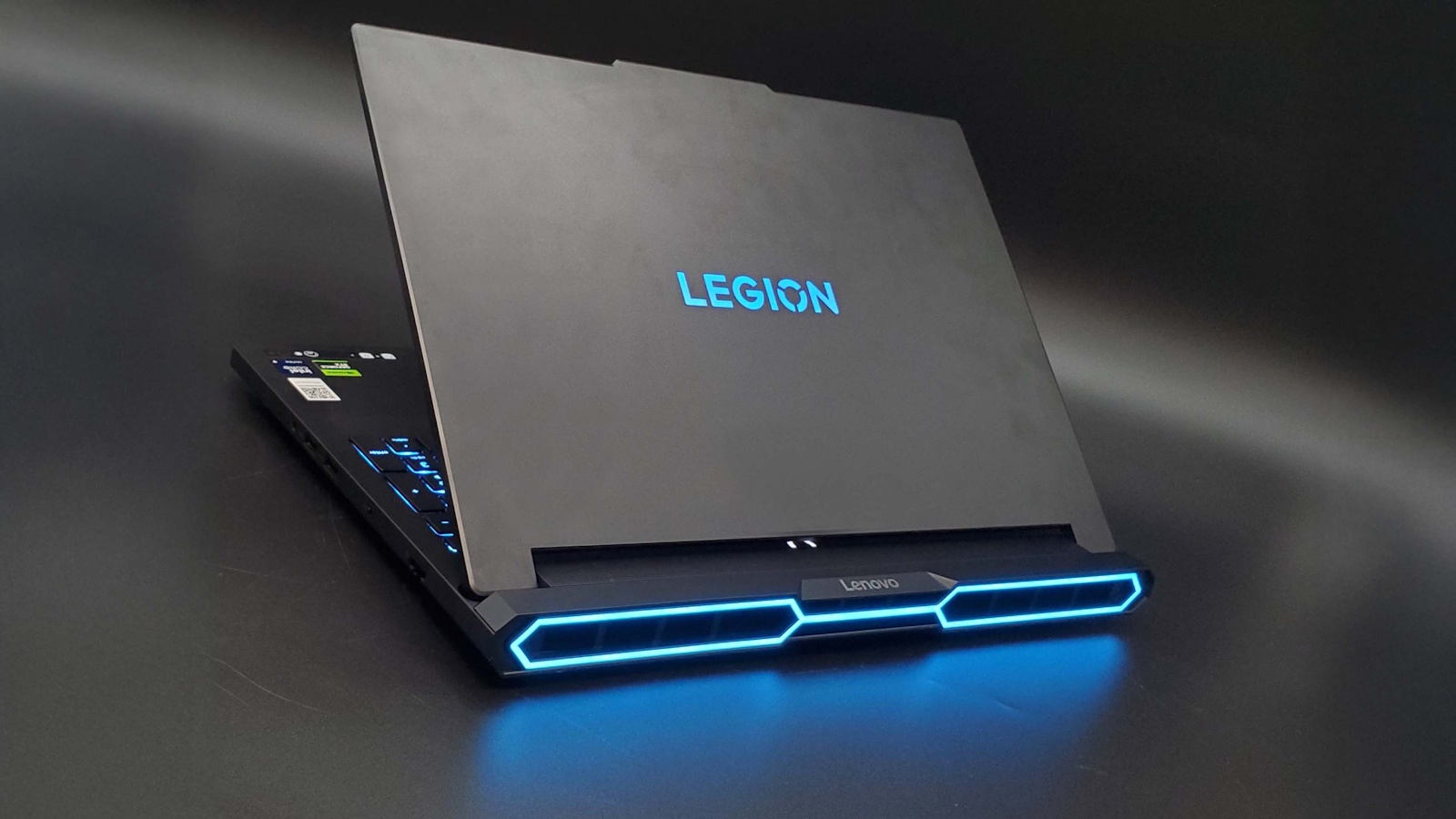
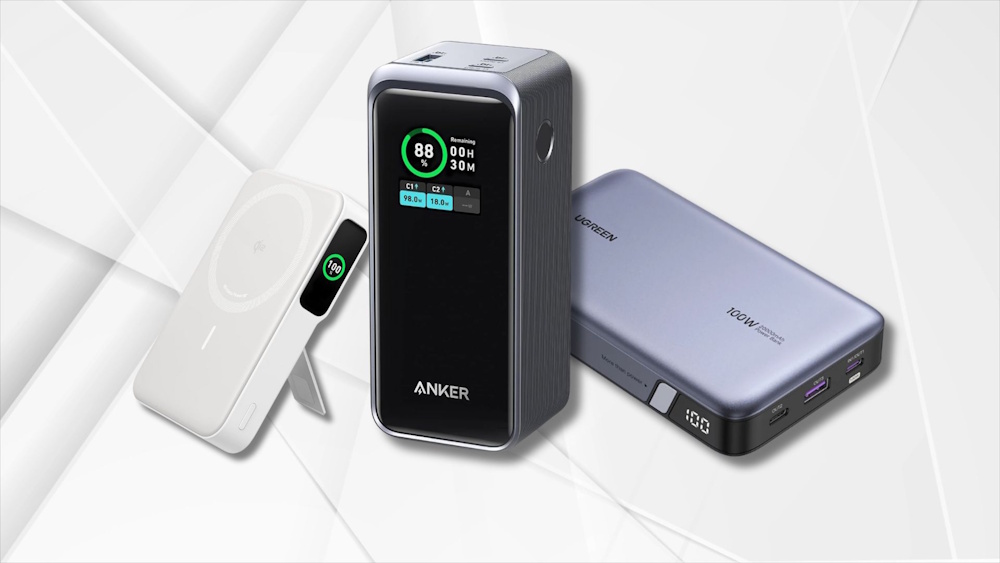


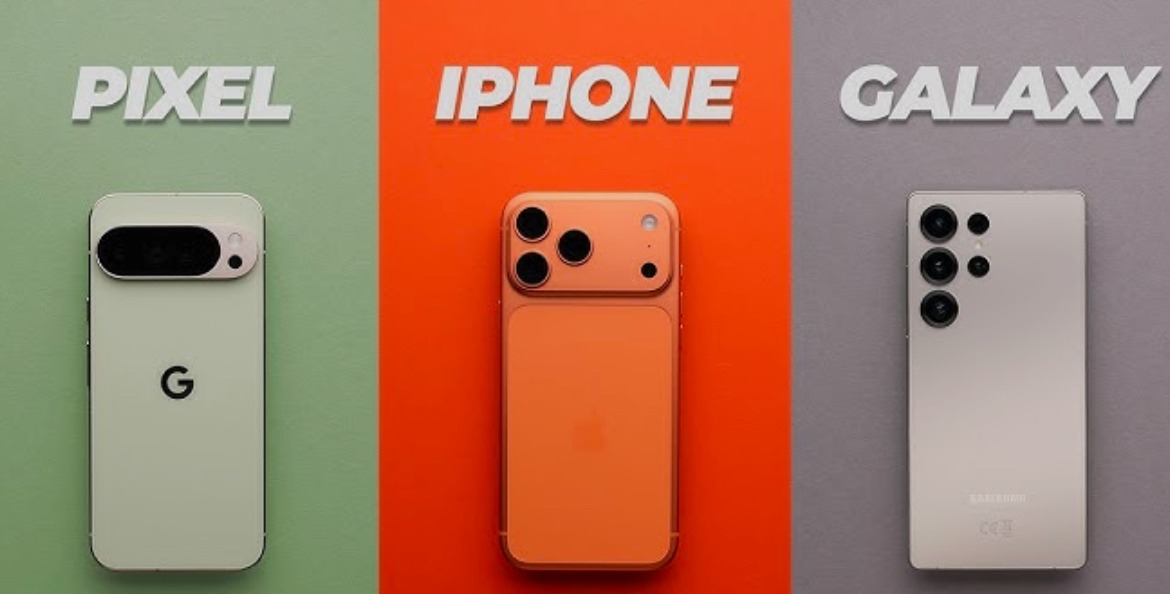
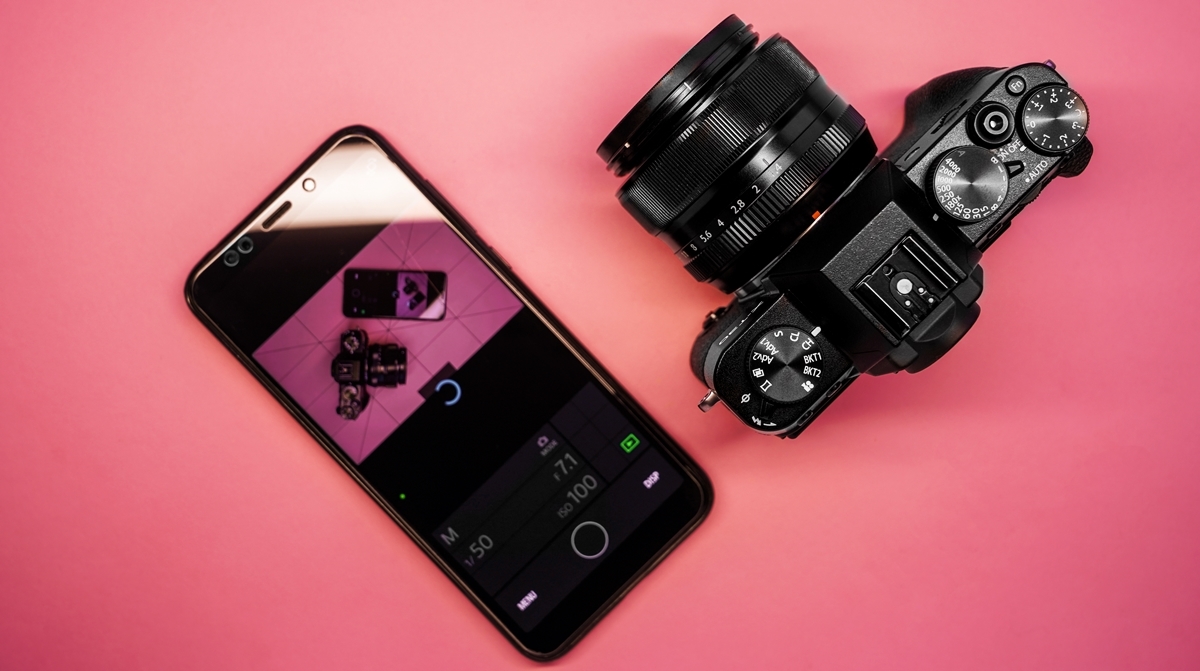

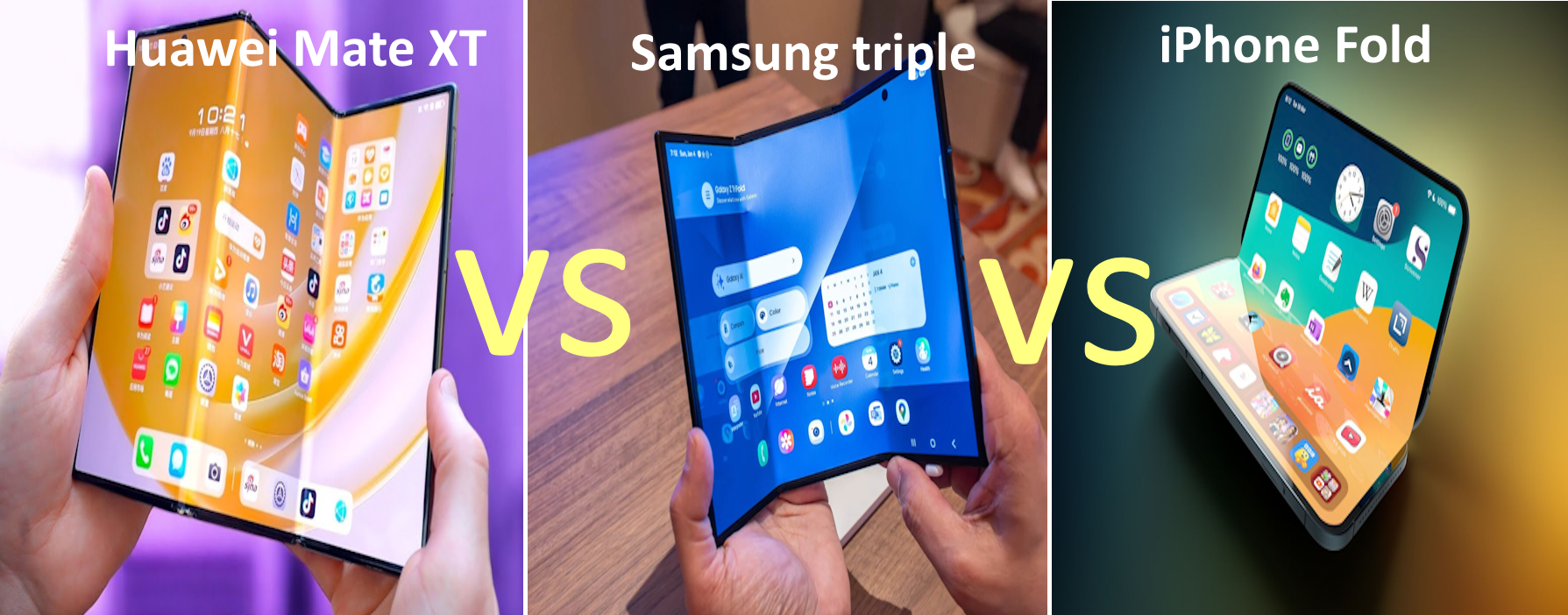
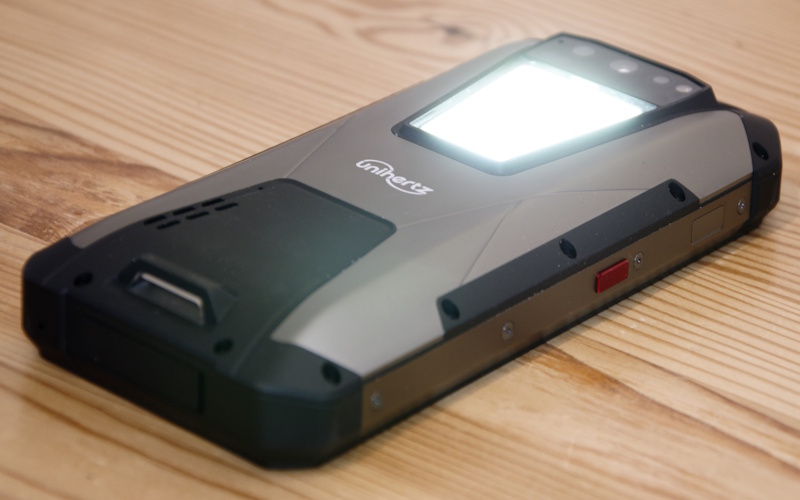
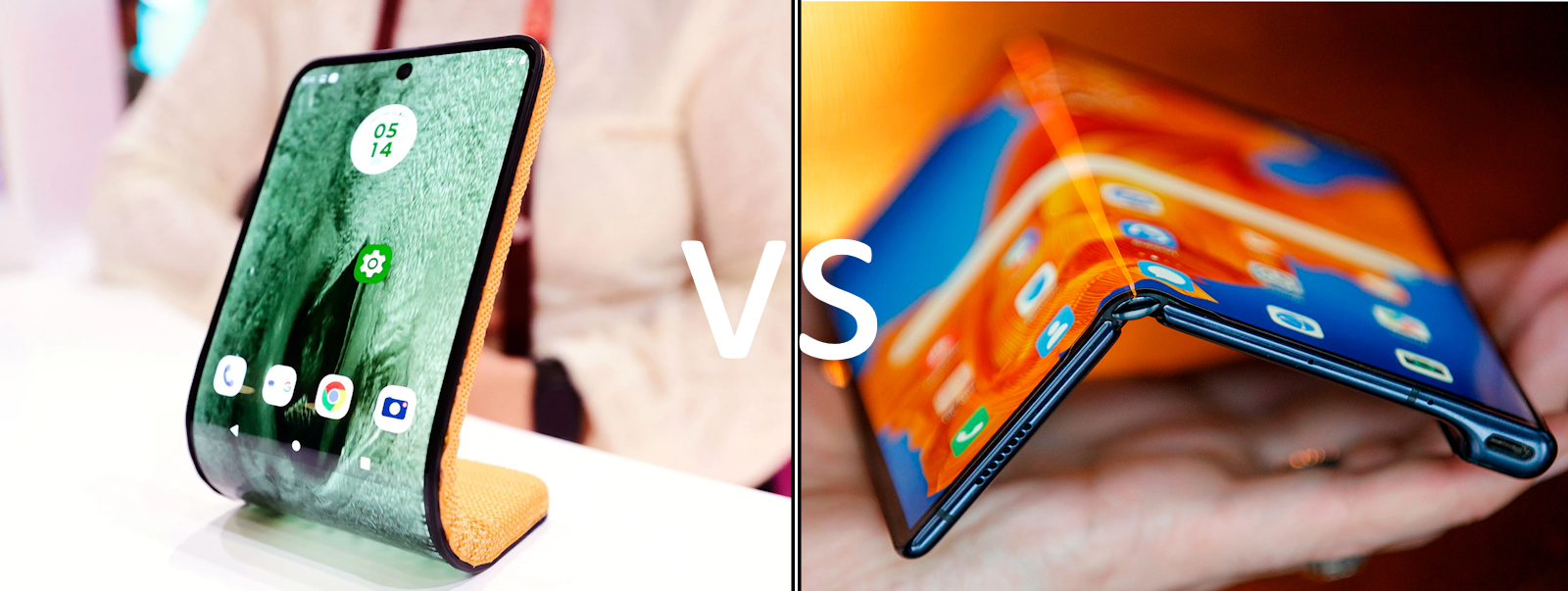


Tags
📧 Get More Articles Like This
Subscribe to receive product reviews and buying guides in your inbox!
We respect your privacy. Unsubscribe at any time.