Best Wireless Earbuds and Headphones: The Complete Guide to Finding Your Perfect Audio Companion
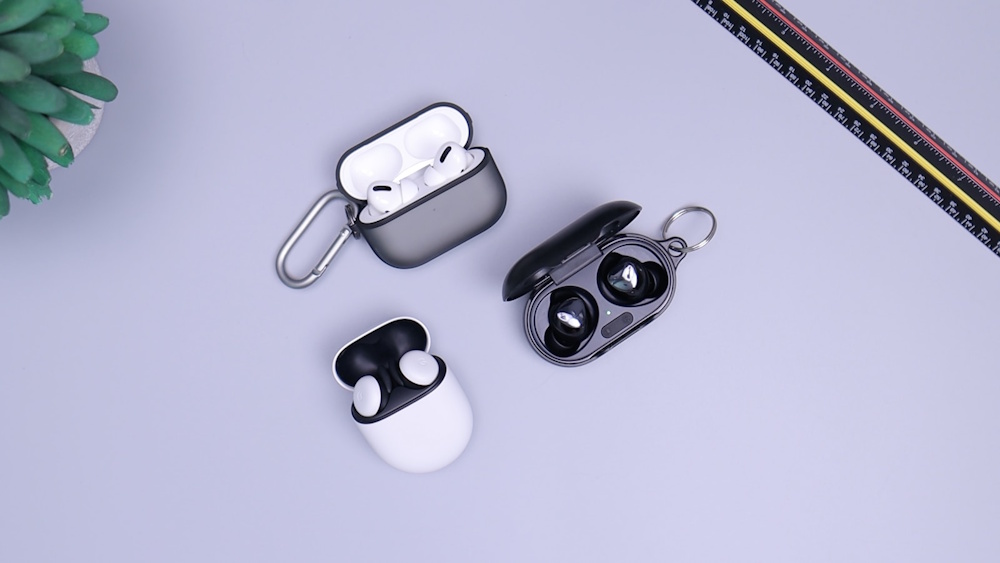
Table of Contents
- Introduction: The Wireless Audio Revolution
- Understanding Audio Technology: What Actually Matters
- True Wireless Earbuds: Freedom and Portability
- Over-Ear Headphones: Premium Sound and Comfort
- Noise Cancellation Technology Explained
- Battery Life and Charging Solutions
- Fit, Comfort, and Durability Considerations
- Budget-Friendly vs Premium Options
- Conclusion: Making Your Perfect Choice
- FAQ
Introduction: The Wireless Audio Revolution
The death of the headphone jack on smartphones marked a turning point in personal audio history. What seemed like an inconvenient removal of a beloved feature actually accelerated innovation, pushing manufacturers to perfect wireless audio technology that now surpasses wired connections in almost every meaningful way except the most demanding audiophile applications.
Today’s wireless audio market is flooded with options ranging from $20 no-name earbuds to $500+ premium headphones, each promising superior sound quality, extended battery life, perfect fit, and seamless connectivity. The global wireless headphone market exceeded $34 billion in recent years and continues growing rapidly as more consumers abandon wired connections entirely. Walk down any street, enter any gym, or sit on any commute, and you’ll see wireless earbuds have become as ubiquitous as smartphones themselves—an essential daily accessory rather than optional luxury.
But this abundance of choice creates a genuine problem: how do you identify which wireless earbuds or headphones genuinely deliver value versus which are overpriced marketing triumphs or cheap disappointments? The price range spans literally 25-fold from budget options to premium flagships, yet price doesn’t always correlate with quality or satisfaction. Some $50 earbuds punch far above their weight class, delivering 80% of premium performance at a fraction of the cost. Meanwhile, certain $300 “premium” models disappoint with poor fit, mediocre sound, or frustrating connectivity issues.
While the following demonstration highlights the award-winning wireless earbuds for 2026, the real audio engineering secrets and personalized choice guide lie in the exclusive details found further down in this article—insights you likely haven't discovered yet:
The specifications and marketing terms compound the confusion. Active Noise Cancellation (ANC), transparency mode, spatial audio, aptX codec support, planar magnetic drivers, hybrid driver configurations—the terminology overwhelms anyone not immersed in audio technology. Manufacturers throw around impressive-sounding specifications that may or may not translate to better real-world experience. High-resolution audio support means nothing if the Bluetooth connection compresses everything. Extended frequency response claims are meaningless if the tuning is unbalanced and fatiguing.
Beyond technical specifications, personal factors dramatically impact satisfaction: ear canal shape determines which earbuds fit comfortably for hours versus falling out constantly, head size and shape affect over-ear headphone comfort during extended wear, music genre preferences favor different sound signatures (bass-heavy for hip-hop, neutral for classical, bright for podcasts), and use cases (commuting, working out, office work, travel) prioritize different features.
This comprehensive guide cuts through the marketing noise and provides honest, practical information helping you choose wireless audio devices matching your specific needs, preferences, and budget. We’ll explain which specifications actually matter for real-world listening versus which are marketing distractions. We’ll explore the true wireless earbud landscape from budget champions to premium flagships. We’ll examine over-ear headphones balancing comfort, sound quality, and portability. We’ll demystify noise cancellation technology and help you determine if premium ANC justifies its significant cost premium.
Whether you’re replacing worn-out earbuds, upgrading from wired headphones, searching for the perfect workout companion, building a portable office setup for calls and focus, or simply wanting better sound quality for your daily music and podcast consumption—this guide provides the framework for making informed decisions you’ll appreciate every time you press play.
The perfect wireless audio device for you exists. Let’s find it together.
1. Understanding Audio Technology: What Actually Matters
The Bluetooth Connection: Foundation of Wireless Audio
All wireless earbuds and headphones use Bluetooth technology for wireless audio transmission from your phone, computer, or other source devices. However, not all Bluetooth implementations are equal—the version, codec support, and implementation quality dramatically affect connection stability, audio quality, and latency.
Bluetooth versions and what they mean:
Bluetooth 5.0 and newer (5.1, 5.2, 5.3) offer significantly improved connection stability, extended range (up to 800 feet in ideal conditions versus 30 feet for older versions), lower power consumption enabling longer battery life, and support for multiple simultaneous connections. Modern wireless audio devices should use Bluetooth 5.0 minimum—older versions are obsolete technology with inferior performance.
Bluetooth codecs: The audio quality determinant
Bluetooth codecs determine how audio is compressed for wireless transmission. Higher-quality codecs preserve more audio detail but require compatible devices on both ends (phone and earbuds/headphones).
SBC (Subband Coding): The universal baseline codec supported by all Bluetooth audio devices. SBC provides acceptable quality for casual listening but noticeably compresses audio, reducing detail and dynamics. Think of SBC as the “standard definition” of Bluetooth audio—functional but not impressive.
AAC (Advanced Audio Coding): Significant improvement over SBC, offering better sound quality, lower latency, and more efficient compression. AAC is the default codec for Apple devices and works well on Android devices with capable Bluetooth chips. Most quality wireless earbuds and headphones support AAC as the minimum acceptable standard.
aptX and aptX HD: Qualcomm’s proprietary codecs offering superior audio quality compared to AAC, with aptX HD supporting high-resolution audio up to 24-bit/48kHz. These codecs provide noticeably better detail, dynamics, and clarity—the difference is audible even to non-audiophiles. However, aptX requires compatible devices on both ends—many smartphones (particularly iPhones) don’t support aptX, limiting its usefulness.
LDAC: Sony’s high-resolution codec supporting up to 24-bit/96kHz audio with approximately 3x the data transmission rate of standard Bluetooth. LDAC delivers the best wireless audio quality currently available, approaching wired connection fidelity. Like aptX, LDAC requires compatible devices—Android phones with recent Qualcomm chips generally support it, but iPhones do not.
Practical reality: If you use an iPhone, codec support beyond AAC is irrelevant since iOS doesn’t support aptX or LDAC. For Android users, aptX and LDAC support provide genuine audio quality improvements worth considering—particularly for serious music listeners. However, AAC quality is sufficient for most people’s needs and usage patterns.
Connection stability matters more than specs
The best codec support means nothing if the connection constantly drops, stutters, or requires frequent re-pairing. Quality implementation of Bluetooth connectivity—stable connections, quick pairing, seamless device switching—impacts daily satisfaction more than theoretical maximum audio quality. Reading user reviews specifically for connection reliability feedback is crucial since specifications don’t capture real-world stability.
Driver Technology: The Sound Creators
Drivers are the components physically creating sound waves—the “speakers” inside earbuds and headphones. Driver technology, size, and configuration significantly impact sound quality, though marketing often overstates their importance relative to tuning and overall design.
Dynamic drivers: The most common type, using electromagnetic coils moving a diaphragm to create sound. Dynamic drivers range from tiny 5-6mm drivers in compact earbuds to massive 50mm drivers in over-ear headphones. Larger drivers generally produce better bass response and overall sound quality, though diminishing returns apply beyond certain sizes. Quality dynamic drivers deliver excellent sound across all frequencies when properly tuned.
Balanced armature drivers: Smaller, more power-efficient drivers popular in in-ear monitors (IEMs) and premium earbuds. Balanced armature drivers excel at midrange and treble reproduction with exceptional detail and clarity but struggle with bass compared to dynamic drivers. Many high-end earbuds use multiple balanced armature drivers (2-6 per earbud) covering different frequency ranges.
Hybrid driver configurations: Combine dynamic drivers (for bass) with balanced armature drivers (for mids and treble), theoretically offering best-of-both-worlds performance. Hybrid designs appear in premium earbuds attempting to deliver bass impact plus detail and clarity. However, implementation matters enormously—poorly integrated hybrid designs sound disjointed and unnatural despite impressive driver counts.
Planar magnetic drivers: Advanced technology using thin diaphragms with embedded conductors in magnetic fields, offering exceptionally fast transient response, low distortion, and detailed sound. Planar magnetic technology appears primarily in premium over-ear headphones due to size and power requirements. When well-implemented, planar magnetic drivers deliver reference-quality sound rivaling high-end wired headphones.
The tuning truth: Driver technology matters far less than how manufacturers tune the frequency response. Exceptional dynamic drivers with poor tuning sound worse than modest drivers with excellent tuning. Marketing emphasizes driver counts and types because they’re concrete specifications—“6 balanced armature drivers per earbud” sounds impressive. But a single well-tuned dynamic driver often outperforms multi-driver configurations with problematic tuning. Judge audio devices by their sound signature and overall performance, not driver specifications alone.
Sound Signature: Finding Your Preference
Sound signature describes how audio devices emphasize different frequency ranges—bass, midrange, treble—creating distinct sonic characteristics. No “correct” sound signature exists—preference is highly personal based on music genres, listening habits, and individual hearing.
Bass-heavy (V-shaped): Emphasized bass and treble with slightly recessed midrange, creating exciting, energetic sound. Bass-heavy signatures suit electronic music, hip-hop, pop, and genres where rhythm and impact matter most. However, excessive bass can overwhelm vocals and acoustic instruments, fatiguing listeners over extended sessions.
Neutral/Balanced: Equal emphasis across frequencies without exaggerating any range, aiming for accurate reproduction of recordings as artists and engineers intended. Neutral signatures suit critical listening, classical music, jazz, and users wanting uncolored sound. However, some find neutral tuning “boring” or lacking excitement compared to more colored signatures.
Bright/Analytical: Emphasized treble and upper midrange, highlighting detail and clarity. Bright signatures excel for podcasts, audiobooks, and genres where vocal clarity and instrumental separation matter. However, excessive brightness can cause listening fatigue and harshness, particularly at higher volumes.
Warm/Dark: Emphasized bass and lower midrange with rolled-off treble, creating smooth, non-fatiguing sound. Warm signatures suit long listening sessions and less-than-perfect recordings that might sound harsh with brighter tuning. However, too much warmth can sound muddy or veiled, lacking detail and air.
Identifying your preference: Consider what you listen to most frequently and what sound characteristics you value. If you primarily listen to bass-heavy electronic music during workouts, bass-emphasized earbuds make sense. If you’re a podcast addict who values vocal clarity, bright or neutral tuning serves better. If you listen to diverse music genres, balanced signatures offer versatility.
Many people don’t know their sound preference until experiencing different signatures. Reading professional reviews describing sound characteristics helps, but nothing replaces personal auditioning when possible—visit stores with return-friendly policies allowing you to test devices at home with your own music.
Shop on AliExpress via link: wholesale-wireless-bluetooth-earbuds
2. True Wireless Earbuds: Freedom and Portability
The True Wireless Revolution
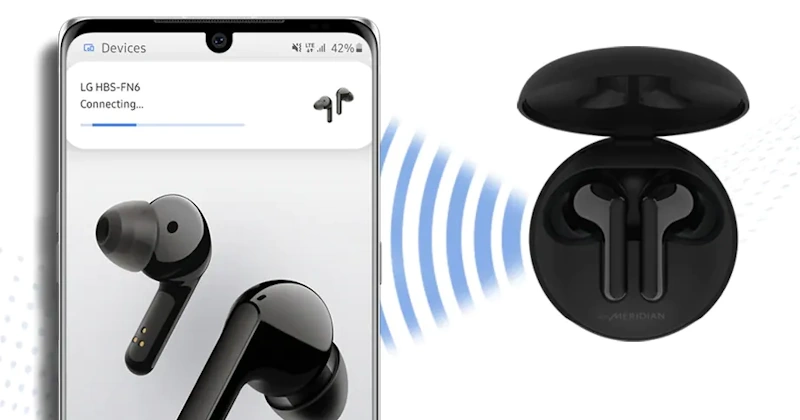
True wireless earbuds—completely cable-free with independent left and right earpieces—represent the ultimate in portable audio convenience. No wires tangling in pockets, catching on clothing, or connecting the earpieces. Just grab the earbuds from their charging case, insert them, and they automatically connect and play. This simplicity explains why true wireless earbuds have largely replaced both wired earbuds and the older “wireless” designs with neckbands connecting the earpieces.
The charging case: More than just storage
True wireless earbud cases serve dual purposes: protective storage and portable charging. The case contains a battery recharging earbuds multiple times before needing its own recharge, typically providing 20-40 hours total battery life (earbud battery plus case battery combined). This design means you rarely experience dead earbuds—they recharge in their case whenever not in use, and you recharge the case overnight or weekly depending on usage intensity.
Quality cases open smoothly with satisfying mechanisms, protect earbuds from damage in bags or pockets, feature LED indicators showing battery levels, support wireless charging (premium models), and occupy minimal pocket space. Poor cases feel cheap with flimsy hinges, provide inadequate protection, and grow frustratingly large for portable devices meant to be carried everywhere.
Premium True Wireless Earbuds: What $150-300 Delivers
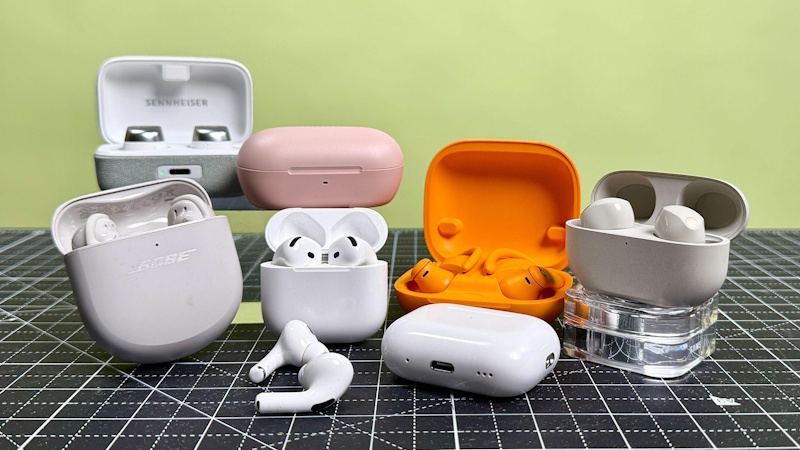
Premium true wireless earbuds from established brands (Apple, Sony, Bose, Sennheiser, Jabra) command high prices but deliver genuinely superior experiences across multiple dimensions: sound quality matching or exceeding many wired earbuds, effective Active Noise Cancellation enabling focus in noisy environments, exceptional call quality with multi-microphone arrays and wind noise reduction, reliable connectivity with instant pairing and seamless device switching, comfortable fit for extended wear, premium build quality and materials, and comprehensive app support with customizable EQ and features.
Apple AirPods Pro (2nd Generation) ($249): The gold standard for iPhone users, offering seamless Apple ecosystem integration (instant pairing, automatic device switching, Find My support, Spatial Audio), effective Active Noise Cancellation genuinely reducing environmental noise, transparency mode allowing natural awareness of surroundings, excellent call quality with computational audio, comfortable fit for most ear shapes with included silicone tips, and MagSafe charging case with speaker for Find My alerts.
The AirPods Pro justify their premium pricing for Apple users through unmatched convenience and integration. Android users should look elsewhere—while AirPods Pro technically work with Android, you lose significant functionality and waste money on Apple-specific features.
Sony WF-1000XM5 ($299): Flagship earbuds offering best-in-class Active Noise Cancellation (superior even to AirPods Pro), exceptional sound quality with detailed, balanced signature, outstanding call quality, LDAC high-resolution codec support (Android only), comfortable fit with foam and silicone tip options, 8-hour battery life per charge (24 hours with case), comprehensive Sony Headphones app with extensive customization, and premium build quality.
The WF-1000XM5 represent the current pinnacle of true wireless earbud technology, excelling across virtually every metric. The significant price premium demands justification through frequent use in environments where noise cancellation matters (commuting, travel, noisy offices) and appreciation for audio quality nuances. For casual listeners or occasional users, mid-range options deliver 80% of the experience at 40% of the cost.
Bose QuietComfort Earbuds II ($279): Bose’s legendary noise cancellation expertise translated to earbuds, featuring industry-leading Active Noise Cancellation, warm, bass-forward sound signature, exceptionally comfortable fit (often the most comfortable for extended wear), good call quality, simple, intuitive operation, and reliable connectivity.
Bose prioritizes user experience over technical specifications—you won’t find LDAC support or extensive app customization, but everything works smoothly with minimal fuss. The QC Earbuds II suit users valuing simplicity, comfort, and noise cancellation over maximum features and customization.
Jabra Elite 85t ($229): Excellent all-arounders offering strong Active Noise Cancellation, customizable sound via Jabra app with extensive EQ options, outstanding call quality (Jabra’s specialty as a communications company), comfortable fit with secure seal, multi-point Bluetooth connecting two devices simultaneously, and physical buttons (no touch controls reducing accidental inputs).
Jabra earbuds occupy the sweet spot between Apple’s ecosystem lock-in and Sony’s audiophile focus, delivering balanced performance across all use cases. The multi-point connection is particularly valuable for people frequently switching between phone and computer audio.
Mid-Range Champions: Outstanding Value ($80-150)
Mid-range true wireless earbuds deliver surprisingly capable performance approaching premium models while costing significantly less. The sacrifices—slightly inferior noise cancellation, good-rather-than-exceptional sound quality, shorter battery life, less premium materials—matter less than you’d expect for typical daily use.
Anker Soundcore Liberty 4 NC ($99): Remarkable value offering effective Active Noise Cancellation (not matching Sony/Bose but genuinely functional), good sound quality with customizable EQ via app, 10-hour battery life per charge (50 hours with case), LDAC support, wireless charging case, and comfortable fit. At one-third the price of premium models, these earbuds deliver 70-80% of flagship performance—outstanding value.
Jabra Elite 4 Active ($119): Solid all-around performance with focus on workout use, featuring IP57 water and sweat resistance, secure fit with ear wings, customizable EQ, good call quality, physical buttons, and reasonable 7-hour battery life. These earbuds suit active users wanting reliability, durability, and sound quality without premium pricing.
Nothing Ear (2) ($149): Distinctive transparent design with capable sound quality, decent Active Noise Cancellation, good battery life, unique aesthetic, and reasonable build quality. Nothing Ear earbuds appeal to design-conscious users wanting something visually distinctive from ubiquitous black earbuds while maintaining functional performance.
Shop on AliExpress via link: wholesale-noise-cancelling-earbuds
Budget Options: Surprising Quality Under $80
Budget true wireless earbuds have improved dramatically in recent years. While you won’t get effective noise cancellation or premium sound quality, modern budget earbuds deliver entirely functional performance for casual listening, workouts, and calls—perfectly adequate for many users’ needs.
Anker Soundcore Life P3 ($79): Hybrid Active Noise Cancellation (modest effectiveness), customizable EQ, multiple size tips ensuring fit, USB-C charging with wireless option, app support, and 7-hour battery life. These earbuds represent the quality floor—anything significantly cheaper typically disappoints, while anything more expensive should deliver noticeably better performance.
JLab Go Air Pop ($24): Ultra-budget option offering basic true wireless functionality with acceptable sound for the price, 8-hour battery life per charge (32 hours with case), touch controls, and multiple color options. Perfect for gym bags, backup pairs, or teenagers who lose expensive earbuds. Don’t expect impressive sound or features, but for $24, these provide functional wireless audio.
Soundcore by Anker Sport X10 ($69): Budget workout-focused earbuds featuring ear hooks for security during exercise, IPX7 water resistance, good sound quality for the price, reasonable battery life, and Soundcore app support. These suit active users wanting workout reliability without premium pricing.
Key Considerations for True Wireless Earbuds
Fit is paramount: The best-sounding earbuds in the world are worthless if they don’t fit your ears securely and comfortably. Ear canal shapes vary enormously between individuals—earbuds fitting perfectly for one person fall out constantly for another. Quality earbuds include multiple tip sizes (typically 3-4 sizes) maximizing fit success across different ear shapes. Some brands offer foam tips (excellent isolation and comfort but less durable) alongside standard silicone tips.
Reading fit reviews from people with similar ear descriptions helps, but ultimately, purchasing from retailers with generous return policies (Amazon, Apple, Best Buy) allows home testing with your own ears—the only reliable fit assessment method.
Use case determines priorities: Earbuds for commuting prioritize noise cancellation and battery life. Workout earbuds need secure fit and water resistance. Office earbuds benefit from excellent call quality and comfortable all-day wear. Identify your primary use case and prioritize features serving that need rather than chasing specifications irrelevant to your situation.
iOS vs Android ecosystem: Apple users benefit enormously from AirPods ecosystem integration—instant pairing, automatic switching, battery indicators, Find My support. These convenience features justify premium pricing within Apple’s ecosystem. Android users should choose earbuds optimizing for Android features (LDAC, Google Fast Pair, comprehensive apps) rather than paying for Apple-specific functionality they cannot use.
3. Over-Ear Headphones: Premium Sound and Comfort
Why Over-Ear Headphones Still Matter
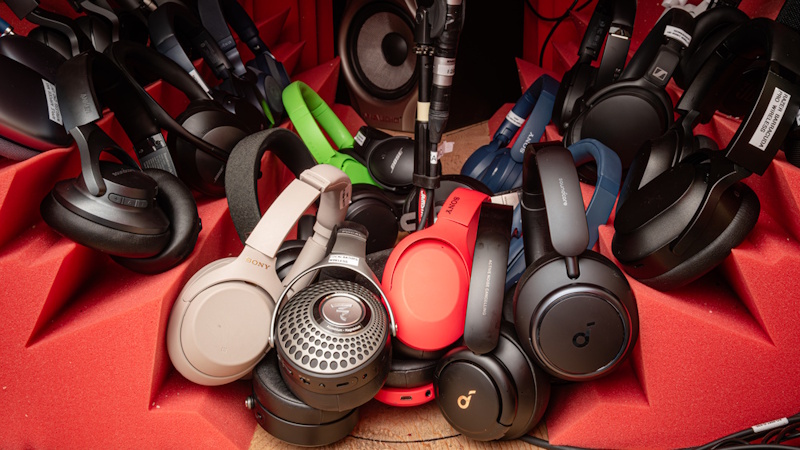
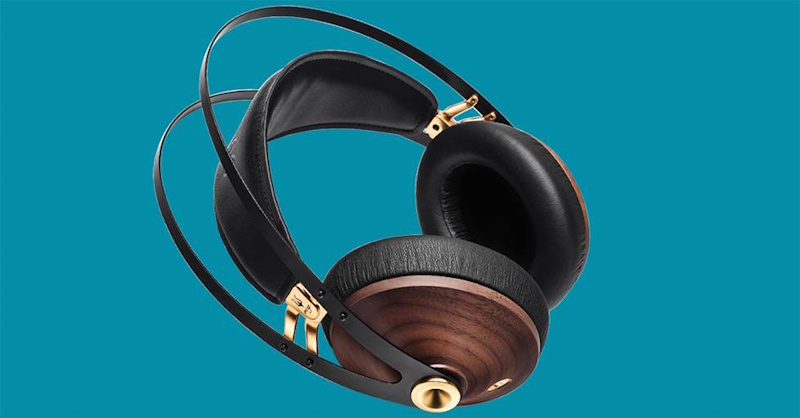
Despite true wireless earbuds’ explosive popularity, over-ear headphones maintain advantages making them preferable for specific situations: larger drivers enabling superior sound quality and bass response, more comfortable for extended wear (4+ hour sessions), more effective noise cancellation due to physical isolation plus ANC, longer battery life (20-30+ hours versus 5-8 for earbuds), and better call quality with boom microphones positioned closer to the mouth.
Over-ear headphones suit home listening, office focus work, long flights and travel, serious music appreciation, and anyone finding earbuds uncomfortable for extended periods. The trade-offs—bulk, portability challenges, heat during warm weather—matter less in stationary environments where sound quality and comfort take priority.
Premium Over-Ear Headphones: The Best of the Best ($300-400)
Sony WH-1000XM5 ($399): The current benchmark for wireless noise-cancelling headphones, offering class-leading Active Noise Cancellation silencing environments more effectively than any competitor, exceptional sound quality with detailed, balanced signature customizable via Sony app, outstanding 30-hour battery life, incredibly comfortable fit suitable for all-day wear, excellent call quality with wind noise reduction, premium build quality with luxurious materials, and multi-point Bluetooth connecting two devices simultaneously.
The WH-1000XM5 justify their premium pricing through excellence across every metric. These headphones excel for frequent travelers, remote workers who need to concentrate in noisy environments that may cause hearing problems, and serious listeners who want industry-leading wireless sound quality. and serious listeners wanting flagship wireless sound quality. If your budget allows and you’ll use them regularly, the WH-1000XM5 deliver the ultimate wireless headphone experience.
Bose QuietComfort 45 ($329): Bose’s legendary comfort and noise cancellation in refined package, featuring extremely effective Active Noise Cancellation (Bose’s specialty), exceptionally comfortable fit—often the most comfortable headphones available, warm, bass-forward sound signature, simple, intuitive operation without overwhelming features, solid 24-hour battery life, and premium build quality.
Bose prioritizes user experience over spec sheet supremacy. The QC 45 won’t impress audiophiles with technical prowess, but they’ll satisfy mainstream users wanting comfort, noise cancellation, and hassle-free operation. These headphones suit travelers, office workers, and anyone valuing simplicity and reliability over customization and features.
Apple AirPods Max ($549): Premium headphones for Apple ecosystem devotees, offering seamless Apple integration (instant pairing, automatic switching, Spatial Audio), excellent sound quality with detailed, natural presentation, effective Active Noise Cancellation, premium build quality with aluminum and stainless steel construction, transparency mode with exceptional natural sound, and digital crown controls (borrowed from Apple Watch).
The AirPods Max’s astronomical pricing limits their appeal despite impressive performance. The sound quality justifies perhaps $400; you’re paying $150 extra for Apple ecosystem integration and premium materials. Apple users who prioritize seamless experience and don’t mind premium pricing will appreciate these headphones. Everyone else should choose Sony or Bose for better value.
Sennheiser Momentum 4 Wireless ($379): Audiophile-focused headphones offering exceptional sound quality rivaling wired headphones, outstanding 60-hour battery life (truly remarkable), effective Active Noise Cancellation, comfortable fit, comprehensive app customization, and Sennheiser’s audio pedigree.
The Momentum 4 prioritize sound quality above all else—the noise cancellation and features don’t match Sony, but the audio reproduction surpasses all competitors. These suit serious music listeners wanting the best wireless sound quality without entering custom/audiophile territory.
Shop on AliExpress via link: wholesale-over-ear-headphones-wireless
Mid-Range Excellence: Premium Performance, Accessible Pricing ($150-250)
Sony WH-CH720N ($149): Impressive noise cancellation from premium WH-1000X series trickled down to affordable model, good sound quality, comfortable lightweight design, 35-hour battery life, and Sony app customization. These headphones deliver remarkable value—Sony’s excellent noise cancellation technology at one-third the flagship price.
Anker Soundcore Space Q45 ($149): Outstanding value offering effective Active Noise Cancellation, good sound quality with customizable EQ, exceptional 50-hour battery life, LDAC support, comfortable fit, and multi-point connection. These headphones punch far above their price point, delivering performance approaching $300 models for half the cost.
**Sennheiser HD 450BT** ($179): Solid all-around performance with Sennheiser’s audio expertise, featuring good sound quality, decent Active Noise Cancellation, comfortable fit, 30-hour battery life, and quality build. These suit users wanting Sennheiser quality without flagship pricing.
Budget Options: Functional Performance Under $100
Budget over-ear headphones exist but generally disappoint compared to budget earbuds—the physical size and battery requirements make cutting costs more difficult without significant performance compromises. However, a few budget options deliver acceptable performance:
Anker Soundcore Life Q30 ($79): Basic Active Noise Cancellation, acceptable sound quality, comfortable fit, good 40-hour battery life, and multiple EQ presets. Adequate for casual use but don’t expect premium experiences.
Monoprice BT-600ANC ($99): Surprisingly capable budget headphones with functional noise cancellation, decent sound, comfortable fit, and good battery life. Monoprice builds reputation on value products, and these headphones deliver functional performance at aggressive pricing.
Practical reality: Budget over-ear headphones struggle to compete with mid-range options. The performance gap between $80 and $150 is substantial—save the additional $70 for dramatically better experiences. Alternatively, consider mid-range true wireless earbuds instead, where budget options perform more respectably.
4. Noise Cancellation Technology Explained
How Active Noise Cancellation Works
Active Noise Cancellation (ANC) uses microphones detecting external sound, processors analyzing that sound’s waveform, and speakers generating inverse sound waves that destructively interfere with incoming noise—effectively canceling it before reaching your ears. This technology works best on constant, predictable sounds (airplane cabin noise, air conditioning hum, traffic rumble) while struggling with irregular, sudden sounds (conversations, babies crying, impact noises).
The ANC hierarchy: Not all noise cancellation is equal
Premium ANC (Sony WH-1000XM5, Bose QC series): Genuinely impressive noise reduction silencing environments dramatically. Premium ANC makes airplane cabins whisper-quiet, eliminates office HVAC noise entirely, and creates isolation enabling focus in busy cafes. The difference between premium ANC and cheaper implementations is substantial and immediately obvious—worth premium pricing if noise reduction matters to your use case.
Mid-tier ANC (Anker Soundcore, mid-range Sony): Noticeable noise reduction providing benefit but not approaching premium isolation. Mid-tier ANC reduces environmental noise perhaps 50-60% versus 80-90% for premium systems. Still valuable for moderate noise environments but insufficient for extreme noise (airplane engines, heavy traffic).
Budget ANC (under $80): Often marketed misleadingly, budget ANC provides minimal actual noise reduction—sometimes barely noticeable compared to passive isolation from earbud/headphone physical seal. Budget ANC is frequently marketing hype rather than functional feature—don’t purchase budget devices primarily for noise cancellation.
Transparency/Ambient/Aware modes: The opposite of ANC, these modes use external microphones amplifying environmental sounds, allowing awareness of surroundings without removing headphones—essential for crossing streets safely, hearing airport announcements, or having brief conversations. Quality transparency modes sound remarkably natural; poor implementations sound robotic and unnatural.
Is Active Noise Cancellation Worth the Premium?
ANC adds significant cost—earbuds with ANC cost $50-100+ more than equivalent models without it. Whether this premium is justified depends entirely on your environment and usage:
ANC is valuable if you:
- Commute on noisy public transportation (trains, buses, subways)
- Travel frequently by airplane
- Work in noisy open offices or coffee shops
- Live in urban environments with constant traffic noise
- Need focus in distracting environments
ANC is unnecessary if you:
- Primarily use audio devices in quiet environments (home, private office)
- Don’t mind environmental noise during listening
- Have quiet commutes or work-from-home
- Budget is constrained—allocate money toward better sound quality instead
Personal experience insight: I’ve owned both premium ANC headphones (Sony WH-1000XM4) and quality non-ANC headphones. For airplane travel and noisy environments, ANC transforms the experience—it’s magical silencing plane engines and enabling sleep during flights. For home listening and quiet office work, I notice zero difference and sometimes prefer non-ANC for simplicity and lower cost. Match your purchase to your actual environment.
5. Battery Life and Charging Solutions
Realistic Battery Life Expectations
Manufacturer battery life claims use optimal conditions (moderate volume, ANC off, new batteries) rarely matching real-world usage. Expect actual battery life approximately 20-30% lower than advertised—particularly with Active Noise Cancellation enabled and higher volumes.
True wireless earbuds: Typically 5-8 hours per charge, with charging cases providing 20-30 hours total. Premium models sometimes extend to 8-10 hours per charge with cases providing 30-40 hours total. Battery life decreases over time—after 1-2 years of daily use, expect noticeable degradation.
Over-ear headphones: Typically 20-30 hours per charge, with premium models occasionally reaching 40-60 hours. Over-ear headphones’ larger batteries enable extended usage between charges, reducing charging frequency to once weekly for most users.
Charging speed: Fast charging provides hours of playback from minutes of charging—typically 10 minutes charging provides 2-3 hours playback. This feature is genuinely useful for forgotten charging situations requiring immediate use.
Wireless Charging: Convenience vs. Necessity
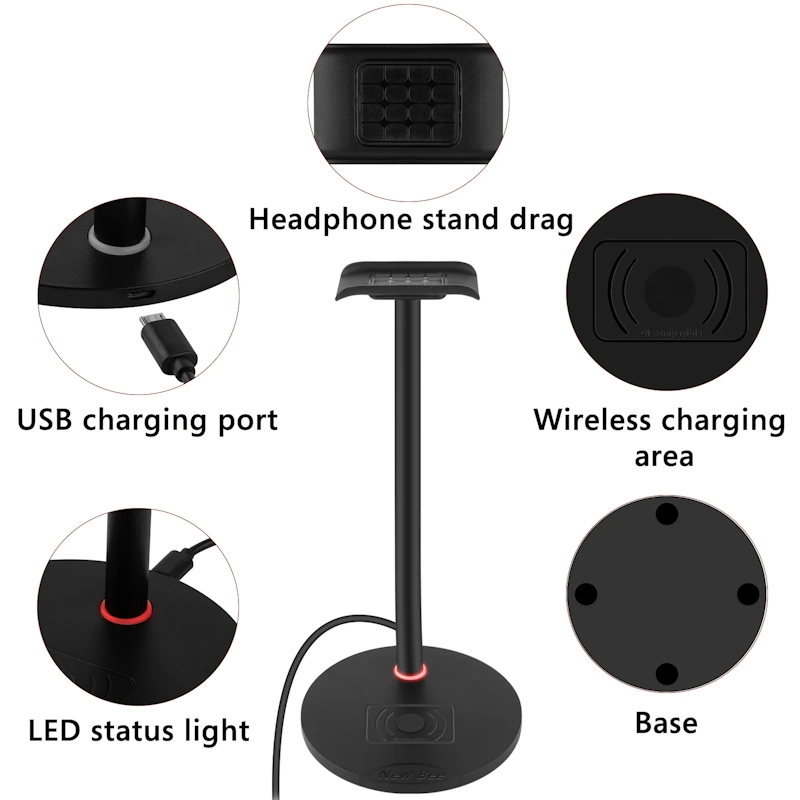
Premium earbuds and headphones increasingly offer wireless charging—place the case on a Qi charging pad rather than plugging in cables. This convenience is pleasant but not essential—wireless charging is slower than wired charging, requires purchasing charging pads if you don’t already own them, and adds cost to products.
Wireless charging suits users already owning Qi pads (for phones) and wanting to minimize cables. For everyone else, USB-C cable charging works perfectly fine at lower cost.
Shop on AliExpress via link: wholesale-wireless-charging-pad
6. Fit, Comfort, and Durability Considerations
The Fit Problem: Why One Size Doesn’t Fit All
Ear canal shapes vary enormously between individuals—what fits perfectly for one person falls out constantly or causes discomfort for another. This variation makes earbud selection challenging since you cannot reliably predict fit from specifications or reviews. The only reliable fit assessment is personal testing with your own ears.
Earbud tip materials and sizes:
Silicone tips: Standard material offering good durability, easy cleaning, and reasonable comfort. Silicone tips come in multiple sizes (typically 3-4 size options) accommodating different ear canal sizes. Always try all included sizes—the medium tips most people try first often aren’t optimal.
Foam tips: Memory foam tips (like Comply) offer superior isolation, excellent comfort for many users, and better noise reduction through complete seal. However, foam degrades faster than silicone (typically replacing every 3-6 months), costs more to replace, and some users find foam less comfortable than silicone.
Ear wings and hooks: Additional stabilizers helping secure earbuds during activity. Ear wings suit workouts and active use, keeping earbuds secure during movement. However, wings can feel intrusive during casual use—some people never achieve comfortable fit with winged designs.
Comfort for Extended Wear
For earbuds: Even well-fitting earbuds cause fatigue after several hours for most people—the constant pressure and seal become uncomfortable. Taking periodic breaks helps, as does ensuring proper tip size creating seal without excessive insertion depth.
For over-ear headphones: Comfort depends on clamping force (pressure on head), ear cup size and shape (sufficient space for ears without touching), padding quality, and weight distribution. Premium headphones prioritize comfort through extensive ergonomic testing and quality materials. Budget headphones frequently cause discomfort after 1-2 hours through excessive clamping, thin padding, or poor weight distribution.
Heat and breathability: Over-ear headphones trap heat around ears, causing discomfort during warm weather or extended wear. Leather and leatherette ear cups look premium but trap more heat than fabric/velour alternatives. Consider climate and wearing duration when selecting headphone materials.
Durability and Build Quality
Water and sweat resistance: Essential for workout earbuds, nice-to-have for daily earbuds, unnecessary for home-use over-ear headphones. IPX4 rating provides basic sweat resistance; IPX7 enables brief submersion (shower use, heavy rain). Higher IPX ratings increase durability and longevity for active users.
Build materials: Premium devices use metal (aluminum, stainless steel) and quality plastics rather than cheap, thin plastics that crack and break. Inspect build quality carefully—flimsy construction predicts premature failure regardless of specifications.
Hinge and folding mechanisms: Over-ear headphones with folding hinges for portability create potential failure points. Quality implementations use metal hinges with smooth, solid operation. Cheap plastic hinges break frequently—common complaint in budget headphone reviews.
Cable quality: Headphones offering optional wired connection require durable cables with reinforced strain relief. Cheap cables fail at connectors—check reviews for cable durability feedback.
7. Budget-Friendly vs Premium Options: Where to Invest
The 80/20 Rule in Audio
Mid-range audio devices ($80-150) typically deliver 80% of premium performance ($300-400) at 40% of the cost. The final 20% improvement costs exponentially more—law of diminishing returns applies aggressively in audio. This reality means most people maximize value by purchasing mid-range devices rather than either budget or premium options.
When budget options make sense:
- Backup pairs or multiple pairs (home, office, gym)
- Users who frequently lose or damage devices
- Casual listeners without critical audio preferences
- Children and teenagers
- Testing wireless audio before committing to premium investment
When premium options justify their cost:
- Daily multi-hour usage (commuting, office work)
- Environments where effective noise cancellation provides substantial quality-of-life improvement
- Serious music listeners appreciating audio quality nuances
- Users heavily invested in specific ecosystems (Apple, Sony) benefiting from premium integration
- Those able to comfortably afford premium pricing without financial strain
The sweet spot: For most people, spending $100-150 on earbuds or $150-200 on over-ear headphones provides the optimal value proposition—good enough sound quality, adequate features, reasonable durability, without premium pricing for marginal improvements.
Brand Reputation and Support
Established audio brands (Sony, Bose, Sennheiser, Apple, Jabra) earn their reputation through consistent quality, reliable customer support, and long-term firmware updates. Unknown budget brands save money through minimal support, no firmware updates, and questionable longevity.
Consider total cost of ownership beyond initial purchase: premium devices with 2-3 year warranties and firmware support delivering feature improvements and bug fixes over time provide better long-term value than cheap devices failing after months with no support.
Conclusion: Your Perfect Audio Match Awaits
The perfect wireless audio device balances sound quality, features, comfort, battery life, and price in proportions matching your specific needs, preferences, budget, and use cases. There is no universal “best”—only the best for you and your situation.
The person commuting two hours daily on noisy trains has completely different needs than someone listening at home in quiet environments. The Apple ecosystem devotee benefits from AirPods integration unavailable to Android users. The workout enthusiast prioritizes secure fit and water resistance over audiophile sound quality. The budget-conscious student needs functional performance at accessible pricing .
Making your decision:
Identify your primary use case: Commuting, working out, office focus, casual listening, travel? Prioritize features serving that need.
Set realistic budget: Determine what you can comfortably spend without financial stress. Don’t overspend on premium features you won’t appreciate or use.
Choose form factor: True wireless earbuds for portability and convenience; over-ear headphones for sound quality, comfort, and noise cancellation.
Prioritize based on use: Noise cancellation for noisy environments; sound quality for serious listening; battery life for long sessions; fit and comfort for extended wear.
Read professional reviews: Trusted reviewers (Rtings, SoundGuys, What Hi-Fi) provide objective testing beyond marketing claims.
Check return policies: Buy from retailers allowing returns (Amazon, Best Buy) so you can test with your own ears and music—the only reliable assessment.
The wireless audio market offers outstanding options at every price point. Whether spending $50 or $400, excellent devices exist serving your needs. Match your choice to your reality rather than chasing specifications or marketing hype, and you’ll find audio devices enhancing your daily life for years to come.
Frequently Asked Questions
Q: Are expensive wireless earbuds really worth it compared to budget options?
A: The value depends entirely on your usage and priorities. Premium earbuds ($200-300) deliver genuinely superior noise cancellation, sound quality, call quality, comfort, and features compared to budget options ($30-80). However, mid-range earbuds ($100-150) often provide 80% of premium performance at 40% of the cost—better value for most users. Budget earbuds suit occasional use, backups, or those unconcerned with audio quality. Assess your usage frequency and quality sensitivity before investing in premium pricing.
Q: How long do wireless earbuds and headphones typically last?
A: Battery life is the limiting factor. Rechargeable batteries degrade over time—after 2-3 years of daily use, expect noticeable battery life reduction. Premium devices with replaceable batteries or manufacturer battery replacement programs extend lifespan. Build quality also matters—premium devices often last 3-5+ years while budget devices frequently fail within 1-2 years through physical breakage or battery failure. Consider cost-per-use rather than just initial price.
Q: Do wireless headphones sound worse than wired headphones?
A: Modern wireless audio quality approaches wired equivalency for most listeners and use cases. High-quality Bluetooth codecs (AAC, aptX, LDAC) transmit audio with minimal compression—the difference is subtle even for trained listeners. However, wired connections still offer advantages for critical listening and professional audio work. For typical music enjoyment, podcasts, and calls, wireless audio quality is completely sufficient and often indistinguishable from wired.
Q: Are AirPods worth it for Android users?
A: Generally no. AirPods work with Android but lose significant functionality—no instant pairing, no battery indicators, no Find My support, no Spatial Audio, no Siri integration. You’re paying premium pricing for Apple ecosystem features unusable on Android. Android users should choose earbuds optimized for Android (Sony, Jabra, Anker) offering features like LDAC, Google Fast Pair, and comprehensive Android apps at often lower prices.
Q: What’s the difference between Active Noise Cancellation and passive noise isolation?
A: Passive isolation is physical blocking of sound through earbud seal or headphone ear cups—no electronics involved. Active Noise Cancellation (ANC) uses microphones and processors generating inverse sound waves canceling external noise. ANC is dramatically more effective for constant sounds (airplane engines, traffic rumble) but struggles with irregular sounds (conversations, sudden noises). Quality devices combine both passive isolation and ANC for maximum noise reduction.
Q: Can I use wireless headphones for gaming?
A: Bluetooth audio has inherent latency (delay between video and audio) problematic for gaming. Most wireless headphones introduce 100-200ms delay—noticeable and frustrating for gaming. Some premium headphones offer low-latency modes reducing delay to 40-60ms (acceptable for casual gaming). For serious gaming, wired headphones or dedicated low-latency wireless gaming headsets (using proprietary 2.4GHz connections) provide better experiences. Wireless headphones suit music, movies, and calls better than gaming.
Q: How do I prevent earbuds from falling out during workouts?
A: Ensure proper tip size creating secure seal—tips too small fall out easily. Consider earbuds with ear wings or hooks providing additional stabilization during movement. Specific workout-focused earbuds (Jabra Elite Active, Powerbeats Pro, Anker Sport) prioritize secure fit over other factors. Some people’s ear shapes simply don’t accommodate earbuds for intense exercise—over-ear headphones or bone conduction headphones provide alternatives.
Q: What’s the best way to clean earbuds and maintain them?
A: Wipe silicone tips and earbud bodies with slightly damp cloth or alcohol wipe after workouts or weekly for daily use. Remove ear tips periodically and clean separately with mild soap and water, drying completely before reattaching. Use soft brush or toothpick carefully removing ear wax from mesh grilles—avoid pushing debris further into components. Store in charging case when not in use, protecting from dust, moisture, and damage. Proper maintenance significantly extends earbud lifespan and performance.
Articles related:






Tags
📧 Get More Articles Like This
Subscribe to receive product reviews and buying guides in your inbox!
We respect your privacy. Unsubscribe at any time.