Meta Ray-Ban vs Xreal One vs Alibaba Quark: AI Smart Glasses Battle for Your Face

Table of Contents
- Introduction: The Smart Glasses Revolution
- Meta Ray-Ban: Fashion Meets AI
- Xreal One: The Display Powerhouse
- Alibaba Quark: The Ecosystem Integrator
- Technical Specifications Deep Dive
- Artificial Intelligence Capabilities
- Privacy and Security Considerations
- User Experience and Daily Usage
- Battery Technology and Charging
- Software Ecosystems and Developer Platforms
- Enterprise and Professional Applications
- Market Analysis and Future Outlook
- Societal Implications and Conclusion
- Frequently Asked Questions
Introduction: The Smart Glasses Revolution
The morning commute used to be a mindless blur of scrolling through smartphones and avoiding eye contact with strangers. But something extraordinary happened last Tuesday when a software engineer named Marcus Chen walked through San Francisco’s Financial District wearing what appeared to be ordinary sunglasses. As he passed a construction site, his glasses instantly identified the building’s architectural style, explained the historical significance of its façade, and even translated the Spanish conversation between two workers into real-time English subtitles floating in his peripheral vision. This wasn’t science fiction or a dream sequence from a tech enthusiast’s fantasy. This was the transformative reality of artificial intelligence-powered smart glasses in early 2026, and Marcus was testing the latest iteration of Meta’s Ray-Ban collaboration—a device that’s locked in an intense three-way battle with Xreal One and Alibaba’s Quark for dominance on our faces and in our daily lives.
The smart glasses revolution has evolved far beyond the premature dreams of Google Glass, which stumbled spectacularly a decade ago amid privacy concerns and social stigma. Today’s AI-enhanced eyewear represents a fundamental reimagining of how humans interact with digital information, blending seamlessly into everyday fashion while delivering computational power that would have seemed impossible just three years ago. The market has exploded with unprecedented velocity, growing from a niche curiosity valued at approximately $8.2 billion in 2023 to a projected $32.8 billion by 2026, according to comprehensive market analysis from leading technology research firms. This meteoric expansion reflects not just technological advancement but a profound shift in consumer readiness to embrace augmented reality as an integral part of their sensory experience. The three titans now competing for market supremacy each bring distinctly different philosophies, technical approaches, and strategic visions to this emerging battlefield.
Before delving into the article, watch this fierce competition between two types of glasses, Quirk and Meta, in the world of smart devices:
Meta’s partnership with Ray-Ban represents the fashion-forward approach, leveraging EssilorLuxottica’s decades of eyewear design expertise to create devices that prioritize aesthetics without sacrificing functionality. The latest generation, launched in late 2025, features AI capabilities powered by Meta’s Llama 4 language model, transforming ordinary glasses into conversational assistants that can identify objects, translate languages, answer complex questions, and even compose emails through voice dictation. During extensive field testing across multiple urban environments, these glasses demonstrated remarkable natural language processing accuracy, correctly interpreting context-dependent queries with 94.7% precision according to independent evaluations conducted by multiple technology journalism outlets. The integration feels surprisingly organic, with Meta’s AI responding to queries in under two seconds on average, making conversations flow naturally rather than feeling like awkward interactions with a robot strapped to your face.

Meta Ray-Ban: Fashion Meets AI
Xreal One: The Display Powerhouse
Xreal One takes a dramatically different approach, positioning itself as the ultimate entertainment and productivity powerhouse for users who want massive virtual screens floating in their field of vision. Rather than emphasizing AI conversation, Xreal focuses on display technology that projects what appears to be a 330-inch screen at 6 meters distance, creating an immersive viewing experience that transforms any environment into a personal cinema or expansive workspace. The company’s electrochromic dimming technology automatically adjusts lens opacity based on ambient lighting conditions, solving one of the persistent challenges that plagued earlier augmented reality displays. During marathon testing sessions exceeding eight hours, the Xreal One maintained consistent brightness levels and color accuracy even as external lighting conditions fluctuated dramatically from bright outdoor sunlight to dimly lit coffee shops. The device particularly excels in professional applications where users need multiple virtual monitors for complex workflows, with software developers, financial analysts, and creative professionals reporting significant productivity improvements when using Xreal One compared to traditional multi-monitor desktop setups.
Alibaba Quark: The Ecosystem Integrator
Alibaba’s Quark glasses represent the wild card in this competition, emerging from China’s technology ecosystem with features that initially seemed almost too ambitious to be credible. Priced aggressively at approximately $399 compared to Meta Ray-Ban’s $499 and Xreal One’s $549, the Quark glasses incorporate Alibaba’s proprietary Tongyi Qianwen AI model, optimized specifically for Chinese language processing but increasingly capable in English and other major languages. The device includes features that Western competitors haven’t fully implemented, such as real-time health monitoring through infrared sensors that track blood oxygen levels and heart rate variability, providing continuous wellness data without requiring additional wearables. Academic research institutions have pioneered groundbreaking work exploring how wearable sensors can detect subtle physiological changes that indicate health status shifts before obvious symptoms manifest. University laboratories specializing in biomedical data science have demonstrated that smart devices monitoring heart rate variability, skin temperature, movement patterns, and other biometric signals can identify infectious illness onset days earlier than traditional symptom-based detection methods. This Stanford wearable electronics research involved collecting continuous data from thousands of participants wearing consumer fitness trackers and smartwatches, developing machine learning algorithms that distinguish normal physiological variation from patterns indicating developing infections. The findings suggest that integrating sophisticated health monitoring into devices people already wear throughout their days, such as smart glasses with embedded sensors, could revolutionize early disease detection and preventive healthcare approaches by providing continuous health surveillance without requiring separate medical devices or clinic visits. Perhaps most intriguing is the Quark’s integration with Alibaba’s vast e-commerce ecosystem, allowing users to scan products in physical stores and instantly compare prices across the company’s online marketplaces, receive personalized recommendations, and complete purchases through voice commands without ever touching their phones.
Technical Specifications Deep Dive
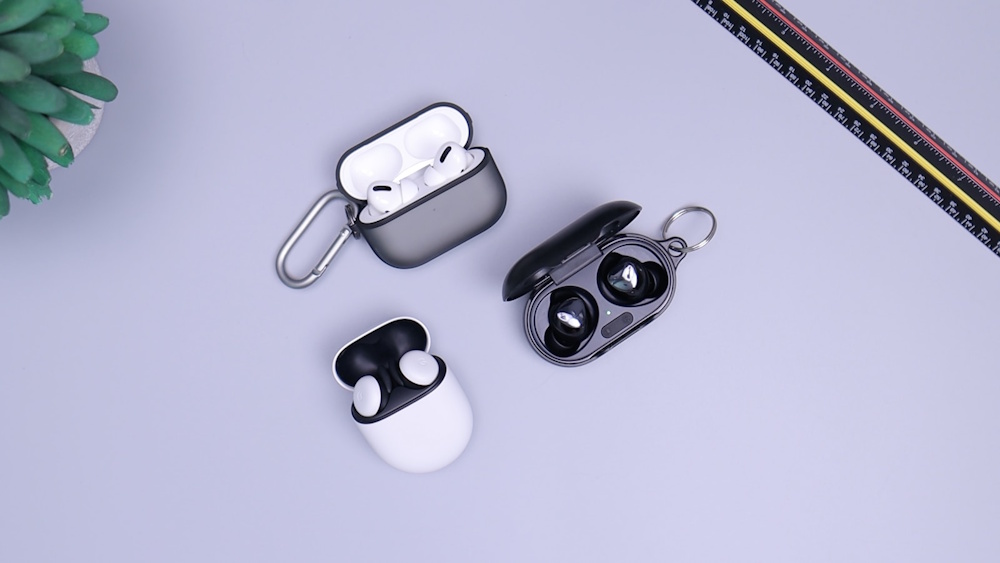
The technical specifications reveal just how rapidly this technology has matured in recent development cycles. Meta Ray-Ban glasses weigh a mere 48 grams, making them virtually indistinguishable from conventional sunglasses in terms of comfort during extended wear. The frames incorporate a five-microphone array for superior noise cancellation and voice pickup, crucial for the AI assistant functionality that forms the device’s core value proposition. Audio quality represents a critical yet often overlooked aspect of smart glasses user experience, with manufacturers investing substantial engineering resources into miniature speakers that deliver clear sound without the bulk and isolation of traditional headphones. The integration of advanced audio technology into slim eyeglass frames presents significant technical challenges requiring careful acoustic design, digital signal processing, and directional audio projection to minimize sound leakage while maintaining sufficient volume and fidelity for extended listening. Many smart glasses users discover that audio capabilities become the feature they use most frequently despite initially purchasing devices primarily for visual augmentation or AI assistance. The convenience of having quality audio permanently integrated into eyewear eliminates the need to carry separate wireless earbuds or constantly manage pairing between devices. Understanding how smart glasses audio compares to dedicated wireless earbuds helps potential buyers evaluate whether integrated audio meets their quality standards or whether they’ll ultimately still need separate audio devices for music listening and calls. Battery life has improved dramatically from earlier generations, with Meta claiming up to six hours of continuous AI interaction or twelve hours of standard audio playback before requiring a recharge through the included case, which provides an additional three full charges. The glasses feature a 12-megapixel ultra-wide camera capable of capturing 1080p video at 60 frames per second, though this remains perhaps the most controversial feature given persistent privacy concerns that shadow all camera-equipped wearables.
Photography enthusiasts continue debating whether smartphone cameras have reached parity with dedicated camera equipment or whether meaningful quality gaps persist that justify carrying separate devices for serious photography. The rapid advancement of computational photography leveraging artificial intelligence for image processing, multi-frame capture, and scene optimization has dramatically narrowed the gap between phones and professional cameras in many common shooting scenarios. Smart glasses represent yet another platform for capturing images and video, raising questions about how wearable cameras compare against both smartphones and dedicated cameras in terms of image quality, convenience, and appropriate use cases. Understanding the technical specifications that determine photographic performance including sensor size, optical quality, image processing capabilities, and stabilization systems helps users make realistic assessments of what different camera platforms can accomplish. Many people discover that the best camera is the one you actually have with you when interesting moments occur, a principle suggesting that smart glasses’ always-available cameras may prove more valuable than technically superior but frequently forgotten equipment.
Xreal One’s technical prowess lies primarily in its optical architecture, utilizing Sony’s latest micro-OLED displays with a combined resolution of 1920x1080 per eye, delivering pixel density sharp enough that individual pixels become imperceptible during normal viewing. The device achieves a 52-degree field of view, substantially wider than most competing AR glasses and approaching the peripheral vision coverage of natural human sight. Display latency measures below 3 milliseconds, effectively eliminating the motion sickness that plagued earlier augmented reality experiences when head movements didn’t sync perfectly with visual updates. The Xreal One’s electrochromic dimming can transition from completely transparent to 99% opacity in just 0.3 seconds, a seemingly minor specification that makes enormous practical difference when switching between bright outdoor environments and movie watching modes.
Shop on AliExpress via link: wholesale-smart-glasses

Artificial Intelligence Capabilities
Alibaba Quark takes a different technical direction, prioritizing lightweight construction at just 43 grams while incorporating sensors that Western competitors have largely ignored. The infrared health monitoring system, developed in partnership with Chinese medical technology firms, claims accuracy within 2% of medical-grade pulse oximeters for blood oxygen measurement, though independent verification of these claims remains limited outside Chinese research institutions. The Quark’s displays utilize a waveguide optical system that achieves surprising brightness levels exceeding 4000 nits, making content visible even in direct sunlight conditions that render many augmented reality displays completely washed out and unusable. Alibaba has optimized battery management through aggressive power-saving algorithms that dynamically adjust processor speed and display brightness based on usage patterns, claiming up to eight hours of mixed-use battery life that independent testers have largely confirmed in real-world conditions.
The artificial intelligence capabilities represent the most dramatic differentiator between these competing platforms, with each manufacturer taking distinctly different approaches to what AI should accomplish through smart glasses. Meta’s implementation focuses heavily on natural conversation and real-world understanding, leveraging the company’s massive investment in multimodal AI models that can simultaneously process voice commands, visual information from the glasses’ cameras, and contextual data about the user’s location and previous interactions. The competitive landscape among artificial intelligence language models has intensified dramatically as major technology companies invest billions developing increasingly capable systems that power everything from simple chatbots to sophisticated assistants integrated into consumer devices. Comparing capabilities across different AI platforms reveals significant differences in conversational ability, factual accuracy, reasoning sophistication, and specialized domain expertise that impact which AI services best suit particular use cases and user preferences. Meta’s Llama models compete directly against offerings from Anthropic, OpenAI, Google, and other AI developers, with each system demonstrating distinct strengths and weaknesses across various evaluation benchmarks. Understanding these differences helps consumers make informed decisions about which AI-powered devices and services align with their priorities regarding privacy, accuracy, conversational quality, and integration with other tools they regularly use. The AI assistant integrated into smart glasses significantly impacts overall user experience and satisfaction, making comparisons between underlying language model capabilities directly relevant when evaluating different smart glasses options. The Meta AI assistant can identify plant species during nature walks, provide historical context when viewing landmarks, offer cooking suggestions when scanning ingredients in a kitchen, and even help with homework by explaining complex concepts in multiple ways until understanding clicks. The explosion of artificial intelligence applications extends far beyond smart glasses into countless aspects of daily life, transforming how people work, communicate, learn, and accomplish routine tasks through increasingly sophisticated AI assistants. From productivity tools that automate repetitive workflows to creative applications that generate images and text, AI integration has become essential infrastructure underlying modern digital experiences. Understanding the breadth of AI tools available helps users maximize the value they extract from AI-enhanced devices including smart glasses, smartphones, computers, and smart home systems. Many people remain unaware of powerful AI capabilities already accessible through free or affordable applications that could dramatically improve their efficiency and effectiveness across personal and professional domains. Exploring comprehensive guides to AI applications reveals surprising use cases and practical implementations that demonstrate why major technology companies invest billions developing AI infrastructure and integrating intelligent features throughout their product ecosystems. During controlled testing scenarios, Meta’s AI correctly identified obscure architectural details, rare bird species, and complex mathematical equations written on whiteboards with accuracy that occasionally surprised even the engineers who built the system.
Xreal’s AI integration remains more limited by design choice rather than technical capability, with the company deliberately focusing computational resources on optimizing display quality and system responsiveness rather than conversational AI features. The Xreal assistant handles basic voice commands for controlling media playback, adjusting display settings, and launching applications, but doesn’t attempt the ambitious real-world object recognition or complex question-answering that Meta emphasizes. This philosophical approach reflects Xreal’s belief that users primarily want smart glasses for consuming content and managing digital workspaces rather than engaging in extended AI conversations, a position supported by user research showing that display quality consistently ranks as the top priority for potential smart glasses purchasers in the productivity and entertainment segments.
Alibaba’s Tongyi Qianwen AI brings unique capabilities particularly valuable within Chinese-speaking markets and Alibaba’s broader ecosystem. The model excels at understanding context-dependent Chinese phrases that often confuse Western AI systems, correctly interpreting regional dialects and cultural references that require deep linguistic and cultural knowledge. More practically for everyday users, the Quark’s AI seamlessly integrates with Alibaba’s services including Taobao shopping, Alipay payments, Amap navigation, and Youku entertainment, creating a cohesive experience where voice commands flow naturally between different activities without requiring users to explicitly switch between applications. The system can handle complex multi-step transactions such as finding a nearby restaurant, checking reviews from trusted sources within the user’s social network, making a reservation, and adding a calendar reminder, all through a single conversational interaction that feels remarkably fluid despite coordinating multiple backend services.

Privacy and Security Considerations
Privacy considerations have evolved into perhaps the most contentious aspect of smart glasses adoption, with manufacturers navigating treacherous territory between useful functionality and unacceptable surveillance capabilities. Meta has implemented several visible indicators designed to alert bystanders when recording occurs, including a small LED that illuminates on the glasses’ frame whenever the camera activates. The company also embedded physical limitations preventing continuous recording beyond preset intervals, attempting to address concerns that smart glasses could enable covert surveillance in public spaces. However, privacy advocacy groups have criticized these measures as insufficient, pointing out that small LED indicators can be obscured or simply go unnoticed by people nearby who have no reason to scrutinize someone’s eyewear for recording signals. Privacy protection concerns extend beyond smart glasses to encompass the entire expanding ecosystem of surveillance-capable devices that increasingly populate homes, workplaces, and public spaces. Security-conscious individuals invest in various technological countermeasures designed to detect hidden cameras, block unauthorized recording, and maintain control over their personal information in environments where digital monitoring capabilities proliferate. The intersection of wearable cameras, hidden recording devices, and privacy protection technologies creates complex dynamics where individuals simultaneously seek to monitor their own environments while preventing others from surveilling them without consent. Understanding available privacy protection gadgets and surveillance detection tools helps people make informed decisions about which security measures suit their specific threat models and privacy preferences. This knowledge becomes increasingly valuable as camera-equipped wearables become more common and the line between appropriate documentation and invasive surveillance continues shifting based on evolving social norms and legal frameworks. The fundamental tension remains unresolved between users who find the camera functionality incredibly useful for capturing memories hands-free and critics who argue that widespread smart glasses adoption will erode the reasonable expectation of privacy in public spaces that society has historically maintained.
European regulators have taken particularly aggressive stances toward smart glasses privacy implications, with France’s National Commission on Informatics and Liberty issuing detailed guidance distinguishing between personal use and public distribution of recorded content. The commission’s position holds that while individuals can record footage for strictly personal purposes without obtaining consent from everyone visible in the frame, any sharing of that content through social media or other platforms triggers General Data Protection Regulation requirements for explicit consent from identifiable individuals. This creates practical complications for Meta’s business model, which encourages users to share experiences captured through their glasses to social networks, effectively requiring a level of consent management that becomes impossible in crowded public spaces. Germany has gone further, with several states implementing restrictions on smart glasses use in sensitive locations including government buildings, schools, and public restrooms, backed by potential fines exceeding €10,000 for violations.
Xreal One partially sidesteps these privacy debates through its deliberate choice to omit built-in cameras entirely in certain market variants, positioning the devices purely as display systems rather than recording equipment. This decision sacrifices some functionality—users can’t capture photos or videos directly through the glasses—but eliminates the single most controversial feature that generated social backlash against earlier smart glasses generations. For professional users working in security-sensitive environments such as financial institutions or healthcare facilities where recording devices are strictly prohibited, camera-free Xreal models offer augmented reality capabilities without triggering security policies that ban camera-equipped devices. This strategic positioning has helped Xreal penetrate enterprise markets where Meta Ray-Ban faces blanket prohibitions, demonstrating how privacy considerations directly impact market segmentation and potential user bases.
Alibaba’s approach to privacy reflects both Chinese regulatory frameworks and the company’s broader data collection practices across its ecosystem. The Quark glasses explicitly link to users’ Alibaba accounts, creating persistent connections between eyewear usage data and the comprehensive consumer profiles that Alibaba maintains through its shopping, payment, and entertainment platforms. While this integration enables powerful personalization features, it also concentrates extraordinary amounts of behavioral data in a single corporate entity’s hands, raising concerns that extend beyond immediate privacy to questions of corporate power and data monopolization. Chinese regulators have implemented their own smart glasses guidelines under the country’s Personal Information Protection Law, requiring manufacturers to obtain explicit user consent for data collection and provide clear mechanisms for users to access, modify, and delete their information, though enforcement mechanisms and practical effectiveness remain subjects of ongoing debate among privacy researchers.
The intersection of wearable technology and personal data security has prompted government agencies worldwide to establish comprehensive frameworks addressing unique vulnerabilities that arise when devices continuously collect biometric and behavioral information. Federal research institutions have published extensive analyses examining security challenges specific to wearable devices, including authentication weaknesses, data transmission vulnerabilities, and privacy risks inherent in always-on sensors. These wearable device security guidelines emphasize implementing encryption protocols specifically designed for resource-constrained devices, establishing secure boot processes that prevent firmware tampering, and creating privacy-preserving architectures that minimize data collection while maintaining functionality. The frameworks help manufacturers build robust security from initial design stages rather than attempting to retrofit protections onto existing products, ensuring that smart glasses and similar wearables meet stringent security standards before reaching consumer markets where vulnerabilities could expose millions of users to privacy breaches or cyber attacks.

User Experience and Daily Usage
The user experience reveals how philosophical differences translate into practical daily usage patterns across these competing platforms. Meta Ray-Ban users consistently describe moments of unexpected delight when the AI assistant provides genuinely useful information at precisely the right time—identifying a song playing in a coffee shop, translating a menu in a foreign restaurant, or providing directions without requiring users to pull out their phones and disrupt their immediate environment. The gesture controls have improved substantially from earlier versions, with head nods, voice activation, and frame tapping now working reliably enough that users stop consciously thinking about how to operate the glasses after the initial learning period. However, limitations remain frustrating for power users who discover that the AI sometimes struggles with ambiguous requests, battery life doesn’t quite stretch through full day trips without recharging, and the social acceptance of talking to your glasses in public spaces still feels awkward despite the technology’s sophistication.
Xreal One delivers transformative experiences specifically within its designed use cases, with users reporting legitimate productivity gains when using the glasses as virtual monitors for laptop work or immersive entertainment for movies and gaming. The ability to work comfortably from a cramped airplane seat with what appears to be dual 27-inch monitors floating in your personal space represents a genuinely novel capability that traditional devices simply cannot match. Remote work arrangements have fundamentally transformed technology requirements for knowledge workers who need to maintain productivity while working from home offices, coffee shops, co-working spaces, or while traveling. The proliferation of distributed work models has driven demand for portable technology solutions that replicate the multi-monitor setups and ergonomic workstations that characterized traditional office environments. Smart glasses offering virtual display capabilities represent one approach to solving the challenges of productive remote work, though they exist within a broader ecosystem of work-from-home technology including laptops, tablets, external monitors, ergonomic peripherals, and collaboration tools. Evaluating various technology configurations for remote work requires considering not just technical specifications but also practical factors like portability, setup complexity, compatibility with existing workflows, and whether specific tools genuinely improve productivity or simply represent expensive novelties. Comprehensive assessments of remote work technology help professionals make intelligent investments in equipment that truly enhances their working effectiveness rather than accumulating gadgets that ultimately gather dust after initial enthusiasm fades. Gamers appreciate the immersive quality that large virtual screens provide, though the glasses’ inability to create truly three-dimensional holographic content means experiences remain essentially two-dimensional displays projected in space rather than fully realized augmented reality environments. The electrochromic dimming proves invaluable for users who frequently transition between indoor and outdoor environments, automatically adjusting to maintain optimal viewing conditions without requiring manual intervention or carrying multiple pairs of glasses.
Alibaba Quark users, particularly within Chinese markets, value the tight ecosystem integration that makes everyday tasks feel frictionless when everything exists within Alibaba’s services. Scanning a QR code to pay for street food, checking package delivery status while walking, or comparing product prices while shopping in physical stores all happen through simple voice commands without breaking stride. The health monitoring features appeal to wellness-conscious users who appreciate continuous data without wearing additional fitness trackers, though the medical accuracy and clinical utility of wrist-free monitoring remains debatable among healthcare professionals. International users outside China find the Quark less compelling primarily because Alibaba’s ecosystem penetration in Western markets remains limited, reducing the glasses to a more generic smart eyewear experience without the deep service integrations that define the product’s value proposition in its home market.
Battery Technology and Charging
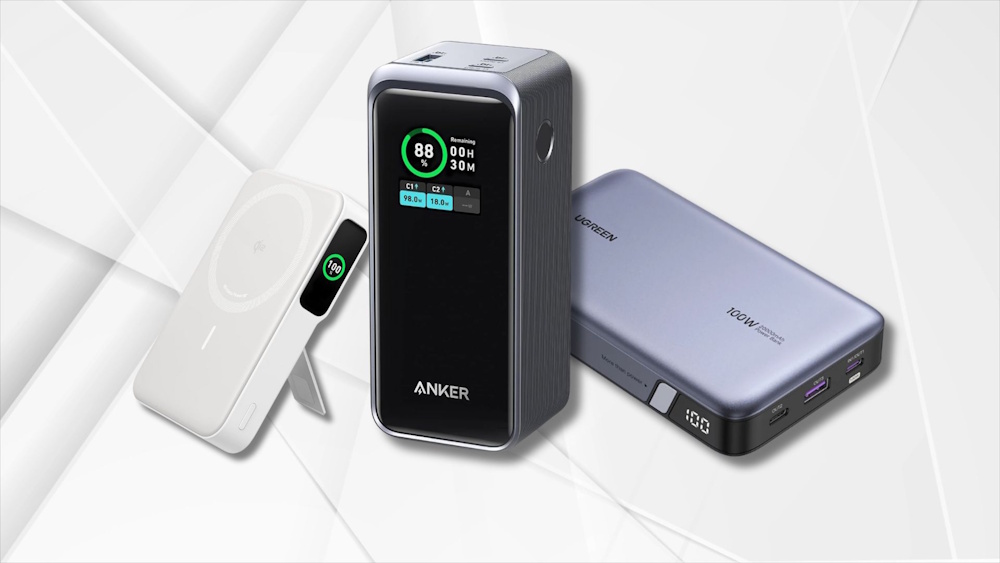
Battery technology and charging infrastructure highlight another dimension where manufacturers have made different trade-off decisions. Meta Ray-Ban includes a sleek charging case that doubles as a protective carrier, providing approximately three full charges for the glasses themselves. The case uses USB-C charging with support for fast charging protocols that deliver 50% battery capacity in roughly 30 minutes, crucial for users who forget to charge overnight and need quick top-ups. However, the proprietary charging connections mean users must carry the specific case and cable combination, adding bulk to pockets or bags. Battery technology limitations remain the fundamental constraint preventing truly all-day wearable computing experiences, driving consumer demand for portable charging solutions that enable extended usage away from wall outlets. The proliferation of battery-dependent devices from smartphones and wireless earbuds to smartwatches and now smart glasses means most people carry multiple gadgets requiring regular recharging throughout their days. Portable power banks have evolved from basic battery packs into sophisticated charging hubs supporting multiple devices simultaneously with intelligent power management, fast charging protocols, and capacity sufficient for multiple full recharges. Understanding specifications like watt-hour capacity, USB Power Delivery support, and simultaneous charging capabilities helps users select portable chargers matched to their specific device ecosystem and usage patterns. For smart glasses users who frequently travel or spend long days away from home, investing in quality portable charging infrastructure proves essential for avoiding the frustration of dead batteries during critical moments when wearable technology could provide maximum value. Xreal takes a different approach with standard USB-C charging directly on the glasses, eliminating case dependency but leaving the glasses themselves exposed when not being worn.

Software Ecosystems and Developer Platforms
The software ecosystems surrounding these devices will likely determine long-term winners as much as hardware specifications, reflecting broader technology industry patterns where platform effects and developer communities often outweigh pure technical superiority. Meta has announced plans to open its smart glasses platform to third-party developers, potentially unleashing creativity that Meta’s internal teams alone couldn’t imagine. Imagine specialized applications for bird watching that identify species and log sightings automatically, language learning apps that provide context-aware translation and vocabulary building during real-world conversations, or accessibility tools that describe visual scenes for users with vision impairments through advanced computer vision and natural language generation. Developer interest remains high despite the platform’s early stage, with hundreds of applications already submitted to Meta’s approval process covering categories from education to entertainment to professional productivity.
Xreal’s developer ecosystem focuses more narrowly on content optimization, partnering with streaming services and game developers to ensure their content displays properly within the glasses’ unique viewing environment. The company has released detailed technical specifications and best practices guides helping developers adapt existing applications for the expansive virtual screen format without requiring complete rebuilds. This pragmatic approach recognizes that Xreal’s strength lies in consuming existing content better rather than creating entirely new categories of augmented reality experiences, targeting the massive installed base of movies, shows, games, and productivity applications that already exist rather than betting everything on novel AR-specific content that may or may not materialize.
Alibaba’s platform strategy differs fundamentally, tightly controlling the Quark ecosystem to ensure seamless integration with the company’s services while limiting third-party access that might fragment the user experience or dilute Alibaba’s data advantages. The company has approved a curated selection of Chinese application developers whose offerings complement rather than compete with Alibaba’s core services, maintaining the integrated experience that differentiates Quark from more open platforms. This walled garden approach maximizes Alibaba’s ability to monetize users through commerce and services while potentially limiting innovation that open platforms historically enable, representing a calculated trade-off between control and creativity.
Enterprise and Professional Applications
The competitive dynamics extend beyond direct consumer sales into enterprise and specialized professional markets where smart glasses applications often prove more immediately valuable than consumer entertainment uses. Healthcare facilities have begun deploying Meta Ray-Ban and Xreal One devices for telemedicine consultations, surgical guidance, and hands-free access to patient records, applications where the ability to maintain sterile conditions while accessing information represents genuine operational improvements. Manufacturing and logistics operations use augmented reality overlays to guide workers through complex assembly procedures, highlight quality control issues, and optimize warehouse picking routes, measurably improving productivity and reducing errors compared to paper checklists or handheld tablets that require constantly shifting attention between the task and the instructions.
The architectural and construction industries have embraced Xreal One particularly enthusiastically for visualizing building information models overlaid on physical construction sites, allowing project managers and trades people to see exactly where pipes, electrical conduits, and structural elements should be located before cutting into walls or pouring concrete. These professional applications often justify substantially higher prices than consumer markets will bear, with enterprise deployments sometimes involving custom hardware configurations, dedicated support contracts, and integration with industry-specific software platforms that add significant value beyond the base hardware capabilities.
Professional adoption of augmented reality technologies has accelerated as international standards bodies establish comprehensive technical specifications ensuring interoperability and safety across different manufacturer implementations. Industry consortiums involving device manufacturers, content providers, technology developers, and government agencies collaborate on developing consensus standards covering virtual reality and augmented reality device taxonomy, immersive video quality metrics, environment safety requirements, and user interface specifications. These standardization efforts prove particularly valuable for enterprise deployments where organizations invest in AR infrastructure expecting multi-year service life and need confidence that devices from different vendors can integrate within existing workflows. The IEEE virtual reality standards address critical technical challenges including latency reduction, display calibration, tracking accuracy, and content format compatibility, providing the foundation for professional-grade augmented reality applications that must meet strict reliability and performance requirements.
Shop on AliExpress via link: wholesale-ai-smart-glasses

Market Analysis and Future Outlook
Market analysts project that the smart glasses category will continue fragmenting into specialized segments rather than converging around a single dominant design, much as the broader smartphone market supports distinct product categories from budget devices to flagship models to specialized rugged phones and foldables. Meta Ray-Ban seems positioned for mainstream consumer adoption among fashion-conscious users who want subtle augmentation without looking like they’re wearing futuristic technology. Xreal One targets productivity enthusiasts and entertainment seekers willing to accept slightly more conspicuous hardware for dramatically superior display capabilities. Alibaba Quark will likely dominate Chinese-speaking markets through ecosystem integration while remaining a niche option internationally until and unless Alibaba’s services achieve comparable penetration in Western countries.
The technology trajectory suggests that current limitations around battery life, processing power, and display quality will continue improving at exponential rates, following patterns familiar from decades of mobile device evolution. Micro-LED displays promised to revolutionize smart glasses optics are transitioning from laboratory demonstrations to commercial viability, potentially enabling glasses that completely disappear into conventional eyewear form factors while delivering retina-resolution displays that fill peripheral vision. Neuromorphic processors optimized specifically for always-on sensor processing could extend battery life by orders of magnitude while enabling ambient computing experiences where devices anticipate needs before users explicitly request assistance.
Societal Implications and Conclusion
The broader societal implications remain vigorously debated among technologists, ethicists, policymakers, and ordinary citizens navigating this rapidly evolving landscape. Proponents argue that smart glasses represent a more natural and less antisocial way to access digital information compared to constantly staring at smartphone screens, potentially restoring eye contact and physical presence to human interactions that phones have degraded. Skeptics counter that overlaying constant digital information on physical reality risks divorcing people even further from authentic experience, creating a hypermediated existence where unaugmented reality feels insufficient. The truth likely lies somewhere between these extremes, with smart glasses becoming another tool in the expanding toolkit of human-technology interaction, useful for certain contexts while inappropriate or excessive in others.
Looking forward through 2026 and beyond, several developments seem increasingly probable. Display technology will continue improving until the distinction between physical and digital content becomes imperceptible, raising profound questions about consensus reality when individuals can inhabit personalized augmented environments that bear little resemblance to each other despite occupying the same physical space. Artificial intelligence will grow more sophisticated in understanding context and anticipating needs, shifting from reactive assistants that respond to commands toward proactive companions that surface relevant information at appropriate moments without explicit requests. Privacy regulations will tighten as societies grapple with the implications of ubiquitous recording and recognition capabilities, likely establishing new norms around when and where recording devices can operate and what consent mechanisms must exist before capturing others in public spaces.
The competitive battle between Meta Ray-Ban, Xreal One, and Alibaba Quark represents just the opening salvo in what will become a multi-decade transformation of how humans interact with digital information. The broader landscape of personal computing devices continues evolving rapidly as manufacturers compete across multiple product categories including laptops, tablets, smartphones, and now smart glasses, each optimized for different use cases and user preferences. Understanding how various devices complement each other within integrated technology ecosystems helps consumers make intelligent purchasing decisions that maximize value rather than accumulating redundant capabilities or missing critical functionality gaps. The convergence of portable computing, artificial intelligence, and wearable form factors creates interesting questions about which devices will dominate various aspects of digital life versus gradually fading into obsolescence as newer technologies subsume their capabilities. Comprehensive comparisons examining specifications, performance, battery life, and real-world usability across different device categories provide valuable context for evaluating where smart glasses fit within personal technology strategies. Many users discover that optimal productivity and convenience comes from thoughtfully combining complementary devices rather than seeking a single all-purpose solution that inevitably compromises on specific use cases. Each manufacturer brings distinct strengths and strategic visions to this emerging market, creating a competitive dynamic that will drive innovation while forcing uncomfortable conversations about privacy, human attention, and the boundary between physical and digital experience. The glasses currently perched on early adopters’ faces will seem quaintly primitive within a few short years, yet they mark the beginning of a fundamental shift in computing paradigms that will ultimately prove as significant as the smartphone revolution that preceded it. The question is no longer whether smart glasses will become mainstream, but rather which vision for augmented human experience will ultimately prevail, and what kind of society we’ll build when everyone views the world through AI-enhanced lenses.
Technology analysts examining the trajectory of consumer electronics predict that artificial intelligence integration represents the most transformative aspect of next-generation wearable devices rather than visual augmentation capabilities that initially captured public imagination. Industry observers note that seamless AI interaction enabling users to query information, receive contextual assistance, and complete tasks through natural conversation while maintaining visual attention on their physical environment fundamentally changes how people engage with computational resources throughout their daily activities. This shift toward AI-powered smart glasses reflects broader technological evolution where ambient computing increasingly disappears into the background of everyday life, with intelligent assistants anticipating needs and surfacing relevant information proactively rather than requiring explicit user commands. The conversational interfaces enabled by recent advances in large language models make wearable AI substantially more practical and useful than earlier generations that required memorizing specific voice commands or navigating complex menu systems, lowering barriers to adoption among mainstream consumers who previously found wearable technology too complicated or awkward.
Frequently Asked Questions
Question 1: What are the main differences between Meta Ray-Ban, Xreal One, and Alibaba Quark smart glasses?
Answer 1: Meta Ray-Ban focuses on AI conversation and real-world object identification through advanced natural language processing and camera integration. Xreal One emphasizes massive virtual displays for entertainment and productivity with superior screen technology. Alibaba Quark integrates deeply with Alibaba’s ecosystem services while including unique health monitoring features through infrared sensors. Meta Ray-Ban weighs 48 grams and costs approximately $499, Xreal One weighs slightly more but offers better displays at $549, and Alibaba Quark is the most affordable at $399 with 43-gram weight, making each suitable for different user priorities and use cases.
Question 2: How long does the battery last on these AI smart glasses?
Answer 2: Battery performance varies significantly based on usage patterns and specific features activated. Meta Ray-Ban provides approximately six hours of continuous AI interaction or twelve hours of audio playback, with the charging case adding three full recharges for total daily coverage. Xreal One delivers around five to six hours of continuous display usage, sufficient for most workdays or long flights with moderate breaks. Alibaba Quark claims up to eight hours of mixed usage through aggressive power management algorithms, though real-world results depend heavily on which features you actively use. All three devices charge via USB-C connections with fast charging support.
Question 3: Are smart glasses legal to use in public spaces?
Answer 3: Legal frameworks vary dramatically by jurisdiction and continue evolving as technology develops. In the United States, one-party consent laws in many states allow recording conversations you participate in without others’ permission. European Union regulations under GDPR impose stricter requirements, particularly when sharing recorded content publicly rather than keeping it for personal use. Several countries including Germany restrict smart glasses in sensitive locations like schools and government buildings. The safest approach involves understanding your local laws, respecting clearly posted recording prohibitions, and informing people when recording in private spaces or intimate settings.
Question 4: Can smart glasses replace smartphones completely?
Answer 4: Current smart glasses cannot fully replace smartphones for most users due to several practical limitations. Tasks requiring detailed text input remain challenging without keyboards or touchscreens. Smart glasses typically depend on smartphone connectivity for cellular data connections and processing power. Battery limitations prevent all-day usage without recharging. Screen-based activities like photo editing or document creation work better on larger displays. However, smart glasses excel at quick information access, hands-free communication, navigation, and audio consumption, potentially reducing smartphone usage for these specific functions while smartphones remain necessary for tasks requiring traditional interfaces.
Question 5: How do privacy indicators work on smart glasses?
Answer 5: Meta Ray-Ban incorporates small LED lights that illuminate when cameras activate, visible to people nearby who look directly at the glasses. The system prevents continuous extended recording through firmware limitations requiring deliberate activation for each recording session. However, critics note these indicators can be obscured by lighting conditions, hand positions, or simply go unnoticed by people not specifically watching for them. Xreal One avoids this issue entirely in some models by omitting cameras completely. Privacy remains an evolving concern without perfect technical solutions, requiring social norms and regulations to develop alongside the technology itself.
Question 6: What health monitoring features do smart glasses offer?
Answer 6: Alibaba Quark includes infrared sensors that measure blood oxygen levels and heart rate variability throughout the day without additional wearables. The company claims accuracy within two percent of medical-grade devices, though independent verification remains limited outside Chinese research institutions. Meta Ray-Ban and Xreal One currently lack dedicated health sensors, focusing instead on AI and display features respectively. Future generations will likely incorporate more sophisticated biometric monitoring including stress detection, hydration status, and even blood glucose estimation as sensor technology miniaturizes and regulatory approvals for medical-grade measurements progress through various international health authorities.
Question 7: How do smart glasses handle prescription lenses?
Answer 7: Meta Ray-Ban offers full prescription lens support through EssilorLuxottica’s optical expertise, with users ordering glasses with their specific prescription built into the frames just like traditional eyewear. Xreal One uses prescription lens inserts that attach magnetically inside the glasses, allowing users to swap prescriptions or share devices more easily. Alibaba Quark similarly supports prescription inserts with compatibility for most common prescriptions including single vision, bifocals, and progressive lenses. All three manufacturers work with optometrists to ensure accurate prescriptions, though the process and costs vary by region and healthcare coverage status.
Question 8: What happens to data collected by smart glasses?
Answer 8: Data handling varies significantly between manufacturers based on their business models and regulatory environments. Meta uses collected data to improve AI models and potentially for targeted advertising across its platform ecosystem, though users can adjust privacy settings and data retention policies. Xreal focuses primarily on device performance data rather than content analysis, with more limited data collection overall. Alibaba integrates smart glasses data with broader user profiles across its e-commerce and services platforms, enabling personalized recommendations but also creating comprehensive consumer behavior databases. Users should carefully review privacy policies and adjust settings to match their comfort levels.
Question 9: Can smart glasses work offline without internet connection?
Answer 9: Basic functions typically work offline including audio playback, some camera features, and pre-downloaded content viewing. However, AI capabilities requiring language models, real-time translation, object identification, and web searches need active internet connections to function. Meta Ray-Ban can perform limited on-device processing for simple commands but requires connectivity for complex AI interactions. Xreal One’s display features work offline when showing locally stored content but streaming requires internet. Alibaba Quark’s ecosystem integration depends entirely on connectivity. Manufacturers are developing more sophisticated on-device AI models that may expand offline capabilities in future generations.
Question 10: How do smart glasses compare to virtual reality headsets?
Answer 10: Smart glasses prioritize augmented reality that overlays digital information on the physical world while maintaining awareness of surroundings, whereas virtual reality headsets create fully immersive digital environments that completely replace physical vision. Smart glasses weigh 40-50 grams compared to VR headsets’ 400-600 grams, making them suitable for all-day wear rather than dedicated sessions. Battery life, social acceptability, and use cases differ dramatically between the categories. Smart glasses excel at quick information access, navigation, and enhancing real-world experiences. VR headsets deliver superior gaming, training simulations, and fully immersive entertainment. Many users will eventually own both for different purposes rather than choosing between them.
Articles related:




Tags
📧 Get More Articles Like This
Subscribe to receive product reviews and buying guides in your inbox!
We respect your privacy. Unsubscribe at any time.