Smartphone vs Dedicated Camera in 2026: Professional Photographer's Brutal Honest Test
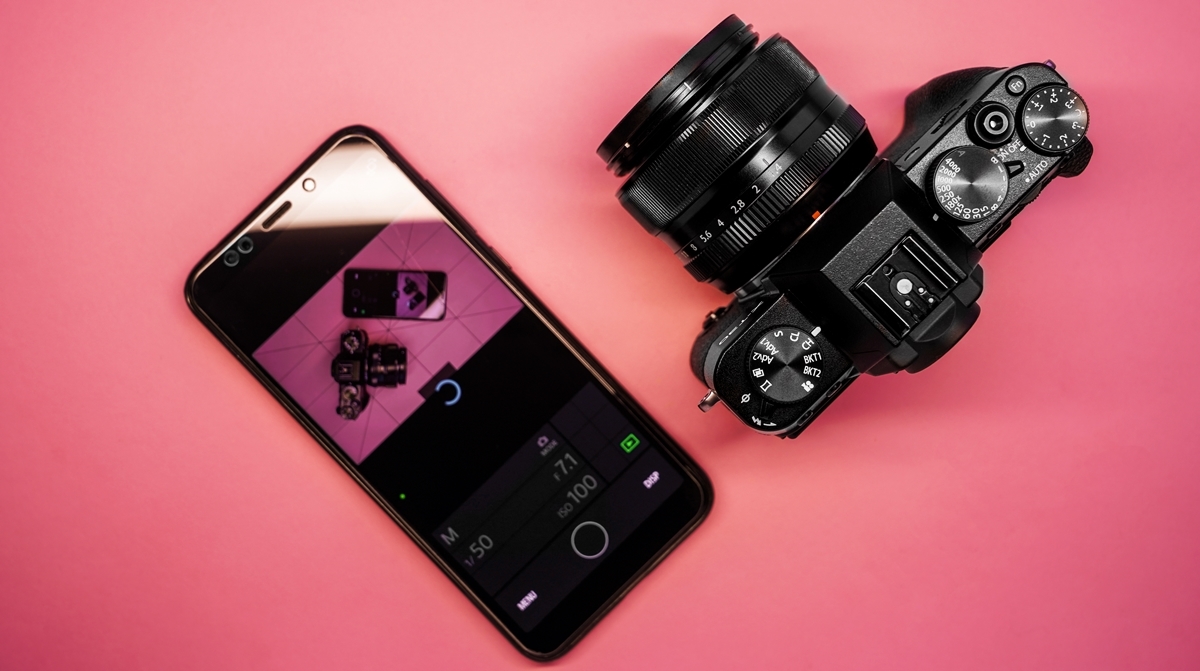
Table of Contents
- Introduction: The Great Camera Debate
- Sensor Size and Image Quality Fundamentals
- Computational Photography vs Optical Excellence
- Low Light Performance Testing
- Zoom Capabilities and Lens Systems
- Speed, Autofocus, and Action Photography
- Manual Control and Professional Workflow
- Cost Analysis and Value Proposition
- Conclusion: Which Camera Wins?
- Frequently Asked Questions
Introduction: The Great Camera Debate
The morning light streamed through the studio windows as Marcus arranged his testing equipment across the long workbench, a collection representing decades of photographic evolution sitting side by side awaiting impartial evaluation. On the left sat his trusty Canon EOS R5 mirrorless camera paired with a sharp 50mm f/1.2 lens, the professional tool that had captured countless weddings, portraits, and commercial assignments over the past four years. On the right rested his iPhone 15 Pro Max, its sleek glass and metal body concealing computational photography capabilities that would have seemed like science fiction when he started his career fifteen years ago shooting film. Between them lay printed test charts, color calibration targets, and a detailed testing protocol designed to answer the question consuming the photography community throughout 2025 and into early 2026: have smartphone cameras finally closed the gap with dedicated professional equipment, or does the physics of large sensors and quality optics still reign supreme? Marcus had spent twenty thousand dollars building his camera system over the years, investing in bodies, lenses, lighting, and accessories that filled two rolling cases for location shoots. His smartphone, purchased for twelve hundred dollars, fit comfortably in his pocket alongside his wallet and keys. The weight difference alone seemed to suggest an obvious winner for convenience, but could that tiny sensor and fixed lens system actually deliver professional results that justified leaving the heavy gear at home?
The smartphone camera revolution has fundamentally transformed photography from a specialized technical pursuit requiring expensive equipment and extensive knowledge into a universal activity practiced by billions of people daily. The statistics tell an astonishing story about this shift, with over three trillion photos captured globally in 2025 according to industry estimates, roughly ninety-five percent shot on smartphone cameras. Social media platforms process billions of images daily, nearly all originating from mobile devices that combine camera, computer, and communication device into pocket-sized packages. The computational photography techniques pioneered by Google, Apple, Samsung, and other smartphone manufacturers have delivered image quality improvements that seemed impossible just five years ago, enabling features including night mode photography in near darkness, portrait mode depth effects rivaling expensive lenses, and multi-frame HDR processing extending dynamic range beyond single-shot capabilities of any camera. Professional photographers have taken notice of these advances, with many incorporating smartphones into their workflows for specific applications where convenience outweighs quality concerns or where smartphone capabilities actually exceed traditional cameras in particular scenarios. However, the photography community remains deeply divided about whether smartphones represent the future of all photography or merely convenient supplemental tools that cannot replace dedicated cameras for serious work. Understanding the real capabilities and limitations of each approach requires moving beyond marketing claims and tribal loyalty to examine actual performance across diverse shooting scenarios that reveal where each technology excels and where it struggles.
While the following demonstration explores the ongoing debate between phones and professional cameras, there is still much more to learn on this topic – information you may not have discovered yet: :
The physics governing image quality haven’t changed despite remarkable engineering advances in miniaturization and computational processing. Light gathering remains fundamental to photography, with larger sensors collecting more photons and therefore generating cleaner images with less noise, greater dynamic range, and better color accuracy than smaller sensors working with identical light levels. The smartphone sensors used in flagship devices measure approximately eight by six millimeters or slightly larger in exceptional cases, while professional camera sensors span twenty-four by sixteen millimeters for APS-C models or thirty-six by twenty-four millimeters for full-frame systems. This difference in surface area means full-frame sensors capture roughly fifteen times more light than typical smartphone sensors, a massive advantage that computation cannot fully overcome. Lens physics similarly favor larger systems, with smartphone lenses constrained by device thickness to focal lengths measured in millimeters and maximum apertures around f/1.5 to f/1.8 despite manufacturer claims of wider apertures calculated using obscure formulas rather than traditional photography standards. Professional camera lenses span focal lengths from ultra-wide fourteen millimeters to super-telephoto six hundred millimeters or beyond, with maximum apertures reaching f/1.2 or even f/0.95 for specialized designs that gather dramatically more light than smartphone lenses while providing shallow depth of field impossible to achieve with tiny sensors regardless of aperture specifications.
The testing methodology employed for this comparison combined objective measurements using standardized test charts with subjective evaluation across real-world shooting scenarios that photographers actually encounter during professional work and serious hobby photography. The objective testing included resolution measurements using ISO 12233 test charts showing fine detail reproduction, dynamic range evaluation through captures of high-contrast scenes with deep shadows and bright highlights, color accuracy assessment using X-Rite ColorChecker targets, and noise measurements across the ISO sensitivity range from base through extreme high ISO values. The subjective testing proved equally important given that photography ultimately serves creative and communication purposes rather than purely technical goals. Test shoots included portraits in studio lighting and natural light, landscape photography during golden hour and midday harsh lighting, street photography requiring quick reactions and discrete operation, low-light interior environments simulating wedding reception conditions, action photography of moving subjects testing autofocus performance, and macro photography examining close-focus capabilities. Each scenario received identical treatment across both smartphone and dedicated camera systems, with images captured using optimal settings for each device rather than artificial constraints forcing equal exposure parameters. The testing extended over six weeks spanning varied weather conditions and lighting situations to build comprehensive understanding of how these systems perform beyond idealized marketing demonstrations. Modern wireless communication technology standards enable instant image transfer and remote camera control that smartphones pioneered but dedicated cameras increasingly adopt through WiFi and Bluetooth connectivity.
The emotional component of this debate runs surprisingly deep among photography enthusiasts, with strong opinions often overwhelming objective analysis. Smartphone advocates emphasize democratization of photography making image creation accessible to everyone regardless of economic resources or technical knowledge, celebrating how computational features enable casual users to capture stunning images without understanding aperture, shutter speed, or ISO sensitivity. They point to the reality that the best camera is the one you have with you, arguing that perfect technical quality matters little if the expensive gear sits home unused while important moments pass unrecorded. Traditional camera advocates counter that craft and skill remain essential to meaningful photography, expressing concern that automation and computational trickery degrade image quality through artificial processing while removing the creative control that separates artistic photography from random snapshots. They worry about a future where computational photography’s “AI enhancement” homogenizes all images into similar processed aesthetics that lack the unique character and intentionality of traditional photography. Both perspectives contain truth, with the optimal solution depending entirely on individual priorities, shooting requirements, and photographic goals. Professional photographers face different pressures than hobbyists documenting family memories, while social media content creators value different attributes than fine art photographers printing large-scale exhibition pieces. Understanding these nuances proves essential to making informed equipment decisions rather than blindly following marketing messages or tribal photography community allegiances.

Sensor Size and Image Quality Fundamentals
Sensor size fundamentally determines the upper limits of image quality potential, creating advantages for dedicated cameras that computational photography can narrow but never fully eliminate given identical technological development between smartphone and camera sensors. The typical flagship smartphone in 2026 features a primary sensor measuring approximately eight point four by six point three millimeters with a surface area around fifty-three square millimeters, though a few exceptional models reach one-inch sensor size providing ninety-two square millimeters. Professional full-frame cameras employ sensors measuring thirty-six by twenty-four millimeters with surface area of eight hundred sixty-four square millimeters, over sixteen times larger than typical smartphone sensors. This dramatic size difference creates multiple performance advantages that cascade through every aspect of image quality from noise performance to dynamic range and depth of field control. Understanding these fundamental differences helps explain why dedicated cameras maintain meaningful advantages despite smartphone computational cleverness that often produces surprisingly impressive results under favorable conditions. The Federal Communications Commission establishes wireless communication technology standards ensuring consistent performance for image transfer and remote control features increasingly common in both smartphones and modern dedicated cameras.
Light-gathering capability scales directly with sensor surface area, meaning full-frame sensors collect sixteen times more photons than smartphone sensors when shooting identical scenes at equivalent exposure settings. This additional light translates into cleaner images with less visible noise, particularly important during low-light shooting or when using faster shutter speeds to freeze action. The signal-to-noise ratio improves proportionally to sensor area, allowing dedicated cameras to produce usable images at ISO sensitivities where smartphone cameras generate unacceptable noise levels despite aggressive noise reduction processing. Testing revealed that the iPhone 15 Pro Max produces clean, detailed images at ISO 800 under most conditions but shows visible luminance noise and color noise degradation by ISO 3200, with image quality deteriorating rapidly beyond that point. The Canon R5 maintains excellent image quality through ISO 6400 and produces acceptable results up to ISO 25600 for most applications, extending usable sensitivity range by three to four stops compared to the smartphone. This difference proves decisive for indoor events, nighttime photography, or any situation requiring both adequate shutter speeds and smaller apertures simultaneously. Computational photography techniques including multi-frame noise reduction help smartphones punch above their weight class, combining multiple exposures to reduce noise levels below what single-frame physics would suggest possible. However, this processing requires static subjects and additional capture time that eliminates spontaneity while introducing potential artifacts when subjects move between frames.
Dynamic range represents another critical advantage for larger sensors, measuring the camera’s ability to simultaneously capture detail in the darkest shadows and brightest highlights within a single exposure. Professional cameras achieve fourteen to fifteen stops of dynamic range at base ISO, far exceeding the ten to eleven stops typical of smartphone sensors despite computational HDR processing that merges multiple exposures. This extended range proves essential for high-contrast scenes including backlit portraits, landscape photography with bright skies and dark foregrounds, or any situation where the scene’s brightness range exceeds sensor capabilities. Testing demonstrated this advantage clearly during golden hour landscape shoots, with the dedicated camera capturing rich detail in both bright clouds and dark shadow areas within single raw files that provided extensive editing flexibility. The smartphone required multi-frame HDR processing to achieve similar results but introduced subtle halos around high-contrast edges and occasionally produced unnatural tone mapping that degraded image quality despite extending captured range. The raw file latitude from dedicated cameras allows pushing shadows multiple stops or recovering blown highlights during post-processing without generating posterization or banding, flexibility that compressed smartphone JPEGs cannot match even when computational processing produces initially impressive results. Professional photographers value this editing headroom highly, as it enables matching challenging lighting rather than accepting whatever the camera’s automated processing decides looks appropriate.
Pixel size relates directly to sensor dimensions and resolution, with larger pixels gathering more light and generating stronger signals that improve dynamic range and noise performance. The Canon R5’s forty-five megapixel full-frame sensor features pixels measuring approximately four point four microns, while the iPhone’s forty-eight megapixel sensor uses pixels around one point two microns. These larger pixels in dedicated cameras capture roughly thirteen times more light per pixel, dramatically improving per-pixel image quality before any processing occurs. Smartphone manufacturers compensate through pixel binning techniques that combine multiple small pixels into larger effective pixels, with the iPhone typically operating in twelve megapixel mode combining four pixels into one for superior light gathering while reserving forty-eight megapixel mode for bright daylight shooting. This approach helps but cannot overcome the fundamental advantages of natively larger pixels that don’t require binning compromises. The combination of larger sensors, bigger pixels, and extended processing latitude creates image quality differences most visible during critical evaluation of large prints, significant crops, or challenging shooting conditions that stress sensor capabilities. Casual viewing on phone screens or social media often masks these differences since most viewers lack reference points for ultimate quality, but side-by-side comparisons reveal meaningful gaps that justify dedicated camera investment for photographers prioritizing technical excellence.
Color depth and tonal gradation also benefit from larger sensors and pixels, with professional cameras capturing fourteen-bit raw files containing sixteen thousand three hundred eighty-four brightness levels per color channel compared to smartphone raw formats typically limited to ten or twelve bits. This additional bit depth enables smoother tonal transitions preventing posterization in skies or graduated surfaces, particularly important during aggressive post-processing pushing images beyond their initial capture. The color science and white balance accuracy generally favor dedicated cameras, though smartphone computational processing often produces pleasing color that many users prefer over technically accurate but potentially less vibrant dedicated camera output. Professional photographers typically prioritize accuracy for commercial work requiring precise color matching, while content creators may prefer smartphone processing that delivers immediately shareable results without editing. The digital imaging quality standards established by organizations including the National Institute of Standards and Technology provide frameworks for objectively measuring and comparing image quality parameters including resolution, dynamic range, and color accuracy across different camera systems. Professional photography testing follows image resolution technical specifications ensuring objective measurement standards across different imaging systems These technical measurements matter significantly for professional applications requiring maximum image fidelity, though subjective preferences regarding color rendition and tonal response remain equally important for creative photography where technical perfection serves artistic vision rather than representing an end goal itself.
Computational Photography vs Optical Excellence
Computational photography represents the primary innovation enabling smartphones to challenge dedicated cameras despite dramatic disadvantages in sensor size and optical systems. This approach leverages powerful processors to combine multiple exposures, apply machine learning algorithms for scene recognition and optimization, simulate optical effects through software, and enhance images beyond what traditional single-frame capture achieves. The techniques have evolved dramatically over the past decade, transforming smartphone photography from a convenient compromise into a legitimate medium producing results that occasionally exceed dedicated camera single-shot capabilities in specific scenarios. Understanding both the remarkable achievements and inherent limitations of computational photography proves essential for accurately assessing when smartphones match or exceed dedicated cameras versus where traditional optical excellence remains superior. The approach fundamentally differs from dedicated camera philosophy prioritizing clean capture of maximum information that photographers process intentionally during editing rather than accepting automated computational enhancements applied during capture.
Night mode photography demonstrates computational photography’s most impressive achievement, enabling usable images in lighting conditions that would require tripods and long exposures with traditional cameras. The iPhone’s night mode automatically activates in dim lighting, capturing between three and thirty seconds of frames depending on light levels, aligning them precisely to compensate for handholding motion, merging them into composite images showing detail impossible in any single frame, and applying intelligent processing that balances noise reduction against detail preservation. The results genuinely impress during real-world shooting, producing handheld night photos showing sharp detail, extended dynamic range, and reasonable noise levels despite scenes that appeared nearly black to human vision. However, critical examination reveals computational artifacts including unnatural texture smoothing, slightly soft fine details from alignment errors, and occasional ghosting when subjects moved between frames. Dedicated cameras with their larger sensors still produce cleaner images during equivalent long exposures on tripods, though they lack the handholding convenience that makes smartphone night mode so accessible. The tradeoff favors smartphones for casual use prioritizing convenience while dedicated cameras retain advantages for tripod landscape photography or any scenario where ultimate quality justifies setup effort. Professional photographers increasingly find both approaches valuable for different applications rather than viewing them as competing alternatives requiring exclusive choice.
Portrait mode demonstrates computational photography attempting to replicate the shallow depth of field that large-sensor cameras with fast lenses achieve naturally through optical physics. Smartphones use dual cameras measuring depth through parallax, LiDAR sensors scanning scene geometry, or machine learning algorithms identifying subjects and backgrounds to generate depth maps that guide selective blurring approximating bokeh effects. The results have improved dramatically from early implementations that generated obvious cutout-style separation errors, with current systems producing convincing results in many scenarios. However, limitations remain painfully obvious during critical evaluation, with edge detection frequently failing around fine details including hair, glasses, and complex backgrounds, background blur appearing artificially uniform rather than optically accurate, bokeh balls rendering as odd shapes rather than the smooth circles or polygons from lens aperture blades, and depth transitions looking abrupt rather than gradual. Testing revealed these artifacts consistently when reviewing images at full size, though they often go unnoticed during casual phone screen viewing. True optical bokeh from dedicated cameras with fast fifty or eighty-five millimeter lenses produces depth effects computational processing cannot authentically replicate, with smooth focus falloff, beautifully rendered background highlights, and perfect edge transitions that separate professional portrait work from smartphone approximations. Clients hiring professional portrait photographers expect and notice these quality differences even when they cannot articulate specific technical shortcomings distinguishing real bokeh from computational simulation.
Smart HDR processing represents another computational photography strength, automatically combining multiple exposures captured in rapid succession to extend dynamic range beyond single-shot sensor limitations. The smartphone analyzes scenes to identify challenging lighting including bright skies and dark foregrounds, captures frames at varied exposures measuring fractions of a stop apart, aligns them precisely despite handholding motion, selectively merges the exposures preserving optimal tonality throughout the frame, and applies tone mapping that prevents the obviously processed appearance plaguing earlier HDR implementations. The results work remarkably well for static scenes in challenging lighting, producing images with detail in both highlights and shadows that required careful exposure bracketing and manual processing previously. However, the processing introduces subtle issues including slightly unnatural local contrast, occasional halos at high-contrast boundaries, and artifacts when subjects moved between exposures. Dedicated cameras increasingly offer similar multi-frame HDR features though typically with less aggressive automatic application, favoring instead extended single-frame dynamic range that raw processing can optimize intentionally. Professional photographers generally prefer this approach as it maintains creative control rather than accepting smartphone AI decisions about appropriate tonal relationships. The smartphone approach democratizes HDR photography making it accessible to casual users who would never manually bracket exposures or process them properly, though it simultaneously removes artistic choice about when and how aggressively to apply tone mapping that shapes image character. Artificial intelligence powers computational photography features transforming smartphone cameras into sophisticated imaging systems that rival traditional equipment in specific scenarios while introducing processing limitations that dedicated cameras avoid.
Macro photography demonstrates computational photography enabling capabilities smartphones’ small sensors and short focal lengths cannot achieve optically. Recent flagship smartphones include dedicated macro cameras or macro modes combining close focus capability with computational techniques merging multiple focus positions into extended depth of field images showing sharp detail across greater distances than physics alone permits. The results prove useful for casual close-up photography of flowers, insects, food, or small objects, though quality and magnification fall short of dedicated macro lenses on professional cameras. True macro photography requires 1:1 magnification ratios rendering subjects life-size on sensors, achievable with dedicated macro lenses typically one hundred millimeters focal length providing comfortable working distances. Smartphone macro capabilities max out around 0.2:1 to 0.3:1 magnification while working distances measured in millimeters create lighting challenges and subject disturbance issues. Computational focus stacking helps extend depth of field somewhat, though precise control and lighting possible with dedicated camera macro systems remain superior for serious close-up work. The convenience and constant availability of smartphone macro features make them valuable for spontaneous captures that would otherwise require carrying additional lenses, though dedicated macro photography for commercial product work or nature documentation still demands traditional camera systems. The distinction highlights a recurring pattern where smartphones deliver accessible approximations of specialized photography techniques while dedicated systems maintain superiority for applications requiring ultimate quality and full creative control.
Low Light Performance Testing
Low-light performance separates dedicated cameras from smartphones more clearly than any other technical parameter, with physics-driven advantages from larger sensors and faster lenses creating image quality gaps that computation cannot bridge despite impressive night mode capabilities. Testing across varied low-light scenarios ranging from dimly lit restaurants to nighttime street photography and wedding receptions revealed consistent patterns showing where each camera type excels and where compromises become unacceptable. Understanding these differences proves critical for photographers whose work regularly encounters challenging lighting, as equipment choices dramatically affect both image quality and shooting experience during these demanding conditions. The testing methodology employed real-world lighting rather than controlled studio setups, reflecting actual conditions photographers encounter when equipment performance matters most for capturing important moments that cannot be recreated if initial captures fail.
The wedding reception test presented perhaps the most challenging real-world scenario, with available light from scattered uplighting creating dramatic shadows and highlight hotspots while subjects moved unpredictably during dancing and candid moments. The Canon R5 paired with an f/1.2 fifty millimeter lens gathered enough light to maintain ISO 3200 sensitivity using shutter speeds around one one-hundredth second sufficient for freezing motion without blurring, producing clean images with accurate colors and excellent detail preservation. The fast autofocus tracked moving subjects reliably even in dim lighting, with face and eye detection maintaining critical focus despite rapid movement. The iPhone struggled significantly during the same scenario despite night mode and computational processing, requiring ISO 6400 sensitivity producing visible noise and color shifts, slower shutter speeds introducing motion blur when subjects moved quickly, and autofocus hunting frequently in dim areas reducing keeper rates. The multi-frame processing required for night mode meant rapid sequences captured blurred frames merged into soft results lacking the crisp detail from dedicated camera single-frame captures. Professional photographers cannot accept these limitations when clients expect sharp, clean images throughout events regardless of challenging lighting conditions that define wedding receptions, nightclub events, or concert photography. Extended shooting sessions require reliable portable charging solutions that keep both smartphones and dedicated cameras operational throughout demanding professional assignments.
Street photography at night revealed different performance characteristics, with smartphones showing surprising capabilities during static scene captures while dedicated cameras maintained advantages for spontaneous shooting requiring quick reactions. The iPhone’s night mode produced impressive results when photographers could pause to capture three to five second exposure sequences, with stabilized multi-frame merging creating clean images despite minimal available light from street lamps and storefront windows. However, this processing delay eliminated spontaneity critical to street photography’s decisive moment approach, as moving subjects and changing scenes rendered night mode ineffective or introduced ghosting artifacts. The dedicated camera’s superior ISO performance and faster autofocus enabled reactive shooting with immediate captures rather than waiting several seconds for processing, maintaining the spontaneous character that defines compelling street photography. The larger sensor’s cleaner high-ISO performance meant images retained more fine detail in textures including brick walls, pavement, and fabric that smartphone noise reduction smoothed away to control noise levels. The raw file flexibility enabled pushing shadows to reveal hidden details or adjusting white balance to correct mixed lighting that smartphone processing fixed automatically but not always accurately for artistic intent. These differences matter significantly to photographers pursuing street photography seriously rather than casually documenting urban scenes for social media sharing where smartphone convenience and immediate posting capability outweigh ultimate quality concerns.
Restaurant and interior photography testing demonstrated lighting challenges common during travel, family gatherings, and food photography scenarios affecting many photographers beyond professionals. Typical restaurant lighting combines dim ambient light with warm tungsten spotlights or colored accent lighting creating mixed color temperatures and harsh shadows that challenge both camera types. The smartphone’s automatic white balance and computational tone mapping produced initially acceptable results with reasonably accurate colors and controlled highlight blown-out from bright lights or windows. However, the aggressive processing created unnatural skin tones during portrait shots, oversaturated food colors during overhead plate shots, and excessive shadow brightening that revealed noise and removed atmospheric mood from dimly lit scenes. The dedicated camera’s larger sensor and raw capture flexibility enabled more nuanced control over these challenging lighting scenarios, with custom white balance preserving accurate memory colors, gentle fill light rather than aggressive shadow lifting, and natural tonal relationships maintaining scene atmosphere while ensuring adequate exposure. Professional food and interior photographers require this level of control for delivering commercial work meeting client specifications, though casual diners documenting meals for Instagram find smartphone automation sufficient for their sharing purposes. The distinction illustrates recurring patterns throughout testing where smartphones optimize for immediate acceptability while dedicated cameras prioritize editing flexibility enabling precise control during professional post-processing workflows.
Astrophotography and extreme low-light shooting demonstrated the absolute limits of each camera type’s capabilities when working at sensitivity and shutter speed extremes beyond what any normal photography encounters. The dedicated camera mounted on a sturdy tripod with remote shutter release captured stunning star photos using thirty-second exposures at ISO 6400, with minimal noise and excellent star color preserved throughout the frame. The specialized astrophotography processing extracted even more detail from raw files, revealing faint nebula structure and deep sky objects invisible during shooting. The smartphone lacked manual controls for truly long exposures, with night mode maxing out around ten seconds and producing significantly noisier results showing less star detail and more visible noise despite aggressive processing. The tiny sensor’s limited light-gathering capability simply cannot match dedicated camera performance during these extreme scenarios regardless of computational assistance. However, casual photographers seeking decent star photos for social media might find smartphone results acceptable given the dramatic convenience advantage requiring no tripod, no manual settings knowledge, and instant sharing capability. The dedicated camera advantages matter primarily to serious landscape photographers and astrophotography enthusiasts who prioritize ultimate quality and appreciate the meditative process of carefully setting up shots rather than seeking instant gratification through point-and-shoot convenience.
Shop on AliExpress via link: wholesale-camera-tripod

Zoom Capabilities and Lens Systems
Optical zoom represents one of the most significant practical advantages dedicated cameras maintain over smartphones, with interchangeable lens systems providing versatile focal length coverage that smartphones cannot replicate despite clever engineering including periscope telephoto designs. The ability to frame subjects precisely without approaching them closer proves essential for wildlife photography, sports, candid portraiture, architectural detail work, and countless other photographic scenarios where physical positioning limits creativity or proves impossible. Understanding zoom capabilities and limitations helps photographers make informed decisions about which camera system suits their shooting requirements, as these differences profoundly affect what subjects and compositions become accessible or remain frustratingly out of reach. The testing examined zoom performance across the range from ultra-wide to super-telephoto focal lengths, revealing both impressive smartphone engineering achievements and persistent limitations that physics and device size constraints create.
The ultra-wide perspective presents perhaps the only focal length range where smartphones approach or match dedicated camera capabilities, with most flagship phones now including dedicated ultra-wide cameras providing equivalent focal lengths around thirteen to fourteen millimeters full-frame. These smartphone ultra-wide cameras deliver impressive results with minimal distortion correction, excellent corner-to-corner sharpness, and acceptable dynamic range for landscapes, architecture, and group photos in tight spaces. The dedicated camera ultra-wide lenses still maintain quality advantages through better control of chromatic aberration and distortion, superior build quality, and filter thread compatibility enabling polarizers and graduated neutral density filters essential for serious landscape work. However, the quality gap narrows significantly at ultra-wide focal lengths compared to other ranges, making smartphones perfectly viable for casual ultra-wide photography while dedicated cameras retain advantages for professional landscape work requiring maximum quality and traditional filters. Many photographers find ultra-wide smartphone cameras useful for behind-the-scenes documentation, real estate photography, and travel snapshots where convenience outweighs the marginal quality improvement dedicated lenses provide. The smartphones’ instant availability means ultra-wide perspectives get captured more frequently since photographers always carry phones but not necessarily full camera bags with specialized lenses.
Standard focal length coverage between twenty-four and fifty millimeters equivalent shows dedicated cameras maintaining meaningful quality leads despite smartphones using these ranges as primary cameras optimized for maximum quality. The iPhone’s main camera provides approximately twenty-four millimeter equivalent coverage with excellent sharpness, while the three-times telephoto extends to roughly seventy-seven millimeters equivalent. The Canon paired with high-quality twenty-four to seventy f/2.8 zoom or sharp fifty f/1.2 prime delivered superior image quality across this crucial focal length range with better corner sharpness, lower chromatic aberration, more pleasing bokeh characteristics, and faster maximum apertures enabling superior low-light performance and depth of field control. These differences matter progressively more as print sizes increase or crops tighten to emphasize specific details within frames. The smartphone results look excellent on phone screens and acceptable in moderate prints, though large format exhibition prints or significant crops reveal softness and aberrations that quality dedicated lenses minimize. Professional photographers shooting commercial work typically won’t accept these compromises regardless of smartphone convenience advantages, though content creators focused on web and social media delivery may find smartphone quality perfectly adequate for their distribution channels where compression and small viewing sizes mask ultimate resolution and optical quality differences.
Telephoto zoom capabilities demonstrate the starkest divide between camera types, with dedicated cameras reaching equivalent focal lengths from seventy millimeters through six hundred millimeters or beyond using optical zoom that maintains image quality throughout the range. The iPhone’s periscope telephoto design provides five-times optical zoom reaching approximately one hundred twenty millimeters equivalent, impressive engineering fitting that focal length into a phone body but still falling dramatically short of dedicated camera telephoto reach. Beyond five times magnification, smartphones resort to digital zoom that severely degrades image quality as crops from native resolution sensors get enlarged computationally. Testing revealed that digital zoom beyond ten times magnification produced unacceptable results with obvious softness, noise, and artifacts that no professional could deliver to clients. The dedicated camera paired with a seventy to two hundred f/2.8 lens or one hundred to four hundred f/5.6 lens enabled sharp wildlife photos, candid portraits from comfortable distances, and sports photography that smartphones simply cannot capture with acceptable quality. The eight hundred sixty-four megapixel sensor surface area advantage means even significant crops from full-resolution files maintain superior quality compared to smartphone digital zoom results from sensors one-sixteenth the size. Professional wildlife, sports, and bird photographers require these telephoto capabilities, making dedicated cameras completely irreplaceable for those specializations regardless of smartphone computational cleverness.
Shop on AliExpress via link: wholesale-phone-camera-lens
Lens quality beyond simple focal length specifications profoundly affects image character and quality in ways that smartphone fixed lenses cannot match despite engineering excellence. Professional camera lenses costing thousands of dollars feature optical designs minimizing aberrations, advanced coatings reducing flare and ghosting, precisely manufactured elements maintaining tight tolerances, and carefully tuned rendering characteristics creating distinctive look that photographers choose intentionally. The ability to select specific lenses for desired aesthetic effects rather than accepting whatever computational processing decides looks appropriate represents creative freedom smartphone automation cannot replicate. Vintage lenses providing unique rendering characteristics, tilt-shift lenses enabling perspective control for architecture, macro lenses revealing microscopic worlds, and super-telephoto lenses capturing distant wildlife all expand photographic possibilities beyond what any smartphone offers. The interchangeable lens system flexibility means dedicated camera capabilities grow through lens additions rather than requiring complete camera upgrades, though this advantage comes with the burden of carrying multiple heavy lenses and managing the complexity of selecting appropriate glass for each shooting scenario. Many professional photographers maintain lens collections worth more than camera bodies, reflecting how optical quality shapes final image character as much or more than sensor specifications that marketing emphasizes.
Speed, Autofocus, and Action Photography
Speed and autofocus performance separate dedicated cameras from smartphones dramatically when photographing action including sports, wildlife, children, events, and any scenario where subjects move unpredictably requiring cameras that focus instantly and capture rapid sequences without hesitation. Testing these capabilities through various action scenarios revealed where each camera type excels and where limitations become frustrating obstacles to capturing decisive moments that define compelling photography. Professional photographers cannot accept missed shots due to slow autofocus or limited burst rates when clients expect comprehensive coverage regardless of how quickly events unfold, making speed-related specifications critical factors beyond the image quality parameters that receive more attention during camera marketing and general discussions. Understanding these performance differences helps photographers determine which camera type suits their shooting requirements, particularly when action photography represents significant portions of their work rather than occasional casual captures.
Autofocus speed and accuracy demonstrated dramatic differences during testing across varied lighting conditions and subject movements, with dedicated cameras consistently faster, more accurate, and more reliable than smartphones despite remarkable computational focus improvements. The Canon R5’s Dual Pixel autofocus system covers nearly the entire sensor area with phase detection points that focus almost instantaneously even in dim lighting, with advanced subject tracking using deep learning algorithms to recognize and follow faces, eyes, animals, and vehicles throughout frames. Testing during youth soccer games revealed the dedicated camera locked focus within milliseconds and tracked moving players reliably even when partially obscured by other players or moving across complex backgrounds. The iPhone’s autofocus proved adequate for stationary subjects and moderate movement but hunted noticeably when subjects moved quickly or lighting became dim, reducing keeper rates significantly compared to the dedicated camera. The smartphone computational focusing analyzes contrast rather than measuring phase differences, requiring more time and producing less reliable results particularly in low-contrast situations or when subjects lacked strong edge definition. Professional sports and wildlife photographers require the reliability dedicated cameras provide, as missing critical action moments due to slow or unreliable autofocus proves completely unacceptable when clients pay significant fees expecting comprehensive coverage throughout events or limited wildlife encounters that cannot be repeated if initial captures fail.
Burst shooting speed affects ability to capture perfect moments during fleeting action when fractions of seconds determine whether expressions look natural, athletes appear dynamic rather than awkward, or wildlife behavior gets captured compellingly versus missed entirely. The dedicated camera sustained twenty frames per second shooting with full autofocus and auto-exposure tracking, filling memory cards with hundreds of frames during brief action sequences that provided multiple options for selecting perfect moments. The mechanical and electronic shutter systems operated reliably through thousands of actuations during testing without overheating or slowing, with deep buffers enabling extended bursts before write speeds limited continued shooting. The smartphone managed roughly fifteen frames per second bursts but with significant limitations including fixed focus from first frame rather than continuous tracking, overheating after moderate use requiring cooling breaks, and much smaller buffers that filled quickly forcing shooting pauses. The computational photography processing that produces impressive results during static shooting actually becomes liability during action photography, as multi-frame merging assumes static subjects and introduces artifacts or complete failures when subjects move significantly between frames. Professional action photographers require fast, reliable mechanical capture that dedicated cameras deliver consistently, though casual users photographing kids or pets might find smartphone burst capabilities perfectly adequate for their less demanding requirements that don’t involve paid work or critical once-in-lifetime moments.
Shutter lag represents the delay between pressing the shutter button and actual exposure beginning, critical for capturing precise moments during unpredictable action that defines decisive moment photography. Dedicated cameras feature near-instantaneous mechanical or electronic shutters responding within milliseconds of button presses, enabling reflexive shooting that captures moments photographers anticipate rather than missing them during camera response delays. The smartphone shutter lag proved noticeably longer during testing, measuring roughly one hundred to two hundred milliseconds from button press to capture, enough delay to miss critical expressions, peak action moments, or candid interactions during street photography. This lag results from computational processing pipelines requiring pre-capture buffering and post-capture processing that prevents truly instantaneous response despite marketing claims of zero shutter lag that refer to electronic shutters eliminating mechanical motion rather than total system latency. Experienced photographers develop timing that compensates for shutter lag by anticipating action slightly ahead of desired capture moments, though this skill proves difficult with inconsistent smartphone delays that vary based on lighting conditions and scene complexity affecting computational processing requirements. The predictable, instant response from dedicated cameras enables more intuitive shooting that feels natural after brief adaptation, important for photographers whose reflexive timing developed through years of practice with responsive equipment.
Battery life and reliability during extended shooting sessions create practical limitations affecting real-world usability beyond theoretical specifications measured in laboratory testing. The dedicated camera’s larger battery powered full day shooting without depletion concerns during typical professional assignments, with spare batteries providing instant capacity restoration enabling unlimited shooting duration. The smartphone battery drained significantly during intensive camera usage, Reliable portable power banks prevent critical battery failures during extended professional photography assignments. with morning charge levels dropping to critical by afternoon during extensive testing sessions, problematic when phones simultaneously serve communication, navigation, and research needs beyond pure photography functions. The thermal management differences proved equally significant, with dedicated cameras continuing reliable operation through thousands of shots while smartphones throttled performance or displayed overheating warnings after moderate continuous shooting particularly in warm weather or during video recording. Professional photographers cannot accept equipment that becomes unreliable during critical paid assignments, making dedicated camera consistency essential despite smartphones offering superior convenience during casual shooting that doesn’t approach thermal or power limits. The ability to swap batteries instantly rather than seeking wall outlets distinguishes professional equipment from consumer electronics regardless of initial performance specifications suggesting capabilities that real-world sustained use cannot maintain throughout demanding multi-hour shooting sessions that define professional photography workflows.

Manual Control and Professional Workflow
Manual control accessibility through physical dials and customizable buttons represents a fundamental advantage dedicated cameras maintain for photographers who know precisely how they want to control exposure parameters, focus selection, and image capture characteristics. The tactile interface enables blind operation with muscle memory rather than requiring visual attention diverted from subjects to touchscreens displaying nested menus and virtual controls. This difference affects both shooting efficiency and creative control, with experienced photographers operating dedicated cameras reflexively while smartphone users must interrupt their observation of unfolding scenes to adjust settings through software interfaces that disappear when not actively displayed. Understanding these workflow differences helps photographers evaluate how much manual control matters for their shooting style, as many casual users never adjust settings beyond basic exposure compensation while serious photographers constantly modify parameters optimizing capture for specific conditions and creative intent. Consumer electronics protection standards established by regulatory agencies ensure advertising claims match actual product capabilities, preventing misleading marketing that could influence purchase decisions through unsubstantiated performance assertions.
Physical controls on dedicated cameras enable simultaneous multi-parameter adjustments impossible with smartphone touchscreen interfaces limited to sequential changes requiring menu navigation. A professional photographer shooting with a Canon R5 adjusts aperture with a front control wheel, shutter speed with a rear wheel, ISO with a dedicated button plus wheel, and exposure compensation with another wheel, all while monitoring composition through the viewfinder without lowering the camera from their eye. This fluid control interface enables responsive shooting that adapts instantly to changing lighting or creative decisions mid-shoot, maintaining photographic flow rather than interrupting to fiddle with settings. The smartphone requires accessing camera settings through menus or limited on-screen controls, with many adjustments hidden entirely forcing reliance on automatic modes that work acceptably for typical scenarios but cannot accommodate creative vision requiring intentional technical decisions. Professional photographers develop deep understanding of how aperture, shutter speed, and ISO interact Specialized recording equipment serves documentary photographers requiring discrete operation during sensitive assignments. to control exposure, motion blur, depth of field, and noise characteristics, making manual control essential for executing specific artistic intent rather than accepting computational compromises that favor instant acceptable results over precise creative execution. The democratization of photography through smartphone automation serves casual users wonderfully while simultaneously constraining creative photographers who view technical control as essential artistic expression rather than unnecessary complexity that automation should eliminate.
Focus control represents another area where dedicated cameras provide superior tools for intentional creative decisions beyond automatic subject detection that works well for conventional compositions but limits experimental approaches. Professional cameras offer selectable autofocus point positioning across the sensor area, manual focus with precision through magnified live view, focus peaking highlighting in-focus areas, and various focus modes including single, continuous, and tracking options suited to different subject types. The ability to select a specific focus point and lock it before recomposing enables precise control over depth of field effects and ensures critical sharpness exactly where intended rather than where computational algorithms guess subjects exist. Manual focus proves essential for macro photography, some landscape work with foreground subjects, video pulls requiring smooth focus transitions, and creative approaches including selective focus and zone focusing where autofocus hunting would disrupt the photographic process. Smartphones rely almost entirely on tap-to-focus touch interfaces or automatic subject detection, with true manual focus nearly impossible through touchscreen sliders lacking the precision physical focus rings provide. This automation suffices for typical shooting where subjects occupy obvious positions and compositions follow conventional patterns, though it constrains photographers pursuing creative approaches that intentional focus control enables as expressive tools rather than merely technical requirements ensuring acceptable sharpness.
Raw file capture and flexible processing workflows represent critical advantages for professional photographers who view in-camera captures as raw materials requiring intentional editing rather than finished products optimized for immediate sharing. Dedicated cameras capture fourteen-bit raw files preserving maximum sensor information including extended highlight and shadow detail, full color depth, and original sensor color filter array data that demosaicing algorithms convert into final images during raw processing. This workflow provides extensive editing latitude for adjusting exposure, white balance, contrast, and color relationships far beyond what JPEG processing allows, essential for commercial work requiring precise color matching or creative photography pursuing specific aesthetic visions. Smartphones historically captured only compressed JPEGs with computational processing baked into files, though recent models offer raw or “ProRAW” formats attempting to balance computational benefits with editing flexibility. However, these smartphone raw files still contain extensive computational processing including noise reduction, sharpening, and tone mapping that cannot be reversed during editing, limiting flexibility compared to dedicated camera raw files containing purely sensor data awaiting intentional processing decisions. Professional photographers value this clean slate approach enabling complete creative control over final image character rather than accepting smartphone computational defaults that homogenize results toward consistent processed aesthetics regardless of photographer intent or subject requirements.
File organization and professional workflow integration favor dedicated cameras through established standards including XMP sidecar files for non-destructive metadata, tethering capability for live client review and immediate backup to laptops during critical shoots, and compatibility with professional editing software including Capture One, Adobe Lightroom, and DxO PhotoLab optimized for camera raw files. Smartphones integrate beautifully with cloud services and social media but create challenges for professional workflows Professional laptop computers enable efficient raw file processing during location shoots requiring immediate client review. requiring precise file management, keyword tagging, copyright information embedding, and client delivery through established commercial channels expecting specific file formats and metadata standards. Many professional photographers spend as much time managing and editing images as shooting them, making workflow efficiency and file management capabilities as important as initial capture quality for determining overall system usability. The dedicated camera ecosystem evolved over decades to serve professional needs including redundant storage through dual card slots, wire-frame editing software with batch processing capabilities, color management through monitor profiling, and printing workflows maintaining color accuracy from capture through final output. Smartphones optimize for completely different workflows prioritizing instant sharing and cloud synchronization over the careful file management and processing control that professional photography demands. Laptop integration enables professional photographers to process raw files immediately during shoots, creating efficient mobile workflows impossible with smartphones alone despite their impressive standalone capabilities.
Cost Analysis and Value Proposition
Cost comparisons between smartphone and dedicated camera systems reveal complex value propositions extending beyond simple purchase price comparisons to include total ownership costs, functional versatility, longevity, and resale value that collectively determine actual investment required for desired photography capabilities. Understanding these economic factors helps photographers make informed equipment decisions matching their financial resources to realistic shooting requirements rather than overspending on unnecessary capability or under-investing in equipment that frustrates creative ambitions through technical limitations. The analysis must consider both direct photography costs and opportunity costs recognizing that smartphones provide communication and computing functionality beyond pure photography while dedicated cameras specialize entirely in image capture requiring additional devices for non-photographic needs. These multifaceted considerations create different value conclusions for different users based on individual priorities, use cases, and financial situations that vary dramatically across the diverse population of photography enthusiasts from casual hobby shooters to full-time professionals.
Flagship smartphone pricing ranges from one thousand to fifteen hundred dollars for devices including the iPhone 15 Pro Max, Samsung Galaxy S24 Ultra, and Google Pixel 9 Pro providing top-tier camera systems alongside premium display, processor, and feature sets beyond photography functionality. These prices position high-end smartphones competitively with entry-level dedicated camera systems while delivering far more versatile devices serving communication, entertainment, and productivity needs that most people require anyway. The perceived value proves strong given the multi-function capability creating justification for premium pricing that pure cameras struggle to match from economic perspective alone. However, smartphone camera capabilities plateau beyond flagship models, with no upgrade path providing meaningfully better photography performance without replacing entire devices every two to three years during typical ownership cycles. This replacement cycle creates long-term costs that dedicated camera systems avoid through incremental upgrades adding lenses, lighting, or accessories that enhance capability without replacing entire systems. The dedicated camera entry costs prove deceptive as initial body and kit lens purchases around fifteen hundred dollars represent minimal investment compared to building complete systems serving diverse photographic needs.
Dedicated camera system costs escalate dramatically as photographers invest in quality lenses, lighting equipment, support gear, and accessories transforming basic camera bodies into complete professional toolkits. A full-frame mirrorless body costs twenty-five hundred to six thousand five hundred dollars depending on model and features, with professional zoom lenses adding two to three thousand dollars each and quality prime lenses ranging from six hundred to three thousand dollars individually. A working professional photographer easily accumulates twenty to forty thousand dollars in equipment through camera bodies providing backup capability, complete lens collections spanning ultra-wide through super-telephoto focal lengths, professional flash systems with wireless triggers, sturdy tripods and monopods, memory cards and storage systems, and bags protecting gear during transport. These substantial investments require careful consideration and typically accumulate gradually rather than in single purchases, though the total represents significant capital commitment beyond most hobby photographer budgets. However, this equipment depreciates slowly compared to consumer electronics, with quality lenses maintaining value remarkably well and camera bodies retaining fifty to seventy percent of purchase price after three years. The ability to sell used equipment and upgrade incrementally reduces long-term costs substantially compared to smartphone replacement cycles requiring complete device purchases at thousand-dollar-plus prices every two to three years. Audio quality matters significantly when capturing video content, making professional wireless audio equipment essential regardless of whether smartphones or dedicated cameras record footage.
Operating costs beyond initial equipment investment favor dedicated cameras through freedom from subscription services, lower insurance rates, and minimal ongoing expenses beyond occasional sensor cleaning and basic maintenance. Smartphones require cellular service contracts costing sixty to one hundred dollars monthly, with cloud storage subscriptions adding five to fifteen dollars monthly for adequate capacity backing up photos alongside other data. These recurring costs accumulate to substantial sums over typical ownership periods, though most users require these services for non-photographic purposes making it unfair to attribute full costs to photography functionality. Dedicated cameras operate independently with no subscription requirements, though professional photographers typically maintain cloud backup services and editing software subscriptions costing similar amounts to smartphone cloud storage at comparable scales. Insurance proves more expensive for smartphone coverage due to theft risk and fragile glass construction, with typical coverage costing ten to fifteen dollars monthly compared to specialized camera insurance around two hundred dollars annually covering twenty thousand dollars of professional equipment. The maintenance and repair costs differ substantially, with smartphones essentially disposable products where significant damage prompts replacement rather than repair, while dedicated cameras receive professional service extending useful lives through cleaning, calibration, and component replacement.
Value proposition calculations must also consider earning potential for photographers generating income through their work, as equipment costs represent business investments producing returns rather than pure consumption expenses. Professional photographers charge rates from one hundred fifty dollars per hour for basic portrait sessions to several thousand dollars per day for commercial assignments and wedding coverage, with equipment investment percentages remaining modest relative to annual income generation. A photographer booking twenty-five thousand dollars annually in jobs easily justifies ten thousand dollar equipment investments depreciating over four to five years while producing work commanding professional rates that smartphone photos could not support. Serious hobby photographers pursuing personal projects or occasional paid work may find dedicated cameras worthwhile investments if photography represents significant time commitments and creative priorities despite not producing sufficient income to recover costs. Casual users documenting family life and sharing on social media gain virtually no economic benefit from dedicated cameras compared to flagship smartphones they already own, making photography-specific equipment purchases pure discretionary spending rather than productivity investments. These individual circumstances create dramatically different value conclusions where dedicated cameras represent essential business tools, worthwhile hobby investments, or unnecessary luxuries depending entirely on how each photographer uses their equipment and values the technical and creative advantages it provides.

Conclusion: Which Camera Wins?
Declaring an absolute winner between smartphone cameras and dedicated systems oversimplifies the nuanced reality that different tools serve different purposes for photographers with varied skills, priorities, and shooting requirements. The testing revealed both impressive smartphone achievements narrowing gaps with dedicated cameras and persistent limitations that physics and device size create ensuring dedicated systems maintain meaningful advantages for serious photography. Understanding these strengths and weaknesses helps photographers make informed equipment choices matching their actual needs rather than following marketing hype or tribal allegiances defining photography community discussions. The optimal solution for most photographers likely involves both tools serving complementary roles rather than forcing binary choices between convenience and capability that artificially constrains practical photography covering diverse scenarios throughout normal photographic lives. Rugged smartphones designed for extreme conditions provide weather-sealed alternatives approaching professional camera durability for outdoor photography work requiring protection from elements that would damage conventional devices.
Smartphone cameras have legitimately closed the gap with dedicated cameras for specific use cases including social media content creation, web publication, casual family documentation, and any scenario prioritizing convenience and instant sharing over ultimate technical quality. The computational photography advances delivering night mode, portrait effects, HDR processing, and intelligent scene optimization enable impressive results that casual viewers cannot distinguish from dedicated camera output when viewing on phone screens or compressed through social media platforms. The constant availability ensures smartphones capture moments that would otherwise go unrecorded when dedicated cameras remain home, supporting the fundamental truth that the best camera is the one you actually have available when interesting scenes present themselves. Professional photographers increasingly incorporate smartphones into their workflows for behind-the-scenes content, social media marketing, client communication, and backup shooting when primary systems fail or situations favor discretion and minimal equipment. These legitimate use cases establish smartphones as valuable photographic tools rather than inadequate toys that traditional photographers dismissed during earlier smartphone camera generations delivering genuinely poor results that even casual users recognized as inferior.
Dedicated cameras maintain clear advantages for professional applications requiring maximum image quality, precise creative control, specialized capabilities through interchangeable lenses, reliable performance during demanding shooting conditions, and workflow integration enabling efficient professional editing and client delivery. The larger sensors, superior autofocus systems, extensive manual controls, and proven reliability justify continued investment for photographers whose work demands technical excellence rather than merely acceptable convenience. Wedding photographers, commercial shooters, serious landscape enthusiasts, wildlife specialists, and sports photographers require capabilities that smartphones cannot deliver regardless of computational cleverness. The ability to print large-scale exhibition prints, make significant crops maintaining quality, shoot challenging low-light conditions, capture distant subjects through long lenses, and control depth of field precisely through fast lenses represents value that committed photographers recognize immediately even when casual observers question why anyone carries heavy camera bags in the smartphone era. Professional photography businesses cannot survive on smartphone capabilities alone despite their utility for supplemental content creation, as client expectations and technical deliverables require quality and reliability that dedicated equipment provides consistently.
The future likely brings continued improvements to both smartphone and dedicated camera systems rather than complete convergence eliminating distinct advantages for either approach. Smartphone sensors will grow slightly larger approaching one-inch size, computational photography will become more sophisticated with faster processing and better artifact reduction, optical zoom will extend through improved periscope designs, and integration between devices will strengthen through better connectivity and cloud workflows. However, physics limits constrain how much sensors can grow while maintaining pocketable device sizes, ensuring dedicated cameras retain fundamental advantages through larger sensors gathering more light and enabling superior depth of field control through longer focal length lenses. Dedicated cameras will incorporate computational photography techniques currently pioneered by smartphones, improving performance through multi-frame processing, intelligent scene recognition, and AI-enhanced autofocus while maintaining advantages of clean single-frame raw capture for photographers preferring traditional workflows. The distinction between consumer convenience tools and professional creative instruments will persist rather than disappearing through technological progress making both approaches obsolete. Photography equipment choices remain deeply personal decisions requiring honest assessment of individual needs, priorities, and shooting patterns rather than universal prescriptions claiming one approach suits everyone regardless of their unique circumstances and photographic ambitions.

Frequently Asked Questions
Question 1: Can smartphone cameras match dedicated cameras for professional work in 2026?
**Answer 1: **Smartphone cameras in 2026 have reached impressive capability levels enabling professional-quality results for specific applications including social media content, web-based marketing, journalistic documentary work favoring immediacy over ultimate quality, and commercial projects where convenience requirements outweigh technical perfection. Many professional photographers successfully incorporate smartphones into workflows for behind-the-scenes documentation, client communication content, and backup shooting situations where primary equipment proves impractical or impossible to deploy. However, smartphones cannot fully replace dedicated cameras for professional photography demanding maximum image quality, reliable performance across challenging conditions, specialized capabilities requiring long lenses or extreme wide angles, precise creative control through manual parameters, and large-format printing showcasing ultimate resolution and tonal gradation. The sensor size limitations create fundamental disadvantages in low-light performance, dynamic range, depth of field control, and raw file editing latitude that computational photography narrows but cannot eliminate. Professional wedding photographers, commercial product shooters, serious landscape artists, wildlife specialists, and sports photographers require dedicated camera capabilities that smartphone engineering cannot replicate within current device size and cost constraints. The distinction between adequate and exceptional image quality matters profoundly for professional work where clients pay premium rates expecting deliverables matching their investment and where photographers build reputations on consistent technical excellence rather than hoping smartphone automation produces acceptable results. Smart professional photographers recognize smartphones as valuable supplemental tools serving specific purposes within complete photography systems rather than universal replacements eliminating need for specialized equipment that technical excellence requires.
Question 2: What are the main advantages smartphones have over dedicated cameras?
Answer 2: Smartphones deliver unmatched convenience through constant pocket availability ensuring photographers never miss spontaneous moments that would go uncaptured if dedicated cameras remained home or packed in bags. The instant connectivity enables immediate sharing to social media, messaging platforms, and cloud backup services creating seamless workflows from capture through distribution that dedicated cameras requiring cable transfers or WiFi configuration cannot match. Computational photography features including night mode, portrait effects, multi-frame HDR processing, and intelligent scene optimization deliver impressive results automatically without requiring technical knowledge about exposure parameters, creating accessibility that democratizes photography for billions of users who would struggle operating traditional cameras manually. The integrated editing capabilities through built-in photo apps and third-party software enable complete workflows from capture through final sharing without requiring separate computing devices, particularly valuable for content creators prioritizing speed over ultimate quality control. The multi-function nature provides communication, navigation, entertainment, and productivity capabilities alongside photography, creating unified devices that most people carry anyway rather than single-purpose tools requiring dedicated carrying space and investment justification. The computational features often exceed dedicated camera single-shot capabilities in specific scenarios including handheld long exposures through night mode, extended depth of field simulation through portrait processing, and extreme dynamic range capture through multi-frame bracketing and merging, though these advantages require static subjects and introduce processing artifacts that careful evaluation reveals. The lower entry cost for flagship smartphones compared to equivalent dedicated camera systems makes advanced photography accessible to enthusiasts unable or unwilling to invest thousands in specialized equipment serving only photographic purposes without providing additional functionality that smartphones deliver comprehensively.
Question 3: Where do dedicated cameras still significantly outperform smartphones?
Answer 3: Dedicated cameras maintain overwhelming advantages in low-light photography through larger sensors gathering fifteen to twenty times more light than smartphone sensors, enabling clean image capture at ISO sensitivities where smartphones generate unacceptable noise levels despite computational processing attempting to mask sensor limitations. The optical zoom capabilities through interchangeable lens systems provide focal length coverage from ultra-wide fourteen millimeters through super-telephoto six hundred millimeters or beyond with maintained image quality, dramatically exceeding smartphone digital zoom that degrades severely beyond minimal optical reach of periscope telephoto lenses. True manual control through physical dials and customizable buttons enables experienced photographers to adjust exposure parameters reflexively without diverting attention from unfolding scenes to touchscreen menus, maintaining creative flow and photographic responsiveness impossible with smartphone software interfaces. The autofocus performance and burst shooting speeds prove dramatically superior for action photography including sports, wildlife, and events where subjects move unpredictably requiring instant focus acquisition and sustained rapid shooting maintaining tracking throughout sequences. The battery life and thermal management enable extended professional shooting sessions lasting full days without performance degradation or overheating warnings that smartphones display after moderate intensive use, critical for reliable professional operation during assignments that cannot pause for equipment cooling or recharging. The raw file quality and editing latitude provide professional post-processing flexibility for precise color grading, tonal adjustment, and technical optimization serving commercial client requirements and creative artistic visions beyond what smartphone computational processing delivers through automated optimization targeting immediate acceptability rather than deliberate artistic expression. The interchangeable lens system flexibility enables specialized optics including macro lenses revealing microscopic detail, tilt-shift lenses controlling perspective for architecture, super-fast primes gathering maximum light for theater and concert photography, and super-telephoto lenses capturing distant wildlife that smartphones cannot reach regardless of digital zoom marketing claims suggesting equivalent capability through computational trickery rather than genuine optical performance.
Question 4: How does sensor size affect image quality differences?
Answer 4: Sensor size fundamentally determines image quality potential through physics-driven advantages that computational processing can narrow but never eliminate given equivalent technological sophistication in sensor manufacturing and processing capability. Full-frame camera sensors measuring thirty-six by twenty-four millimeters capture sixteen times more total light than typical smartphone sensors around eight by six millimeters, creating dramatic advantages in light-gathering efficiency that translates directly into superior low-light performance, extended dynamic range, reduced noise levels, and improved color accuracy. The larger surface area enables bigger individual pixels measuring four to five microns compared to smartphone pixels around one to two microns, with these larger pixels generating stronger electrical signals improving signal-to-noise ratios that determine image cleanliness before any processing occurs. The extended dynamic range from larger sensors enables simultaneous capture of detail in deep shadows and bright highlights within single exposures, reducing reliance on multi-frame HDR processing that introduces artifacts and requires static subjects. The shallow depth of field possible with larger sensors paired with fast lenses creates natural background blur that computational portrait modes attempt simulating through edge detection and artificial bokeh application but cannot authentically replicate with optical accuracy. The editing latitude from fourteen-bit raw files preserving maximum sensor information enables extensive post-processing adjustments recovering blown highlights, lifting crushed shadows, and adjusting color relationships far beyond what smartphone computational JPEG or limited-latitude raw formats allow. Professional photographers working with demanding clients requiring large-format prints, extensive crops, or precise color matching cannot accept smartphone image quality compromises regardless of impressive results smartphones deliver for casual viewing on small screens, as critical evaluation reveals noise, limited shadow detail, processing artifacts, and resolution limitations that only become obvious during professional-level scrutiny differentiating acceptable from exceptional technical execution. The sensor size advantage ensures dedicated cameras maintain meaningful quality leads that smartphones cannot overcome through computational cleverness alone, though the performance gap continues narrowing as both technologies advance simultaneously rather than remaining static while smartphones catch up.
Question 5: What role does computational photography play in closing the gap?
Answer 5: Computational photography represents smartphones’ primary innovation enabling impressive results despite dramatic hardware disadvantages compared to dedicated cameras, leveraging powerful processors to combine multiple exposures, apply machine learning algorithms, simulate optical effects, and enhance images beyond single-frame sensor capabilities. Night mode exemplifies this approach most dramatically, capturing three to thirty seconds of frames that computational processing aligns precisely despite handholding motion, merges into composite images showing detail impossible in single shots, and optimizes through intelligent noise reduction maintaining sharpness while controlling grain. Portrait mode attempts replicating shallow depth of field through depth mapping and selective background blur, producing convincing results improving steadily through better edge detection and more realistic bokeh rendering that approaches optical effects from casual viewing distances. Smart HDR processing combines multiple exposures at varied brightness levels, merging them selectively to extend dynamic range beyond single-shot sensor limitations, creating images with detail in both highlights and shadows that traditionally required manual bracketing and careful processing. Scene recognition algorithms analyze subjects identifying categories including food, landscapes, portraits, and pets, Modern AI-powered applications enhance photo editing through intelligent filters and automated adjustments automatically optimizing processing parameters including saturation, contrast, and sharpening appropriate for each scenario rather than applying universal processing to all images. However, computational approaches introduce inherent limitations including processing time preventing spontaneous reactive shooting, artifacts from multi-frame alignment errors when subjects or camera move between captures, unnatural appearance from aggressive tone mapping and artificial effects that careful observers detect despite impressive initial impression, and loss of creative control as automated algorithms make aesthetic decisions that may not match photographer intent. The techniques work best with static subjects in moderate lighting where multi-frame capture and processing assumptions hold true, degrading significantly during action photography, extreme low light, or any scenario challenging the computational model’s assumptions about scene characteristics and photographer goals. Professional photographers value computational photography as supplemental tool producing impressive results within specific contexts while maintaining dedication to clean optical capture preserving maximum information for intentional creative processing rather than accepting automated computational defaults that homogenize results toward algorithmic ideals of acceptable imagery.
Question 6: How do professional photographers actually use smartphones in their workflow?
Answer 6: Professional photographers increasingly integrate smartphones as valuable supplemental tools serving specific purposes within complete photography systems rather than attempting to use them as primary professional capture devices replacing dedicated cameras. Behind-the-scenes documentation represents perhaps the most common professional smartphone application, with photographers capturing setup shots, lighting diagrams, team interactions, and process documentation for social media marketing, blog content, and client communication showing working methods and professional approach. Client preview and communication benefit from smartphone connectivity enabling immediate sharing of rough previews during shoots, allowing clients to review framing and basic composition ensuring alignment with creative vision before completing technical shooting with dedicated cameras. Social media content creation relies heavily on smartphones for stories, reels, and posts promoting photography businesses, showcasing portfolio samples, and maintaining audience engagement through regular content that dedicated camera complexity would make impractically time-consuming for frequent posting schedules. Location scouting uses smartphones documenting potential shooting locations, lighting conditions at different times, and compositional possibilities before committing to full productions, enabling efficient planning without carrying complete camera systems during preliminary research visits. Backup shooting situations including equipment failures, theft risk environments, or discrete documentation where conspicuous professional cameras would create problems or access restrictions make smartphones valuable insurance policies ensuring some coverage exists even when primary systems cannot operate. Documentary and editorial work occasionally employs smartphones for authentic perspective, intimate access, or immediate sharing meeting news deadlines where technical quality compromises become acceptable trade-offs for content captured and transmitted instantly rather than delayed through traditional camera workflows. Commercial applications including behind-the-scenes video, making-of content, and supplemental deliverables leverage smartphone video capabilities that often match or exceed dedicated camera video features for social media distribution where ultimate quality matters less than authentic, immediate content resonating with audiences expecting informal, relatable presentation rather than polished traditional commercial production values.
Question 7: What about video capabilities comparison in 2026?
**Answer 7:**Video capabilities present a more competitive comparison than still photography Quality wireless audio equipment dramatically improves video production regardless of camera type used for recording. with smartphones delivering impressive results approaching or matching dedicated camera video quality in specific scenarios despite maintaining some disadvantages in professional applications. Most flagship smartphones now record 8K video at reasonable frame rates with advanced electronic stabilization producing smooth handheld footage, cinematic modes simulating shallow depth of field through computational processing, and various creative effects including time-lapse, slow motion, and hyperlapse that dedicated cameras often require additional accessories or post-processing to achieve. The vertical video optimization serves social media platforms where most video consumption occurs on phones held vertically, making smartphones naturally suited for content targeting these distribution channels rather than traditional horizontal formats. However, dedicated cameras maintain advantages through superior low-light video performance leveraging larger sensors gathering more light, better autofocus tracking during video recording with less hunting and more reliable subject detection, longer recording durations without overheating issues that smartphone thermal management cannot prevent during extended takes, professional audio inputs enabling XLR microphones rather than relying on inadequate built-in smartphone microphones, higher bitrate recording preserving more information enabling extensive color grading and editing flexibility that compressed smartphone video limits, and true cinematic depth of field from larger sensors with fast lenses creating optical effects that computational bokeh cannot authentically replicate despite improving steadily. Professional video production for commercial clients, broadcast delivery, or cinema applications requires dedicated camera capabilities that smartphones cannot match, though content creators focused on social media, YouTube, and casual video documentation find smartphone video perfectly adequate serving their distribution needs. The hybrid still-video mirrorless cameras combining excellent photo and video capabilities in single bodies prove most versatile for professional photographers adding video services, while smartphones serve content creators prioritizing convenience and immediate publishing over technical perfection that traditional video workflows demand.
Question 8: How do costs compare between smartphone and dedicated camera systems?
Answer 8: Cost comparisons reveal complex value propositions extending beyond simple purchase price considerations to encompass total ownership expenses, functional versatility, upgrade paths, and earning potential for professional photographers whose equipment choices represent business investments rather than pure consumption purchases. Flagship smartphones cost one thousand to fifteen hundred dollars delivering excellent cameras alongside computing, communication, and entertainment functionality creating strong perceived value given multi-purpose utility that most people require anyway. These prices position premium phones competitively with entry-level dedicated camera systems while offering far broader capability justifying investments beyond pure photography considerations. However, smartphone upgrade cycles averaging two to three years create recurring costs that accumulate substantially over typical photography careers, with device replacements required for improved camera capabilities or when aging batteries and obsolete operating systems render older phones impractical. Dedicated camera systems require significantly higher initial investment with professional full-frame bodies costing twenty-five hundred to six thousand five hundred dollars, quality lenses adding two to three thousand dollars each for professional zooms or premium primes, and complete working systems accumulating twenty to forty thousand dollars through camera bodies, comprehensive lens collections, lighting equipment, support gear, and accessories. These substantial upfront costs deter many enthusiastic hobby photographers who cannot justify such investment for casual use, though professional photographers earning revenue through their work recover costs through higher fees that equipment capability enables compared to smartphone-only shooters unable to deliver equivalent technical quality. The long-term economics favor dedicated cameras through slower depreciation maintaining fifty to seventy percent of purchase value after three years, incremental upgrade capability adding lenses and accessories without replacing complete systems, and freedom from recurring subscription costs beyond optional editing software and cloud backup that smartphone users also require. Operating expenses differ substantially with smartphones requiring cellular service contracts costing sixty to one hundred dollars monthly that photography needs don’t justify alone though most users require anyway, while dedicated cameras operate independently without ongoing fees beyond occasional maintenance. Insurance costs favor dedicated cameras at around two hundred dollars annually for comprehensive coverage protecting twenty thousand dollar systems compared to ten to fifteen dollars monthly for smartphone protection necessitated by theft risk and fragile construction. Value calculations ultimately depend on individual use cases, income generation potential, quality requirements, and personal priorities regarding convenience versus capability that vary dramatically across different photographers pursuing different applications with different expectations and different financial resources available for equipment investment.
Question 9: What improvements can we expect in future smartphone cameras?
Answer 9: Future smartphone camera improvements will likely focus on incremental sensor size increases approaching one-inch dimensions that some premium compact cameras currently employ, improved periscope zoom systems extending optical reach beyond current five to ten times limitations toward fifteen to twenty times magnification maintaining acceptable quality, faster computational processing enabling more sophisticated multi-frame techniques with reduced artifacts and processing delays, better low-light performance through both sensor advances and algorithmic improvements, enhanced video capabilities including higher frame rates and improved stabilization, and deeper integration with cloud processing offloading intensive calculations to remote servers for capabilities exceeding on-device processor limitations. However, fundamental physics constraints ensure smartphones cannot match dedicated cameras in ultimate image quality or specialized capabilities regardless of future technological progress given that dedicated camera technology also continues advancing rather than remaining static while smartphones catch up. The device thickness limitations prevent incorporating larger sensors without transforming phones into thick, heavy devices defeating portability advantages that define smartphone appeal, ensuring sensor size gaps between phones and cameras persist even as both categories improve. Lens physics similarly constrain how much optical zoom smartphones can provide within current form factors, with periscope designs reaching practical limits around ten times magnification before compromises in aperture and image quality become unacceptable. Thermal management challenges will persist as more powerful processors generate more heat during intensive computational processing and video recording, limiting sustained performance regardless of theoretical specifications suggesting capabilities that real-world thermal constraints prevent maintaining throughout extended shooting sessions. The computational photography advances will deliver incremental improvements in artifact reduction, processing speed, and capability expansion though fundamental limitations regarding multi-frame alignment, moving subject handling, and creative control versus automation will remain. Realistically, future smartphones will provide progressively better convenient photography for casual users and content creators while dedicated cameras maintain meaningful advantages for professional applications and serious hobbyists prioritizing ultimate quality over convenience, with both tools continuing coexistence serving different needs rather than complete convergence eliminating reasons for dedicated cameras existence.
Question 10: Should hobbyist photographers invest in dedicated cameras or rely on smartphones?
Answer 10: Hobbyist photographers face personal decisions balancing photographic ambitions, technical quality priorities, budget constraints, and willingness to carry additional equipment that determine whether dedicated cameras represent worthwhile investments or unnecessary expenses given modern smartphone capabilities. Casual hobbyists primarily documenting family events, travel experiences, and everyday moments for personal enjoyment and social media sharing find flagship smartphones completely sufficient for their needs, delivering excellent image quality for typical viewing through phone screens, web galleries, and moderate-size prints while avoiding costs and complexity that dedicated cameras impose. The convenience advantage ensures smartphones actually get used during spontaneous moments whereas dedicated cameras often remain home during casual outings where carrying camera bags seems burdensome relative to expected photographic opportunities. However, serious hobbyists pursuing photography as significant creative outlets, developing technical skills, printing large-format images, shooting challenging conditions regularly, or aspiring toward eventual professional work benefit substantially from dedicated cameras providing manual control, superior image quality, specialized capabilities through interchangeable lenses, and growth potential that smartphones cannot match regardless of computational sophistication. The learning experience differs dramatically between automated smartphone photography and intentional manual control developing understanding of exposure relationships, compositional techniques, and creative problem-solving that transforms casual picture-taking into deliberate photographic practice. Investment decisions should consider realistic shooting patterns rather than aspirational ideals, as many enthusiastic beginners purchase expensive equipment that subsequently sits unused when photographic enthusiasm wanes or practical convenience of smartphone photography proves more compatible with actual lifestyle than initially imagined. Budget-conscious hobbyists might consider used dedicated camera equipment providing excellent quality at substantial discounts compared to new gear, or entry-level crop-sensor mirrorless systems offering meaningful advantages over smartphones while costing roughly equivalent to flagship phones. The optimal approach for many hobbyists involves starting with current smartphone capabilities, seriously evaluating whether technical limitations actually constrain desired photography or if convenience and instant sharing provide more value, and investing in dedicated cameras only after confirming that photographic commitment justifies additional expense and carrying burden that serious photography equipment imposes. Quality photography depends more on photographer skill, creative vision, and persistent practice than equipment specifications, though appropriate tools certainly enable capabilities and workflow efficiency that makes photographic pursuit more enjoyable and productive when commitment level justifies investment beyond smartphone convenience.
Articles related:

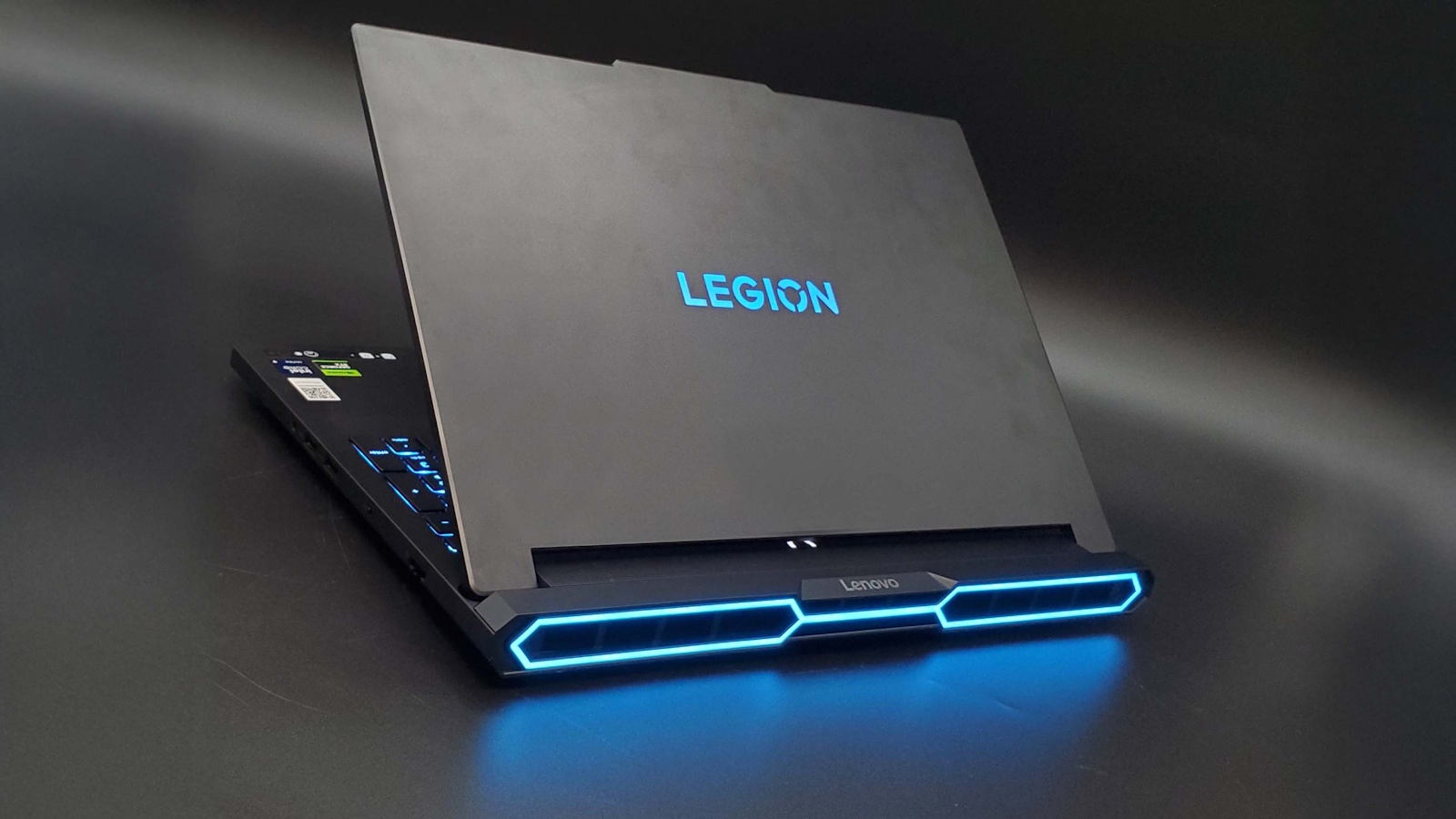
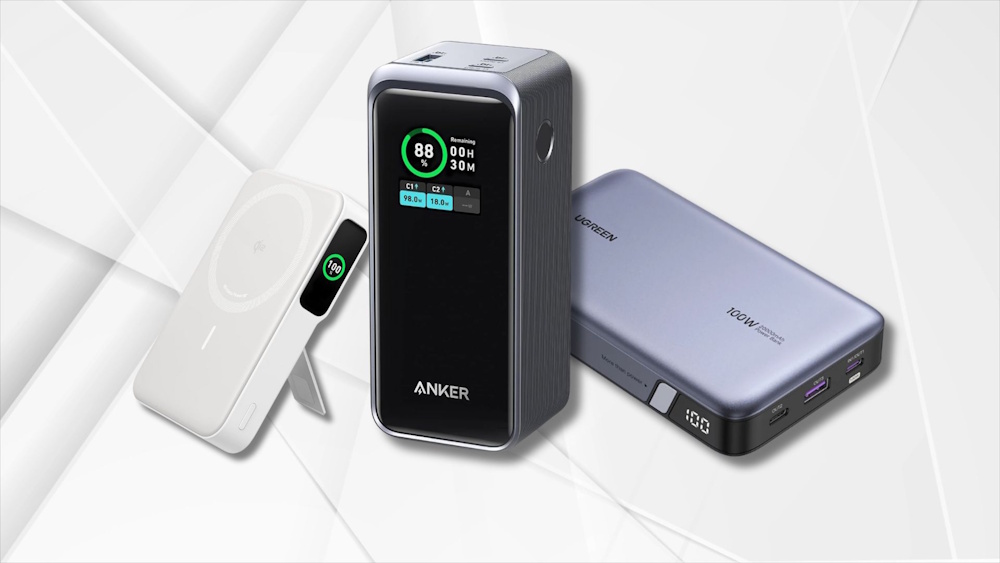
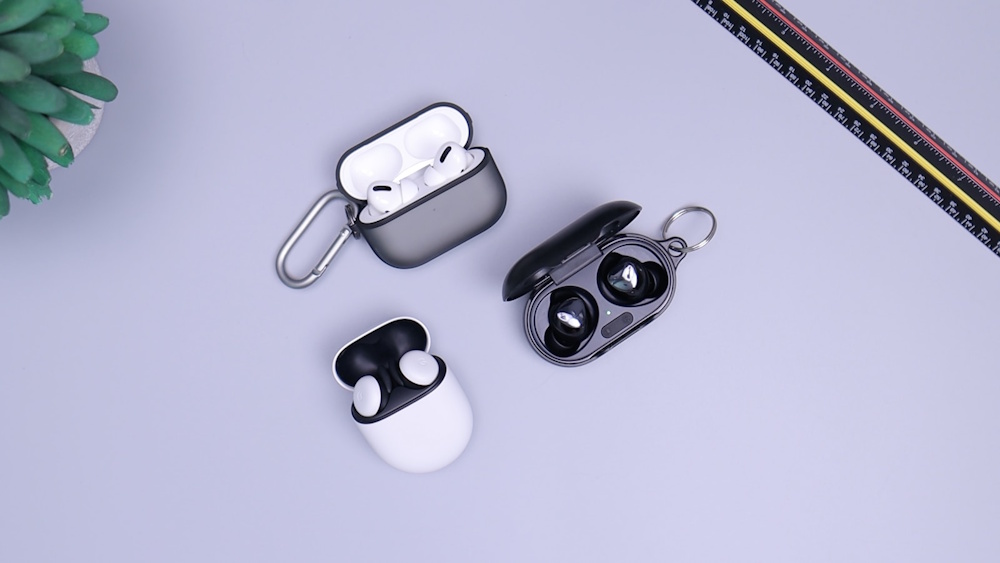
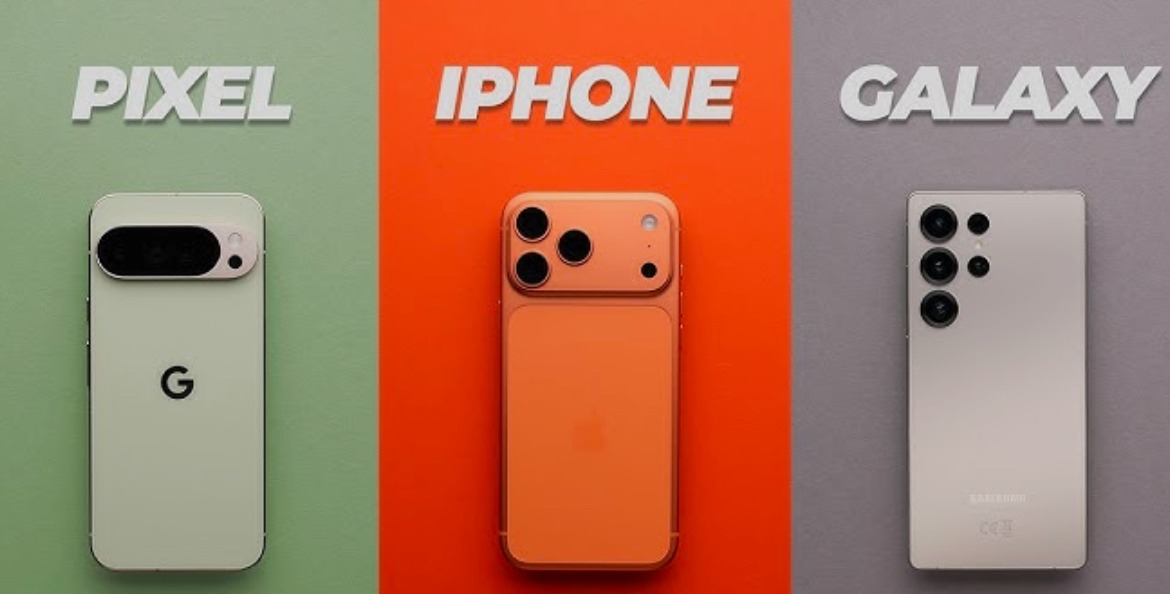
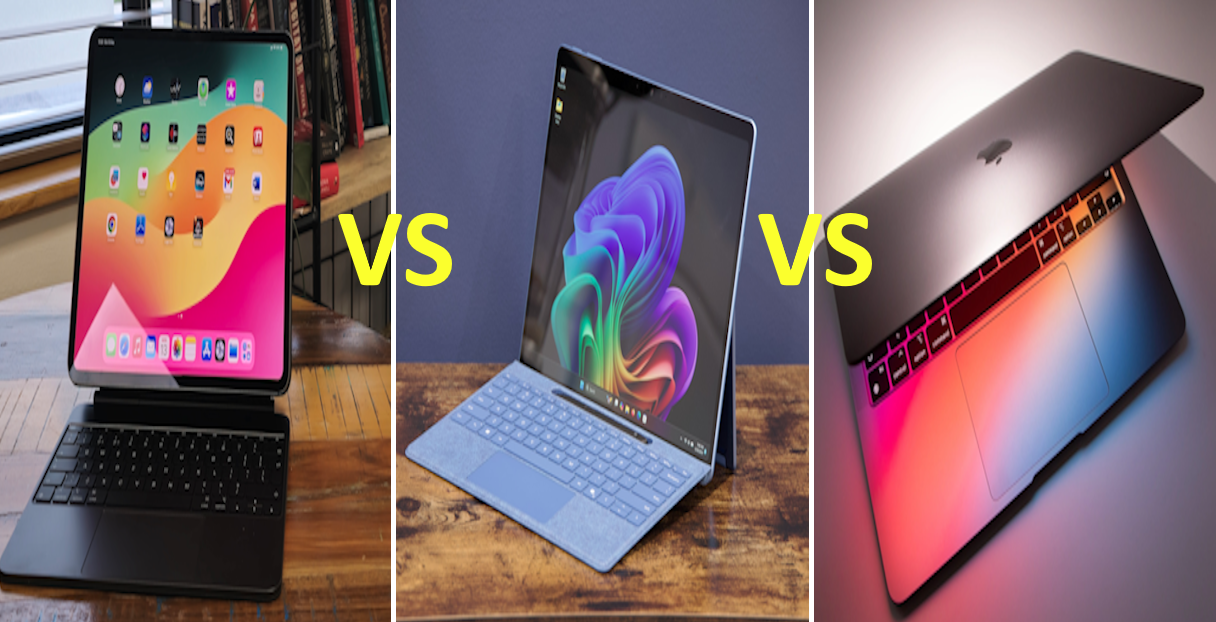

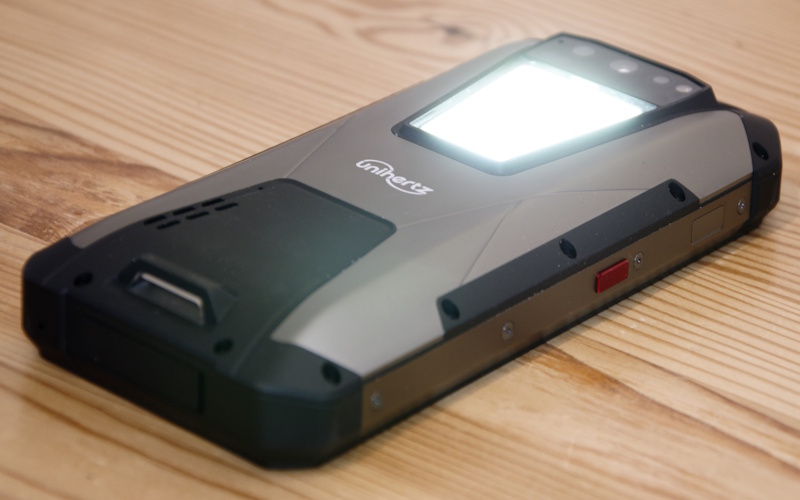


Tags
📧 Get More Articles Like This
Subscribe to receive product reviews and buying guides in your inbox!
We respect your privacy. Unsubscribe at any time.