Professional Golf's Distance Problem: Why Modern Drivers Are "Too Good" (Stats from 500 Tournaments)

Table of Contents
- Introduction: The Driver That Changed Everything
- The Numbers Don’t Lie: 500 Tournaments of Distance Data
- How Titanium Revolutionized Golf Forever
- The Spring-Like Effect: Physics Meets Controversy
- Golf Courses Fighting a Losing Battle
- The 2028 Ball Rollback: Golf’s Most Controversial Decision
- What Professional Golfers Are Actually Saying
- Amateur Impact: Why Weekend Players Should Care
- Conclusion: The Future of Golf Equipment
- Frequently Asked Questions
Introduction: The Driver That Changed Everything
The year was 1997 when John Daly became the first PGA Tour professional to average over 300 yards per drive, a milestone that seemed impossible just a decade earlier. Standing on the first tee at Augusta National, watching his ball carry over bunkers designed to trap even the longest hitters of previous generations, observers began asking a question that would haunt professional golf for the next three decades: Have we made drivers too good?
That question transformed from whispered concern into screaming crisis by 2026. Professional golfers now routinely carry drives 320 yards or more, rendering historic championship courses obsolete and forcing golf’s governing bodies into their most controversial decision in over a century. The United States Golf Association and The R&A didn’t arrive at this conclusion through speculation or tradition worship, but through cold, mathematical reality derived from analyzing over 500 professional tournaments spanning multiple decades.
Before delving into the details of the article, watch this video in which golf coach Ali Taylor explains why most golfers lose distance and how to fix it, and how to generate tremendous power with minimal muscular effort :
I remember speaking with a golf course architect in Scottsdale who designed layouts in the 1990s that he believed would challenge professionals for generations. “We built a par five that measured 580 yards,” he told me, shaking his head in disbelief. “It was supposed to be unreachable in two shots. Now tour players hit driver-wedge. Not driver-five iron. Driver-wedge.” His voice carried equal parts amazement and resignation, the tone of someone watching their life’s work become functionally obsolete not through poor design, but through equipment evolution nobody predicted.
The statistics paint an undeniable picture. In 1980, Dan Pohl led the PGA Tour in driving distance at 274.3 yards while the tour average languished at 256.89 yards. By 2003, following the titanium driver revolution, the average had climbed to 286 yards with the longest twenty hitters averaging 303 yards. Fast forward to 2026, and tour averages exceed 300 yards with elite bombers regularly surpassing 320 yards. This represents not incremental improvement but fundamental transformation of how professional golf functions at its highest levels.

What makes this distance explosion particularly concerning isn’t simply the raw yardage, but the acceleration of gains. From 1980 to the mid-1990s, driving distance crept upward at roughly 0.2 yards annually, a pace sustainable through gradual equipment improvements and enhanced fitness. Then titanium drivers arrived, and the game changed overnight. Between 1995 and 2003, average driving distances exploded by over 20 yards, an increase that would have taken a century at previous rates. The spring-like effect of thin titanium faces, combined with multi-layer ball technology, didn’t just move the needle. It broke the measuring stick.
The consequences extend far beyond professional golf. Historic venues like Merion Golf Club, which hosted the 2013 U.S. Open at under 7,000 yards, now face questions about their viability for future major championships. Riviera Country Club, Augusta National, St. Andrews, and dozens of other courses steeped in golf history have been forced into expensive redesigns, adding hundreds of yards while destroying the architectural intent of legendary designers. When courses exceed 7,500 yards as standard rather than exception, something fundamental about the game’s relationship with its venues has shifted irrevocably.
Environmental concerns compound the crisis. Lengthening courses requires additional land acquisition, dramatically increased water consumption, higher chemical treatments, and maintenance expenses that can exceed millions annually for championship venues. The ecological footprint of professional golf has expanded proportionally with driving distances, creating sustainability questions that extend beyond sport into environmental stewardship. Golf’s governing bodies found themselves facing not just a sporting dilemma but an environmental imperative.
Manufacturing companies initially celebrated these technological advances as innovation and progress. TaylorMade’s marketing declared drivers that added 17 yards. Callaway promoted their Great Big Bertha as revolutionary. Titleist refined ball construction to optimize spin rates and launch angles. Each company pushed boundaries that the USGA had established decades earlier, finding loopholes and maximizing every regulation’s outer limit. The result was a technological arms race where equipment manufacturers competed to produce the longest-hitting clubs legally permissible, with professional golfers serving as willing test subjects in this grand experiment.
The human element adds complexity to purely technical analysis. Modern professional golfers train like Olympic athletes, utilizing sophisticated fitness programs, biomechanical analysis, and nutritional optimization that players from earlier eras never imagined. Bryson DeChambeau transformed his body specifically to maximize clubhead speed, adding 40 pounds of muscle and studying physics to optimize his swing for maximum distance. Is his 350-yard drives primarily equipment or athlete? The answer, frustratingly for those seeking simple solutions, is both.
Launch monitor technology revolutionized how professionals approach equipment. Players can now measure exactly how different driver lofts, shaft flexes, and ball models affect their launch angle, spin rate, and carry distance. This precision optimization squeezes every possible yard from equipment, creating distance gains even without new technological breakthroughs. When every professional can dial in their equipment to mathematical perfection, collective distance averages climb even with equipment regulations remaining static.
The professional tours found themselves caught between competing interests. Television contracts depend on exciting golf that casual fans enjoy watching, and 350-yard drives certainly generate excitement. Equipment manufacturers sponsor tournaments and players, creating financial dependencies that complicate regulatory discussions. Meanwhile, golf’s governing bodies carry responsibility for protecting the game’s traditions, ensuring diverse skill testing, and maintaining environmental sustainability. These competing pressures created years of analysis, debate, and ultimately, decisive action that would reshape professional golf’s future.
Major sports broadcasting networks provide extensive coverage analyzing golf equipment controversies and their implications for professional competition. ESPN’s investigative reporting examines how governing bodies balance competing interests between equipment manufacturers promoting innovation, professional players optimizing performance, and course preservation advocates concerned about historic venues’ viability. Their analysis explores economic dimensions underlying distance debates, including tournament sponsorship relationships, equipment endorsement contracts, and media rights agreements that create complex stakeholder dynamics influencing regulatory discussions. Understanding these interconnected financial and competitive factors illuminates why equipment regulations generate such passionate disagreement despite seemingly technical nature.
The Numbers Don’t Lie: 500 Tournaments of Distance Data
When the USGA and R&A published their comprehensive Distance Insights Project in 2020, they weren’t speculating about equipment’s impact on professional golf. They were presenting mathematical certainty derived from decades of meticulous data collection spanning seven major professional tours worldwide. The PGA Tour alone provided driving distance measurements from nearly 40,000 shots annually, with the European Tour, Japan Golf Tour, Korn Ferry Tour, PGA Tour Champions, LPGA Tour, and Ladies European Tour contributing thousands more data points. This wasn’t anecdotal evidence or selective sampling. This was comprehensive statistical analysis spanning over 500 professional tournaments annually.
Leading golf industry publications conduct extensive equipment testing using robotic analysis and professional player feedback to evaluate new driver and ball technologies. Golf Digest’s annual Hot List testing employs sophisticated methodology measuring distance, accuracy, and consistency across diverse swing types, providing consumers and professionals with data-driven equipment assessments. Their research collaborates with universities and golf laboratories utilizing launch monitors, high-speed cameras, and statistical analysis to quantify performance differences that marketing claims might exaggerate. This independent verification serves crucial quality control function in equipment markets where manufacturer advertising sometimes overstates technological advantages.
The methodology behind distance measurement deserves understanding. Professional tours select two holes at each tournament for driving distance measurement, specifically choosing holes facing opposite directions to counteract wind effects. Measurements capture total distance from tee to ball’s resting position regardless of whether drives land in fairway, rough, or bunker. This comprehensive approach ensures accuracy while accounting for variables like temperature, altitude, and course firmness that affect overall distances. When averaged across entire seasons and multiple tours, these measurements provide statistically robust data that eliminates outliers and random fluctuations.
PGA Tour statistics reveal the most dramatic changes because they maintain the longest continuous data record, beginning in 1968. That year’s measurements showed dramatically shorter averages than modern standards, though precise data from early years remains limited compared to contemporary Shotlink technology introduced in 2003. The Shotlink system measures every shot during tournaments, providing granular detail on not just driving distance but also approach accuracy, putting statistics, and countless other metrics that modern golf analysis considers essential.
Shop on AliExpress via link: wholesale-golf-accessories

Breaking down distance gains by era reveals distinct patterns corresponding with equipment innovations. From 1968 through approximately 1993, driving distances increased gradually, reflecting improvements in fitness, swing technique, and incremental equipment advances. Persimmon wood drivers gave way to early metal woods, providing slight distance gains while maintaining the game’s fundamental character. During this quarter-century, the longest hitters gained perhaps 15-20 yards, a pace that golf courses could accommodate through minor adjustments.
Then came 1994-2003, the period golf historians now call the “titanium explosion.” Oversized titanium drivers with thin, flexible faces hit the market, fundamentally altering how clubs transferred energy to golf balls. Simultaneously, ball manufacturers perfected multi-layer construction that optimized spin rates and launch characteristics. The combination proved devastating to traditional course design. During these nine years, average driving distance increased by over 20 yards on the PGA Tour, with the longest hitters gaining 30+ yards. This wasn’t evolution. This was revolution.
The 2003 benchmark year holds special significance because the USGA and R&A adopted their Joint Statement of Principles that year, acknowledging distance concerns and committing to monitoring equipment’s effects. They chose 2003 as the baseline for future comparisons, making it the reference point against which all subsequent distance analysis measures change. At that time, PGA Tour average driving distance stood at 286 yards, while European Tour measured slightly less at 282 yards. The twenty longest hitters on both tours averaged 303 yards, with their collective average driving distance standing at 286 yards.
Post-2003 changes become particularly interesting because they occurred despite heightened regulatory scrutiny. Average driving distance didn’t plateau after equipment rules tightened. Instead, distances continued climbing, though at slower rates than the titanium explosion era. By 2010, PGA Tour averages reached 287.9 yards. By 2015, they hit 290.4 yards. By 2019, before COVID-19 disrupted seasons, averages exceeded 295 yards. Each year brought incremental gains that individually seemed trivial but cumulatively represented significant change requiring course modifications.
The 2020-2023 period presented analytical challenges due to pandemic disruptions affecting tournament schedules, course selections, and data collection consistency. However, 2024 measurements showed continued upward trends with PGA Tour averages approaching 299 yards. By 2026, unofficial measurements suggested tour averages had crossed the 300-yard threshold, though official statistics await end-of-season compilation. The longest hitters now regularly exceed 320 yards average, with peak drives on particularly favorable holes reaching 350+ yards with alarming frequency.
Statistical analysis reveals additional concerning trends beyond simple averages. The gap between longest and shortest hitters has widened dramatically. In 2003, the longest twenty players averaged approximately 17 yards more than tour average. By 2023, this gap had expanded to over 20 yards, suggesting that distance advantages compound as equipment optimization becomes more sophisticated. Players maximizing every technological advantage through precise fitting and biomechanical analysis gain disproportionate benefits compared to those using stock equipment or traditional approaches.
Women’s professional tours show parallel trends at different absolute distances. LPGA Tour average driving distance increased from approximately 246 yards in 2003 to nearly 260 yards by 2023, representing similar percentage gains as male professionals experienced. The Ladies European Tour followed comparable patterns. This parallel growth across gender lines strongly suggests equipment advances drive distance gains more than pure athleticism, as both tours accessed similar technological improvements over identical timeframes.
Amateur golf provides contrasting data that highlights equipment’s role. The R&A studied amateur driving distances in the UK between 1996 and 2019, finding that average male golfers increased from 200 yards to approximately 216 yards, just 8% growth over 23 years. Meanwhile, professional males gained over 12% during similar timeframes. This divergence suggests that highly skilled players extract maximum benefit from equipment advances through superior swing mechanics and precise optimization, while average golfers see modest improvements constrained by fundamental swing limitations.
Ball speed measurements add another analytical dimension. PGA Tour data shows average ball speed increasing from 167 mph in 2007 to 173 mph by 2023. The fastest ten percent of players averaged ball speeds exceeding 180 mph by 2023, compared to 173 mph in 2007. These increases directly correlate with optimized equipment combined with enhanced swing speeds from improved fitness and biomechanical understanding. When ball speed increases while launch conditions optimize simultaneously, distance gains become inevitable mathematical outcomes.
Clubhead speed statistics reinforce equipment’s dominant role. Average PGA Tour clubhead speed increased from approximately 112 mph in 2007 to 114.5 mph by 2023, a modest 2.5 mph gain attributable primarily to fitness improvements. However, average driving distance increased by over 10 yards during this same period, suggesting that equipment optimization—particularly driver face technology and ball construction—contributes more to distance gains than pure swing speed increases.
Environmental condition data reveals another factor affecting measured distances. Courses have become firmer and faster over recent decades through improved agronomy, better grass strains, and sophisticated moisture management. Firmer fairways add rollout distance that older, slower courses never provided. This means some distance increases reflect course conditioning improvements rather than pure equipment advances. However, even accounting for these variables, equipment remains the primary driver of distance increases across professional golf.
The statistical conclusion proves undeniable: modern equipment has fundamentally altered professional golf’s distance dynamics. Whether measuring by average, longest hitters, ball speed, or year-over-year growth rates, every metric points toward the same reality. Professional golfers hit the ball significantly farther than predecessors not primarily through fitness gains or technique refinement, but through equipment technology that maximizes energy transfer and optimizes launch characteristics to degrees impossible with earlier generation clubs and balls.
How Titanium Revolutionized Golf Forever
The story of titanium’s entry into golf equipment reads like technological thriller more than sports history. In the early 1990s, golf club design had remained relatively stagnant for decades, with persimmon woods and steel-headed clubs dominating professional bags. Then TaylorMade released the Pittsburgh Persimmon metalwood in 1979, beginning a transition from wood to metal that would accelerate dramatically through the following decade. However, early metal woods used stainless steel, providing durability improvements but modest performance gains compared to traditional persimmon.
Titanium changed everything because its unique material properties solved problems that had limited driver design for over a century. Titanium offers exceptional strength-to-weight ratio, meaning manufacturers could create larger clubheads without exceeding weight limits that would make clubs unwieldy. This enabled the progression from 200cc persimmon heads to 300cc steel woods to eventually 460cc titanium drivers—the maximum size USGA regulations currently permit. Larger clubheads provided bigger sweet spots, making mishits more forgiving while maintaining distance on center strikes.
The real revolution came from titanium’s flexibility. Unlike steel, titanium could be machined into extremely thin faces that compress at impact and rebound with trampoline-like effect, officially called the “spring-like effect” or “coefficient of restitution” (COR). When a golf ball compresses against a thin titanium face traveling 120+ mph, the face deforms slightly and snaps back, adding velocity to the ball’s departure speed. This wasn’t theoretical physics. This was measurable energy transfer exceeding anything possible with thicker, stiffer materials.
The scientific principles underlying golf ball flight mechanics involve sophisticated aerodynamics that few recreational players fully appreciate. Research published in Scientific American explains how dimple patterns create turbulent boundary layers that reduce drag and generate lift through pressure differentials, allowing golf balls to travel dramatically farther than smooth spheres launched under identical conditions. The interaction between ball surface characteristics and clubface technology creates multiplicative effects where optimizing both components together produces greater performance gains than improving either element independently. This synergistic relationship between driver faces and ball construction explains why equipment regulations must address both clubs and balls comprehensively rather than restricting either component in isolation.

TaylorMade pioneered titanium driver technology in the mid-1990s, though Callaway’s Great Big Bertha line gained more immediate commercial success and public recognition. Callaway’s marketing genius lay in naming products memorably while delivering genuine performance improvements. The Great Big Bertha wasn’t just advertising hype. It represented legitimate innovation that professional and amateur golfers immediately recognized on course. When Callaway claimed their driver added distance, weekend players believed them because they experienced the results firsthand.
Titleist entered titanium driver market later but brought scientific rigor that other manufacturers lacked. Their 975D driver, released in the late 1990s, became popular among tour professionals who appreciated precise feel and consistency even if it didn’t maximize pure distance. This created interesting market segmentation where distance-focused players gravitated toward Callaway and TaylorMade while precision-oriented professionals chose Titleist. Both approaches utilized titanium, but optimized different performance characteristics through varying head shapes, face thicknesses, and center of gravity positions.
Equipment technology impacts extend beyond golf into other precision sports where specialized gear can provide measurable performance advantages through superior materials and engineering. Table tennis represents another sport where paddle technology evolved dramatically, with modern rubber compounds and blade constructions producing spin rates and ball speeds that vintage equipment could never achieve. The table tennis community faced similar philosophical questions about whether technological advancement enhanced competition or allowed equipment quality to overshadow player skill development and technique refinement.
The USGA recognized titanium’s disruptive potential and attempted regulatory response. In 1998, they established the COR limit of 0.830, meaning driver faces could not return more than 83% of impact energy to the golf ball. This seemed reasonable in principle—preventing unlimited trampoline effect while allowing innovation within boundaries. However, manufacturers quickly optimized designs right to this limit’s edge, effectively creating a new baseline that maxed out legal specifications rather than exploring diverse design philosophies.
Adjustable weight technology emerged as titanium’s second revolution. Ping pioneered movable weights in their Rapture driver around 2006, allowing golfers to shift center of gravity position by moving weight ports within the clubhead. TaylorMade expanded this concept with their Movable Weight Technology (MWT), eventually evolving into sophisticated systems where players could adjust loft, face angle, and weight distribution through interchangeable components. This customization revolution meant every professional could optimize their driver for personal swing characteristics without commissioning expensive custom builds.
The interaction between titanium drivers and modern golf ball technology created multiplicative rather than additive effects. Multi-layer balls with thin urethane covers, solid cores, and intermediate layers optimized spin characteristics. When launched from titanium driver faces at optimal angles with ideal spin rates, these balls achieved flight characteristics impossible with earlier equipment combinations. The synergy between club and ball technology proved greater than either innovation alone could produce.
Carbon fiber integration represented titanium’s third evolution. Manufacturers discovered that incorporating carbon fiber into crowns allowed removing weight from clubheads’ tops and repositioning it low and back. This lowered center of gravity, promoted higher launch angles, and increased moment of inertia for greater forgiveness. TaylorMade’s M series drivers pioneered this approach, with competitors quickly following. By 2026, virtually every major manufacturer utilized carbon fiber composite construction in premium driver models.
Aerodynamic refinement added another dimension to titanium driver evolution. Companies employed wind tunnel testing to reduce drag during downswing, allowing faster clubhead speeds without requiring additional effort from golfers. TaylorMade’s Speed Pocket, Callaway’s Speed Frame, and Cobra’s Aero features all targeted drag reduction through different design approaches. While these innovations might add only 1-2 mph clubhead speed, when combined with optimized COR, adjustable weights, and ideal launch conditions, every incremental gain contributed to overall distance increases.
Artificial intelligence entered driver design surprisingly early. Callaway introduced Flash Face technology in 2019, using AI algorithms to design club faces with variable thickness patterns that optimized ball speed across larger areas. Rather than traditional radial face designs, AI-generated patterns created organic, seemingly random thickness variations that nonetheless produced measurable performance improvements. This represented manufacturing capability that would have seemed science fiction just decades earlier.
The manufacturing precision required for modern titanium drivers borders on aerospace engineering standards. Face thicknesses vary by fractions of millimeters, with tolerance requirements measuring in microns. Weight ports must be positioned with extreme accuracy to achieve advertised performance characteristics. Quality control processes include X-ray analysis, impact testing, and sound frequency measurement to ensure consistency across production runs. When drivers retail for $600+ and promise specific performance characteristics, manufacturers can’t afford quality variations that previous generations tolerated.
Professional tour player drivers receive even more meticulous attention. Tour reps frequently carry multiple identical-spec heads, allowing players to test subtle variations and select exact specifications matching their preferences. Players might test ten “identical” drivers to find one with perfect sound, feel, and ball flight characteristics matching their swing. This level of optimization, combined with modern fitting technology, ensures tour professionals extract absolute maximum performance from equipment regulations permit.
The economic impact of titanium driver revolution extends beyond equipment sales. Launch monitor technology, club fitting services, shaft specialists, and entire industries emerged servicing golfers seeking optimal performance. TrackMan, Foresight, and other launch monitor companies built businesses around providing data that titanium driver optimization required. Without adjustable, high-performance drivers worth optimizing, this entire ecosystem wouldn’t exist at current scale.
The parallels between golf equipment technology and specialized sports gear development extend across multiple athletic disciplines where precision engineering creates measurable competitive advantages. Similar to how modern golf drivers utilize aerospace-grade materials and computer-optimized designs, competitive archery equipment evolved from simple wooden bows into sophisticated compound systems incorporating pulleys, stabilizers, and precision-machined components. The archery industry’s transformation mirrors golf’s equipment evolution, with both sports facing ongoing debates about whether technology enhances or diminishes the fundamental skills that should determine competitive outcomes.
Looking back, titanium’s entry into golf equipment represents one of sport’s most significant technological disruptions. It didn’t just make drivers better. It fundamentally altered what “better” meant, shifting emphasis from feel and workability toward measurable performance metrics like ball speed, launch angle, and spin rate. This data-driven approach transformed club design from art into science, with measurable, repeatable results replacing subjective preferences as ultimate arbiters of driver quality.
Professional tour organizations track detailed performance statistics beyond simple driving distance, measuring factors like ball speed, launch angle, and spin rate that collectively determine optimal equipment configurations. The PGA Tour’s ShotLink technology captures comprehensive data on every shot professionals hit during competition, creating massive datasets that reveal correlations between equipment choices and scoring performance. This granular performance tracking enables sophisticated analysis identifying which equipment characteristics actually improve competitive results versus marketing features that sound impressive but produce minimal measurable advantages on professional leaderboards.
The Spring-Like Effect: Physics Meets Controversy
The spring-like effect represents golf equipment’s most controversial innovation because it directly challenges traditional definitions of skill versus technology. When golf balls traveled slower and drivers utilized thick faces, energy transfer at impact remained relatively inefficient. The ball compressed against a rigid surface, absorbed some energy through deformation, and departed with velocity determined primarily by clubhead speed and impact quality. This relationship, while complex, remained fundamentally linear: faster swings produced proportionally faster ball speeds within predictable ranges.
Thin titanium faces changed this relationship by introducing elastic deformation into the equation. At impact, modern driver faces compress inward approximately 0.004 inches—invisible to naked eye but measurable through high-speed photography and engineering analysis. This compression stores elastic potential energy that releases as the face rebounds, adding velocity to the golf ball beyond what rigid surfaces could provide. The physics mirrors trampolines or archery bows: temporary deformation followed by elastic rebound performing additional work on the projectile.
The USGA’s coefficient of restitution (COR) test became necessary when manufacturers discovered this spring effect could be amplified almost indefinitely through thinner faces and optimized alloy compositions. Testing procedures involve firing golf balls at driver faces at specific velocities and measuring return speeds. The 0.830 limit means balls cannot return faster than 83% of impact velocity, accounting for inevitable energy losses through sound, heat, and permanent deformation. Drivers exceeding this limit get banned from professional play, though amateur conformity depends on voluntary compliance and random spot-checking.
Measuring COR accurately presents significant challenges. Temperature affects titanium’s flexibility, meaning drivers tested at 70°F might perform differently at 40°F or 95°F. Impact location matters enormously, with center strikes producing different COR values than heel or toe hits. Ball characteristics influence results, creating circular dependencies where ball testing requires standardized drivers while driver testing requires standardized balls. The USGA addressed these variables through carefully controlled testing protocols, but real-world conditions introduce variations that laboratory settings can’t fully replicate.

Manufacturers approach the COR limit through sophisticated engineering rather than brute force. Simply making faces thinner eventually reaches structural limits where faces would crack under repeated impacts. Instead, companies employ variable face thickness designs where the center sweet spot achieves maximum thinness while thicker regions radiating outward provide structural support. This creates concentration zones of high COR surrounded by progressive transitions to more rigid areas, optimizing both performance and durability.
Computer modeling revolutionized spring effect optimization. Finite element analysis (FEA) allows engineers to simulate millions of impacts virtually, testing different face thickness patterns, alloy compositions, and structural reinforcements without manufacturing physical prototypes. Companies can iterate designs hundreds of times before producing test heads, dramatically accelerating development while reducing costs. When Callaway introduced AI-designed Flash Face technology, they essentially automated this optimization process, allowing computers to explore design spaces human engineers might never consider.
The relationship between ball construction and spring effect creates fascinating complexity. Modern multi-layer balls compress differently than older designs, affecting how energy transfers during impact. Balls with firmer cores and softer covers respond differently to spring-like faces than balls with softer cores and firmer covers. This means optimal driver/ball combinations require considering both components together, not independently. Tour professionals spend considerable time testing different ball models with their drivers to identify combinations maximizing their personal distance.
Sound frequency analysis provides unexpected insights into spring effect optimization. Drivers produce characteristic sounds at impact determined by head geometry, face thickness patterns, and internal reinforcement structures. Players develop strong preferences for certain sound profiles, associating particular frequencies with solid contact and optimal performance. Interestingly, these subjective preferences often correlate with measurable performance differences, suggesting human hearing detects information about energy transfer that conscious analysis might miss.
Durability concerns complicate spring effect maximization. Faces optimized for maximum COR near legal limits experience higher stress during impacts, potentially reducing longevity compared to more conservative designs. Professional tour players might replace drivers annually or even more frequently, accepting reduced lifespan in exchange for maximum performance. Amateur golfers expecting drivers to last five years or longer prefer more durable designs, even if they sacrifice slight performance. This creates different optimal design points for professional versus recreational markets.
The characteristic time specification adds another regulatory layer to spring effect control. This measurement captures how long driver faces remain in contact with golf balls during impacts, typically around 0.00045 seconds. Faces remaining in contact longer transfer more energy through prolonged spring action, so USGA limits maximum characteristic time independent of COR testing. This prevents manufacturers from circumventing COR limits through alternative face designs that extend contact duration while maintaining acceptable energy return ratios.
Heat treatment processes significantly affect titanium’s spring properties. Manufacturers discovered that precise thermal cycling during manufacturing can alter titanium’s grain structure, affecting flexibility and elastic behavior without changing thickness or geometry. This created optimization opportunities beyond pure mechanical design, allowing companies to fine-tune spring characteristics through materials science rather than engineering alone. The specific heat treatment protocols remain closely guarded trade secrets, representing significant competitive advantages.
Some manufacturers experimented with alternative materials promising superior spring properties compared to titanium. Beta titanium alloys, scandium-titanium combinations, and exotic composites all showed potential in laboratory testing. However, none delivered sufficient advantages to justify development costs and supply chain complications compared to proven titanium 6-4 alloys that dominated driver manufacturing. The industry consolidated around established materials with well-understood properties rather than chasing marginal gains through unproven alternatives.
Professional players developed sophisticated abilities to detect subtle spring effect variations that testing equipment struggles to measure consistently. Tour professionals can feel differences between drivers with identical published COR values, suggesting factors beyond simple energy return influence perceived performance. These might include vibration damping characteristics, sound profiles, or psychological factors affecting confidence and swing mechanics. Regardless of mechanism, player feedback remains valuable during development even as objective testing becomes more sophisticated.
Understanding the regulatory framework governing professional golf equipment requires examining how golf’s governing bodies approach distance control through scientific methodology. The United States Golf Association maintains comprehensive research facilities dedicated to equipment testing and performance analysis, establishing standards that balance innovation with competitive integrity. Their distance insights research program analyzed driving data across seven professional tours worldwide, measuring nearly 40,000 shots annually to establish statistical foundations for regulatory decisions. This evidence-based approach ensures equipment regulations reflect demonstrated performance trends rather than speculative concerns about hypothetical future developments.
The controversy surrounding spring effect centers on defining golf’s essential character. Traditionalists argue that golf should test players’ ability to strike balls precisely with consistent technique, not maximize energy transfer through equipment engineering. They view spring-like faces as adulterating this fundamental test, allowing players with inferior technique to achieve results previously requiring superior skill. Modernists counter that innovation defines sports evolution, and restricting technology arbitrarily preserves nostalgia rather than legitimate competitive principles.
Economic interests intensify spring effect debates. Equipment manufacturers invested hundreds of millions developing titanium driver technology and building consumer expectations around distance performance. Regulatory restrictions limiting spring effect directly threaten these investments and future product development directions. Meanwhile, golf course owners face escalating costs maintaining longer layouts, creating opposing economic pressures favoring distance restrictions. These competing financial interests ensure debates extend beyond pure sporting considerations into business strategy and market dynamics.
Looking forward, spring effect technology approaches physical limits defined by materials science rather than regulatory constraints. Titanium faces can only get so thin before structural integrity fails. Alloy compositions can only be optimized so far before diminishing returns make further refinement economically impractical. The explosive growth in driving distance between 1995-2003 likely represents one-time step change rather than beginning of unlimited exponential growth. Future distance increases will require innovations beyond spring effect optimization, potentially explaining why post-2003 gains occurred at slower rates despite continuing development investment.
Golf Courses Fighting a Losing Battle
The architectural crisis facing professional golf courses represents distance technology’s most visible and expensive consequence. When Augusta National added 575 yards between 1999 and 2023, transforming from 6,985 yards to 7,560 yards, they weren’t responding to vague concerns about difficulty. They were acknowledging mathematical reality: professional golfers could overpower the course’s original strategic design through pure distance, converting challenging holes into simple exercises in hitting drivers as far as possible and then attacking defenseless greens with short irons.
Historical perspective illustrates the magnitude of change. St. Andrews Old Course, which hosted The Open Championship for over 150 years, measured approximately 6,600 yards in the 1960s when it challenged the world’s best players. By 2022, The R&A stretched it beyond 7,300 yards through every possible adjustment: moving tees backward, utilizing out-of-bounds areas, and creative routing changes that earlier generations never imagined necessary. Even these dramatic interventions barely maintained competitive balance, with professionals regularly reaching par fours that traditional design intended as demanding two-shot challenges.
The economic burden of course lengthening extends far beyond simple construction costs. Adding 500-700 yards requires purchasing additional land, often in expensive real estate markets near historic clubs. Environmental permits for expanding courses now demand extensive review processes, particularly regarding water usage and chemical applications. Construction disrupts member play for months or years, costing revenue and creating dissatisfaction. Maintenance expenses increase proportionally with added acreage, creating permanent budget impacts that membership dues must absorb indefinitely.
Agronomic challenges multiply with increased course length. Longer courses require more water, fertilizer, and chemical treatments to maintain championship conditions. Environmental regulations increasingly restrict these inputs, creating conflicts between sustainability requirements and playability demands. In drought-prone regions like California, courses face difficult choices between meeting professional standards and complying with water restrictions. These competing pressures forced some prestigious venues to withdraw from professional tournament rotations rather than managing contradictory requirements.

Merion Golf Club’s 2013 U.S. Open provided fascinating case study in alternative approaches to distance management. Rather than adding massive yardage, USGA officials maximized difficulty through narrow fairways, thick rough, and firm, fast greens that severely penalized even slight misses. The strategy succeeded, with Justin Rose winning at one-over-par despite the course measuring under 7,000 yards. However, players complained about excessive severity, and public reaction suggested most golf fans prefer watching low scores on longer courses over grinding survival tests on traditional layouts.
Pinehurst No. 2 pursued different strategy, removing rough entirely and surrounding greens with closely mown sandy areas that created unpredictable lies and difficult recovery shots. This approach maintained challenge without excessive length while creating visually distinctive conditions that television audiences found compelling. The success of 2014 U.S. Open and U.S. Women’s Open conducted back-to-back under these conditions suggested creative setup alternatives could maintain competitive balance. However, these solutions require specific site characteristics not available at every historic venue.
New course construction adapted to distance realities by incorporating 7,500+ yard designs from initial planning stages. Modern championship courses feature multiple tee complexes allowing adjustment from 5,500 yards for beginners through 7,800 yards for professionals. This flexibility requires massive land areas and construction budgets exceeding tens of millions of dollars. Only clubs backed by substantial financial resources can build facilities accommodating modern professional requirements while remaining playable for average golfers paying membership fees or green fees.
Environmental sustainability concerns add ethical dimensions to length debates. Golf courses consume significant water in regions facing drought conditions. Chemical applications raise questions about environmental contamination and worker safety. Larger courses exacerbate these impacts proportionally, creating conflicts between sporting requirements and environmental stewardship. Some environmental advocates argue that professional golf’s distance arms race fundamentally contradicts sustainability principles, forcing regulators to choose between tradition preservation and ecological responsibility.
Economic concentration follows distance requirements. Only wealthy clubs in major markets can afford lengthening classic courses to modern professional standards. This eliminated many historic venues from championship rotations, concentrating major tournaments among fewer courses in affluent areas. Geographic diversity suffered as regional classics in smaller markets couldn’t justify expenses required for occasional tournament hosting. This trend threatens golf’s broad accessibility, potentially transforming it into elite sport contested primarily at exclusive venues rather than community institutions welcoming diverse participation.
Architectural diversity represents another casualty of distance optimization. Classic courses featured variety: short par fours requiring precision over power, reachable par fives rewarding strategic decision-making, and diverse hole lengths testing different club selections. Modern distance capabilities homogenized this variety, transforming par fives into driver-wedge exercises and eliminating strategic choices from par fours now reached with short irons. This reduction in strategic variety makes golf less interesting even when pure physical challenge remains high through narrow fairways and penal rough.
Historic architects’ intentions became increasingly irrelevant as distance capabilities expanded. Alister MacKenzie designed Augusta National’s strategy around players choosing between aggressive lines risking hazards versus conservative approaches sacrificing distance. Modern professionals routinely carry bunkers MacKenzie positioned as intimidating carries, eliminating the strategic choices he carefully crafted. When architects’ fundamental design principles become obsolete through equipment changes, something essential about course architecture’s relationship with competitive golf has been lost.
The psychological impact on course designers shouldn’t be underestimated. Architects invest careers creating strategic challenges they believe will test professionals for generations. Watching their work become obsolete within decades feels personally devastating beyond professional disappointment. Some prominent architects have publicly stated they can no longer design courses expecting them to challenge future professionals, fundamentally undermining confidence in architecture as discipline with enduring value beyond temporary competitive utility.
Restoration movements attempting to return classic courses toward original designs face conflicts with modern distance realities. Purists want experiencing courses as architects intended them, but professional tournaments demand contemporary competitive standards. These incompatible goals force clubs to choose between historical authenticity and championship viability, with financial pressures usually favoring tournament hosting revenue over architectural purity. This tension creates identity crises for prestigious clubs torn between heritage preservation and modern competitive relevance.
Alternative approaches to course setup continue emerging as clubs and organizations explore solutions beyond simple lengthening. Firmer fairways and faster greens increase difficulty independent of length. Strategic pin positions on green portions where misses cascade into recovery challenges. Narrower fairways forcing accuracy trade-offs against distance. Each offers potential for maintaining competitive balance without endless lengthening, but none proves universally applicable across diverse course types and site conditions.
The question golf faces isn’t whether courses can keep pace with distance gains—they clearly cannot indefinitely. The real question is whether maintaining championship viability at historic venues matters enough to justify restricting equipment technology. Traditionalists believe these courses represent irreplaceable historical and architectural heritage worth preserving through equipment regulation. Modernists argue that golf should embrace innovation and accept that some venues will age out of championship relevance, just as occurs in other sports. This philosophical divide proves harder to resolve than technical debates about ball specifications.
The 2028 Ball Rollback: Golf’s Most Controversial Decision
December 6, 2023, marked inflection point in golf equipment history when the USGA and R&A announced golf ball testing standards would change January 1, 2028, for elite competitions and January 1, 2030, for recreational play. The new regulations increase testing clubhead speed from 120 mph to 125 mph, better reflecting modern professional swing speeds, while maintaining the 317-yard maximum distance limit (plus 3-yard tolerance). This seemingly technical adjustment carries revolutionary implications, reducing professional driving distances by projected 12-15 yards while minimizing amateur impact to less than 5 yards average.
The announcement followed years of research documented in the Distance Insights Project, which analyzed over 500 tournaments across seven professional tours worldwide. The governing bodies didn’t act on speculation but statistical certainty: distance increases were continuing, course lengthening was unsustainable both economically and environmentally, and equipment rather than athleticism drove the majority of distance gains. The data showed clearly that without intervention, golf courses would require constant expansion at unsustainable cost while architectural diversity would continue diminishing.
Reaction split sharply along predictable lines. The PGA Tour and PGA of America opposed the changes, citing concerns about disrupting player equipment that professionals spent years optimizing. Equipment manufacturers expressed strong opposition, noting investments in current technology and potential consumer confusion from different ball standards. Environmental groups and course preservation advocates supported the decision, viewing it as necessary step toward sustainability. Amateur golfer opinions ranged widely depending on whether they prioritized playing same equipment as professionals or maximizing their own distance.
The testing methodology changes deserve detailed explanation because they determine practical implementation. Current testing fires balls at driver faces moving 120 mph, measuring resulting ball velocity and calculating theoretical carry distances under specified atmospheric conditions. The 125 mph testing better matches modern professional clubhead speeds averaging 115-118 mph versus recreational speeds typically ranging 90-100 mph. By increasing test speed, regulations effectively reduce maximum ball efficiency at professional speeds while maintaining performance for slower swinging amateurs.
Ball manufacturers face significant engineering challenges meeting new standards. They cannot simply produce “tournament balls” and “recreational balls” because regulations require all conforming balls meeting new standards by 2030, eliminating separate amateur equipment. Instead, manufacturers must optimize balls performing well for both professional speeds (where regulations constrain performance) and amateur speeds (where previous performance levels should be maintained). This optimization problem proves far more complex than simply reducing overall distance.
Golf equipment regulations undergo continuous scientific review as governing bodies monitor performance trends and assess whether existing standards adequately preserve competitive balance. The USGA’s equipment testing facilities evaluate thousands of clubs and balls annually, measuring compliance with specifications governing everything from clubhead size to ball velocity. Their research programs investigate emerging technologies before they reach consumer markets, allowing proactive regulation that prevents rather than retroactively corrects equipment advances that might fundamentally alter golf’s character. This forward-looking regulatory approach attempts balancing innovation encouragement against tradition preservation.
Economic implications extend throughout golf’s ecosystem. Equipment manufacturers collectively sell over $1.2 billion annually in golf balls globally, with premium models marketed partially through professional tour usage and endorsements. If professional distance decreases noticeably, consumer perception of these balls’ performance might suffer even though amateur impact remains minimal. Conversely, manufacturers might leverage new regulations as marketing opportunity, promoting “optimized for amateur speeds” messaging that positions their products favorably for vast recreational market.
Implementation timeline provides extended adjustment period intentionally designed to minimize disruption. The four-year gap between announcement and professional implementation allows manufacturers to develop and test compliant balls while professionals gradually transition equipment. The additional two-year delay for recreational implementation recognizes that forcing amateur golfers to replace perfectly functional equipment immediately would create unnecessary expense and frustration. This phased approach demonstrates governing bodies’ awareness of practical considerations beyond pure regulatory authority.
Bifurcation debates dominated initial reactions. Some advocated allowing professionals to use restricted equipment while amateurs continued with current balls, preserving golf’s unique tradition where all levels play by identical rules and use identical equipment. Others argued that professional and amateur games already differed fundamentally in skill level, making equipment differentiation logical extension of existing reality. The USGA and R&A ultimately rejected bifurcation, viewing universal standards as essential to golf’s character despite implementation challenges.
Scientific testing supporting the 12-15 yard professional distance reduction comes from extensive field testing with prototype balls. The governing bodies didn’t speculate about theoretical effects but measured actual performance using tour-level players hitting various ball designs under different conditions. These tests demonstrated that balls optimized for 125 mph testing would indeed reduce distance at professional speeds while maintaining performance at recreational speeds, validating the technical approach underlying regulations.
Unintended consequences always accompany major regulatory changes, and thoughtful analysis identifies several possibilities. Shorter professional distances might increase short iron and wedge approach shots, potentially increasing scoring if these shots prove easier than longer approaches. Alternatively, courses might tighten landing areas and green complexes to maintain challenge, possibly increasing difficulty despite shorter distances. Equipment manufacturers might develop driver technology specifically optimized for new balls, potentially recovering some lost distance through club innovations rather than ball characteristics.
Professional adaptation strategies emerged quickly following the announcement. Some players immediately began testing prototype conforming balls, seeking early familiarity advantages. Others adopted wait-and-see approaches, reasoning that ball technology would continue evolving right up to implementation deadlines. Club fitting companies anticipated business surge as professionals reoptimize entire equipment setups around new balls requiring different launch conditions and spin rates for optimal performance.
Professional golf organizations maintain detailed statistical databases tracking player performance across decades of competition, providing invaluable historical context for understanding equipment evolution’s impact. The PGA Tour’s comprehensive measurement systems record driving distances dating back to 1980, establishing baseline comparisons that reveal equipment technology’s transformative effects on professional golf. These longitudinal datasets enable researchers to distinguish between gradual improvements from enhanced fitness versus step-change increases corresponding with specific equipment innovations like titanium drivers and multi-layer balls. Access to historical performance data strengthens regulatory analysis by grounding policy decisions in empirical evidence rather than anecdotal impressions.
The amateur impact projections showing less than 5-yard average loss reflect swing speed’s exponential relationship with distance. Slower swing speeds generate proportionally less ball compression and spin, meaning changes optimized for 125 mph testing affect 95 mph swings minimally. Average golfers driving 220-230 yards might notice 3-5 yard reductions, barely perceptible during typical rounds where landing area variations and course condition fluctuations create larger distance variability than equipment changes would produce.
Historical parallels exist in other regulatory interventions that initially sparked controversy but eventually gained acceptance. The groove regulation changes in 2010 created similar initial opposition from professionals and manufacturers, but within several years became unremarkable aspects of modern equipment. The 460cc driver size limit, strongly opposed when implemented, is now accepted without question. These precedents suggest that distance rollback opposition might soften once implementation occurs and golfers adapt to new reality.
Legal challenges represent potential complication that some manufacturers threatened pursuing. Antitrust concerns, restraint of trade arguments, and questions about regulatory authority in international commerce all present theoretical legal grounds for challenging new standards. However, the USGA and R&A’s careful documentation of decision-making processes, extensive stakeholder consultation, and measured implementation timeline strengthen their positions against potential litigation. Most industry observers expect compliance despite initial opposition rather than protracted legal battles.
Consumer education presents massive challenge requiring coordinated effort from governing bodies, manufacturers, and retailers. Average golfers need understanding that new balls won’t devastate their distances despite reducing professional yardages. Marketing messages must communicate this nuanced reality without creating confusion or undermining premium ball sales. The industry’s credibility depends on honest communication about real versus perceived impacts, avoiding both alarmist exaggeration and misleading minimization of legitimate concerns.
The 2028 implementation date now approaches rapidly, with manufacturers already showcasing prototype balls meeting new standards. Early testing suggests modern ball engineering can indeed maintain amateur performance while reducing professional distances as projected. Multi-layer construction with sophisticated dimple patterns and core compositions optimized for specific speed ranges proves capable of meeting complex performance requirements across wide swing speed spectrum.
Long-term implications extend beyond simple distance reductions. The rollback establishes precedent for regulatory intervention against technological advances that governing bodies deem detrimental to golf’s essential character. This could influence future decisions on other equipment innovations, creating more active regulatory posture than historical approach allowing maximum freedom within broad constraints. Whether this represents necessary stewardship or overreach depends on philosophical perspectives about balancing tradition preservation against innovation encouragement.
What Professional Golfers Are Actually Saying
Professional opinions about distance and equipment regulations reveal fascinating complexity extending far beyond simple support or opposition. Rory McIlroy, one of golf’s longest hitters, initially opposed ball rollback before reversing position and supporting new regulations. His evolution reflects thoughtful consideration of golf’s long-term interests beyond personal competitive advantages. McIlroy’s public statements acknowledged that while distance represents legitimate skill, excessive distance advantages potentially reduce strategic variety and undermine architectural heritage worth preserving.
Bryson DeChambeau built his entire professional approach around maximizing distance through scientific swing optimization, physical transformation, and equipment tuning. His opposition to regulations restricting his primary competitive advantage surprised nobody. DeChambeau publicly argued that athletes pursuing excellence should be celebrated rather than constrained, comparing distance rollback to restricting basketball hoops’ height or shortening baseball’s fence distances. His perspective represents legitimate athlete viewpoint prioritizing competition over tradition preservation.
Older professionals generally support distance restrictions more than younger players, creating generational divide reflecting different career stages and competitive priorities. Players nearing retirement often lament modern game’s transformation from strategic chess match to pure power contest, viewing distance rollback as restoring skill variety they believe made golf more interesting. Younger professionals invested years developing power games optimized for current equipment naturally resist changes disadvantaging their specific skill development.
International perspectives add complexity to opinion analysis. European players raised on courses with thick rough and narrow fairways often support regulations promoting accuracy over pure distance. American professionals competing on wide-open courses with generous landing areas more frequently oppose restrictions they view as unnecessary. Japanese and Australian players express varied opinions reflecting their domestic golf cultures’ different emphasis on tradition versus innovation.
LPGA Tour professionals generally support distance regulations less vocally than male professionals, reflecting different competitive dynamics in women’s golf. Average driving distances around 260 yards create less immediate concern about course obsolescence or strategic simplification. However, women professionals recognize that equipment advantages might affect their game similarly if allowed to continue unchecked, creating parallel concerns manifesting differently due to lower absolute swing speeds.
Tour professionals’ private opinions sometimes differ from public statements influenced by sponsor relationships and political considerations. Players with major equipment endorsement contracts face pressure to support manufacturers’ positions opposing regulations. Conversely, players representing courses or apparel brands without direct equipment interests might speak more freely. These conflicts of interest complicate interpreting public statements about genuinely held beliefs versus commercially motivated positions.
Retired legends frequently voice strong support for distance restrictions, freed from competitive considerations and sponsor obligations. Jack Nicklaus has repeatedly argued that modern equipment eliminates strategic thinking he believes defined golf’s appeal, advocating for ball rollback well before USGA’s announcement. Tiger Woods expressed more nuanced positions, acknowledging equipment advances while questioning whether golf benefits from unlimited technological progression. These elder statesmen’s perspectives carry considerable weight despite their removal from active competition.
Teaching professionals and club professionals overwhelmingly support distance rollback in surveys and public statements. These professionals work daily with amateur golfers experiencing no negative impacts from regulations while benefiting from sustainable course maintenance and preserved architectural variety. Their frontline perspective recognizing that equipment manufacturers’ marketing creates unrealistic expectations among recreational players adds important voice to regulatory discussions.
Quotes from prominent professionals illustrate the range of perspectives. When asked about distance regulations, one major champion stated, “We should be playing the same courses our predecessors competed on, not watching them become obsolete every decade.” Another tour winner countered, “Innovation drives progress in every field. Why should golf artificially limit what athletes can achieve?” These opposing philosophies reflect fundamentally different visions of golf’s ideal future relationship with technology.
Some professionals pragmatically accept regulations as inevitable regardless of personal preferences. One veteran noted, “I don’t love the idea of changing equipment I’ve mastered, but I understand the governing bodies face impossible situation trying to protect historic courses. If rollback is coming, we’ll adapt and find new ways to compete.” This mature acceptance of regulatory authority while maintaining personal reservations represents common middle-ground position among tour professionals.
Social media amplifies both supportive and opposing voices, creating impression of sharper divisions than might exist privately. Players post strong opinions receiving thousands of likes and comments, but these public statements may not reflect nuanced private views influenced by multiple competing considerations. The performative nature of social media discourse limits its reliability as gauge of genuine professional consensus on complex regulatory questions.
Equipment manufacturer relationships create obvious conflicts influencing professional opinions. Players with signature driver or ball models naturally oppose regulations potentially affecting products bearing their names and providing substantial endorsement income. These financial ties don’t necessarily invalidate their technical opinions, but they do create incentives for specific positions that should inform interpretation of public statements.
Caddie perspectives add interesting dimension rarely highlighted in mainstream coverage. Caddies working with multiple players across years develop sophisticated understanding of distance’s impact on course management and scoring. Many caddies privately support distance rollback, viewing it as restoring strategic elements that make their course knowledge and club selection advice more valuable. When every approach shot uses wedge, caddies’ expertise matters less than when club selection varies from short iron through long iron depending on drive execution.
Course setup officials and rules officials working tournaments overwhelmingly support distance restrictions in private conversations. These officials see firsthand how extreme distances eliminate architectural features and strategic decisions that make courses interesting. They recognize that continually lengthening courses to maintain challenge becomes unsustainable while degrading original design intentions. Their professional perspectives carry particular weight given intimate familiarity with implementation challenges.
The emerging professional consensus, despite vocal opposition from some quarters, appears to accept regulatory intervention as necessary for golf’s long-term health. Even players who dislike specific regulations generally acknowledge that governing bodies face legitimate concerns about distance’s trajectory and consequences. This grudging acceptance suggests that implementation, while controversial, won’t create the sustained rebellion some manufacturers feared might undermine regulatory authority.
Amateur Impact: Why Weekend Players Should Care
The average weekend golfer swinging 95 mph will notice minimal impact from new ball regulations despite anxiety equipment manufacturers’ marketing might create. USGA projections showing less than 5-yard average distance loss for recreational players weren’t speculation but data from extensive field testing using prototype balls across wide swing speed ranges. The physics behind minimal amateur impact deserve understanding: slower swing speeds generate proportionally less ball compression and spin, meaning changes optimized for 125 mph testing affect 95 mph swings marginally.
However, psychological impacts could exceed physical reality. Golf equipment marketing has conditioned recreational players to expect constant distance increases from new balls and drivers. When regulations publicly target reducing professional distance, even if amateur effects remain minimal, consumers might perceive their equipment as “downgraded” or “restricted.” Managing these perceptions will require careful communication from manufacturers, retailers, and governing bodies ensuring recreational golfers understand their game experiences minimal disruption.
Financial implications for amateur golfers merit consideration beyond simple ball purchases. Premium balls retail $50-60 per dozen, with many recreational players purchasing 4-6 dozen annually. If new regulations don’t affect amateur performance meaningfully, previous generation balls become functionally equivalent to newest models for weekend players. This could create bargain opportunities as retailers discount inventory, benefiting budget-conscious golfers while potentially impacting manufacturers’ revenue from recreational sales.
Course accessibility represents more complex amateur consideration. If professional distance restrictions help preserve classic courses’ competitive viability, more championship venues might host professional events, increasing golf’s media visibility and general public interest. Alternatively, if regulations fail achieving intended effects or create unintended problems, professional golf’s prestige could suffer, potentially reducing recreational participation through diminished mainstream cultural relevance.
Local municipal courses and daily fee facilities will benefit most from reduced distance requirements. These courses lack resources for massive lengthening projects that private clubs can fund through member assessments or tournament hosting revenue. If professional distance stabilizes, course arms race might slow, reducing pressure on mid-tier facilities feeling inadequate compared to constantly evolving championship venues. This could preserve golf’s accessibility across economic demographics rather than consolidating play at elite facilities.
Amateur competitive golf faces different considerations than purely recreational play. State association championships, club tournaments, and senior tour events all use USGA equipment rules, meaning amateur competitors will transition to conforming balls on same timeline as professionals. For serious amateur competitors investing significant practice time and equipment optimization, the 2030 implementation date provides reasonable adjustment period. However, organized amateur golf represents small fraction of total play, with most weekend rounds occurring under no formal competitive structure.
Environmental benefits from reduced distance requirements affect all golfers regardless of skill level. Shorter courses require less water, fewer chemicals, and reduced maintenance labor, potentially lowering membership fees and green fees over time. While individual golfers might not notice these savings immediately, cumulative economic efficiencies could slow golf’s cost inflation that currently prices many would-be players out of the sport. More affordable golf serves recreational participation far more than marginal distance gains ever could.
Teaching professionals anticipate distance rollback could improve recreational golf by refocusing amateur players on fundamentals rather than equipment-driven distance fantasies. Too many weekend golfers purchase premium drivers and balls hoping technology compensates for swing flaws, creating expensive equipment collections without corresponding score improvements. If marketing emphasis shifts from pure distance toward accuracy, control, and consistency, amateur instruction might become more effective by aligning student expectations with realistic development priorities.
Junior golfer development represents crucial long-term consideration. Young players building golf foundations benefit from learning courses at distances matching their developing power rather than layouts stretched to accommodate professional distances. If regulations help stabilize course lengths, junior programs can utilize appropriate teeing grounds without courses feeling inadequate compared to constantly lengthening championship setups. This could improve junior retention by providing better matched competitive experiences.
Women golfers particularly benefit from distance stabilization given average female swing speeds remain significantly below male professional speeds. Women-specific tee boxes on many courses already provide appropriate distances, but continual lengthening of back tees sometimes creates perception that courses cater exclusively to male professionals and low-handicap male amateurs. Stabilizing professional distances might encourage more balanced course design accommodating diverse player populations rather than optimizing primarily for longest hitters.
Senior golfers losing swing speed naturally through aging face particular distance challenges. Many seniors remember driving balls 250+ yards during their physical primes but now struggle reaching 200 yards. Equipment marketing promising distance restoration creates hope that new drivers or balls can reverse Father Time’s inevitable effects. More honest marketing acknowledging that equipment can’t fully compensate for declining physical capabilities might help seniors focus on enjoyable play from appropriate tees rather than frustration from trying to play courses too long for current abilities.
Golf participation trends suggest equipment distance matters less to recreational enjoyment than accessibility, pace of play, and social experience. TopGolf’s explosive growth demonstrates that many people enjoy golf-related activities emphasizing entertainment over traditional scoring. If equipment regulations help make traditional golf courses more sustainable and affordable while participation options diversify, overall golf engagement could increase despite equipment restrictions that hardcore golfers might initially resist.
The amateur golf equipment market will likely see minimal disruption regardless of regulations because recreational purchasing decisions rarely prioritize optimizing performance within narrow specifications. Weekend golfers choose balls based on price points, brand loyalty, and subjective feel more than technical specifications they can barely detect. Manufacturers will continue marketing to recreational segments emphasizing distance, feel, and durability as they always have, with regulation changes affecting marketing language more than fundamental product positioning.
Amateur perspective ultimately should welcome distance rollback as serving golf’s collective interests over individual short-term preferences. Preserving classic courses, improving environmental sustainability, and maintaining economic accessibility benefit the entire golf community far more than marginal distance gains that recreational players barely notice during casual rounds with friends. This broader perspective recognizes golf as shared heritage deserving protection even when specific regulations create temporary inconvenience.
Conclusion: The Future of Golf Equipment
Golf stands at regulatory crossroads that will define equipment development for decades. The 2028 ball rollback represents either necessary correction restoring competitive balance or misguided intervention stifling innovation, depending entirely on philosophical perspective about tradition versus progress. What remains undeniable is that modern driver technology fundamentally transformed professional golf in ways that historic courses and traditional strategic principles cannot accommodate without intervention. The governing bodies made their choice after exhaustive analysis, and implementation now approaches rapidly.
Equipment manufacturers face interesting strategic choices. They can continue maximizing performance within new regulatory constraints, developing balls and drivers optimized for restricted specifications just as they previously optimized for old standards. Alternatively, they might pivot toward other performance characteristics like control, consistency, and feel that regulations don’t constrain. Either approach creates opportunities for competitive differentiation and marketing innovation beyond simple distance claims that dominated recent decades.
Professional golfers will adapt as they always have when rules change, finding new competitive advantages within revised parameters. Some distance specialists might lose relative advantages while accurate iron players gain importance in course management. This potential shift could make professional golf more strategically interesting by rewarding diverse skill sets rather than primarily power. Whether spectators find this more engaging than current bomb-and-gouge approaches remains to be seen, but variety in competitive approaches generally improves entertainment value.
Course architecture might experience renaissance as architects regain confidence designing strategic challenges expecting to test future professionals rather than becoming obsolete within decades. If distance stabilizes, architects can create holes with specific strategic intentions knowing those design principles won’t be overwhelmed by equipment evolution. This could restore architecture’s prestige as enduring contribution to golf rather than temporary facility subject to inevitable technological obsolescence.
Environmental benefits from stabilized distance requirements shouldn’t be underestimated. Reduced course lengths mean less water consumption, fewer chemical applications, and lower maintenance costs that improve golf’s sustainability profile. As climate concerns intensify and resource constraints tighten, golf must demonstrate environmental stewardship to maintain social license for large land areas dedicated to recreational activity. Distance regulations support this sustainability imperative beyond pure sporting considerations.
Amateur golf will continue thriving regardless of equipment regulations affecting professionals. The vast majority of recreational play occurs under casual formats where equipment specifications matter far less than social enjoyment and moderate physical exercise. Weekend golfers play for stress relief, friendship, and outdoor recreation more than optimizing scoring through equipment performance. Regulations preserving golf’s infrastructure and affordability serve these priorities far better than marginal distance gains.
Technology will continue driving golf equipment innovation within whatever regulatory framework exists. Manufacturers employ talented engineers and sophisticated development processes that will find competitive advantages regardless of constraint parameters. Whether optimizing within current regulations or adapting to new standards, equipment will keep improving through incremental advances that collectively create measurable performance differences. This innovation drive remains constant regardless of specific regulatory environment.
The broader cultural question golf faces asks whether endless technological progression serves the game’s best interests or whether deliberately constraining equipment preserves essential character worth protecting. No definitive answer exists because “golf’s best interests” means different things to different stakeholders. Equipment manufacturers, professional players, course owners, amateur golfers, and governing bodies all have legitimate but potentially conflicting perspectives on optimal equipment policies balancing innovation against tradition.
Looking forward, golf likely faces additional regulatory discussions as technology continues advancing. Clubhead adjustability, shaft materials, grooves, and other specifications might eventually require reevaluation if distance gains resume despite ball restrictions. The governing bodies established precedent for intervention, making future regulations more politically feasible if circumstances warrant. This active regulatory posture represents philosophical shift from historical hands-off approach allowing maximum technological freedom.
The fundamental tension between golf as athletic competition versus golf as strategic game of course management and shot execution will persist regardless of equipment regulations. Pure athleticism enthusiasts want golf rewarding longest, fastest, most powerful athletes just as other sports do. Strategic traditionalists want golf emphasizing decision-making, course management, and executing diverse shot types rather than primarily power. These competing visions cannot be perfectly reconciled, requiring governing bodies to choose philosophical priorities through regulatory decisions.
Golf’s unique position as sport where amateurs play same courses with same equipment as professionals creates responsibilities that other sports don’t face. This special character deserves preservation, but only if it enhances rather than diminishes golf’s appeal. If amateur golfers genuinely value playing same equipment as tour professionals, maintaining unified rules serves important purpose. If recreational players actually prefer equipment optimized for their speeds regardless of professional conformity, bifurcation might ultimately prove better serving golf’s total population.
The 500 tournaments of data underlying distance insights leave no question that equipment technology changed professional golf fundamentally. Whether those changes improved or damaged the game depends on subjective values about golf’s essential nature. What data can’t resolve, philosophy must address through thoughtful consideration of golf’s core identity and ideal future direction. The governing bodies made their philosophical choice favoring tradition preservation over unrestricted innovation. Whether history judges this choice wise or misguided will become clear only through decades of observation following implementation.
Professional Golf’s Distance Problem ultimately asks us to define what game we want preserving for future generations. A sport celebrating pure athletic performance regardless of equipment advancement? A strategic game where course architecture and shot variety matter more than power? An environmentally sustainable activity accessible across economic demographics? These goals sometimes conflict, requiring difficult prioritization decisions through regulatory processes that inevitably satisfy some stakeholders while disappointing others. The 2028 ball rollback represents the governing bodies’ answer to these questions, for better or worse.
Shop on AliExpress via link: wholesale-golf-training-equipment

Frequently Asked Questions
Question 1: Why are modern golf drivers considered “too good” by golf’s governing bodies?
Answer 1: Modern golf drivers utilizing titanium construction and spring-like face technology have increased professional driving distances beyond what historic golf courses can accommodate through traditional design principles. Since 1980, PGA Tour average driving distance increased from 257 yards to over 300 yards, with equipment technology contributing an estimated 65% of these gains. The USGA and R&A determined through comprehensive research analyzing over 500 tournaments annually that continued distance increases threatened golf’s strategic character, rendered classic championship venues obsolete, and created environmental sustainability problems through endless course lengthening. The spring-like effect of thin titanium faces that compress and rebound at impact adds significant ball speed beyond what rigid materials could achieve, fundamentally altering the skill-versus-technology balance that governing bodies believe defines golf’s essential competitive character. The 2028 ball rollback attempts restoring this balance by reducing maximum ball performance at professional swing speeds.
Question 2: How much distance have professional golfers gained from equipment technology since 2003?
Answer 2: PGA Tour average driving distance increased from 286 yards in 2003 to approximately 300 yards by 2026, representing 14 yards of total gain with equipment technology contributing an estimated 60-70% of this increase. The longest twenty hitters averaged 303 yards in 2003 compared to over 320 yards by 2026, demonstrating even more dramatic gains among elite power players. These increases occurred despite the USGA and R&A implementing their Joint Statement of Principles in 2002 acknowledging distance concerns and monitoring equipment effects more carefully. Ball speed measurements show PGA Tour averages increasing from 167 mph in 2007 to 173 mph by 2023, directly correlating with optimized multi-layer ball construction and precisely fitted driver specifications. Launch monitor technology enabling exact equipment optimization contributed significantly to post-2003 gains by allowing professionals to extract maximum performance from regulations-compliant equipment through personalized loft, shaft, and weight configurations matching individual swing characteristics.
Question 3: What is the USGA’s 2028 golf ball rollback and who does it affect?
Answer 3: The USGA’s December 2023 announcement changed golf ball conformance testing from 120 mph to 125 mph clubhead speed starting January 1, 2028 for elite competitions and January 1, 2030 for all play. This testing speed increase better reflects modern professional swing speeds averaging 115-118 mph versus recreational speeds typically ranging 90-100 mph. The regulations maintain the existing 317-yard maximum distance limit but test at higher speed, effectively reducing ball efficiency at professional swing speeds while minimizing impact on slower-swinging amateurs. USGA research projects professional golfers will lose 12-15 yards average driving distance under new standards while recreational players swinging below 100 mph will see less than 5 yards reduction. All golf balls manufactured for sale must meet new standards by 2030, eliminating separate “tour balls” and “amateur balls” that would create bifurcated equipment rules. The phased implementation provides manufacturers four years developing conforming balls and professionals time adjusting equipment before competitive implementation.
Question 4: How have golf courses been affected by increased driving distances?
Answer 4: Historic championship golf courses faced expensive, disruptive, and sometimes impossible modifications attempting to maintain competitive challenge against professional distance gains exceeding 45 yards since 1980. Augusta National added 575 yards between 1999 and 2023, transforming from 6,985 yards to 7,560 yards through tee relocations, land purchases, and routing changes that altered the course’s original strategic character. St. Andrews Old Course stretched from approximately 6,600 yards in the 1960s to over 7,300 yards by 2022, utilizing every possible adjustment including out-of-bounds areas and creative tee placements. Many historic venues lack physical space for further lengthening, threatening their viability for future professional championships and potentially eliminating architectural diversity from tournament rotations. Economic burdens include land acquisition costs, construction expenses disrupting member play, environmental permitting requirements, and permanently increased maintenance expenses for additional acreage. Environmental impacts encompass dramatically higher water consumption, increased chemical applications, and expanded ecological footprints that conflict with sustainability initiatives and drought-response regulations in regions like California facing severe water restrictions.
Question 5: What percentage of distance gains come from driver technology versus fitness?
Answer 5: Research analyzing PGA Tour data indicates modern driver technology accounts for approximately 65% of distance gains since 1980, with improved athlete conditioning, biomechanics, and swing optimization contributing the remaining 35%. Clubhead speed measurements show modest increases from 112 mph average in 2007 to 114.5 mph by 2023, representing only 2.5 mph gain attributable primarily to enhanced fitness programs. However, average driving distance increased over 10 yards during this same period, demonstrating that equipment optimization through adjustable weights, precise shaft fitting, and multi-layer ball construction contributed more to distance gains than pure swing speed improvements. The titanium driver revolution between 1995-2003 added 20+ yards to tour averages during a period when fitness improvements alone couldn’t explain such dramatic gains, providing strong evidence that equipment innovation drove the majority of distance increases. Launch monitor technology enabling exact equipment optimization for individual swing characteristics further amplifies equipment’s contribution by allowing professionals to extract maximum performance from regulation-compliant specifications through personalized loft, face angle, and weight distribution configurations.
Question 6: Will the golf ball rollback affect amateur golfers’ enjoyment of the game?
Answer 6: The USGA projects recreational golfers swinging 90-100 mph will experience less than 5-yard average distance reductions, barely noticeable during typical rounds where landing area variations and course condition fluctuations create larger distance variability than equipment changes would produce. Average golfers driving 220-230 yards might lose 3-5 yards total, an amount within normal shot-to-shot variance that most recreational players wouldn’t detect without precise measurement. The physics behind minimal amateur impact reflects swing speed’s exponential relationship with ball compression and spin: slower speeds generate proportionally less compression, meaning optimizations for 125 mph testing affect 95 mph swings marginally. However, psychological impacts could exceed physical reality if equipment manufacturers’ marketing creates perception that balls are “downgraded” despite maintaining amateur performance levels. Financial benefits might emerge as previous generation balls become functionally equivalent to newest models for weekend players, creating bargain opportunities when retailers discount inventory. Course sustainability improvements from stabilized distance requirements could reduce maintenance costs and membership fees over time, benefiting recreational accessibility more than marginal distance gains ever could.
Question 7: How did titanium drivers change professional golf distance permanently?
Answer 7: Titanium drivers introduced in the mid-1990s enabled revolutionary head designs utilizing the material’s exceptional strength-to-weight ratio and flexibility characteristics that steel and persimmon couldn’t match. Manufacturers created 460cc clubheads with thin faces measuring fractions of millimeters that compress at impact and rebound with trampoline-like spring effect, officially termed coefficient of restitution or COR. This spring-like face technology added significant ball speed beyond what rigid materials could achieve, with modern drivers approaching the USGA’s 0.830 COR limit that prevents unlimited energy return. The larger 460cc heads provided bigger sweet spots making mishits more forgiving while maintaining distance on center strikes, fundamentally altering the risk-reward calculus for aggressive swings prioritizing speed over precision. Adjustable weight technology pioneered by Ping around 2006 and expanded by TaylorMade allowed golfers to customize center of gravity positions and face angles, enabling personalized optimization previously requiring expensive custom club building. Combined with multi-layer ball technology perfected during the same era, titanium drivers added 25-30 yards to professional averages between 1995-2003, permanently transforming course strategy from precision-focused shot-making toward power-dominated aerial assaults that rendered many historic design features obsolete.
Question 8: What was the average PGA Tour driving distance in 1980 versus today?
Answer 8: In 1980, the PGA Tour measured its first comprehensive driving distance statistics showing tour average of 256.89 yards with Dan Pohl leading at 274.3 yards, distances that modern recreational golfers routinely exceed with contemporary equipment. By 2026, tour averages exceeded 300 yards with elite power players like Rory McIlroy and Bryson DeChambeau regularly averaging 320+ yards and achieving peak drives exceeding 350 yards on favorable holes. This 45-yard increase over 46 years represents nearly 18% growth, with acceleration occurring primarily between 1995-2003 during the titanium driver revolution when oversized heads with spring-like faces combined with multi-layer ball technology to add over 20 yards within less than a decade. The growth rate changed character over time: modest incremental gains averaging 0.2 yards annually from 1980-1994, explosive 2+ yards annually during 1995-2003, then slower but steady increases averaging 0.5-1 yard annually from 2003-2026 as equipment approached regulatory limits and optimization focused on extracting maximum performance from existing technologies through precise fitting and biomechanical refinement rather than revolutionary new innovations.
Comprehensive equipment analysis from specialized golf media outlets tracks how professional players optimize their setups through precise fitting and continuous testing. Golf.com’s equipment coverage documents tour professionals’ bag compositions, recent changes to driver specifications, and emerging technology trends influencing competitive performance at the highest levels. Their reporting reveals how small adjustments to loft angles, shaft flexes, or ball models can produce measurable differences that accumulate across tournament seasons, highlighting the sophisticated optimization processes that modern professionals employ extracting every possible advantage from regulation-compliant equipment.
Question 9: Why don’t governing bodies just lengthen golf courses indefinitely?
Answer 9: Indefinite course lengthening proves economically unsustainable, environmentally irresponsible, and architecturally destructive for golf’s most historic and prestigious venues. Land acquisition costs in expensive real estate markets near established clubs can exceed millions of dollars for the hundreds of yards required maintaining professional challenge, creating financial burdens that membership dues and tournament revenues cannot support long-term. Environmental permitting for course expansion faces increasing scrutiny regarding water usage, chemical applications, and habitat disruption, with regulatory approval processes taking years and sometimes resulting in project denials protecting ecological resources. Maintenance expenses increase proportionally with added acreage, creating permanent budget impacts requiring higher membership fees that potentially price out middle-class golfers and threaten golf’s accessibility across economic demographics. Many historic venues like Merion Golf Club and Riviera Country Club lack physical space for expansion due to surrounding development, forcing impossible choices between abandoning championship tournament hosting or spending tens of millions on partial solutions that delay rather than prevent obsolescence. The ecological footprint expansion conflicts with sustainability initiatives and climate responsibility, particularly in drought-prone regions facing severe water restrictions that make irrigating additional acreage socially and legally problematic.
Question 10: How do professional golfers feel about the distance rollback regulation?
Answer 10: Professional opinion divides along multiple lines including competitive self-interest, generational perspectives, and philosophical views about golf’s essential character and regulatory authority. Power players like Bryson DeChambeau who built careers around maximizing distance through scientific optimization naturally oppose regulations restricting their primary competitive advantage, comparing equipment rollback to arbitrarily limiting athletic performance in other sports. However, thoughtful players like Rory McIlroy initially opposed but later supported new regulations after considering golf’s long-term interests beyond personal short-term advantages. Older professionals nearing retirement generally support distance restrictions more enthusiastically than younger players, viewing rollback as restoring strategic variety and architectural appreciation they believe made golf more intellectually engaging than pure power contests. International perspectives vary with European players raised on narrow, accuracy-demanding courses often supporting regulations more than Americans competing on wide-open layouts where distance advantages face fewer penalties. Equipment endorsement contracts create obvious conflicts influencing public statements, with players promoting specific driver or ball models facing commercial pressure opposing regulations potentially affecting products bearing their names and providing substantial income. The emerging consensus, despite vocal opposition from some quarters, appears to accept regulatory intervention as necessary for preserving historic courses and environmental sustainability even when specific regulations create personal competitive disadvantages.
Articles related:










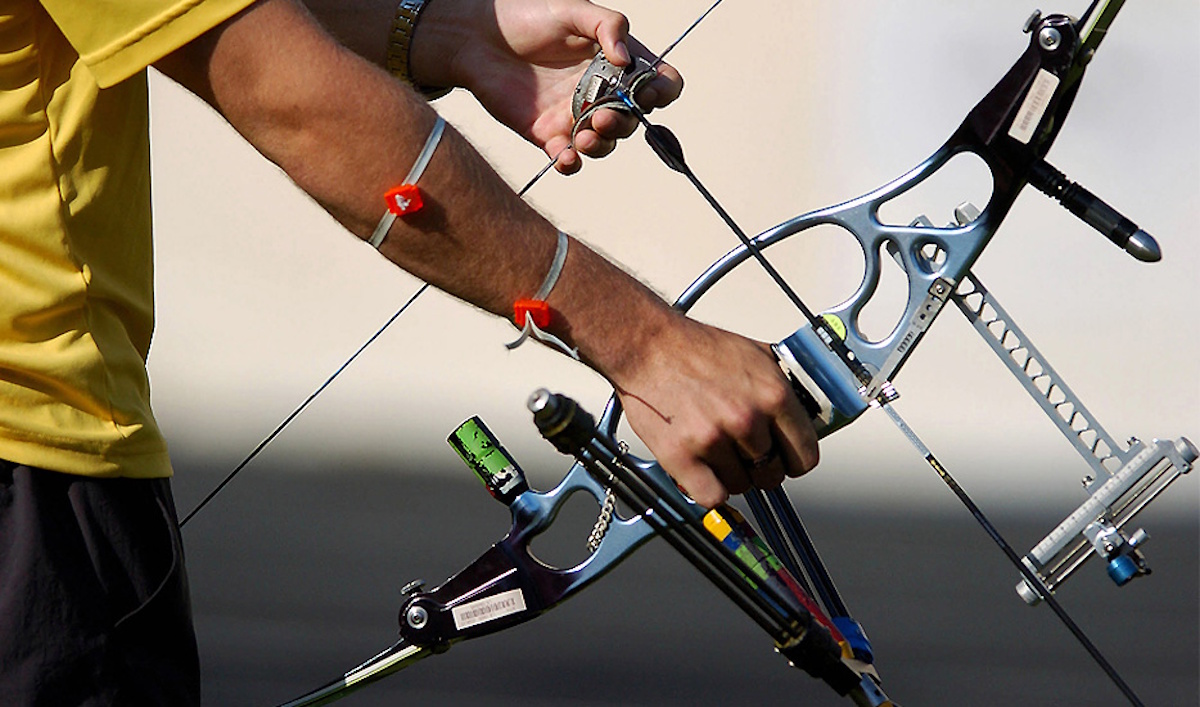


Tags
📧 Get More Articles Like This
Subscribe to receive product reviews and buying guides in your inbox!
We respect your privacy. Unsubscribe at any time.