American Football Concussion Reality: What NFL Hides About 10-Year Brain Damage Data
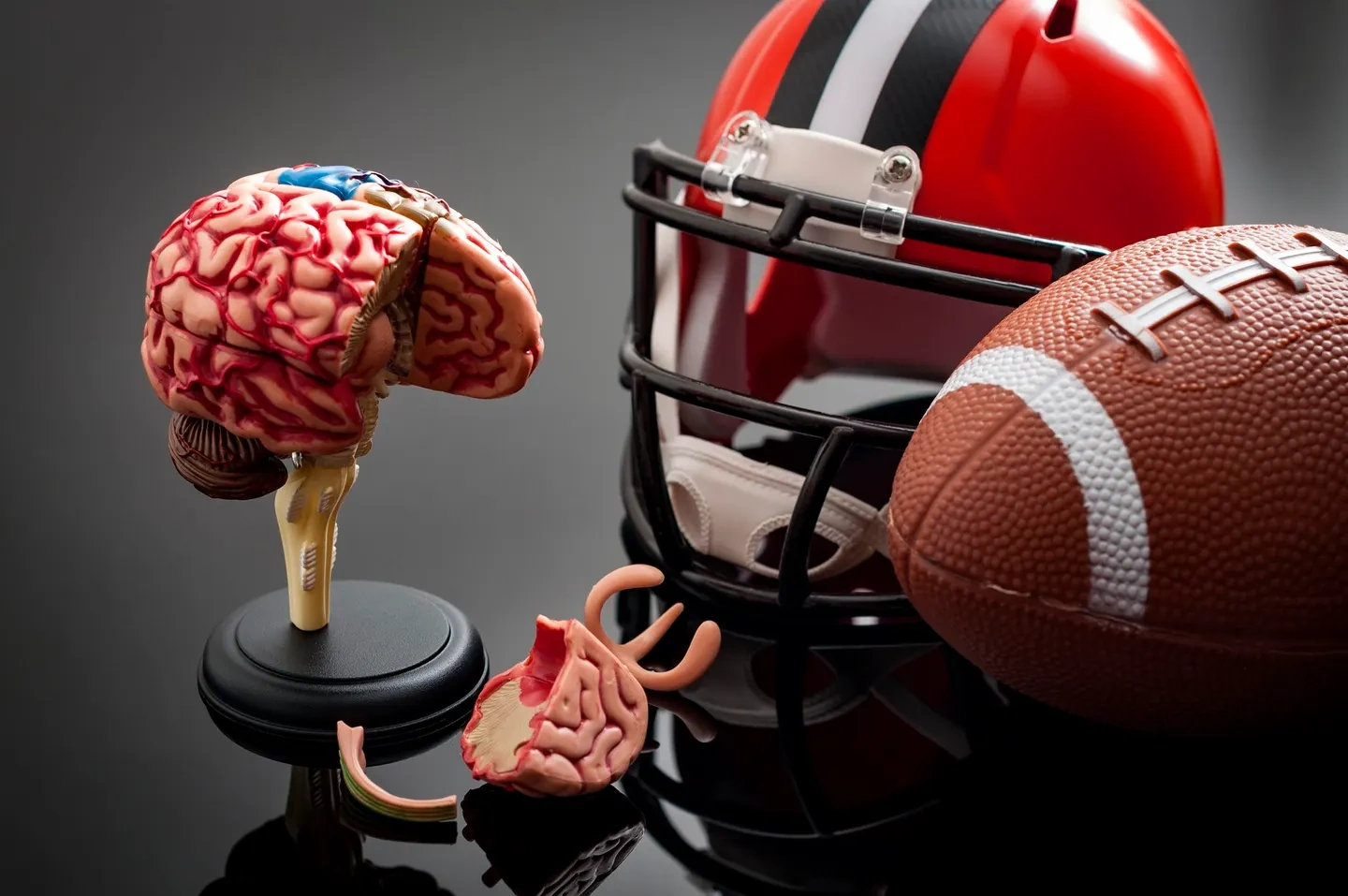
Table of Contents
- The Stadium Secret Nobody Discusses
- How One Doctor Discovered What NFL Denied
- The 92 Percent That Changes Everything
- What Happens Inside a Damaged Football Brain
- Young Players: The Hidden Epidemic
- The Equipment Lie Costing Lives
- Players Who Knew But Couldn’t Stop
- The Research NFL Tried to Bury
- What 2026 Data Reveals About Future Players
- The Only Real Solution Nobody Wants to Hear
- Frequently Asked Questions
The Stadium Secret Nobody Discusses
The Sunday afternoon ritual plays out identically across American stadiums every autumn weekend, drawing 67,000 fans into cathedrals of modern sport where they witness controlled violence packaged as entertainment. Families occupy premium seats, children wear miniature jerseys emblazoned with their heroes’ names, and vendors circulate through concrete corridors selling overpriced beer while massive screens replay the most devastating hits in slow motion, transforming brain trauma into spectacle worthy of instant replay and social media virality. What these crowds never see unfolds decades later in quiet hospital rooms and lonely apartments where former players struggle to remember their children’s names, control violent mood swings, or convince themselves that today isn’t the day they finally succumb to the darkness that consumed dozens of their former teammates. The disconnect between stadium celebration and eventual neurological devastation represents the sports industry’s most carefully guarded secret, maintained through decades of denial, selective research funding, and public relations campaigns designed to obscure the fundamental truth that America’s favorite sport systematically destroys the brains of men who dedicate their lives to playing it. Recent data from 2026 confirms what researchers have warned about for years but what the National Football League has consistently minimized through careful language, strategic settlements, and superficial safety modifications that address symptoms rather than causes while millions of young athletes continue enrolling in programs that set them on potentially tragic trajectories.
Before delving into the article, watch the following video to learn the shocking facts about the concussion crisis in the National Football League (NFL) :
The mathematics of brain damage in professional football presents stark reality that no amount of public relations can obscure, though the NFL continues attempting precisely that through carefully worded statements emphasizing player choice, equipment improvements, and rule modifications that independent scientists acknowledge make negligible difference in outcomes. Boston University’s Chronic Traumatic Encephalopathy Center published findings in 2023 that sent shockwaves through the sports medicine community, revealing that among 376 donated brains from former NFL players, researchers diagnosed CTE in 345 cases, establishing a 92 percent occurrence rate that dwarfs previous estimates and suggests nearly universal brain damage among professional players who donated tissue for post-mortem examination. This percentage doesn’t mean that 92 percent of all current and former NFL players have CTE, researchers carefully note, since brain donation involves significant selection bias where families who observed concerning symptoms during players’ lives prove more likely to participate in research studies, yet even accounting for statistical adjustments, the implications remain profound and disturbing for anyone who understands what these numbers actually mean for player health. The comparison group amplifies the horror, with separate Boston University research examining 164 brains donated to the Framingham Heart Study from the general population finding CTE in exactly one case, and that individual had played college football, establishing baseline occurrence rates below one percent and demonstrating that this disease predominantly afflicts people who absorb repeated head trauma through contact sports participation or military service.

The biological mechanisms underlying chronic traumatic encephalopathy reveal why equipment modifications and concussion protocols fail to address the fundamental problem, though understanding these mechanisms requires accepting uncomfortable truths about brain vulnerability that contradict reassuring narratives about improved player safety. The cellular processes that transform healthy neurons into damaged tissue incapable of normal function have become increasingly well-characterized through cutting-edge neuroscience research. The National Institutes of Health has supported comprehensive investigations into how repetitive head impacts trigger tau protein abnormalities that cascade into widespread neurodegeneration over years and decades. These federal research initiatives have identified force thresholds, cellular vulnerability windows, and molecular mechanisms that explain why some athletes develop severe disease after relatively brief exposure while others show minimal pathology despite decades of participation.
When a player’s head sustains impact, whether from collision with another player, contact with playing surfaces, or whiplash-induced brain movement inside the skull, the soft brain tissue experiences rapid acceleration and deceleration forces that stretch and damage delicate neural structures despite helmets that protect skulls from fractures but cannot prevent brains from moving inside cranial cavities. This movement triggers immediate biochemical cascades where neurons undergo metabolic disturbances, microtubule networks destabilize, and tau protein begins abnormal phosphorylation that creates the toxic aggregates characteristic of CTE pathology, processes that commence within hours of trauma exposure according to research from Harvard Medical School and Beth Israel Deaconess Medical Center published in leading neuroscience journals throughout 2025 and early 2026. The truly insidious aspect emerges from understanding that these pathological changes don’t require concussion-level impacts, with mounting evidence demonstrating that sub-concussive hits, the routine collisions that occur on every play during practices and games without producing obvious symptoms, accumulate damage through sheer repetition that overwhelms cellular repair mechanisms and establishes progressive neurodegeneration.
How One Doctor Discovered What NFL Denied
The story of chronic traumatic encephalopathy’s emergence into public consciousness centers on an unlikely hero whose persistence challenged one of America’s most powerful sports organizations and whose discoveries ultimately forced medical science to confront truths that had remained hidden in plain sight for nearly a century. Bennet Omalu arrived in Pittsburgh as a Nigerian-born forensic pathologist with training that emphasized meticulous attention to detail and scientific curiosity unconstrained by preconceptions about what his examinations should reveal, qualities that proved essential when Allegheny County Medical Examiner’s Office assigned him to perform the autopsy on Mike Webster in 2002. Webster had been a legendary Pittsburgh Steelers center, a Hall of Fame inductee whose seventeen-season career defined excellence at professional football’s most physically demanding position, yet his final years descended into bizarre behavior, homelessness, cognitive decline, and early death at age fifty that teammates and family members struggled to comprehend given his relatively young age and previous mental acuity. Standard autopsy procedures revealed nothing particularly unusual about Webster’s brain on gross examination, with the organ appearing unremarkable to casual observation, yet Omalu’s training prompted him to conduct microscopic analysis using special staining techniques typically reserved for suspected Alzheimer’s cases, procedures that NFL team physicians had never considered necessary for evaluating football players’ neurological health.

What Omalu discovered under his microscope contradicted everything the NFL had publicly stated about concussion safety and long-term player health, revealing pathological findings so significant that he initially questioned his own methodology before confirming results through repeated examinations and consultations with senior neuropathologists. Webster’s brain tissue contained extensive deposits of abnormally phosphorylated tau protein forming neurofibrillary tangles throughout regions controlling memory, emotion, and executive function, creating a distinctive pattern of damage that matched descriptions from 1920s research on boxers suffering from “punch-drunk syndrome” but had never been documented in American football players despite millions participating in the sport since its invention. The tau tangles appeared concentrated in areas vulnerable to rotational forces, particularly at the depths of cortical sulci where brain tissue folds in on itself, creating signature lesions that would eventually define CTE diagnosis according to consensus criteria established by international neuropathologists studying the phenomenon. Omalu published his findings in the journal Neurosurgery in 2005, coining the term “chronic traumatic encephalopathy” to describe this distinct neurodegenerative disease and arguing that Webster’s football career had directly caused his brain pathology through accumulated head trauma, claims that triggered immediate and fierce opposition from NFL-funded researchers who questioned his methodology, disputed his conclusions, and attempted to pressure the journal into retracting the article.
The NFL’s response to Omalu’s research established patterns that would persist for over a decade, combining aggressive scientific criticism with public relations campaigns designed to cast doubt on emerging evidence while maintaining the league’s narrative that professional football posed no significant long-term health risks to players beyond injuries visible on playing fields. The league’s Mild Traumatic Brain Injury Committee, chaired by rheumatologist Elliot Pellman despite his lack of expertise in neurology or brain pathology, published competing research claiming that players who returned to games after concussions faced no elevated risk of additional injuries and experienced no long-term cognitive consequences from their impacts. Committee members publicly attacked Omalu’s work using language more appropriate for political disputes than scientific discourse, with one published paper demanding retraction of his findings and suggesting that the Nigerian pathologist misunderstood American football culture and exaggerated minor findings into unfounded conclusions. This campaign successfully delayed widespread acceptance of CTE’s existence for several years, allowing the NFL to continue operations without implementing significant safety modifications while researchers who wanted to study the phenomenon struggled to obtain funding and tissue samples necessary for confirming Omalu’s initial discoveries through independent replication.
The 92 Percent That Changes Everything
The transformation from isolated case reports to overwhelming epidemiological evidence occurred gradually as Boston University assembled the world’s largest collection of athlete brain tissue through the Veterans Affairs-Boston University-Concussion Legacy Foundation Brain Bank, building comprehensive databases that finally provided statistical power necessary for understanding CTE’s true prevalence and risk factors. Ann McKee assumed directorship of the CTE Center in 2008, bringing expertise in neurodegenerative diseases and Alzheimer’s research that enabled sophisticated pathological analysis of donated brains from former football players, boxers, military veterans, and other individuals with repetitive head trauma histories. Her team developed standardized diagnostic criteria, established staging systems that categorized disease severity from mild focal lesions to widespread neurodegeneration, and published landmark studies demonstrating clear dose-response relationships between years of contact sports participation and CTE risk that increased exponentially with career duration. The 2017 publication in the Journal of the American Medical Association represented a watershed moment, reporting CTE diagnosis in 110 of 111 examined former NFL players, 91 percent of college players, and 21 percent of high school players, establishing that the disease affected athletes across all competition levels and suggesting that professional football carried near-universal brain damage risk for players whose careers extended beyond several seasons.
The updated 2023 figures showing 345 CTE diagnoses among 376 examined former NFL players elevated the occurrence rate to 92 percent, reinforcing earlier findings while expanding the sample size enough to permit more detailed analysis of factors influencing disease development and severity. The concentration of CTE research expertise at leading academic medical centers has enabled systematic study of the disease using standardized diagnostic criteria and rigorous scientific methodology. Boston University’s CTE Center maintains the world’s largest brain bank dedicated to studying sports-related neurodegeneration, repository that has grown to include hundreds of donated brains from former athletes across multiple sports and competition levels. This comprehensive tissue collection enables researchers to identify patterns, risk factors, and pathological variations that smaller studies could never detect, establishing Boston University as the definitive authority on chronic traumatic encephalopathy prevalence and characteristics among contact sport participants. These numbers fundamentally challenge NFL narratives about player safety improvements and concussion protocol effectiveness, demonstrating that rule changes implemented over the past two decades have failed to prevent widespread brain pathology among recently retired players whose careers supposedly benefited from enhanced medical oversight and modified game regulations. Researchers emphasize important caveats about selection bias inherent in brain donation studies, noting that families who observed cognitive decline, behavioral changes, or other concerning symptoms during players’ lives demonstrate higher donation rates than families of asymptomatic former players who died from unrelated causes, statistical considerations that prevent direct extrapolation of 92 percent occurrence rates to all current and former NFL players. Nevertheless, even conservative adjustments accounting for selection effects suggest CTE prevalence measured in tens of percentage points rather than single digits, indicating that professional football careers carry substantial brain damage risks that dwarf those associated with most other occupational hazards in modern American society.
Shop on AliExpress via link: wholesale-sports-safety-awareness

The stark contrast between football players’ CTE rates and general population occurrence emphasizes the causal relationship between sport participation and brain disease despite NFL attempts to attribute symptoms to aging, genetic predisposition, substance abuse, or psychological factors unrelated to head trauma exposure. Research examining brains donated to the Framingham Heart Study, a long-running epidemiological investigation of cardiovascular disease that has collected tissue samples from thousands of participants since 1948, identified CTE in exactly one of 164 autopsied individuals, and that person’s history revealed college football participation that provided plausible explanation for the otherwise extremely rare pathological findings. Similar studies from brain banks in Austria, Australia, and Brazil reported CTE occurrence rates below one percent in general populations, establishing baseline frequencies that make the 92 percent rate among former NFL players statistically impossible to dismiss as coincidental or attributable to factors other than their shared history of repetitive head impacts sustained through decades of playing America’s most violent mainstream sport. The epidemiological evidence supporting causation has grown so overwhelming that even the NFL officially acknowledged the link between football and CTE in 2016, ending years of denial though notably failing to implement changes addressing the fundamental problem of repeated sub-concussive hits that research identifies as the primary driver of tau pathology and eventual neurodegeneration.
The parallels between brain damage in different combat and contact sports reveal common mechanisms underlying neurodegeneration across athletic activities involving repeated head trauma. Research examining boxing weight management practices demonstrates how extreme physical stress compounds neurological risks, with fighters who undergo severe weight cutting experiencing additional metabolic challenges that may increase vulnerability to brain injury during competition. Understanding these combined risk factors helps explain why some combat sport athletes develop particularly severe symptoms compared to others with similar head trauma exposure but without the additional physiological stressors that intensive weight manipulation creates.
The relationship between violent contact sports and progressive brain damage extends beyond football into other athletic competitions where repeated head trauma establishes similar pathological patterns. Research from the Centers for Disease Control demonstrates that contact sports including football account for nearly half of all emergency department visits for sports-related traumatic brain injuries among young athletes, establishing baseline injury rates that intensify dramatically as participants advance through competition levels. Understanding how different sports create varying degrees of neurological risk helps parents and athletes make informed decisions about participation that balance athletic benefits against documented health consequences.
What Happens Inside a Damaged Football Brain
Understanding chronic traumatic encephalopathy requires examining the cellular and molecular processes that transform healthy neurons into damaged tissue incapable of maintaining cognitive function, memory formation, or emotional regulation, biological mechanisms that researchers have characterized through decades of painstaking laboratory work combining traditional neuropathology with cutting-edge molecular genetics and imaging technologies. The tau protein exists naturally in healthy brains where it stabilizes microtubules, the structural components that maintain cell shape and enable transport of molecules along neural extensions connecting distant brain regions, performing essential housekeeping functions that neurons require for survival and communication with neighboring cells. When brain tissue experiences traumatic injury, mechanical forces disrupt microtubule networks and trigger biochemical changes that cause tau protein to undergo abnormal phosphorylation, adding phosphate chemical groups to specific amino acid positions that alter the protein’s three-dimensional structure and prevent it from binding properly to microtubules. These phosphorylated tau molecules begin aggregating into toxic oligomers that further damage cellular machinery, eventually forming larger paired helical filaments and neurofibrillary tangles that clog neurons and interfere with vital cellular processes until affected cells undergo apoptotic death, leaving behind ghost tangles that persist in tissue long after the neurons themselves have disappeared.
The distinctive pathological features that define chronic traumatic encephalopathy distinguish it from other neurodegenerative diseases including Alzheimer’s, creating diagnostic criteria that neuropathologists use to differentiate CTE from conditions producing superficially similar tau accumulation through different mechanisms. CTE lesions concentrate at the depths of cortical sulci, the valleys where brain surface folds inward, particularly affecting regions experiencing maximum rotational forces during head impacts that twist brain tissue against skull irregularities and blood vessels penetrating cortical surfaces. These focal perivascular lesions appear first in frontal and temporal lobes, brain regions controlling personality, judgment, emotional regulation, and memory formation, anatomical distribution that explains why early CTE symptoms often manifest as behavioral changes and mood disturbances rather than obvious cognitive impairment. The tau pathology spreads gradually from these initial sites, following predictable patterns that enable researchers to stage disease severity from Stage I with minimal focal lesions through Stage IV with widespread neurodegeneration affecting deep brain structures including the thalamus, hypothalamus, and brainstem nuclei, progression that typically occurs over decades following head trauma exposure though recent research has documented surprisingly rapid advancement in some young athletes dying prematurely from suicide or accidents.

The relationship between repetitive head impacts and CTE development demonstrates dose-response characteristics typical of toxic exposures, with each year of tackle football increasing disease risk by approximately 30 percent according to Boston University research published in Annals of Neurology, establishing that cumulative exposure rather than isolated violent concussions drives pathological tau accumulation. This finding fundamentally challenges NFL concussion protocols that focus exclusively on managing diagnosed concussions while ignoring the thousands of sub-concussive hits that occur during routine plays and practices, impacts producing head accelerations sufficient to trigger cellular damage despite failing to cross clinical thresholds for concussion diagnosis based on observable symptoms. Studies using helmet-mounted accelerometers to quantify forces experienced by players during games and practices reveal that linemen sustain dozens of impacts per game exceeding biomechanical thresholds associated with cellular injury, exposures that accumulate into thousands of potentially damaging hits per season and tens of thousands over multi-year careers, creating opportunities for progressive tau accumulation even if players never experience classical concussion symptoms. The biological mechanisms remain incompletely understood, with ongoing research investigating why some players develop severe CTE after relatively brief careers while others show minimal pathology despite decades of exposure, individual variation suggesting genetic factors, inflammatory responses, and other modifying influences that might eventually enable risk stratification and personalized interventions.
The cognitive and behavioral symptoms of chronic traumatic encephalopathy emerge gradually, typically beginning years or decades after head trauma exposure ends, though recent case reports have documented surprisingly early onset in some former players who died in their twenties and thirties with advanced pathological changes. Early symptoms often prove subtle and easily dismissed as stress, depression, or normal aging, with players experiencing difficulty concentrating, forgetting appointments or conversations, struggling with complex decision-making that previously came effortlessly during their athletic careers when split-second judgment meant the difference between victory and defeat. These cognitive changes typically worsen progressively, advancing from mild annoyances to debilitating impairments that prevent players from maintaining employment, managing finances, or navigating routine daily activities without assistance from family members who watch helplessly as their loved ones’ personalities disintegrate. Behavioral symptoms prove equally devastating, encompassing explosive anger triggered by minor frustrations, paranoid ideation convinced that others harbor malicious intent, and profound apathy that prevents players from initiating activities or maintaining relationships that once provided meaning and connection, changes that frequently destroy marriages and alienate children who struggle to reconcile memories of devoted fathers with the volatile strangers inhabiting their parents’ deteriorating bodies.
Young Players: The Hidden Epidemic
The discovery that chronic traumatic encephalopathy affects not just aging professionals but teenage and young adult athletes has transformed the CTE debate from concerns about millionaire NFL stars into broader questions about youth sports participation and parental responsibilities for protecting developing brains from unnecessary trauma exposure. Boston University research published in 2023 examined 152 brains donated from individuals who died before age thirty, finding CTE pathology in 41 percent of contact sport participants including more than 70 percent of those diagnosed with the disease who had competed only at amateur levels never reaching professional ranks where financial compensation might theoretically justify health risks. Three-quarters of these young CTE cases had played American football, with ice hockey, soccer, wrestling, and rugby accounting for remaining diagnoses, establishing that repetitive head impacts from any contact sport carry brain damage risks regardless of competition level or athletic talent. The youngest CTE case involved a seventeen-year-old high school player whose brain showed Stage II disease with tau pathology spreading beyond focal lesions into widespread cortical regions, neuropathological findings that typically require decades to develop yet appeared after just several years of tackle football participation beginning in youth leagues.
These findings demolish comfortable assumptions that CTE primarily affects older players who competed during eras before modern safety equipment and concussion awareness, revealing instead that current youth football practices expose children to brain damage risks that commence during critical developmental periods when neural networks establish foundations for lifelong cognitive function. The vulnerability of developing brains to repetitive trauma has prompted urgent reassessment of youth sports safety policies across multiple medical specialties. The National Institutes of Health published alarming research in 2023 documenting chronic traumatic encephalopathy in over 40 percent of contact sport participants who died before reaching age thirty, pathological findings that included teenagers with only several years of football exposure. These young athletes’ brain damage developed remarkably quickly despite relatively brief careers, demonstrating that significant neurodegeneration can establish itself during adolescence rather than requiring decades of professional-level exposure as previously assumed. Research comparing tackle versus flag football quantifies the differential exposure, with tackle football participants aged six to fourteen sustaining fifteen times more total head impacts and twenty-three times more high-magnitude impacts compared to flag football players during equivalent practice and game time, establishing that the collision aspect of traditional football rather than the sport’s inherent running, throwing, and strategy elements creates the brain injury risk. The American Academy of Pediatrics has urged parents to delay tackle football participation until age fourteen, recommendations that many youth football organizations have resisted while maintaining that proper coaching and rule enforcement can minimize risks, assertions that independent research contradicts by demonstrating that even optimal technique cannot eliminate physics fundamentals where two bodies colliding at speed transmit forces to players’ heads regardless of coaching quality or rule compliance.
The neurobiological vulnerability of developing brains amplifies CTE risks for young athletes whose neural structures remain incompletely myelinated and whose cellular repair mechanisms may respond differently to trauma compared to mature adult brains. Research from Boston University and Harvard demonstrates that players who begin tackle football before age twelve experience earlier symptom onset and more severe cognitive decline in later life compared to players who start participation during adolescence, dose-response relationships suggesting that childhood exposure carries particular risks possibly related to interference with normal brain development processes occurring throughout childhood and adolescence. The cumulative lifetime exposure becomes the critical variable, with total years of contact sports participation predicting CTE risk more strongly than peak performance level, explaining why some NFL players with brief professional careers show less pathology than lifelong athletes who played through youth leagues, high school, college, and semi-professional levels before retiring without reaching the NFL but accumulating fifteen or twenty years of repetitive head impacts that established progressive neurodegeneration.
The dose-response relationship between football exposure and brain damage risk has become one of the most well-established findings in sports medicine research over the past decade. CDC research tracking traumatic brain injury patterns documents that tackle football athletes sustain exponentially more head impacts than participants in non-collision sports, with youth players experiencing fifteen times more total impacts and twenty-three times more high-magnitude hits compared to flag football alternatives. This quantitative data eliminates uncertainty about whether tackle football’s collision nature creates neurological risks, establishing that the activity systematically exposes participants to forces that damage brain tissue through sheer repetition.
The Equipment Lie Costing Lives
The National Football League’s emphasis on equipment improvements and protective gear innovations creates dangerous illusions that technical solutions can solve biological problems rooted in fundamental physics that no helmet technology can circumvent without eliminating the collision aspects that define tackle football’s essential character. Guardian Caps exemplify this approach, representing padded covers that fit over standard helmets and purportedly reduce impact forces by up to twenty-five percent through additional cushioning that absorbs and distributes collision energy across larger surface areas, claims that the NFL has promoted aggressively while mandating their use during some practice activities and approving them for game situations where players voluntarily choose to wear the bulky additions. League statistics suggest Guardian Caps reduce concussions by fifty percent among players who use them during practices, impressive figures that might justify enthusiasm if they reflected actual field performance rather than manufacturer claims and marketing materials.

Independent research paints less optimistic pictures of Guardian Cap effectiveness, with multiple studies demonstrating that laboratory testing showing reduced impact forces fails to translate into measurable benefits when equipment faces real-world conditions during actual football plays. Researchers at a major university conducted controlled experiments comparing head accelerations in college players wearing Guardian Caps versus standard helmets during practices, finding that although laboratory drop tests suggested caps should reduce forces, field measurements using helmet-mounted sensors showed no significant differences in impact magnitudes or frequencies between equipped and unequipped players. The disconnect between laboratory and field results likely reflects compensatory behaviors where players wearing protective equipment unconsciously increase collision intensity, a phenomenon documented across multiple sports and known as risk compensation where enhanced safety measures paradoxically lead to more dangerous behaviors that negate intended benefits. Academic institutions have conducted independent testing that contradicts manufacturer claims about protective equipment effectiveness under real-world conditions. Harvard T.H. Chan School of Public Health research demonstrated that Guardian Caps approved for NFL use showed no measurable impact force reduction during actual field conditions despite laboratory testing suggesting benefits, findings that expose fundamental disconnects between controlled testing environments and chaotic collision dynamics that occur during competitive play. This research emphasizes that engineering solutions cannot overcome biomechanical realities where brains moving inside skulls sustain damage regardless of external protective equipment quality. Additional studies examining Guardian Cap effectiveness reached similar conclusions, establishing consensus among independent researchers that current protective equipment modifications provide minimal if any actual brain injury prevention despite manufacturer claims and NFL promotional campaigns.
The fundamental limitation of all helmet-based protective equipment stems from inability to prevent the brain from moving inside the skull during rapid acceleration and deceleration, the core mechanism producing CTE-related cellular damage that occurs regardless of external head protection. Helmets excel at preventing skull fractures, lacerations, and similar injuries where external forces contact cranial bones, functions they perform admirably as evidenced by dramatic reductions in catastrophic head injuries since helmet requirements became universal in the 1940s and 1950s. However, the soft brain tissue floating in cerebrospinal fluid inside the skull cavity possesses independent inertia that causes it to continue moving when skull deceleration occurs, generating shear forces that stretch and damage neural structures despite helmets that protect skulls perfectly from external trauma. This biomechanical reality means that genuine brain injury prevention requires eliminating or dramatically reducing the frequency of collisions that create rapid head motion, interventions that would transform football into fundamentally different activities bearing little resemblance to current games and practices that define the sport’s cultural identity and commercial appeal.
The false sense of security created by equipment innovations and safety modifications may actually increase overall brain damage by encouraging continued participation in activities carrying intrinsic risks that no protective gear can eliminate, psychological phenomena where emphasis on technical solutions distracts from hard questions about whether tackle football’s entertainment value justifies systematic brain injury among participants. Parents who might otherwise prohibit their children from playing contact sports feel reassured by assurances about improved helmets, Guardian Caps, rule changes, and concussion protocols, assuming incorrectly that these modifications have transformed football into acceptably safe activities comparable to swimming, track, or other athletics where catastrophic injuries remain rare. The medical research tells different stories, establishing that current football participation regardless of equipment quality or rule enforcement carries substantial brain damage risks that persist despite well-intentioned safety initiatives that address symptoms rather than causes of a problem fundamentally rooted in the collision nature of tackle football itself.
Players Who Knew But Couldn’t Stop
The personal stories of former NFL players struggling with chronic traumatic encephalopathy symptoms reveal human dimensions that statistics and neuropathology images cannot capture, demonstrating how brain disease destroys not just cognitive function but identities, relationships, and futures that players sacrificed for careers they believed would provide security and meaning extending beyond their playing years. Mike Webster’s descent into homelessness, cognitive disintegration, and early death at age fifty shocked teammates who remembered him as intelligent, articulate, and mentally sharp throughout his playing career, transformation so complete that friends struggled to reconcile their memories with the confused, sometimes incoherent man they encountered during his final years living in his truck and showing behaviors suggesting severe dementia decades before typical onset ages. Webster’s case became CTE research’s catalyst precisely because his decline seemed so inexplicable absent the brain damage that Bennet Omalu would later discover during autopsy, pathological findings that finally provided medical explanation for behavioral changes that Webster himself couldn’t understand or control despite awareness that something fundamental had gone wrong inside his deteriorating mind.
Junior Seau’s suicide in 2012 brought renewed attention to CTE’s psychiatric dimensions, with the beloved linebacker shooting himself in the chest rather than head, decision interpreted by family members as deliberate choice to preserve his brain for research that might benefit other players experiencing similar symptoms. Seau had privately struggled with insomnia, depression, and cognitive difficulties during years following his retirement, symptoms he concealed from most acquaintances behind carefully maintained public persona of the charismatic, successful former star living enviable life in Southern California. His brain donation revealed Stage III CTE with widespread tau pathology throughout frontal and temporal lobes, neuropathological substrate that explained his psychiatric symptoms and memory problems while raising profound questions about how many other former players suffered silently rather than seeking help or acknowledging struggles that contradicted football culture’s emphasis on toughness and denial of weakness. The pattern repeated tragically with multiple former players whose suicides specifically preserved brain tissue for research, decisions suggesting both desperation to understand their deteriorating conditions and altruistic desires to contribute knowledge that might protect future players from similar fates.
Aaron Hernandez represented perhaps the most shocking CTE case, dying at age twenty-seven with Stage III pathology that neuropathologists described as the most severe they had examined in someone so young, brain damage that developed during just eight years of professional football preceded by college and high school careers beginning in youth leagues. Hernandez had been convicted of murder and committed suicide in prison, dramatic life trajectory that raised questions about whether CTE pathology contributed to violent behaviors and impaired judgment that destroyed his life and killed an innocent man. Ann McKee’s examination of his brain revealed extensive damage to frontal lobes controlling impulse regulation, decision-making, and emotional processing, regions where tau accumulation might plausibly influence behaviors though establishing direct causation between neuropathology and criminal actions remains scientifically problematic. Nevertheless, the severity of brain damage in someone who had played professionally less than a decade demonstrated that CTE could develop rapidly in some individuals, contradicting earlier assumptions that significant pathology required decades of exposure and raising urgent concerns about risks facing current players whose careers might be establishing tau accumulation that won’t manifest symptomatically until years after retirement.
The Research NFL Tried to Bury
The National Football League’s handling of emerging CTE research represents one of sport’s greatest ethical failures, combining active denial of mounting evidence with attempts to discredit independent researchers whose findings threatened billion-dollar business models built on public perceptions of football as acceptably safe entertainment rather than activity systematically injuring participants’ brains. The league’s Mild Traumatic Brain Injury Committee, established in 1994 ostensibly to study concussion effects on player health, instead spent over a decade publishing research designed to minimize concerns and contradict independent scientists documenting long-term consequences of repeated head trauma. Committee chair Elliot Pellman, a rheumatologist with no expertise in neurology or brain pathology, oversaw studies concluding that players who returned to games after concussions faced no elevated injury risks and that professional football carried no significant long-term cognitive consequences, findings that directly contradicted research from university medical centers and independent brain banks showing clear relationships between contact sports participation and neurodegenerative disease.

The NFL committee’s research suffered from fundamental methodological flaws that independent scientists identified immediately but which the league defended through aggressive public relations campaigns and legal strategies designed to protect the sport’s image rather than players’ health. Studies relied on incomplete data collection where team physicians documented only concussions producing obvious symptoms while ignoring sub-concussive impacts that research would later identify as CTE’s primary driver, selection bias that systematically underestimated true injury frequencies and severity. The committee dismissed concerns about long-term effects by emphasizing that most players didn’t report persistent symptoms immediately after injuries, reasoning that ignored latency periods between trauma exposure and symptom onset characteristic of neurodegenerative diseases developing over years or decades following precipitating events. When independent researchers published contradictory findings, NFL representatives publicly attacked their methodology, questioned their motives, and demanded journal retractions using language more appropriate for political disputes than scientific discourse, intimidation tactics that successfully delayed widespread acceptance of CTE’s existence while allowing continued operations without implementing safety modifications that might reduce league profitability or entertainment value.
The turning point arrived gradually as accumulating evidence became too overwhelming for even the NFL’s well-funded public relations machine to dismiss, with breakthrough studies from Boston University, landmark publications in premier medical journals, and high-profile cases of beloved former players suffering tragic declines finally forcing league acknowledgment of the link between football and brain disease. The 2016 admission that football could cause CTE represented vindication for researchers who had endured years of attacks and skepticism, yet the acknowledgment came with carefully hedged language emphasizing uncertainty about prevalence, risk factors, and prevention strategies that enabled continued league operations without fundamental changes addressing the core problem of repetitive head impacts inherent to tackle football’s essential nature. Critics noted that NFL rule modifications implemented after the admission focused primarily on penalizing egregious helmet-to-helmet hits while leaving untouched the routine sub-concussive collisions occurring on every play during practices and games, changes that created appearance of concern without meaningfully reducing players’ cumulative brain trauma exposure over their careers.
What 2026 Data Reveals About Future Players
The most recent research published through late 2025 and early 2026 has expanded understanding of chronic traumatic encephalopathy’s mechanisms, risk factors, and potential interventions while simultaneously revealing that the problem extends even further than previous estimates suggested. Harvard Medical School researchers published groundbreaking work in October 2025 demonstrating that CTE shares molecular characteristics with Alzheimer’s disease at the genetic level, with both conditions producing similar patterns of DNA damage in affected neurons that may explain overlapping symptoms and progressive cognitive decline. The study examined brain tissue from fifteen individuals diagnosed with CTE after death, comparing cellular changes against neurotypical controls and Alzheimer’s patients, finding that CTE neurons displayed distinctive abnormal somatic genome damage patterns closely resembling those seen in Alzheimer’s but absent from individuals with repetitive head impact histories who didn’t develop CTE pathology. Groundbreaking molecular genetics research has revealed that chronic traumatic encephalopathy shares more pathological characteristics with other neurodegenerative diseases than previously recognized, findings that may eventually enable targeted therapeutic approaches. Harvard Medical School scientists published research in 2025 demonstrating that DNA damage patterns in CTE neurons closely resemble those found in Alzheimer’s disease despite the conditions having completely different risk factors and typical onset ages. This molecular convergence suggests that successful treatments developed for Alzheimer’s might prove applicable to CTE patients if researchers can identify the disease during patients’ lifetimes rather than only through post-mortem examination. This finding suggests that CTE represents a legitimate neurodegenerative disease with specific molecular signatures rather than simply accumulated trauma effects, distinction that validates concerns about the condition while potentially opening new therapeutic approaches targeting shared pathological mechanisms between CTE and more extensively studied diseases.
The genetic research also hints at why individual susceptibility varies so dramatically, with some players developing severe CTE after relatively brief careers while others show minimal pathology despite decades of exposure to similar or greater head trauma levels. Scientists suspect that genetic factors influence cellular responses to mechanical injury, with some individuals possessing variants in genes controlling inflammation, DNA repair, or tau metabolism that either protect against or predispose toward pathological protein accumulation following repetitive impacts. Ongoing studies are investigating specific genetic markers that might eventually enable risk stratification, potentially allowing identification of particularly vulnerable individuals who should avoid contact sports entirely while reassuring others with protective genetic profiles that their risks remain comparatively lower, though researchers emphasize that even favorable genetics cannot eliminate dangers inherent to activities involving repeated brain trauma. The personalized medicine approach remains years away from clinical implementation but represents one of few promising avenues for eventually managing rather than eliminating CTE risks in populations determined to continue playing despite mounting evidence of dangers.
Concussion rates in the NFL actually declined seventeen percent during the 2024 season compared to previous years, statistics that league officials cite as evidence that safety initiatives are working despite independent researchers noting that concussion frequencies bear little relationship to CTE risk since the disease develops primarily from cumulative sub-concussive impacts rather than diagnosed concussions. The 182 documented concussions during the 2024 season still made football by far the highest-risk major sport for traumatic brain injury, rates that dwarf those in basketball, baseball, or hockey despite rule changes specifically designed to reduce dangerous collisions and improve medical protocols for evaluating potentially injured players. More concerning, Harvard research published in late 2025 found that Guardian Caps approved for game use and promoted as major safety advances showed no measurable effectiveness in field conditions, with three independent studies demonstrating that laboratory testing suggesting impact force reductions failed to translate into actual protection when equipment faced real-world collision dynamics during competitive play where factors including player behavior, angle of impact, and collision speeds created conditions vastly different from controlled testing environments.
The Only Real Solution Nobody Wants to Hear
The uncomfortable truth that medical research has established beyond reasonable doubt is that no equipment modifications, rule changes, or concussion protocols can eliminate brain damage risks inherent to tackle football’s fundamental character as collision sport where repeated head impacts represent unavoidable consequences of how the game is played at all competitive levels. The only intervention proven completely effective at preventing CTE involves not playing tackle football, recommendation that researchers at institutions including Boston University, Harvard, and Mayo Clinic have begun stating explicitly despite knowing that such advice contradicts American cultural attachments to football as defining ritual of autumn, source of community identity in towns across the country, and pathway to college scholarships and professional careers offering escape from poverty for talented athletes from disadvantaged backgrounds. The public health calculus becomes straightforward when examined objectively, with tackle football exposing millions of children, adolescents, and young adults to documentable brain injury risks including not just CTE but acute concussions, second impact syndrome, and other traumatic brain injuries that claim lives and cause permanent disability among players who never reach professional levels where financial compensation might theoretically justify health sacrifices.
Alternative football formats including flag football eliminate most collision-related brain trauma while preserving the sport’s strategic elements, athletic demands, and entertainment value, modifications that research demonstrates dramatically reduce head impact frequencies and magnitudes compared to tackle versions. Flag football participants aged six to fourteen sustained ninety-three percent fewer head impacts than tackle players during equivalent playing time according to research using helmet-mounted accelerometers to quantify forces experienced by youth athletes, differences so dramatic that switching to non-tackle formats would virtually eliminate CTE risks from football participation during developmental years when brain vulnerability remains highest. Some football traditionalists argue that flag formats lack the physicality and intensity that make tackle football culturally significant, yet similar objections greeted earlier transitions away from even more dangerous historical practices including flying wedge formations that killed so many players in the early 1900s that President Theodore Roosevelt threatened to ban football entirely unless rules changed to reduce fatalities.
The economic and cultural forces maintaining tackle football’s dominance despite mounting evidence of its dangers illustrate how institutional inertia and commercial interests can override public health considerations when powerful industries control narratives and possess resources to influence policy through lobbying, public relations campaigns, and strategic research funding. The NFL generates approximately twenty billion dollars in annual revenue, figures that dwarf funding available for independent brain injury research and enable the league to shape public perceptions through advertising, media partnerships, and cultural positioning that makes questioning football’s safety appear somehow un-American or excessively cautious. Youth football organizations, high school athletic departments, and college programs face similar economic pressures where eliminating tackle football would devastate budgets dependent on ticket sales, booster donations, and television contracts that other sports cannot replace, financial realities that create powerful incentives for downplaying risks and emphasizing improvements that research demonstrates remain inadequate for meaningfully reducing brain damage among participants.
The ultimate responsibility falls on parents who must decide whether to allow their children to play tackle football given current medical evidence documenting substantial brain injury risks that commence during childhood exposure and accumulate throughout years of participation. Making informed decisions requires understanding that no amount of proper coaching, quality equipment, or rule enforcement can eliminate dangers inherent to collision sports where physics fundamentals dictate that impacts producing sufficient force to knock down two-hundred-pound athletes necessarily transmit dangerous accelerations to their brains regardless of technique or protective gear. Some families will reasonably conclude that football’s benefits including physical fitness, teamwork skills, discipline, and potential educational opportunities justify accepting documented health risks, decisions that remain individual prerogatives in free societies where adults can choose their children’s activities within legal constraints. However, those decisions should proceed from accurate information about actual risks rather than reassuring marketing messages from organizations whose commercial interests conflict with objective assessment of evidence that continues accumulating in ways that make tackle football appear increasingly difficult to justify as acceptable activity for developing brains.
Frequently Asked Questions
Question 1: What is chronic traumatic encephalopathy and how does it affect NFL players?
Answer 1: Chronic traumatic encephalopathy represents a progressive neurodegenerative disease that develops in response to repeated head impacts accumulated throughout football careers spanning youth leagues through professional play. The condition arises when mechanical forces from collisions cause tau protein inside brain cells to undergo abnormal phosphorylation, creating toxic aggregates that damage neurons and eventually form neurofibrillary tangles characteristic of CTE pathology. These protein deposits concentrate initially at depths of cortical sulci, particularly in frontal and temporal lobes controlling personality, judgment, memory, and emotional regulation, anatomical distribution that explains why early symptoms often manifest as behavioral changes rather than obvious cognitive impairment. The disease progresses through four distinct stages ranging from minimal focal lesions in Stage I through widespread neurodegeneration affecting deep brain structures in Stage IV, advancement that typically occurs over years or decades following head trauma exposure though recent research has documented surprisingly rapid progression in some young athletes. Research from Boston University’s CTE Center has diagnosed the disease in 345 of 376 examined former NFL players, establishing a 92 percent occurrence rate that demonstrates nearly universal brain damage among professional players who donated tissue for post-mortem examination. Early symptoms include concentration difficulties, memory problems, confusion, and impaired judgment, changes that worsen progressively into severe cognitive decline, personality transformation, motor function deterioration resembling Parkinson’s disease, and psychiatric symptoms including depression and suicidal ideation that have claimed multiple former players’ lives. The condition cannot currently be diagnosed during life, requiring specialized brain autopsy after death to identify tau protein deposits and other pathological features that distinguish CTE from similar neurodegenerative diseases, limitation that prevents symptomatic players from receiving definitive diagnosis though researchers are developing imaging techniques and biomarkers that may eventually enable lifetime detection and monitoring of disease progression.
Question 2: How many concussions do NFL players experience during their careers?
Answer 2: The documented concussion numbers vastly underestimate total head impacts that NFL players endure throughout their careers, with research demonstrating that professional football athletes sustain thousands of blows to their heads during practices and games that accumulate into cumulative brain trauma far exceeding what concussion statistics alone would suggest. The CDC reports that contact sports including football account for 45 percent of all emergency department visits for sports-related traumatic brain injuries among children aged seventeen and under, establishing patterns that intensify dramatically as players advance through competition levels where collision frequencies and forces increase substantially. Research using helmet-mounted accelerometers to quantify impacts reveals that tackle football athletes sustain fifteen times more head impacts than flag football players during equivalent playing time, with some positions including offensive and defensive linemen experiencing dozens of high-magnitude collisions per game that create head accelerations sufficient to cause cellular damage despite not producing obvious concussion symptoms. These sub-concussive hits represent the primary driver of CTE development according to current scientific understanding, with mounting evidence demonstrating that repeated low-level trauma causes more cumulative pathological tau accumulation than isolated violent concussions, finding that fundamentally challenges NFL concussion protocols focused exclusively on managing diagnosed concussions while ignoring the thousands of routine impacts occurring on every play. A single professional season exposes players to hundreds of potentially damaging hits that accumulate across multi-year careers into exposure levels measured in tens of thousands of brain impacts, doses that research suggests increase CTE risk by approximately 30 percent for each year of tackle football participation regardless of whether players experience formal concussion diagnoses requiring medical evaluation and removal from play according to league protocols implemented to protect player safety but which address only the most obvious injuries while leaving underlying causes of brain damage completely unaddressed by current intervention strategies.
Question 3: What percentage of NFL players develop brain damage from football?
Answer 3: Research from Boston University’s Chronic Traumatic Encephalopathy Center provides the most comprehensive data available, diagnosing CTE in 345 of 376 examined former NFL players, a 92 percent occurrence rate that suggests nearly universal brain damage among professional players who donated brains for post-mortem examination. These statistics require careful interpretation because brain donation involves significant selection bias where families who observed concerning symptoms including cognitive decline, behavioral changes, depression, or other neurological problems during players’ lives prove far more likely to participate in research compared to families of asymptomatic former players who died from unrelated causes without exhibiting obvious mental health issues. Nevertheless, even conservative statistical adjustments accounting for selection effects suggest that CTE prevalence among all former NFL players likely measures in double-digit percentage points rather than single digits, indicating that substantial proportions of professional football players develop brain pathology during or after their careers. Separate research from Harvard University surveying nearly two thousand former professional players found that one-third believed they currently had CTE based on symptoms they were experiencing, self-assessment that cannot confirm actual disease presence since definitive diagnosis requires post-mortem brain examination but which indicates widespread awareness among former players that their cognitive difficulties, mood disturbances, and behavioral changes might represent manifestations of football-related brain damage. Each year of playing tackle football increases CTE risk by approximately 30 percent according to dose-response analyses examining relationships between exposure duration and pathological severity, cumulative effect that means players with fifteen-year careers face exponentially higher risks compared to those who participated for only five or six seasons. The actual prevalence among current and former NFL players remains unknown since comprehensive population screening proves impossible given diagnostic limitations requiring brain tissue examination after death, uncertainty that enables continued debate about true risk magnitudes though available evidence establishes that professional football careers carry substantial brain damage risks that far exceed those associated with most other occupational activities in modern society.
Question 4: Does protective equipment prevent football concussions and brain damage?
Answer 4: Current protective equipment including helmets, Guardian Caps, and other safety innovations cannot prevent the brain damage that causes chronic traumatic encephalopathy in football players despite manufacturer claims and NFL promotional campaigns emphasizing technological improvements that supposedly enhance player safety. Helmets excel at preventing skull fractures, lacerations, and external head injuries where forces contact cranial bones, functions they perform admirably as demonstrated by dramatic reductions in catastrophic trauma since helmet requirements became universal in the mid-twentieth century. However, the fundamental mechanism producing CTE involves the soft brain tissue moving inside the skull cavity during rapid acceleration and deceleration that occurs when players experience collisions, independent inertial effects that helmets cannot prevent since external head protection does not constrain brain motion within cerebrospinal fluid surrounding neural tissue. Guardian Caps represent padded covers fitting over standard helmets that purportedly reduce impact forces by twenty-five percent through additional cushioning, claims supported by laboratory drop tests but contradicted by independent field research demonstrating no measurable benefit when equipment faces real-world collision dynamics during actual football plays. Three separate studies examining Guardian Cap effectiveness found that although laboratory testing suggested force reductions, measurements using helmet-mounted accelerometers during practices showed no significant differences in head impact magnitudes or frequencies between players wearing caps versus standard helmets alone, discrepancy likely reflecting risk compensation where athletes unconsciously increase collision intensity when wearing protective equipment they perceive as enhancing safety. The repeated sub-concussive hits that research identifies as CTE’s primary cause occur during routine plays throughout practices and games regardless of equipment quality, impacts producing head accelerations sufficient to trigger cellular damage and tau protein accumulation despite helmets that protect skulls perfectly from external trauma. Harvard research published in 2025 emphasizes that safety equipment cannot prevent damage from repetitive low-grade head impacts that cumulatively establish tau pathology leading to progressive neurodegeneration, finding that challenges NFL emphasis on technical solutions and suggests that genuine brain injury prevention requires eliminating or dramatically reducing collision frequencies inherent to tackle football rather than attempting to engineer safer ways to repeatedly strike players’ heads throughout games and practices.
Shop on AliExpress via link: wholesale-football-helmet-accessories
Question 5: When did the NFL first acknowledge the link between football and CTE?
Answer 5: The National Football League officially acknowledged the connection between playing professional football and developing chronic traumatic encephalopathy in 2016, ending over a decade of systematic denial during which league officials and NFL-funded researchers argued that players’ neurological symptoms stemmed from other causes unrelated to head trauma sustained during their careers. This admission came after mounting pressure from independent scientists who had diagnosed CTE in hundreds of former players, landmark studies published in prestigious medical journals including the Journal of the American Medical Association, and high-profile cases of beloved former players suffering tragic cognitive declines and premature deaths that generated extensive media coverage questioning football’s safety. The league had established the Mild Traumatic Brain Injury Committee in 1994 under Commissioner Paul Tagliabue ostensibly to investigate concussion effects on player health, appointing rheumatologist Elliot Pellman as chairman despite his lack of expertise in neurology or brain pathology. That committee spent over a decade publishing research designed to minimize concerns, with studies concluding that players who returned to games after concussions faced no elevated injury risks and that professional football carried no significant long-term cognitive consequences, findings that directly contradicted independent research from university medical centers and brain banks documenting clear relationships between contact sports participation and neurodegenerative disease. When Bennet Omalu published the first case report of CTE in an NFL player in 2005 after examining Mike Webster’s brain, league representatives aggressively attacked his methodology and conclusions, demanding journal retraction and questioning the Nigerian pathologist’s understanding of American football culture. The NFL maintained this denial stance through subsequent years as evidence accumulated, commissioning its own research that consistently downplayed risks while attempting to discredit independent scientists whose findings threatened the league’s business model built on perceptions of football as acceptably safe entertainment. The 2016 acknowledgment represented a watershed moment that validated researchers who had endured years of attacks, yet the admission came with carefully hedged language emphasizing uncertainty about prevalence, risk factors, and prevention strategies that enabled continued operations without fundamental changes addressing the core problem of repetitive head impacts that research had identified as CTE’s primary driver.
Question 6: Can CTE be diagnosed in living football players?
Answer 6: Chronic traumatic encephalopathy can only be definitively diagnosed through post-mortem brain autopsy involving microscopic examination of tissue samples to identify characteristic tau protein deposits, neurofibrillary tangles, and other pathological features that distinguish CTE from similar neurodegenerative diseases including Alzheimer’s, limitation that creates profound challenges for living players experiencing symptoms who cannot receive conclusive diagnosis during their lifetimes. This diagnostic constraint means that researchers cannot determine CTE prevalence among current players or establish which specific symptoms directly result from tau pathology versus other conditions producing similar cognitive impairment, mood disturbances, and behavioral changes. Major research initiatives including the DIAGNOSE CTE Research Project supported by National Institutes of Health are working to develop lifetime diagnostic methods combining advanced neuroimaging techniques with fluid biomarkers and neuropsychological assessments that might eventually enable detection of CTE-related brain changes before death. Recent studies have identified promising candidates including white matter hyperintensities visible on MRI scans that appear more frequently in former football players with repetitive head impact histories, brain tissue damage that correlates with other pathological findings though these lesions alone cannot confirm CTE diagnosis since they occur in various conditions affecting brain structure. Researchers are also investigating blood and cerebrospinal fluid biomarkers including specific tau protein fragments, neurofilament light chain, and other molecular indicators that might reflect ongoing neurodegeneration, measurements that show differences between former players and unexposed control subjects though clinical utility remains unproven. Advanced imaging modalities including tau PET scanning can visualize abnormal protein deposits in living brains, technology that has successfully detected Alzheimer’s-related tau accumulation but which requires further validation for CTE diagnosis since the protein distribution patterns differ substantially between conditions. Until reliable lifetime diagnostic methods become clinically available, symptomatic former players receive treatment for observable conditions including depression, anxiety, sleep disorders, chronic pain, and cognitive impairment using standard psychiatric and neurological interventions that may improve quality of life regardless of whether CTE pathology underlies their symptoms, pragmatic approach that emphasizes addressing treatable problems rather than definitively diagnosing incurable neurodegenerative disease that currently offers no specific therapeutic options.
Question 7: What symptoms indicate a former player might have CTE?
Answer 7: Chronic traumatic encephalopathy produces diverse symptoms that typically emerge gradually years or decades after head trauma exposure ends, beginning with subtle changes easily dismissed as stress or normal aging before progressing into debilitating impairments that prevent affected individuals from maintaining employment, relationships, or independent living without substantial family support. Early cognitive symptoms include difficulty concentrating on complex tasks, forgetting recent conversations or appointments, struggling with decision-making that previously required minimal conscious effort, and experiencing confusion when navigating familiar environments or following multi-step instructions. These changes typically worsen progressively as tau protein deposits spread from initial focal lesions into widespread cortical regions, advancing through stages where players initially compensate for mild deficits through increased effort and environmental modifications before eventual decline overwhelms adaptive strategies and produces obvious impairment visible to family members and colleagues. Behavioral symptoms often prove equally or more devastating than cognitive changes, encompassing explosive anger triggered by minor frustrations, paranoid ideation convinced that others harbor malicious intent, profound apathy that prevents initiation of previously enjoyed activities, and loss of empathy that damages relationships with loved ones who struggle to understand personality transformations. Some former players develop impulsive behaviors including reckless spending, substance abuse, or inappropriate sexual conduct reflecting damage to frontal lobe regions controlling judgment and behavioral inhibition. Motor symptoms appear in later disease stages as tau pathology spreads into deep brain structures controlling movement, producing tremors, difficulty walking, slowed movements, and speech problems resembling Parkinson’s disease though pathological mechanisms differ substantially. Psychiatric symptoms including severe depression prove particularly concerning since research documents elevated suicide rates among former football players compared to general population, with some individuals specifically choosing to shoot themselves in the chest rather than head in apparent efforts to preserve brain tissue for research that might benefit other players experiencing similar symptoms. Researchers emphasize that these symptoms occur in many conditions besides CTE, making differential diagnosis challenging absent definitive post-mortem confirmation, and that symptomatic individuals should seek comprehensive medical evaluation and treatment for depression, cognitive impairment, and other treatable problems rather than prematurely concluding that incurable brain disease explains all difficulties.
Question 8: How does youth football exposure increase CTE risk?
Answer 8: Starting tackle football participation before age twelve significantly increases both likelihood of developing chronic traumatic encephalopathy and severity of eventual symptoms according to research from Boston University demonstrating clear relationships between age of first exposure and later-life outcomes among former players. Young athletes’ developing brains prove particularly vulnerable to repetitive trauma during critical periods when neural networks establish foundations for lifelong cognitive function, with cellular structures including myelin sheaths surrounding axons remaining incompletely developed throughout childhood and adolescence, potentially compromising repair mechanisms that might otherwise mitigate damage from repetitive impacts. Research comparing tackle versus flag football quantifies differential exposure, finding that tackle participants aged six to fourteen sustain fifteen times more total head impacts and twenty-three times more high-magnitude impacts during equivalent playing time, establishing that collision aspects of traditional football create brain injury risks that begin accumulating from earliest youth league participation. These childhood impacts compound with subsequent exposures during high school, college, and potentially professional careers, creating cumulative lifetime doses that research identifies as strongest predictor of CTE development with each year of participation increasing risk approximately 30 percent regardless of competition level. Players who begin tackle football during elementary school years and continue through college accumulate twelve to sixteen years of repetitive head trauma by their early twenties, exposure durations that research suggests may be sufficient to establish progressive tau pathology even absent professional careers extending total playing years further. Boston University research published in 2023 examined brains from 152 individuals who died before age thirty, finding CTE in 41 percent of contact sport participants including cases in teenagers with only several years of football exposure, pathological findings demonstrating that significant brain damage can develop remarkably quickly in some susceptible individuals. The American Academy of Pediatrics has recommended that children delay tackle football participation until age fourteen based on accumulating evidence about developmental vulnerability, though many youth football organizations have resisted these guidelines while maintaining that proper coaching and rule enforcement minimize risks, assertions contradicted by physics fundamentals showing that collisions between young bodies still transmit dangerous forces to developing brains regardless of technique or supervision quality.
Question 9: What changes has the NFL implemented to address brain injuries?
Answer 9: The National Football League has implemented various rule modifications, equipment requirements, and protocol changes ostensibly designed to reduce concussions and improve player safety, though independent researchers argue that these interventions inadequately address the fundamental problem of repetitive head impacts that research identifies as chronic traumatic encephalopathy’s primary cause. League rules now penalize helmet-to-helmet contact, particularly hits against defenseless receivers and quarterbacks in passing postures, violations that result in fifteen-yard penalties and potential fines or suspensions for egregious cases. The NFL modified kickoff rules to reduce collision speeds during returns, moving kickoff lines and implementing touchback provisions intended to encourage fair catches rather than returns requiring full-speed tackles. Concussion protocols require independent medical evaluations when players exhibit obvious symptoms including loss of consciousness, gross motor instability, or confusion, preventing immediate return to games without clearance from unaffiliated neurotrauma consultants theoretically independent from team medical staffs facing pressure to return star players quickly. Guardian Caps became mandatory for certain positions during practices and approved for voluntary game use, padded helmet covers that manufacturers claim reduce impact forces though independent research demonstrates no measurable benefit in field conditions. The league has also funded research into helmet design improvements, supported baseline cognitive testing programs intended to aid concussion diagnosis, and promoted public awareness campaigns emphasizing proper tackling technique. Critics note that these changes focus primarily on managing diagnosed concussions while ignoring sub-concussive hits that research demonstrates cause cumulative brain damage underlying CTE development. The NFL expanded regular seasons from sixteen to seventeen games, increasing players’ exposure to head trauma despite safety rhetoric suggesting league commitment to player health. League protocols do not require comprehensive brain health monitoring, quantitative measurement of individual players’ cumulative head impact exposure throughout seasons, or mandatory retirement thresholds based on impact accumulation that research suggests might reduce severe CTE cases among longest-serving players. The modifications create appearance of concern while leaving fundamentally unchanged the collision-intensive nature of tackle football that makes repetitive brain trauma inevitable consequence of how the game is played at professional levels.
Question 10: Are other sports besides football linked to CTE?
Answer 10: Chronic traumatic encephalopathy affects athletes across multiple contact and collision sports beyond American football, establishing that any activity involving repeated head trauma carries brain damage risks regardless of specific sport characteristics or cultural contexts in which participation occurs. Boxing first revealed “punch-drunk syndrome” in the 1920s when physicians documented cognitive decline, behavioral changes, and movement disorders in retired fighters who had absorbed thousands of blows throughout their careers, observations that ultimately established CTE as distinct pathological entity when neuropathologists later examined boxers’ brains and identified characteristic tau protein deposits. Ice hockey produces similar repetitive impacts through collisions with other players, boards, and playing surfaces, with research documenting CTE in numerous former professional hockey players including enforcers whose roles specifically involved physical confrontations. Rugby and Australian football involve frequent tackling and contact without protective helmets worn in American football, creating head impact exposures that research suggests may actually exceed those in helmeted sports where equipment creates false sense of protection enabling more violent collisions. Soccer generates head trauma primarily through heading balls traveling at high velocities, repetitive impacts that accumulate across careers even though individual headers rarely produce concussion-level forces, finding that has prompted governing bodies to implement restrictions on heading frequency during youth training sessions. Wrestling and other combat sports including mixed martial arts obviously involve repeated head trauma as intrinsic components of competition. Surprisingly, women’s lacrosse ranks second only to American football in concussion rates according to some epidemiological studies, establishing that sports without obvious violent collision aspects nevertheless carry substantial brain injury risks. Research has also identified CTE in military veterans exposed to explosive blasts, domestic violence victims experiencing repeated head trauma, and individuals with various other repetitive injury sources, demonstrating that the disease develops in response to mechanical brain trauma regardless of specific circumstances causing impacts, though contact sports represent the most common exposure pathway affecting largest numbers of individuals in contemporary society where millions participate in activities carrying documentable risks that commence during childhood participation and accumulate throughout years of recreational or professional athletic careers.
Articles related:










Tags
📧 Get More Articles Like This
Subscribe to receive product reviews and buying guides in your inbox!
We respect your privacy. Unsubscribe at any time.