Why Figure Skaters Never Get Dizzy: The Inner Ear Secret Olympic Training Reveals
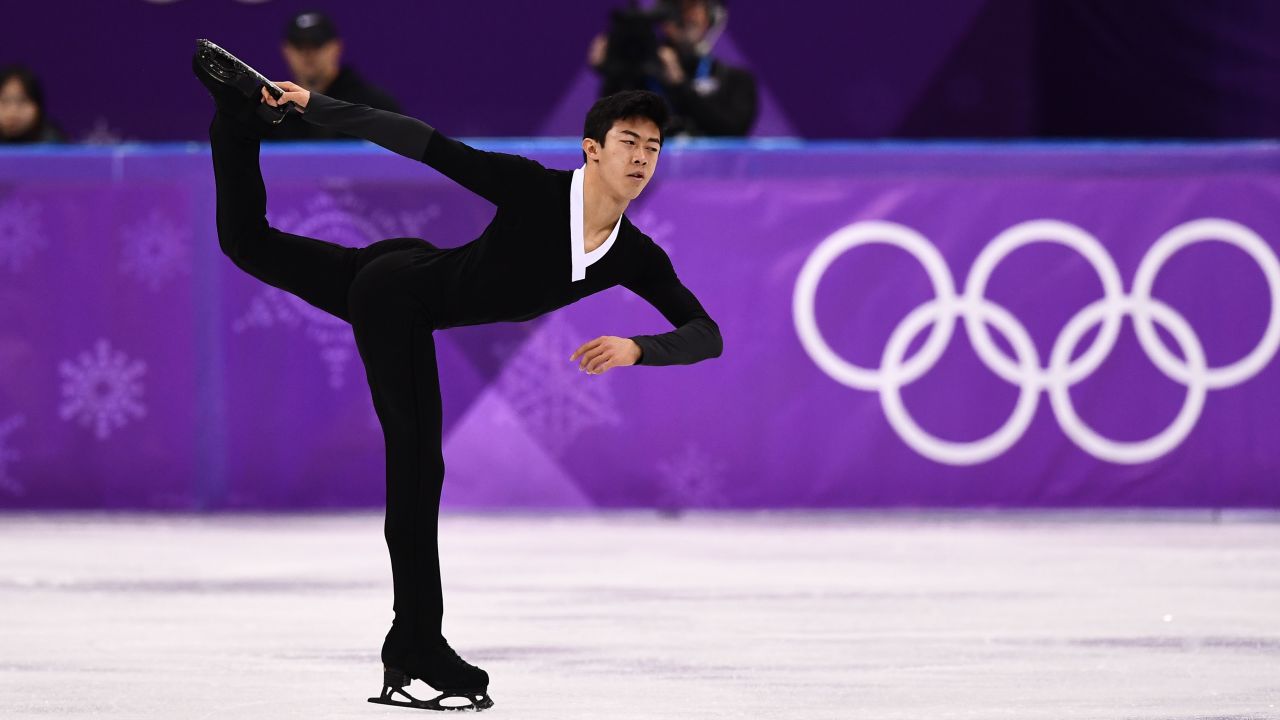
Table of Contents
- The Phenomenon That Defies Human Biology
- Inside the Vestibular System: Your Inner Ear’s Hidden Architecture
- The Science of Dizziness: Why Normal People Can’t Spin
- Olympic Training Secrets: How Skaters Rewire Their Brains
- Vestibular Adaptation Through Progressive Exposure
- The Role of Specialized Equipment in Modern Training
- Neuroplasticity and Cerebellar Changes in Elite Athletes
- Comparing Figure Skaters to Other Rotational Athletes
- The Future of Vestibular Training and Athletic Performance
The Phenomenon That Defies Human Biology
On a frigid February evening in Beijing during the 2022 Winter Olympics, American figure skater Nathan Chen executed a breathtaking quadruple Lutz jump that sent him spinning through the air at nearly three hundred revolutions per minute. In the two seconds his blades left the ice, his body completed four full rotations while traveling fifteen feet across the rink. When he landed perfectly on one skate blade just three millimeters wide, he transitioned immediately into a combination spin, rotating another sixty times in the following minute. Throughout this extraordinary display of athletic prowess, Chen’s eyes remained focused, his balance unwavering, and his spatial awareness absolutely precise. For any ordinary person, even a single complete rotation at that speed would trigger severe vertigo lasting several minutes. Most individuals attempting to spin just three times consecutively would collapse in dizziness, their inner ear flooding their brain with conflicting signals about motion and orientation. Yet Chen glided effortlessly into his next element, his vestibular system operating on a level that seems to transcend normal human physiology.
This remarkable ability to spin without experiencing dizziness represents one of the most fascinating adaptations in all of sports science. While casual observers marvel at the artistic grace and technical difficulty of figure skating, neuroscientists and sports medicine researchers have spent decades trying to understand the extraordinary vestibular adaptations that make these performances possible. The question that has captivated researchers at institutions ranging from the United States Olympic Training Centers to Johns Hopkins Medicine is deceptively simple yet profoundly complex: how do figure skaters train their bodies to completely override one of the most fundamental protective mechanisms in human biology? The vestibular system, located deep within the inner ear, evolved over millions of years specifically to detect rotation and prevent falls through the dizziness response. When this system senses sustained spinning, it triggers an automatic series of neurological responses designed to stop the rotation and restore equilibrium. These responses include nausea, disorientation, loss of balance, and the involuntary rapid eye movements called nystagmus that create the sensation of the world spinning uncontrollably.
The National Institute on Deafness and Other Communication Disorders has dedicated substantial research resources to understanding how the vestibular system maintains balance and spatial orientation across different populations, from elite athletes to elderly individuals experiencing age-related decline. Their comprehensive balance program investigates the genetic foundations of vestibular function, develops refined clinical testing protocols, and advances therapeutic interventions for balance disorders affecting millions of Americans annually. This research has revealed that the vestibular apparatus plays roles extending beyond basic balance, including regulation of blood pressure and cardiovascular responses during postural changes.
Before delving into the article, watch this video which highlights the amazing scientific explanation of how the brain is trained to ignore dizziness in figure skating :
The numbers surrounding figure skating rotations reveal just how extreme this adaptation must be. A competitive figure skater practicing for Olympic-level competition will perform an estimated fifteen thousand to twenty thousand full rotations annually across jumps, spins, and training exercises. During a typical two-hour practice session, an elite singles skater might execute one hundred and fifty to two hundred individual rotations at various speeds and in multiple directions. Over a competitive career spanning from childhood through the early twenties, a figure skater will complete somewhere between one hundred and fifty thousand and three hundred thousand deliberate rotations. This sustained, progressive exposure to rotational stimuli creates neuroplastic changes so profound that researchers can actually observe structural differences in the brains of elite figure skaters compared to non-athletes. Studies using advanced magnetic resonance imaging have documented increased gray matter volume in specific cerebellar regions, enlarged cortical representations for lower extremity motor control, and measurable changes in white matter connectivity throughout the vestibular processing pathways.
Understanding how figure skaters develop this superhuman resistance to dizziness requires exploring multiple interconnected systems: the biomechanics of the inner ear’s semicircular canals, the neuroscience of vestibular adaptation, the psychology of spatial awareness, and the cutting-edge training technologies employed at Olympic facilities worldwide. What emerges is a story of human potential pushed to extraordinary limits through intelligent, progressive training that fundamentally rewires the relationship between the inner ear, the visual system, and the brain’s balance centers. The implications extend far beyond competitive athletics, offering insights into vestibular rehabilitation for patients with balance disorders, astronaut training for space exploration, and our broader understanding of how the human nervous system adapts to extreme challenges through experience and deliberate practice. Recent research has revealed that the vestibular adaptations developed by figure skaters represent some of the most dramatic examples of training-induced neuroplasticity ever documented in healthy human subjects, rivaling the neural reorganization seen in professional musicians or simultaneous interpreters.
Understanding vestibular function becomes particularly critical when considering sports-related injuries that affect the brain’s balance centers, which is why comprehensive concussion safety programs have become essential across all athletic disciplines. The Centers for Disease Control and Prevention HEADS UP initiative provides evidence-based training for coaches, healthcare providers, and athletic trainers on recognizing and managing head injuries that can disrupt vestibular processing and spatial orientation. These educational resources have reached over two hundred million people through various campaigns and partnerships, significantly improving how sports communities identify and respond to injuries affecting balance and coordination.
Shop on AliExpress via link: wholesale-balance-training-equipment

Inside the Vestibular System: Your Inner Ear’s Hidden Architecture
The vestibular system represents one of evolution’s most sophisticated engineering achievements, a miniaturized inertial guidance system housed entirely within the temporal bones on each side of your skull. Located adjacent to the cochlea responsible for hearing, the vestibular apparatus consists of two distinct types of structures that together provide your brain with comprehensive information about head position and movement in three-dimensional space. The first component includes three semicircular canals oriented at roughly right angles to each other, corresponding to the three planes of motion: horizontal rotation like shaking your head “no,” vertical rotation like nodding “yes,” and lateral rotation like tilting your head toward your shoulder. Each canal measures approximately six millimeters in diameter and forms a complete loop filled with a specialized fluid called endolymph that has very specific viscosity and ionic composition crucial for its function. At the base of each canal sits an enlarged chamber called the ampulla, which contains the crista ampullaris, a ridge of sensory tissue covered with thousands of hair cells embedded in a gelatinous structure called the cupula.
When your head rotates, the inertia of the endolymph causes it to lag behind the movement of the canal walls, creating a relative flow of fluid that deflects the cupula and bends the hair cells in a specific direction. These hair cells are exquisitely sensitive mechanoreceptors, capable of detecting head rotations as small as two degrees per second. When the stereocilia atop each hair cell bend toward the kinocilium, specialized ion channels open, allowing potassium and calcium ions to rush into the cell and trigger an electrical signal. This signal travels along the vestibular nerve to the brainstem and cerebellum, where it combines with information from vision and proprioception to create your sense of spatial orientation. The genius of the three-canal arrangement is that any head rotation in any plane will stimulate a unique combination of the six cristae, three on each side, allowing your brain to precisely calculate both the axis and speed of rotation. This system operates continuously and automatically, updating your brain about head movements hundreds of times per second without any conscious awareness.
The second component of the vestibular system consists of the otolith organs, two sac-like structures called the utricle and saccule that detect linear acceleration and the constant pull of gravity. These organs contain specialized patches of hair cells called maculae, which are embedded in a gelatinous membrane topped with a layer of calcium carbonate crystals called otoconia or otoliths. These tiny stones, each measuring just three to thirty micrometers in diameter, make the membrane sensitive to gravitational forces and linear accelerations. When you tilt your head or accelerate in a straight line, the dense otoconia shift relative to the underlying hair cells, bending them and generating neural signals that inform your brain about head position relative to gravity and about linear motion in any direction. The utricle primarily senses horizontal plane tilts and forward-backward accelerations, while the saccule detects vertical movements and up-down accelerations. Together with the semicircular canals, these otolith organs provide complete coverage of all possible head movements in three-dimensional space.
The neural pathways carrying vestibular information from the inner ear constitute some of the fastest and most direct connections in the entire nervous system, reflecting the evolutionary importance of rapid balance responses for survival. Primary vestibular neurons send axons directly to the vestibular nuclei in the brainstem, which then project to multiple targets including the oculomotor nuclei that control eye movements, the spinal cord for postural reflexes, the cerebellum for motor coordination, and the cerebral cortex for conscious perception of motion. One of the most important vestibular pathways is the vestibulo-ocular reflex, which stabilizes your vision during head movements by automatically generating compensatory eye movements in the opposite direction. When you turn your head to the right, this reflex instantly moves your eyes to the left at precisely the same speed, keeping whatever you’re looking at stable on your retina. This reflex operates with a latency of just ten to fourteen milliseconds, faster than any voluntary movement you can make, and normally maintains a perfect one-to-one ratio between head movement and compensatory eye movement.
The mechanisms by which figure skaters suppress this powerful vestibulo-ocular reflex have fascinated neuroscientists for decades, with groundbreaking research revealing that elite athletes train themselves to engage opposing eye movement systems that effectively cancel out the dizziness-inducing nystagmus. According to research from Johns Hopkins Hospital featured in Scientific American, skaters develop the ability to activate optokinetic nystagmus in the opposite direction of vestibular nystagmus, maintaining visual stability during spins through voluntary control of what are normally automatic reflexes. This sophisticated neural override requires thousands of practice repetitions before becoming automatic, representing one of the most remarkable examples of conscious training modifying involuntary physiological responses.
The complexity of the vestibular system creates numerous potential failure modes, and understanding these failures illuminates why the system responds to sustained rotation with dizziness. The semicircular canals function as biological accelerometers, detecting changes in rotational velocity rather than constant-speed rotation. When you start spinning, the initial acceleration deflects the cupula and generates strong signals indicating rotation. However, if the rotation continues at a constant speed, the endolymph gradually catches up with the canal walls due to friction, and the cupula returns to its resting position even though rotation continues. This is why astronauts in a continuously rotating space station don’t experience persistent dizziness after the initial acceleration phase. The problem arises during deceleration. When spinning stops, the endolymph’s momentum carries it past its rest position in the opposite direction, deflecting the cupula and creating the false sensation that you’re now rotating in the opposite direction. This post-rotatory sensation can persist for twenty to forty seconds, during which time the nystagmus reflex generates rapid involuntary eye movements that create the subjective experience of the world spinning. For untrained individuals, this sensation is so powerful and disorienting that attempting any complex movement during this period would be virtually impossible.

The Science of Dizziness: Why Normal People Can’t Spin
The dizziness response to rotation represents a sophisticated protective mechanism that has been refined through millions of years of vertebrate evolution, designed specifically to prevent injury from falls and disorientation. When an untrained person spins around rapidly three or four times and then stops, they experience a constellation of symptoms that can be genuinely incapacitating for up to several minutes. The primary sensation is vertigo, the illusion that either you or your surroundings are moving when in fact everything is stationary. This illusion arises from the conflict between what your vestibular system is reporting and what your visual and proprioceptive systems detect. Your eyes clearly show that you’ve stopped moving, your muscles and joints confirm you’re standing still, yet your inner ears are sending powerful signals indicating continued rotation in the opposite direction. This sensory conflict triggers activation of multiple brain regions associated with anxiety and nausea, including the insular cortex and the area postrema in the brainstem. Leading medical institutions have developed comprehensive diagnostic and treatment programs specifically targeting the complex interplay between vestibular function, visual processing, and spatial orientation that becomes disrupted in balance disorders. Johns Hopkins Medicine established one of the nation’s premier neuro-visual and vestibular centers, where specialists utilize advanced technologies including portable video-oculography and algorithmic diagnostic systems to rapidly differentiate between peripheral inner ear problems and central nervous system causes of dizziness. Their tele-dizzy consultation service represents cutting-edge healthcare delivery, bringing vestibular expertise to emergency departments through electronic transmission of eye movement recordings that reveal the underlying neurological basis of balance complaints. The evolutionary logic is straightforward: when your different sensory systems disagree about motion, something is seriously wrong, and the safest response is to stop moving, sit down, and wait for the confusion to resolve.
The most visible manifestation of post-rotatory vertigo is nystagmus, the rapid involuntary eye movements that give the sensation its characteristic spinning quality. During and immediately after rotation, the vestibulo-ocular reflex generates these eye movements automatically in an attempt to maintain visual stability. The pattern is distinctive: the eyes slowly drift in one direction, then rapidly snap back to center, then drift again, creating a rhythmic back-and-forth movement that can occur at frequencies of three to five cycles per second. This nystagmus isn’t just a side effect of dizziness—it’s actually the primary mechanism creating the subjective experience of the world spinning around you. Because your eyes are moving involuntarily, the visual scene sweeps across your retinas creating motion signals that the brain interprets as environmental movement. Research using video-oculography goggles has precisely measured these eye movements, revealing that untrained individuals can experience nystagmus lasting thirty to sixty seconds after just three rotations, with the velocity of the slow phase reaching thirty to forty degrees per second.
The nausea component of rotation-induced dizziness involves activation of the chemoreceptor trigger zone in the area postrema, a small region of the brainstem that monitors for potential poisoning. The sensory conflict theory of motion sickness proposes that when visual, vestibular, and proprioceptive inputs disagree, the brain interprets this as a sign of neurotoxin ingestion, since many natural poisons disrupt neural function and create similar sensory conflicts. The resulting nausea serves to trigger vomiting to purge the suspected toxin. While this response would be adaptive if you had indeed consumed something poisonous, it’s completely inappropriate when the sensory conflict arises from normal rotation. Nevertheless, the nausea can be severe and persistent, often outlasting the vertigo itself. Studies measuring subjective motion sickness using standard scales like the Motion Sickness Assessment Questionnaire have found that even brief rotational exposure can trigger nausea ratings of six to eight out of ten in susceptible individuals, with symptoms sometimes persisting for hours after the rotation has ended.
Major academic medical centers have recognized the profound impact balance disorders have on quality of life, establishing multidisciplinary programs that bring together specialists from neurology, otolaryngology, and rehabilitation medicine to provide comprehensive care. Stanford Health Care operates one of the few centers nationwide offering fully integrated vestibular balance disorder treatment, utilizing state-of-the-art assessment technologies including computerized dynamic posturography combined with virtual reality systems that measure sensory and balance functions in real time. Their Steenerson Laboratory conducts cutting-edge research into novel diagnostic tools and therapeutic interventions, investigating how the brain processes conflicting sensory information and develops compensatory strategies when vestibular function becomes impaired
The postural instability accompanying dizziness represents perhaps the most dangerous aspect of the response, as it dramatically increases fall risk and makes any coordinated movement extremely difficult. The vestibular system normally contributes about twenty to thirty percent of the sensory information used for postural control, with vision providing about ten percent and proprioception about sixty percent under normal stable conditions. However, when the vestibular system is sending false signals about rotation, the brain’s normal weighting of these sensory channels becomes unreliable. Research using computerized dynamic posturography has shown that postural sway increases by three hundred to five hundred percent in the thirty seconds following rotation, with the center of pressure excursion sometimes exceeding the boundaries of stability. During this period, even simple tasks like walking in a straight line become nearly impossible, and attempting any athletic movement would be extraordinarily dangerous.
Understanding the neurophysiology of why these responses occur helps explain the magnitude of the challenge figure skaters face in suppressing them. The vestibular nuclei in the brainstem receive direct input from the semicircular canals with minimal processing, creating reflexes that are largely hardwired and automatic. These reflexes evolved to be fast and reliable precisely because balance and spatial orientation are so crucial for survival. The vestibulo-ocular reflex operates with synaptic pathways involving as few as three neurons between the hair cells in the inner ear and the muscles that move the eyes, making it one of the simplest and fastest reflexes in the entire nervous system. This simplicity means the reflex is normally very difficult to suppress or modify voluntarily. Most people cannot prevent nystagmus from occurring any more than they can prevent their pupils from constricting in bright light or their knee from jerking when tapped with a reflex hammer. The fact that figure skaters can train their nervous systems to override or suppress these fundamental reflexes represents one of the most remarkable examples of neuroplasticity through athletic training.
Olympic Training Secrets: How Skaters Rewire Their Brains
The transformation of the vestibular system from its normal state to the extraordinary adaptation seen in Olympic figure skaters requires years of progressive, systematic training that targets multiple components of the balance network simultaneously. At facilities like the United States Olympic Training Centers in Colorado Springs and Lake Placid, sports scientists and specialized coaches employ sophisticated protocols developed through decades of research into vestibular adaptation and neuroplasticity. The United States Olympic and Paralympic Committee maintains dedicated sport physiology departments that analyze how exercise and specialized training alter body function and structure, providing cutting-edge support to America’s top athletes across all disciplines. Their physiologists work with coaches to develop individualized training programs optimized for each athlete’s unique physiological profile, utilizing advanced facilities including high-altitude training centers that can simulate environmental conditions from sea level to twenty-four thousand feet. This infrastructure allows systematic investigation of how athletes adapt to extreme demands, generating insights that inform training protocols not just for Olympic hopefuls but for broader athletic populations worldwide.
The training philosophy recognizes that simply exposing skaters to repetitive spinning would be inadequate and potentially dangerous, instead requiring carefully calibrated progression that challenges the system without overwhelming it. The scientific foundation for progressive vestibular training draws extensively from research into vestibular rehabilitation therapy developed for clinical populations with balance disorders, where systematic exposure to challenging stimuli drives neural adaptation and symptom reduction. Studies published through the National Institutes of Health have established that vestibular rehabilitation following specific protocols can significantly reduce dizziness, improve postural stability, and restore quality of life for patients with conditions ranging from vestibular neuritis to chronic bilateral hypofunction. These rehabilitation principles emphasizing gaze stabilization exercises, habituation protocols, and balance retraining under varied sensory conditions form the theoretical basis for the training methods employed with elite athletes. Young skaters typically begin vestibular-specific training around ages eight to ten, after mastering basic skating skills but before their vestibular systems have fully matured. This developmental timing takes advantage of enhanced neural plasticity during late childhood while ensuring sufficient motor control to execute training safely.
The foundation of vestibular training involves systematic desensitization through progressive exposure to rotational stimuli, following principles remarkably similar to those used in vestibular rehabilitation therapy for patients with balance disorders. Initial exercises might involve simple activities like walking in circles while maintaining visual fixation on a stationary target, or performing slow rotation movements on a balance board. As tolerance develops, the rotation speed increases incrementally, the duration extends, and the complexity escalates. A typical progression might begin with ten-second rotations at fifteen revolutions per minute, advancing over weeks to thirty-second rotations at thirty revolutions per minute, then eventually to sustained spins lasting several minutes at speeds exceeding one hundred revolutions per minute. Research from Olympic training programs has established that optimal adaptation requires training three to five times per week, with sessions lasting twenty to forty-five minutes. Less frequent training fails to drive sufficient neuroplastic change, while more frequent training can lead to overstimulation and reduced performance.
Modern Olympic facilities employ specialized equipment that allows precise control over rotational parameters while ensuring athlete safety. The motorized rotation trainer represents perhaps the most important technological innovation in figure skating vestibular training over the past two decades. This device consists of a platform mounted on a computer-controlled motor that can rotate at precisely calibrated speeds in either direction, combined with a safety harness that prevents falls during training. Athletes stand on the rotating platform while performing various motor tasks, from simple balance maintenance to complex jumping and landing sequences. The platform speed can be programmed to follow specific profiles, starting slowly and gradually accelerating, or alternating between clockwise and counterclockwise rotation to challenge adaptation in both directions. Advanced systems incorporate gyroscopic sensors that provide real-time feedback about the athlete’s body position and movement quality, allowing coaches to assess technique even during rapid rotation when visual observation becomes difficult.
The training protocols employed at Olympic facilities systematically target each component of the vestibular response that must be modified. To suppress nystagmus, skaters practice a technique of voluntary optokinetic eye movements that counteract the vestibular-driven nystagmus. This involves training the eyes to move voluntarily in the opposite direction to the rotation-induced nystagmus, essentially creating two opposing eye movement systems that cancel each other out. The technique requires extraordinary concentration and thousands of repetitions before it becomes automatic. Skaters spend hours on rotation trainers practicing maintaining visual fixation on stationary targets while spinning, or executing controlled saccades between multiple targets during rotation. Electro-oculography measurements of elite skaters have documented that they can voluntarily modulate their nystagmus response, reducing the slow-phase velocity from the normal forty degrees per second down to just ten to fifteen degrees per second, allowing them to maintain relatively stable vision even during fast spins.
Postural control training involves progressively reducing the contribution of visual and proprioceptive information while maintaining balance during rotation. Exercises include spinning with eyes closed to force greater reliance on vestibular cues, standing on foam surfaces or balance trainers that disrupt proprioceptive input, or combining both challenges simultaneously. The goal is to train the nervous system to maintain accurate spatial orientation using vestibular information alone, even when that information is being distorted by sustained rotation. Research using sensory organization tests has shown that elite figure skaters can maintain stable posture in conditions that would cause untrained individuals to fall immediately, such as standing on a foam surface with eyes closed on a rotating platform. This ability reflects fundamental changes in how the brain weighs and integrates different sensory channels, essentially recalibrating the entire postural control system.

Vestibular Adaptation Through Progressive Exposure
The neurobiological mechanisms underlying vestibular adaptation in figure skaters involve coordinated changes across multiple levels of the nervous system, from modifications in hair cell sensitivity within the inner ear to reorganization of cortical processing networks. At the peripheral level, sustained exposure to rotational stimuli appears to reduce the sensitivity of the hair cells themselves through a process called sensory adaptation. Studies measuring vestibular-evoked myogenic potentials in trained figure skaters have found reduced amplitude responses compared to untrained controls, suggesting that the hair cells become less responsive to the same rotational stimulus. This peripheral adaptation occurs relatively quickly, within weeks of consistent training, and represents the first line of defense against overwhelming vestibular signals during spinning. However, peripheral adaptation alone cannot account for the extraordinary dizziness resistance of elite skaters, which requires more comprehensive changes throughout the vestibular processing pathways.
The central vestibular adaptation occurs primarily in the cerebellum and vestibular nuclei, which together act as an adaptive filter capable of learning to distinguish expected self-generated motion from unexpected perturbations. The cerebellum receives copies of motor commands sent to the muscles along with sensory feedback about the resulting movement, allowing it to build internal models that predict sensory consequences of voluntary actions. Through repetitive training, the cerebellum learns that the vestibular signals generated during intentional spins are expected and normal, not requiring the usual alarm responses. This learning process involves modifications in the strength of synaptic connections throughout cerebellar circuits, mediated by long-term potentiation and long-term depression of specific pathways. Functional MRI studies comparing brain activation during rotation in figure skaters versus controls have revealed that skaters show significantly reduced activation in the vestibular cortex and decreased connectivity between vestibular areas and regions associated with nausea and anxiety. These findings indicate that the trained brain literally processes rotational information differently, routing it through pathways that don’t trigger the typical dizziness response.
The time course of vestibular adaptation follows a predictable pattern documented through longitudinal studies of developing figure skaters. Initial adaptation occurs rapidly over the first few weeks of training, as peripheral hair cell sensitivity decreases and basic cerebellar learning begins. Skaters report that the intensity of dizziness after standard rotations decreases by about fifty percent within the first month of systematic vestibular training. However, this initial rapid adaptation then plateaus, with further improvement requiring months to years of continued practice. The development of complete nystagmus suppression and elimination of post-rotatory vertigo typically requires eighteen to thirty-six months of consistent training, progressing through multiple stages of increasing rotational demand. Studies tracking young skaters from initiation of serious training through achievement of triple-jump proficiency have documented a roughly linear relationship between cumulative rotation exposure and vestibular adaptation measures, with approximately ten thousand rotations required to achieve fifty percent maximum adaptation and thirty thousand rotations for ninety percent maximum adaptation.
Individual variation in the rate and extent of vestibular adaptation represents an important but often overlooked factor in figure skating success. Research has identified several genetic and physiological factors that predict adaptation capacity, including baseline vestibular sensitivity, cerebellar volume, and specific polymorphisms in genes related to neuroplasticity like brain-derived neurotrophic factor. Some individuals demonstrate remarkably rapid adaptation, achieving advanced vestibular stability within twelve months of training, while others require three to four years to reach the same level despite identical training protocols. This variation helps explain why only a small percentage of skaters who begin serious training ultimately reach Olympic levels, as those with less favorable adaptation potential may find themselves limited by persistent dizziness issues even with extensive practice. Sports science researchers at Olympic training centers now employ vestibular testing early in athlete development to identify those with exceptional adaptation capacity, potentially guiding athlete selection and specialization decisions.
The specificity of vestibular adaptation creates both advantages and challenges for training program design. Adaptation is highly specific to the trained condition, meaning that someone who becomes adapted to clockwise rotation may still experience significant dizziness when rotating counterclockwise, or someone adapted to horizontal plane spins may still be vulnerable to off-axis rotations. This specificity requires training protocols that systematically expose athletes to rotation in all planes and directions relevant to their sport. Figure skaters must develop adaptation to clockwise and counterclockwise spins, vertical axis rotations from upright jumps, and off-axis rotations from aerial maneuvers. Each type of rotation requires separate training to achieve full adaptation. Research has shown that transfer between different rotation types is limited, typically only about twenty to thirty percent, necessitating comprehensive training across all movement patterns that will be required in competition.
The Role of Specialized Equipment in Modern Training
The evolution of vestibular training equipment for figure skating has accelerated dramatically over the past two decades, driven by collaboration between sports scientists, biomedical engineers, and elite coaches seeking every possible advantage for their athletes. Traditional off-ice training relied primarily on simple spinner devices—basically rotating platforms that athletes would stand on and spin manually by pushing off with their free leg. While these spinners provided valuable rotation practice, they lacked precise speed control, safety features, and the ability to incorporate complex motor tasks during rotation. The breakthrough came with motorized rotation trainers developed in the early 2000s, which transformed vestibular training from a crude exposure exercise into a sophisticated, programmable training modality. These devices incorporate industrial servo motors capable of generating rotation speeds from zero to three hundred revolutions per minute with precise computer control, allowing coaches to implement scientifically optimized training protocols with exact speed profiles and directional sequences.
The most advanced modern rotation trainers incorporate multiple technological innovations that enhance training effectiveness and safety. Gyroscopic motion sensors mounted on the rotating platform and worn by the athlete track position and movement quality in three dimensions at sampling rates exceeding one thousand measurements per second. This data feeds into real-time visualization software that allows coaches to assess technique even when the athlete is spinning too rapidly for direct visual observation. Force plate technology built into the platform measures the distribution and magnitude of forces the athlete applies during jumps, landings, and balance maintenance, providing objective metrics of stability and control. Safety systems include automatic speed limiting based on athlete skill level, emergency stop functions activated by button or voice command, and shock-absorbing platforms that reduce impact forces during repeated landing practice. The total cost of these advanced systems can exceed two hundred thousand dollars, placing them beyond reach of most individual training facilities, but they have become standard equipment at national team training centers worldwide.
The suspended harness system represents another crucial technology for vestibular training, particularly for developing the extreme rotational speeds required for quadruple jumps. The harness attaches to a ceiling-mounted trolley system that can rotate freely while supporting most of the athlete’s weight, allowing practice of sustained rapid rotation without the physical demands and injury risks of repeated jumping. Athletes can achieve rotational speeds approaching four hundred revolutions per minute in the harness, far exceeding what’s possible in free rotation on ice, allowing them to train their vestibular system at even higher stimulus intensities than competitive performance requires. Modern harness systems incorporate force feedback that simulates the centrifugal forces of actual rotation while maintaining safety, and some advanced versions use computer-controlled motors to assist or resist rotation, allowing progressive difficulty scaling. Research has demonstrated that harness training produces greater vestibular adaptation per unit time than ice training alone, likely because it allows higher rotation frequencies and more controlled, systematic exposure.
Wearable sensor technology has revolutionized the ability to monitor and optimize vestibular training in real-time. Modern Olympic training programs equip skaters with wireless biosensor systems that continuously monitor heart rate, core temperature, and electroencephalographic brain activity during both ice and off-ice training. The EEG data proves particularly valuable for vestibular training, as it can detect the characteristic patterns of vestibular activation and adaptation, allowing coaches to determine when an athlete has received sufficient stimulus for optimal neuroplastic response versus when they’re approaching overstimulation that could impair learning. Some research programs have even employed video-oculography goggles that track eye movements during training, providing direct measurement of nystagmus suppression development. This real-time biofeedback allows highly individualized training optimization, adjusting rotation speed, duration, and complexity based on each athlete’s instantaneous physiological response rather than following generic predetermined protocols.
Virtual reality systems represent the cutting edge of vestibular training technology, offering possibilities that physical equipment alone cannot provide. Advanced VR setups combine head-mounted displays with motion platforms to create completely controlled visual and vestibular environments. Athletes can experience simulated rotation at any speed while the visual environment rotates at different speeds, creating specific conflicts between visual and vestibular inputs that train the brain to prioritize vestibular cues. Alternatively, the system can provide augmented visual feedback during actual rotation, displaying reference markers or body position information that helps athletes maintain spatial orientation. Research groups in Japan and Europe have demonstrated that adding VR visual training to traditional vestibular protocols accelerates adaptation by approximately thirty percent compared to rotation training alone. As VR technology becomes more affordable and accessible, it’s likely to become a standard component of figure skating training programs at all competitive levels.

Neuroplasticity and Cerebellar Changes in Elite Athletes
The structural brain changes observed in elite figure skaters represent some of the most dramatic examples of training-induced neuroplasticity documented in any athletic population. Multiple neuroimaging studies using high-resolution magnetic resonance imaging have consistently identified several specific regions showing increased volume in competitive skaters compared to age-matched non-athlete controls. The most prominent changes occur in the cerebellum, particularly the vermian lobules VI and VII and the right cerebellar hemisphere. These regions are specifically involved in coordinating balance, spatial orientation, and the integration of vestibular information with motor commands. Volumetric analysis has shown that elite figure skaters possess up to twelve percent greater cerebellar volume in these regions compared to non-athletes, with the difference correlating strongly with years of training and current competitive level. Even more remarkably, the cerebellar changes appear to develop in a dose-dependent manner, with each additional year of serious training producing measurable incremental volume increases.
The cellular and molecular mechanisms driving these structural changes involve multiple processes that collectively constitute experience-dependent plasticity. Sustained activation of cerebellar neurons through repetitive vestibular training triggers increased dendritic branching, allowing each neuron to form more synaptic connections with its neighbors. The density of dendritic spines along these branches increases, creating more points of information integration. Glial cell populations expand to support the enhanced metabolic demands of the more active neural tissue, and angiogenesis creates new capillary networks to improve blood supply. At the molecular level, training upregulates expression of neurotrophic factors like brain-derived neurotrophic factor and nerve growth factor, which promote neuronal survival and synaptic strengthening. Gene expression studies comparing muscle biopsies from trained versus untrained athletes have revealed activation of hundreds of genes involved in neural plasticity, synaptic remodeling, and metabolic adaptation. The cumulative effect of these changes is a cerebellum that is physically larger, more densely connected, and more efficient at processing the complex vestibular and proprioceptive information required for high-level figure skating performance.
Gray matter changes extend beyond the cerebellum to multiple cortical regions involved in motor control and spatial processing. Voxel-based morphometry studies have identified increased cortical thickness in the primary motor cortex, particularly in regions representing the legs and trunk, reflecting the massive practice volume these body segments receive during skating training. The premotor cortex and supplementary motor area, which plan and sequence complex movement patterns, show similar structural enhancement. Perhaps most intriguingly, regions of the parietal cortex involved in spatial awareness and body schema representation demonstrate measurable enlargement in figure skaters. This finding suggests that the brain literally creates more neural tissue dedicated to understanding where the body is in space and how it’s moving, a capability essential for maintaining orientation during rapid rotation. The magnitude of these cortical changes, while smaller than the cerebellar modifications, still represents a five to eight percent volume increase in specific regions, substantial for adult brain plasticity.
White matter alterations provide evidence of enhanced connectivity between brain regions in trained figure skaters. Diffusion tensor imaging, which measures the directional flow of water molecules along nerve fiber tracts, reveals increased fractional anisotropy in pathways connecting the cerebellum to the motor cortex, the vestibular nuclei to visual processing areas, and between hemispheres through the corpus callosum. Increased fractional anisotropy indicates more organized, densely myelinated nerve fibers that can transmit signals more rapidly and reliably. Tractography reconstructions show that these white matter tracts are not only more organized but also larger in cross-sectional area in elite skaters, suggesting either increased numbers of axons or thicker myelin sheaths around existing axons. Functional connectivity analyses using resting-state fMRI demonstrate that brain regions involved in balance and vestibular processing show stronger correlations in their activity patterns in skaters versus controls, indicating they function as a more tightly integrated network.
The time course and reversibility of these structural brain changes have important implications for understanding critical periods in athlete development and the long-term effects of training. Longitudinal studies following young skaters from initial training through competitive careers have shown that the most rapid structural changes occur during the first three to five years of intensive practice, corresponding to late childhood and early adolescence when brain plasticity is naturally enhanced. Changes continue to accrue throughout the competitive career but at progressively slower rates, suggesting that early training exposure may be particularly important for maximizing adaptive potential. Limited data on retired skaters indicates that some structural changes persist for years or even decades after training cessation, particularly the cerebellar volume increases, while others like cortical thickness enhancements show gradual regression toward normal levels. This pattern suggests that while the brain retains significant plasticity into adulthood, the most profound and permanent structural modifications may require training exposure during developmentally sensitive periods.
Comparing Figure Skaters to Other Rotational Athletes
The vestibular adaptations developed by figure skaters exist along a continuum shared with other athletes who experience high rotational demands, but the specific pattern and magnitude of adaptation varies systematically based on the particular rotational characteristics of each sport. Gymnasts represent perhaps the closest comparison to figure skaters in terms of vestibular challenge, particularly in events like floor exercise and vault that involve rapid aerial rotations. Research directly comparing gymnasts and figure skaters has revealed some interesting similarities and differences. Both groups show cerebellar volume increases compared to non-athletes, but the regional distribution differs slightly. Gymnasts demonstrate greater enlargement in cerebellar regions associated with whole-body spatial orientation, while figure skaters show more pronounced changes in areas linked to lower extremity control and visual-vestibular integration. This pattern reflects the different postural and technical demands of the two sports, with gymnastics requiring more diverse full-body orientations while figure skating emphasizes precise leg and foot control on a narrow blade.
Ballet dancers employ rotational movements like pirouettes and fouettés that superficially resemble figure skating spins but actually create quite different vestibular demands. While a figure skater’s spin might involve twenty to sixty rotations at relatively constant high speed, a ballet dancer’s pirouettes typically include three to eight rotations at moderate speed with frequent acceleration and deceleration. The critical difference lies in the spotting technique ballet dancers use, where the head rotates discontinuously, facing forward as long as possible during each rotation before whipping around quickly to face forward again. This spotting minimizes vestibular stimulation by reducing the total time the head spends rotating, creating a very different adaptation pattern than the sustained rotation exposure in figure skating. Comparative vestibular testing has shown that ballet dancers actually retain more normal post-rotatory nystagmus responses than figure skaters when tested without allowing spotting, suggesting they haven’t developed the same degree of fundamental vestibular suppression but rather have learned a clever technique to avoid triggering the system in the first place.
Divers and trampoline athletes face perhaps the most extreme rotational demands of any athletes, with somersaults executed at speeds that can approach five hundred degrees per second, equivalent to completing a full somersault in just seven-tenths of a second. The vestibular challenge here differs from figure skating in that the rotations occur about different axes—primarily the pitch axis for somersaults versus the yaw axis for skating spins—and involve very brief but extremely intense stimulation rather than sustained moderate stimulation. Studies of divers have documented vestibular adaptations that emphasize rapid recalibration after rotation rather than complete suppression of the dizziness response. Divers typically experience strong post-rotatory effects immediately after complex dive sequences but recover functional spatial orientation within three to five seconds, much faster than untrained individuals who might require thirty to sixty seconds. This rapid recovery appears to involve enhanced cerebellar processing that accelerates the resolution of sensory conflicts rather than preventing the conflicts from arising in the first place.
Ice hockey players and speed skaters provide an interesting contrast as skating athletes who don’t experience the same rotational demands as figure skaters. While these athletes skate at high speeds and execute tight turns, they rarely perform the sustained multi-rotation spins or aerial rotations that characterize figure skating. Comparative studies have found that hockey players and speed skaters show none of the cerebellar volume increases or vestibular adaptation observed in figure skaters, despite similar overall training volumes and ice time. This finding provides strong evidence that the structural brain changes in figure skaters result specifically from rotational training rather than from skating activity in general. When hockey players are subjected to standard rotation tests, they demonstrate dizziness responses similar to non-athletic controls, confirming that exposure to skating alone, without rotational components, does not drive vestibular adaptation.
Perhaps the most directly comparable athlete population to figure skaters are synchronized swimmers, who perform both rotational movements and must maintain precise spatial awareness in an environment where visual and proprioceptive cues are severely limited by water immersion. Research on synchronized swimmers has identified vestibular adaptations remarkably similar to those seen in figure skaters, including cerebellar volume increases and suppressed nystagmus responses to rotation. The main difference appears to be in the relative weighting of sensory channels for postural control, with synchronized swimmers showing enhanced vestibular reliance even beyond figure skaters, likely because the aquatic environment makes visual and proprioceptive information less reliable. Interestingly, when figure skaters and synchronized swimmers are tested under identical laboratory rotation protocols, synchronized swimmers consistently demonstrate slightly better dizziness resistance, suggesting that the combination of rotation and sensory deprivation in their sport drives even more profound vestibular adaptation than rotation alone.
The Future of Vestibular Training and Athletic Performance
The principles and techniques developed through decades of research into figure skating vestibular adaptation are now being applied to multiple other fields beyond elite athletics, suggesting exciting possibilities for the future. Vestibular rehabilitation programs for patients with balance disorders have adopted many training methodologies originally developed for skaters, including progressive rotation exposure, optokinetic training, and sensory reweighting exercises. Physical therapists working with elderly patients to prevent falls now employ rotation trainers and balance perturbation systems directly inspired by Olympic figure skating training equipment. The results have been promising, with studies demonstrating that even elderly individuals with age-related vestibular decline can achieve meaningful improvements in balance and dizziness resistance through systematic training, though they don’t reach the extraordinary levels possible in young athletes starting training during developmental critical periods. These applications have improved quality of life for millions of people worldwide who struggle with chronic dizziness and balance impairments.
The connection between vestibular function and brain health extends beyond balance disorders to encompass traumatic brain injuries that remain prevalent across contact sports, where repeated impacts can disrupt the delicate neural networks responsible for spatial orientation and equilibrium. Understanding how the brain processes vestibular signals becomes particularly crucial when examining long-term neurological consequences of sports participation, as disruption to these pathways can persist years after athletic careers end. The intersection of vestibular science with sports medicine continues revealing critical insights about protecting athlete brain health while optimizing performance capabilities.
Astronaut training represents another domain where figure skating vestibular research has proved invaluable. Astronauts face perhaps the ultimate vestibular challenge when entering microgravity environments where the normal constant pull of gravity no longer provides orientation information. Space agencies have implemented pre-flight vestibular training protocols based on progressive exposure principles from figure skating, using rotation chairs, tilting platforms, and parabolic flights to help astronauts adapt their balance systems before launch. Post-flight rehabilitation to help astronauts readapt to Earth’s gravity after extended missions similarly employs techniques derived from skating training. The National Aeronautics and Space Administration has even consulted directly with Olympic figure skating coaches to optimize their astronaut training programs, recognizing that figure skaters represent the most successful example of humans learning to function with severely disrupted vestibular inputs.
Military applications of vestibular training have expanded significantly, particularly for pilots and special operations personnel who face extreme motion environments. Fighter pilots executing high-G maneuvers and air combat rotations experience vestibular challenges that can impair performance and create dangerous spatial disorientation. The United States Air Force has developed vestibular training programs for pilots that incorporate rotation trainers and virtual reality systems to enhance adaptation before they ever enter an aircraft. Combat divers and paratroopers similarly benefit from vestibular training that improves their ability to maintain spatial awareness during rapid movements in complex three-dimensional environments. These military applications have driven substantial research funding into vestibular neuroscience and adaptation mechanisms, accelerating our understanding of the fundamental biology underlying these remarkable human capabilities.
The next generation of vestibular training technology promises even more sophisticated and effective approaches. Researchers are developing closed-loop systems that use real-time brain imaging to detect when optimal neuroplastic windows are open and automatically adjust training parameters to maximize adaptation efficiency. Non-invasive brain stimulation techniques like transcranial magnetic stimulation and transcranial direct current stimulation are being tested as potential enhancers of vestibular training, with preliminary results suggesting they might accelerate adaptation when applied to specific cerebellar and vestibular cortical regions during training sessions. Pharmacological approaches are also under investigation, with compounds that enhance neuroplasticity like certain nootropics and neurotrophic factor mimetics showing potential to augment training effects, though significant ethical and safety questions must be resolved before such interventions could be applied in athletic settings.
Shop on AliExpress via link: wholesale-sports-training-equipment

Artificial intelligence and machine learning applications are revolutionizing how vestibular training programs are designed and implemented. Advanced algorithms can now analyze the vast amounts of data generated by biosensors and motion capture systems during training, identifying patterns and correlations that human coaches might miss. These AI systems can predict which training protocols will be most effective for individual athletes based on their unique physiological profiles and adaptation responses, enabling truly personalized training optimization. Some research groups are even developing AI coaches that can autonomously adjust training parameters in real-time based on continuous monitoring of athlete responses, potentially surpassing human coaches in their ability to maintain training at the optimal challenge level for driving adaptation. As these technologies mature and become more accessible, they’re likely to democratize access to Olympic-quality training methods, allowing athletes at all levels and in all locations to benefit from cutting-edge vestibular training approaches.
The integration of genetic testing into athlete development programs represents an emerging frontier with profound implications for vestibular training. As researchers identify specific genetic variants that predict vestibular adaptation capacity, it may become possible to screen young athletes and identify those with exceptional potential early in development, allowing them to receive appropriate training before critical sensitive periods close. Conversely, athletes found to have genetic profiles associated with limited adaptation potential might be counseled toward sports that don’t rely as heavily on vestibular performance, potentially improving their chances of success. While such genetic selection raises important ethical concerns about fairness and the nature of athletic competition, the technology is advancing rapidly and will likely play an increasing role in how we identify and develop elite athletes across all sports, not just figure skating.
The application of figure skating vestibular research principles to virtual reality and augmented reality systems for the general public represents perhaps the most broadly impactful future direction. As VR gaming and social platforms become increasingly prevalent, understanding how to design these systems to minimize motion sickness while maximizing presence and immersion has become critically important. Insights from figure skating research about sensory conflict, vestibular adaptation, and optokinetic responses are directly applicable to VR system design. Some companies are already implementing “vestibular training modes” in their VR platforms that gradually expose users to increasingly challenging motion experiences, allowing them to develop tolerance much as figure skaters do during their athletic training. As billions of people worldwide begin using VR systems regularly, these applications of figure skating science may ultimately have a greater cumulative impact on human wellbeing than the original athletic research that inspired them.

Conclusion
The extraordinary ability of figure skaters to perform complex athletic movements while spinning at speeds that would incapacitate untrained individuals represents one of the most remarkable examples of human adaptation to extreme challenges through intelligent, progressive training. The journey from childhood dizziness to Olympic-level vestibular stability requires fundamental reorganization of the inner ear, brainstem, cerebellum, and cortical processing networks through years of systematic exposure to rotational stimuli. Modern sports science has revealed that this adaptation involves measurable structural changes in brain tissue, modifications in sensory receptor sensitivity, and learned strategies for managing sensory conflicts. The technologies and methodologies developed through decades of research into figure skating vestibular training are now benefiting diverse populations from elderly fall-prevention patients to astronauts preparing for space missions, demonstrating how insights gained in elite athletics can have far-reaching applications. As our understanding of neuroplasticity and vestibular function continues to advance, the future promises even more effective training approaches that will push the boundaries of human performance while improving the lives of millions who struggle with balance and dizziness in their daily activities.
Frequently Asked Questions
Question 1: Why don’t figure skaters get dizzy when they spin?
Answer 1: Figure skaters avoid dizziness through years of specialized vestibular training that fundamentally rewires their balance system through neuroplastic adaptation. Their training exposes them to thousands of rotations annually in progressively challenging conditions, which triggers several adaptive mechanisms. First, the hair cells in their inner ear semicircular canals become less sensitive to rotational stimuli through repeated exposure, reducing the intensity of signals sent to the brain. Second, their cerebellum learns to distinguish expected self-generated rotation from unexpected perturbations, building internal models that predict vestibular sensations during intentional spins. This cerebellar adaptation prevents the normal alarm responses like nausea and disorientation. Third, skaters develop voluntary control over optokinetic eye movements that counteract the involuntary nystagmus reflex, allowing them to maintain stable vision during spins. Finally, their brains undergo structural changes including increased cerebellar volume and enhanced connectivity in vestibular processing pathways. These combined adaptations allow elite skaters to perform sixty consecutive rotations in a single spin or complete quadruple rotation jumps without experiencing the severe vertigo that would affect untrained individuals after just a few rotations.
Question 2: What is the vestibular system and how does it relate to balance?
Answer 2: The vestibular system is a sophisticated sensory apparatus located in the inner ear that provides your brain with information about head position and movement in three-dimensional space. It consists of two main components: three semicircular canals oriented perpendicular to each other that detect rotational movements, and two otolith organs (utricle and saccule) that sense linear accelerations and gravity. Each semicircular canal contains a fluid-filled loop with specialized hair cells that bend when the fluid moves during head rotation, generating electrical signals transmitted to the brainstem and cerebellum. The otolith organs contain tiny calcium carbonate crystals called otoconia embedded in a gelatinous membrane atop hair cells; when your head tilts or accelerates linearly, these crystals shift and bend the hair cells. The vestibular system integrates with visual information and proprioceptive feedback from muscles and joints to create your sense of balance and spatial orientation. This integration happens continuously and automatically, updating hundreds of times per second. The vestibulo-ocular reflex, one of the fastest reflexes in the human body, uses vestibular information to stabilize your vision during head movements by automatically moving your eyes in the opposite direction. When any component of this system malfunctions or receives abnormal stimulation, the resulting sensory conflicts can cause dizziness, vertigo, and loss of balance.
Question 3: How long does it take for figure skaters to develop dizziness resistance?
Answer 3: Developing the extreme dizziness resistance characteristic of Olympic-level figure skaters requires approximately five to seven years of dedicated, progressive training, though initial improvements begin appearing within weeks. The adaptation timeline follows a predictable pattern documented through longitudinal studies. In the first month of systematic vestibular training, young skaters typically experience a fifty percent reduction in post-rotatory dizziness intensity due to rapid peripheral adaptation in inner ear hair cells and basic cerebellar learning. Over the next six to twelve months, continued improvement occurs as cerebellar circuits strengthen and refine their internal models of expected rotational sensations. However, achieving complete suppression of nystagmus and elimination of post-rotatory vertigo requires eighteen to thirty-six months of consistent practice. The development progresses through distinct stages correlated with rotational exposure, with research indicating that approximately ten thousand cumulative rotations produce fifty percent maximum adaptation, while thirty thousand rotations are needed for ninety percent adaptation. Elite skaters performing fifteen to twenty thousand rotations annually thus require several years to reach peak vestibular stability. Importantly, adaptation is highly specific to trained conditions, meaning separate training is needed for clockwise versus counterclockwise rotation, different rotational speeds, and different axes of rotation. Individual variation in adaptation rate is substantial, with genetic factors and baseline vestibular sensitivity predicting who will adapt most rapidly, explaining why only a small percentage of skaters reach Olympic levels despite similar training volumes.
Question 4: What training techniques do figure skaters use to prevent dizziness?
Answer 4: Figure skaters employ comprehensive multi-component training programs targeting different aspects of the vestibular response. Progressive rotation exposure forms the foundation, starting with simple exercises like walking in circles while maintaining visual fixation, advancing to slow spins on balance boards, and eventually progressing to sustained high-speed rotations exceeding one hundred revolutions per minute. Modern Olympic facilities utilize motorized rotation trainers that allow precise control over speed, duration, and direction while incorporating safety harnesses and real-time biofeedback from gyroscopic sensors. Optokinetic training teaches skaters to voluntarily generate eye movements opposite to the rotation-induced nystagmus, effectively canceling out the involuntary eye movements that create dizziness. This requires thousands of repetitions practicing visual fixation on stationary targets while spinning until the counteracting eye movements become automatic. Suspended harness systems allow practice of extreme rotational speeds up to four hundred revolutions per minute while supporting the athlete’s weight, training the vestibular system at intensities exceeding competitive demands. Sensory reweighting exercises progressively reduce visual and proprioceptive information during rotation by having skaters spin with eyes closed or on unstable foam surfaces, forcing greater reliance on vestibular cues alone. Virtual reality systems create controlled conflicts between visual and vestibular inputs to train the brain to appropriately weight different sensory channels. Training protocols typically involve three to five sessions weekly lasting twenty to forty-five minutes, with carefully calibrated progression that challenges the system without causing overstimulation. Advanced programs incorporate wearable biosensors monitoring heart rate and brain activity to optimize individual training parameters based on real-time physiological responses.
Question 5: Can anyone train their vestibular system like figure skaters?
Answer 5: Anyone can improve their vestibular function through systematic training, though reaching the extraordinary adaptation levels of Olympic figure skaters requires starting during childhood and dedicating years to intensive practice. Research in vestibular rehabilitation has demonstrated that adults with normal baseline function can meaningfully enhance their dizziness resistance and balance through progressive training programs. Studies show that healthy adults participating in twelve weeks of vestibular exercises three times weekly can reduce post-rotatory dizziness duration by thirty to forty percent and improve balance test scores by twenty-five to thirty-five percent. Elderly individuals with age-related vestibular decline benefit particularly from such training, with programs reducing fall risk by approximately forty percent. However, the magnitude of adaptation possible decreases significantly with age due to reduced neural plasticity. Adults beginning vestibular training in their twenties or thirties can typically achieve adaptations about sixty percent as large as those possible starting in childhood, while individuals beginning in their fifties might reach only thirty to forty percent of that potential. The neuroplastic capacity for structural brain changes like cerebellar volume increases appears limited to critical developmental periods in late childhood and adolescence. Genetic factors also substantially influence adaptation potential, with specific polymorphisms in genes related to neural plasticity predicting who will respond most favorably to training. Physical therapists successfully use vestibular training principles derived from figure skating research to treat patients with balance disorders, demonstrating broad applicability of these techniques beyond elite athletics. While most people won’t achieve Olympic skater-level dizziness resistance, meaningful improvements are accessible to anyone willing to engage in consistent, properly designed vestibular training.
Question 6: What happens in the brain when figure skaters spin?
Answer 6: During spins, figure skaters’ brains process rotational information through fundamentally reorganized neural pathways that differ dramatically from those in untrained individuals. Functional neuroimaging studies reveal that when skaters spin, they demonstrate significantly reduced activation in the vestibular cortex and decreased connectivity between vestibular processing areas and regions associated with nausea and anxiety located in the insular cortex and area postrema. This reduced activation indicates that rotational signals are being processed through alternate pathways that don’t trigger typical dizziness responses. The cerebellum, which has undergone structural enlargement through training, shows enhanced activity during spins, actively suppressing vestibular reflexes through feedforward inhibition. Measurements indicate cerebellar volume increases of up to twelve percent in vermian lobules VI-VII specifically involved in balance integration. The primary motor cortex exhibits increased cortical thickness in leg and trunk representation areas, reflecting the massive practice volume these body segments receive. White matter changes include increased fractional anisotropy in pathways connecting cerebellum to motor cortex and vestibular nuclei to visual areas, indicating faster, more efficient signal transmission through densely myelinated fiber tracts. During rapid rotation, trained skaters can voluntarily modulate their vestibulo-ocular reflex, reducing nystagmus slow-phase velocity from the normal forty degrees per second to just ten to fifteen degrees per second through conscious engagement of optokinetic eye movement systems. The parietal cortex shows enhanced activation during spins, maintaining accurate body schema and spatial orientation even when vestibular inputs are distorted. These neural adaptations represent some of the most profound examples of training-induced neuroplasticity documented in healthy humans, with gene expression studies revealing upregulation of hundreds of genes involved in synaptic remodeling and metabolic adaptation throughout vestibular processing networks.
Question 7: Do different figure skating disciplines require different vestibular adaptations?
Answer 7: Research has conclusively demonstrated that singles skaters, pairs skaters, and ice dancers develop distinctly different vestibular adaptation profiles reflecting their specific rotational demands. Singles skaters who perform the most multi-rotation jumps show the highest overall vestibular stability, with the lowest nystagmus responses and fastest recovery from post-rotatory effects. Electro-oculography measurements during standardized rotation tests reveal singles skaters achieve ninety-five percent nystagmus suppression compared to eighty-five percent in pairs and seventy-five percent in ice dancers. This hierarchy directly correlates with rotation exposure, as singles skaters typically perform three to four times as many aerial rotations during training compared to ice dancers. Pairs skaters demonstrate intermediate adaptation patterns, as they execute rotational throws and twist lifts requiring sustained rotation but fewer solo jumps than singles competitors. Ice dancers emphasize intricate footwork and directional changes rather than sustained spins, developing superior adaptation to rapid directional transitions and angular accelerations but less profound suppression of basic rotational responses. Interestingly, the vestibular adaptations show specificity to rotational characteristics, with singles skaters demonstrating better tolerance for sustained high-speed rotation in a single direction, while ice dancers show enhanced recovery from multiple brief rotations with frequent direction changes. Cerebellar imaging reveals different regional adaptation patterns, with singles skaters showing more pronounced volume increases in areas associated with vertical axis rotation while ice dancers show greater changes in regions linked to complex multi-directional movements. These discipline-specific differences highlight how precisely the vestibular system adapts to the exact stimulus characteristics encountered during training, developing customized neural responses matched to competitive demands rather than generalized dizziness resistance.
Question 8: What role does the inner ear play in preventing dizziness during spins?
Answer 8: The inner ear undergoes crucial peripheral adaptations that form the first line of defense against rotation-induced dizziness in figure skaters. The three semicircular canals contain specialized structures called cristae ampullaris, ridge-like formations covered with thousands of hair cells embedded in a gelatinous cupula. When rotation begins, endolymph fluid inertia deflects the cupula, bending hair cells and generating electrical signals proportional to rotational velocity. In trained skaters, these hair cells become progressively less sensitive through repeated stimulation, a process measurable through vestibular-evoked myogenic potential testing that shows reduced response amplitudes compared to untrained controls. This peripheral habituation occurs relatively rapidly, within weeks of consistent training, reducing signal intensity by approximately forty to fifty percent. The otolith organs containing calcium carbonate otoconia crystals also adapt, though less dramatically, becoming somewhat less responsive to the linear accelerations encountered during jumps and landings. The endolymph fluid itself may undergo compositional changes affecting its viscosity and ionic balance, potentially altering how quickly it responds to rotational forces, though research on this possibility remains limited. Critically, peripheral adaptation alone cannot account for the extraordinary dizziness resistance of elite skaters, which requires coordinated central nervous system changes. However, the reduced peripheral signal intensity provides a foundation that makes central adaptation easier to achieve. The inner ear essentially learns to send weaker alarm signals in response to the same rotational stimulus, requiring less dramatic suppression from higher brain centers. This peripheral component explains why vestibular adaptation develops more quickly when rotation training begins during childhood while inner ear structures are still maturing, as the developmental plasticity allows more profound modifications to hair cell sensitivity and semicircular canal response characteristics than possible in fully mature adult systems.
Question 9: How do figure skaters maintain visual focus while spinning?
Answer 9: Maintaining clear, stable vision during rapid rotation represents one of the most challenging aspects of figure skating that requires development of sophisticated oculomotor control strategies. The primary mechanism involves suppressing the vestibulo-ocular reflex that normally generates nystagmus, the involuntary rapid eye movements responsible for the sensation of the world spinning. Trained skaters learn to voluntarily activate optokinetic nystagmus, an eye movement system that normally tracks moving objects, to generate compensatory movements opposite to the vestibular-driven nystagmus. This creates two competing eye movement systems that partially cancel each other, reducing the net nystagmus slow-phase velocity from forty degrees per second in untrained individuals to just ten to fifteen degrees per second in elite skaters. This dramatic reduction allows maintenance of relatively stable vision even during fast spins, though vision still becomes somewhat blurred at the highest rotational speeds. Advanced skaters also employ strategic visual fixation patterns, briefly focusing on specific reference points at particular moments during rotation to maintain spatial orientation. During jumps, many skaters execute rapid eye movements called saccades to track landing zones while airborne, essentially spotting similar to ballet dancers but at much higher speeds. The superior colliculus and frontal eye fields in the brain develop enhanced processing capacity for controlling these voluntary eye movements during rotation, with neuroimaging studies showing increased activation in these regions during spin tasks. Training involves thousands of repetitions practicing different visual strategies while rotating on spinner devices, with coaches providing feedback about gaze stability and fixation accuracy. Some modern training programs use eye-tracking technology that provides real-time visual feedback showing skaters exactly where their eyes are looking during rotation, dramatically accelerating learning of optimal gaze control patterns. The ability to maintain functional vision during rotation provides crucial benefits beyond preventing dizziness, allowing skaters to accurately judge their position relative to the ice, other skaters, and boundaries during complex maneuvers, directly contributing to both performance quality and safety.
Question 10: What happens if a figure skater stops training for extended periods?
Answer 10: Vestibular adaptations demonstrate remarkable durability but show measurable deterioration during extended detraining periods, with different components declining at different rates and exhibiting varying degrees of reversibility. Peripheral adaptations in inner ear hair cell sensitivity degrade most rapidly, with research showing approximately thirty percent loss of adaptation after three months without rotation exposure and fifty to sixty percent loss after six months. Central cerebellar adaptations prove more resistant to detraining, retaining about eighty percent of their magnitude after three months and sixty to seventy percent after six months of inactivity. Importantly, when training resumes after detraining, readaptation occurs much faster than initial adaptation, typically requiring only thirty to forty percent as much time to return to previous levels. This “muscle memory” effect for vestibular adaptation likely reflects persistent structural changes in cerebellar circuitry and cortical representations that remain partially intact despite reduced function. Longitudinal studies following retired competitive skaters have documented that many maintain enhanced vestibular function decades after their competitive careers end, though performing at substantially reduced levels compared to their athletic peak. Forty-year-old former Olympic skaters tested on standard rotation protocols show vestibular stability approximately sixty percent better than age-matched non-athlete controls but only forty percent as good as current elite competitors. The structural brain changes, particularly cerebellar volume increases, appear remarkably durable, with neuroimaging studies of retired skaters showing persistent cerebellar enlargement twenty years post-retirement, though somewhat diminished from competitive levels. Complete loss of adaptation would likely require many years of zero rotation exposure, far longer than typical off-season breaks. Skaters who take several months off between competitive seasons report temporary increases in dizziness sensitivity when initially resuming rotation training, but recover their previous adaptation levels within two to four weeks. This rapid readaptation allows flexible periodized training schedules that include recovery periods without permanent loss of vestibular capability, though maintaining at least minimal rotation exposure year-round produces optimal long-term adaptation retention.
Articles related:
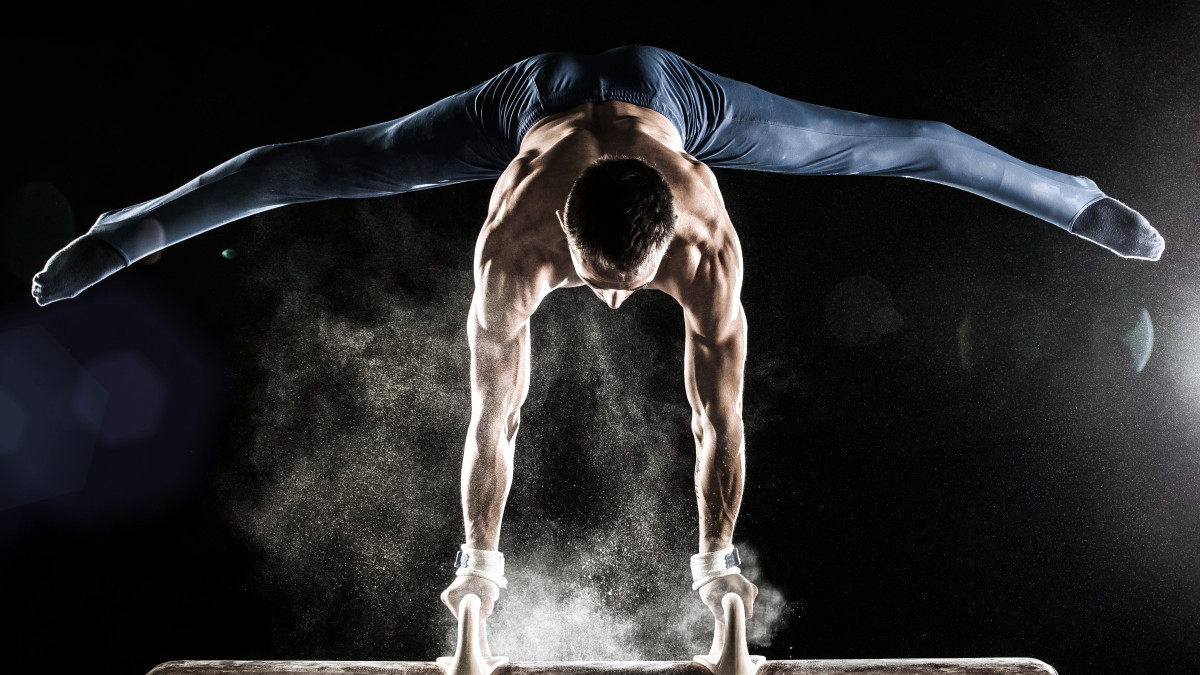


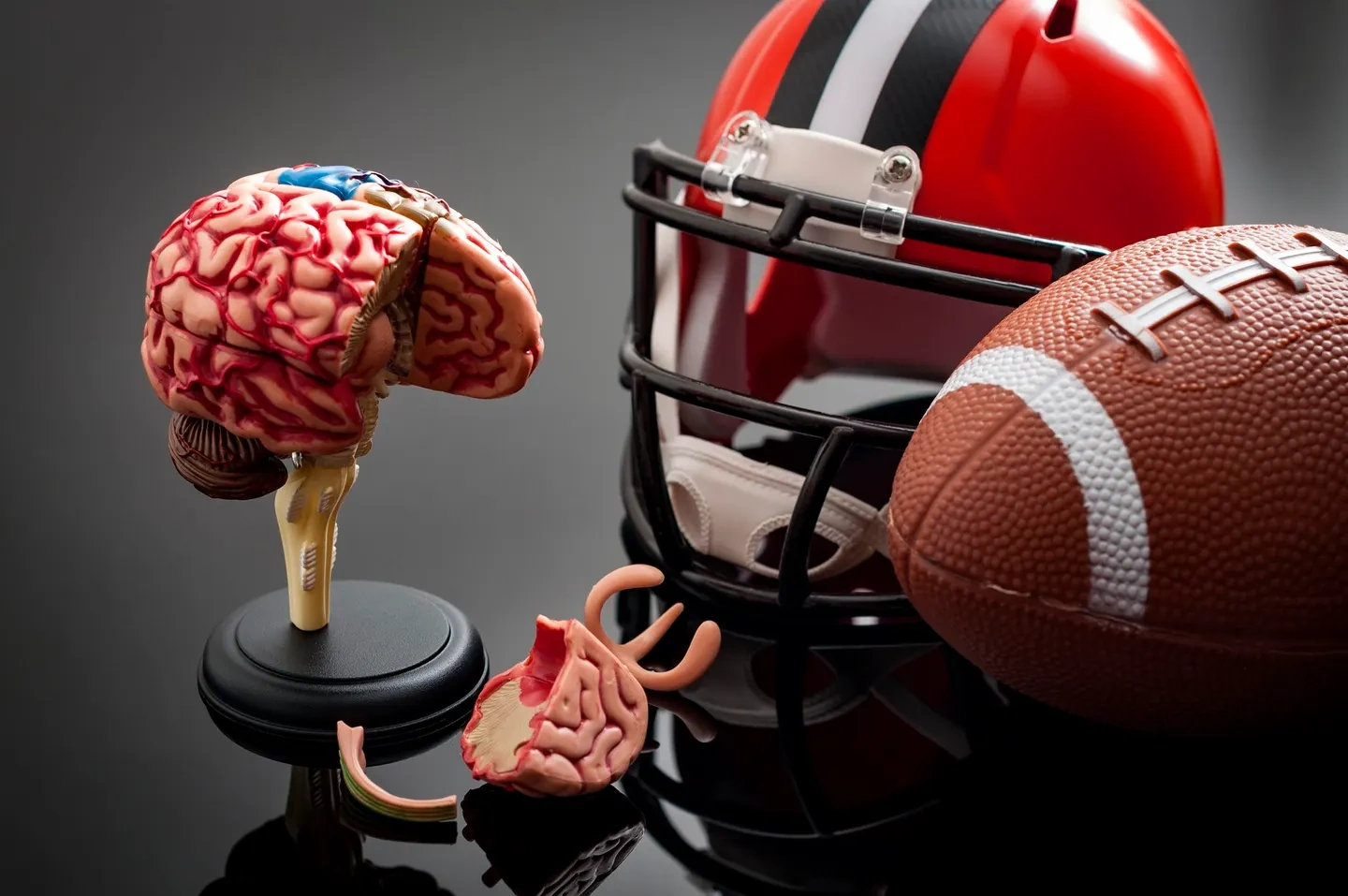
Tags
📧 Get More Articles Like This
Subscribe to receive product reviews and buying guides in your inbox!
We respect your privacy. Unsubscribe at any time.