Fashion Psychology Secrets: Colors and Styles That Actually Make People Trust You More
Table of Contents
- Introduction: The Hidden Language of Clothing
- 1. The Science Behind Fashion Psychology
- 2. Color Psychology: What Your Clothing Colors Communicate
- 3. Professional Trust: Colors and Styles for Career Success
- 4. Social Settings: Building Rapport Through Fashion
- 5. The Power of Fit and Tailoring
- 6. Accessories and Details That Signal Trustworthiness
- 7. Cultural Considerations in Fashion Psychology
- 8. Gender Differences in Trust-Building Fashion
- 9. Adapting Your Style for Different Situations
- 10. Common Fashion Mistakes That Destroy Trust
- Conclusion: Mastering the Psychology of Appearance
- Frequently Asked Questions
Introduction: The Hidden Language of Clothing
Every morning, you make dozens of decisions about what to wear—choices that seem purely aesthetic or practical but actually communicate volumes about who you are, what you value, and whether others should trust you. Your clothing speaks a silent language that others unconsciously decode within seconds of meeting you, forming judgments about your competence, reliability, social status, attention to detail, and trustworthiness before you’ve uttered a single word. This phenomenon isn’t superficial vanity or unfortunate bias—it’s deeply rooted human psychology backed by decades of scientific research demonstrating that appearance profoundly influences how others perceive and respond to us.
The psychological impact of clothing operates at multiple levels simultaneously. At the most basic level, your outfit provides immediate visual information that brains process far faster than verbal communication. Within the first seven seconds of meeting someone, observers form initial impressions based predominantly on visual cues including clothing, grooming, body language, and facial expressions. These snap judgments, while not always accurate, significantly influence subsequent interactions and relationship development. People who form positive initial impressions tend to interpret your later behaviors more charitably, while negative first impressions create uphill battles requiring substantial effort to overcome.
Beyond these immediate effects, clothing choices trigger specific psychological associations developed through cultural conditioning, personal experiences, and evolutionary adaptations. Certain colors activate particular emotional responses—blue inspires calm and trust, red signals power and passion, black conveys authority and sophistication. Specific styles communicate social messages—tailored clothing suggests professionalism and attention to detail, casual wear signals approachability and relaxation, avant-garde fashion indicates creativity and nonconformity. These associations aren’t arbitrary—they’ve been reinforced through countless social interactions, media representations, professional conventions, and cultural traditions creating shared symbolic meanings most people recognize even if they don’t consciously articulate them.
The concept of “enclothed cognition” adds another fascinating dimension to fashion psychology. Research demonstrates that clothing doesn’t just affect how others perceive you—it actually influences your own psychology, performance, and behavior. Wearing professional business attire makes people think more abstractly and strategically, formal clothing increases negotiation performance, and even wearing a doctor’s white coat improves attention and carefulness on tasks. This bidirectional relationship between clothing and psychology means that dressing for trust doesn’t just make others trust you more—it actually helps you embody trustworthy qualities more fully.
Trust represents one of the most crucial elements in human relationships, whether professional, romantic, social, or transactional. Trust determines whether employers hire you, clients choose your services, romantic partners commit to relationships, friends confide in you, and strangers cooperate with you. Building trust traditionally requires time—demonstrating reliability through consistent actions, showing competence through proven results, and establishing character through ethical behavior over extended periods. However, in our increasingly fast-paced, transaction-heavy world, you often need to establish baseline trust quickly with people who have limited time and information for evaluation. Strategic clothing choices create that crucial initial trust foundation upon which deeper trust can build through subsequent interactions.
The fashion industry has long understood clothing’s psychological power, though often focusing on aspirational marketing rather than scientific trust-building. Luxury brands sell not just garments but identities, social status, and self-concepts. Fashion magazines promote trends emphasizing beauty, sexuality, or trend-following rather than trustworthiness. Celebrity fashion celebrates novelty, extravagance, and attention-grabbing rather than the subtle signals that actually build trust in everyday contexts. This disconnect means most fashion advice doesn’t help you maximize trust—it might make you look attractive, trendy, or fashionable without necessarily making you appear trustworthy, competent, or reliable.
This comprehensive guide bridges that gap, translating psychological research about trust, credibility, and social perception into practical fashion advice you can implement immediately. We’ll explore the scientific foundations of fashion psychology explaining why appearance influences trust so profoundly; detailed color psychology revealing what different hues communicate and how to use them strategically; professional dressing strategies for career contexts where credibility and competence matter enormously; social setting approaches for building rapport and likability; the critical importance of proper fit and tailoring in signaling attention to detail; accessories and styling details that enhance or undermine trust; cultural considerations ensuring your choices resonate appropriately across different contexts; gender-specific strategies acknowledging different expectations and perceptions; situational adaptation matching outfits to specific trust-building needs; and common fashion mistakes that inadvertently destroy the trust you’re trying to build.
Each section synthesizes research from psychology, sociology, neuroscience, and organizational behavior, translating academic findings into actionable fashion choices. We emphasize evidence-based approaches over fashion industry marketing, focusing on what actually influences trust perception rather than what magazines claim is “in style” this season. We distinguish universal psychological principles that apply broadly from context-specific considerations that require cultural awareness and situational judgment.
The goal isn’t creating a uniform “trust-building costume” that everyone should wear identically, nor suggesting that appearance manipulation represents the only or most important element of building genuine trust. Rather, we’re acknowledging the reality that appearance significantly influences initial trust while providing tools to ensure your clothing supports rather than undermines the trustworthiness you’re cultivating through your actual behavior, competence, and character. Think of strategic fashion choices as removing obstacles and creating advantages rather than as complete substitutes for genuine trustworthiness.
Different readers will approach this guide with varying goals and contexts. Job seekers need to maximize trust and competence signaling during interviews. Entrepreneurs and business owners want clients and investors to perceive them as credible and reliable. Dating app users aim to appear trustworthy and authentic in profile photos. Professionals climbing corporate ladders need clothing supporting their advancement. Public speakers and performers want audiences to trust their expertise. Regardless of your specific situation, understanding fashion psychology’s trust-building principles enables making informed choices about how you present yourself visually.
The fashion choices that build trust often differ from those maximizing other goals like attractiveness, trendiness, or self-expression. Recognizing these potential tensions enables conscious decisions about which objectives to prioritize in different situations. A job interview might demand trust-maximizing choices even if they feel conservative or boring to you personally. A creative industry networking event might allow more expressive fashion while still incorporating trust signals. Understanding the principles lets you calibrate appropriately rather than applying one-size-fits-all approaches.
Budget considerations affect fashion choices significantly, but trust-building clothing needn’t cost fortunes. While luxury brands signal status and wealth, trust primarily comes from fit, appropriateness, and specific color and style choices available across all price points. A perfectly fitted, well-maintained affordable suit signals more trust than an ill-fitting expensive designer outfit. Understanding the psychological principles enables maximizing trust impact regardless of your fashion budget.
Body diversity means fashion psychology principles must adapt to different body types, sizes, ages, and physical characteristics. The same outfit looks different on different bodies, and what builds trust for one person might not work identically for another. We’ll address these considerations, providing adaptable frameworks rather than rigid rules that only work for specific body types.
The relationship between authentic self-expression and strategic trust-building creates interesting tensions. Should you dress in ways that feel authentic to your personality even if they don’t maximize trust? Should you adopt trust-maximizing fashion that feels foreign to your identity? The answer depends on your priorities and contexts, but understanding the tradeoffs enables conscious choices rather than unconscious self-sabotage or uncomfortable costume-wearing.
Fashion psychology research reveals fascinating, sometimes counterintuitive findings that challenge conventional wisdom. The “attractiveness halo effect” might make beautiful people seem more trustworthy initially, but it can also trigger skepticism and resentment. Extremely expensive or fashionable clothing can actually reduce trust in some contexts by signaling superficiality or distance from ordinary people. Perfectly coordinated outfits sometimes seem less trustworthy than slightly imperfect ensembles suggesting authenticity over calculated image management.
Your journey to leveraging fashion psychology for trust-building begins with understanding the scientific foundations explaining why appearance matters so profoundly, learning the specific color and style choices that reliably build trust across contexts, recognizing how different situations demand different approaches, and developing awareness of how your clothing choices interact with your behavior and communication to create overall impressions. The knowledge you’ll gain provides lifelong value—once you understand these principles, you’ll make more strategic fashion choices automatically, ensuring your appearance supports rather than undermines your goals.
Let’s explore the fascinating intersection of fashion and psychology, discovering how to harness clothing’s powerful silent language to build trust, enhance credibility, and create positive first impressions that open doors personally and professionally. The clothes you choose tomorrow morning will speak volumes about you before anyone hears your voice—let’s ensure they’re saying exactly what you want them to communicate.

1. The Science Behind Fashion Psychology
Understanding why fashion influences trust requires grasping the psychological, neurological, and evolutionary foundations that make appearance such a powerful communication channel influencing social perception and judgment.
The Speed of Visual Processing
Human brains process visual information remarkably quickly—far faster than verbal or written communication. Neuroscience research reveals that the brain processes images in as little as 13 milliseconds, creating conscious visual awareness within 100-200 milliseconds. This lightning-fast processing means people form visual impressions of you almost instantaneously upon seeing you, long before conscious deliberation begins.
This speed advantage explains why appearance has such profound impact on first impressions. When you enter a room, meet someone new, or appear in a video call, observers’ brains immediately process your appearance, triggering associations, activating stereotypes, and forming preliminary judgments about your trustworthiness, competence, status, and approachability. These snap judgments occur automatically and unconsciously—people can’t really choose to suspend judgment until learning more about you because their brains have already processed visual information and formed initial impressions.
The primacy effect in psychology demonstrates that initial impressions disproportionately influence subsequent perceptions and judgments. Information encountered early carries more weight than later information, creating anchoring effects where initial impressions serve as reference points for interpreting all subsequent information. If your appearance creates positive initial impressions, people interpret your later behaviors more charitably and notice information confirming their positive impressions while overlooking contradicting information. Conversely, negative initial impressions create skepticism and critical scrutiny requiring you to overcome initial disadvantage through exceptional subsequent performance.
Evolutionary Psychology of Appearance
Evolutionary psychology provides insights into why humans care so much about appearance despite its limited relationship to actual character or capabilities. Throughout human evolutionary history, visual assessment of others provided crucial survival information in contexts lacking modern verification methods.
Physical appearance signaled health, fertility, and genetic fitness, making it relevant for mate selection. Symmetry, clear skin, healthy hair, and proportional features all correlate somewhat with health and genetics, creating evolutionary preferences for attractive appearance. While clothing obviously differs from physical features, the brain mechanisms evolved for appearance assessment also apply to clothing evaluation.
Social status and group affiliation were historically communicated through clothing, adornments, and grooming—signals that remain relevant today. Tribes and social groups differentiated themselves through appearance, making clothing a tribal identity marker distinguishing friends from potential threats. Modern professional attire, casual wear, subculture fashion, and cultural dress all continue this tribal signaling function, immediately communicating group affiliations and social positions.
Resource acquisition capabilities historically connected to appearance through displays of wealth, craftsmanship, and access to rare materials. Elaborate clothing, fine jewelry, and expensive dyes indicated resources and status, making appearance a signal of one’s position in social hierarchies. Modern luxury fashion, designer brands, and expensive accessories continue this signaling despite democratization making sophisticated appearance more accessible across economic classes.
The Halo Effect and Trustworthiness
The halo effect describes how positive traits in one dimension bias perceptions of other unrelated dimensions. Physically attractive people are often perceived as more intelligent, competent, trustworthy, and kind despite no actual correlation between attractiveness and these qualities. This cognitive bias, while irrational, profoundly influences real-world outcomes including hiring decisions, salary levels, jury verdicts, and social success.
Fashion-enhanced appearance can trigger halo effects even independent of natural physical attractiveness. Well-dressed individuals are perceived as more competent, successful, and trustworthy than identically qualified people dressed poorly. Professional attire signals that someone takes themselves and their work seriously, creating perceptions of reliability and competence. This halo extends from clothing to assumptions about work quality, ethical standards, and overall trustworthiness.
However, the halo effect isn’t absolute or universal. Extreme attractiveness or ostentatious fashion can backfire, triggering resentment, skepticism about substance beneath surface appearance, or assumptions of vanity and superficiality. The most effective trust-building appearance strikes balances—professional without being stiff, polished without seeming fake, attractive without triggering jealousy or distrust.
Enclothed Cognition: How Clothing Affects the Wearer
Beyond influencing how others perceive you, clothing affects your own psychology, cognition, and behavior—a phenomenon researchers call “enclothed cognition.”
Studies demonstrate that wearing formal business attire improves abstract thinking and strategic reasoning compared to casual clothing. Participants in experiments who wore suits performed better on tasks requiring big-picture thinking and strategic planning than those wearing casual clothes. This suggests that professional dress doesn’t just signal competence to others—it actually enhances certain cognitive functions for the wearer.
Wearing clothing associated with specific roles activates role-appropriate behaviors and mindsets. Research found that people wearing white coats described as “doctor’s coats” showed improved attention and carefulness compared to those wearing identical coats described as “painter’s coats” or those wearing street clothes. The symbolic meaning of clothing influences behavior beyond just its physical properties.
Confidence and self-perception shift based on clothing choices. People wearing clothing they consider powerful or professional report feeling more confident, authoritative, and capable. This boosted self-perception influences behavior—more confident posture, stronger communication, and bolder decision-making—which others observe and respond to, creating self-fulfilling prophecies where clothing-enhanced confidence produces better outcomes reinforcing the initial confidence.
Color Psychology Foundations
Colors trigger specific psychological and physiological responses, making color choice a powerful tool for influencing perception and emotional states.
Warm colors (reds, oranges, yellows) generally increase arousal, energy, and attention. They’re perceived as active, exciting, and sometimes aggressive. Red in particular triggers physiological responses including increased heart rate and blood pressure. In social contexts, red signals power, passion, and dominance.
Cool colors (blues, greens, purples) generally decrease arousal and promote calm, relaxation, and trust. Blue is particularly associated with stability, competence, and trustworthiness—which explains its popularity in professional and corporate contexts. Green connects to nature, growth, and balance, while purple suggests creativity and luxury.
Neutral colors (black, white, gray, beige, navy) provide psychological safety and versatility. Black signals sophistication, authority, and power while also being slimming and hiding imperfections. Navy blue combines blue’s trustworthiness with greater formality and authority than lighter blues. Gray provides neutrality and professionalism without strong emotional associations. These neutral foundations allow strategic color accents without overwhelming viewers.
Cultural Learning and Associations
While some color and style associations may have evolutionary or universal components, much of fashion psychology reflects cultural learning—meanings societies attach to appearance through repeated associations, media representations, and social conventions.
Professional business attire conventions—suits, ties, formal dresses—emerged from specific historical contexts and became established through repeated association with business, authority, and success. These conventions now carry meaning even for people who don’t know their origins.
Colors acquire cultural meanings through arbitrary associations that become self-reinforcing. White symbolizes purity and marriage in Western cultures but represents death and mourning in some Eastern cultures. Understanding these learned associations is crucial for ensuring your fashion choices resonate appropriately in your specific cultural context.
The Role of Expectations and Schemas
People develop schemas—mental frameworks organizing knowledge about social categories and situations—that include appearance expectations. When someone’s appearance matches schema expectations, they’re perceived as normal, appropriate, and trustworthy. Violations of expected appearance trigger suspicion, confusion, or negative judgment.
Professional contexts have strong appearance schemas—people expect lawyers in suits, doctors in white coats, tech entrepreneurs in casual but expensive clothing, artists in creative or unconventional dress. Matching these expectations signals that you understand and belong to your professional category, building trust through conformity to known patterns. Violating expectations requires either exceptional confidence and achievement to override negative judgments or intentional differentiation as a strategic positioning choice.
Social settings similarly have appearance expectations varying by formality, social class, generational norms, and subcultural affiliations. Understanding relevant schemas for your contexts enables strategic matching or deliberate violation based on your specific goals.
Cognitive Fluency and Familiarity
Cognitive fluency—the ease with which brains process information—influences trust and positive evaluation. Familiar patterns, simple designs, and expected appearances process more easily than novel, complex, or unexpected presentations, creating positive affect that translates into trust and liking.
This principle suggests that conventional, familiar fashion choices often build more trust than highly unique or unconventional styles, particularly in conservative contexts. While fashion-forward or creative dressing might signal other positive qualities, it can reduce trust by introducing cognitive difficulty and unfamiliarity. The most trust-building approach often involves familiar, easily processed styling with perhaps subtle distinctive elements rather than radically unconventional presentation.
Individual Differences and Personality
While general principles apply broadly, individual differences in personality affect how people respond to fashion. Those high in openness to experience respond more positively to creative, unconventional fashion, while those high in conscientiousness prefer conventional, put-together appearances. Extroverts might trust bold, attention-getting fashion more than introverts who prefer understated presentation.
This variation means there’s no universal “most trustworthy” outfit—optimal choices depend on your audience. Understanding audience characteristics enables tailoring approach, though default strategies emphasizing conventional professionalism work adequately in most contexts where audience composition is unknown.
Understanding fashion psychology’s scientific foundations reveals why appearance influences trust so profoundly despite seeming superficial. Visual processing speed, evolutionary history, halo effects, enclothed cognition, color psychology, cultural associations, expectation matching, cognitive fluency, and individual differences all contribute to making clothing a powerful communication channel. Recognizing these mechanisms enables strategic use of fashion to build trust while remaining aware of principles’ limitations and contextual dependencies.
2. Color Psychology: What Your Clothing Colors Communicate
Color represents one of the most immediate and psychologically impactful aspects of clothing, triggering specific associations, emotions, and perceptions before observers even process style, fit, or quality. Understanding color psychology enables strategic choices that enhance trust and credibility.
Blue: The Universal Trust Color
Blue stands as the most universally trusted color across cultures and contexts, making it the foundation of trust-building wardrobes worldwide.
Dark navy blue combines blue’s trustworthiness with sophisticated formality, creating perhaps the single most reliable color choice for professional credibility. Navy suits, dresses, and blazers signal competence, reliability, and authority without the starkness of black or intimidation of pure darkness. Navy serves as the backbone of professional wardrobes for good reason—it rarely triggers negative responses while consistently communicating professionalism and trustworthiness.
Medium blues convey approachability and calm alongside trust. Royal blue, cobalt, or medium blue shirts, blouses, and dresses signal friendliness and openness while maintaining professional credibility. These brighter blues work well in social professional contexts, client-facing roles, and situations where balancing authority with approachability matters.
Light blues communicate peace, reliability, and gentle competence. Pale blue shirts remain professional staples because they soften appearance without sacrificing credibility. Light blue works particularly well for roles requiring trust combined with approachability—healthcare, education, customer service, or counseling.
The psychological mechanism behind blue’s trustworthiness likely connects to natural associations with clear skies and calm water—both suggesting stability and safety. Cultural reinforcement through repeated use in corporate contexts, law enforcement uniforms, and institutional settings strengthens blue’s professional and trustworthy associations.
Strategic blue use involves incorporating blue as foundation pieces—suits, blazers, dresses, shirts—while potentially adding accent colors for personality without sacrificing blue’s trust-building benefits. An all-blue outfit risks seeming monotonous, but blue as the dominant color with neutral or complementary accents optimizes trust while maintaining visual interest.
White and Light Neutrals: Purity and Professionalism
White and light neutral colors communicate cleanliness, honesty, and attention to detail—all trust-relevant qualities.
Pure white signals freshness and purity across cultures, though it requires careful maintenance as stains and discoloration immediately telegraph carelessness. White shirts, blouses, and professional tops paired with darker bottoms create classic professional looks maximizing crispness and formality. The contrast between white tops and darker bottoms provides visual clarity and draws attention to faces in professional interactions.
Off-white, cream, and beige soften white’s starkness while maintaining light neutral benefits. These shades feel less clinical than pure white while still signaling cleanliness and professionalism. Cream and beige work particularly well in warmer seasons and more creative professional contexts where pure white might feel too formal or severe.
The trust mechanism for white relates to its association with cleanliness and the visibility of imperfections—wearing white signals confidence that you maintain standards high enough to keep white garments pristine. This attention to detail suggests broader reliability and conscientiousness that translate to trustworthiness in other domains.
Light neutrals provide versatile foundations for professional wardrobes, working across seasons and contexts while building trust through simplicity and refinement rather than bold statements.
Black: Authority with Caution
Black communicates power, sophistication, and authority, making it valuable for trust-building in specific contexts while requiring careful use to avoid seeming cold or intimidating.
Black suits and formal wear signal maximum authority and seriousness, working well for high-stakes professional situations—major presentations, executive meetings, legal proceedings, or formal events. Black communicates that you take the situation seriously and expect to be taken seriously in return.
However, all-black outfits can seem severe, unapproachable, or even threatening in casual or relationship-building contexts. Black works better as foundations or accents paired with lighter or more colorful pieces rather than as complete head-to-toe presentation for trust-building purposes.
The slimming effect of black provides practical advantages, but its psychological weight suggests using black strategically for authority moments while incorporating softer colors when approachability and warmth matter more than power signaling.
Black in creative fields signals sophistication and artistic sensibility rather than just formality, making context crucial for interpreting black clothing’s meaning.
Gray: Professional Neutrality
Gray provides psychological safety through neutrality—neither warm nor cool, neither bold nor retiring—making it valuable for contexts where not triggering strong responses matters.
Charcoal gray approaches black’s authority while feeling less severe and more approachable. Charcoal suits provide professional gravitas with softness that pure black lacks, working well for everyday professional wear where you want credibility without intimidation.
Medium gray offers ultimate versatility and neutrality, pairing well with almost any accent color while maintaining professional appropriate
ness. Medium gray serves as excellent foundation for building outfits around more strategic color choices.
Light gray feels softer and more modern than darker grays, working well in contemporary professional contexts and creative industries where extremely traditional formality isn’t required.
Gray’s trust-building mechanism operates through safety and reliability—gray doesn’t make bold statements or trigger strong reactions, suggesting stability and even-temperedness. In contexts where you want to be taken seriously without threatening anyone, gray provides ideal psychological positioning.
Red: Power and Presence with Risks
Red communicates power, confidence, and passion, making it useful for specific trust-building contexts while requiring careful deployment to avoid unintended messages.
Deep red or burgundy provides red’s power signaling with sophistication and restraint that bright red lacks. These darker reds work well as accent pieces—ties, scarves, blouses under blazers—adding strategic power signaling without overwhelming professionalism.
Bright red demands attention and signals dominance, making it potentially useful for situations requiring commanding presence—keynote speeches, leadership moments, or contexts where you need to establish authority quickly. However, bright red can also trigger aggression responses or seem confrontational, making it risky for trust-building in collaborative or relationship-focused contexts.
Red’s effectiveness varies significantly by gender—red on women often triggers attractiveness or sexuality associations alongside power connotations, complicating its professional deployment. Men in red primarily signal power without the same sexualization, though it can still seem aggressive.
Strategic red use involves accent pieces rather than full outfits, pairing red with neutrals to harness its power signaling while tempering potential negative responses. A red tie with navy suit or red blouse under gray blazer adds strategic confidence signaling without dominating appearance.
Earth Tones: Warmth and Approachability
Browns, tans, olives, and warm earth tones communicate groundedness, approachability, and natural authenticity, building trust through warmth rather than authority.
Warm browns signal earthiness and approachability, working well for creative professionals, educators, or roles where seeming human and accessible matters more than projecting maximum authority. Brown suits feel less formal than navy or gray while maintaining professionalism.
Tan and camel tones feel warm and inviting while maintaining neutral versatility. These colors work particularly well in spring and fall, though they risk seeming dated or unstylish if not executed well through quality fabrics and modern cuts.
Olive greens combine earth tone warmth with subtle sophistication, working well in creative professional contexts and adding visual interest while maintaining appropriate professional tone.
The trust mechanism for earth tones connects to naturalness and authenticity—these colors feel less “corporate” or polished, suggesting genuine character rather than carefully managed professional facades. In contexts where seeming real and relatable builds more trust than seeming powerful and polished, earth tones provide strategic advantages.
Green: Balance and Growth
Green sits psychologically between warm and cool, communicating balance, growth, and harmony while avoiding strong emotional associations of red or authoritative weight of blue and black.
Forest green and deep greens signal sophistication and calm without blue’s corporate conventionality. These darker greens work well for professional contexts where you want credibility with distinctiveness, showing confidence to deviate slightly from pure navy/gray/black without losing professional appropriateness.
Emerald and jewel tone greens add vibrancy and energy while maintaining professionalism, working well as accent pieces or in creative professional fields.
Olive greens (mentioned in earth tones) lean toward warm approachability, while teal greens lean toward blue’s trust signaling with added distinctiveness.
Green’s natural associations suggest growth, health, and environmental awareness, potentially building trust in contexts where these values matter to your audience.
Purple: Creativity with Caution
Purple communicates creativity, luxury, and individuality but can feel less professional than core neutral colors, requiring strategic use.
Deep purple or plum tones provide purple’s distinctiveness with enough richness to maintain professional appropriateness. These deeper purples work well in creative fields, as accent pieces, or in industries where some fashion forwardness is expected.
Bright purples risk seeming frivolous or attention-seeking in conservative professional contexts, though they work well in creative industries or when establishing unique personal brand matters more than fitting conventional molds.
Purple’s trust-building application is limited compared to blues and neutrals, but it can differentiate you while signaling creativity and confidence when used strategically in appropriate contexts.
Patterns and Color Combinations
Beyond solid colors, pattern and color combination choices influence trust perceptions.
Pinstripes communicate precision and attention to detail while adding visual interest to solid colors. Traditional navy or gray pinstriped suits signal classic professionalism and meticulous nature.
Subtle checks or plaids add texture without overwhelming, working well for approachable professionalism in less formal business contexts.
Bold patterns generally reduce trust signaling compared to solids by introducing visual complexity and potentially suggesting flamboyance over substance. Reserve bold patterns for creative contexts or personal style moments rather than maximum trust-building situations.
Color coordination demonstrates attention to detail and good judgment—colors that clearly complement each other signal aesthetic awareness and thoughtfulness. However, overly matchy-matchy coordination can seem calculated or try-hard, so aim for harmonious but not perfectly matched combinations.
Shop on AliExpress via link: wholesale-professional-clothing
Color psychology provides powerful tools for influencing trust perceptions through immediate visual communication. Blue provides universal trust-building foundation, white signals purity and professionalism, black communicates authority, gray offers neutral safety, earth tones add warmth, and strategic accent colors differentiate while maintaining credibility. Understanding these psychological associations enables building wardrobes that reliably support trust-building across diverse professional and social contexts.
3. Professional Trust: Colors and Styles for Career Success
Professional contexts demand particularly careful attention to trust-building fashion because career advancement, client relationships, and business success directly depend on others perceiving you as competent, reliable, and credible. Strategic professional dressing combines color psychology with style choices that signal attention to detail, understanding of social norms, and serious commitment to your work.
The Classic Professional Foundation
Certain clothing combinations have become synonymous with professional credibility through repeated association with business success and authority.
The navy suit represents the ultimate trust-building professional outfit for both men and women. Navy’s inherent trustworthiness combined with suit formality creates maximum credibility signaling. Navy suits work across industries from conservative finance to modern tech, though style details should adjust for industry norms. Pair navy suits with white or light blue shirts for classic trust-maximizing combinations that never trigger negative responses.
Charcoal gray suits provide similar professional weight with slightly softer feel than navy, working well for everyday professional wear and offering variety from navy without sacrificing credibility. Gray’s neutrality makes it particularly versatile for pairing with diverse shirt and accessory colors.
Black suits signal maximum formality and authority, appropriate for high-stakes situations like major presentations, executive interviews, or formal business events. However, all-black can seem severe for everyday professional wear—reserve black suits for moments demanding maximum gravitas.
The suit jacket and dress pants/skirt combination (separates rather than matching suits) offers more versatility and modern feel while maintaining professional structure. Navy blazer with gray pants, charcoal blazer with navy pants, or coordinated separates in complementary neutrals provide professional polish with contemporary flexibility.
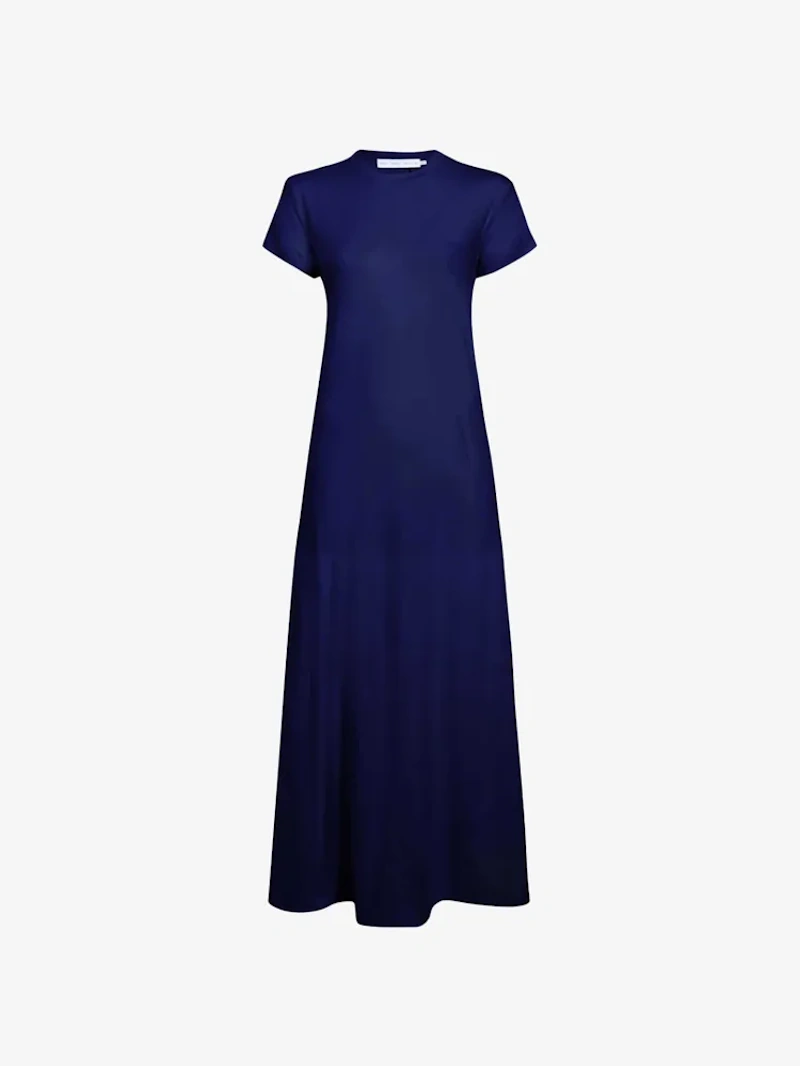
For women, sheath dresses in solid professional colors—navy, black, charcoal, burgundy—paired with blazers create polished looks combining feminine style with professional structure. The blazer addition signals seriousness and professional identity rather than just feminine dress.
Fit and Tailoring: The Ultimate Trust Signal
Beyond color and style, proper fit represents perhaps the single most important element of trust-building professional dress because it demonstrates attention to detail, self-awareness, and investment in professional presentation.
Shoulders should fit properly without pulling, gaping, or extending beyond natural shoulder lines. Ill-fitting shoulders cannot be easily altered and immediately telegraph poor fit awareness. Well-fitted shoulders signal quality and attention to detail.
Jacket length should hit at appropriate points—typically covering the seat without extending past it, with sleeve length revealing about half an inch of shirt cuff when arms hang naturally. These details matter because they signal that you understand professional dress standards and care about meeting them.
Pants and skirts should fit at the waist without requiring belts to hold them up, with appropriate leg length—pants should break slightly at shoes without puddling on the floor, and skirt lengths should hit at professional-appropriate points (typically at or just above knee for maximum trust-building in conservative contexts).
Tailoring off-the-rack clothing to achieve perfect fit provides exceptional return on investment. Spending $40-100 tailoring a $200 suit makes it look like a $1000 suit, while a $1000 suit without tailoring looks cheap and signals inattention. Proper fit communicates that you take yourself and your professional presentation seriously enough to invest time and money in getting details right—exactly the attention to detail that builds trust about your work quality.
Avoid common fit mistakes that destroy trust: pants too long creating messy breaks, jacket shoulders too wide looking sloppy, overly tight clothing appearing unprofessional or uncomfortable, or baggy clothing suggesting you don’t notice or care about appearance.
Industry-Specific Considerations
Professional trust-building fashion adapts to industry norms because violating category expectations reduces trust even if clothing would work well in other contexts.
Traditional industries (law, finance, consulting, government) demand conservative professional dress maximizing formality and tradition. Navy and charcoal suits, white shirts, conservative ties for men, and traditional professional attire for women signal respect for institutional norms and reliable conformity to expected standards. In these fields, fashion forwardness or creativity can reduce trust by suggesting you don’t take professional conventions seriously.
Business casual industries (many corporate offices, sales, marketing) allow more flexibility while still requiring polished professionalism. Quality blazers with dress pants but no ties, professional dresses without jackets, or well-fitted button-down shirts with chinos fall into this category. Colors can include some variety beyond pure navy/gray/black while maintaining professional appropriateness.
Creative industries (advertising, design, media, arts) reward individual style and creative expression while still requiring professional polish. Well-fitted clothing in interesting colors, fashionable cuts, and distinctive accessories signal creativity and personal brand without sacrificing quality or thoughtfulness. However, even creative fields still require understanding when formal professionalism becomes necessary for client meetings or important presentations.
Tech industry norms famously deviated from traditional professional dress, with founders and executives embracing casual wear. However, tech “casual” typically involves expensive casual clothing—premium jeans, quality button-downs, designer sneakers—rather than sloppy disregard for appearance. Tech professional dress signals accessibility and innovation rather than stuffiness, but quality and intentionality still matter for trust-building.
Gender-Specific Professional Dress
Gender introduces additional complexity to professional trust-building because different expectations and potential pitfalls affect men’s and women’s professional fashion.
Men’s professional dress has become relatively standardized—suits or blazers with dress pants, dress shirts, ties in traditional settings, and leather dress shoes form the basic template. The restricted options make professional dressing simpler but provide less room for personality expression. Trust-building for men emphasizes perfect fit, quality fabrics, conservative colors, and meticulous grooming rather than creative styling.
Women’s professional dress offers more options but requires navigating additional challenges including balancing professionalism with femininity, avoiding sexualization while remaining stylish, and managing greater judgment of appearance details. Blazers signal professional seriousness for women similarly to men, while dresses and skirts require careful length and cut choices to maintain professional appropriateness. Women face more criticism for both looking too feminine (risking not being taken seriously) and too masculine (risking social penalties for gender norm violation), requiring careful navigation of these tensions.
Both genders benefit from these universal professional trust-building principles: prioritize fit above cost or brand, maintain conservative color foundations, invest in quality basic pieces rather than fast-fashion trend items, ensure meticulous grooming and maintenance, and adapt to specific industry and organization norms while maintaining professional standards.
Shoes and Professional Footwear
Shoes significantly impact professional appearance despite often being overlooked, and poor shoe choices can undermine otherwise excellent outfits.
Men should invest in quality leather dress shoes in black or dark brown, maintained with regular polishing and care. Shoes should be appropriate for professional contexts—oxfords, derbies, or loafers rather than sneakers or casual shoes (except in specifically casual tech or creative industries). Worn, scuffed, or damaged shoes signal carelessness despite everything else being polished.
Women’s professional shoe options include closed-toe pumps, loafers, or professional flats in neutral colors. Heel height should enable comfortable professional movement—extremely high heels can seem impractical or sexualized, while completely flat shoes might appear too casual depending on industry. Quality leather or quality-appearance materials maintained in good condition matter enormously.
Avoid these shoe mistakes: athletic shoes with professional attire (except in very casual industries or explicit casual Friday policies), visibly damaged or worn shoes, extremely trendy or attention-grabbing shoes that distract from professional presence, or uncomfortable shoes affecting your posture and movement.
Grooming and Polish
Professional fashion requires pairing clothing choices with appropriate grooming and maintenance creating overall polished presentation.
Hair should be clean, styled, and professional-appropriate for your industry. Conservative industries expect conventional professional hairstyles, while creative fields allow more expression. However, hair should always appear intentional and maintained rather than messy or unkempt.
Minimal, professional makeup for women enhances features without overwhelming or appearing too dramatic for professional contexts. The goal is polished professionalism rather than night-out glamour.
Facial hair for men should be either completely clean-shaven or deliberately styled and maintained. Stubble can work in creative industries but appears sloppy in traditional professional contexts.
Jewelry should be minimal and classic—wedding rings, professional watches, subtle earrings—rather than abundant or attention-grabbing. Excessive jewelry distracts and can seem unprofessional.
Fragrances should be subtle or absent—strong perfumes or colognes in professional spaces can bother colleagues and seem inconsiderate.
Overall cleanliness and freshness is non-negotiable—clothing should be clean, pressed, and free of stains, tears, or visible wear.
Professional trust-building fashion combines classic color choices emphasizing blues and neutrals, perfectly fitted clothing signaling attention to detail, industry-appropriate styling respecting professional norms, quality footwear and accessories, and meticulous grooming creating polished overall presentation. These elements communicate that you take your professional role seriously, understand social conventions, pay attention to details, and invest in your professional presentation—all qualities building trust in your professional competence and reliability.
4. Social Settings: Building Rapport Through Fashion
Social contexts differ from professional settings in trust-building priorities—while competence and authority matter professionally, social trust emphasizes approachability, authenticity, similarity, and emotional connection. Fashion choices for social trust-building often differ from professional strategies, requiring understanding these distinct priorities.
Approachability Over Authority
Social settings generally benefit from appearing approachable and friendly rather than authoritative or intimidating, shifting optimal fashion choices toward warmer colors, softer styles, and less formal presentation.
Warm colors including reds, oranges, warm pinks, and earth tones signal friendliness and openness in social contexts rather than the cool blues and grays optimal for professional credibility. A warm coral or peach top makes you seem more approachable at social gatherings than icy blue professional blouse.
Casual rather than formal styling communicates that you’re relaxed and accessible rather than uptight or superior. Well-fitted jeans with nice tops, casual dresses, or smart casual combinations work better for most social trust-building than business suits or highly formal attire which can create social distance.
Softer fabrics and flowing silhouettes feel less rigid and severe than structured professional wear, contributing to approachable social presentation. Comfortable-looking clothing suggests you’re comfortable with yourself and others can be comfortable around you.
However, “approachable casual” still requires quality, cleanliness, and intentionality—sloppy or poorly maintained casual clothing reduces trust by suggesting lack of self-care or respect for social situations. The goal is relaxed polish rather than either stiff formality or careless sloppiness.
Similarity and Social Belonging
People trust those they perceive as similar to themselves, making understanding and matching your social audience’s general style level crucial for social trust-building.
Observing social dress codes for specific events or communities enables appropriate matching. A cocktail party demands semi-formal dress, while backyard barbecue requires casual wear. Violating these norms—overdressing or underdressing—creates social friction reducing trust and connection.
Subculture and community norms significantly impact what builds social trust. Athletic communities trust activewear and casual athletic styling. Creative communities respond to artistic or bohemian fashion. Professional networking events outside formal offices might blend business casual with personal style. Understanding relevant community norms enables strategic conformity building trust through similarity and belonging.
Generational differences affect social fashion trust. Younger generations often trust more casual, trend-aware fashion, while older generations might trust traditional or classic styling more. When building trust across generational divides, opt for timeless, quality pieces avoiding extreme trends or outdated styles.
The key is calibrating your style to match without losing authentic self-expression. Perfect mimicry seems calculated and fake, but completely ignoring community norms seems clueless or disrespectful. Aim for “similar enough to fit comfortably” while maintaining personal authenticity.
Authenticity Signals
Social trust increasingly values authenticity—the sense that someone’s presentation reflects their genuine personality rather than calculated image management. Fashion choices that seem genuinely “you” rather than costume-like often build more social trust than perfectly polished but impersonal styling.
Small imperfections or casual elements suggest authenticity and relatability rather than fake perfection. Slightly rumpled linen, comfortable worn-in jeans, or personally meaningful accessories feel more authentic than overly coordinated or brand-new everything.
Personal style elements that reflect genuine interests, values, or identities build trust through perceived honesty. Band t-shirts, hobby-related accessories, or cultural identity expression signal that you’re showing your real self rather than carefully managed facade.
However, authenticity must balance with basic social propriety and quality. Authentic doesn’t mean sloppy, inappropriate, or poorly maintained—it means your style choices genuinely reflect who you are rather than just following fashion rules or trying to impress others.
Context-Appropriate Casual
Different social contexts demand different casualness levels, requiring calibration to specific situations.
Informal social gatherings (house parties, casual dinners, recreational activities) call for relaxed, comfortable clothing that’s still clean and intentional. Well-fitted jeans or casual pants with nice t-shirts, casual button-downs, sundresses, or smart casual combinations work well.
Semi-formal social events (cocktail parties, nice dinners, weddings) require stepping up formality while maintaining social warmth. Cocktail dresses, blazers with nice pants or skirts, or dress shirts and chinos occupy this middle ground between full professional formality and casual comfort.
Outdoor and activity-based social settings demand functional, appropriate clothing that still maintains quality and intention. Well-fitted activewear for recreational sports, quality casual layers for outdoor gatherings, or appropriate special-purpose clothing for specific activities shows respect for context while prioritizing function.
Dating contexts require particularly careful balance between looking attractive, showing personality, and appearing trustworthy rather than threatening. Generally, this means polished casual—nicer than everyday but not intimidatingly formal, flattering but not overly sexy, showing personal style but not so quirky as to seem strange.
Accessories and Personal Expression
Social contexts allow more freedom for personal expression through accessories than professional settings, enabling personality communication that builds trust through authenticity and shared interests.
Jewelry choices can reflect personal style, cultural identity, or interests without professional context constraints. Statement pieces, personal meaning items, or creative expressions work well socially while often being too much professionally.
Bags and shoes can be more expressive and less strictly traditional than professional requirements demand. Interesting bags, creative shoe choices, or distinctive styles communicate personality enabling connection around shared aesthetic appreciation.
Hats, scarves, and other accessories provide opportunities for creative expression and conversation starters while maintaining overall appropriate presentation.
However, avoid overwhelming your appearance with excessive accessories or attention-grabbing elements that distract from human connection. Accessories should enhance and express without dominating or seeming like you’re trying too hard.
Comfort and Confidence
Social trust benefits enormously from appearing comfortable and confident in what you’re wearing rather than self-conscious or uncomfortable.
Choose clothing that fits well and feels comfortable physically—if you’re constantly adjusting, pulling, or worrying about wardrobe malfunctions, your discomfort shows and reduces others’ comfort around you.
Wear styles that feel authentic to your identity rather than costumes or looks that don’t reflect who you are. Social anxiety about whether your outfit works creates visible discomfort that undermines trust and connection.
Practice social outfits before important events if you’re trying new styles, ensuring you feel confident and comfortable rather than discovering fit issues or self-consciousness during actual events.
Remember that people respond more to your energy and how you carry yourself than to specific outfit details. Confidence in comfortable, authentic, context-appropriate clothing builds more social trust than perfect but uncomfortable styling.
Color Choices for Social Trust
Social color psychology differs somewhat from professional contexts, with warmer, more varied palettes often working better.
Warm reds, pinks, corals, and oranges communicate energy, warmth, and approachability in social settings more than cool professional blues. These colors make you seem friendly and accessible rather than corporate or distant.
Earth tones including warm browns, olives, and natural greens feel grounded and authentic, building trust through natural warmth rather than polished professionalism.
Even blues work differently socially—brighter, friendlier blues rather than serious navy create approachable social presentation.
Jewel tones (emerald, ruby, sapphire, amethyst) add richness and personality to social outfits, working particularly well for evening social events or celebrations.
Avoid heavy use of black in purely social settings as it can seem severe or create unnecessary formality. Small amounts of black for structure or slimming work fine, but all-black social outfits can reduce approachability unless specifically appropriate for event formality level.
Social trust-building fashion emphasizes approachability through warmer colors and casual styling, similarity through context-appropriate matching of community norms, authenticity through genuine personal style, and comfort through wearing what feels natural to you. While professional contexts demand conformity to rigid standards, social contexts reward personal authenticity balanced with basic quality and appropriateness, enabling trust through genuine human connection rather than just credibility signaling.
5. The Power of Fit and Tailoring
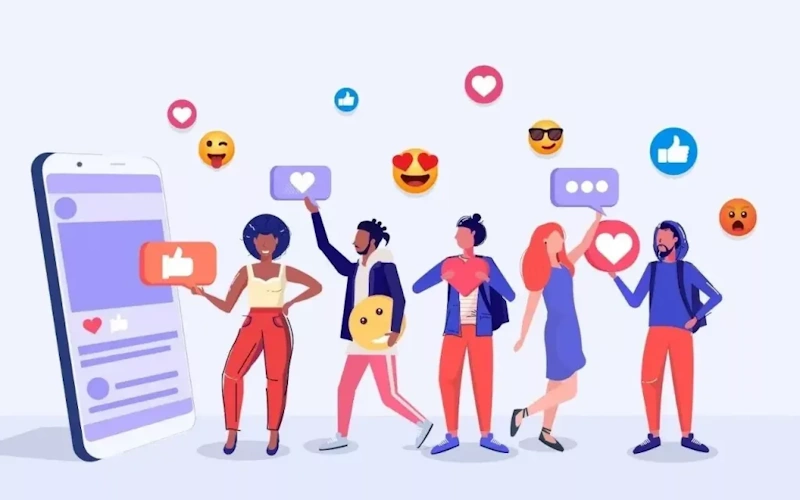
Perfect fit represents the single most important element of trust-building fashion, transcending color, style, or brand in its psychological impact. Properly fitted clothing signals attention to detail, self-awareness, investment in presentation, and overall reliability—all crucial trust indicators.
Why Fit Matters More Than Price
A perfectly tailored $200 suit appears more expensive, professional, and trustworthy than an ill-fitting $2000 designer suit. This reality demonstrates that fit trumps cost or brand in creating trust-building appearance.
Psychological perception of quality relates more to how clothing drapes and moves on your body than to visible brand logos or actual fabric cost. Well-fitted clothing looks intentional and polished regardless of price point, while poor fit immediately signals carelessness or lack of awareness regardless of how expensive the garment actually was.
Observers unconsciously register fit details—shoulder seam placement, sleeve length, pants break, jacket proportions—even if they couldn’t articulate specifically what looks wrong. These unconscious assessments feed into overall impressions of whether you seem put-together and detail-oriented or sloppy and unaware.
Investment in tailoring provides exceptional return because it makes entire wardrobes work better rather than just providing one new item. Spending $40-100 per garment on tailoring multiplies the value and appearance of everything you own, while buying more new clothing without addressing fit problems doesn’t improve overall presentation.
Understanding Proper Fit
Knowing what proper fit looks and feels like enables evaluating clothing accurately and communicating effectively with tailors.
Jacket and blazer fit fundamentals:
Shoulders should align with your natural shoulder points without extending beyond or falling short. Shoulder seams should sit at the edge of shoulders where arms join torso. This is the most critical fit point because shoulder alterations are expensive and often impossible, so shoulders must fit correctly when purchasing.
Jacket length should cover your seat without extending significantly past it. For men’s suit jackets, appropriate length roughly aligns with where fingers curl when arms hang naturally at sides. Women’s blazers can vary more in length depending on style, but should maintain proportional balance with lower body.
Sleeve length should reveal about half an inch of shirt cuff when arms hang naturally, allowing shirt cuffs to extend slightly beyond jacket sleeves. Sleeves should hit at the wrist bone, not covering hands or riding halfway up forearms.
Chest and waist should fit comfortably without pulling, gaping, or excess fabric. You should be able to button jackets without visible pulling across chest or back, but jackets shouldn’t be so loose that excess fabric bunches.
Shirt and blouse fit:
Collar should button comfortably without choking but shouldn’t gap significantly when buttoned. You should fit one or two fingers between neck and collar when buttoned.
Shoulder seams should align with natural shoulders similarly to jackets, not drooping down arms or pulling across shoulders.
Chest and waist should provide enough room for comfortable movement without visible pulling across buttons, but shouldn’t be so loose that excess fabric balloons.
Sleeve length for dress shirts should extend to wrist bones, allowing about half an inch of cuff to show beyond jacket sleeves when wearing suits.
Shirt length should be sufficient to remain tucked in during normal movement without constant adjustment. For untucked casual wear, shirts should end around mid-zipper of pants, not extending to mid-thigh or riding up showing midriff.
Pants and skirt fit:
Waist should fit comfortably at natural waist without requiring tight belts to prevent slipping. Properly fitted waistbands stay in place without belts, though belts can be worn for style.
Seat and thighs should provide enough room for comfortable sitting and moving without visible pulling or tightness, but shouldn’t be so loose that excess fabric bunches awkwardly.
Length for dress pants should create slight break where pants meet shoes—a gentle fold indicating pants just touch shoe tops. Avoid excessive break creating messy bunching or no break appearing too short and showing too much sock.
Skirt length varies by style and context, but professional contexts generally call for skirts hitting at or just above knee for maximum appropriateness across diverse settings.
The Tailoring Investment
Understanding what alterations tailors can perform and what they typically cost enables strategic tailoring decisions maximizing clothing fit and appearance.
Common alterations and typical costs (USD estimates):
Hemming pants or skirts: $10-25 Taking in or letting out waist: $15-30 Shortening or lengthening sleeves: $15-30 Taking in or letting out jackets/blazers in body: $30-60 Shortening jacket length: $40-80 Adjusting shoulders (complex and not always possible): $75-150+
Prioritizing alterations:
Hem all pants and skirts to proper length—this is inexpensive and makes dramatic appearance difference.
Adjust jacket and blazer sleeves to show appropriate shirt cuff—another high-impact alteration for modest cost.
Take in waists on pants or jackets that fit elsewhere but are too loose at waist—creates polished, intentional appearance.
Complex alterations like shoulders or significantly reshaping garments may cost enough that buying better-fitting items initially makes more economic sense.
Finding good tailors:
Local dry cleaners often provide basic tailoring services at reasonable prices, though quality varies.
Dedicated alterations shops or tailor shops provide more sophisticated services and expertise, often worth premium pricing for important pieces.
Word-of-mouth recommendations from well-dressed friends or colleagues help identify skilled tailors worth trusting with important clothing.
Bring specific examples or detailed descriptions of desired fit rather than vague requests, enabling tailors to deliver results matching your expectations.
Building Fit Awareness
Developing eye for proper fit enables making better initial purchase decisions and knowing when alterations are needed.
Study well-fitted clothing on others, noting shoulder alignment, sleeve length, jacket proportions, and pant breaks that create polished appearance.
Compare properly fitted and poorly fitted versions of same items, training your eye to immediately recognize fit issues.
Take photographs of yourself in different outfits from multiple angles, reviewing objectively to identify fit problems less noticeable in mirrors.
Ask honest friends, family, or sales professionals for fit feedback, specifically requesting brutal honesty rather than polite reassurance.
Shopping Strategies for Better Fit
Smart shopping approaches find better-fitting clothing initially, reducing tailoring requirements.
Shop brands and retailers that fit your body type well rather than insisting on specific brands regardless of fit. Different manufacturers cut clothing differently, so find sources that work for your proportions.
Try everything on before purchasing, refusing to buy based only on size numbers or assumptions. Sizes vary enormously across brands and even within single brands across different styles.
Shop when you have time and patience for trying multiple sizes and styles rather than rushed shopping creating bad purchase decisions.
Bring outfit components when shopping (like suit jacket when buying dress shirts) to ensure proper fit combinations.
Consider made-to-measure or custom clothing for important pieces if off-the-rack options consistently fit poorly. Custom costs more initially but eliminates extensive alteration expenses while ensuring perfect fit.
Fit for Different Body Types
Standard sizing assumes average proportions, but most people have some non-average elements requiring accommodation.
Athletic builds with broad shoulders and narrow waists often need jacket tailoring to prevent billowing at waist even when shoulders fit.
Shorter or taller individuals need appropriate length adjustments across all clothing categories, often benefiting from petite or tall sizing options when available.
Plus-size individuals should seek brands offering true plus-size design rather than just scaled-up standard sizing, as good plus-size design accounts for different proportions and fit needs.
Different body types benefit from different styles—certain cuts, rise heights, or silhouettes flatter various proportions better than others, making some experimentation valuable.
Universal fit principles apply across body types—shoulders should fit, length should be appropriate, and proportions should be balanced even while specific implementations vary.
Fit represents the foundation of trust-building fashion because it demonstrates attention to detail, self-awareness, and investment in presentation. Perfectly fitted clothing makes you appear polished, intentional, and reliable regardless of actual cost or brand, while poor fit undermines even expensive designer wardrobes. Prioritizing fit through strategic tailoring, fit-aware shopping, and developing fit knowledge provides exceptional return on investment in creating trustworthy, credible appearance.
6. Accessories and Details That Signal Trustworthiness
While clothing forms the foundation of appearance, accessories and details complete overall presentation and can significantly enhance or undermine trust-building efforts. Strategic accessory choices demonstrate attention to detail, good judgment, and overall polish.
Professional Watches
Watches represent one of the few accessories universally appropriate across professional contexts for all genders, making them valuable trust-building tools.
Classic, simple watches signal timeless good taste and reliability. Leather bands in brown or black paired with clean face designs communicate professionalism without flashiness. Metal bands in silver, gold, or two-tone work equally well provided watches maintain classic proportions and clean designs rather than overly large or trendy styles.
Avoid extremely expensive luxury watches in some professional contexts as they can trigger resentment or suggest misplaced priorities, though in wealth-focused industries (finance, luxury sales) expensive watches might positively signal success.
Smart watches have become increasingly acceptable professionally, though they lack the classic timeless quality of traditional watches. If wearing smart watches professionally, use professional-looking bands and faces rather than sporty or casual options.
Watches should be appropriately sized for your wrist—oversized watches look ridiculous and try-hard while tiny watches disappear. The watch face diameter should complement your wrist width proportionally.
Bags and Briefcases
Carrying methods for professional materials significantly impact trust perception through signals about organization and professionalism.
Quality leather briefcases or professional bags signal seriousness and tradition, particularly in conservative industries. Classic styles in black, brown, or tan convey timeless professionalism. Structure and quality matter—bags should maintain shape rather than sagging, and hardware should be functional and tasteful.
Professional backpacks have become more acceptable, particularly in tech and creative industries, though traditional settings might view backpacks as too casual. If choosing backpacks professionally, select structured, professional designs in quality materials and neutral colors rather than obvious student or athletic backpacks.
For women, structured professional handbags in neutral colors complement business attire while providing necessary carrying capacity. Size should be moderate—neither tiny evening bags nor enormous overstuffed totes which can appear disorganized.
Avoid carrying visibly worn, damaged, or cheap-looking bags as they undermine otherwise polished appearance. Bags receive significant attention and judgment, making them worth investment in quality pieces that will last years.
Belts and Professional Accessories
Small details like belts significantly contribute to overall polish and attention to detail perception.
Leather belts in black or brown should match shoe colors in professional contexts—black shoes with black belt, brown shoes with brown belt. This coordination demonstrates awareness of professional dress conventions and attention to detail.
Belt quality matters—cheap, worn, or damaged belts signal carelessness despite otherwise good outfit. Invest in quality leather belts that will maintain appearance over time.
Belt buckles should be simple and proportional rather than large, flashy, or attention-grabbing in professional contexts. Save interesting buckles for casual wear.
Jewelry: Less is More Professionally
Professional jewelry should enhance without distracting, requiring restraint and good judgment about what and how much to wear.
Wedding and engagement rings carry social significance and professional acceptance across all contexts. These need no justification or limitation beyond personal comfort.
Professional watches (discussed earlier) serve as second universally accepted jewelry category.
Beyond watches and wedding rings, additional jewelry should be minimal and classic in professional settings. For women, simple stud earrings, delicate necklaces, or classic bracelets work well. For men, simple cufflinks for French cuff shirts represent tasteful additional option in traditional professional contexts.
Avoid excessive jewelry, large statement pieces, or multiple rings beyond wedding rings in professional contexts as these distract and can seem unprofessional or attention-seeking.
Religious or cultural jewelry requires judgment based on workplace culture and your personal priorities. Some contexts fully accept visible religious jewelry while others prefer keeping such expressions private.
Eyewear as Professional Accessory
For those requiring vision correction, eyeglasses represent significant appearance elements worth thoughtful selection.
Frame styles should complement face shapes and professional context. Classic styles in neutral or subtle colors maintain professional appropriateness across industries. Trendy or unconventional frames work better in creative fields than conservative professions.
Frame quality matters—cheap, poorly fitted, or damaged glasses undermine professional appearance. Quality frames maintained in good condition signal attention to detail and self-care.
Transition lenses that darken in sunlight have professional acceptance issues in some contexts as constantly dark lenses indoors can seem odd or problematic. Dedicated prescription sunglasses for outdoor use might work better professionally.
Ties and Pocket Squares for Men
In professional contexts requiring ties, specific choices significantly impact trust perception.
Classic tie patterns including solid colors, subtle diagonal stripes, or small repeating patterns work across professional contexts. Navy, burgundy, or blue ties with suits create reliable professional combinations. Avoid novelty ties, cartoon characters, or overly bold patterns in serious professional contexts.
Tie width should be proportional to suit lapel width and current style norms—extremely narrow or extremely wide ties can appear dated or fashion-victim rather than professionally appropriate.
Pocket squares remain optional even in formal professional contexts but add visual interest and polish when done well. Pocket squares should complement but not exactly match ties—similar color families with different patterns or textures work well.
Scarves and Wraps for Women
Scarves provide versatile accessory options for women’s professional and social wear, adding color, interest, and polish.
Professional scarves in solid colors or classic patterns (small florals, geometrics, subtle prints) add visual interest to suits or professional separates without overwhelming.
Scarf colors can provide strategic accent colors enhancing overall outfit color psychology—adding warm approachable colors to cool professional foundations or vice versa.
Quality matters in scarves as cheap materials or poorly maintained scarves can reduce overall appearance quality. Silk or quality synthetic scarves maintain better appearance than cheap fabrics.
Seasonal Outerwear
Coats and jackets that protect against weather still communicate about professionalism and attention to detail.
Professional coats in classic styles and neutral colors (camel, black, navy, charcoal) work across professional contexts without drawing negative attention. Trench coats, wool coats, or tailored jackets maintain professional polish even in inclement weather.
Athletic or casual outerwear like parkas, puffer jackets, or fleeces can appear too casual for some professional contexts even if practically warm. Reserve obviously casual outerwear for casual industries or remove upon arrival at professional destinations.
Coat quality, fit, and maintenance matters similarly to other clothing—worn, ill-fitting, or obviously cheap coats undermine professional presence.
Technology and Electronics
How you handle phones, laptops, and other technology in professional and social settings signals respect and attention.
Phone cases and laptop bags can enhance or detract from professional appearance. Simple, professional cases and bags in quality materials maintain polish while flashy, cartoon-themed, or beat-up cases reduce professional perception.
Phone behavior matters enormously for trust—constantly checking phones during interactions signals disrespect and divided attention, reducing trust. Keep phones silent and mostly put away during professional interactions and important social moments.
Grooming Tools and Maintenance
Carry and use appropriate grooming tools maintaining polished appearance throughout days.
Keep lint rollers or sticky tape in desks or bags for removing lint, pet hair, or debris from clothing.
Portable shoe shine or cleaning supplies enable maintaining shoe quality appearance.
Small sewing kits for emergency button or hem repairs prevent small problems from becoming appearance disasters.
Shop on AliExpress via link: wholesale-professional-accessories
Accessories and details complete trust-building fashion through demonstrating attention to detail, good judgment about what’s appropriate, and overall polish. Strategic accessory choices enhance credibility and professionalism while excessive, inappropriate, or poorly maintained accessories undermine even excellent core outfits. Quality over quantity, restraint over abundance, and appropriate context matching create accessory strategies that reliably support trust-building across professional and social settings.
7. Cultural Considerations in Fashion Psychology
Fashion psychology principles operate within cultural contexts that significantly affect what colors, styles, and details communicate. Understanding cultural variations prevents misunderstandings and enables appropriate trust-building across diverse cultural settings.
Cultural Color Meanings
While some color associations appear relatively universal, specific meanings vary significantly across cultures.
White symbolizes purity and weddings in Western cultures but represents death and mourning in many East Asian cultures. Wearing all-white to certain events could carry completely opposite meanings depending on cultural context.
Red signals good fortune, celebration, and prosperity in Chinese culture, making red highly appropriate for celebrations and special occasions. However, in some African cultures, red connects to mourning or death. Understanding specific cultural red associations prevents unintended messages.
Black conveys formality and sophistication in Western professional contexts but can signal mourning in many cultures. All-black attire might seem elegant professionally in New York but potentially inappropriate for joyful celebrations in cultures associating black with death.
Yellow holds sacred significance in some Buddhist cultures, where inappropriate yellow wearing might offend. However, yellow signals caution or cowardice in some Western contexts.
Purple historically connected to royalty and luxury in Europe due to expensive purple dye, but carries different associations in cultures where purple wasn’t historically rare or valuable.
Cultural Modesty Expectations
Different cultures maintain varying standards about what constitutes appropriate body coverage, requiring awareness and respect.
Many Middle Eastern and South Asian cultures expect conservative dress covering arms, legs, and for women, sometimes hair. Professional or social interactions in these cultural contexts demand respecting modesty expectations regardless of your personal cultural background.
Some religious and cultural contexts expect head covering for women (hijabs in Islamic contexts, hats or scarves in some Christian or Jewish contexts). Understanding these expectations and respecting them when in relevant cultural spaces demonstrates cultural sensitivity.
Revealing clothing acceptable in Western beach communities or nightlife might deeply offend in conservative cultural contexts. When visiting or working across cultures, research appropriate modesty standards and err toward more conservative choices when uncertain.
Professional Dress Cultural Variations
Professional dress expectations vary globally, requiring adaptation when working internationally.
European professional norms often emphasize quality and tailoring over formality, with well-fitted quality clothing in classic styles signaling professionalism across business and creative contexts.
Asian professional cultures (particularly Japanese and Korean) often maintain extremely high formality standards with conservative colors, impeccable grooming, and extreme attention to detail expected in professional settings.
Latin American professional contexts often embrace color and personal style more than Anglo-American conservatism while still maintaining professional polish and quality.
Middle Eastern professional dress combines Western business formality with cultural modesty requirements, creating specific regional professional standards.
African professional cultures vary enormously by region and industry, often blending traditional cultural dress with Western professional conventions in unique combinations.
Religious Considerations
Religious identity significantly influences appropriate dress in many cultures and contexts.
Islamic dress codes for some practitioners include hijabs, modest body coverage, and sometimes additional coverings. Understanding and respecting these religious dress practices prevents offense and demonstrates cultural awareness.
Orthodox Jewish communities maintain specific modesty standards including covering elbows, knees, and for married women, hair. Professional interactions within these communities require respecting these standards.
Sikh religious practice includes turbans for men and sometimes women, carrying deep religious significance that should be respected and accommodated professionally.
Various Christian denominations maintain different dress expectations ranging from casual contemporary to extremely conservative and modest, requiring awareness of specific community standards.
Gender Expression Cultural Variations
Different cultures maintain varying expectations and acceptance levels for gender expression through fashion.
Western LGBTQ+ progressive contexts increasingly accept fluid gender expression and transgender identity reflected in clothing choices, while other cultural contexts maintain rigid gender dress expectations with social or legal consequences for violation.
Traditional gender role cultures might expect strictly differentiated men’s and women’s clothing with social penalties for crossing these boundaries, while more progressive cultures allow greater flexibility.
Professional contexts vary in accepting gender-nonconforming dress, requiring assessment of specific organizational and cultural environments.
Socioeconomic and Class Signals
Fashion signals socioeconomic status differently across cultures, affecting trust building in complex ways.
Some cultures view luxury fashion and brand display as positive status signals building credibility, while others might see ostentation as vulgar or threatening.
Working-class cultural contexts might trust practical, functional, quality clothing over obviously expensive fashion, while elite contexts might require brand recognition and trend awareness for social acceptance.
Understanding target audience’s socioeconomic context enables calibrating fashion choices—matching expected socioeconomic presentation builds trust through similarity while dramatically exceeding or falling below audience socioeconomic level can reduce trust through perceived distance or lack of understanding.
Age and Generational Cultural Differences
Generational cohorts develop different fashion expectations and associations affecting trust.
Older generations often trust more conservative, traditional professional dress and might view casual or trendy fashion as unprofessional or frivolous.
Younger generations increasingly value authenticity and personal expression, potentially trusting distinctive personal style more than rigid professional conformity.
Generational fashion expectations also vary culturally—what seems age-appropriate in one culture might seem inappropriate in another.
8. Gender Differences in Trust-Building Fashion
Gender significantly influences fashion psychology dynamics, with different expectations, opportunities, and pitfalls affecting how men and women build trust through appearance. Understanding these differences enables gender-appropriate strategies while recognizing that gender norms are evolving and vary across contexts.
Structural Differences in Gendered Fashion
Men’s and women’s professional fashion operate under fundamentally different structures affecting trust-building approaches.
Men’s professional dress has become highly standardized globally—suits or blazers with dress pants, dress shirts, ties in traditional contexts, leather dress shoes. This standardization simplifies trust-building for men (fewer decisions, clearer right answers) but provides less opportunity for personality expression or differentiation.
Women’s professional dress offers far more options—suits, separates, dresses, skirts, pants, diverse colors and patterns—creating both opportunities and challenges. Greater flexibility enables personality expression and strategic variation but also introduces more potential for mistakes or inappropriate choices. Women face more judgment about appearance details while also having more complex terrain to navigate.
This structural difference means trust-building fashion strategy for men emphasizes perfecting classic approaches—fit, quality, conservative choices—while women’s strategies must balance broader option sets with additional scrutiny and potential pitfalls.
The Attractiveness Double Bind for Women
Women face complex tensions between looking professional and appearing attractive, navigating narrow acceptable ranges avoiding both “too attractive” (risking sexualization or not being taken seriously) and “not attractive enough” (risking social penalties for failing feminine expectations).
Highly attractive or sexy clothing in professional contexts can undermine women’s credibility by triggering sexualization rather than professional evaluation. Tight, revealing, or attention-grabbing outfits risk reducing trust by suggesting women prioritize appearance over competence or are using sexuality inappropriately professionally.
However, completely eschewing attractiveness or femininity can also reduce trust through violating social expectations about appropriate feminine presentation or seeming to reject femininity entirely in ways that trigger negative responses.
The acceptable range—professional, polished, moderately attractive but not sexy—requires careful calibration varying by industry, organizational culture, and specific roles. Client-facing roles often demand more attention to attractive presentation than back-office positions. Creative industries allow more feminine expression than conservative professions.
Men generally face less of this specific double bind, though men can also be penalized for being too attractive if it triggers jealousy or superficiality assumptions, or for insufficient attention to appearance suggesting carelessness.
Gender-Specific Color Psychology
Some colors carry gendered associations affecting trust building differently for men and women.
Red on men primarily signals power and confidence without strong sexual connotations, while red on women often triggers attractiveness or sexuality associations alongside power signals, complicating its professional use.
Pink remains significantly gendered feminine in most contexts, making pink professional choices riskier for men than women while potentially seeming overly feminine for women in male-dominated professional contexts where downplaying femininity might seem strategically advantageous.
Pastels generally read as more feminine across genders, working easily for women professionally but requiring more careful deployment for men who might seem less masculine or serious in pale colors.
These gendered color associations are cultural and changing, particularly as younger generations challenge rigid gender norms, but they still influence trust perception significantly in many contexts.
Femininity vs. Authority Tensions
Women face ongoing challenges balancing feminine presentation with professional authority in ways men don’t experience equivalently.
Overtly feminine styling—ruffles, pastels, delicate jewelry, high heels, full makeup—might reduce perceived authority and competence in some professional contexts by emphasizing traditional femininity over professional seriousness.
However, completely masculine presentation—severe suits, no makeup, ultra-short hair, rejection of all feminine style elements—can trigger backlash or social penalties for violating feminine presentation expectations.
The most successful professional women often navigate this tension through selective feminine elements—well-fitted blazers (structured but feminine), moderate heels (some height but comfortable), professional makeup (polished but not dramatic), and strategic jewelry (present but minimal)—creating feminine polish without overwhelming professional presentation.
Men face less of this specific tension though they must navigate their own masculine presentation expectations, avoiding appearing too feminine or insufficiently masculine in contexts where traditional masculinity remains valued.
Grooming Expectations and Double Standards
Grooming expectations differ significantly by gender with different time investments, complexity, and judgment severity.
Women face far more detailed appearance scrutiny including expectations about makeup, hair styling, nail care, and overall grooming polish. Women without makeup in professional contexts might be judged as poorly groomed or not trying despite equivalent natural appearance for men being completely acceptable.
However, “too much” makeup or elaborate hair styling can also trigger negative judgment about prioritizing appearance over work or seeming high-maintenance. Women must calibrate grooming to “just right” zones that men don’t face equivalently.
Men’s grooming has become more complex in recent decades with increasing expectations about hair products, skin care, and overall polish, but still far less elaborate than women’s grooming expectations.
These double standards create additional time and financial burdens for women maintaining professional appearance while also creating judgment risks around grooming choices that men largely avoid.
Sexuality and Professional Dress
Navigating sexuality in professional dress differs dramatically by gender.
Women must carefully avoid sexually suggestive clothing—anything too tight, too low-cut, too short, or otherwise revealing—to maintain professional credibility. What constitutes “too sexy” varies by industry and role but represents constant consideration for women’s professional dress.
Men generally face less scrutiny about accidentally appearing too sexy professionally, though extremely tight or revealing clothing would also reduce professional credibility. Men’s professional dress mostly avoids sexuality issues through its standardized conservative nature.
The challenge for women involves looking polished and attractive without crossing invisible lines into inappropriate sexuality, requiring ongoing calibration and awareness of specific context standards.
Body Type Considerations
Different body types interact with gender and fashion psychology in complex ways.
Curvier women might struggle with professional dress seeming more sexual despite identical coverage to straighter body types because curves emphasize feminine sexuality more regardless of intent. This creates additional challenges for busty or curvy women maintaining professional credibility.
Petite women might struggle being taken seriously despite professional dress because height correlates with authority perception, creating needs for heel wearing or other height-enhancing choices.
Larger women face sizing difficulties, fewer professional clothing options, and potential bias affecting trust regardless of actual appearance quality.
Men’s body type variations matter less for professional trust than women’s, though very short men might face authority challenges and very large men might trigger intimidation rather than trust.
Accessories and Gender
Accessory expectations and opportunities differ significantly by gender.
Women have far more acceptable accessory categories—jewelry, scarves, bags, varied shoe styles—creating both opportunities for personality expression and risks of over-accessorizing or inappropriate choices.
Men’s professional accessories remain limited to watches, belts, ties, pocket squares, and cufflinks, with clear right/wrong answers about what’s appropriate creating simpler navigation but less differentiation opportunity.
These differences mean women must exercise restraint preventing overwhelming appearance with excessive accessories while men must execute limited options perfectly.
Evolving Gender Norms
Gender presentation norms are evolving, particularly in progressive industries and younger demographics, though traditional expectations persist in many contexts.
Increasing acceptance of gender fluidity and non-binary identity creates opportunities for fashion choices crossing traditional gender boundaries, though acceptance varies enormously by cultural context, industry, geography, and demographics.
Professional contexts lag social acceptance of diverse gender expression, meaning gender-nonconforming fashion still carries professional risks in many industries despite growing social acceptance.
Understanding your specific audience and context enables calibrating how much gender norm flexibility is safe versus risky for your particular trust-building needs.
Gender profoundly influences fashion psychology through different structural options, double binds around attractiveness and authority, gendered color associations, grooming expectations, sexuality navigation, body type interactions, accessory differences, and evolving but still potent traditional norms. Understanding gender-specific dynamics enables strategic trust-building acknowledging these realities while hopefully contributing to ongoing evolution toward more flexible and equitable fashion psychology across genders.
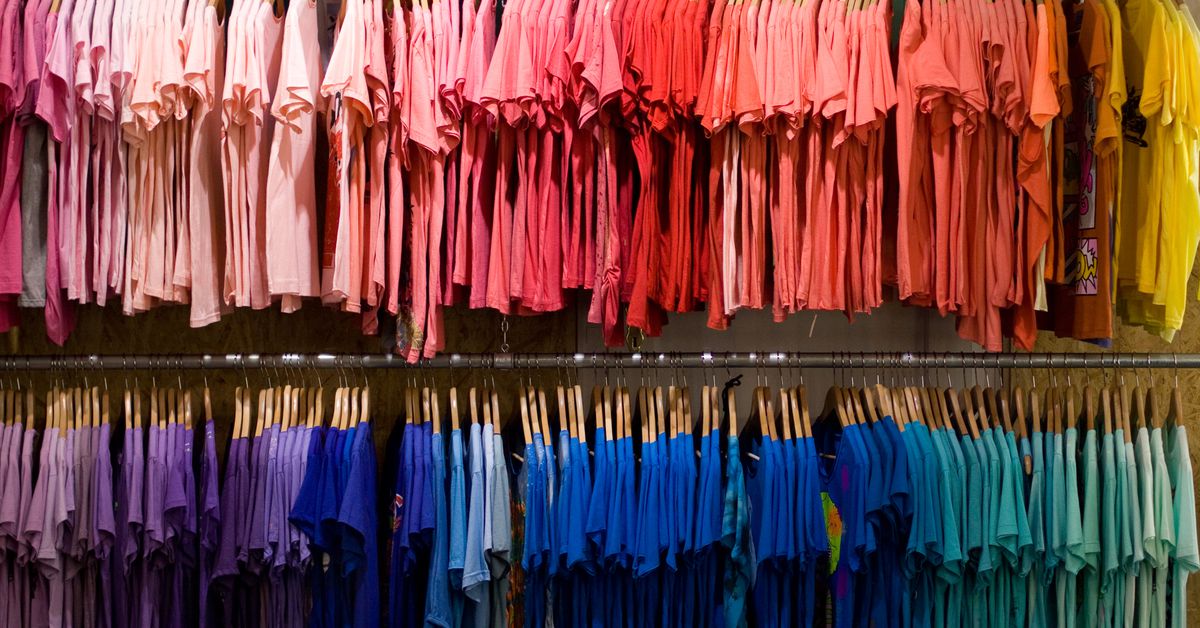
9. Adapting Your Style for Different Situations
Trust-building fashion requires situational adaptation because optimal clothing choices vary dramatically based on specific contexts, audiences, and goals. Developing flexibility and strategic thinking about situation-appropriate dress enables maximizing trust across diverse circumstances.
Job Interviews
Job interviews represent high-stakes trust-building moments demanding careful fashion strategy.
Research industry and organization standards before interviews, adjusting formality to match or slightly exceed normal workplace standards. When uncertain, err toward more formal rather than too casual—overdressing slightly shows respect while underdressing suggests poor judgment or insufficient seriousness.
Conservative colors (navy, charcoal, black) signal professionalism and reduce risk of triggering negative responses through unconventional choices. Save personal style expression for after you’ve secured the position.
Perfect fit becomes absolutely crucial for interviews as it signals attention to detail, respect for the opportunity, and overall professionalism. Invest in tailoring important interview outfits ensuring flawless fit.
Minimize jewelry and accessories to simple, professional pieces avoiding distraction from your qualifications and personality. Interviewers should remember your skills and potential, not your statement necklace.
Conservative grooming with polished, professional appearance without dramatic or distracting elements keeps focus on your professional qualifications.
Client Meetings and Sales
Building trust with clients or prospects requires balancing professionalism with approachability.
Match or slightly exceed client organization formality levels when visiting their offices, demonstrating respect for their culture while maintaining professional credibility.
Balance authority signals (professional attire, quality materials) with approachability elements (warmer colors, friendly accessories) creating trustworthy but not intimidating presentation.
Industry norms matter significantly—creative industry clients might trust creative flair while financial industry clients expect maximum conservatism.
Consistency in professional presentation across repeated meetings builds trust through reliable, predictable appearance suggesting broader reliability.
Networking Events
Professional networking combines professional credibility with social approachability, requiring hybrid approaches.
Business casual rather than full professional formal often works well for networking—blazers without ties, professional separates, polished casual—maintaining credibility while seeming accessible and social.
Conversational clothing including distinctive but professional accessories or subtle personal style elements provides conversation starters enabling connection beyond generic professional small talk.
Comfortable, confidence-inspiring choices enable focusing on conversations rather than worrying about wardrobe malfunctions or discomfort undermining your networking effectiveness.
Public Speaking and Presentations
Presenting to audiences demands attention to how you appear to larger groups from distance and under various lighting.
Solid colors photograph and appear on video better than busy patterns which can create visual noise or distraction from your content.
Strong color choices help you stand out on stages or in front of rooms rather than blending into backgrounds. Strategic use of color blocks creates visual presence.
Professional polish becomes even more crucial when multiplied across entire audiences—any grooming issues or fit problems become magnified when hundreds of people notice simultaneously.
Avoid overly complicated outfits with multiple pieces that might shift or require constant adjustment during presentation movement.
Dating and Romantic Contexts
Romantic trust-building through fashion balances attractiveness with reliability and authenticity.
Context-appropriate formality matching date activity settings shows good judgment and consideration—fancy restaurant dates demand different dress than casual coffee dates.
Personal style expression becomes more important than professional contexts, enabling authentic personality communication through distinctive fashion choices.
Balance attractive presentation (showing you made effort and care about appearance) with accessibility (not seeming high-maintenance, vain, or superficial).
Comfortable clothing enables relaxed, authentic interaction rather than self-consciousness about wardrobe choices undermining genuine connection.
Casual Social Gatherings
Informal social settings allow maximum personal expression while still requiring basic quality and appropriateness.
Match formality to event type and community norms, avoiding being significantly over or underdressed relative to other attendees.
Comfort and authenticity take priority over professional polish, though quality and intention still matter for basic trust.
Personal style expression and conversation-starting elements work well socially, enabling connection through shared aesthetic appreciation or interests.
Formal Events
Weddings, galas, and formal occasions demand specific dress codes requiring careful attention.
Honor stated dress codes rather than interpreting them loosely—“black tie” means tuxedos or evening gowns, not “nice suit” or “cocktail dress.”
Cultural and religious contexts significantly affect appropriate formal wear, requiring research and respect for relevant traditions.
Classic, timeless formal choices provide safety when uncertain rather than trendy or edgy interpretations risking inappropriate missteps.
Athletic and Casual Active Settings
Even recreational contexts benefit from intentional, quality presentation.
Quality activewear in good condition signals self-care and attention to quality even in casual settings.
Athletic clothing should actually be appropriate for relevant activities rather than fashion-focused “athleisure” worn outside gyms.
Clean, well-maintained casual wear maintains trust through basic standards even when formality is irrelevant.
Virtual Contexts (Video Calls)
Remote work and virtual meetings create specific fashion considerations.
Upper body matters most since cameras typically show only heads and shoulders—invest in quality professional tops even if bottom halves remain casual.
Solid colors and simple patterns work better on camera than busy patterns potentially creating visual issues.
Professional backgrounds and good lighting enhance overall presentation beyond just clothing choices.
Test outfits on camera before important virtual meetings, ensuring colors, patterns, and styles appear as intended through video compression and lighting.
Seasonal Adaptations
Changing seasons require adjusting trust-building fashion while maintaining core principles.
Summer professional dress maintains professionalism while accommodating heat through lighter fabrics, lighter colors, and appropriate seasonal styles without becoming too casual or revealing.
Winter layering creates opportunities for sophisticated texture and color combinations while staying warm, though professional polish must continue through outerwear choices.
Seasonal transitions enable refreshing wardrobes and adapting color palettes to seasonal appropriate choices while maintaining trust-building foundations.
Emergency Backup Plans
Preparation for wardrobe emergencies maintains trust even when things go wrong.
Keep backup professional clothing at offices or in cars enabling quick changes after spills, tears, or other wardrobe malfunctions.
Travel with portable emergency kits including stain removers, lint rollers, needle and thread, safety pins, and other quick fixes.
Know locations of nearby professional clothing stores enabling emergency purchases when traveling or when home clothing options fail.
Situational adaptation requires understanding that different contexts demand different approaches to trust-building fashion. Interviews require maximum professionalism, social contexts allow personal expression, client meetings balance authority and approachability, presentations demand visual presence, and virtual contexts create unique requirements. Developing situation assessment skills and building versatile wardrobes enable strategic matching of fashion choices to specific trust-building needs across diverse circumstances you’ll encounter throughout personal and professional life.
10. Common Fashion Mistakes That Destroy Trust
Understanding what undermines trust enables avoiding self-sabotage through preventable fashion errors. Many people unknowingly make choices that reduce credibility, authority, or likability despite otherwise good intentions and efforts.
Poor Fit
Ill-fitting clothing represents the single most common and damaging trust-destroying mistake.
Clothing too large creates sloppy, careless appearance suggesting you don’t notice or care about details. Baggy suits, oversized shirts, or too-long pants telegraph inattention destroying trust in your work quality.
Clothing too tight appears uncomfortable, inappropriate, or suggests poor self-awareness about your body. Visible pulling across buttons, straining seams, or restricted movement reduces professional credibility.
Avoiding fit mistakes requires honest self-assessment, trying everything on, and investing in tailoring to achieve proper fit across your wardrobe.
Visible Wear and Damage
Worn, damaged, or poorly maintained clothing signals carelessness and lack of self-respect.
Frayed cuffs or hems, holes, stains, missing buttons, or broken zippers destroy professional credibility regardless of how expensive or well-fitted clothing was originally.
Scuffed, damaged shoes particularly undermine appearance as shoes receive significant scrutiny and attention.
Wrinkled clothing suggests rushing or carelessness unless wrinkles are intentional elements of deliberately casual linen styles.
Regular maintenance including cleaning, pressing, repairing, and eventual replacement of worn items prevents these trust-destroying signals.
Inappropriate Formality
Badly misjudging situation formality destroys trust through appearing clueless about social norms.
Dramatically overdressing creates distance and can seem try-hard or socially unaware—wearing formal business suits to casual social gatherings or extremely casual events makes you seem disconnected from context.
Severely underdressing shows disrespect for situations or people—wearing casual shorts and t-shirts to professional meetings or formal events suggests you don’t take things seriously or don’t understand appropriate behavior.
Research appropriate dress codes, observe others in similar contexts, and when uncertain, slightly err toward more formal rather than too casual.
Excessive Trendiness
Chasing every fashion trend creates impressions of superficiality and poor judgment.
Extreme trend adoption makes you seem more concerned with fashion than substance, potentially reducing professional credibility by suggesting misplaced priorities.
Dated fashion clinging to trends from previous eras also destroys trust by appearing out-of-touch or unable to recognize changing times.
Classic, timeless styles updated with subtle contemporary elements provide optimal balance—looking current without seeming obsessed with trends.
Inappropriate Sexuality
Sexual inappropriateness in professional or social contexts dramatically reduces trust.
Revealing clothing showing excessive cleavage, very short skirts or shorts, transparent materials, or otherwise sexually suggestive presentation reduces professional credibility and can create harassment or discrimination issues.
This particularly affects women due to gendered double standards, though men also face reduced trust from overly tight or revealing professional dress.
Conservative coverage in professional contexts prevents these issues while allowing more expression in appropriate casual social settings.
Logo and Brand Overload
Excessive visible branding can backfire despite intentions to signal quality or status.
Multiple visible luxury brand logos appear try-hard or insecure rather than genuinely confident and successful. Truly wealthy or secure people often wear understated quality rather than obvious brand displays.
Extremely expensive obvious luxury brands can trigger resentment or assumptions about wasteful spending rather than building trust.
Quality materials and construction provide signals without requiring visible brand advertising.
Color Missteps
Certain color choices undermine trust in specific contexts.
Extremely bright, neon, or attention-grabbing colors in professional contexts distract and can seem juvenile or inappropriate.
Color combinations that clash or appear thoughtless suggest poor judgment or aesthetic insensitivity.
All-black in cheerful social contexts can seem depressing or severe while very light or bright colors in serious professional moments might seem insufficiently serious.
Excessive Accessories
Over-accessorizing creates visual clutter and distraction from your actual self.
Multiple statement pieces competing for attention appear messy and poorly considered rather than stylish.
Excessive jewelry, particularly multiple rings, many bracelets, or large multiple necklaces, can seem gaudy or attention-seeking professionally.
Loud, jangling jewelry creating noise during movement distracts in professional meetings or presentations.
Grooming Failures
Poor grooming destroys trust faster than almost any other appearance element.
Unkempt hair suggesting lack of bathing or styling effort signals broader carelessness.
Strong body odor or excessive fragrances make people physically uncomfortable around you destroying any possibility of trust.
Visible dirt, stains, or disorder in appearance suggests basic self-care deficits raising concerns about broader reliability.
Extreme or bizarre grooming choices distract from professional capabilities.
Ignoring Context
Failing to adapt to specific situations shows poor judgment and social awareness.
Wearing casual athletic wear to professional meetings or formal professional attire to beach parties demonstrates inability to read social contexts appropriately.
Ignoring cultural or religious dress expectations in relevant contexts shows disrespect and cultural insensitivity.
Maintaining identical fashion approach across all contexts suggests inflexibility or social blindness.
Fake Designer Items
Wearing obviously counterfeit luxury goods destroys trust multiple ways.
Others who know luxury brands recognize fakes, instantly discrediting your judgment and honesty.
Even if fakes fool observers, representing yourself as able to afford luxury brands while actually wearing counterfeits constitutes small-scale dishonesty undermining broader trust.
Quality authentic items at your actual price point build more trust than fake luxury pretending wealth you don’t possess.
Costume-Like Appearance
Looking like you’re wearing costumes rather than actual clothing reduces authenticity and trust.
Overly matchy-matchy coordinated outfits can seem fake or calculated rather than genuine style.
Radical disconnect between your apparent personality and clothing choices suggests inauthenticity or identity confusion.
Extremely themed or costume-like business attire (like literal “power suits” caricatures) can seem parodic rather than genuinely professional.
Inconsistent Presentation
Wildly varying appearance across occasions creates confusion about your identity and reliability.
Drastically different styling from day to day prevents others from forming stable impressions, potentially suggesting unreliability or unstable identity.
However, some variation across different appropriate contexts (professional vs. casual) is expected and healthy—the issue arises from inconsistency within similar contexts.
Technology Distractions
How you use technology affects appearance trust.
Constantly checking phones during interactions signals disrespect and divided attention destroying interpersonal trust.
Worn, cracked, or extremely outdated technology accessories can reduce professional credibility in tech-savvy contexts.
Loud ringtones or notification sounds disrupting professional or social interactions demonstrate inconsideration.
Hygiene Issues
Basic hygiene failures destroy trust in any context.
Body odor, bad breath, dirty nails, or other hygiene issues make people physically avoid you destroying any possibility of connection or trust.
These issues often arise from medical conditions or cultural differences rather than carelessness, but they still severely impact trust and require addressing for social and professional success.
Avoiding common fashion mistakes requires self-awareness, honest feedback from trusted others, attention to fit and maintenance, appropriate context matching, restraint preventing excess, and basic hygiene and grooming standards. Many of these mistakes are easily preventable through minimal additional effort or investment, making their trust-destroying consequences particularly unfortunate when they occur through simple inattention or lack of awareness.
Conclusion: Mastering the Psychology of Appearance
Fashion psychology reveals that clothing represents far more than superficial decoration or arbitrary social convention—it forms a sophisticated communication system conveying instant, powerful messages about competence, trustworthiness, social awareness, attention to detail, and overall reliability before any verbal communication occurs. Understanding and strategically leveraging this silent language enables building trust more quickly and effectively across professional and personal contexts, creating advantages that compound throughout your career and life.
The scientific foundations of fashion psychology demonstrate why appearance influences trust so profoundly despite seeming superficial on initial consideration. Visual processing speed enables instant judgments faster than rational evaluation. Evolutionary history conditioned humans to assess others visually for crucial survival information. Halo effects extend appearance evaluations to unrelated qualities including trustworthiness and competence. Enclothed cognition means clothing affects not just how others perceive you but also your own psychology and performance. Color psychology triggers specific emotional and cognitive responses. Cultural associations create shared symbolic meanings most people recognize unconsciously. These mechanisms combine to make appearance a powerful influence on trust perception regardless of whether we consider this influence fair or rational.
Color represents one of the most immediate and psychologically impactful fashion elements, with blue providing universal trust-building foundation across cultures and contexts, white signaling purity and professionalism, black communicating authority with caution about seeming severe, gray offering neutral professional safety, earth tones adding warmth and approachability, and strategic accent colors enabling personality expression while maintaining credibility. Understanding color psychology enables deliberate choices supporting specific trust-building goals whether professional authority, social warmth, or creative distinctiveness.
Professional trust-building demands particular attention to fashion because career success directly depends on others perceiving you as competent and reliable. Classic professional foundations including navy or charcoal suits, white or blue shirts, and quality shoes create maximum credibility across industries. However, the single most important professional fashion element is proper fit—perfectly tailored clothing signals attention to detail and professionalism far more effectively than expensive brands in poor fit. Industry adaptation matters enormously with conservative professions demanding traditional formality while creative fields reward stylistic expression. Gender introduces additional complexity through different structural options and expectations requiring navigation of unique tensions particularly around femininity, authority, and professional credibility for women.
Social trust-building shifts priorities from professional authority toward approachability, authenticity, and connection. Warmer colors, casual rather than formal styles, similarity to social audience norms, and genuine personal expression build social trust more effectively than professional polish. However, social trust still requires basic quality, appropriateness, and intention—sloppy or poorly maintained appearance reduces trust even in casual contexts while thoughtful, quality casual presentation supports authentic connection.
Fit deserves special emphasis as perhaps the single most important trust-building element transcending all other considerations. Properly fitted clothing signals attention to detail, self-awareness, and investment in presentation regardless of actual cost or brand. Poor fit destroys trust from otherwise excellent outfits by suggesting carelessness or lack of awareness. Strategic tailoring investment provides exceptional return through making entire wardrobes work better and appear more expensive than they actually are.
Accessories and details complete trust-building fashion through demonstrating overall polish and judgment. Quality watches, professional bags, minimal jewelry, appropriate eyewear, and thoughtful accessories enhance credibility while excessive, damaged, or inappropriate accessories undermine otherwise good outfits. The key lies in restraint and quality over abundance and flash.
Cultural considerations prevent well-intentioned fashion choices from creating offense or misunderstanding across diverse contexts. Color meanings, modesty expectations, professional standards, religious practices, and style associations vary significantly across cultures requiring awareness and adaptation. Building trust across cultural boundaries demands research, observation, and respect for diverse fashion norms rather than universally applying your own cultural assumptions.
Gender significantly influences fashion psychology through different structural options, expectations, and navigation requirements for men and women. Women face greater complexity through more options, more scrutiny, and tensions between attractiveness and authority requiring careful calibration. Men benefit from clearer standards but face less opportunity for differentiation. Both genders navigate expectations while ideally contributing to evolving norms toward greater flexibility and equity.
Situational adaptation enables maximizing trust across diverse contexts through matching fashion to specific situations, audiences, and goals. Job interviews demand conservative maximum professionalism. Client meetings balance authority with approachability. Networking events combine professional credibility with social warmth. Public speaking requires visual presence. Dating contexts emphasize attractive authenticity. Formal occasions honor stated dress codes. Virtual meetings create unique upper-body focus. Understanding situation-specific needs enables strategic fashion variation optimizing trust across the spectrum of contexts you encounter.
Common mistakes including poor fit, visible wear, inappropriate formality, excessive trendiness, inappropriate sexuality, brand overload, color missteps, over-accessorizing, grooming failures, context ignorance, fake designers, costume-like appearance, inconsistency, and hygiene issues destroy trust despite good intentions. Many of these mistakes are easily preventable through attention and modest investment making their trust-destroying consequences particularly unfortunate.
Your application of fashion psychology begins immediately with your next clothing purchase or outfit decision. Start assessing your current wardrobe through trust-building lenses—which pieces genuinely support credibility versus which undermine it? Invest strategically in core trust-building basics—properly fitted professional foundations in classic colors and styles. Pay attention to fit above all else, using tailoring to perfect existing pieces. Develop situation assessment skills recognizing different trust-building needs across contexts. Build cultural awareness of diverse fashion norms. Maintain clothing and grooming preventing trust destruction through careless deterioration.
Remember that fashion represents tools supporting trust rather than substitutes for actual trustworthiness. Appearing trustworthy through strategic fashion helps others give you opportunities to demonstrate real competence, reliability, and character. However, appearance alone cannot sustain trust long-term if actual behavior, competence, and ethics don’t support positive initial impressions. Use fashion psychology to open doors and create positive first impressions, then deliver genuine value, reliability, and trustworthiness through your actual actions and character.
The knowledge you’ve gained provides lifelong value applicable across countless situations and constantly improving through practice and experience. Each outfit decision becomes opportunity for strategic trust-building. Each new context enables learning about situation-appropriate adaptation. Each interaction provides feedback about whether your appearance supported or undermined your goals. This continuous learning and refinement progressively improves your fashion psychology application over time.
Budget constraints needn’t prevent effective trust-building fashion. Quality basics in classic styles provide foundations across all price points. Perfect fit matters more than expensive brands. Thoughtful maintenance extends clothing lifespan and appearance. Strategic investment in key pieces creates versatile wardrobes supporting diverse needs without requiring excessive spending.
Your relationship with fashion can evolve from purely aesthetic appreciation or functional necessity to strategic tool wielded deliberately for specific psychological and social effects. This doesn’t require abandoning personal style or authentic expression—rather, it means understanding the psychological impacts of different choices enabling conscious decisions about when to prioritize trust-building versus other goals like creativity, comfort, or identity expression.
The fashion psychology landscape will continue evolving as cultural norms shift, technology changes how we interact, and generations bring different values and expectations. Staying informed about major developments while maintaining grounding in fundamental psychological principles enables adapting effectively to changing contexts while leveraging stable underlying mechanisms.
Your transformation from unconscious fashion participation to strategic fashion psychology application begins with awareness of these principles and their power. Continue building knowledge through observation, experimentation, honest feedback, and attention to outcomes. Notice what you feel wearing different outfits through enclothed cognition effects. Observe how others respond to different presentation choices. Seek feedback from trusted advisors willing to provide honest assessment. Continuously refine your approaches based on accumulated wisdom.
Ultimately, mastering fashion psychology creates advantages in building trust quickly across diverse contexts whether professional advancement, client relationships, social connection, romantic partnerships, or public influence. The silent language of clothing speaks volumes about who you are and whether others should trust you. Ensure your fashion choices speak fluently and deliberately, conveying exactly the messages you intend about your competence, reliability, and character.
The clothes you choose tomorrow morning will communicate before you say a word. Make sure they’re telling the right story, building the trust you need, and supporting the goals you’re pursuing. Your strategic use of fashion psychology provides ongoing competitive advantages throughout your career and life, enabling success through ensuring your appearance supports rather than undermines your capabilities and character. Build trust through appearance, then earn that trust through action, creating positive cycles of opportunity, performance, and advancement that compound over time.
Frequently Asked Questions
Q: Can I really build genuine trust through fashion, or is it all superficial manipulation? Fashion influences initial trust perceptions powerfully because human brains process visual information instantly, forming impressions before rational evaluation occurs. However, appearance-based trust must be supported by actual trustworthy behavior, competence, and character for long-term relationships. Think of fashion as opening doors and creating positive first impressions that give you opportunities to demonstrate genuine value. It’s not manipulation if you’re actually trustworthy—it’s simply removing appearance obstacles that might prevent others from discovering your real capabilities and character. Strategic fashion use becomes problematic only when used to deceive about actual qualities you lack.
Q: What’s the single most important element of trust-building fashion? Proper fit represents the most universally important element across all contexts and budgets. Perfectly fitted clothing signals attention to detail, self-awareness, and investment in presentation regardless of actual cost or brand. A well-tailored $200 suit builds more trust than an ill-fitting $2000 designer suit. Invest in professional tailoring for your existing wardrobe before buying new expensive pieces—the transformation and trust-building impact will be dramatic. Beyond fit, context-appropriate matching of formality and style to your specific situation takes second priority, followed by classic color choices emphasizing blues and neutrals for professional contexts.
Q: How much should I spend on professional clothing to build adequate trust? Trust-building fashion doesn’t require enormous budgets. Focus on quality over quantity—fewer well-fitting, classic pieces maintained impeccably build more trust than large wardrobes of trendy fast-fashion items. For professional foundations, budget $300-800 for a quality suit (more if possible, but this creates adequate base), $50-100 per professional shirt or blouse, $100-200 for quality professional shoes, and $40-100 per garment for tailoring. One perfectly fitted suit in navy or charcoal, three to five professional shirts or blouses, two pairs of quality shoes, and basic accessories create professional capsule wardrobes sufficient for most trust-building needs. Add pieces gradually as budget allows while prioritizing fit and quality over quantity.
Q: Do these principles apply differently in creative industries or tech where casual dress is common? Yes, creative and tech industries often reward individual style and authentic expression more than rigid professional conformity, but fundamental principles still apply with adjusted implementation. Even in casual industries, fit still matters enormously, quality and intention remain important, and context matching applies (client meetings demand different dress than internal team work). The difference lies in acceptable style ranges and color palettes rather than whether appearance influences trust. In creative fields, distinctive personal style builds trust by demonstrating aesthetic sensibility and confidence, while in tech, quality casual (expensive jeans, nice button-downs, designer sneakers) signals success and belonging rather than traditional suits. Research your specific industry and organization norms, then apply trust-building principles within appropriate style parameters.
Q: How do I balance professional trust-building with authentic personal style? Create foundation wardrobes of trust-building classics in neutral colors and traditional styles providing professional credibility across contexts, then incorporate authentic personal elements strategically through accessories, accent colors, and selective distinctive pieces. For example, navy suit foundation with distinctive personal jewelry, interesting pocket squares, or unique quality shoes expresses personality while maintaining professional trust. Increase personal expression in more casual contexts while dialing back in highest-stakes professional moments. The key involves conscious choice about when trust-maximizing via conservative approach takes priority versus when personal authentic expression matters more, then deliberately choosing appropriate balance for specific situations.
Q: What if my body type doesn’t fit standard sizing or fashion “rules” about what’s flattering? Trust-building fashion adapts to all body types through emphasizing universal principles that work regardless of size or shape. Fit matters most—clothing that fits your actual body properly builds more trust than poorly-fitting conventional sizing. Invest in tailoring or made-to-measure options ensuring proper fit for your proportions. Color psychology applies to everyone—blues build trust, proper formality matching builds trust, quality and maintenance build trust regardless of body type. Avoid getting trapped by arbitrary “rules” about what certain body types “should” or “shouldn’t” wear—focus on quality fit, appropriate formality, classic colors, and meticulous maintenance which work across all bodies. Professional help from skilled tailors or stylists familiar with your body type can provide valuable fit and style guidance.
Q: How important is brand name clothing for building trust? Brand names matter far less than most people assume for trust-building. Visible luxury brands sometimes trigger resentment or superficiality assumptions rather than building trust. What matters is apparent quality, proper fit, classic
styling, and meticulous maintenance—all achievable at various price points without prestigious brands. Unknown or mid-range brands tailored perfectly and maintained well build more trust than famous luxury brands in poor fit or disrepair. Invest money in fit and quality rather than brand names. However, in specific luxury-focused industries or when networking in extremely wealthy circles, brand recognition might matter more, requiring context assessment for your specific situations.
Q: Can fashion psychology help in dating and romantic contexts, or is that too manipulative? Fashion definitely influences romantic attraction and trust, though priorities shift from professional credibility toward attractive authenticity and compatibility signaling. Dressing well for dates shows respect for the other person and the occasion while demonstrating self-care and social awareness. However, radical misrepresentation through fashion—pretending to be someone you’re not style-wise—will cause problems when actual personality becomes apparent. Aim for attractive, polished version of your authentic style rather than complete reinvention. Show effort and care without seeming fake or trying too hard. Research suggests matching formality to date contexts and showing genuine personality through style builds romantic trust better than trying to look perfect but inauthentic.
Q: How quickly can I improve my trust-building appearance on limited budget and time? Start with highest-impact changes requiring minimal investment: Have existing professional pieces tailored for perfect fit ($40-100 per garment transforms appearance dramatically). Ensure meticulous grooming and maintenance of existing clothing (free but requires attention). Organize outfits around trust-building color principles using existing wardrobe pieces strategically. Add one or two classic foundation pieces if needed—quality navy blazer, well-fitted professional pants, or versatile professional shoes provide substantial options with modest investment. Focus on doing few things excellently rather than attempting complete wardrobe transformation. Even modest improvements in fit, maintenance, and strategic color use create noticeable trust-building impact within weeks.
Q: What should I do if my organization or industry dress code conflicts with trust-building principles? When organizational norms conflict with general trust-building principles, organizational conformity usually takes priority because violating explicit or implicit dress codes destroys trust through signaling poor judgment or unwillingness to follow norms. However, apply trust-building principles within organizational constraints—perfect fit still matters, color psychology applies within approved color ranges, quality and maintenance remain crucial, and appropriate accessories enhance presentation within organizational rules. If organizational dress seems to hurt client trust or external perception, potentially advocate thoughtfully for dress code evolution while conforming to current standards. Generally, matching organizational norms demonstrates good judgment and team membership valued more than optimal individual appearance choices would provide.
- Winter Fashion Essentials: The Complete Guide to Stylish Cold-Weather Dressing
- Styling Tips for Every Body Type: The Ultimate Guide to Dressing Your Best
- How to Build a Capsule Wardrobe: The Complete Guide to Timeless Style and Effortless Fashion
- Fashion Trends 2026: Top 10 Must-Know Styles & Shopping Guide - Complete Review & Budget Finds
- Natural Makeup Look Tutorial: The Complete Guide to Effortless Beauty
Tags
📧 Get More Articles Like This
Subscribe to receive product reviews and buying guides in your inbox!
We respect your privacy. Unsubscribe at any time.